
Written by Amanda Cole, Health Content Writer | Medically Reviewed by Dr. Sarah Whitfield, PharmD | Updated: August 2026
Last Updated: August 17, 2026
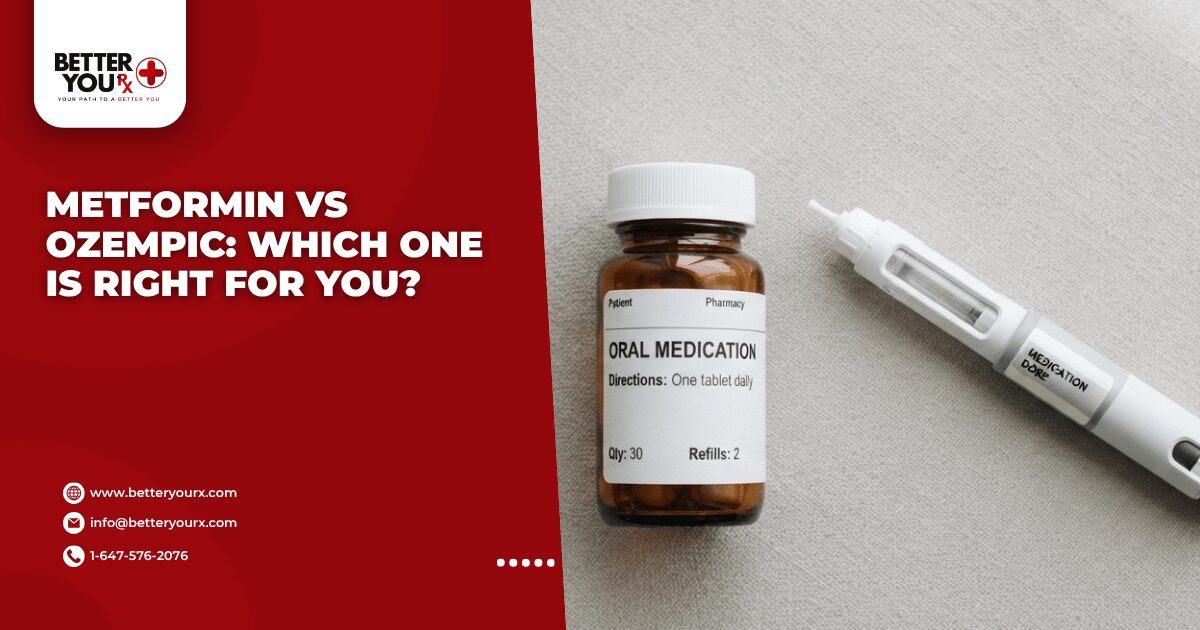
Metformin lowers blood sugar by reducing liver glucose production, while Ozempic lowers blood sugar and supports weight loss by mimicking a gut hormone that slows digestion and curbs appetite. For most people newly diagnosed with type 2 diabetes, Metformin is the first medication tried, while Ozempic is typically added later or used specifically when weight loss is also a treatment goal. The Metformin vs Ozempic decision usually comes down to how much weight loss support a person needs, how their body tolerates each medication, and what their care team recommends based on lab results and health history.
Choosing between these two medications is rarely an either-or decision. Many people take Metformin for years before a provider introduces Ozempic, and a growing number end up on both at the same time. Understanding what each medication actually does in the body makes the Metformin vs Ozempic conversation with a provider far more productive.
Key Takeaways
- Metformin is an oral tablet that lowers blood sugar mainly by reducing glucose production in the liver, while Ozempic is a weekly injectable that works through the GLP-1 pathway to lower blood sugar and reduce appetite
- The Metformin vs Ozempic comparison is not usually about picking one over the other permanently, since many providers prescribe both medications together for people who need more than one mechanism of blood sugar control
- Ozempic tends to produce more noticeable weight loss than Metformin, which is why it is often introduced when a person’s treatment goals expand beyond blood sugar management alone
- Metformin has a longer safety track record and a lower cost profile, making it a common starting point before other medications are added
- Side effect profiles differ significantly, with Metformin more associated with digestive upset early in treatment and Ozempic associated with nausea, appetite suppression, and slower stomach emptying
What Is Metformin and How Does It Work?
Metformin has been a standard treatment for type 2 diabetes for decades. It belongs to a drug class called biguanides, and it works primarily by reducing the amount of glucose the liver releases into the bloodstream. It also makes the body’s cells more responsive to insulin, which helps glucose move out of the blood and into tissues where it can be used for energy.
Metformin comes in tablet form and is usually taken once or twice daily with food to reduce stomach upset. According to Cleveland Clinic, Metformin is combined with diet and exercise changes for most people managing type 2 diabetes, and it remains one of the most studied and prescribed diabetes medications available.
Because Metformin does not typically cause low blood sugar on its own and has decades of clinical use behind it, many providers consider it the foundation of type 2 diabetes treatment before adding anything else to the regimen. Extended-release versions are also available for patients who experience digestive discomfort with the standard tablet, and many find that switching formulations resolves early stomach sensitivity without changing the medication’s core benefit.
It typically takes a few weeks of consistent use before Metformin’s full effect on blood sugar becomes clear, which is why providers usually recheck lab work roughly three months after starting or adjusting the dose.
What Is Ozempic and How Does It Work?
Ozempic contains the active ingredient Semaglutide, a GLP-1 receptor agonist. Rather than acting on the liver, Ozempic mimics a natural gut hormone called glucagon-like peptide-1. This hormone signals the pancreas to release insulin when blood sugar rises, slows the rate at which food leaves the stomach, and sends signals to the brain that reduce hunger.
Ozempic is administered as a once-weekly injection, and the dose is typically increased gradually over several weeks under a provider’s guidance to help the body adjust. Because it affects appetite and digestion in addition to blood sugar, weight loss is a common and often welcomed side effect, which is one of the biggest differences that shapes the Metformin vs Ozempic conversation for people managing both diabetes and weight.
Patients who start Ozempic often describe a noticeably reduced interest in food within the first few weeks, something providers commonly observe as appetite regulation kicking in as the medication reaches a maintenance dose.
Ozempic was originally developed and studied for blood sugar management in adults with type 2 diabetes, and its weight-related effects, while significant for many patients, are considered a secondary benefit of how the medication interacts with appetite signaling rather than its primary purpose.
Metformin Vs Ozempic: A Side-By-Side Comparison
Looking at both medications side by side makes it easier to see where they overlap and where they differ.
| Factor | Metformin | Ozempic |
|---|---|---|
| Drug Class | Biguanide | GLP-1 Receptor Agonist |
| Form | Oral tablet | Weekly injection |
| Primary Action | Reduces liver glucose production | Mimics gut hormone, slows digestion |
| Typical Weight Effect | Modest or neutral | Noticeable weight loss in many patients |
| Common Side Effects | Diarrhea, nausea, stomach upset | Nausea, appetite loss, slowed digestion |
| Usual Starting Point | Often first-line therapy | Often added when more support is needed |
| Cost Tier | Generally lower cost | Generally higher cost |
Why Metformin Might Be the Better Starting Point
For someone newly diagnosed with type 2 diabetes and no urgent weight loss goal, Metformin often makes sense as a starting point. It has a long history of use, a well-understood side effect profile, and does not require an injection routine. Providers frequently begin treatment with Metformin, monitor blood sugar over a few months, and only introduce additional medications if targets are not being met.
Metformin also tends to be easier on the budget, which matters for people managing a chronic condition over the long term. Its oral dosing form appeals to patients who prefer not to use injectable medications, and its side effects, while common early on, typically settle down as the body adjusts.

Why Ozempic Might Be the Better Choice
Ozempic becomes the more relevant option when blood sugar control alone is not the full picture. People managing obesity alongside type 2 diabetes, or those who have not reached their blood sugar targets on oral medications, are frequently the ones for whom a provider considers Ozempic. Its effect on appetite and stomach emptying gives it an edge for weight-related goals that Metformin does not typically deliver.
The weekly injection schedule is also a practical advantage for people who find it hard to remember daily tablets, since it only requires attention once every seven days rather than multiple times daily. Some patients also report feeling more in control of portion sizes and cravings once appetite regulation sets in, which can make other lifestyle changes, like adjusting meal planning, feel more achievable alongside the medication rather than as a separate uphill effort.
Which One Is Right for You?
The right choice depends on personal health history, current blood sugar levels, weight goals, and how a person’s body responds to each medication. The table below outlines common scenarios and which option a provider might lean toward, though only a licensed healthcare provider can make that determination for an individual patient.
| Scenario | Likely Direction |
|---|---|
| Newly diagnosed, no weight concerns | Metformin as a starting point |
| Blood sugar not controlled on oral medication alone | Ozempic added to existing treatment |
| Weight management is a primary goal alongside blood sugar | Ozempic, often alongside Metformin |
| Budget and simplicity are top priorities | Metformin favored |
| Digestive sensitivity to oral diabetes medications | Ozempic may be better tolerated by some patients |
Things To Know
- Metformin and Ozempic work through completely different mechanisms, so combining them is common and not considered duplicate therapy
- Ozempic requires a gradual dose increase over several weeks, and skipping this titration period is not advised
- Metformin is generally taken with meals to reduce digestive side effects, while Ozempic is administered on the same day each week regardless of meals
- Neither medication is interchangeable with insulin, and switching between diabetes medications should always involve a licensed healthcare provider
- Weight loss results with Ozempic vary from person to person and are not guaranteed at any specific rate
Can You Take Metformin and Ozempic Together?
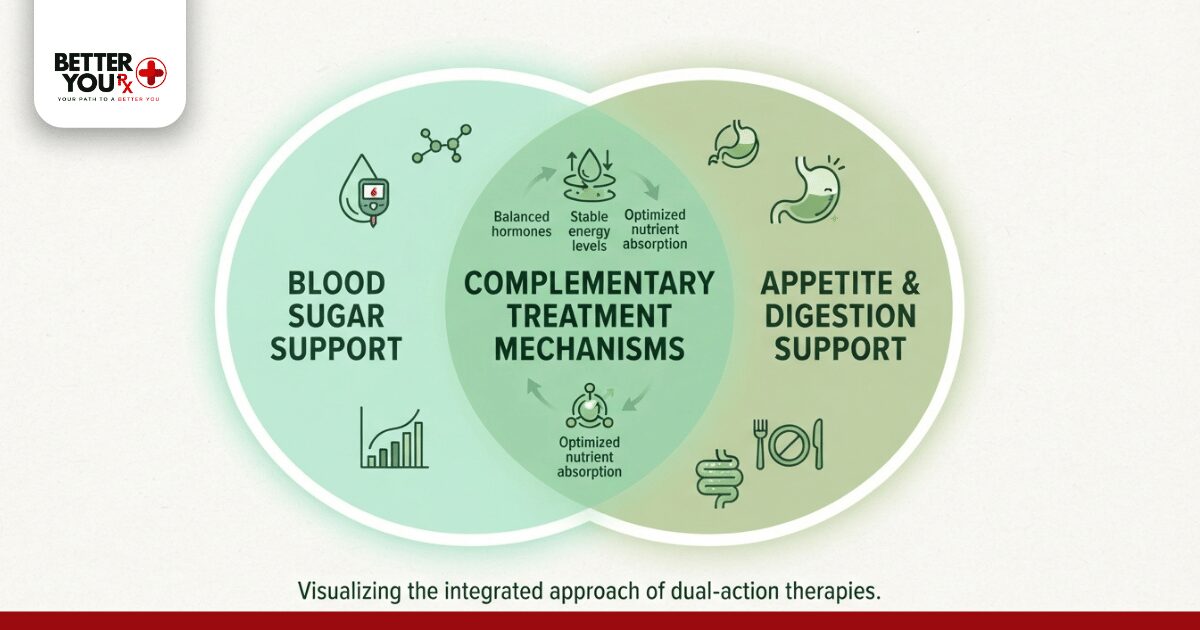
Yes, many people take Metformin and Ozempic together, and this combination is a common approach when Metformin alone is not sufficiently controlling blood sugar. Because the two medications act on different pathways, one on the liver and one on the GLP-1 system, they can complement each other rather than compete for the same mechanism.
A provider will usually continue monitoring blood sugar levels, kidney function, and any digestive symptoms when combining the two, adjusting doses as needed. This combined approach is one reason the Metformin vs Ozempic question often becomes less about choosing one and more about sequencing, meaning which medication comes first and when the second is added.
For patients exploring their options, Better You Rx operates as a prescription referral service connected to a licensed contracted dispensing department, helping patients in the United States access properly prescribed medications like Metformin and Ozempic once a licensed provider has issued a valid prescription.
Buy Wegovy from Canada
Original price was: $609.99.$596.99Current price is: $596.99.

The Bottom Line
Neither medication is universally better, and the Metformin vs Ozempic decision ultimately depends on a person’s blood sugar targets, weight goals, tolerance for injections, and budget. Metformin remains a reliable, affordable starting point for many newly diagnosed patients, while Ozempic offers additional appetite and weight benefits for those who need more than blood sugar control alone. Most healthcare providers follow established clinical protocols when determining whether one medication, the other, or a combination of both fits a patient’s individual treatment plan best.
For more on related treatment comparisons, see Ozempic vs Trulicity, Saxenda vs Ozempic, and Mounjaro vs Trulicity. Patients interested in additional weight management options prescribed alongside diabetes care can also explore Wegovy.
Frequently Asked Questions About Metformin and Ozempic
Is Ozempic Stronger Than Metformin for Blood Sugar Control?
Ozempic often produces stronger blood sugar reductions than Metformin alone, though results vary by individual and by dose.
Can I Switch From Metformin to Ozempic?
Switching should only happen under a provider’s guidance, since the two medications work differently and blood sugar needs close monitoring during any transition.
Does Ozempic Cause More Weight Loss Than Metformin?
Yes, Ozempic is generally associated with more significant weight loss than Metformin, which tends to have a modest or neutral effect on weight.
Is Metformin Safer Than Ozempic Long Term?
Metformin has a longer safety track record, but both medications are considered generally safe when prescribed and monitored appropriately by a healthcare provider.
Do Metformin and Ozempic Have Similar Side Effects?
Both can cause digestive discomfort, but Metformin is more linked to diarrhea and stomach upset while Ozempic is more linked to nausea and reduced appetite.
Sources
- Cleveland Clinic: Overview of Metformin, its mechanism of action, and its role in type 2 diabetes management.
- New England Journal of Medicine: Clinical trial data on GLP-1 receptor agonists including Semaglutide for blood sugar control and weight loss outcomes.
- Mayo Clinic: Patient guidance on oral diabetes medications and injectable GLP-1 therapies.
- American Diabetes Association Standards of Care: Clinical guidance on first-line and add-on pharmacologic therapy for type 2 diabetes.
- Diabetes Care Journal: Comparative research on biguanide and GLP-1 receptor agonist therapy outcomes.
This content is for informational purposes only and is not a substitute for professional medical advice, diagnosis, or treatment. Always consult a licensed healthcare provider before starting, stopping, or switching any medication.