
Description
>> Click Here To Fill Out Consultation Form <<
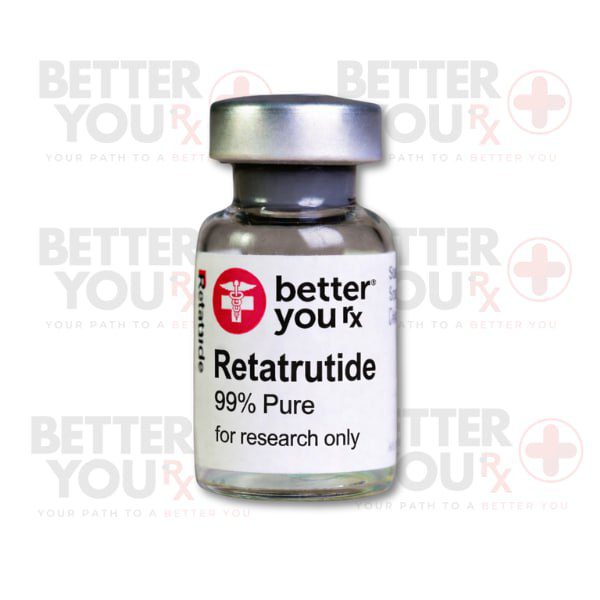
Retatrutide (LY3437943)
Investigational Triple-Hormone Receptor Agonist
Retatrutide is an investigational peptide therapy developed by Eli Lilly that targets three key metabolic hormone receptors: GLP-1 (glucagon-like peptide-1), GIP (glucose-dependent insulinotropic polypeptide), and glucagon. It is currently in advanced clinical development for the management of obesity, type 2 diabetes, and related metabolic disorders.
By activating all three receptors, Retatrutide is designed to support substantial weight reduction, improved blood-glucose control, and increased energy expenditure. Phase 2 clinical trial results have shown greater weight loss and metabolic improvements compared with therapies that target one or two of these pathways alone.
Key Facts of Retatrutide
| Attribute | Details |
| Chemical Name | Retatrutide (LY3437943) |
| Molecular Formula | C₃₃₁H₅₁₃N₉₁O₁₀₁S |
| Drug Class | GLP-1 / GIP / Glucagon receptor agonist |
| Approval Status | Investigational (Phase 3 trials ongoing) |
| Legal Status | Not approved for commercial use |
| Route of Administration | Subcutaneous injection |
| Dosing Studied | 1–12 mg once weekly |
| Estimated Half-Life | ~6–7 days |
| Bioavailability | High (subcutaneous; investigational data) |
| Brand Name | None (not marketed) |
| Pregnancy Use | Not recommended (preclinical data only) |
How Does Retatrutide Work
Retatrutide is a synthetic peptide engineered to simultaneously activate GLP-1, GIP, and glucagon receptors. This multi-pathway approach is intended to:
- Reduce appetite and caloric intake
- Improve insulin sensitivity and glucose regulation
- Increase energy expenditure and fat utilization
The formulation is designed for sustained activity over a full weekly dosing interval.
Retatrutide Administration & Dosing
In clinical studies, Retatrutide has been administered as a once-weekly subcutaneous injection. Doses are typically gradually increased to reduce gastrointestinal side effects and improve tolerability. If approved, treatment would be initiated and monitored by a qualified healthcare professional.
Retatrutide Contraindications (Anticipated)
Based on clinical trial protocols and related drug classes, Retatrutide may be contraindicated in individuals with:
- Personal or family history of medullary thyroid carcinoma (MTC)
- Multiple Endocrine Neoplasia syndrome type 2 (MEN 2)
- Known hypersensitivity to formulation components
- History of pancreatitis (use with caution; under investigation)
Final contraindications will be determined upon regulatory approval.
Retatrutide Warnings & Precautions
- Gastrointestinal side effects are common, particularly during dose escalation
- Thyroid C-cell findings have been observed in studies of similar agents
- Gallbladder-related events have been reported with significant weight loss
- Weight reduction may alter dosing needs of other medications
- Long-term cardiovascular outcomes are still being evaluated
Regular monitoring of metabolic parameters is recommended during treatment.
Reported Retatrutide Side Effects
Commonly observed effects include:
- Decreased appetite
- Constipation
- Injection-site reactions
- Nausea, vomiting, diarrhea
Less common but notable findings:
- Hypoglycemia (especially with insulin or sulfonylureas)
- Elevated pancreatic enzymes
- Gallbladder events
- Rare thyroid C-cell changes in preclinical studies
Note: Retatrutide is an investigational medication and is not approved for general use. Safety, efficacy, and final prescribing information will be determined by regulatory authorities upon completion of ongoing trials. Also, this medication is sold for research purposes only.
Frequently Asked Questions
How much weight can you lose with Retatrutide?
Early research shows that participants using Retatrutide experienced significant weight reduction over a 48-week period. Some individuals lost up to 24% of their body weight when combined with proper diet and exercise. Results vary depending on dosage, lifestyle factors, and individual response.
How is Retatrutide different from Semaglutide or Tirzepatide?
Retatrutide works on three receptors (GLP-1, GIP, and glucagon), while Semaglutide targets only GLP-1 and Tirzepatide targets two (GLP-1 and GIP). The added glucagon activity in Retatrutide may enhance fat burning and energy expenditure, potentially leading to greater weight loss results.
How long does it take to see results with Retatrutide?
Most people begin noticing changes within the first 4 to 8 weeks of treatment. Initial results often include reduced appetite and gradual weight loss. More significant changes typically become visible after 12 weeks, with continued progress over several months of consistent use.
Can Retatrutide help with blood sugar control?
Yes, Retatrutide has shown promising effects on blood sugar regulation. Its triple-action mechanism not only supports weight management but also helps improve insulin sensitivity and glucose metabolism. This makes it a potential option for individuals dealing with both obesity and blood sugar concerns.
Is Retatrutide safe for long-term use?
Long-term safety data is still being gathered as research continues. Current findings suggest that Retatrutide is generally well-tolerated over extended periods when used under proper supervision. Regular check-ins with a healthcare provider are essential to monitor progress and address any concerns during treatment.