
Insulin Syringe Sizes – Complete Guide for Diabetic Patients

Insulin syringe sizes are essential for effective diabetes management and accurate medication delivery. Different syringe capacities, needle lengths, and gauge measurements directly impact injection comfort and insulin absorption rates. The standard options include 0.3mL, 0.5mL, and 1mL syringes, each designed for specific insulin dosing requirements. Needle lengths range from 4mm to 12.7mm, while gauges typically vary between 28G and 31G, with higher numbers indicating thinner needles. Selecting the appropriate combination depends on factors including body type, injection site preferences, prescribed insulin dose, and individual comfort levels during administration.
Understanding Basic Syringe Components and Measurements

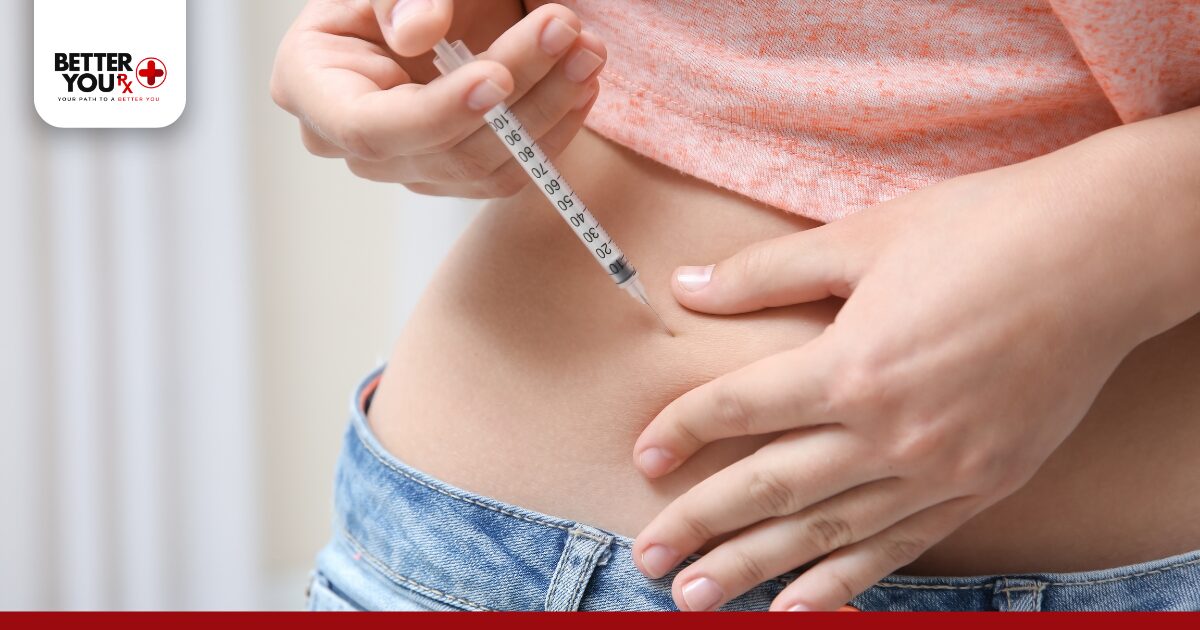
Insulin syringes consist of three primary components that determine their functionality and suitability for different patients. The barrel holds the insulin and displays measurement markings, while the plunger creates the pressure needed for injection. The needle, characterized by its length and gauge, penetrates the skin to deliver medication subcutaneously.
Measurement markings on insulin syringe sizes correspond to insulin units rather than standard milliliters. Each marking represents a specific number of units, with the spacing dependent on the syringe’s total capacity. A 0.3mL syringe holds up to 30 units, a 0.5mL accommodates 50 units, and a 1mL contains 100 units.
The relationship between syringe capacity and marking clarity affects dosing accuracy significantly. Smaller capacity syringes feature wider spacing between unit markings, making precise measurements easier for patients requiring lower doses. This design element proves particularly beneficial for pediatric patients or adults with insulin sensitivity who need exact dosing.
Barrel diameter varies among different insulin syringe sizes, influencing both visual clarity and handling comfort. Narrower barrels found in lower-capacity syringes allow better visibility of markings and require less force during injection. Wider barrels in larger syringes accommodate higher insulin volumes but may challenge patients with limited hand strength or dexterity issues.
Looking for affordable diabetes management solutions? Buy cheap Lantus Solostar online from Canada through Better You Rx and save on your insulin therapy costs while ensuring quality medication delivery.
Needle Gauge Options and Pain Management
Needle gauge measurements follow an inverse relationship where higher numbers indicate thinner needles, directly affecting injection comfort levels. The most common gauges for insulin syringe sizes include 28G, 29G, 30G, and 31G options. Each gauge offers distinct advantages depending on patient preferences and physical characteristics.
31-gauge needles represent the thinnest option available, measuring approximately 0.25mm in diameter. These ultra-fine needles minimize tissue trauma and reduce injection site discomfort significantly. Patients with needle anxiety or those requiring multiple daily injections often prefer this gauge for improved comfort.
30-gauge needles measure slightly thicker at 0.30mm diameter, offering a balance between comfort and durability. The marginally larger diameter provides increased needle strength, reducing bending risk during insertion while maintaining reasonable comfort levels. This gauge suits patients who prioritize both comfort and needle stability.
28-gauge and 29-gauge needles, measuring 0.36mm and 0.33mm respectively, provide maximum durability and faster insulin flow rates. These options work well for patients with tougher skin or those using insulin suspensions that require larger needle openings. The increased diameter facilitates smoother medication flow, particularly beneficial when injecting larger insulin volumes.
- 31G needles – Best for sensitive skin and frequent injections
- 30G needles – Balanced comfort and strength
- 29G needles – Suitable for most insulin types
- 28G needles – Ideal for thick skin or suspension insulins
Needle Length Selection Based on Body Type

Selecting appropriate needle lengths among available insulin syringe sizes requires consideration of body composition, injection site preferences, and subcutaneous tissue depth. Standard needle lengths include 4mm, 5mm, 6mm, 8mm, and 12.7mm options, each designed for specific patient profiles and injection techniques.
Short Needle Options (4mm-6mm)
4mm needles represent the shortest available option and suit nearly all patients regardless of body type. Research demonstrates these ultra-short needles effectively deliver insulin to subcutaneous tissue without reaching muscle layers. Children, lean adults, and patients preferring arm injections benefit particularly from this length.
5mm and 6mm needles provide slightly deeper penetration while maintaining safety margins against intramuscular injection risks. These intermediate lengths accommodate patients with moderate subcutaneous tissue thickness and those transitioning from longer needles. The additional length offers psychological reassurance for patients concerned about adequate insulin delivery depth.
Standard and Long Needle Options (8mm-12.7mm)
8mm needles traditionally served as the standard length for insulin delivery, though recent guidelines favor shorter alternatives. Patients with significant subcutaneous tissue or those using specific injection techniques may still benefit from this length. Proper injection angle adjustment becomes crucial when using 8mm needles to prevent muscle penetration.
12.7mm needles, while less commonly recommended today, remain available for specific situations. Patients with excessive adipose tissue or those requiring deeper penetration for medical reasons might need these longer options. Healthcare providers carefully evaluate individual needs before recommending these extended needle lengths.
Choosing the Right Syringe Capacity for Your Insulin Dose
Matching syringe capacity to prescribed insulin doses ensures accurate measurement and comfortable administration. The three standard insulin syringe sizes each serve specific dosing ranges, with selection based on maximum single injection requirements rather than total daily insulin needs.
Low-Dose Syringes (0.3mL/30 Units)
0.3mL syringes feature the finest unit markings among all insulin syringe sizes, with each line representing 0.5 units. This precision proves invaluable for pediatric patients, newly diagnosed individuals starting with conservative doses, or those requiring micro-adjustments to their insulin regimen. The narrow barrel diameter enhances visibility, making half-unit measurements clearly distinguishable.
Patients administering doses below 30 units benefit from improved accuracy when using these smaller syringes. The concentrated markings reduce measurement errors common with larger capacity syringes where unit lines appear closer together. This enhanced precision particularly matters for insulin-sensitive individuals where small dosing variations significantly impact blood glucose levels.
Ready to streamline your diabetes management? Explore affordable options like Humalog Junior KwikPen through Better You Rx for convenient, pre-filled insulin delivery at competitive Canadian prices.
Standard Capacity Options (0.5mL and 1mL)
0.5mL syringes accommodate doses up to 50 units while maintaining reasonable marking clarity. Each line typically represents one unit, though some models offer half-unit markings for increased precision. These medium-capacity syringes suit patients with moderate insulin requirements who value both accuracy and convenience.
| Syringe Capacity | Maximum Units | Marking Increment | Best For |
| 0.3mL | 30 units | 0.5 units | Doses under 30 units |
| 0.5mL | 50 units | 1 unit | Doses 30-50 units |
| 1mL | 100 units | 2 units | Doses over 50 units |
1mL syringes handle the largest insulin volumes, holding up to 100 units per injection. The increased capacity comes with wider marking intervals, typically 2 units per line, potentially compromising precision for smaller doses. Patients requiring large insulin volumes or those comfortable estimating between markings find these syringes most practical.
Injection Site Considerations for Different Syringe Specifications
Different body regions offer varying subcutaneous tissue depths, influencing optimal insulin syringe sizes for each location. Understanding site-specific characteristics helps patients select appropriate needle lengths and maintain effective rotation schedules. The abdomen, thighs, arms, and buttocks each present unique considerations for syringe selection.
Abdominal injections remain the most popular choice due to consistent absorption rates and accessible subcutaneous tissue. Most patients successfully use 4mm to 6mm needles for abdominal injections, regardless of body composition. The area’s natural padding provides comfort while minimizing intramuscular injection risks even with standard needle lengths.
Thigh injections require careful needle length selection based on individual muscle development and adipose tissue distribution. Athletic individuals with minimal thigh fat may need 4mm needles exclusively, while those with more subcutaneous tissue can use longer options. Proper site rotation within the thigh area prevents lipodystrophy development.
- Abdomen – Most versatile site for all needle lengths
- Outer thighs – Require careful length selection based on body composition
- Upper arms – Best with shorter needles (4-5mm)
- Buttocks – Can accommodate longer needles if needed
- Rotation prevents tissue damage and maintains absorption consistency
Upper arm injections typically demand shorter needles due to limited subcutaneous tissue depth. The triceps area offers the best target zone, though reaching this site independently challenges some patients. 4mm or 5mm needles work optimally for arm injections across most body types.
Special Considerations for Pediatric and Elderly Patients
Age-specific factors significantly influence appropriate insulin syringe sizes for pediatric and elderly populations. Children’s developing bodies and seniors’ changing physiology require tailored approaches to syringe selection. Healthcare providers consider multiple variables when recommending specifications for these vulnerable groups.
Pediatric Syringe Selection
Children typically require the smallest available insulin syringe sizes due to limited subcutaneous tissue and lower insulin requirements. 0.3mL syringes with 4mm needles often provide the ideal combination for pediatric patients. The ultra-fine 31G needles minimize injection trauma and reduce anxiety associated with needle procedures.
Growth patterns and body composition changes throughout childhood necessitate regular reassessment of syringe specifications. Adolescents experiencing rapid growth may need capacity upgrades while maintaining shorter needle preferences. Parents and caregivers should monitor injection site reactions and comfort levels to guide specification adjustments.
Elderly Patient Considerations
Senior patients face unique challenges including decreased dexterity, vision changes, and altered skin characteristics affecting syringe selection. Larger barrel diameters might improve handling for those with arthritis or tremors, even if insulin requirements remain modest. Clear, widely-spaced markings become crucial for patients with compromised vision.
Skin changes associated with aging, including decreased elasticity and thinning, influence needle gauge preferences. While thinner needles reduce discomfort, some elderly patients prefer slightly thicker gauges for improved needle stability during injection. Healthcare providers balance comfort with practical handling considerations when recommending insulin syringe sizes for senior patients.
Take control of your diabetes management today with Metformin and other essential medications available through BetterYourX’s reliable Canadian prescription referral service at significant savings.
Proper Storage and Handling of Different Syringe Types
Maintaining syringe integrity through proper storage protects both needle sharpness and measurement accuracy across all insulin syringe sizes. Environmental factors including temperature, humidity, and light exposure affect syringe materials differently depending on specifications. Understanding storage requirements ensures optimal performance and safety throughout the product’s usable life.
Temperature stability proves crucial for preserving needle coating integrity and preventing barrel warping. Room temperature storage between 59-86°F maintains optimal conditions for all syringe types. Extreme temperatures compromise lubricant coatings on needles, increasing injection discomfort and potentially affecting insulin flow rates.
Humidity control prevents moisture accumulation that could compromise sterility or cause measurement marking degradation. Original packaging provides adequate protection when stored in typical indoor environments. Bathroom storage should be avoided due to shower-generated humidity fluctuations that accelerate material degradation.
Needle protection during storage maintains sharpness and prevents contamination before use. Never recap used needles or attempt to straighten bent ones, as this increases injury risk. Each insulin syringe should remain in its protective covering until immediately before use, regardless of needle specifications.
Light exposure, particularly direct sunlight, degrades plastic components over extended periods. Store syringes in opaque containers or drawers to prevent UV-related deterioration. This consideration becomes especially important for bulk purchases where extended storage periods are anticipated.
Organization systems accommodating different insulin syringe sizes improve accessibility while preventing damage. Separate compartments for various specifications prevent confusion and accidental selection of incorrect sizes. Rotation practices ensuring older stock usage first maintain inventory freshness and prevent expiration-related waste.
Key Takeaways for Optimal Syringe Selection
Selecting appropriate insulin syringe sizes requires balancing multiple factors including dosing requirements, body composition, injection site preferences, and individual comfort levels. The combination of syringe capacity, needle gauge, and needle length determines injection effectiveness and patient satisfaction. Starting with 0.3mL syringes featuring 31G, 4mm needles often provides the best initial experience for new insulin users, with adjustments made based on individual response and changing needs over time. Regular consultation with healthcare providers ensures syringe specifications continue meeting evolving requirements as treatment progresses. Patient education regarding proper technique, site rotation, and storage practices maximizes the benefits of correctly chosen insulin syringe sizes while minimizing potential complications.
Frequently Asked Questions
Is 31 Gauge or 30 Gauge Bigger?
30 gauge needles are bigger than 31 gauge needles. The gauge numbering system works inversely, meaning higher numbers indicate thinner needles. A 30G needle measures approximately 0.30mm in diameter while a 31G needle measures about 0.25mm. This difference might seem minimal, but patients often notice improved comfort with the thinner 31G option, especially during multiple daily injections.
How to Choose Needle Size for Insulin?
Choosing needle size for insulin involves evaluating body composition, injection sites, and personal comfort preferences. Start with 4mm length needles as they suit most patients regardless of body type. Consider needle gauge based on skin sensitivity – 31G for maximum comfort or 28-30G for durability. Consult your healthcare provider about specific insulin syringe sizes that match your prescribed doses and injection technique.
Which Is Smaller, 4mm or 6mm?
4mm needles are smaller than 6mm needles by 2 millimeters in length. The 4mm option represents the shortest commercially available insulin needle, designed to reach subcutaneous tissue without risk of intramuscular injection in most patients. The 6mm length provides slightly deeper penetration for patients preferring additional reassurance about insulin delivery depth.
What Is 4 Units on an Insulin Syringe?
4 units on an insulin syringe appears as the fourth marking from the zero point, though visibility varies among different insulin syringe sizes. On a 0.3mL syringe with half-unit markings, 4 units would be the eighth line. Standard 0.5mL and 1mL syringes show 4 units as the fourth or second line respectively, depending on marking increments.
Is 20 Units of Insulin a Lot?
20 units of insulin represents a moderate single dose that falls within typical ranges for many patients. Individual insulin requirements vary significantly based on factors including body weight, insulin sensitivity, and blood glucose targets. Some patients require less than 10 units per injection while others need 50+ units. Your healthcare provider determines appropriate dosing based on your specific metabolic needs.
What Is a 0.5 mL Syringe Used For?
A 0.5mL syringe accommodates insulin doses up to 50 units, making it suitable for patients with moderate insulin requirements. These medium-capacity syringes offer a balance between measurement precision and dose flexibility. Patients typically choose 0.5mL syringes when their single injection doses range between 30-50 units, as the markings remain clear while providing adequate capacity.
What Is a 2ml Syringe Used For?
2mL syringes are not standard insulin syringe sizes and are rarely used for insulin administration. These larger syringes typically serve other medical purposes including vaccine administration or drawing medications. Insulin delivery requires specialized U-100 insulin syringes (0.3mL, 0.5mL, or 1mL) designed specifically for accurate insulin measurement and subcutaneous injection.