Can You Drink Alcohol on Wegovy? Safety Guide & Expert Tips

Can you drink alcohol on Wegovy? While there is no absolute rule that says you cannot, drinking while using this medication can increase certain side effects and slow your progress. Wegovy (Semaglutide) is a GLP-1 receptor agonist prescribed for chronic weight management, and alcohol can interfere with how your body responds to it. Many people on Wegovy report feeling the effects of alcohol faster, experiencing stronger nausea, and noticing blood sugar dips that feel uncomfortable and sometimes risky. This piece covers the specific risks, what types of drinks may be safer, how alcohol affects weight loss on Semaglutide, and practical tips for managing social situations while staying on track with your health goals.

Can You Drink Alcohol on Wegovy?

Technically, yes, you can drink alcohol on Wegovy, but medical professionals strongly recommend caution. The question of whether you can drink alcohol on Wegovy comes up frequently because Semaglutide slows gastric emptying, which means alcohol stays in your stomach longer and gets absorbed differently than it would without the medication. This can lead to stronger and faster intoxication, even from amounts that previously felt manageable.

Alcohol also irritates the stomach lining. Since Wegovy already affects your digestive system, adding alcohol into the mix can amplify gastrointestinal discomfort. People who drink while taking Semaglutide often describe feeling sick sooner, staying nauseous longer, and dealing with worse hangovers than usual.

If you do choose to drink, keeping it minimal is the safest approach. One drink per occasion, consumed slowly and with food, is a common recommendation from healthcare providers. But the most cautious path is to avoid alcohol entirely while on Wegovy, especially during the dose escalation phase when side effects tend to be strongest.

Why Drinking Alcohol on Wegovy Can Be Risky

Can You Drink Alcohol on Wegovy

There are several reasons why combining alcohol with Wegovy raises concern. Each one ties back to how Semaglutide changes your body’s internal processes.

Increased Nausea and Vomiting

Nausea is already one of the most reported side effects of Wegovy. Alcohol is a known stomach irritant. Together, the two can create a cycle of discomfort that lasts hours. Some users report that even a single glass of wine triggers nausea that would not have occurred without the medication.

Lower Alcohol Tolerance

Because Wegovy slows down digestion, alcohol lingers in your system longer. Many users say they feel intoxicated after just one drink, when they previously could handle two or three. This reduced tolerance can catch people off guard and lead to impaired judgment or unsafe situations.

Blood Sugar Drops

Alcohol lowers blood sugar on its own. Combined with Semaglutide, which also influences blood sugar regulation, the effect can become more pronounced. Symptoms of low blood sugar include dizziness, shakiness, confusion, and sweating. For individuals managing conditions like type 2 diabetes alongside weight loss, this combination deserves extra attention.

Slowed Weight Loss Progress

Alcoholic beverages add empty calories with zero nutritional benefit. A single cocktail can contain 200 to 500 calories depending on what is mixed in. When you are working hard to manage your calorie intake on Wegovy, those extra calories can stall results. If you are also exploring medications like Ozempic or other GLP-1 options, the same principle applies.

Side Effects of Mixing Alcohol and Wegovy

How Alcohol Affects Your Body on Wegovy

Understanding the side effects is essential for anyone wondering can you drink alcohol on Wegovy. When you combine the two, the side effects you already experience from the medication can become more intense. Below is a breakdown of the most commonly reported issues.

Common Side Effects

  • Nausea that lasts longer than usual
  • Vomiting after even small amounts of alcohol
  • Bloating and abdominal discomfort
  • Acid reflux or heartburn
  • Diarrhea or loose stools
  • Headaches and dehydration

Serious Side Effects to Watch For

  • Severe hypoglycemia (dangerously low blood sugar)
  • Pancreatitis symptoms such as sharp upper abdominal pain
  • Rapid heart rate or palpitations
  • Fainting or extreme dizziness

If you experience any serious symptoms after drinking alcohol on Wegovy, contact your doctor right away. Do not wait to see if symptoms pass on their own.

Alcohol Types and Their Impact While on Wegovy

Not all drinks carry the same level of risk. Some are higher in sugar and calories, which can worsen both side effects and weight loss stalls. Here is a comparison to help you make informed choices if you decide to drink.

Drink Type Calories (Approx.) Sugar Content Risk Level on Wegovy
Light Beer 100-110 Low Moderate
Red Wine (5 oz) 125 Low to Moderate Moderate
White Wine (5 oz) 120 Moderate Moderate
Vodka Soda 97 Very Low Lower
Margarita 275-400 High High
Pina Colada 450-500 Very High High

If your weight loss plan also involves other GLP-1 medications like Trulicity, similar alcohol precautions apply across the category. You can also read more about Ozempic vs Trulicity to compare how these medications work.

Practical Tips if You Choose to Drink Alcohol on Wegovy

Alternatives and Harm Reduction Strategies

Complete abstinence is the safest route, but for those asking can you drink alcohol on Wegovy and still manage their health, these strategies can help reduce the risks.

  • Eat before drinking. Having food in your stomach helps buffer alcohol absorption, which is especially important since Wegovy already slows digestion.
  • Stick to one drink. Your tolerance is likely lower than before starting Semaglutide. One drink is enough to assess how your body reacts.
  • Hydrate between drinks. Alternate each alcoholic drink with a full glass of water. Dehydration worsens both alcohol and Wegovy side effects.
  • Choose low-sugar options. A vodka soda or dry wine is a better choice than sugary cocktails that spike blood sugar and add excess calories.
  • Avoid drinking during dose increases. Your body adjusts to each new dose of Wegovy over several weeks. Side effects peak during these transitions, so adding alcohol makes things worse.
  • Monitor your blood sugar. If you have diabetes or prediabetes, check levels before and after drinking to catch any drops early.

Things to Know About Alcohol and Wegovy

Before making any decisions about whether you can drink alcohol on Wegovy, keep these important points in mind.

Key Point Details
Tolerance Changes Most Wegovy users report significantly lower alcohol tolerance. What used to feel like one drink may now feel like two or three.
Calorie Tracking Alcohol calories are often forgotten in daily tracking. Even moderate drinking can add 500+ calories per week, slowing weight loss.
Dehydration Risk Both Wegovy and alcohol contribute to dehydration. Combined, they increase the risk of headaches, fatigue, and dizziness.
Liver Processing Your liver processes both alcohol and medications. Adding alcohol increases the workload and may affect how efficiently Semaglutide is metabolized.
Mental Health Effects Alcohol is a depressant. Some people on weight loss medications already experience mood changes, and alcohol can intensify these feelings.

If you are comparing weight loss medications and want to learn about alternatives, our resource on Saxenda vs Zepbound breaks down the differences between these options.

How Alcohol Slows Weight Loss on Wegovy

One of the biggest reasons people ask can you drink alcohol on Wegovy is because they are concerned about their results. Alcohol affects weight loss in multiple ways beyond just adding calories.

First, your body prioritizes metabolizing alcohol over burning fat. When you drink, fat burning essentially pauses until the alcohol is processed. For someone using Wegovy to lose weight, this pause directly undermines the medication’s purpose.

Second, alcohol increases appetite and lowers inhibitions around food choices. Many people find themselves eating more after drinking, often reaching for high-calorie snacks they would normally avoid. This combination of extra drink calories plus extra food calories can erase days of progress.

Third, poor sleep after drinking reduces the effectiveness of your weight management plan. Sleep quality directly influences hunger hormones like ghrelin and leptin. When these hormones are out of balance, cravings increase and willpower decreases. If you are also curious about other medications for weight management, you can explore options like Mounjaro KwikPen through our prescription referral service.

When to Talk to Your Doctor About Alcohol and Wegovy

If you drink regularly or have a history of heavy drinking, you should discuss whether you can drink alcohol on Wegovy with your prescribing physician before starting the medication. Your doctor can assess your individual risk factors and provide guidance tailored to your health history.

You should also reach out to your doctor if you notice worsening side effects after drinking, such as prolonged vomiting, severe stomach pain, or signs of low blood sugar. These symptoms may signal that your body is not handling the combination well.

For those looking into weight loss medication options through an accessible and affordable route, Better You Rx is a Canadian prescription referral service that can help connect you with licensed professionals. You can explore our available medications, including Wegovy, and reach us at 1-647-576-2076 for any questions. Prescriptions must be issued by a licensed medical doctor practicing within the USA, and medications are mailed directly to your residence within 7 to 10 business days from the date shipped.

Better Drink Alternatives While on Wegovy

If you have decided that the answer to can you drink alcohol on Wegovy is best answered with moderation or avoidance, social events do not have to feel awkward. There are plenty of satisfying alternatives that keep you feeling included without the risks.

  • Sparkling water with fresh fruit slices
  • Herbal iced teas (unsweetened or lightly sweetened)
  • Mocktails made with soda water, lime, and a splash of cranberry
  • Kombucha (low sugar varieties)
  • Cold brew coffee or iced matcha

These options let you hold a drink, join toasts, and enjoy the social experience without worrying about how alcohol interacts with your medication.

Final Takeaway

So, can you drink alcohol on Wegovy? The short answer is that while it is not strictly forbidden, it comes with real risks that are worth taking seriously. Reduced tolerance, intensified side effects, blood sugar concerns, and stalled weight loss are all potential consequences. The safest choice is to limit or avoid alcohol entirely while on Semaglutide. If you do drink, keep it minimal, choose low-sugar options, eat beforehand, and stay hydrated. Anyone still wondering can you drink alcohol on Wegovy should always communicate openly with their healthcare provider about their habits so they can stay safe on their weight loss journey. For more information about how similar medications compare, check out our resource on Mounjaro vs Trulicity.

Frequently Asked Questions

What not to do while on Wegovy?

Avoid eating large, high-fat meals, drinking excessive alcohol, and skipping doses. These habits can worsen side effects like nausea and slow your weight loss progress. Staying consistent with your injection schedule and following a balanced eating plan gives Wegovy the best chance to work effectively.

What is the best alcohol to drink while on Semaglutide?

A vodka soda or a small glass of dry wine are considered lower-risk choices. These options are lower in sugar and calories compared to cocktails or sweetened mixed drinks. Always limit yourself to one drink, sip slowly, and have food in your stomach beforehand.

How fast can I lose 20 lbs on Wegovy?

Most people can expect to lose 20 pounds within 3 to 5 months on Wegovy, depending on their starting weight and lifestyle. Weight loss tends to be gradual as doses increase over time. Combining Semaglutide with regular physical activity and a calorie-controlled diet accelerates results.

What is the 3-3-3 rule for weight loss?

The 3-3-3 rule suggests eating 3 meals a day, each at least 3 hours apart, with 3 balanced components: protein, fiber, and healthy fat. This approach helps maintain stable blood sugar and keeps you feeling full longer, which complements the appetite-suppressing effects of Wegovy.

How much weight can I lose in 1 month with Wegovy?

On average, people lose 4 to 8 pounds in the first month of Wegovy. Early weight loss varies because the starting dose is low and increases gradually. As the dose goes up and your body adjusts, monthly weight loss typically becomes more consistent and noticeable.

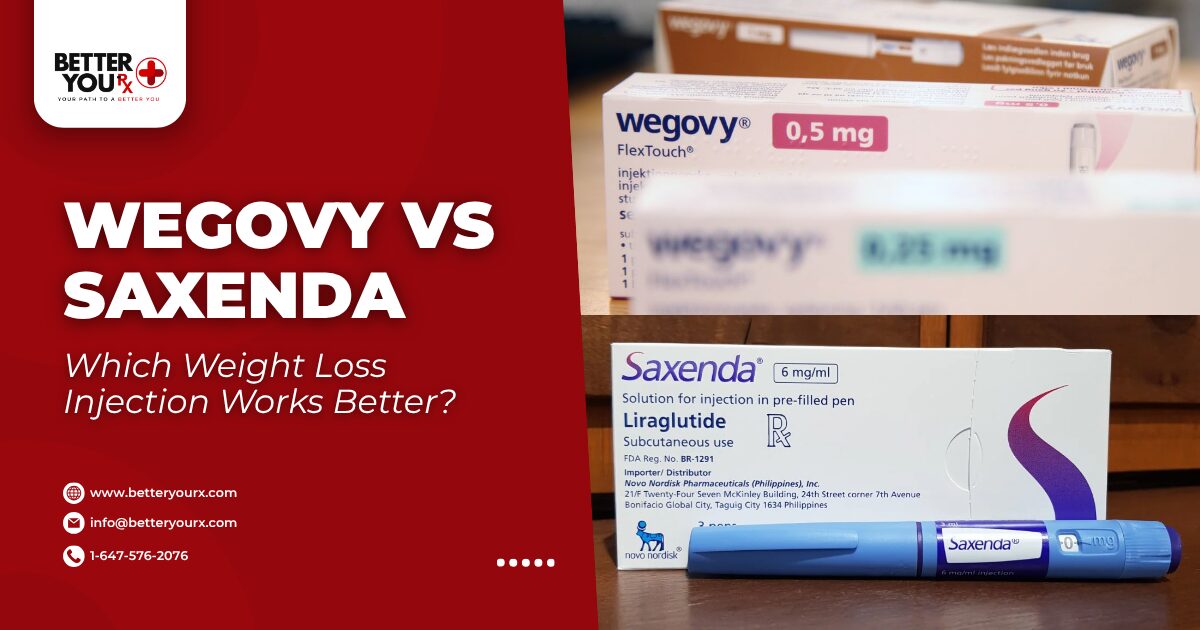
Wegovy vs Saxenda – Which Weight Loss Injection Works Better?

When comparing Wegovy vs Saxenda, both medications offer proven weight loss results but differ significantly in effectiveness, dosing frequency, and how they work in your body. Wegovy contains Semaglutide and requires one weekly injection, while Saxenda contains Liraglutide and needs daily injections. Clinical studies show Wegovy typically produces greater weight loss, with patients losing an average of 15-20% of their body weight compared to Saxenda’s 5-10%. Both medications belong to the GLP-1 receptor agonist class and work by reducing appetite and slowing digestion. Your choice between these two depends on your weight loss goals, lifestyle preferences, tolerance to side effects, and budget considerations.

How Wegovy and Saxenda Work Differently in your Body

Transitioning between Saxenda and Wegovy

Wegovy and Saxenda both mimic the GLP-1 hormone that your body naturally produces after eating, but they interact with your system in distinct ways. Semaglutide in Wegovy has a longer half-life, staying active in your body for about a week, which explains why you only need one injection weekly. This extended action provides consistent appetite suppression throughout the entire week.

Liraglutide in Saxenda has a shorter duration of action, requiring daily injections to maintain therapeutic levels. The medication leaves your system within 24 hours, which means you need to inject it at the same time each day for optimal results. Both medications slow gastric emptying and signal fullness to your brain, but Wegovy’s sustained presence often translates to more pronounced appetite control.

The molecular structure of Semaglutide allows it to bind more strongly to GLP-1 receptors, creating a more potent effect on blood sugar regulation and weight management. This stronger binding affinity contributes to Wegovy’s superior weight loss outcomes in head-to-head comparisons. Your body’s response to either medication depends on various factors including your metabolism, existing health conditions, and adherence to the prescribed regimen.

If you’re considering starting treatment, you can buy Wegovy online through Better You Rx for convenient access to this effective weight loss solution.

Wegovy vs Saxenda – Effectiveness and Weight Loss Results

wegovy vs saxenda

The difference in weight loss outcomes between Wegovy and Saxenda is substantial and well-documented. Patients using Wegovy typically lose 15-20% of their starting body weight over 68 weeks, while Saxenda users average 5-10% weight loss over 56 weeks. For someone weighing 250 pounds, this translates to potentially losing 37-50 pounds with Wegovy compared to 12-25 pounds with Saxenda.

Real-world results show that more patients reach their weight loss goals with Wegovy. Approximately 69% of Wegovy users lose at least 10% of their body weight, compared to roughly 40% of Saxenda users achieving the same milestone. The higher efficacy rate makes Wegovy particularly appealing for individuals with significant weight to lose or those who haven’t responded well to other interventions.

Response time also differs between the two medications. Many Wegovy users notice appetite suppression within the first week, with visible weight changes appearing around week 4-8. Saxenda users typically experience gradual results over 12-16 weeks. The dose escalation schedule affects how quickly you see results, with Wegovy’s slower titration potentially causing fewer initial side effects.

Body composition changes tell an important part of the story beyond just scale weight. Wegovy tends to preserve more lean muscle mass during weight loss compared to Saxenda, which means a higher percentage of lost weight comes from fat stores. This difference matters for long-term metabolic health and maintaining your results after reaching your goal weight.

Dosing Schedule and Administration

Wegovy follows a once-weekly injection schedule that many people find more convenient than daily injections. You start with a 0.25 mg dose and gradually increase over 16-20 weeks until reaching the maintenance dose of 2.4 mg weekly. This slow escalation helps your body adjust to the medication and minimizes digestive side effects that commonly occur when starting GLP-1 medications.

Saxenda requires daily subcutaneous injections, starting at 0.6 mg and increasing by 0.6 mg each week until reaching the full 3 mg maintenance dose. The daily routine requires more commitment and planning, especially when traveling or managing a busy schedule. You must inject Saxenda at approximately the same time each day to maintain steady medication levels in your bloodstream.

Both medications are injected into the fatty tissue of your abdomen, thigh, or upper arm using pre-filled pens. The injection process takes less than a minute once you’re familiar with the technique. Wegovy pens are single-use and come pre-set to your prescribed dose, while Saxenda pens are multi-dose and require you to dial the correct amount before each injection.

Storage requirements differ slightly between the two. Unused Wegovy pens must stay refrigerated until use, and you can keep an in-use pen at room temperature for up to 28 days. Saxenda pens should be refrigerated when not in use but can tolerate room temperature for short periods. Proper storage ensures the medication remains effective throughout its shelf life.

For those interested in exploring additional weight management options, consider learning about Mounjaro as an alternative GLP-1 medication.

Side Effects Comparison

Both medications share similar side effect profiles since they belong to the same drug class, but the frequency and intensity can vary. Nausea ranks as the most common complaint for both, affecting 40-50% of Wegovy users and 35-45% of Saxenda users during the initial weeks. The nausea typically improves as your body adjusts, though some people experience persistent symptoms that require dose modification.

Digestive issues including diarrhea, constipation, and vomiting occur more frequently with Wegovy due to its stronger GLP-1 activity. About 30% of Wegovy users report diarrhea compared to 20% of Saxenda users. Constipation affects roughly 25% of people on either medication. These symptoms often correlate with dose increases and usually diminish after your body adapts to each new dosing level.

Injection site reactions appear less frequently with Wegovy since you’re injecting once weekly versus daily with Saxenda. Repeated daily injections at the same sites can cause redness, itching, or small lumps under the skin. Rotating injection sites and proper technique minimize these reactions regardless of which medication you use.

Headaches, fatigue, and dizziness affect similar percentages of users across both medications, occurring in roughly 15-20% of patients. These symptoms are usually mild and temporary. Serious side effects like pancreatitis, gallbladder problems, and allergic reactions remain rare but possible with both drugs. Anyone experiencing severe abdominal pain, persistent vomiting, or difficulty breathing should seek immediate medical attention.

If you experience persistent side effects with your current medication, you might want to explore why you’re not losing weight on Wegovy or consider whether adjustments to your treatment plan could help.

Wegovy vs Saxenda – Who Should Use Each Medication

Wegovy suits individuals needing significant weight loss or those with obesity-related health conditions. The medication is approved for adults with a BMI of 30 or higher, or a BMI of 27 or higher with at least one weight-related condition such as high blood pressure, type 2 diabetes, or high cholesterol. The more potent formulation makes Wegovy ideal for people who need to lose more than 50 pounds or haven’t succeeded with less intensive interventions.

Saxenda works well for people who prefer daily routines and tighter control over their medication schedule. Some individuals find that daily injections help them stay more connected to their weight loss journey and mindful of their eating habits. Saxenda also serves as an appropriate starting point for those new to GLP-1 medications who want to test their tolerance before committing to a stronger formulation.

People with certain medical histories should carefully evaluate their options. Both medications carry warnings for individuals with a personal or family history of medullary thyroid carcinoma or multiple endocrine neoplasia syndrome type 2. Your healthcare provider will assess your complete medical history, including any history of pancreatitis, gallbladder disease, or kidney problems before prescribing either medication.

Lifestyle factors play a role in medication selection. If you travel frequently for work or have an unpredictable schedule, Wegovy’s weekly dosing offers more flexibility than Saxenda’s daily requirement. However, if you have needle anxiety, you might find that daily exposure to Saxenda helps desensitize your fear more effectively than weekly Wegovy injections.

Transitioning between Saxenda and Wegovy

Switching from Saxenda to Wegovy requires medical supervision and a proper transition plan. Your doctor will typically have you stop Saxenda and wait 24-48 hours before starting Wegovy at the lowest dose. This washout period prevents medication overlap while minimizing the gap in appetite control. Starting Wegovy at 0.25 mg after using Saxenda 3 mg daily may initially feel like a step backward, but the gradual dose escalation reduces side effects.

Some people experience a temporary increase in appetite during the transition period as their body adjusts to the new medication schedule. Planning your switch during a less stressful time when you can focus on behavioral strategies helps bridge this gap. Maintaining your established eating patterns, meal timing, and physical activity routine provides continuity during the medication change.

The reverse transition from Wegovy to Saxenda happens less frequently but follows similar principles. You would discontinue Wegovy and begin Saxenda at the starting dose after allowing time for the Semaglutide to clear your system. Since Wegovy stays in your body longer, you might experience appetite control for several days after your last injection before needing to establish consistent Saxenda levels.

Side effects may resurface during any medication transition, even if you tolerated your previous medication well. Nausea, fatigue, and digestive changes commonly occur as your body adapts to the new formulation. Having anti-nausea strategies ready and maintaining good hydration helps manage these temporary symptoms. Your healthcare provider can adjust the transition timeline if you experience significant difficulties.

If you’re curious about medication flexibility, you might wonder whether you can skip a week of Wegovy and how that affects your results.

Alternative weight loss medications to consider

Beyond Wegovy vs Saxenda, several other medications offer effective weight management options. Zepbound contains Tirzepatide, a dual GIP/GLP-1 receptor agonist that has shown even greater weight loss results than Wegovy in recent studies. Patients using Zepbound lose an average of 20-25% of their body weight, making it the most effective weight loss medication currently available. The medication requires weekly injections similar to Wegovy.

Ozempic contains the same active ingredient as Wegovy but is specifically approved for type 2 diabetes management.  The dosing may differ from Wegovy’s approved weight loss protocol, but the medication produces comparable results when used at appropriate doses.

Mounjaro represents another Tirzepatide option primarily approved for diabetes but increasingly used for weight management. The dual receptor mechanism provides powerful appetite suppression and metabolic benefits. If you’re interested in exploring this option, you can learn about what dose of Zepbound is most effective for weight loss outcomes.

Contrave combines Naltrexone and Bupropion to reduce cravings and control appetite through different mechanisms than GLP-1 medications. This oral medication works well for people who cannot or prefer not to use injections. Phentermine offers short-term appetite suppression through stimulant activity, though it’s typically limited to 12 weeks of use due to tolerance and dependency concerns.

Your choice among these options depends on your medical history, weight loss goals, tolerance for side effects, and how your body responds to different medication mechanisms. For convenient access to these treatments, explore Zepbound through Better You Rx.

Key Takeaways About Wegovy and Saxenda

Wegovy vs Saxenda - effectiveness and weight loss results

The decision between Wegovy vs Saxenda ultimately depends on your individual circumstances, weight loss goals, and lifestyle preferences. Wegovy delivers superior weight loss results with the convenience of weekly dosing, making it the preferred choice for many people with significant weight to lose. The medication’s extended action provides consistent appetite control throughout the week without requiring daily attention to injection schedules.

Saxenda remains a viable option for individuals who respond well to daily routines or need a less potent GLP-1 medication to start their weight loss journey. The daily dosing allows for more immediate adjustment if side effects become problematic. Both medications require commitment to dietary changes and increased physical activity for optimal results, as they work best when combined with comprehensive lifestyle modifications.

Success with either medication depends on realistic expectations, consistent use, and ongoing communication with your healthcare provider. Weight loss happens gradually over months, not weeks, and requires patience as your body adjusts to reduced calorie intake. Most people experience plateaus and fluctuations that are normal parts of the weight loss process rather than signs of medication failure.

Long-term maintenance remains the ultimate challenge regardless of which medication you choose. Many people require ongoing treatment to maintain their weight loss, as discontinuing these medications often leads to weight regain. Developing sustainable eating habits, regular exercise routines, and stress management strategies during your weight loss phase prepares you for long-term success whether you continue medication or eventually taper off treatment.

Frequently asked questions

Is Wegovy more effective than Saxenda?

Yes, Wegovy demonstrates superior effectiveness compared to Saxenda for weight loss. Patients using Wegovy lose an average of 15-20% of their body weight, while Saxenda users typically lose 5-10%. The difference comes from Semaglutide’s stronger GLP-1 receptor binding and longer duration of action in the body. Wegovy’s weekly dosing maintains consistent medication levels that provide better appetite control throughout seven days compared to Saxenda’s daily fluctuations. More patients reach clinically significant weight loss milestones with Wegovy, though individual results vary based on diet adherence, exercise habits, and metabolic factors.

What is the strongest weight loss injection?

Zepbound currently ranks as the strongest weight loss injection available, with patients losing an average of 20-25% of their body weight. Wegovy comes in second with 15-20% average weight loss, followed by Saxenda at 5-10%. Zepbound’s superior results stem from its dual mechanism activating both GIP and GLP-1 receptors, which provides more comprehensive metabolic effects than single-receptor medications. The strength of any weight loss injection also depends on proper dosing, treatment duration, and combination with lifestyle changes. Your healthcare provider can help determine which medication offers the best balance of effectiveness and tolerability for your specific situation.

Will Wegovy work if Saxenda didn’t?

Many people experience better results with Wegovy even if Saxenda didn’t produce significant weight loss. The medications work through the same receptor system but differ in potency and duration. Wegovy’s stronger GLP-1 activity and extended half-life often overcome the factors that limited Saxenda’s effectiveness. However, some non-responders to Saxenda may also struggle with Wegovy if underlying issues like hormonal imbalances, medication interactions, or insufficient lifestyle changes prevented initial success. If you’re having trouble with weight loss medications, understanding why you’re not losing weight on Wegovy might provide helpful insights regardless of which medication you’re using.

Can you switch from Saxenda to Wegovy?

Yes, switching from Saxenda to Wegovy is possible and relatively common when patients want more effective weight loss or prefer weekly rather than daily injections. Your doctor will guide you through a transition period that typically involves stopping Saxenda and waiting 24-48 hours before starting Wegovy at the lowest dose. The gradual dose escalation with Wegovy helps minimize side effects during the transition. Some people experience temporary changes in appetite control during the switch, but these typically resolve within a few weeks. Always complete medication transitions under medical supervision to ensure safety and optimize your weight loss results throughout the change.

Can I lose 20 pounds in 3 months on Wegovy?

Losing 20 pounds in three months on Wegovy is possible but depends on your starting weight and individual response. People with higher starting weights often lose more rapidly initially, while those closer to their goal weight experience slower losses. The first three months of Wegovy treatment involve dose escalation, so you won’t reach the full 2.4 mg maintenance dose until around week 16-20. Most significant weight loss occurs after reaching the maintenance dose. A more typical expectation is 10-15 pounds in the first three months, with accelerated loss continuing over the following months as you maintain the therapeutic dose and establish consistent healthy habits.

Which is cheaper, Wegovy or Saxenda?

Pricing varies significantly based on your location and whether you use prescription referral services. Both medications carry substantial costs without assistance. Wegovy typically costs more per month than Saxenda when comparing retail prices, but the weekly dosing means you use fewer injections overall. The cost per dose is higher for Wegovy, while Saxenda’s daily requirement means more frequent purchases of pen supplies. 


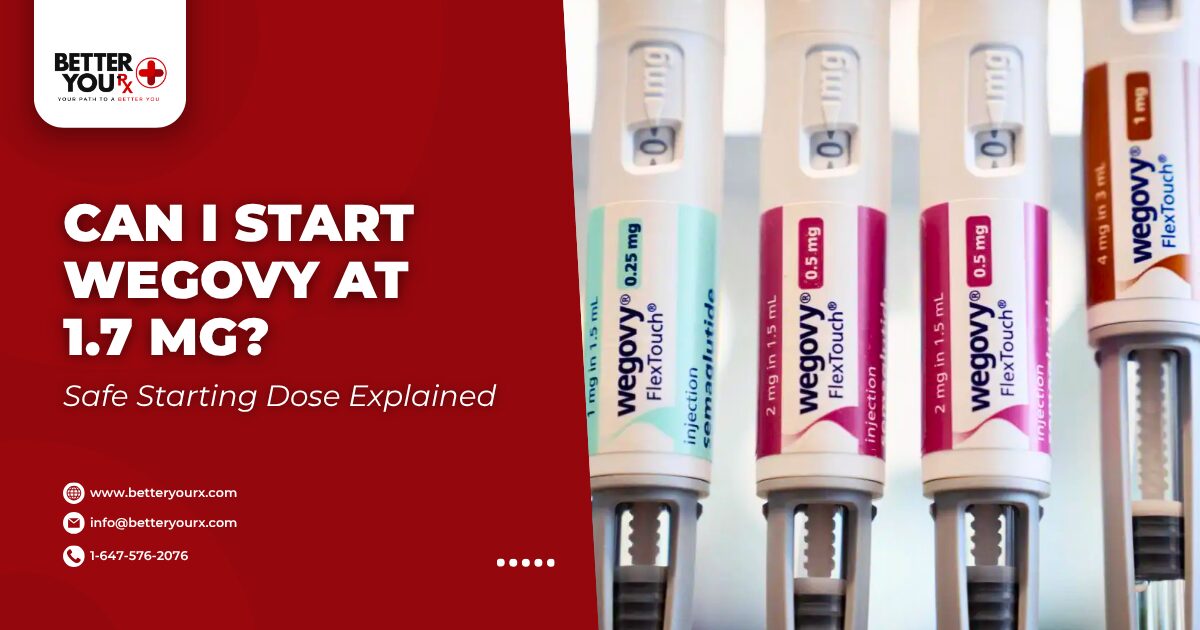
Can I Start Wegovy at 1.7 mg? | Safe Starting Dose Explained

Can I start Wegovy at 1.7 mg is a common question among those considering this weight management medication. Starting Wegovy at 1.7 mg without proper dose escalation can lead to severe digestive problems and isn’t medically recommended. Wegovy (Semaglutide) follows a specific dosing schedule that begins at 0.25 mg weekly and gradually increases over 16-20 weeks to reach the maintenance dose of 2.4 mg. This gradual approach allows your body to adjust to the medication while minimizing side effects like nausea, vomiting, and stomach discomfort. Skipping directly to 1.7 mg bypasses critical adjustment periods your digestive system needs. The medication works by mimicking natural hormones that regulate appetite and blood sugar levels. Following prescribed escalation schedules provides the safest path to achieving sustainable weight loss goals without compromising your daily quality of life throughout treatment.

Why Wegovy Requires Gradual Dose Escalation

Wegovy’s dosing schedule exists for important medical reasons. Your digestive system needs time to adapt to how Semaglutide slows gastric emptying. Starting at lower doses allows your stomach and intestines to adjust gradually to this change in function.

The standard progression begins at 0.25 mg for four weeks, then moves to 0.5 mg for another four weeks. This continues through 1 mg, 1.7 mg, and finally reaches 2.4 mg. Each step serves a purpose in building tolerance.

Key reasons for gradual escalation:

  • Reduces risk of severe nausea and vomiting
  • Allows digestive system adaptation
  • Minimizes treatment discontinuation
  • Helps identify individual tolerance levels
  • Builds sustainable weight loss patterns

Jumping to 1.7 mg creates unnecessary risks. Studies show patients who follow proper escalation experience fewer side effects and better long-term adherence. Your body needs approximately 16-20 weeks to reach the full maintenance dose safely.

The medication concentration in your bloodstream increases steadily with each dose level. Rapid increases can overwhelm your system’s ability to process the medication effectively. This leads to uncomfortable symptoms that might force treatment interruption.

Healthcare providers design this schedule based on extensive research showing optimal patient outcomes. Following the prescribed progression gives you the best chance at successful weight management without compromising your daily quality of life.

Looking for reliable access to diabetes medications? Better You Rx offers convenient prescription referral services for products like Humalog Junior KwikPen to support your overall metabolic health management.

Understanding Wegovy’s Recommended Dosing Schedule

The standard Wegovy titration schedule follows a precise timeline designed for maximum effectiveness and tolerability. Each dose level serves specific purposes in your weight management journey.

Week Dose Duration Purpose
1-4 0.25 mg 4 weeks Initial tolerance building
5-8 0.5 mg 4 weeks Early adaptation phase
9-12 1 mg 4 weeks Moderate dose adjustment
13-16 1.7 mg 4 weeks Pre-maintenance preparation
17+ 2.4 mg Ongoing Full maintenance dose

Month One – Starting Phase (0.25 mg)

Your first month introduces Semaglutide at the lowest therapeutic dose. Most people experience minimal side effects during this period. You might notice slight appetite reduction, but the primary goal is tolerance development.

This initial dose allows your body to recognize the medication without overwhelming your system. Some patients report mild nausea that typically subsides within the first two weeks as adaptation occurs.

Months Two Through Four – Building Phase

As you progress through 0.5 mg and 1 mg doses, appetite suppression becomes more noticeable. Weight loss typically begins accelerating during these months. Your stomach adjusts to slower emptying, which contributes to prolonged fullness.

Many people find this middle phase most challenging for side effects. Staying hydrated and eating smaller portions helps manage digestive discomfort. The question “can I start Wegovy at 1.7 mg” often arises here, but patience with the process yields better outcomes.

Month Five – Pre-Maintenance (1.7 mg)

Reaching 1.7 mg represents significant progress in your treatment. This dose provides substantial appetite control while preparing your body for the final maintenance level. Weight loss often continues steadily at this stage.

Your healthcare provider assesses your response at this point. Some patients remain at 1.7 mg if they achieve their goals, while others continue to 2.4 mg for maximum benefit.

Better You Rx provides prescription referral services for essential diabetes medications like Lantus Solostar, helping you maintain comprehensive metabolic wellness alongside weight management efforts.

Potential Risks of Starting at Higher Doses

Potential Risks of Starting at Higher Doses

Beginning Wegovy at elevated doses like 1.7 mg without proper escalation creates several serious health concerns. Your body lacks the necessary adaptation period to handle the medication’s effects on your digestive system.

Severe Gastrointestinal Reactions

The most common complications involve your digestive tract. Patients who skip dose escalation frequently experience:

  • Persistent nausea lasting several days
  • Multiple episodes of vomiting daily
  • Severe stomach pain and cramping
  • Inability to keep food or fluids down
  • Rapid dehydration requiring medical attention
  • Emergency room visits for uncontrollable symptoms

These reactions can be intense enough to require stopping treatment entirely. Some patients develop such negative associations with the medication that resuming therapy becomes psychologically difficult.

Metabolic Complications

Starting too high affects more than just your stomach. Your body’s metabolic processes need time to adjust to Semaglutide’s actions. Sudden exposure to high doses can cause blood sugar fluctuations that become unpredictable, especially if you have diabetes or prediabetes.

The medication’s effect on insulin secretion and glucose production requires gradual implementation for stable control. Rapid weight loss from high initial doses may seem desirable but creates nutritional deficiencies. Your body needs time to adjust caloric intake downward while maintaining essential nutrient absorption.

Treatment Interruption and Restart Challenges

When severe side effects force treatment discontinuation, restarting becomes complicated. You cannot simply resume at the dose that caused problems. The entire escalation process typically must begin again from 0.25 mg.

This setback adds months to your treatment timeline and creates frustration. Many patients who experience severe initial reactions struggle with treatment adherence even when restarting properly. Can I start Wegovy at 1.7 mg becomes a moot question when considering long-term success requires starting correctly from the beginning.

Long-Term Adherence Problems

Patients who start too aggressively often abandon treatment within the first few months. The miserable experience of overwhelming side effects outweighs potential benefits in their minds.

Research consistently shows that gradual dose escalation leads to better one-year adherence rates. Medical guidance exists to protect you from these preventable complications. Following prescribed protocols might seem slower, but ensures sustainable results without unnecessary suffering.

How Wegovy Works in Your Body

Semaglutide, the active ingredient in Wegovy, functions as a glucagon-like peptide-1 (GLP-1) receptor agonist. This means it mimics natural hormones your intestines produce after eating.

Appetite Regulation Mechanisms

When you eat, your gut releases GLP-1 hormones that signal fullness to your brain. Wegovy amplifies these signals, creating stronger and longer-lasting satiety. This reduces hunger between meals and decreases overall food intake.

The medication targets specific receptors in your hypothalamus, the brain region controlling appetite. By activating these receptors continuously, Wegovy helps reset your body’s weight set point over time.

Effects on Gastric Emptying

Wegovy significantly slows how quickly food leaves your stomach. This延长 digestion time contributes to extended feelings of fullness after meals. You feel satisfied with smaller portions because food remains in your stomach longer.

This delayed gastric emptying explains why gradual dose escalation matters so much. Your stomach needs time to adapt to this altered function. Starting at 1.7 mg overwhelms this system before adaptation can occur.

Blood Sugar Regulation

Beyond weight management, Semaglutide affects glucose metabolism. It stimulates insulin release when blood sugar rises after meals while suppressing glucagon, a hormone that raises blood sugar.

These effects help stabilize blood sugar levels throughout the day. This dual action on appetite and glucose makes Wegovy particularly effective for people with metabolic concerns.

Metabolic Rate Changes

Some research suggests GLP-1 receptor agonists may slightly increase metabolic rate. While not the primary mechanism for weight loss, this contributes to overall caloric expenditure throughout treatment.

The medication also appears to influence fat storage patterns in the body. Over time, patients often notice changes in body composition beyond simple scale weight reduction.

Building Tolerance Over Time

Your body’s GLP-1 receptors gradually adjust to constant medication presence. This adaptation process requires weeks to complete at each dose level. Rushing through doses prevents proper receptor adjustment, leading to exaggerated side effects.

Understanding these mechanisms clarifies why can I start Wegovy at 1.7 mg receives a negative answer. Your physiological systems need progressive adaptation that only proper dose escalation provides.

Need support managing your metabolic health alongside Wegovy treatment? Better You Rx offers prescription referral services for Insulin NovoRapid FlexPens and other essential medications to complement your health journey.

What Healthcare Providers Consider Before Prescribing

Maximizing Wegovy Effectiveness Safely

Medical professionals evaluate multiple factors when determining your Wegovy treatment plan. Their assessment ensures the medication suits your individual health profile and goals.

Comprehensive Health History Review

Your provider examines your complete medical background before prescribing. They look for conditions that might complicate treatment or require special monitoring.

Previous weight loss attempts – Understanding what you’ve tried helps set realistic expectations. Your history with other medications informs how you might respond to Wegovy.

Existing health conditions – Certain digestive disorders, thyroid problems, or metabolic conditions affect treatment decisions. Your provider weighs potential benefits against any risks these conditions present.

Current medications – Wegovy can interact with other drugs, particularly those affecting blood sugar or digestion. Your complete medication list helps prevent dangerous interactions.

Body Weight and BMI Assessment

Wegovy approval requires meeting specific criteria. Generally, you need a BMI of 30 or higher, or 27 or higher with at least one weight-related health condition like high blood pressure or elevated cholesterol.

Your starting weight influences goal setting and monitoring plans. Providers establish baseline measurements to track progress throughout treatment.

Previous GLP-1 Experience

If you’ve used other GLP-1 medications before, this significantly impacts your starting dose. Patients transitioning from similar medications might follow modified escalation schedules.

However, even with prior GLP-1 experience, most providers still begin Wegovy at 0.25 mg. The question can I start Wegovy at 1.7 mg rarely receives approval even for experienced patients due to medication-specific considerations.

Mental Health Evaluation

Your psychological readiness for weight management treatment matters. Providers assess your relationship with food, body image concerns, and support systems available during treatment.

Understanding your mental health helps identify potential challenges early. Some patients benefit from counseling support alongside medication therapy.

Lifestyle and Commitment Assessment

Successful Wegovy treatment requires lifestyle modifications beyond medication. Your provider evaluates your willingness and ability to make dietary changes and increase physical activity.

They discuss realistic timelines and expectations. Weight loss with Wegovy occurs gradually over many months, requiring sustained commitment to the complete treatment protocol.

Monitoring Plans

Before prescribing, your provider establishes follow-up schedules. Regular check-ins assess treatment response, manage side effects, and adjust plans as needed.

These appointments provide opportunities to address concerns and ensure you’re progressing safely through dose escalation. Open communication with your healthcare team optimizes outcomes.

Managing Side Effects During Dose Escalation

Even with proper gradual dosing, some side effects occur during Wegovy treatment. Knowing how to manage these symptoms helps you continue therapy successfully.

Common Digestive Symptoms

Nausea ranks as the most frequently reported side effect, especially during dose increases. Most people experience mild to moderate nausea that improves within days as their body adjusts.

Practical strategies for managing nausea:

  • Eat smaller, more frequent meals throughout the day
  • Avoid lying down immediately after eating
  • Choose bland, easy-to-digest foods
  • Stay away from greasy, spicy, or heavily seasoned dishes
  • Drink clear fluids slowly between meals
  • Try ginger tea or ginger candies for natural relief

Vomiting occasionally occurs but typically resolves quickly. If vomiting persists beyond 24-48 hours, contact your healthcare provider for guidance.

Constipation affects many patients as digestive processes slow. Increasing water intake, adding fiber-rich foods, and gentle physical activity usually provides relief. Your provider can recommend appropriate remedies if needed.

Fatigue and Energy Changes

Some people feel more tired during the first weeks at each new dose. This usually improves as your body adapts. Ensuring adequate sleep, staying hydrated, and maintaining balanced nutrition helps manage fatigue.

Energy levels often stabilize and even improve as weight loss progresses and metabolic health improves. Give your body time to adjust before assuming fatigue represents a permanent side effect.

Headaches

Mild headaches sometimes accompany dose increases. Staying well-hydrated often prevents or reduces headache frequency. Most headaches diminish within the first week at a new dose.

Persistent or severe headaches warrant medical attention to rule out other causes and ensure appropriate management.

When to Contact Your Healthcare Provider

Certain symptoms require prompt medical evaluation:

  • Severe abdominal pain that doesn’t improve
  • Persistent vomiting preventing fluid intake
  • Signs of dehydration (dark urine, dizziness, extreme thirst)
  • Vision changes or severe headaches
  • Racing heart rate or chest discomfort
  • Extreme mood changes or depression
  • Severe allergic reactions (rash, swelling, difficulty breathing)

Dietary Adjustments That Help

Modifying what and how you eat significantly reduces side effects. Focus on protein-rich foods that help maintain muscle mass during weight loss and provide sustained energy. They’re generally well-tolerated even with slower digestion.

Hydration matters tremendously. Drinking water throughout the day prevents dehydration and helps manage many side effects. Aim for clear urine as a hydration indicator.

Avoid trigger foods. High-fat, very sweet, or heavily processed foods often worsen nausea. Stick with whole, minimally processed options during adjustment periods.

Understanding that can I start Wegovy at 1.7 mg leads to worse side effects helps appreciate the value of gradual escalation. Proper dosing minimizes these management challenges.

Maximizing Wegovy Effectiveness Safely
Why Wegovy Requires Gradual Dose Escalation

Getting the best results from Wegovy involves more than just taking injections. Combining medication with lifestyle strategies optimizes outcomes while maintaining safety.

Nutritional Strategies

Focus on nutrient-dense foods that provide maximum nutrition in smaller volumes. Since Wegovy reduces appetite, making every bite count becomes important.

Prioritize protein at each meal to preserve muscle mass during weight loss. Good sources include chicken, fish, eggs, Greek yogurt, and legumes.

Choose whole foods and minimize processed items that provide calories without substantial nutrition. Vegetables, fruits, whole grains, and lean proteins form your dietary foundation.

Practice mindful eating by paying attention to hunger and fullness signals. Wegovy enhances these signals, so learning to recognize and respect them improves results.

Plan balanced meals. Even with reduced appetite, ensure you’re getting varied nutrients. Work with a nutritionist if needed to develop sustainable eating patterns.

Physical Activity Integration

Exercise complements Wegovy’s effects on weight and metabolic health. Start gradually and build activity levels as energy improves and weight decreases.

Cardiovascular exercise like walking, swimming, or cycling supports calorie expenditure and heart health. Begin with manageable durations and increase gradually.

Strength training helps maintain muscle mass during weight loss. This preserves metabolic rate and improves body composition beyond simple weight reduction.

Daily movement matters. Incorporate more activity into routine tasks. Taking stairs, parking farther away, or stretching while watching television all contribute to total daily energy expenditure.

Many patients ask if they can do high-intensity exercise while taking Wegovy. Generally, yes, but start conservatively and listen to your body. Some people feel more fatigued during dose escalations, so adjust intensity accordingly.

Hydration Focus

Adequate fluid intake becomes especially important during Wegovy treatment. Slower digestion can make dehydration more likely if you’re not intentionally drinking enough.

Aim for clear or pale yellow urine as a hydration indicator. Carry water with you and sip throughout the day rather than drinking large amounts at once.

Sleep and Stress Management

Quality sleep supports weight management through multiple mechanisms. It regulates hunger hormones, improves decision-making around food choices, and provides energy for physical activity.

Stress management matters because chronic stress affects weight through cortisol elevation and emotional eating patterns. Practices like meditation, yoga, or simple breathing exercises complement medication effects.

Consistent Medication Timing

Inject Wegovy on the same day each week to maintain stable medication levels. Consistency helps your body maintain adaptation and optimizes appetite control.

If you miss a dose, guidelines exist for when to take it versus waiting until the next scheduled injection. Your provider can clarify these instructions based on timing.

Regular Monitoring

Track your progress through multiple measures beyond scale weight. Body measurements, how clothes fit, energy levels, and health markers like blood pressure all indicate success.

Regular check-ins with your healthcare provider ensure you’re progressing safely. These appointments allow dose adjustments and address any emerging concerns promptly.

Patience with the Process

Understanding that can I start Wegovy at 1.7 mg isn’t recommended helps frame realistic expectations. Sustainable weight loss takes time, and rushing the process undermines long-term success.

Most patients lose 15-20% of body weight over 16-20 months. This gradual reduction is more likely to be maintained compared to rapid weight loss from extreme measures.

Wrapping Up Your Wegovy Journey

Starting Wegovy correctly sets the foundation for successful weight management. The question can I start Wegovy at 1.7 mg has a clear answer: beginning at this dose without proper escalation creates unnecessary risks and often leads to treatment failure.

The standard progression from 0.25 mg through graduated increases protects you from severe side effects while building sustainable tolerance. This approach might seem slow, but it provides the best chance for long-term success without compromising your daily quality of life.

Your healthcare provider designs dosing schedules based on extensive research showing optimal patient outcomes. Following prescribed protocols, managing side effects proactively, and combining medication with lifestyle changes maximizes benefits while minimizing complications.

Weight management represents a journey requiring patience, commitment, and proper medical guidance. Starting correctly at the lowest dose and following recommended escalation gives you the best opportunity to reach your goals safely and maintain results long-term.

Working closely with your healthcare team throughout treatment ensures you receive personalized support matched to your individual needs and responses. This collaborative approach transforms Wegovy from simply a medication into a comprehensive tool for lasting health improvement.

Frequently Asked Questions

Is It Safe to Start Wegovy at 1.0 mg?

Starting Wegovy at 1.0 mg without completing the earlier escalation steps isn’t recommended. While 1.0 mg is lower than 1.7 mg, it still represents a significant jump from where treatment should begin. The standard protocol starts at 0.25 mg for important physiological reasons. Your digestive system needs gradual adaptation to how Semaglutide affects gastric emptying and appetite signals. Skipping to 1.0 mg increases your risk of severe nausea, vomiting, and other digestive problems that might force treatment discontinuation. Most healthcare providers insist on following proper escalation even for patients eager to see faster results.

Can I Restart Wegovy at 1.7 mg?

Restarting Wegovy at 1.7 mg after a treatment break depends on how long you’ve been off the medication. If you stopped for more than a few weeks, your body loses the tolerance built during initial treatment. Most medical guidelines recommend restarting at a lower dose, often beginning again at 0.25 mg if the interruption exceeded four weeks. Even if 1.7 mg was your previous dose, your digestive system needs time to readapt to the medication’s effects. Your healthcare provider assesses your specific situation, considering interruption length and previous tolerance, to determine the safest restart dose. Attempting to resume at 1.7 mg without medical approval risks severe side effects.

Do Higher Doses of Wegovy Work Better?

Higher Wegovy doses generally provide stronger appetite suppression and potentially greater weight loss, but this doesn’t mean jumping to high doses works better. The 2.4 mg maintenance dose showed optimal results in research studies, but reaching this dose requires proper escalation over 16-20 weeks. Some patients achieve their weight goals at lower doses like 1.0 mg or 1.7 mg and maintain those levels successfully. Effectiveness depends on multiple factors beyond dose alone, including dietary habits, physical activity, individual metabolism, and how well you tolerate the medication. Working with your provider to find your optimal dose matters more than simply reaching the highest possible dose.

What Makes Wegovy Work Faster?

Nothing safely accelerates how Wegovy works beyond following the prescribed protocol. The medication requires time to build up in your system and for your body to adapt to its effects. Some strategies optimize results within this timeframe: eating balanced, nutrient-dense meals, staying physically active, maintaining consistent injection timing, getting adequate sleep, and managing stress effectively. However, these approaches work with the medication rather than speeding up its fundamental mechanisms. Trying to rush results by skipping dose levels creates serious health risks without actually improving outcomes. Can I start Wegovy at 1.7 mg to see faster results? No, this approach typically backfires, causing side effects that interrupt treatment and ultimately delay your goals.

Can You Jump from .25 to 1 Wegovy?

Jumping from 0.25 mg directly to 1 mg skips two important escalation steps. This isn’t medically recommended because your body needs gradual adaptation at each level. The standard protocol includes four weeks at 0.25 mg, then four weeks at 0.5 mg, before reaching 1 mg. Each step allows progressive tolerance building that protects against severe side effects. Skipping doses increases your risk of intense nausea, vomiting, and digestive distress that might force you to stop treatment entirely. Some providers might slightly modify escalation timing based on individual tolerance, but this involves careful monitoring rather than simply jumping multiple dose levels. Following the complete escalation sequence provides the safest path to therapeutic doses.

How Much Is 1.7 Wegovy?

Wegovy pricing varies significantly based on several factors including your location, whether you have prescription benefits, and current market conditions. The medication typically requires several hundred dollars per month. Rather than focusing on getting 1.7 mg specifically, work with your healthcare provider to follow proper dose escalation from 0.25 mg upward. You’ll progress through all dose levels during treatment, so understanding overall treatment expenses matters more than one particular strength. Better You Rx offers prescription referral services that may help connect you with medication access options. Discussing financial concerns with your provider early helps identify potential solutions and ensures treatment affordability doesn’t force you to skip doses or stop therapy prematurely.

Can I Do High Intensity Exercise While Taking Wegovy?

Yes, you can generally do high-intensity exercise while taking Wegovy, but listen to your body and start gradually. Some people experience increased fatigue during dose escalation periods, which might affect exercise tolerance temporarily. As your body adapts to each new dose and as weight loss progresses, energy levels often improve. High-intensity interval training, challenging cardio workouts, and vigorous strength training can all complement Wegovy treatment. However, ensure you’re eating enough to fuel your activity despite reduced appetite. Adequate protein intake becomes especially important when combining significant exercise with weight loss medication. Stay well-hydrated before, during, and after workouts. If you feel unusually dizzy, weak, or unwell during exercise, scale back intensity and consult your healthcare provider.

How Long Does It Take for Wegovy to Suppress Appetite?

Most people notice appetite suppression beginning within the first few days to weeks of starting Wegovy, even at the initial 0.25 mg dose. However, the degree of appetite reduction increases as you progress through higher doses. Some patients report feeling less hungry almost immediately, while others experience more gradual changes over several weeks. The most substantial appetite control typically occurs once you reach doses of 1 mg or higher and becomes most pronounced at the 2.4 mg maintenance dose. Individual response varies based on metabolism, starting weight, dietary habits, and other factors. Can I start Wegovy at 1.7 mg to feel appetite suppression sooner? No, starting at lower doses and escalating gradually provides safer, more sustainable appetite control that prepares your body for optimal response at therapeutic doses.


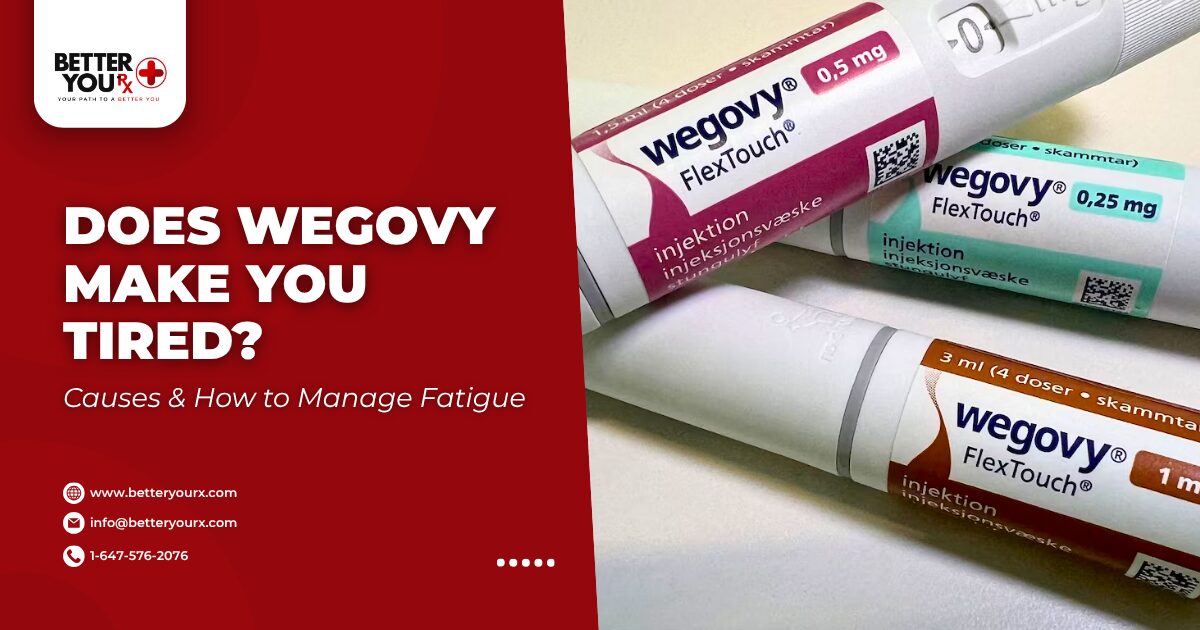
Does Wegovy Make You Tired? Causes & How to Manage Fatigue

Practical Strategies to Combat Fatigue Does Wegovy Make You Tired_ Causes & How to Manage Fatigue Common Causes of Fatigue on WegovyDoes Wegovy make you tired is a common concern among people starting this weight loss medication. Fatigue represents one of the frequently reported experiences during Wegovy treatment, though it varies significantly among users. The tiredness typically stems from reduced calorie intake, changes in metabolism, dehydration, nutritional adjustments, and your body adapting to the medication. Most people experience fatigue during the first few weeks of treatment as their system adjusts to appetite changes and lower food consumption. The good news is that this tiredness usually improves over time as your body adapts. Managing fatigue involves staying hydrated, eating nutrient-dense foods, maintaining gentle exercise, getting adequate sleep, and adjusting meal timing. 

Understanding Wegovy and Energy Levels

Living Well on Wegovy

Wegovy contains Semaglutide as its active ingredient, which works by mimicking a hormone called GLP-1 that regulates appetite and food intake. This medication slows stomach emptying and signals fullness to your brain, helping you eat less and lose weight effectively.

When you start Wegovy, your eating patterns change dramatically. The medication significantly reduces hunger signals, leading to decreased food consumption. This sudden shift in calorie intake directly impacts your energy levels, especially during the initial weeks of treatment.

Your body has been accustomed to a certain calorie level for maintaining your current weight. When Wegovy reduces your appetite and food intake, your system must adapt to functioning on fewer calories. This adaptation period often brings tiredness as your metabolism adjusts to the new energy balance.

The medication also affects how quickly food moves through your digestive system. Slower gastric emptying means nutrients absorb more gradually, which can temporarily alter your energy patterns throughout the day. Your body needs time to adjust to these digestive changes.

Does Wegovy make you tired for everyone? Not necessarily. Individual responses vary based on factors like starting dose, overall health, baseline energy levels, diet quality, hydration status, and lifestyle habits. Some people experience minimal fatigue, while others feel more pronounced tiredness during the adjustment period.

The tiredness associated with Wegovy differs from regular fatigue. It often feels like a general lack of energy rather than sleepiness. You might notice reduced motivation for physical activities or feeling less energetic during your usual daily tasks.

Ready to start your weight loss journey? Learn more about Wegovy through Better You Rx, a prescription referral service connecting you with this effective medication.

Common Causes of Fatigue on Wegovy

Multiple factors contribute to tiredness during Wegovy treatment. Understanding these causes helps you address each one effectively and minimize their impact on your daily life.

Reduced Calorie Intake

The primary reason people feel tired on Wegovy relates to decreased food consumption. When the medication suppresses your appetite, you naturally eat less throughout the day. Your body interprets this calorie deficit as a signal to conserve energy.

During weight loss, your body burns stored fat for fuel. While this process is exactly what you want for losing weight, the metabolic shift can temporarily reduce your energy levels. Your system needs time to become efficient at utilizing fat stores instead of readily available dietary calories.

Many people on Wegovy unintentionally create too large of a calorie deficit. While eating less drives weight loss, consuming too few calories can cause excessive fatigue. Your body still needs adequate fuel to maintain basic functions, support physical activity, and keep your energy stable.

Dehydration Effects

The medication can reduce your thirst signals along with your appetite. When you eat less, you also tend to drink less, especially if much of your previous fluid intake came from foods with high water content.

Dehydration directly impacts energy levels. Even mild dehydration causes fatigue, difficulty concentrating, headaches, and reduced physical performance. Your blood volume decreases when dehydrated, making your heart work harder to circulate oxygen and nutrients throughout your body.

Some people experience nausea as a side effect of Wegovy, which may further reduce fluid intake. If nausea causes vomiting or diarrhea, fluid loss increases dramatically, compounding the dehydration problem and resulting tiredness.

Nutritional Deficiencies

Eating significantly less food means consuming fewer vitamins and minerals. When your diet shrinks, getting adequate nutrition becomes challenging. Certain nutrient deficiencies directly cause fatigue and low energy.

Iron deficiency leads to anemia, which reduces your blood’s oxygen-carrying capacity and causes persistent tiredness. B vitamins play crucial roles in energy metabolism, and deficiencies in B12, folate, or other B vitamins contribute to fatigue. Vitamin D deficiency also correlates with low energy and tiredness.

Protein intake often decreases when appetite drops. Adequate protein is essential for maintaining muscle mass, supporting metabolism, and sustaining energy levels. Insufficient protein consumption can leave you feeling weak and tired.

Blood Sugar Fluctuations

Wegovy affects how your body processes carbohydrates and regulates blood sugar. These changes can cause energy fluctuations throughout the day, particularly if your eating schedule becomes irregular.

When you skip meals or go long periods without eating due to reduced appetite, blood sugar levels may drop below optimal ranges. Low blood sugar causes fatigue, weakness, difficulty concentrating, and irritability. Even people without diabetes can experience these effects.

Conversely, if you consume primarily simple carbohydrates during your reduced meals, you might experience blood sugar spikes followed by crashes. These fluctuations create an energy roller coaster that leaves you feeling tired and drained.

Sleep Disruptions

Some people experience changes in sleep quality when starting Wegovy. Digestive discomfort, nausea, or other side effects might interfere with falling asleep or staying asleep throughout the night. Poor sleep quality directly translates to daytime fatigue.

The medication can also cause vivid dreams or restless sleep in some individuals. Even if you spend adequate time in bed, disrupted sleep architecture prevents truly restorative rest, leaving you tired the next day.

Does Wegovy Make You Tired Long-Term

The fatigue experienced on Wegovy typically improves as treatment continues. Most people notice their energy levels stabilizing within 4-8 weeks after starting the medication or increasing to a new dose.

During the initial weeks, your body undergoes significant metabolic adjustments. This tiredness represents your system learning to function efficiently on fewer calories while burning fat stores for energy.

As you continue treatment, several positive changes occur that improve energy:

  • Your metabolism adapts to lower calorie intake
  • Your body becomes more efficient at utilizing fat for fuel
  • You develop new eating patterns that better support energy needs
  • Hydration habits typically improve as you become more aware
  • Your system adjusts to the medication’s effects on digestion

Many people report feeling more energetic after the initial adjustment period compared to before starting Wegovy. Weight loss itself often improves energy levels. Carrying less weight reduces the physical strain on your body, improves sleep quality, enhances cardiovascular function, and boosts overall vitality.

However, persistent fatigue beyond the initial weeks deserves attention. If tiredness continues or worsens after 2-3 months on a stable dose, consult your healthcare provider. Ongoing fatigue might indicate issues unrelated to Wegovy that need evaluation.

Some individuals experience renewed tiredness when their dose increases. Each dose escalation can trigger a brief adjustment period similar to when you first started the medication. This temporary fatigue usually resolves within a few weeks as your body adapts to the higher dose.

The key is distinguishing between normal adaptation fatigue and problematic tiredness. Normal adjustment fatigue gradually improves over weeks, doesn’t severely impact daily function, and responds well to supportive strategies like adequate hydration and nutrition. Concerning fatigue persists despite good self-care, significantly interferes with work or daily activities, or accompanies other worrying symptoms.

Practical Strategies to Combat Fatigue

Managing tiredness while taking Wegovy involves multiple approaches that address the various causes of low energy. Implementing these strategies helps you feel better while continuing your weight loss journey.

Optimize Your Nutrition

Even though your appetite is reduced, focus on nutrient density in every meal. Choose foods that pack maximum nutrition into smaller portions. Prioritize protein at every meal to maintain muscle mass and support energy production. Good protein sources include eggs, Greek yogurt, chicken, fish, tofu, and legumes. Aim for at least 60-80 grams of protein daily, distributed across your meals.

Include healthy fats that provide sustained energy and support hormone production. Avocados, nuts, seeds, olive oil, and fatty fish offer beneficial fats that help you feel satisfied and energized. Fat digests slowly, providing steady energy between meals.

Don’t neglect carbohydrates, but choose complex varieties that stabilize blood sugar. Whole grains, sweet potatoes, quinoa, and oats provide sustained energy without the crashes associated with refined carbohydrates. Pair carbs with protein and fat to further stabilize blood sugar.

Eat regular small meals rather than trying to consume large amounts in one sitting. Your reduced appetite makes big meals uncomfortable, but spacing smaller meals throughout the day maintains more stable energy levels and prevents blood sugar drops.

Managing fatigue on your weight loss journey? Get your medications at an affordable price through Better You Rx, a trusted prescription referral service.

Stay Properly Hydrated

Hydration deserves special attention when taking Wegovy. Set specific hydration goals rather than relying on thirst, since the medication may reduce your natural thirst signals.

Aim for at least 8-10 glasses of water daily, more if you exercise or live in hot climates. Keep a water bottle with you throughout the day as a visual reminder to drink regularly. Set phone reminders if needed to establish consistent hydration habits.

If plain water feels unappealing, try adding fresh fruit slices, cucumber, or herbs like mint for flavor without added sugars. Herbal teas, both hot and iced, count toward your fluid intake. Avoid relying on caffeinated beverages for hydration since caffeine has mild diuretic effects.

Monitor your hydration status by checking urine color. Pale yellow indicates good hydration, while dark yellow suggests you need more fluids. Other signs of adequate hydration include moist lips, elastic skin, and consistent energy levels.

Maintain Physical Activity

Exercise might seem counterintuitive when feeling tired, but appropriate physical activity actually boosts energy levels. Movement increases blood flow, delivers oxygen throughout your body, and stimulates energy production in your cells.

Start with gentle activities if you’re experiencing significant fatigue. Walking for 10-20 minutes daily provides benefits without overwhelming your system. Gradually increase duration and intensity as your energy improves.

Morning exercise can energize you for the entire day. Even brief morning movement like stretching, yoga, or a short walk helps wake up your body and combat the sluggishness you might feel upon waking.

Listen to your body and adjust activity levels based on your energy. Some days you might feel capable of more vigorous exercise, while other days call for gentler movement. Both have value in supporting your energy and overall health.

Avoid exercising too close to bedtime, as this can interfere with sleep quality. Aim to complete workouts at least 3-4 hours before sleep to allow your body to wind down properly.

Improve Sleep Quality

Prioritizing good sleep becomes especially important when taking Wegovy. Quality sleep helps your body recover, supports metabolism, and combats daytime fatigue.

Establish a consistent sleep schedule by going to bed and waking at the same times daily, even on weekends. This regularity helps regulate your body’s internal clock and improves sleep quality over time.

Create a relaxing bedtime routine that signals your body it’s time to wind down. This might include reading, gentle stretching, meditation, or a warm bath. Avoid screens for at least an hour before bed, as blue light interferes with melatonin production.

Ensure your bedroom supports good sleep with a comfortable temperature (typically 65-68°F), complete darkness, and minimal noise. Consider blackout curtains, a white noise machine, or earplugs if environmental factors disrupt your sleep.

If digestive discomfort from Wegovy interferes with sleep, try taking your dose in the morning rather than evening. Eating your last meal several hours before bedtime also helps minimize nighttime digestive issues.

Manage Stress Levels

Does Wegovy make you tired, or is stress contributing to your fatigue? Often both factors play a role. Chronic stress depletes energy and can worsen fatigue experienced during medication adjustment.

Practice stress-reduction techniques like deep breathing, meditation, or progressive muscle relaxation. Even 5-10 minutes daily of these practices can significantly impact your energy levels and overall wellbeing.

Set realistic expectations for your weight loss journey. While Wegovy is highly effective, the process takes time. Putting pressure on yourself for rapid results creates stress that compounds fatigue and makes the journey less sustainable.

Connect with supportive people who understand your experience. Whether friends, family, or online communities, having support reduces stress and provides encouragement during challenging periods.

When to Consult Your Healthcare Provider

While fatigue is common during Wegovy treatment, certain situations warrant medical evaluation. Knowing when to seek guidance ensures you receive appropriate care and support.

Contact your healthcare provider if fatigue persists beyond 8-12 weeks without improvement. Ongoing tiredness might indicate issues requiring adjustment to your treatment plan or evaluation for other causes.

Severe fatigue that prevents you from performing daily activities or work responsibilities needs prompt attention. While some tiredness during adjustment is normal, debilitating exhaustion is not and may require intervention.

If fatigue accompanies other concerning symptoms, seek medical evaluation. Warning signs include persistent dizziness, extreme weakness, rapid heartbeat, chest pain, shortness of breath, or unusual bruising. These symptoms might indicate complications requiring immediate attention.

Worsening fatigue after initially improving suggests something beyond normal medication adjustment. This pattern might indicate developing nutritional deficiencies, thyroid issues, or other medical conditions unrelated to Wegovy.

Does Wegovy make you tired in ways that affect your mental health? Persistent fatigue can contribute to low mood or depression. If you notice changes in your mental wellbeing alongside physical tiredness, discuss these concerns with your healthcare provider.

Your provider might recommend blood tests to check for anemia, thyroid function, vitamin deficiencies, or other conditions causing fatigue. Identifying and addressing any underlying issues helps resolve persistent tiredness while safely continuing your weight loss treatment.

Experience persistent side effects? Get your medications safely and affordably through Better You Rx, a trusted prescription referral service.

Adjusting Your Wegovy Dose

Practical Strategies to Combat Fatigue

Sometimes fatigue relates to your current Wegovy dose. The medication follows a gradual dose escalation schedule, starting low and increasing slowly to minimize side effects while maximizing effectiveness.

If fatigue feels overwhelming at your current dose, discuss slowing the escalation schedule with your healthcare provider. Staying at a lower dose longer allows your body more time to adjust before increasing further.

Some people find their ideal maintenance dose is lower than the maximum. You don’t necessarily need to reach the highest dose to achieve significant weight loss. If a lower dose provides good results without excessive fatigue, maintaining that level might be your best option.

Never adjust your dose without medical guidance. Dose changes should only occur under healthcare provider supervision to ensure safety and effectiveness. Self-adjusting dosage can cause problems and reduce treatment success.

The standard Wegovy escalation schedule increases every four weeks, but individual needs vary. Some people benefit from slower progression, while others tolerate the standard schedule well. Your provider can personalize the approach based on your response and side effects.

Remember that each dose increase may trigger temporary fatigue similar to when you first started. This recurrence is normal and typically resolves within a few weeks as you adapt to the higher dose.

Living Well on Wegovy

Successfully managing fatigue while taking Wegovy allows you to enjoy the benefits of weight loss without excessive tiredness compromising your quality of life. Focus on the positive changes happening in your body. Weight loss improves numerous health markers, reduces disease risks, enhances mobility, and boosts confidence. These benefits often outweigh temporary adjustment challenges like fatigue.

Celebrate non-scale victories that indicate improving health. Better sleep quality, increased stamina, improved mood, better-fitting clothes, and enhanced physical capabilities all represent success beyond the number on the scale.

Build sustainable habits that support long-term success. The nutrition, hydration, activity, and sleep strategies that combat fatigue also promote lasting health improvements that extend beyond your time on Wegovy.

Be patient with your body during the adjustment process. Significant metabolic changes take time. Expecting immediate adaptation creates frustration, while accepting that adjustment happens gradually reduces stress and supports better outcomes.

Connect with others on similar journeys. Sharing experiences, strategies, and encouragement helps you navigate challenges like fatigue while staying motivated toward your goals.

Final Thoughts

Does Wegovy make you tired? For many people, yes, particularly during the initial weeks of treatment or after dose increases. This fatigue stems from multiple factors including reduced calorie intake, dehydration, nutritional changes, blood sugar fluctuations, and metabolic adjustments.

The encouraging news is that fatigue typically improves as your body adapts to the medication. Most people experience energy levels stabilizing within 4-8 weeks, with many reporting increased energy compared to before treatment once significant weight loss occurs.

Managing fatigue effectively involves addressing its multiple causes through proper nutrition, adequate hydration, appropriate physical activity, quality sleep, and stress management. These strategies work together to support your energy while allowing your body to adjust to Wegovy.

Persistent or severe fatigue warrants medical evaluation to rule out other causes and ensure your treatment plan remains appropriate. Your healthcare provider can offer personalized guidance based on your specific situation and response to the medication.

The temporary challenge of fatigue during adjustment represents a small hurdle on the path to significant, lasting weight loss and improved health. With proper strategies and realistic expectations, you can successfully navigate this side effect while achieving your weight loss goals on Wegovy.

Frequently Asked Questions

How Long Does Fatigue Last on Wegovy?

Fatigue on Wegovy typically lasts 4-8 weeks as your body adjusts to the medication and reduced calorie intake. Most people notice energy levels stabilizing within this timeframe. When you increase to a new dose, you might experience renewed tiredness for 2-4 weeks before adapting. Individual experiences vary based on overall health, nutrition quality, hydration status, and lifestyle factors. If fatigue persists beyond 12 weeks without improvement, consult your healthcare provider to evaluate potential underlying causes.

How to Beat Fatigue on Wegovy?

Beat fatigue on Wegovy by focusing on nutrition quality rather than quantity, eating protein at every meal, staying well hydrated throughout the day, and maintaining gentle physical activity. Get adequate sleep by establishing consistent sleep schedules and creating relaxing bedtime routines. Eat small frequent meals to stabilize blood sugar, choose complex carbohydrates over simple sugars, and include healthy fats for sustained energy. Monitor for signs of dehydration or nutritional deficiencies, and address them promptly with dietary adjustments or supplements as recommended by your healthcare provider.

What Is the Number One Side Effect of Wegovy?

The number one side effect of Wegovy is nausea, which affects many people starting the medication. Nausea typically occurs during the first few weeks of treatment or after dose increases. Other common side effects include diarrhea, constipation, vomiting, abdominal pain, and headache. Does Wegovy make you tired ranks among frequently reported experiences as well. Most side effects diminish as your body adjusts to the medication. Taking Wegovy with food, staying hydrated, and avoiding large fatty meals helps minimize digestive side effects.

Is Wegovy Hard on Your Body?

Wegovy is generally well tolerated when used as directed under medical supervision. The medication works naturally by mimicking a hormone your body already produces, making it relatively gentle compared to some weight loss approaches. However, your body does undergo adjustments as appetite decreases and metabolism changes. These adaptations can feel challenging initially but represent normal responses to weight loss rather than harm. Serious side effects are uncommon but can occur, which is why medical supervision throughout treatment is important. Most people complete Wegovy treatment successfully without significant problems.

Which Is Safer, Ozempic or Wegovy?

Ozempic and Wegovy contain the same active ingredient, Semaglutide, making their safety profiles essentially identical. Wegovy is approved specifically for weight management at higher doses, while Ozempic is approved for blood sugar control at lower doses. Both medications undergo rigorous testing and monitoring. Safety depends more on appropriate use, medical supervision, and individual health factors than on which brand name you use. Your healthcare provider determines which medication and dose is appropriate based on your specific health needs, goals, and medical history.

What Happens If You Eat Too Much While on Wegovy?

Eating too much while on Wegovy typically causes uncomfortable digestive symptoms including nausea, vomiting, abdominal pain, bloating, and feeling overly full. The medication slows stomach emptying, so large meals sit in your stomach longer causing discomfort. Does Wegovy make you tired after overeating? Yes, your body diverts energy to digestion, and the discomfort from overfilling your stomach can leave you feeling sluggish. Eating smaller, more frequent meals prevents these issues. The medication’s appetite-suppressing effects usually make overeating naturally less appealing, but occasionally eating more than planned typically doesn’t cause lasting problems beyond temporary discomfort.

Can I Drink Coffee on Wegovy?

You can drink coffee while taking Wegovy. The medication does not interact negatively with caffeine, and coffee consumption does not reduce Wegovy’s effectiveness. However, be mindful that coffee has mild diuretic effects that could contribute to dehydration if you’re not drinking enough water. Avoid adding excessive sugar or cream to your coffee, as these add calories without much nutritional value. Some people find that coffee on an empty stomach causes more nausea while taking Wegovy, so consider having coffee with or after a small meal. Moderate coffee consumption (2-3 cups daily) is generally fine for most people on Wegovy.

Why Do I Feel So Good on Wegovy?

Many people feel good on Wegovy for several reasons beyond just weight loss. The medication improves blood sugar stability, which creates more consistent energy and mood throughout the day. Weight loss itself boosts confidence, improves mobility, reduces joint pain, and enhances overall physical comfort. Better blood sugar control positively affects mood and mental clarity. Some people experience improved sleep quality as weight decreases. The sense of accomplishment from successfully managing weight creates psychological benefits. Does Wegovy make you tired initially? Yes, but once you adapt, many people report feeling significantly better physically and mentally compared to before treatment.

Meta description: 

Sign Up For Newsletter

Please enable JavaScript in your browser to complete this form.

Join 60.000+ Subscribers and get a new discount coupon on every Saturday.

Address

PO Box 29631, Mississauga RPO Central Parkway, ON L5A 4H2

better you rx big letter logo

Discover convenience with Better You Rx, your trusted pharmacy-affiliated partner. We work with leading pharmacies to deliver prescriptions and over-the-counter medications right to your doorstep. Enjoy cost-effective solutions on a platform that’s easy to use. We focus on safety and efficacy in all products. Our dedicated team ensures a smooth experience. From ordering to delivery, we simplify your healthcare needs. Choose Better You Rx for reliable service and expert support. Trust us for all your medication requirements. Experience the ease of modern pharmacy care.

Categories

Operating Hours: 
10:00AM – 6:00PM CST
Monday – Friday

Our Payment Partners :

Copyright © 2024 BetteryouRX. All Rights Reserved.

Join The Waitlist Be among the first to know when becomes available.
Add to cart