
Weight loss is a goal for many individuals struggling with obesity and other weight-related health conditions. With the advancement of medications designed to support weight management, patients now have more options to consider. Wegovy and Ozempic are two prominent drugs in the class of GLP-1 receptor agonists, which are known for their ability to aid in appetite control and weight reduction. Both medications are used in managing weight, but understanding how they work, their dosage differences, and their effects can help patients make informed choices in collaboration with their healthcare providers.
These medications do not only assist with weight loss but also offer metabolic benefits, including better regulation of blood sugar levels. It is important to note that individual results vary based on factors such as diet, physical activity, medical history, and medication adherence. Knowing the potential benefits, side effects, and proper usage of Wegovy and Ozempic is critical in planning an effective weight management strategy.

Is Wegovy More Effective for Weight Loss Than Ozempic?
Wegovy and Ozempic have both demonstrated significant results in clinical trials for weight management. Wegovy was specifically developed and approved for weight loss in adults with obesity or overweight conditions with at least one weight-related health issue. In studies, patients taking Wegovy experienced an average weight reduction of around 15% over 68 weeks when combined with a reduced-calorie diet and increased physical activity.
On the other hand, Ozempic, originally designed for type 2 diabetes management, has also been shown to contribute to weight reduction. Clinical data show that patients using Ozempic for weight loss can experience an average reduction of 10–12% over the same period. This makes Wegovy slightly more potent for weight loss purposes in patients without diabetes, while Ozempic and weight loss remain significant when combined with lifestyle changes.
Individual responses may vary due to genetic factors, metabolism, and adherence to lifestyle recommendations. Some patients may experience more pronounced results with Ozempic due to better tolerance or different dosing schedules, but overall, Wegovy tends to provide higher weight loss percentages in clinical settings.
Dosage Differences Between Wegovy and Ozempic
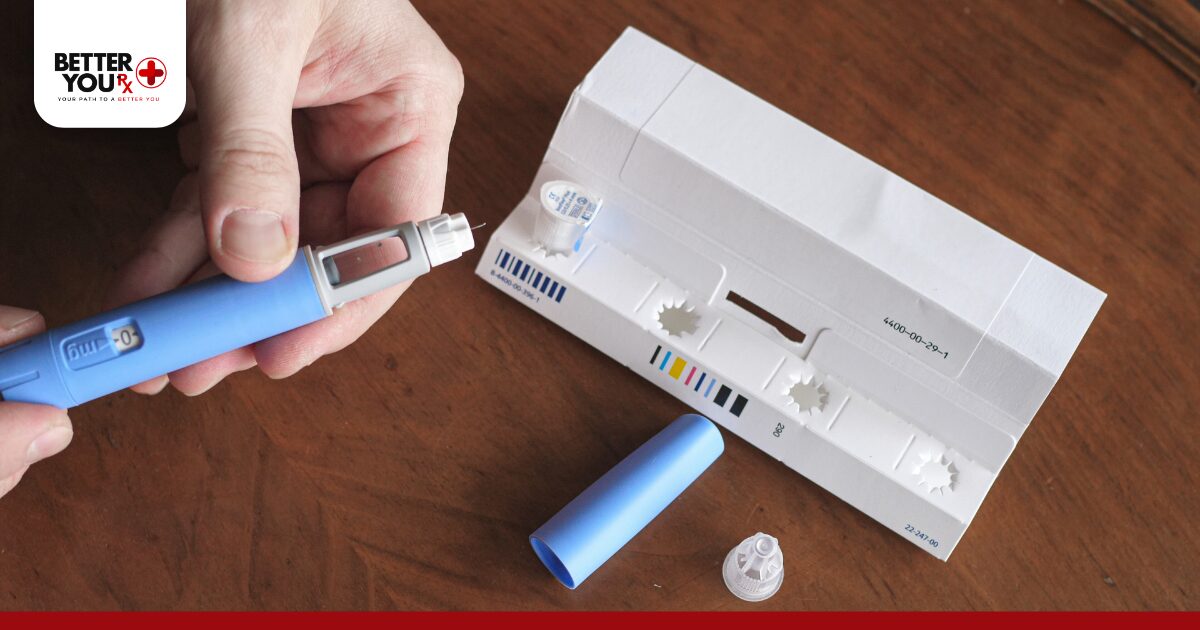
The main dosage differences between Wegovy and Ozempic lie in their dose strengths and approved uses:
Wegovy dosage starts at 0.25 mg once weekly and is gradually increased every 4 weeks to a maintenance dose of either 1.7 mg or 2.4 mg weekly. Wegovy is approved specifically for weight loss and weight management, with a maximum dose of 2.4 mg weekly.
Ozempic dosage also begins at 0.25 mg once weekly, with increases typically up to a maintenance dose of 1 mg weekly. If needed, Ozempic can be increased to a maximum of 2 mg weekly for blood sugar control in type 2 diabetes, but it is generally prescribed at lower doses than Wegovy. Ozempic is approved for type 2 diabetes and may be used off-label for weight loss.
Here’s the Wegovy dosage and Ozempic dosage comparison in a schedule form:
| Week/Month | Wegovy Dose (mg) | Ozempic Dose (mg) |
| 1-4 weeks | 0.25 mg | 0.25 mg |
| 5-8 weeks | 0.5 mg | 0.5 mg |
| 9-12 weeks | 1 mg | 1 mg (typical maintenance) |
| 13-16 weeks | 1.7 mg | 2 mg (if blood sugar needs further control) |
| 17+ weeks | 1.7 mg or 2.4 mg (maintenance) | 2 mg (maximum) |
Wegovy’s doses are higher than Ozempic’s because it is approved primarily for weight loss, while Ozempic is mainly for type 2 diabetes management, with weight loss as an off-label use. The higher Wegovy dosage may not be suitable for all type 2 diabetes patients, and side effects like gastrointestinal symptoms are more likely at higher doses.
Is 1 mg of Wegovy the Same as 1 mg of Ozempic?
No, 1 mg of Wegovy is not the same as 1 mg of Ozempic, even though both medications contain semaglutide. The main difference lies in their intended use, dosing schedule, and effects on weight loss versus blood sugar control.
Wegovy is specifically approved for weight loss and weight management, so its doses are designed to optimize fat reduction and appetite suppression. Even at 1 mg, Wegovy is part of a titration schedule that eventually increases to 1.7 mg or 2.4 mg weekly for maximum weight loss benefit.
Ozempic, on the other hand, is primarily approved for type 2 diabetes management, with weight loss as a secondary or off-label effect. A 1 mg dose of Ozempic is generally aimed at controlling blood sugar levels rather than achieving maximum weight reduction.
Because of these differences, the same milligram dose does not produce identical effects in terms of weight loss or metabolic impact. Patients should always follow the dosing schedule prescribed for the specific medication they are taking and not assume interchangeability between Wegovy and Ozempic.
Factors That Affect Weight Loss on GLP-1 Medications
Understanding these factors helps patients set realistic expectations and optimize results while using these medications.
Dosage and Titration Schedule
The amount of medication and how quickly it is increased can influence weight loss. Medications like Wegovy and Ozempic are started at lower doses to minimize side effects and gradually increased to maintenance doses. Higher maintenance doses, especially of Wegovy, often result in greater appetite suppression and more substantial weight reduction.
Diet and Lifestyle Choices
GLP-1 medications work best when paired with a balanced diet and regular physical activity. While the drugs reduce appetite and help control portion sizes, excessive consumption of high-calorie or sugary foods can limit weight loss. Incorporating healthy eating habits and exercise amplifies the effectiveness of the medication.
Metabolic and Genetic Factors
Individual metabolism plays a key role in weight loss outcomes. Factors such as age, gender, hormonal balance, and genetics can impact how a person responds to GLP-1 therapy. Some patients may experience faster or more significant weight loss, while others may lose weight more gradually.
Underlying Medical Conditions
Certain medical conditions, such as thyroid disorders or insulin resistance, can affect weight loss. Patients with these conditions may require closer monitoring and potentially adjusted GLP-1 doses to achieve desired results.
Medication Adherence and Consistency
Taking GLP-1 medications consistently as prescribed is essential. Skipping doses or not following the recommended titration schedule can reduce effectiveness and slow weight loss progress.
Side Effects and Tolerability
Gastrointestinal side effects, such as nausea or bloating, can affect how consistently a patient can take the medication. Managing these side effects appropriately ensures patients can stay on the optimal dose for weight loss.
What is the Strongest Weight Loss Injection?

The strongest weight loss injection in 2025 is Tirzepatide, sold under the brand name Mounjaro (and also Zepbound for weight loss), which leads to the most significant average weight loss of around 22.5% of body weight after one year.
Other notable weight loss injections are:
- Semaglutide (Wegovy), which shows an average weight loss of 15-17%.
- Liraglutide (Saxenda), which achieves about 5-8% weight loss.
Studies found Mounjaro to outperform Wegovy, with Mounjaro users losing about 20-22.5% body weight compared to about 14-15% with Wegovy, making Mounjaro the most effective option currently available. Mounjaro works by targeting two hormones (GLP-1 and GIP) controlling hunger and satiety, while Wegovy targets only GLP-1.
Which Medication Is Better for Long-Term Weight Management?
When it comes to effectiveness, Wegovy is designed specifically for weight management and can help people lose about 15–20% of their body weight over time when combined with diet and exercise. Ozempic for weight loss, while mainly used for type 2 diabetes, also supports weight reduction, typically around 10–15% of body weight at higher doses.
Both medications have similar side effects, including nausea, vomiting, constipation, and occasional stomach discomfort. Wegovy is usually introduced gradually, which can make it easier to tolerate over the long term, especially for those concerned about digestive side effects. Ozempic for weight loss shares these side effects, so patients may experience similar digestive discomfort when starting the medication.
In terms of long-term sustainability, Wegovy is generally more effective for maintaining weight loss since it was developed specifically for obesity treatment. Ozempic for weight loss can still help, particularly for people who also need to manage blood sugar, but it may be slightly less potent when the primary goal is weight management.
Final Thoughts
Both Wegovy and Ozempic provide effective solutions for weight management, each with unique advantages. Wegovy demonstrates higher weight loss potential, particularly for patients without diabetes, while Ozempic for weight loss remains valuable for those requiring both glucose control and weight reduction. Dosage differences, individual factors, and potential side effects influence outcomes and must be carefully considered with professional guidance.
Patients aiming for long-term results should focus on integrating these medications with a healthy diet, regular physical activity, and consistent medical supervision. Addressing Wegovy side effects and adjusting dosage as needed helps improve adherence and maximize results. Choosing the right medication ultimately depends on individual health status, goals, and tolerance.
Buy Wegovy online from Canada through Better You Rx to ensure a reliable supply and start your weight management journey under professional guidance. Maintaining a balanced lifestyle alongside the medication can provide meaningful and lasting benefits for your health and wellness.