Can Kids Take Ozempic? What Parents Need To Know About Pediatric Use

Can kids take Ozempic? Ozempic (Semaglutide) is not currently approved for children under 12 years old for weight management or type 2 diabetes. While Semaglutide has shown promising results in adults, its pediatric use remains limited and requires careful medical evaluation. Parents exploring weight loss or blood sugar management options for their children should consult a licensed medical doctor before considering any GLP-1 receptor agonist medication.

With childhood obesity rates climbing across the United States, many families wonder whether medications like Ozempic could help their kids. The conversation around whether can kids take Ozempic is becoming more common in pediatric offices and online forums alike.

Can Kids Take Ozempic for Weight Loss or Diabetes?

Can Kids Take Ozempic?

The short answer is that Ozempic is primarily designed for adults with type 2 diabetes and, in some cases, weight management. When parents ask can kids take Ozempic, the answer depends on the child’s age, health condition, and the prescribing physician’s judgment. Semaglutide, the active ingredient in Ozempic, works by mimicking a hormone called GLP-1 that helps regulate blood sugar and appetite.

For adolescents aged 12 and older with type 2 diabetes, some healthcare providers may consider prescribing Semaglutide on a case-by-case basis. The question of can kids take Ozempic at this age is valid, but it is not a routine recommendation. The decision involves weighing the potential benefits against possible side effects, and it always requires a prescription from a licensed medical doctor practicing within the United States.

Children younger than 12 are generally not candidates for Ozempic. Their bodies are still developing, and the long-term effects of GLP-1 medications on growth, bone density, and hormonal balance in younger kids remain unclear. For parents wondering can kids take Ozempic at younger ages, lifestyle changes and pediatric-specific treatments are typically the first line of approach.

What Is Ozempic and How Does It Work?

Ozempic is a brand-name injectable medication containing Semaglutide. It belongs to a class of drugs known as GLP-1 receptor agonists. To properly address whether can kids take Ozempic, it is important to first understand how the medication works. These medications function by slowing gastric emptying, reducing appetite, and helping the pancreas release the right amount of insulin after meals.

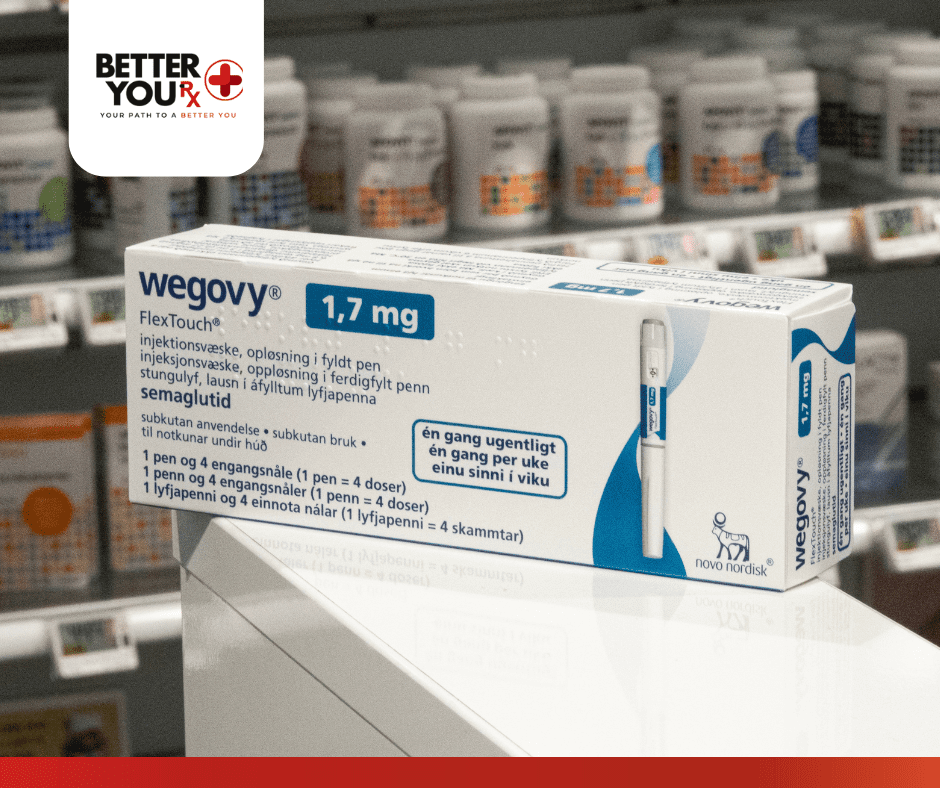
Adults use Ozempic primarily to manage type 2 diabetes and, in many cases, to support weight loss. The medication is administered through a weekly injection using a pre-filled pen. For those interested in similar GLP-1 treatments, options like Trulicity also offer weekly injectable solutions for blood sugar control.

When considering whether can kids take Ozempic, it helps to understand that the drug was originally tested and developed with adult physiology in mind. Pediatric metabolism, hormonal patterns, and growth trajectories differ significantly from adults, which is why extra caution applies.

Age Requirements for Ozempic Use in Children

Age plays a critical role in determining whether a child can safely use Ozempic. For parents asking can kids take Ozempic at various stages of development, here is a general breakdown of age-related considerations:

Age Group Ozempic Eligibility Recommended Approach
Under 6 years Not eligible Lifestyle modifications, dietary changes
6 to 11 years Not routinely recommended Pediatric-focused interventions, behavioral therapy
12 to 17 years May be considered case-by-case Physician evaluation, potential off-label use with monitoring
18 and older Eligible with prescription Standard adult dosing protocol


Adolescents between 12 and 17 represent the gray area where can kids take Ozempic becomes a real clinical question. A doctor may evaluate the teenager’s BMI, metabolic health, family history, and previous treatment attempts before making a recommendation. To learn more about how GLP-1 medications compare, check out this helpful comparison of Ozempic vs Trulicity.

Side Effects of Ozempic in Younger Patients

Side effects are a major concern when discussing whether can kids take Ozempic. While adults commonly experience manageable symptoms, children and teens may react differently due to their developing bodies. Understanding these risks is a key part of the conversation around can kids take Ozempic safely.

Common Side Effects

  • Nausea and vomiting, especially during the first few weeks
  • Diarrhea or constipation
  • Stomach pain and bloating
  • Reduced appetite
  • Fatigue and dizziness
  • Headaches

Serious Side Effects

  • Pancreatitis (inflammation of the pancreas)
  • Gallbladder problems
  • Kidney issues, particularly with dehydration
  • Low blood sugar when combined with other diabetes medications
  • Allergic reactions including swelling and difficulty breathing

Parents should monitor their child closely if a physician does prescribe Ozempic. Any unusual symptoms like severe stomach pain, persistent vomiting, or changes in vision should prompt an immediate call to the prescribing doctor.

Alternatives to Ozempic for Children

Before jumping to medication, most healthcare providers recommend a stepped approach for pediatric weight and diabetes management. Parents who ask can kids take Ozempic are often surprised to learn about the range of non-medication strategies available. Here are some commonly explored options:

Lifestyle and Dietary Changes: Structured meal plans, increased physical activity, and reduced screen time form the foundation of pediatric weight management. Small, consistent changes often produce better long-term results than drastic interventions.

Behavioral Therapy: Working with a counselor who specializes in pediatric health can help children develop healthier relationships with food and exercise. This approach addresses the emotional and psychological aspects of weight management.

Metformin: For children aged 10 and older with type 2 diabetes, Metformin is one of the more commonly prescribed oral medications. It helps improve insulin sensitivity without the injectable format that some children find intimidating.

Other GLP-1 Options: Some GLP-1 receptor agonists have been studied in adolescent populations more extensively than Ozempic. Before concluding whether can kids take Ozempic specifically, your child’s doctor can determine which medication, if any, is the best fit based on their specific health profile.

The question of can kids take Ozempic often leads families to explore these alternatives first. Many children respond well to non-medication approaches, especially when the whole family participates in healthier habits.

Things To Know Before Considering Ozempic for Your Child

If you are seriously considering whether can kids take Ozempic, there are several important factors to keep in mind. This section covers the practical details every parent should review.

A prescription is required. Ozempic is not available over the counter. It must be prescribed by a primary care physician or licensed medical doctor practicing within the United States.

Dosing differs for younger patients. If a doctor does prescribe Ozempic for a teenager, the starting dose is typically much lower than what an adult would receive. Gradual dose increases help minimize side effects.

Monitoring is essential. When exploring whether can kids take Ozempic safely, regular follow-up appointments, blood tests, and growth tracking are necessary. This ensures the treatment is working as intended and not causing harm.

Diet and exercise still matter. Ozempic is not a replacement for healthy eating and physical activity. Even when medication is part of the plan, lifestyle habits remain the backbone of effective weight and diabetes management.

Medication access through a referral service. Better You Rx is a Canadian prescription referral service that can help families access medications like Ozempic at competitive pricing. Prescriptions must be issued by a primary care physician or licensed medical doctor practicing within the United States. Medications are mailed directly to your residence within 7-10 business days from the date shipped, with a maximum 90-day supply per order.

Ozempic vs Other Pediatric Diabetes and Weight Medications

Feature Ozempic (Semaglutide) Metformin Wegovy (Semaglutide)
Type GLP-1 injectable Oral tablet GLP-1 injectable
Primary Use Type 2 diabetes Type 2 diabetes Weight management
Common Pediatric Age 12+ (case-by-case) 10+ 12+
Administration Weekly injection Daily oral pill Weekly injection
Key Benefit Blood sugar and appetite control Improves insulin sensitivity Significant weight reduction


This comparison helps illustrate why asking can kids take Ozempic leads to a broader conversation about which medication suits a child’s needs. Each option has distinct advantages depending on the child’s condition. For families exploring weight management options specifically, learning about Saxenda vs Ozempic may also be valuable.

How Parents Can Talk to Their Doctor About Ozempic for Kids

The Role of Mental Health in Weight Management

Starting the conversation with your child’s doctor does not have to feel awkward. Many pediatricians and endocrinologists are already fielding questions about whether can kids take Ozempic from concerned families.

Come prepared with your child’s medical history, including any previous weight management efforts, current medications, and family history of diabetes or obesity. Knowing whether can kids take Ozempic based on your child’s specific health profile requires this context. Ask specific questions like what the expected outcomes are, how long treatment would last, and what monitoring schedule the doctor recommends.

It also helps to ask about all available options before settling on one path. Understanding can kids take Ozempic as part of a larger treatment plan is key. Your doctor may suggest trying non-medication strategies for a set period before introducing Ozempic or another GLP-1 medication. The goal is a collaborative decision that prioritizes your child’s overall health and long-term wellbeing.

Which Option Is Best for Your Child?

What Are the Alternatives to Ozempic for Kids (1)

Deciding whether can kids take Ozempic comes down to the individual child’s health profile, age, and medical history. For most children under 12, lifestyle interventions and medications like Metformin remain the preferred route. Teenagers 12 and older with significant metabolic concerns may be candidates for Semaglutide under close medical supervision.

The best option is always the one that a qualified healthcare provider recommends after a thorough evaluation. The answer to can kids take Ozempic varies from one family to the next, and what works for one child may not work for another. Parents should feel empowered to ask questions, seek second opinions, and explore every available resource.

If your doctor does determine that Ozempic is appropriate, Better You Rx can assist with the prescription fulfillment process. As a Canadian prescription referral service with a licensed contracted pharmacy department, we help families in the United States access their medications conveniently. For any questions, contact us at 1-647-576-2076.

Final Thoughts on Whether Can Kids Take Ozempic

The question of can kids take Ozempic does not have a simple yes or no answer for every family. While Semaglutide offers real benefits for adults managing type 2 diabetes and weight, its role in pediatric care is still evolving. Parents should approach this topic with a combination of medical guidance, patience, and a willingness to explore multiple treatment paths.

Early conversations with healthcare providers, combined with healthy lifestyle foundations, give children the best chance at long-term success. For parents still weighing whether can kids take Ozempic, remember that whether your child ends up on medication or thrives with behavioral and dietary changes alone, what matters most is consistent support and informed decision-making.

For families exploring medication access, Better You Rx offers a reliable path to affordable prescriptions through our Canadian prescription referral service. For more information about related treatments like Trulicity and its uses, you may want to read about what Trulicity is.

Frequently Asked Questions About Can Kids Take Ozempic

Below are the most common questions parents ask when exploring whether can kids take Ozempic for their child’s health needs.

Can my 12 year old use Ozempic?

A 12-year-old may be considered for Ozempic on a case-by-case basis, but only under the direct supervision of a licensed medical doctor. The prescribing physician will evaluate factors like BMI, metabolic health, family history, and whether other treatments have been tried first. This is not a routine prescription for preteens and requires careful monitoring.

What is the weight loss injection for kids?

Wegovy (Semaglutide) is the primary GLP-1 injection studied for weight management in adolescents aged 12 and older. While Ozempic contains the same active ingredient, it is primarily indicated for type 2 diabetes rather than weight loss alone. A doctor can clarify which option aligns better with your child’s health needs.

What age can you give Ozempic?

Ozempic is generally prescribed to adults 18 and older, though some doctors may consider it for adolescents aged 12 to 17 in specific situations. Children under 12 are not typically candidates. Age alone does not determine eligibility, as the child’s overall health profile plays an equally important role in the prescribing decision.

What is the kids version of Ozempic?

There is no specific pediatric version of Ozempic. When Semaglutide is prescribed to younger patients, the same formulation is used at adjusted, lower doses. Wegovy, which also contains Semaglutide, has been more extensively evaluated for use in adolescents focused on weight reduction.

Who cannot take Ozempic?

Individuals with a personal or family history of medullary thyroid carcinoma or Multiple Endocrine Neoplasia syndrome type 2 should not take Ozempic. It is also not recommended for people with a history of severe allergic reactions to Semaglutide or any of its inactive ingredients. Children under 12, pregnant or breastfeeding women, and individuals with certain pancreatic conditions should avoid this medication. Always consult with a doctor before starting any new prescription.
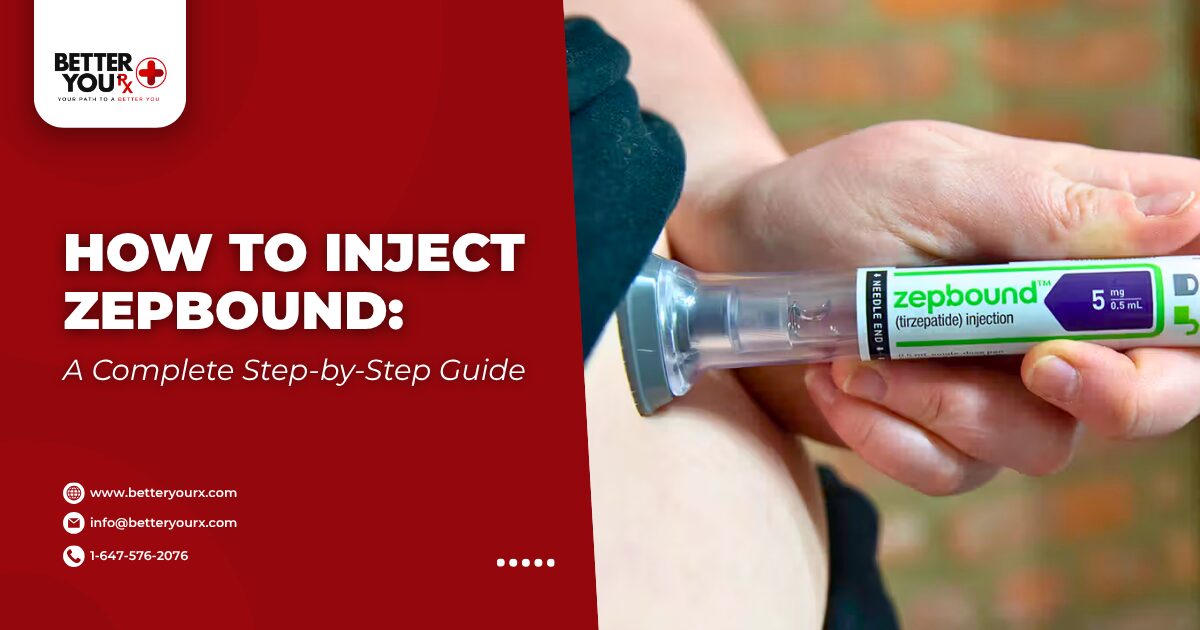
How to Inject Zepbound: A Complete Step-by-Step Guide

Understanding how to inject Zepbound correctly is key to ensuring comfort, consistency, and successful weight loss results. Zepbound (Tirzepatide) is an injectable prescription medication taken once a week to improve blood sugar regulation and promote healthy weight management. By learning the proper technique, you can reduce side effects, improve medication absorption, and make your treatment routine more effective.

How to Properly Inject Zepbound?

Step 6_ Inject the Medication

Administering Zepbound correctly involves following specific steps that ensure your body receives the full, intended dose. It’s injected subcutaneously, meaning just under the skin’s surface into fatty tissue. Unlike intramuscular injections, this method provides slow, steady absorption throughout the week, supporting stable hormone and appetite levels.

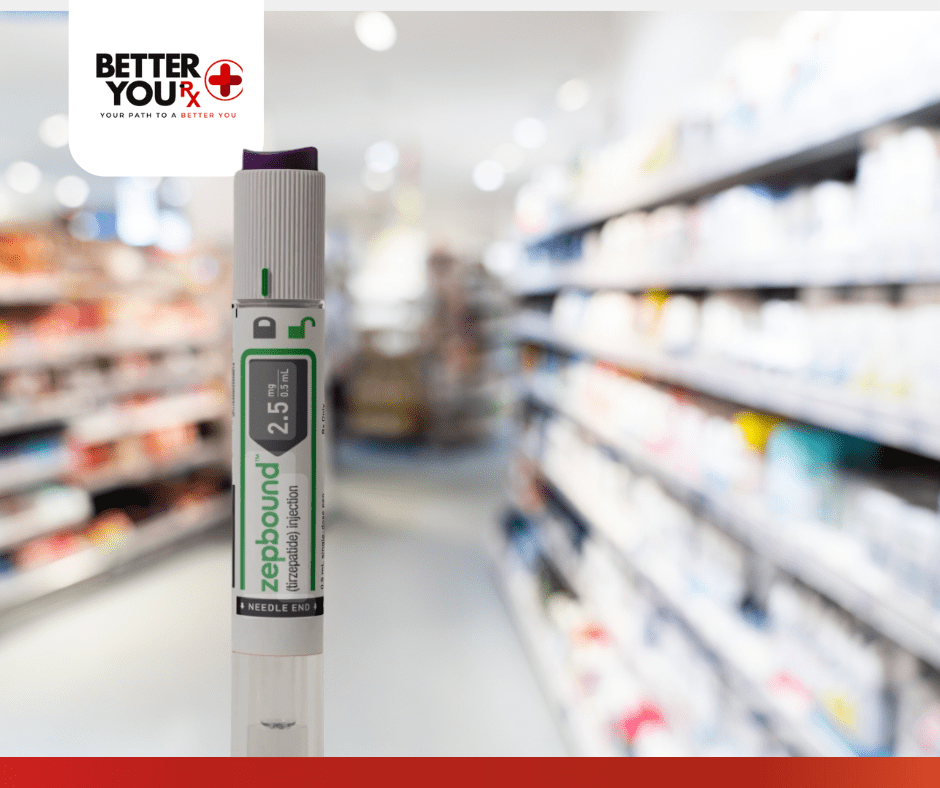
Before your first injection, it’s a good idea to familiarize yourself with your Zepbound KwikPen. Understanding how it functions will make the process more comfortable and reduce anxiety during your routine.

Step 1: Prepare the Zepbound KwikPen

Take your Zepbound KwikPen out of the refrigerator about 15 to 30 minutes before you plan to inject. Letting the medication reach room temperature helps prevent discomfort or stinging. Avoid heating, microwaving, or shaking the pen, as extreme temperature changes can damage its potency.

Check the solution through the pen window. It should be clear, colorless, and free from particles. If it looks cloudy, foamy, or discolored, dispose of it safely and use a new pen. Always confirm the expiration date before proceeding.

A simple pre-injection check ensures your medication remains effective and safe for use. Taking a few extra minutes to prepare properly can make your weekly routine smoother and more efficient.

Step 2: Clean the Injection Site

Wash your hands thoroughly using soap and warm water. Select the injection area — abdomen, thigh, or upper arm — and clean it with an alcohol swab. Allow the area to dry completely before injecting. This reduces the risk of irritation, infection, or stinging.

Avoid injecting into skin that is sore, hard, or scarred. Over time, repeated injections in the same location can cause lumps or skin thickening, so make sure to rotate sites each week. For example, if you inject into your abdomen this week, switch to your thigh next time.

Good hygiene and site rotation not only ensure comfort but also help your body absorb the medication evenly every time.

Step 3: Attach a New Needle

Remove the pen cap and twist on a new sterile needle. Always use a fresh needle for each injection to prevent contamination and ensure smooth flow. After securing the needle, remove both the outer and inner caps carefully.

It’s important not to touch the exposed needle or let it come into contact with any surface. Keeping it clean maintains sterility and prevents potential infection. When handled properly, this step only takes seconds and sets you up for a smooth, safe injection.

Step 4: Prime the Pen (First-Time Use Only)

Priming the pen releases trapped air and ensures proper dosing. Set the pen to “2 units,” hold it upright, and press the injection button until you see liquid appear at the tip. This small step confirms your pen is functioning correctly and will deliver an accurate dose.

If no liquid appears, repeat the process up to three times. If the issue persists, replace the pen and contact your healthcare provider. Once primed, the pen is ready for weekly use without needing to repeat this step again.

Step 5: Select the Correct Dose

Turn the dose knob until your prescribed dose appears in the display window. Your dosage may vary based on your treatment stage or your provider’s recommendation. Never adjust your dose without professional advice, as incorrect dosing can affect Zepbound’s safety and performance.

Taking the time to double-check the dose before injecting helps you avoid unnecessary discomfort or missed doses. A steady hand and calm focus go a long way in maintaining confidence during your injection routine.

Step 6: Inject the Medication

Gently pinch the cleaned skin to create a fold of fatty tissue. Insert the needle at a 90-degree angle (or 45 degrees if you have thin skin). Press the injection button steadily until the display reads “0,” then hold for ten seconds before removing the needle.

Keeping the needle in place for a few extra seconds ensures that the entire dose is delivered into the tissue. Once done, remove the needle and dispose of it in a dedicated sharps container.

For beginners, this process might seem intimidating at first, but after a few injections, it becomes a simple part of your weekly health routine.

Step 7: Store the Pen Correctly

Replace the cap on your pen and store it safely in the refrigerator between 36°F and 46°F (2°C–8°C). Keep it away from sunlight and out of children’s reach. Do not freeze the medication, as this can destroy its effectiveness.

If you’re unsure about proper storage, read Does Zepbound Need to Be Refrigerated? Complete Guide 2025 for detailed instructions on how to maintain the pen’s stability and quality.

how to inject zepbound

Zepbound Injection Preparation Checklist

Step Action Purpose
1 Warm Zepbound to room temperature Reduces pain and discomfort
2 Inspect medication Ensures it’s safe to use
3 Clean the skin Prevents infection
4 Use a new needle Maintains sterility
5 Rotate sites Promotes even absorption

Where to Inject Zepbound for Best Results?

Zepbound is designed for subcutaneous injection into fatty tissue, where the medication can absorb gradually into the bloodstream. This slow absorption ensures stable levels throughout the week, preventing fluctuations in appetite or blood sugar.

The three most effective areas to inject Zepbound are the abdomen, thighs, and upper arms. Each offers benefits, but choosing the right one depends on personal comfort and convenience.

  1. Abdomen: This is the most common site, as it provides consistent absorption and is easy to access. Inject at least two inches away from your belly button to avoid sensitive areas. 
  2. Thighs: The upper thigh area is ideal for self-administration. It provides a thick layer of subcutaneous fat, making injections more comfortable. 
  3. Upper Arm: This site works best if someone assists you with your injections, as it can be difficult to reach alone. 

Rotating sites weekly prevents tenderness and scarring while ensuring better absorption over time.

For users new to injections, you may also want to compare dosage starts by reading Can I Start Wegovy at 1.7 mg?.

Table 2: Comparison of Zepbound Injection Sites

Site Absorption Rate Comfort Recommendation
Abdomen Fastest High Preferred site for consistent dosing
Thigh Moderate Very High Ideal for self-use
Upper Arm Slower Moderate Best when assisted

When Is the Best Time to Inject Zepbound?

Zepbound is injected once per week, on the same day each week, at any time that fits your schedule. Consistency is key. Choose a time you can easily remember—such as Monday morning or Friday evening—and set a reminder.

Morning injections may be more convenient for those who experience mild nausea since the body can adjust during the day. Evening injections work for those with busier mornings. Either option is fine as long as it stays consistent.

If you miss a dose, inject it within four days (96 hours). If it’s been longer, skip it and resume your next scheduled injection. Never take two doses within the same week.

Some individuals pair their Zepbound routine with complementary medications like Ozempic for enhanced metabolic benefits, under the guidance of a healthcare professional.

How to Inject Zepbound for Maximum Comfort and Effectiveness

Your experience with Zepbound injections should be as stress-free and comfortable as possible. Adopting small but important habits can make each injection smoother and more effective.

Create a Calm Setting

Find a quiet, well-lit area where you can sit comfortably. Rushing or multitasking during an injection can increase anxiety or lead to mistakes. Take your time and focus solely on the process.

Let the Pen Warm Naturally

Injecting cold medication can cause mild stinging. Letting your pen warm to room temperature for at least 15–30 minutes helps reduce discomfort.

Relax and Breathe

Tension can cause your muscles to tighten, making injections more painful. Take a deep breath before inserting the needle and exhale as you press the button.

Apply Gentle Pressure

After removing the needle, lightly press the injection site with a cotton ball or tissue for a few seconds to reduce any minor bleeding or soreness.

Track Your Routine

Use a notebook or mobile reminder to record your injection sites and dates. This habit helps ensure rotation and keeps you organized.

For detailed insight into the drug’s duration and impact, review How Long Does Zepbound Stay in Your System?.

Tips to Make Zepbound Work Better

Where to Inject Zepbound for Best Results

Zepbound works best when used alongside healthy lifestyle habits. While the medication reduces appetite and regulates blood sugar, your choices play a major role in your long-term success.

  • Maintain a balanced diet high in fiber, protein, and vegetables. 
  • Stay hydrated—drink at least 64–80 ounces of water daily. 
  • Engage in regular exercise such as brisk walking, swimming, or light strength training. 
  • Prioritize rest and manage stress for better hormonal balance. 

For additional information about fatigue and energy changes with similar medications, see Does Wegovy Make You Tired?.

Final Thoughts

Understanding how to inject Zepbound properly gives you control, confidence, and comfort in your treatment journey. Following the correct technique ensures the medication works effectively, minimizes side effects, and keeps your weekly routine consistent.

When combined with mindful eating, regular activity, and proper hydration, Zepbound can be a powerful tool for achieving lasting weight management success.

If you’re exploring similar medications, consider learning more about Mounjaro KwikPen to understand comparable options.

Always follow your healthcare provider’s instructions for dosage and injection timing. Safe and consistent use of Zepbound can help you reach your goals while maintaining your overall well-being.

Frequently Asked Questions

Can I take Zepbound every 5 days?

No, Zepbound should only be taken once every seven days. Taking it every five days can cause excessive medication buildup, leading to nausea or low blood sugar. Its active ingredient, Tirzepatide, remains in your body long enough to work continuously between doses.

How to make Zepbound most effective?

To make Zepbound most effective, inject on the same day weekly and maintain a balanced lifestyle. Focus on nutrient-rich foods, regular activity, and proper hydration. Consistency allows your body to stabilize appetite signals and improves the drug’s overall impact.

How to speed up weight loss on Zepbound?

The best way to speed up weight loss on Zepbound is by combining it with healthy eating and daily movement. Avoid processed foods and high-sugar drinks, and focus on whole, nutrient-dense meals. Patience is key—results improve steadily over time.

How much water to drink on Zepbound?

Drink 64–80 ounces of water daily to help your body metabolize the medication efficiently. Hydration also helps prevent side effects like dry mouth or constipation, which can occur when appetite decreases.

Can I drink coffee on Zepbound?

Yes, you can drink coffee while using Zepbound. Stick to unsweetened or low-calorie options to stay within your calorie goals. Limit caffeine if you experience jitteriness or digestive discomfort.

Why do you have to drink so much water on Zepbound?

Hydration enhances how Zepbound works by supporting digestion and maintaining energy. It also reduces side effects and assists with appetite control, helping you stay full longer and manage cravings more effectively.


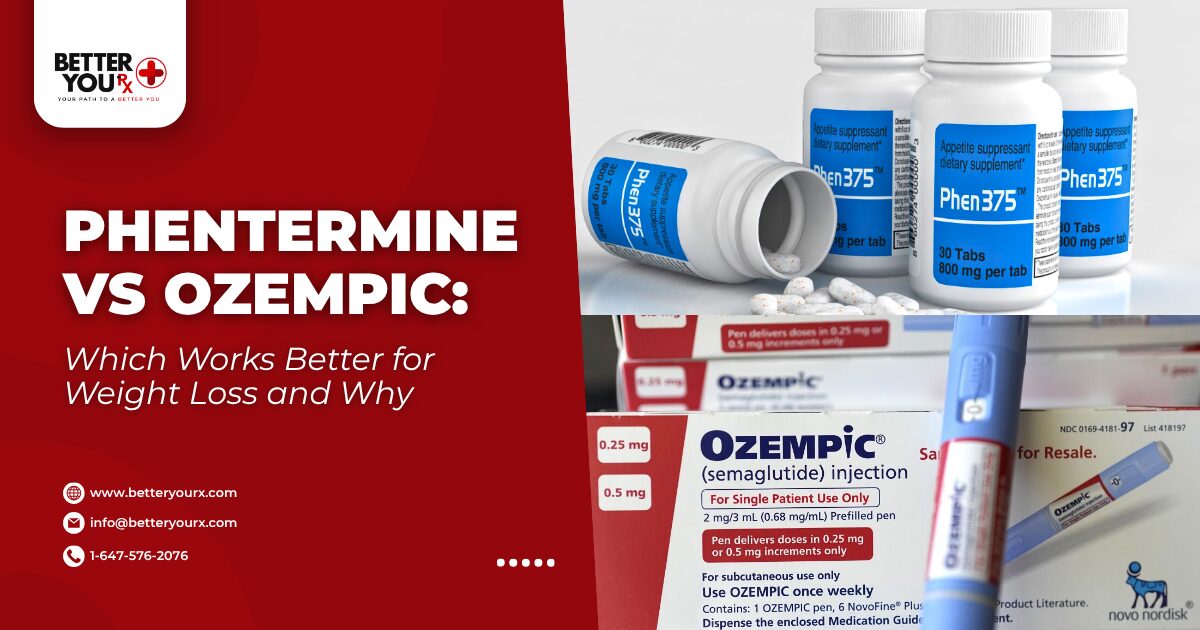
Phentermine vs Ozempic: Which Works Better for Weight Loss and Why

Comparing Phentermine vs Ozempic helps you understand which medication best fits your weight loss goals and lifestyle. Phentermine isa short-term stimulant-based pill that rapidly suppresses appetite and boosts energy, while Ozempic (Semaglutide) is a long-term injectable medication that works through hormonal balance to control appetite and improve metabolism.

Both are proven effective for weight management, but they cater to different needs. Phentermine provides quick, visible results and immediate motivation, while Ozempic focuses on sustainable fat reduction and healthy metabolic function over time. Choosing between them depends on your body, health condition, and long-term plan for maintaining results.

How Does Phentermine Work for Weight Loss

phentermine vs ozempic

Phentermine remains one of the most prescribed medications for short-term weight loss because of its powerful appetite-suppressing properties. It was developed to help individuals lose weight quickly by targeting the brain’s hunger control centers, allowing them to follow a calorie-restricted diet with greater ease and focus.

Mechanism of Action

Phentermine works by stimulating neurotransmitters in the brain—norepinephrine, dopamine, and serotonin. These chemicals suppress hunger and increase alertness, helping users feel less hungry and more energetic throughout the day.

It also promotes mental focus and motivation, which is crucial when making significant lifestyle changes such as dietary adjustments or starting a workout routine. This makes Phentermine especially helpful for those who struggle with appetite control and emotional eating.

Its effects typically begin within a few hours, with appetite suppression lasting for up to 12 hours, which is why it’s taken once daily, usually in the morning.

Benefits of Phentermine

Phentermine delivers noticeable results in a short time, making it a favorite for people who need quick improvements or an initial push toward a healthier lifestyle.

1. Rapid Weight Loss

Phentermine users often experience visible results within the first two weeks. It’s not uncommon for patients to lose 5–10% of their body weight within two to three months, depending on their starting point and lifestyle habits. The fast progress can increase motivation and help establish momentum for long-term success.

2. Enhanced Energy and Focus

Phentermine’s stimulating properties help increase alertness and stamina, which supports physical activity and overall productivity. Users often find it easier to exercise regularly and stay active during the day, leading to additional calorie burn.

3. Appetite and Craving Control

By reducing hunger signals, Phentermine makes portion control easier and decreases the likelihood of overeating or snacking between meals. It also lessens the emotional connection to food, helping people make healthier, more mindful choices.

4. Boosted Motivation

Seeing fast results and feeling more energetic encourages users to stick to their plan. This emotional and psychological boost often becomes the catalyst for adopting healthier behaviors that last beyond medication use.

Limitations of Phentermine

Despite its short-term advantages, Phentermine is not designed for prolonged use. Most doctors prescribe it for 8 to 12 weeks to prevent tolerance or dependency. Over time, the appetite-suppressing effects can diminish, and users may experience mild side effects such as insomnia, jitteriness, or dry mouth.

Those with heart conditions, anxiety, or high blood pressure should use caution, as it slightly increases heart rate. However, when taken responsibly and monitored by a healthcare provider, Phentermine is a safe and effective option for short-term weight loss.

If you’re considering a transition to long-term treatment after Phentermine, Ozempic offers a balanced, hormone-driven solution for sustainable results.

How Does Ozempic Work for Weight Loss

Which Works Faster_ Phentermine or Ozempic

Ozempic (Semaglutide) has transformed weight loss management by helping people lose fat gradually while improving their overall metabolic health. Instead of acting as a stimulant, it mimics the effects of a natural gut hormone called GLP-1 (glucagon-like peptide-1), which regulates appetite and digestion.

This allows Ozempic to promote steady, natural weight reduction without the highs and lows associated with traditional diet pills.

Mechanism of Action

Ozempic binds to GLP-1 receptors in the brain and digestive system. This slows down the rate of stomach emptying, meaning food stays in your stomach longer, helping you feel full and satisfied after smaller meals. It also stabilizes insulin and blood sugar levels, reducing cravings for sugary and high-calorie foods.

Over time, this consistent appetite control retrains your body to recognize hunger and fullness more accurately, resulting in reduced portion sizes and fewer impulsive food decisions.

Benefits of Ozempic

Ozempic works more gradually than Phentermine but offers deeper, longer-lasting effects that go beyond simple appetite control.

1. Sustainable Weight Loss

Users typically lose between 10–15% of their body weight after several months of consistent use. Because the results come gradually, the likelihood of rebound weight gain is much lower than with stimulant-based medications.

2. Improved Metabolic Function

Ozempic supports healthy insulin production and glucose metabolism, making it beneficial for individuals with prediabetes or insulin resistance. This hormonal balance not only aids in fat loss but also reduces the risk of chronic metabolic conditions.

3. Reduced Cravings and Emotional Eating

Ozempic helps reduce cravings by influencing brain pathways that regulate reward-driven eating. Users often report decreased urges for high-sugar or processed foods, making it easier to follow balanced diets.

4. Long-Term Appetite Control

Unlike short-term appetite suppressants, Ozempic provides continuous regulation of hunger hormones. This helps users maintain steady eating patterns, preventing binge eating or overeating triggered by emotional stress.

5. Better Cardiovascular Health

Studies show Ozempic contributes to heart health by lowering cholesterol and supporting stable blood pressure. Its positive impact extends beyond weight loss, offering protection against metabolic-related complications.

For details on how to properly handle injectable medications, see Does Zepbound Need to Be Refrigerated? Complete Guide 2025.

Limitations of Ozempic

Ozempic requires commitment and consistency. It takes time to see results—usually four to six weeks before appetite and digestion changes become noticeable. Some users experience mild nausea or bloating initially, but these side effects generally fade.

Weekly injections may feel unfamiliar at first, but the routine quickly becomes manageable, especially since Ozempic requires only one dose per week.

Which Works Faster: Phentermine or Ozempic

The key difference in Phentermine vs Ozempic lies in the timing and duration of results. Phentermine works almost immediately, delivering quick weight loss within the first two weeks, while Ozempic builds results gradually and steadily over several months.

Both are effective, but Phentermine is ideal for those needing fast results and Ozempic suits those who prefer a long-term, balanced approach.

Speed and Duration Comparison

Feature Phentermine Ozempic
Onset of Results 1–2 weeks 4–6 weeks
Duration of Use 8–12 weeks Long-term
Type Oral capsule Weekly injection
Weight Loss Speed Rapid Gradual
Appetite Control Immediate Sustained

Phentermine’s fast results are ideal for early progress, while Ozempic’s slower pace offers stability and better maintenance after weight loss. To learn how long similar injectables stay active, read How Long Does Zepbound Stay in Your System?.

Where Does the Weight Loss Come From

Phentermine primarily reduces appetite, leading to immediate calorie restriction and quick fat and water loss. Ozempic works differently by targeting hormonal balance, leading to long-term fat reduction and improved metabolism.

Phentermine’s Mechanism of Reduction

Phentermine users often see immediate results because it decreases overall calorie intake and boosts energy levels, making it easier to exercise. Early weight loss often includes water and glycogen depletion, followed by gradual fat reduction.

Ozempic’s Long-Term Fat Loss

Ozempic focuses on long-term metabolic improvement. It helps the body rely more on fat stores for energy and reduces visceral fat, the type linked to chronic disease. By improving insulin sensitivity, Ozempic makes it easier to sustain results after weight loss.

To compare other long-term options, check out the Wegovy KwikPen, which contains a higher dose of Semaglutide for enhanced appetite control.

How Do Phentermine and Ozempic Affect Appetite and Cravings

How Does Ozempic Work for Weight LossBoth medications reduce hunger, but in distinct ways. Phentermine does so through neurotransmitter stimulation, while Ozempic regulates appetite by mimicking natural hormonal processes.

Phentermine’s Immediate Appetite Suppression

Phentermine offers instant hunger control, which is why users experience fast results. It blocks hunger signals in the brain, allowing you to consume fewer calories without discomfort. However, once the medication is stopped, appetite may return quickly unless lifestyle adjustments are made.

Ozempic’s Balanced Craving Reduction

Ozempic reduces cravings naturally by helping you feel full longer. It slows digestion, making smaller meals more satisfying. This steady appetite regulation creates healthier eating patterns that last well beyond treatment.

For information about energy management during treatment, visit Does Wegovy Make You Tired?.

Appetite and Craving Comparison

Aspect Phentermine Ozempic
Mechanism Stimulates CNS Mimics GLP-1 hormone
Onset Immediate Gradual
Duration Short-term Long-term
Craving Reduction Moderate Strong
Energy Impact High Balanced

Which Is Safer for Long-Term Use

Phentermine is approved only for short-term use due to its stimulant nature, while Ozempic is designed and tested for safe long-term use.

Phentermine Safety

Phentermine can slightly raise heart rate or blood pressure, so it must be monitored closely. It’s safe when used correctly under medical supervision, but long-term use increases the risk of tolerance and dependency.

Ozempic Safety

Ozempic has been shown to be safe for extended use and is often prescribed for ongoing weight management and metabolic health. It does not overstimulate the body and offers stable, consistent progress.

If you’re interested in dual-action injections that provide even stronger appetite control, explore the Mounjaro KwikPen.

Who Should Use Each Medication

The right choice between Phentermine and Ozempic depends on your goals, timeline, and body’s response to treatment.

Best Candidates for Phentermine

Phentermine is most suitable for those who:

  • Need to lose weight quickly for a short-term goal, such as surgery preparation or an upcoming event.
  • Struggle with emotional or stress-related eating habits.
  • Have no cardiovascular or anxiety-related health concerns.
  • Want an energy boost to maintain an active lifestyle.

It’s an excellent jump-start option but should be followed by a plan to sustain progress, such as transitioning to a long-term medication like Ozempic.

Best Candidates for Ozempic

Ozempic is best for individuals who:

  • Want a gradual, sustainable approach to weight loss.
  • Struggle with long-term appetite and portion control.
  • Have prediabetes, insulin resistance, or metabolic syndrome.
  • Prefer steady results with minimal side effects.

Ozempic is not only for weight reduction but also for overall metabolic improvement. It helps users maintain results long after the initial weight loss, making it a preferred choice for those seeking lasting transformation.

Final Thoughts

Choosing between Phentermine vs Ozempic depends on what you’re aiming for. If you want fast results and a motivational start, Phentermine provides that quick boost. If you’re looking for gradual, lasting changes with hormonal balance and long-term appetite control, Ozempic is the better fit.

For those who want consistency, safety, and a path toward lifelong health improvements, medications like Ozempic and Zepbound offer sustainable solutions backed by proven science.

Whichever route you choose, remember that medication works best when paired with healthy eating, regular exercise, and professional guidance. Long-term success isn’t about the fastest result—it’s about building habits that last.

Frequently Asked Questions

What weight loss drug is stronger than Ozempic?

Mounjaro (Tirzepatide) is currently the strongest GLP-1 and GIP dual-acting medication available, offering superior appetite control and fat loss. However, Ozempic remains a top choice for effective and safe long-term weight management.

How effective is Phentermine for weight loss?

Phentermine can reduce body weight by 5–10% within 12 weeks, depending on your diet, exercise, and overall consistency. It works best when used alongside structured nutrition and medical guidance.

What is the strongest weight loss prescription pill?

The strongest options include Mounjaro and Wegovy for sustained results and Phentermine for rapid, short-term changes. The ideal choice depends on your health background and personal weight loss goals.

Can Phentermine cause diarrhea?

Phentermine may rarely cause mild diarrhea or stomach discomfort as your body adapts. Staying hydrated and eating balanced meals usually resolves these symptoms quickly.

What damage can Phentermine cause?

When used improperly or for too long, Phentermine can elevate blood pressure or strain the heart. Used correctly under medical supervision, it’s safe and effective for short-term goals.

Why can you only take Phentermine for 3 months?

Phentermine is limited to about 12 weeks because prolonged use may reduce its effectiveness or increase dependency risk. Many users transition to long-term treatments like Zepbound KwikPen or Ozempic for continued support.

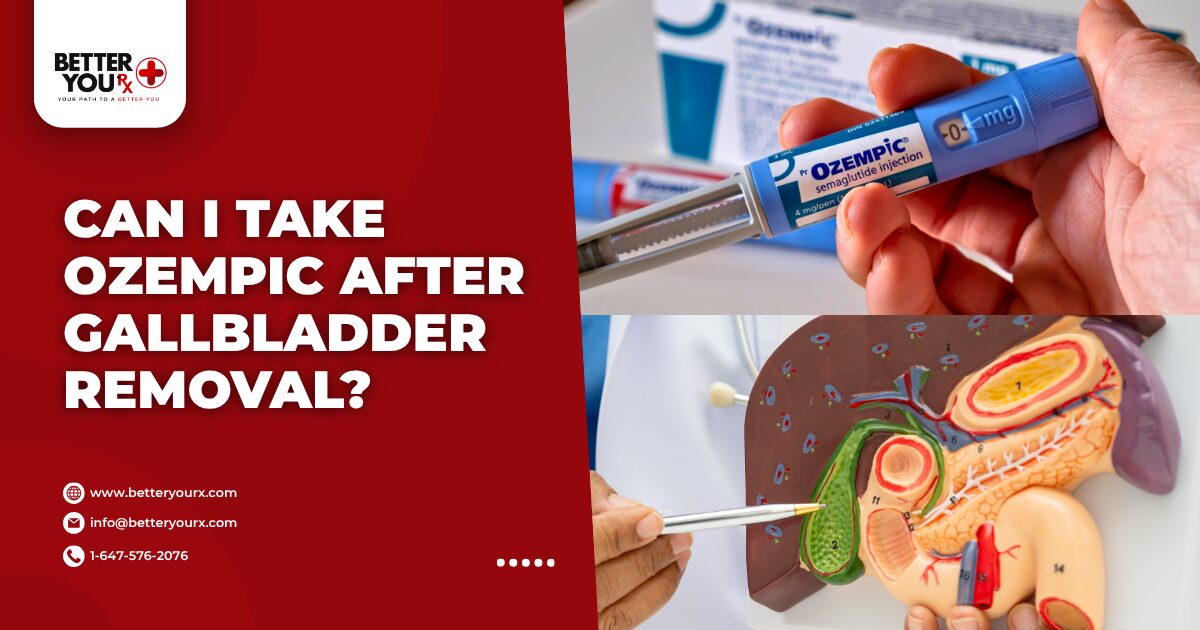
Can I Take Ozempic After Gallbladder Removal

If you’re wondering can I take Ozempic after gallbladder removal, the answer is yes, most people can. However, it’s important to understand how the medication interacts with your digestive system after surgery. Ozempic, known by its generic name Semaglutide, regulates appetite, improves insulin function, and supports weight control. Even though gallbladder removal changes bile flow and fat digestion, these changes rarely interfere with how Ozempic works.

Your gallbladder stores bile, a substance made by the liver to help digest fats. After it’s removed, bile flows directly into the small intestine, resulting in a slower but continuous release. This can make your body more sensitive to high-fat meals but does not prevent you from using medications like Ozempic safely.

Is Ozempic Safe If You Have No Gallbladder

For most people, it is considered safe after gallbladder removal. It doesn’t rely on the gallbladder or bile for its function. Instead, it acts on the GLP-1 receptors to improve blood sugar control and appetite regulation. Some people might experience mild side effects such as bloating, nausea, or slower digestion in the first few weeks, but these usually fade as your body adapts.

If you are still recovering from surgery, it’s advisable to start with a low dose and gradually increase it as your tolerance improves. Pairing this with smaller, balanced meals can minimize stomach discomfort and help you adjust to both the surgery and the medication.

For more insights into how insulin affects your body, read our guide: Does the Liver Produce Insulin?

How Ozempic Works in the Body After Gallbladder Surgery

Can Ozempic Help With Weight After Gallbladder Removal

Without a gallbladder, your body still produces bile to digest fats, but the process becomes more gradual. Ozempic complements this by slowing gastric emptying and helping your body use insulin more efficiently. It helps prevent sudden blood sugar spikes and keeps you feeling full longer, which is especially beneficial if your digestion has changed after surgery.

It is absorbed through the bloodstream, not the digestive bile process, meaning gallbladder removal doesn’t reduce its effectiveness. However, some users may need to adjust their diet to prevent mild stomach issues. Light meals with lean proteins and whole grains work best.

How Gallbladder Removal Affects Digestion and Medication Absorption

Before surgery, bile is stored and released when needed, especially after eating fatty meals. After surgery, bile drips continuously into the intestine. This can slightly affect how your body handles high-fat foods, but not medications like Ozempic.

Function Before Surgery After Surgery
Bile Storage Stored in gallbladder Constant slow release
Fat Digestion Timed with meals Gradual and continuous
Medication Absorption Normal rate Slightly slower for fat-soluble meds
Common Effects Normal digestion Mild bloating or soft stools

Understanding this helps you plan meals that work well with your medication. For example, avoid very rich or greasy foods soon after taking Ozempic to prevent stomach upset.

Explore Mounjaro KwikPen for alternative GLP-1 support.

Can Ozempic Help With Weight After Gallbladder Removal

Yes, it can help manage weight gain or fluctuations that sometimes happen after gallbladder removal. The medication reduces appetite, making it easier to maintain a calorie deficit and stabilize blood sugar levels. Many people find Ozempic beneficial for preventing post-surgery weight rebound.

Pair it with moderate exercise and a diet lower in saturated fats for best results. Whole grains, lean meats, and fiber-rich vegetables support digestion while it balances your appetite hormones.

If you want to understand more about insulin’s cellular role, check out Body Cells That Respond to Insulin Include.

Common Digestive Adjustments After Surgery

Is Ozempic Safe If You Have No Gallbladder

Some individuals notice minor changes in bowel habits after gallbladder removal, such as loose stools or mild cramping. It may temporarily intensify this due to its effect on digestion speed. The body usually adjusts within weeks, and these effects tend to resolve naturally.

Tips to improve comfort include:

  • Eat smaller, more frequent meals
  • Avoid fried foods or rich sauces
  • Stay hydrated to support digestion
  • Incorporate soluble fiber like oats or bananas

If your symptoms continue for several weeks, consult your healthcare provider about adjusting your Ozempic dose.

Comparison of GLP-1 Medications for Post-Gallbladder Use

Medication Main Ingredient Safe After Surgery Digestive Tolerance
Ozempic Semaglutide Yes Mild adjustments possible
Rybelsus Semaglutide (oral) Yes May cause temporary nausea
Mounjaro Tirzepatide Yes, with monitoring Dose adjustment may help
Zepbound Tirzepatide Yes Similar to Mounjaro

Each option works similarly but may vary in convenience and tolerance. Discuss with your healthcare provider which fits your lifestyle best.

Learn about Zepbound KwikPen options at Better You Rx.

Metabolism and Insulin Regulation After Gallbladder Surgery

Even without a gallbladder, your liver and pancreas continue to regulate digestion and blood sugar. The liver still produces bile, and Ozempic helps your pancreas release insulin more effectively. These functions remain stable after surgery, though your diet may need minor adjustments.

Those with existing blood sugar challenges often find Semaglutide beneficial because it promotes steady glucose control without relying on bile storage.

For a deeper understanding of how hormones interact, explore Does Insulin Cross the Placenta.

Best Practices for Taking Ozempic After Gallbladder Removal

How Gallbladder Removal Affects Digestion and Medication Absorption

Start with the lowest prescribed dose and increase gradually. Take the medication consistently on the same day each week. Eat smaller meals, limit fried or spicy foods, and include lean proteins to reduce nausea. Exercise regularly to improve digestion and metabolism.

Monitor your body’s response during the first few weeks. If you experience significant discomfort, discuss temporary dose changes with your doctor. Keep in mind that your digestion may take up to two months to fully normalize after gallbladder removal.

Buy Ozempic online safely through Better You Rx, a prescription referral service.

Other GLP-1 Options for Post-Gallbladder Health

If Ozempic is not ideal due to persistent digestive issues, other GLP-1 medications like Rybelsus, Mounjaro, or Zepbound may be used. These drugs have similar benefits but vary in form—oral or injectable—and side effect profiles.

Your provider may also recommend dietary supplements or probiotics to support bile flow and digestive comfort. Regular follow-ups ensure that your dosage remains appropriate as your body adjusts.

Explore all GLP-1 treatment options through Better You Rx.

Final Thoughts

So, can I take Ozempic after gallbladder removal? Yes, most people can use Ozempic safely and effectively with proper guidance. The medication helps stabilize appetite, improve insulin function, and manage weight even when bile storage changes. With healthy eating habits, moderate activity, and consistent follow-ups, Ozempic can be an effective tool for maintaining wellness after surgery.

For long-term success, track your body’s responses closely and maintain regular communication with your healthcare provider.

Frequently Asked Questions

Can you take weight loss shots without a gallbladder?

Yes, you can take weight loss shots like Ozempic even without a gallbladder. The medication works through hormonal pathways rather than bile processing. Your body still produces bile through the liver, which allows normal digestion and nutrient absorption while supporting healthy glucose levels.

Is it difficult to lose weight after gallbladder removal?

Losing weight after gallbladder removal can be slightly challenging at first because your body adjusts to digesting fats differently. However, Ozempic helps manage appetite and blood sugar, making weight loss smoother. Focusing on smaller, nutrient-dense meals and staying active enhances results.

What not to take after gallbladder removal?

Avoid medications or supplements that cause digestive irritation, especially those high in fat or harsh on the stomach. Always consult your doctor before adding new treatments like detox pills or unregulated weight loss aids. Stick to prescribed therapies such as Ozempic or Rybelsus for safe management.

Who cannot take Ozempic?

It is not suitable for people with a history of medullary thyroid cancer or pancreatitis. It should also be avoided during pregnancy unless directed by your healthcare provider. Always review your full medical history to ensure safety before starting any GLP-1 treatment.

Has Ozempic been linked to gallbladder problems?

Some studies suggest that rapid weight loss may increase bile concentration, which can lead to gallbladder issues, but this mainly affects individuals who still have a gallbladder. Since yours has been removed, this risk is significantly reduced.

What organ does Ozempic affect?

Ozempic primarily acts on the pancreas, stomach, and brain. It improves insulin release, slows digestion, and helps the brain regulate hunger signals. These effects work together to maintain stable blood sugar and promote weight loss.


How Many 0.6 Doses In the Saxenda Pen

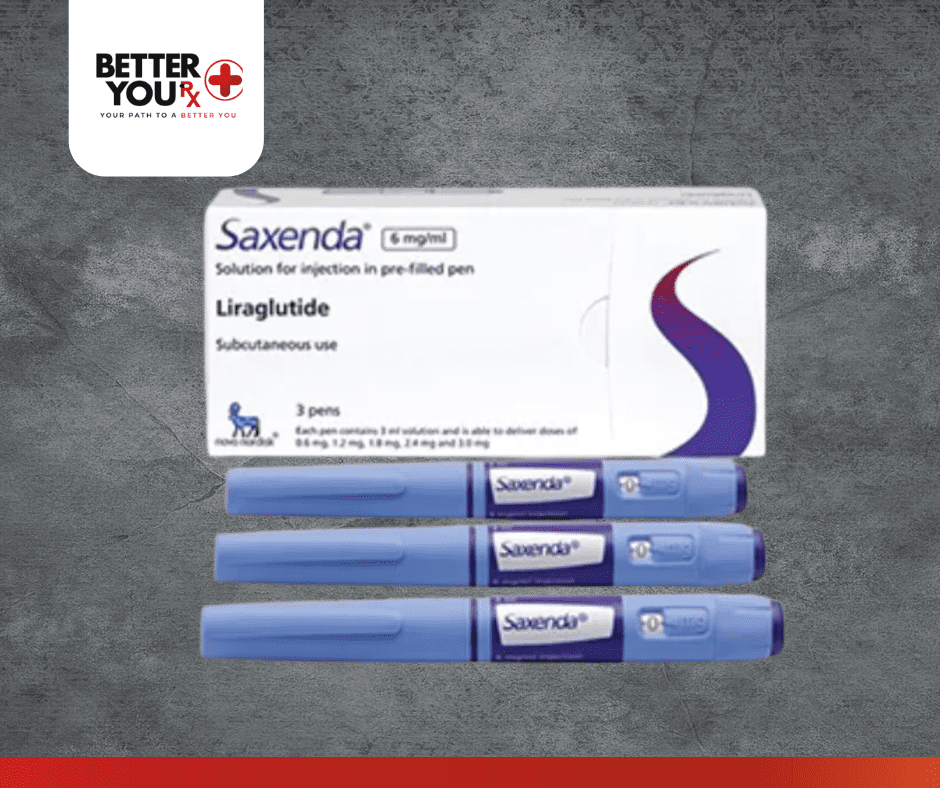
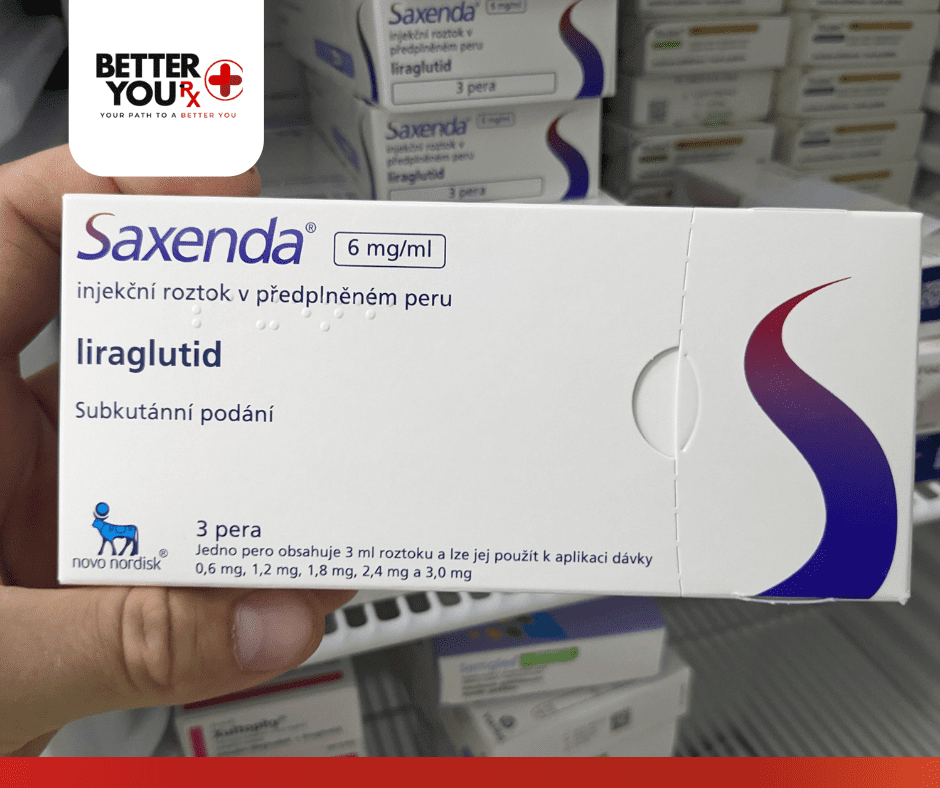
Saxenda is a prescription medication used for chronic weight management. It contains the active ingredient Liraglutide, which works by mimicking a natural hormone in the body that affects appetite regulation. This helps reduce hunger and calorie intake, supporting gradual weight loss when combined with a healthy diet and physical activity. The medication is delivered through a prefilled injection pen, making it easier for patients to manage their treatment without the need for complicated preparation.

Many people who are prescribed Saxenda often have questions about dosing, pen usage, and how long a single pen will last. Since treatment usually involves gradual dose increases, understanding the number of doses available in a pen is important for planning, consistency, and effective treatment results. The dosing schedule can be different for each person depending on their treatment stage, so knowing how much medication is in the pen and how it corresponds to daily doses makes a big difference in tracking progress.

How Many 0.6 Doses In Saxenda Pen

Saxenda dosage

A Saxenda pen contains 3 milliliters of solution, equal to 18 milligrams of Liraglutide in total. Each pen is designed to deliver doses that range from 0.6 mg up to a maximum of 3.0 mg per injection, depending on the stage of treatment. For people starting Saxenda, the first prescribed dose is usually 0.6 mg once a day, which allows the body to adjust to the medication.

When calculating how many 0.6 mg doses are in one Saxenda pen, you need to divide the total amount of medication in the pen by the daily dose. Since the pen holds 18 mg of Liraglutide, and each starting dose is 0.6 mg, a single pen can deliver up to 30 doses at the 0.6 mg level. This means that during the initial stage of therapy, one pen can last for 30 days when taking the lowest daily dose. However, this changes as the dosage is gradually increased over time.

The pen itself has a dial that allows patients to select the correct dose before injecting. As the dose goes up, the number of available injections in a pen decreases. For example, at the 1.2 mg dose, the pen would provide 15 injections. At 1.8 mg, it gives 10 injections, and at the highest dose of 3.0 mg, a single pen will only deliver 6 injections. This calculation is important for patients to keep track of when they will need a refill.

How Many Pens Are In A 30 Day Supply Of Saxenda?

The number of Saxenda pens needed for a 30-day supply depends on the dose prescribed by the healthcare provider. Since patients usually begin treatment with 0.6 mg and gradually increase the dose every week, the first month may require fewer pens compared to the months that follow.

For example, during the first week at 0.6 mg per day, only one pen is needed because a single pen can last for 30 days at that dose. Once the dose is increased to 1.2 mg per day in the second week, one pen will last for about 15 days. At 1.8 mg, a pen lasts around 10 days. By the time the patient reaches 3.0 mg daily, which is the maintenance dose, a single pen lasts only 6 days.

This means that a 30-day supply of Saxenda at the 3.0 mg dose requires about five pens. The gradual increase helps the body adjust to the medication, but it also means that pen usage changes over time. Patients are often prescribed multiple pens at once to cover the monthly requirement, especially when they reach the higher doses.

It is important for patients to plan ahead to ensure they have enough pens for the entire month without interruptions in treatment. Skipping doses or stopping the medication unexpectedly can affect weight management results. Regular communication with a healthcare provider and pharmacy ensures patients always have enough supply.

What Time Of Day Is Saxenda Most Effective?

Saxenda can be taken at any time of the day, but consistency is important. The medication works best when injected at the same time every day, as this helps maintain stable levels of the drug in the body. Some patients prefer to inject it in the morning, while others choose the evening. The choice often depends on lifestyle, work schedules, or how the body responds to the medication.

For example, some people may experience mild side effects such as nausea after the injection. In such cases, injecting Saxenda at night may be more comfortable, as patients can rest while the effects pass. Others find it convenient to inject in the morning so they can maintain a routine.

There is no specific time of day that is proven to be more effective for weight loss. The key is maintaining consistency. Whether the injection is done in the morning, afternoon, or evening, what matters most is not missing doses. Patients should choose a time that fits their routine and stick with it daily.

To further support effectiveness, Saxenda should always be combined with a reduced-calorie diet and increased physical activity. The medication is not a substitute for lifestyle changes, but rather a tool to make weight loss more manageable. Patients who follow a consistent routine with Saxenda and healthy habits often achieve better results.

How Many Mg Is 3 Ml Of Saxenda?

A single Saxenda pen contains 3 ml of solution. Since the concentration of Saxenda is 6 mg per ml, each pen contains a total of 18 mg of Liraglutide. This concentration allows the pen to deliver different dose options, starting from 0.6 mg up to 3.0 mg.

To calculate this, multiply the 3 ml volume by the 6 mg concentration per ml, which equals 18 mg total. This amount is important to know because it determines how many doses can be taken from each pen depending on the prescribed daily amount. For example, at the starting dose of 0.6 mg per day, the 18 mg in the pen can cover 30 days. However, at the maximum dose of 3.0 mg per day, the 18 mg will only last for 6 days.

Understanding this calculation helps patients anticipate when they will need to replace their pen. Since dosage increases gradually, patients will see that their pens last shorter periods as they reach higher doses. Being aware of this prevents treatment interruptions and helps patients manage their monthly supply more efficiently.

What Are The Doses Of Saxenda Pens?

Saxenda pens are designed to deliver different doses to match the treatment plan. The available doses are 0.6 mg, 1.2 mg, 1.8 mg, 2.4 mg, and 3.0 mg. These doses are dialed directly on the pen, and the medication is injected subcutaneously, usually in the abdomen, thigh, or upper arm.

The treatment typically starts with 0.6 mg daily for the first week. The dose is then increased weekly by 0.6 mg until reaching the maintenance dose of 3.0 mg per day. This step-by-step approach helps reduce side effects, especially nausea, and allows the body to adjust gradually.

Each pen contains 18 mg of Liraglutide. At 0.6 mg daily, the pen can last 30 days. At 1.2 mg daily, it lasts 15 days. At 1.8 mg daily, it provides 10 days. At 2.4 mg daily, a pen delivers 7.5 days. Finally, at the 3.0 mg daily dose, a pen lasts for 6 days. This shows how the same pen can cover different lengths of time depending on the dose.

Healthcare providers prescribe Saxenda based on the patient’s response and goals. The stepwise increase in doses helps achieve the desired effect while minimizing discomfort. Patients must follow the exact dosing schedule given by their provider and avoid adjusting doses on their own.

How Many 2.4 Doses In Saxenda Pen

Saxenda pen

When using Saxenda at the 2.4 mg dose, the number of doses in one pen can be calculated by dividing the total amount of medication in the pen by the daily dose. Since the pen contains 18 mg in total, dividing 18 mg by 2.4 mg gives 7.5 doses.

This means that at the 2.4 mg dose, a single pen lasts for about 7 to 8 days. Patients on this dose will need around four pens for a full 30-day supply. Compared to the lower doses, the pen runs out faster at this stage, so planning ahead for refills becomes even more important.

The 2.4 mg dose is usually one step before reaching the maximum 3.0 mg maintenance dose. Some patients may stay at 2.4 mg for longer if their provider recommends it, while others may move up to 3.0 mg after a week. Since dosing is individualized, the number of pens needed per month can vary depending on whether the patient remains at 2.4 mg or progresses to 3.0 mg.

Careful management of supply ensures that patients do not run out of medication. Having enough pens available avoids interruptions that can affect treatment outcomes. Patients are encouraged to keep track of how long each pen lasts at their prescribed dose and communicate with their provider about ongoing needs.

Final Thoughts

Saxenda plays an important role in weight management for people who need medical support in controlling appetite and reducing calorie intake. The number of doses in a pen depends on the amount prescribed each day, and this changes as the patient moves through the treatment stages. From the starting 0.6 mg dose to the maintenance 3.0 mg dose, the duration of a single pen gradually decreases, which makes it necessary to plan ahead for monthly supplies.

Knowing how many doses are in each pen, how long a pen lasts, and how many pens are needed for 30 days allows patients to stay consistent with their treatment. Choosing the right time of day for injections, understanding the total amount of medication in each pen, and following the proper dose progression all contribute to better results.

Weight management with Saxenda is most effective when combined with healthy lifestyle choices such as balanced eating and regular activity. Patients should work closely with their healthcare providers to monitor progress and adjust the treatment plan when needed. Being informed about dosing and supply makes the process smoother and helps avoid missed injections.

Buy Saxenda online from Canada through Better You Rx for a reliable way to manage your treatment. Staying prepared with enough supply ensures you can follow your plan without interruption, making it easier to stay on track with your weight loss journey.


How Does Ozempic Make You Lose Weight?

Ozempic is a prescription medication that contains the active ingredient Semaglutide, a compound designed to support people with type 2 diabetes and those who need help with weight management. It belongs to a class of drugs known as GLP-1 receptor agonists, which mimic a natural hormone in the body that plays a role in regulating blood sugar, appetite, and digestion. By acting on these natural processes, Ozempic can help people feel less hungry, eat smaller portions, and gradually lose excess weight when used together with lifestyle adjustments like a balanced diet and physical activity.

Weight management is often difficult, and many individuals find it challenging to achieve lasting results through diet and exercise alone. Medications like Ozempic provide an additional option for those who struggle with hunger control, overeating, or weight-related health conditions. While Ozempic was originally developed to improve blood sugar levels in people with diabetes, its ability to reduce appetite and support weight reduction has made it a valuable treatment option for people who are overweight or living with obesity. 

How Does Ozempic Make You Lose Weight Faster?

Ozempic works by targeting GLP-1 receptors in the body, which are responsible for regulating appetite, insulin release, and the rate at which the stomach empties. When Semaglutide binds to these receptors, it triggers several effects that support weight loss. One of the main effects is appetite control. People taking Ozempic often notice that they feel full after eating smaller amounts of food, which makes it easier to reduce calorie intake without feeling deprived.

Another key mechanism is delayed gastric emptying. This means food stays in the stomach longer after eating, helping patients feel full for an extended period of time. Because of this effect, cravings between meals are reduced, making it less likely for individuals to snack on high-calorie foods. In addition, Ozempic helps regulate blood sugar by stimulating insulin release in response to meals and lowering the amount of sugar produced by the liver. Stable blood sugar levels prevent sudden spikes and crashes that can trigger hunger and overeating.

Weight loss tends to be gradual with Ozempic, but many patients report losing weight faster compared to lifestyle changes alone. The medication helps create a steady reduction in calorie intake, which translates to consistent weight loss over weeks and months. Combined with healthy food choices and regular physical activity, the effects of the medication are enhanced, allowing patients to achieve better results in managing both weight and overall health.

Can You Still Lose Weight On Ozempic Without Dieting?

It can lead to weight loss even without strict dieting because it naturally reduces appetite and helps the body regulate hunger signals. Many people find that once they begin treatment, they automatically start eating less because they no longer feel as hungry as before. This decrease in calorie consumption alone can result in noticeable weight reduction. Patients often report that they are satisfied with smaller portions of food, and their cravings for high-sugar or high-fat snacks become less frequent.

However, while weight loss is possible without making major dietary changes, the results are usually more effective when Ozempic is combined with a balanced eating plan. Medications like Ozempic provide support, but they are not designed to replace healthy habits. Individuals who maintain poor eating patterns, such as frequent consumption of fast food or sugary beverages, may still struggle to see significant progress because the overall calorie intake remains high.

For the best results, healthcare providers recommend that patients using Ozempic follow a reduced-calorie diet that emphasizes whole foods like vegetables, lean protein, fruits, and whole grains. The medication makes it easier to stay on track with such a diet by curbing hunger and reducing the desire to overeat. When paired with lifestyle adjustments, it not only helps with weight reduction but also improves long-term health by supporting better blood sugar control and lowering the risk of weight-related complications.

Does Ozempic Break Down Belly Fat?

It can help with weight loss, which often includes a reduction in belly fat, but it does not directly “target” belly fat alone. The medicine works by copying a natural hormone in the body that helps control blood sugar and appetite. Because it makes you feel full sooner and slows down how quickly food leaves your stomach, many people eat less and naturally lose weight over time. When weight loss happens, it usually comes from different parts of the body, including the belly area.

While Ozempic may help reduce belly fat, the results can be different for each person. Some may notice a big change in their waistline, while others may see more general weight loss across their body. A healthy diet, regular exercise, and lifestyle habits play an important role in how much belly fat is lost. Ozempic supports weight management, but it works best when combined with healthy daily choices. 

Why Does Ozempic Age Your Face?

Ozempic can sometimes make the face look older, but the medicine itself is not the cause. The effect, often called “Ozempic face,” happens because of weight loss. When people lose weight, especially quickly, they also lose fat from the face. That fat normally keeps the skin smooth and firm. Without it, the cheeks may look hollow, the skin can appear loose, and wrinkles may become easier to see, which gives the impression of aging.

This change is not unique to Ozempic—any significant weight loss can have the same effect. Ozempic just speeds up the process by helping people eat less and lose weight more effectively. To help with these changes, doctors may suggest lifestyle steps like staying hydrated, eating enough protein, and using skincare routines that support skin elasticity. In some cases, dermatology treatments such as fillers or skin-tightening procedures can also restore fullness. So, Ozempic doesn’t age your face directly, but the weight loss it causes can change facial appearance in ways that resemble aging.

Is Ozempic Safe For Weight Loss?

maintenance dose for ozempic

Ozempic has been widely studied for both diabetes management and weight reduction. While it is considered effective, safety always depends on personal health conditions and guidance from a healthcare professional. Common side effects include nausea, vomiting, and changes in digestion, which usually lessen over time as the body adjusts.

For most people, the benefits of improved blood sugar control and weight reduction outweigh these temporary discomforts. However, it is important to follow proper dosing instructions and report any unusual or severe side effects to a healthcare provider. Monitoring overall health during treatment ensures that the medication is being used safely and effectively.

Factors To Consider Before Using Ozempic

Ozempic weight loss faster

While many people benefit from it, there are important things to think about before starting. Knowing these factors helps make sure the medicine is safe and works well for you.

Medical History and Health Conditions

Before using the medication, it is important to talk with your doctor about your health history. People who have had thyroid cancer or a family history of thyroid tumors should not take this medicine. If you have had problems like pancreatitis (inflammation of the pancreas), kidney disease, or serious stomach issues, Ozempic may not be the best option. Your doctor will decide if it is safe for you.

Other Medicines You Take

Ozempic can affect the way your body absorbs other medicines because it slows down digestion. If you are taking insulin or medicines that lower blood sugar, using Ozempic together with them may increase the risk of low blood sugar. Always tell your doctor about all the medicines, vitamins, or supplements you are taking to avoid harmful interactions.

Possible Side Effects

Like all medicines, Ozempic can cause side effects. Common ones include nausea, vomiting, diarrhea, and constipation. These usually improve as your body adjusts. But some people may experience serious side effects like pancreatitis, gallbladder issues, kidney problems, or allergic reactions. Knowing these risks can help you watch for warning signs and get medical help if needed.

Lifestyle and Habits

Ozempic works best when combined with healthy habits. Eating a balanced diet and being physically active will help you get the best results. It is not a quick fix for weight loss. Instead, it supports long-term lifestyle changes.

Long-Term Use

Ozempic is usually meant for long-term use. If you stop taking it, your blood sugar may rise again, and you may regain weight. Before starting, you should be ready for ongoing treatment unless your doctor advises otherwise.

The Bottom Line

Ozempic has become an important option for individuals seeking medical help in managing weight. By reducing appetite, slowing stomach emptying, and improving blood sugar control, it supports consistent weight loss and better metabolic health. While the medication helps the body naturally consume fewer calories, the best results come when it is combined with balanced eating and regular exercise.

Patients should remember that Ozempic does not burn fat directly or provide instant results. Instead, it makes it easier to follow a sustainable lifestyle that leads to gradual and lasting weight reduction. From decreasing belly fat to improving blood sugar stability, Ozempic plays a powerful role in improving overall health and well-being.

Buy Ozempic online from Canada through Better You Rx to ensure reliable access to your treatment. Staying consistent with your supply helps avoid interruptions and supports ongoing progress in your weight management journey. By combining Ozempic with healthy lifestyle choices, you can maximize results and move closer to your long-term health goals.

How Long Does Stomach Pain Last With Ozempic?

Starting a new medicine like Ozempic can sometimes bring unexpected changes in how the body feels. Since this injection is commonly used for managing type 2 diabetes and helping with weight loss, many people notice changes in their digestive system. For some, this includes stomach discomfort, nausea, or bloating that can feel unfamiliar or concerning. These effects often happen because the medicine works by slowing down digestion and controlling appetite, which naturally affects the stomach and intestines.

While side effects are common during the early weeks, they do not always last forever. Many people wonder how long stomach pain and related symptoms stay once they begin Ozempic. The answer can depend on factors such as the dose, how the body reacts, diet, and overall health. 

How Long Do Stomach Issues Last With Ozempic?

Ozempic (Semaglutide) side effects

For many people, mild Semaglutide stomach issues usually improve within a few days to a few weeks after starting Ozempic. This is because the body gradually adapts to the slower digestion and appetite changes caused by the medication. Some patients may experience symptoms longer, especially when the dose is increased, but these GLP-1 side effects are often temporary and manageable.

To help reduce stomach problems, it is recommended to:

  • Start with the lowest prescribed dose and gradually increase as advised by your healthcare provider. 
  • Eat smaller, more frequent meals rather than large ones. 
  • Avoid fatty, greasy, or highly processed foods, which can worsen nausea or bloating. 
  • Stay hydrated, as dehydration can make digestive symptoms worse. 

If stomach problems persist for more than a few weeks, become severe, or are accompanied by other symptoms like vomiting, severe abdominal pain, or dizziness, it’s important to contact your healthcare provider. They may adjust your dose, suggest dietary changes, or provide other strategies to manage these Semaglutide stomach issues.

How Do You Treat Ozempic Abdominal Pain?

Managing abdominal pain from Ozempic often requires small lifestyle adjustments. Eating smaller meals more frequently instead of large meals can ease pressure on the stomach. Avoiding greasy or high-fat foods can also help reduce discomfort, as these foods take longer to digest. Drinking water slowly throughout the day and limiting carbonated drinks may lessen bloating and discomfort.

For those experiencing nausea along with pain, bland foods like crackers, rice, or bananas may settle the stomach. Some people also find it helpful to eat slowly and stop eating before feeling overly full. If discomfort becomes too strong, talking to a healthcare professional is important, as they may adjust the dose or provide other recommendations to ease Ozempic digestive problems.

Can Ozempic Make You Feel Crampy?

Yes, Ozempic can sometimes make you feel crampy. One of the common side effects of Ozempic (semaglutide) is gastrointestinal discomfort, which can include stomach cramps, bloating, or gas. This happens because Ozempic works by slowing down the emptying of your stomach, which helps control blood sugar and reduces appetite. Slower digestion can lead to temporary cramping or a feeling of fullness.

The intensity of cramping can vary from person to person. Some people experience mild discomfort that goes away after a few days or weeks as their body adjusts to the medication. Others may have more persistent cramps, especially if they take higher doses or combine Ozempic with other medications that affect digestion. Drinking plenty of water, eating smaller meals, and avoiding very fatty or greasy foods may help reduce these symptoms.

If cramps become severe or are accompanied by other concerning symptoms such as vomiting, severe diarrhea, or intense abdominal pain, it’s important to contact your healthcare provider. They may adjust your dose or provide additional guidance to help manage these side effects. Overall, while cramping can occur with Ozempic, it’s often temporary and manageable with some lifestyle adjustments.

What To Expect After First Dose Of Ozempic

Ozempic safe for weight loss

The experience after the first injection is often different for each person, but there are some common things that may happen.

Adjusting to the Starting Dose

Some people may notice very little change at first because the starting dose is usually low. This is done on purpose so that the body can adjust slowly and reduce the risk of side effects. Others might feel certain effects within a few days, such as reduced appetite, a sense of fullness after eating smaller meals, or mild stomach-related symptoms like Ozempic nausea or Ozempic bloating. These effects usually happen because the medicine slows down digestion, which helps control blood sugar but can also take time for the body to get used to.

Subtle or No Immediate Changes

It’s also possible not to feel any major changes after the first dose. Since Ozempic is a once-weekly injection, the effects build gradually as doses continue. Some people notice improvements in blood sugar levels early on, while weight-related changes usually take longer. Staying hydrated, eating smaller portions, and avoiding heavy or greasy foods can help reduce the stomach side effects that might show up during the first weeks.

How Long Does Ozempic Side Effects Last

The duration of Ozempic side effects can vary. For many, nausea, cramps, or bloating are most noticeable during the first few weeks. These often fade as the body learns to handle the slower digestion. Most mild side effects last from several days up to a month. However, if the dose is raised, symptoms may return briefly before settling again.

For some people, weight loss injection side effects can linger longer, especially if they have sensitive stomachs or other digestive conditions. Severe or long-lasting symptoms should not be ignored, and it is important to seek medical advice if stomach pain continues or becomes intense. With proper management, most people find that side effects become milder over time.

How To Manage Side Effects Of Ozempic

There are several ways to handle Ozempic digestive problems and other side effects effectively. Eating slowly and stopping before feeling too full can reduce discomfort. Avoiding alcohol and limiting caffeine may also prevent irritation in the stomach. Balanced meals with lean protein, vegetables, and whole grains are easier on digestion than heavy or fried foods.

Physical activity, such as light walking, can support digestion and reduce bloating. Staying consistent with hydration also helps the body adjust. For those who find side effects too disruptive, speaking with a healthcare provider is necessary. They may recommend adjusting the dose, giving the body more time to adapt, or offering additional treatments for symptom relief.

Is Ozempic Safe

Ozempic is considered safe for many people when used under medical supervision. However, like any medication, it carries potential risks and side effects. Stomach discomfort, bloating, and nausea are among the most common reactions. While these are typically temporary, some individuals may find them harder to manage.

Safety also depends on personal health conditions. For those with certain medical histories, the injection may require extra monitoring. Discussing all health details with a healthcare provider before starting Ozempic ensures the treatment is safe and effective. Most people benefit from the medication’s ability to manage blood sugar and support weight control, but ongoing check-ups are important for long-term use.

Final Thoughts

Stomach pain and digestive changes with Ozempic can be uncomfortable, but for many, they are temporary and manageable. Most people adjust over time, especially when making mindful choices about diet and lifestyle. If symptoms continue or worsen, medical advice is always the safest approach.

Buy Ozempic online from Canada through Better You Rx. Choosing a trusted source helps ensure quality, safety, and proper guidance when starting a new medication. Taking time to understand how the body reacts to treatment allows for a smoother experience and better long-term results.


Can You Stay on 0.6 mg of Saxenda for Weight Loss?

Saxenda’s active ingredient is Liraglutide, and starting Saxenda for weight management can bring many questions about how the medication works and what to expect. Saxenda is designed to help control appetite and support weight loss by using its active ingredient to affect the digestive system and signals in the brain related to hunger. People often notice changes in cravings, meal portions, and feelings of fullness while using Saxenda.

Many patients wonder about dosing, side effects, and how long each dose works in the body. Understanding the relationship between dose levels and weight loss outcomes can help set realistic expectations. Since Saxenda dosing often begins at a lower dose to improve tolerance, many individuals are curious about the benefits and limitations of remaining on the initial 0.6 mg dose.

Can You Stay on 0.6 Saxenda?

Yes, you can stay on 0.6 mg of Saxenda, but it’s usually not recommended as a long-term strategy for weight loss. The 0.6 mg dose is intended as the starting dose to help your body adjust to the medication and minimize side effects like nausea, vomiting, or stomach discomfort. It’s not considered a therapeutic dose for effective weight loss, which is why the usual treatment plan involves gradually increasing the dose every week or two until reaching the target dose of 3 mg if tolerated.

Staying on 0.6 mg for an extended period is generally safe, but it may lead to minimal weight loss and slower progress than expected. It also delays the benefits you would see at higher doses. Doctors usually encourage moving up to higher doses once your body adjusts, so you can achieve the full effect of Saxenda for weight management.

Does Saxenda Work at Lower Doses?

Lower doses of Saxenda can produce mild effects on appetite and fullness, which may result in modest weight loss. Starting at 0.6 mg helps reduce initial side effects, such as nausea, vomiting, or diarrhea, and prepares the digestive system for higher doses. While some patients do lose weight at lower doses, studies show that the most consistent results occur at the recommended therapeutic doses that are increased stepwise over several weeks.

Even at lower doses, the Saxenda for weight loss effect can be noticeable in individuals with strict dietary control and regular physical activity. However, the full potential of the medication is generally achieved at higher doses, and long-term reliance on 0.6 mg may limit overall effectiveness. It is important to follow medical advice regarding dose escalation for optimal results.

How Long Does Saxenda 0.6 Stay in Your System?

Saxenda dosasge

Saxenda is a once-daily injection, and the Saxenda active ingredient stays in the body for an extended period, maintaining steady levels in the bloodstream. The half-life of Saxenda is approximately 13 hours, meaning it takes roughly half a day for the body to eliminate half of the dose. It generally reaches steady-state concentration after a few days of continuous daily use, which allows for consistent appetite suppression and metabolic effects.

The 0.6 mg dose provides gradual exposure to the active ingredient without overwhelming the digestive system. The timing and absorption can vary slightly between individuals based on metabolism, kidney function, and other medications. Understanding how long the medication remains active helps in planning meal timing and monitoring the effects of the dose on weight management.

How Many 0.6 Doses in Saxenda Pen

A standard Saxenda pen contains 3 mL of solution, with a concentration of 6 mg/mL, which totals 18 mg per pen. When starting Saxenda, the typical dose is 0.6 mg per day. This is the initial dose prescribed to help your body adjust to the medication and minimize side effects such as nausea or stomach discomfort.

To figure out how many 0.6 mg doses are in one pen, you divide the total amount of medication in the pen by the daily dose. In this case, 18 mg ÷ 0.6 mg = 30 doses. This means that a single Saxenda pen provides 30 doses at 0.6 mg, covering approximately one month of daily injections at the starting dose. Knowing this helps patients plan their treatment schedule and ensures they have enough medication to complete the initial phase of therapy.

As the dose increases over time, fewer doses per pen are available. For example, at higher doses like 3 mg daily, each pen would only provide six days’ worth of injections. This makes it important to adjust your pen usage and refill schedule as your prescribed dose changes.

What Happens If You Stay On 0.6 mg Too Long?

Saxenda for weight loss

When you stay on the 0.6 mg dose of Saxenda for an extended period, the main concern is that your body may not be getting the full benefit of the medication for weight loss. The 0.6 mg dose is usually considered a starting or introductory dose, designed to help your body adjust to the drug and minimize side effects like nausea, vomiting, or stomach discomfort. If you remain on this low dose for too long, you may experience minimal weight loss compared to what is expected at higher therapeutic doses. Essentially, the medication may be working, but not at its full potential.

Another issue with staying on 0.6 mg for too long is that it could delay reaching the optimal dose for effective weight loss. The recommended approach for Saxenda involves gradually increasing the dose—typically moving to 1.2 mg, 1.8 mg, 2.4 mg, and eventually 3 mg—if tolerated. Prolonged use of the introductory dose may also affect your motivation or confidence, as you might not see significant results. Additionally, while staying on a low dose is generally safe, it may still cause mild side effects such as nausea, bloating, or constipation, without offering the weight loss benefits intended for higher doses.

How Much Weight Can You Lose on Saxenda in a Month

On Saxenda, you can typically expect to lose about 2-3% of your starting body weight in the first month, which translates to roughly 2-3 kilograms (around 4-7 pounds) depending on your initial weight. Weight loss usually starts gradually because the dose is increased slowly over the first 4-5 weeks to minimize side effects. 

This dosing schedule, called dose titration, usually starts at 0.6 mg once daily and is increased by 0.6 mg each week until reaching the target and maximum dose of 3 mg per day by week 5. Significant weight loss of 5% or more of your body weight might be seen after around 8 weeks. 

Over the course of a year, the average weight loss in clinical trials was about 9% of starting weight, or around 20 pounds for someone weighing 230 pounds, especially when combined with a reduced-calorie diet and regular exercise. If no weight loss (at least 4%) is observed after 16 weeks, it is usually recommended to reassess treatment with a healthcare provider.

This gradual increase in Saxenda dosing explains why weight loss starts slower initially and becomes more pronounced as the effective dose is reached

Final Thoughts

Staying on 0.6 mg of Saxenda can be a safe starting point but is generally not sufficient for achieving substantial weight loss. Gradual dose escalation under medical supervision ensures that the body adapts, maximizes Saxenda benefits, and minimizes side effects. Each patient’s response is unique, making personalized guidance essential for successful weight management.

Buy Saxenda online from Canada through Better You Rx. Accessing a reliable source ensures quality and proper dosing guidance. Following professional recommendations helps achieve consistent results while maintaining safety and effectiveness with Saxenda.

FAQs 

  1. Can I maintain my current weight on 0.6 mg of Saxenda?
    Yes, some people may be able to maintain their current weight on 0.6 mg, especially if they already follow a balanced diet and exercise regularly. While this dose is low for significant weight loss, it may help stabilize appetite and prevent further weight gain.
  2. How long should I wait before increasing from 0.6 mg?
    Healthcare providers usually recommend staying at 0.6 mg for one week to allow your body to adjust to the medication. After that, the dose is typically increased gradually each week, provided side effects are manageable.
  3. Can 0.6 mg cause side effects?
    Even at a low starting dose, Saxenda can cause side effects such as mild nausea, bloating, constipation, or headache. These are usually temporary and decrease as your body adapts to the medication.
  4. Will staying at 0.6 mg affect my long-term results?
    Remaining on the starting dose long-term may slow down overall weight loss progress. The full therapeutic benefits of Saxenda are usually seen at higher doses, so sticking with 0.6 mg may limit the effectiveness for substantial weight reduction.
  5. Can 0.6 mg be used for people with mild obesity or overweight?
    It may provide modest appetite control and help with small lifestyle adjustments, but for meaningful weight loss in adults with obesity or overweight, higher doses are generally recommended.


How Fast Does Wegovy Work

Wegovy is not a medication that produces immediate results, but rather one that works gradually as the body adapts to its effects. The treatment is designed with a step-by-step dosing schedule, which allows patients to adjust to the medicine while minimizing potential side effects. Because of this structured approach, noticeable changes may not appear right away.

The process of weight management with Wegovy also depends on several factors such as diet, physical activity, and overall health condition. Each individual may respond differently, which means the timeline for progress can vary from person to person. What remains consistent, however, is that Wegovy is intended to support steady and sustainable results rather than quick, temporary changes.

How Fast Does Wegovy Work?

Wegovy dosage

The speed at which Wegovy begins to show results depends on several factors, including metabolism, eating habits, and activity level. Some people may start noticing changes in appetite within the first week, while others might see differences after a few weeks. The initial dose is very small, designed to let the body adjust, so major changes in the first month are less likely. However, as the Wegovy dosing schedule increases gradually, more patients begin experiencing noticeable benefits.

Weight loss typically becomes more visible after several weeks of consistent use. While some individuals report losing a few pounds in the first month, the biggest changes usually occur over months of steady treatment. Wegovy works best when paired with healthy eating and regular activity, which can speed up progress. It is not a quick solution but rather a structured treatment that supports sustainable weight loss.

Does Wegovy Start Working Right Away?

On the very first injection, Wegovy starts interacting with the body’s appetite-regulating system. The medication mimics a natural hormone that slows digestion and reduces hunger signals, which means patients may feel fuller sooner and for longer periods. Still, noticeable Wegovy weight loss is not immediate. The early doses are intended to minimize side effects, so the body can get used to the medicine before stronger effects are felt.

Patients often begin to notice smaller portion sizes and reduced snacking habits as the weeks go on. By the time higher doses are reached in the dosing plan, most people can feel stronger effects on appetite. While physical weight loss results may take time, the body is already responding from day one.

Wegovy Side Effects

Wegovy (semaglutide) side effects can be categorized into common, mild, serious, and uncommon/rare. Below is a comprehensive list covering all known side effects:

Common Side Effects

  • Nausea, vomiting
  • Diarrhea, constipation
  • Stomach (abdomen) pain, indigestion, acid reflux
  • Headache
  • Tiredness (fatigue), dizziness
  • Feeling bloated, belching, gas
  • Stomach flu-like symptoms
  • Heartburn
  • Runny nose, sore throat, infection in the nose or throat
  • Low blood sugar (in people with type 2 diabetes)

Mild Side Effects

  • Swelling of the stomach area
  • Passing gas, belching, acid reflux
  • Hair loss
  • Injection site reactions (redness, itching, or swelling at the injection site)
  • Common cold symptoms

Serious Side Effects 

  • Severe allergic reactions (breathing problems, wheezing, swelling of face, lips, mouth, or throat, difficulty swallowing, skin rash or hives)
  • Thyroid tumors, including cancer risk (symptoms: swelling or lump in neck, hoarseness, trouble swallowing or breathing)
  • Pancreatitis (severe pain in upper belly radiating to the back, vomiting)
  • Gallbladder problems including gallstones, inflammation
  • Acute kidney injury possibly related to dehydration from severe nausea, vomiting, or diarrhea
  • Increased heart rate
  • Low blood pressure
  • Appendicitis
  • Increased risk of bone fractures
  • Severe gastrointestinal problems causing dehydration and kidney damage
  • Mood changes including depression and suicidal thoughts
  • Lung aspiration during anesthesia
  • Vision problems, including diabetic retinopathy worsening and very rare ischemic optic neuropathy (NAION)

Uncommon/Rare Side Effects

  • Hair thinning or hair loss
  • Low blood pressure episodes
  • Acute intestinal blockage
  • Gastroparesis (stomach paralysis)
  • Severe low blood sugar (hypoglycemia)
  • Mood disorders including suicidal ideation
  • Vision loss or changes
  • Lung aspiration risk during general anesthesia or deep sedation

Management of side effects includes gradual dose escalation, dietary modifications, hydration, and medical consultation if symptoms persist or worsen.

Wegovy Dosage

Wegovy for weight loss

Wegovy (Semaglutide) dosage guidelines for weight loss are as follows:

Starting Dose

  • 0.25 mg injected subcutaneously once weekly for the first 4 weeks.

Dose Escalation Schedule

  • Weeks 1 to 4: 0.25 mg once weekly
  • Weeks 5 to 8: Increase to 0.5 mg once weekly
  • Weeks 9 to 12: Increase to 1 mg once weekly
  • Weeks 13 to 16: Increase to 1.7 mg once weekly

Maintenance Dose

  • Week 17 and onward: 2.4 mg once weekly (maximum dose)

Dose Adjustments

  • Dose increases typically occur every 4 weeks to minimize side effects such as nausea and vomiting.
  • If a patient experiences intolerance at any dose level, their healthcare provider may delay the dose increase for an additional 4 weeks.
  • If the 2.4 mg dose is not well tolerated, the dose may be reduced to 1.7 mg for up to 4 weeks before attempting to increase again.
  • If the patient cannot tolerate the maintenance dose after adjustment attempts, discontinuation of Wegovy may be considered.


This structured plan makes it easier for patients to tolerate the treatment. The Wegovy pen is prefilled, disposable, and designed to deliver a single, accurate dose each week. Patients do not have to measure the medication themselves, which makes it more convenient and safe.

What to Expect on Day 1 of Wegovy?

Initial Injection Experience

On the first day of treatment, patients receive their first injection, usually in the stomach, thigh, or upper arm. These are the recommended Wegovy injection sites because they allow the medication to be absorbed slowly and steadily. The injection is generally quick and painless, thanks to the design of the pen.

Immediate Reactions

Most people do not feel strong effects right after the first injection. Some might notice mild nausea, a slight change in appetite, or no difference at all. This is normal, since the first dose is a starter amount meant to introduce the medication gently.

Emotional Adjustment

It is common to feel both excitement and nervousness on day one. Beginning a new prescription often comes with expectations, but patience is important. Wegovy is designed to work gradually, so results will not appear overnight.

Building a Routine

Patients are encouraged to pick a consistent day each week for their injections. This routine helps avoid missed doses and makes treatment easier to follow. Staying on track during the first few weeks sets the stage for long-term success.

How Long Does It Take to Lose 20 lbs With Wegovy?

The timeline for losing 20 pounds with Wegovy depends on each person’s unique response. Clinical studies have shown that patients can lose a significant amount of weight over several months of treatment. On average, many patients report noticeable results within three to six months. Reaching a 20-pound loss might take longer for some and less time for others.

Factors such as starting weight, eating habits, physical activity, and consistency with injections all play a role. While Wegovy supports appetite control, patients still need to make healthy lifestyle choices. Those who combine the treatment with a balanced diet and regular exercise often reach their goals more quickly.

How Soon After Starting Wegovy Do You Lose Weight?

Some patients notice small weight changes within the first month, often due to reduced appetite and smaller meal sizes. However, the larger changes usually appear after several weeks of higher dosing. Many people start seeing more significant results after two to three months.

It is important to remember that weight loss with Wegovy is steady rather than sudden. This makes the results more sustainable and easier to maintain long term. Consistency is key—sticking with the Wegovy prescription and healthy habits produces the best outcomes.

Final Thoughts

Wegovy provides a structured way to manage weight through appetite control and steady progress. While it does not deliver instant results, it helps patients achieve meaningful and sustainable changes over time. Knowing what to expect in the first days, weeks, and months allows patients to stay motivated and committed.

The journey with Wegovy is different for everyone, but most people benefit when they combine it with healthy eating and regular physical activity. By following the recommended Wegovy dosing schedule, staying consistent with injections, and working with a healthcare provider, long-term success becomes more achievable.

Buy Wegovy online from Canada through Better You Rx and take the next step in your weight loss journey with safe, reliable access to treatment.


How Does Zepbound Work for Weight Loss

Zepbound is a new prescription medication designed to help people who are struggling with excess weight or obesity. It belongs to a group of medications known as GLP-1 and GIP receptor agonists, which act on natural hormones in the body that control appetite and digestion. By helping regulate hunger and food intake, Zepbound can make it easier for patients to manage their weight while also improving other health concerns that are linked to obesity. The medication comes in a convenient Zepbound injection pen that is used once a week, making it easier for patients to stay consistent with treatment.

Weight loss is often challenging, and many people find it hard to maintain progress with diet and exercise alone. It offers additional support by reducing appetite, slowing how quickly the stomach empties, and helping the body respond more effectively to insulin. These combined effects make it possible to eat less without feeling deprived, leading to gradual but steady Zepbound weight loss. Since weight control plays an important role in reducing the risk of long-term health problems, it provides patients with another tool to support healthier outcomes.

How Does Zepbound Work for Weight Loss

ZepBound weight loss

Zepbound contains the active ingredient Tirzepatide, which mimics two hormones that the body naturally produces: GLP-1 (glucagon-like peptide-1) and GIP (glucose-dependent insulinotropic polypeptide). These hormones regulate both appetite and blood sugar. By activating these pathways, it helps people feel full sooner and stay full for longer after eating. This directly reduces overall calorie intake, which leads to weight loss over time.

The medication also slows gastric emptying, which means food stays in the stomach longer. This further supports feelings of fullness and decreases hunger between meals. Many patients who start Zepbound injections notice a significant drop in cravings, especially for high-calorie or sugary foods. Because overeating is one of the biggest obstacles to weight loss, this mechanism makes it easier to stay on track with healthier eating habits.

Another important effect of Tirzepatide is its role in improving insulin sensitivity. By enhancing how the body processes and stores sugar, it reduces blood sugar spikes that often lead to increased hunger and fat storage. Together, these changes create an environment in the body that supports steady weight reduction and better metabolic health.

Does Zepbound Actually Burn Fat?

It does not directly burn fat in the way that exercise does, but it creates the right conditions for the body to lose fat naturally. By lowering calorie intake and regulating hunger hormones, it encourages the body to use stored fat for energy. Over time, this leads to noticeable fat reduction throughout the body.

Many patients report improvements in waist circumference after starting the medication, which indicates a decrease in belly fat. Belly fat, also known as visceral fat, is particularly harmful because it surrounds internal organs and raises the risk of heart disease, high blood pressure, and type 2 diabetes. Losing this type of fat can significantly improve long-term health outcomes.

Zepbound weight loss works gradually, but clinical Zepbound results show that patients can achieve meaningful fat reduction when they remain consistent with treatment. The weekly injection supports steady changes, which helps patients lose fat at a sustainable pace instead of experiencing rapid but temporary results.

How Much Weight Can You Lose in a Month on Zepbound?

Weight loss results on the medication vary from person to person, depending on starting weight, lifestyle, and how the body responds to treatment. In the first month, many patients notice a reduction of around 5 to 10 pounds, although some may lose less or more. This early weight loss is often linked to decreased appetite, smaller portion sizes, and reduced cravings for high-calorie foods.

Over time, the Zepbound results become more noticeable. Studies have shown that patients using Zepbound injections can lose more than 15% of their body weight with long-term use. While the amount lost in one month is only the beginning, it sets the foundation for steady progress over the following months.

The key to achieving results is consistency. Patients who combine Zepbound with a balanced diet and regular exercise typically see faster progress compared to those who rely only on the medication. Drinking enough water, eating nutrient-rich meals, and staying physically active all contribute to maximizing monthly results.

How to Maximize Weight Loss on Zepbound?

Maximizing Zepbound weight loss involves more than just taking the weekly injection. Patients who see the best results usually combine the medication with lifestyle changes that support long-term health. This includes adopting a balanced diet, staying active, and following proper injection techniques.

Diet Adjustments

Choosing whole foods such as vegetables, fruits, lean protein, and whole grains helps enhance the effects of themedication. Since the medication reduces hunger, it becomes easier to stick to smaller portions and avoid processed foods high in sugar or fat. Patients who take advantage of this natural appetite control often see greater success in reaching their goals.

Regular Exercise

Physical activity is another important factor. While it controls hunger, exercise helps the body burn calories and maintain muscle mass during weight loss. Even moderate activities such as walking, swimming, or cycling can make a big difference when combined with the medication.

Consistency with Injections

Using the correct Zepbound injection sites is also essential. The medication is injected subcutaneously, usually in the abdomen, thigh, or upper arm. Rotating between these sites prevents skin irritation and ensures consistent absorption. Patients should follow the instructions provided by their healthcare professional to get the most out of each injection.

Tracking Progress

Keeping track of Zepbound results helps patients stay motivated. Monitoring weight, waist circumference, and energy levels provides a clear picture of progress and makes it easier to adjust habits when needed.

Is Zepbound Better Than Ozempic?

ZepBound for weight loss

Both Zepbound and Ozempic are effective for weight loss, but they work in slightly different ways. Ozempic contains Semaglutide, a GLP-1 receptor agonist, while Zepbound contains Tirzepatide, which activates both GLP-1 and GIP receptors. This dual action gives Zepbound an advantage for some patients, as it targets two pathways involved in appetite and metabolism.

Clinical studies suggest that patients taking Zepbound may experience greater average weight loss compared to those using Ozempic. However, results can vary based on individual health conditions and lifestyle. Some people respond better to one medication than the other, and healthcare providers consider these differences when prescribing treatment.

When comparing Zepbound vs. Ozempic, factors such as Zepbound cost without insurance also come into play. For many patients, affordability and accessibility are as important as effectiveness. Zepbound offers several dosing options, and the price depends on the strength of the KwikPen selected.

Zepbound KwikPen Doses and Prices

It is available in multiple doses through the ZepBound KwikPen, with each pen providing four injections. The price depends on the strength of the medication:

  • 2.5mg/0.6mL – $559.99

  • 5mg/0.6mL – $559.99

  • 7.5mg/0.6mL – $699.99

  • 10mg/0.6mL – $699.99

  • 12.5mg/0.6mL – $799.99

  • 15mg/0.6mL – $799.99

The cost may feel high for some patients, especially when considering Zepbound cost without insurance. This is why many people search for more affordable options when planning long-term treatment. If you want Zepbound coupons, please talk to our team. Our team can guide you through available savings opportunities and help you explore safe ways to lower your out-of-pocket expenses. Many patients find that having expert support makes it easier to access affordable treatment without the stress of searching on their own.

Final Thoughts

Zepbound provides an effective option for people who need medical support in losing weight and improving overall health. By targeting hunger hormones, regulating blood sugar, and making it easier to eat less without constant cravings, the medication supports gradual but sustainable weight loss. Results vary, but many patients experience noticeable improvements in appetite control, waist size, and overall energy levels after consistent use.

The key to long-term success with it is combining it with healthy lifestyle changes, including a balanced diet, regular activity, and proper use of Zepbound injection sites. Patients who stay consistent with their injections and maintain supportive habits often achieve better outcomes than those who rely on the medication alone.

Buy Zepbound online from Canada through Better You Rx to ensure reliable access to your treatment. Staying prepared with enough supply helps you follow your weight management plan without interruption. With Zepbound, consistent lifestyle choices, and professional guidance, patients have a stronger chance of reaching their weight goals and maintaining them over time.


Sign Up For Newsletter

Please enable JavaScript in your browser to complete this form.

Join 60.000+ Subscribers and get a new discount coupon on every Saturday.

Address

PO Box 29631, Mississauga RPO Central Parkway, ON L5A 4H2

Phone Number

1-647-576-2076

better you rx big letter logo

Discover convenience with Better You Rx, your trusted pharmacy-affiliated partner. We work with leading pharmacies to deliver prescriptions and over-the-counter medications right to your doorstep. Enjoy cost-effective solutions on a platform that’s easy to use. We focus on safety and efficacy in all products. Our dedicated team ensures a smooth experience. From ordering to delivery, we simplify your healthcare needs. Choose Better You Rx for reliable service and expert support. Trust us for all your medication requirements. Experience the ease of modern pharmacy care.

Categories

Operating Hours: 
10:00AM – 6:00PM CST
Monday – Friday

Our Payment Partners :

Copyright © 2026 BetteryouRX. All Rights Reserved.
Join The Waitlist Be among the first to know when becomes available.
Add to cart