
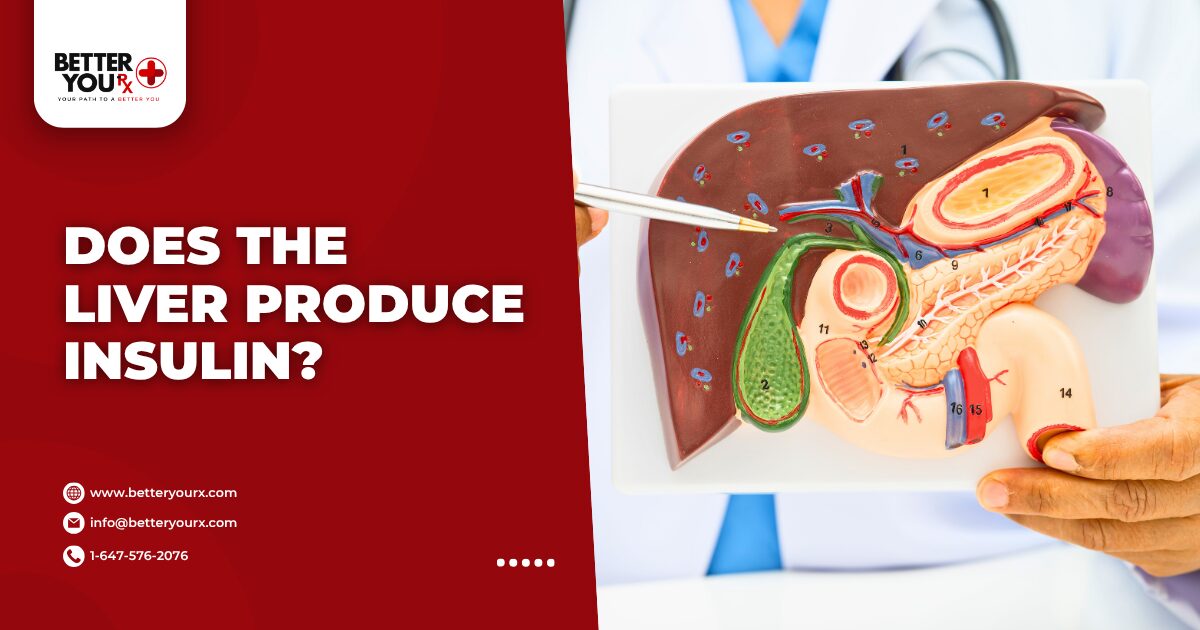
The liver does not produce insulin – this vital hormone comes exclusively from specialized beta cells in the pancreas. While many assume the liver makes insulin due to its central role in metabolism, it actually responds to insulin rather than creating it. The pancreas remains the sole organ responsible for insulin production through clusters of cells called islets of Langerhans. The liver plays a different but equally important role in blood sugar regulation by storing and releasing glucose, producing proteins that support metabolism, and responding to insulin signals. When insulin levels drop, the liver releases stored glucose into the bloodstream. This intricate relationship between the pancreas producing insulin and the liver responding to it maintains stable blood sugar levels throughout the day and night.
Does the Liver Produce Insulin – The Truth About Your Body’s Insulin Factory
The pancreas stands alone as your body’s insulin manufacturer, housing millions of specialized beta cells dedicated to this critical task. Located behind your stomach, this elongated organ operates continuously to monitor and regulate blood glucose levels through precise insulin release. Beta cells within pancreatic islets detect even minor fluctuations in blood sugar, responding immediately with appropriate insulin secretion.
These remarkable cells maintain sophisticated monitoring systems that track glucose concentrations every few seconds. When you eat a meal and glucose enters your bloodstream, beta cells spring into action, releasing pre-made insulin stores while simultaneously producing more. Each functioning beta cell contains thousands of insulin granules ready for immediate deployment.
How Beta Cells Work
Beta cells employ complex mechanisms to ensure proper insulin production and release throughout the day.
- Glucose sensing through specialized transporters
- Calcium signaling that triggers insulin release
- Continuous insulin synthesis and packaging
- Feedback loops that prevent overproduction
- Communication with neighboring alpha cells
Daily Insulin Production Patterns
Your pancreas produces varying amounts of insulin based on multiple factors that influence metabolic demands.
| Time of Day | Insulin Production Level | Key Influencing Factors |
| Early Morning (3-8 AM) | Moderate to High | Cortisol rise, dawn phenomenon |
| Morning (8 AM-12 PM) | High | Breakfast consumption, daily activity begins |
| Afternoon (12-5 PM) | Variable | Lunch intake, physical activity levels |
| Evening (5-9 PM) | Moderate to High | Dinner consumption, metabolic slowdown |
| Night (9 PM-3 AM) | Low | Sleep state, minimal glucose intake |
The average adult pancreas generates 40-50 units of insulin daily, though this amount fluctuates based on individual circumstances. Morning insulin production typically increases to counteract natural cortisol rises, while evening production may decrease as metabolic rate slows. Meal consumption triggers immediate insulin surges, with larger meals requiring greater insulin output.
Physical activity, stress levels, sleep quality, and illness all influence how much insulin your pancreas produces. During periods of increased demand, healthy beta cells can boost production several fold to maintain glucose balance. This adaptive capacity demonstrates the pancreas’s remarkable ability to match insulin supply with bodily needs.
The Liver’s Response to Insulin Signals
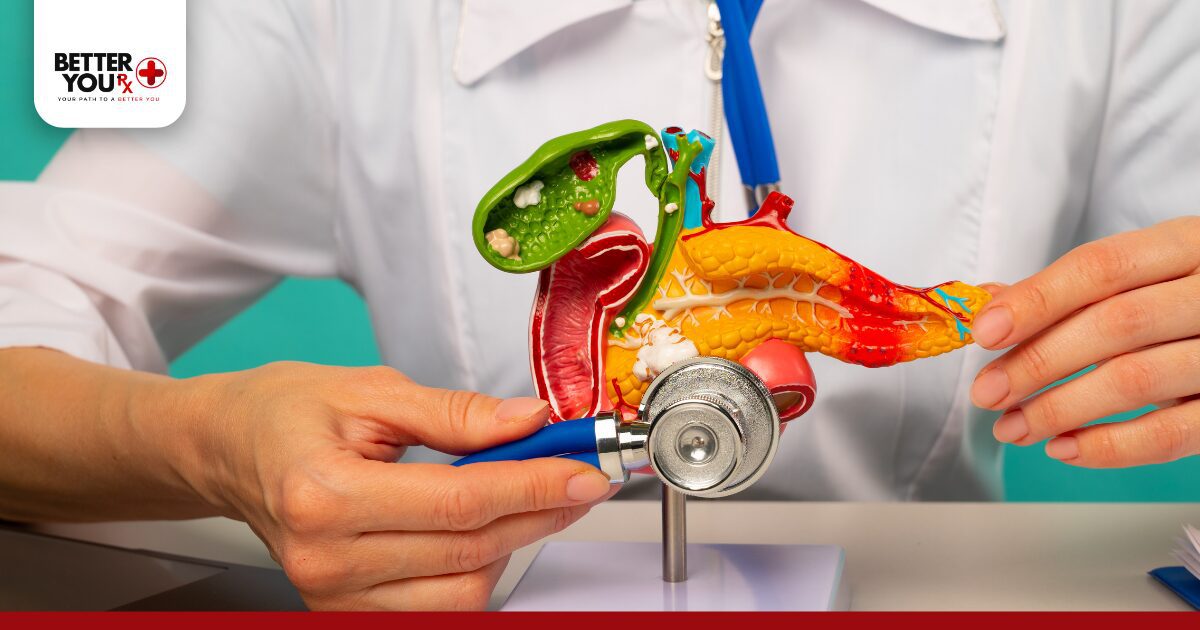
Your liver serves as the primary metabolic hub, responding to insulin signals rather than producing this hormone itself. Insulin receptors scattered across liver cell surfaces act like molecular switches, triggering cascades of metabolic changes when activated. These receptors bind insulin molecules with high specificity, initiating processes that regulate glucose, fat, and protein metabolism simultaneously.
When insulin reaches the liver from the pancreas, it fundamentally alters cellular behavior. Liver cells shift from glucose production to glucose storage mode, converting blood sugar into glycogen for later use. This transition happens rapidly, often within minutes of insulin arrival, demonstrating the liver’s remarkable metabolic flexibility.
Metabolic Changes Triggered by Insulin
The liver undergoes numerous metabolic shifts when insulin binds to its receptors, affecting multiple biochemical pathways.
- Glycogen synthesis increases dramatically
- Glucose production halts completely
- Fat synthesis begins from excess carbohydrates
- Protein manufacturing accelerates
- Inflammatory markers decrease
Storage Capacity and Function
The liver’s storage capabilities play essential roles in maintaining metabolic balance between meals and during fasting periods.
A healthy adult liver stores 100-120 grams of glycogen, enough to sustain blood glucose levels for 12-16 hours without food intake. This storage system prevents dangerous blood sugar drops during sleep or between meals. The liver can rapidly mobilize these glycogen stores when insulin levels fall, releasing glucose to maintain stable blood sugar.
Beyond glycogen storage, the liver converts excess nutrients into various forms for future use. Amino acids become proteins essential for body functions, while excess carbohydrates transform into fatty acids for long-term energy storage. This metabolic versatility allows your body to efficiently manage energy resources regardless of meal timing or composition.
For those managing diabetes who need dependable insulin therapy, Humalog Junior KwikPen offers precise dosing options through Better You Rx at affordable prices.
Blood Sugar Regulation Without Insulin Production
The liver maintains blood glucose stability through multiple mechanisms that operate independently of insulin production. During fasting states or between meals, the liver switches to glucose-producing mode, creating new glucose molecules from various substrates including amino acids, lactate, and glycerol. This process, called gluconeogenesis, ensures continuous glucose availability for brain function and cellular energy needs.
Hormonal signals beyond insulin influence hepatic glucose regulation significantly. Glucagon, released by pancreatic alpha cells when blood sugar falls, stimulates the liver to break down stored glycogen and produce new glucose. Cortisol and growth hormone also affect liver glucose metabolism, particularly during stress or overnight fasting periods.
Glucose Production Mechanisms
The liver employs several pathways to generate glucose when dietary sources become unavailable.
| Pathway | Substrate Used | Timing | Glucose Output Rate |
| Glycogenolysis | Stored glycogen | Immediate (minutes) | 2-3 mg/kg/min |
| Gluconeogenesis | Amino acids, lactate | 2-4 hours after meals | 1-2 mg/kg/min |
| Glycerol conversion | Fat breakdown products | During fasting | 0.5-1 mg/kg/min |
| Lactate recycling | Muscle metabolism | During exercise | 1-3 mg/kg/min |
| Amino acid conversion | Protein breakdown | Extended fasting | 0.5-2 mg/kg/min |
Circadian Rhythm Effects
Natural body rhythms significantly influence how the liver manages glucose throughout each 24-hour cycle.
Overnight glucose production by the liver follows predictable patterns aligned with circadian biology. Production rates typically increase during early morning hours, contributing to higher fasting blood sugar levels upon waking. This dawn phenomenon occurs naturally as cortisol and growth hormone levels rise, stimulating hepatic glucose output.
Evening glucose metabolism shifts as the body prepares for sleep. The liver reduces glucose production while maintaining steady release rates to support overnight energy needs. These circadian variations affect insulin sensitivity, with the liver becoming more responsive to insulin during morning hours compared to evening.
How Long Can a Diabetic Function Without Insulin
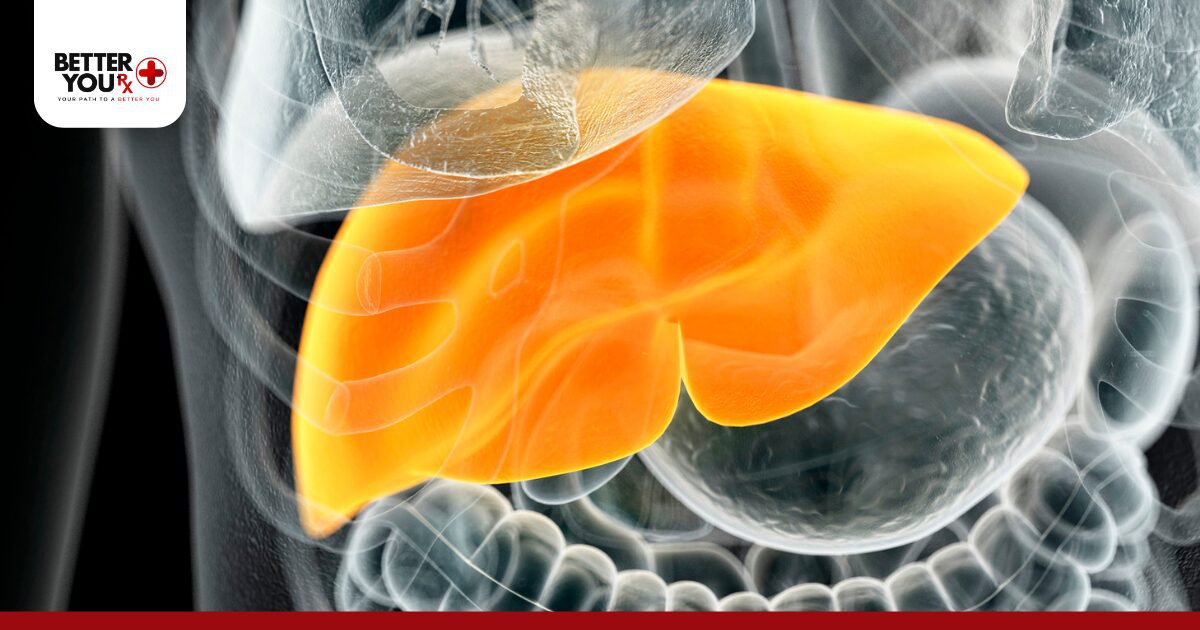
The duration someone with diabetes can safely function without insulin depends entirely on diabetes type and residual pancreatic function. Type 1 diabetes involves complete or near-complete loss of insulin production, making external insulin absolutely essential for survival. Without any insulin, severe complications develop within hours to days as glucose cannot enter cells for energy use.
People with Type 1 diabetes face life-threatening diabetic ketoacidosis (DKA) within 24-48 hours of insulin cessation. The body begins breaking down fat for energy, producing acidic ketones that accumulate dangerously in the bloodstream. Blood sugar levels can exceed 400-600 mg/dL, causing severe dehydration, electrolyte imbalances, and potential coma without immediate treatment.
Type 2 Diabetes Considerations
Individuals with Type 2 diabetes maintain varying degrees of natural insulin production, affecting how long they can manage without supplemental insulin.
- Mild cases may function indefinitely with oral medications
- Moderate cases might manage days to weeks
- Advanced cases require insulin within 24-72 hours
- Stress or illness accelerates insulin needs
- Individual variation remains substantial
Warning Signs of Insulin Deficiency
Recognition of insulin deficiency symptoms enables prompt intervention before dangerous complications develop.
| Symptom | Severity Level | Time to Onset | Action Required |
| Excessive thirst | Mild | 4-8 hours | Monitor blood sugar |
| Frequent urination | Mild | 4-8 hours | Increase water intake |
| Unexplained weight loss | Moderate | 24-48 hours | Check ketones |
| Extreme fatigue | Moderate | 12-24 hours | Consider insulin adjustment |
| Blurred vision | Moderate | 24-72 hours | Seek medical advice |
| Fruity breath | Severe | 24-48 hours | Emergency care needed |
| Confusion | Severe | 48-72 hours | Immediate hospitalization |
These symptoms progressively worsen without insulin replacement. Confusion, difficulty breathing, and loss of consciousness may follow if insulin deficiency continues untreated. Anyone experiencing these warning signs should seek immediate medical attention to prevent serious complications.
The Connection Between Fatty Liver and Diabetes
Fatty liver disease creates profound metabolic disruptions that significantly increase diabetes risk and complicate blood sugar management. Excess fat accumulation within liver cells impairs their ability to respond appropriately to insulin signals, creating a state of hepatic insulin resistance. This resistance forces the pancreas to produce increasingly larger amounts of insulin to achieve normal glucose regulation.
The relationship between fatty liver and diabetes operates bidirectionally – each condition worsens the other. High insulin levels promote additional fat storage in the liver, while fatty liver reduces insulin effectiveness throughout the body. This vicious cycle progressively damages both organs’ functions over time.
Research indicates that 70-80% of people with Type 2 diabetes have some degree of fatty liver disease. Even modest fat accumulation in liver cells can double or triple diabetes risk in otherwise healthy individuals. The severity of fatty liver directly correlates with difficulty achieving good blood sugar control.
Metabolic Consequences
Fatty liver disease triggers multiple metabolic abnormalities that affect whole-body glucose regulation.
- Increased glucose production despite high insulin
- Reduced glycogen storage capacity
- Elevated triglyceride production
- Decreased HDL cholesterol levels
- Increased inflammatory markers
Reversing Fatty Liver Effects
Strategic lifestyle modifications can reduce liver fat and restore metabolic function in many cases.
Weight loss of 5-10% significantly reduces liver fat content and improves insulin sensitivity within weeks. Mediterranean-style eating patterns rich in omega-3 fatty acids, whole grains, and vegetables particularly benefit liver health. Regular physical activity, even without weight loss, enhances liver insulin sensitivity and reduces inflammation.
Limiting refined sugars and processed foods prevents additional fat accumulation while supporting liver recovery. Adequate protein intake helps preserve muscle mass during weight loss, maintaining metabolic rate. Some individuals benefit from intermittent fasting approaches that allow liver glycogen depletion and fat mobilization.
Managing diabetes effectively requires consistent access to quality insulin products. Explore affordable options like insulin NovoRapid FlexPens available through Better You Rx for reliable blood sugar control.
Supporting Liver Health for Better Glucose Control
Optimizing liver function enhances natural glucose regulation mechanisms and improves overall metabolic health. The liver’s remarkable regenerative capacity means that positive lifestyle changes can restore function even after years of metabolic stress. Supporting liver health requires comprehensive approaches addressing nutrition, physical activity, stress management, and toxin exposure.
Nutrient-dense whole foods provide essential vitamins and minerals that support liver enzyme function and cellular repair. Antioxidants from colorful vegetables and fruits protect liver cells from oxidative damage while supporting detoxification pathways. Adequate hydration facilitates toxin elimination and maintains optimal liver blood flow.
Nutritional Strategies
Specific dietary approaches particularly benefit liver function and glucose metabolism.
- Increase fiber intake to 25-35 grams daily
- Choose complex carbohydrates over refined sugars
- Include lean proteins at each meal
- Consume omega-3 rich fish twice weekly
- Limit saturated fat to less than 10% of calories
Exercise Benefits for Liver Function
Regular physical activity provides multiple benefits for liver health independent of weight loss effects.
| Exercise Type | Duration | Frequency | Primary Liver Benefits |
| Brisk Walking | 30 minutes | Daily | Reduces inflammation markers |
| Swimming | 45 minutes | 3x weekly | Improves insulin sensitivity |
| Resistance Training | 30-40 minutes | 2-3x weekly | Builds glucose-disposing muscle |
| HIIT | 20 minutes | 2x weekly | Reduces liver fat effectively |
| Yoga | 45 minutes | 3x weekly | Lowers stress hormones |
Even modest activity levels benefit liver function. Walking 30 minutes daily reduces liver inflammation markers and improves glucose metabolism. Breaking up prolonged sitting with short movement breaks enhances insulin sensitivity throughout the day. Consistency matters more than intensity for long-term liver health improvements.
Nighttime Glucose Release by the Liver
The liver releases glucose continuously throughout the night to maintain stable blood sugar levels during extended fasting periods. This nocturnal glucose production prevents dangerous hypoglycemia while you sleep, ensuring your brain receives adequate fuel for vital functions. The rate of overnight glucose release varies based on multiple factors including dinner composition, activity levels, and hormone fluctuations.
Counter-regulatory hormones orchestrate nighttime glucose metabolism with remarkable precision. Growth hormone secretion peaks during deep sleep phases, stimulating liver glucose production. Cortisol levels begin rising around 3-4 AM, further increasing hepatic glucose output. These hormonal changes prepare your body for waking by gradually raising blood sugar levels.
Dawn Phenomenon Explained
Many people experience elevated morning blood sugar levels due to increased liver glucose production before waking.
- Cortisol surge triggers glucose release
- Growth hormone amplifies the effect
- Insulin sensitivity reaches daily low point
- Liver glycogen breakdown accelerates
- Glucose production exceeds utilization
Managing Overnight Blood Sugar
Several strategies help minimize excessive nighttime glucose fluctuations and morning highs.
Evening protein consumption can stabilize overnight blood sugar by slowing digestion and providing steady amino acids for gluconeogenesis. Avoiding large late-night meals reduces the glucose burden and subsequent rebound effects. Some individuals benefit from small bedtime snacks combining protein with complex carbohydrates.
Regular sleep schedules support consistent hormone patterns that regulate overnight glucose metabolism. Sleep deprivation disrupts cortisol and growth hormone rhythms, worsening morning blood sugar control. Stress reduction techniques before bed can lower cortisol levels and reduce overnight glucose production.
Morning exercise helps clear excess glucose produced overnight while improving insulin sensitivity for the day ahead. Even light activity like stretching or walking can significantly impact morning blood sugar levels.
Liver Enzymes and Their Impact on Metabolism
Liver enzymes play crucial roles in glucose metabolism, operating as biological catalysts that facilitate countless metabolic reactions. These specialized proteins regulate the speed and efficiency of biochemical processes that convert nutrients into usable energy or storage forms. Elevated liver enzyme levels often indicate cellular damage or metabolic dysfunction that can significantly impact blood sugar control.
The primary enzymes involved in glucose metabolism include glucokinase, glucose-6-phosphatase, and phosphoenolpyruvate carboxykinase. Glucokinase acts as the liver’s glucose sensor, determining when cells should take up glucose from the bloodstream. Glucose-6-phosphatase enables glucose release during fasting states, while phosphoenolpyruvate carboxykinase drives gluconeogenesis when creating new glucose molecules.
Key Metabolic Enzymes
Several enzyme systems work together to maintain glucose homeostasis through coordinated metabolic pathways.
- Hexokinase family enzymes initiate glucose metabolism
- Glycogen synthase builds glycogen stores
- Glycogen phosphorylase breaks down stored glycogen
- Fructose-1,6-bisphosphatase regulates gluconeogenesis
- Pyruvate carboxylase converts pyruvate to glucose precursors
Enzyme Dysfunction Effects
When liver enzymes malfunction due to disease or genetic variations, glucose regulation becomes severely compromised.
Enzyme deficiencies can cause hypoglycemia by impairing the liver’s ability to produce or release glucose during fasting. Conversely, overactive enzymes may lead to excessive glucose production, contributing to hyperglycemia even with adequate insulin present. Genetic variations in enzyme function partly explain why individuals respond differently to diabetes medications and dietary interventions.
Inflammation from fatty liver disease alters enzyme expression patterns, disrupting normal metabolic regulation. Oxidative stress damages enzyme structures, reducing their catalytic efficiency. Certain medications can inhibit specific liver enzymes, unexpectedly affecting blood sugar levels. Regular monitoring of liver enzyme levels helps identify developing problems before serious metabolic disruptions occur.
Hormonal Interactions Between the Liver and Pancreas

The liver and pancreas maintain constant biochemical communication through multiple hormone systems that coordinate metabolic processes. Beyond the well-known insulin-glucagon axis, these organs exchange signals through hormones like pancreatic polypeptide, somatostatin, and various growth factors. This complex hormonal crosstalk ensures precise metabolic coordination between glucose production, storage, and utilization.
Glucagon represents the primary counter-regulatory hormone to insulin, stimulating liver glucose production when blood sugar falls. Pancreatic alpha cells secrete glucagon in response to hypoglycemia, exercise, or protein consumption. The liver responds within minutes, breaking down glycogen and initiating gluconeogenesis to raise blood glucose levels.
Hormone Balance Mechanisms
Multiple feedback loops maintain appropriate hormone ratios for optimal metabolic function.
| Hormone | Source | Primary Action | Effect on Liver |
| Insulin | Beta cells | Lowers blood sugar | Promotes glucose storage |
| Glucagon | Alpha cells | Raises blood sugar | Stimulates glucose release |
| Somatostatin | Delta cells | Modulates hormone release | Reduces glucose production |
| GLP-1 | Intestinal cells | Enhances insulin | Suppresses glucagon |
| Cortisol | Adrenal glands | Stress response | Increases glucose output |
Communication Disruption in Disease
Metabolic diseases disrupt normal hormone communication patterns between these vital organs.
Insulin resistance in the liver causes inappropriate glucagon signaling, leading to excessive glucose production despite already elevated blood sugar. The pancreas attempts compensation by increasing insulin output, but this often proves insufficient. Type 2 diabetes frequently involves both insulin resistance and relative glucagon excess, creating dual metabolic dysfunction.
Chronic inflammation interferes with hormone receptor function in both organs. Inflammatory cytokines reduce insulin receptor sensitivity while simultaneously increasing glucagon action. This inflammatory state perpetuates metabolic dysfunction, making blood sugar increasingly difficult to control.
Buy cheap Lantus SoloStar online from Canada through Better You Rx for consistent, long-acting insulin coverage that helps manage these complex metabolic interactions.
Final Thoughts on Liver Function and Glucose Metabolism
The liver’s role in glucose metabolism extends far beyond simple storage and release mechanisms. While it cannot produce insulin, the liver’s responses to this pancreatic hormone orchestrate complex metabolic processes essential for survival. Understanding this relationship helps explain why liver health profoundly impacts blood sugar control and diabetes management.
Maintaining optimal liver function through healthy lifestyle choices supports natural glucose regulation regardless of diabetes status. Regular physical activity, balanced nutrition, adequate sleep, and stress management all contribute to liver health and metabolic stability. These interventions often improve blood sugar control more effectively than focusing solely on insulin or medication adjustments.
The intricate dance between pancreatic insulin production and hepatic glucose metabolism continues every moment of every day. Appreciating this complexity emphasizes why comprehensive approaches to metabolic health yield better outcomes than targeting single organs or pathways in isolation.
Frequently Asked Questions
What Organ Produces Insulin?
The pancreas exclusively produces insulin through specialized beta cells located within the islets of Langerhans. No other organ in the human body can manufacture this essential hormone. The pancreas contains approximately one million islets, each housing several thousand hormone-producing cells. Beta cells comprise 60-70% of islet cells and remain solely responsible for insulin synthesis and secretion. These cells continuously monitor blood glucose levels and adjust insulin production accordingly.
Does the Liver Affect Blood Sugar?
The liver profoundly affects blood sugar through multiple mechanisms including glucose storage, production, and release. During fed states, the liver removes excess glucose from blood and stores it as glycogen. Between meals, the liver produces glucose through gluconeogenesis and releases stored glycogen to prevent hypoglycemia. Liver dysfunction can cause erratic blood sugar patterns, making diabetes management significantly more challenging. The liver’s metabolic flexibility allows it to switch between glucose consumption and production based on body needs.
Is Insulin From the Kidneys or Liver?
Insulin comes from neither the kidneys nor the liver – only the pancreas produces this hormone. The kidneys help regulate insulin levels by filtering and eliminating excess insulin from blood, but they cannot manufacture it. Similarly, the liver responds to insulin signals but lacks the specialized beta cells required for insulin production. This common misconception arises because all three organs play crucial roles in glucose metabolism and diabetes complications.
Can a Fatty Liver Cause Diabetes?
Fatty liver disease significantly increases diabetes risk by causing insulin resistance in liver cells. When fat accumulates in the liver, it interferes with insulin signaling pathways, forcing the pancreas to produce more insulin to maintain normal blood sugar. Over time, this increased demand can exhaust pancreatic beta cells, leading to Type 2 diabetes development. Studies show that even mild fatty liver disease doubles diabetes risk, while severe cases can increase risk five-fold.
Can a Diabetic Eat the Liver?
People with diabetes can safely consume liver as part of a balanced diet, as it provides high-quality protein and essential nutrients. Liver contains minimal carbohydrates, making it unlikely to cause significant blood sugar spikes. However, portion control remains important since liver is high in cholesterol and vitamin A. A typical 3-ounce serving provides excellent nutrition without adversely affecting blood glucose. Preparation methods matter – avoid breaded or fried preparations that add unnecessary carbohydrates and calories.
Is Sweet Potato Good for Diabetes?
Sweet potatoes can be included in a diabetes-friendly diet when consumed in appropriate portions and prepared healthily. Their fiber content slows glucose absorption, preventing rapid blood sugar spikes compared to regular potatoes. A medium sweet potato contains approximately 27 grams of carbohydrates and should be counted within daily carbohydrate allowances. Baking or roasting without added sugars provides the best preparation method. The glycemic index varies with cooking methods, with boiled sweet potatoes causing less blood sugar impact than baked versions.
Why Does the Liver Release Sugar at Night?
The liver releases glucose at night to maintain blood sugar levels during the extended fasting period of sleep. This process intensifies during early morning hours as cortisol and growth hormone levels naturally rise, preparing the body for waking. The liver ensures continuous glucose availability for brain function and vital organ operation throughout the night. This physiological process explains why many people with diabetes experience higher morning blood sugar levels despite not eating overnight.
What Are the Worst Carbs for Diabetics?
Refined carbohydrates and added sugars represent the most problematic carbohydrate sources for blood sugar management. White bread, sugary beverages, candy, pastries, and processed snacks cause rapid glucose spikes due to their lack of fiber and quick absorption rates. These foods provide minimal nutritional value while significantly impacting blood sugar control. White rice, instant oatmeal, and breakfast cereals also rank poorly due to processing that removes beneficial fiber and nutrients. Choosing whole grain alternatives, vegetables, and legumes provides better glycemic control while delivering essential nutrients and sustained energy.