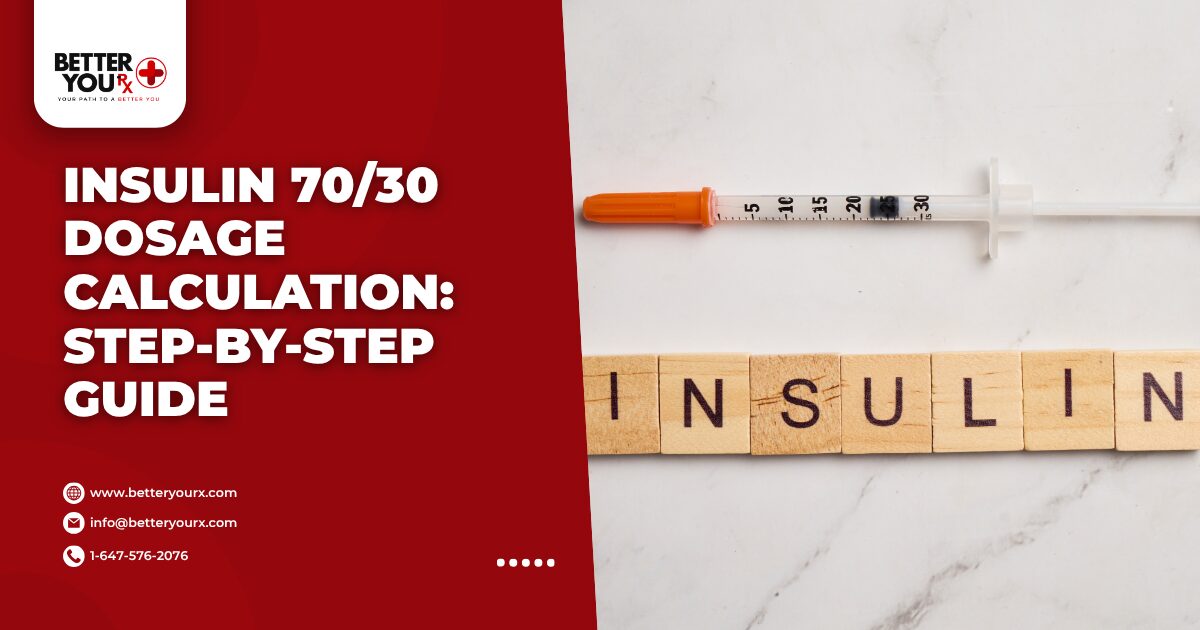
Understanding proper insulin dosing, particularly insulin 70/30 dosage calculation, is essential for effective diabetes management. Weight-based insulin dosing provides a systematic approach to determining the right amount of insulin your body needs throughout the day. This comprehensive guide covers everything from basic dosing principles to advanced calculation methods, helping you work with your healthcare provider to achieve optimal blood sugar control. Whether you’re newly diagnosed or looking to refine your current regimen, mastering these dosing concepts will empower you to make informed decisions about your diabetes care while minimizing the risk of dangerous blood sugar fluctuations.
Understanding Insulin 70/30 Formulations
Insulin 70/30 represents a premixed insulin combination that contains 70% intermediate-acting insulin and 30% rapid-acting insulin in a single injection. This formulation simplifies diabetes management by providing both basal (background) and bolus (mealtime) insulin coverage in one convenient dose.
The 70% intermediate-acting component typically consists of NPH (Neutral Protamine Hagedorn) insulin, which provides steady insulin release for approximately 12 to 18 hours. This component helps maintain baseline blood sugar control between meals and overnight.
The 30% rapid-acting component begins working within 15 to 30 minutes after injection, peaks in 1 to 3 hours, and lasts for 3 to 5 hours. This portion covers the blood sugar rise that occurs after meals.
Different manufacturers produce various 70/30 insulin formulations. Popular brands include Humulin 70/30, Novolin 70/30, and Humalog Mix 75/25. Each has slightly different onset, peak, and duration characteristics, though the basic principle remains the same.
Understanding these timing patterns is crucial for proper insulin 70/30 dosage calculation because you need to coordinate your injections with meal timing to achieve optimal blood sugar control while avoiding hypoglycemia.
Looking for consistent intermediate-acting insulin coverage? Order Humulin N KwikPen now and enjoy convenient, accurate dosing with every injection. Perfect for your basal insulin needs with reliable 12-18 hour coverage.
Basic Insulin Dosage Calculation Methods
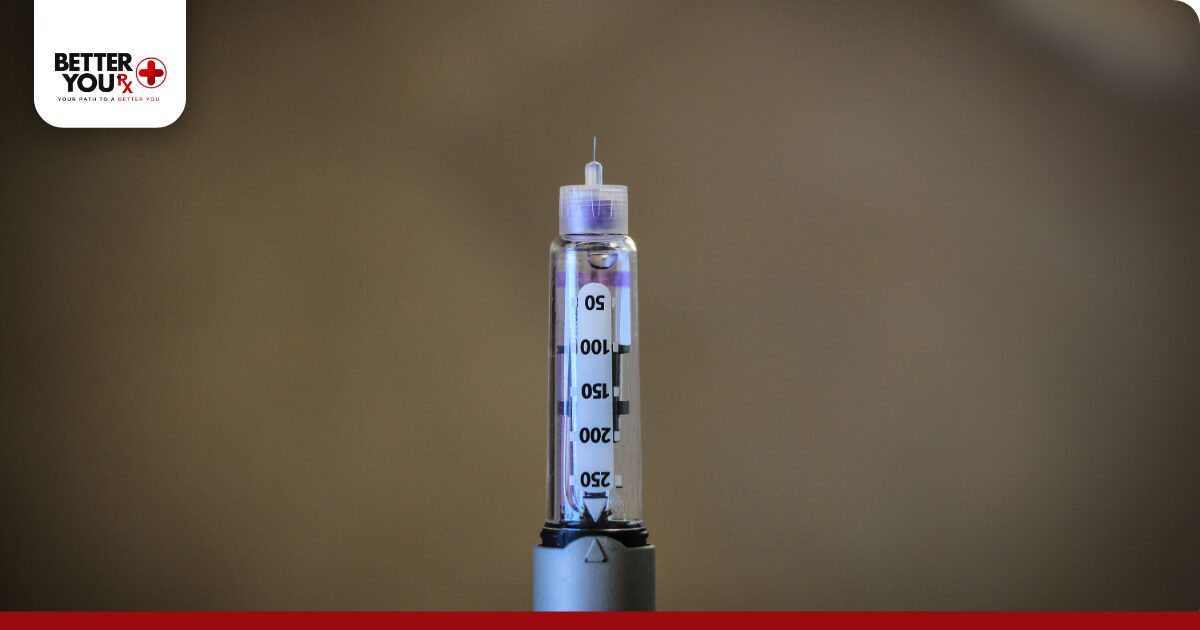
Several established methods exist for calculating insulin doses, each with specific applications and benefits. The most common approaches include the weight-based method, carbohydrate ratio method, and correction factor method.
Weight-Based Method
This fundamental approach calculates total daily insulin needs using the formula – Total Daily Dose (TDD) = Body Weight (kg) × Units per kg. For most adults with Type 2 diabetes, the multiplier ranges from 0.4 to 0.6 units per kg, while those with Type 1 diabetes or insulin resistance may require 0.7 to 1.0 units per kg.
Carbohydrate Ratio Method
This method determines how much insulin you need to cover carbohydrates in your meals. The insulin-to-carbohydrate ratio is calculated as 500 ÷ TDD = grams of carbohydrate covered by 1 unit of insulin. For example, if your TDD is 50 units, your ratio would be 500 ÷ 50 = 10 grams of carbohydrate per unit of insulin.
Correction Factor Method
Also known as the sensitivity factor, this calculates how much one unit of insulin will lower your blood glucose. The formula is 1800 ÷ TDD = mg/dL decrease per unit of insulin. Using the previous example, 1800 ÷ 50 = 36 mg/dL decrease per unit.
These methods work together to create a comprehensive dosing strategy that addresses both scheduled insulin needs and corrections for high blood sugar levels.
Shop Admelog Vial for Mealtime Control Need effective rapid-acting insulin for your insulin 70/30 dosage calculation routine? Purchase Admelog Vial today for superior mealtime glucose management. Fast-acting formula begins working in 15 minutes.
Calculating your insulin 70/30 dosage requires a systematic approach that considers your individual needs and circumstances. Here’s a detailed step-by-step process:
Step 1 – Calculate Total Daily Dose (TDD)
Begin by determining your total daily insulin requirement using the weight-based formula. Convert your weight to kilograms (weight in pounds ÷ 2.2 = kg), then multiply by the appropriate units per kg factor based on your diabetes type and insulin sensitivity.
Step 2 – Determine Injection Frequency
Most people using 70/30 insulin take two injections daily – before breakfast and before dinner. Some may require three injections, adding a lunchtime dose. Your healthcare provider will determine the best schedule based on your blood sugar patterns.
Step 3 – Divide Total Daily Dose
For twice-daily dosing, typically 2/3 of the TDD is given before breakfast and 1/3 before dinner. For example, if your TDD is 60 units, you would take approximately 40 units in the morning and 20 units in the evening.
Step 4 – Account for Individual Factors
Adjust the calculated dose based on your specific needs. Factors like dawn phenomenon (morning blood sugar rise), exercise patterns, work schedule, and meal timing may require dose modifications.
Step 5 – Monitor and Adjust
Start with the calculated dose and monitor blood sugar levels closely. Your healthcare provider will help you adjust the dose based on your actual blood sugar responses, typically making small changes of 2-4 units at a time.
Factors Affecting Insulin Dosage Requirements

Multiple factors influence how much insulin your body needs, making individualized dosing essential for optimal diabetes management. Understanding these factors helps explain why insulin 70/30 dosage calculation varies significantly between individuals.
Body Weight and Composition
Larger individuals generally require more insulin, but body composition also matters. People with higher muscle mass may be more insulin sensitive than those with higher body fat percentages. Additionally, weight changes require dose adjustments – weight loss typically reduces insulin needs while weight gain increases them.
Physical Activity Level
Regular exercise increases insulin sensitivity, potentially reducing your insulin requirements. However, the timing and intensity of exercise affect how much adjustment is needed. Aerobic exercise typically increases insulin sensitivity for 12-48 hours, while resistance training may have different effects.
Dietary Patterns
Your eating habits significantly impact insulin needs. Higher carbohydrate intake requires more insulin, while low-carb diets may reduce requirements. Meal timing consistency helps optimize insulin effectiveness, especially with fixed-ratio formulations like 70/30.
Hormonal Changes
Hormones affect insulin sensitivity throughout the day and across longer time periods. Dawn phenomenon causes increased insulin needs in the morning, while some people experience increased sensitivity in the afternoon. Women may notice cyclical changes related to menstrual cycles, pregnancy, or menopause.
Stress and Illness
Both physical and emotional stress can increase blood sugar levels and insulin resistance. During illness, insulin requirements often increase due to stress hormones and reduced activity levels. Some medications also affect insulin sensitivity.
Age and Diabetes Duration
Insulin requirements may change over time as beta cell function continues to decline in Type 2 diabetes or as growth patterns change in younger individuals. Regular reassessment ensures your dosing remains appropriate.
Safe Administration Guidelines
Proper insulin administration is just as important as correct dosing calculations. Following established safety guidelines helps prevent dangerous complications while maximizing insulin effectiveness.
Injection Site Selection and Rotation
Choose injection sites with adequate subcutaneous tissue – abdomen, thighs, upper arms, and buttocks. Rotate injection sites within the same anatomical region to prevent lipodystrophy (tissue changes that affect insulin absorption). The abdomen typically provides the most consistent absorption.
Timing Considerations
70/30 insulin should be injected 15-30 minutes before meals to allow the rapid-acting component to begin working when food is consumed. Consistent timing helps maintain stable blood sugar levels and reduces the risk of hypoglycemia or hyperglycemia.
Proper Injection Technique
Use the correct needle length for your body type – typically 4-6mm for most adults. Inject at a 90-degree angle (45 degrees if very thin) and hold for 10 seconds after injection to ensure complete delivery. Never reuse needles, as this can cause pain and affect insulin delivery.
Storage and Handling
Store unopened insulin in the refrigerator but allow it to reach room temperature before injection. Once opened, most insulin can be stored at room temperature for 28 days. Never freeze insulin or expose it to extreme heat, as this destroys its effectiveness.
Mixing Technique
70/30 insulin requires gentle mixing before each injection to ensure proper distribution of the different insulin types. Roll the pen or vial between your palms 10-20 times, then gently invert 10-20 times until the solution appears evenly cloudy.
Monitoring and Adjusting Your Insulin Dose
Effective diabetes management requires ongoing monitoring and dose adjustments based on blood sugar patterns and changing life circumstances. Regular monitoring helps optimize your insulin 70/30 dosage calculation and prevent complications.
Blood Sugar Testing Schedule
Test blood sugar levels at key times – before meals, 2 hours after meals, at bedtime, and occasionally during the night. This pattern helps identify how well your current dose is working and where adjustments might be needed.
Record Keeping
Maintain detailed records of blood sugar levels, insulin doses, meals, exercise, and any unusual circumstances. Many smartphone apps can help track this information and identify patterns that might not be obvious day-to-day.
When to Contact Your Healthcare Provider
Contact your provider if you experience repeated blood sugar readings outside your target range, frequent hypoglycemic episodes, unexplained high blood sugar levels, or significant changes in weight, activity, or eating patterns.
Making Safe Adjustments
Never make large dose changes on your own. Small adjustments of 10% of your current dose (or 2-4 units) are generally safer. Wait 3-4 days between adjustments to see the full effect, unless experiencing dangerous blood sugar levels.
Sick Day Management
During illness, blood sugar levels often run higher than normal. Continue taking insulin even if not eating well, and contact your healthcare provider for guidance on temporary dose adjustments. Never stop insulin completely during illness.
Need effective rapid-acting insulin for your insulin 70/30 dosage calculation routine? Purchase Admelog Vial today for superior mealtime glucose management. Fast-acting formula begins working in 15 minutes.
Common Dosing Mistakes to Avoid
Understanding common insulin dosing errors helps prevent dangerous complications and improves overall diabetes management outcomes.
Calculation Errors
Double-check all calculations, especially when converting between units or adjusting doses. Use the same measurement system consistently (metric vs. imperial) to avoid confusion. Write down calculations rather than doing them entirely in your head.
Timing Problems
Taking insulin too close to or too far from meals can cause blood sugar swings. Set reminders to help maintain consistent timing, and adjust meal schedules when necessary to accommodate your insulin schedule.
Injection Site Issues
Repeatedly injecting in the same spot can cause tissue damage and unpredictable insulin absorption. Develop a systematic rotation plan and inspect injection sites regularly for signs of problems.
Remember that insulin takes time to work – rapid-acting insulin peaks in 1-3 hours, so wait before taking additional doses unless directed by your healthcare provider.
Looking for affordable long-acting insulin options? Buy cheap Humulin N KwikPen online through Better You RX for reliable 24-hour glucose control. Get quality insulin at competitive prices with convenient home delivery.
Advanced Calculation Considerations
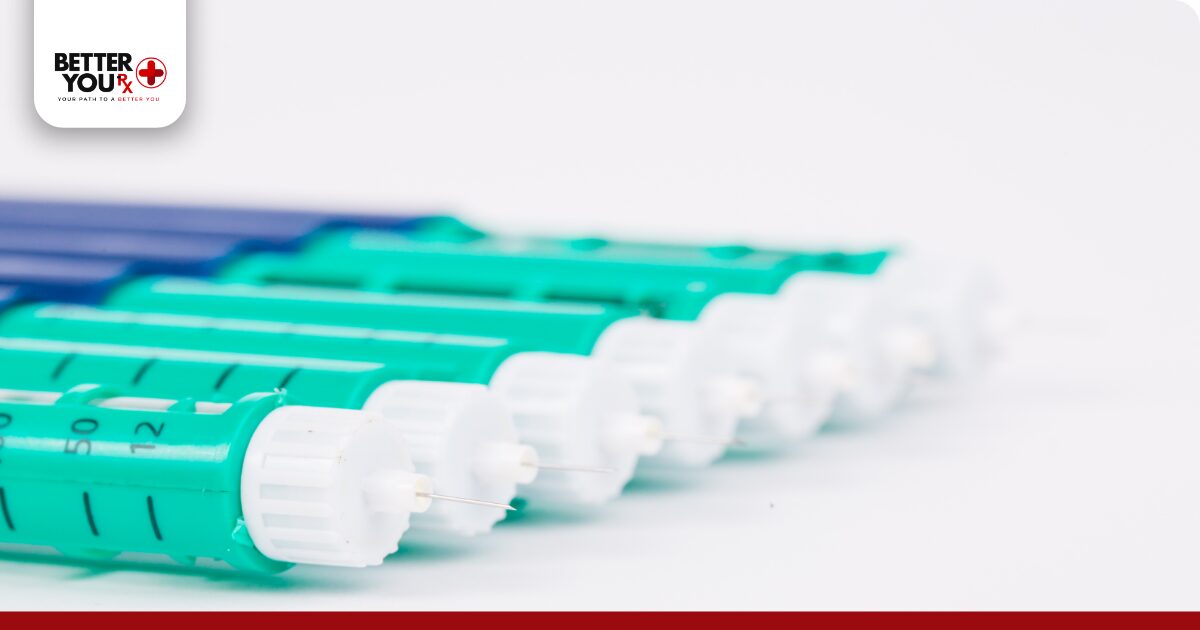
More complex dosing scenarios require additional considerations beyond basic weight-based calculations. These situations often arise in people with varying schedules, multiple health conditions, or unique physiological needs.
| Calculation Factor | Standard Range | High-Risk Conditions | Adjustment Needed |
| Units per kg body weight | 0.4-0.6 units/kg | Kidney disease, elderly | Reduce by 25-50% |
| Morning dose percentage | 60-67% of TDD | Dawn phenomenon | Increase to 70-75% |
| Evening dose percentage | 33-40% of TDD | Night shift workers | May need reversal |
| Meal spacing hours | 4-6 hours apart | Irregular schedules | Individual timing |
| Exercise adjustment | 25-50% reduction | High-intensity training | Up to 75% reduction |
Variable Schedule Management
People with rotating work shifts, irregular meal times, or frequent travel need flexible dosing strategies. This might involve splitting doses differently or using alternative insulin regimens during certain periods.
Special Population Considerations
Elderly individuals, those with kidney or liver disease, and people taking multiple medications may require modified dosing approaches. These populations often need lower starting doses with more gradual adjustments.
Technology Integration
Continuous glucose monitors and insulin pumps can provide additional data for fine-tuning dosing calculations. However, traditional calculation methods remain important for understanding the underlying principles and troubleshooting problems.
Seasonal Adjustments
Some people require different insulin doses during different seasons due to activity level changes, dietary pattern shifts, or seasonal affective disorder. Plan ahead for these predictable changes.
Working With Your Healthcare Team
Successful insulin management requires collaborative effort between you and your healthcare providers. Building strong relationships and maintaining open communication ensures the best possible outcomes.
Regular Appointment Schedule
Schedule regular check-ups every 3-4 months, or more frequently when starting new medications or experiencing problems. Bring your blood sugar records, questions, and concerns to each appointment.
Communication Strategies
Prepare specific questions about your insulin regimen and be honest about any difficulties you’re experiencing with dosing, timing, or blood sugar control. Your healthcare team can only help if they understand your complete situation.
Emergency Planning
Develop clear plans for handling both high and low blood sugar emergencies. Know when to contact your healthcare provider versus when to seek immediate medical attention. Keep emergency supplies readily available.
Technology Training
If using glucose meters, continuous monitors, or insulin pens with memory functions, ensure you understand how to use these tools effectively and interpret the information they provide.
Require enhanced dosing accuracy for your diabetes management? Buy Humalog Junior KwikPen now for half-unit dosing precision. Ideal for fine-tuning your insulin 70/30 dosage calculation with pediatric-friendly design and adult precision.
Key Takeaways for Optimal Insulin Management
Mastering insulin 70/30 dosage calculation and weight-based dosing principles empowers you to take control of your diabetes management while working effectively with your healthcare team. Remember that dosing calculations provide starting points, not absolute rules – your individual response and changing circumstances require ongoing adjustments and monitoring.
Success in insulin management comes from understanding the fundamental principles while remaining flexible enough to adapt to your unique needs and life circumstances. Regular monitoring, careful record-keeping, and open communication with your healthcare providers form the foundation of safe and effective insulin therapy.
The investment in learning proper dosing techniques pays dividends in improved blood sugar control, reduced complications, and enhanced quality of life. Start with conservative doses, make gradual adjustments, and never hesitate to seek guidance when facing challenges or uncertainties.
Frequently Asked Questions
How Do I Calculate My Starting Insulin 70/30 Dose Based on Weight?
Start by converting your weight to kilograms (divide pounds by 2.2). Multiply by 0.4-0.6 units per kg for most adults with Type 2 diabetes. For example, a 180-pound person (82 kg) would need approximately 33-49 units daily. Typically, give 2/3 in the morning and 1/3 in the evening. Always work with your healthcare provider to determine your specific starting dose.
When Should I Take My Insulin 70/30 Injections for Best Results?
Take 70/30 insulin 15-30 minutes before your largest meals, typically breakfast and dinner. This timing allows the rapid-acting component to begin working when food enters your system. Maintain consistent timing daily – if you eat breakfast at 7 AM, try to inject around 6:30-6:45 AM every day.
What Factors Require Me to Adjust My Insulin 70/30 Dosage?
Several factors may require dose adjustments including weight changes, increased or decreased physical activity, changes in eating patterns, illness or stress, new medications, and seasonal variations in routine. Always make small adjustments (2-4 units) and wait 3-4 days to see the full effect before making additional changes.
How Often Should I Check My Blood Sugar When Using Insulin 70/30?
Test blood sugar before meals, 2 hours after meals, and at bedtime initially. Once your doses are stable and blood sugars well-controlled, you may reduce testing frequency as recommended by your healthcare provider. Always test more frequently during illness, stress, or when making dose adjustments.
What Should I Do if I Miss an Insulin 70/30 Dose?
If you miss a dose and it’s close to your next scheduled injection time, skip the missed dose and continue with your regular schedule. Never take two doses at once. If you miss a morning dose but remember within 2-3 hours, you can take a reduced dose. Contact your healthcare provider for specific guidance on your situation.
Can I Adjust My Insulin 70/30 Dose for Different Meal Sizes?
Unlike rapid-acting insulin alone, 70/30 contains fixed proportions of different insulin types, making it less flexible for varying meal sizes. Maintain consistent meal sizes and carbohydrate content for best results. If you need more flexibility for varying meals, discuss alternative insulin regimens with your healthcare provider.
How Do I Know if My Insulin 70/30 Dose is Working Properly?
Signs of proper dosing include blood sugars within your target range (typically 80-130 mg/dL before meals, less than 180 mg/dL two hours after meals), stable energy levels throughout the day, and minimal episodes of high or low blood sugar. Regular pattern recognition in your blood sugar logs helps identify if adjustments are needed.