Confused about insulin resistance vs prediabetes? You’re not alone. These two conditions are closely related but distinct, and understanding the difference can be crucial for your health management. While both involve problems with how your body handles blood sugar, they represent different stages and mechanisms in the journey toward type 2 diabetes.
Insulin resistance is the underlying process where your cells don’t respond properly to insulin, while prediabetes is a diagnosed condition with specific blood sugar ranges. Knowing which one you’re dealing with or if you have both can help guide your treatment decisions and lifestyle changes.
Take control of your blood sugar management. Explore our insulin products for comprehensive diabetes care.
What Is Insulin Resistance?
Insulin resistance occurs when your body’s cells don’t respond effectively to insulin, the hormone responsible for helping glucose enter cells for energy. When this happens, your pancreas produces more insulin to try to overcome this resistance, but over time, this system can become overwhelmed.
Think of insulin resistance as a key that’s getting harder to turn in a lock. Your body keeps making more keys (insulin), but the locks (your cells) are becoming increasingly difficult to open.
Basic Definition and Mechanism
Insulin resistance is a metabolic condition where cells in your muscles, fat, and liver don’t respond properly to insulin. Normally, insulin acts like a key, unlocking cells so glucose can enter and provide energy.
When insulin resistance develops, these cells become less sensitive to insulin’s signals. Your pancreas compensates by producing more insulin, leading to higher insulin levels in your blood. This extra insulin can eventually maintain normal blood glucose levels, but only temporarily.
The condition often develops gradually over years. Initially, your pancreas can keep up with the increased demand, but eventually, it may struggle to produce enough insulin to overcome the resistance.
Common Causes and Risk Factors
Several factors contribute to insulin resistance development:
- Excess weight: Particularly abdominal fat, which releases inflammatory substances that interfere with insulin function
- Physical inactivity: Regular exercise helps cells use glucose more efficiently
- Poor diet: High intake of processed foods, refined sugars, and saturated fats
- Genetics: Family history of type 2 diabetes increases your risk
- Age: Insulin sensitivity typically decreases with age
- Sleep disorders: Poor sleep quality affects hormone regulation
- Chronic stress: Elevates cortisol levels, which can interfere with insulin function
- Certain medications: Some drugs can affect insulin sensitivity
Understanding these risk factors helps identify who might be more susceptible to developing insulin resistance and what lifestyle modifications might help.
Signs and Symptoms to Watch For
Insulin resistance often develops silently, but some signs may indicate its presence:
Early symptoms include frequent hunger, especially after meals, fatigue or drowsiness after eating, and difficulty concentrating. You might also notice increased cravings for sugary or starchy foods.
Physical signs can include darkened patches of skin (acanthosis nigricans) around the neck, armpits, or groin areas. Some people experience skin tags in these same areas.
Many people with insulin resistance also struggle with weight gain, particularly around the midsection, and find it difficult to lose weight despite diet and exercise efforts.
It’s important to note that many people with insulin resistance have no obvious symptoms, which is why regular health screenings are crucial for early detection.
What Is Prediabetes?
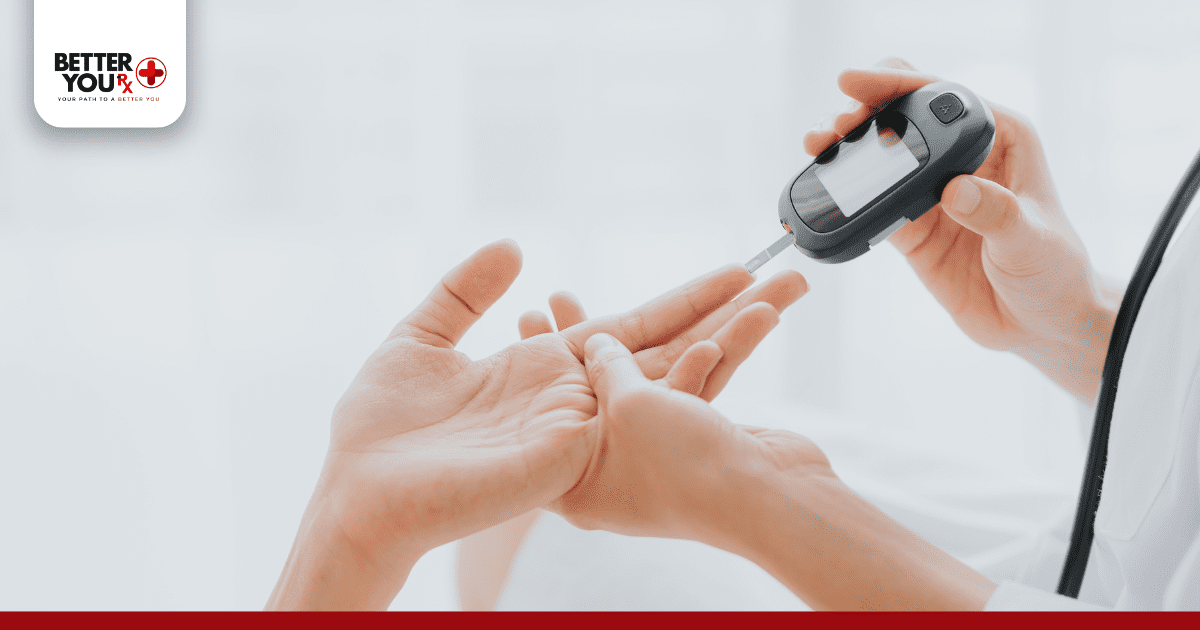
Prediabetes is a diagnosed condition where blood sugar levels are higher than normal but not yet high enough to be classified as type 2 diabetes. It represents a critical warning stage that gives you an opportunity to prevent or delay the onset of type 2 diabetes through lifestyle changes.
Unlike insulin resistance, which describes a biological process, prediabetes is defined by specific blood test results and represents a measurable progression toward diabetes.
Medical Definition and Diagnostic Criteria
Prediabetes is diagnosed using three main blood tests, each with specific ranges:
Fasting Plasma Glucose (FPG): Measures blood sugar after fasting for at least 8 hours. Prediabetes range is 100-125 mg/dL (normal is less than 100 mg/dL).
Oral Glucose Tolerance Test (OGTT): Measures blood sugar 2 hours after drinking a glucose solution. Prediabetes range is 140-199 mg/dL (normal is less than 140 mg/dL).
Hemoglobin A1C: Reflects average blood sugar over 2-3 months. Prediabetes range is 5.7-6.4% (normal is less than 5.7%).
Healthcare providers typically use at least one of these tests, and often multiple tests, to confirm a prediabetes diagnosis. The A1C test is particularly useful because it doesn’t require fasting.
Risk Factors and Demographics
Certain groups face higher risks for developing prediabetes:
Adults over 45 years old should be tested regularly, especially if they’re overweight. However, younger adults with risk factors should also be screened.
Ethnic minorities, including African Americans, Hispanic Americans, Native Americans, and Asian Americans, face increased risks. Family history of type 2 diabetes significantly raises your chances.
Other risk factors include having gestational diabetes during pregnancy, polycystic ovary syndrome (PCOS), high blood pressure, abnormal cholesterol levels, and a history of cardiovascular disease.
Lifestyle factors like physical inactivity, poor diet, and carrying excess weight, particularly around the midsection, also increase prediabetes risk.
Progression Without Intervention
Without lifestyle changes or medical intervention, prediabetes often progresses to type 2 diabetes. Studies show that 15-30% of people with prediabetes will develop type 2 diabetes within 5 years.
The progression isn’t inevitable, though. Research demonstrates that losing 5-7% of body weight and exercising regularly can reduce diabetes risk by 58%. Even modest lifestyle changes can make a significant difference.
During the prediabetes stage, your body is still producing insulin, but either not enough or your cells aren’t using it effectively. This is your window of opportunity to reverse course before permanent damage occurs.
Need reliable insulin therapy options? Check out our Admelog vial for fast-acting insulin support.
Insulin Resistance vs Prediabetes: Key Differences
While insulin resistance and prediabetes are closely connected, understanding their differences helps clarify where you stand and what actions to take. These conditions can coexist, but they represent different aspects of metabolic health.
Here’s how insulin resistance and prediabetes compare across key areas:
| Aspect | Insulin Resistance | Prediabetes |
| Nature | A biological process where cells don’t respond well to insulin | A diagnosed condition based on elevated blood sugar levels |
| Diagnosis | No specific test; inferred from symptoms and risk factors | Specific blood tests with defined ranges (A1C, fasting glucose, OGTT) |
| Blood Sugar | May be normal initially due to compensatory insulin production | Elevated but below diabetes threshold |
| Symptoms | Often silent; may include fatigue, cravings, difficulty losing weight | Usually no symptoms; detected through screening |
| Timing | Can develop years before blood sugar elevation | Represents measurable progression toward diabetes |
| Reversibility | Often reversible with lifestyle changes | Can be reversed or progression delayed with intervention |
| Treatment Focus | Improving insulin sensitivity through diet, exercise, and weight management | Preventing progression to type 2 diabetes |
| Monitoring | Regular health assessments and symptom awareness | Routine blood sugar testing and medical follow-up |
How They’re Connected
Insulin resistance typically comes first in the progression toward type 2 diabetes. When your cells become resistant to insulin, your pancreas works harder to produce more insulin to maintain normal blood sugar levels.
For a while, this compensation works, and your blood sugar remains normal despite having insulin resistance. However, over time, your pancreas may struggle to keep up with the increased demand.
When your pancreas can no longer produce enough insulin to overcome the resistance, blood sugar levels begin to rise. This elevation in blood sugar is when prediabetes is diagnosed.
Not everyone with insulin resistance develops prediabetes, and the timeline varies significantly between individuals. Some people may have insulin resistance for years without progressing, while others move more quickly through the stages.
Can You Have Both Conditions
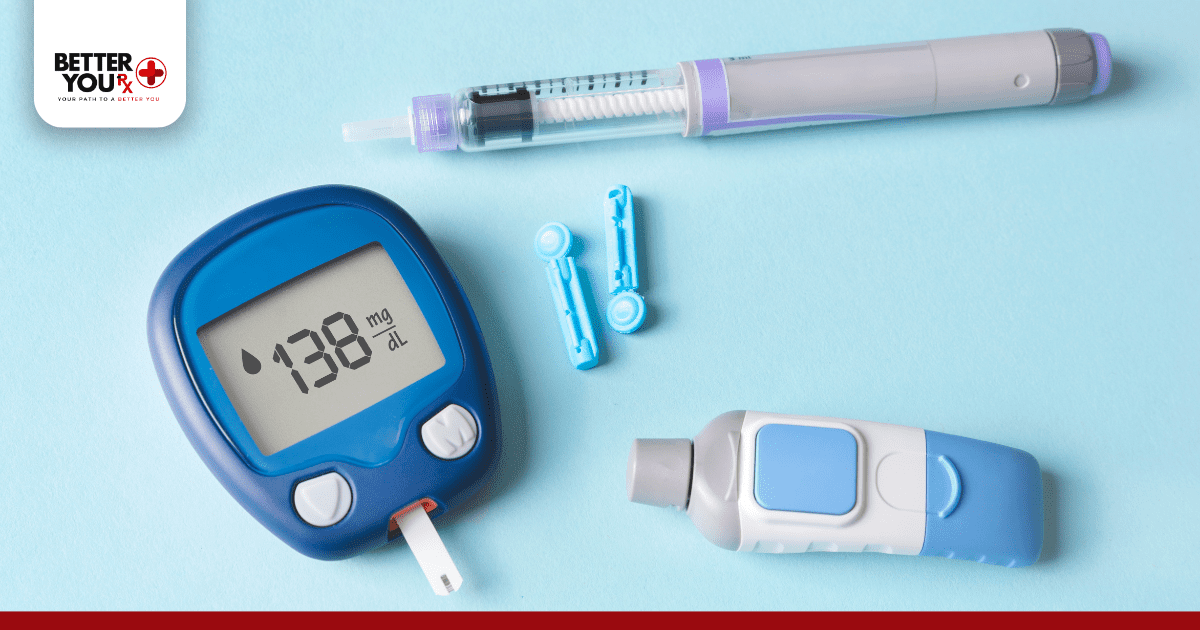
Yes, many people have both insulin resistance and prediabetes simultaneously. In fact, insulin resistance is often the underlying cause of prediabetes.
When you have both conditions, it means your cells aren’t responding well to insulin (insulin resistance) and your blood sugar levels have risen above normal ranges (prediabetes).
Having both conditions doesn’t mean you’ll automatically develop type 2 diabetes, but it does indicate a higher risk and the need for more aggressive intervention strategies.
The good news is that treatments addressing one condition often help the other, since they share similar underlying mechanisms and respond to similar lifestyle interventions.
Diagnosis and Testing
Getting properly diagnosed is crucial for understanding your metabolic health and taking appropriate action. The testing approaches for insulin resistance and prediabetes differ, but both provide valuable information for managing your health.
Testing for Insulin Resistance
Unlike prediabetes, there’s no single standard test specifically for insulin resistance. Healthcare providers typically assess insulin resistance through a combination of approaches:
Clinical Assessment: Your doctor evaluates risk factors, symptoms, and physical signs like acanthosis nigricans (dark skin patches) or difficulty losing weight.
HOMA-IR Test: This calculation uses fasting glucose and insulin levels to estimate insulin resistance. While not routinely used in clinical practice, it’s valuable for research and some specialized assessments.
Metabolic Panel: Includes tests for triglycerides, HDL cholesterol, and blood pressure. High triglycerides and low HDL often accompany insulin resistance.
Glucose Tolerance Test with Insulin Measurement: Some specialists measure both glucose and insulin levels during an oral glucose tolerance test to assess how much insulin your body needs to handle glucose.
Many healthcare providers diagnose insulin resistance based on a constellation of factors rather than a single test, including your medical history, physical examination, and related metabolic markers.
Testing for Prediabetes
Prediabetes diagnosis relies on specific, standardized blood tests with established ranges:
Hemoglobin A1C: The most convenient test since it doesn’t require fasting. It measures your average blood sugar over 2-3 months. Prediabetes range: 5.7-6.4%.
Fasting Plasma Glucose: Requires fasting for at least 8 hours. Prediabetes range: 100-125 mg/dL. This test is widely available and relatively inexpensive.
Oral Glucose Tolerance Test (OGTT): You drink a glucose solution, then blood sugar is measured after 2 hours. Prediabetes range: 140-199 mg/dL. This test is more time-consuming but can detect prediabetes that other tests might miss.
Healthcare providers often use multiple tests to confirm diagnosis, especially if results are borderline or if you have risk factors that suggest testing a particular method.
When to Get Tested
For Prediabetes: The American Diabetes Association recommends screening for all adults 35 and older, regardless of weight. Adults younger than 35 should be tested if they’re overweight and have additional risk factors.
Testing frequency depends on results and risk factors. If tests are normal, repeat screening every 3 years. If you have prediabetes, test annually to monitor progression.
For Insulin Resistance: Consider evaluation if you have multiple risk factors, unexplained difficulty losing weight, family history of diabetes, or signs like dark skin patches.
Women with a history of gestational diabetes or polycystic ovary syndrome should discuss insulin resistance screening with their healthcare provider.
Take charge of your glucose management. Our Apidra cartridge offers convenient rapid-acting insulin delivery.
Treatment and Management Strategies
Both insulin resistance and prediabetes respond well to similar treatment approaches, with lifestyle modifications forming the foundation of management. The goal is to improve your body’s ability to use insulin effectively and prevent progression to type 2 diabetes.
Lifestyle Modifications That Work
Dietary Changes: Focus on a balanced diet rich in whole foods, lean proteins, healthy fats, and complex carbohydrates. Limit processed foods, refined sugars, and excessive portions.
The Mediterranean diet and low-glycemic eating patterns show particular promise for improving insulin sensitivity. Consider working with a registered dietitian to develop a sustainable eating plan.
Regular Physical Activity: Exercise is one of the most effective interventions for both conditions. Aim for at least 150 minutes of moderate-intensity aerobic activity per week, plus muscle-strengthening activities twice weekly.
Both aerobic exercise and resistance training improve insulin sensitivity. Even modest increases in activity, like a 30-minute daily walk, can make a significant difference.
Weight Management: Losing even 5-7% of your body weight can dramatically improve insulin sensitivity and reduce prediabetes risk. Focus on gradual, sustainable weight loss rather than extreme measures.
Sleep Improvement: Poor sleep affects hormone regulation and insulin sensitivity. Aim for 7-9 hours of quality sleep nightly and address sleep disorders if present.
Stress Management: Chronic stress elevates cortisol levels, which can worsen insulin resistance. Incorporate stress-reduction techniques like meditation, yoga, or regular relaxation practices.
Medical Treatment Options
While lifestyle changes are primary, some people benefit from medical interventions:
Metformin: Often prescribed for prediabetes, especially in younger adults, those with BMI over 35, or women with a history of gestational diabetes. It improves insulin sensitivity and can help prevent progression to diabetes.
Other Medications: Depending on individual circumstances, healthcare providers might consider other medications that improve insulin sensitivity or help with related conditions like high blood pressure or abnormal cholesterol levels.
For those who already require insulin therapy for diabetes management, newer options like Adlyxin (lixisenatide) can help optimize blood sugar control.
Regular Monitoring: Whether or not you take medication, regular follow-up with your healthcare provider is crucial for tracking progress and adjusting treatment plans.
Creating Your Action Plan
Start by working with your healthcare team to establish clear goals and monitoring schedules. This might include target weight ranges, blood sugar goals, and specific lifestyle objectives.
Implement changes gradually rather than attempting everything at once. Start with one or two modifications, master them, then add others. This approach increases your likelihood of long-term success.
Consider joining support groups, working with healthcare professionals like dietitians or exercise physiologists, or using apps and tools that help track your progress.
Remember that managing insulin resistance and prediabetes is a marathon, not a sprint. Focus on building sustainable habits rather than seeking quick fixes.
Prevention Strategies
Prevention remains the most effective approach for both insulin resistance and prediabetes. Even if you have risk factors you can’t change, like family history or age, many prevention strategies can significantly reduce your risk or slow progression.
Diet and Nutrition Guidelines
Choose Complex Carbohydrates: Opt for whole grains, legumes, and vegetables over refined grains and processed foods. These foods provide steady energy without causing blood sugar spikes.
Prioritize Fiber: High-fiber foods slow glucose absorption and improve insulin sensitivity. Aim for 25-35 grams of fiber daily from sources like vegetables, fruits, beans, and whole grains.
Include Healthy Fats: Omega-3 fatty acids from fish, nuts, and seeds can improve insulin sensitivity. Limit saturated and trans fats, which can worsen insulin resistance.
Practice Portion Control: Use smaller plates, measure portions initially to learn appropriate sizes, and pay attention to hunger and fullness cues.
Stay Hydrated: Choose water over sugary drinks. If you want variety, try unsweetened tea, coffee, or sparkling water with lemon.
Exercise and Physical Activity
Start Where You Are: If you’re sedentary, begin with 10-15 minutes of walking daily and gradually increase duration and intensity.
Mix It Up: Combine aerobic exercise (walking, swimming, cycling) with strength training (weights, resistance bands, bodyweight exercises) for maximum benefit.
Find Activities You Enjoy: You’re more likely to stick with exercise you enjoy. Try dancing, hiking, gardening, or sports to make movement fun.
Build Activity Into Daily Life: Take stairs instead of elevators, park farther away, walk during phone calls, or do household chores more vigorously.
Set Realistic Goals: Aim for progress, not perfection. Consistency matters more than intensity when you’re building new habits.
Long-term Health Management
Regular Health Screenings: Stay up-to-date with recommended screenings for blood pressure, cholesterol, and blood sugar levels.
Maintain a Healthy Weight: If you need to lose weight, aim for 1-2 pounds per week through a combination of diet and exercise modifications.
Manage Other Health Conditions: Work with your healthcare provider to control conditions like high blood pressure or abnormal cholesterol that can worsen insulin resistance.
Stay Informed: Keep up with current research and recommendations, but be wary of fad diets or quick fixes that promise unrealistic results.
Build Your Support Network: Surround yourself with family, friends, or support groups who encourage your healthy lifestyle choices.
Conclusion
Understanding insulin resistance vs prediabetes empowers you to take control of your metabolic health. While these conditions are related, recognizing their differences helps you work more effectively with your healthcare team and make informed decisions about your care.
Insulin resistance often comes first, representing the underlying process where your cells don’t respond well to insulin. Prediabetes is the measurable result when blood sugar levels rise above normal ranges. Both conditions serve as important warnings, giving you the opportunity to make changes before type 2 diabetes develops.
The encouraging news is that both insulin resistance and prediabetes respond well to lifestyle modifications. Through strategic dietary changes, regular physical activity, weight management, and stress reduction, many people can improve their insulin sensitivity and even reverse prediabetes.
Whether you’re dealing with insulin resistance, prediabetes, or both, remember that small, consistent changes often lead to significant improvements over time. Work with your healthcare provider to develop a comprehensive plan that fits your lifestyle and health goals.
Ready to take the next step in managing your blood sugar health? Explore our comprehensive insulin products to support your diabetes management journey.
Frequently Asked Questions
Can you have insulin resistance without prediabetes?
Yes, you can have insulin resistance without prediabetes. Insulin resistance often develops first, and your pancreas may initially produce enough extra insulin to keep blood sugar levels normal. This compensation can last for years before blood sugar levels rise enough to be diagnosed as prediabetes.
Is insulin resistance the same as prediabetes?
No, insulin resistance and prediabetes are not the same. Insulin resistance is a biological process where cells don’t respond effectively to insulin. Prediabetes is a diagnosed condition based on elevated blood sugar levels. However, insulin resistance often causes prediabetes.
Can prediabetes be reversed?
Yes, prediabetes can often be reversed through lifestyle changes. Studies show that losing 5-7% of body weight and exercising regularly can reduce diabetes risk by 58%. With sustained lifestyle modifications, many people can return their blood sugar levels to normal ranges.
What comes first, insulin resistance or prediabetes?
Insulin resistance typically comes first. When cells become resistant to insulin, the pancreas produces more insulin to compensate. Over time, when the pancreas can’t keep up with the increased demand, blood sugar levels rise, leading to prediabetes diagnosis.
How long does it take for prediabetes to become diabetes?
The progression varies significantly between individuals. Studies show that 15-30% of people with prediabetes develop type 2 diabetes within 5 years. However, with lifestyle interventions, many people never progress to diabetes or significantly delay its onset.
What foods should I avoid if I have insulin resistance?
Limit refined carbohydrates, sugary drinks, processed foods, and foods high in saturated fats. Focus instead on whole grains, lean proteins, healthy fats, and plenty of vegetables. Working with a registered dietitian can help you develop a personalized eating plan.