

Glucose, a simple sugar from the food we eat, serves as one of the main energy sources. It fuels vital organs like the brain, heart, and muscles. But glucose levels can’t be left unregulated. Too much or too little in the bloodstream can disrupt balance and affect overall health. This is where hormones step in to keep things steady.
Two of the most important hormones in this process are insulin and glucagon. These chemical messengers act like a team, keeping blood sugar from going too high or too low. Think of them as partners on opposite sides of a seesaw—when one rises, the other adjusts to restore balance. Together, they play a vital role in helping the body stay stable and energized.
Insulin vs Glucagon: Key Differences in Blood Sugar Control
Insulin and glucagon work as a pair to control how much sugar stays in the blood. Insulin lowers blood sugar by helping cells absorb glucose for energy or storage, while glucagon raises blood sugar by releasing stored glucose when levels drop too low.
Without this teamwork, blood sugar would swing wildly, leading to serious problems. Insulin acts after meals to prevent sugar spikes, while glucagon steps in between meals or during exercise to prevent dangerous lows. Together, they maintain balance so the body has the fuel it needs at the right time.
The Role of Insulin
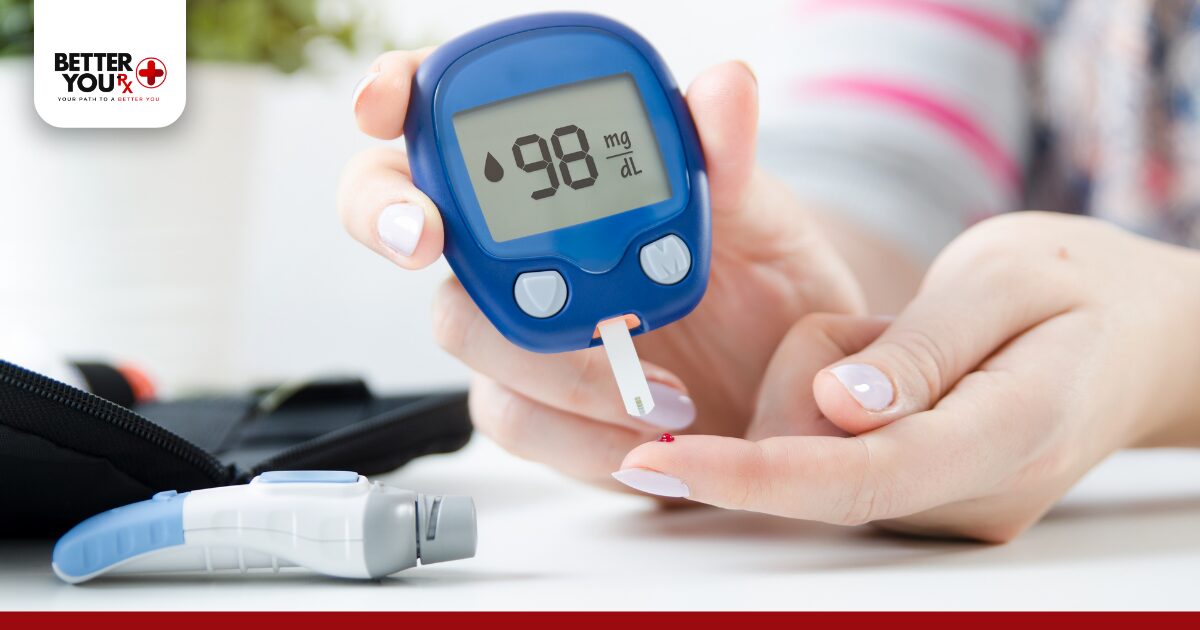
Insulin is produced by the pancreas, specifically in beta cells. After you eat, glucose from food enters the bloodstream. Insulin’s job is to open the “doors” of cells, letting glucose move inside to be used for energy. If cells don’t need it right away, insulin helps store it in the liver and muscles as glycogen.
This process is vital because high blood sugar over long periods can damage blood vessels, nerves, and organs. Insulin keeps these levels in check. Without it, glucose builds up in the bloodstream, which is what happens in diabetes.
A good way to picture insulin is as a key. Imagine every cell has a locked door, and insulin is the key that unlocks it so glucose can enter. Without the key, glucose stays outside, unused. That’s why people with type 1 diabetes, who can’t make insulin, need to inject it.
Discover more about insulin medications online and how they support people managing diabetes every day.
The Role of Glucagon
While insulin brings sugar down, glucagon does the opposite. It’s made by alpha cells in the pancreas and acts mainly on the liver. When blood sugar drops—like during fasting, intense exercise, or long gaps between meals—glucagon signals the liver to release stored glucose into the bloodstream.
This ensures that the brain and muscles don’t run out of fuel. Unlike fat, glucose is the body’s quickest and easiest source of energy, so having backup supplies is critical. Glucagon prevents dangerous dips in blood sugar that can cause weakness, confusion, or even fainting.
Think of glucagon as a safety net. When sugar gets too low, glucagon catches the fall and pushes levels back up. This makes it the perfect counterpart to insulin’s lowering effect.
Comparing Insulin and Glucagon
Although both hormones come from the pancreas, they play opposite roles. Insulin prevents sugar levels from getting too high, while glucagon stops them from falling too low. Both are essential for survival.
Here’s a quick comparison:
| Aspect | Insulin | Glucagon |
| Main Role | Lowers blood sugar | Raises blood sugar |
| Produced By | Beta cells in pancreas | Alpha cells in pancreas |
| Trigger | High blood sugar (after eating) | Low blood sugar (fasting/exercise) |
| Action | Moves glucose into cells, stores as glycogen | Breaks down glycogen, releases glucose |
| Effect on Liver | Stores sugar | Releases sugar |
| Without It | High blood sugar (hyperglycemia, diabetes) | Low blood sugar (hypoglycemia) |
This table shows why balance matters. Too much insulin without enough glucagon, or the other way around, can put the body in danger.
Looking into treatment options? You can buy cheap Apidra Solostar Pen online through Better You Rx, a trusted prescription referral service.
What Happens When Balance Is Lost

When it comes to Insulin Vs Glucagon, balance is everything. When these two hormones aren’t working right, managing blood sugar can become a real challenge. Think of insulin as the “key” that helps sugar enter your cells so they can use it for energy. In type 1 diabetes, your pancreas stops making insulin, so sugar builds up in your blood instead of getting into your cells. This leads to symptoms like feeling really thirsty, tired, or losing weight without trying.
In type 2 diabetes, your body still makes insulin, but your cells don’t listen very well, they become resistant. To keep up, your pancreas makes even more insulin, but eventually, it can get tired and slow down. On top of that, glucagon, another hormone that usually helps raise blood sugar when it’s too low, can go into overdrive and dump too much sugar into the bloodstream, throwing things further out of balance.
Normally, insulin and glucagon work like a team to keep your blood sugar steady. When you eat, your blood sugar goes up, and insulin tells your cells to grab that sugar for energy or storage. Later, when your blood sugar drops, glucagon tells your liver to release stored sugar back into the blood so your body doesn’t run out of fuel. It’s like a dance that keeps your energy levels just right throughout the day and night.
Want to know more? Explore different blood sugar medication options available to help balance insulin and glucagon effectively.
What Is Blood Sugar Regulation?
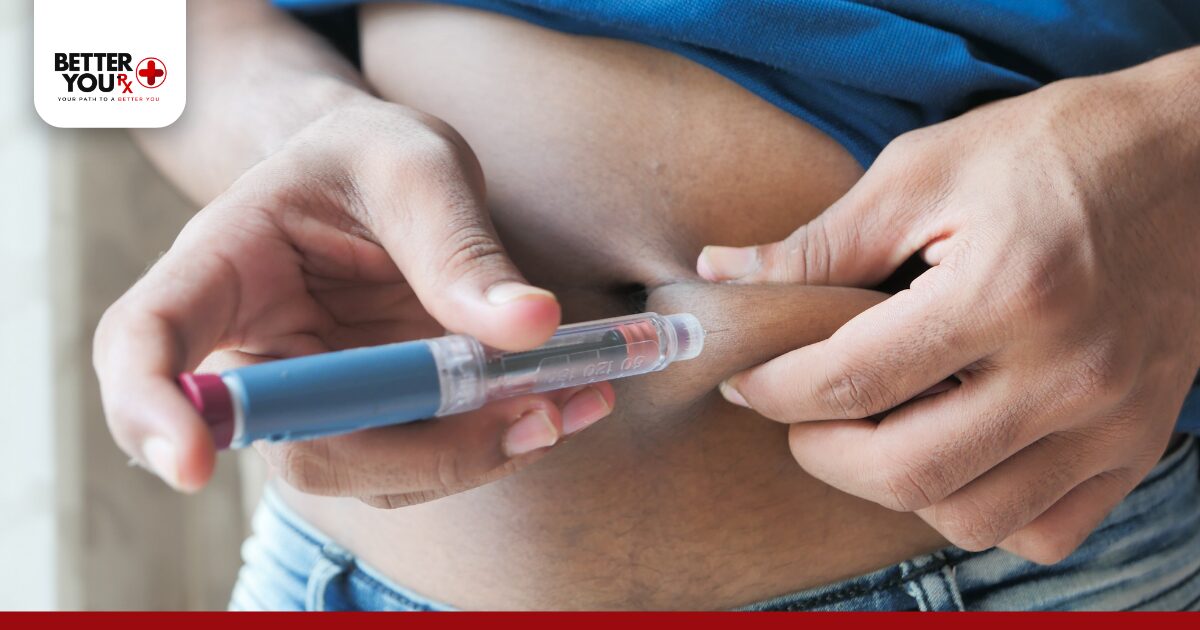
Blood sugar regulation is the body’s way of keeping glucose at safe levels. The normal range is usually between 70 and 140 mg/dL, depending on meals and activity. Insulin and glucagon are the main players, but other hormones like cortisol and adrenaline can step in during stress.
The liver acts like a warehouse, storing sugar when there’s too much and releasing it when there’s too little. This system works smoothly in most people, but health conditions, poor diet, or stress can throw it off. Keeping this system healthy is one reason doctors stress balanced eating and regular exercise.
In simple terms, blood sugar regulation is about balance. Too much or too little glucose affects how every cell in the body functions. Insulin and glucagon make sure the balance is maintained.
How to Choose the Right Approach for Blood Sugar Health
Managing blood sugar isn’t just about the body’s natural hormones—it’s also about lifestyle choices. People with healthy hormone function can usually stay balanced with good nutrition, exercise, and rest. But those with diabetes or prediabetes may need extra support, including medications or insulin therapy.
Choosing the right approach depends on many factors:
- Personal health condition (type 1 vs. type 2 diabetes, or none at all)
- Lifestyle habits (diet, activity level, sleep quality)
- Treatment goals (weight control, energy, long-term health)
- Doctor’s advice (based on blood tests and monitoring)
Some people may need insulin therapy, while others benefit from medications that improve insulin sensitivity or reduce excess glucagon activity. There’s no one-size-fits-all solution, and working closely with a healthcare provider ensures safety and effectiveness.
Learn more about affordable diabetes medications that support long-term health without breaking the budget.
The Bottom Line
Insulin and glucagon may seem like opposites, but they actually work together in harmony. One lowers blood sugar after meals, the other raises it when food is scarce. This balance keeps the body fueled without causing harm from highs or lows.
When the system works well, we hardly notice it. But when things go wrong, as in diabetes, the effects can be serious. Supporting the body with healthy habits and proper treatment helps restore that balance.
By knowing how insulin and glucagon operate, you can better understand your own health and the importance of regular checkups, balanced eating, and staying active. If you ever face challenges with blood sugar, your doctor can guide you to the right steps for long-term stability.
Frequently Asked Questions
What is the difference between insulin and glucagon function?
Insulin and glucagon are both hormones that help control blood sugar, but they work in opposite ways. Insulin lowers blood sugar by helping cells absorb glucose for energy or storage. Glucagon, on the other hand, raises blood sugar by signaling the liver to release stored glucose when levels are low. Together, they keep blood sugar balanced.
When to give glucagon vs insulin?
Insulin is given to lower high blood sugar, usually in people with diabetes. Glucagon is used when blood sugar drops too low, such as in cases of severe hypoglycemia. Glucagon acts quickly to bring blood sugar back to a safe level.
What is the difference between insulin and glucose?
Glucose is a type of sugar that provides energy for the body’s cells. Insulin is a hormone that helps move glucose from the blood into the cells. In simple terms, glucose is the fuel, and insulin is the key that lets the fuel into the cells.
Are glycogen and insulin the same thing?
No, they are different. Glycogen is a form of stored glucose, mostly found in the liver and muscles. Insulin is the hormone that helps store glucose as glycogen after meals. Glycogen is the storage form, while insulin is the messenger that tells the body to store it.
Which hormone does sugar raise?
Eating sugar causes blood glucose levels to rise, which signals the pancreas to release insulin. Insulin helps lower blood sugar by moving glucose into the cells for energy or storage.
Which organs make insulin?
Insulin is made by the pancreas, specifically by clusters of cells called the islets of Langerhans. These cells detect blood sugar levels and release insulin as needed to keep glucose balanced.