

NPH vs regular insulin is one of the most common comparisons patients encounter when managing diabetes, as both types play important but different roles in blood sugar control. NPH insulin and regular insulin serve different roles in diabetes management, each with distinct onset times, peak effects, and duration profiles. NPH insulin provides intermediate-acting coverage lasting 12-18 hours with a peak effect at 4-12 hours, while regular insulin offers short-acting control working within 30 minutes and peaking at 2-3 hours. The choice between these insulin types depends on individual blood sugar patterns, meal schedules, and lifestyle factors.
Key Differences in NPH Insulin vs Regular Insulin
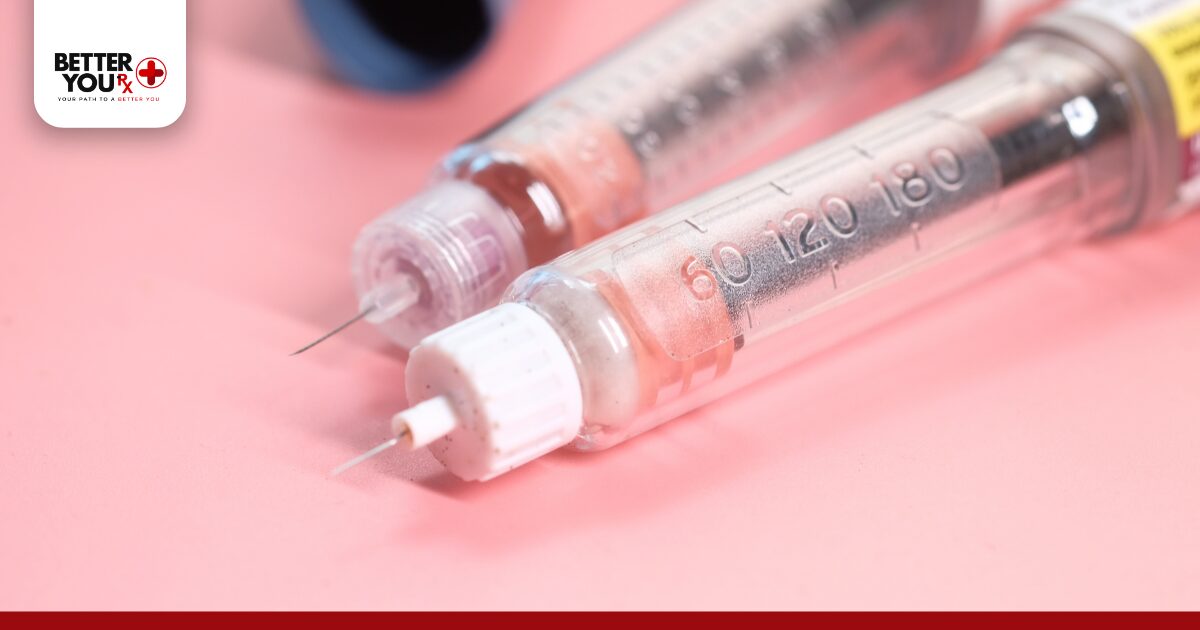
NPH insulin and regular insulin differ fundamentally in their pharmacological profiles, affecting how they control blood sugar throughout the day. These differences in NPH insulin vs regular insulin determine their specific roles in diabetes management and influence dosing strategies for optimal glucose control.
The most significant distinction lies in their duration of action and peak times. NPH insulin’s intermediate-acting profile provides extended coverage with a pronounced peak, while regular insulin’s short-acting nature offers rapid but brief blood sugar reduction. Understanding these variations helps patients and healthcare providers select the most appropriate insulin regimen.
Onset and Duration Comparison
- NPH insulin onset – Takes 1-2 hours to begin working after injection
- Regular insulin onset – Starts lowering blood sugar within 30 minutes
- NPH peak time – Reaches maximum effect between 4-12 hours post-injection
- Regular insulin peak – Achieves peak action at 2-3 hours after administration
- NPH duration – Continues working for 12-18 hours total
- Regular insulin duration – Lasts approximately 5-8 hours
The appearance and preparation requirements also distinguish these insulin types. NPH insulin’s cloudy suspension requires gentle rolling or mixing before each dose to ensure uniform distribution of insulin particles. Regular insulin’s clear solution needs no preparation, simplifying the injection process for many patients.
| Characteristic | NPH Insulin | Regular Insulin |
| Appearance | Cloudy/milky white | Clear and colorless |
| Onset of action | 1-2 hours | 30 minutes |
| Peak effect | 4-12 hours | 2-3 hours |
| Duration | 12-18 hours | 5-8 hours |
| Mixing required | Yes | No |
| Primary use | Basal coverage | Mealtime coverage |
| Injection timing | Fixed schedule | 30 minutes before meals |
When to Choose NPH Insulin Over Regular Insulin
NPH insulin becomes the preferred choice when patients need sustained blood sugar control throughout extended periods rather than rapid glucose correction. Its intermediate-acting profile suits individuals requiring basal insulin coverage without the expense or complexity of newer long-acting insulin analogs.
Patients with predictable daily routines and consistent meal schedules often achieve excellent glucose control with NPH insulin. The medication’s peak action can align with periods of increased insulin needs, such as dawn phenomenon or afternoon glucose rises.
Ideal Candidates for NPH Insulin
- Budget-conscious patients – NPH insulin costs significantly less than modern insulin analogs
- Twice-daily dosing preference – Suitable for morning and evening administration schedules
- Stable eating patterns – Works well with consistent meal timing and carbohydrate intake
- Combination therapy users – Often mixed with regular insulin for comprehensive coverage
- Pregnant women – Extensive safety data supports NPH use during pregnancy
NPH insulin particularly benefits patients experiencing overnight blood sugar elevations or dawn phenomenon. Evening NPH doses provide coverage during sleep hours, with the peak effect countering early morning glucose rises produced by hormonal changes. This timing advantage makes NPH insulin valuable for managing fasting blood sugar levels.
The cost-effectiveness of NPH insulin makes it accessible for patients without comprehensive insurance coverage or those paying out-of-pocket for diabetes medications. While newer insulin formulations offer certain advantages, NPH insulin remains highly effective when used appropriately with proper patient education and monitoring.
Healthcare providers often prescribe NPH insulin for type 2 diabetes patients beginning insulin therapy. Its intermediate duration provides substantial blood sugar reduction without the complexity of multiple daily injections initially. As diabetes progresses, treatment plans may incorporate additional insulin types or adjust to different formulations.
Looking for affordable insulin options? Buy cheap insulin medications online from Canada through Better You Rx, a trusted prescription referral service offering significant savings on diabetes medications.
When Regular Insulin Works Better Than NPH

In the debate of NPH insulin vs regular insulin, regular insulin excels in situations requiring rapid blood sugar correction or precise mealtime glucose control. Its quick onset and shorter duration provide flexibility for managing unpredictable eating schedules or correcting unexpected blood sugar elevations without prolonged effects.
Hospitalized patients often receive regular insulin for acute blood sugar management. The predictable pharmacokinetics allow healthcare providers to make frequent adjustments based on blood glucose monitoring, ensuring tight glycemic control during illness or stress.
Optimal Situations for Regular Insulin
- Mealtime coverage – Controls post-meal glucose spikes effectively
- Correction doses – Rapidly lowers elevated blood sugar levels
- Variable meal schedules – Accommodates irregular eating patterns
- Sliding scale therapy – Allows dose adjustments based on current glucose readings
- Hospital settings – Provides precise control during acute care situations
Regular insulin’s shorter duration reduces hypoglycemia risk between meals compared to longer-acting formulations. Patients who experience frequent low blood sugar episodes with intermediate or long-acting insulins may achieve better control with regular insulin combined with careful glucose monitoring.
The clear appearance of regular insulin eliminates mixing errors and ensures consistent dosing. Patients with vision problems or dexterity issues find regular insulin easier to prepare and administer correctly. This simplicity improves medication adherence and reduces dosing mistakes.
Athletes and physically active individuals often prefer regular insulin’s predictable action profile. The ability to time insulin doses precisely with meals and adjust for exercise helps maintain stable blood sugar during variable activity levels. Regular insulin’s shorter duration also allows greater flexibility in adjusting doses for planned physical activities.
Combination Therapy – Using NPH and Regular Insulin Together
Combining NPH and regular insulin creates comprehensive blood sugar management addressing both basal and mealtime insulin needs. This approach, commonly called mixed insulin therapy, provides the benefits of both insulin types while minimizing the number of daily injections required.
Pre-mixed formulations like 70/30 insulin contain 70% NPH and 30% regular insulin in a single vial or pen. These combinations simplify diabetes management for patients struggling with multiple daily injections while maintaining effective glucose control throughout the day.
Benefits of Combination Therapy
- Reduced injection frequency – Fewer daily injections improve adherence
- Comprehensive coverage – Addresses both fasting and post-meal glucose
- Cost-effective – Less expensive than multiple insulin analogs
- Simplified regimen – Easier for patients with cognitive or physical limitations
- Proven effectiveness – Decades of successful use in diabetes management
The mixing technique requires specific steps to maintain insulin stability and effectiveness. When combining NPH and regular insulin in the same syringe, always draw regular insulin first to prevent contamination of the clear insulin with NPH suspension. This sequence preserves regular insulin’s rapid action profile.
| Mixing Step | Action Required | Important Notes |
| Step 1 | Roll NPH vial gently | Ensures uniform suspension |
| Step 2 | Inject air into NPH vial | Equal to NPH dose needed |
| Step 3 | Inject air into regular insulin vial | Equal to regular dose needed |
| Step 4 | Draw regular insulin first | Prevents contamination |
| Step 5 | Draw NPH insulin second | Complete the mixed dose |
| Step 6 | Inject immediately | Prevents insulin interaction |
Fixed-ratio premixed insulins suit patients with consistent carbohydrate intake and stable daily routines. However, patients requiring flexible mealtime dosing or those with variable eating patterns may need separate injections of each insulin type for optimal control.
Transform your diabetes management with quality insulin options. Explore affordable alternatives like Lantus Solostar through Better You Rx, providing access to premium diabetes medications at Canadian prices with convenient home delivery.
Side Effects and Safety Considerations
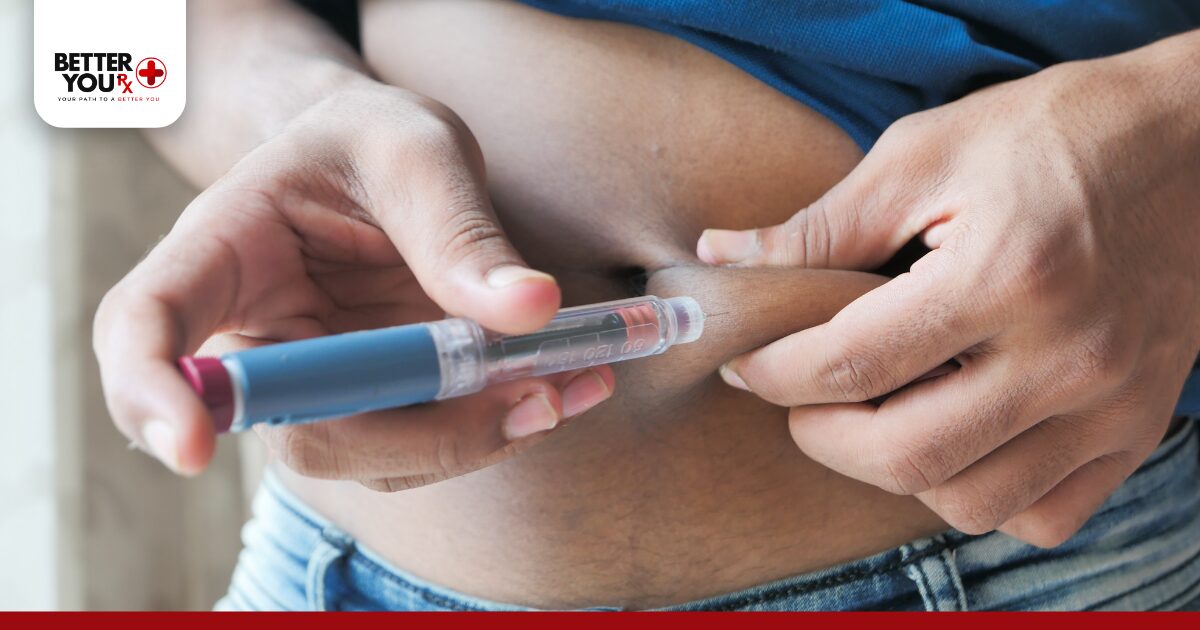
Both NPH and regular insulin carry similar side effect profiles, with hypoglycemia representing the most common and serious adverse effect. Understanding each insulin’s action profile helps predict and prevent low blood sugar episodes through appropriate timing of meals and glucose monitoring.
NPH insulin’s pronounced peak effect between 4-12 hours post-injection creates specific hypoglycemia risk periods. Patients must plan meals and snacks around these peak times, particularly with morning doses that peak during afternoon hours when meal timing may vary.
Managing Common Side Effects
- Hypoglycemia symptoms – Shakiness, sweating, confusion, rapid heartbeat
- Injection site reactions – Redness, swelling, or lipodystrophy from repeated use
- Weight gain – Improved glucose control may increase weight initially
- Allergic reactions – Rare but may include rash, itching, or breathing difficulties
- Dawn phenomenon – Early morning glucose rises requiring dose adjustments
Regular insulin’s rapid onset demands careful meal timing to prevent hypoglycemia. Eating delays after regular insulin injection can cause dangerous blood sugar drops before food absorption begins. Patients should consume meals within 30-45 minutes of regular insulin administration.
Lipodystrophy, characterized by fatty lumps or indentations at injection sites, occurs with both insulin types. Rotating injection sites within the same body region prevents this complication while maintaining consistent insulin absorption. The abdomen, thighs, upper arms, and buttocks provide suitable rotation areas.
Hypoglycemia Prevention Strategies
- Consistent meal timing – Match food intake with insulin peak times
- Regular blood glucose monitoring – Check levels before meals and at bedtime
- Carbohydrate counting – Adjust insulin doses based on planned food intake
- Exercise planning – Reduce insulin or increase carbohydrates before physical activity
- Emergency preparedness – Keep fast-acting glucose sources readily available
The risk of nocturnal hypoglycemia increases with evening NPH insulin doses. Bedtime blood glucose checks and appropriate snacks help prevent overnight low blood sugar episodes. Some patients benefit from splitting NPH doses or adjusting timing to minimize nocturnal hypoglycemia risk.
Patients transitioning between NPH and regular insulin require careful monitoring during the adjustment period. Blood glucose patterns change as the body adapts to different insulin action profiles. Healthcare providers typically recommend increased monitoring frequency during transitions to identify necessary dose modifications.
Proper Storage and Administration Techniques
Correct storage and administration techniques ensure insulin maintains potency and provides consistent blood sugar control. Both NPH and regular insulin require specific handling procedures, though storage requirements remain similar for unopened vials.
Unopened insulin vials should remain refrigerated between 36-46°F until first use. Once opened, both NPH and regular insulin can stay at room temperature below 86°F for up to 28-31 days, depending on manufacturer specifications. Room temperature storage reduces injection discomfort compared to cold insulin.
Storage Guidelines for Optimal Potency
- Refrigeration requirements – Store unopened vials in refrigerator, never in freezer
- Room temperature limits – Keep below 86°F once opened
- Expiration tracking – Mark opening date and discard after 28 days
- Travel considerations – Use insulated cases for temperature protection
- Visual inspection – Check for clumping, frosting, or color changes before use
NPH insulin requires special preparation before each injection. Rolling the vial or pen gently between palms 10-20 times resuspends the insulin particles uniformly. Vigorous shaking creates foam that affects accurate dosing. The properly mixed NPH insulin should appear uniformly cloudy without clumps or crystals.
| Administration Step | NPH Insulin | Regular Insulin |
| Preparation | Roll gently to mix | No mixing needed |
| Appearance check | Uniformly cloudy | Clear and colorless |
| Injection angle | 90 degrees (45 for thin individuals) | 90 degrees (45 for thin individuals) |
| Injection sites | Rotate within same region | Rotate within same region |
| Timing | Fixed schedule | 30 minutes before meals |
| Needle disposal | Sharps container required | Sharps container required |
Injection technique significantly impacts insulin absorption rates. Consistent injection depth and angle ensure predictable insulin action. Most adults inject at 90-degree angles, while children and thin individuals may need 45-degree angles to avoid intramuscular injection.
Site rotation within the same anatomical region maintains consistent absorption while preventing lipodystrophy. The abdomen provides the fastest absorption, followed by arms, thighs, and buttocks. Patients should use the same region for specific injection times to maintain predictable insulin effects.
Access premium diabetes supplies at reduced costs. Discover savings on fast-acting options like Novolog Vial through Better You Rx, your reliable source for affordable prescription medications shipped directly from licensed Canadian pharmacies.
Making the Right Choice for Your Diabetes Management
Selecting between NPH insulin and regular insulin depends on individual factors including blood sugar patterns, lifestyle, budget constraints, and treatment goals. Neither insulin type proves universally superior; instead, each serves specific purposes within comprehensive diabetes management plans. NPH insulin offers economical basal coverage with proven effectiveness over decades of use, particularly benefiting patients with consistent routines and limited medication budgets. Regular insulin provides precise mealtime control and rapid correction capabilities, suiting patients with variable schedules or those requiring flexible dosing options.
Many patients achieve optimal control combining both insulin types, leveraging NPH’s extended coverage with regular insulin’s rapid action. Healthcare providers consider multiple factors when recommending insulin regimens, including glucose monitoring results, hypoglycemia risk, patient preferences, and insurance coverage.
Regular consultation with diabetes care teams ensures insulin regimens remain optimized as individual needs change over time. Success with either insulin type requires proper education, consistent monitoring, and adherence to prescribed dosing schedules for achieving target blood sugar levels and preventing diabetes complications.
Frequently Asked Questions
What is the difference between NPH and regular insulin?
NPH insulin acts as an intermediate-acting formulation lasting 12-18 hours with peak effects at 4-12 hours, while regular insulin provides short-acting coverage for 5-8 hours with peak action at 2-3 hours. NPH appears cloudy and requires mixing before injection, whereas regular insulin remains clear and needs no preparation. NPH typically manages baseline blood sugar throughout the day, while regular insulin controls mealtime glucose spikes and corrects high blood sugar levels quickly.
What is the difference between Novolin N and NPH insulin?
Novolin N represents a brand name for NPH insulin manufactured by Novo Nordisk. The active ingredient remains identical to generic NPH insulin, with the same onset, peak, and duration characteristics. Differences may include price, insurance coverage, and available delivery devices like vials or pens. Some patients report slight variations in effectiveness between brands, though these differences typically result from manufacturing processes rather than the insulin itself.
Is NPH and 70/30 the same?
NPH and 70/30 insulin differ significantly in composition and use. Pure NPH insulin contains only intermediate-acting insulin, while 70/30 combines 70% NPH with 30% regular insulin in a premixed formulation. The 70/30 mixture provides both basal and mealtime coverage in a single injection, simplifying diabetes management for some patients. However, the fixed ratio limits dosing flexibility compared to separate NPH and regular insulin injections.
Why would you give NPH insulin?
NPH insulin provides cost-effective basal insulin coverage for patients needing sustained blood sugar control without the expense of newer insulin analogs. Healthcare providers prescribe NPH for managing fasting glucose levels, controlling dawn phenomenon, and providing overnight insulin coverage. Patients with consistent daily routines, fixed meal schedules, and limited insurance coverage often benefit from NPH insulin’s reliable intermediate-acting profile and proven safety record.
When is the best time to give NPH insulin?
NPH insulin timing depends on individual blood sugar patterns and treatment goals. Morning doses typically occur before breakfast to provide daytime coverage, with peak effects managing afternoon glucose rises. Evening doses, usually given at bedtime or dinner, control overnight glucose production and fasting blood sugar levels. Some patients benefit from twice-daily NPH dosing, splitting the total daily dose between morning and evening for comprehensive 24-hour coverage.
What does the NPH stand for?
NPH stands for Neutral Protamine Hagedorn, named after Hans Christian Hagedorn who developed this insulin formulation in 1946. “Neutral” refers to the pH level of the insulin solution, “Protamine” identifies the protein that slows insulin absorption, and “Hagedorn” honors the scientist who created this innovative formulation. The protamine component creates the characteristic cloudy suspension that distinguishes NPH from clear insulin preparations.
Why is it called NPH insulin?
The name NPH insulin reflects its unique formulation combining human insulin with protamine protein at neutral pH. Hans Christian Hagedorn developed this combination at Nordisk Insulin Laboratory, creating an intermediate-acting insulin that revolutionized diabetes treatment. The NPH designation became standard terminology worldwide, distinguishing this specific insulin type from other formulations. This naming convention helps healthcare providers and patients identify the insulin’s action profile and ensure appropriate use in diabetes management regimens.