

Retatrutide vs Ozempic is a comparison many people explore when looking for effective weight management options. Retatrutide targets three hormone receptors while Ozempic works on one, giving Retatrutide a broader approach to appetite control and metabolism. Both medications are injectable treatments designed to support weight loss and blood sugar management, but they differ in how they work inside the body, their side effect profiles, and the kind of results users can expect. If you have been weighing your choices between these two treatments, knowing the science behind each one, practical dosing details, and real-world outcomes will help you make a confident decision.
Retatrutide vs Ozempic: What Is the Key Difference?

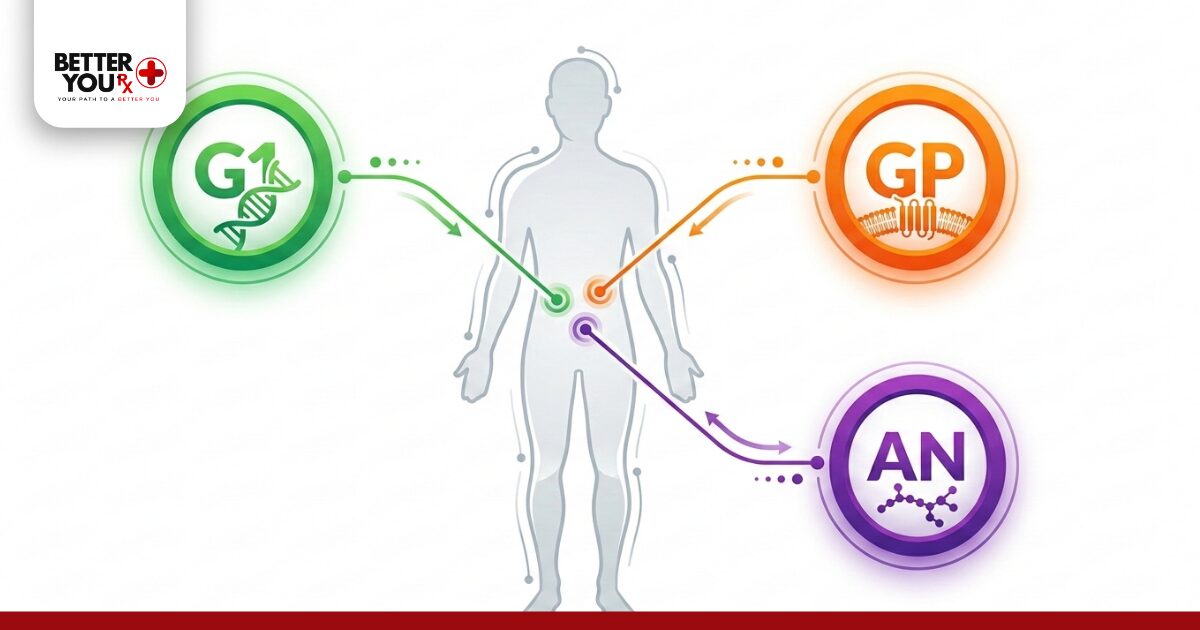
The biggest distinction in the retatrutide vs Ozempic conversation comes down to receptor activity. Ozempic (Semaglutide) activates only the GLP-1 receptor, which slows gastric emptying, reduces appetite, and helps regulate blood sugar. Retatrutide, on the other hand, is a triple-agonist that targets GLP-1, GIP, and Glucagon receptors simultaneously. This triple action means Retatrutide influences appetite, energy expenditure, and fat metabolism through three separate pathways instead of one.
Because of this multi-receptor approach, early data on Retatrutide has shown higher average body weight reduction compared to single-agonist treatments like Ozempic. For individuals who have not seen enough progress with GLP-1 only medications, exploring retatrutide vs Ozempic options could open new possibilities. That said, Ozempic has a longer track record and broader availability, which matters for people who value proven, established treatments.
How Does Retatrutide Work Compared to Ozempic?
When comparing retatrutide vs Ozempic on a biological level, the mechanisms tell a clear story. Ozempic mimics the GLP-1 hormone, which signals the brain to feel full and slows the rate food leaves the stomach. This leads to lower calorie intake and improved blood sugar control.
Retatrutide goes further. Along with the GLP-1 pathway, it activates the GIP receptor (which plays a role in insulin secretion and fat storage) and the Glucagon receptor (which promotes fat breakdown and increases energy use). Think of it this way: Ozempic turns down your hunger with one dial, while Retatrutide turns down hunger, boosts calorie burning, and encourages fat breakdown with three separate dials working together.
This triple mechanism is why many health professionals are paying close attention to Retatrutide as a next-generation treatment for weight management. If you are interested in learning more about similar injectable options, you may also want to read about Ozempic or Mounjaro KwikPen to see how different treatments compare.
Retatrutide vs Ozempic: Weight Loss Results
One of the most talked-about aspects of Retatrutide vs Ozempic is the potential for weight reduction. Early research on Retatrutide showed participants losing up to 24% of their body weight over 48 weeks at the highest dose. Ozempic users typically see weight loss in the range of 10 to 15% of body weight over a similar period.
These numbers are significant. For someone weighing 220 pounds, a 24% reduction means roughly 53 pounds lost with Retatrutide, while a 12% reduction with Ozempic would mean about 26 pounds. The Retatrutide vs Ozempic gap in weight loss potential is one of the primary reasons people are eager to learn more about this newer medication.
Keep in mind that individual results vary based on diet, exercise, starting weight, and overall health. Neither medication replaces the need for a balanced lifestyle. For additional context on weight management medications, check out our post on Retatrutide benefits.
Side-by-Side Comparison
| Feature | Retatrutide | Ozempic |
| Receptor Targets | GLP-1, GIP, Glucagon | GLP-1 only |
| Administration | Once-weekly injection | Once-weekly injection |
| Average Weight Loss | Up to 24% body weight | 10 to 15% body weight |
| Primary Use | Weight loss, blood sugar | Blood sugar, weight loss |
| Availability | Waitlist/limited access | Widely available |
| Dose Escalation | Gradual over weeks | Gradual over weeks |
Retatrutide vs Ozempic Side Effects
Both medications share some common side effects because they both act on the GLP-1 pathway. However, since Retatrutide activates two additional receptors, its side effect profile has some differences worth noting in the retatrutide vs Ozempic discussion.
Common Side Effects of Both Medications
- Nausea
- Diarrhea
- Vomiting
- Decreased appetite
- Constipation
- Stomach pain or discomfort
Additional Side Effects Reported With Retatrutide
- Increased heart rate
- Mild dehydration symptoms
- Injection site reactions
Most side effects for both treatments tend to be mild and improve as the body adjusts to the medication. Starting at a lower dose and gradually increasing helps reduce discomfort. When weighing Retatrutide vs Ozempic side effects, both require patience during the adjustment period. Always consult your doctor before making changes to any treatment plan.
How Retatrutide and Ozempic Are Taken
Both Retatrutide and Ozempic are administered as once-weekly subcutaneous injections, usually in the abdomen, thigh, or upper arm. The Retatrutide vs Ozempic dosing schedules both follow a gradual escalation pattern to minimize gastrointestinal side effects. Understanding the Retatrutide vs Ozempic dose progression is important for managing expectations during the first few months.
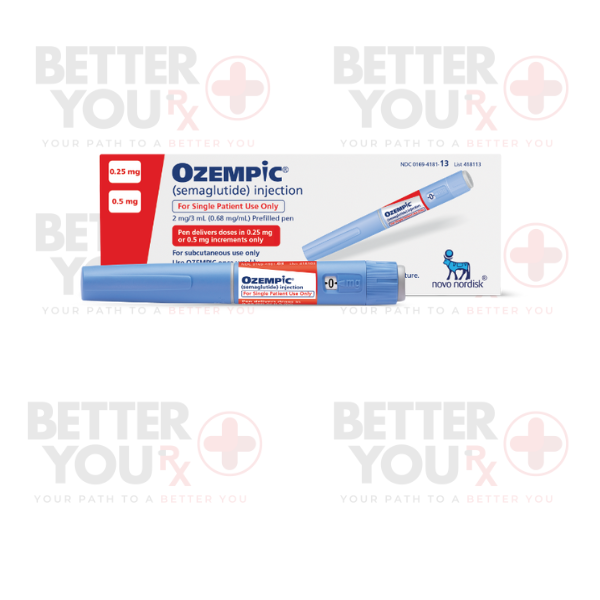
Ozempic typically starts at 0.25 mg weekly for the first four weeks, then increases to 0.5 mg, and may go up to 1 mg or 2 mg depending on how the patient responds. Retatrutide dosing also starts low and increases over several weeks, with higher target doses available. Your prescribing physician will determine the right schedule based on your health profile and goals.
A practical tip: pick the same day each week for your injection and set a phone reminder. Consistency makes a big difference in how well these medications perform. If you are also exploring other GLP-1 treatments, our comparison of Retatrutide vs Tirzepatide may be helpful.
Who Is a Good Candidate for Retatrutide vs Ozempic?
The choice between Retatrutide vs Ozempic depends on several personal factors. Ozempic is often a solid starting point for individuals with type 2 diabetes who also want to manage their weight. It has an established safety profile and is prescribed by doctors across the country.
Retatrutide may appeal more to people who have tried single-agonist GLP-1 medications without reaching their desired results, or those looking for a treatment with potentially greater weight loss outcomes. Because Retatrutide is newer and still has limited availability, it is typically accessed through a waitlist or consultation process.
Regardless of which option you lean toward, a prescription from a licensed medical doctor practicing within the USA is required. Your doctor will evaluate your medical history, current medications, and goals to recommend the best fit.
Things To Know Before Choosing Retatrutide vs Ozempic
Before deciding between Retatrutide vs Ozempic, there are several practical points worth keeping in mind. Understanding the Retatrutide vs Ozempic differences in dosing, access, and expectations will save you time and help set realistic goals.
- Both medications require a valid prescription from a primary care physician or licensed medical doctor practicing within the USA.
- Results are not instant. Most people begin noticing changes in appetite within the first two weeks, with visible weight loss appearing after four to six weeks.
- Diet and exercise still matter. These medications work best alongside a balanced eating plan and regular physical activity.
- Staying hydrated is especially important, as both treatments can contribute to mild dehydration.
- Track your progress weekly. Write down your weight, how you feel, and any side effects so your doctor can adjust your plan if needed.
- Retatrutide is currently available through a waitlist model, while Ozempic can be accessed more widely through Better you Rx
- Never adjust your dose without speaking to your doctor first.
Which Option Fits Your Situation?
| Consider Ozempic If | Consider Retatrutide If |
| You have type 2 diabetes as a primary concern | You want a multi-receptor approach to weight loss |
| You prefer a treatment with a longer track record | You have not reached your goals with GLP-1 only medications |
| You want widely available access now | You are open to joining a waitlist for newer options |
| Your doctor recommends starting with a single-agonist | You want potentially higher weight loss outcomes |
How Better You Rx Can Help With Retatrutide vs Ozempic
At Better You Rx, we know that beginning a new medication can feel like a big step. As a prescription referral service, we help connect you with access to Retatrutide and other weight management treatments through our licensed, contracted network. You can join the waitlist for Retatrutide and complete the consultation form on our website to find out if this treatment suits your needs.
This process is designed to match you with proper guidance on dosing and administration, making the path to your health goals simpler and more supported. Our team is available at 1-647-576-2076 if you have questions about getting started. Medications like Ozempic are shipped directly to your residence and typically arrive within 7 to 10 business days from the date shipped.
If you are also considering other treatments, explore options like Wegovy through our service. For a broader look at how different medications stack up, our blog on Saxenda vs Ozempic offers additional insights.

Making Your Decision
Choosing between Retatrutide vs Ozempic is a personal decision that depends on your health profile, weight loss goals, and how your body has responded to previous treatments. Ozempic offers a proven, single-receptor approach that has helped millions manage blood sugar and lose weight. Retatrutide brings a triple-receptor mechanism with the potential for greater weight reduction, making it an exciting option for those who want to explore the latest in weight management science.
No matter which direction you choose, working with a licensed doctor and staying consistent with your treatment plan is the foundation for success. Take the time to discuss Retatrutide vs Ozempic with your healthcare provider, ask questions, and make a choice that aligns with your long-term wellness. For more on emerging weight loss treatments, read our guide on what Retatrutide does and how it may fit into your plan.
-
-
Buy Wegovy from Canada
Original price was: $609.99.$596.99Current price is: $596.99. -

Frequently Asked Questions About
Here are some of the most common questions people ask when evaluating Retatrutide vs Ozempic for their weight management journey.
Who should not use Retatrutide?
People with a personal or family history of medullary thyroid carcinoma or Multiple Endocrine Neoplasia syndrome type 2 should avoid Retatrutide. Pregnant or breastfeeding individuals should also not use this medication. If you have severe gastrointestinal conditions such as gastroparesis, talk to your doctor before considering any GLP-1 based treatment. Your prescribing physician will review your full medical history to determine safety.
Does Retatrutide burn fat?
Yes, Retatrutide promotes fat burning through its Glucagon receptor activity, which encourages the body to break down stored fat for energy. This is one of the key advantages in the Retatrutide vs Ozempic comparison, since Ozempic does not directly activate the Glucagon pathway. Combined with reduced appetite from GLP-1 and GIP activation, Retatrutide supports fat loss from multiple angles.
Is Retatrutide the best weight loss medication?
Retatrutide has shown some of the highest weight loss percentages in early research among injectable treatments. Whether it is the best option for you depends on your individual health needs, how you respond to the medication, and your doctor’s recommendation. The Retatrutide vs Ozempic choice is not one-size-fits-all, and what works best varies from person to person.
Does Retatrutide work immediately?
Retatrutide does not produce overnight results. Most users notice appetite changes within the first one to two weeks. Measurable weight loss typically becomes visible after four to six weeks of consistent use at the prescribed dose. Patience and adherence to the dosing schedule are essential for the best outcomes.
Can Retatrutide cause hair loss?
Hair thinning has been reported by some users of GLP-1 based medications, including both Retatrutide and Ozempic. This is often linked to rapid weight loss rather than the medication itself. When the body loses weight quickly, it can temporarily redirect nutrients away from hair growth. Eating enough protein and maintaining proper nutrition can help reduce this risk. If you experience noticeable hair loss, bring it up with your doctor.