Retatrutide vs Ozempic: Which Weight Loss Medication Is Right for You?

Retatrutide vs Ozempic is a comparison many people explore when looking for effective weight management options. Retatrutide targets three hormone receptors while Ozempic works on one, giving Retatrutide a broader approach to appetite control and metabolism. Both medications are injectable treatments designed to support weight loss and blood sugar management, but they differ in how they work inside the body, their side effect profiles, and the kind of results users can expect. If you have been weighing your choices between these two treatments, knowing the science behind each one, practical dosing details, and real-world outcomes will help you make a confident decision. 

Retatrutide vs Ozempic: What Is the Key Difference?

How Retatrutide and Ozempic Are Taken

The biggest distinction in the retatrutide vs Ozempic conversation comes down to receptor activity. Ozempic (Semaglutide) activates only the GLP-1 receptor, which slows gastric emptying, reduces appetite, and helps regulate blood sugar. Retatrutide, on the other hand, is a triple-agonist that targets GLP-1, GIP, and Glucagon receptors simultaneously. This triple action means Retatrutide influences appetite, energy expenditure, and fat metabolism through three separate pathways instead of one.

Because of this multi-receptor approach, early data on Retatrutide has shown higher average body weight reduction compared to single-agonist treatments like Ozempic. For individuals who have not seen enough progress with GLP-1 only medications, exploring retatrutide vs Ozempic options could open new possibilities. That said, Ozempic has a longer track record and broader availability, which matters for people who value proven, established treatments.

How Does Retatrutide Work Compared to Ozempic?

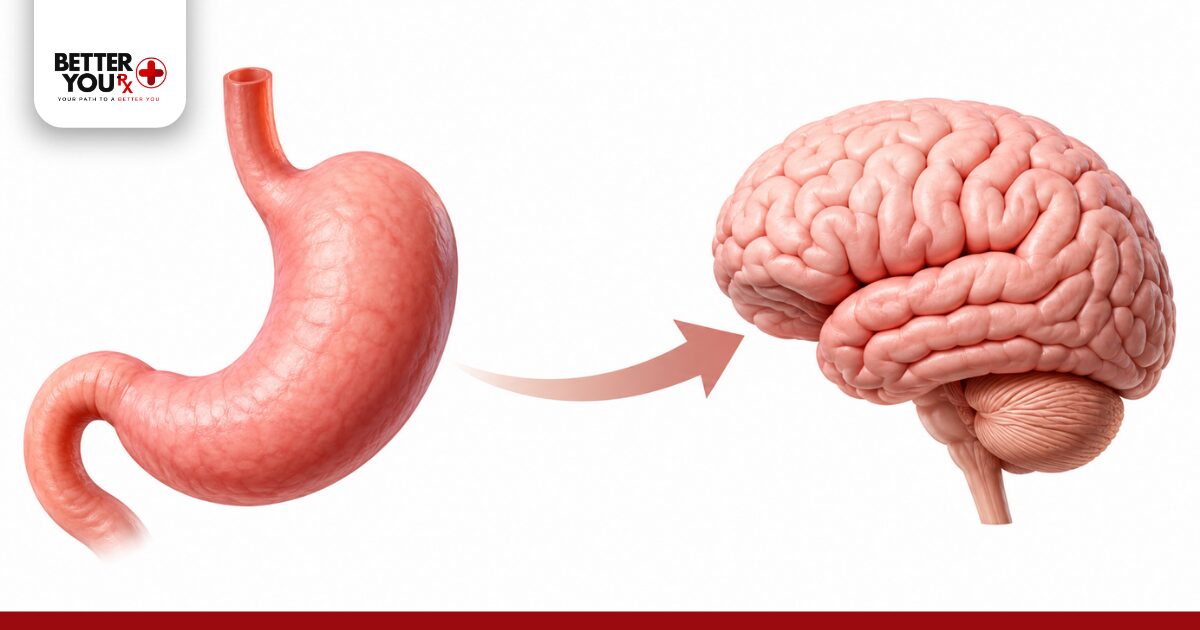
When comparing retatrutide vs Ozempic on a biological level, the mechanisms tell a clear story. Ozempic mimics the GLP-1 hormone, which signals the brain to feel full and slows the rate food leaves the stomach. This leads to lower calorie intake and improved blood sugar control.

Retatrutide goes further. Along with the GLP-1 pathway, it activates the GIP receptor (which plays a role in insulin secretion and fat storage) and the Glucagon receptor (which promotes fat breakdown and increases energy use). Think of it this way: Ozempic turns down your hunger with one dial, while Retatrutide turns down hunger, boosts calorie burning, and encourages fat breakdown with three separate dials working together.

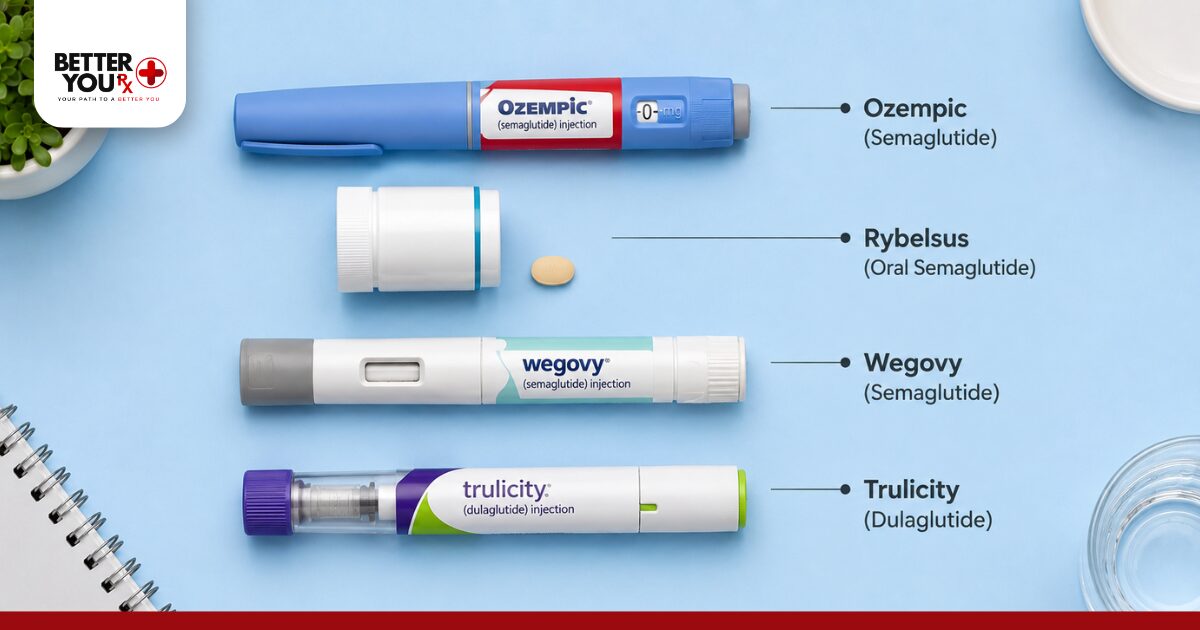
This triple mechanism is why many health professionals are paying close attention to Retatrutide as a next-generation treatment for weight management. If you are interested in learning more about similar injectable options, you may also want to read about Ozempic or Mounjaro KwikPen to see how different treatments compare.

Retatrutide vs Ozempic: Weight Loss Results

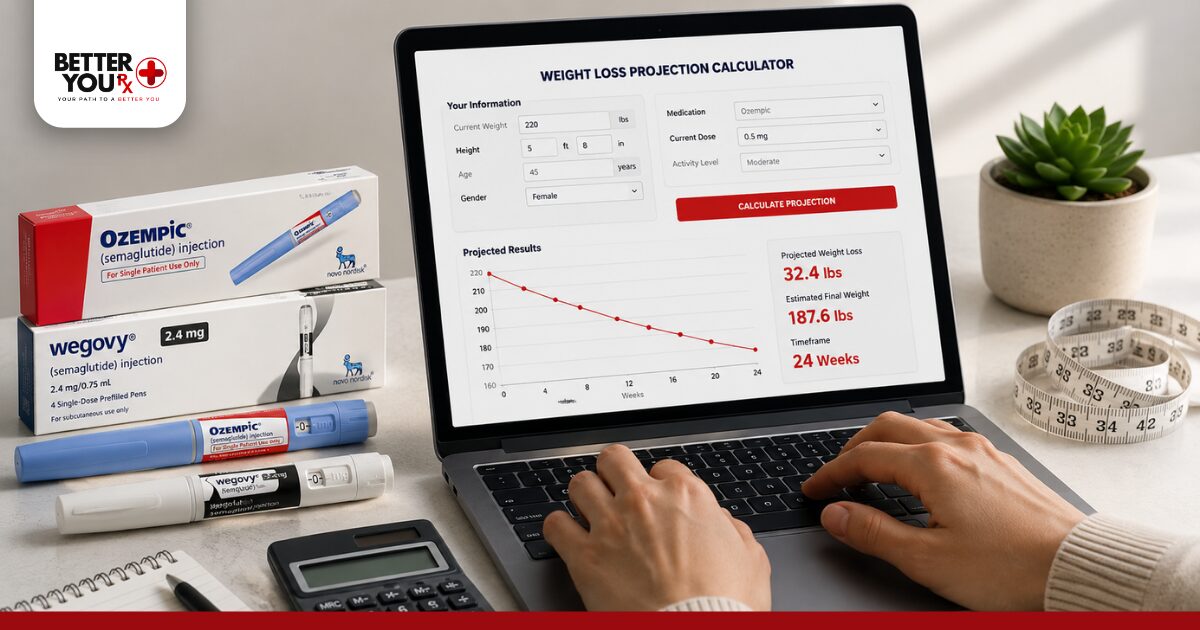
One of the most talked-about aspects of Retatrutide vs Ozempic is the potential for weight reduction. Early research on Retatrutide showed participants losing up to 24% of their body weight over 48 weeks at the highest dose. Ozempic users typically see weight loss in the range of 10 to 15% of body weight over a similar period.

These numbers are significant. For someone weighing 220 pounds, a 24% reduction means roughly 53 pounds lost with Retatrutide, while a 12% reduction with Ozempic would mean about 26 pounds. The Retatrutide vs Ozempic gap in weight loss potential is one of the primary reasons people are eager to learn more about this newer medication.

Keep in mind that individual results vary based on diet, exercise, starting weight, and overall health. Neither medication replaces the need for a balanced lifestyle. For additional context on weight management medications, check out our post on Retatrutide benefits.

Side-by-Side Comparison

Feature Retatrutide Ozempic
Receptor Targets GLP-1, GIP, Glucagon GLP-1 only
Administration Once-weekly injection Once-weekly injection
Average Weight Loss Up to 24% body weight 10 to 15% body weight
Primary Use Weight loss, blood sugar Blood sugar, weight loss
Availability Waitlist/limited access Widely available
Dose Escalation Gradual over weeks Gradual over weeks

Retatrutide vs Ozempic Side Effects

Both medications share some common side effects because they both act on the GLP-1 pathway. However, since Retatrutide activates two additional receptors, its side effect profile has some differences worth noting in the retatrutide vs Ozempic discussion.

Common Side Effects of Both Medications

  • Nausea
  • Diarrhea
  • Vomiting
  • Decreased appetite
  • Constipation
  • Stomach pain or discomfort

Additional Side Effects Reported With Retatrutide

  • Increased heart rate
  • Mild dehydration symptoms
  • Injection site reactions

Most side effects for both treatments tend to be mild and improve as the body adjusts to the medication. Starting at a lower dose and gradually increasing helps reduce discomfort. When weighing Retatrutide vs Ozempic side effects, both require patience during the adjustment period. Always consult your doctor before making changes to any treatment plan.

How Retatrutide and Ozempic Are Taken

Both Retatrutide and Ozempic are administered as once-weekly subcutaneous injections, usually in the abdomen, thigh, or upper arm. The Retatrutide vs Ozempic dosing schedules both follow a gradual escalation pattern to minimize gastrointestinal side effects. Understanding the Retatrutide vs Ozempic dose progression is important for managing expectations during the first few months.

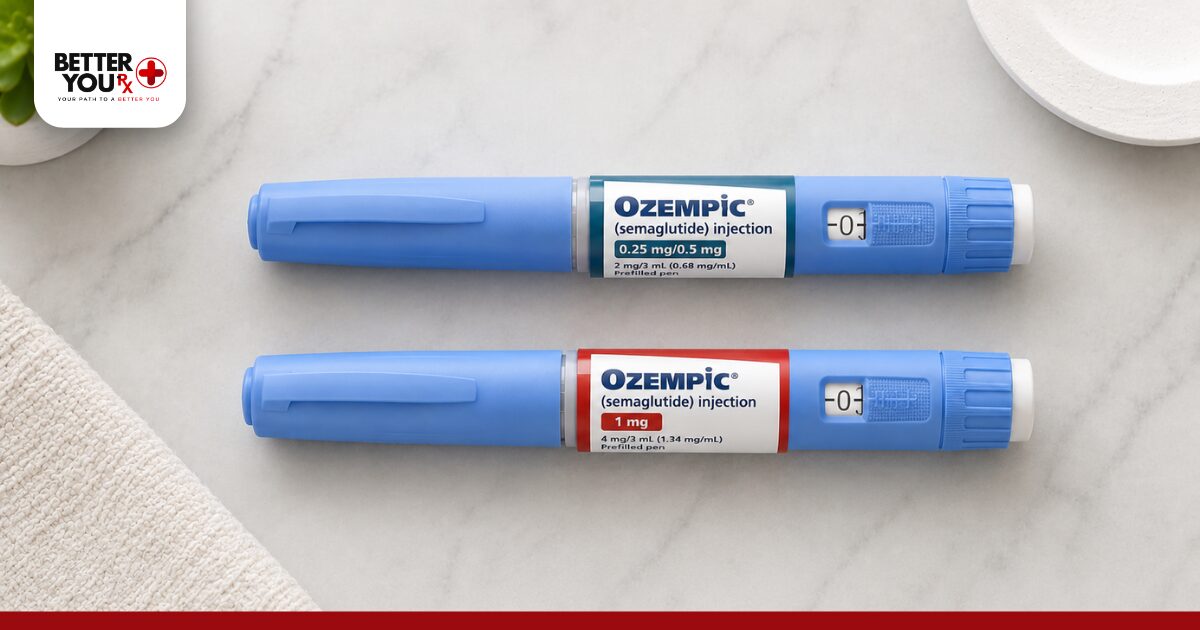
Ozempic typically starts at 0.25 mg weekly for the first four weeks, then increases to 0.5 mg, and may go up to 1 mg or 2 mg depending on how the patient responds. Retatrutide dosing also starts low and increases over several weeks, with higher target doses available. Your prescribing physician will determine the right schedule based on your health profile and goals.

A practical tip: pick the same day each week for your injection and set a phone reminder. Consistency makes a big difference in how well these medications perform. If you are also exploring other GLP-1 treatments, our comparison of Retatrutide vs Tirzepatide may be helpful.

Who Is a Good Candidate for Retatrutide vs Ozempic?

The choice between Retatrutide vs Ozempic depends on several personal factors. Ozempic is often a solid starting point for individuals with type 2 diabetes who also want to manage their weight. It has an established safety profile and is prescribed by doctors across the country.

Retatrutide may appeal more to people who have tried single-agonist GLP-1 medications without reaching their desired results, or those looking for a treatment with potentially greater weight loss outcomes. Because Retatrutide is newer and still has limited availability, it is typically accessed through a waitlist or consultation process.

Regardless of which option you lean toward, a prescription from a licensed medical doctor practicing within the USA is required. Your doctor will evaluate your medical history, current medications, and goals to recommend the best fit.

Retatrutide vs Ozempic

Things To Know Before Choosing Retatrutide vs Ozempic

Before deciding between Retatrutide vs Ozempic, there are several practical points worth keeping in mind. Understanding the Retatrutide vs Ozempic differences in dosing, access, and expectations will save you time and help set realistic goals.

  • Both medications require a valid prescription from a primary care physician or licensed medical doctor practicing within the USA.
  • Results are not instant. Most people begin noticing changes in appetite within the first two weeks, with visible weight loss appearing after four to six weeks.
  • Diet and exercise still matter. These medications work best alongside a balanced eating plan and regular physical activity.
  • Staying hydrated is especially important, as both treatments can contribute to mild dehydration.
  • Track your progress weekly. Write down your weight, how you feel, and any side effects so your doctor can adjust your plan if needed.
  • Retatrutide is currently available through a waitlist model, while Ozempic can be accessed more widely through Better you Rx
  • Never adjust your dose without speaking to your doctor first.

Which Option Fits Your Situation?

Consider Ozempic If Consider Retatrutide If
You have type 2 diabetes as a primary concern You want a multi-receptor approach to weight loss
You prefer a treatment with a longer track record You have not reached your goals with GLP-1 only medications
You want widely available access now You are open to joining a waitlist for newer options
Your doctor recommends starting with a single-agonist You want potentially higher weight loss outcomes

How Better You Rx Can Help With Retatrutide vs Ozempic

At Better You Rx, we know that beginning a new medication can feel like a big step. As a prescription referral service, we help connect you with access to Retatrutide and other weight management treatments through our licensed, contracted network. You can join the waitlist for Retatrutide and complete the consultation form on our website to find out if this treatment suits your needs.

This process is designed to match you with proper guidance on dosing and administration, making the path to your health goals simpler and more supported. Our team is available at 1-647-576-2076 if you have questions about getting started. Medications like Ozempic are shipped directly to your residence and typically arrive within 7 to 10 business days from the date shipped. 

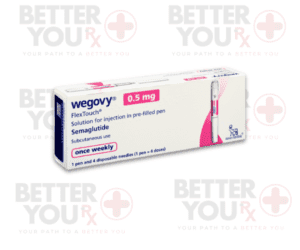
If you are also considering other treatments, explore options like Wegovy through our service. For a broader look at how different medications stack up, our blog on Saxenda vs Ozempic offers additional insights.

Retatrutide vs Ozempic Weight Loss Results

Making Your Decision

Choosing between Retatrutide vs Ozempic is a personal decision that depends on your health profile, weight loss goals, and how your body has responded to previous treatments. Ozempic offers a proven, single-receptor approach that has helped millions manage blood sugar and lose weight. Retatrutide brings a triple-receptor mechanism with the potential for greater weight reduction, making it an exciting option for those who want to explore the latest in weight management science.

No matter which direction you choose, working with a licensed doctor and staying consistent with your treatment plan is the foundation for success. Take the time to discuss Retatrutide vs Ozempic with your healthcare provider, ask questions, and make a choice that aligns with your long-term wellness. For more on emerging weight loss treatments, read our guide on what Retatrutide does and how it may fit into your plan.

Frequently Asked Questions About

Here are some of the most common questions people ask when evaluating Retatrutide vs Ozempic for their weight management journey.

Who should not use Retatrutide?

People with a personal or family history of medullary thyroid carcinoma or Multiple Endocrine Neoplasia syndrome type 2 should avoid Retatrutide. Pregnant or breastfeeding individuals should also not use this medication. If you have severe gastrointestinal conditions such as gastroparesis, talk to your doctor before considering any GLP-1 based treatment. Your prescribing physician will review your full medical history to determine safety.

Does Retatrutide burn fat?

Yes, Retatrutide promotes fat burning through its Glucagon receptor activity, which encourages the body to break down stored fat for energy. This is one of the key advantages in the Retatrutide vs Ozempic comparison, since Ozempic does not directly activate the Glucagon pathway. Combined with reduced appetite from GLP-1 and GIP activation, Retatrutide supports fat loss from multiple angles.

Is Retatrutide the best weight loss medication?

Retatrutide has shown some of the highest weight loss percentages in early research among injectable treatments. Whether it is the best option for you depends on your individual health needs, how you respond to the medication, and your doctor’s recommendation. The Retatrutide vs Ozempic choice is not one-size-fits-all, and what works best varies from person to person.

Does Retatrutide work immediately?

Retatrutide does not produce overnight results. Most users notice appetite changes within the first one to two weeks. Measurable weight loss typically becomes visible after four to six weeks of consistent use at the prescribed dose. Patience and adherence to the dosing schedule are essential for the best outcomes.

Can Retatrutide cause hair loss?

Hair thinning has been reported by some users of GLP-1 based medications, including both Retatrutide and Ozempic. This is often linked to rapid weight loss rather than the medication itself. When the body loses weight quickly, it can temporarily redirect nutrients away from hair growth. Eating enough protein and maintaining proper nutrition can help reduce this risk. If you experience noticeable hair loss, bring it up with your doctor.

Saxenda vs Ozempic: Which Weight Loss Medication Is Right for You?

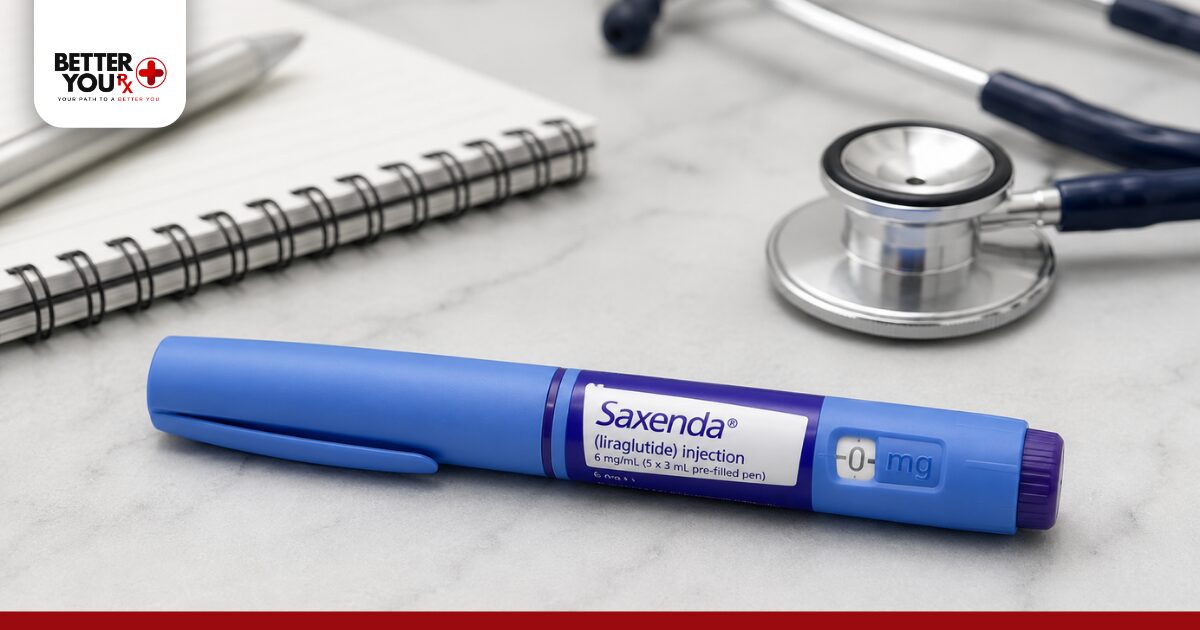
Saxenda vs Ozempic is one of the most common comparisons people make when looking for effective weight loss medications, and both have proven results for helping patients lose significant weight. Ozempic uses semaglutide and requires just one weekly injection, while Saxenda uses liraglutide and needs daily injections. Both medications work by mimicking a hormone called GLP-1 that regulates appetite and blood sugar levels.

However, they differ in dosing schedules, cost, typical weight loss outcomes, and how your body may respond to each one. Choosing between Saxenda vs Ozempic depends on your lifestyle, budget, and specific health needs. Some people prefer the convenience of a once-weekly shot, while others find daily injections easier to remember as part of their routine. The weight loss results also vary between individuals, with some responding better to one medication over the other. 

Things To Know About Saxenda vs Ozempic

Before starting either medication, there are several important points to consider. Both Saxenda and Ozempic belong to the GLP-1 receptor agonist class of medications. They work by slowing down stomach emptying, reducing appetite, and helping you feel full longer after meals.

Saxenda was specifically developed for weight management, while Ozempic was originally designed for type 2 diabetes but is widely used off-label for weight loss. This distinction matters because it affects how doctors prescribe them and what your expectations should be.

Neither medication is a magic solution. You still need to follow a reduced-calorie diet and increase physical activity to see the best results. Most healthcare providers recommend combining these medications with lifestyle changes for optimal outcomes.

The starting doses are different for each medication. Saxenda begins at 0.6 mg daily and gradually increases to 3.0 mg daily over several weeks. Ozempic starts at 0.25 mg weekly and can increase to 1 mg or 2 mg weekly depending on your response.

How Saxenda Works

Weight Loss Results_ What to Expect

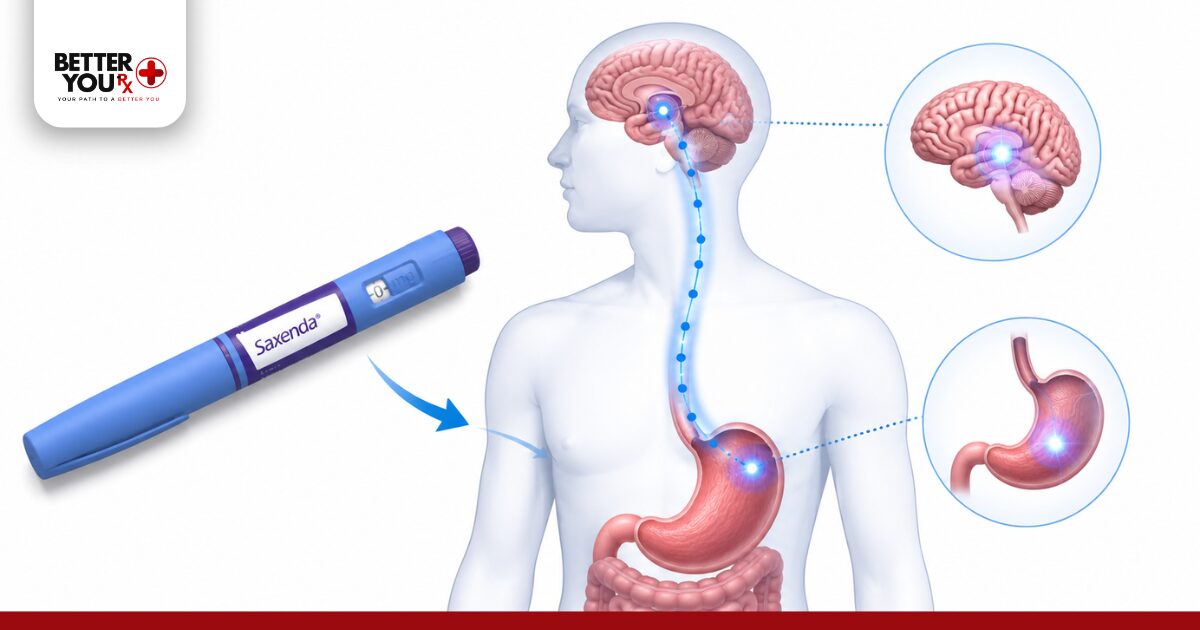
Saxenda contains liraglutide, a GLP-1 receptor agonist that mimics the incretin hormone your body naturally produces. When you inject Saxenda, it activates receptors in your brain that control appetite and food intake. This leads to reduced hunger and increased feelings of fullness.

The medication is administered through a prefilled pen that you inject under the skin once daily. Most people inject it in their abdomen, thigh, or upper arm. You can take it at any time of day, with or without food, but it helps to pick a consistent time.

During the first few weeks, your dose gradually increases to help your body adjust. This titration process helps minimize side effects like nausea. Many people start noticing appetite changes within the first two weeks of treatment.

How Ozempic Works

Ozempic contains semaglutide, another GLP-1 receptor agonist with a longer duration of action. This is why Ozempic only requires weekly injections instead of daily ones. The medication stays active in your system throughout the week, providing consistent appetite suppression.

Like Saxenda, Ozempic slows gastric emptying and reduces hunger signals to your brain. Many users report feeling satisfied with smaller portions and experiencing fewer cravings between meals.

The weekly dosing schedule is a significant advantage for people who dislike frequent injections or have trouble remembering daily medications. You pick one day each week for your injection and stick to that schedule.

Saxenda vs Ozempic- Key Differences Compared

When comparing Saxenda vs Ozempic, several factors stand out that can help you make a decision.

Feature Saxenda Ozempic
Active Ingredient Liraglutide Semaglutide
Dosing Frequency Once daily Once weekly
Starting Dose 0.6 mg 0.25 mg
Maximum Dose 3.0 mg daily 2 mg weekly
Injection Site Abdomen, thigh, upper arm Abdomen, thigh, upper arm
Time to See Results 4-8 weeks 4-8 weeks
Storage Refrigerated before first use Refrigerated before first use

The biggest practical difference is the injection frequency. If you travel frequently or have a busy schedule, weekly Ozempic injections may fit your lifestyle better. However, some people prefer daily Saxenda injections because they feel it helps them stay focused on their weight loss goals every day.

Saxenda vs Ozempic Weight Loss Results- What to Expect

Weight Loss Results_ What to Expect

Both medications can produce meaningful weight loss when combined with diet and exercise. However, results vary from person to person based on factors like starting weight, diet adherence, activity level, and individual metabolism.

On average, people taking Saxenda lose about 5% to 10% of their body weight over the first year. For someone weighing 200 pounds, this could mean losing 10 to 20 pounds. Some individuals lose more, especially when they make significant lifestyle changes.

Ozempic users often report similar or slightly higher weight loss percentages. Some individuals have reported losing 10% to 15% of their body weight. The semaglutide in Ozempic may have a stronger effect on appetite suppression for certain people.

Weight Loss Comparison Saxenda Ozempic
Average Weight Loss 5-10% of body weight 10-15% of body weight
Time to Notice Results 4-8 weeks 4-8 weeks
Peak Results 6-12 months 6-12 months
Maintenance Required Yes, ongoing use Yes, ongoing use

Keep in mind that weight loss is not linear. You may lose more in the first few months and then plateau. This is normal and does not mean the medication has stopped working. Many people experience fatigue during treatment as their body adjusts.

Side Effects of Both Medications

Both Saxenda and Ozempic share similar side effects because they work through the same mechanism. The most common side effects are gastrointestinal in nature.

Nausea is the most frequently reported side effect, especially during the first few weeks of treatment. This typically improves as your body adjusts to the medication. Eating smaller meals and avoiding fatty foods can help reduce nausea.

Other common side effects include diarrhea, constipation, vomiting, and stomach pain. These symptoms are usually mild to moderate and decrease over time. Staying hydrated and eating bland foods during flare-ups can provide relief.

Some people experience headaches, dizziness, or fatigue when starting treatment. These side effects are generally temporary. If they persist or become severe, contact your healthcare provider.

Injection site reactions like redness, itching, or bruising may occur. Rotating your injection site helps prevent these issues. Always use a new needle for each injection.

Saxenda vs Ozempic Cost Comparison Without Insurance

Cost is a major consideration when choosing between Saxenda vs Ozempic. Both medications can be expensive, but there are ways to access them at lower prices.

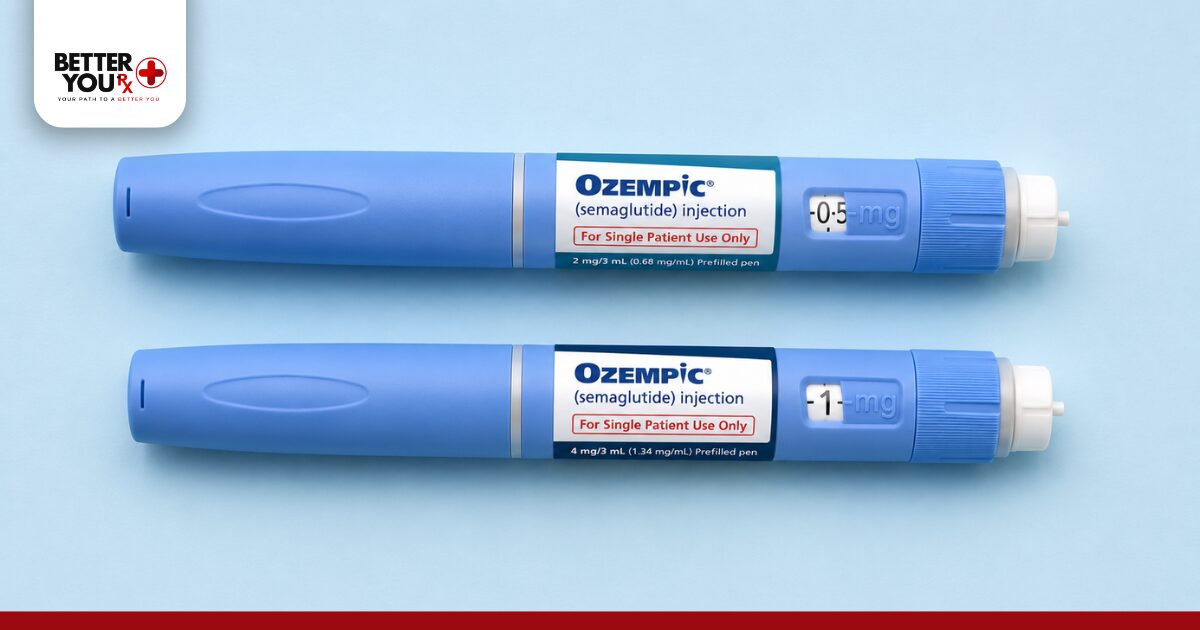
Through Better You Rx, a prescription referral service, you can access these medications at competitive prices. Saxenda is available for $572.99 for a package containing five 3ml pens at 6mg/ml concentration. Ozempic is priced at $414.99 for the 0.25mg/0.5mg dose (2mg/3ml, 1 pen) or the 1mg dose (4mg/3ml, 1 pen).

These prices represent significant savings compared to typical retail costs. Many people find that the monthly expense is manageable when they factor in reduced food costs from eating less and the long-term health benefits of weight loss. You can learn more about how much Saxenda costs through various purchasing options.

Which Medication Is Best for You?

Choosing between Saxenda vs Ozempic comes down to personal preference, lifestyle factors, and how your body responds to each medication. Here are some scenarios to help guide your decision.

Daily Routine Preference

If you prefer incorporating medication into your daily routine, Saxenda may be a good fit. The daily injection can serve as a daily reminder of your commitment to weight loss. Some people find this helpful for staying motivated.

Weekly Convenience

If you want minimal interruption to your schedule, Ozempic offers the advantage of once-weekly dosing. This works well for busy professionals, frequent travelers, or anyone who dislikes needles.

Budget Considerations

When comparing prices through Better You Rx, Ozempic is the more affordable option at $414.99 compared to Saxenda at $572.99. However, the best choice is the one that works for your body and lifestyle.

Starting at Higher Doses

Some people wonder about starting GLP-1 medications at higher doses. Generally, both Saxenda and Ozempic require gradual dose increases to minimize side effects. Your healthcare provider will guide you through the appropriate titration schedule.

Previous Treatment Response

If you have tried one medication without success, switching to the other might produce better results. Some people respond better to liraglutide while others see more benefit from semaglutide.

Existing Health Conditions

Your overall health profile matters when selecting a medication. People with type 2 diabetes may prefer Ozempic since it was designed for blood sugar control and offers weight loss as an additional benefit.

Practical Tips for Success

Practical Tips for Success

Regardless of which medication you choose, these tips can help maximize your results.

Stay hydrated by drinking at least 8 glasses of water daily. Proper hydration helps reduce nausea and supports your metabolism. Avoid sugary drinks and excessive caffeine.

Eat protein-rich meals to help maintain muscle mass while losing fat. Include lean meats, fish, eggs, legumes, and dairy in your diet. Protein also helps you feel full longer.

Start with light exercise like walking for 20-30 minutes daily. As you lose weight and gain energy, gradually increase intensity. Find activities you enjoy to stay consistent.

Keep a food journal to track what you eat and identify patterns. This awareness helps you make better choices and recognize emotional eating triggers.

Set realistic goals by aiming for 1-2 pounds of weight loss per week. Rapid weight loss is rarely sustainable and can lead to muscle loss and nutritional deficiencies.

Join a support group or find an accountability partner. Sharing your journey with others facing similar challenges provides motivation and practical advice.

Final Thoughts on Saxenda vs Ozempic

The comparison between Saxenda vs Ozempic ultimately comes down to finding what works best for your unique situation. Both medications offer effective weight loss support through the same GLP-1 pathway, but their differences in dosing, cost, and individual response make each suitable for different people.

Consider starting with a conversation with your healthcare provider about your weight loss goals, medical history, and lifestyle preferences. They can help you weigh the pros and cons of each option and monitor your progress once you begin treatment.

Whichever medication you choose, remember that success requires commitment to healthy eating and regular physical activity. These medications are tools that work best when combined with sustainable lifestyle changes. With patience and consistency, you can achieve meaningful weight loss and improve your overall health.

Frequently Asked Questions

What’s better, Ozempic or Saxenda?

Neither medication is universally better. Ozempic may produce slightly higher average weight loss and requires only weekly injections, which many people prefer. Saxenda is specifically approved for weight management and works well for those who prefer daily dosing. The best choice depends on your individual response, lifestyle, and budget. Some people try both medications at different times to see which works better for them.

How long does it take to lose 20 lbs on Saxenda?

Most people can expect to lose 20 pounds on Saxenda within 4 to 6 months, assuming they follow a reduced-calorie diet and exercise regularly. Results vary based on starting weight, adherence to lifestyle changes, and individual metabolism. Some people lose weight faster, while others take longer. The key is consistency with both the medication and healthy habits.

Why is Saxenda not as popular as Ozempic?

Saxenda requires daily injections compared to Ozempic’s weekly dosing, which many people find less convenient. Ozempic also gained significant media attention and social media buzz, increasing its visibility. Additionally, some users report more pronounced weight loss with Ozempic. However, Saxenda remains an effective option and may work better for certain individuals.

Who should not take Saxenda?

Saxenda is not recommended for people with a personal or family history of medullary thyroid carcinoma or Multiple Endocrine Neoplasia syndrome type 2. It should not be used during pregnancy or breastfeeding. People with a history of pancreatitis should use caution. Those with severe kidney or liver problems may need dose adjustments or alternative treatments. Always discuss your complete medical history with your healthcare provider.

Do you have to stay on Saxenda forever?

Saxenda is typically used as a long-term treatment since stopping the medication often leads to weight regain. Many people use it for 1-2 years or longer to maintain their weight loss. Some individuals successfully transition off the medication after establishing strong diet and exercise habits. Your healthcare provider can help determine the best approach based on your progress and goals.


How to Reset Ozempic Pen: A Complete Step-by-Step Guide

How to reset Ozempic pen? If your Ozempic pen appears jammed or the dose selector isn’t moving properly, you’ll need to follow specific steps to troubleshoot and reset the device. Resetting an Ozempic pen typically involves removing the needle, checking for blockages, and performing the priming process to ensure proper medication flow before your next injection.

Managing your diabetes medication properly requires understanding how your injection device works. The Semaglutide-based pen delivers precise doses, but occasional issues can arise that make you wonder whether the device needs resetting.

How to Reset Ozempic Pen When Issues Occur

The term “reset” can be misleading because injection pens aren’t electronic devices with reset buttons. Instead, troubleshooting focuses on clearing blockages, ensuring proper assembly, and verifying that you’re following the correct injection technique. Most problems people experience with their pens stem from simple issues that can be resolved with proper handling and understanding of the device mechanics.

Dose Selector Problems

When It Won’t Turn – First check whether a needle is attached, as the pen’s safety mechanism prevents dose selection when no needle is present. Remove any needle cap and verify that the needle is screwed on completely before attempting to turn the dose selector again. Ensure you’re turning the dial in the correct direction to advance rather than trying to turn it backward.

Insufficient Medication – Check the dose counter window on your pen to see how much medication remains. If it shows a number lower than your prescribed dose, the pen cannot be “reset” to provide more medication. You’ll need a fresh pen to receive your complete dose rather than attempting to force the dial beyond its stopping point.

Stuck Dial Solutions – If your counter shows ample medication remains but the dial still won’t turn, ensure no needle is currently attached. Remove the needle, then try turning the dose selector without any attachment. If the dial remains stuck, gently turn it counterclockwise to zero, then try advancing it again without applying excessive force.

Debris Removal – Debris or medication residue around the dose selector can sometimes create resistance. Wipe the exterior of the pen with a damp cloth, being careful not to get moisture inside the cartridge window. Allow the pen to dry completely before attempting to attach a needle or select a dose.

Injection Button Issues

Won’t Press Down – This usually indicates the needle is blocked, you haven’t selected a dose, or you’re applying insufficient pressure. Verify that you’ve turned the dose selector and that a number appears in the dose counter window. The medication needs several seconds to flow through the needle during injection, so consistent pressure throughout the process is essential.

Incomplete Delivery – Always count slowly to six after pressing the injection button fully before withdrawing the needle from your skin. Releasing pressure too quickly results in incomplete dose delivery and medication leakage. Keep the pen pressed firmly against your skin throughout the entire counting period to ensure you receive your full prescribed amount.

Blocked Needle – If the button won’t press at all despite having a dose selected, the needle may be blocked or clogged. Remove the current needle, attach a fresh sterile needle, prime the pen again, and select your dose. Never attempt to clear a blocked needle by pushing harder, as this could cause the pen to malfunction or break internally.

No Medication Flow

Air Bubbles Present – If medication doesn’t appear at the needle tip during priming, air bubbles may be present in the cartridge. The needle itself might also be clogged from manufacturing debris or improper handling. Gently tap the cartridge with the pen held needle-up to encourage bubbles to rise to the top near the needle attachment point.

Try Fresh Needle – Attempt priming again with a completely fresh needle from a new sterile package. If medication still doesn’t flow after multiple priming attempts with different needles, the pen may be defective and should be returned it. Never use the same needle for multiple priming attempts, as this increases contamination risk and infection possibility.

Temperature Damage – Semaglutide must be stored properly both before and after first use to maintain its effectiveness. If your pen has been exposed to temperatures above 86°F or below freezing, it should not be used even if it appears to function normally. Temperature-damaged medication may be ineffective or potentially unsafe, compromising your blood sugar control.

What Steps Should You Take to Prime Your Ozempic Pen?

What Steps Should You Take to Prime Your Ozempic Pen

Priming your pen before each injection is the closest thing to a “reset” function that these devices have. This process clears air from the needle and confirms that medication will flow properly when you inject.

Preparation Steps

Hand Washing – Wash your hands thoroughly with soap and water for at least 20 seconds. Dry your hands completely with a clean towel before handling your pen. Clean hands prevent introducing bacteria that could cause infection at the injection site, especially important for people with diabetes who may have slower wound healing.

Visual Inspection – Remove your pen from storage and check the medication in the cartridge window. The solution should be clear and colorless without any particles, cloudiness, or discoloration. Inspect the rubber seal at the end of the cartridge to ensure it’s intact and hasn’t been damaged during storage or handling.

Needle Selection – Take a new needle from its sterile packaging and remove only the paper tab from the outer seal. Each needle should only be used once, so each injection requires a fresh needle and new priming sequence. Never reuse needles even if you’re the only person using the pen, as dulled tips cause more pain and increase infection risk.

Proper Attachment – Keep the outer needle cap in place while screwing the needle straight onto the pen. Align the needle directly with the cartridge tip rather than approaching at an angle. Screw until firmly attached but don’t overtighten, as this could damage the rubber seal and cause medication leakage during injection.

Priming Process

Remove Caps – Pull off the outer needle cap and set it aside in a clean location for later use during disposal. Remove the inner needle cap and discard it immediately, as this piece is not meant to be reused. Both caps must be removed before you can prime or inject your medication dose.

Set Priming Dose – Turn the dose selector until the dose counter shows the priming dose symbol or 0.25 mg. The priming dose may vary slightly depending on your specific pen model. Don’t skip this step or select your regular injection dose for priming, as you need the smaller amount specifically for checking flow.

Tap for Bubbles – Hold the pen with the needle pointing straight upward toward the ceiling. Tap the cartridge gently with your finger several times to make any air bubbles rise to the top. Continue tapping for at least 10 to 15 seconds to ensure all air moves away from the needle and toward the top of the cartridge.

Press Button – Press and hold the dose button all the way in until the dose counter returns to 0. You should see a drop of medication appear at the needle tip within a few seconds. If nothing appears, repeat the entire process up to six times with the same needle before trying a different needle.

This priming step is crucial because air in the needle would prevent you from receiving your full dose during injection. The pen is designed with extra medication to account for these priming losses throughout the life of the device. For those exploring weight management alongside diabetes control, understanding when treatment effectiveness begins helps set realistic expectations for your health journey.

Why Won’t My Ozempic Pen Dial Turn?

When your dose selector becomes difficult to turn or stops moving entirely, several factors could be causing the problem. Understanding why this happens helps you determine whether you can continue using the pen or need to switch to a new one. The dose selector mechanism is designed with precision to deliver accurate amounts, so any resistance usually indicates a specific issue that needs addressing.

End of Supply Issues

Reading the Counter – The dose counter provides the most reliable indication of remaining medication in your pen. This counter tracks how many units you’ve selected and injected, counting down from the total capacity. When the counter shows a number lower than your prescribed dose, the pen cannot deliver a full injection and you need to start a new pen.

No Split Dosing – Don’t attempt to combine the remaining amount from an old pen with a partial dose from a new pen. Splitting doses between pens increases the risk of dosing errors and makes tracking difficult. Most prescribing information recommends against this practice unless specifically instructed by your healthcare provider for safety reasons.

Starting Fresh – Discard a pen once it cannot deliver your full prescribed dose, even if medication remains visible in the cartridge. The visible medication may not be enough to provide accurate dosing through the mechanism. Starting a new pen ensures you receive the correct therapeutic amount for maintaining stable blood sugar control.

Proper Disposal – Follow the medication disposal guidelines when discarding partially used pens. Never throw pens in regular household trash where others might accidentally contact them. Many pharmacies offer medication take-back programs for safe disposal of injectable medications.

Mechanical Problems

Safety Features – The pen’s design prevents dose selection when a needle is mounted as an important safety feature. This prevents accidental dose selection and medication waste when you’re not ready to inject. Remove the needle first, then try turning the dose selector to see if it moves freely without the attachment.

Gentle Handling – Don’t force the mechanism by applying excessive pressure to turn a stuck dial. Forcing could cause internal damage that makes the pen completely unusable. If resistance continues after removing the needle, turn the dial counterclockwise to zero before attempting to advance it again with steady, moderate pressure.

Cleaning Method – Wipe the exterior with a damp cloth if debris is present around the dose selector area. Never submerge the pen in water or use alcohol to clean it, as liquids can damage internal components. Allow the pen to dry completely before using it to ensure no moisture interferes with the mechanism.

How Can You Clear Air Bubbles from Your Pen?

Air bubbles in the medication cartridge cause concern for many people using injectable diabetes medications. While small bubbles typically don’t affect dose accuracy significantly, large air pockets can prevent proper medication flow and result in underdosing. Learning to identify and properly remove air bubbles ensures you receive the correct amount of medication with each injection for optimal blood sugar management.

Identifying Bubbles

Visual Check – Before each use, hold your pen up to the light and examine the medication through the cartridge window. Small bubbles smaller than the head of a pin are normal and won’t interfere with your injection. These tiny bubbles occur naturally in liquid medications and don’t require special removal efforts.

Size Matters – Larger bubbles or multiple small bubbles that take up noticeable space in the cartridge should be addressed before you select your dose. Significant air pockets can occupy space meant for medication, leading to receiving less than your prescribed amount during injection.

Frequency Monitoring – Some people notice more bubbles after storing their pen at room temperature compared to refrigerated storage. This is a normal physical process as dissolved gases in the liquid medication become less soluble at higher temperatures. This doesn’t mean your medication has gone bad—it simply requires bubble removal before use.

Defect Recognition – If bubbles continue to appear after multiple priming attempts, or if the entire cartridge looks foamy throughout, the pen may be defective. Persistent foam or excessive bubbles despite proper tapping and priming indicate a manufacturing issue rather than normal air presence.

Removal Techniques

Tapping Method – Hold the pen with the needle pointing upward toward the ceiling. Gently tap the cartridge with your fingertip or fingernail using a steady rhythm. The tapping motion encourages bubbles to rise through the liquid medication toward the top of the cartridge where they can be expelled during priming.

Continue Tapping – Keep tapping for at least 15 to 20 seconds to give all bubbles sufficient time to move upward toward the needle attachment point. Rushing this step may leave bubbles trapped in the medication, which will then enter the needle during injection.

Prime to Expel – After tapping, perform the priming process with the pen still held vertically. You should see medication—possibly mixed with small bubbles—emerge from the needle tip. If a large amount of air comes out initially, repeat the priming process until you see only clear medication at the needle tip with minimal air.

Repeat if Needed – Don’t proceed with your injection if you still see significant bubbles after the first priming attempt. Continue the tap-and-prime cycle until medication flows cleanly from the needle without visible air pockets emerging first.

What to Avoid

No Shaking – Never shake your pen vigorously to remove bubbles. Aggressive shaking can create foam or introduce additional air into the medication, making the problem worse rather than better. The mechanical action of shaking disrupts the medication’s settled state and creates more bubbles.

Gentle Approach – The gentle tapping method is sufficient for normal bubble removal and won’t damage the medication or device. Patience with this technique produces better results than aggressive handling attempts.

For those managing weight alongside diabetes, understanding challenges like treatment plateaus can provide additional context for comprehensive health management beyond just proper pen usage.

When Should You Start a New Ozempic Pen?

Knowing when to transition from your current pen to a new one prevents dosing errors and ensures you maintain consistent medication levels. Each pen is designed to deliver a specific number of doses depending on your prescribed strength.

Counter-Based Decisions

Track Remaining Doses – The dose counter works by tracking how many units you’ve selected and injected, counting down from the pen’s total capacity. When it shows less than your prescribed dose, you need a new pen immediately. For example, if you need 1 mg but only 0.5 mg remains, you cannot receive adequate treatment from that pen.

No Partial Combining – Never attempt to split your dose between an old pen and a new pen without consulting your healthcare provider. This practice makes accurate dosing difficult to track and increases the likelihood of errors. Each injection should come from a single pen to maintain consistency and proper record-keeping.

Visible vs. Usable – Even if medication remains visible in the cartridge, discard the pen when the counter indicates insufficient medication for your full dose. The mechanism may not be able to deliver that remaining medication accurately, and attempting to extract it could result in underdosing.

Time-Based Expiration

In-Use Limits – Once you use a pen for the first time, it has a limited shelf life even if medication remains inside. For Semaglutide pens, this “in-use” time is typically 56 days when stored at room temperature below 86°F. Beyond this period, the medication’s potency may decline even if it looks normal.

Date Tracking – Write the date of first use on the pen label using permanent marker so you can track how long you’ve been using it. This simple step prevents accidentally using degraded medication that may not control your blood sugar effectively.

Beyond 56 Days – Even if the dose counter shows available medication after 56 days, the pen should be discarded because the medication may have degraded chemically. Expired medication may not provide adequate blood sugar control, putting your health at risk.

Expiration Priority – Always check the expiration date printed on your pen before first use and periodically throughout the use period. If a pen expires before you’ve used all doses, discard it at expiration regardless of the counter reading.

Storage-Related Replacement

Freezing Damage – If your pen has been frozen at any point, the medication is no longer safe to use even after thawing completely. Freezing can change the medication’s molecular structure, making it less effective or potentially creating harmful compounds.

Heat Exposure – Pens exposed to temperatures above 86°F for extended periods should be discarded, as heat can alter medication effectiveness significantly. Even brief exposure to high heat, such as leaving the pen in a hot car, can compromise the medication.

Visual Changes – Any discoloration, cloudiness, or particles in the solution indicate the pen should not be used regardless of the counter reading. These changes suggest contamination or chemical degradation that makes the medication unsafe.

If you’re exploring weight management treatments or need alternative diabetes medications, proper storage and replacement timing applies equally to these therapies for maintaining safety and effectiveness.

What Needle Techniques Prevent Pen Problems?

Many perceived pen problems actually stem from incorrect needle attachment rather than device malfunction. The needle serves as the medication’s pathway from the cartridge to your injection site, and any issues with how it’s connected can disrupt this flow.

Needle Selection

Always Use New – Use a new needle for every injection without exception. Reusing needles increases infection risk dramatically, causes more injection pain due to dulled needle tips, and can introduce air into the cartridge or lead to medication leakage. Each needle is individually packaged in a sterile container that should remain sealed until you’re ready to inject.

Correct Size – Check that you have the correct needle size for your pen. Needles typically come in various lengths, commonly 4mm, 6mm, or 8mm. Your healthcare provider will recommend the appropriate length based on your body composition and preferred injection sites.

Compatibility Matters – Different injection devices use different needle compatibility systems, and using the wrong type can result in improper attachment or medication leakage. Always purchase needles specifically designed for your pen model to ensure proper fit and function.

Sterile Packaging – Never use a needle if its sterile packaging has been compromised or opened. Damaged packaging means the needle is no longer sterile and could introduce bacteria into your injection site or contaminate your medication cartridge.

Attachment and Removal Process

Straight Alignment – Align the needle straight with the cartridge tip—don’t approach at an angle when attaching. Misaligned attachment can damage the rubber seal on your pen, leading to leakage and inaccurate dosing over time.

Gentle Pressure – Turn the needle clockwise while applying gentle pressure until you feel resistance indicating it’s fully seated. Don’t continue turning after you feel resistance, as overtightening could damage the rubber seal and compromise the pen’s integrity.

Security Check – The needle should feel secure but not require excessive force to attach properly. If you need to apply significant pressure to attach the needle, check that you’re using the correct needle type for your specific pen model.

Safe Removal – Following injection, carefully replace the outer needle cap using the one-handed recapping method if you’ve been trained in this technique. Unscrew the capped needle and dispose of it in a sharps container immediately. Never throw loose needles in your regular trash, as this poses a serious safety hazard for anyone handling your garbage.

For those managing side effects with injectable medications, learning about strategies to minimize discomfort can improve your overall treatment experience and adherence to your prescribed regimen.

How Do Storage Guidelines Prevent Device Problems?

how to reset ozempic pen

Proper storage significantly impacts pen function and medication effectiveness. Many troubleshooting issues stem from storage mistakes rather than device defects. Following manufacturer guidelines for temperature control and handling protects your investment and ensures the medication works as intended for controlling your blood sugar levels effectively.

Before First Use

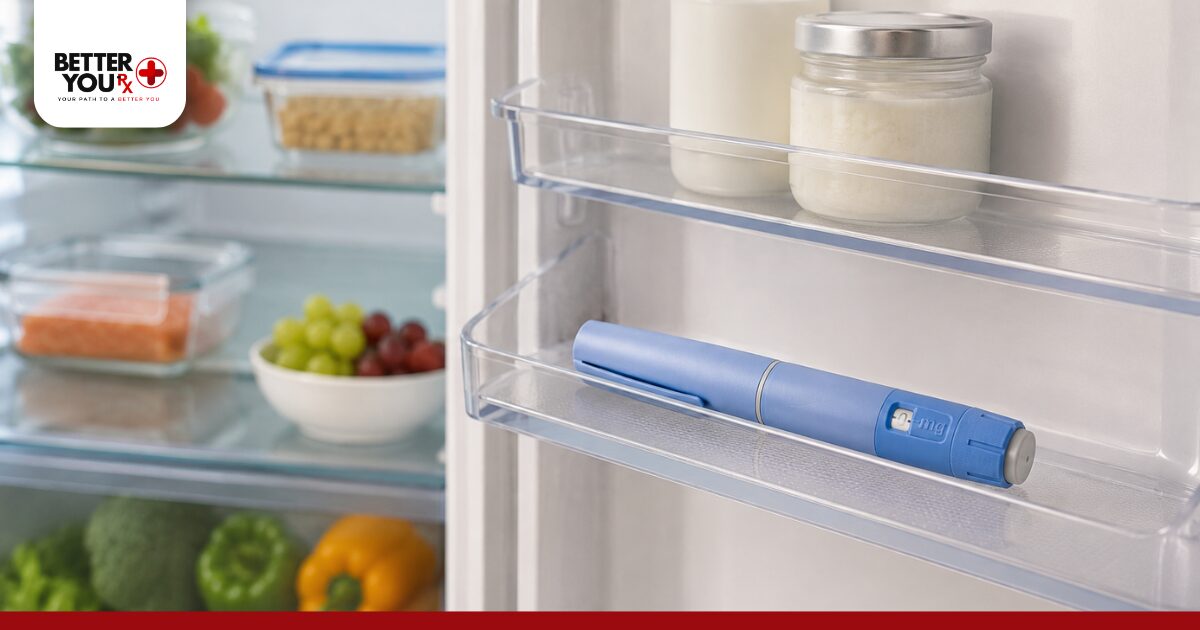
Refrigeration Requirements – New, unused pens must remain refrigerated between 36°F and 46°F until you’re ready to use them. Store them in their original carton to protect from light, and place them in the main refrigerator compartment rather than the door, where temperature fluctuates more with opening and closing.

Never Freeze – Never store pens in the freezer compartment or anywhere they might freeze, even temporarily. Even brief exposure to freezing temperatures permanently damages the medication at a molecular level, making it ineffective or potentially unsafe.

Protect from Light – Keep pens in their original carton until first use to protect them from light exposure. Light can degrade the medication over time, reducing its effectiveness for blood sugar control.

Original Packaging – Don’t remove pens from their packaging until you’re ready to start using them. The packaging provides temperature stability and light protection that maintain medication quality.

After First Use

Storage Options – Once you’ve used a pen for the first time, you have two storage options – continue refrigerating it or keep it at room temperature below 86°F. Many people find room temperature storage more convenient because cold medication can be uncomfortable to inject and requires waiting time before use.

Protect from Heat – Keep your pen away from heat sources like radiators, direct sunlight, or hot appliances. Don’t leave it in your car, especially during summer months when interior temperatures can exceed 130°F within minutes. If you need to travel with your pen, use an insulated medication travel bag with ice packs.

Cap Storage – Always store pens with the cap on when not in use. Never leave a needle attached to the pen between injections, as this can allow air to enter the cartridge, cause medication leakage, or increase contamination risk. Remove and properly dispose of the needle immediately after each injection.

Understanding medication responses helps optimize treatment outcomes. If you’re experiencing challenges beyond injection technique, exploring resources about common side effects provides valuable insights for comprehensive diabetes management. Also, if you’re considering alternative treatment options like ZepBound, proper pen handling applies universally across injectable diabetes medications.
Frequently Asked Questions

Can You Dial Back an Ozempic Pen?

Yes, you can dial back the dose selector on an Ozempic pen if you’ve turned it past your intended dose. Simply rotate the dose selector counterclockwise backward until the correct dose appears in the dose counter window. The pen allows you to adjust the selected dose up or down before injection without wasting medication. 

Can You Do an Ozempic Reset?

There is no true reset function for Ozempic pens because they’re mechanical devices rather than electronic ones. However, you can troubleshoot most issues by removing the needle, checking for blockages, turning the dose selector to zero, and then priming with a fresh needle. 

What to Do When Your Ozempic Pen Is Not Working?

When your pen isn’t functioning properly, start by verifying that sufficient medication remains in the cartridge by checking the dose counter window. Remove any attached needle and try turning the dose selector without a needle mounted to see if the mechanism moves freely. 

What Happens If I Forgot to Prime My Ozempic Pen?

Forgetting to prime your pen means you may have injected air instead of medication, resulting in receiving less than your prescribed dose. Air in the needle takes up space that should contain medication, so your body receives a smaller amount than the dose counter indicated you selected.

How Do I Reset the Ozempic Pen?

To troubleshoot your Ozempic pen when it’s not working properly, remove any attached needle and turn the dose selector to zero. Attach a new sterile needle, then perform the priming process by turning the dose selector to the priming dose, holding the pen vertically with the needle pointing up, and pressing the injection button until medication appears at the tip. 

What Happens If You Inject Without Priming?

Injecting without priming means air trapped in the needle enters your injection site instead of medication, resulting in underdosing. While injecting small amounts of air subcutaneously isn’t typically dangerous to your health, you won’t receive your full prescribed medication amount, which can affect blood sugar control throughout the week. 

Can I Donate Blood on Ozempic?

If you’ve ever wondered can I donate blood on Ozempic, the short answer is yes — it’s usually safe when your blood sugar and overall health are well-managed. Donating blood while on Ozempic requires stability, hydration, and preparation to prevent dizziness or fatigue. Understanding how Ozempic affects your body helps you plan around dosage days, maintain energy, and meet eligibility guidelines. Most users can safely give blood once they feel steady and side effects have settled. By managing your medication, eating well, and staying hydrated, you can donate confidently while supporting your health and helping others.

Ozempic, a popular medication for diabetes and weight management, works by regulating insulin and appetite. While it doesn’t directly affect your blood quality, timing and medical supervision are key. Understanding the connection between medications like Ozempic and blood donation helps you give safely and responsibly. People searching for information about donating blood while on Ozempic often want to know if the medication influences their ability to give blood safely.

Why Your Medication Matters When Donating Blood

How to Prepare for Blood Donation While Taking Ozempic

When you take any medication — including Ozempic — your body chemistry changes. Blood donation centers need to ensure that nothing in your blood could pose a risk to the recipient. This is why they carefully review your medications before approving you for donation. Each medication affects the body differently, so disclosure ensures that your donation meets medical standards. It also helps determine if you should wait a few days or if you can donate immediately. Open communication between donors and staff is vital for safety and proper screening.

Blood donation centers screen donors carefully to protect both donors and recipients. Medications such as Ozempic (semaglutide) may raise questions because they influence metabolism, glucose levels, and digestion. But the good news is: taking Ozempic typically doesn’t disqualify you from donating blood. Understanding Ozempic and blood donation rules can help you make better decisions about when and how to give blood safely.

Why Blood Donation Rules Exist

Donation rules exist to guarantee that the blood supply remains safe and beneficial for recipients. Some medications can alter the composition of your blood or remain active in plasma. With Ozempic, there’s no known risk of transmission or toxicity, but it’s important that your blood sugar and hydration levels remain steady before donation. If you’re on other medications for diabetes or weight control — such as Wegovy, Mounjaro KwikPen, or Saxenda — you should discuss your treatment schedule with your healthcare provider before donating.

How Ozempic Affects Your Body Before Blood Donation

Ozempic slows digestion, reduces appetite, and improves blood sugar stability. While these effects are beneficial for weight management, they can influence how your body reacts to donating blood. For example, if Ozempic suppresses your appetite, you might not eat enough before your donation, which could lead to dizziness or fatigue. It’s essential to understand these effects before visiting a blood center. Additionally, everyone’s reaction to Ozempic varies depending on how long they’ve been taking it. Understanding your body’s tolerance can help you plan for a smoother donation experience. Always consult your physician before donating if you’re unsure about your body’s response or Ozempic side effects and eligibility.

Here’s what happens when you donate blood while using Ozempic:

Effect Description Recommendation
Blood Sugar Fluctuations Ozempic helps regulate glucose, but fasting or stress from donation may cause dips. Eat a balanced meal before donating.
Dehydration Risk Nausea or reduced appetite can lower hydration. Drink plenty of fluids 24 hours prior.
Dizziness or Fatigue Common after donation, more likely if you’ve eaten little. Rest afterward, avoid heavy exercise.
Digestive Delay Food absorption may be slower. Avoid donating on an empty stomach.

If your blood sugar has been unpredictable, your healthcare provider may recommend delaying donation. Stable control is essential for safe donation and recovery. Anyone considering can I give blood on semaglutide should assess their energy levels and hydration before donating.

Eligibility Requirements for Donating Blood on Ozempic

When you’re taking Ozempic, these rules ensure your blood is safe for recipients and that you won’t experience any health issues during or after the donation. Following these guidelines helps maintain your well-being while ensuring safe blood supply for others. Being transparent about your medication history makes the process smoother for everyone. Moreover, meeting these eligibility requirements helps protect the integrity of donated blood and ensures it benefits those in need. It’s always best to review your local donation center’s updated policies before arriving, especially if you’re taking Ozempic or similar medications.

Here are the general eligibility factors:

Eligibility Factor Requirement Notes
Age 17+ years (16 with parental consent) Must meet local requirements.
Weight Minimum 110 lbs (50 kg) Ensures safe blood volume withdrawal.
Blood Sugar Stable readings, no recent hypoglycemia Essential for diabetic donors.
Medication Use Ozempic use is acceptable if prescribed and stable Avoid if recently started or experiencing side effects.
General Health Feeling well on donation day No active nausea, dizziness, or fatigue.

These requirements emphasize overall wellness rather than medication use. Most people taking Ozempic for diabetes or weight management can donate if they’re feeling stable and healthy. If you’re taking insulin alongside Ozempic, it’s important to understand how both medications work together. Review our guide on Insulin 70/30 Dosage Calculation to manage your glucose levels effectively before donation.

How to Prepare for Blood Donation While Taking Ozempic

Proper preparation helps your body handle the stress of blood donation. Since Ozempic affects your digestion and appetite, it’s crucial to prepare your body in advance to reduce the risk of dizziness, low energy, or nausea. Taking small steps before donating can help you recover faster. Preparation also makes the process more comfortable. Plan your donation for a day when you’re feeling your best, as Ozempic users can experience varying energy levels. A few days of good rest, hydration, and healthy meals make a noticeable difference. Always give yourself time to recover properly afterward and follow any Ozempic and blood donation safety recommendations.

1. Eat a Balanced Meal

Avoid donating on an empty stomach. Choose protein-rich foods like eggs, yogurt, or chicken, paired with complex carbs such as oats or whole grains. This helps maintain stable blood sugar throughout the process. A balanced meal reduces weakness and improves recovery.

2. Stay Hydrated

Drink plenty of water or electrolyte drinks before and after donation. Dehydration increases the risk of dizziness, especially if Ozempic has reduced your thirst. Staying hydrated ensures healthy blood flow. It also supports faster healing after donation.

3. Monitor Blood Sugar Levels

If you manage diabetes with insulin, check your glucose before your appointment. Learn more about how insulin works with Basal vs. Bolus Insulin strategies to ensure safe levels. Keeping your readings stable prevents sudden drops. Always carry a small snack to avoid hypoglycemia.

4. Rest and Recover

Plan for light activity after donating. Your energy might dip due to lower blood volume, so it’s best to avoid workouts or fasting that day. Resting helps your body replenish red blood cells. Take it easy for at least 24 hours.

5. Schedule Around Injection Days

If possible, donate blood on a day you haven’t recently taken your Ozempic injection. This minimizes the chance of nausea or appetite loss during recovery. It also gives your body time to stabilize. Try to donate midway between doses for best comfort.

When You Should Avoid Donating Blood

Why Your Medication Matters When Donating Blood

Even though can I donate blood on Ozempic typically has a yes answer, there are certain scenarios where you should wait. Your body must be in a stable state before donating blood to prevent adverse effects. Postponing donation is a smart choice if you’re feeling unwell. Taking extra time ensures a better experience for both you and the recipient. Waiting a few weeks often allows side effects to subside. This patience can help you avoid fatigue or nausea during recovery. Always check in with your doctor before rescheduling your donation, especially if you’re managing multiple medications or Ozempic weight loss and blood donation safety concerns.

You should postpone donation if:

  • You recently started Ozempic or changed your dosage.
  • You’ve experienced strong side effects like vomiting or fatigue.
  • You’re recovering from surgery, infection, or low iron.
  • Your blood sugar readings are unstable.

If you fall into these categories, delay donation until your body adjusts. Always inform the donation center about any recent medication changes. For further clarity on insulin management during medical routines, read Lispro vs. Regular Insulin, which outlines how different insulin types affect your system, especially if combined with Ozempic.

What to Expect During and After Donation

Knowing what to expect can make the process smoother and more comfortable. The donation itself usually takes 8–10 minutes, but preparation and recovery can add another 30 minutes. You’ll rest briefly after donation to ensure your body adjusts safely. Following post-donation tips can help prevent dizziness or fatigue. After donating, your body begins restoring plasma within hours. Staying hydrated and eating iron-rich foods will help this recovery. A calm, steady approach after donation ensures you’ll be ready for your next session sooner.

Quick Recovery Tips

  • Monitor Glucose: Check your levels post-donation. Keeping track helps detect low readings early.
  • Avoid Alcohol: It can dehydrate and lower your blood pressure. Stick to water or juice for 24 hours.
  • Pause Exercise: Wait 24 hours before strenuous activity. Giving your body rest time supports recovery.

Learn more about insulin balance through our resource on Insulin Dosing by Weight, especially if you use both insulin and GLP-1 medications.

Which Option is Best for You: Donate or Wait?

Deciding whether to donate or wait depends on your current health stability. If your blood sugar, hydration, and energy are consistent, it’s safe to proceed. However, if you’ve recently adjusted your Ozempic dosage or are feeling unwell, postponing your donation is the better choice. Listening to your body ensures a safer experience. Some people find that skipping a donation during medication adjustments helps prevent fatigue. Always prioritize your health before helping others. When you’re ready, your contribution will make an even greater difference. This advice applies to anyone wondering about Ozempic and blood donation rules.

If unsure, consult your doctor or diabetes educator. They can help you plan your donation around your medication cycle for maximum safety. Their advice helps you stay confident about when to donate. Proper timing benefits both you and recipients.

Other Medications to Watch When Donating Blood

Can I Donate Blood on Ozempic?

Not all medications have the same effect on eligibility. While Ozempic is generally safe, some medications make you temporarily or permanently ineligible. These include antibiotics, acne treatments, and blood thinners. Disclosing your prescriptions helps blood centers protect everyone involved. Reviewing your medication list with staff takes only minutes but ensures complete safety. In some cases, you may only need to wait a few days after finishing treatment. Always clarify these details during your screening, as it directly affects medications that disqualify blood donors.

Common disqualifying medications include:

  • Antibiotics (if treating active infections)
  • Blood thinners like warfarin
  • Certain acne medications (e.g., isotretinoin)
  • Antimalarials within the past year

Always disclose your current prescriptions to the donation center. Transparency keeps both you and recipients safe. For a better understanding of medication management, explore our guide on Insulin 70/30 Dosage Calculation or learn more about how basal and bolus insulin dosing works.

Final Thoughts

So, can I donate blood on Ozempic? Yes — as long as you’re feeling well, staying hydrated, and maintaining balanced blood sugar levels. Taking Ozempic doesn’t automatically disqualify you, but preparation, diet, and overall stability are key before donating. Always communicate honestly with your healthcare provider and the blood donation staff about your medication use.

Giving blood is not just about generosity — it’s also about responsibility and awareness. By understanding how your medication impacts your health, you help ensure that every donation is safe and effective. Donating blood while on Ozempic can be a meaningful way to give back while still managing your health goals.

If you’re uncertain about timing, check with your doctor or diabetes educator before donating. They can help you plan your donation day for the best results and ensure your body is ready. Remember, your health always comes first, and a well-timed donation benefits both you and those in need.


Ultimately, giving blood while on Ozempic is safe for most people when approached thoughtfully. Stay hydrated, plan ahead, and listen to your body — these small steps make a big difference in both your comfort and the quality of your donation.

If you’re managing diabetes or weight loss with GLP-1 medications, check out these medications:

Frequently Asked Questions

What medicines disqualify you from donating blood?

Certain medications like isotretinoin (for acne), blood thinners, and some antibiotics can temporarily disqualify you. The concern is whether the medicine might affect the safety of your blood or the health of the recipient. Donation centers assess each case individually. Always provide your medication list to ensure eligibility.

Can you donate blood while taking weight loss injections?

Most people can safely donate blood while on injections like Ozempic or Wegovy. These medications do not contaminate your blood or pose a risk to recipients. However, side effects like nausea or dizziness may make donating uncomfortable. It’s best to wait until you feel stable before scheduling a donation.

Can you donate blood if you take diabetes medication?

Yes, donating blood while on diabetes medication is allowed if your condition is under control. Insulin users can donate as long as glucose levels remain steady and there are no recent changes in dosage. Always check with your doctor first to ensure it’s safe for you. Stable blood sugar helps prevent fainting or dizziness.

What disqualifies me from being a blood donor?

Temporary disqualifications include recent surgeries, infections, or certain medications. Permanent restrictions may apply to those with chronic illnesses like hepatitis or heart conditions. Always review your eligibility with the donation center before visiting. Staying transparent helps them ensure donor and recipient safety.

Who is not allowed to donate blood?

People with chronic infections, uncontrolled hypertension, or anemia are typically ineligible. Those recently vaccinated or who received a transfusion may also need to wait. Every center follows its own health criteria to maintain safe blood supplies. Always double-check the guidelines before booking an appointment.

Which blood type is the rarest?

AB negative (AB-) is the rarest blood type, found in less than 1% of people worldwide. Despite being uncommon, AB plasma is universally compatible and highly valuable. Blood banks often prioritize donations from AB- donors. No matter your type, every donation helps save lives.


Where to Inject Ozempic: A Complete 2025 Guide to Best Practices

If you’re starting Ozempic for weight loss or diabetes, one of the most important steps to success is knowing where to inject Ozempic for maximum benefit. This weekly injectable, administered subcutaneously, is only effective when used with proper technique starting with selecting the right injection site.

Most patients ask, “Ozempic—where to inject for the best results?” The answer involves more than location; it’s about technique, rotation, and comfort. Whether you’re using the pen for the first time or adjusting your routine, this guide will walk you through how and where to inject Ozempic safely and effectively.

“A good injection site isn’t just about ease of access; it’s about consistency, absorption, and minimizing discomfort over the long haul.”

For reliable access to this trusted medication, consider ordering through Better You Rx, a premier Canadian pharmacy that offers Ozempic and other weight loss solutions.

Ozempic Injection Sites: Where to Inject Ozempic for Best Results

close up of an ozempic injection to the stomach

Where to inject Ozempic? It should be injected into the fatty layer just beneath the skin (subcutaneous tissue). There are three — injection sites for Ozempic:

1. Abdomen (Stomach)

  • Most recommended due to ease of use and consistent absorption
  • Inject at least 2 inches away from the navel
  • Avoid areas with scars, stretch marks, or irritation

2. Thigh

  • Specifically, target the front and outer areas of the thigh.
  • Useful for rotation if you’re avoiding the abdomen
  • Absorption may be slightly slower but still effective

3. Upper Arm

  • The back of the arm, ideally with help from a caregiver
  • Less convenient for self-injection but valid for rotation

These Ozempic injection sites offer flexibility, allowing you to find what works best for your comfort and schedule. Whether you’re wondering where to inject Ozempic in the thigh or where to inject Ozempic in the stomach, the key is rotating sites regularly to avoid irritation.

How to Inject Ozempic Correctly: A Step-by-Step Guide

close up of ozempic being injected to the belly

A successful Ozempic injection isn’t just about location—it’s about technique. Here’s how to inject Ozempic properly to ensure full delivery and minimize side effects:

Step-by-Step Injection Process

  1. Wash Your Hands

    To avoid contamination, wash your hands thoroughly with soap and warm water.
  2. Prepare the Ozempic Pen
    Inspect the pen for any particles or discoloration. Let it warm to room temperature to reduce stinging.
  3. Clean the Injection Site

    Clean the selected injection site (abdomen, thigh, or upper arm) using an alcohol swab, and allow it to air dry completely.
  4. Pinch the Skin
    Gently pinch a fold of skin to prepare the area for the subcutaneous Ozempic injection.
  5. Inject at a 90-Degree Angle

    Insert the needle into the skin and press the pen’s button. Hold it in place for at least 6 seconds to ensure complete dosing.
  6. Dispose Safely

    Always use a fresh needle for each injection and dispose of it in a designated sharps container.

“Don’t rub the site after injecting—this can interfere with absorption and increase irritation.”

For a more comprehensive look at medication technique and lifestyle integration, visit the Health Tips section on Better You Rx.

Why Rotating Injection Sites Matters

ozempic injected to the leg

Whether you’re using Ozempic for weight loss or diabetes, injecting in the same location repeatedly can cause lipohypertrophy (a buildup of fatty tissue). This leads to:

  • Lumps or bumps
  • Reduced absorption
  • Increased discomfort

Best practice? Rotate injection sites weekly between the thighs, abdomen, and upper arms.:

  • Week 1: Left thigh
  • Week 2: Right abdomen
  • Week 3: Left upper arm
  • Week 4: Right thigh

This approach ensures even skin healing and sustained absorption levels.

Avoid These Common Injection Mistakes on Where to Inject Ozempic

Even with correct technique, avoid these pitfalls:

  • Injecting into muscle instead of fat tissue—leads to faster, unpredictable absorption
  • Not priming the pen before the first use—may result in underdosing
  • Reusing needles—increases the risk of infection
  • Skipping site rotation—can lead to painful lumps

To learn more about subcutaneous injections and personalized medication strategies, Better You Rx offers guidance backed by real pharmacy expertise.

Scientific Insight: Does Site Affect Weight Loss Results?

Some users ask whether where you inject Ozempic affects how much weight you lose. While the abdomen may offer slightly faster absorption, studies show that consistency and proper technique matter more than location.

A clinical review in Diabetes, Obesity and Metabolism confirms that absorption differences between injection sites are minor and don’t significantly impact long-term outcomes.

Final Tips on Where to Inject Ozempic for Best Results

Choosing the right Ozempic injection site and applying proper technique is essential for effective treatment—whether you’re managing diabetes or pursuing weight loss. While there’s no single “best” location, consistency, rotation, and care all play a role in minimizing side effects and maximizing the drug’s absorption.

If you’re still unsure about where to inject Ozempic in the thigh, stomach, or upper arm, consult with your healthcare provider for tailored advice. Most importantly, follow a routine that supports your lifestyle and health goals.

At Better You Rx, we offer trusted access to Ozempic and provide support resources to help you succeed in your wellness journey.

FAQs About Ozempic Injection Sites

1. Where do you inject Ozempic for the best results?

The abdomen is typically the easiest and most effective site. It allows for faster and more consistent absorption compared to other areas.

2. Can I inject Ozempic into my thigh?

Yes, the front or outer thigh is a suitable option. Be sure to rotate locations to avoid tissue damage or irritation.

3. Does the injection site affect how well Ozempic works?

Not significantly. According to clinical data (study link), the site has minimal impact on long-term efficacy.

4. Should I massage the site after injecting?

No, avoid massaging the area. It can lead to improper absorption or increased irritation.

5. Is the upper arm a good spot for Ozempic?

Yes, but it may require help for accurate self-administration. The upper arm is a recommended subcutaneous site.


Key Takeaways

  • Ozempic should always be injected subcutaneously, never into muscle.
  • Stomach, thigh, and upper arm are all valid injection sites.
  • Site rotation is crucial for avoiding lipohypertrophy and skin issues.
  • Injection site does not significantly affect weight loss outcomes.

Trusted providers like Better You Rx ensure access to Ozempic and expert care support.

Taking Ozempic with High Blood Pressure: Understanding the Connection

Managing both type 2 diabetes and high blood pressure can be a delicate balancing act. Ozempic (semaglutide), widely prescribed for glucose control and weight loss, has drawn interest for its potential impact on cardiovascular health. But what does that mean for patients with hypertension?

If you’re considering using Ozempic with high blood pressure, understanding its effects and how to use it safely can help you and your healthcare provider build a treatment plan that works.

“Blood pressure control doesn’t just depend on your medication—it depends on how all your treatments work together. Know the risks. Maximize the benefits.”

For those managing chronic conditions and seeking affordable access to prescriptions, Better You Rx is a reliable Canadian pharmacy affiliate offering Ozempic at competitive prices through licensed partners.

Can Ozempic Affect Blood Pressure?

senior couple on Ozempic jogging

Ozempic is part of a class of medications called GLP-1 receptor agonists. These drugs help lower blood sugar, reduce appetite, and promote weight loss. Interestingly, they may also have mild effects on blood pressure due to:

  • Weight loss reduces strain on the cardiovascular system
  • Improved blood vessel function
  • Lower systemic inflammation

According to a clinical update from UT Southwestern Medical Center, semaglutide was shown to reduce not just glucose levels and body weight, but also systolic blood pressure—an encouraging sign for those with coexisting hypertension.

Is It Safe for People Taking Ozempic with High Blood Pressure?

For many patients, Ozempic and hypertension can coexist safely, but always under medical supervision. The drug’s appetite-suppressing and weight-loss effects can support cardiovascular health, but it can also influence hydration and blood pressure levels, especially early in treatment.

Some users experience side effects like nausea or vomiting, which can lead to dehydration. In turn, dehydration may cause dips in blood pressure and symptoms like dizziness or lightheadedness. This is why regular blood pressure monitoring is essential when starting or adjusting Ozempic.

Tip: “Always stay hydrated while on Ozempic with high blood pressure. Dehydration may trigger low blood pressure and amplify nausea.”

Patients on multiple medications for diabetes or blood pressure should consult their provider about potential adjustments to taking Ozempi with high blood pressure. Interactions with diuretics or beta blockers, for example, may require careful oversight to avoid blood pressure instability.

Weight Loss, Blood Pressure Control, and Ozempic

One of the strongest benefits of Ozempic with high blood pressure is the link between weight loss and cardiovascular improvement. Losing even 5–10% of body weight can significantly reduce systolic and diastolic blood pressure.

Ozempic’s weight loss effect supports this goal directly. That’s why lifestyle changes—like a low-sodium, high-fiber diet and consistent exercise—should go hand-in-hand with treatment. These strategies improve long-term outcomes and reduce reliance on additional medications when taking Ozempic with high blood pressure.

Learn more in the Health Tips section at Better You Rx for lifestyle guides that support semaglutide therapy.

The Cardiovascular Impact: Stroke, Heart Risks, and Long-Term Safety

There’s also growing evidence linking Ozempic and cardiovascular health. The government has approved semaglutide to reduce the risk of major cardiovascular events in adults with type 2 diabetes and established heart disease. This includes reduced incidence of heart attack, stroke, and cardiovascular death.

Further, a 2024 review by UT Southwestern confirmed that semaglutide lowered systolic blood pressure while also improving cholesterol levels and inflammation, key components in long-term heart health.

While Ozempic stroke risk is considered low in most clinical settings, those with preexisting heart conditions should still be closely monitored.

Monitoring Blood Pressure While on Ozempic

close up of a person using a digital monitor for blood pressure

For anyone managing Ozempic with high blood pressure, tracking your BP readings regularly is non-negotiable. While some patients see improvements, others might experience fluctuations, especially during the early stages of therapy.

Tip: “Track your blood pressure weekly and bring your records to every doctor visit—it’s one of the best tools for fine-tuning your treatment.”

Stay hydrated to avoid blood pressure dips caused by Ozempic-related nausea, and ensure your electrolyte balance stays stable. If you begin to feel faint, dizzy, or fatigued, consult your provider immediately.

Managing Hypertension with Ozempic the Right Way

female doctor talking a her patient about hypertension management

When used thoughtfully and with medical oversight, it is beneficial for patients taking Ozempic with high blood pressure and type 2 diabetes. From improved weight management to cardiovascular support, it may become a valuable part of your long-term care strategy.

However, blood pressure control requires consistency—healthy eating, physical activity, and regular checkups remain essential. If you’re seeking trusted access to this treatment, Better You Rx offers affordable semaglutide through licensed Canadian pharmacy affiliates, helping patients lower both their health risks and prescription costs.

FAQs: Ozempic and Blood Pressure

  1. Can Ozempic lower blood pressure?

    Yes, modest reductions are common due to weight loss and improved blood vessel function.

  2. Is Ozempic safe for people with hypertension?

    Generally, yes—but only under medical supervision, especially if you’re on other blood pressure medications.

  3. Does Ozempic help reduce stroke risk?

    It may. Ozempic is approved to reduce major cardiovascular events in people with diabetes and heart disease.

  4. How should I monitor my blood pressure on Ozempic?

    Use a home monitor, keep a weekly log, and check before and after changes to dosage or lifestyle.

  5. Can dehydration affect blood pressure on Ozempic?

    Absolutely. Dehydration can cause dips in blood pressure. Drink plenty of fluids to stay balanced.

Key Takeaways

  • Ozempic may support blood pressure improvements, especially through weight loss.
  • Individuals with hypertension must monitor their BP regularly during treatment.

  • Cardiovascular risks like stroke may be reduced with long-term use of semaglutide.
  • Dehydration is a side effect to watch for—stay hydrated and consult your doctor if dizzy.

Trusted Canadian pharmacy affiliates like Better You Rx can help patients access Ozempic affordably.

Ozempic for Weight Loss: How It Works and Who Should Consider It

If you’re exploring long-term solutions for managing weight, Ozempic for weight loss might be on your radar—and for good reason. Originally designed as a diabetes medication, Ozempic has gained significant traction as a weight loss medication, showing exceptional results in both diabetic and non-diabetic users.

Unlike typical weight loss pills, Ozempic offers a metabolic advantage: it doesn’t just suppress appetite—it addresses hormonal, digestive, and neurological pathways that regulate hunger and energy use. That’s why many now see it as a breakthrough therapy, not just a temporary fix.

“Successful weight loss isn’t about quick drops on the scale—it’s about finding tools that help you maintain results while living a healthier life.”


Understanding How Ozempic Helps You Lose Weight

female doctor showing a female patient on how ozempic help lose weight

Ozempic contains semaglutide, a GLP-1 receptor agonist. This compound mimics the hormone glucagon-like peptide-1, which:

  • Suppresses appetite
  • Slows down stomach emptying
  • Stimulates insulin release
  • Helps regulate blood sugar

The result? You feel fuller for longer, reduce your caloric intake naturally, and benefit from improved metabolic balance.

What makes Ozempic stand out is that it doesn’t rely on the crash-diet model. Instead, it fosters consistent, medically supported fat loss over time.

For those researching how to get started, Better You Rx offers direct access to Ozempic through a trusted Canadian pharmacy online—making it easier to take control of your weight loss journey safely and affordably.


Who Should Consider Ozempic for Weight Loss?

Ozempic is suitable for:

  • Individuals with a BMI of 30+
  • Individuals with a BMI of 27+ and obesity-related health conditions (e.g., hypertension, sleep apnea, type 2 diabetes)
  • People who’ve failed to lose weight through diet and exercise alone

If you’re wondering, “Is Ozempic safe to use for weight loss?” For many individuals, the answer is yes—when used under appropriate medical supervision.


That’s why it’s gaining ground even in non-diabetic weight loss plans.

To explore safe options with professional guidance, reach out via our Contact page or explore related products like Wegovy, another semaglutide-based treatment approved specifically for weight loss.

How to Use Ozempic for Best Weight Loss Results

healthy dishes on a table for weight loss

When using Ozempic, following a structured dosage plan is essential. Here’s how most weight loss journeys are guided:

1. Start Low, Go Slow

Physicians typically start with a 0.25 mg dose once a week for the first four weeks. This lets your body adjust to the medication and minimizes side effects.

2. Increase Gradually

The dosage is usually increased to 0.5 mg, and may be raised to 1 mg depending on individual progress and tolerance. Your provider will assess how many units of Ozempic for weight loss you need at each stage.

3. Maintain Healthy Habits

Ozempic isn’t a replacement for effort. You should continue with:

  • A balanced, calorie-conscious diet
  • At least 150 minutes of exercise weekly
  • Regular hydration and sleep routines

“Think of Ozempic as a co-pilot: it helps steer your metabolism in the right direction, but you still have to keep your hands on the wheel.”


How Frequently Should You Use Ozempic for Weight Loss?

Ozempic is generally taken once a week, ideally on the same day each week. The once-weekly schedule is often more convenient than daily weight loss medications, leading to improved long-term adherence.

For insights from real users, search how to get Ozempic for weight loss Reddit—it’s a common thread in communities discussing long-term management strategies.

Interested in alternatives? Wegovy and Mounjaro are attracting growing interest, prompting comparisons, especially questions like whether Mounjaro is more effective than Ozempic for weight loss. Both target the GLP-1 pathway, but Mounjaro adds GIP action, potentially enhancing appetite control for some users.


Ozempic vs Other Weight Loss Medications

When comparing Ozempic to other weight loss medications like Saxenda, Contrave, or Phentermine, the difference lies in sustainability:

  • Saxenda (also a GLP-1 agonist) requires daily injections.
  • Phentermine is a stimulant, often used short-term.
  • Contrave works on the brain’s hunger-reward system.

In contrast, Ozempic’s metabolic influence makes it more effective for long-term results without the stimulant-related side effects.

Explore other weight loss medication options via our trusted Canadian online pharmacy today.

What the Research Really Says About Ozempic for Weight Loss

Wondering if Ozempic truly delivers on its weight loss promise? The science says yes—and it’s not just hype.

A landmark study published in The New England Journal of Medicine followed participants over 68 weeks and found that individuals using semaglutide (the active ingredient in Ozempic) lost an average of 14.9% of their body weight. This is significantly higher than results typically seen with traditional diet pills or behavioral programs alone.

This study supports Ozempic’s reputation as one of the most effective weight loss medications currently available—backed not just by user stories, but by rigorous clinical trials.

close up of a doctors hand & patient talking about the side effects of ozempic

Side Effects and Safety: Key Information You Should Know


No medication is without risks. While Ozempic is effective for weight loss, it may come with side effects, particularly during the first few weeks of treatment:

Common Side Effects:

  • Nausea
  • Diarrhea or constipation
  • Fatigue
  • Decreased appetite

These side effects are usually temporary and tend to subside as your body adapts.

Serious (but rare) Side Effects:

  • Pancreatitis
  • Kidney issues
  • Thyroid tumors (especially in people with pre-existing thyroid conditions)

“Always disclose your full medical history before starting Ozempic. Conditions like pancreatitis or thyroid disorders could increase the risk of complications.”

If you’re wondering, “Is it dangerous to use Ozempic for weight loss?”  When prescribed correctly, Ozempic is generally safe and has a strong benefit-to-risk ratio for qualifying users.

Final Thoughts: Is Ozempic the Right Fit for Your Weight Loss Goals?

Ozempic is not just another trend—it’s a clinically backed, sustainable solution for individuals struggling with obesity and metabolic conditions. By addressing hunger signals, glucose control, and long-term behavior change, it offers a more holistic alternative to traditional weight loss pills.

If you’ve been stuck in the cycle of yo-yo dieting, inconsistent results, or rapid regain, Ozempic for weight loss might be the long-term strategy you need.

For safe, secure, and affordable access, visit our trusted Canadian pharmacy. We offer semaglutide-based medications like Ozempic and Wegovy through professional, pharmacy-supported care.

FAQS About Ozempic for Weight Loss

1. How fast does Ozempic work for weight loss?

Most users begin noticing results between 8–12 weeks, with the most significant weight reduction seen after several months of consistent use.

2. How long should I take Ozempic for weight loss?

Duration depends on your goals and health status. Many continue treatment for at least 6–12 months under supervision.

3. Can non-diabetics take Ozempic for weight loss?

Yes, Ozempic is prescribed to non-diabetic individuals with a qualifying BMI and related health concerns.

4. What are the ingredients in Ozempic for weight loss?

The primary active ingredient is semaglutide, a GLP-1 receptor agonist.

5. Is Wegovy better than Ozempic for weight loss?

Wegovy is dosed specifically for weight loss and may lead to slightly greater weight reduction. However, Ozempic offers similar benefits and is more widely accessible.


Key Takeaways

  • Ozempic helps users lose up to 15% of their body weight by targeting hunger and improving metabolism.
  • Weekly injections are more convenient than daily weight loss pills.
  • Side effects are usually mild and manageable, with serious risks being rare.
  • Non-diabetics can benefit from Ozempic under medical guidance.

Ozempic is best sourced through a verified Canadian online pharmacy like Better You Rx.

Does Ozempic Help Lower Blood Pressure? What the Latest Research Says

Ozempic (semaglutide) is best known as a type 2 diabetes medication, but emerging studies show it’s doing much more—especially for those battling hypertension. The emerging connection between Ozempic and blood pressure is capturing attention in the medical community, with growing evidence suggesting that semaglutide may help lower blood pressure in addition to managing blood sugar levels.

For people living with type 2 diabetes, the possibility that Ozempic lowers blood pressure adds significant value. High blood pressure remains one of the leading causes of heart disease, especially in diabetic individuals.Early findings are encouraging: does Ozempic lower blood pressure? Research increasingly says yes, and that might change how we view this medication entirely.

“When managing chronic conditions like diabetes, choosing a medication that addresses multiple health issues—like weight, blood sugar, and blood pressure—can streamline treatment and reduce risks long-term.”

How Ozempic Works: A Triple-Action Mechanism

close up of injecting ozempic on the belly to show how ozempic it works

Ozempic contains semaglutide, a GLP-1 receptor agonist that mimics a natural hormone called glucagon-like peptide-1. Here’s what it does:

  • Stimulates insulin secretion
  • Inhibits glucagon (a hormone that raises blood sugar)
  • Slows gastric emptying, helping you feel full longer
  • Reduces appetite

The combined effects lead to:

  • Better blood sugar control
  • Reduced weight
  • Improved cardiovascular health

These factors all play into its potential for improving or helping to lower blood pressure as well.

Explore our Ozempic product page for more information or secure ordering through a trusted online Canadian pharmacy.

Is It Safe to Take Ozempic If You Have High Blood Pressure?

The answer is generally yes. Ozempic high blood pressure concerns are minimal for most patients, and in fact, studies show the opposite: semaglutide helps reduce systolic blood pressure.

A major trial reported a 5 mm Hg average drop in systolic pressure for Ozempic users. This may seem minor, but even small reductions can significantly reduce the risk of stroke and heart attack. The heart-protective effects of semaglutide have prompted its expanded use for individuals with both diabetes and cardiovascular disease.

Patients interested in lowering both blood sugar and pressure may benefit from Rybelsus or Wegovy as well—each leveraging semaglutide in different formats and dosages.

Interested in exploring trusted medications at competitive prices? Shop from a verified Canadian pharmacy that offers a wide array of options for managing diabetes, high blood pressure, and more.

Why Does Ozempic Lower Blood Pressure? The Science Behind It

woman raising her hand in happiness while on a balance scale for weight loss on ozempic

While the precise mechanism behind semaglutide lowering blood pressure remains unclear, experts believe it may result from a combination of metabolic improvements, cardiovascular support, and behavioral changes.

1. Weight Loss

Ozempic leads to significant weight loss, a major factor in blood pressure reduction. According to a 2024 study in Nature Medicine, patients using semaglutide maintained a 10% average weight loss over four years, which has a direct impact on lowering both systolic and diastolic pressure.

2. Improved Vascular Health

Studies indicate that semaglutide may enhance blood vessel function and increase vascular relaxation. This improves blood flow and reduces arterial stiffness, both of which can help to lower blood pressure.

3. Reduced Sodium Consumption

Ozempic’s appetite-suppressing effects can lead to reduced food intake, particularly processed and salty foods. This indirectly decreases daily sodium intake, which is well-known to reduce hypertension risk.

Real-World Benefits: What Doctors Are Observing

fmale patient and doctor talking about ozempic and blood pressure

Endocrinologists like Dr. Caroline Messer have noted firsthand that patients on Ozempic frequently see improvements in blood pressure, even to the point of tapering off other medications.

“In many cases, Ozempic becomes a cornerstone medication not just for diabetes, but for overall cardiovascular wellness,” Messer noted in a 2024 review on metabolic disease treatment strategies.

These observations are supported by clinical studies. A 2024 review and meta-analysis in the European Heart Journal examined three studies involving 3,136 participants with hypertension. The analysis found that semaglutide reduced systolic blood pressure by an average of about 5 mm Hg compared to placebo. 

Notably, more than 25% of patients with resistant hypertension were able to lower blood pressure medications while taking semaglutide—compared to just 3% in the placebo group.

These findings suggest that Ozempic’s benefits extend beyond glycemic control, offering significant advantages for cardiovascular health.

Can Ozempic Be Combined with Blood Pressure Medications?

Yes. But because Ozempic blood pressure effects can amplify those of existing antihypertensive drugs, physicians often need to adjust dosages. Diuretics, ACE inhibitors, beta blockers, and ARBs may interact with semaglutide in ways that could cause blood pressure to drop too low.

If you’re using medications like:

…it’s important to monitor blood pressure closely under a healthcare provider’s guidance.

When Should You Be Cautious With Ozempic?

While generally safe, Ozempic should be used with care in the following scenarios:

  • If you’re on insulin or sulfonylureas, as these may lead to hypoglycemia
  • During gastrointestinal distress, which can cause dehydration and worsen blood pressure control
  • One week before surgery, to avoid delayed gastric emptying risks

For more personalized care strategies, our Contact page is always open to help.

Other GLP-1 Medications That Influence Blood Pressure

Ozempic isn’t the only GLP-1 medication making waves. Consider these alternatives:

  • Rybelsus: Oral semaglutide with similar effects
  • Wegovy: Higher-dose semaglutide—can Wegovy cause a lower blood pressure? Yes, and it has shown comparable cardiovascular improvements
  • Trulicity: Weekly injectable with heart-protective properties
  • Mounjaro: Dual-action GLP-1/GIP receptor agonist approved for type 2 diabetes and obesity management

These medications are available from our trusted Canadian online pharmacy—backed by expert consultation and competitive pricing.

Final Thoughts: A Dual-Impact Therapy Worth Considering

There’s growing consensus in the medical community that Ozempic is more than a diabetes drug—it’s a multifaceted therapy with broad cardiovascular implications. By tackling multiple risk factors like weight, blood sugar, and lower blood pressure, Ozempic helps patients streamline their treatment strategies and potentially reduce the number of medications they take.

For individuals managing hypertension alongside type 2 diabetes—or those at elevated risk—Ozempic may offer life-changing advantages. But, as with all powerful medications, it’s vital to work closely with a healthcare provider to tailor its use to your unique needs.

If you’re ready to explore semaglutide-based therapies like Ozempic, Wegovy, or Rybelsus, the team at Better You Rx is here to support your journey with affordable access and expert guidance.

Frequently Asked Questions (FAQs)

1. Does Ozempic lower blood pressure directly or indirectly?

Ozempic appears to lower blood pressure both directly by improving vascular function and indirectly through weight loss and reduced sodium intake.

2. Can I take Ozempic with my blood pressure medication?

Yes, but dosage adjustments may be necessary. Always consult your healthcare provider to avoid hypotension or interactions.

3. Is it safe to take Ozempic if I don’t have diabetes but want to manage blood pressure?

While not its primary indication, Ozempic is sometimes used off-label for weight and cardiovascular benefits in non-diabetic patients. Discuss this approach with your doctor.

4. Can Wegovy cause lower blood pressure like Ozempic?

Yes, Wegovy (a higher-dose semaglutide) can have similar blood pressure-lowering effects.

5. What’s the best place to buy Ozempic online safely?

Trusted sources like this Canadian pharmacy online ensure quality, affordability, and prescription verification.

Key Takeaways

  • Ozempic can lower blood pressure—especially in people with type 2 diabetes and cardiovascular risks.
  • The effect is largely attributed to weight loss and vascular improvements.
  • Combination with blood pressure medications is usually safe but requires monitoring.
  • Alternatives like Wegovy and Trulicity also support cardiovascular health.
  • Always buy from a reliable Canadian online pharmacy like Better You Rx.

Sign Up For Newsletter

Please enable JavaScript in your browser to complete this form.

Join 60.000+ Subscribers and get a new discount coupon on every Saturday.

Address

PO Box 29631, Mississauga RPO Central Parkway, ON L5A 4H2

better you rx big letter logo

Discover convenience with Better You Rx, your trusted pharmacy-affiliated partner. We work with leading pharmacies to deliver prescriptions and over-the-counter medications right to your doorstep. Enjoy cost-effective solutions on a platform that’s easy to use. We focus on safety and efficacy in all products. Our dedicated team ensures a smooth experience. From ordering to delivery, we simplify your healthcare needs. Choose Better You Rx for reliable service and expert support. Trust us for all your medication requirements. Experience the ease of modern pharmacy care.

Categories

Operating Hours: 
10:00AM – 6:00PM CST
Monday – Friday

Our Payment Partners :

Copyright © 2024 BetteryouRX. All Rights Reserved.

Join The Waitlist Be among the first to know when becomes available.
Add to cart