
Ozempic and blood clots are not commonly linked in most patients, but the concern is worth exploring if you take Semaglutide for type 2 diabetes or weight management. Ozempic (Semaglutide) is a GLP-1 receptor agonist that helps regulate blood sugar and promotes weight loss. While blood clots are not listed as a primary side effect of Ozempic, some individuals with pre-existing cardiovascular conditions may have elevated risks. Factors like obesity, prolonged immobility, dehydration, and other medications can all play a role in clot formation. Knowing the warning signs, talking openly with your doctor, and staying active are the best ways to stay safe. Below, you will find a full breakdown of the relationship between Ozempic and blood clots, the symptoms to watch, who may be at higher risk, and practical tips to reduce your chances of complications.
Does Ozempic Cause Blood Clots
Ozempic does not directly cause blood clots in most people. Clinical research on Semaglutide has not identified blood clots as a frequent adverse reaction. However, the relationship between Ozempic and blood clots becomes relevant for patients who already carry risk factors for clotting disorders.
Blood clots form when blood thickens and clumps together inside a vein or artery. Deep vein thrombosis (DVT) and pulmonary embolism (PE) are the two most serious types. While Ozempic itself has not been proven to trigger clot formation, some patients on Semaglutide experience dehydration from gastrointestinal side effects like nausea, vomiting, or diarrhea. Dehydration thickens the blood and may raise clot risk indirectly.
If you take Ozempic alongside blood thinners or other cardiovascular medications, your prescribing doctor should monitor you closely. Always report new symptoms like sudden leg swelling, chest pain, or shortness of breath right away.
What Are Blood Clots and Why Do They Happen
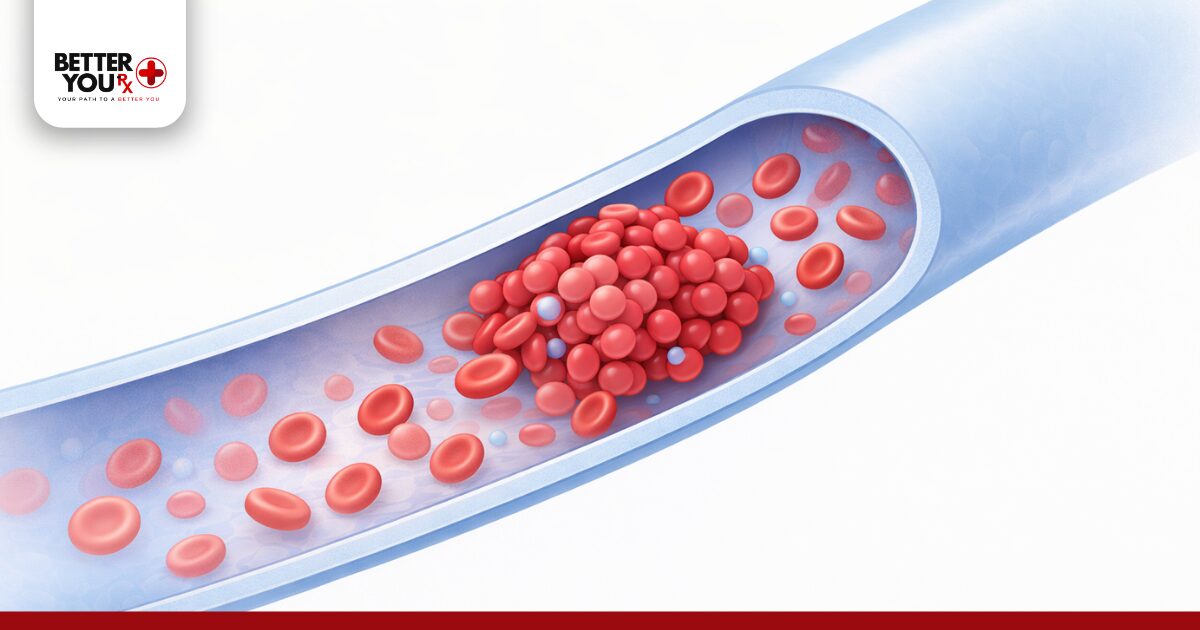
A blood clot is a gel-like mass of blood cells and proteins that forms inside a blood vessel. Clotting is a normal process that stops bleeding after an injury. Problems happen when clots form without a clear reason or do not dissolve on their own. To fully grasp the discussion around Ozempic and blood clots, it helps to know how clotting works in the first place.
Several factors increase the likelihood of abnormal clot formation. These include sitting or lying down for long periods, smoking, obesity, hormonal therapies, recent surgeries, and certain genetic conditions. People with type 2 diabetes already have a higher baseline risk for cardiovascular events, which is why the topic of Ozempic and blood clots draws attention.
Patients using Metformin or injectable therapies should stay informed about how their treatment may interact with clotting risk. Keeping blood sugar stable is one of the most effective ways to protect your vascular health long term.
Who Is at Higher Risk for Ozempic and Blood Clots
Not everyone who takes Ozempic faces the same level of concern. Certain groups should pay closer attention to the connection between Ozempic and blood clots.
| Risk Factor | Why It Matters |
| Obesity | Excess weight puts pressure on veins and slows blood flow, making clots more likely. |
| Prolonged Immobility | Sitting for hours during travel or bed rest after surgery reduces circulation in the legs. |
| Dehydration | Nausea or vomiting from Ozempic may cause fluid loss, thickening the blood. |
| Smoking | Tobacco damages blood vessel walls and increases clotting protein activity. |
| History of DVT or PE | A previous clot event significantly raises the chance of recurrence. |
| Hormonal Medications | Birth control or hormone replacement therapy can elevate clot formation. |
If you fall into any of these categories and currently use Ozempic, have a detailed conversation with your prescriber about monitoring strategies. Understanding the link between Ozempic and blood clots starts with knowing your personal risk profile. Blood tests and regular check-ups can help catch early warning signs before they become serious.

Warning Signs of Blood Clots While Taking Ozempic
Recognizing the symptoms of a blood clot early can be lifesaving. If you use Ozempic and blood clots are a concern for you, watch for the following:
- Swelling in one leg that appears suddenly, especially in the calf or thigh
- Redness or warmth on the skin over a specific area of the leg
- Pain or tenderness that feels like a cramp but does not go away with rest
- Sudden shortness of breath or difficulty catching your breath
- Sharp chest pain that gets worse when you breathe deeply
- Rapid heartbeat with no obvious cause
These symptoms could signal DVT or a pulmonary embolism. When it comes to Ozempic and blood clots, early detection of these signs is critical. Seek emergency medical attention immediately if you experience any combination of these while on Ozempic.
How to Reduce the Risk of Blood Clots on Ozempic
Staying proactive about your health is the best strategy when using Ozempic and blood clots are on your mind. Here are practical steps that can help lower your risk:
- Drink plenty of water throughout the day to prevent dehydration, especially if you experience nausea or vomiting from Ozempic. Hydration is one of the simplest defenses against Ozempic and blood clots.
- Move your body regularly. Even short walks every hour can improve blood flow in your legs.
- Wear compression stockings during long flights or road trips to support healthy circulation.
- Tell your doctor about every medication, supplement, or vitamin you take so they can check for interactions.
- Avoid sitting or lying in one position for extended hours without stretching.
- If you smoke, work with your healthcare provider to develop a plan to quit. Smoking combined with Ozempic and blood clots risk factors creates a more dangerous combination.
Some patients also compare GLP-1 options to manage both blood sugar and weight effectively. If you are curious about how other treatments stack up, check out our comparison of Ozempic vs Trulicity for a closer look at differences in dosing and outcomes.
Things To Know About Ozempic and Blood Clots
Before starting or continuing Ozempic, keep these points in mind regarding Ozempic and blood clots:
- Ozempic is not classified as a blood thinner or anticoagulant. It works by mimicking the GLP-1 hormone to manage blood sugar.
- Dehydration from gastrointestinal side effects is the most common indirect pathway between Ozempic and blood clots.
- Weight loss from Ozempic may actually improve cardiovascular health over time by reducing strain on blood vessels.
- Patients who combine Ozempic with anticoagulants should have their INR or clotting levels monitored more frequently.
- Always inform any new healthcare provider that you are using Ozempic, especially before scheduled procedures or surgeries.
- If you have a family history of clotting disorders, genetic testing may be worth discussing with your doctor before starting Semaglutide.
For patients exploring weight management injections, you can also learn about Saxenda vs Ozempic to see which option may better fit your health profile.
Ozempic and Cardiovascular Health
Interestingly, research on Semaglutide has shown potential cardiovascular benefits for some patients. Studies suggest that Ozempic may reduce the risk of major cardiovascular events such as heart attack and stroke in adults with type 2 diabetes and established heart disease. This adds a layer of complexity to the Ozempic and blood clots conversation.
Weight loss, improved blood sugar control, and lower blood pressure are all outcomes that support healthier blood vessels. For many patients, the overall cardiovascular picture improves while on Ozempic, even though individual risk factors like dehydration still need attention. Balancing the benefits with the potential concern of Ozempic and blood clots requires ongoing conversations with your prescriber.
| Potential Benefit | How It Helps |
| Weight Reduction | Less body weight reduces pressure on veins and improves overall circulation. |
| Lower Blood Sugar | Stable glucose levels protect blood vessel walls from damage. |
| Reduced Blood Pressure | Less force on arterial walls decreases the chance of vascular injury. |
| Lower Inflammation Markers | Chronic inflammation contributes to plaque buildup, and Semaglutide may help reduce it. |
While these benefits are encouraging, they do not eliminate the need for vigilance. Anyone concerned about Ozempic and blood clots should continue monitoring for symptoms, especially during the first few months of treatment when side effects tend to be most noticeable.
If your treatment plan includes managing cholesterol along with blood sugar, medications like Crestor may be part of a broader cardiovascular strategy your doctor recommends.

When to Talk to Your Doctor About Ozempic and Blood Clots
Open communication with your healthcare provider is essential when taking any prescription medication. You should bring up Ozempic and blood clots during your next appointment if:
- You have a personal or family history of blood clotting conditions.
- You recently had surgery or a period of extended bed rest.
- You are experiencing persistent nausea, vomiting, or diarrhea that leads to dehydration.
- You notice sudden swelling, redness, or pain in your legs.
- You take blood thinners or other cardiovascular medications alongside Ozempic.
Your doctor can order blood tests, adjust your dosage, or recommend lifestyle changes that lower your clotting risk. Being transparent about your concerns surrounding Ozempic and blood clots helps your medical team give you the best care possible. Never stop or change your Ozempic dose without professional guidance.
Patients interested in exploring similar GLP-1 treatments can browse options like Ozempic through Better You Rx, a prescription referral service that connects you with licensed contracted pharmacy departments.
How Better You Rx Supports Your Ozempic Treatment
Better You Rx is a prescription referral service with a licensed contracted pharmacy department. If you need Ozempic, your prescription must be issued by a primary care physician or licensed medical doctor practicing within the USA. Prescriptions must be written in English. Whether your concern is Ozempic and blood clots or general blood sugar management, having reliable access to your medication matters.
Once your order is processed, medications are mailed directly to your residence within 7 to 10 business days from the date shipped. Better You Rx ships up to a 90-day supply when your prescription allows it. All orders are for personal use only. Having consistent access to your medication helps you manage concerns like Ozempic and blood clots without interruption.
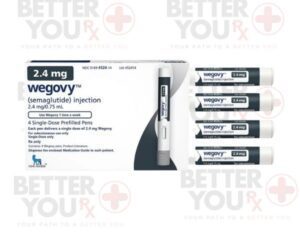
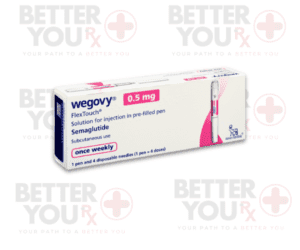
If your doctor also prescribes additional medications for weight management, you can find options like Wegovy available through our service as well.
Final Takeaway on Ozempic and Blood Clots
The connection between Ozempic and blood clots is not a straightforward cause-and-effect situation. For most patients, Ozempic is a safe and effective medication for managing type 2 diabetes and supporting weight loss. The indirect risks, primarily through dehydration and pre-existing conditions, can be managed with proper hydration, regular movement, and close communication with your doctor.
Stay informed, pay attention to your body, and do not hesitate to reach out to a medical professional if anything feels off. Taking Ozempic responsibly means being proactive about every aspect of your health, including the small but real concern around Ozempic and blood clots.
For additional reading on GLP-1 medications and their effects, you may find our post on Mounjaro vs Trulicity helpful in comparing treatment options.
-
-
Buy Wegovy from Canada
Original price was: $609.99.$596.99Current price is: $596.99. -
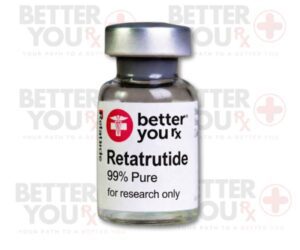
Retatrutide
Retatrutide is an investigational peptide therap that targets three key metabolic hormone receptors: GLP-1 (glucagon-like peptide-1), GIP (glucose-dependent insulinotropic polypeptide), and glucagon. It is currently in advanced clinical development for the management of obesity, type 2 diabetes, and related metabolic disorders. By activating all three receptors, Retatrutide is designed to support substantial weight reduction, improved blood-glucose control, and increased energy expenditure.$95.89
Disclaimer: Amino Longevity is a contracted platform for this product. Both websites are separate entities
Frequently Asked Questions About Ozempic and Blood Clots
Is Ozempic Safe for People on Blood Thinners?
Ozempic can generally be used alongside blood thinners, but your doctor should monitor your clotting levels more closely. Semaglutide may affect how quickly your stomach empties, which could change how fast other medications are absorbed. If you are worried about Ozempic and blood clots while on anticoagulants, let your prescriber know about every medication you currently take so they can adjust dosing or testing schedules as needed.
What Organ Is Ozempic Hard On?
Ozempic is most commonly associated with effects on the pancreas and gallbladder. Some patients have reported pancreatitis or gallbladder issues while taking Semaglutide. If you experience severe abdominal pain that radiates to your back, stop using Ozempic and contact your healthcare provider immediately.
What Dissolves Blood Clots Fast?
Medical professionals use thrombolytic medications (clot-dissolving drugs) to break down blood clots in emergency situations. These are administered in a hospital setting and are reserved for serious cases like pulmonary embolism or stroke. For non-emergency clots, doctors typically prescribe anticoagulants that prevent clots from growing while the body dissolves them naturally.
What Is the Biggest Side Effect of Ozempic?
The most frequently reported side effect of Ozempic is nausea. Other gastrointestinal symptoms include vomiting, diarrhea, stomach pain, and constipation. These effects are usually strongest when starting the medication or after a dose increase and tend to improve as your body adjusts over several weeks.
How Often Should I Poop on Ozempic?
There is no set number, but most people on Ozempic should aim for a bowel movement at least once every one to two days. Semaglutide slows gastric emptying, which can lead to constipation for some patients. Drinking enough water, eating fiber-rich foods, and staying physically active can help keep your digestive system moving regularly while on Ozempic.