
Is Ozempic a stimulant? No. Ozempic (Semaglutide) is not a stimulant. It belongs to a class of medications called GLP-1 receptor agonists, which mimic a natural hormone to regulate blood sugar and reduce appetite. Stimulants increase central nervous system activity, speed up heart rate, and raise alertness. Ozempic does none of that. It works gradually by targeting gut and brain appetite pathways without producing jitteriness, energy spikes, or crashes. People frequently search is Ozempic a stimulant because of how effectively it curbs hunger, but appetite reduction alone does not make a medication a stimulant.
Semaglutide is prescribed as a once-weekly injection for type 2 diabetes and, under the brand Wegovy, for chronic weight management. Knowing the real classification matters because it shapes expectations around side effects, interactions, and long-term safety. The answer to is Ozempic a stimulant becomes completely clear once you look at the science behind how this medication operates inside the body.
Is Ozempic a Stimulant or a Different Type of Medication
Ozempic is not a stimulant. It is a GLP-1 receptor agonist that mimics the incretin hormone GLP-1. When you eat, your body releases GLP-1 to signal insulin production and slow digestion. Semaglutide replicates this at a stronger, longer-lasting level. This process has zero overlap with how stimulants function.
Stimulants like Phentermine and Amphetamine-based medications increase central nervous system activity. They raise heart rate, boost energy, and can create euphoria. These effects carry dependency risks and elevated blood pressure.
Ozempic does not trigger any of those responses. It slows gastric emptying, promotes fullness after smaller meals, and helps the pancreas produce insulin efficiently. The question is Ozempic a stimulant often surfaces because people notice reduced appetite, but appetite suppression happens through biological pathways unrelated to stimulant activity. Once you understand how Ozempic functions at the cellular level, answering is Ozempic a stimulant becomes straightforward. The two medication types could not be more different in how they interact with the body.
How Ozempic Works in the Body
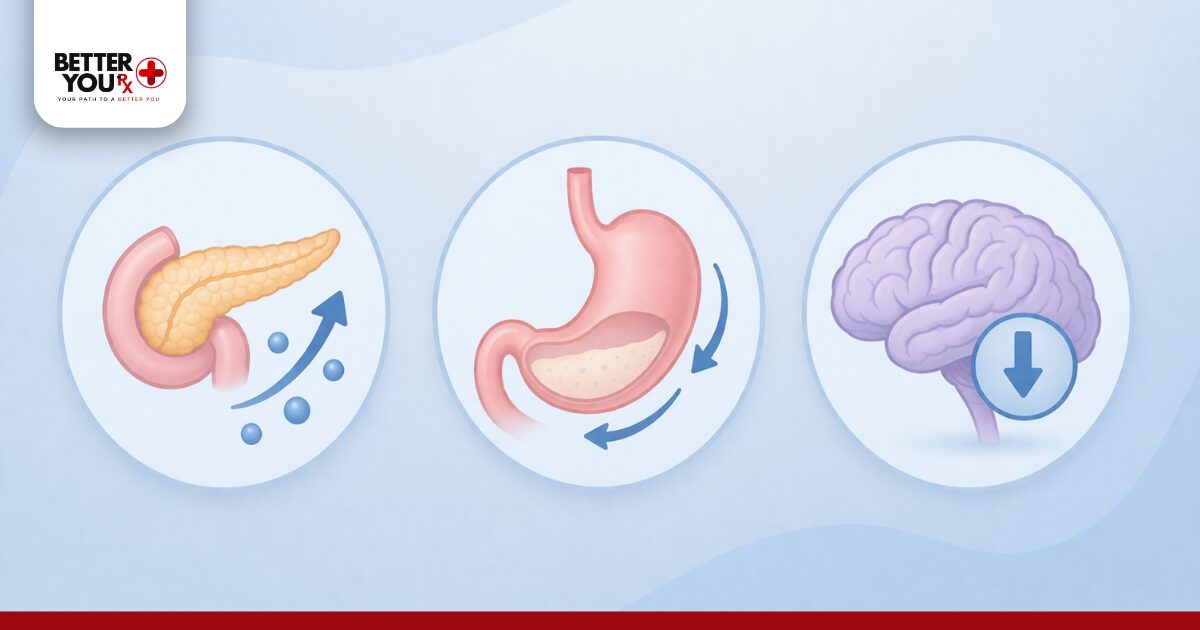
Ozempic targets GLP-1 receptors in the pancreas, stomach, and brain. Once injected, Semaglutide binds to these receptors and triggers three effects: it promotes insulin release when blood sugar is high, slows food movement from the stomach to the small intestine, and acts on brain appetite centers to reduce hunger signals.
This triple action makes Ozempic effective for blood sugar control and weight management. None of these mechanisms involve the sympathetic nervous system, which stimulants rely on. That is the core reason why is Ozempic a stimulant leads to a clear no every single time.
Dosing starts at 0.25 mg weekly and increases to 0.5 mg or 1 mg based on response. Some patients go up to 2 mg under supervision. Because none of its actions resemble stimulant behavior, is Ozempic a stimulant remains definitively answered as false. Patients can feel confident knowing they are using a non-stimulant medication. If you are exploring GLP-1 options, learning about Trulicity dosage helps compare choices in this medication class.
Ozempic vs. Stimulants: Key Differences
To fully settle whether is Ozempic a stimulant, comparing both side by side helps paint a clear picture.
| Feature | Ozempic (Semaglutide) vs. Stimulants |
| Drug Class | GLP-1 receptor agonist vs. central nervous system stimulant |
| Appetite Mechanism | Slows digestion, targets brain satiety signals vs. increases adrenaline and dopamine |
| Heart Rate Effect | Neutral or slightly lowered vs. increased |
| Dependency Risk | No known dependency vs. potential for misuse |
| Energy Impact | No artificial boost vs. temporary surge then crash |
| How Taken | Once-weekly injection vs. daily oral pill |
| Primary Use | Type 2 diabetes, weight management vs. ADHD, narcolepsy, short-term weight loss |
Anyone wondering is Ozempic a stimulant can look at this table and see the distinction across every major category. The two work through entirely separate biological systems.
Why People Think Ozempic Is a Stimulant
Several factors create confusion. The most common reason is appetite suppression. Many past diet pills were stimulant-based, so when people hear about a medication reducing hunger, they assume it works the same way. This makes the question is Ozempic a stimulant feel logical even though the mechanism is entirely different.
Media coverage also plays a role. Headlines focus on dramatic weight loss without explaining the science. When someone reads that Ozempic helps people lose 15% or more of their body weight, it sounds like metabolism acceleration, which fuels the question is Ozempic a stimulant even further.
Some users report feeling more energetic after starting Ozempic. However, this comes from eating cleaner, losing weight, and stable blood sugar, not stimulant activity. So while people may feel better, that does not mean is Ozempic a stimulant holds any truth. For GLP-1 comparisons, checking Ozempic vs Trulicity gives a helpful overview of how these medications stack up.
Common Side Effects of Ozempic
Since Ozempic is not a stimulant, its side effects differ significantly from stimulant medications. Most are gastrointestinal: nausea (especially in the first few weeks), vomiting, diarrhea, constipation, and stomach pain. Injection site redness or mild swelling can also occur.
Stimulant side effects include increased heart rate, elevated blood pressure, insomnia, dry mouth, and nervousness. These reflect nervous system activation, which Ozempic does not produce. The side effect profile reinforces why is Ozempic a stimulant gets a firm no from medical professionals. Looking at what the body actually experiences on Ozempic makes it obvious that is Ozempic a stimulant has no factual basis whatsoever.
Things To Know About Ozempic
Before starting Ozempic, keep these important points in mind to set proper expectations and ensure safe use.
Ozempic is not a quick fix. It works gradually over weeks and months. Most people see noticeable changes after 8 to 12 weeks at a therapeutic dose. Because it takes time, some wonder is Ozempic a stimulant since stimulants produce fast results. But that gradual approach is actually a hallmark of its non-stimulant nature.
Diet and exercise still matter. The medication supports your efforts by reducing appetite, but it performs best alongside balanced eating and regular physical activity. Explore Ozempic and other GLP-1 options through our service. Knowing that is Ozempic a stimulant is false helps patients feel confident about their treatment choice.
Do not share your Ozempic pen, even with a changed needle. Store the pen refrigerated before first use, then at room temperature (up to 30 days) once opened. If you miss a dose with more than 5 days until the next scheduled injection, take it right away. Otherwise, skip the missed dose and continue your regular schedule.

Who Should Consider Taking Ozempic
Ozempic is prescribed for adults with type 2 diabetes who need blood sugar management. It is also used as Wegovy for chronic weight management in adults with obesity or overweight with at least one weight-related condition. Since is Ozempic a stimulant is answered no, patients who cannot tolerate stimulants may still qualify for Ozempic as a treatment option.
| Candidate Type | Details |
| Type 2 Diabetes Patient | Blood sugar not controlled by Metformin alone. Start: 0.25 mg weekly for 4 weeks, then increase. |
| Weight Management Patient | BMI 30+ or BMI 27+ with related health issue. Wegovy brand, 0.25 mg weekly start. |
| Cardiovascular Risk Patient | Type 2 diabetes with heart disease risk. 0.25 mg weekly, titrated upward over time. |
Ozempic is not recommended for those with a family history of medullary thyroid carcinoma or Multiple Endocrine Neoplasia syndrome type 2, or during pregnancy. For alternatives in the same family, Mounjaro KwikPen targets similar pathways and offers a dual-action approach.

Practical Tips for Getting the Most Out of Ozempic
Pick a consistent weekly injection day and set a phone reminder so it becomes routine. Consistency is one of the biggest factors in getting good results with Ozempic.
Eat smaller meals throughout the day. Since Ozempic slows digestion, large portions can increase nausea. Focus on lean proteins, vegetables, and whole grains. For GLP-1 food guidance, reading about foods to avoid with Trulicity applies broadly to this drug class.
Stay hydrated with at least eight glasses of water daily to ease gastrointestinal side effects. Track your progress weekly by logging weight, blood sugar readings, and overall energy levels. This helps your doctor evaluate dosing.
Other GLP-1 Medications Worth Knowing About
Ozempic is not the only GLP-1 receptor agonist. Trulicity (Dulaglutide) is another weekly injection. Victoza (Liraglutide) and Saxenda are daily injections targeting GLP-1 receptors. Rybelsus (Semaglutide) is the oral version of the same active ingredient. None of these are stimulants, which reinforces that is Ozempic a stimulant applies equally across the entire GLP-1 class with the same answer: no.
If weight loss is a primary goal, exploring Wegovy vs Saxenda for weight loss helps narrow down the best choice for your specific needs and health profile.
Final Takeaway on Whether Ozempic Is a Stimulant
Is Ozempic a stimulant? Absolutely not. Ozempic is a GLP-1 receptor agonist working through the digestive system and brain appetite pathways. It does not speed up the central nervous system, cause dependency, or produce energy surges and crashes. Its appetite reduction is hormonal and metabolic, with zero stimulant involvement.
If you or someone you know is considering Ozempic, speaking with a licensed medical doctor is the best first step. Knowing the real classification of this medication helps set proper expectations and removes unnecessary worry. The answer to is Ozempic a stimulant will always remain no, backed by the science of how GLP-1 receptor agonists function.
Frequently Asked Questions
Does Ozempic give you energy like a stimulant?
No, Ozempic does not give you energy the way a stimulant does. Some users feel more energetic from stable blood sugar, better eating, and weight loss. Stimulants spike alertness through the nervous system. Ozempic has no such effect on the nervous system at all.
Can you take Ozempic and a stimulant medication at the same time?
Only combine medications under direct medical supervision. Since the answer to is Ozempic a stimulant is a definitive no, the risk of mechanism overlap is low. But stimulants affect appetite and heart rate, which could interact with your treatment plan. Always disclose every medication to your prescribing doctor.
Why does Ozempic suppress appetite if it is not a stimulant?
Ozempic suppresses appetite by slowing gastric emptying and acting on brain satiety centers through GLP-1 pathways. This is a hormonal process, not a stimulant-driven one. The brain gets fullness signals sooner, so you naturally eat less. That is exactly why is Ozempic a stimulant has a definitive no as its answer.
Is Ozempic addictive like some stimulant weight loss pills?
No, Ozempic is not addictive. It does not affect dopamine reward pathways like stimulants do. There is no dependency risk with Semaglutide. Stopping it causes no withdrawal, though blood sugar and appetite may return to previous patterns over time.
Is Ozempic classified as a controlled substance?
No, Ozempic is not a controlled substance. Stimulant medications like Phentermine are controlled due to abuse potential. Ozempic has zero stimulant properties and zero abuse potential. It requires only a standard prescription from a licensed medical doctor.