Can You Take Berberine With Ozempic Safely and What You Need To Know

Can you take Berberine with Ozempic? Yes, many people combine Berberine with Ozempic, but you should always consult your doctor first. Berberine is a plant-based compound that supports blood sugar and metabolism, while Ozempic (Semaglutide) is a prescription GLP-1 receptor agonist prescribed for type 2 diabetes and weight management. Combining them may amplify glucose-lowering effects and raise the risk of hypoglycemia if doses are not adjusted properly. Timing, individual health conditions, and current medications all influence whether taking Berberine with Ozempic is appropriate for you. 

Can You Take Berberine With Ozempic

The short answer is that many individuals do take Berberine with Ozempic without major issues, but this combination has not been extensively studied in large-scale trials. Berberine activates an enzyme called AMPK, which helps regulate glucose and fat metabolism. Ozempic (Semaglutide) mimics the GLP-1 hormone, slowing gastric emptying and helping the body release insulin more effectively after meals.

Because both Berberine and Ozempic reduce blood sugar through different pathways, stacking them could cause levels to drop too low. If you already manage your blood sugar with Metformin or another prescription, adding Berberine on top of Ozempic increases the complexity. Regular blood sugar monitoring becomes essential when you take Berberine with Ozempic together.

Your prescribing doctor should review your complete medication and supplement list before making any changes. Berberine can also affect how certain drugs are processed by the liver, which is another reason professional guidance matters when considering Berberine with Ozempic.

What Is Berberine and How Does It Work

Berberine is a bioactive compound found in plants like goldenseal, barberry, and Oregon grape. It has roots in traditional Chinese and Ayurvedic medicine dating back centuries. Recently, Berberine has gained attention as a supplement for blood sugar support, cholesterol improvement, and modest weight loss.

The compound activates AMPK (adenosine monophosphate-activated protein kinase), often referred to as the body’s metabolic master switch. When AMPK is active, insulin sensitivity improves, glucose uptake into cells increases, and fat-burning processes ramp up. Some research suggests Berberine can lower fasting blood sugar by 15 to 20 percent in people with type 2 diabetes, though individual results differ.

Typical dosages range from 500 mg taken two to three times daily with meals. Side effects may include stomach cramps, diarrhea, and gas, particularly at higher doses. These digestive effects overlap with some of Ozempic’s common side effects, which is important if you plan to take Berberine with Ozempic.

How Ozempic Supports Blood Sugar and Weight Management

How to Calculate What BMI for Ozempic You Need

Ozempic contains Semaglutide, a GLP-1 receptor agonist that mimics a natural gut hormone. It signals the pancreas to release insulin when blood sugar rises after eating. It also slows stomach emptying, helping you feel satisfied longer and reducing overall appetite.

Most people start Ozempic at 0.25 mg weekly and gradually increase to 0.5 mg or 1 mg based on their response. Some may eventually use 2 mg weekly. Nausea, vomiting, and diarrhea are the most frequently reported side effects, especially during the early weeks. If you are comparing GLP-1 medications, you might find it helpful to read about the differences between Ozempic and Trulicity.

Since Ozempic already has a strong glucose-lowering effect, pairing it with Berberine intensifies that activity. This is exactly why asking whether you can take Berberine with Ozempic requires careful evaluation and medical input.

Potential Interactions When You Take Berberine With Ozempic

When combining Berberine with Ozempic, the primary concern is additive blood sugar lowering. Both substances reduce glucose through separate mechanisms, so using them simultaneously without dose adjustments can lead to hypoglycemia. Symptoms of low blood sugar include dizziness, shakiness, sweating, confusion, and a rapid heartbeat.

Side Effect Berberine Ozempic (Semaglutide)
Nausea Mild to moderate Common, especially early on
Diarrhea Common at higher doses Common during dose increases
Stomach cramps Frequent complaint Reported by some users
Low blood sugar risk Moderate when combined with other meds Higher when paired with insulin or sulfonylureas
Fatigue Occasional Occasional during adjustment period

Berberine also inhibits certain liver enzymes (CYP2D6, CYP3A4) that process many prescription drugs. While Ozempic is not heavily metabolized by these enzymes, other medications in your routine may be affected. Sharing your full supplement and medication list with your doctor is critical when you take Berberine with Ozempic.

Timing and Dosage Tips for Taking Berberine With Ozempic

If your doctor approves combining Berberine with Ozempic, the following timing and dosage strategies may help reduce side effects:

  • Start Berberine at 500 mg once daily and increase gradually over two to three weeks.
  • Take Berberine with meals to minimize stomach discomfort. Splitting the daily dose across two or three meals improves absorption.
  • Since Ozempic is injected once weekly, consider spacing Berberine doses on non-injection days if digestive issues arise.
  • Monitor blood sugar more often during the first month of combining both.
  • Keep a daily log of how you feel, noting episodes of dizziness, nausea, or unusual tiredness.

Some people find that taking Berberine at breakfast and lunch while skipping it on injection day reduces overlapping digestive discomfort. Others maintain a steady daily Berberine schedule. Your ideal routine depends on your body’s response. For those exploring additional weight loss medication comparisons, reading about Saxenda versus Ozempic may offer useful perspective.

Things To Know Before Taking Berberine With Ozempic

Before deciding to take Berberine with Ozempic, several important points deserve your attention. These factors affect both safety and how well the combination works for you.

  • Blood sugar monitoring is non-negotiable. Both Berberine and Ozempic lower glucose, so consistent tracking protects you from dangerously low readings.
  • Digestive side effects can compound. Nausea and diarrhea from Ozempic may intensify when Berberine is introduced, particularly in the first few weeks.
  • Berberine influences drug metabolism. If you take other prescriptions, Berberine may change how your body processes them through liver enzyme inhibition.
  • Supplement quality varies. Not all Berberine products are the same. Choose third-party tested options with standardized Berberine HCl content.
  • Pregnancy and breastfeeding caution. Berberine is not recommended during pregnancy or nursing. Ozempic also carries warnings for these groups.
  • Kidney and liver health play a role. Pre-existing liver or kidney conditions may require closer medical supervision when combining both.
  • Full transparency with your doctor is essential. Even though Berberine is an over-the-counter supplement, it has real pharmacological effects that your healthcare provider needs to know about.

People managing type 2 diabetes often use several tools in combination. If you currently rely on an insulin product such as Humulin R Vial, adding Berberine alongside Ozempic requires especially close coordination with your prescriber to prevent blood sugar from dropping too low.

Can You Take Berberine With Ozempic

Who Should Avoid Combining Berberine With Ozempic

While many people can take Berberine with Ozempic under medical supervision, certain groups should exercise extra caution or skip the combination entirely.

Group Why Caution Is Needed
People on insulin or sulfonylureas Adding Berberine plus Ozempic significantly raises hypoglycemia risk
Pregnant or breastfeeding individuals Neither Berberine nor Ozempic is considered safe during pregnancy
Those with liver disease Berberine inhibits liver enzymes that may already be compromised
People on blood thinners Berberine may interact with anticoagulant medications
Individuals with chronic low blood pressure The combined glucose-lowering effect could cause lightheadedness or fainting

If you belong to any of these groups, your doctor may still permit you to take Berberine with Ozempic at reduced doses, or they may suggest choosing one over the other. Lab work and individual health history typically guide these decisions. For those researching additional weight management medications, Zepbound KwikPen is another option to discuss with your prescriber.

Possible Benefits of Taking Berberine With Ozempic Together

Some people report favorable outcomes when they take Berberine with Ozempic. Potential advantages include improved blood sugar control, since both target glucose through distinct pathways. Berberine’s effect on cholesterol, particularly LDL reduction, may complement the cardiovascular benefits associated with Ozempic. AMPK activation from Berberine could also support fat metabolism alongside the appetite-suppressing properties of Semaglutide. Those who successfully use Berberine with Ozempic often credit careful dose management and regular check-ins with their doctor.

Additionally, some users feel that Berberine supports gut health over time, potentially easing gastrointestinal discomfort linked to Ozempic. These are individual experiences, not guaranteed results. The decision to combine Berberine with Ozempic should always be treated as a medical choice rather than a casual supplement addition. For dietary guidance while using GLP-1 medications, the post on foods to avoid with Trulicity covers overlapping considerations worth reviewing.

Final Takeaway on Taking Berberine With Ozempic

So, can you take Berberine with Ozempic? For most people, the answer is yes when guided by a healthcare professional. The combination may offer complementary benefits for blood sugar management and metabolic health, but it also carries real risks if not handled carefully. Overlapping side effects, potential drug interactions, and heightened hypoglycemia risk all demand attention.

The safest approach is to start at low doses, communicate openly with your doctor, and track blood sugar consistently. Whether you currently use Ozempic and are thinking about adding Berberine, or the reverse, informed choices backed by professional support lead to the best outcomes. Better You RX is a prescription referral service with a licensed contracted pharmacy department that helps patients access their medications. If you hold a valid prescription from a licensed medical doctor practicing within the USA, Better You RX can ship medications directly to your residence, typically within 7 to 10 business days from the date shipped.

Frequently Asked Questions

Can you take Semaglutide and Berberine together?

Yes, many people take Semaglutide and Berberine together, but always under medical supervision. Since Semaglutide is the active ingredient in Ozempic, the same precautions apply. Both reduce blood sugar, so combining them raises the chance of hypoglycemia. Your doctor can adjust doses to keep levels safe.

What supplements should not be taken with Ozempic?

Supplements that lower blood sugar, slow digestion, or affect liver enzymes should be used cautiously with Ozempic. Examples include alpha-lipoic acid, chromium, bitter melon, and high-dose Berberine. Inform your prescriber of every supplement you use so they can assess potential interactions.

Is Berberine as effective as Ozempic?

No, Berberine is not as potent as Ozempic for blood sugar reduction or weight loss. Ozempic is a prescription medication backed by extensive research. Berberine can modestly improve glucose and cholesterol levels, but it does not match the significant weight loss or A1C reductions produced by Ozempic.

How to speed up weight loss on Ozempic?

Pair Ozempic with a balanced, calorie-controlled diet and regular physical activity. Prioritize high-protein meals, drink plenty of water, and maintain consistent sleep. Some people add Berberine to support metabolism, but weight loss speed also depends on your starting point, dosage, and lifestyle habits.

Is Berberine the poor man’s Ozempic?

Berberine has been nicknamed the poor man’s Ozempic on social media, but the label is misleading. While Berberine supports blood sugar management and may promote modest weight loss, it does not replicate the powerful GLP-1 effects of Ozempic. Berberine costs less and is available without a prescription, which explains the comparison, but the two are not interchangeable.

What BMI for Ozempic and Who Can Benefit From It

What BMI for Ozempic is needed to qualify? Generally, a body mass index (BMI) of 30 or above, or a BMI of 27 or higher paired with at least one weight-related health condition, is the typical benchmark. Ozempic, a brand name for Semaglutide, is a weekly injectable that was originally developed to manage type 2 diabetes but has gained popularity for its role in weight management. Many people search for what BMI for Ozempic is required before speaking with their doctor, and for good reason. Your BMI, medical history, and current conditions all play a role in whether a prescribing doctor will consider Ozempic as part of your treatment plan. This content covers who may be eligible, how BMI is calculated, what to expect during treatment, and practical tips for getting the most out of Ozempic therapy.

What BMI for Ozempic Is Needed to Qualify

Understanding what BMI for Ozempic is needed starts with knowing the general thresholds. The BMI benchmark typically begins at 30, which falls under the obese classification. However, individuals with a BMI of 27 or higher may also be considered if they have at least one weight-related condition such as type 2 diabetes, high blood pressure, or high cholesterol. Doctors also evaluate your overall health, medication history, and lifestyle before making a recommendation.

It is worth noting that BMI is a screening tool and not a definitive measure of health. Muscle mass, bone density, and body composition can influence BMI readings. A person with high muscle mass might register a higher BMI without carrying excess fat. That said, knowing what BMI for Ozempic qualifies you is the most common first step toward accessing this treatment.

BMI Categories and Ozempic Eligibility

BMI Range Category Ozempic Eligibility Additional Requirement
Below 18.5 Underweight Not eligible N/A
18.5 to 24.9 Normal weight Not eligible N/A
25.0 to 26.9 Overweight Generally not eligible N/A
27.0 to 29.9 Overweight May qualify Must have weight-related condition
30.0 and above Obese Typically eligible None required beyond BMI

How to Calculate What BMI for Ozempic You Need

Before asking your doctor about what BMI for Ozempic is required, it helps to calculate your own number. BMI is calculated by dividing your weight in kilograms by your height in meters squared. For those using pounds and inches, you can multiply your weight by 703 and then divide by your height in inches squared. For example, a person who weighs 200 pounds and stands 5 feet 8 inches tall would have a BMI of approximately 30.4.

Many free online calculators can determine your BMI instantly. Having this number ready before your appointment gives you a head start. Knowing what BMI for Ozempic places you in an eligible range also helps set realistic expectations about treatment outcomes.

If your BMI falls in the 27 to 29.9 range, you should also be ready to discuss any existing health conditions that might support your case. Doctors want to see the full picture, so preparation matters. People who research what BMI for Ozempic is needed ahead of time tend to have more productive appointments.

Ozempic Dosing Schedule Overview

Who Qualifies for Ozempic Beyond BMI

While what BMI for Ozempic you need is the most common question, BMI is just one piece of the puzzle. Doctors look at several other factors when deciding whether Ozempic is the right fit. If you have type 2 diabetes, your doctor might prescribe Ozempic primarily for blood sugar management, with weight loss being a secondary benefit.

Other weight-related conditions that can make you eligible at a BMI of 27 or higher include high blood pressure, obstructive sleep apnea, and cardiovascular concerns. People managing cholesterol issues may also be considered. Your prescribing doctor will weigh these factors alongside your BMI to make a well-rounded decision.

If you are exploring options for managing type 2 diabetes alongside weight concerns, medications like Trulicity or Metformin may also be part of the conversation with your healthcare provider.

What to Expect When Starting Ozempic

Starting Ozempic usually involves a gradual dose increase over several weeks. Most prescribers begin with a low dose of 0.25 mg weekly for the first four weeks, then increase to 0.5 mg. Depending on your response and tolerance, the dose may go up to 1 mg or even 2 mg over time.

The slow titration helps your body adjust and reduces the chance of side effects. Common side effects during the first few weeks include nausea, stomach discomfort, and reduced appetite. These typically improve as your body gets used to the medication.

Ozempic works by mimicking a hormone called GLP-1, which slows gastric emptying and helps regulate blood sugar. This mechanism also creates a feeling of fullness, which naturally leads to reduced food intake. Patients who already know what BMI for Ozempic qualifies them often report feeling more confident starting treatment because they understand the process.

For a deeper comparison of similar treatments, you can read more about Ozempic vs Trulicity to see how these two options compare.

What to Expect When Starting Ozempic

Tips for Maximizing Results With Ozempic

Ozempic is most effective when combined with lifestyle changes. Once you confirm what BMI for Ozempic qualifies you and begin treatment, relying on the medication alone without adjusting your eating habits or physical activity may limit your results. Here are some practical ways to get the most out of it:

  • Focus on protein-rich meals to maintain muscle mass while losing fat.
  • Stay hydrated throughout the day, especially during the first few weeks when nausea can occur.
  • Eat smaller, more frequent meals instead of large portions to reduce stomach discomfort.
  • Incorporate at least 150 minutes of moderate exercise per week, such as brisk walking or cycling.
  • Track your meals and progress in a journal or app to stay accountable.

Consistency is key. People who pair Ozempic with a structured nutrition plan and regular movement tend to see the most significant changes in both BMI and overall health markers.

Things to Know About What BMI for Ozempic Is Required

Before starting Ozempic, learning what BMI for Ozempic is needed and what to expect can set you up for a smoother experience. Being informed helps you have a productive conversation with your doctor.

  • BMI is a helpful starting tool but does not account for body fat percentage, muscle mass, or overall fitness level.
  • Ozempic is a prescription medication and cannot be purchased without a valid prescription from a licensed medical doctor.
  • Results vary from person to person. Some individuals see noticeable weight changes within weeks, while others may take longer.
  • Ozempic is not a substitute for healthy eating and regular physical activity.
  • Semaglutide (the active ingredient in Ozempic) is also found in other brand-name medications used for weight management.
  • If you experience persistent side effects, contact your prescribing doctor for dose adjustments rather than stopping the medication abruptly.

Some patients also explore complementary treatments. For example, those managing both diabetes and weight may benefit from learning more about Saxenda vs Ozempic to compare different approaches.

How to Calculate What BMI for Ozempic You Need

Ozempic Dosing Schedule Overview

Phase Weekly Dose Duration Purpose
Phase 1 0.25 mg Weeks 1 to 4 Allow the body to adjust
Phase 2 0.5 mg Weeks 5 to 8 Begin therapeutic effect
Phase 3 1.0 mg Weeks 9 onward Sustained management
Phase 4 (if needed) 2.0 mg As directed Maximum dose for added benefit

Your doctor will decide when and whether to increase your dose. After confirming what BMI for Ozempic is needed in your situation, never adjust your dose on your own.

What BMI for Ozempic Looks Like Compared to Other Treatments

When exploring what BMI for Ozempic qualifies you versus other medications, it helps to compare the options side by side. Ozempic uses Semaglutide as its active ingredient, which belongs to the GLP-1 receptor agonist class. Other medications in this class, such as Liraglutide, work through similar mechanisms but may have different dosing schedules and requirements.

For individuals who meet what BMI for Ozempic is required, the decision between treatments often comes down to injection frequency, side effect profile, and how each medication fits into daily routines. Ozempic only requires a once-weekly injection, which many patients find more convenient compared to daily alternatives.

Every individual responds differently, and what works for one person may not be the best choice for another. Your BMI is the starting point, but personal preference and medical compatibility also matter. Discuss all available options with your doctor before committing to a treatment plan.

Common Myths About What BMI for Ozempic Is Needed

There are several misconceptions about what BMI for Ozempic actually means. One common myth is that Ozempic is a quick fix that replaces the need for healthy habits. The medication works best as part of a comprehensive plan that includes mindful eating and movement.

Another myth is that you need an extremely high BMI to be considered. Many individuals with a BMI of 27 who have conditions like type 2 diabetes or cardiovascular risks are also strong candidates. The answer to what BMI for Ozempic qualifies someone is more nuanced than a single number.

Some people also believe that once they reach their target BMI on Ozempic, they can stop all healthy habits. Maintaining a lower BMI requires ongoing commitment to nutrition, activity, and regular check-ins with your healthcare provider. Ozempic supports the journey, but it does not replace the fundamentals of long-term health management.

How Better You Rx Can Help

Better You Rx is a prescription referral service that connects patients in the United States with a licensed contracted pharmacy department. If you have confirmed what BMI for Ozempic is needed and your doctor has written a valid prescription, Better You Rx can help you access your medication and have it mailed directly to your residence. Prescriptions must be issued by a primary care physician or licensed medical doctor practicing within the United States, and all prescriptions must be written in English.

Better You Rx ships a maximum 90-day supply (where the prescription allows), and medication typically arrives within 7 to 10 business days from the date shipped. You can browse available medications, including Ozempic, directly through the Better You Rx website. For personal use only.

If you are also exploring related weight management treatments, check out our comparison of Wegovy vs Saxenda for weight loss to learn more about the options available.

Wrapping Up What BMI for Ozempic Means for You

A BMI of 30 or above generally qualifies you for Ozempic, while a BMI of 27 to 29.9 may be sufficient if you have a weight-related health condition. BMI is a helpful tool, but it is not the only factor your doctor will consider. Your full health profile, medical history, and personal goals all matter.

Taking the time to prepare your questions and explore your options puts you in a stronger position to advocate for your health. Now that you know what BMI for Ozempic is needed, Ozempic can be a valuable part of a broader plan that includes balanced nutrition, regular exercise, and ongoing medical supervision. Whatever your BMI, the most important step is having an open and honest discussion with your healthcare provider about the best path forward.

Frequently Asked Questions

Can I get Ozempic if my BMI is under 27?

In most cases, no. Ozempic is generally prescribed for individuals with a BMI of 27 or higher who also have a weight-related condition, or those with a BMI of 30 or above. If your BMI falls below 27, your doctor will likely recommend alternative approaches such as dietary changes and exercise.

How quickly can Ozempic lower my BMI?

Most people notice changes within 8 to 12 weeks. The speed of BMI reduction depends on your starting weight, dosage, diet, and activity level. Gradual, steady progress is healthier and more sustainable than rapid drops.

Does BMI affect the Ozempic dose I receive?

BMI itself does not directly determine the dose. All patients typically start on 0.25 mg weekly and increase gradually. Your doctor adjusts the dose based on how your body tolerates the medication and the results you are seeing, not strictly on your BMI number.

Is Ozempic only for people with type 2 diabetes?

No, Ozempic is also used for weight management. While it was originally developed for type 2 diabetes, doctors may prescribe Ozempic off-label for weight loss in patients who meet the BMI criteria. Semaglutide is the active ingredient, and it works by regulating appetite and blood sugar levels.

What happens if I stop taking Ozempic?

Weight regain is possible after stopping Ozempic. Many patients experience some return of appetite and gradual weight increase once they discontinue the medication. Maintaining the lifestyle habits you built during treatment, such as healthy eating and regular exercise, is critical for keeping your BMI stable long-term.


Can Ozempic and Blood Clots Be Connected and What Should You Know

Ozempic and blood clots are not commonly linked in most patients, but the concern is worth exploring if you take Semaglutide for type 2 diabetes or weight management. Ozempic (Semaglutide) is a GLP-1 receptor agonist that helps regulate blood sugar and promotes weight loss. While blood clots are not listed as a primary side effect of Ozempic, some individuals with pre-existing cardiovascular conditions may have elevated risks. Factors like obesity, prolonged immobility, dehydration, and other medications can all play a role in clot formation. Knowing the warning signs, talking openly with your doctor, and staying active are the best ways to stay safe. Below, you will find a full breakdown of the relationship between Ozempic and blood clots, the symptoms to watch, who may be at higher risk, and practical tips to reduce your chances of complications.

Does Ozempic Cause Blood Clots

Ozempic does not directly cause blood clots in most people. Clinical research on Semaglutide has not identified blood clots as a frequent adverse reaction. However, the relationship between Ozempic and blood clots becomes relevant for patients who already carry risk factors for clotting disorders.

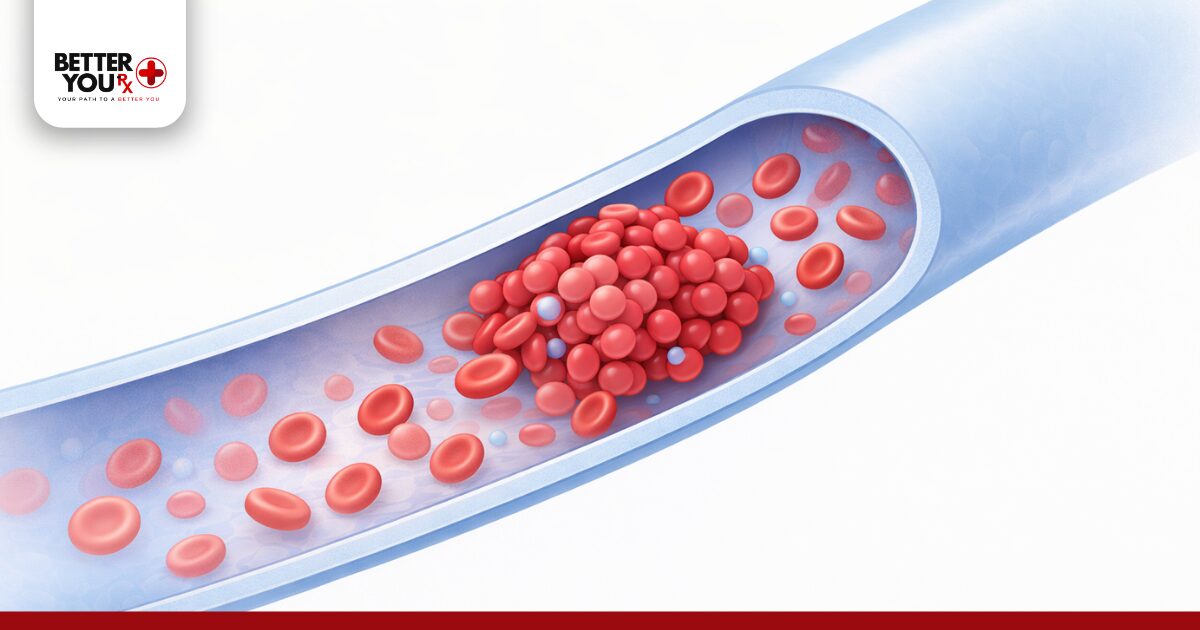
Blood clots form when blood thickens and clumps together inside a vein or artery. Deep vein thrombosis (DVT) and pulmonary embolism (PE) are the two most serious types. While Ozempic itself has not been proven to trigger clot formation, some patients on Semaglutide experience dehydration from gastrointestinal side effects like nausea, vomiting, or diarrhea. Dehydration thickens the blood and may raise clot risk indirectly.

If you take Ozempic alongside blood thinners or other cardiovascular medications, your prescribing doctor should monitor you closely. Always report new symptoms like sudden leg swelling, chest pain, or shortness of breath right away.

What Are Blood Clots and Why Do They Happen

What Are Blood Clots and Why Do They Happen

A blood clot is a gel-like mass of blood cells and proteins that forms inside a blood vessel. Clotting is a normal process that stops bleeding after an injury. Problems happen when clots form without a clear reason or do not dissolve on their own. To fully grasp the discussion around Ozempic and blood clots, it helps to know how clotting works in the first place.

Several factors increase the likelihood of abnormal clot formation. These include sitting or lying down for long periods, smoking, obesity, hormonal therapies, recent surgeries, and certain genetic conditions. People with type 2 diabetes already have a higher baseline risk for cardiovascular events, which is why the topic of Ozempic and blood clots draws attention.

Patients using Metformin or injectable therapies should stay informed about how their treatment may interact with clotting risk. Keeping blood sugar stable is one of the most effective ways to protect your vascular health long term.

Who Is at Higher Risk for Ozempic and Blood Clots

Not everyone who takes Ozempic faces the same level of concern. Certain groups should pay closer attention to the connection between Ozempic and blood clots.

Risk Factor Why It Matters
Obesity Excess weight puts pressure on veins and slows blood flow, making clots more likely.
Prolonged Immobility Sitting for hours during travel or bed rest after surgery reduces circulation in the legs.
Dehydration Nausea or vomiting from Ozempic may cause fluid loss, thickening the blood.
Smoking Tobacco damages blood vessel walls and increases clotting protein activity.
History of DVT or PE A previous clot event significantly raises the chance of recurrence.
Hormonal Medications Birth control or hormone replacement therapy can elevate clot formation.

If you fall into any of these categories and currently use Ozempic, have a detailed conversation with your prescriber about monitoring strategies. Understanding the link between Ozempic and blood clots starts with knowing your personal risk profile. Blood tests and regular check-ups can help catch early warning signs before they become serious.

Warning Signs of Blood Clots While Taking Ozempic

Warning Signs of Blood Clots While Taking Ozempic

Recognizing the symptoms of a blood clot early can be lifesaving. If you use Ozempic and blood clots are a concern for you, watch for the following:

  •   Swelling in one leg that appears suddenly, especially in the calf or thigh
  •   Redness or warmth on the skin over a specific area of the leg
  •   Pain or tenderness that feels like a cramp but does not go away with rest
  •   Sudden shortness of breath or difficulty catching your breath
  •   Sharp chest pain that gets worse when you breathe deeply
  •   Rapid heartbeat with no obvious cause

These symptoms could signal DVT or a pulmonary embolism. When it comes to Ozempic and blood clots, early detection of these signs is critical. Seek emergency medical attention immediately if you experience any combination of these while on Ozempic.

How to Reduce the Risk of Blood Clots on Ozempic

Staying proactive about your health is the best strategy when using Ozempic and blood clots are on your mind. Here are practical steps that can help lower your risk:

  •   Drink plenty of water throughout the day to prevent dehydration, especially if you experience nausea or vomiting from Ozempic. Hydration is one of the simplest defenses against Ozempic and blood clots.
  •   Move your body regularly. Even short walks every hour can improve blood flow in your legs.
  •   Wear compression stockings during long flights or road trips to support healthy circulation.
  •   Tell your doctor about every medication, supplement, or vitamin you take so they can check for interactions.
  •   Avoid sitting or lying in one position for extended hours without stretching.
  •   If you smoke, work with your healthcare provider to develop a plan to quit. Smoking combined with Ozempic and blood clots risk factors creates a more dangerous combination.

Some patients also compare GLP-1 options to manage both blood sugar and weight effectively. If you are curious about how other treatments stack up, check out our comparison of Ozempic vs Trulicity for a closer look at differences in dosing and outcomes.

Things To Know About Ozempic and Blood Clots

Things To Know About Ozempic and Blood Clots

Before starting or continuing Ozempic, keep these points in mind regarding Ozempic and blood clots:

  •   Ozempic is not classified as a blood thinner or anticoagulant. It works by mimicking the GLP-1 hormone to manage blood sugar.
  •   Dehydration from gastrointestinal side effects is the most common indirect pathway between Ozempic and blood clots.
  •   Weight loss from Ozempic may actually improve cardiovascular health over time by reducing strain on blood vessels.
  •   Patients who combine Ozempic with anticoagulants should have their INR or clotting levels monitored more frequently.
  •   Always inform any new healthcare provider that you are using Ozempic, especially before scheduled procedures or surgeries.
  •   If you have a family history of clotting disorders, genetic testing may be worth discussing with your doctor before starting Semaglutide.

For patients exploring weight management injections, you can also learn about Saxenda vs Ozempic to see which option may better fit your health profile.

Ozempic and Cardiovascular Health

Interestingly, research on Semaglutide has shown potential cardiovascular benefits for some patients. Studies suggest that Ozempic may reduce the risk of major cardiovascular events such as heart attack and stroke in adults with type 2 diabetes and established heart disease. This adds a layer of complexity to the Ozempic and blood clots conversation.

Weight loss, improved blood sugar control, and lower blood pressure are all outcomes that support healthier blood vessels. For many patients, the overall cardiovascular picture improves while on Ozempic, even though individual risk factors like dehydration still need attention. Balancing the benefits with the potential concern of Ozempic and blood clots requires ongoing conversations with your prescriber.

Potential Benefit How It Helps
Weight Reduction Less body weight reduces pressure on veins and improves overall circulation.
Lower Blood Sugar Stable glucose levels protect blood vessel walls from damage.
Reduced Blood Pressure Less force on arterial walls decreases the chance of vascular injury.
Lower Inflammation Markers Chronic inflammation contributes to plaque buildup, and Semaglutide may help reduce it.

While these benefits are encouraging, they do not eliminate the need for vigilance. Anyone concerned about Ozempic and blood clots should continue monitoring for symptoms, especially during the first few months of treatment when side effects tend to be most noticeable.

If your treatment plan includes managing cholesterol along with blood sugar, medications like Crestor may be part of a broader cardiovascular strategy your doctor recommends.

When to Talk to Your Doctor About Ozempic and Blood Clots

When to Talk to Your Doctor About Ozempic and Blood Clots

Open communication with your healthcare provider is essential when taking any prescription medication. You should bring up Ozempic and blood clots during your next appointment if:

  •   You have a personal or family history of blood clotting conditions.
  •   You recently had surgery or a period of extended bed rest.
  •   You are experiencing persistent nausea, vomiting, or diarrhea that leads to dehydration.
  •   You notice sudden swelling, redness, or pain in your legs.
  •   You take blood thinners or other cardiovascular medications alongside Ozempic.

Your doctor can order blood tests, adjust your dosage, or recommend lifestyle changes that lower your clotting risk. Being transparent about your concerns surrounding Ozempic and blood clots helps your medical team give you the best care possible. Never stop or change your Ozempic dose without professional guidance.

Patients interested in exploring similar GLP-1 treatments can browse options like Ozempic through Better You Rx, a prescription referral service that connects you with licensed contracted pharmacy departments.

How Better You Rx Supports Your Ozempic Treatment

Better You Rx is a prescription referral service with a licensed contracted pharmacy department. If you need Ozempic, your prescription must be issued by a primary care physician or licensed medical doctor practicing within the USA. Prescriptions must be written in English. Whether your concern is Ozempic and blood clots or general blood sugar management, having reliable access to your medication matters.

Once your order is processed, medications are mailed directly to your residence within 7 to 10 business days from the date shipped. Better You Rx ships up to a 90-day supply when your prescription allows it. All orders are for personal use only. Having consistent access to your medication helps you manage concerns like Ozempic and blood clots without interruption.

If your doctor also prescribes additional medications for weight management, you can find options like Wegovy available through our service as well.

Final Takeaway on Ozempic and Blood Clots

The connection between Ozempic and blood clots is not a straightforward cause-and-effect situation. For most patients, Ozempic is a safe and effective medication for managing type 2 diabetes and supporting weight loss. The indirect risks, primarily through dehydration and pre-existing conditions, can be managed with proper hydration, regular movement, and close communication with your doctor.

Stay informed, pay attention to your body, and do not hesitate to reach out to a medical professional if anything feels off. Taking Ozempic responsibly means being proactive about every aspect of your health, including the small but real concern around Ozempic and blood clots.

For additional reading on GLP-1 medications and their effects, you may find our post on Mounjaro vs Trulicity helpful in comparing treatment options.

Frequently Asked Questions About Ozempic and Blood Clots

Is Ozempic Safe for People on Blood Thinners?

Ozempic can generally be used alongside blood thinners, but your doctor should monitor your clotting levels more closely. Semaglutide may affect how quickly your stomach empties, which could change how fast other medications are absorbed. If you are worried about Ozempic and blood clots while on anticoagulants, let your prescriber know about every medication you currently take so they can adjust dosing or testing schedules as needed.

What Organ Is Ozempic Hard On?

Ozempic is most commonly associated with effects on the pancreas and gallbladder. Some patients have reported pancreatitis or gallbladder issues while taking Semaglutide. If you experience severe abdominal pain that radiates to your back, stop using Ozempic and contact your healthcare provider immediately.

What Dissolves Blood Clots Fast?

Medical professionals use thrombolytic medications (clot-dissolving drugs) to break down blood clots in emergency situations. These are administered in a hospital setting and are reserved for serious cases like pulmonary embolism or stroke. For non-emergency clots, doctors typically prescribe anticoagulants that prevent clots from growing while the body dissolves them naturally.

What Is the Biggest Side Effect of Ozempic?

The most frequently reported side effect of Ozempic is nausea. Other gastrointestinal symptoms include vomiting, diarrhea, stomach pain, and constipation. These effects are usually strongest when starting the medication or after a dose increase and tend to improve as your body adjusts over several weeks.

How Often Should I Poop on Ozempic?

There is no set number, but most people on Ozempic should aim for a bowel movement at least once every one to two days. Semaglutide slows gastric emptying, which can lead to constipation for some patients. Drinking enough water, eating fiber-rich foods, and staying physically active can help keep your digestive system moving regularly while on Ozempic.


Does Ozempic Help With Inflammation and How It Affects Your Body

Does Ozempic help with inflammation? Yes, emerging research suggests that Semaglutide, the active ingredient in Ozempic, may reduce certain inflammatory markers in the body. Originally developed for Type 2 diabetes management, Ozempic has shown effects beyond blood sugar control, including potential anti-inflammatory properties. People living with chronic conditions like obesity, heart disease, and metabolic syndrome often deal with persistent low-grade inflammation. The question of whether Ozempic helps with inflammation keeps growing as more data becomes available. Ozempic appears to target some of the biological pathways responsible for that inflammation, which is why healthcare providers are paying closer attention. 

How Ozempic Reduces Inflammation in the Body

Does Ozempic Help With Inflammation

Ozempic, known generically as Semaglutide, is a GLP-1 receptor agonist primarily prescribed for managing Type 2 diabetes. It works by mimicking a natural hormone that helps regulate blood sugar, slow digestion, and reduce appetite. But beyond glucose control, clinical observations have noted that Ozempic may also lower levels of C-reactive protein (CRP) and other inflammatory biomarkers. So when people ask does Ozempic help with inflammation at a biological level, the answer starts with how it affects these measurable markers.

Chronic inflammation plays a role in many serious health conditions, including cardiovascular disease, fatty liver, and insulin resistance. For patients who ask does Ozempic help with inflammation tied to these conditions, the mechanism is indirect but significant. Because Ozempic promotes weight loss and improves metabolic function, it reduces the burden of inflammation tied to excess body fat. Fat tissue, especially around the abdomen, produces cytokines and other substances that drive inflammation. When patients lose weight on Ozempic, their body produces fewer of these inflammatory signals.

Several clinical observations have measured drops in CRP levels among patients using Semaglutide over a 6 to 12 month period. While Ozempic is not classified as an anti-inflammatory medication, the data supports that Ozempic helps with inflammation by producing meaningful reductions in systemic markers for many users. Understanding whether does Ozempic help with inflammation is becoming a priority for people managing multiple chronic conditions. If you are currently exploring GLP-1 options for diabetes or weight management, you might also want to learn how other treatments compare in our post on Ozempic vs Trulicity.

How Ozempic Reduces Inflammation in the Body

The relationship between Ozempic and inflammation comes down to a few key biological mechanisms. To truly answer does Ozempic help with inflammation, we need to look at how GLP-1 receptor agonists interact with the immune system. Ozempic activates GLP-1 receptors, which are found not only in the pancreas but also in the brain, heart, and immune cells. When these receptors are activated, they can influence immune responses and reduce the production of pro-inflammatory molecules.

Here is a closer look at the primary pathways through which Ozempic may help with inflammation and why each one matters:

  • Weight reduction: Excess fat, particularly visceral fat, is a major source of inflammatory cytokines. This is the primary way Ozempic helps with inflammation. Significant weight loss directly lowers the output of these substances.
  • Improved insulin sensitivity: Insulin resistance fuels inflammation. By helping cells respond better to insulin, Ozempic helps with inflammation by breaking part of the cycle that keeps it elevated.
  • Lower blood sugar spikes: High glucose levels trigger oxidative stress and inflammatory responses in blood vessels. Ozempic helps with inflammation here by keeping blood sugar more stable throughout the day.
  • Direct immune modulation: Some research indicates GLP-1 receptor activation may reduce the activity of certain white blood cells involved in inflammatory processes. This is a key reason why Ozempic helps with inflammation at a cellular level.

For those managing multiple medications alongside Ozempic, it is important to maintain consistent routines. If you are also prescribed blood thinners, you can explore options like Eliquis through a trusted prescription referral service to keep your treatment plan organized.

Inflammatory Markers and Ozempic

Below is a summary of common inflammatory biomarkers and how they may respond to Ozempic treatment over time. For anyone asking does Ozempic help with inflammation, tracking these markers with your healthcare provider offers the clearest picture. Does Ozempic help with inflammation consistently across all patients? Results vary, but general trends are positive.

Biomarker Role in Inflammation Observed Response to Ozempic
C-Reactive Protein (CRP) General marker of systemic inflammation Often decreases after 3 to 6 months of treatment
Interleukin-6 (IL-6) Cytokine linked to immune activation May decline with sustained weight loss
TNF-alpha Drives chronic inflammatory responses Potential reduction noted in some patients
Fibrinogen Blood clotting protein that rises with inflammation May improve alongside metabolic health gains

Who Benefits Most From Ozempic for Inflammation

Not everyone taking Ozempic will experience the same level of anti-inflammatory benefit. When asking does Ozempic help with inflammation for a specific person, the answer depends on baseline health status. The people who tend to see the most noticeable changes in inflammatory markers include those with obesity, Type 2 diabetes, or metabolic syndrome. These conditions are closely tied to chronic low-grade inflammation, and the metabolic improvements from Ozempic directly address many of their root causes.

People with a higher baseline level of inflammation, such as those with elevated CRP before starting treatment, often show more dramatic improvements. If your doctor has flagged inflammation as a concern alongside your diabetes or weight, asking whether Ozempic helps with inflammation in your specific case is a reasonable conversation to have during your next visit.

Patients who combine Ozempic with lifestyle changes like regular physical activity, a balanced diet rich in anti-inflammatory foods, and stress management tend to see the best outcomes. Does Ozempic help with inflammation on its own? It can, but it works more effectively as part of a comprehensive approach rather than a standalone solution.

Things To Know About Ozempic and Inflammation

  1. Ozempic is not prescribed specifically for inflammation. While does Ozempic help with inflammation is a popular question, its primary use remains Type 2 diabetes management and, in some cases, weight loss. Any anti-inflammatory effects are secondary benefits.
  2. Results take time. Most patients begin noticing changes in inflammatory markers after several months of consistent use, not within the first few weeks. If you want to know does Ozempic help with inflammation quickly, patience is key.
  3. Diet plays a significant role. Eating processed foods high in sugar and refined carbohydrates can counteract the anti-inflammatory effects of Ozempic. If you want to know does Ozempic help with inflammation long term, the answer often depends on what you eat alongside it. Focus on whole foods, lean proteins, and healthy fats.
  4. Side effects should be monitored. Common side effects of Ozempic include nausea, diarrhea, and stomach discomfort. These do not mean Ozempic fails to help with inflammation. Report persistent issues to your healthcare provider.
  5. Not a replacement for anti-inflammatory medications. Even though Ozempic may help with inflammation, if your doctor has prescribed specific anti-inflammatory drugs, do not stop them without medical guidance just because you started Semaglutide.
  6. Dosage matters. Ozempic is typically started at a low dose and gradually increased. Higher doses tend to produce more weight loss and potentially greater inflammation reduction. Some patients also explore other GLP-1 options like the Mounjaro KwikPen for their treatment plans. For more details on how GLP-1 medications are dosed, check out our Trulicity dosage guide for a comparison.Practical Tips To Manage Inflammation While on Ozempic

Practical Tips To Manage Inflammation While on Ozempic

Taking Ozempic is just one piece of the puzzle when it comes to controlling inflammation. If you want the best answer to does Ozempic help with inflammation, pair it with these strategies:

  • Incorporate omega-3 rich foods like salmon, walnuts, and flaxseeds into your meals at least three times per week. Omega-3s work alongside Ozempic to help with inflammation naturally.
  • Stay physically active with at least 150 minutes of moderate exercise each week. Exercise amplifies how Ozempic helps with inflammation by improving circulation and reducing visceral fat.
  • Prioritize sleep. Poor sleep quality increases inflammatory markers and can undermine how well Ozempic helps with inflammation. Aim for 7 to 9 hours each night.
  • Reduce processed sugar intake. Sugar is one of the most potent triggers of systemic inflammation and can counteract how Ozempic helps with inflammation.
  • Manage stress through practices like deep breathing, meditation, or spending time outdoors. Chronic stress elevates cortisol, which promotes inflammation and can limit how well Ozempic helps with inflammation overall.

If you are also taking medications for other conditions, make sure your healthcare provider reviews all prescriptions together. Patients managing cholesterol alongside diabetes may benefit from options like Crestor, which you can access through a prescription referral service like Better You RX.

Anti-Inflammatory Foods To Pair With Ozempic Treatment

When exploring does Ozempic help with inflammation through diet support, the foods you choose make a real difference. Pairing Ozempic with these nutrient-dense options can boost its anti-inflammatory effects.

Food Category Examples Why It Helps
Fatty Fish Salmon, mackerel, sardines Rich in omega-3 fatty acids that lower IL-6 and CRP
Leafy Greens Spinach, kale, Swiss chard Packed with antioxidants that neutralize free radicals
Berries Blueberries, strawberries, raspberries Contain anthocyanins with strong anti-inflammatory effects
Nuts and Seeds Almonds, walnuts, chia seeds Provide healthy fats and vitamin E to combat oxidative stress
Spices Turmeric, ginger, garlic Natural compounds that inhibit inflammatory enzymes

Does Ozempic Help With Inflammation in Specific Conditions

Does Ozempic help with inflammation across several chronic conditions? The answer looks promising. Patients with non-alcoholic fatty liver disease, for example, often have elevated liver inflammation markers. Semaglutide has shown promise in reducing liver fat content and related markers. For patients with complex metabolic profiles, does Ozempic help with inflammation broadly? Early results suggest yes.

For people with cardiovascular concerns, Ozempic may offer dual benefits by improving both metabolic health and inflammatory status. Inflammation in blood vessel walls contributes to plaque buildup, and reducing that inflammation could lower cardiovascular risk over time. This cardiovascular angle adds even more weight to the question of does Ozempic help with inflammation for heart health specifically. If you are managing heart-related conditions and want to learn more about weight management options, our comparison of Saxenda vs Ozempic covers how different GLP-1 treatments stack up.

Joint pain and stiffness connected to excess weight may also improve as patients lose weight on Ozempic. While the medication does not directly treat arthritis, the reduction in body weight and systemic inflammation can ease pressure on joints. Does Ozempic help with inflammation in joints? Not directly, but many patients who initially asked that question found their joint discomfort improved as a welcome bonus of treatment.

Bringing It All Together on Ozempic and Inflammation

Bringing It All Together on Ozempic and Inflammation

So, does Ozempic help with inflammation? The evidence continues to grow in favor of Semaglutide having meaningful anti-inflammatory effects, especially for individuals dealing with obesity, Type 2 diabetes, and metabolic syndrome. The weight loss, improved insulin sensitivity, and metabolic changes it promotes all contribute to lowering inflammatory markers. For those still wondering does Ozempic help with inflammation enough to make a real difference, the answer depends on individual health factors, but the trend is encouraging.

Anyone still exploring whether does Ozempic help with inflammation enough to justify the treatment should weigh lifestyle factors alongside medical guidance. Speak with your licensed healthcare provider about whether Ozempic fits your needs.

Better You RX is a prescription referral service with a licensed contracted pharmacy department that can help you access medications like Ozempic. Prescriptions must be issued by a primary care physician or licensed medical doctor practicing within the USA. Medications are mailed directly to your residence, and it typically takes 7 to 10 business days to receive your order from the date shipped. For more information about GLP-1 medications and how they work, visit our post on what is Trulicity.

Frequently Asked Questions

How do you flush inflammation out of your body?

You can reduce inflammation by eating anti-inflammatory foods, exercising regularly, sleeping well, and managing stress. There is no single method to instantly eliminate inflammation. Consistent habits like reducing processed sugar, increasing omega-3 intake, staying hydrated, and avoiding smoking all work together over time. Does Ozempic help with inflammation faster when paired with these habits? Yes, patients who commit to lifestyle changes alongside their medication tend to see better results.

Why can’t you eat eggs on Ozempic?

There is no rule against eating eggs while on Ozempic. Some patients find that high-fat or rich foods, including eggs, can worsen nausea or stomach discomfort during the early weeks of treatment. This concern is unrelated to whether Ozempic helps with inflammation. If eggs bother your stomach, try preparing them boiled or poached rather than fried.

What else can Ozempic help with?

Beyond blood sugar control, Ozempic supports weight loss and may improve cardiovascular health. Some patients also report better cholesterol levels, reduced blood pressure, and decreased appetite. Does Ozempic help with inflammation alongside these other effects? The growing body of evidence suggests it does for many users, though it remains primarily a diabetes and weight management medication.

What organ is Ozempic hard on?

Ozempic may affect the pancreas and, in rare cases, has been associated with pancreatitis. Gastrointestinal side effects like nausea and diarrhea are more common and usually subside over time. While does Ozempic help with inflammation in most of the body, the pancreas requires careful monitoring. Patients with a history of pancreatitis or thyroid conditions should discuss risks with their doctor before starting Semaglutide.

What are the hidden benefits of Ozempic?

Some lesser-known benefits include reduced food cravings, improved energy levels, and potential decreases in inflammatory markers. Patients have also reported better focus and mood stability from more stable blood sugar. Does Ozempic help with inflammation as a hidden benefit? Absolutely. The possibility that Ozempic helps with inflammation is among the most discussed emerging benefits among providers.

Does Ozempic help with inflammation? Yes, emerging research suggests that Semaglutide, the active ingredient in Ozempic, may reduce certain inflammatory markers in the body. Originally developed for Type 2 diabetes management, Ozempic has shown effects beyond blood sugar control, including potential anti-inflammatory properties. People living with chronic conditions like obesity, heart disease, and metabolic syndrome often deal with persistent low-grade inflammation. The question of whether Ozempic helps with inflammation keeps growing as more data becomes available. Ozempic appears to target some of the biological pathways responsible for that inflammation, which is why healthcare providers are paying closer attention. 

Does Ozempic Help With Inflammation

Ozempic, known generically as Semaglutide, is a GLP-1 receptor agonist primarily prescribed for managing Type 2 diabetes. It works by mimicking a natural hormone that helps regulate blood sugar, slow digestion, and reduce appetite. But beyond glucose control, clinical observations have noted that Ozempic may also lower levels of C-reactive protein (CRP) and other inflammatory biomarkers. So when people ask does Ozempic help with inflammation at a biological level, the answer starts with how it affects these measurable markers.

Chronic inflammation plays a role in many serious health conditions, including cardiovascular disease, fatty liver, and insulin resistance. For patients who ask does Ozempic help with inflammation tied to these conditions, the mechanism is indirect but significant. Because Ozempic promotes weight loss and improves metabolic function, it reduces the burden of inflammation tied to excess body fat. Fat tissue, especially around the abdomen, produces cytokines and other substances that drive inflammation. When patients lose weight on Ozempic, their body produces fewer of these inflammatory signals.

Several clinical observations have measured drops in CRP levels among patients using Semaglutide over a 6 to 12 month period. While Ozempic is not classified as an anti-inflammatory medication, the data supports that Ozempic helps with inflammation by producing meaningful reductions in systemic markers for many users. Understanding whether does Ozempic help with inflammation is becoming a priority for people managing multiple chronic conditions. If you are currently exploring GLP-1 options for diabetes or weight management, you might also want to learn how other treatments compare in our post on Ozempic vs Trulicity.

How Ozempic Reduces Inflammation in the Body

The relationship between Ozempic and inflammation comes down to a few key biological mechanisms. To truly answer does Ozempic help with inflammation, we need to look at how GLP-1 receptor agonists interact with the immune system. Ozempic activates GLP-1 receptors, which are found not only in the pancreas but also in the brain, heart, and immune cells. When these receptors are activated, they can influence immune responses and reduce the production of pro-inflammatory molecules.

Here is a closer look at the primary pathways through which Ozempic may help with inflammation and why each one matters:

  • Weight reduction: Excess fat, particularly visceral fat, is a major source of inflammatory cytokines. This is the primary way Ozempic helps with inflammation. Significant weight loss directly lowers the output of these substances.
  • Improved insulin sensitivity: Insulin resistance fuels inflammation. By helping cells respond better to insulin, Ozempic helps with inflammation by breaking part of the cycle that keeps it elevated.
  • Lower blood sugar spikes: High glucose levels trigger oxidative stress and inflammatory responses in blood vessels. Ozempic helps with inflammation here by keeping blood sugar more stable throughout the day.
  • Direct immune modulation: Some research indicates GLP-1 receptor activation may reduce the activity of certain white blood cells involved in inflammatory processes. This is a key reason why Ozempic helps with inflammation at a cellular level.

For those managing multiple medications alongside Ozempic, it is important to maintain consistent routines. If you are also prescribed blood thinners, you can explore options like Eliquis through a trusted prescription referral service to keep your treatment plan organized.

Inflammatory Markers and Ozempic

Below is a summary of common inflammatory biomarkers and how they may respond to Ozempic treatment over time. For anyone asking does Ozempic help with inflammation, tracking these markers with your healthcare provider offers the clearest picture. Does Ozempic help with inflammation consistently across all patients? Results vary, but general trends are positive.

Biomarker Role in Inflammation Observed Response to Ozempic
C-Reactive Protein (CRP) General marker of systemic inflammation Often decreases after 3 to 6 months of treatment
Interleukin-6 (IL-6) Cytokine linked to immune activation May decline with sustained weight loss
TNF-alpha Drives chronic inflammatory responses Potential reduction noted in some patients
Fibrinogen Blood clotting protein that rises with inflammation May improve alongside metabolic health gains

Who Benefits Most From Ozempic for Inflammation

Not everyone taking Ozempic will experience the same level of anti-inflammatory benefit. When asking does Ozempic help with inflammation for a specific person, the answer depends on baseline health status. The people who tend to see the most noticeable changes in inflammatory markers include those with obesity, Type 2 diabetes, or metabolic syndrome. These conditions are closely tied to chronic low-grade inflammation, and the metabolic improvements from Ozempic directly address many of their root causes.

People with a higher baseline level of inflammation, such as those with elevated CRP before starting treatment, often show more dramatic improvements. If your doctor has flagged inflammation as a concern alongside your diabetes or weight, asking whether Ozempic helps with inflammation in your specific case is a reasonable conversation to have during your next visit.

Patients who combine Ozempic with lifestyle changes like regular physical activity, a balanced diet rich in anti-inflammatory foods, and stress management tend to see the best outcomes. Does Ozempic help with inflammation on its own? It can, but it works more effectively as part of a comprehensive approach rather than a standalone solution.

Things To Know About Ozempic and Inflammation

  1. Ozempic is not prescribed specifically for inflammation. While does Ozempic help with inflammation is a popular question, its primary use remains Type 2 diabetes management and, in some cases, weight loss. Any anti-inflammatory effects are secondary benefits.
  2. Results take time. Most patients begin noticing changes in inflammatory markers after several months of consistent use, not within the first few weeks. If you want to know does Ozempic help with inflammation quickly, patience is key.
  3. Diet plays a significant role. Eating processed foods high in sugar and refined carbohydrates can counteract the anti-inflammatory effects of Ozempic. If you want to know does Ozempic help with inflammation long term, the answer often depends on what you eat alongside it. Focus on whole foods, lean proteins, and healthy fats.
  4. Side effects should be monitored. Common side effects of Ozempic include nausea, diarrhea, and stomach discomfort. These do not mean Ozempic fails to help with inflammation. Report persistent issues to your healthcare provider.
  5. Not a replacement for anti-inflammatory medications. Even though Ozempic may help with inflammation, if your doctor has prescribed specific anti-inflammatory drugs, do not stop them without medical guidance just because you started Semaglutide.
  6. Dosage matters. Ozempic is typically started at a low dose and gradually increased. Higher doses tend to produce more weight loss and potentially greater inflammation reduction. Some patients also explore other GLP-1 options like the Mounjaro KwikPen for their treatment plans. For more details on how GLP-1 medications are dosed, check out our Trulicity dosage guide for a comparison.

Practical Tips To Manage Inflammation While on Ozempic

Taking Ozempic is just one piece of the puzzle when it comes to controlling inflammation. If you want the best answer to does Ozempic help with inflammation, pair it with these strategies:

  • Incorporate omega-3 rich foods like salmon, walnuts, and flaxseeds into your meals at least three times per week. Omega-3s work alongside Ozempic to help with inflammation naturally.
  • Stay physically active with at least 150 minutes of moderate exercise each week. Exercise amplifies how Ozempic helps with inflammation by improving circulation and reducing visceral fat.
  • Prioritize sleep. Poor sleep quality increases inflammatory markers and can undermine how well Ozempic helps with inflammation. Aim for 7 to 9 hours each night.
  • Reduce processed sugar intake. Sugar is one of the most potent triggers of systemic inflammation and can counteract how Ozempic helps with inflammation.
  • Manage stress through practices like deep breathing, meditation, or spending time outdoors. Chronic stress elevates cortisol, which promotes inflammation and can limit how well Ozempic helps with inflammation overall.

If you are also taking medications for other conditions, make sure your healthcare provider reviews all prescriptions together. Patients managing cholesterol alongside diabetes may benefit from options like Crestor, which you can access through a prescription referral service like Better You RX.

Anti-Inflammatory Foods To Pair With Ozempic Treatment

When exploring does Ozempic help with inflammation through diet support, the foods you choose make a real difference. Pairing Ozempic with these nutrient-dense options can boost its anti-inflammatory effects.

Food Category Examples Why It Helps
Fatty Fish Salmon, mackerel, sardines Rich in omega-3 fatty acids that lower IL-6 and CRP
Leafy Greens Spinach, kale, Swiss chard Packed with antioxidants that neutralize free radicals
Berries Blueberries, strawberries, raspberries Contain anthocyanins with strong anti-inflammatory effects
Nuts and Seeds Almonds, walnuts, chia seeds Provide healthy fats and vitamin E to combat oxidative stress
Spices Turmeric, ginger, garlic Natural compounds that inhibit inflammatory enzymes

Does Ozempic Help With Inflammation in Specific Conditions

Does Ozempic help with inflammation across several chronic conditions? The answer looks promising. Patients with non-alcoholic fatty liver disease, for example, often have elevated liver inflammation markers. Semaglutide has shown promise in reducing liver fat content and related markers. For patients with complex metabolic profiles, does Ozempic help with inflammation broadly? Early results suggest yes.

For people with cardiovascular concerns, Ozempic may offer dual benefits by improving both metabolic health and inflammatory status. Inflammation in blood vessel walls contributes to plaque buildup, and reducing that inflammation could lower cardiovascular risk over time. This cardiovascular angle adds even more weight to the question of does Ozempic help with inflammation for heart health specifically. If you are managing heart-related conditions and want to learn more about weight management options, our comparison of Saxenda vs Ozempic covers how different GLP-1 treatments stack up.

Joint pain and stiffness connected to excess weight may also improve as patients lose weight on Ozempic. While the medication does not directly treat arthritis, the reduction in body weight and systemic inflammation can ease pressure on joints. Does Ozempic help with inflammation in joints? Not directly, but many patients who initially asked that question found their joint discomfort improved as a welcome bonus of treatment.

Bringing It All Together on Ozempic and Inflammation

So, does Ozempic help with inflammation? The evidence continues to grow in favor of Semaglutide having meaningful anti-inflammatory effects, especially for individuals dealing with obesity, Type 2 diabetes, and metabolic syndrome. The weight loss, improved insulin sensitivity, and metabolic changes it promotes all contribute to lowering inflammatory markers. For those still wondering does Ozempic help with inflammation enough to make a real difference, the answer depends on individual health factors, but the trend is encouraging.

Anyone still exploring whether does Ozempic help with inflammation enough to justify the treatment should weigh lifestyle factors alongside medical guidance. Speak with your licensed healthcare provider about whether Ozempic fits your needs.

Better You RX is a prescription referral service with a licensed contracted pharmacy department that can help you access medications like Ozempic. Prescriptions must be issued by a primary care physician or licensed medical doctor practicing within the USA. Medications are mailed directly to your residence, and it typically takes 7 to 10 business days to receive your order from the date shipped. For more information about GLP-1 medications and how they work, visit our post on what is Trulicity.

Frequently Asked Questions

How do you flush inflammation out of your body?

You can reduce inflammation by eating anti-inflammatory foods, exercising regularly, sleeping well, and managing stress. There is no single method to instantly eliminate inflammation. Consistent habits like reducing processed sugar, increasing omega-3 intake, staying hydrated, and avoiding smoking all work together over time. Does Ozempic help with inflammation faster when paired with these habits? Yes, patients who commit to lifestyle changes alongside their medication tend to see better results.

Why can’t you eat eggs on Ozempic?

There is no rule against eating eggs while on Ozempic. Some patients find that high-fat or rich foods, including eggs, can worsen nausea or stomach discomfort during the early weeks of treatment. This concern is unrelated to whether Ozempic helps with inflammation. If eggs bother your stomach, try preparing them boiled or poached rather than fried.

What else can Ozempic help with?

Beyond blood sugar control, Ozempic supports weight loss and may improve cardiovascular health. Some patients also report better cholesterol levels, reduced blood pressure, and decreased appetite. Does Ozempic help with inflammation alongside these other effects? The growing body of evidence suggests it does for many users, though it remains primarily a diabetes and weight management medication.

What organ is Ozempic hard on?

Ozempic may affect the pancreas and, in rare cases, has been associated with pancreatitis. Gastrointestinal side effects like nausea and diarrhea are more common and usually subside over time. While does Ozempic help with inflammation in most of the body, the pancreas requires careful monitoring. Patients with a history of pancreatitis or thyroid conditions should discuss risks with their doctor before starting Semaglutide.

What are the hidden benefits of Ozempic?

Some lesser-known benefits include reduced food cravings, improved energy levels, and potential decreases in inflammatory markers. Patients have also reported better focus and mood stability from more stable blood sugar. Does Ozempic help with inflammation as a hidden benefit? Absolutely. The possibility that Ozempic helps with inflammation is among the most discussed emerging benefits among providers.

 

Ozempic vs Phentermine for Weight Loss and Which One Fits Your Goals

Ozempic vs Phentermine represents one of the most common comparisons people make when choosing a weight loss medication. Ozempic (Semaglutide) is a GLP-1 receptor agonist taken as a weekly injection, while Phentermine is a short-term oral appetite suppressant. Both help with weight management, but they work through completely different pathways in the body. Ozempic slows digestion, reduces appetite, and supports blood sugar control, making it a popular pick for people with type 2 diabetes. Phentermine stimulates the central nervous system to suppress hunger and is typically prescribed for a few weeks or months at a time. Choosing between Ozempic vs Phentermine depends on your health profile, weight loss timeline, and how your body responds to each treatment. This content breaks down side effects, speed of results, safety profiles, and practical tips to help you and your doctor decide which option matches your needs.

Ozempic vs Phentermine: Which One Is the Better Option

When comparing Ozempic vs Phentermine, the better option depends entirely on your personal health situation. Ozempic tends to produce steady, long-term weight loss because it targets GLP-1 receptors that regulate appetite and blood sugar. Phentermine delivers faster initial results by stimulating norepinephrine release in the brain, which curbs hunger quickly. However, Phentermine is only approved for short-term use, usually up to 12 weeks, while Ozempic can be taken long-term under medical supervision.

For someone with type 2 diabetes or prediabetes who also wants to lose weight, Ozempic often makes more sense because it addresses both concerns at once. For someone without blood sugar issues who needs a short-term push to jumpstart their weight loss, Phentermine may be a practical choice. Your prescribing doctor will weigh your medical history, current medications, and weight loss goals before recommending one over the other.

How Ozempic Works for Weight Loss

To fully understand the Ozempic vs Phentermine comparison, it helps to know how each one works individually. Ozempic contains Semaglutide, a synthetic version of the GLP-1 hormone your body naturally produces after eating. When injected once weekly, Semaglutide activates GLP-1 receptors in the brain that signal fullness. It also slows gastric emptying, meaning food stays in your stomach longer, so you feel satisfied with smaller portions.

Beyond appetite control, Ozempic helps regulate blood sugar levels, which is why it was originally developed for type 2 diabetes management. Many patients using Ozempic report reduced cravings, especially for high-calorie and sugary foods. The weight loss typically becomes noticeable within the first 8 to 12 weeks and continues gradually over several months.

Ozempic is administered through a prefilled injection pen. Dosing usually starts at 0.25 mg per week for the first four weeks, then increases to 0.5 mg. Depending on individual response, the dose can go up to 1 mg or 2 mg per week.

How Phentermine Works for Weight Loss

On the other side of the Ozempic vs Phentermine debate, Phentermine is a sympathomimetic amine that acts on the central nervous system. It triggers the release of norepinephrine, a neurotransmitter that suppresses appetite and increases energy levels. Most people notice a significant drop in hunger within the first few days of taking Phentermine.

Phentermine comes in tablet or capsule form and is usually taken once daily in the morning. It is classified as a Schedule IV controlled substance, which means it carries a risk of dependence with prolonged use. Because of this, doctors typically limit prescriptions to 12 weeks or less. Phentermine is not designed for long-term weight management on its own. Instead, it serves as a short-term tool alongside diet changes and physical activity.

Side Effects of Ozempic vs Phentermine

How Ozempic Works for Weight Loss

Every medication comes with potential side effects. When evaluating Ozempic vs Phentermine side effects, the profiles differ significantly because of their distinct mechanisms.

Common Side Effects of Ozempic

The most frequently reported side effects of Ozempic involve the digestive system. Nausea is the most common complaint, especially during the first few weeks or after a dose increase. Other common side effects include vomiting, diarrhea, constipation, and stomach pain. These symptoms usually improve as your body adjusts to the medication. Eating smaller meals and avoiding greasy foods can help manage nausea. Some patients also experience mild injection site reactions like redness or swelling.

Common Side Effects of Phentermine

Phentermine side effects tend to affect the cardiovascular and nervous systems. Dry mouth, insomnia, increased heart rate, and restlessness are the most commonly reported issues. Some people experience headaches, dizziness, or an unpleasant taste in their mouth. Because Phentermine is a stimulant, it can also cause elevated blood pressure and jitteriness, especially in the first week.

Rare and Serious Side Effects of Ozempic

In rare cases, Ozempic has been associated with pancreatitis, gallbladder problems, and changes in vision related to diabetic retinopathy. There have also been reports of thyroid tumors in animal studies, though this has not been confirmed in humans. If you experience severe abdominal pain, persistent vomiting, or difficulty swallowing, contact your doctor immediately. For people managing diabetes alongside weight loss, reviewing options like Trulicity may also be helpful in discussions with your prescriber.

Rare and Serious Side Effects of Phentermine

Serious side effects of Phentermine include primary pulmonary hypertension, heart valve disease, and severe spikes in blood pressure. Because it stimulates the nervous system, Phentermine can also trigger anxiety, panic attacks, or psychotic episodes in individuals with a history of mental health conditions. Long-term use beyond the recommended period increases the risk of physical and psychological dependence.

Ozempic vs Phentermine Side Effects at a Glance

Side Effect Category Ozempic (Semaglutide) Phentermine
Common Nausea, vomiting, diarrhea, constipation, stomach pain Dry mouth, insomnia, increased heart rate, restlessness, headaches
Rare/Serious Pancreatitis, gallbladder issues, thyroid concerns (animal studies), vision changes Pulmonary hypertension, heart valve disease, severe blood pressure spikes, dependence
Duration of Side Effects Often improve after 4 to 8 weeks of use May persist throughout treatment period


Ozempic vs Phentermine Weight Loss Results

Ozempic vs Phentermine produce different weight loss timelines. Phentermine users often see results within the first two weeks because of its strong appetite-suppressing effect. However, once the prescription ends, weight regain is common without lasting lifestyle changes.

Ozempic users typically lose weight more gradually. Most patients report losing between 5% and 15% of their body weight over the course of 6 to 12 months. The slower pace often leads to more sustainable results because the medication supports ongoing appetite regulation. This difference in pacing is one of the biggest factors people weigh in the Ozempic vs Phentermine discussion.

For those exploring different GLP-1 options, comparing Ozempic vs Trulicity can provide additional context on how each performs for weight management and blood sugar control.

Things To Know Before Choosing Ozempic or Phentermine

Before starting either medication, there are several practical details worth considering. Ozempic vs Phentermine are not interchangeable, and what works well for one person may not suit another.

Ozempic requires a prescription from a licensed medical doctor practicing within the USA. The same applies to Phentermine. Both medications should be part of a broader plan that includes dietary adjustments and regular physical activity. Talking openly with your doctor about the Ozempic vs Phentermine comparison helps ensure you receive the right recommendation.

If you are ordering through a prescription referral service like Better You RX, your prescription must be written in English and issued by a primary care physician or licensed medical doctor practicing within the USA. Medications are mailed directly to your residence within 7 to 10 business days from the date shipped, and orders are limited to a maximum 90-day supply where the prescription allows.

Some patients combine weight loss medications with blood sugar management tools. If your doctor has discussed GLP-1 therapies with you, learning about Mounjaro vs Trulicity can also be valuable when comparing your available options.

Phentermine is not recommended for people with a history of heart disease, uncontrolled high blood pressure, hyperthyroidism, or glaucoma. Ozempic should not be used by individuals with a personal or family history of medullary thyroid carcinoma or Multiple Endocrine Neoplasia syndrome type 2.

Key Differences in the Ozempic vs Phentermine Comparison

Feature Ozempic (Semaglutide) Phentermine
Drug Type GLP-1 receptor agonist Sympathomimetic amine (stimulant)
How It Is Taken Weekly subcutaneous injection Daily oral tablet or capsule
Duration of Use Long-term under medical supervision Short-term, typically up to 12 weeks
Weight Loss Timeline Gradual, 8 to 12 weeks to notice changes Fast, noticeable within 1 to 2 weeks
Blood Sugar Benefits Yes, approved for type 2 diabetes No direct blood sugar benefits
Risk of Dependence No Yes, Schedule IV controlled substance

Practical Tips for Getting the Most Out of Either Medication

Final Takeaway on Ozempic vs Phentermine

Regardless of whether you choose Ozempic or Phentermine, these practical habits can improve your Ozempic vs Phentermine results:

Start with smaller meals throughout the day rather than two or three large ones. Both medications work best when you are not overwhelming your digestive system. With Ozempic, eating slowly helps prevent nausea. With Phentermine, eating protein-rich breakfasts can help extend the appetite-suppressing effect.

Stay hydrated. Phentermine can cause dry mouth, and Ozempic may lead to digestive discomfort if you are not drinking enough water. Aim for at least eight glasses a day.

Track your food intake and physical activity. Keeping a log helps you spot patterns and stay accountable. If your doctor has also prescribed a GLP-1 medication for diabetes management, medications like Mounjaro KwikPen are another option worth discussing during your next appointment.

Avoid alcohol while taking either medication. Alcohol can worsen Ozempic side effects like nausea and can amplify the stimulant effects of Phentermine, leading to elevated heart rate and poor sleep. Managing these habits matters for anyone navigating the Ozempic vs Phentermine decision.

Who Should Avoid Ozempic or Phentermine

When reviewing Ozempic vs Phentermine safety profiles, certain groups of people should steer clear of each medication. Ozempic is not suitable for people with a personal or family history of medullary thyroid carcinoma. It should also be avoided during pregnancy or if you are planning to become pregnant. People with a history of pancreatitis should use caution and discuss risks with their doctor.

Phentermine should be avoided by anyone with heart disease, uncontrolled hypertension, overactive thyroid, or a history of drug abuse. It is also not recommended during pregnancy or for people currently taking monoamine oxidase inhibitors (MAOIs).

If neither Ozempic vs Phentermine feels like the right match, other options exist. Exploring resources on Saxenda vs Ozempic can open the door to additional GLP-1 alternatives for weight management.

Final Takeaway on Ozempic vs Phentermine

Ozempic vs Phentermine is not a one-size-fits-all decision. Both medications have proven benefits for weight loss, but they serve different purposes and suit different health profiles. Ozempic offers gradual, sustained weight loss with added blood sugar benefits, while Phentermine provides quick, short-term appetite suppression. The right choice depends on your medical history, weight loss goals, and your doctor’s recommendation. Whichever path you take, combining medication with healthy eating, regular movement, and consistent medical follow-ups gives you the strongest foundation for lasting results.

Frequently Asked Questions About Ozempic vs Phentermine

Which is safer, Semaglutide or Phentermine?

Semaglutide (the active ingredient in Ozempic) is generally considered safer for long-term use. It does not carry a risk of dependence and has been studied extensively for both diabetes and weight management. Phentermine is a controlled substance with a higher potential for side effects related to heart rate and blood pressure, especially with extended use.

Which works faster, Phentermine or Ozempic?

Phentermine works faster. Most users notice appetite suppression within the first few days. Ozempic takes longer to build up in your system, with noticeable weight loss typically appearing after 8 to 12 weeks. However, the rapid results from Phentermine are often temporary if not supported by lifestyle changes.

What organ is Phentermine hard on?

Phentermine is hardest on the heart. As a stimulant, it increases heart rate and blood pressure, which puts extra strain on the cardiovascular system. People with existing heart conditions should not take Phentermine. Regular blood pressure monitoring is recommended throughout treatment.

Why do I feel so good on Phentermine?

Phentermine triggers the release of norepinephrine, which boosts energy, alertness, and mood. This stimulant effect creates a sense of well-being and increased motivation. However, this feeling often diminishes as your body builds tolerance, which is one reason why Phentermine is prescribed only for short periods.

Is Ozempic the new Phentermine?

Ozempic is not a direct replacement for Phentermine, but it has become a more popular option for weight management. Unlike Phentermine, Ozempic can be used long-term and offers additional benefits for blood sugar regulation. Many prescribers now favor Ozempic vs Phentermine for patients who need sustained weight loss support rather than a short-term solution.


Ozempic and Pancreatitis Risks, Symptoms, and What You Should Know

Ozempic and pancreatitis is a concern for many patients using this GLP-1 receptor agonist for type 2 diabetes or weight management. While cases of pancreatitis linked to Ozempic are uncommon, they are biologically possible and have been reported through post-marketing data. The connection between Ozempic and pancreatitis relates to how the medication stimulates the pancreas, potentially raising enzyme levels over time. Patients with risk factors like high triglycerides, alcohol use, or previous pancreatic inflammation should stay alert for symptoms such as severe abdominal pain, nausea, and vomiting. Knowing the warning signs, prevention strategies, and when to seek help are the most important steps to staying safe while on Semaglutide treatment.

Does Ozempic Cause Pancreatitis

So, does the link between Ozempic and pancreatitis hold up under scrutiny? Clinical trials and real-world surveillance both offer insight. In controlled studies, the rate of acute pancreatitis among Semaglutide users was roughly 0.3 cases per 100 patient-years, while comparator groups showed about 0.2 cases per 100 patient-years. These figures suggest the risk is low but present.

Post-marketing reports have documented hundreds of pancreatitis cases in people using Ozempic. One large real-world analysis found that GLP-1 receptor agonist users had a notably higher relative risk of pancreatitis compared to those on other weight management medications. Still, researchers have not confirmed a direct cause-and-effect link because many of these patients already carried underlying risk factors. The topic of Ozempic and pancreatitis continues to be studied as prescriptions grow worldwide.

What researchers do know is that Ozempic can raise amylase levels by around 13% and lipase levels by roughly 22% from baseline. These pancreatic enzymes help with digestion, and elevated readings may point to pancreatic stress. If you develop persistent, severe stomach pain while using Ozempic, reach out to your healthcare provider without delay.

What Is Pancreatitis and Why Does It Matter

Ozempic and Pancreatitis

Pancreatitis is inflammation of the pancreas, the organ behind your stomach responsible for producing digestive enzymes and hormones like insulin. When the pancreas becomes inflamed, these enzymes activate prematurely and start irritating the organ itself. This triggers sudden, intense abdominal pain that often spreads to the back.

Three main forms exist. Acute pancreatitis strikes suddenly and typically resolves within days to a week with proper care. Recurrent acute pancreatitis involves repeated episodes with recovery between each one. Chronic pancreatitis develops gradually and can lead to permanent pancreatic damage.

For patients using Ozempic, awareness of pancreatitis is essential because the medication works by stimulating the pancreas. In someone whose pancreas is already compromised, that additional stimulation may push it toward inflammation. That is why the conversation around Ozempic and pancreatitis remains important for every patient on this treatment.

Risk Factors for Developing Pancreatitis While on Ozempic

Not everyone taking Ozempic faces the same level of pancreatitis risk. When evaluating Ozempic and pancreatitis together, certain pre-existing conditions and lifestyle habits make some patients more vulnerable. Identifying your personal risk factors helps you and your doctor make better treatment decisions.

Risk Factor Why It Increases Pancreatitis Risk
High Triglycerides Elevated fat levels in the blood can damage pancreatic tissue directly
History of Pancreatitis A previously inflamed pancreas is more susceptible to repeat episodes
Heavy Alcohol Use Alcohol is among the most common triggers of pancreatic inflammation
Gallstones Stones can block the pancreatic duct, trapping enzymes inside the organ
Rapid Weight Loss Losing weight quickly may increase gallstone formation and related risk
Genetic Predisposition Some individuals carry gene variants that increase pancreatic vulnerability

If you fall into one or more of these categories, your doctor may track your pancreatic enzyme levels more closely while you take Ozempic. Being proactive about Ozempic and pancreatitis starts with knowing where you stand. Routine blood work and honest conversations with your prescribing physician are important.

Recognizing the Symptoms of Pancreatitis

Ozempic and pancreatitis share certain overlapping symptoms, which can make early detection difficult. Typical side effects of Ozempic include nausea, vomiting, and stomach discomfort. Pancreatitis also presents with these signs but tends to be significantly more severe and persistent.

The hallmark of pancreatitis is intense pain in the upper abdomen that may radiate toward the back. This pain usually worsens after eating and does not improve with standard pain relievers. Additional signs include fever, rapid heartbeat, a swollen or tender abdomen, and oily stools.

If you notice that your stomach pain becomes sharp, constant, and overwhelming while on Ozempic, do not brush it off as a routine side effect. The overlap between Ozempic and pancreatitis symptoms means you should always err on the side of caution. Seek immediate medical care. Treating pancreatitis early can prevent serious complications like organ failure, infection, or tissue damage in the pancreas.

Things To Know About Ozempic and Pancreatitis

Getting Started With Your Treatment Through Better You Rx

Before starting or continuing Ozempic, keep these practical points in mind regarding Ozempic and pancreatitis risk.

First, pancreatitis from Ozempic is rare but documented. Most patients tolerate Semaglutide well, and its benefits for blood sugar control and weight are well established. But rare does not mean impossible, so every patient should know the warning signs.

Second, if pancreatitis is suspected, Ozempic should be discontinued right away. Your doctor will confirm the diagnosis through blood tests measuring amylase and lipase, along with imaging like a CT scan or ultrasound. Treatment generally involves IV fluids, pain management, and a temporary pause on eating to let the pancreas recover.

Third, patients managing type 2 diabetes alongside Ozempic should also monitor related medications. Those taking Metformin in combination with Ozempic should report any unusual abdominal symptoms to their healthcare team promptly.

Fourth, alcohol should be limited or avoided entirely while using Ozempic. Alcohol independently irritates the pancreas, and combining it with a GLP-1 medication may compound the risk of inflammation.

Fifth, staying hydrated and eating smaller, low-fat meals can reduce digestive strain on the pancreas throughout Ozempic treatment.

How to Reduce Pancreatitis Risk While Taking Ozempic

How to Reduce Pancreatitis Risk While Taking Ozempic

Prevention is always better than treatment when it comes to Ozempic and pancreatitis. There are tangible steps you can take to lower your chances of developing this condition while on the medication.

Start with diet. Meals that are low in fat and rich in fiber support pancreatic health. Skip greasy, fried, or heavily processed foods. Focus on lean proteins, whole grains, fruits, and vegetables instead. Eating smaller portions throughout the day rather than two or three large meals eases the workload on your pancreas.

Follow the dose escalation schedule your doctor provides. Ozempic treatment typically begins at a lower dose and gradually increases. Jumping ahead or raising the dose too quickly may put unneeded stress on the pancreas. If your treatment plan also includes medications like Trulicity, talk with your doctor about whether switching or adjusting is appropriate for you.

Cut back on alcohol consumption. Even moderate drinking can irritate the pancreas, and this risk grows when you are already on a medication that activates pancreatic receptors.

Keep your triglyceride levels under control. High triglycerides are a major independent risk factor for pancreatitis. Collaborate with your healthcare provider on dietary changes or treatments to bring those numbers down.

Show up to all follow-up appointments. When managing Ozempic and pancreatitis concerns, regular blood tests can catch rising enzyme levels before symptoms appear. Your doctor may check amylase and lipase periodically, particularly during the first few months of Ozempic use.

Ozempic Side Effects vs. Pancreatitis Symptoms

Because Ozempic and pancreatitis symptoms overlap, it helps to understand which signs are routine and which call for urgent attention. The table below breaks down the key differences.

Symptom Common Ozempic Side Effect Possible Pancreatitis Sign
Nausea Yes, especially at dose increases Yes, but more persistent and severe
Vomiting Occasional and usually mild Frequent and difficult to control
Abdominal Pain Mild cramping or discomfort Sharp, intense, radiating to back
Fever Not typical May indicate pancreatic inflammation
Loss of Appetite Common during adjustment Sudden and complete
Rapid Heartbeat Not expected Can occur with acute pancreatitis

When side effects feel different from what you experienced during earlier doses of Ozempic, take notice. Understanding the difference between standard side effects and signs of Ozempic and pancreatitis can save you from serious complications. Pancreatitis pain is typically constant and severe, not something that comes and goes mildly.

Can You Use Ozempic If You Have Had Pancreatitis Before

This is one of the most common questions about Ozempic and pancreatitis. If you have a prior history of pancreatitis, the decision to use a GLP-1 receptor agonist should be made carefully with your doctor. Many providers exercise extra caution in these situations, since a previously inflamed pancreas may be more sensitive to stimulation. The concern around Ozempic and pancreatitis is heightened for patients who have already experienced an episode.

Some doctors may still prescribe Ozempic if the benefits outweigh the risks, particularly for patients with poorly controlled type 2 diabetes or significant weight concerns. In those cases, close monitoring through regular enzyme checks and imaging becomes critical.

If your doctor decides that Ozempic is not the right fit, other treatment paths exist. Patients managing blood sugar might consider options like Humulin N Vial or other insulin-based therapies that do not carry the same pancreatic stimulation concerns. For a closer look at how GLP-1 options compare, check out Ozempic vs Trulicity to better evaluate your choices.

Getting Started With Your Treatment Through Better You Rx

At Better You Rx, we know that beginning a new medication can feel like a lot to take in. Whether you have questions about Ozempic and pancreatitis or need help accessing your prescribed treatments, we are here to assist. As a prescription referral service, we connect patients with their medications through our licensed, contracted network. If your doctor has prescribed Ozempic or another GLP-1 medication, visit our website to fill out a consultation form and learn how we can help.

Prescriptions must be written in English by a primary care physician or licensed medical doctor practicing within the United States. We mail medications directly to your home, and delivery typically takes 7 to 10 business days from the date shipped. We supply up to a 90-day supply when your prescription allows, and all orders are for personal use only.

Whether you are exploring Semaglutide, Mounjaro KwikPen, or other options, Better You Rx is here to support you. Call us at 1-647-576-2076 with any questions about getting started.

If you want to compare weight management treatments, read about Saxenda vs Ozempic or learn more about the side effects of Trulicity to see which path works best for your needs.

Final Takeaway on Ozempic and Pancreatitis

Ozempic and pancreatitis is a topic that deserves attention but not alarm. The vast majority of patients use Semaglutide safely and see real improvements in blood sugar management and weight. Being aware of the risks, recognizing symptoms early, and staying in close contact with your healthcare provider can make a significant difference.

If you carry risk factors for pancreatitis, work with your doctor to build a monitoring plan before starting Ozempic. Pay attention to how your body responds, especially during the first several months of treatment. Staying informed about Ozempic and pancreatitis empowers you to act quickly if symptoms arise. And if something feels off, trust that feeling and seek medical care without hesitation. Taking these precautions allows you to benefit from Ozempic while keeping your pancreas safe.

Frequently Asked Questions

How do you prevent pancreatitis with Ozempic?

You can lower the risk of Ozempic and pancreatitis by following your prescribed dose schedule, eating low-fat meals, avoiding alcohol, and attending regular check-ups. Your doctor may also monitor pancreatic enzyme levels periodically. Staying hydrated and reporting unusual stomach pain early are helpful habits to maintain.

What are the early warning signs of pancreatitis?

The earliest signs include severe upper abdominal pain that spreads to the back, nausea, vomiting, and fever. The pain often gets worse after eating and does not respond to basic pain medication. If these symptoms last more than a few hours, seek medical help right away.

What organ is Ozempic hard on?

Ozempic primarily affects the pancreas, since it stimulates insulin production through GLP-1 receptor activation. The medication can also impact the kidneys in rare cases, especially if dehydration occurs from prolonged nausea or vomiting. Routine monitoring helps identify any organ-related concerns early.

Can I take GLP-1 if I have had pancreatitis?

It depends on your medical history and your doctor’s evaluation. The question of Ozempic and pancreatitis recurrence is best answered on a case-by-case basis. Some physicians may prescribe a GLP-1 medication with close monitoring, while others may recommend alternative treatments. A prior episode of pancreatitis does not automatically rule out Ozempic, but it does require extra caution and frequent follow-ups.

What does mild pancreatitis feel like?

Mild pancreatitis usually shows up as steady, moderate pain in the upper abdomen that may extend to the back. You might also feel bloated, nauseous, or have a reduced appetite. Unlike severe cases, mild pancreatitis often resolves within a few days with rest, fluids, and temporary dietary adjustments.

Does Ozempic Cause Headaches and What You Can Do About Them

Does Ozempic cause headaches? Yes, headaches are a commonly reported side effect among people using Ozempic (Semaglutide) for type 2 diabetes or weight management. Many users notice head pain during the first few weeks of treatment, especially when starting a new dose. The good news is that Ozempic headaches tend to fade as the body adjusts to the medication. Staying hydrated, eating balanced meals, and gradually increasing your dose can all help reduce the frequency and severity. If headaches persist or become intense, talking to your prescribing doctor is always the best next step. 

Does Ozempic Cause Headaches

Ozempic is a brand name GLP-1 receptor agonist containing the active ingredient Semaglutide. It mimics a natural hormone that helps regulate blood sugar and appetite. While it is effective for managing type 2 diabetes and supporting weight loss, headaches are one of the side effects that users frequently mention. So does Ozempic cause headaches in a way that should worry you? For the majority of users, no.

Clinical observations show that headaches tend to appear most often during the initial weeks of Ozempic use. The medication changes how your body processes food and blood sugar. When blood sugar dips lower than usual or when eating patterns shift, your brain can respond with pain signals. For many people, these episodes are mild to moderate and resolve on their own. People often search does Ozempic cause headaches before they even begin treatment, which shows how common this concern is.

If you are already using other GLP-1 treatments, you may want to compare your experience. Read more about Ozempic vs Trulicity to see how different options compare in terms of side effects.

Why Does Ozempic Cause Headaches

Several factors play a role in why does Ozempic cause headaches for so many users. The most common reasons include changes in blood sugar, dehydration from reduced appetite, and the body adjusting to a new medication. Let us look at each one.

Blood Sugar Fluctuations

Ozempic lowers blood sugar levels, which benefits people with type 2 diabetes. But when blood sugar drops too quickly or falls below your normal range, it can trigger a headache. This is especially likely if you skip meals or eat much less than usual after starting treatment. Blood sugar dips are one of the clearest answers to does Ozempic cause headaches.

Dehydration and Reduced Appetite

One of the ways Ozempic works is by slowing digestion and reducing hunger. When you eat and drink less, your fluid intake often drops too. Even mild dehydration can lead to headaches, fatigue, and dizziness. Keeping a water bottle nearby throughout the day makes a noticeable difference. Dehydration is actually one of the top reasons does Ozempic cause headaches in new users.

Dose Adjustments and Does Ozempic Cause Headaches More Often

Doctors typically start patients on a lower dose and increase it over time. Each time your dose goes up, your body needs a period to adapt. Many people report that headaches return briefly after each increase before settling down again. This pattern is normal and expected.

Common Triggers That Explain Does Ozempic Cause Headaches

Trigger Why It Happens What Helps
Low Blood Sugar Ozempic lowers glucose, causing dips that affect the brain Eat regular, balanced meals and avoid skipping snacks
Dehydration Reduced appetite leads to lower fluid intake Drink at least 8 glasses of water daily
Dose Increase The body needs time to adapt to higher Semaglutide levels Follow the gradual dosing schedule your doctor sets
Nausea Stomach discomfort can worsen head pain Eat smaller portions and avoid greasy foods
Caffeine Changes Cutting back on coffee while on Ozempic triggers withdrawal Reduce caffeine slowly rather than stopping suddenly

Does Ozempic Cause Headaches and What You Can Do About Them

How Long Do Ozempic Headaches Last

For most people, Ozempic headaches last anywhere from a few hours to a couple of days per episode. The overall pattern usually improves within the first four to six weeks as your body gets used to the medication. Some users find that headaches only show up during the first day or two after their weekly injection, then disappear until the next dose change. If you keep wondering does Ozempic cause headaches that never end, the answer for most users is no.

If your headaches continue beyond six to eight weeks or get worse over time, reach out to your prescribing doctor. Persistent head pain could signal that your dose needs adjusting or that another factor is involved. The question does Ozempic cause headaches long term is worth raising directly with your healthcare provider.

Practical Tips to Manage Does Ozempic Cause Headaches

Does Ozempic Cause Headaches and What You Can Do About Them

You do not have to simply wait for Ozempic headaches to go away on their own. If you are experiencing this side effect and asking does Ozempic cause headaches that I can actually manage, the answer is yes. There are several steps that can ease the discomfort and help you stay consistent with treatment.

  •   Stay hydrated by carrying a water bottle and sipping throughout the day, even when you do not feel thirsty
  •   Eat small, frequent meals that include protein and complex carbohydrates to keep blood sugar stable
  •   Avoid alcohol, which can worsen both dehydration and headaches
  •   Get enough sleep, as fatigue can lower your pain threshold
  •   Use a cool compress on your forehead during an active headache for quick relief
  •   Track your headaches in a journal so you and your doctor can spot patterns tied to injection timing

If you are exploring weight management medications and want to compare options, check out our breakdown of Saxenda vs Ozempic to see how the side effect profiles differ.

Things To Know When Asking Does Ozempic Cause Headaches

Before you start or continue using Ozempic, there are several important details worth keeping in mind. People frequently ask does Ozempic cause headaches for everyone, and the reality is that individual responses vary based on health history, hydration habits, and dosing schedule.

  •   Headaches are listed among the most frequently reported side effects in Semaglutide users
  •   The risk of headaches increases if you are also taking other medications that affect blood sugar
  •   Women may experience headaches more often than men during the adjustment period
  •   Over-the-counter pain relief like Acetaminophen is generally considered safe alongside Ozempic, but always confirm with your doctor first
  •   Stress and poor sleep can amplify the intensity of Ozempic headaches
  •   Keeping a consistent weekly injection schedule helps your body maintain steady Semaglutide levels, which reduces side effect spikes

Who Is More Likely to Ask Does Ozempic Cause Headaches

Not everyone who takes Ozempic will deal with headaches, but certain groups tend to report them more often. People who are new to GLP-1 receptor agonists, those with a history of migraines, and individuals who frequently skip meals may notice stronger or more frequent head pain. Understanding who is at higher risk helps answer does Ozempic cause headaches for specific populations.

If you have been living with type 2 diabetes for a long time, sudden changes in blood sugar management can increase headache risk. Your body has adapted to higher glucose levels, and the shift toward better control takes time. For some, the adjustment explains exactly why does Ozempic cause headaches early on.

For those managing diabetes with insulin alongside Ozempic, Better You Rx offers access to options like Humulin R Vial through our prescription referral service.

Does Ozempic Cause Headaches Compared to Other Side Effects

Side Effect How Common Typical Duration
Headaches Very common in early weeks Usually resolves within 4 to 6 weeks
Nausea Most frequently reported Often improves after the first month
Diarrhea Common during dose increases Tends to settle within 2 to 3 weeks
Fatigue Moderate frequency Varies by individual
Constipation Common May persist; fiber and fluids help

Final Takeaway on Does Ozempic Cause Headaches

When to Talk to Your Doctor if Does Ozempic Cause Headaches for You

While most Ozempic headaches are manageable at home, some situations call for medical attention. If you find that does Ozempic cause headaches severe enough to interfere with daily activities, or if they come with vision changes or confusion, contact your doctor right away.

Your doctor may suggest adjusting your dose timeline, switching to a different treatment, or running tests to rule out other causes. Never stop taking Ozempic on your own without medical guidance, as sudden changes can affect your blood sugar control. Being proactive about tracking symptoms gives your doctor the best information to help you. Many patients who ask does Ozempic cause headaches find that a simple dosing adjustment solves the problem entirely.

How to Access Ozempic Through Better You Rx

Better You Rx is a prescription referral service that connects you with a licensed contracted pharmacy department. If your doctor has prescribed Ozempic and you want to know more about does Ozempic cause headaches before you begin, our team can point you toward helpful resources.

You can place your order through our service with a valid prescription from a primary care physician or licensed medical doctor practicing within the USA. Prescriptions must be written in English, and medications are mailed directly to your residence within 7 to 10 business days from the date shipped. We supply up to a 90-day supply when your prescription allows it. For personal use only. Whether or not does Ozempic cause headaches is a concern for you, having reliable access to your medication matters.

We also provide access to other medications. If your doctor recommends a different GLP-1 option, you can explore treatments like Mounjaro KwikPen or browse our full catalog for additional options.

Interested in learning more about GLP-1 treatment differences? Our post on Mounjaro vs Trulicity covers how these medications compare for managing blood sugar and weight.

Exploring New Options Like Retatrutide

If you already know the answer to does Ozempic cause headaches and want to explore newer treatments, you can join the waitlist for Retatrutide and complete the consultation form on the Better You Rx website. The process helps figure out if Retatrutide is a good fit for you and makes sure you get the right guidance on dosing. Our service simplifies access to newer treatments, so you can take the first step toward your health goals with confidence and support.

You can also explore more about Trulicity if your doctor suggests it as part of your treatment plan.

Final Takeaway on Does Ozempic Cause Headaches

So, does Ozempic cause headaches? For many users, yes, particularly in the early stages of treatment. The most effective ways to manage them include staying hydrated, eating regularly, and following your prescribed dose schedule. Most people find that Ozempic headaches decrease significantly after the first month. If they do not, your doctor can help you find the right solution. With the right approach, headaches should not stand in the way of the benefits Ozempic offers for blood sugar control and weight management.

Frequently Asked Questions

What is the most common side effect of Ozempic?

Nausea is the most frequently reported side effect of Ozempic. It tends to appear early in treatment and usually improves within a few weeks as the body adjusts to Semaglutide. Eating smaller meals and avoiding fatty foods can help reduce nausea. While nausea tops the list, does Ozempic cause headaches is the second most common concern among new users.

Will Semaglutide headaches go away?

Yes, Semaglutide headaches typically go away within the first four to six weeks. Staying hydrated and eating consistent meals speeds up this process. If headaches persist beyond two months, talk to your doctor about adjusting your dose. This is why does Ozempic cause headaches is such a common early concern that fades with time.

What happens if you eat sugar while taking Ozempic?

Eating sugar while taking Ozempic can cause blood sugar spikes followed by rapid drops, which may lead to headaches, nausea, or discomfort. This sugar roller coaster is another reason does Ozempic cause headaches for users who do not watch their diet closely. It is best to choose whole foods and limit refined sugars for steadier glucose levels throughout the day.

How to get rid of a GLP-1 headache?

Drink plenty of water, eat a balanced snack with protein, and rest in a quiet space. A cool compress on the forehead can also help. If the headache is strong, Acetaminophen is generally safe to take, but confirm with your doctor first. Many people searching does Ozempic cause headaches find that these simple steps provide fast relief.

What are the surprising ways Ozempic can affect your body?

Beyond blood sugar and weight, Ozempic can change your taste preferences, reduce cravings for alcohol, and affect how quickly you feel full. Some users report improved energy levels after the initial adjustment period. Others notice changes in digestion speed and bowel habits. And yes, one common surprise is that does Ozempic cause headaches is real for many new users, though it typically passes.


Is Ozempic a Pill and What You Need To Know About How It Works

Is Ozempic a pill? No, Ozempic is not a pill. It is a once-weekly injectable medication delivered through a prefilled pen, primarily prescribed for type 2 diabetes management and weight support. Many people wonder is Ozempic a pill because of Rybelsus, the oral tablet version of the same active ingredient, Semaglutide. Both medications belong to the GLP-1 receptor agonist class, but the delivery method separates them entirely. The injectable form bypasses the digestive system for more consistent absorption, while the tablet requires daily intake on an empty stomach.

Is Ozempic a Pill or an Injection

When patients ask is Ozempic a pill, the answer is always no. Ozempic is a subcutaneous injection that patients administer once per week using a prefilled pen device. The active compound in Ozempic is Semaglutide, a GLP-1 receptor agonist that mimics a natural gut hormone responsible for regulating blood sugar and controlling appetite.

The main reason people question is Ozempic a pill comes from the existence of Rybelsus. Rybelsus uses the same Semaglutide molecule in oral tablet form. Despite sharing the active ingredient, Ozempic was developed exclusively as an injection. The pen device is easy to use, and patients typically inject it into the abdomen, thigh, or upper arm once every seven days.

If taking a daily tablet sounds more appealing, discuss with your doctor whether Rybelsus could be a fitting alternative. Clinical data suggests the injectable version may produce stronger outcomes for certain individuals.

How Ozempic Works in the Body

To fully answer is Ozempic a pill, it helps to understand how the injection works inside the body. Ozempic functions by activating GLP-1 receptors throughout the body. These receptors influence insulin release, blood sugar control, and hunger signaling. Once injected, Semaglutide gradually enters the bloodstream over seven days, keeping glucose levels stable between doses.

After injection, Semaglutide attaches to GLP-1 receptors in the pancreas and triggers insulin production when blood sugar rises. It also slows gastric emptying, meaning food stays in the stomach longer and creates a lasting feeling of fullness. At the same time, it signals the brain to lower hunger cravings throughout the day.

Since Ozempic is not a pill, the medication enters the bloodstream directly without passing through the stomach or intestines. This allows for predictable absorption that is not influenced by meals, water consumption, or stomach acid levels. Anyone still wondering is Ozempic a pill should understand that this direct delivery is one of the biggest benefits of choosing the injectable form.

Ozempic Injection vs. Oral Semaglutide Tablet

Who Should Choose the Ozempic Injection Over the Pill Form

Because so many patients ask is Ozempic a pill, comparing the two available forms of Semaglutide side by side clears up the confusion. Both treat type 2 diabetes, yet their dosing schedules, absorption methods, and daily requirements are quite different.

Feature Ozempic (Injection) Rybelsus (Oral Tablet)
Form Prefilled pen injection Oral tablet
Frequency Once weekly Once daily
Active Ingredient Semaglutide Semaglutide
Absorption Method Direct into bloodstream Through the stomach lining
Food Restrictions None Empty stomach, small sip of water, wait 30 min before eating
Available Doses 0.25 mg, 0.5 mg, 1 mg, 2 mg 3 mg, 7 mg, 14 mg

The table above confirms that the answer to is Ozempic a pill remains no. The injection needs just one weekly dose, while the oral tablet demands daily commitment with strict rules around meal timing and water intake.

Who Should Choose the Ozempic Injection Over the Pill Form

Deciding between the Ozempic injection and an oral Semaglutide tablet depends on lifestyle, health background, and personal comfort. Each delivery method has advantages that match different patient needs.

People who frequently ask is Ozempic a pill often do so because they prefer swallowing a tablet over using a needle. That preference is completely valid. However, the Ozempic injection works best for patients who have trouble remembering daily medications, since you only take it once per week. Those with stomach conditions that interfere with oral drug absorption may also find the injection more effective.

On the flip side, patients with a strong dislike of needles or who travel frequently might lean toward the oral version. Your prescribing physician can help decide which form of Semaglutide fits your situation. If you are comparing other injectable GLP-1 options, consider learning more about Trulicity, another once-weekly GLP-1 medication prescribed for type 2 diabetes.

Things To Know About Ozempic Before Starting Treatment

Regardless of whether you first searched is Ozempic a pill or already knew it was an injection, these practical details will help you feel prepared before starting.

  • Dosing increases gradually. Doctors typically start patients at 0.25 mg per week for four weeks, then raise the dose over time. This slow ramp-up helps the body adjust and reduces early stomach discomfort.
  • Proper storage counts. Since the answer to is Ozempic a pill is no and it comes as a pen, storage differs from tablets. Keep unused Ozempic pens in the refrigerator. After first use, a pen can stay at room temperature for up to 56 days.
  • Early side effects are normal. Nausea, loose stools, and lower appetite are common during the initial weeks but usually fade as the body gets used to Semaglutide.
  • A prescription is required. Ozempic must be prescribed by a primary care physician or licensed medical doctor practicing within the USA. The prescription needs to be written in English.
  • Self-injection is fast to learn. The prefilled pen includes clear directions. Most patients feel comfortable with the process after just one or two uses.

While Ozempic is labeled for type 2 diabetes, many patients experience weight changes as well. For those focused specifically on weight management, doctors may recommend Wegovy, which contains Semaglutide at higher doses intended for that purpose.

Is Ozempic a Pill and What You Need To Know About How It Works

Common Side Effects of Ozempic

Since Ozempic is not a pill but an injection, its side effects involve both the Semaglutide compound and the injection process. Knowing is Ozempic a pill or an injection also matters because each form may trigger slightly different digestive responses during the first weeks of treatment.

Side Effect How Often It Occurs
Nausea Very common during the first few weeks
Diarrhea Common, usually short-lived
Vomiting Less common, may appear with dose changes
Constipation Occasional
Injection site reaction Mild redness or swelling at the injection spot
Decreased appetite Very common, often viewed as a positive effect

If any effect becomes severe or lingers beyond the first month, talk to your doctor about adjusting the dose or timing. To see how side effects compare across similar medications, read about the side effects of Trulicity for additional perspective.

How To Order Ozempic?

Better You Rx is a prescription referral service that connects patients in the USA with a licensed contracted pharmacy department. For anyone who confirmed that the answer to is Ozempic a pill is no and wants to move forward with the injection, the ordering process is simple.

Submit a valid prescription written in English from a primary care physician or licensed medical doctor practicing within the USA. Once processed, your medication ships directly to your home. Delivery generally takes 7 to 10 business days from the ship date. The service accommodates up to a 90-day supply when your prescription supports it.

For patients interested in newer treatments that are not yet widely accessible, you can join the waitlist for Retatrutide and fill out the consultation form on the Better You Rx website. This process helps figure out if Retatrutide is a good match for you and makes sure you receive proper guidance on dosing and how to take it. The service simplifies access to these treatments, helping you move toward your health goals with confidence and support.

To explore how different GLP-1 medications compare, take a look at the detailed breakdown of Ozempic vs Trulicity for a helpful side-by-side view.

Practical Tips for Using the Ozempic Pen

What are the first signs Ozempic is working

Once you have confirmed the answer to is Ozempic a pill and know that it comes as a pen injection, building a comfortable weekly routine only takes minor adjustments. These tips help patients get the most from their treatment.

Pick the same day each week for your injection and set a phone alarm so you never forget. Rotate your injection site between the abdomen, thigh, and upper arm to prevent irritation in a single area. If your pen has been stored in the fridge, let it warm to room temperature for a few minutes before use. Always attach a fresh needle for every dose and place used needles in a proper sharps container.

If you miss a dose, give the injection as soon as you remember, as long as the next scheduled shot is at least two days out. Otherwise, skip the missed one and continue your normal schedule. Never double up on doses to catch up.

Final Thoughts on Whether Is Ozempic a Pill

Is Ozempic a pill? The clear answer is no. Ozempic is a once-weekly injection pen that contains Semaglutide, prescribed for type 2 diabetes management and weight support. While Rybelsus provides an oral tablet option with the same active ingredient, Ozempic remains an injectable medication only. The decision between the injection and the pill form of Semaglutide comes down to your daily routine, how your body handles medication absorption, and your personal comfort with each method.

Now that you have the full answer to is Ozempic a pill, you can have a more informed conversation with your prescribing doctor about the right treatment path. For help filling your Ozempic prescription through a reliable referral service, contact Better You Rx at 1-647-576-2076 and take the next step toward better health.

Frequently Asked Questions About Is Ozempic a Pill

How long does it take to lose 20 pounds on Ozempic?

Most patients see 20 pounds of weight loss within 3 to 6 months, depending on starting weight, diet, and physical activity. Results vary from person to person. Ozempic supports gradual, steady progress when paired with healthier habits.

Is Ozempic pill or injection better?

The injection form typically delivers more reliable absorption since it enters the bloodstream directly. The oral version, Rybelsus, works well for people who prefer taking a daily tablet. Both contain Semaglutide, so the best choice depends on your body’s response and your doctor’s guidance. People asking is Ozempic a pill should know both forms are effective but work differently.

What organ is Ozempic hard on?

In rare cases, Ozempic may put strain on the pancreas, potentially leading to inflammation called pancreatitis. Whether you wondered is Ozempic a pill or already knew it was an injection, monitoring organ health remains essential. It can also affect kidney function in patients who become dehydrated from persistent nausea or vomiting. Routine checkups with your doctor help track organ health throughout treatment.

Can I lose 50 pounds in 3 months on Ozempic?

Losing 50 pounds in 3 months is not realistic for most Ozempic users. Typical weight reduction falls between 5% and 15% of body weight over several months. Working with your doctor to set safe, achievable targets leads to better long-term results. For those looking into additional options, learn about what Retatrutide does as a newer treatment currently under study.

What are the first signs Ozempic is working?

Reduced appetite and feeling satisfied sooner after meals are the earliest indicators. Many patients notice these shifts within the first one to two weeks. Blood sugar readings may also start to stabilize, which your doctor can confirm through lab work. Now that you know is Ozempic a pill or not, tracking these early signs becomes easier since you understand how the injection delivers the medication.


Can You Take Ozempic and Adderall Together Safely

Ozempic and Adderall are two widely prescribed medications that serve very different purposes. Taking Ozempic and Adderall together is not automatically dangerous, but it does require careful medical oversight because both drugs affect appetite, heart rate, and metabolism in distinct ways. Ozempic (Semaglutide) is a GLP-1 receptor agonist commonly used for type 2 diabetes and weight management, while Adderall is a stimulant prescribed for attention deficit hyperactivity disorder (ADHD). Because both medications influence appetite suppression and cardiovascular function, combining Ozempic and Adderall raises important questions about drug interactions, side effects, and monitoring.

Can You Take Ozempic and Adderall at the Same Time

There is no absolute rule that prevents someone from taking Ozempic and Adderall together. However, your prescribing doctor should evaluate your full medical history before approving this combination. Both medications reduce appetite, which can lead to significant weight loss or nutritional gaps if not monitored properly. Adderall raises heart rate and blood pressure as a central nervous system stimulant. Ozempic can also cause changes in heart rate for some patients. When these effects overlap, the cardiovascular system may face added strain.

Doctors typically weigh the benefits of managing ADHD symptoms alongside diabetes or weight control goals. If both conditions genuinely need treatment, a healthcare provider may allow the combination while scheduling more frequent check-ups. Blood pressure readings, heart rate tracking, and regular bloodwork become especially important.

If you currently take Metformin alongside a GLP-1 medication, keep a log of any new symptoms such as dizziness, chest discomfort, or extreme appetite loss. Share that log at every appointment.

How Ozempic Works in the Body

Ozempic contains the active ingredient Semaglutide, which mimics a natural hormone called GLP-1. This hormone signals the pancreas to release insulin when blood sugar rises after meals. It also slows gastric emptying, meaning food stays in the stomach longer and you feel full for an extended period. For people with type 2 diabetes, Ozempic helps keep blood sugar levels steady throughout the day. Many patients also experience weight loss because the slower digestion and reduced appetite lead to lower calorie intake over time.

Ozempic is injected once a week, usually in the abdomen, thigh, or upper arm. The dose starts low and gradually increases over several weeks to minimize gastrointestinal side effects like nausea. When evaluating Ozempic and Adderall together, the appetite-reducing property of Ozempic is a central factor doctors consider.

How Adderall Works for ADHD

Adderall is a combination of Amphetamine salts that increases dopamine and norepinephrine levels in the brain. These neurotransmitters play a key role in focus, motivation, and impulse control. For individuals diagnosed with ADHD, Adderall helps improve concentration and reduce hyperactive or impulsive behavior.

Because Adderall is a stimulant, it naturally suppresses appetite and raises heart rate. Most people take it daily, either in an immediate-release form (twice a day) or an extended-release capsule (once a day). These stimulant effects are the main reason doctors pay extra attention when Ozempic and Adderall are prescribed to the same patient.

Who Should Avoid Taking Ozempic and Adderall Together

Potential Risks of Combining Ozempic and Adderall

When Ozempic and Adderall are taken together, certain side effects may become more noticeable. Neither drug is designed to interact directly with the other at a chemical level. The real concern with Ozempic and Adderall is the overlapping effects on the body.

Side Effect Ozempic Contribution Adderall Contribution
Appetite Suppression Slows digestion, increases fullness Reduces hunger signals in the brain
Increased Heart Rate Mild heart rate changes in some users Stimulant effect raises heart rate
Nausea Common, especially during dose changes Occasional, especially on empty stomach
Weight Loss Reduces calorie intake through fullness Suppresses appetite throughout the day
Dehydration Risk Nausea and vomiting may reduce fluid intake Stimulant can reduce thirst awareness

The biggest concern is excessive appetite suppression. If a person loses interest in eating altogether, they risk malnutrition, muscle loss, and electrolyte imbalances. Staying aware of calorie and fluid intake is critical when using Ozempic and Adderall simultaneously.

Things To Know Before Taking Ozempic and Adderall Together

Before starting or continuing Ozempic and Adderall at the same time, keep these practical points in mind:

  • Track your meals. Write down what you eat and when. Both drugs lower appetite, so you may skip meals without realizing it.
  • Monitor your heart rate. Use a simple wrist monitor or smartphone app. Report any resting heart rate above 100 bpm to your doctor.
  • Stay hydrated. Aim for at least eight glasses of water daily. Nausea from Ozempic and dry mouth from Adderall both increase dehydration risk.
  • Tell every provider. Make sure your prescribing doctor for Adderall knows about your Ozempic use and vice versa. Gaps in communication between providers lead to preventable problems.
  • Watch for gastrointestinal issues. Ozempic slows digestion, and Adderall can cause stomach discomfort. If you experience persistent vomiting or severe abdominal pain, contact your doctor right away.
  • Never adjust doses on your own. Changing either medication without medical guidance can lead to blood sugar swings, worsened ADHD symptoms, or cardiovascular stress.

Who Should Avoid Taking Ozempic and Adderall Together

How Ozempic Works in the Body

Certain individuals face higher risks when combining Ozempic and Adderall. If you have a history of heart disease, arrhythmia, or uncontrolled high blood pressure, the stimulant effects of Adderall paired with cardiovascular changes from Ozempic may be too much for your system. People with a personal or family history of medullary thyroid carcinoma or multiple endocrine neoplasia syndrome type 2 should not use Ozempic at all.

Those with a history of eating disorders should be especially cautious. The combined appetite suppression from Ozempic and Adderall could trigger or worsen disordered eating patterns. If you recognize a pattern of skipping meals or feeling indifferent toward food while on Ozempic and Adderall, raise this with your healthcare provider immediately.

For patients exploring weight management options, comparing treatments like Saxenda vs Ozempic can provide a clearer picture of which GLP-1 medication best suits individual needs.

What Medications Should Not Be Combined With Ozempic

Beyond Adderall, several medication categories require caution when you are on Ozempic. Because Ozempic slows gastric emptying, it can change how quickly your body absorbs oral medications. This is especially relevant for drugs that depend on precise timing, such as birth control pills, certain antibiotics, and blood thinners. Patients already managing Ozempic and Adderall should be even more careful about adding a third medication to the mix.

Medication Type Why Monitoring Is Needed
Insulin and Sulfonylureas Combined use with Ozempic raises the chance of low blood sugar (hypoglycemia).
Blood Thinners (e.g., Warfarin) Ozempic may alter absorption timing, affecting how well the blood thinner works.
Oral Contraceptives Delayed stomach emptying can reduce effectiveness of birth control pills.
Other Stimulants Stacking stimulants with Adderall increases cardiovascular strain.
Thyroid Medications Absorption timing may shift, requiring dose adjustments.

Always share your complete medication list with your doctor, including over-the-counter supplements and vitamins. If you are currently taking a blood thinner like Xarelto, your provider needs to know so they can adjust monitoring schedules accordingly.

Practical Tips for Managing Both Medications

Living with both ADHD and type 2 diabetes (or a weight management plan) means juggling multiple treatment priorities. Here are some tips that help patients stay on track when managing Ozempic and Adderall together:

  1. Space your doses intentionally. Take Adderall in the morning as prescribed. Ozempic is a weekly injection, so pick a consistent day and time that works for your routine.
  2. Eat protein-rich snacks. Even when appetite is low, small protein-dense snacks like Greek yogurt, nuts, or cheese help maintain energy and prevent muscle loss.
  3. Set meal reminders. Use your phone to set alarms for meals and snacks. When two medications suppress hunger, you may not feel hungry even when your body needs fuel.

  4. Keep follow-up appointments. Regular check-ins allow your doctor to adjust doses early if side effects become concerning.

If you are also comparing GLP-1 options for diabetes management, learning about the Trulicity dosage guide may help you understand how similar treatments are structured.

How Better You Rx Supports Patients Using Ozempic and Adderall

How Better You Rx Supports Patients Using Ozempic and Adderall

Better You Rx is a Canadian prescription referral service that helps patients in the USA access their medications, including those who take Ozempic and Adderall. If you have a valid prescription from a licensed medical doctor practicing within the United States, Better You Rx can connect you with a licensed contracted pharmacy department to fulfill your order. Medications are mailed directly to your residence, and it typically takes 7 to 10 business days from the date shipped to receive your order.

Whether you need Ozempic or other prescription medications, Better You Rx makes the process more straightforward for patients across the United States. For questions, call 1-647-576-2076.

What Organ Is Ozempic Hard On

Ozempic primarily places strain on the pancreas. Because it stimulates insulin production, the pancreas works harder to regulate blood sugar levels. In rare cases, patients have reported pancreatitis, which is inflammation of the pancreas. Symptoms include severe abdominal pain that radiates to the back, nausea, and vomiting. Anyone taking Ozempic and Adderall should watch for these warning signs and seek medical attention right away if they appear.

The gastrointestinal system also bears a significant load. Nausea, diarrhea, constipation, and stomach pain are among the most commonly reported side effects. These typically ease over time as the body adjusts to the medication, especially when the dose is increased gradually.

Patients with a history of pancreatitis should discuss alternatives with their provider. Reviewing options like Mounjaro vs Trulicity can help identify treatments with a different side effect profile.

Final Takeaway on Ozempic and Adderall Safety

Ozempic and Adderall can be used together under proper medical supervision. The key is open communication with your healthcare provider, consistent monitoring of heart rate, blood pressure, appetite, and overall wellbeing. Neither medication creates a direct chemical conflict with the other, but their overlapping side effects, particularly appetite suppression and cardiovascular changes, mean you should never combine Ozempic and Adderall without professional guidance.

Staying proactive about your health, tracking symptoms, eating regularly despite low appetite, and keeping all follow-up appointments will help you get the most from Ozempic and Adderall while minimizing risk. If you experience anything unusual, do not wait for your next scheduled visit. Contact your doctor promptly.

Frequently Asked Questions About Ozempic and Adderall

Can you take Ozempic and ADHD medicine?

Yes, many patients take Ozempic alongside ADHD medications, including Adderall, with medical approval. Your doctor will monitor overlapping side effects such as reduced appetite, elevated heart rate, and nausea to make sure both treatments remain safe for you.

What drugs should not be taken with Ozempic?

Insulin, Sulfonylureas, and other medications that lower blood sugar need careful monitoring when paired with Ozempic. Oral contraceptives and certain blood thinners may also be affected because Ozempic slows how fast the stomach empties. Always share your full medication list with your prescribing provider.

Is it okay to take Adderall with GLP-1?

It can be okay with proper supervision. Both Adderall and GLP-1 medications like Ozempic reduce appetite and can influence heart rate. A doctor needs to evaluate your individual risk factors before approving this combination.

Does Ozempic mix with Adderall?

Ozempic does not directly interact with Adderall at a chemical level. The concern with Ozempic and Adderall is their shared side effects, especially appetite loss and cardiovascular effects. With proper monitoring, many people use both medications without serious complications.

What organ is Ozempic hard on?

Ozempic puts the most strain on the pancreas. Because it stimulates insulin release, the pancreas works harder. In rare situations, this can lead to pancreatitis. The gastrointestinal system is also commonly affected, with nausea and stomach discomfort being the most frequent side effects.


Retatrutide vs Ozempic: Which Weight Loss Medication Is Right for You?

Retatrutide vs Ozempic is a comparison many people explore when looking for effective weight management options. Retatrutide targets three hormone receptors while Ozempic works on one, giving Retatrutide a broader approach to appetite control and metabolism. Both medications are injectable treatments designed to support weight loss and blood sugar management, but they differ in how they work inside the body, their side effect profiles, and the kind of results users can expect. If you have been weighing your choices between these two treatments, knowing the science behind each one, practical dosing details, and real-world outcomes will help you make a confident decision. 

Retatrutide vs Ozempic: What Is the Key Difference?

How Retatrutide and Ozempic Are Taken

The biggest distinction in the retatrutide vs Ozempic conversation comes down to receptor activity. Ozempic (Semaglutide) activates only the GLP-1 receptor, which slows gastric emptying, reduces appetite, and helps regulate blood sugar. Retatrutide, on the other hand, is a triple-agonist that targets GLP-1, GIP, and Glucagon receptors simultaneously. This triple action means Retatrutide influences appetite, energy expenditure, and fat metabolism through three separate pathways instead of one.

Because of this multi-receptor approach, early data on Retatrutide has shown higher average body weight reduction compared to single-agonist treatments like Ozempic. For individuals who have not seen enough progress with GLP-1 only medications, exploring retatrutide vs Ozempic options could open new possibilities. That said, Ozempic has a longer track record and broader availability, which matters for people who value proven, established treatments.

How Does Retatrutide Work Compared to Ozempic?

When comparing retatrutide vs Ozempic on a biological level, the mechanisms tell a clear story. Ozempic mimics the GLP-1 hormone, which signals the brain to feel full and slows the rate food leaves the stomach. This leads to lower calorie intake and improved blood sugar control.

Retatrutide goes further. Along with the GLP-1 pathway, it activates the GIP receptor (which plays a role in insulin secretion and fat storage) and the Glucagon receptor (which promotes fat breakdown and increases energy use). Think of it this way: Ozempic turns down your hunger with one dial, while Retatrutide turns down hunger, boosts calorie burning, and encourages fat breakdown with three separate dials working together.

This triple mechanism is why many health professionals are paying close attention to Retatrutide as a next-generation treatment for weight management. If you are interested in learning more about similar injectable options, you may also want to read about Ozempic or Mounjaro KwikPen to see how different treatments compare.

Retatrutide vs Ozempic: Weight Loss Results

One of the most talked-about aspects of Retatrutide vs Ozempic is the potential for weight reduction. Early research on Retatrutide showed participants losing up to 24% of their body weight over 48 weeks at the highest dose. Ozempic users typically see weight loss in the range of 10 to 15% of body weight over a similar period.

These numbers are significant. For someone weighing 220 pounds, a 24% reduction means roughly 53 pounds lost with Retatrutide, while a 12% reduction with Ozempic would mean about 26 pounds. The Retatrutide vs Ozempic gap in weight loss potential is one of the primary reasons people are eager to learn more about this newer medication.

Keep in mind that individual results vary based on diet, exercise, starting weight, and overall health. Neither medication replaces the need for a balanced lifestyle. For additional context on weight management medications, check out our post on Retatrutide benefits.

Side-by-Side Comparison

Feature Retatrutide Ozempic
Receptor Targets GLP-1, GIP, Glucagon GLP-1 only
Administration Once-weekly injection Once-weekly injection
Average Weight Loss Up to 24% body weight 10 to 15% body weight
Primary Use Weight loss, blood sugar Blood sugar, weight loss
Availability Waitlist/limited access Widely available
Dose Escalation Gradual over weeks Gradual over weeks

Retatrutide vs Ozempic Side Effects

Both medications share some common side effects because they both act on the GLP-1 pathway. However, since Retatrutide activates two additional receptors, its side effect profile has some differences worth noting in the retatrutide vs Ozempic discussion.

Common Side Effects of Both Medications

  • Nausea
  • Diarrhea
  • Vomiting
  • Decreased appetite
  • Constipation
  • Stomach pain or discomfort

Additional Side Effects Reported With Retatrutide

  • Increased heart rate
  • Mild dehydration symptoms
  • Injection site reactions

Most side effects for both treatments tend to be mild and improve as the body adjusts to the medication. Starting at a lower dose and gradually increasing helps reduce discomfort. When weighing Retatrutide vs Ozempic side effects, both require patience during the adjustment period. Always consult your doctor before making changes to any treatment plan.

How Retatrutide and Ozempic Are Taken

Both Retatrutide and Ozempic are administered as once-weekly subcutaneous injections, usually in the abdomen, thigh, or upper arm. The Retatrutide vs Ozempic dosing schedules both follow a gradual escalation pattern to minimize gastrointestinal side effects. Understanding the Retatrutide vs Ozempic dose progression is important for managing expectations during the first few months.

Ozempic typically starts at 0.25 mg weekly for the first four weeks, then increases to 0.5 mg, and may go up to 1 mg or 2 mg depending on how the patient responds. Retatrutide dosing also starts low and increases over several weeks, with higher target doses available. Your prescribing physician will determine the right schedule based on your health profile and goals.

A practical tip: pick the same day each week for your injection and set a phone reminder. Consistency makes a big difference in how well these medications perform. If you are also exploring other GLP-1 treatments, our comparison of Retatrutide vs Tirzepatide may be helpful.

Who Is a Good Candidate for Retatrutide vs Ozempic?

The choice between Retatrutide vs Ozempic depends on several personal factors. Ozempic is often a solid starting point for individuals with type 2 diabetes who also want to manage their weight. It has an established safety profile and is prescribed by doctors across the country.

Retatrutide may appeal more to people who have tried single-agonist GLP-1 medications without reaching their desired results, or those looking for a treatment with potentially greater weight loss outcomes. Because Retatrutide is newer and still has limited availability, it is typically accessed through a waitlist or consultation process.


Regardless of which option you lean toward, a prescription from a licensed medical doctor practicing within the USA is required. Your doctor will evaluate your medical history, current medications, and goals to recommend the best fit.

Retatrutide vs Ozempic

Things To Know Before Choosing Retatrutide vs Ozempic

Before deciding between Retatrutide vs Ozempic, there are several practical points worth keeping in mind. Understanding the Retatrutide vs Ozempic differences in dosing, access, and expectations will save you time and help set realistic goals.

  • Both medications require a valid prescription from a primary care physician or licensed medical doctor practicing within the USA.
  • Results are not instant. Most people begin noticing changes in appetite within the first two weeks, with visible weight loss appearing after four to six weeks.
  • Diet and exercise still matter. These medications work best alongside a balanced eating plan and regular physical activity.
  • Staying hydrated is especially important, as both treatments can contribute to mild dehydration.
  • Track your progress weekly. Write down your weight, how you feel, and any side effects so your doctor can adjust your plan if needed.
  • Retatrutide is currently available through a waitlist model, while Ozempic can be accessed more widely through Better you Rx
  • Never adjust your dose without speaking to your doctor first.

Which Option Fits Your Situation?

Consider Ozempic If Consider Retatrutide If
You have type 2 diabetes as a primary concern You want a multi-receptor approach to weight loss
You prefer a treatment with a longer track record You have not reached your goals with GLP-1 only medications
You want widely available access now You are open to joining a waitlist for newer options
Your doctor recommends starting with a single-agonist You want potentially higher weight loss outcomes

How Better You Rx Can Help With Retatrutide vs Ozempic

At Better You Rx, we know that beginning a new medication can feel like a big step. As a prescription referral service, we help connect you with access to Retatrutide and other weight management treatments through our licensed, contracted network. You can join the waitlist for Retatrutide and complete the consultation form on our website to find out if this treatment suits your needs.

This process is designed to match you with proper guidance on dosing and administration, making the path to your health goals simpler and more supported. Our team is available at 1-647-576-2076 if you have questions about getting started. Medications like Ozempic are shipped directly to your residence and typically arrive within 7 to 10 business days from the date shipped. 

If you are also considering other treatments, explore options like Wegovy through our service. For a broader look at how different medications stack up, our blog on Saxenda vs Ozempic offers additional insights.

Retatrutide vs Ozempic Weight Loss Results

Making Your Decision

Choosing between Retatrutide vs Ozempic is a personal decision that depends on your health profile, weight loss goals, and how your body has responded to previous treatments. Ozempic offers a proven, single-receptor approach that has helped millions manage blood sugar and lose weight. Retatrutide brings a triple-receptor mechanism with the potential for greater weight reduction, making it an exciting option for those who want to explore the latest in weight management science.

No matter which direction you choose, working with a licensed doctor and staying consistent with your treatment plan is the foundation for success. Take the time to discuss Retatrutide vs Ozempic with your healthcare provider, ask questions, and make a choice that aligns with your long-term wellness. For more on emerging weight loss treatments, read our guide on what Retatrutide does and how it may fit into your plan.

Frequently Asked Questions About

Here are some of the most common questions people ask when evaluating Retatrutide vs Ozempic for their weight management journey.

Who should not use Retatrutide?

People with a personal or family history of medullary thyroid carcinoma or Multiple Endocrine Neoplasia syndrome type 2 should avoid Retatrutide. Pregnant or breastfeeding individuals should also not use this medication. If you have severe gastrointestinal conditions such as gastroparesis, talk to your doctor before considering any GLP-1 based treatment. Your prescribing physician will review your full medical history to determine safety.

Does Retatrutide burn fat?

Yes, Retatrutide promotes fat burning through its Glucagon receptor activity, which encourages the body to break down stored fat for energy. This is one of the key advantages in the Retatrutide vs Ozempic comparison, since Ozempic does not directly activate the Glucagon pathway. Combined with reduced appetite from GLP-1 and GIP activation, Retatrutide supports fat loss from multiple angles.

Is Retatrutide the best weight loss medication?

Retatrutide has shown some of the highest weight loss percentages in early research among injectable treatments. Whether it is the best option for you depends on your individual health needs, how you respond to the medication, and your doctor’s recommendation. The Retatrutide vs Ozempic choice is not one-size-fits-all, and what works best varies from person to person.

Does Retatrutide work immediately?

Retatrutide does not produce overnight results. Most users notice appetite changes within the first one to two weeks. Measurable weight loss typically becomes visible after four to six weeks of consistent use at the prescribed dose. Patience and adherence to the dosing schedule are essential for the best outcomes.

Can Retatrutide cause hair loss?

Hair thinning has been reported by some users of GLP-1 based medications, including both Retatrutide and Ozempic. This is often linked to rapid weight loss rather than the medication itself. When the body loses weight quickly, it can temporarily redirect nutrients away from hair growth. Eating enough protein and maintaining proper nutrition can help reduce this risk. If you experience noticeable hair loss, bring it up with your doctor.

Sign Up For Newsletter

Please enable JavaScript in your browser to complete this form.

Join 60.000+ Subscribers and get a new discount coupon on every Saturday.

Address

PO Box 29631, Mississauga RPO Central Parkway, ON L5A 4H2

Phone Number

1-647-576-2076

better you rx big letter logo

Discover convenience with Better You Rx, your trusted pharmacy-affiliated partner. We work with leading pharmacies to deliver prescriptions and over-the-counter medications right to your doorstep. Enjoy cost-effective solutions on a platform that’s easy to use. We focus on safety and efficacy in all products. Our dedicated team ensures a smooth experience. From ordering to delivery, we simplify your healthcare needs. Choose Better You Rx for reliable service and expert support. Trust us for all your medication requirements. Experience the ease of modern pharmacy care.

Categories

Operating Hours: 
10:00AM – 6:00PM CST
Monday – Friday

Our Payment Partners :

Copyright © 2026 BetteryouRX. All Rights Reserved.
Join The Waitlist Be among the first to know when becomes available.
Add to cart