
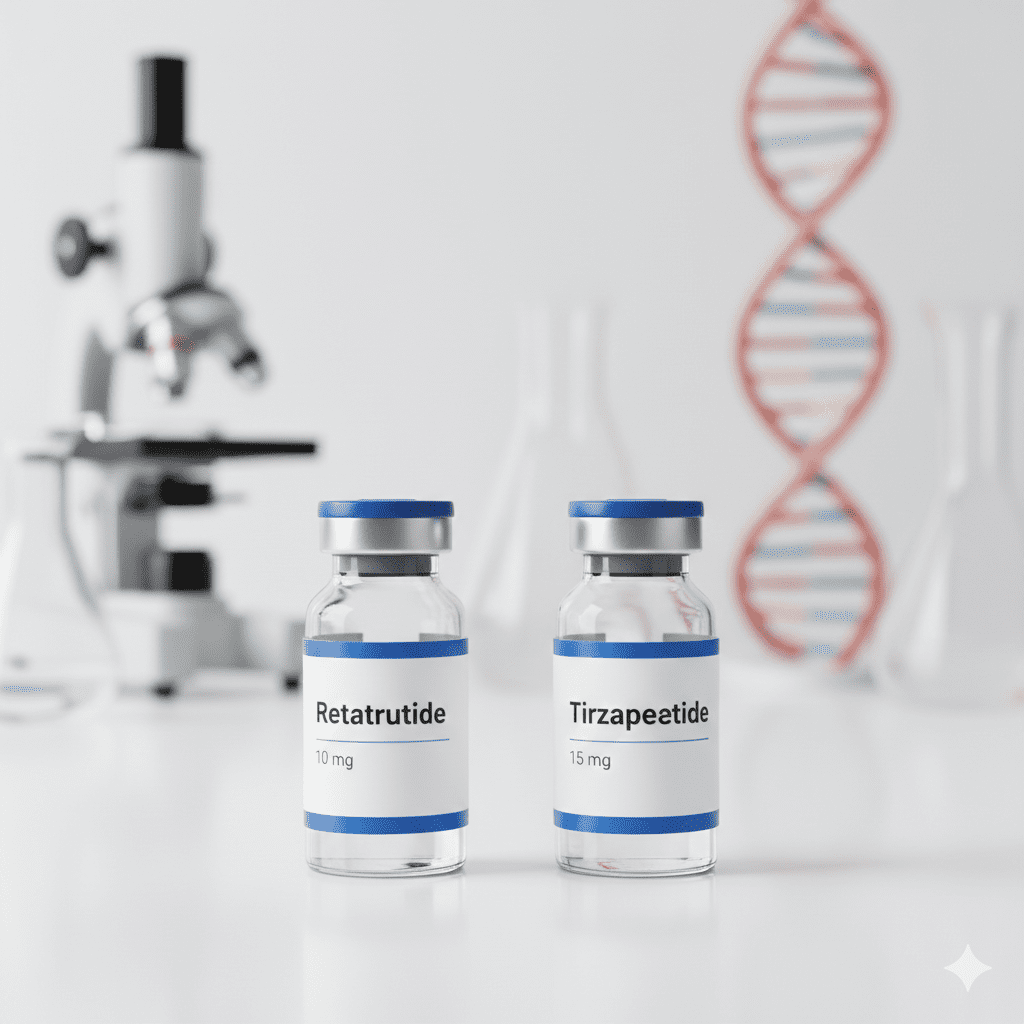
Retatrutide vs Tirzepatide represents an important comparison for anyone looking at newer weight loss medications. Both show strong results in studies, but Retatrutide targets three hormone receptors (GLP-1, GIP, and Glucagon)while Tirzepatide activates two (GLP-1 and GIP). This triple-action approach may give Retatrutide an edge in weight loss potential, though Tirzepatide already has approval and proven real-world use.
The main difference lies in how these medications work in your body and their current availability. Tirzepatide offers proven weight loss of 15-22% over 72 weeks and is available now by prescription, while Retatrutide shows potential for up to 24% weight loss in 48 weeks but remains in trials. Understanding dosing schedules, side effects, safety considerations, and which medication suits your specific health needs helps you make informed choices about your weight loss journey. Both medications require weekly injections and work best alongside healthy lifestyle changes including proper nutrition and regular exercise.
What Makes Retatrutide and Tirzepatide Different?
The main difference between Retatrutide vs Tirzepatide lies in how they work in your body. Tirzepatide works as a dual agonist, meaning it activates two specific receptors. It copies both GLP-1 (glucagon-like peptide-1) and GIP (glucose-dependent insulinotropic polypeptide), which help control blood sugar and reduce appetite.
Retatrutide takes this idea further by adding a third target. Beyond GLP-1 and GIP receptors, it also activates Glucagon receptors. This triple-action system affects how your body uses energy, burns fat, and manages metabolism. The extra Glucagon part may boost fat burning and energy use beyond what dual agonists can do.
Both medications belong to the same family of injectable treatments designed for weight management and metabolic health. They work by slowing digestion, reducing hunger signals to your brain, and improving how your body responds to insulin. However, the extra receptor activation in Retatrutide creates different metabolic effects that researchers find exciting.
How Each Medication Affects Your Body
When you use Tirzepatide, your body goes through several changes. The GLP-1 part slows stomach emptying, making you feel full longer after meals. It also signals your brain to reduce appetite and helps your pancreas release insulin better when blood sugar rises. The GIP portion strengthens these effects and may improve fat metabolism.
Retatrutide includes these same benefits but adds Glucagon receptor activation. Glucagon typically raises blood sugar, but when activated alongside GLP-1 and GIP, it appears to boost metabolic rate and fat burning instead. This combination creates a bigger metabolic shift that affects multiple pathways at once.
The real-world result? Users of both medications report less hunger and easier portion control. However, early data suggests Retatrutide might produce bigger weight loss, though individual results vary quite a bit.

Retatrutide vs Tirzepatide Weight Loss Results
Study data reveals interesting differences when looking at Retatrutide vs Tirzepatide for weight loss results. Tirzepatide studies show people losing 15-22% of their body weight over 72 weeks, depending on the dose used. These results already beat many other weight loss medications available today. Medications like Ozempic also belong to this class of treatments.
Retatrutide trials show even stronger numbers. Phase 2 studies showed people losing up to 24% of their body weight over 48 weeks at the highest doses tested. Some individuals lost more than 30% when combining the medication with lifestyle changes.
Several factors affect these outcomes beyond just the medication itself. Your starting weight, following dosing schedules, eating habits, physical activity levels, and health conditions all play big roles. Neither medication works as a standalone solution without supporting lifestyle changes.
What Research Shows About Long-Term Results
Studies tracking Tirzepatide users over longer periods show steady weight loss when people continue the medication and keep healthy habits. Weight typically levels off after the first year, though individuals may continue seeing slow improvements with regular use. You can buy Mounjaro online from Canada through Better You Rx, which delivers Tirzepatide in an easy-to-use pen format.
Retatrutide research remains in earlier stages, with most long-term data still being gathered. However, early evidence suggests the weight loss achieved stays stable when treatment continues. The key question researchers are exploring is whether the triple-action system provides better weight keeping compared to dual agonists.
One interesting finding from comparison studies shows Retatrutide might reduce visceral fat (the dangerous fat around organs) better than Tirzepatide. This matters because visceral fat adds significantly to metabolic disease risk, even in people who aren’t very overweight.
| Medication | Average Weight Loss (% of body weight) | Study Duration | Receptor Targets |
| Tirzepatide | 15-22% | 72 weeks | GLP-1, GIP |
| Retatrutide | Up to 24% | 48 weeks | GLP-1, GIP, Glucagon |
Understanding Dosing and Administration
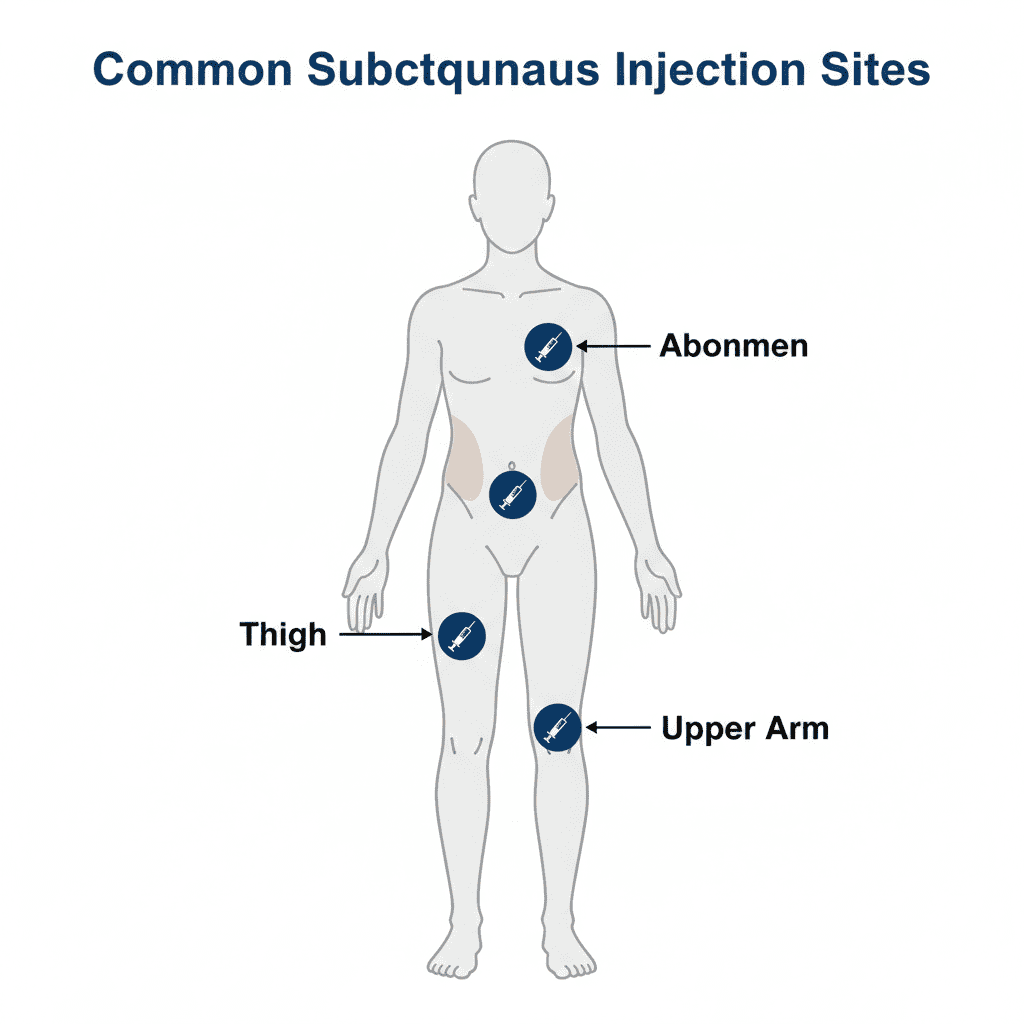
Both medications require weekly injections given under the skin. The injection process looks similar to other common injectable medications like those available through insulin products. You inject yourself once per week, typically on the same day each week to maintain steady levels in your body.
Tirzepatide Dosing Schedule
Tirzepatide starts at a low dose of 2.5 mg once weekly. This starting dose helps your body adjust to the medication and reduces side effects. After four weeks, the dose increases to 5 mg weekly. Your healthcare provider may continue increasing the dose every four weeks based on your response and tolerance.
The maximum dose for Tirzepatide reaches 15 mg once weekly. Most people find their effective dose somewhere between 5 mg and 15 mg. The gradual increase approach gives your digestive system time to adapt, which helps minimize nausea and other stomach-related side effects.
Products like Trulicity follow a similar dosing pattern for related medications in this class.
Retatrutide Dosing Schedule
Retatrutide follows a different dosing path since it’s still in trials. Study participants started at lower doses around 1 mg weekly, with increases up to 12 mg weekly in some trials. The final approved dosing schedule may differ once the medication receives regulatory clearance.
Early research suggests Retatrutide requires careful dose escalation similar to Tirzepatide. Starting low and increasing slowly appears important for managing side effects while maximizing benefits. The triple-action mechanism might require different dose adjustments compared to dual agonists.
At Better You Rx, you can join the waitlist for Retatrutide and fill up the consultation form to be among the first to access this medication when it becomes available.
Retatrutide vs Tirzepatide Side Effects
When comparing Retatrutide vs Tirzepatide for side effects, both medications share similar common reactions. Understanding what to expect helps you prepare and manage these effects better.
Common Side Effects with Both Medications
The most frequent side effects affect your digestive system. Nausea ranks as the top complaint, especially during the first few weeks of treatment or after dose increases. This usually improves as your body adjusts to the medication.
Other digestive issues include:
- Diarrhea or loose stools
- Constipation
- Stomach pain or discomfort
- Vomiting
- Reduced appetite (which contributes to weight loss)
- Heartburn or acid reflux
Most of these side effects feel strongest during the first month and gradually decrease over time. Eating smaller meals, avoiding fatty or spicy foods, and staying hydrated can help manage these symptoms.
Managing Side Effects Effectively
Several strategies help reduce discomfort when using either medication. Start by eating smaller, more frequent meals instead of three large ones. This puts less stress on your digestive system and reduces nausea.
Stay hydrated throughout the day, but avoid drinking large amounts of liquid with meals. This can increase stomach fullness and worsen nausea. Ginger tea or ginger supplements may help settle your stomach naturally.
If constipation becomes an issue, increase fiber intake gradually and drink more water. Gentle exercise like walking also helps keep things moving. For diarrhea, stick to bland foods and avoid dairy temporarily until symptoms improve.
Similar management strategies work for medications like Wegovy, another weight loss injection in this medication class.
Safety Considerations and Warnings
Both Retatrutide and Tirzepatide carry important safety information you should know before starting treatment. While generally well-tolerated, certain conditions require extra caution or prevent use altogether.
Who Should Not Use These Medications
People with a personal or family history of medullary thyroid cancer should avoid both medications. Studies showed increased risk of thyroid tumors, though this hasn’t been confirmed in humans. The precaution remains important until more data becomes available.
Those with Multiple Endocrine Neoplasia syndrome type 2 (MEN 2) also shouldn’t use these medications. This rare genetic condition increases cancer risk, and these medications may add to that concern.
If you have a history of pancreatitis (pancreas inflammation), discuss this thoroughly with your healthcare provider. Both medications may increase pancreatitis risk, especially in people who’ve had it before. Severe stomach pain that radiates to your back requires immediate medical attention.
Important Health Conditions to Discuss
People with kidney problems need careful monitoring when using either medication. Dehydration from vomiting or diarrhea can worsen kidney function. Your healthcare provider may adjust dosing or recommend extra hydration strategies.
If you have diabetic retinopathy (eye damage from diabetes), rapid blood sugar improvements can temporarily worsen this condition. Regular eye exams become especially important when starting these medications.
Women who are pregnant or planning pregnancy should not use these medications. Animal studies showed potential risks to developing babies. If you become pregnant while using Retatrutide or Tirzepatide, stop the medication and contact your healthcare provider immediately.
Availability and Access
When examining Retatrutide vs Tirzepatide from a practical standpoint, availability differs significantly right now.
Current Availability
Tirzepatide currently has regulatory approval for both diabetes management and weight loss. It’s available at Better you Rx. This means you can get it now if your healthcare provider determines it’s appropriate for you.
Retatrutide remains in trials and hasn’t received approval yet for general use. You cannot get a prescription for Retatrutide outside of research studies at this time. Researchers expect it may become available in the next few years if studies continue showing positive results.
For currently available options, services like Better You Rx can help connect you with approved medications such as Rybelsus (an oral GLP-1 medication) or injectable options.
| Medication | Current Status | Availability |
| Tirzepatide | Approved | Available now through prescription |
| Retatrutide | In clinical trials | Research studies only (waitlist available at Better You Rx) |
Making the Right Choice for Your Situation
Choosing between Retatrutide vs Tirzepatide depends on several personal factors and your current situation. Since Retatrutide isn’t available yet, most people considering this class of medications will start with approved options like Tirzepatide.
Factors to Consider
Your health history plays a big role in medication selection. If you have diabetes, Tirzepatide offers the dual benefit of blood sugar control and weight loss. It’s specifically approved for both uses, making it a natural choice for people managing both conditions.
Your weight loss goals matter too. If you need to lose a significant amount of weight and want the most aggressive option available now, Tirzepatide provides proven results. For those willing to wait and possibly switch later, Retatrutide may offer additional benefits when it becomes available.
Consider your tolerance for side effects. If you’ve struggled with digestive issues on other medications, starting with the lowest effective dose and increasing very slowly becomes crucial. Some people tolerate one medication better than another, even within the same class.
Working with Your Healthcare Provider
Your healthcare provider helps determine which medication suits your specific situation best. They’ll review your complete medical history, current medications, and health goals before recommending a treatment plan.
Be honest about your lifestyle and ability to follow treatment plans. These medications work best when combined with healthy eating and regular physical activity. If you’re not ready to make lifestyle changes, the medications alone won’t produce lasting results.
Ask about starting doses and escalation schedules. Understanding what to expect helps you prepare mentally and practically for treatment. Discuss strategies for managing side effects before they become overwhelming.
Regular follow-up appointments let your provider monitor your progress and adjust treatment as needed. Blood work may check kidney function, blood sugar levels, and other important markers during treatment.
Lifestyle Changes That Boost Results
Neither Retatrutide nor Tirzepatide works like magic. Both medications significantly reduce hunger and make weight loss easier, but they work best alongside healthy lifestyle changes.
Nutrition Strategies That Work
Focus on protein-rich foods at each meal. Protein helps preserve muscle mass during weight loss and keeps you feeling satisfied longer. Good sources include lean meats, fish, eggs, Greek yogurt, and legumes.
Eat plenty of vegetables to add volume and nutrients without many calories. They also provide fiber that supports digestive health and helps manage some medication side effects like constipation.
Limit processed foods, sugary drinks, and excessive simple carbohydrates. These foods spike blood sugar and don’t provide lasting satisfaction. They also work against the metabolic improvements these medications create.
Plan your meals ahead of time. This prevents impulsive food choices when hunger strikes. Prep healthy options during the weekend so you have nutritious meals ready during busy weekdays.
Exercise and Movement
Start with activities you enjoy and can sustain long-term. Walking offers an excellent low-impact option that most people can do regularly. Aim for at least 30 minutes most days of the week.
Add strength training twice weekly to preserve muscle mass during weight loss. You don’t need a gym membership. Bodyweight exercises, resistance bands, or simple dumbbells work well for building strength.
Increase daily movement through small changes. Take stairs instead of elevators, park farther from store entrances, or do household chores more vigorously. These small additions accumulate throughout the day.
Listen to your body and adjust intensity as needed. Some people feel more energetic on these medications, while others need time to adjust. Don’t push too hard initially, especially if you’re experiencing side effects.
Similar lifestyle approaches work well with other metabolic medications like Metformin, which helps manage blood sugar and supports weight management.
The Future of Weight Loss Medications
The development of medications like Retatrutide signals exciting progress in weight loss treatment. The evolution from single to dual to triple agonists shows researchers are finding new ways to help people achieve healthier weights.
What’s Coming Next
Beyond Retatrutide, pharmaceutical companies are testing other multi-receptor agonists. Some experimental medications target four or even five different pathways. The goal is finding the most effective combination with the fewest side effects.
Oral versions of these medications are also in development. While injections work well, many people prefer taking pills. Researchers are working on formulations that survive stomach acid and get absorbed effectively.
Longer-acting versions that require less frequent dosing are another area of research. Instead of weekly injections, future medications might work with monthly or even quarterly dosing. This would improve convenience significantly.
Staying Informed
Keep up with new developments by following reputable medical sources and discussing updates with your healthcare provider. As new medications receive approval, you’ll have more options to consider.
Remember that newer doesn’t always mean better for everyone. Tirzepatide and similar approved medications already provide excellent results for many people. Sometimes the best choice is the proven option rather than waiting for something new.
Wrapping Up
The comparison between Retatrutide vs Tirzepatide shows two powerful weight loss medications with slightly different mechanisms. Tirzepatide offers proven results now, with approval for both diabetes and weight management. It activates two important metabolic pathways and helps most users achieve significant weight loss.
Retatrutide adds a third mechanism that may provide even better results, though it remains unavailable outside research studies. Early data looks promising, but real-world use will determine whether the triple-action approach truly outperforms dual agonists.
For now, most people will start with approved options like Tirzepatide through prescription referral services. These medications already provide life-changing results for many individuals struggling with weight. When Retatrutide becomes available, you and your healthcare provider can discuss whether switching makes sense for your situation.
Success with either medication requires commitment to healthy lifestyle changes, regular medical monitoring, and patience with the process. Weight loss takes time, and these medications support your efforts rather than replacing them entirely.
Frequently Asked Questions
Is Retatrutide Better Than Tirzepatide?
Current evidence suggests Retatrutide may produce slightly more weight loss than Tirzepatide due to its triple-action mechanism. Studies show Retatrutide users losing up to 24% of body weight compared to Tirzepatide’s 15-22% over similar periods. However, Retatrutide hasn’t received approval yet and lacks long-term safety data from widespread use. Tirzepatide offers proven effectiveness with established safety profiles. The “better” choice depends on individual circumstances, availability, and whether you’re willing to wait for Retatrutide’s approval.
Is It Okay to Switch From Tirzepatide to Retatrutide?
Switching from Tirzepatide to Retatrutide may be possible once Retatrutide receives approval, but discuss this thoroughly with your healthcare provider first. The medications work similarly enough that transition could be straightforward, though dosing equivalents haven’t been established yet. Your provider will consider your current results, side effect tolerance, and health status when deciding if switching makes sense. Some people respond better to one medication over another, so switching might improve results for certain individuals.
What Are the Doses for Retatrutide?
Retatrutide dosing in trials started at 1 mg weekly and increased up to 12 mg weekly in some studies. The final approved dosing schedule hasn’t been established since the medication awaits regulatory clearance. Like Tirzepatide, Retatrutide will likely follow a gradual dose escalation approach, starting low and increasing every few weeks based on tolerance and response. The optimal dose varies between individuals, with some people achieving their goals at lower doses while others need higher amounts.
What Are the Benefits of Taking Retatrutide?
Retatrutide offers significant weight loss benefits, with studies showing reductions up to 24% of body weight. It improves blood sugar control, reduces visceral fat around organs, and may enhance metabolic rate through its Glucagon receptor activation. Users typically experience reduced hunger and better portion control. The medication also shows promise for improving heart health markers, though more research is needed to confirm cardiovascular benefits. Like other GLP-1 medications, Retatrutide may reduce food cravings and help break unhealthy eating patterns.
How Fast Do You Lose Weight on Retatrutide?
Weight loss on Retatrutide typically begins within the first few weeks of treatment but accelerates as the dose increases. Most people notice changes in appetite and eating patterns almost immediately. Visible weight loss usually becomes apparent after 4-8 weeks. The most rapid weight loss occurs during months 3-6 of treatment, with results continuing more gradually afterward. Individual results vary based on starting weight, diet quality, exercise habits, and dose achieved. Most people following the medication protocol lose 15-24% of their body weight over 48 weeks.