Written by Jessica Hale, Health Content Writer | Medically Reviewed by Dr. Marcus Reyes, PharmD | Updated: September 2026
Last Updated: September 2026
Retatrutide and antidepressants are generally considered compatible when a licensed provider is managing both prescriptions. No major interaction has been established between Retatrutide and standard antidepressant classes such as SSRIs, SNRIs, or atypical antidepressants. That said, appetite suppression, slowed gastric emptying, and shifts in mood or energy that come with rapid weight loss can influence how someone experiences their antidepressant, which is why coordinated care between prescribers matters more than the drug interaction itself.
Key Takeaways
- Retatrutide and antidepressants are not known to have a dangerous drug-drug interaction, and many patients use both under provider supervision
- Appetite, weight, and gastrointestinal changes from Retatrutide can affect how certain antidepressants are absorbed or tolerated, which is why timing and monitoring matter
- Some antidepressants, particularly those linked to weight gain or appetite stimulation, may work against the metabolic goals of Retatrutide therapy
- Mood changes reported during Retatrutide treatment are more often tied to rapid weight loss, reduced appetite, or nutrient shifts than to the medication acting directly on brain chemistry
- A licensed prescriber should always review a full medication list, including antidepressants, before starting Retatrutide therapy

Is It Safe to Combine Retatrutide and Antidepressants?
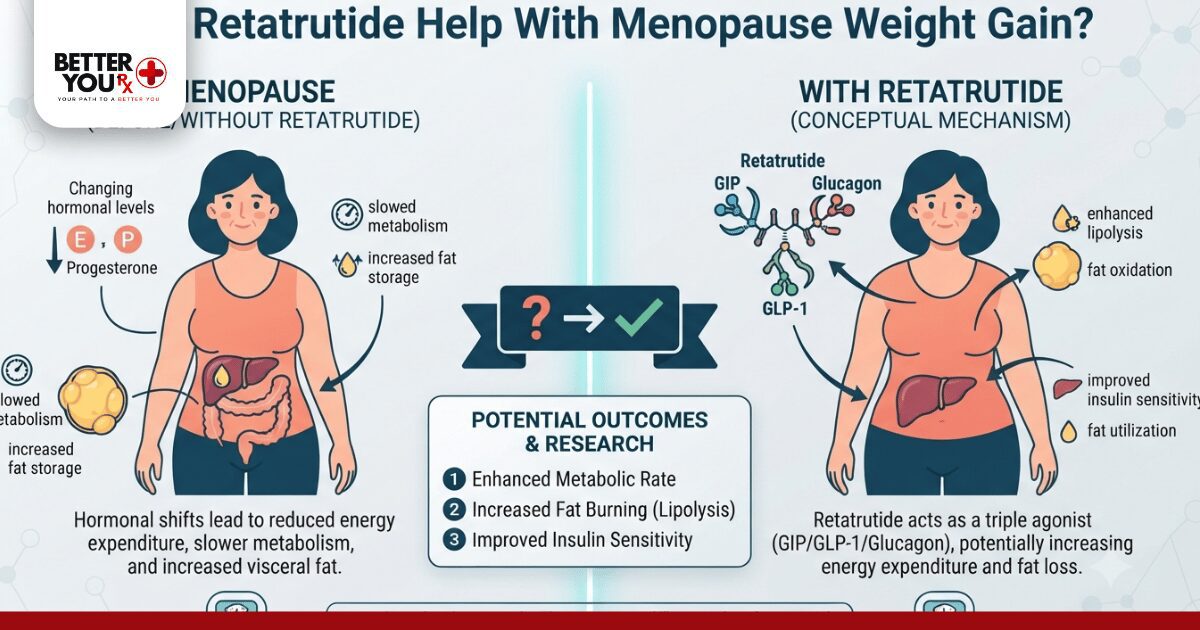
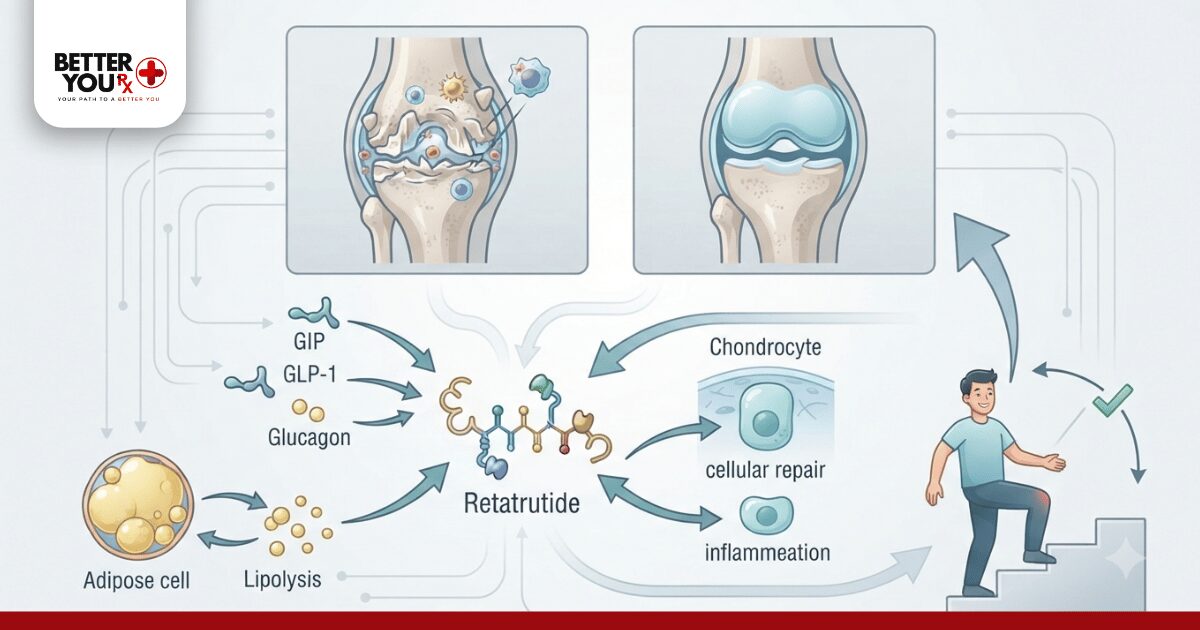
For most people, yes. Retatrutide is an investigational triple agonist that targets GLP-1, GIP, and glucagon receptors, and it works primarily on appetite regulation and metabolic signaling rather than on serotonin, dopamine, or norepinephrine pathways that antidepressants target. Because the two medication classes act through different biological systems, there is no established pharmacological conflict that would prevent someone from taking both.
The more relevant consideration is practical, not chemical. Retatrutide slows digestion and reduces appetite significantly, and some antidepressants depend on consistent food intake or steady absorption timing to work as expected. A provider managing both prescriptions will typically want to know exactly which antidepressant is involved, the dosage, and how long the person has been stable on it before adding Retatrutide to the regimen.
How Retatrutide Interacts With the Body Differently Than Antidepressants
Retatrutide reduces appetite by slowing stomach emptying and signaling fullness to the brain through metabolic hormone pathways. Antidepressants, by contrast, work by adjusting the availability of neurotransmitters like serotonin or norepinephrine in the brain. Because the mechanisms are separate, Retatrutide and antidepressants are not expected to compete for the same receptors or metabolic pathways in a way that would cause a classic drug interaction.
Where the two can indirectly affect each other is through the gut. Retatrutide slows gastric emptying, and this delayed digestion can theoretically change how quickly an oral antidepressant is absorbed. In practice, most patients on stable antidepressant doses do not report a meaningful difference, but anyone starting Retatrutide while on a newer or recently adjusted antidepressant dose should mention it to their prescriber so absorption changes can be monitored if needed.
| Antidepressant Class |
Common Examples |
Interaction Notes With Retatrutide |
| SSRIs |
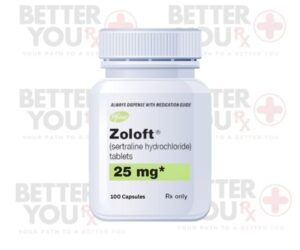
Lexapro, Zoloft, Prozac |
No known direct interaction; monitor appetite and GI tolerance |
| SNRIs |
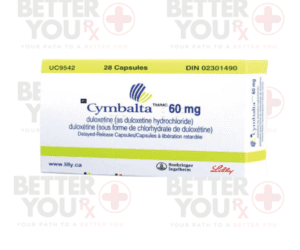
Cymbalta, Effexor |
No known direct interaction; watch for nausea overlap |
| Atypical Antidepressants |
Wellbutrin, Remeron |
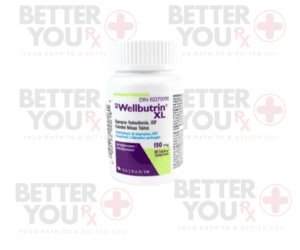
Wellbutrin may support weight goals; Remeron may increase appetite |
| Tricyclic Antidepressants |
Amitriptyline, Nortriptyline |
Slower gut motility from both drugs may compound constipation |
Things To Know
- Retatrutide does not directly alter serotonin or dopamine levels, so it is not classified as having a pharmacological conflict with antidepressants
- Nausea is a common side effect of both Retatrutide and several antidepressant classes, so overlapping symptoms are not unusual in the first few weeks
- Weight-neutral or weight-loss-supportive antidepressants, such as Wellbutrin, are sometimes preferred by providers for patients also pursuing metabolic treatment
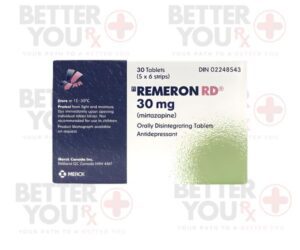
- Appetite-stimulating antidepressants, such as Remeron or Mirtazapine, may partially offset the appetite reduction Retatrutide is intended to produce
- Any dosage adjustment to either medication should happen gradually and under provider guidance, not on a self-directed timeline
Why Mood and Energy Changes Get Attributed to Retatrutide
Patients sometimes report feeling more emotionally flat, irritable, or fatigued after starting Retatrutide, and it is easy to assume the medication is affecting mental health directly. In most documented cases, these shifts trace back to rapid changes in eating patterns, reduced caloric intake, or fluctuations in blood sugar rather than a direct neurological effect. A person eating significantly less than usual, particularly in the first several weeks of treatment, may experience low energy or mood dips simply from the adjustment period, and this pattern is something providers commonly observe when patients begin any GLP-1-class or multi-agonist therapy.
This is one reason providers managing both Retatrutide and antidepressants often ask patients to track mood alongside appetite and weight during the early titration phase. Distinguishing between an expected adjustment period and something that needs medical attention is easier when there is a clear record to review together. Most healthcare providers follow established clinical protocols when prescribing metabolic medications alongside existing psychiatric treatment, which typically includes a check-in schedule during the first two to three months.
Which Antidepressants Pair Best With Retatrutide
Not every antidepressant interacts with weight-focused treatment the same way, and this is often the more practical question patients bring to their providers. The table below outlines general tendencies, though individual response always varies.
| Antidepressant |
Typical Weight Effect |
Fit With Retatrutide Goals |
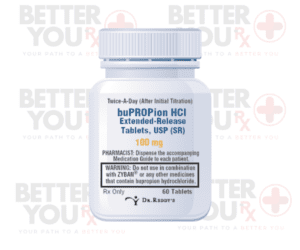
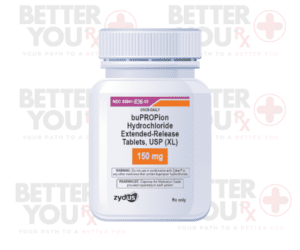
| Wellbutrin (Bupropion) |
Weight neutral or supportive |
Often considered compatible with weight management goals |
| Lexapro (Escitalopram) |
Mild to neutral weight effect |
Commonly used alongside GLP-1 class treatment |
| Zoloft (Sertraline) |
Mild to neutral weight effect |
Commonly used alongside GLP-1 class treatment |
| Remeron (Mirtazapine) |
Associated with appetite increase |
May work against Retatrutide’s appetite goals |
| Paxil (Paroxetine) |
More commonly linked to weight gain |
May require closer monitoring |
Why one option tends to work better than another usually comes down to how the antidepressant affects hunger signaling and metabolism on its own. How a provider decides which combination is appropriate depends on the patient’s full psychiatric history, how long they have been stable, and whether switching medications carries more risk than simply monitoring the current combination. Which option is ultimately best is a decision that belongs to the prescriber and patient together, not something to determine independently.
For a broader look at how Retatrutide compares to other metabolic medications, the difference between Retatrutide and Tirzepatide is worth reviewing before starting treatment. Patients weighing side effect profiles may also want to read about Retatrutide side effects and the documented benefits of Retatrutide before combining it with any existing prescription.
Getting Started With a Coordinated Treatment Plan
Anyone currently taking an antidepressant who is considering Retatrutide should start with a conversation, not a decision made alone. A licensed provider will typically review the full medication list, recent psychiatric history, and any prior reactions to appetite-related changes before approving a combined treatment plan. This is standard practice regardless of which antidepressant is involved.
-
-
$344.00 Original price was: $344.00.$110.99Current price is: $110.99.
-
$160.99 – $206.99Price range: $160.99 through $206.99
-
$10.99 – $87.99Price range: $10.99 through $87.99
-
$50.99 – $228.99Price range: $50.99 through $228.99
-
$60.00 Original price was: $60.00.$30.95Current price is: $30.95.
-
-
$100.00 Original price was: $100.00.$90.95Current price is: $90.95.
-
$99.99 – $108.99Price range: $99.99 through $108.99
-
$70.00 Original price was: $70.00.$30.95Current price is: $30.95.
-
$123.00 Original price was: $123.00.$110.95Current price is: $110.95.
-
$566.00 Original price was: $566.00.$374.99Current price is: $374.99.
-
$37.99 – $39.99Price range: $37.99 through $39.99
-
$234.95 – $374.99Price range: $234.95 through $374.99
-
$140.76 Original price was: $140.76.$130.76Current price is: $130.76.
-
$155.99 – $264.99Price range: $155.99 through $264.99
-
$193.99 – $199.99Price range: $193.99 through $199.99
-
$77.99 Original price was: $77.99.$51.99Current price is: $51.99.
-
$16,417.00 Original price was: $16,417.00.$2,559.00Current price is: $2,559.00.
-
$70.00 Original price was: $70.00.$6.33Current price is: $6.33.
-
$746.00 Original price was: $746.00.$736.00Current price is: $736.00.
-
-
$23.34 Original price was: $23.34.$13.34Current price is: $13.34.
-
$21,522.10 Original price was: $21,522.10.$21,512.10Current price is: $21,512.10.
-
$60.00 Original price was: $60.00.$14.63Current price is: $14.63.
-
$50.00 Original price was: $50.00.$27.32Current price is: $27.32.
-
$72.99 Original price was: $72.99.$50.99Current price is: $50.99.
-
-
$70.99 – $85.99Price range: $70.99 through $85.99
-
$22,959.06 Original price was: $22,959.06.$22,949.06Current price is: $22,949.06.
-
$29.99 – $39.99Price range: $29.99 through $39.99
-
$60.95 – $99.95Price range: $60.95 through $99.95
-
$563.00 Original price was: $563.00.$332.99Current price is: $332.99.
-
$256.00 Original price was: $256.00.$155.99Current price is: $155.99.
-
$67.00 Original price was: $67.00.$54.95Current price is: $54.95.
-
$78.00 Original price was: $78.00.$54.95Current price is: $54.95.
-
$23.00 Original price was: $23.00.$17.25Current price is: $17.25.
-
$319.00 Original price was: $319.00.$309.00Current price is: $309.00.
-
$79.00 Original price was: $79.00.$65.99Current price is: $65.99.
-
$3,444.00 Original price was: $3,444.00.$786.99Current price is: $786.99.
-
$246.99 – $666.99Price range: $246.99 through $666.99
-
$68.99 – $154.99Price range: $68.99 through $154.99
-
$248.95 – $308.95Price range: $248.95 through $308.95
-
$48.00 – $83.95Price range: $48.00 through $83.95
-
$272.99 – $516.99Price range: $272.99 through $516.99
-
$99.99 Original price was: $99.99.$88.99Current price is: $88.99.
-
$200.00 Original price was: $200.00.$71.99Current price is: $71.99.
-
$625.00 Original price was: $625.00.$615.00Current price is: $615.00.
-
$62.00 Original price was: $62.00.$52.99Current price is: $52.99.
-
-
-
$170.00 Original price was: $170.00.$101.99Current price is: $101.99.
-
$56.00 Original price was: $56.00.$26.99Current price is: $26.99.
-
$78.00 Original price was: $78.00.$60.99Current price is: $60.99.
-
$62.99 – $736.99Price range: $62.99 through $736.99
-
$159.99 Original price was: $159.99.$121.99Current price is: $121.99.
-
$100.00 Original price was: $100.00.$53.99Current price is: $53.99.
-
-
$78.00 Original price was: $78.00.$37.99Current price is: $37.99.
-
$67.00 Original price was: $67.00.$40.99Current price is: $40.99.
-
$34.00 Original price was: $34.00.$15.99Current price is: $15.99.
-
$67.00 Original price was: $67.00.$52.38Current price is: $52.38.
-
$26.99 – $28.99Price range: $26.99 through $28.99
-
$56.00 Original price was: $56.00.$40.95Current price is: $40.95.
-
$2,547.00 Original price was: $2,547.00.$1,469.99Current price is: $1,469.99.
-
$29.99 – $31.99Price range: $29.99 through $31.99
-
$20,535.00 Original price was: $20,535.00.$20,525.00Current price is: $20,525.00.
-
$255.00 Original price was: $255.00.$245.00Current price is: $245.00.
-
$239.99 Original price was: $239.99.$196.99Current price is: $196.99.
-
$56.00 Original price was: $56.00.$36.99Current price is: $36.99.
-
$132.99 – $169.99Price range: $132.99 through $169.99
-
$34.00 Original price was: $34.00.$22.13Current price is: $22.13.
-
$56.00 Original price was: $56.00.$52.99Current price is: $52.99.
-
$134.95 – $244.95Price range: $134.95 through $244.95
-
$15,274.00 Original price was: $15,274.00.$15,264.00Current price is: $15,264.00.
-
$56.00 Original price was: $56.00.$23.99Current price is: $23.99.
-
$31.99 – $35.99Price range: $31.99 through $35.99
-
$67.00 Original price was: $67.00.$36.61Current price is: $36.61.
-
$67.00 Original price was: $67.00.$45.00Current price is: $45.00.
-
$50.89 Original price was: $50.89.$40.99Current price is: $40.99.
-
$55.99 Original price was: $55.99.$41.99Current price is: $41.99.
-
$45.00 – $77.90Price range: $45.00 through $77.90
-
$55.99 – $67.99Price range: $55.99 through $67.99
-
$60.99 – $99.99Price range: $60.99 through $99.99
-
$89.00 Original price was: $89.00.$48.99Current price is: $48.99.
-
$234.99 Original price was: $234.99.$224.99Current price is: $224.99.
-
$74.99 – $88.99Price range: $74.99 through $88.99
-
$26,380.00 Original price was: $26,380.00.$26,370.00Current price is: $26,370.00.
-
$15,731.00 Original price was: $15,731.00.$15,721.00Current price is: $15,721.00.
-
$19.95 – $40.99Price range: $19.95 through $40.99
-
$41.99 – $125.99Price range: $41.99 through $125.99
-
$52.99 – $167.99Price range: $52.99 through $167.99
-
-
$220.00 – $350.00Price range: $220.00 through $350.00
-
$42.58 Original price was: $42.58.$32.58Current price is: $32.58.
-
$138.99 – $246.99Price range: $138.99 through $246.99
-
$40.99 – $51.99Price range: $40.99 through $51.99
-
$73.99 – $98.99Price range: $73.99 through $98.99
-
$345.00 Original price was: $345.00.$309.99Current price is: $309.99.
-
-
$138.00 Original price was: $138.00.$128.38Current price is: $128.38.
-
$179.00 Original price was: $179.00.$169.88Current price is: $169.88.
-
$65.99 – $136.99Price range: $65.99 through $136.99
-
$74.99 – $77.99Price range: $74.99 through $77.99
-
$45.00 Original price was: $45.00.$29.99Current price is: $29.99.
-
$41.99 – $87.99Price range: $41.99 through $87.99
-
$70.00 Original price was: $70.00.$67.99Current price is: $67.99.
-
$35.99 – $37.99Price range: $35.99 through $37.99
-
$64.99 – $106.99Price range: $64.99 through $106.99
-
$345.00 Original price was: $345.00.$282.00Current price is: $282.00.
-
$53.99 – $57.99Price range: $53.99 through $57.99
-
$92.00 Original price was: $92.00.$52.99Current price is: $52.99.
-
$62.00 Original price was: $62.00.$53.99Current price is: $53.99.
-
$56.00 Original price was: $56.00.$52.99Current price is: $52.99.
-
$300.00 Original price was: $300.00.$256.45Current price is: $256.45.
-
$56.00 Original price was: $56.00.$27.99Current price is: $27.99.
-
$56.00 Original price was: $56.00.$38.99Current price is: $38.99.
-
$32.99 – $39.99Price range: $32.99 through $39.99
-
$10.90 Original price was: $10.90.$9.90Current price is: $9.90.
-
$45.00 Original price was: $45.00.$27.63Current price is: $27.63.
-
$33.99 – $38.99Price range: $33.99 through $38.99
-
$80.00 Original price was: $80.00.$59.99Current price is: $59.99.
-
$90.00 Original price was: $90.00.$83.99Current price is: $83.99.
-
$80.00 Original price was: $80.00.$53.99Current price is: $53.99.
-
$969.00 Original price was: $969.00.$769.99Current price is: $769.99.
-
$3,657.00 Original price was: $3,657.00.$1,966.99Current price is: $1,966.99.
-
$110.60 – $255.50Price range: $110.60 through $255.50
-
$176.99 – $272.99Price range: $176.99 through $272.99
-
$31.99 – $86.99Price range: $31.99 through $86.99
-
$2,180.99 – $2,210.99Price range: $2,180.99 through $2,210.99
-
$51.95 – $54.99Price range: $51.95 through $54.99
-
$67.00 Original price was: $67.00.$26.99Current price is: $26.99.
-
$858.99 – $1,700.99Price range: $858.99 through $1,700.99
-
$8,113.00 Original price was: $8,113.00.$8,103.00Current price is: $8,103.00.
-
$108.99 – $306.99Price range: $108.99 through $306.99
-
$88.99 – $151.99Price range: $88.99 through $151.99
-
$140.00 Original price was: $140.00.$132.25Current price is: $132.25.
-
$66.99 – $120.99Price range: $66.99 through $120.99
-
$39.99 – $72.99Price range: $39.99 through $72.99
-
$31.99 – $75.99Price range: $31.99 through $75.99
-
$165.00 Original price was: $165.00.$162.60Current price is: $162.60.
-
$98.99 – $167.99Price range: $98.99 through $167.99
-
$256.00 Original price was: $256.00.$140.17Current price is: $140.17.
-
$230.99 – $248.99Price range: $230.99 through $248.99
-
$140.00 Original price was: $140.00.$130.00Current price is: $130.00.
-
$87.99 – $133.99Price range: $87.99 through $133.99
-
$46.99 – $83.99Price range: $46.99 through $83.99
-
$11,000.00 Original price was: $11,000.00.$9,457.99Current price is: $9,457.99.
-
$100.00 Original price was: $100.00.$96.99Current price is: $96.99.
-
$67.00 Original price was: $67.00.$29.99Current price is: $29.99.
-
$24.99 – $39.99Price range: $24.99 through $39.99
-
$89.00 Original price was: $89.00.$75.99Current price is: $75.99.
-
$67.00 Original price was: $67.00.$51.99Current price is: $51.99.
-
$56.00 Original price was: $56.00.$34.99Current price is: $34.99.
-
$67.00 Original price was: $67.00.$34.99Current price is: $34.99.
-
$2,010.00 Original price was: $2,010.00.$1,172.99Current price is: $1,172.99.
-
$66.00 Original price was: $66.00.$44.95Current price is: $44.95.
-
$56.00 Original price was: $56.00.$34.99Current price is: $34.99.
-
$121.99 – $320.99Price range: $121.99 through $320.99
-
-
$56.00 Original price was: $56.00.$23.99Current price is: $23.99.
-
$342.00 Original price was: $342.00.$143.99Current price is: $143.99.
-
$86.63 Original price was: $86.63.$53.73Current price is: $53.73.
-
$38.88 – $39.98Price range: $38.88 through $39.98
-
$46.99 – $47.99Price range: $46.99 through $47.99
-
$85.00 Original price was: $85.00.$36.99Current price is: $36.99.
-
$85.00 Original price was: $85.00.$38.88Current price is: $38.88.
-
-
$57.99 – $115.99Price range: $57.99 through $115.99
-
$81.99 – $154.99Price range: $81.99 through $154.99
-
$77.99 – $79.99Price range: $77.99 through $79.99
-
$71.99 – $78.99Price range: $71.99 through $78.99
-
$455.00 Original price was: $455.00.$82.99Current price is: $82.99.
-
$38.00 – $53.00Price range: $38.00 through $53.00
-
$27.99 – $87.99Price range: $27.99 through $87.99
-
$77.99 – $82.99Price range: $77.99 through $82.99
-
$2,978.00 Original price was: $2,978.00.$1,502.99Current price is: $1,502.99.
-
$156.99 – $191.99Price range: $156.99 through $191.99
-
$44.99 – $65.99Price range: $44.99 through $65.99
-
$67.00 Original price was: $67.00.$32.99Current price is: $32.99.
-
$75.00 Original price was: $75.00.$67.99Current price is: $67.99.
-
$71.99 Original price was: $71.99.$47.99Current price is: $47.99.
-
$29.99 – $38.99Price range: $29.99 through $38.99
-
$124.99 – $337.99Price range: $124.99 through $337.99
-
-
$80.00 Original price was: $80.00.$76.99Current price is: $76.99.
-
$210.00 Original price was: $210.00.$196.99Current price is: $196.99.
-
$64.99 – $77.99Price range: $64.99 through $77.99
-
$171.99 – $320.99Price range: $171.99 through $320.99
-
$65.00 Original price was: $65.00.$64.95Current price is: $64.95.
-
$300.00 Original price was: $300.00.$272.00Current price is: $272.00.
-
$157.99 – $393.99Price range: $157.99 through $393.99
-
$687.00 Original price was: $687.00.$668.99Current price is: $668.99.
-
$584.00 Original price was: $584.00.$574.00Current price is: $574.00.
-
$3,000.00 Original price was: $3,000.00.$2,407.99Current price is: $2,407.99.
-
$191.00 Original price was: $191.00.$138.99Current price is: $138.99.
-
$365.00 Original price was: $365.00.$323.99Current price is: $323.99.
-
$333.00 Original price was: $333.00.$174.99Current price is: $174.99.
-
$283.99 – $348.99Price range: $283.99 through $348.99
-
-
$69.99 – $178.99Price range: $69.99 through $178.99
-
$136.00 Original price was: $136.00.$126.00Current price is: $126.00.
-
$26.99 – $30.99Price range: $26.99 through $30.99
-
$186.02 Original price was: $186.02.$176.02Current price is: $176.02.
-
$12,310.00 Original price was: $12,310.00.$12,300.00Current price is: $12,300.00.
-
$153.50 – $925.50Price range: $153.50 through $925.50
-
$194.99 Original price was: $194.99.$153.99Current price is: $153.99.
-
$31.99 – $32.99Price range: $31.99 through $32.99
-
$37.99 – $73.99Price range: $37.99 through $73.99
-
$58.99 – $68.99Price range: $58.99 through $68.99
-
$67.00 Original price was: $67.00.$45.99Current price is: $45.99.
-
$42.99 – $64.99Price range: $42.99 through $64.99
-
$33.31 – $41.44Price range: $33.31 through $41.44
-
$67.00 Original price was: $67.00.$54.00Current price is: $54.00.
-
$190.00 Original price was: $190.00.$136.99Current price is: $136.99.
-
$109.00 Original price was: $109.00.$90.99Current price is: $90.99.
-
$38.99 – $47.99Price range: $38.99 through $47.99
-
$78.00 Original price was: $78.00.$50.00Current price is: $50.00.
-
$191.99 – $620.99Price range: $191.99 through $620.99
-
$419.95 Original price was: $419.95.$312.99Current price is: $312.99.
-
Rated 5.00 out of 5
$65.99
-
$253.99 – $261.99Price range: $253.99 through $261.99
-
-
$89.00 Original price was: $89.00.$69.99Current price is: $69.99.
-
$190.00 Original price was: $190.00.$188.99Current price is: $188.99.
-
$67.00 Original price was: $67.00.$40.99Current price is: $40.99.
-
$160.00 Original price was: $160.00.$115.99Current price is: $115.99.
-
$134.99 Original price was: $134.99.$104.99Current price is: $104.99.
-
$90.00 Original price was: $90.00.$62.99Current price is: $62.99.
-
$90.00 Original price was: $90.00.$78.99Current price is: $78.99.
-
$32.99 – $56.99Price range: $32.99 through $56.99
-
$123.00 Original price was: $123.00.$94.99Current price is: $94.99.
-
$56.00 Original price was: $56.00.$26.99Current price is: $26.99.
-
$534.00 Original price was: $534.00.$524.00Current price is: $524.00.
-
$55.00 Original price was: $55.00.$33.99Current price is: $33.99.
-
$55.00 Original price was: $55.00.$17.99Current price is: $17.99.
-
-
$78.00 Original price was: $78.00.$64.95Current price is: $64.95.
-
$69.99 – $148.99Price range: $69.99 through $148.99
-
$69.99 – $184.99Price range: $69.99 through $184.99
-
$89.00 Original price was: $89.00.$75.10Current price is: $75.10.
-
$33.99 – $36.99Price range: $33.99 through $36.99
-
$71.99 – $72.99Price range: $71.99 through $72.99
-
$250.00 Original price was: $250.00.$99.95Current price is: $99.95.
-
$78.00 Original price was: $78.00.$24.99Current price is: $24.99.
-
$67.00 Original price was: $67.00.$27.99Current price is: $27.99.
-
$32.99 – $38.99Price range: $32.99 through $38.99
-
$99.99 – $125.99Price range: $99.99 through $125.99
-
$29.99 – $51.99Price range: $29.99 through $51.99
-
$40.99 – $89.99Price range: $40.99 through $89.99
-
$2,000.00 Original price was: $2,000.00.$891.99Current price is: $891.99.
-
$26.99 – $32.99Price range: $26.99 through $32.99
-
-
$4,473.15 Original price was: $4,473.15.$2,011.99Current price is: $2,011.99.
-
$95.13 Original price was: $95.13.$85.13Current price is: $85.13.
-
$8,894.00 Original price was: $8,894.00.$4,262.99Current price is: $4,262.99.
-
$568.00 Original price was: $568.00.$558.00Current price is: $558.00.
-
$205.00 Original price was: $205.00.$129.00Current price is: $129.00.
-
$326.47 Original price was: $326.47.$316.47Current price is: $316.47.
-
$64.99 – $78.99Price range: $64.99 through $78.99
-
$199.99 – $524.99Price range: $199.99 through $524.99
-
$14.99 – $21.95Price range: $14.99 through $21.95
-
$14.99 – $28.99Price range: $14.99 through $28.99
-
$23.95 – $63.95Price range: $23.95 through $63.95
-
$1,010.00 Original price was: $1,010.00.$1,000.00Current price is: $1,000.00.
-
$67.00 Original price was: $67.00.$56.99Current price is: $56.99.
-
$104.99 – $149.99Price range: $104.99 through $149.99
-
$160.00 Original price was: $160.00.$102.99Current price is: $102.99.
-
$119.99 Original price was: $119.99.$109.99Current price is: $109.99.
-
$180.00 Original price was: $180.00.$109.99Current price is: $109.99.
-
$199.00 Original price was: $199.00.$156.99Current price is: $156.99.
-
$120.99 Original price was: $120.99.$93.02Current price is: $93.02.
-
-
$1,188.99 – $2,355.99Price range: $1,188.99 through $2,355.99
-
$150.00 Original price was: $150.00.$83.99Current price is: $83.99.
-
$109.99 Original price was: $109.99.$87.99Current price is: $87.99.
-
$85.00 Original price was: $85.00.$62.99Current price is: $62.99.
-
$190.00 Original price was: $190.00.$86.99Current price is: $86.99.
-
$190.00 Original price was: $190.00.$90.99Current price is: $90.99.
-
$25.95 – $60.95Price range: $25.95 through $60.95
-
$38.54 Original price was: $38.54.$28.54Current price is: $28.54.
-
$25.99 – $62.99Price range: $25.99 through $62.99
-
$79.00 Original price was: $79.00.$60.99Current price is: $60.99.
-
$20.55 – $22.85Price range: $20.55 through $22.85
-
$108.99 – $110.99Price range: $108.99 through $110.99
-
$13,010.00 Original price was: $13,010.00.$6,357.99Current price is: $6,357.99.
-
$45.00 Original price was: $45.00.$33.34Current price is: $33.34.
-
$12,499.99 Original price was: $12,499.99.$11,014.99Current price is: $11,014.99.
-
$188.99 – $205.99Price range: $188.99 through $205.99
-
$89.00 Original price was: $89.00.$76.99Current price is: $76.99.
-
$357.14 Original price was: $357.14.$347.14Current price is: $347.14.
-
$114.99 – $195.11Price range: $114.99 through $195.11
-
$510.00 Original price was: $510.00.$500.00Current price is: $500.00.
-
$122.99 Original price was: $122.99.$112.99Current price is: $112.99.
-
$130.00 Original price was: $130.00.$121.99Current price is: $121.99.
-
$159.99 Original price was: $159.99.$115.99Current price is: $115.99.
-
$74.99 Original price was: $74.99.$62.99Current price is: $62.99.
-
$199.99 Original price was: $199.99.$186.99Current price is: $186.99.
-
$204.99 Original price was: $204.99.$200.00Current price is: $200.00.
-
$345.00 Original price was: $345.00.$213.99Current price is: $213.99.
-
$123.00 Original price was: $123.00.$94.99Current price is: $94.99.
-
$79.99 Original price was: $79.99.$78.99Current price is: $78.99.
-
-
$90.00 Original price was: $90.00.$78.99Current price is: $78.99.
-
$147.00 Original price was: $147.00.$143.99Current price is: $143.99.
-
$165.99 Original price was: $165.99.$125.00Current price is: $125.00.
-
$165.99 Original price was: $165.99.$139.99Current price is: $139.99.
-
$184.99 Original price was: $184.99.$85.99Current price is: $85.99.
-
$356.00 Original price was: $356.00.$193.99Current price is: $193.99.
-
$1,900.00 Original price was: $1,900.00.$1,180.99Current price is: $1,180.99.
-
$120.44 – $464.95Price range: $120.44 through $464.95
-
$142.99 – $167.99Price range: $142.99 through $167.99
-
$67.00 Original price was: $67.00.$30.99Current price is: $30.99.
-
$47.99 – $116.99Price range: $47.99 through $116.99
-
$6.97 Original price was: $6.97.$5.97Current price is: $5.97.
-
$1,989.28 Original price was: $1,989.28.$1,258.99Current price is: $1,258.99.
-
$96.00 Original price was: $96.00.$27.99Current price is: $27.99.
-
$241.99 – $314.99Price range: $241.99 through $314.99
-
$42.00 Original price was: $42.00.$29.99Current price is: $29.99.
-
$45.00 Original price was: $45.00.$35.95Current price is: $35.95.
-
$56.00 Original price was: $56.00.$46.99Current price is: $46.99.
-
-
$157.99 – $167.99Price range: $157.99 through $167.99
-
$137.99 – $146.99Price range: $137.99 through $146.99
-
$106.99 – $110.99Price range: $106.99 through $110.99
-
$115.99 – $119.99Price range: $115.99 through $119.99
-
$250.00 Original price was: $250.00.$133.99Current price is: $133.99.
-
$120.00 Original price was: $120.00.$67.99Current price is: $67.99.
-
$1,200.00 Original price was: $1,200.00.$1,056.99Current price is: $1,056.99.
-
$56.00 Original price was: $56.00.$25.99Current price is: $25.99.
-
$234.00 Original price was: $234.00.$104.99Current price is: $104.99.
-
$101.99 – $194.99Price range: $101.99 through $194.99
-
$80.99 – $144.99Price range: $80.99 through $144.99
-
$3,000.00 Original price was: $3,000.00.$2,883.99Current price is: $2,883.99.
-
$70.00 Original price was: $70.00.$66.31Current price is: $66.31.
-
$1,350.00 Original price was: $1,350.00.$1,269.99Current price is: $1,269.99.
-
$4,786.50 Original price was: $4,786.50.$4,776.50Current price is: $4,776.50.
-
$50.00 Original price was: $50.00.$25.99Current price is: $25.99.
-
$180.00 Original price was: $180.00.$125.99Current price is: $125.99.
-
$12,600.00 Original price was: $12,600.00.$12,500.00Current price is: $12,500.00.
-
$456.00 Original price was: $456.00.$323.99Current price is: $323.99.
-
$51.99 – $220.99Price range: $51.99 through $220.99
-
-
$45.00 Original price was: $45.00.$36.99Current price is: $36.99.
-
$263.99 – $264.99Price range: $263.99 through $264.99
-
$32.99 – $82.99Price range: $32.99 through $82.99
-
$97.99 – $159.99Price range: $97.99 through $159.99
-
-
$67.00 Original price was: $67.00.$55.00Current price is: $55.00.
-
$234.00 Original price was: $234.00.$167.99Current price is: $167.99.
-
$155.00 Original price was: $155.00.$140.99Current price is: $140.99.
-
$60.00 Original price was: $60.00.$45.99Current price is: $45.99.
-
$172.99 – $209.99Price range: $172.99 through $209.99
-
$134.67 Original price was: $134.67.$124.67Current price is: $124.67.
-
$109.00 Original price was: $109.00.$85.99Current price is: $85.99.
-
$54.99 – $71.99Price range: $54.99 through $71.99
-
$143.99 – $386.99Price range: $143.99 through $386.99
-
$44.99 – $99.99Price range: $44.99 through $99.99
-
-
$5,612.78 Original price was: $5,612.78.$5,602.78Current price is: $5,602.78.
-
$123.99 Original price was: $123.99.$112.99Current price is: $112.99.
-
$45.00 Original price was: $45.00.$33.39Current price is: $33.39.
-
$90.00 Original price was: $90.00.$80.99Current price is: $80.99.
-
$67.00 Original price was: $67.00.$45.99Current price is: $45.99.
-
$123.00 Original price was: $123.00.$48.99Current price is: $48.99.
-
$123.99 – $527.99Price range: $123.99 through $527.99
-
$3,000.00 Original price was: $3,000.00.$2,584.99Current price is: $2,584.99.
-
$3,000.00 Original price was: $3,000.00.$2,534.99Current price is: $2,534.99.
-
$21,196.00 Original price was: $21,196.00.$21,186.00Current price is: $21,186.00.
-
$69.99 Original price was: $69.99.$50.99Current price is: $50.99.
-
$150.00 Original price was: $150.00.$130.99Current price is: $130.99.
-
-
$43.99 – $56.99Price range: $43.99 through $56.99
-
$78.00 Original price was: $78.00.$65.99Current price is: $65.99.
-
$8,384.00 Original price was: $8,384.00.$5,008.99Current price is: $5,008.99.
-
$300.00 Original price was: $300.00.$289.95Current price is: $289.95.
-
$56.00 Original price was: $56.00.$34.99Current price is: $34.99.
-
$25.99 – $226.60Price range: $25.99 through $226.60
-
$52.84 Original price was: $52.84.$42.84Current price is: $42.84.
-
$37.99 – $39.99Price range: $37.99 through $39.99
-
$12,599.99 Original price was: $12,599.99.$11,621.99Current price is: $11,621.99.
-
$32.99 – $46.99Price range: $32.99 through $46.99
-
$462.99 Original price was: $462.99.$362.99Current price is: $362.99.
-
$85.99 – $116.99Price range: $85.99 through $116.99
-
$61.99 – $75.99Price range: $61.99 through $75.99
-
$26.99 – $37.99Price range: $26.99 through $37.99
-
$119.00 Original price was: $119.00.$110.99Current price is: $110.99.
-
$200.00 Original price was: $200.00.$110.99Current price is: $110.99.
-
$48.91 Original price was: $48.91.$38.91Current price is: $38.91.
-
$40.99 – $69.99Price range: $40.99 through $69.99
-
$55.80 – $61.31Price range: $55.80 through $61.31
-
$37.99 – $41.99Price range: $37.99 through $41.99
-
$29.99 – $226.99Price range: $29.99 through $226.99
-
$89.00 Original price was: $89.00.$76.99Current price is: $76.99.
-
$79.99 – $395.99Price range: $79.99 through $395.99
-
$130.99 – $166.99Price range: $130.99 through $166.99
-
$455.00 Original price was: $455.00.$336.90Current price is: $336.90.
-
$73.99 – $75.99Price range: $73.99 through $75.99
-
$78.00 Original price was: $78.00.$63.95Current price is: $63.95.
-
$63.95 – $65.15Price range: $63.95 through $65.15
-
$67.00 Original price was: $67.00.$59.95Current price is: $59.95.
-
-
$29.99 – $65.99Price range: $29.99 through $65.99
-
$50.99 – $95.00Price range: $50.99 through $95.00
-
$44.95 – $95.95Price range: $44.95 through $95.95
-
-
$56.00 Original price was: $56.00.$45.00Current price is: $45.00.
-
$55.00 Original price was: $55.00.$27.99Current price is: $27.99.
-
$41.99 Original price was: $41.99.$13.99Current price is: $13.99.
-
-
$29.99 – $33.99Price range: $29.99 through $33.99
-
$25.99 – $31.99Price range: $25.99 through $31.99
-
-
$300.00 Original price was: $300.00.$236.99Current price is: $236.99.
-
$84.97 – $87.88Price range: $84.97 through $87.88
-
$5,263.00 Original price was: $5,263.00.$5,253.00Current price is: $5,253.00.
-
-
$57.99 – $207.99Price range: $57.99 through $207.99
-
$70.00 Original price was: $70.00.$66.99Current price is: $66.99.
-
$89.00 Original price was: $89.00.$40.99Current price is: $40.99.
-
$49.99 – $54.99Price range: $49.99 through $54.99
-
-
$45.99 – $50.99Price range: $45.99 through $50.99
-
$78.99 – $98.99Price range: $78.99 through $98.99
-
-
$89.00 Original price was: $89.00.$29.60Current price is: $29.60.
-
-
$24.95 – $98.70Price range: $24.95 through $98.70
-
$31.99 – $35.99Price range: $31.99 through $35.99
-
$78.00 Original price was: $78.00.$62.95Current price is: $62.95.
-
$70.00 Original price was: $70.00.$62.95Current price is: $62.95.
-
$78.00 Original price was: $78.00.$62.95Current price is: $62.95.
-
$55.00 Original price was: $55.00.$45.99Current price is: $45.99.
-
$18.15 – $59.95Price range: $18.15 through $59.95
-
$56.95 – $61.99Price range: $56.95 through $61.99
-
$56.00 Original price was: $56.00.$27.95Current price is: $27.95.
-
$45.00 Original price was: $45.00.$23.95Current price is: $23.95.
-
$67.00 Original price was: $67.00.$52.99Current price is: $52.99.
-
$255.99 – $361.99Price range: $255.99 through $361.99
-
-
$94.99 – $125.99Price range: $94.99 through $125.99
-
$115.00 Original price was: $115.00.$105.00Current price is: $105.00.
-
$140.99 Original price was: $140.99.$130.99Current price is: $130.99.
-
$89.00 Original price was: $89.00.$50.99Current price is: $50.99.
-
$56.00 Original price was: $56.00.$40.00Current price is: $40.00.
-
$3,460.14 Original price was: $3,460.14.$1,888.99Current price is: $1,888.99.
-
$30.99 – $36.99Price range: $30.99 through $36.99
-
$67.00 Original price was: $67.00.$61.99Current price is: $61.99.
-
$44.99 – $112.99Price range: $44.99 through $112.99
-
$78.00 Original price was: $78.00.$62.99Current price is: $62.99.
-
$52.99 – $86.99Price range: $52.99 through $86.99
-
$82.99 – $148.99Price range: $82.99 through $148.99
-
$10.99 – $84.99Price range: $10.99 through $84.99
-
$781.00 Original price was: $781.00.$771.00Current price is: $771.00.
-
$120.99 – $144.99Price range: $120.99 through $144.99
-
-
-
$26.99 – $28.99Price range: $26.99 through $28.99
-
$55.00 Original price was: $55.00.$45.00Current price is: $45.00.
-
$55.00 Original price was: $55.00.$41.99Current price is: $41.99.
-
$55.00 Original price was: $55.00.$30.99Current price is: $30.99.
-
$111.00 Original price was: $111.00.$109.38Current price is: $109.38.
-
$41.99 – $50.99Price range: $41.99 through $50.99
-
Rated 5.00 out of 5
$327.99
-
$38.73 Original price was: $38.73.$28.73Current price is: $28.73.
-
$38.99 – $40.99Price range: $38.99 through $40.99
-
$250.99 – $479.99Price range: $250.99 through $479.99
-
-
$89.00 Original price was: $89.00.$74.99Current price is: $74.99.
-
$89.00 Original price was: $89.00.$68.99Current price is: $68.99.
-
$100.00 – $366.99Price range: $100.00 through $366.99
-
$150.00 Original price was: $150.00.$124.99Current price is: $124.99.
-
$129.00 Original price was: $129.00.$110.99Current price is: $110.99.
-
$300.00 Original price was: $300.00.$133.99Current price is: $133.99.
-
$150.00 Original price was: $150.00.$96.99Current price is: $96.99.
-
$40.99 – $41.99Price range: $40.99 through $41.99
-
$35.99 – $50.99Price range: $35.99 through $50.99
-
$1,748.41 Original price was: $1,748.41.$1,738.41Current price is: $1,738.41.
-
$76.99 – $154.99Price range: $76.99 through $154.99
-
$40.00 – $84.00Price range: $40.00 through $84.00
-
$123.00 Original price was: $123.00.$118.99Current price is: $118.99.
-
$145.00 Original price was: $145.00.$138.99Current price is: $138.99.
-
-
$55.00 Original price was: $55.00.$26.99Current price is: $26.99.
-
$96.99 – $171.99Price range: $96.99 through $171.99
-
$44.95 – $80.95Price range: $44.95 through $80.95
-
$30.99 – $33.99Price range: $30.99 through $33.99
-
$45.00 Original price was: $45.00.$29.95Current price is: $29.95.
-
$45.99 – $75.99Price range: $45.99 through $75.99
-
$150.00 Original price was: $150.00.$128.99Current price is: $128.99.
-
-
$89.00 Original price was: $89.00.$62.99Current price is: $62.99.
-
$2,568.00 Original price was: $2,568.00.$1,119.99Current price is: $1,119.99.
-
$646.45 Original price was: $646.45.$636.45Current price is: $636.45.
-
-
$35.99 – $38.99Price range: $35.99 through $38.99
-
$240.95 – $1,588.95Price range: $240.95 through $1,588.95
-
$67.00 Original price was: $67.00.$42.95Current price is: $42.95.
-
$1,634.54 Original price was: $1,634.54.$700.99Current price is: $700.99.
-
$62.95 – $127.95Price range: $62.95 through $127.95
-
$150.00 Original price was: $150.00.$84.99Current price is: $84.99.
-
$43.95 – $83.95Price range: $43.95 through $83.95
-
$110.00 Original price was: $110.00.$101.99Current price is: $101.99.
-
-
$150.00 Original price was: $150.00.$130.99Current price is: $130.99.
-
$259.99 – $276.99Price range: $259.99 through $276.99
-
-
-
$37.99 – $85.99Price range: $37.99 through $85.99
-
$64.99 – $165.99Price range: $64.99 through $165.99
-
$15.99 – $50.99Price range: $15.99 through $50.99
-
$57.99 – $59.99Price range: $57.99 through $59.99
-
-
$86.99 – $148.99Price range: $86.99 through $148.99
-
$38.00 Original price was: $38.00.$29.95Current price is: $29.95.
-
$249.82 Original price was: $249.82.$239.82Current price is: $239.82.
-
$28.99 – $32.99Price range: $28.99 through $32.99
-
-
$37.99 – $60.99Price range: $37.99 through $60.99
-
$50.00 – $167.00Price range: $50.00 through $167.00
-
$71.95 – $74.95Price range: $71.95 through $74.95
-
-
-
$80.95 – $92.99Price range: $80.95 through $92.99
-
$28.99 – $29.99Price range: $28.99 through $29.99
-
$98.99 – $200.99Price range: $98.99 through $200.99
-
$305.00 Original price was: $305.00.$291.99Current price is: $291.99.
-
$55.00 Original price was: $55.00.$47.99Current price is: $47.99.
-
$40.99 – $133.16Price range: $40.99 through $133.16
-
$37.99 – $44.99Price range: $37.99 through $44.99
-
$154.99 – $176.99Price range: $154.99 through $176.99
-
$55.00 Original price was: $55.00.$9.99Current price is: $9.99.
-
$55.00 Original price was: $55.00.$9.99Current price is: $9.99.
-
$55.00 Original price was: $55.00.$37.99Current price is: $37.99.
-
-
$15.95 – $1,689.00Price range: $15.95 through $1,689.00
-
$28.99 – $68.99Price range: $28.99 through $68.99
-
$210.00 Original price was: $210.00.$110.99Current price is: $110.99.
-
-
-
-
$42.58 Original price was: $42.58.$32.58Current price is: $32.58.
-
-
$35.99 – $41.99Price range: $35.99 through $41.99
-
-
Rated 5.00 out of 5
$344.99 Original price was: $344.99.$295.99Current price is: $295.99.
-
$36.99 – $41.99Price range: $36.99 through $41.99
-
$55.00 Original price was: $55.00.$28.99Current price is: $28.99.
-
$150.00 Original price was: $150.00.$120.99Current price is: $120.99.
-
$92.99 – $125.99Price range: $92.99 through $125.99
-
$120.00 Original price was: $120.00.$109.99Current price is: $109.99.
-
$265.51 – $371.74Price range: $265.51 through $371.74
-
$614.99 Original price was: $614.99.$511.99Current price is: $511.99.
-
$120.99 – $140.45Price range: $120.99 through $140.45
-
-
$235.68 Original price was: $235.68.$225.68Current price is: $225.68.
-
$31.99 – $104.99Price range: $31.99 through $104.99
-
-
$36.99 – $40.99Price range: $36.99 through $40.99
-
$77.00 – $558.95Price range: $77.00 through $558.95
-
$111.00 – $495.99Price range: $111.00 through $495.99
-
$45.99 – $71.99Price range: $45.99 through $71.99
-
$51.99 – $62.99Price range: $51.99 through $62.99
-
$26.99 – $52.99Price range: $26.99 through $52.99
-
$72.95 – $165.95Price range: $72.95 through $165.95
-
$35.99 – $38.99Price range: $35.99 through $38.99
-
$106.99 – $144.99Price range: $106.99 through $144.99
-
-
-
$120.00 Original price was: $120.00.$55.99Current price is: $55.99.
-
$831.71 Original price was: $831.71.$305.99Current price is: $305.99.
-
$90.00 Original price was: $90.00.$76.99Current price is: $76.99.
-
$141.46 – $199.12Price range: $141.46 through $199.12
-
$54.99 – $92.99Price range: $54.99 through $92.99
-
-
$107.95 – $115.95Price range: $107.95 through $115.95
-
-
-
-
$28.99 – $36.99Price range: $28.99 through $36.99
-
-
-
$13,981.00 Original price was: $13,981.00.$6,929.99Current price is: $6,929.99.
-
-
-
$150.99 – $289.99Price range: $150.99 through $289.99
-
-
-
$40.99 – $53.99Price range: $40.99 through $53.99
-
$536.00 Original price was: $536.00.$526.00Current price is: $526.00.
-
$693.75 Original price was: $693.75.$683.75Current price is: $683.75.
-
$134.99 – $166.99Price range: $134.99 through $166.99
-
$4,856.00 Original price was: $4,856.00.$4,846.00Current price is: $4,846.00.
-
$136.99 – $141.99Price range: $136.99 through $141.99
-
$26.99 – $41.99Price range: $26.99 through $41.99
-
-
$44.95 – $80.95Price range: $44.95 through $80.95
-
-
$53.95 – $115.95Price range: $53.95 through $115.95
-
$4,390.99 – $5,419.99Price range: $4,390.99 through $5,419.99
-
-
-
-
-
-
-
$29.99 – $31.99Price range: $29.99 through $31.99
-
$24.99 – $67.99Price range: $24.99 through $67.99
-
$49.99 – $67.99Price range: $49.99 through $67.99
-
-
-
$59.99 – $117.99Price range: $59.99 through $117.99
-
$59.99 Original price was: $59.99.$34.99Current price is: $34.99.
-
$41.99 – $50.99Price range: $41.99 through $50.99
-
-
$79.99 – $199.99Price range: $79.99 through $199.99
-
$29.99 – $32.99Price range: $29.99 through $32.99
-
$62.99 – $133.99Price range: $62.99 through $133.99
-
-
$309.99 – $494.99Price range: $309.99 through $494.99
-
$1,100.00 Original price was: $1,100.00.$1,032.99Current price is: $1,032.99.
-
-
-
$203.99 – $561.99Price range: $203.99 through $561.99
-
$58.99 – $121.99Price range: $58.99 through $121.99
-
$29.99 – $40.99Price range: $29.99 through $40.99
-
-
$146.99 – $202.99Price range: $146.99 through $202.99
-
$350.16 Original price was: $350.16.$241.99Current price is: $241.99.
-
$512.61 Original price was: $512.61.$510.61Current price is: $510.61.
-
$91.99 – $97.99Price range: $91.99 through $97.99
-
-
-
-
$130.00 Original price was: $130.00.$109.99Current price is: $109.99.
-
-
$23.95 – $44.95Price range: $23.95 through $44.95
-
$43.99 – $105.99Price range: $43.99 through $105.99
-
$234.00 Original price was: $234.00.$197.99Current price is: $197.99.
-
-
$34.99 – $107.99Price range: $34.99 through $107.99
-
$66.99 – $75.99Price range: $66.99 through $75.99
-
-
$3,744.00 Original price was: $3,744.00.$2,288.99Current price is: $2,288.99.
-
-
$394.99 Original price was: $394.99.$291.99Current price is: $291.99.
-
$394.99 Original price was: $394.99.$291.99Current price is: $291.99.
-
$2,000.00 Original price was: $2,000.00.$1,066.99Current price is: $1,066.99.
-
$197.99 – $248.99Price range: $197.99 through $248.99
-
$80.00 Original price was: $80.00.$70.09Current price is: $70.09.
-
-
$94.95 – $170.00Price range: $94.95 through $170.00
-
$200.00 Original price was: $200.00.$125.99Current price is: $125.99.
-
$71.99 – $99.99Price range: $71.99 through $99.99
-
$29.99 – $102.95Price range: $29.99 through $102.95
-
$30.99 – $32.99Price range: $30.99 through $32.99
-
$214.99 – $779.99Price range: $214.99 through $779.99
-
$44.99 – $52.99Price range: $44.99 through $52.99
-
$30.99 – $58.99Price range: $30.99 through $58.99
-
$150.00 Original price was: $150.00.$115.99Current price is: $115.99.
-
$35.99 – $50.99Price range: $35.99 through $50.99
-
$34.99 – $72.99Price range: $34.99 through $72.99
-
$60.00 Original price was: $60.00.$40.99Current price is: $40.99.
-
$55.00 Original price was: $55.00.$42.95Current price is: $42.95.
-
$47.00 Original price was: $47.00.$34.99Current price is: $34.99.
-
$300.00 Original price was: $300.00.$200.00Current price is: $200.00.
-
-
$33.95 – $274.99Price range: $33.95 through $274.99
-
-
-
$32.99 – $49.99Price range: $32.99 through $49.99
-
-
$66.99 – $79.99Price range: $66.99 through $79.99
-
$356.99 Original price was: $356.99.$266.99Current price is: $266.99.
-
$438.99 Original price was: $438.99.$372.99Current price is: $372.99.
-
-
$136.99 – $137.99Price range: $136.99 through $137.99
-
$1,298.00 Original price was: $1,298.00.$1,288.00Current price is: $1,288.00.
-
-
$579.99 Original price was: $579.99.$569.99Current price is: $569.99.
-
$939.00 Original price was: $939.00.$884.99Current price is: $884.99.
-
$55.00 Original price was: $55.00.$41.99Current price is: $41.99.
-
$33.47 Original price was: $33.47.$23.47Current price is: $23.47.
-
$55.00 Original price was: $55.00.$43.99Current price is: $43.99.
-
$55.00 Original price was: $55.00.$40.99Current price is: $40.99.
-
-
-
-
$25.95 – $69.95Price range: $25.95 through $69.95
-
Rated 4.75 out of 5
$609.99 Original price was: $609.99.$596.99Current price is: $596.99.
-
$78.99 – $151.99Price range: $78.99 through $151.99
-
-
$199.99 – $314.99Price range: $199.99 through $314.99
-
-
-
$98.99 – $104.99Price range: $98.99 through $104.99
-
$733.75 Original price was: $733.75.$286.99Current price is: $286.99.
-
$19,677.94 Original price was: $19,677.94.$4,181.99Current price is: $4,181.99.
-
-
$1,427.12 Original price was: $1,427.12.$341.99Current price is: $341.99.
-
-
-
$174.00 Original price was: $174.00.$164.00Current price is: $164.00.
-
$52.00 Original price was: $52.00.$42.00Current price is: $42.00.
-
$166.99 – $258.99Price range: $166.99 through $258.99
-
-
-
$73.99 – $128.99Price range: $73.99 through $128.99
-
$130.00 Original price was: $130.00.$128.99Current price is: $128.99.
-
-
-
-
$43.99 – $196.99Price range: $43.99 through $196.99
-
$117.99 – $760.99Price range: $117.99 through $760.99
-
-
$146.99 – $531.99Price range: $146.99 through $531.99
-
$496.99 – $752.99Price range: $496.99 through $752.99
-
Tesamorelin is a synthetic growth hormone-releasing factor (GRF) analog prescribed to reduce excess abdominal fat in specific patient populations. Available in 10 mg and 20 mg vial strengths, Tesamorelin works by stimulating the pituitary gland to produce and release natural growth hormone. It is typically prescribed as part of a medically supervised treatment plan, ensuring proper use, dosing, and monitoring by a licensed healthcare provider.
Disclaimer: Amino Longevity is a contracted platform for this product. Both websites are separate entities
$110.00
Patients interested in exploring metabolic treatment options alongside their current mental health care can also look into Zepbound Kwikpen, Mounjaro Kwikpen, or Saxenda as comparable options depending on what a provider recommends. According to the Cleveland Clinic’s overview of GLP-1 medications, coordinating any new metabolic prescription with existing mental health treatment is a routine part of safe prescribing.
The Bottom Line on Retatrutide and Antidepressants
Combining Retatrutide and antidepressants is common practice for patients managing both metabolic and mental health goals, and no established interaction makes the pairing unsafe on its own. The details that matter most are which antidepressant is involved, how appetite and digestion changes are tracked, and whether a provider is actively coordinating both prescriptions. Patients considering Retatrutide and antidepressants together should treat that conversation with their prescriber as the first step, not an afterthought.
Better You Rx is a prescription referral service with a licensed contracted dispensing department, connecting patients across the United States with the medications their provider prescribes. Prescriptions must be issued in English by a primary care physician or licensed medical doctor practicing within the United States, and orders are mailed directly to the patient’s residence for personal use only.
Frequently Asked Questions
What medications cannot be taken with Retatrutide?
There is no long list of medications strictly prohibited with Retatrutide, but insulin, sulfonylureas, and certain oral medications requiring precise absorption timing need closer monitoring. A provider reviewing a full medication list is the safest way to confirm compatibility before starting treatment.
Can you take a GLP-1 while on antidepressants?
Yes, GLP-1 class medications and antidepressants are commonly prescribed together without a known dangerous interaction. Providers typically monitor appetite, mood, and gastrointestinal symptoms during the first few months of combined use.
Can I take Retatrutide with Lexapro?
Retatrutide and Lexapro do not have a known direct drug interaction and are frequently used together under provider supervision. Lexapro’s relatively weight-neutral profile makes it a common pairing for patients pursuing metabolic treatment.
Does Retatrutide affect mental health?
Retatrutide is not classified as acting directly on brain chemistry, but rapid appetite and weight changes can indirectly affect mood and energy. Tracking these changes with a provider helps distinguish normal adjustment from something needing attention.
Can Retatrutide help with anxiety?
Retatrutide is not approved or studied as an anxiety treatment, and it should not replace prescribed anxiety medication. Any anxiety-related symptoms during treatment should be discussed directly with a prescribing provider.
Sources
- New England Journal of Medicine — Clinical trial data on multi-agonist and GLP-1 receptor pathway medications for weight management.
- Cleveland Clinic — Patient overview of GLP-1 agonist medications, mechanisms, and monitoring considerations.
- Mayo Clinic — Reference guide on antidepressant classes, side effects, and weight-related considerations.
- Journal of Clinical Psychiatry — Research on antidepressant selection and metabolic side effect profiles.
- American Diabetes Association Clinical Compendium — Guidance on incretin-based therapies and concurrent medication management.
This content is for informational purposes only and is not a substitute for professional medical advice, diagnosis, or treatment. Always consult a licensed healthcare provider before starting, stopping, or combining any medication, including Retatrutide or antidepressants.



 When Fatigue May Signal Something Else



 Things To Know







































































































































































 When Fiber Alone Is Not Enough