

Written by Zas Content Team, Health and Wellness Writer | Medically Reviewed by Dr. Amanda Reyes, PharmD | Last Updated: September 2026
Last Updated: September 2026
Retatrutide heartburn happens because the compound slows down how quickly the stomach empties, which gives stomach acid more time to sit and travel back up into the esophagus. Most people notice it within the first couple of weeks after a dose increase, and it typically eases as the body catches up with the new dose. What follows breaks down why this happens, what patients and providers commonly observe during treatment, practical ways to ease the burning sensation, and the point where heartburn stops being a minor annoyance and becomes something a provider needs to hear about immediately.
Key Takeaways
-
Retatrutide heartburn is one of the most frequently reported digestive complaints during dose escalation, tied to slower stomach emptying rather than extra acid production
-
Timing matters. Heartburn from Retatrutide typically shows up within the first week after a dose increase and tends to settle down as the body adjusts
-
Simple changes help most. Smaller, lower fat meals, staying upright after eating, and spacing food away from dosing days reduce discomfort for most people
-
It is still investigational. Retatrutide is an investigational compound, so any heartburn management should happen under provider guidance rather than self-directed experimentation
-
Some symptoms need attention fast. Chest pain, trouble swallowing, or vomiting alongside heartburn are reasons to contact a provider right away, not wait it out
Why Does Retatrutide Heartburn Happen In The First Place
Retatrutide belongs to a newer class of compounds that act on three separate gut hormone receptors at once, which is part of why researchers are studying it for weight management and metabolic health. That same mechanism, slowing the rate at which food leaves the stomach, is the reason heartburn shows up for some people. When food and stomach acid linger longer than usual, there is more opportunity for that acid to move backward into the esophagus, producing the familiar burning sensation behind the breastbone.
This is not unique to Retatrutide. Semaglutide, Tirzepatide, and other compounds in the same general category share the same slowed digestion effect, and heartburn is a documented complaint across the group. Providers who work with patients on GLP-1 and GIP class compounds often report that heartburn shows up in a predictable window, usually three to seven days after a dose increase, then fades on its own as digestion adjusts to the new pace.
It also helps to understand what heartburn is not. It is not a sign of an allergic reaction, and it does not mean the treatment plan needs to be abandoned. In practice, a patient might notice mild burning after dinner during the second week on a new dose, mention it at a routine check in, and find that it resolves on its own within another week or two once the body settles into the higher amount. That kind of gradual adjustment period is what most providers expect to see and plan for from the start.
This pattern lines up with established clinical understanding of how incretin based compounds affect the digestive system, so most healthcare providers already anticipate it when planning a dosing schedule and will often ask about it directly at follow up visits.
How Common Is Heartburn With Retatrutide
Digestive complaints are the most consistently reported category of side effects across investigational GLP-1 and GIP compounds, and heartburn sits alongside nausea as one of the more common entries on that list. The table below outlines how these symptoms typically compare in terms of frequency and timing.

Things To Know
-
Retatrutide heartburn is not the same as a stomach ulcer, though the burning sensation can feel similar to someone experiencing it for the first time
-
Lying down within two to three hours of eating makes reflux more likely regardless of medication
-
Carbonated drinks, caffeine, and high fat meals tend to make heartburn from Retatrutide feel more intense
-
Reporting new or worsening heartburn to a provider helps them decide whether to slow down the next dose increase
-
Heartburn that appears for the first time well into treatment, rather than after a dose change, is worth mentioning even if it seems minor
Retatrutide Heartburn Relief Strategies That Actually Help
There is no single fix that works for everyone, but three approaches consistently come up when patients and providers discuss how to manage this side effect. Each one works differently, and which one helps most depends on when and how the heartburn shows up.
Smaller meals work because they ask less of a digestive system that is already moving slower than usual. Splitting the day into four or five lighter meals instead of two or three large ones is a change many patients report making within the first month of treatment, often without being told to.
Staying upright helps because reflux is partly a matter of physics. A short walk or simply sitting for thirty to sixty minutes after eating, rather than reclining, keeps acid where it belongs far more effectively than any single food change.
Provider guided pacing is the option that matters most when the first two changes are not enough. Because Retatrutide is still an investigational compound, adjusting the speed of dose increases is a decision that belongs with a licensed provider, not something to manage independently. This is generally the better choice when heartburn is severe, happening daily, or interfering with sleep, since it addresses the underlying cause rather than the symptom alone.
When Retatrutide Heartburn Needs Medical Attention
Occasional, mild heartburn is common enough during dose changes that most providers consider it an expected adjustment period rather than a red flag. Certain signs, however, point to something that needs prompt attention instead of a wait and see approach.
-
Chest pain that spreads to the arm, neck, or jaw
-
Pain or difficulty swallowing food or liquids
-
Vomiting that looks like coffee grounds or contains blood
-
Black or tar colored stools
-
Heartburn that lasts more than two to three weeks without any improvement
None of these should be managed at home. A licensed provider can determine whether the cause is related to treatment or something separate that happens to be occurring at the same time. It is also worth keeping a short written log of when heartburn occurs, what was eaten beforehand, and how long it lasted, since that information makes follow up conversations with a provider considerably more productive than trying to recall details after the fact.
How Retatrutide Compares To Other GLP-1 Options For Digestive Comfort
Retatrutide, Tirzepatide, and Semaglutide all share the same general mechanism behind heartburn, but patients sometimes tolerate one better than another. Reviewing how these compounds differ in effect and side effect profile is a common starting point for anyone weighing options with their provider.
For a closer look at how the two compare on side effects and mechanism, Retatrutide vs Tirzepatide outlines the differences in more detail.
A broader breakdown of digestive and other reactions is available in Retatrutide side effects, which covers what patients report beyond heartburn alone.
For background on what this compound is being studied for and how it works in the body, what Retatrutide does provides useful context before starting treatment.

The Bottom Line On Retatrutide Heartburn
Heartburn tied to Retatrutide is a manageable, well recognized part of adjusting to this class of compounds rather than a sign that something has gone wrong. Small meal changes, staying upright after eating, and open communication with a provider about dose pacing resolve most cases within a few weeks. Better You Rx connects patients with a licensed contracted dispensing department that coordinates prescriptions written by a treating provider, and its team can help answer questions about how a prescribed treatment plan is being managed.
Patients exploring alternatives while managing digestive side effects often review other GLP-1 and GIP class options with their provider, including Mounjaro KwikPen, Zepbound KwikPen, and Saxenda, each of which carries its own side effect profile worth discussing individually.
Anyone reconstituting Retatrutide under provider direction may also want to review how to reconstitute Retatrutide for general background on the process, always in coordination with a licensed provider.
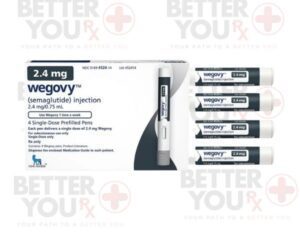
Buy Wegovy from Canada
Original price was: $609.99.$596.99Current price is: $596.99.
Frequently Asked Questions About Retatrutide Heartburn


How to stop heartburn on reta?
Eat smaller, lower fat meals and stay upright for an hour after eating.
These two changes address the slowed digestion behind most cases. If heartburn continues past a couple of weeks, a provider can discuss adjusting the pace of dose increases.
How to get rid of acid reflux from GLP-1?
Smaller meals, upright posture after eating, and avoiding trigger foods usually help.
Caffeine, carbonated drinks, and rich or fatty meals tend to make reflux worse across all GLP-1 and GIP class compounds. Spacing meals more evenly through the day also reduces the load on a slower digestive system.
What are the side effects of too much Retatrutide?
Nausea, vomiting, severe heartburn, and dehydration can occur if a dose is too high.
Because Retatrutide is investigational, dosing should always follow a provider’s specific instructions. Symptoms that feel unusually intense or that include repeated vomiting should be reported right away rather than managed independently.
How to stop heartburn on Semaglutide?
The same approach works: smaller meals, upright posture, and provider guided pacing.
Semaglutide shares the same slowed gastric emptying mechanism as Retatrutide, so the practical relief strategies overlap closely between the two.
Can Retatrutide peptide cause heartburn?
Yes, heartburn is a commonly reported digestive effect during treatment.
It is tied to how the compound slows stomach emptying rather than to the substance directly irritating the esophagus, and it typically improves within a few weeks of a dose change.
Sources
-
Cleveland Clinic — Overview of gastroesophageal reflux disease, causes, and management strategies.
-
Mayo Clinic — Patient guidance on incretin based medications and common gastrointestinal side effects.
-
Journal of Clinical Endocrinology and Metabolism — Research on triple hormone receptor agonists and metabolic outcomes.
-
American College of Gastroenterology — Clinical guidance on diagnosis and management of acid reflux symptoms.
-
Obesity Reviews — Published research on GLP-1 and GIP receptor agonist tolerability and side effect profiles.
This content is for informational purposes only and is not a substitute for professional medical advice, diagnosis, or treatment. Always consult a licensed healthcare provider before starting, stopping, or changing any medication or treatment plan, including compounds discussed as investigational in this article.