
Written by Jessica Hale, Health Content Writer | Medically Reviewed by Dr. Marcus Reyes, PharmD | Updated: September 2026
Last Updated: September 2026
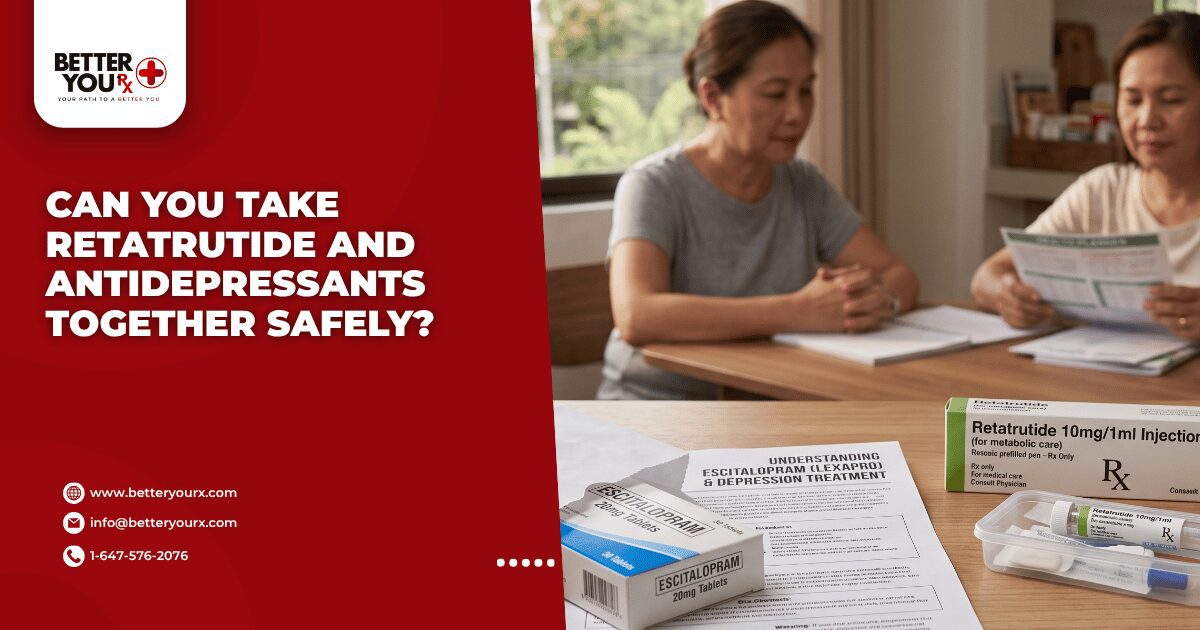
Retatrutide and antidepressants are generally considered compatible when a licensed provider is managing both prescriptions. No major interaction has been established between Retatrutide and standard antidepressant classes such as SSRIs, SNRIs, or atypical antidepressants. That said, appetite suppression, slowed gastric emptying, and shifts in mood or energy that come with rapid weight loss can influence how someone experiences their antidepressant, which is why coordinated care between prescribers matters more than the drug interaction itself.
Key Takeaways
- Retatrutide and antidepressants are not known to have a dangerous drug-drug interaction, and many patients use both under provider supervision
- Appetite, weight, and gastrointestinal changes from Retatrutide can affect how certain antidepressants are absorbed or tolerated, which is why timing and monitoring matter
- Some antidepressants, particularly those linked to weight gain or appetite stimulation, may work against the metabolic goals of Retatrutide therapy
- Mood changes reported during Retatrutide treatment are more often tied to rapid weight loss, reduced appetite, or nutrient shifts than to the medication acting directly on brain chemistry
- A licensed prescriber should always review a full medication list, including antidepressants, before starting Retatrutide therapy

Is It Safe to Combine Retatrutide and Antidepressants?
For most people, yes. Retatrutide is an investigational triple agonist that targets GLP-1, GIP, and glucagon receptors, and it works primarily on appetite regulation and metabolic signaling rather than on serotonin, dopamine, or norepinephrine pathways that antidepressants target. Because the two medication classes act through different biological systems, there is no established pharmacological conflict that would prevent someone from taking both.
The more relevant consideration is practical, not chemical. Retatrutide slows digestion and reduces appetite significantly, and some antidepressants depend on consistent food intake or steady absorption timing to work as expected. A provider managing both prescriptions will typically want to know exactly which antidepressant is involved, the dosage, and how long the person has been stable on it before adding Retatrutide to the regimen.
How Retatrutide Interacts With the Body Differently Than Antidepressants
Retatrutide reduces appetite by slowing stomach emptying and signaling fullness to the brain through metabolic hormone pathways. Antidepressants, by contrast, work by adjusting the availability of neurotransmitters like serotonin or norepinephrine in the brain. Because the mechanisms are separate, Retatrutide and antidepressants are not expected to compete for the same receptors or metabolic pathways in a way that would cause a classic drug interaction.
Where the two can indirectly affect each other is through the gut. Retatrutide slows gastric emptying, and this delayed digestion can theoretically change how quickly an oral antidepressant is absorbed. In practice, most patients on stable antidepressant doses do not report a meaningful difference, but anyone starting Retatrutide while on a newer or recently adjusted antidepressant dose should mention it to their prescriber so absorption changes can be monitored if needed.
| Antidepressant Class | Common Examples | Interaction Notes With Retatrutide |
|---|---|---|
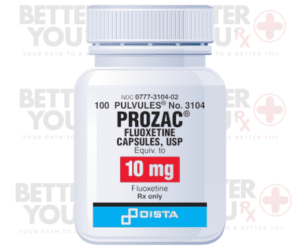
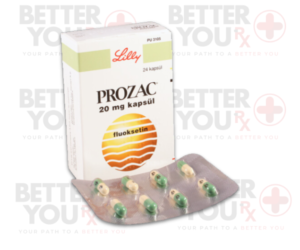
| SSRIs | Lexapro, Zoloft, Prozac | No known direct interaction; monitor appetite and GI tolerance |
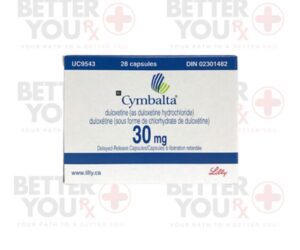
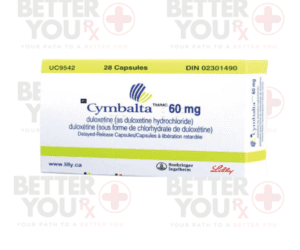
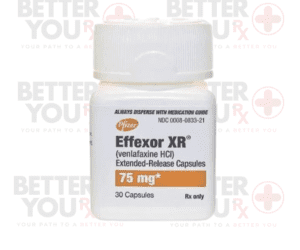
| SNRIs | Cymbalta, Effexor | No known direct interaction; watch for nausea overlap |
| Atypical Antidepressants | Wellbutrin, Remeron | Wellbutrin may support weight goals; Remeron may increase appetite |
| Tricyclic Antidepressants | Amitriptyline, Nortriptyline | Slower gut motility from both drugs may compound constipation |
Things To Know
- Retatrutide does not directly alter serotonin or dopamine levels, so it is not classified as having a pharmacological conflict with antidepressants
- Nausea is a common side effect of both Retatrutide and several antidepressant classes, so overlapping symptoms are not unusual in the first few weeks
- Weight-neutral or weight-loss-supportive antidepressants, such as Wellbutrin, are sometimes preferred by providers for patients also pursuing metabolic treatment
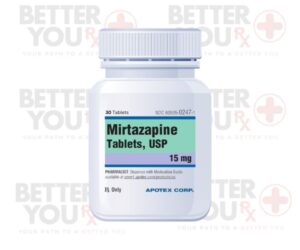
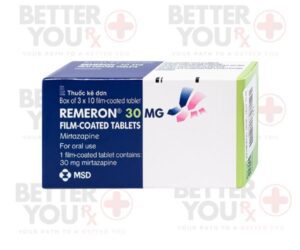
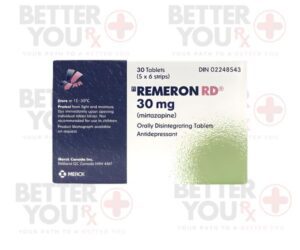
- Appetite-stimulating antidepressants, such as Remeron or Mirtazapine, may partially offset the appetite reduction Retatrutide is intended to produce
- Any dosage adjustment to either medication should happen gradually and under provider guidance, not on a self-directed timeline
Why Mood and Energy Changes Get Attributed to Retatrutide
Patients sometimes report feeling more emotionally flat, irritable, or fatigued after starting Retatrutide, and it is easy to assume the medication is affecting mental health directly. In most documented cases, these shifts trace back to rapid changes in eating patterns, reduced caloric intake, or fluctuations in blood sugar rather than a direct neurological effect. A person eating significantly less than usual, particularly in the first several weeks of treatment, may experience low energy or mood dips simply from the adjustment period, and this pattern is something providers commonly observe when patients begin any GLP-1-class or multi-agonist therapy.
This is one reason providers managing both Retatrutide and antidepressants often ask patients to track mood alongside appetite and weight during the early titration phase. Distinguishing between an expected adjustment period and something that needs medical attention is easier when there is a clear record to review together. Most healthcare providers follow established clinical protocols when prescribing metabolic medications alongside existing psychiatric treatment, which typically includes a check-in schedule during the first two to three months.
Which Antidepressants Pair Best With Retatrutide
Not every antidepressant interacts with weight-focused treatment the same way, and this is often the more practical question patients bring to their providers. The table below outlines general tendencies, though individual response always varies.
| Antidepressant | Typical Weight Effect | Fit With Retatrutide Goals |
|---|---|---|
| Wellbutrin (Bupropion) | Weight neutral or supportive | Often considered compatible with weight management goals |
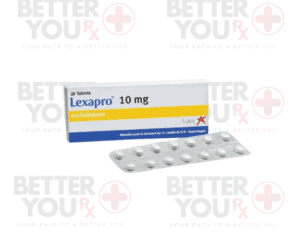
| Lexapro (Escitalopram) | Mild to neutral weight effect | Commonly used alongside GLP-1 class treatment |
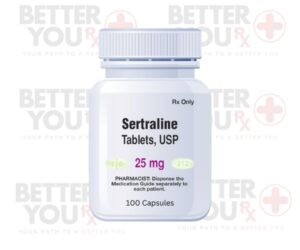
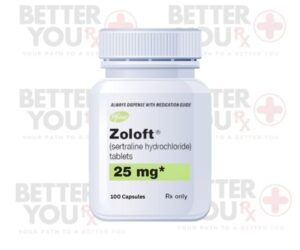
| Zoloft (Sertraline) | Mild to neutral weight effect | Commonly used alongside GLP-1 class treatment |
| Remeron (Mirtazapine) | Associated with appetite increase | May work against Retatrutide’s appetite goals |
| Paxil (Paroxetine) | More commonly linked to weight gain | May require closer monitoring |
Why one option tends to work better than another usually comes down to how the antidepressant affects hunger signaling and metabolism on its own. How a provider decides which combination is appropriate depends on the patient’s full psychiatric history, how long they have been stable, and whether switching medications carries more risk than simply monitoring the current combination. Which option is ultimately best is a decision that belongs to the prescriber and patient together, not something to determine independently.
For a broader look at how Retatrutide compares to other metabolic medications, the difference between Retatrutide and Tirzepatide is worth reviewing before starting treatment. Patients weighing side effect profiles may also want to read about Retatrutide side effects and the documented benefits of Retatrutide before combining it with any existing prescription.

Getting Started With a Coordinated Treatment Plan
Anyone currently taking an antidepressant who is considering Retatrutide should start with a conversation, not a decision made alone. A licensed provider will typically review the full medication list, recent psychiatric history, and any prior reactions to appetite-related changes before approving a combined treatment plan. This is standard practice regardless of which antidepressant is involved.
Buy Acetazolamide from Canada
Original price was: $60.00.$30.95Current price is: $30.95.
Buy Activelle from Canada
Original price was: $100.00.$90.95Current price is: $90.95.
Buy Acular Ls Ophthalmic Solution from Canada
Original price was: $70.00.$30.95Current price is: $30.95.
Buy Aczone from Canada
Original price was: $123.00.$110.95Current price is: $110.95.
Buy Addyi (Flibanserin) from Canada
Original price was: $566.00.$374.99Current price is: $374.99.
Buy Aerius (Desloratadine) from Canada
Original price was: $77.99.$51.99Current price is: $51.99.
Buy Afinitor (Everolimus) from Canada
Original price was: $16,417.00.$2,559.00Current price is: $2,559.00.
Buy Airomir Inhaler from Canada
Original price was: $70.00.$6.33Current price is: $6.33.
Buy Alecensa (Alectinib) from Canada
Original price was: $21,522.10.$21,512.10Current price is: $21,512.10.
Buy Aleve Caplets from Canada
Original price was: $60.00.$14.63Current price is: $14.63.
Buy Alfuzosin from Canada
Original price was: $50.00.$27.32Current price is: $27.32.
Buy Alunbrig (Brigatinib) from Canada
Original price was: $22,959.06.$22,949.06Current price is: $22,949.06.
Buy Anandron from Canada
Original price was: $563.00.$332.99Current price is: $332.99.
Buy Anoro Ellipta Inhaler from Canada
Original price was: $256.00.$155.99Current price is: $155.99.
Buy Anusol from Canada
Original price was: $67.00.$54.95Current price is: $54.95.
Buy Anusol HC Suppositories from Canada
Original price was: $78.00.$54.95Current price is: $54.95.
Buy Anusol Plus Suppositories from Canada
Original price was: $23.00.$17.25Current price is: $17.25.
Buy Apidra Cartridge from Canada
Original price was: $319.00.$309.00Current price is: $309.00.
Buy Apidra Vial from Canada
Original price was: $79.00.$65.99Current price is: $65.99.
Buy Aptivus (Tipranavir) from Canada
Original price was: $3,444.00.$786.99Current price is: $786.99.
Buy Atazor (Atazanavir) from Canada
Original price was: $99.99.$88.99Current price is: $88.99.
Buy Atazor-R (Atazanavir/Ritonavir) from Canada
Original price was: $200.00.$71.99Current price is: $71.99.
Buy Atrovent Inhaler from Canada
Original price was: $62.00.$52.99Current price is: $52.99.
Buy Avodart (Dutasteride) from Canada
Original price was: $170.00.$101.99Current price is: $101.99.
Buy Azithromycin from Canada
Original price was: $56.00.$26.99Current price is: $26.99.
Buy Azopt (Brinzolamide) from Canada
Original price was: $78.00.$60.99Current price is: $60.99.
Buy Basaglar Cartridge from Canada
Original price was: $159.99.$121.99Current price is: $121.99.
Buy BD Nano Pro Pen Needles Ultrafine from Canada
Original price was: $100.00.$53.99Current price is: $53.99.
Buy Beclate HFA Inhaler from Canada
Original price was: $78.00.$37.99Current price is: $37.99.
Buy Beclomethasone Nasal Spray from Canada
Original price was: $67.00.$40.99Current price is: $40.99.
Buy Benadryl Itch Stick from Canada
Original price was: $34.00.$15.99Current price is: $15.99.
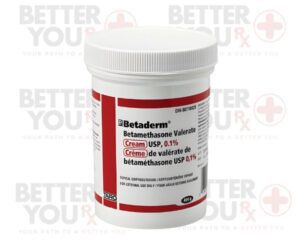
Buy Betaderm Cream from Canada
Original price was: $67.00.$52.38Current price is: $52.38.
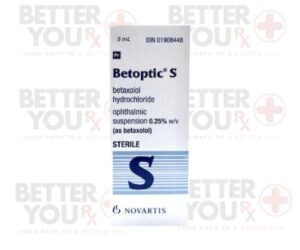
Buy Betoptic S from Canada
Original price was: $56.00.$40.95Current price is: $40.95.
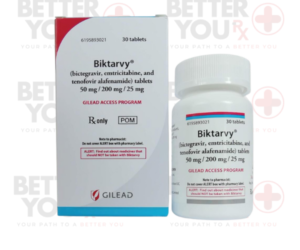
Buy Biktarvy from Canada
Original price was: $2,547.00.$1,469.99Current price is: $1,469.99.
Buy Bosulif (Bosutinib Monohydrate) from Canada
Original price was: $20,535.00.$20,525.00Current price is: $20,525.00.
Buy Breo Ellipta from Canada
Original price was: $239.99.$196.99Current price is: $196.99.
Buy Bricanyl from Canada
Original price was: $56.00.$36.99Current price is: $36.99.
Buy Brimonidine from Canada
Original price was: $34.00.$22.13Current price is: $22.13.
Buy Brimonidine P from Canada
Original price was: $56.00.$52.99Current price is: $52.99.
Buy Brukinsa (Zanubrutinib) from Canada
Original price was: $15,274.00.$15,264.00Current price is: $15,264.00.
Buy Budesonide from Canada
Original price was: $67.00.$36.61Current price is: $36.61.
Buy Cabometyx (Cabozantinib) from Canada
Original price was: $26,380.00.$26,370.00Current price is: $26,370.00.
Buy Calquence (Acalabrutinib) from Canada
Original price was: $15,731.00.$15,721.00Current price is: $15,721.00.
Buy Ceftrisol Plus (Ceftriaxone) from Canada
Original price was: $42.58.$32.58Current price is: $32.58.
Buy Cellcept from Canada
Original price was: $345.00.$309.99Current price is: $309.99.
Buy Champix (Chantix) Continue Pack from Canada
Original price was: $138.00.$128.38Current price is: $128.38.
Buy Champix (Chantix) Starter Pack from Canada
Original price was: $179.00.$169.88Current price is: $169.88.
Buy Ciprodex Otic Suspension from Canada
Original price was: $70.00.$67.99Current price is: $67.99.
Buy Clasteon from Canada
Original price was: $345.00.$282.00Current price is: $282.00.
Buy Clobetasol Ointment from Canada
Original price was: $92.00.$52.99Current price is: $52.99.
Buy Clobetasol Scalp Lotion from Canada
Original price was: $62.00.$53.99Current price is: $53.99.
Buy Clobetasol Cream from Canada
Original price was: $56.00.$52.99Current price is: $52.99.
Buy Clobex Spray from Canada
Original price was: $300.00.$256.45Current price is: $256.45.
Buy Clonate Ointment from Canada
Original price was: $56.00.$27.99Current price is: $27.99.
Buy Clonate Scalp Lotion from Canada
Original price was: $56.00.$38.99Current price is: $38.99.
Buy Clopidogrel tablets from Canada
Original price was: $45.00.$27.63Current price is: $27.63.
Buy Colchicine Tablets from Canada
Original price was: $80.00.$59.99Current price is: $59.99.
Buy Combivent Respimat from Canada
Original price was: $80.00.$53.99Current price is: $53.99.
Buy Complera from Canada
Original price was: $3,657.00.$1,966.99Current price is: $1,966.99.
Buy Cotellic (Cobimetinib Fumarate) from Canada
Original price was: $8,113.00.$8,103.00Current price is: $8,103.00.
Buy Creon from Canada
Original price was: $140.00.$132.25Current price is: $132.25.
Buy Cyclosporine Ophthalmic Emulsion from Canada
Original price was: $165.00.$162.60Current price is: $162.60.
Buy Cyproterone Acetate from Canada
Original price was: $256.00.$140.17Current price is: $140.17.
Buy Cytoxan (Cyclophosphamide) from Canada
Original price was: $140.00.$130.00Current price is: $130.00.
Buy Darzalex from Canada
Original price was: $11,000.00.$9,457.99Current price is: $9,457.99.
Buy Daxas Tablets from Canada
Original price was: $100.00.$96.99Current price is: $96.99.
Buy Dermotic Oil Ear Drops from Canada
Original price was: $67.00.$51.99Current price is: $51.99.
Buy Dermovate Cream from Canada
Original price was: $56.00.$34.99Current price is: $34.99.
Buy Dermovate Hair Lotion from Canada
Original price was: $67.00.$34.99Current price is: $34.99.
Buy Descovy from Canada
Original price was: $2,010.00.$1,172.99Current price is: $1,172.99.
Buy Desonide Cream from Canada
Original price was: $66.00.$44.95Current price is: $44.95.
Buy Dihydroergotamine (DHE) Injection from Canada
Original price was: $342.00.$143.99Current price is: $143.99.
Buy Dihydroergotamine Injection from Canada
Original price was: $86.63.$53.73Current price is: $53.73.
Buy Dilantin Infatabs Tablets from Canada
Original price was: $85.00.$36.99Current price is: $36.99.
Buy Dilantin Suspension from Canada
Original price was: $85.00.$38.88Current price is: $38.88.
Buy Dovato from Canada
Original price was: $2,978.00.$1,502.99Current price is: $1,502.99.
Buy Duolin Inhaler from Canada
Original price was: $67.00.$32.99Current price is: $32.99.
Buy Durezol Ophthalmic Eyedrops from Canada
Original price was: $75.00.$67.99Current price is: $67.99.
Buy Dutasteride Tablets from Canada
Original price was: $71.99.$47.99Current price is: $47.99.
Buy Edarbyclor Tablets from Canada
Original price was: $80.00.$76.99Current price is: $76.99.
Buy Elidel Cream from Canada
Original price was: $300.00.$272.00Current price is: $272.00.
Buy Enbrel Pre-filled SureClick Auto Injector from Canada
Original price was: $3,000.00.$2,407.99Current price is: $2,407.99.
Buy Entocort Enema Tablets from Canada
Original price was: $191.00.$138.99Current price is: $138.99.
Buy Erivedge (Vismodegib) from Canada
Original price was: $12,310.00.$12,300.00Current price is: $12,300.00.
Buy Estragyn Vaginal Cream from Canada
Original price was: $67.00.$54.00Current price is: $54.00.
Buy Estring Vaginal Ring from Canada
Original price was: $190.00.$136.99Current price is: $136.99.
Buy Evra Patches from Canada
Original price was: $78.00.$50.00Current price is: $50.00.
Buy Exemestane Tablets from Canada
Original price was: $190.00.$188.99Current price is: $188.99.
Buy Fiasp Cartridge from Canada
Original price was: $160.00.$115.99Current price is: $115.99.
Buy Fiasp Flextouch from Canada
Original price was: $134.99.$104.99Current price is: $104.99.
Buy Finacea Azelaic Acid Gel from Canada
Original price was: $90.00.$78.99Current price is: $78.99.
Buy Finasteride Gluten Free from Canada
Original price was: $123.00.$94.99Current price is: $94.99.
Buy Flarex Ophthalmic Solution from Canada
Original price was: $55.00.$33.99Current price is: $33.99.
Buy Flexitol Anti-Fungal Liquid from Canada
Original price was: $55.00.$17.99Current price is: $17.99.
Buy Florinef Acetate from Canada
Original price was: $78.00.$64.95Current price is: $64.95.
Buy Fluphenazine from Canada
Original price was: $250.00.$99.95Current price is: $99.95.
Buy Fluticasone Nasal Spray from Canada
Original price was: $78.00.$24.99Current price is: $24.99.
Buy FML Liquifilm Eye Drops from Canada
Original price was: $67.00.$27.99Current price is: $27.99.
Buy Fulvestrant from Canada
Original price was: $2,000.00.$891.99Current price is: $891.99.
Buy Genvoya from Canada
Original price was: $4,473.15.$2,011.99Current price is: $2,011.99.
Buy Gilotrif (Afatinib) from Canada
Original price was: $95.13.$85.13Current price is: $85.13.
Buy Gleevec from Canada
Original price was: $8,894.00.$4,262.99Current price is: $4,262.99.
Buy Gleostine (Lomustine) from Canada
Original price was: $568.00.$558.00Current price is: $558.00.
Buy Glucagon Emergency Kit from Canada
Original price was: $205.00.$129.00Current price is: $129.00.
Buy Glucagon HypoKit from Canada
Original price was: $326.47.$316.47Current price is: $316.47.
Buy Harvoni from Canada
Original price was: $1,010.00.$1,000.00Current price is: $1,000.00.
Buy Humalog Cartridge from Canada
Original price was: $160.00.$102.99Current price is: $102.99.
Buy Humalog from Canada
Original price was: $119.99.$109.99Current price is: $109.99.
Buy Humalog Junior Kwikpen from Canada
Original price was: $180.00.$109.99Current price is: $109.99.
Buy Humalog Kwikpen from Canada
Original price was: $199.00.$156.99Current price is: $156.99.
Buy Humalog Mix Cartridge from Canada
Original price was: $120.99.$93.02Current price is: $93.02.
Buy Humulin Cartridge from Canada
Original price was: $150.00.$83.99Current price is: $83.99.
Buy Humulin N Kwikpen from Canada
Original price was: $109.99.$87.99Current price is: $87.99.
Buy Humulin N Vial from Canada
Original price was: $85.00.$62.99Current price is: $62.99.
Buy Humulin R Vial from Canada
Original price was: $190.00.$86.99Current price is: $86.99.
Buy Humulin Vial from Canada
Original price was: $190.00.$90.99Current price is: $90.99.
Buy Hydroxychloroquine from Canada
Original price was: $79.00.$60.99Current price is: $60.99.
Buy Ibrance (Palbociclib) from Canada
Original price was: $13,010.00.$6,357.99Current price is: $6,357.99.
Buy Ilevro Ophthalmic Suspension from Canada
Original price was: $45.00.$33.34Current price is: $33.34.
Buy Imbruvica (Ibrutinib) from Canada
Original price was: $12,499.99.$11,014.99Current price is: $11,014.99.
Buy Imitrex Nasal Spray from Canada
Original price was: $89.00.$76.99Current price is: $76.99.
Buy Incruse Ellipta from Canada
Original price was: $357.14.$347.14Current price is: $347.14.
Buy Inlyta (Axitinib) from Canada
Original price was: $510.00.$500.00Current price is: $500.00.
Buy Inqovi (Cedazuridine / Decitabine) from Canada
Original price was: $122.99.$112.99Current price is: $112.99.
Buy Insulin Apidra Solostar Pens from Canada
Original price was: $130.00.$121.99Current price is: $121.99.
Buy Insulin Basaglar Kwikpen from Canada
Original price was: $159.99.$115.99Current price is: $115.99.
Buy Insulin Humalog Vial from Canada
Original price was: $74.99.$62.99Current price is: $62.99.
Buy Insulin Lantus Solostar from Canada
Original price was: $199.99.$186.99Current price is: $186.99.
Buy Insulin Levemir Flextouch from Canada
Original price was: $204.99.$200.00Current price is: $200.00.
Buy Insulin Levemir Penfill Cartridges from Canada
Original price was: $345.00.$213.99Current price is: $213.99.
Buy Insulin Novolin ge NPH PenFill from Canada
Original price was: $123.00.$94.99Current price is: $94.99.
Buy Insulin Novolin ge NPH Vial from Canada
Original price was: $79.99.$78.99Current price is: $78.99.
Buy Insulin Novolin GE Vial from Canada
Original price was: $90.00.$78.99Current price is: $78.99.
Buy Insulin Novomix Penfill from Canada
Original price was: $147.00.$143.99Current price is: $143.99.
Buy Insulin Novorapid FlexPens from Canada
Original price was: $165.99.$125.00Current price is: $125.00.
Buy Insulin Novorapid PenFill from Canada
Original price was: $165.99.$139.99Current price is: $139.99.
Buy Insulin Novorapid Vial from Canada
Original price was: $184.99.$85.99Current price is: $85.99.
Buy Insulin Tresiba Flextouch from Canada
Original price was: $356.00.$193.99Current price is: $193.99.
Buy Intelence from Canada
Original price was: $1,900.00.$1,180.99Current price is: $1,180.99.
Buy Ipravent from Canada
Original price was: $67.00.$30.99Current price is: $30.99.
Buy Iressa (Gefitinib) from Canada
Original price was: $6.97.$5.97Current price is: $5.97.
Buy Isentress (Raltegravir) from Canada
Original price was: $1,989.28.$1,258.99Current price is: $1,258.99.
Buy Isopropyl Alcohol from Canada
Original price was: $96.00.$27.99Current price is: $27.99.
Buy Isopto Carpine from Canada
Original price was: $42.00.$29.99Current price is: $29.99.
Buy Isosorbide Dinitrate from Canada
Original price was: $45.00.$35.95Current price is: $35.95.
Buy K-Citra Potassium Citrate from Canada
Original price was: $120.00.$67.99Current price is: $67.99.
Buy Kaletra from Canada
Original price was: $1,200.00.$1,056.99Current price is: $1,056.99.
Buy Kesimpta from Canada
Original price was: $3,000.00.$2,883.99Current price is: $2,883.99.
Buy Ketorolac Vial from Canada
Original price was: $70.00.$66.31Current price is: $66.31.
Buy Kivexa from Canada
Original price was: $1,350.00.$1,269.99Current price is: $1,269.99.
Buy Klisyri (Tirbanibulin) from Canada
Original price was: $4,786.50.$4,776.50Current price is: $4,776.50.
Buy Koselugo (Selumetinib Sulfate) from Canada
Original price was: $12,600.00.$12,500.00Current price is: $12,500.00.
Buy Lacrisert Ophthalmic Insert from Canada
Original price was: $456.00.$323.99Current price is: $323.99.
Buy Lantus Cartridges from Canada
Original price was: $234.00.$167.99Current price is: $167.99.
Buy Lantus Vial from Canada
Original price was: $155.00.$140.99Current price is: $140.99.
Buy Lenvima (lenvatinib) from Canada
Original price was: $134.67.$124.67Current price is: $124.67.
Buy Lonsurf (Tipiracil Hydrochloride / Trifluridine) from Canada
Original price was: $5,612.78.$5,602.78Current price is: $5,602.78.
Buy Losec Capsules from Canada
Original price was: $45.00.$33.39Current price is: $33.39.
Buy Lotemax Ophthalmic Ointment from Canada
Original price was: $123.00.$48.99Current price is: $48.99.
Buy Lucentis Prefilled Syringe from Canada
Original price was: $3,000.00.$2,584.99Current price is: $2,584.99.
Buy Lucentis Vial from Canada
Original price was: $3,000.00.$2,534.99Current price is: $2,534.99.
Buy Lumakras (Sotorasib) from Canada
Original price was: $21,196.00.$21,186.00Current price is: $21,186.00.
Buy Lumigan RC Ophthalmic Solution from Canada
Original price was: $150.00.$130.99Current price is: $130.99.
Buy Lynparza (Olaparib) from Canada
Original price was: $8,384.00.$5,008.99Current price is: $5,008.99.
Buy Megace (Megestrol) from Canada
Original price was: $52.84.$42.84Current price is: $42.84.
Buy Mekinist (Trametinib dimethyl sulfoxide) from Canada
Original price was: $12,599.99.$11,621.99Current price is: $11,621.99.
Buy Methazolamide from Canada
Original price was: $119.00.$110.99Current price is: $110.99.
Buy Methazolamide Online From Canada
Original price was: $200.00.$110.99Current price is: $110.99.
Buy Methotrexate Sodium from Canada
Original price was: $48.91.$38.91Current price is: $38.91.
Buy Mezavant ER from Canada
Original price was: $455.00.$336.90Current price is: $336.90.
Buy Migranal Nasal Spray from Canada
Original price was: $67.00.$59.95Current price is: $59.95.
Buy Mometasone Nasal Spray from Canada
Original price was: $55.00.$27.99Current price is: $27.99.
Buy Mometasone Nasal Spray from Canada
Original price was: $41.99.$13.99Current price is: $13.99.
Buy Myleran (Busulfan) from Canada
Original price was: $5,263.00.$5,253.00Current price is: $5,253.00.
Buy Nasonex Aqueous Nasal Spray from Canada
Original price was: $89.00.$40.99Current price is: $40.99.
Buy Nevanac Ophthalmic Suspension from Canada
Original price was: $89.00.$29.60Current price is: $29.60.
Buy Nicorette Cinnamongum from Canada
Original price was: $78.00.$62.95Current price is: $62.95.
Buy Nicorette Extreme Chillgum from Canada
Original price was: $70.00.$62.95Current price is: $62.95.
Buy Nicorette Fresh Fruitgum from Canada
Original price was: $78.00.$62.95Current price is: $62.95.
Buy Nicorette Inhaler from Canada
Original price was: $55.00.$45.99Current price is: $45.99.
Buy Nitrolingual Pumpspray from Canada
Original price was: $56.00.$27.95Current price is: $27.95.
Buy Nizoral Shampoo from Canada
Original price was: $45.00.$23.95Current price is: $23.95.
Buy Noritate Cream from Canada
Original price was: $67.00.$52.99Current price is: $52.99.
Buy Novolin GE Toronto Pen from Canada
Original price was: $115.00.$105.00Current price is: $105.00.
Buy Novolog Flexpens from Canada
Original price was: $140.99.$130.99Current price is: $130.99.
Buy NuvaRing Vaginal Ring from Canada
Original price was: $89.00.$50.99Current price is: $50.99.
Buy Nystatin Oral Suspension from Canada
Original price was: $56.00.$40.00Current price is: $40.00.
Buy Odefsey from Canada
Original price was: $3,460.14.$1,888.99Current price is: $1,888.99.
Buy Omnaris Nasal Spray from Canada
Original price was: $78.00.$62.99Current price is: $62.99.
Buy Otrivin Measured Dose Pump from Canada
Original price was: $55.00.$41.99Current price is: $41.99.
Buy Otrivin Nasal Spray from Canada
Original price was: $55.00.$30.99Current price is: $30.99.
Buy Ovidrel Syringe from Canada
Original price was: $111.00.$109.38Current price is: $109.38.
Buy Palladia (Toceranib) Pet Medicine from Canada
Original price was: $38.73.$28.73Current price is: $28.73.
Buy Pataday phthalmic Solution from Canada
Original price was: $89.00.$68.99Current price is: $68.99.
Buy Paxil CR Tablets from Canada
Original price was: $150.00.$124.99Current price is: $124.99.
Buy Pentasa Enema from Canada
Original price was: $129.00.$110.99Current price is: $110.99.
Buy Pentasa Suppositories from Canada
Original price was: $300.00.$133.99Current price is: $133.99.
Buy Pentasa Tablets from Canada
Original price was: $150.00.$96.99Current price is: $96.99.
Buy Pifeltro (Doravirine) from Canada
Original price was: $1,748.41.$1,738.41Current price is: $1,738.41.
Buy Potassium Chloride from Canada
Original price was: $55.00.$26.99Current price is: $26.99.
Buy Prednisolone Opthalmic Suspension from Canada
Original price was: $45.00.$29.95Current price is: $29.95.
Buy Pregnyl HCG from Canada
Original price was: $150.00.$128.99Current price is: $128.99.
Buy Premarin Vaginal Cream from Canada
Original price was: $89.00.$62.99Current price is: $62.99.
Buy Prezcobix from Canada
Original price was: $2,568.00.$1,119.99Current price is: $1,119.99.
Buy Prolia (Denosumab) from Canada
Original price was: $1,634.54.$700.99Current price is: $700.99.
Buy Prometrium (Progesterone) from Canada
Original price was: $150.00.$84.99Current price is: $84.99.
Buy Qvar Beclomethasone Nasal Spray from Canada
Original price was: $38.00.$29.95Current price is: $29.95.
Buy Restasis Ophthalmic Emulsion from Canada
Original price was: $305.00.$291.99Current price is: $291.99.
Buy Rhinaris Nasal Gel from Canada
Original price was: $55.00.$9.99Current price is: $9.99.
Buy Rhinaris Nasal Mist from Canada
Original price was: $55.00.$9.99Current price is: $9.99.
Buy Rhinaris Nozoil Nasal Spray from Canada
Original price was: $55.00.$37.99Current price is: $37.99.
Buy Rivaroxaban from Canada
Original price was: $210.00.$110.99Current price is: $110.99.
Buy Rocephin (Ceftriaxone) from Canada
Original price was: $42.58.$32.58Current price is: $32.58.
Buy Salofalk Tablets from Canada
Original price was: $150.00.$120.99Current price is: $120.99.
Buy Salofalk Suspension from Canada
Original price was: $120.00.$109.99Current price is: $109.99.
Buy Saxenda from Canada
Original price was: $614.99.$511.99Current price is: $511.99.
Buy Selzentry (Maraviroc) from Canada
Original price was: $235.68.$225.68Current price is: $225.68.
Buy Solifenacin Succinate from Canada
Original price was: $120.00.$55.99Current price is: $55.99.
Buy Soliqua Solostar from Canada
Original price was: $831.71.$305.99Current price is: $305.99.
Buy Solu-Cortef Act-O-Vial from Canada
Original price was: $90.00.$76.99Current price is: $76.99.
Buy Stelara from Canada
Original price was: $13,981.00.$6,929.99Current price is: $6,929.99.
Buy Sustiva (Efavirenz) from Canada
Original price was: $536.00.$526.00Current price is: $526.00.
Buy Symbicort Inhaler from Canada
Original price was: $693.75.$683.75Current price is: $683.75.
Buy Symtuza from Canada
Original price was: $4,856.00.$4,846.00Current price is: $4,846.00.
Buy Tivicay from Canada
Original price was: $1,100.00.$1,032.99Current price is: $1,032.99.
Buy Toujeo Doublestar/Solostar Prefilled Pen from Canada
Price range: $146.99 through $202.99
Buy Travatan Z Ophthalmic Solution from Canada
Original price was: $130.00.$109.99Current price is: $109.99.
Buy Trelegy Ellipta from Canada
Original price was: $234.00.$197.99Current price is: $197.99.
Buy Triumeq from Canada
Original price was: $3,744.00.$2,288.99Current price is: $2,288.99.
Buy Trulicity from Canada
Original price was: $394.99.$291.99Current price is: $291.99.
Buy Trulicity Pen from Canada
Original price was: $394.99.$291.99Current price is: $291.99.
Buy Truvada from Canada
Original price was: $2,000.00.$1,066.99Current price is: $1,066.99.
Buy Vaniqa Hair Growth Inhibitor Cream from Canada
Original price was: $150.00.$115.99Current price is: $115.99.
Buy Ventolin Diskus from Canada
Original price was: $60.00.$40.99Current price is: $40.99.
Buy Ventolin Evohaler from Canada
Original price was: $55.00.$42.95Current price is: $42.95.
Buy Ventolin HFA from Canada
Original price was: $300.00.$200.00Current price is: $200.00.
Buy Victoza from Canada
Original price was: $356.99.$266.99Current price is: $266.99.
Buy Victoza Prefilled Pen from Canada
Original price was: $438.99.$372.99Current price is: $372.99.
Buy Viracept from Canada
Original price was: $1,298.00.$1,288.00Current price is: $1,288.00.
Buy Viramune (Nevirapine) from Canada
Original price was: $579.99.$569.99Current price is: $569.99.
Buy Vitamin B12 Injection from Canada
Original price was: $55.00.$41.99Current price is: $41.99.
Buy Voltaren Emulgel Extra Strength from Canada
Original price was: $55.00.$43.99Current price is: $43.99.
Buy Voltaren Emulgel from Canada
Original price was: $55.00.$40.99Current price is: $40.99.
Buy Wegovy from Canada
Original price was: $609.99.$596.99Current price is: $596.99.
Buy Xtandi (Enzalutamide) from Canada
Original price was: $19,677.94.$4,181.99Current price is: $4,181.99.
Buy Xultophy Prefilled Pen from Canada
Original price was: $1,427.12.$341.99Current price is: $341.99.
Buy Ziagen (Abacavir) from Canada
Original price was: $174.00.$164.00Current price is: $164.00.
Buy Zomig Tablets from Canada
Original price was: $130.00.$128.99Current price is: $128.99.
Tesamorelin
Disclaimer: Amino Longevity is a contracted platform for this product. Both websites are separate entities

















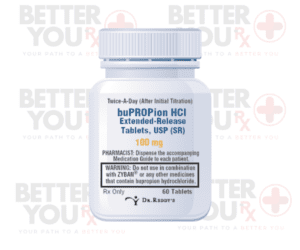
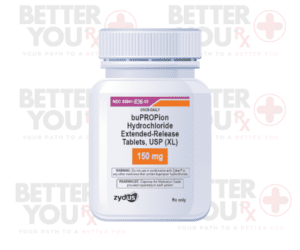



















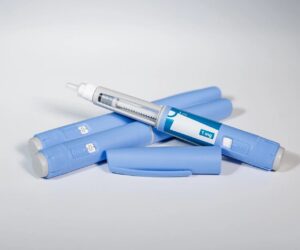



















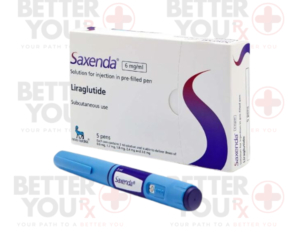



























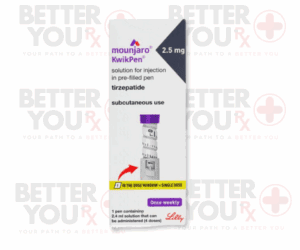
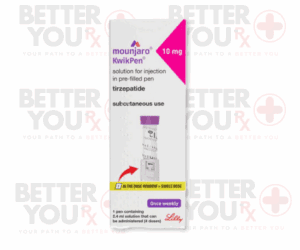

Patients interested in exploring metabolic treatment options alongside their current mental health care can also look into Zepbound Kwikpen, Mounjaro Kwikpen, or Saxenda as comparable options depending on what a provider recommends. According to the Cleveland Clinic’s overview of GLP-1 medications, coordinating any new metabolic prescription with existing mental health treatment is a routine part of safe prescribing.
The Bottom Line on Retatrutide and Antidepressants
Combining Retatrutide and antidepressants is common practice for patients managing both metabolic and mental health goals, and no established interaction makes the pairing unsafe on its own. The details that matter most are which antidepressant is involved, how appetite and digestion changes are tracked, and whether a provider is actively coordinating both prescriptions. Patients considering Retatrutide and antidepressants together should treat that conversation with their prescriber as the first step, not an afterthought.
Better You Rx is a prescription referral service with a licensed contracted dispensing department, connecting patients across the United States with the medications their provider prescribes. Prescriptions must be issued in English by a primary care physician or licensed medical doctor practicing within the United States, and orders are mailed directly to the patient’s residence for personal use only.
Frequently Asked Questions
What medications cannot be taken with Retatrutide?
There is no long list of medications strictly prohibited with Retatrutide, but insulin, sulfonylureas, and certain oral medications requiring precise absorption timing need closer monitoring. A provider reviewing a full medication list is the safest way to confirm compatibility before starting treatment.
Can you take a GLP-1 while on antidepressants?
Yes, GLP-1 class medications and antidepressants are commonly prescribed together without a known dangerous interaction. Providers typically monitor appetite, mood, and gastrointestinal symptoms during the first few months of combined use.
Can I take Retatrutide with Lexapro?
Retatrutide and Lexapro do not have a known direct drug interaction and are frequently used together under provider supervision. Lexapro’s relatively weight-neutral profile makes it a common pairing for patients pursuing metabolic treatment.
Does Retatrutide affect mental health?
Retatrutide is not classified as acting directly on brain chemistry, but rapid appetite and weight changes can indirectly affect mood and energy. Tracking these changes with a provider helps distinguish normal adjustment from something needing attention.
Can Retatrutide help with anxiety?
Retatrutide is not approved or studied as an anxiety treatment, and it should not replace prescribed anxiety medication. Any anxiety-related symptoms during treatment should be discussed directly with a prescribing provider.
Sources
- New England Journal of Medicine — Clinical trial data on multi-agonist and GLP-1 receptor pathway medications for weight management.
- Cleveland Clinic — Patient overview of GLP-1 agonist medications, mechanisms, and monitoring considerations.
- Mayo Clinic — Reference guide on antidepressant classes, side effects, and weight-related considerations.
- Journal of Clinical Psychiatry — Research on antidepressant selection and metabolic side effect profiles.
- American Diabetes Association Clinical Compendium — Guidance on incretin-based therapies and concurrent medication management.
This content is for informational purposes only and is not a substitute for professional medical advice, diagnosis, or treatment. Always consult a licensed healthcare provider before starting, stopping, or combining any medication, including Retatrutide or antidepressants.