
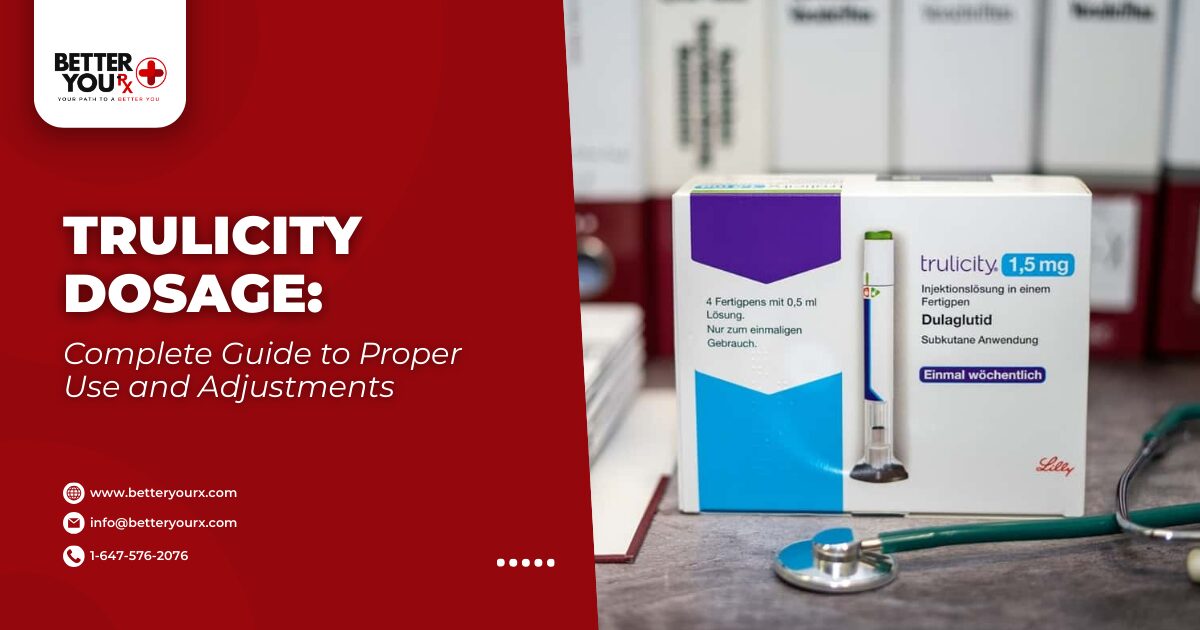
Begins at 0.75 mg administered once weekly, with potential increases up to 4.5 mg depending on your blood sugar management needs and medical provider’s assessment. Understanding the correct dosing schedule helps maximize treatment effectiveness while minimizing side effects for Type 2 diabetes management.
Managing Type 2 diabetes requires careful attention to medication dosing, and Trulicity (dulaglutide) has become a trusted option for millions of patients. Whether you’re just starting treatment or considering a dose adjustment, knowing how this medication works and which dose fits your needs makes all the difference in achieving optimal blood sugar control.
What Is Trulicity and How Does It Work?
Trulicity belongs to a class of medications called GLP-1 receptor agonists. This injectable medication mimics a natural hormone in your body that helps regulate blood sugar levels after eating. By activating GLP-1 receptors, it stimulates insulin release when blood sugar is elevated, slows stomach emptying, and reduces the amount of sugar your liver produces.
The medication comes in a prefilled single-dose pen that you inject once weekly, always on the same day. This convenient weekly schedule makes it easier to maintain consistent treatment compared to daily medications. The injection goes into your abdomen, thigh, or upper arm, and you can take it with or without food.
Why Trulicity Dosage Matters for Treatment Success
Getting the right dose affects both your treatment results and how well you tolerate the medication. Too low a dose might not provide adequate blood sugar control, while jumping to higher doses too quickly can increase the risk of gastrointestinal side effects like nausea and vomiting.
Your healthcare provider determines your appropriate dose based on several factors including your current A1C levels, how well you’re managing blood sugar, other medications you’re taking, and how you respond to treatment. Regular monitoring and open communication with your doctor ensure you’re on the most effective dose for your situation.
Trulicity Dosage Chart: Understanding Your Options
Here’s a comprehensive breakdown of available Trulicity doses:
| Dose Strength | Typical Use | Key Characteristics |
| 0.75 mg | Starting dose for most patients | Helps body adjust with minimal side effects |
| 1.5 mg | Standard maintenance dose | Effective for many patients after initial period |
| 3 mg | For additional glycemic control | Used when lower doses don’t achieve A1C targets |
| 4.5 mg | Maximum dose available | Reserved for patients needing strongest glucose control |
Each dose comes in a separate pen, color-coded for easy identification. The 0.75 mg pen has a light green label, 1.5 mg is green, 3 mg is blue, and 4.5 mg is burgundy.
Starting Dose Protocol
Most patients begin with Trulicity 0.75 mg once weekly. This starting dose allows your body to adjust to the medication while minimizing common side effects. Your doctor will typically keep you at this dose for at least 4 weeks before considering any increases.
During this initial period, you’ll monitor your blood sugar levels regularly and report any side effects. This information helps your healthcare provider determine whether you should remain at the starting dose or increase to 1.5 mg for better glycemic control.
Maintenance Dose Guidelines
After the initial adjustment period, many patients move to the 1.5 mg maintenance dose. This strength represents the standard dosing level where most people find a good balance between blood sugar control and manageable side effects. Your body has typically adapted to the medication by this point, making the transition smoother.
Staying at the maintenance dose works well for patients whose A1C levels reach target ranges. If you’re consistently hitting your blood sugar goals and feeling well, there’s no need to increase further. The goal is always to use the lowest effective dose.
Higher Dose Considerations
The 3 mg and 4.5 mg doses serve patients who need more aggressive blood sugar management. These higher strengths come into play when maintenance doses don’t bring A1C levels down enough. Your doctor will carefully evaluate whether the benefits of stronger dosing outweigh the increased risk of side effects.
Patients on higher doses often have more advanced diabetes or additional health factors that make blood sugar control more challenging. Close monitoring becomes even more important at these levels to ensure safety and effectiveness.
When to Increase Trulicity Dose: Signs and Timing
 Dose adjustments happen gradually and deliberately. Your healthcare provider will consider increasing your dose if:
Blood Sugar Control Remains Suboptimal: If your A1C levels haven’t reached target goals after 4-6 weeks at your current dose, an increase may help. Most doctors aim for an A1C below 7%, though individual targets vary.
You’re Tolerating Current Dose Well: Before increasing, you should be experiencing minimal side effects from your current dose. If nausea or other gastrointestinal issues persist, your doctor will address these before considering dose escalation.
Additional Glycemic Control Is Needed: Some patients achieve partial improvement with lower doses but need additional help reaching optimal blood sugar levels. A higher dose can provide that extra benefit.
The Dose Escalation Timeline
Healthcare providers typically follow this general timeline:
- Start with 0.75 mg for at least 4 weeks
- Increase to 1.5 mg if needed after evaluating response
- Wait another 4 weeks before considering increase to 3 mg
- Allow 4 weeks at 3 mg before potentially moving to 4.5 mg maximum dose
This gradual approach gives your body time to adjust at each level and helps identify the lowest effective dose for your needs. Not everyone requires dose increases. Many patients achieve excellent results at 0.75 mg or 1.5 mg.
Factors Influencing Dose Timing
Several elements affect when your doctor might recommend moving to a higher dose. Your A1C test results play the primary role, showing whether current treatment is controlling blood sugar effectively. If A1C remains above target after adequate time on a dose, an increase makes sense.
Side effect tolerance also matters significantly. Even if blood sugar control could improve with a higher dose, persistent nausea or digestive problems mean staying at your current level might be better. Your quality of life matters as much as the numbers on your lab results.
Individual Response Variations
Every person responds differently to Trulicity dosing. Some patients see dramatic A1C improvements with just 0.75 mg, while others need the maximum 4.5 mg dose to achieve similar results. Factors like body weight, insulin resistance severity, diet, exercise habits, and other medications all influence how you respond.
Your doctor considers this individual variation when planning dose adjustments. What works for another patient might not be right for you, which is why personalized medical guidance is essential throughout your treatment.
Trulicity Dosage for Weight Loss Considerations

While Trulicity is prescribed specifically for Type 2 diabetes management, many patients experience weight loss as a secondary benefit. The medication slows gastric emptying and affects appetite-regulating hormones, which can lead to reduced calorie intake.
Weight loss effects vary by dose, with higher doses generally associated with more significant weight reduction. Patients report average weight loss ranging from 3-10 pounds across different dose levels, with the 3 mg and 4.5 mg doses showing greater effects.
However, it’s important to understand that Trulicity should never be prescribed solely for weight loss in people without diabetes. If you’re considering Phentermine vs Ozempic for weight management, discuss the appropriate options with your healthcare provider.
Which Dose Provides the Best Balance?

For most patients, the 1.5 mg dose offers an optimal balance between effectiveness and tolerability. This dose provides significant A1C reduction, typically lowering levels by 1-1.5% from baseline, while remaining well-tolerated by most patients.
The 3 mg and 4.5 mg doses offer additional glycemic benefits for patients who need them, with A1C reductions potentially reaching 1.5-2%. However, these higher doses also carry increased risk of gastrointestinal side effects.
Your “best” dose is the lowest one that helps you reach your blood sugar targets while minimizing side effects. This varies from person to person based on diabetes severity, other health conditions, and individual response to treatment.
Maximum Dose and Safety Considerations
The maximum recommended Trulicity dose is 4.5 mg once weekly. This dose should only be used under close medical supervision and when lower doses haven’t achieved adequate glycemic control. Never exceed this maximum dose or take Trulicity more frequently than once weekly.
Safety Monitoring at Higher Doses
Patients on 3 mg or 4.5 mg doses require careful monitoring for:
Gastrointestinal Effects: Nausea, vomiting, diarrhea, and decreased appetite become more common at higher doses. Your doctor may recommend dietary adjustments or anti-nausea medications if needed.
Hypoglycemia Risk: While Trulicity alone rarely causes low blood sugar, the risk increases when combined with insulin or sulfonylureas. Higher doses require extra vigilance with blood sugar monitoring.
Kidney Function: Regular kidney function tests ensure the medication isn’t affecting your renal health, particularly important for diabetes patients who may already have kidney concerns.
Managing Side Effects at Maximum Dose
The 4.5 mg dose brings the strongest blood sugar control but also the highest chance of side effects. Most patients experience digestive symptoms during the first few weeks after increasing to this level. Eating smaller, more frequent meals can help manage nausea.
Staying hydrated becomes crucial at higher doses, especially if you experience vomiting or diarrhea. These symptoms can lead to dehydration quickly, which complicates diabetes management. Contact your doctor if side effects feel overwhelming or don’t improve after several weeks.
When Maximum Dose Isn’t Appropriate
Not every patient should use the 4.5 mg dose, even if blood sugar remains elevated. People with severe kidney disease, a history of pancreatitis, or certain digestive disorders may need to stay at lower doses. Your medical history helps determine your personal maximum safe dose.
Older adults might also benefit from more conservative dosing approaches. The goal is effective treatment without compromising overall health and wellbeing through excessive side effects.
Dosing Schedule and Administration Tips
Consistency matters with Trulicity. Choose a specific day each week for your injection and stick to it. Setting a phone reminder helps maintain your schedule. If you miss a dose, take it as soon as you remember if it’s within 3 days. If more than 3 days have passed, skip that dose and resume your regular schedule.
Practical Administration Guidelines
Rotate Injection Sites- Don’t inject in the same spot each week. Rotating between your abdomen, thigh, and upper arm prevents skin irritation and ensures proper absorption.
Room Temperature Injection- Take your pen out of the refrigerator 30 minutes before injecting. Cold medication can increase injection discomfort.
Proper Technique- Hold the pen against your skin for the full 10 seconds after pressing the button. You’ll hear a second click indicating the injection is complete.
Storage Matters- Keep unused pens refrigerated between 36-46°F. Once removed from refrigeration, you can store the pen at room temperature (up to 86°F) for up to 14 days.
Injection Site Selection
Choosing the right injection site affects both comfort and medication absorption. The abdomen typically provides the most consistent absorption and is the preferred site for many patients. Avoid injecting within 2 inches of your belly button or any areas with scars or moles.
The thigh offers a good alternative, particularly the front and outer areas of your upper leg. This site works well if you prefer not to inject in your stomach. The upper arm is another option, though you may need help from someone else to reach this area properly.
Handling Injection Discomfort
While Trulicity pens are designed for easy use, some people experience mild discomfort during injection. Letting the medication reach room temperature helps significantly. Cold medication causes more stinging and burning sensations.
Applying pressure to the injection site for a few seconds before injecting can reduce pain signals. After injection, you might notice slight redness or a small bump. These typically disappear within a few hours and don’t indicate a problem.
Trulicity Dosage Adjustments: When and Why
Dose adjustments aren’t just about increasing. Sometimes reducing your dose makes sense. Your healthcare provider might lower your Trulicity dosage if:
You’re experiencing persistent side effects that affect your quality of life, your A1C levels drop significantly below target (raising hypoglycemia concerns), you’re starting other diabetes medications that provide additional blood sugar control, or you’ve made substantial lifestyle changes that improve your blood sugar naturally.
How Dose Adjustments Work
| Adjustment Type | Timeline | Monitoring Required |
| Increase from 0.75 to 1.5 mg | After 4+ weeks | A1C check, side effect assessment |
| Increase from 1.5 to 3 mg | After 4+ weeks at 1.5 mg | Blood sugar logs, kidney function |
| Increase from 3 to 4.5 mg | After 4+ weeks at 3 mg | Comprehensive metabolic panel, A1C |
| Dose reduction | As needed based on response | Blood sugar monitoring, symptom tracking |
Working with your healthcare team ensures adjustments happen safely and effectively. Never change your dose without medical guidance.
Things to Know: Essential Trulicity Dosage Information
- Regardless of your dose strength, you always inject Trulicity once weekly. The amount in the pen changes, but the schedule stays the same.
- Trulicity pens are single-use and come prefilled with your prescribed dose. You don’t need to measure or draw up medication. After use, dispose of the pen properly in a sharps container.
- While you should inject on the same day each week, the time of day doesn’t matter. Choose whatever time works best for your routine, whether morning, afternoon, or evening.
- You can take Trulicity with or without food. The medication works the same regardless of meal timing, giving you flexibility in your daily schedule.
- Getting your Trulicity prescription filled shouldn’t be complicated. Services like Better You Rx, a prescription referral service, can help connect you with affordable Trulicity options that fit your budget.
- If you’re planning pregnancy, pregnant, or breastfeeding, discuss Trulicity dosing carefully with your doctor. The medication should be stopped at least 2 months before a planned pregnancy.
- Trulicity can affect how quickly other oral medications are absorbed because it slows stomach emptying. Take oral medications that need quick absorption at least 1 hour before your Trulicity injection.
- Tell your doctor about any history of pancreatitis, kidney disease, or digestive problems. These conditions may affect which Trulicity dose is appropriate for you, similar to considerations with other diabetes medications like understanding if you can take Ozempic after gallbladder removal.
- Medical literature shows Trulicity reduces the risk of major cardiovascular events in people with Type 2 diabetes and established cardiovascular disease. This benefit adds to its blood sugar control effects. However, it’s important to understand potential risks with any medication, including concerns about whether Ozempic causes blood clots.
- Most side effects, particularly nausea and digestive issues, are strongest when starting treatment or increasing doses. These typically improve within 2-3 weeks as your body adjusts.
Key Takeaways About Trulicity Dosage
Finding your optimal trulicity dosage requires partnership with your healthcare provider, regular monitoring, and patience as your body adjusts to treatment. Starting at 0.75 mg and gradually increasing only when necessary helps minimize side effects while achieving your blood sugar goals.
Remember that the “right” dose varies for each person. Some patients achieve excellent results at lower doses, while others benefit from higher strengths. What matters most is reaching your A1C targets, managing side effects effectively, and maintaining consistent treatment.
Stay in close contact with your healthcare team, monitor your blood sugar regularly, report any concerning symptoms promptly, and never adjust your dose without medical guidance. With proper dosing and consistent use, Trulicity can be a powerful tool in managing Type 2 diabetes and reducing your risk of diabetes-related complications.
Your journey with Trulicity is unique to you. By understanding how dosing works and maintaining open communication with your doctor, you’ll find the approach that works best for your individual needs and health goals.
Frequently Asked Questions
What is the Trulicity dosage chart for different patient needs?
The Trulicity dosage chart includes four strengths: 0.75 mg as the starting dose for most patients, 1.5 mg as the standard maintenance dose, 3 mg for enhanced glycemic control, and 4.5 mg as the maximum dose for patients requiring the strongest blood sugar management. Your doctor selects your dose based on your A1C levels, treatment response, and tolerance to the medication.
How is Trulicity dosage for weight loss determined?
Trulicity is prescribed based on diabetes management needs, not weight loss goals. However, weight loss often occurs as a secondary effect, with higher doses (3 mg and 4.5 mg) generally associated with more weight reduction. Your doctor will never prescribe Trulicity solely for weight loss if you don’t have Type 2 diabetes. The appropriate dose for your diabetes treatment may provide weight loss benefits as an added advantage.
When should I increase my Trulicity dose?
You should increase your Trulicity dose only when your healthcare provider recommends it, typically after at least 4 weeks at your current dose. Dose increases happen when your blood sugar levels haven’t reached target goals, you’re tolerating your current dose well, and your doctor determines additional glycemic control would benefit your treatment. Never increase your dose on your own.
What is the recommended Trulicity starting dose?
The recommended Trulicity starting dose is 0.75 mg injected once weekly. This lower initial dose helps minimize side effects like nausea while allowing your body to adjust to the medication. Most patients remain at this dose for at least 4 weeks before their doctor considers increasing to 1.5 mg based on blood sugar response and side effect tolerance.
What is the Trulicity max dose I can take?
The Trulicity max dose is 4.5 mg once weekly. This maximum dose should only be used when lower doses haven’t provided adequate blood sugar control and under close medical supervision. Never exceed 4.5 mg or take Trulicity more than once per week, as this increases the risk of serious side effects without additional benefit.
Who should use the Trulicity 4.5 mg dose?
The Trulicity 4.5 mg dose is appropriate for patients who need maximum glycemic control and haven’t reached their A1C targets with lower doses (0.75 mg, 1.5 mg, or 3 mg). This highest dose requires careful monitoring for side effects and should only be prescribed by your healthcare provider after evaluating your complete treatment response and health status. Not all patients need or should use this maximum dose.