Trulicity Side Effects in Females: What Women Need to Know Before Starting Treatment

Trulicity side effects in females most commonly include nausea, vomiting, diarrhea, injection site reactions, and potential hormonal fluctuations that may affect menstrual cycles. Women may experience these symptoms differently than men due to hormonal variations, body composition differences, and metabolic factors unique to female physiology.
This medication, known generically as Dulaglutide, belongs to the GLP-1 receptor agonist class and helps manage type 2 diabetes while supporting weight management. Women considering this treatment should know what reactions to expect, how to manage them effectively, and when to contact their healthcare provider. The following sections cover common and serious reactions, practical management strategies, dosing considerations, and answers to frequently asked questions about using this medication safely.
Things To Know
- Women may experience more intense gastrointestinal symptoms during the first 4 to 6 weeks of treatment
- Hormonal fluctuations can affect how females respond to GLP-1 medications
- Injection site reactions occur in approximately 1 in 10 users
- Nausea typically decreases after the body adjusts to the medication over several weeks
- Starting with lower doses and gradually increasing helps minimize adverse reactions
- Women who are pregnant or planning pregnancy should discuss alternatives with their doctor
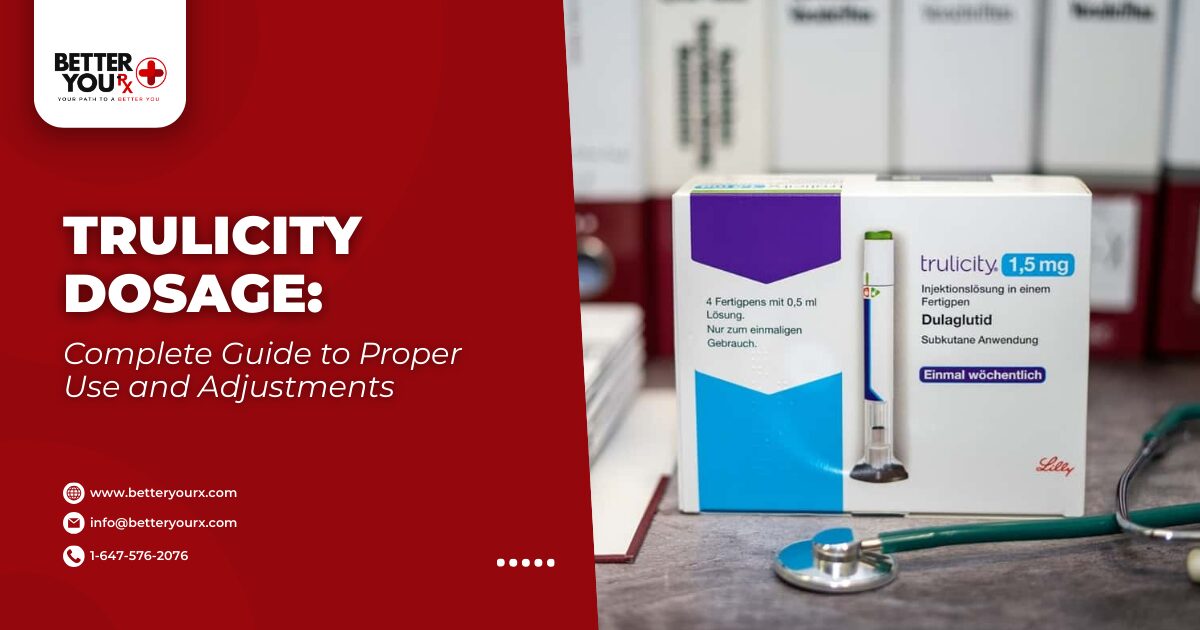
- Trulicity is administered once weekly via subcutaneous injection
- Staying hydrated and eating smaller meals can significantly reduce digestive discomfort
Common Trulicity Side Effects in Females
Women using this GLP-1 medication frequently report digestive issues as the primary concern. These symptoms usually appear within the first few weeks of starting treatment and tend to improve as the body adjusts.
Gastrointestinal Symptoms
The most reported reactions among female users involve the digestive system. Nausea affects many women, particularly during dose increases. Vomiting may accompany nausea, especially after eating large meals or fatty foods. Diarrhea and constipation can alternate, causing unpredictable bowel patterns. Abdominal pain or discomfort often occurs alongside other digestive symptoms.
Appetite Changes
Many women notice significant changes in hunger levels and eating patterns. Reduced appetite is common and contributes to weight loss effects. Some users report feeling full much faster than before starting treatment. Food aversions may develop, particularly toward greasy or heavy meals.
Injection Site Reactions
Since this medication requires weekly injections, skin reactions at the injection site are possible. Redness, swelling, or itching may appear where the Trulicity Pen was administered. These reactions typically resolve within a few days. Rotating injection sites between the abdomen, thigh, and upper arm helps minimize irritation.
Common vs. Serious Side Effects Comparison
| Common Side Effects | Frequency | Serious Side Effects | Frequency |
| Nausea | Very Common | Pancreatitis | Rare |
| Diarrhea | Common | Severe Allergic Reactions | Rare |
| Vomiting | Common | Kidney Problems | Uncommon |
| Decreased Appetite | Common | Thyroid Tumors | Rare |
| Injection Site Reactions | Common | Severe Hypoglycemia | Uncommon |
| Fatigue | Common | Gallbladder Issues | Uncommon |
| Abdominal Pain | Common | Vision Changes | Rare |
| Indigestion | Common | Severe Dehydration | Uncommon |
How Female Hormones Affect Medication Response
Women often experience Trulicity side effects in females differently due to hormonal influences that affect drug metabolism and tolerance.
Menstrual Cycle Considerations
Fluctuating estrogen and progesterone levels throughout the month can influence how women respond to this medication. Some users report increased nausea during certain phases of their cycle. Bloating from the medication may feel more pronounced during premenstrual days. Tracking symptoms alongside menstrual cycles helps identify patterns.
Menopause and Perimenopause
Women going through hormonal transitions may notice varying responses to treatment. Hot flashes and medication-related fatigue can overlap, making it difficult to distinguish causes. Metabolic changes during menopause affect how the body processes GLP-1 medications. Working closely with healthcare providers helps manage symptoms during this life stage.
Pregnancy and Fertility
Women of childbearing age need to understand important considerations before starting treatment. This medication should be discontinued at least 2 months before planned conception. The effects on developing fetuses have not been fully established. Women who become pregnant while using this medication should contact their healthcare provider immediately.

Managing Digestive Symptoms Effectively
Practical strategies can significantly reduce the intensity and duration of gastrointestinal reactions while your body adjusts to this GLP-1 medication.
Dietary Modifications
Eating smaller, more frequent meals helps prevent overwhelming the digestive system. Avoiding high-fat and greasy foods reduces nausea triggers. Bland foods like crackers, toast, and rice are easier to tolerate during adjustment periods. Staying upright for at least 30 minutes after eating aids digestion.
Hydration Strategies
Drinking adequate water throughout the day prevents dehydration from vomiting or diarrhea. Sipping fluids slowly rather than drinking large amounts at once reduces stomach upset. Electrolyte beverages can replace minerals lost through digestive symptoms. Avoiding carbonated drinks minimizes bloating and gas.
Timing Your Doses
Choosing the right day and time for weekly injections can improve tolerance. Some women find taking doses before bed allows them to sleep through initial nausea. Others prefer morning doses to monitor symptoms throughout the day. Consistency with injection timing helps maintain stable medication levels.
Symptom Management Quick Reference
| Symptom | Management Strategy | When to Seek Help |
| Mild Nausea | Eat bland foods, stay hydrated | Persists beyond 2 weeks or worsens |
| Vomiting | Small sips of clear fluids, rest | Cannot keep fluids down for 24+ hours |
| Diarrhea | BRAT diet, increase water intake | Blood in stool or severe cramping |
| Constipation | Increase fiber gradually, walk daily | No bowel movement for 5+ days |
| Injection Site Redness | Rotate sites, apply cool compress | Spreading redness or warmth |
| Fatigue | Rest, maintain sleep schedule | Extreme exhaustion affecting daily life |
| Headaches | Stay hydrated, OTC pain relief | Severe or persistent headaches |
| Dizziness | Rise slowly, eat regular meals | Fainting or severe lightheadedness |
Serious Reactions Requiring Medical Attention
While most women tolerate this medication well, certain symptoms require immediate medical evaluation.
Signs of Pancreatitis
Severe abdominal pain that radiates to the back warrants immediate attention. This pain typically worsens after eating and may be accompanied by nausea. If pancreatitis is suspected, discontinue the medication and seek emergency care. Previous history of pancreatitis may make some women unsuitable candidates for this treatment.
Allergic Reactions
Swelling of the face, lips, tongue, or throat indicates a serious allergic response. Difficulty breathing or swallowing requires emergency medical care. Severe rash or hives spreading across the body should not be ignored. Women who experience allergic reactions should not resume this medication.
Thyroid Concerns
Unusual lumps or swelling in the neck should be evaluated promptly. Difficulty swallowing or persistent hoarseness needs medical assessment. Women with personal or family history of thyroid conditions should discuss risks thoroughly before starting treatment.
Trulicity Dosing and Female Considerations
Understanding proper dosing helps minimize Trulicity side effects in females and supports treatment success.
Starting Dose Protocol
Most women begin with 0.75 mg weekly to allow gradual adjustment. This introductory dose continues for at least 4 weeks before increasing. Lower starting doses reduce the severity of initial gastrointestinal symptoms. Healthcare providers may extend this period if symptoms are particularly bothersome.
Dose Escalation
After the initial period, doses typically increase to 1.5 mg weekly. Further increases to 3 mg or 4.5 mg depend on individual response and treatment goals. Each dose increase may temporarily worsen digestive symptoms. Allowing adequate time between increases improves tolerance.
Missed Doses
If you miss a dose and remember within 3 days, administer it immediately. If more than 3 days have passed, skip the missed dose entirely. Never take two doses within 3 days of each other. Setting weekly reminders helps maintain consistent dosing schedules.

Comparing GLP-1 Medications for Women
Women often wonder how this medication compares to similar treatments, particularly regarding Ozempic and its effects.
Similarities and Differences
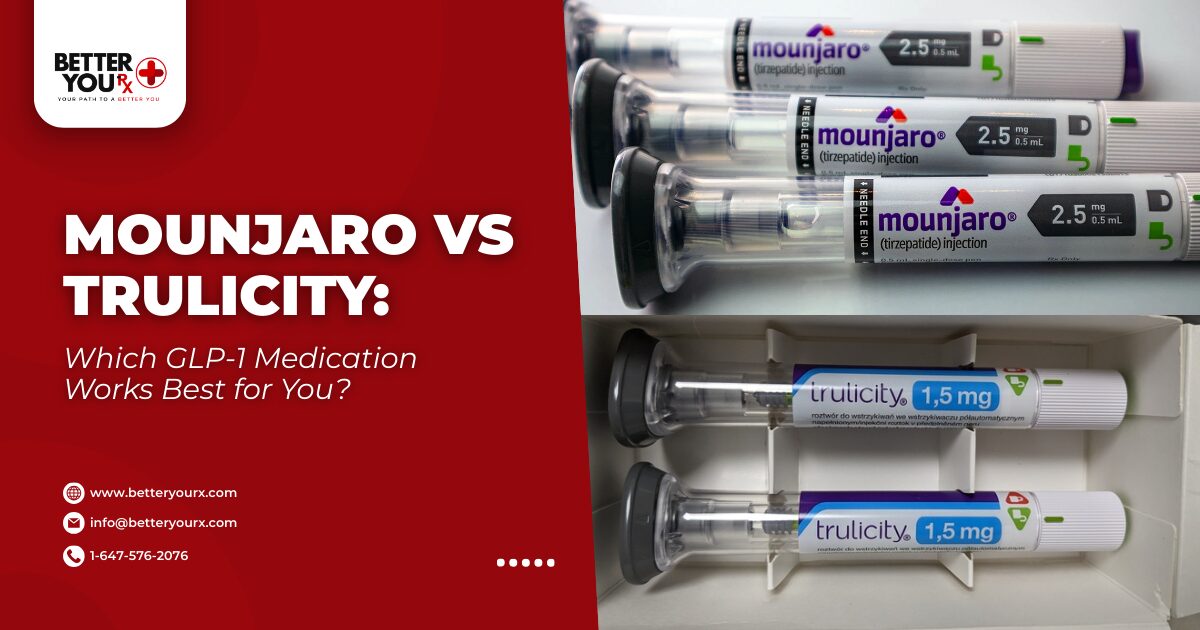
Both Trulicity and Ozempic belong to the GLP-1 receptor agonist class. Each medication requires once-weekly injection. Side effect profiles are similar, with gastrointestinal symptoms being most common. Individual responses vary, so what works well for one woman may not suit another.
Choosing the Right Option
Healthcare providers consider several factors when recommending treatment. Previous medication history, existing health conditions, and treatment goals all influence decisions. Some women tolerate one GLP-1 medication better than another. Trial periods may be necessary to find the best fit.
Women with concerns about blood pressure effects should discuss cardiovascular considerations with their healthcare provider. Those who have had gallbladder removal need to consider how this affects GLP-1 medication tolerance.
Pricing and Ordering Information
Better You Rx offers competitive pricing for this medication through our prescription referral service.
Current Pricing
Trulicity costs $289.99 for 1.5mg/0.5ml 4 Pens. Trulicity costs $304.99 for 0.75mg/0.5ml 4 Pens. These prices reflect our commitment to making diabetes medications accessible.
Ordering Process
Better You Rx operates as a prescription referral service with a licensed contracted pharmacy department. Prescriptions must be written in English and issued by a primary care physician or licensed medical doctor practicing within the USA only. We ship directly to your residence within 7-10 business days from the date shipped. Maximum supply is 90 days when your prescription allows.
Important Requirements
We serve the USA demographic exclusively and do not ship to Canada. Medications are for personal use only. We do not ship to doctors offices, medical clinics, or hospitals. How patients choose to contact their doctor for prescriptions is their responsibility, as we do not offer telehealth services.
Lifestyle Tips for Women on This Medication
Adopting supportive habits enhances treatment effectiveness while minimizing unwanted reactions.
Exercise Considerations
Starting with gentle activities like walking helps the body adjust. Intense workouts may worsen nausea, especially early in treatment. Staying hydrated during exercise is particularly important. Monitoring blood sugar before and after physical activity prevents hypoglycemia.
Sleep and Recovery
Adequate rest supports the body during the adjustment period. Some women experience fatigue that improves with proper sleep hygiene. Avoiding late-night eating reduces overnight digestive discomfort. Establishing consistent sleep schedules aids overall wellbeing.
Stress Management
High stress levels can worsen gastrointestinal symptoms. Relaxation techniques like deep breathing may help manage nausea. Keeping healthcare providers informed about stress-related symptom increases is important. Support groups for women using diabetes medications offer valuable peer connections.
When to Contact Your Healthcare Provider
Knowing which symptoms warrant professional attention helps women stay safe during treatment.
Routine Check-ins
Regular appointments allow monitoring of treatment progress. Discussing persistent or bothersome symptoms helps optimize care. Blood work may be needed periodically to assess kidney function. Honest communication about symptom experiences guides treatment adjustments.
Urgent Symptoms
Severe abdominal pain lasting more than a few hours needs evaluation. Signs of dehydration from persistent vomiting or diarrhea require attention. Unusual swelling, difficulty breathing, or severe rash demands immediate care. Extremely low blood sugar symptoms should not be ignored.

Final Thoughts on Trulicity Side Effects in Females
Understanding Trulicity side effects in females empowers women to manage treatment effectively and make informed decisions about their diabetes care. Most adverse reactions are temporary and improve as the body adjusts over several weeks. Starting with lower doses, staying hydrated, eating smaller meals, and maintaining open communication with healthcare providers significantly improve the treatment experience.
Women should feel confident discussing concerns with their medical team and reporting any unusual symptoms promptly. With proper management strategies and realistic expectations, many females successfully incorporate this medication into their diabetes treatment plan while minimizing uncomfortable reactions. Your healthcare provider remains your best resource for personalized guidance throughout your treatment journey.
Frequently Asked Questions
What drugs cannot be taken with Trulicity?
Several medications may interact with this GLP-1 treatment. Insulin and other diabetes medications increase hypoglycemia risk when combined. Some oral medications may be absorbed differently due to slowed gastric emptying. Blood thinners and certain heart medications require careful monitoring. Always provide your healthcare provider with a complete list of current medications, supplements, and herbs before starting treatment.
Which is safer, Ozempic or Trulicity?
Both medications belong to the same drug class and have similar safety profiles overall. Neither is definitively safer than the other for most women. Individual health factors, including kidney function and thyroid history, influence which option may be more appropriate. Some women tolerate one medication better than the other due to personal physiology. Your healthcare provider can help determine which choice aligns best with your specific health circumstances.
Does Trulicity give you heartburn?
Heartburn and acid reflux are reported by some users of this medication. The slowing of stomach emptying can contribute to acid-related symptoms. Eating smaller meals and avoiding lying down after eating helps reduce this discomfort. Avoiding spicy, acidic, and fatty foods decreases heartburn triggers. If heartburn persists despite lifestyle modifications, discuss management options with your healthcare provider.
What happens if you eat too much sugar while on Trulicity?
Consuming excessive sugar while using this medication can cause uncomfortable digestive symptoms. Blood sugar spikes may still occur despite the medication working to regulate glucose. Nausea and stomach discomfort often follow high-sugar meals. The medication works best when combined with balanced eating habits. Occasional indulgences are normal, but consistent high-sugar intake undermines treatment effectiveness.
Is it better to take Trulicity in the morning or at night?
The best time depends on individual tolerance and lifestyle factors. Some women prefer evening doses because they sleep through initial nausea. Others choose morning administration to monitor symptoms during waking hours. Consistency matters more than specific timing for medication effectiveness. Experimenting with different times during the first few weeks helps identify what works best for you.