
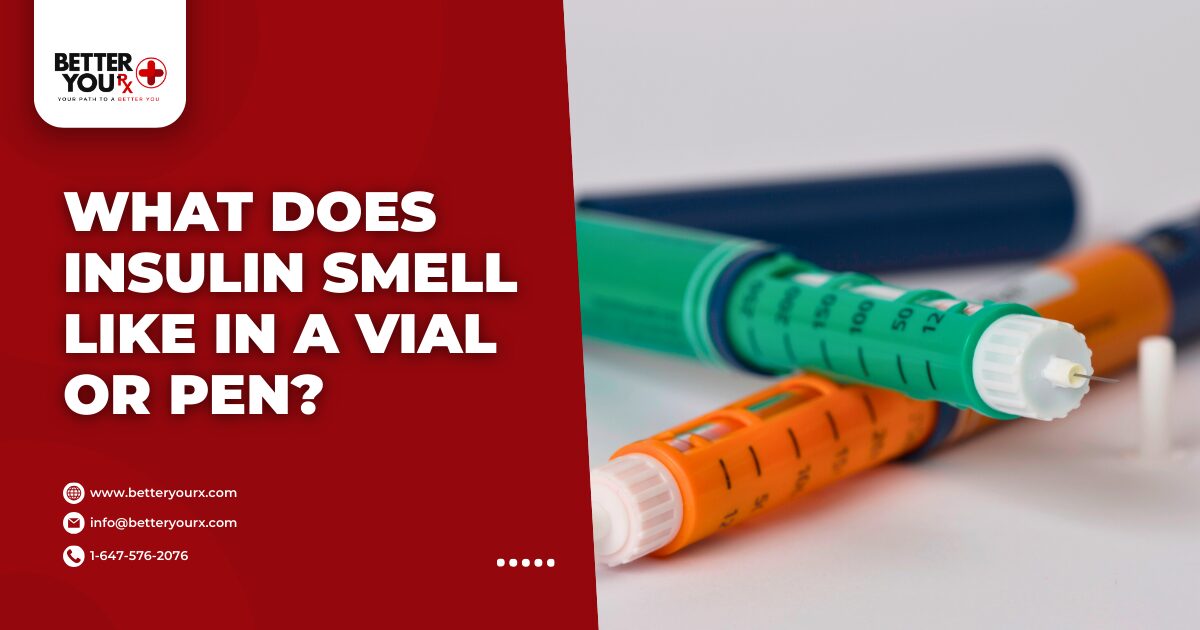
Insulin has a distinct medicinal smell that many diabetics and healthcare workers recognize immediately. The scent is often described as slightly antiseptic with chemical undertones, similar to hospital disinfectants or phenolic compounds. Most insulin formulations contain preservatives like m-cresol and phenol, which contribute to this characteristic odor. The smell varies slightly between different insulin types and brands, with some having stronger scents than others. Regular insulin users often become accustomed to this smell when opening vials or preparing injection pens. Understanding what insulin should smell like helps identify potential problems with medication storage or expiration. Any unusual changes in odor, such as a fruity, sour, or unusually strong chemical smell, may indicate the insulin has degraded and should not be used.
Understanding the Normal Smell of Insulin
The characteristic smell of insulin comes from its formulation rather than the hormone itself. Pure insulin is actually odorless, but pharmaceutical preparations contain several additives that create the recognizable scent. The primary contributors to insulin’s smell are preservatives added to prevent bacterial growth and maintain stability.
Most modern insulin preparations contain m-cresol or phenol as preservatives. These compounds have a medicinal, slightly antiseptic smell that many describe as hospital-like. The concentration of these preservatives varies between different insulin types, which explains why some formulations smell stronger than others.
The smell intensity can also depend on storage conditions and the age of the insulin. Properly stored insulin maintains a consistent, mild medicinal odor throughout its shelf life. The scent becomes more noticeable when you first open a new vial or pen cartridge.
Common Preservatives in Insulin
- M-cresol (methylphenol)
- Phenol
- Zinc compounds
- Glycerol
- Metacresol combinations
Temperature Effects on Smell
Temperature fluctuations can affect how strong the smell appears. Warmer insulin may release more volatile compounds, making the scent more noticeable. This doesn’t necessarily mean the insulin has gone bad, but extreme temperature changes can affect potency. Cold insulin straight from the refrigerator has a less pronounced smell until it reaches room temperature.
Age-Related Smell Changes
Within the expiration period, insulin may develop subtle smell variations. Newly opened insulin has the crispest, cleanest scent. As weeks pass, the preservative smell might become slightly more pronounced. These minor changes are normal and don’t indicate degradation as long as storage guidelines are followed.
Looking for reliable insulin supplies? Get affordable what is Rybelsus for and other diabetes medications from trusted Canadian sources through BetterYourX.
Different Types of Insulin and Their Distinct Scents
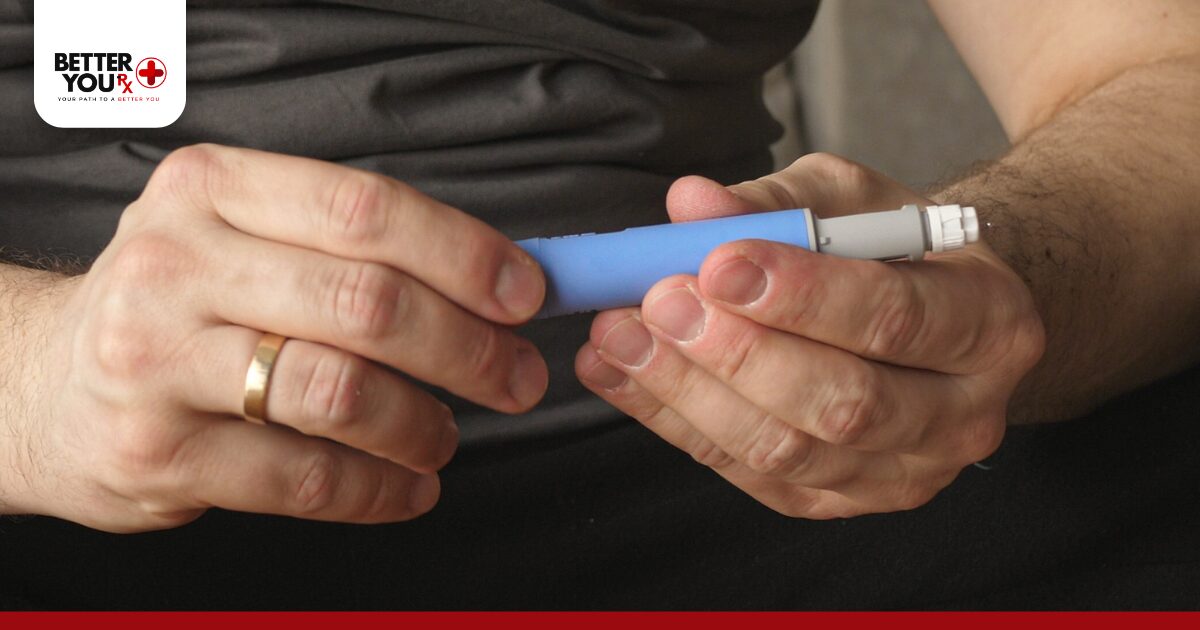
Each insulin type has slightly different smell characteristics based on its formulation and additives. Understanding these differences helps users recognize their specific medication and detect any abnormalities.
Rapid-acting insulins like Humalog, NovoLog, and Apidra typically have a lighter, less pronounced smell compared to other types. The preservative concentration in these formulations is carefully balanced to maintain stability without creating an overwhelming odor. Users often describe rapid-acting insulin as having a clean, medicinal scent.
Long-acting insulins such as Lantus, Levemir, and Tresiba may have a slightly stronger smell due to different preservative combinations and pH levels. Lantus, for example, has a more acidic formulation that can produce a sharper scent. Some users report that Lantus smells more chemical-like compared to other long-acting options.
Smell Variations by Brand
| Insulin Type | Brand Names | Typical Smell Description | Preservative Type |
| Rapid-Acting | NovoLog, Humalog | Light, medicinal | M-cresol, phenol |
| Short-Acting | Regular insulin | Moderate, antiseptic | Phenol, m-cresol |
| Intermediate | NPH insulin | Stronger, chemical | M-cresol, zinc |
| Long-Acting | Lantus, Levemir | Variable, sharp to mild | Metacresol, zinc |
| Ultra Long-Acting | Tresiba, Toujeo | Mild to moderate | Phenol, m-cresol |
Mixed insulins, which combine rapid and intermediate-acting formulations, often have a more complex smell profile. The combination of different preservatives and insulin types creates a unique scent that experienced users can readily identify.
What Does Insulin Smell Like When Something’s Wrong
Recognizing abnormal insulin odors is crucial for medication safety. Any significant change from the normal medicinal smell should raise concerns about the insulin’s integrity and effectiveness.
Spoiled or degraded insulin may develop a sour, vinegar-like smell. This occurs when the protein structure breaks down due to improper storage, exposure to extreme temperatures, or contamination. The smell becomes noticeably different from the typical antiseptic scent, often accompanied by visual changes like clumping or discoloration.
Frozen insulin that has thawed may smell different or lose its characteristic odor entirely. Freezing damages the insulin molecules and can cause the preservatives to separate, resulting in an unusual or absent smell. Never use insulin that has been frozen, even if it appears normal after thawing.
Warning Signs of Bad Insulin
- Fruity or sweet smell (different from normal)
- Sour or vinegar-like odor
- Unusually strong chemical smell
- Complete absence of typical smell
- Ammonia or rotten egg scent
Contamination Indicators
Contaminated insulin might develop a musty or moldy smell. This can happen if bacteria enter the vial through improper injection technique or if the rubber stopper is compromised. Any insulin with an unusual biological smell should be discarded immediately. Cross-contamination from other medications or substances can also alter insulin’s smell.
Heat Damage Signs
Heat-damaged insulin often develops a burnt or overly strong chemical smell. Exposure to temperatures above 86°F (30°C) can cause the preservatives to break down differently, creating new odor compounds. The smell might resemble melted plastic or have an acrid quality that irritates the nose.
Factors That Affect Insulin Odor
Multiple environmental and storage factors influence how insulin smells. Understanding these variables helps maintain medication quality and recognize potential problems early.
Temperature plays the most significant role in insulin odor changes. Room temperature insulin (68-77°F) maintains its normal smell consistently. Refrigerated insulin may have a less noticeable smell until it warms to room temperature. Heat exposure intensifies the smell and can create new odor compounds as preservatives break down.
Light exposure, particularly direct sunlight, can alter insulin’s chemical composition and smell. UV rays break down both the insulin molecules and preservatives, potentially creating unusual odors. Always store insulin in dark or opaque containers when not in use.
Buy cheap Lantus SoloStar online from Canada through BetterYourX to ensure you receive properly stored, high-quality insulin products.
Environmental Storage Impact
Storage conditions directly affect how insulin smells over time. Proper storage maintains the characteristic medicinal scent throughout the medication’s usable life. Refrigeration reduces smell intensity while preserving the normal odor profile. Room temperature storage makes the smell more noticeable but remains safe within manufacturer guidelines.
Humidity and Air Exposure
High humidity environments can affect insulin preservation and smell. Moisture can penetrate vial stoppers over time, potentially altering the preservative balance. Frequent air exposure from repeated drawing can introduce contaminants that change the smell. Minimize air bubbles in syringes to reduce oxidation.
Container Material Influence
The container type influences odor perception. Glass vials may preserve the smell differently than plastic pen cartridges. Some users notice that insulin in pens has a slightly different smell than the same insulin in vials, though both are equally effective when properly stored. Pen mechanisms can add subtle plastic or rubber notes to the overall smell.
Safety Considerations Related to Insulin Smell
Understanding insulin smell helps ensure medication safety and effectiveness. Regular smell checks should become part of your insulin inspection routine before each use.
Never ignore significant smell changes in your insulin. While minor variations are normal, dramatic changes indicate potential problems that could affect blood sugar control. Using degraded insulin can result in unpredictable blood glucose levels and inadequate diabetes management.
Develop a habit of smelling new insulin when you first open it. This establishes a baseline for comparison throughout the medication’s use. Document any unusual smells in your diabetes log, noting the insulin type, lot number, and storage conditions.
When to Discard Insulin Based on Smell
| Smell Change | Action Required | Potential Cause |
| Slightly stronger medicinal | Monitor, likely okay | Normal aging |
| Sour or vinegar-like | Discard immediately | Bacterial contamination |
| Sweet or fruity | Discard immediately | Chemical degradation |
| No smell at all | Discard immediately | Frozen or expired |
| Burnt or acrid | Discard immediately | Heat damage |
Documentation Practices
Keep detailed records of any smell abnormalities. Note the date, insulin type, lot number, and storage history. This information helps identify patterns or manufacturing issues. Share concerning observations with your healthcare provider or report them to the manufacturer.
Emergency Backup Planning
Always maintain backup insulin supplies in case you need to discard suspicious medication. Store extras in different locations to prevent total loss from storage problems. Know where to obtain emergency insulin supplies outside regular hours. Having alternatives prevents dangerous gaps in treatment.
Always trust your instincts about insulin smell. If something seems off, it’s better to use a new vial or pen than risk using compromised medication. The cost of replacing insulin is minimal compared to potential health complications from using degraded medication.
Proper Storage to Maintain Normal Insulin Smell
Correct storage practices preserve insulin’s normal smell and ensure medication effectiveness throughout its usable life. Following manufacturer guidelines prevents odor changes that signal degradation.
Unopened insulin should be stored in the refrigerator between 36-46°F (2-8°C). Keep insulin away from the freezer compartment and cooling elements that might cause accidental freezing. The vegetable drawer often provides the most stable temperature for insulin storage.
Once opened, most insulin types can be kept at room temperature for 28-42 days, depending on the specific product. Room temperature storage makes injections more comfortable and allows the normal insulin smell to be more apparent for quality checks.
Consider ordering your insulin supplies from reliable sources – get authentic NovoLog Vial and other insulin products from licensed Canadian pharmacies through BetterYourX.
Best Practices for Insulin Storage
- Store unopened vials and pens in original packaging
- Keep insulin away from direct heat and sunlight
- Never leave insulin in hot cars or freezing conditions
- Use insulated cases for travel
- Rotate stock using oldest insulin first
- Mark opening dates on vials and pens
Travel Storage Guidelines
Travel requires special attention to insulin storage and smell preservation. Use cooling packs designed for medication rather than ice, which could freeze the insulin. Airport security screening doesn’t affect insulin smell or potency, but extreme temperatures during travel can cause problems. Carry insulin in hand luggage to avoid cargo hold temperature extremes.
Home Organization Systems
Create dedicated insulin storage areas at home. Label shelves with expiration dates for easy rotation. Keep a thermometer in your storage area to monitor temperature consistency. Avoid storing insulin near strong-smelling substances like cleaning products, perfumes, or foods that might affect smell assessment.
Recognizing Quality Through Smell and Appearance

Visual inspection combined with smell assessment provides comprehensive quality evaluation. Changes in smell often accompany visible changes in insulin appearance.
Clear insulin types should remain transparent without particles, cloudiness, or discoloration. Any visual changes typically coincide with smell alterations. If clear insulin becomes cloudy or develops floating particles, it will likely smell different from normal.
NPH and mixed insulins should appear uniformly cloudy after gentle mixing. Clumping, frosting on the vial sides, or failure to mix properly often accompanies smell changes. These insulins may develop a stronger or unusual odor when the suspension separates improperly.
Visual and Smell Inspection Checklist
- Check expiration date first
- Observe color and clarity
- Smell before first use
- Look for particles or crystals
- Note any rubber stopper damage
- Compare smell to previous experiences
- Document any concerns
Rubber Component Assessment
The rubber stopper and pen mechanism can affect smell. Damaged or deteriorating rubber might add a rubbery or chemical smell that wasn’t present initially. Check for cracks, discoloration, or sticky residue on rubber parts. This contamination risk means the insulin should be replaced even if the liquid itself appears normal.
Consistency Monitoring
Regular quality checks become second nature with practice. Most experienced insulin users can immediately identify their medication’s normal smell and quickly recognize any problems. Perform checks at the same time daily for consistency. Compare new insulin to currently used supplies to notice gradual changes.
Key Takeaways About Insulin Odor
Understanding what insulin smells like serves as an important quality control measure for diabetes management. The characteristic medicinal, antiseptic smell comes from preservatives like m-cresol and phenol rather than the insulin hormone itself. Different insulin types have slightly varying smells based on their specific formulations, with rapid-acting insulins generally having lighter scents than long-acting varieties. Any significant deviation from the normal smell, such as sour, fruity, or unusually strong chemical odors, indicates potential degradation that makes the insulin unsafe for use.
Proper storage at recommended temperatures preserves both insulin effectiveness and its normal smell throughout the medication’s usable life. Regular smell checks should become part of every insulin user’s safety routine, combined with visual inspection for comprehensive quality assessment. Trust your senses when evaluating insulin, and never use medication that smells abnormal, as the risk to blood sugar control far outweighs the cost of replacement. Developing familiarity with your insulin’s normal smell adds an essential safety layer to diabetes care.
Frequently Asked Questions
How Would You Describe the Smell of Insulin?
Insulin has a distinctive medicinal smell that most users describe as antiseptic or hospital-like. The scent comes from preservatives like phenol and m-cresol added to maintain sterility and stability. Different people perceive the smell slightly differently, with some comparing it to bandages, rubbing alcohol, or dental office smells. The intensity varies between brands and formulations, but all pharmaceutical insulin has some degree of this characteristic chemical-medicinal odor.
How to Get Insulin Smell Off Hands?
Removing insulin smell from hands requires thorough washing with soap and warm water, scrubbing for at least 20 seconds. Rubbing alcohol or hand sanitizer can help neutralize the preservative smell more quickly. Lemon juice or vinegar mixed with water also effectively removes the medicinal odor. Some people find that stainless steel soap bars or rubbing hands on stainless steel surfaces helps eliminate the smell. Using fragrance-free moisturizer after washing prevents the smell from lingering in dry skin cracks.
Does Expired Insulin Smell?
Expired insulin may develop an abnormal smell different from its usual medicinal scent. The smell might become stronger, weaker, or change character entirely, developing sour, sweet, or unusual chemical notes. Some expired insulin loses its smell completely, which also indicates degradation. However, insulin can sometimes expire without noticeable smell changes, making expiration date checks essential. Never rely solely on smell to determine if insulin has expired, and always discard insulin past its expiration date regardless of how it smells.
What Is Diabetic Smell?
Diabetic smell typically refers to the fruity, sweet breath odor associated with diabetic ketoacidosis (DKA), not insulin itself. This smell resembles nail polish remover or overripe fruit and indicates dangerous ketone levels requiring immediate medical attention. Some people with diabetes may notice a subtle sweet smell on their skin during high blood sugar episodes. The medicinal smell of insulin on clothes or skin is different from these metabolic odors and simply indicates recent insulin handling or injection.
Can You Smell Diabetes in Urine?
Untreated or poorly controlled diabetes can cause sweet-smelling urine due to excess glucose excretion. The smell is subtle and often described as fruity or honey-like, different from normal urine odor. This sweet smell becomes more noticeable with severe hyperglycemia or when ketones are present. However, many people with well-controlled diabetes have normal-smelling urine. Any persistent unusual urine odor warrants medical evaluation, as it might indicate infection, dehydration, or blood sugar control issues.
What Color Is Diabetic Pee?
Diabetic urine color varies depending on blood sugar control and hydration status. With good control, urine appears pale yellow to clear, similar to non-diabetic individuals. High blood sugar can cause excessive urination and dehydration, leading to darker, more concentrated amber-colored urine. Severely uncontrolled diabetes might produce very pale or colorless urine due to excessive fluid intake and output. The presence of ketones doesn’t change urine color but can be detected with testing strips. Any persistent color changes or cloudy appearance requires medical assessment.