
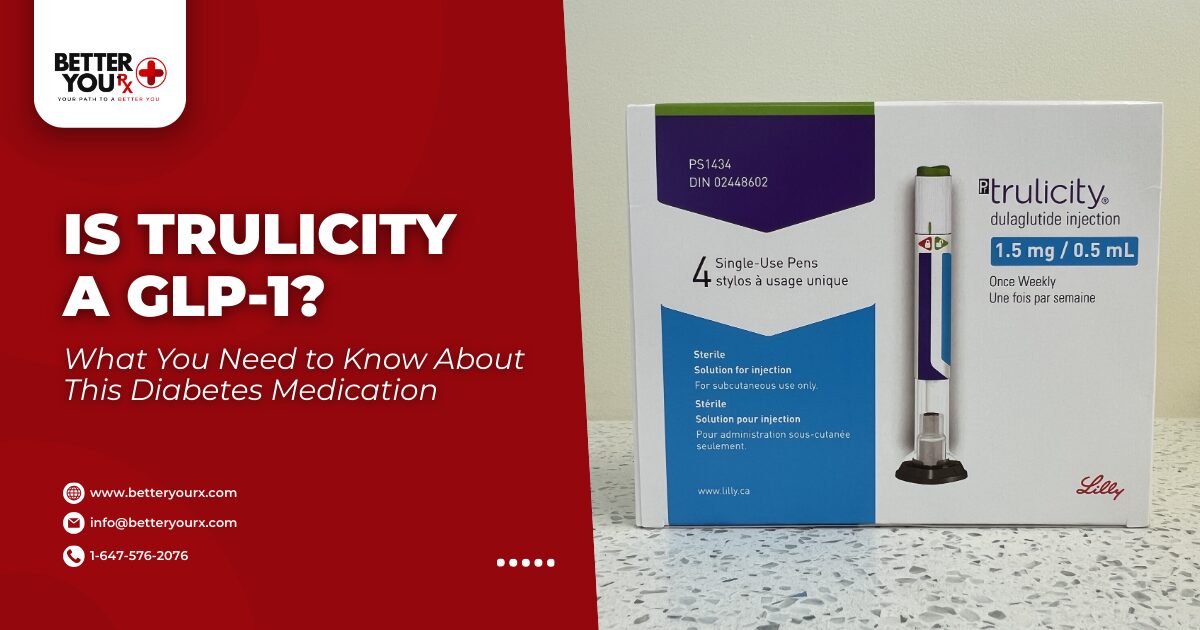
Is Trulicity a GLP-1? Yes, Trulicity (Dulaglutide) is a GLP-1 receptor agonist medication prescribed primarily for managing type 2 diabetes. This once-weekly injectable works by mimicking the natural GLP-1 hormone in your body to help regulate blood sugar levels and support glycemic control. Trulicity belongs to a class of medications that have gained significant attention for their effectiveness in diabetes management. The medication is manufactured by Eli Lilly and has become one of the most commonly prescribed options in its category. Many people compare it with other medications like Ozempic and Mounjaro when deciding on their treatment plan.
What Is a GLP-1 Receptor Agonist?
GLP-1 stands for glucagon-like peptide-1, a naturally occurring hormone produced in your intestines after you eat. This hormone plays several important roles in blood sugar regulation. When you consume food, GLP-1 signals your pancreas to release insulin, which helps move glucose from your bloodstream into your cells for energy.
GLP-1 receptor agonists are medications designed to mimic this natural hormone. They bind to the same receptors in your body and trigger similar responses. The key difference is that these medications last much longer than your natural GLP-1 hormone, which breaks down within minutes.
These medications offer multiple benefits beyond just insulin stimulation. They also slow down how quickly food leaves your stomach, which helps you feel full longer. Additionally, they reduce the amount of glucagon your body produces. Glucagon is a hormone that raises blood sugar levels, so reducing it helps keep glucose levels stable.
How Trulicity Works in Your Body

Trulicity contains the active ingredient Dulaglutide, which is a modified version of human GLP-1. The modification allows it to stay active in your body for about a week, which is why you only need one injection per week. Understanding is Trulicity a GLP-1 helps patients recognize how this medication functions differently from other diabetes treatments.
When you inject Trulicity, it circulates through your bloodstream and attaches to GLP-1 receptors throughout your body. This triggers several responses that work together to manage your blood sugar.
Stimulates Insulin Release
Trulicity prompts your pancreas to release insulin when your blood sugar rises after eating. This is called glucose-dependent insulin secretion. The medication only triggers insulin release when blood sugar is elevated, which reduces the risk of hypoglycemia compared to some other diabetes medications.
Slows Gastric Emptying
The medication slows down how quickly food moves from your stomach to your small intestine. This slower digestion means glucose enters your bloodstream more gradually, preventing sharp spikes in blood sugar after meals.
Reduces Glucagon Production
Trulicity decreases the amount of glucagon your pancreas releases. Since glucagon tells your liver to release stored glucose, reducing it helps keep blood sugar levels from rising too high between meals.
Trulicity Dosing Options
Trulicity comes in several dosage strengths to allow for gradual dose increases. Most people start at a lower dose and work up to their target dose over several weeks. This approach helps minimize side effects, especially digestive issues that are common when starting GLP-1 medications.
| Dose Strength | Typical Use | Administration |
| 0.75 mg | Starting dose for most patients | Once weekly injection |
| 1.5 mg | Standard maintenance dose | Once weekly injection |
| 3.0 mg | Higher dose for additional control | Once weekly injection |
| 4.5 mg | Maximum available dose | Once weekly injection |
Your healthcare provider will determine the best starting dose and schedule for increasing it based on your individual needs. The Trulicity medication is available in pre-filled pens that make self-injection straightforward.
Comparing Trulicity to Other GLP-1 Medications
When people ask is Trulicity a GLP-1, they often want to know how it stacks up against other options in this medication class. Several GLP-1 receptor agonists are available, each with slightly different characteristics.
| Medication | Active Ingredient | Dosing Frequency | Primary Indication |
| Trulicity | Dulaglutide | Once weekly | Type 2 diabetes |
| Ozempic | Semaglutide | Once weekly | Type 2 diabetes |
| Mounjaro | Tirzepatide | Once weekly | Type 2 diabetes |
| Wegovy | Semaglutide | Once weekly | Weight management |
| Saxenda | Liraglutide | Once daily | Weight management |
Each medication has its own benefits and considerations. Some people may respond better to one option than another. Factors like side effect tolerance, lifestyle preferences, and treatment goals all play a role in determining the best choice. If you are curious about other medications in this category, you might find our article on does Wegovy make you tired helpful for comparing options.
Things To Know About Trulicity
Before starting any GLP-1 medication, there are several important points to keep in mind. Being informed helps you work effectively with your healthcare provider and get the most benefit from your treatment.
Trulicity is specifically indicated for type 2 diabetes management, not weight loss. While some patients do experience weight reduction as a secondary effect, this is not the medication’s primary purpose. The weight changes occur because GLP-1 medications affect appetite and digestion.
The medication requires consistent weekly dosing for best results. Missing doses or taking them irregularly can affect your blood sugar control. Most people find it helpful to choose a specific day each week for their injection and set a reminder.
Storage matters for Trulicity. Unused pens should be kept in the refrigerator. Once you start using a pen, you can keep it at room temperature for up to 14 days. Never freeze the medication, and protect it from direct light and heat.
Injection sites should be rotated to prevent skin irritation. The abdomen, thigh, and upper arm are all suitable locations. Switching between these areas helps maintain healthy skin at each site.
Common Side Effects and What to Expect

Like all medications, Trulicity can cause side effects. Most are mild to moderate and tend to improve as your body adjusts to the medication. Knowing what to expect helps you prepare and know when to contact your healthcare provider.
Digestive side effects are the most common, especially when starting treatment or increasing your dose. These include nausea, diarrhea, decreased appetite, vomiting, and abdominal pain. Eating smaller meals, avoiding fatty or greasy foods, and staying hydrated can help manage these symptoms.
Some people experience injection site reactions like redness, itching, or mild pain at the injection location. These typically resolve on their own within a few days. Rotating injection sites helps prevent ongoing irritation.
More serious side effects are less common but require prompt medical attention. These include signs of pancreatitis like severe abdominal pain that does not go away, symptoms of thyroid tumors like a lump in your neck or difficulty swallowing, and signs of severe allergic reactions.
Who Should Not Take Trulicity
Trulicity is not appropriate for everyone. Certain medical conditions and situations make this medication unsuitable. Your healthcare provider will review your complete medical history before prescribing.
People with a personal or family history of medullary thyroid carcinoma should not use Trulicity. The medication is also not recommended for those with Multiple Endocrine Neoplasia syndrome type 2. A history of severe allergic reaction to Dulaglutide or any ingredients in Trulicity is another contraindication.
Trulicity is not used for type 1 diabetes or diabetic ketoacidosis. These conditions require different treatment approaches. Pregnant women or those planning to become pregnant should discuss alternatives with their healthcare provider.
If you have a history of pancreatitis, severe gastrointestinal disease, or kidney problems, your provider will carefully weigh the benefits and risks before prescribing. For those exploring dosing options of similar medications, our article on can I start Wegovy at 1.7 mg provides useful information about GLP-1 dosing considerations.
Practical Tips for Using Trulicity

Getting the most from your Trulicity treatment involves more than just taking the medication. These practical strategies can help improve your experience and outcomes.
Take your injection on the same day each week. Consistency helps maintain steady medication levels in your body and makes it easier to remember your dose. If you miss a dose, take it as soon as you remember if there are at least 3 days until your next scheduled dose.
Start with dietary adjustments before your first injection. Reducing portion sizes and limiting high-fat foods can help minimize digestive side effects. Many people find that starting these changes a few days before their first dose makes the transition smoother.
Keep a log of your blood sugar readings, especially when starting treatment or changing doses. This information helps your healthcare provider make adjustments and track your progress. Note any side effects you experience along with when they occur.
Stay well hydrated, particularly if you experience digestive side effects like diarrhea or vomiting. Water, clear broths, and electrolyte drinks can help prevent dehydration.
Final Thoughts on Trulicity as a GLP-1 Medication
Trulicity is indeed a GLP-1 receptor agonist that offers an effective option for managing type 2 diabetes. Its once-weekly dosing provides convenience, while its mechanism of action addresses multiple aspects of blood sugar regulation. The medication works by mimicking natural GLP-1 hormone to stimulate insulin release, slow digestion, and reduce glucagon production.
When considering is Trulicity a GLP-1 for your treatment plan, discuss all options with your healthcare provider. They can help you weigh the benefits against potential side effects and determine if this medication aligns with your health goals. With proper use and lifestyle modifications, GLP-1 medications like Trulicity can be valuable tools in diabetes management.
Better You Rx serves as a prescription referral service to help you access the medications you need. Browse our available options and speak with your healthcare provider about whether Trulicity or another GLP-1 medication might be right for you.
Frequently Asked Questions
Which is better, Mounjaro or Trulicity?
Mounjaro and Trulicity work differently. Mounjaro is a dual GIP/GLP-1 receptor agonist, while Trulicity is a GLP-1 receptor agonist only. Mounjaro may produce greater blood sugar reduction and weight loss for some patients. However, Trulicity has been available longer and has an established safety record. The best choice depends on your individual health profile, treatment goals, and how your body responds to each medication. Your healthcare provider can help determine which option suits your needs.
Which GLP-1 is best for weight loss?
Among GLP-1 medications, those with semaglutide as the active ingredient tend to show the most significant weight loss results. Wegovy is specifically indicated for weight management. Ozempic, while primarily for diabetes, often produces notable weight loss as well. Trulicity can lead to modest weight reduction, though it is not its primary indication. Mounjaro, which combines GIP and GLP-1 activity, has also shown impressive weight loss results in many users.
What foods should you avoid when taking Trulicity?
High-fat and greasy foods can worsen digestive side effects like nausea and stomach discomfort. Large portions can also be problematic since the medication slows gastric emptying. Sugary foods and drinks work against the blood sugar control Trulicity provides. Alcohol should be limited as it can affect blood sugar levels unpredictably. Spicy foods may increase stomach irritation for some people. Focus on lean proteins, vegetables, whole grains, and smaller, more frequent meals for best results.
Which is safer, Ozempic or Trulicity?
Both Ozempic and Trulicity have similar safety profiles as GLP-1 receptor agonists. They share common side effects like nausea, diarrhea, and injection site reactions. Both carry warnings about thyroid tumors and pancreatitis. Neither is definitively safer than the other. Individual factors like your medical history, other medications you take, and how your body responds will determine which is more appropriate for you. Both have been used by millions of patients worldwide.
Why is Trulicity not approved for weight loss?
Trulicity was developed and tested specifically for type 2 diabetes management. The manufacturer sought approval for this indication based on their research focus. While weight loss often occurs with Trulicity use, the degree of weight reduction is generally less than with medications specifically designed for weight management like Wegovy. The approval process requires specific testing for each intended use. Because is Trulicity a GLP-1 focused on diabetes, that remains its labeled indication.