Cost of Trulicity: Pricing, Savings, and Practical Tips for 2026
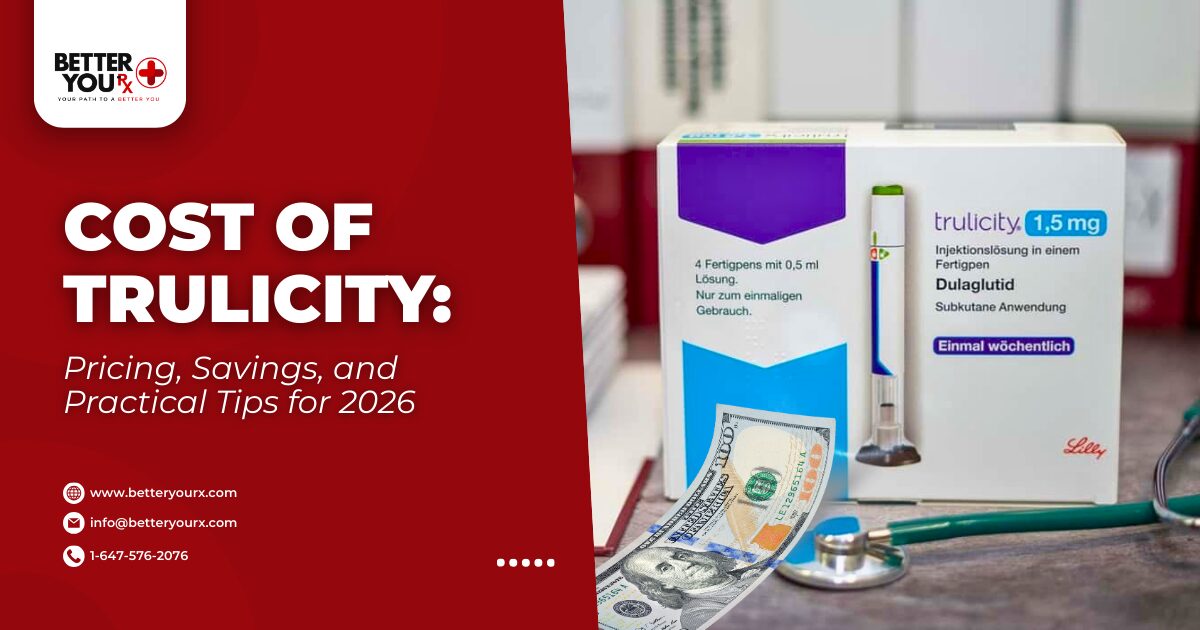
The cost of Trulicity typically ranges from $289.99 to $304.99 for a 4-pen supply when purchased through prescription referral services like Better You Rx. Retail prices in the United States can exceed $1,000 per month, making alternative purchasing options essential for many patients managing type 2 diabetes or seeking weight management support. This blog covers current pricing, factors that influence what you pay, practical ways to reduce expenses, and answers to common questions about affording this medication long-term.

Things To Know

  • Trulicity is a once-weekly injectable medication used for type 2 diabetes management
  • Better You Rx offers Trulicity starting at $289.99 for 1.5mg/0.5ml (4 pens)
  • No generic version of Trulicity currently exists
  • Better You Rx is a prescription referral service with a licensed contracted pharmacy department
  • Medications ship directly to your residence within 7-10 business days from the date shipped
  • A prescription from a licensed medical doctor practicing within the USA is required

What is Trulicity and Why Do People Use It?

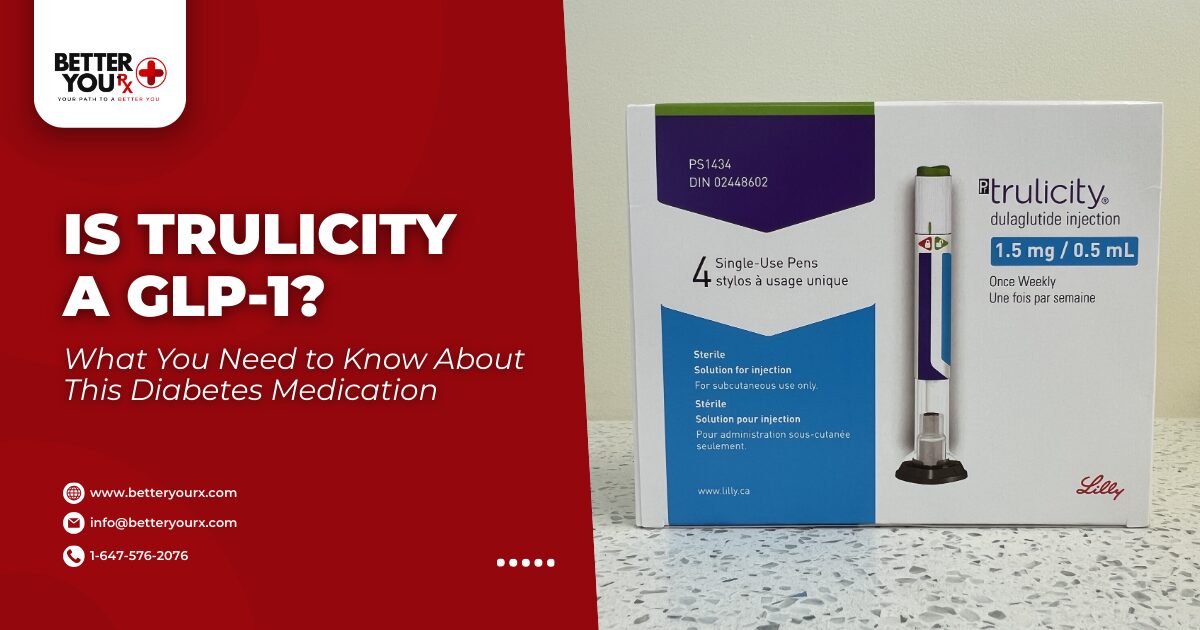
Trulicity (Dulaglutide) belongs to a class of medications called GLP-1 receptor agonists. These medications work by mimicking a hormone that helps regulate blood sugar levels after eating. The medication comes in a pre-filled pen format, making self-administration straightforward for most patients.

People primarily use Trulicity to manage type 2 diabetes when diet and exercise alone prove insufficient. Beyond blood sugar control, many patients experience additional benefits including reduced appetite and gradual weight loss. The once-weekly dosing schedule appeals to those who prefer fewer injections compared to daily medication routines.

Healthcare providers often recommend starting with a lower dose and gradually increasing based on individual response and tolerance. You can view the Trulicity product page for detailed information about available strengths and ordering options.

Why Trulicity Carries a High Price Tag

Current Pricing Through Better You Rx

Understanding what you will actually pay helps with budgeting and medication planning. Better You Rx, a prescription referral service with a licensed contracted pharmacy department, offers competitive pricing on Trulicity.

Trulicity Strength Quantity Better You Rx Price
1.5mg/0.5ml 4 Pens $289.99
0.75mg/0.5ml 4 Pens $304.99

These prices represent substantial savings compared to typical retail costs in the United States. For patients requiring ongoing treatment, these savings accumulate significantly over months and years of therapy.

Why Trulicity Carries a High Price Tag

Several factors contribute to the elevated retail pricing of brand-name medications like Trulicity in the American market.

Research and Development Investments

Pharmaceutical companies spend billions developing new medications before they reach patients. This includes years of testing, formulation refinement, and regulatory submissions. These costs get factored into the final pricing structure for approved medications.

Patent Protection Status

Trulicity remains under patent protection, meaning no competing manufacturers can produce generic versions. This exclusivity allows the original manufacturer to set prices without direct competition from lower-cost alternatives. Patents typically last for a set number of years from the filing date.

Complex Manufacturing Requirements

Biological medications like Trulicity require specialized manufacturing facilities and processes. Unlike simple chemical compounds, these medications involve living cells and precise production conditions. This complexity adds to production costs compared to traditional tablets or capsules.

Comparing Trulicity to Similar Medications

When evaluating treatment options, understanding how different medications compare on price and effectiveness helps inform decisions made with your healthcare provider. Many patients explore GLP-1 receptor agonists as a class, and learning about potential effects on blood clotting provides broader context about these medications.

Medication Type Dosing Frequency Relative Cost
Trulicity GLP-1 agonist Once weekly Moderate-High
Ozempic GLP-1 agonist Once weekly High
Mounjaro GIP/GLP-1 agonist Once weekly Very High
Metformin Biguanide Daily Low
Jardiance SGLT2 inhibitor Daily Moderate

Each medication works differently and suits different patient profiles. Your prescribing physician considers factors like existing health conditions, other medications, and treatment goals when recommending options.

Practical Ways to Reduce Your Medication Expenses

Managing ongoing prescription costs requires a strategic approach. Here are actionable methods patients use to make Trulicity more affordable.

Work With Better You Rx

Better You Rx connects patients with a licensed contracted pharmacy department that offers medications at reduced prices. This represents one of the most straightforward ways to lower your cost of Trulicity without compromising medication quality or authenticity. The Trulicity pen option provides convenient pre-filled delivery devices at competitive pricing.

Order Maximum Allowed Supply

When your prescription allows, ordering a 90-day supply rather than monthly quantities often reduces per-dose costs. Better You Rx ships up to a 90-day supply when prescriptions permit this quantity.

Maintain Consistent Treatment

Stopping and restarting medications can lead to complications requiring additional healthcare visits. Staying consistent with your treatment plan, even when it requires budget adjustments elsewhere, often proves more cost-effective long-term.
cost of trulicity

Requirements for Ordering Through Better You Rx

Understanding the ordering process ensures a smooth experience when purchasing your medication.

Prescriptions must come from a primary care physician or licensed medical doctor practicing within the USA only. Better You Rx does not accept prescriptions written in languages other than English or those issued by doctors practicing in other countries.

Better You Rx is a prescription referral service located outside the USA. The pricing structure makes out-of-pocket costs significantly lower than typical retail prices for specialty medications like Trulicity.

Medications ship directly to your residence only. Shipments do not go to doctor offices, medical clinics, or hospitals. Orders are for personal use, and delivery typically takes 7-10 business days from the date shipped.

Who Benefits Most From Better You Rx

Certain circumstances make prescription referral services particularly valuable for patients seeking affordable medications.

Patients paying out-of-pocket find the cost of Trulicity through traditional retail channels often prohibitive. When retail prices exceed $1,000 monthly, the $289.99 to $304.99 pricing through Better You Rx represents meaningful savings.

Those on fixed incomes often struggle with rising medication costs. Predictable, lower pricing helps with monthly budgeting and ensures continued access to prescribed treatments. Patients researching GLP-1 medications often want to understand blood pressure impacts as part of their overall health considerations.

Self-employed individuals frequently face high out-of-pocket expenses for specialty medications. Better You Rx provides affordable access regardless of individual circumstances.

Families managing multiple prescriptions benefit from the cost savings that accumulate when purchasing through prescription referral services rather than paying full retail prices.

Tips for Discussing Costs With Your Doctor

Open communication with your healthcare provider about medication costs leads to better outcomes. Many doctors appreciate when patients bring up financial concerns directly.

Ask about therapeutic alternatives that might offer similar benefits at different price points. Your doctor can evaluate whether other medications might work for your specific situation.

Request samples when available. While not a long-term solution, samples can help you determine if a medication works for you before committing to purchasing a full supply.

Discuss dosing options with your provider. Sometimes different strengths or dosing schedules affect overall monthly costs while maintaining treatment effectiveness.

Managing Side Effects to Maximize Your Investment

Getting full value from your medication means managing it properly to maintain effectiveness and minimize complications. Some patients also research related topics like Ozempic and gallbladder considerations to understand GLP-1 medications more broadly.

Take Trulicity on the same day each week to maintain consistent medication levels. Setting a recurring reminder helps establish this routine.

Store pens properly according to package instructions. Improper storage can compromise medication effectiveness, essentially wasting your investment.

Report persistent side effects to your healthcare provider promptly. Adjustments to dosing or timing often resolve issues without requiring medication changes.

Stay hydrated and follow any dietary recommendations provided by your healthcare team. These complementary measures enhance medication effectiveness and reduce side effect likelihood.

Who Benefits Most From Better You Rx

Long-Term Financial Planning for Ongoing Treatment

Type 2 diabetes management typically requires ongoing medication use. Planning financially for continued treatment helps avoid interruptions.

Calculate your annual medication budget based on current pricing. At Better You Rx rates, annual Trulicity costs range from approximately $870 to $915 for a continuous supply, compared to potentially $12,000 or more at retail pricing.

Consider setting up dedicated savings for medication expenses. Even small regular contributions build a buffer against price fluctuations or unexpected healthcare needs.

Review your medication costs periodically. Pricing can change, and new options may become available that better fit your budget or treatment needs.

Final Thoughts on Managing the Cost of Trulicity

Affording necessary medications should not prevent patients from managing their health conditions effectively. The cost of Trulicity through traditional retail channels creates genuine hardship for many patients requiring this treatment. Better You Rx offers a practical solution, providing access to authentic medications at substantially reduced prices.

Better You Rx connects patients with a licensed contracted pharmacy department, ensuring medication quality while delivering meaningful savings. With Trulicity available starting at $289.99 for 4 pens, ongoing treatment becomes financially sustainable for more patients.

Taking action to reduce your medication expenses starts with obtaining a valid prescription from your healthcare provider and exploring your options through Better You Rx. Managing the cost of Trulicity effectively allows you to focus on what matters most, which is your health and wellbeing.

Frequently Asked Questions

Is there a cheaper substitute for Trulicity?

Several GLP-1 receptor agonists exist, though none are directly interchangeable without physician guidance. Metformin remains the most affordable diabetes medication overall but works differently than Trulicity. Your doctor can evaluate whether alternative medications suit your specific health profile and treatment goals. Some patients find that Better You Rx offers Trulicity at prices competitive with or lower than alternatives available elsewhere.

Why is Trulicity so expensive?

Brand-name biological medications carry high prices due to patent protection, complex manufacturing requirements, and development cost recovery. Without generic competition, manufacturers set prices based on market conditions rather than production costs alone. TheAmerican pharmaceutical market structure contributes to higher prices compared to many other countries. This pricing reality drives many patients toward prescription referral services like Better You Rx for more affordable access.

Is there a generic for Trulicity?

No generic version of Trulicity currently exists. The medication remains under patent protection, preventing other manufacturers from producing equivalent versions. Until patent expiration occurs and generic manufacturers enter the market, brand-name Trulicity remains the only option. This makes finding affordable pricing through legitimate channels like Better You Rx particularly important for cost-conscious patients.

Is Trulicity cheaper than Ozempic?

Through Better You Rx, Trulicity pricing starts at $289.99 for 4 pens, which often represents lower pricing than comparable Ozempic supplies. Both medications belong to the same drug class and offer similar benefits, though individual responses vary. Your healthcare provider can help determine which medication best suits your needs based on factors beyond price alone. Comparing current pricing before ordering helps identify the most economical option meeting your prescription requirements.

What is the cheapest way to get Trulicity?

Using Better You Rx provides access to Trulicity at $289.99 to $304.99 for 4 pens, representing significant savings over typical retail prices. This approach requires a valid prescription from a licensed medical doctor practicing within the USA. Ordering the maximum allowed supply when your prescription permits further reduces per-dose costs. This combination of competitive base pricing and quantity optimization offers patients the most affordable legitimate access to this medication.


 

Trulicity Side Effects in Females: What Women Need to Know Before Starting Treatment

Trulicity side effects in females most commonly include nausea, vomiting, diarrhea, injection site reactions, and potential hormonal fluctuations that may affect menstrual cycles. Women may experience these symptoms differently than men due to hormonal variations, body composition differences, and metabolic factors unique to female physiology.

This medication, known generically as Dulaglutide, belongs to the GLP-1 receptor agonist class and helps manage type 2 diabetes while supporting weight management. Women considering this treatment should know what reactions to expect, how to manage them effectively, and when to contact their healthcare provider. The following sections cover common and serious reactions, practical management strategies, dosing considerations, and answers to frequently asked questions about using this medication safely.

Things To Know

  • Women may experience more intense gastrointestinal symptoms during the first 4 to 6 weeks of treatment
  • Hormonal fluctuations can affect how females respond to GLP-1 medications
  • Injection site reactions occur in approximately 1 in 10 users
  • Nausea typically decreases after the body adjusts to the medication over several weeks
  • Starting with lower doses and gradually increasing helps minimize adverse reactions
  • Women who are pregnant or planning pregnancy should discuss alternatives with their doctor
  • Trulicity is administered once weekly via subcutaneous injection
  • Staying hydrated and eating smaller meals can significantly reduce digestive discomfort

Common Trulicity Side Effects in Females

Women using this GLP-1 medication frequently report digestive issues as the primary concern. These symptoms usually appear within the first few weeks of starting treatment and tend to improve as the body adjusts.

Gastrointestinal Symptoms

The most reported reactions among female users involve the digestive system. Nausea affects many women, particularly during dose increases. Vomiting may accompany nausea, especially after eating large meals or fatty foods. Diarrhea and constipation can alternate, causing unpredictable bowel patterns. Abdominal pain or discomfort often occurs alongside other digestive symptoms.

Appetite Changes

Many women notice significant changes in hunger levels and eating patterns. Reduced appetite is common and contributes to weight loss effects. Some users report feeling full much faster than before starting treatment. Food aversions may develop, particularly toward greasy or heavy meals.

Injection Site Reactions

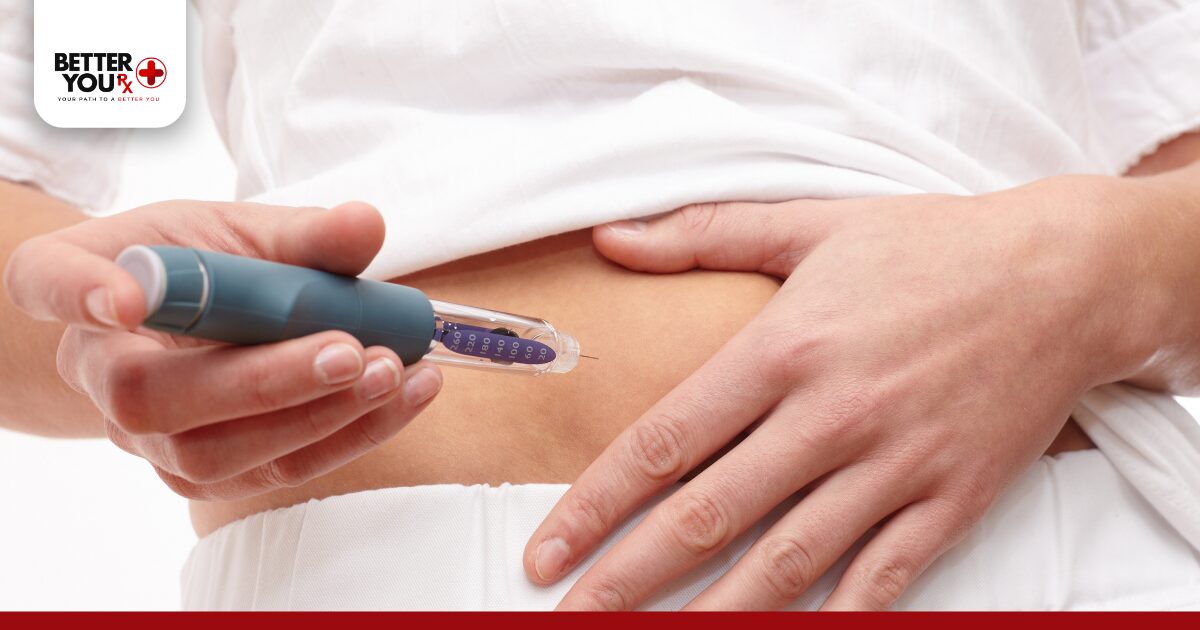
Since this medication requires weekly injections, skin reactions at the injection site are possible. Redness, swelling, or itching may appear where the Trulicity Pen was administered. These reactions typically resolve within a few days. Rotating injection sites between the abdomen, thigh, and upper arm helps minimize irritation.

Common vs. Serious Side Effects Comparison

Common Side Effects Frequency Serious Side Effects Frequency
Nausea Very Common Pancreatitis Rare
Diarrhea Common Severe Allergic Reactions Rare
Vomiting Common Kidney Problems Uncommon
Decreased Appetite Common Thyroid Tumors Rare
Injection Site Reactions Common Severe Hypoglycemia Uncommon
Fatigue Common Gallbladder Issues Uncommon
Abdominal Pain Common Vision Changes Rare
Indigestion Common Severe Dehydration Uncommon

How Female Hormones Affect Medication Response

Women often experience Trulicity side effects in females differently due to hormonal influences that affect drug metabolism and tolerance.

Menstrual Cycle Considerations

Fluctuating estrogen and progesterone levels throughout the month can influence how women respond to this medication. Some users report increased nausea during certain phases of their cycle. Bloating from the medication may feel more pronounced during premenstrual days. Tracking symptoms alongside menstrual cycles helps identify patterns.
Menopause and Perimenopause

Women going through hormonal transitions may notice varying responses to treatment. Hot flashes and medication-related fatigue can overlap, making it difficult to distinguish causes. Metabolic changes during menopause affect how the body processes GLP-1 medications. Working closely with healthcare providers helps manage symptoms during this life stage.

Pregnancy and Fertility

Women of childbearing age need to understand important considerations before starting treatment. This medication should be discontinued at least 2 months before planned conception. The effects on developing fetuses have not been fully established. Women who become pregnant while using this medication should contact their healthcare provider immediately.

trulicity side effects in females

Managing Digestive Symptoms Effectively

Practical strategies can significantly reduce the intensity and duration of gastrointestinal reactions while your body adjusts to this GLP-1 medication.

Dietary Modifications

Eating smaller, more frequent meals helps prevent overwhelming the digestive system. Avoiding high-fat and greasy foods reduces nausea triggers. Bland foods like crackers, toast, and rice are easier to tolerate during adjustment periods. Staying upright for at least 30 minutes after eating aids digestion.

Hydration Strategies

Drinking adequate water throughout the day prevents dehydration from vomiting or diarrhea. Sipping fluids slowly rather than drinking large amounts at once reduces stomach upset. Electrolyte beverages can replace minerals lost through digestive symptoms. Avoiding carbonated drinks minimizes bloating and gas.

Timing Your Doses

Choosing the right day and time for weekly injections can improve tolerance. Some women find taking doses before bed allows them to sleep through initial nausea. Others prefer morning doses to monitor symptoms throughout the day. Consistency with injection timing helps maintain stable medication levels.

Symptom Management Quick Reference

Symptom Management Strategy When to Seek Help
Mild Nausea Eat bland foods, stay hydrated Persists beyond 2 weeks or worsens
Vomiting Small sips of clear fluids, rest Cannot keep fluids down for 24+ hours
Diarrhea BRAT diet, increase water intake Blood in stool or severe cramping
Constipation Increase fiber gradually, walk daily No bowel movement for 5+ days
Injection Site Redness Rotate sites, apply cool compress Spreading redness or warmth
Fatigue Rest, maintain sleep schedule Extreme exhaustion affecting daily life
Headaches Stay hydrated, OTC pain relief Severe or persistent headaches
Dizziness Rise slowly, eat regular meals Fainting or severe lightheadedness

Serious Reactions Requiring Medical Attention

While most women tolerate this medication well, certain symptoms require immediate medical evaluation.

Signs of Pancreatitis

Severe abdominal pain that radiates to the back warrants immediate attention. This pain typically worsens after eating and may be accompanied by nausea. If pancreatitis is suspected, discontinue the medication and seek emergency care. Previous history of pancreatitis may make some women unsuitable candidates for this treatment.

Allergic Reactions

Swelling of the face, lips, tongue, or throat indicates a serious allergic response. Difficulty breathing or swallowing requires emergency medical care. Severe rash or hives spreading across the body should not be ignored. Women who experience allergic reactions should not resume this medication.

Thyroid Concerns

Unusual lumps or swelling in the neck should be evaluated promptly. Difficulty swallowing or persistent hoarseness needs medical assessment. Women with personal or family history of thyroid conditions should discuss risks thoroughly before starting treatment.

Trulicity Dosing and Female Considerations

Understanding proper dosing helps minimize Trulicity side effects in females and supports treatment success.

Starting Dose Protocol

Most women begin with 0.75 mg weekly to allow gradual adjustment. This introductory dose continues for at least 4 weeks before increasing. Lower starting doses reduce the severity of initial gastrointestinal symptoms. Healthcare providers may extend this period if symptoms are particularly bothersome.

Dose Escalation

After the initial period, doses typically increase to 1.5 mg weekly. Further increases to 3 mg or 4.5 mg depend on individual response and treatment goals. Each dose increase may temporarily worsen digestive symptoms. Allowing adequate time between increases improves tolerance.

Missed Doses

If you miss a dose and remember within 3 days, administer it immediately. If more than 3 days have passed, skip the missed dose entirely. Never take two doses within 3 days of each other. Setting weekly reminders helps maintain consistent dosing schedules.

Managing Digestive Symptoms Effectively

Comparing GLP-1 Medications for Women

Women often wonder how this medication compares to similar treatments, particularly regarding Ozempic and its effects.

Similarities and Differences

Both Trulicity and Ozempic belong to the GLP-1 receptor agonist class. Each medication requires once-weekly injection. Side effect profiles are similar, with gastrointestinal symptoms being most common. Individual responses vary, so what works well for one woman may not suit another.

Choosing the Right Option

Healthcare providers consider several factors when recommending treatment. Previous medication history, existing health conditions, and treatment goals all influence decisions. Some women tolerate one GLP-1 medication better than another. Trial periods may be necessary to find the best fit.

Women with concerns about blood pressure effects should discuss cardiovascular considerations with their healthcare provider. Those who have had gallbladder removal need to consider how this affects GLP-1 medication tolerance.

Pricing and Ordering Information

Better You Rx offers competitive pricing for this medication through our prescription referral service.

Current Pricing

Trulicity costs $289.99 for 1.5mg/0.5ml 4 Pens. Trulicity costs $304.99 for 0.75mg/0.5ml 4 Pens. These prices reflect our commitment to making diabetes medications accessible.

Ordering Process

Better You Rx operates as a prescription referral service with a licensed contracted pharmacy department. Prescriptions must be written in English and issued by a primary care physician or licensed medical doctor practicing within the USA only. We ship directly to your residence within 7-10 business days from the date shipped. Maximum supply is 90 days when your prescription allows.

Important Requirements

We serve the USA demographic exclusively and do not ship to Canada. Medications are for personal use only. We do not ship to doctors offices, medical clinics, or hospitals. How patients choose to contact their doctor for prescriptions is their responsibility, as we do not offer telehealth services.

Lifestyle Tips for Women on This Medication

Adopting supportive habits enhances treatment effectiveness while minimizing unwanted reactions.

Exercise Considerations

Starting with gentle activities like walking helps the body adjust. Intense workouts may worsen nausea, especially early in treatment. Staying hydrated during exercise is particularly important. Monitoring blood sugar before and after physical activity prevents hypoglycemia.

Sleep and Recovery

Adequate rest supports the body during the adjustment period. Some women experience fatigue that improves with proper sleep hygiene. Avoiding late-night eating reduces overnight digestive discomfort. Establishing consistent sleep schedules aids overall wellbeing.

Stress Management

High stress levels can worsen gastrointestinal symptoms. Relaxation techniques like deep breathing may help manage nausea. Keeping healthcare providers informed about stress-related symptom increases is important. Support groups for women using diabetes medications offer valuable peer connections.

When to Contact Your Healthcare Provider

Knowing which symptoms warrant professional attention helps women stay safe during treatment.

Routine Check-ins

Regular appointments allow monitoring of treatment progress. Discussing persistent or bothersome symptoms helps optimize care. Blood work may be needed periodically to assess kidney function. Honest communication about symptom experiences guides treatment adjustments.

Urgent Symptoms

Severe abdominal pain lasting more than a few hours needs evaluation. Signs of dehydration from persistent vomiting or diarrhea require attention. Unusual swelling, difficulty breathing, or severe rash demands immediate care. Extremely low blood sugar symptoms should not be ignored.

How Female Hormones Affect Medication Response

Final Thoughts on Trulicity Side Effects in Females

Understanding Trulicity side effects in females empowers women to manage treatment effectively and make informed decisions about their diabetes care. Most adverse reactions are temporary and improve as the body adjusts over several weeks. Starting with lower doses, staying hydrated, eating smaller meals, and maintaining open communication with healthcare providers significantly improve the treatment experience.

Women should feel confident discussing concerns with their medical team and reporting any unusual symptoms promptly. With proper management strategies and realistic expectations, many females successfully incorporate this medication into their diabetes treatment plan while minimizing uncomfortable reactions. Your healthcare provider remains your best resource for personalized guidance throughout your treatment journey.

Frequently Asked Questions

What drugs cannot be taken with Trulicity?

Several medications may interact with this GLP-1 treatment. Insulin and other diabetes medications increase hypoglycemia risk when combined. Some oral medications may be absorbed differently due to slowed gastric emptying. Blood thinners and certain heart medications require careful monitoring. Always provide your healthcare provider with a complete list of current medications, supplements, and herbs before starting treatment.

Which is safer, Ozempic or Trulicity?

Both medications belong to the same drug class and have similar safety profiles overall. Neither is definitively safer than the other for most women. Individual health factors, including kidney function and thyroid history, influence which option may be more appropriate. Some women tolerate one medication better than the other due to personal physiology. Your healthcare provider can help determine which choice aligns best with your specific health circumstances.

Does Trulicity give you heartburn?

Heartburn and acid reflux are reported by some users of this medication. The slowing of stomach emptying can contribute to acid-related symptoms. Eating smaller meals and avoiding lying down after eating helps reduce this discomfort. Avoiding spicy, acidic, and fatty foods decreases heartburn triggers. If heartburn persists despite lifestyle modifications, discuss management options with your healthcare provider.

What happens if you eat too much sugar while on Trulicity?

Consuming excessive sugar while using this medication can cause uncomfortable digestive symptoms. Blood sugar spikes may still occur despite the medication working to regulate glucose. Nausea and stomach discomfort often follow high-sugar meals. The medication works best when combined with balanced eating habits. Occasional indulgences are normal, but consistent high-sugar intake undermines treatment effectiveness.

Is it better to take Trulicity in the morning or at night?

The best time depends on individual tolerance and lifestyle factors. Some women prefer evening doses because they sleep through initial nausea. Others choose morning administration to monitor symptoms during waking hours. Consistency matters more than specific timing for medication effectiveness. Experimenting with different times during the first few weeks helps identify what works best for you.

How Long Do Trulicity Side Effects Last? Duration, Tips, and What to Expect

How long do Trulicity side effects last depends on the type and severity of symptoms you experience. Most common side effects like nausea, diarrhea, and stomach discomfort typically resolve within 1 to 2 weeks as your body adjusts to the medication. However, some individuals may experience lingering effects for up to 4 to 6 weeks, especially during dose increases or when first starting treatment.

Trulicity (Dulaglutide) is a once-weekly injectable medication used to manage type 2 diabetes. While it helps control blood sugar levels effectively, many users report experiencing side effects during the initial weeks of treatment. Knowing the typical duration of these effects can help you prepare and manage them better. 

What Are the Most Common Trulicity Side Effects?

Before discussing how long do Trulicity side effects last, it is important to know which symptoms are most frequently reported. The majority of users experience gastrointestinal issues, which are the most common complaints associated with GLP-1 receptor agonists like Trulicity.

Common side effects include:

  • Nausea
  • Vomiting
  • Diarrhea
  • Decreased appetite
  • Abdominal pain

These symptoms occur because Trulicity slows down gastric emptying, which affects how your digestive system processes food. For most people, these effects are mild to moderate and improve over time.

Less common side effects may include:

  • Fatigue
  • Dizziness
  • Injection site reactions
  • Heartburn or acid reflux

Understanding how long do Trulicity side effects last for each symptom helps you track your progress and know when to expect relief.

If you are considering Trulicity for diabetes management, you can find more information about the Trulicity Pen options available through Better You Rx.

How Long Do Trulicity Side Effects Last by Symptom Type

How Long Do Trulicity Side Effects Last_ Duration, Tips, and What to Expect

Understanding the specific timeline for each side effect can help you set realistic expectations. Below is a breakdown of how long do Trulicity side effects last based on individual symptoms.

Side Effect Typical Duration Notes
Nausea 1-2 weeks Usually improves after first few doses
Diarrhea 1-3 weeks May return during dose increases
Decreased appetite 2-4 weeks Often becomes less noticeable over time
Abdominal pain 1-2 weeks Eating smaller meals can help
Fatigue 2-4 weeks Similar to other GLP-1 medications
Injection site reactions 24-72 hours Redness and swelling typically resolve quickly

Most gastrointestinal symptoms peak during the first week and gradually decrease. However, when your dose is increased, you may notice a temporary return of symptoms. This is normal and usually resolves faster than the initial onset.

Why Do Trulicity Side Effects Occur?

Trulicity belongs to a class of medications called GLP-1 receptor agonists. These drugs mimic a natural hormone that regulates blood sugar and appetite. When you inject Trulicity, it slows down how quickly food moves through your stomach. This mechanism helps control blood sugar spikes after meals but can cause digestive discomfort in the process.

Your body needs time to adapt to these changes. During the adjustment period, you may feel nauseous or experience changes in bowel habits. The good news is that most people find their symptoms become manageable or disappear entirely after a few weeks of consistent use.

The intensity of side effects often correlates with your body’s sensitivity to GLP-1 medications. People who have never taken this type of medication before may experience stronger initial reactions. This is one reason why understanding how long do Trulicity side effects last is so important for new users.

If you are curious about whether similar medications cause fatigue, check out this helpful article on Does Wegovy Make You Tired.

Things to Know About Trulicity Side Effects Duration

Practical Tips to Manage Trulicity Side Effects

Here are key points that can help you better understand how long do Trulicity side effects last and what influences their duration.

Your Starting Dose Matters

Trulicity is typically started at a lower dose of 0.75 mg weekly. This allows your body to gradually adjust to the medication. Starting at a higher dose increases the likelihood of experiencing stronger side effects. Most healthcare providers recommend staying on the starting dose for at least 4 weeks before increasing. The slower titration approach gives your body time to adapt and may reduce the overall duration of uncomfortable symptoms.

Dose Increases Can Trigger Symptoms Again

Each time your dose is increased, you may experience a temporary return of side effects. For example, if your nausea improved after the first two weeks but you then moved to a higher dose, you might feel nauseous again for another 1 to 2 weeks. This pattern is common and expected. Many patients ask how long do Trulicity side effects last after each dose change, and the answer is typically shorter than the initial adjustment period.

Individual Factors Play a Role

How long do Trulicity side effects last also depends on personal factors such as your age, overall health, other medications you take, and how sensitive your digestive system is. Some people adapt quickly within a week, while others may need a month or longer. Your diet and lifestyle habits can also influence how quickly your body adjusts. People who maintain a healthy diet with smaller portions often report faster improvement in symptoms.

Staying Hydrated Helps

Dehydration can worsen side effects like nausea and diarrhea. Drinking plenty of water throughout the day can help your body process the medication more smoothly and reduce discomfort. Aim for at least 8 glasses of water daily, and increase intake if you are experiencing diarrhea or vomiting.

Timing Your Injection Can Make a Difference

Some users find that taking Trulicity at specific times helps manage side effects. Injecting in the evening allows you to sleep through the initial hours when symptoms may be strongest. Others prefer morning injections to monitor how they feel throughout the day. Experiment with timing to find what works best for you when learning how long do Trulicity side effects last in your specific case.

Practical Tips to Manage Trulicity Side Effects

Managing side effects effectively can make a significant difference in your treatment experience. Here are practical tips to help you through the adjustment period while you learn how long do Trulicity side effects last for your body.

Eat smaller, more frequent meals instead of three large ones. Large meals can overwhelm your slowed digestive system and make nausea worse. Opt for bland foods like crackers, toast, rice, and bananas during the first few weeks. Try eating 5 to 6 small meals throughout the day rather than 3 large ones.

Avoid fatty, greasy, or spicy foods as these can irritate your stomach and worsen symptoms. Stick to lean proteins, vegetables, and whole grains that are easier to digest. Foods high in fiber should be introduced gradually to avoid additional digestive upset.

Take your Trulicity injection at a consistent time each week. Some users report fewer side effects when they inject in the evening before bed, allowing them to sleep through the initial discomfort. Consistency helps your body establish a routine and may shorten how long do Trulicity side effects last overall.

Stay physically active with light exercise like walking. Movement can help with digestion and reduce feelings of bloating or fullness. Even a 15 to 20 minute walk after meals can make a noticeable difference in how you feel.

Keep a symptom journal to track your progress. Write down what you eat, when you take your injection, and how you feel each day. This information can help you identify patterns and share useful details with your healthcare provider.

For those exploring different medication options, you might find it useful to read about How Much Does Saxenda Cost Without Insurance.

Comparing Trulicity Side Effects Duration to Other GLP-1 Medications

Many patients wonder how long do Trulicity side effects last compared to other medications in the same class. The table below shows a general comparison of side effect duration across popular GLP-1 receptor agonists.

Medication Dosing Frequency Side Effect Duration Common Side Effects
Trulicity Once weekly 1-4 weeks Nausea, diarrhea, stomach pain
Ozempic Once weekly 1-4 weeks Nausea, vomiting, constipation
Wegovy Once weekly 2-6 weeks Nausea, diarrhea, fatigue
Saxenda Daily 1-3 weeks Nausea, headache, diarrhea

As shown above, how long do Trulicity side effects last is similar to other weekly GLP-1 medications. Daily injectables like Saxenda may have a shorter adjustment period because the body receives smaller, more frequent doses. However, the convenience of once-weekly dosing makes Trulicity a popular choice for many patients despite the potential for a longer initial adjustment period.

When comparing these medications, consider that individual experiences vary significantly. Some people tolerate Trulicity better than Ozempic, while others find the opposite. If you have tried one GLP-1 medication and experienced severe side effects, switching to another option in the same class may provide better results.

When to Contact Your Healthcare Provider

Things to Know About Trulicity Side Effects Duration

While most Trulicity side effects are mild and temporary, some symptoms require medical attention. Knowing how long do Trulicity side effects last under normal circumstances helps you recognize when something may be wrong. You should reach out to your healthcare provider if you experience any of the following.

Severe or persistent vomiting that prevents you from keeping food or liquids down. This can lead to dehydration and electrolyte imbalances.

Signs of pancreatitis such as severe abdominal pain that radiates to your back, especially if accompanied by vomiting.

Symptoms of an allergic reaction including hives, difficulty breathing, swelling of the face, lips, or throat.

Changes in vision or eye pain, which could indicate a rare but serious condition.

Symptoms that do not improve after 6 weeks of treatment or that significantly impact your daily life.

Your healthcare provider may adjust your dose, suggest supportive treatments, or recommend an alternative medication based on your specific situation.

How to Order Trulicity Through Better You Rx

Better You Rx is a prescription referral service that helps patients access medications like Trulicity at competitive prices. If you are looking for affordable options without insurance, here are some price points to consider.

Saxenda 6mg/ml 3ml 5 Pens is available for $572.99. Ozempic 0.25mg/0.5mg dose 2mg/3ml 1 pen or 1mg dose 4mg/3ml Pen 1 Pen is available for $414.99.

Working with a prescription referral service can help you save money while still receiving genuine medication. Always ensure you have a valid prescription from your healthcare provider before ordering.

For those interested in starting a different GLP-1 medication, you can learn more about dosing options in this article on Can I Start Wegovy at 1.7 mg.

Final Thoughts

Understanding how long do Trulicity side effects last helps you prepare for your treatment journey and set realistic expectations. Most people experience mild to moderate symptoms during the first 1 to 4 weeks, with improvement as the body adjusts. Dose increases may temporarily bring back symptoms, but these typically resolve faster than the initial onset.

The key to managing side effects is patience and consistency. Stick to smaller meals, stay hydrated, avoid trigger foods, and maintain open communication with your healthcare provider. If your symptoms are severe or do not improve after several weeks, do not hesitate to seek medical advice. Knowing how long do Trulicity side effects last can help reduce anxiety and keep you committed to your treatment plan.

Frequently Asked Questions

How long does one shot of Trulicity stay in your system?

One shot of Trulicity stays in your system for approximately 5 weeks. The medication has a half-life of about 5 days, meaning it takes roughly 5 days for half of the drug to be eliminated from your body. Complete elimination typically occurs within 4 to 5 weeks after your last injection. This long duration is why Trulicity is effective as a once-weekly medication.

Why is Trulicity making me so sick?

Trulicity can make you feel sick because it slows down gastric emptying, which affects how your stomach processes food. This mechanism is intentional as it helps control blood sugar and appetite. Your body needs time to adjust to these changes. Most people feel better within 1 to 2 weeks. Eating smaller meals, avoiding fatty foods, and staying hydrated can help reduce symptoms during the adjustment period.

Can Trulicity give you diarrhea?

Yes, Trulicity can cause diarrhea, and it is one of the most commonly reported side effects. Diarrhea occurs because the medication affects your digestive system and how quickly food moves through your intestines. For most users, this side effect improves within 1 to 3 weeks. Staying hydrated and avoiding foods that can worsen diarrhea, such as dairy or high-fiber foods, may help during this time.

Can Trulicity cause itchy skin?

Trulicity can cause itchy skin in some users, though this is less common than gastrointestinal side effects. Itchy skin may occur at the injection site or in other areas of the body. Injection site reactions usually resolve within 24 to 72 hours. If you experience widespread itching, hives, or signs of an allergic reaction, contact your healthcare provider immediately as this may require medical attention.

Does Trulicity make your legs hurt?

Some users report leg pain or muscle discomfort while taking Trulicity, though this is not among the most common side effects. Leg pain may be related to changes in blood sugar levels or other factors. If leg pain is severe, persistent, or accompanied by swelling or redness, you should speak with your healthcare provider. They can evaluate whether the pain is related to your medication or another underlying cause.

What Is the Average Weight Loss with Trulicity: Results, Timeline, and Tips

What is the average weight loss with Trulicity varies depending on several factors, but most users report losing between 5 to 10 pounds within the first 12 weeks of treatment. Trulicity, a once-weekly GLP-1 receptor agonist primarily prescribed for type 2 diabetes management, has gained attention for its weight-reducing effects as a secondary benefit. Results improve with higher doses, where users on 4.5 mg weekly may lose 15 to 22 pounds over six months. The medication works by slowing gastric emptying, reducing hunger signals to the brain, and stabilizing blood sugar levels. Factors like starting weight, diet quality, physical activity, and medication consistency all influence individual outcomes. 

How Trulicity Works for Weight Management

What Is the Average Weight Loss with Trulicity

To understand what is the average weight loss with Trulicity, you first need to know how the medication functions in your body. Trulicity contains dulaglutide, which mimics the GLP-1 hormone naturally produced in your gut after eating. This hormone plays a crucial role in regulating appetite and blood sugar levels. When you take Trulicity, the medication slows down gastric emptying, which means food stays in your stomach longer. This process creates a prolonged feeling of fullness after meals.

The medication also signals the brain to reduce hunger cravings, making it easier to stick to smaller portion sizes throughout the day. Many users find that their relationship with food changes significantly within the first few weeks of starting treatment. The reduced appetite often leads to a natural calorie deficit without the constant struggle of willpower.

Additionally, Trulicity helps stabilize blood sugar levels, which prevents the energy crashes that often trigger snacking and overeating. When your blood sugar remains steady, you experience fewer intense cravings for sugary or high-carbohydrate foods.

What Is the Average Weight Loss with Trulicity by Dosage

Understanding what is the average weight loss with Trulicity requires looking at results across different dosage levels. The medication comes in several strengths, and your healthcare provider will typically start you on a lower dose before gradually increasing it.

Dosage Level Average Weight Loss (12 Weeks) Average Weight Loss (6 Months)
0.75 mg weekly 3-5 lbs 6-9 lbs
1.5 mg weekly 5-8 lbs 10-14 lbs
3.0 mg weekly 7-10 lbs 12-18 lbs
4.5 mg weekly 9-12 lbs 15-22 lbs

Most healthcare providers recommend starting with the 0.75 mg dose for the first four weeks. This allows your body to adjust to the medication and minimizes potential side effects like nausea and digestive discomfort. After the initial adjustment period, the dose typically increases to 1.5 mg weekly.

For individuals who need additional blood sugar control or want enhanced weight loss effects, higher doses of 3.0 mg or 4.5 mg may be prescribed. Research into what is the average weight loss with Trulicity shows that higher doses tend to produce more significant results. However, the transition to higher doses should always be gradual and supervised by a medical professional.

Timeline for Seeing Weight Loss Results

Timeline for Seeing Weight Loss Results

When examining what is the average weight loss with Trulicity, the timeline matters significantly. Most users do not see dramatic changes overnight, but consistent use yields measurable progress over time.

Weeks 1-4: The Adjustment Phase

During the first month, your body adapts to the medication. Some users experience mild nausea or reduced appetite almost immediately, while others notice minimal changes. Weight loss during this period typically ranges from 1 to 3 pounds. The primary goal during these initial weeks is allowing your system to acclimate without overwhelming side effects.

Weeks 5-12: Building Momentum

This period often shows the most noticeable changes and reflects what is the average weight loss with Trulicity during peak adjustment. As your body fully adjusts and the dosage potentially increases, appetite suppression becomes more pronounced. Users commonly report losing an additional 4 to 7 pounds during this phase. Many people find that their eating habits naturally shift toward smaller, more balanced meals.

Months 4-6: Sustained Progress

Long-term users continue to see gradual weight reduction, though the rate may slow compared to the initial months. What is the average weight loss with Trulicity at this stage typically reaches 10 to 15 pounds cumulatively for most individuals. Maintaining healthy lifestyle habits becomes essential for continued progress.

Beyond 6 Months: Maintenance and Optimization

After the six-month mark, weight loss often plateaus for some users while others continue to lose at a slower pace. At this stage, what is the average weight loss with Trulicity can reach 15-20 pounds or more for dedicated users. The focus shifts from active weight loss to maintaining the progress achieved. Combining Trulicity with regular physical activity and mindful eating helps prevent weight regain.

Factors That Influence Your Results

What is the average weight loss with Trulicity depends on multiple individual factors beyond just taking the medication consistently.

Starting Weight and Body Composition

Individuals with higher starting weights often experience more significant initial weight loss. This happens because larger bodies require more calories to maintain their current weight, so even small reductions in food intake create a larger calorie deficit.

Diet Quality and Calorie Intake

While Trulicity reduces appetite, the types of foods you choose still matter. Focusing on protein-rich foods, vegetables, and whole grains helps maximize the medication’s effects. Processed foods and sugary beverages can undermine your progress even with reduced portions.

Physical Activity Levels

Adding regular exercise to your routine amplifies what is the average weight loss with Trulicity for most users. Even moderate activities like daily walks, swimming, or cycling can boost your metabolism and help build lean muscle mass. Muscle tissue burns more calories at rest than fat tissue, creating a positive cycle for weight management.

Metabolic Health and Underlying Conditions

Conditions affecting metabolism, thyroid function, or hormonal balance can influence how your body responds to Trulicity. Discussing your complete health history with your prescriber ensures the medication is appropriate for your situation.

Consistency with Medication

Taking Trulicity at the same time each week maintains steady levels in your body. Missing doses or irregular timing can reduce the medication’s effectiveness and slow your progress.

Trulicity Pricing at Better You Rx

Better You Rx is a prescription referral service that connects you with licensed contracted pharmacy departments to help you access your medications. Below are the current pricing options available:

Medication Strength Quantity Price
Trulicity 1.5 mg/0.5 ml 4 Pens $289.99
Trulicity 0.75 mg/0.5 ml 4 Pens $304.99

To order, you will need a valid prescription issued by a primary care physician or licensed medical doctor practicing within the USA only. Prescriptions must be written in English, and medications are shipped directly to your residence within 7-10 business days from the date shipped. Better You Rx ships up to a 90-day supply when your prescription allows.

For more details about Trulicity or the Trulicity Pen, visit the product pages to learn about ordering and availability.

Tips to Maximize Your Weight Loss on Trulicity

Getting the most out of your treatment involves more than just taking the weekly injection. These practical strategies help enhance what is the average weight loss with Trulicity for your personal journey.

Eat Protein at Every Meal

Protein helps maintain muscle mass during weight loss and keeps you feeling satisfied longer. Aim for lean options like chicken breast, fish, eggs, Greek yogurt, or legumes. Starting each meal with protein before moving to carbohydrates can help control blood sugar spikes.

Stay Hydrated Throughout the Day

Drinking adequate water supports metabolism and helps distinguish true hunger from thirst. Many people mistake dehydration for hunger cues. Aim for at least 8 glasses of water daily, and consider drinking a full glass before meals to promote earlier fullness.

Track Your Food Intake

Keeping a simple food journal or using a mobile app helps identify patterns and problem areas, which directly impacts what is the average weight loss with Trulicity you can expect. Many users discover they consume more calories than they realize through snacks, beverages, or portion sizes. Awareness creates opportunities for meaningful adjustments.

Prioritize Sleep Quality

Poor sleep disrupts hormones that regulate hunger and satiety, which can negatively affect what is the average weight loss with Trulicity for your situation. When you are sleep-deprived, ghrelin (the hunger hormone) increases while leptin (the fullness hormone) decreases. Aim for 7-9 hours of quality sleep each night to support your weight loss goals.

Manage Stress Effectively

Chronic stress elevates cortisol levels, which can increase appetite and promote fat storage, particularly around the midsection. Techniques like deep breathing, meditation, gentle yoga, or simply spending time outdoors can help regulate stress hormones.

Common Side Effects and How to Handle Them

Understanding potential side effects helps you stay committed to your treatment plan and achieve what is the average weight loss with Trulicity that matches your goals. Most side effects diminish as your body adjusts to the medication.

Nausea is the most commonly reported side effect, especially during the first few weeks. Eating smaller, more frequent meals and avoiding greasy or heavy foods can minimize discomfort. Ginger tea or ginger supplements may also provide relief for some users.

Digestive changes including diarrhea, constipation, or stomach discomfort affect some users. Staying hydrated and gradually increasing fiber intake helps regulate digestion. If symptoms persist beyond the adjustment period, consult your healthcare provider.

Reduced appetite, while beneficial for weight loss, can sometimes feel extreme initially. Focusing on nutrient-dense foods ensures you meet your nutritional needs even when eating less. Do not skip meals entirely, as this can lead to blood sugar fluctuations.

Things To Know About Trulicity and Weight Loss

Factors That Influence Your Results

Before starting Trulicity, there are several important points to understand about the medication and its weight loss effects. Many people ask what is the average weight loss with Trulicity before beginning treatment, and the answer depends on several personal factors.

What is the average weight loss with Trulicity falls between 5-15 pounds for most users over 6 months, though individual results vary significantly. The medication is primarily designed for type 2 diabetes management, with weight loss occurring as a secondary benefit rather than the primary purpose.

Trulicity requires a valid prescription from a licensed medical doctor practicing within the USA. The medication is administered once weekly via injection, typically in the abdomen, thigh, or upper arm. Rotating injection sites helps prevent skin irritation or tissue changes.

Weight loss results depend heavily on lifestyle factors including diet, exercise, and sleep quality. The medication works best as part of a comprehensive approach to health rather than a standalone solution.

Users should not expect overnight results. Meaningful weight loss develops gradually over weeks and months of consistent use. Patience and persistence are essential for achieving lasting outcomes.

If you experience severe side effects or your symptoms do not improve after several weeks, contact your healthcare provider. They may adjust your dosage or recommend alternative approaches based on your response.

Final Thoughts on Trulicity and Weight Loss Results

What is the average weight loss with Trulicity ranges from 5 to 15 pounds for most users over a 6-month period, though individual experiences vary based on dosage, lifestyle factors, and metabolic health. The medication offers a valuable tool for those managing type 2 diabetes who also want to address excess weight.

Success with Trulicity requires patience, consistency, and a commitment to healthier habits beyond just taking the weekly injection. Combining the medication with balanced nutrition, regular movement, adequate sleep, and stress management creates the foundation for lasting results.

If you are considering Trulicity for diabetes management and weight loss, speak with a licensed medical doctor practicing within the USA to determine whether this medication aligns with your health needs. Better You Rx provides access to affordable Trulicity through our prescription referral service, helping you take the next step toward better health.

Related Health Topics

If you are exploring GLP-1 medications or managing related health concerns, these articles provide additional helpful information:

Frequently Asked Questions

Can you lose 20 pounds on Trulicity?

Losing 20 pounds on Trulicity is possible, though it typically requires extended use over 6-12 months combined with consistent lifestyle modifications. Users who commit to healthy eating habits and regular physical activity alongside their medication tend to achieve higher weight loss totals. Individual metabolic factors also play a significant role in determining final results.

Do you lose more weight with Trulicity or Ozempic?

Ozempic generally produces slightly higher weight loss results compared to Trulicity in head-to-head comparisons. Most data suggests Ozempic users lose approximately 2-4 additional pounds over similar treatment periods. However, individual responses vary, and the best medication for you depends on your specific health profile, tolerance, and treatment goals.

How soon do you see weight loss with Trulicity?

Most users begin noticing changes within 4-8 weeks of starting Trulicity. Initial changes often include reduced appetite and smaller portion sizes rather than dramatic scale changes. Visible weight loss typically becomes apparent after 8-12 weeks of consistent use as the medication reaches full effectiveness in your system.

Where is the best place to inject Trulicity for weight loss?

The abdomen, thigh, and upper arm are all appropriate injection sites for Trulicity. Many users prefer the abdomen because it offers easy access and consistent absorption. Rotating between different sites within the same general area helps prevent injection site reactions and maintains optimal medication absorption over time.

Why am I losing so much weight on Trulicity?

Significant weight loss on Trulicity results from the medication’s effects on appetite regulation and blood sugar control. The GLP-1 receptor agonist slows gastric emptying, increases feelings of fullness, and reduces hunger signals to the brain. Combined with healthier food choices and potentially increased activity, these effects create a substantial calorie deficit leading to weight loss.

Is Trulicity Insulin? Key Differences in Diabetes Management

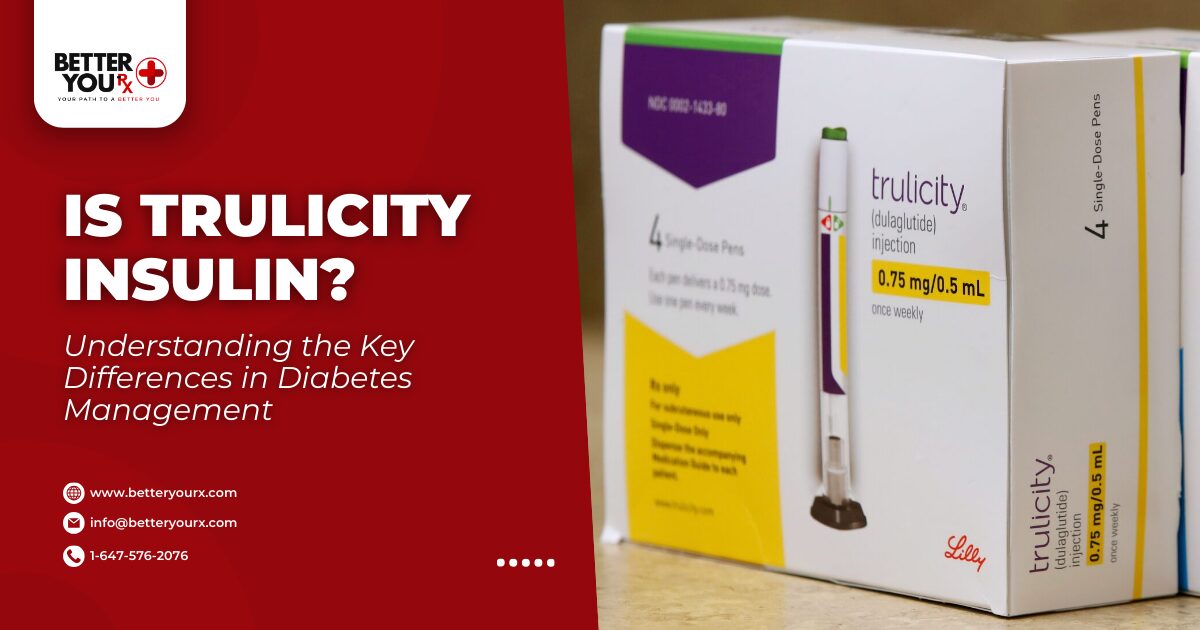
Is Trulicity insulin? The short answer is no. Trulicity (dulaglutide) is not insulin but rather a GLP-1 receptor agonist that works differently in the body to help manage type 2 diabetes. This distinction matters because understanding how your medication works can help you make better decisions about your health and treatment options.

Many people living with type 2 diabetes wonder about the differences between various injectable medications. Since both Trulicity and insulin come in injectable forms, it makes sense that confusion exists. However, these two medications have entirely different mechanisms of action, dosing schedules, and effects on the body. Throughout this guide, you will learn exactly why is Trulicity insulin is such a common question and discover the real differences between these treatments.

Whether you are newly diagnosed with type 2 diabetes or exploring alternative treatment options, understanding whether is Trulicity insulin can help you have more informed conversations with your healthcare provider. 

Things To Know

  • Trulicity is not insulin; it belongs to a class of medications called GLP-1 receptor agonists
  • While both help manage blood sugar, Trulicity works by stimulating natural insulin production rather than replacing it
  • Trulicity is typically injected once weekly, whereas insulin may require multiple daily injections
  • Some patients may need both Trulicity and insulin depending on their condition
  • Trulicity can support weight management, while insulin often leads to weight gain

What Is Trulicity and How Does It Work

When asking is Trulicity insulin, it helps to understand what Trulicity actually does in your body. Trulicity contains the active ingredient dulaglutide, which mimics a natural hormone called GLP-1 (glucagon-like peptide-1). This hormone plays several important roles in blood sugar regulation.

GLP-1 receptor agonists like Trulicity work by binding to GLP-1 receptors throughout your body. When this happens, several beneficial effects occur that help control blood sugar levels without directly supplying insulin from an external source.

Trulicity stimulates your pancreas to produce more insulin when blood sugar levels rise, particularly after meals. This is a key reason why the question is Trulicity insulin comes up so often. While it does involve insulin, Trulicity encourages your body to make its own rather than providing synthetic insulin directly.

Another way Trulicity helps manage blood sugar is by slowing down how quickly food leaves your stomach. This gradual release of nutrients helps prevent the sharp blood sugar spikes that often occur after eating. Trulicity also decreases the amount of glucagon your liver releases. Glucagon is a hormone that raises blood sugar levels, so reducing it helps maintain more stable glucose readings throughout the day.

Understanding the Difference Between Trulicity and Insulin

The fundamental answer to is Trulicity insulin becomes clearer when you compare how each medication functions. Traditional insulin therapy involves injecting synthetic insulin to replace what your body cannot produce or use effectively.

Feature

Trulicity

Insulin

Medication Class

GLP-1 Receptor Agonist

Hormone Replacement

How It Works

Stimulates natural insulin production

Directly provides insulin to the body

Injection Frequency

Once weekly

Once to multiple times daily

Effect on Weight

Often promotes weight loss

May cause weight gain

Risk of Low Blood Sugar

Lower when used alone

Higher, especially with improper dosing

Primary Use

Type 2 diabetes

Type 1 and Type 2 diabetes

This comparison table highlights why is Trulicity insulin remains an important question for patients to understand. The mechanisms are fundamentally different, even though both aim to control blood sugar levels.

Insulin works as a direct replacement for what your pancreas should be producing. For people with type 1 diabetes, insulin therapy is essential because their bodies produce little to no insulin at all. For those with type 2 diabetes, insulin may become necessary when other treatments no longer provide adequate control. You can learn more about how the liver produces insulin and its role in blood sugar management.

Who Should Use Trulicity vs. Insulin

Understanding is Trulicity insulin helps determine which treatment might work better for different situations. Not everyone with diabetes needs the same approach, and your healthcare provider will consider several factors when recommending treatment.

People with type 2 diabetes who still produce some insulin naturally often respond well to Trulicity. The medication works best when your pancreas can still function, as it relies on your body’s ability to create insulin in response to the medication’s signals.

Those with type 1 diabetes require insulin therapy because their bodies cannot produce insulin at all. Additionally, some people with advanced type 2 diabetes may need insulin when their pancreas no longer responds adequately to other treatments.

In some cases, healthcare providers may recommend using both Trulicity and insulin together. This combination approach can provide better blood sugar control than either medication alone for certain patients. If you are wondering is Trulicity insulin something that can be combined with actual insulin, the answer is yes under proper medical supervision.

Benefits of Choosing Trulicity Over Insulin

is trulicity insulin

Many patients prefer Trulicity for several practical reasons beyond just understanding is Trulicity insulin. The convenience and additional benefits make it an attractive option for those who qualify.

Benefit

How Trulicity Delivers

Convenience

Single weekly injection vs. daily insulin shots

Weight Management

Supports weight loss in many patients

Lower Hypoglycemia Risk

Reduced chance of dangerously low blood sugar

Appetite Control

Helps reduce hunger and food cravings

Cardiovascular Benefits

May support heart health in type 2 diabetes

Simplicity

Pre-filled pen makes dosing straightforward

The once-weekly dosing schedule represents one of the biggest advantages. Instead of remembering multiple daily injections, patients using Trulicity only need to inject once every seven days. This improved convenience often leads to better medication adherence.

Weight management benefits also set Trulicity apart. While many patients on insulin experience weight gain, those using Trulicity often see weight loss or weight stability. This difference can significantly impact overall health and diabetes management. For those exploring weight management options, comparing Phentermine vs. Ozempic provides additional insights into different approaches.

Potential Side Effects to Consider

Any discussion about is Trulicity insulin should include information about potential side effects. Both medications can cause unwanted reactions, though the types of side effects differ significantly.

Common Trulicity Side Effects:

  • Nausea (most common, especially when starting treatment)
  • Diarrhea
  • Vomiting
  • Abdominal pain or discomfort
  • Decreased appetite
  • Fatigue
  • Indigestion or heartburn
  • Constipation

These digestive side effects typically improve as your body adjusts over several weeks. Eating smaller, more frequent meals and avoiding fatty foods can help minimize discomfort during the initial treatment period.

Serious Side Effects (Seek Medical Attention):

  • Severe stomach pain that does not go away (possible pancreatitis)
  • Signs of thyroid tumors such as a lump in the neck, trouble swallowing, or hoarseness
  • Symptoms of low blood sugar including shakiness, sweating, confusion, and dizziness
  • Kidney problems indicated by decreased urination or swelling in legs and feet
  • Severe allergic reactions with rash, itching, or difficulty breathing
  • Vision changes or blurred vision
  • Rapid heartbeat

While understanding is Trulicity insulin helps clarify how the medication works, knowing these potential side effects ensures you can respond appropriately if they occur. Insulin carries a higher risk of hypoglycemia compared to Trulicity when used alone, though the risk increases if Trulicity is combined with insulin or certain other diabetes medications.

Understanding how long side effects last with similar medications can help set expectations. Learn more about how long Zepbound side effects last for insights into GLP-1 receptor agonist tolerability.

Practical Tips for Using Trulicity Effectively

Benefits of Choosing Trulicity Over Insulin

Now that you understand is Trulicity insulin is actually a GLP-1 receptor agonist, here are some practical tips to maximize its effectiveness.

Timing Your Weekly Injection

Choose a day of the week that works consistently with your schedule and stick to it. Many people select the same day each week to build a routine that becomes automatic over time. You can take Trulicity at any time of day, with or without food, which offers flexibility for different lifestyles.

Proper Storage Guidelines

Keep unused Trulicity pens in the refrigerator between 36°F and 46°F until you are ready to use them. Once you start using a pen, it can be stored at room temperature below 86°F for up to 14 days. Never freeze Trulicity, and always protect it from direct light exposure to maintain its effectiveness.

Managing Initial Side Effects

Start with the lowest dose and allow your body to adjust before increasing to higher doses. Eating bland foods, staying well hydrated, and avoiding large meals can help reduce nausea during the first few weeks. Most patients find that digestive side effects decrease significantly after the first month of treatment.

Getting Trulicity Through Better You Rx

Better You Rx operates as a prescription referral service, helping patients access medications like Trulicity. Understanding Trulicity insulin and making informed treatment decisions is just the first step. Finding affordable access to your prescribed medications matters equally.

Working with a prescription referral service can help you explore options for obtaining Trulicity at competitive prices. The process typically involves submitting your prescription and receiving guidance on available options for filling your medication needs.

Final Thoughts on Trulicity and Insulin

The question is Trulicity insulin has a clear answer: no, Trulicity is not insulin. It belongs to a different class of medications called GLP-1 receptor agonists that work by stimulating your body’s natural insulin production rather than replacing it directly. This distinction matters because it affects everything from dosing schedules to side effect profiles and suitability for different patients.

Understanding how Trulicity works empowers you to participate actively in your diabetes management decisions. Whether Trulicity alone, insulin, or a combination approach works best for you depends on your individual health situation, which your healthcare provider can help determine.

For those prescribed Trulicity, Better You Rx serves as a prescription referral service to help you access your medication. Taking control of your diabetes management starts with education, and knowing is Trulicity insulin puts you one step closer to making informed choices about your health.

Frequently Asked Questions

How is Trulicity different from insulin?

Trulicity and insulin work through completely different mechanisms. While insulin directly provides the hormone your body needs to process glucose, Trulicity stimulates your pancreas to produce more of its own insulin naturally. This fundamental difference explains why is Trulicity insulin is answered with a definitive no. Additionally, Trulicity only needs to be injected once weekly, whereas insulin often requires multiple daily injections. The side effect profiles also differ, with Trulicity carrying lower hypoglycemia risk when used alone.

Are Ozempic and Trulicity the same?

Ozempic and Trulicity belong to the same medication class (GLP-1 receptor agonists) but contain different active ingredients. Trulicity contains dulaglutide while Ozempic contains semaglutide. Both work similarly by stimulating insulin production and slowing digestion, but they may differ in effectiveness and side effects for individual patients. Neither medication is insulin, though both help manage blood sugar in type 2 diabetes.

Does Metformin do the same thing as Trulicity?

Metformin and Trulicity work differently despite both treating type 2 diabetes. Metformin primarily reduces glucose production in the liver and improves insulin sensitivity in your cells. Trulicity stimulates insulin production and slows digestion. Some patients take both medications together for enhanced blood sugar control. Neither is insulin, and understanding is Trulicity insulin helps clarify these distinctions.

Do you still need insulin with Trulicity?

Some patients may need both Trulicity and insulin, while others manage well with Trulicity alone. The decision depends on how well your pancreas produces insulin, your blood sugar control goals, and your overall health situation. Your healthcare provider will determine if combination therapy is necessary. The question is Trulicity insulin becomes particularly relevant when considering whether additional insulin therapy is needed alongside it.

What should I avoid while taking Trulicity?

While taking Trulicity, avoid alcohol in excess as it can affect blood sugar levels unpredictably. Limit high-fat and greasy foods, especially during the initial weeks, as these can worsen nausea and digestive side effects. Stay consistent with your injection schedule and avoid skipping doses. Never share Trulicity pens with others, even if the needle is changed. Always inform your healthcare provider about all medications and supplements you take to avoid potential interactions.

Mounjaro vs Trulicity: Which GLP-1 Medication Works Best for You?

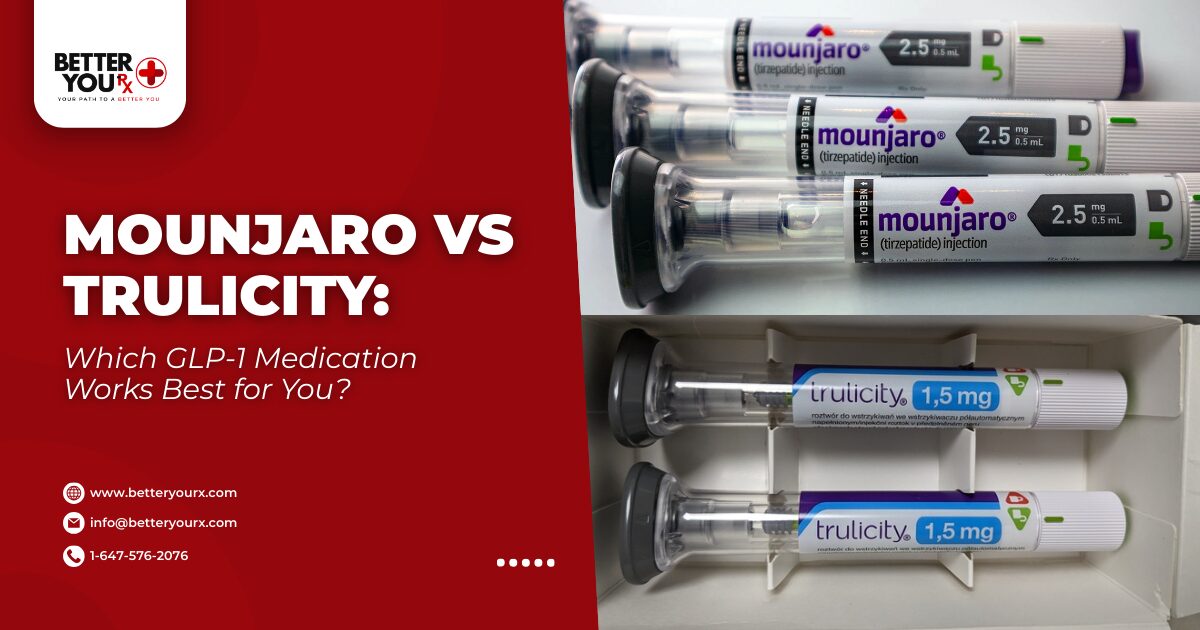
When comparing Mounjaro vs Trulicity, the main difference lies in their mechanism of action. Mounjaro (tirzepatide) targets both GIP and GLP-1 receptors, while Trulicity (dulaglutide) works on the GLP-1 receptor alone. Both medications are injectable treatments used for type 2 diabetes management, but Mounjaro has shown superior results in blood sugar reduction and weight loss. Trulicity has been on the market longer since 2014, while Mounjaro received approval in 2022. The choice between these two depends on your health goals, tolerance for side effects, and budget considerations. Understanding the Mounjaro vs Trulicity comparison helps patients make informed treatment decisions.

Things To Know

  • Mounjaro uses dual hormone technology targeting GIP and GLP-1 receptors simultaneously
  • Trulicity focuses solely on the GLP-1 pathway for blood sugar control
  • Both medications require once-weekly injections administered subcutaneously
  • Mounjaro typically produces greater A1C reductions averaging 2.0% to 2.3%
  • Trulicity has a longer track record with over 10 years of real-world use
  • Weight loss tends to be more significant with Mounjaro due to its dual action
  • Side effects for both primarily involve gastrointestinal symptoms
  • Mounjaro is available in higher maximum doses than Trulicity

How Mounjaro and Trulicity Work Differently

The fundamental difference in how these medications function explains much of their varying results. When evaluating Mounjaro vs Trulicity, understanding their mechanisms is essential. Trulicity mimics the natural GLP-1 hormone your body produces after eating. This hormone signals your pancreas to release insulin, slows stomach emptying, and reduces appetite signals to your brain.

Mounjaro takes this approach further by activating two hormone pathways instead of one. Beyond the GLP-1 receptor, it also targets the GIP (glucose-dependent insulinotropic polypeptide) receptor. This dual activation creates a more comprehensive metabolic response.

The GIP pathway enhances insulin secretion and may improve how your body processes fats. When combined with GLP-1 activation, patients often experience better blood sugar control and more noticeable changes in body composition. This is a key distinguishing factor in the Mounjaro vs Trulicity debate.

You can explore the Mounjaro KwikPen to see the available dosing options for this dual-action medication.

Dosing and Administration Comparison

Mounjaro vs Trulicity

Both medications share the convenience of once-weekly dosing, but their titration schedules and maximum doses differ significantly when comparing Mounjaro vs Trulicity.

Feature Mounjaro Trulicity
Starting Dose 2.5 mg weekly 0.75 mg weekly
Maximum Dose 15 mg weekly 4.5 mg weekly
Dose Increments 2.5 mg, 5 mg, 7.5 mg, 10 mg, 12.5 mg, 15 mg 0.75 mg, 1.5 mg, 3 mg, 4.5 mg
Titration Period 4 weeks per increase 4 weeks per increase
Injection Device Single-dose pen Single-dose pen
Needle Visibility Hidden needle Hidden needle

Mounjaro offers more flexibility in dosing with six strength options compared to four for Trulicity. This allows for more gradual adjustments if you experience side effects or need fine-tuning of your treatment. This dosing flexibility is an important consideration in the Mounjaro vs Trulicity decision.

The Trulicity Pen comes ready to use with no mixing required, making the injection process straightforward for beginners.

Injection Technique Tips

Proper injection technique ensures you get the full benefit of either medication. Rotate your injection sites between your abdomen, thigh, and upper arm. Never inject into the same spot twice in a row, as this can cause skin irritation or affect absorption.

Store your pens in the refrigerator between 36°F and 46°F until ready to use. You can leave the pen at room temperature for up to 21 days with Trulicity and 21 days with Mounjaro if needed. Always check the solution for particles or discoloration before injecting.

Timing Your Weekly Dose

Pick a day that works consistently with your schedule. Many people choose the same day each week to build a routine. If you miss a dose, take it as soon as you remember if your next scheduled dose is more than 3 days away. Otherwise, skip the missed dose and continue with your regular schedule.

For detailed guidance on injection techniques, our article on where to inject Zepbound provides helpful visual guidance that applies to similar injectable medications.

What To Do If Side Effects Occur

If nausea or stomach upset happens after your injection, try taking your dose in the evening so you can sleep through the initial effects. Eating smaller meals and avoiding fatty foods for the first few days after each injection can also help your body adjust.

Effectiveness for Blood Sugar Control

When examining Mounjaro vs Trulicity for diabetes management, the data shows meaningful differences in A1C reduction.

Mounjaro users typically see A1C reductions between 1.8% and 2.4% depending on the dose. At the highest 15 mg dose, some patients achieve A1C levels below 5.7%, which falls within the non-diabetic range.

Trulicity produces A1C reductions averaging 0.8% to 1.6% across its dose range. While still effective, these results generally fall short of what Mounjaro achieves. This effectiveness gap is crucial when weighing Mounjaro vs Trulicity for blood sugar management.

Outcome Measure Mounjaro (Average) Trulicity (Average)
A1C Reduction 1.8% to 2.4% 0.8% to 1.6%
Fasting Glucose Improvement 50-70 mg/dL 25-40 mg/dL
Time to See Results 4-8 weeks 4-8 weeks
Patients Reaching A1C Under 7% Up to 90% Up to 60%

Both medications begin working within the first few weeks, though maximum effects develop over 3 to 6 months as you reach your target dose.

Weight Loss Outcomes

Weight changes represent one of the most significant differences between these medications. When looking at Mounjaro vs Trulicity for weight management, Mounjaro produces substantially greater weight reduction due to its dual hormone action.

Patients using Mounjaro at higher doses have reported losing 15% to 25% of their starting body weight over 72 weeks. This translates to 30 to 50 pounds for someone starting at 200 pounds.

Trulicity users typically experience more modest weight changes, averaging 5% to 10% of body weight. While helpful, this difference matters for patients whose primary goal involves significant weight reduction. The Mounjaro vs Trulicity weight loss comparison often influences patient and provider treatment choices.

The weight loss from both medications comes from reduced appetite and slower stomach emptying, which leads to eating less without feeling deprived. Many users report feeling satisfied with smaller portions and experiencing fewer cravings between meals.

If you are researching GLP-1 medications and their effects on energy levels, our article about whether Wegovy causes fatigue explores common questions about tiredness with similar medications.

Side Effect Profiles

Both medications share similar side effect profiles since they work on overlapping pathways. Gastrointestinal symptoms remain the most common concern for new users in the Mounjaro vs Trulicity comparison.

Common Side Effects

Nausea affects roughly 15% to 25% of users with both medications during the initial weeks. This typically improves as your body adjusts to the treatment. Diarrhea, constipation, and decreased appetite also occur frequently but usually diminish over time.

Vomiting and stomach pain happen more often with Mounjaro, likely due to its stronger overall effect. Starting at the lowest dose and increasing gradually helps minimize these reactions. Side effect tolerance is an important factor when choosing between Mounjaro vs Trulicity.

Serious Concerns To Monitor

Both medications carry warnings about potential thyroid tumors based on animal research. People with a personal or family history of medullary thyroid carcinoma should not use either medication.

Pancreatitis risk exists with both drugs, though actual cases remain rare. Contact your healthcare provider immediately if you experience severe abdominal pain that radiates to your back.

Injection site reactions like redness, itching, or swelling occur occasionally with both medications but rarely require stopping treatment.

Better You Rx operates as a prescription referral service that can help connect you with affordable options for both medications. The Trulicity page provides current pricing and ordering information.

For those exploring GLP-1 medications and wondering about dosing protocols, the article on starting Wegovy at 1.7 mg discusses important considerations about proper dosing initiation.

Who Should Consider Each Medication

Weight Loss Outcomes

Your individual health profile determines which medication makes the most sense for your situation. The Mounjaro vs Trulicity decision should be personalized to your specific needs.

Mounjaro may work better for you if:

  • Your primary goals include significant weight loss alongside blood sugar control
  • You have not achieved target A1C levels with other GLP-1 medications
  • Your healthcare provider recommends trying dual-action therapy
  • You can tolerate the potentially stronger initial side effects

Trulicity may suit you better if:

  • You prefer a medication with a longer established safety record
  • Your weight loss goals are modest
  • You have achieved good results with GLP-1 medications previously
  • You want to start with a medication your insurance readily covers

Practical Tips for Success with Either Medication

Regardless of which medication you choose in the Mounjaro vs Trulicity comparison, certain strategies help maximize your results and minimize discomfort.

Stay well hydrated, especially during the first few weeks of treatment. Drinking 8 to 10 glasses of water daily helps manage nausea and supports your body as it adjusts to the medication.

Focus on protein-rich foods that keep you satisfied longer. Since both medications reduce appetite, making your smaller meals nutritionally dense ensures you get adequate nutrition.

Plan your injection day around your schedule. Some people prefer injecting on Friday evenings so any initial nausea happens over the weekend. Others find mid-week works better for their routine.

Keep a symptom journal for the first two months. Tracking how you feel after each dose helps you and your healthcare provider make informed decisions about dose adjustments.

Light physical activity like walking for 15 to 20 minutes after meals can help with digestion and blood sugar management. Avoid strenuous exercise immediately after eating while your body adjusts to the medication.

Making the Right Choice Between Mounjaro and Trulicity

The decision between Mounjaro vs Trulicity ultimately depends on your specific health needs, goals, and circumstances. Mounjaro offers stronger blood sugar control and more significant weight loss through its dual hormone action. Trulicity provides reliable results with a longer track record and potentially easier insurance coverage.

Discuss both options thoroughly with your healthcare provider. They can evaluate your complete medical history, current medications, and treatment goals to recommend the best fit for your situation. A thorough Mounjaro vs Trulicity analysis with your doctor ensures you choose wisely.

Neither medication works as a standalone solution. Both perform best when combined with dietary changes, regular physical activity, and consistent medical monitoring. The medication you choose becomes one tool among many in managing your health effectively. Whether you select Mounjaro or Trulicity after your Mounjaro vs Trulicity evaluation, commitment to lifestyle changes enhances results.

Frequently Asked Questions

Which is better, Trulicity or Mounjaro?

When asking about Mounjaro vs Trulicity, Mounjaro generally shows better results for both blood sugar reduction and weight loss due to its dual hormone mechanism. However, “better” depends on your individual needs. Trulicity may work well for patients who need reliable blood sugar control without dramatic weight changes. Some people also tolerate Trulicity better during the initial adjustment period. Your healthcare provider can help determine which option aligns with your health goals and medical history. The Mounjaro vs Trulicity choice is highly individual.

Can I switch between Trulicity and Mounjaro?

Yes, switching between these medications is possible under medical supervision. Your healthcare provider will typically stop one medication and start the other at a low dose to minimize side effects. There is no required waiting period between stopping Trulicity and starting Mounjaro. Most providers recommend switching at the beginning of your next scheduled dose. Monitor for any changes in blood sugar levels during the transition and report unusual symptoms to your healthcare team. Many patients transition in the Mounjaro vs Trulicity decision after trying one medication first.

What is the new drug better than Mounjaro?

Currently, Mounjaro remains among the most effective medications in its class for blood sugar and weight management. Retatrutide, a triple hormone agonist targeting GIP, GLP-1, and glucagon receptors, has shown promising early results that may exceed Mounjaro in some measures. However, this medication has not yet received approval for general use. Researchers continue developing newer compounds, but Mounjaro represents the current standard for dual-action therapy. The Mounjaro vs Trulicity comparison may evolve as new medications emerge.

How long does it take to lose 20 lbs on tirzepatide?

Most people using tirzepatide (Mounjaro) reach a 20-pound weight loss within 16 to 24 weeks, depending on their starting weight, dose titration schedule, and lifestyle factors. Those who combine the medication with dietary changes and regular exercise often see faster results. Weight loss typically accelerates as doses increase during the titration period. Individual results vary significantly based on metabolism, adherence, and starting body composition. This timeline differs from Trulicity’s more modest weight loss, highlighting another aspect of Mounjaro vs Trulicity effectiveness.

Why is Trulicity not approved for weight loss?

Trulicity’s manufacturer pursued approval specifically for type 2 diabetes management rather than weight loss. While Trulicity does cause weight reduction as a secondary effect, the average weight loss of 5% to 10% did not meet the threshold typically required for dedicated weight loss medications. Other GLP-1 drugs like Wegovy and Zepbound were developed and tested specifically for obesity treatment with higher doses optimized for weight management outcomes. This regulatory difference is important when considering Mounjaro vs Trulicity for weight management goals.

Is Trulicity a GLP 1? What You Need to Know About This Diabetes Medication

Is Trulicity a GLP-1? Yes, Trulicity (Dulaglutide) is a GLP-1 receptor agonist medication prescribed primarily for managing type 2 diabetes. This once-weekly injectable works by mimicking the natural GLP-1 hormone in your body to help regulate blood sugar levels and support glycemic control. Trulicity belongs to a class of medications that have gained significant attention for their effectiveness in diabetes management. The medication is manufactured by Eli Lilly and has become one of the most commonly prescribed options in its category. Many people compare it with other medications like Ozempic and Mounjaro when deciding on their treatment plan. 

What Is a GLP-1 Receptor Agonist?

GLP-1 stands for glucagon-like peptide-1, a naturally occurring hormone produced in your intestines after you eat. This hormone plays several important roles in blood sugar regulation. When you consume food, GLP-1 signals your pancreas to release insulin, which helps move glucose from your bloodstream into your cells for energy.

GLP-1 receptor agonists are medications designed to mimic this natural hormone. They bind to the same receptors in your body and trigger similar responses. The key difference is that these medications last much longer than your natural GLP-1 hormone, which breaks down within minutes.

These medications offer multiple benefits beyond just insulin stimulation. They also slow down how quickly food leaves your stomach, which helps you feel full longer. Additionally, they reduce the amount of glucagon your body produces. Glucagon is a hormone that raises blood sugar levels, so reducing it helps keep glucose levels stable.

How Trulicity Works in Your Body

How Trulicity Works in Your Body

Trulicity contains the active ingredient Dulaglutide, which is a modified version of human GLP-1. The modification allows it to stay active in your body for about a week, which is why you only need one injection per week. Understanding is Trulicity a GLP-1 helps patients recognize how this medication functions differently from other diabetes treatments.

When you inject Trulicity, it circulates through your bloodstream and attaches to GLP-1 receptors throughout your body. This triggers several responses that work together to manage your blood sugar.

Stimulates Insulin Release

Trulicity prompts your pancreas to release insulin when your blood sugar rises after eating. This is called glucose-dependent insulin secretion. The medication only triggers insulin release when blood sugar is elevated, which reduces the risk of hypoglycemia compared to some other diabetes medications.

Slows Gastric Emptying

The medication slows down how quickly food moves from your stomach to your small intestine. This slower digestion means glucose enters your bloodstream more gradually, preventing sharp spikes in blood sugar after meals.

Reduces Glucagon Production

Trulicity decreases the amount of glucagon your pancreas releases. Since glucagon tells your liver to release stored glucose, reducing it helps keep blood sugar levels from rising too high between meals.

Trulicity Dosing Options

Trulicity comes in several dosage strengths to allow for gradual dose increases. Most people start at a lower dose and work up to their target dose over several weeks. This approach helps minimize side effects, especially digestive issues that are common when starting GLP-1 medications.

Dose Strength Typical Use Administration
0.75 mg Starting dose for most patients Once weekly injection
1.5 mg Standard maintenance dose Once weekly injection
3.0 mg Higher dose for additional control Once weekly injection
4.5 mg Maximum available dose Once weekly injection

Your healthcare provider will determine the best starting dose and schedule for increasing it based on your individual needs. The Trulicity medication is available in pre-filled pens that make self-injection straightforward.

Comparing Trulicity to Other GLP-1 Medications

When people ask is Trulicity a GLP-1, they often want to know how it stacks up against other options in this medication class. Several GLP-1 receptor agonists are available, each with slightly different characteristics.

Medication Active Ingredient Dosing Frequency Primary Indication
Trulicity Dulaglutide Once weekly Type 2 diabetes
Ozempic Semaglutide Once weekly Type 2 diabetes
Mounjaro Tirzepatide Once weekly Type 2 diabetes
Wegovy Semaglutide Once weekly Weight management
Saxenda Liraglutide Once daily Weight management

Each medication has its own benefits and considerations. Some people may respond better to one option than another. Factors like side effect tolerance, lifestyle preferences, and treatment goals all play a role in determining the best choice. If you are curious about other medications in this category, you might find our article on does Wegovy make you tired helpful for comparing options.

Things To Know About Trulicity

Before starting any GLP-1 medication, there are several important points to keep in mind. Being informed helps you work effectively with your healthcare provider and get the most benefit from your treatment.

Trulicity is specifically indicated for type 2 diabetes management, not weight loss. While some patients do experience weight reduction as a secondary effect, this is not the medication’s primary purpose. The weight changes occur because GLP-1 medications affect appetite and digestion.

The medication requires consistent weekly dosing for best results. Missing doses or taking them irregularly can affect your blood sugar control. Most people find it helpful to choose a specific day each week for their injection and set a reminder.

Storage matters for Trulicity. Unused pens should be kept in the refrigerator. Once you start using a pen, you can keep it at room temperature for up to 14 days. Never freeze the medication, and protect it from direct light and heat.

Injection sites should be rotated to prevent skin irritation. The abdomen, thigh, and upper arm are all suitable locations. Switching between these areas helps maintain healthy skin at each site.

Common Side Effects and What to Expect

Trulicity Dosing Options

Like all medications, Trulicity can cause side effects. Most are mild to moderate and tend to improve as your body adjusts to the medication. Knowing what to expect helps you prepare and know when to contact your healthcare provider.

Digestive side effects are the most common, especially when starting treatment or increasing your dose. These include nausea, diarrhea, decreased appetite, vomiting, and abdominal pain. Eating smaller meals, avoiding fatty or greasy foods, and staying hydrated can help manage these symptoms.

Some people experience injection site reactions like redness, itching, or mild pain at the injection location. These typically resolve on their own within a few days. Rotating injection sites helps prevent ongoing irritation.

More serious side effects are less common but require prompt medical attention. These include signs of pancreatitis like severe abdominal pain that does not go away, symptoms of thyroid tumors like a lump in your neck or difficulty swallowing, and signs of severe allergic reactions.

Who Should Not Take Trulicity

Trulicity is not appropriate for everyone. Certain medical conditions and situations make this medication unsuitable. Your healthcare provider will review your complete medical history before prescribing.

People with a personal or family history of medullary thyroid carcinoma should not use Trulicity. The medication is also not recommended for those with Multiple Endocrine Neoplasia syndrome type 2. A history of severe allergic reaction to Dulaglutide or any ingredients in Trulicity is another contraindication.

Trulicity is not used for type 1 diabetes or diabetic ketoacidosis. These conditions require different treatment approaches. Pregnant women or those planning to become pregnant should discuss alternatives with their healthcare provider.

If you have a history of pancreatitis, severe gastrointestinal disease, or kidney problems, your provider will carefully weigh the benefits and risks before prescribing. For those exploring dosing options of similar medications, our article on can I start Wegovy at 1.7 mg provides useful information about GLP-1 dosing considerations.

Practical Tips for Using Trulicity

is trulicity a glp 1

Getting the most from your Trulicity treatment involves more than just taking the medication. These practical strategies can help improve your experience and outcomes.

Take your injection on the same day each week. Consistency helps maintain steady medication levels in your body and makes it easier to remember your dose. If you miss a dose, take it as soon as you remember if there are at least 3 days until your next scheduled dose.

Start with dietary adjustments before your first injection. Reducing portion sizes and limiting high-fat foods can help minimize digestive side effects. Many people find that starting these changes a few days before their first dose makes the transition smoother.

Keep a log of your blood sugar readings, especially when starting treatment or changing doses. This information helps your healthcare provider make adjustments and track your progress. Note any side effects you experience along with when they occur.

Stay well hydrated, particularly if you experience digestive side effects like diarrhea or vomiting. Water, clear broths, and electrolyte drinks can help prevent dehydration.

Final Thoughts on Trulicity as a GLP-1 Medication

Trulicity is indeed a GLP-1 receptor agonist that offers an effective option for managing type 2 diabetes. Its once-weekly dosing provides convenience, while its mechanism of action addresses multiple aspects of blood sugar regulation. The medication works by mimicking natural GLP-1 hormone to stimulate insulin release, slow digestion, and reduce glucagon production.

When considering is Trulicity a GLP-1 for your treatment plan, discuss all options with your healthcare provider. They can help you weigh the benefits against potential side effects and determine if this medication aligns with your health goals. With proper use and lifestyle modifications, GLP-1 medications like Trulicity can be valuable tools in diabetes management.

Better You Rx serves as a prescription referral service to help you access the medications you need. Browse our available options and speak with your healthcare provider about whether Trulicity or another GLP-1 medication might be right for you.

Frequently Asked Questions

Which is better, Mounjaro or Trulicity?

Mounjaro and Trulicity work differently. Mounjaro is a dual GIP/GLP-1 receptor agonist, while Trulicity is a GLP-1 receptor agonist only. Mounjaro may produce greater blood sugar reduction and weight loss for some patients. However, Trulicity has been available longer and has an established safety record. The best choice depends on your individual health profile, treatment goals, and how your body responds to each medication. Your healthcare provider can help determine which option suits your needs.

Which GLP-1 is best for weight loss?

Among GLP-1 medications, those with semaglutide as the active ingredient tend to show the most significant weight loss results. Wegovy is specifically indicated for weight management. Ozempic, while primarily for diabetes, often produces notable weight loss as well. Trulicity can lead to modest weight reduction, though it is not its primary indication. Mounjaro, which combines GIP and GLP-1 activity, has also shown impressive weight loss results in many users.

What foods should you avoid when taking Trulicity?

High-fat and greasy foods can worsen digestive side effects like nausea and stomach discomfort. Large portions can also be problematic since the medication slows gastric emptying. Sugary foods and drinks work against the blood sugar control Trulicity provides. Alcohol should be limited as it can affect blood sugar levels unpredictably. Spicy foods may increase stomach irritation for some people. Focus on lean proteins, vegetables, whole grains, and smaller, more frequent meals for best results.

Which is safer, Ozempic or Trulicity?

Both Ozempic and Trulicity have similar safety profiles as GLP-1 receptor agonists. They share common side effects like nausea, diarrhea, and injection site reactions. Both carry warnings about thyroid tumors and pancreatitis. Neither is definitively safer than the other. Individual factors like your medical history, other medications you take, and how your body responds will determine which is more appropriate for you. Both have been used by millions of patients worldwide.

Why is Trulicity not approved for weight loss?

Trulicity was developed and tested specifically for type 2 diabetes management. The manufacturer sought approval for this indication based on their research focus. While weight loss often occurs with Trulicity use, the degree of weight reduction is generally less than with medications specifically designed for weight management like Wegovy. The approval process requires specific testing for each intended use. Because is Trulicity a GLP-1 focused on diabetes, that remains its labeled indication.


Sign Up For Newsletter

Please enable JavaScript in your browser to complete this form.

Join 60.000+ Subscribers and get a new discount coupon on every Saturday.

Address

PO Box 29631, Mississauga RPO Central Parkway, ON L5A 4H2

better you rx big letter logo

Discover convenience with Better You Rx, your trusted pharmacy-affiliated partner. We work with leading pharmacies to deliver prescriptions and over-the-counter medications right to your doorstep. Enjoy cost-effective solutions on a platform that’s easy to use. We focus on safety and efficacy in all products. Our dedicated team ensures a smooth experience. From ordering to delivery, we simplify your healthcare needs. Choose Better You Rx for reliable service and expert support. Trust us for all your medication requirements. Experience the ease of modern pharmacy care.

Categories

Operating Hours: 
10:00AM – 6:00PM CST
Monday – Friday

Our Payment Partners :

Copyright © 2024 BetteryouRX. All Rights Reserved.

Join The Waitlist Be among the first to know when becomes available.
Add to cart