Does Metformin Dosage for Weight Loss Really Work?

Written by Sarah Mitchell, Health and Wellness Writer  |  Medically Reviewed by Dr. Amanda Reyes, MD  |  Last Updated: August 2026

Metformin dosage for weight loss usually begins at a low starting point, often 500 mg taken once or twice daily with food, then increases gradually over several weeks toward a typical maintenance range between 1,500 mg and 2,000 mg per day. The right metformin dosage for weight loss depends heavily on how well a person tolerates the medication, their blood sugar readings, kidney function, and what a prescribing provider determines fits their individual health profile.

Weight loss with Metformin tends to be gradual and modest rather than dramatic, and it is most often discussed as a supporting option for people managing insulin resistance or prediabetes rather than a primary weight loss treatment. Providers generally titrate the dose slowly specifically to reduce digestive discomfort, which is the most commonly reported reason people stop taking it before it has a chance to work. Understanding how the dosing schedule progresses, what actually drives the weight related effects, and how Metformin compares with other medical weight management options can help set realistic expectations before starting treatment.

Key Takeaways

  • Metformin dosage for weight loss typically starts at 500 mg once daily and increases slowly over several weeks based on tolerance
  • Most providers use standard diabetes dosing frameworks as a starting point, since Metformin is used for weight support on an off label basis
  • Weight changes with Metformin are usually modest and gradual, and results differ from person to person
  • Extended release Metformin is often chosen for weight management because it tends to cause fewer stomach related side effects
  • A licensed healthcare provider should always determine the starting dose, titration pace, and maximum dose based on personal health history

Typical Metformin Dosage for Weight Loss by Stage

Metformin has been used for decades to help manage blood sugar in people with type 2 diabetes, and its connection to weight is largely an observed side effect rather than its original purpose. Many patients notice a modest reduction in appetite and a small amount of weight change after starting the medication, which is why some providers include it as part of a broader weight management plan, particularly for people who also have insulin resistance, prediabetes, or polycystic ovary syndrome.

Dosing almost always starts low. A provider will typically begin with 500 mg once daily, taken with a meal to reduce stomach upset. Over the following one to two weeks, if the medication is well tolerated, the dose may increase to 500 mg twice daily. From there, further increases usually happen in 500 mg increments spaced out by at least a week, continuing until the person reaches an effective dose or the maximum amount their provider recommends.

Titration Stage Typical Daily Dose What Usually Happens
Week 1 to 2 500 mg once daily with a meal The body adjusts; mild digestive symptoms are common and often temporary
Week 3 to 4 500 mg twice daily Dose increases only if the first stage was well tolerated
Week 5 to 8 1,000 mg to 1,500 mg daily, divided Provider monitors blood sugar readings and side effects
Maintenance 1,500 mg to 2,000 mg daily Common long term range for many patients on standard tablets

Metformin Dosage for Weight Loss

Why Metformin Influences Body Weight

Metformin’s effect on weight is thought to come from a few overlapping mechanisms rather than one single pathway. It reduces how much glucose the liver produces, which lowers circulating blood sugar and reduces the amount of insulin the body needs to release. Because high insulin levels can encourage fat storage, this shift plays a role in the modest weight changes some people notice.

Metformin also appears to influence appetite signaling in the gut, and some research points to a mild effect on hormones connected to fullness, similar in direction to pathways targeted by newer weight management medications, though far less pronounced. It can slightly slow how quickly the intestine absorbs glucose, which may reduce overall caloric intake for some individuals over time.

In clinical practice, patients who start Metformin for insulin resistance often describe a gradual decrease in cravings for sugary foods within the first month rather than a dramatic drop in appetite overall. This slow, steady pattern is typical, and it is one reason providers set expectations around gradual progress rather than rapid results.

How Providers Determine Metformin Dosing

Determining the right metformin dosage for weight loss involves several factors beyond a standard chart. Kidney function is one of the most important, since Metformin is processed by the kidneys and reduced function can require a lower dose or a different medication altogether. A provider will also consider current blood sugar or A1C levels, other medications a person takes, and how the digestive system responds during the first few weeks.

Extended release Metformin, often labeled ER or XR, is frequently preferred for weight management because it releases the medication more slowly, which tends to reduce nausea, diarrhea, and stomach discomfort compared with immediate release tablets. It is also typically taken once daily, usually with the evening meal, which many patients find easier to stick with long term.

Most healthcare providers follow established clinical protocols when building a titration schedule and monitoring kidney function and vitamin B12 levels throughout treatment. According to Cleveland Clinic, Metformin’s primary clinical role remains blood sugar management, with weight related effects generally considered a secondary and variable benefit rather than the medication’s main purpose.

Things To Know

  • The metformin dosage for weight loss should never be adjusted without medical guidance, even if early results feel slow
  • Extended release tablets are generally taken once daily and should be swallowed whole rather than split or crushed
  • Increasing the dose faster than recommended raises the risk of stomach upset and does not speed up weight related results
  • Routine blood work is typically ordered to monitor kidney function and vitamin B12 levels during long term use
  • Noticeable weight changes usually take several weeks to a few months to appear, not days

Metformin Compared With Other Weight Management Options

For people whose primary goal is significant weight reduction rather than blood sugar support, providers often discuss how Metformin stacks up against other medical options.

Option Typical Weight Change Best Fit For
Metformin Modest and gradual Insulin resistance, prediabetes, or PCOS related weight concerns
GLP-1 medications More significant People needing substantial weight loss support alongside metabolic health goals
Combination approach Varies by individual Patients working closely with a provider on a layered treatment plan


For patients seeking a more substantial weight change, a provider may discuss options such as Ozempic or Saxenda alongside or in place of Metformin, depending on individual metabolic needs and overall treatment goals. Metformin generally works best as a supporting therapy rather than a stand alone weight loss solution, particularly for people who are already managing blood sugar concerns.

Readers comparing options may also find it useful to look at Ozempic vs Trulicity and Saxenda vs Ozempic for a closer look at how these medications differ from one another.

Getting Started With a Prescription Referral

Better You Rx is a prescription referral service that connects US patients with a licensed contracted dispensing department once a valid prescription from a US based provider has been reviewed. A primary care physician or licensed medical doctor practicing in the United States can evaluate whether Metformin fits a person’s overall health picture and, if appropriate, issue a prescription that outlines the recommended starting dose and titration plan.

Patients already using or considering Metformin alongside other treatments sometimes want to understand how it fits with broader diabetes and weight management medications, such as what is Trulicity, which covers a different class of medication used for similar underlying goals.
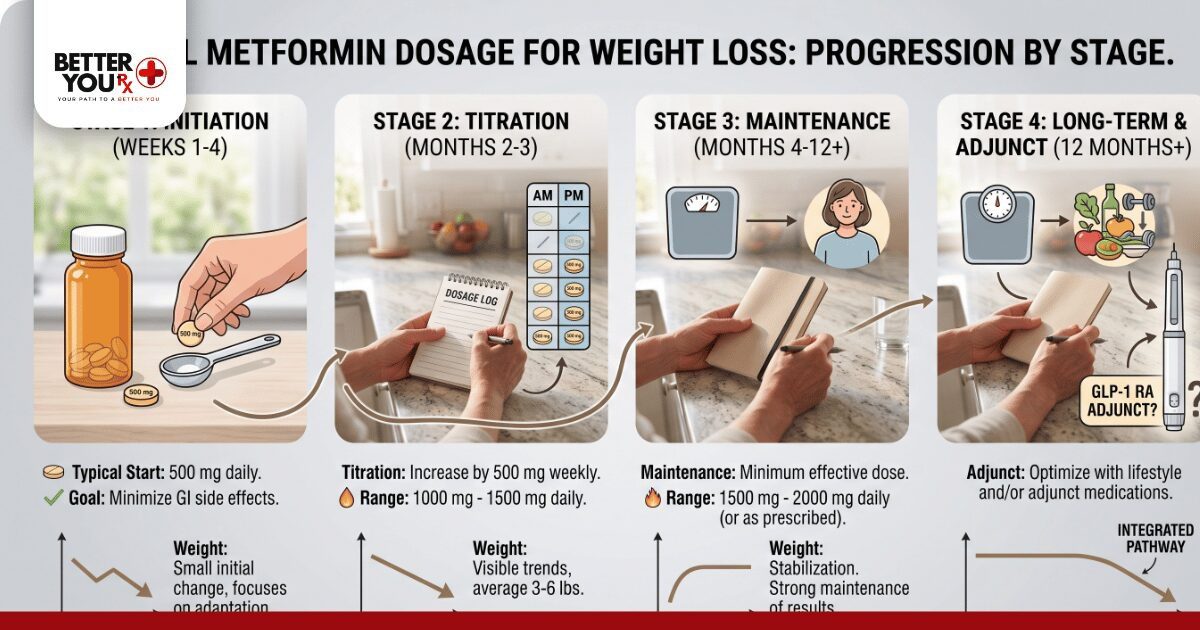
Typical Metformin Dosage for Weight Loss by Stage


Common Side Effects and What They Typically Mean

Digestive symptoms are the most frequently reported side effects when starting Metformin, including nausea, mild diarrhea, stomach discomfort, and a metallic taste that some people notice early on. These symptoms are usually most noticeable during the first two to four weeks and often ease once the body adjusts, which is part of why providers favor a slow titration schedule.

A rare but serious risk called lactic acidosis can occur in people with significant kidney impairment, severe dehydration, or certain other health conditions, which is why kidney function is checked before starting treatment and periodically afterward. Anyone experiencing unusual muscle pain, difficulty breathing, or extreme fatigue while taking Metformin should contact their provider promptly rather than waiting for a scheduled visit.

The Bottom Line on Metformin and Weight Management

Metformin dosage for weight loss works best as part of a broader plan built around gradual titration, consistent monitoring, and realistic expectations about the pace of change. Starting low, increasing slowly, and staying in contact with a licensed provider throughout the process gives the medication the best chance to be both tolerable and effective for the person taking it. For many patients, the goal is steady metabolic improvement rather than rapid weight change, and Metformin fits that role well when it is prescribed and monitored appropriately.

Frequently Asked Questions

Is 500 mg of Metformin enough for weight loss?

It can be a reasonable starting dose, but most people need a higher maintenance dose over time. A 500 mg starting dose is designed to test tolerance, not to produce noticeable weight changes on its own, and providers typically increase it gradually.

How long does it take Metformin to start working for weight loss?

Most people notice gradual changes over 8 to 12 weeks, not days. Blood sugar improvements often appear first, with any weight related changes following slowly as the dose reaches an effective level.

What is the maximum Metformin dosage for weight loss?

The commonly used maximum is around 2,000 to 2,550 mg per day, depending on the formulation. A provider determines the exact ceiling based on kidney function, tolerance, and how a person responds to lower doses first.

Can Metformin be combined with other weight loss medications?

Yes, in some cases a provider may combine Metformin with another medication. This decision depends on a person’s full health history, current blood sugar control, and specific weight management goals, and it should only be done under medical supervision.

Does Metformin cause weight loss in people without diabetes?

Some people without diabetes do experience modest weight changes, though results vary widely. It is typically considered for people with insulin resistance or PCOS rather than prescribed purely for weight loss in the general population.

Sources

  1. Mayo Clinic: Overview of Metformin, its clinical uses, dosing considerations, and common side effects
  2. Cleveland Clinic: Patient education resource on Metformin’s role in blood sugar management and metabolic health
  3. Diabetes Care, American Diabetes Association journal: Peer reviewed research on Metformin’s mechanisms and metabolic effects
  4. Annals of Internal Medicine: Clinical research on Metformin use and body weight outcomes in adults with insulin resistance

This article is for informational purposes only and is not a substitute for professional medical advice, diagnosis, or treatment. Always consult a licensed healthcare provider before starting, stopping, or changing any medication, including Metformin, to determine what is appropriate for your individual health needs.

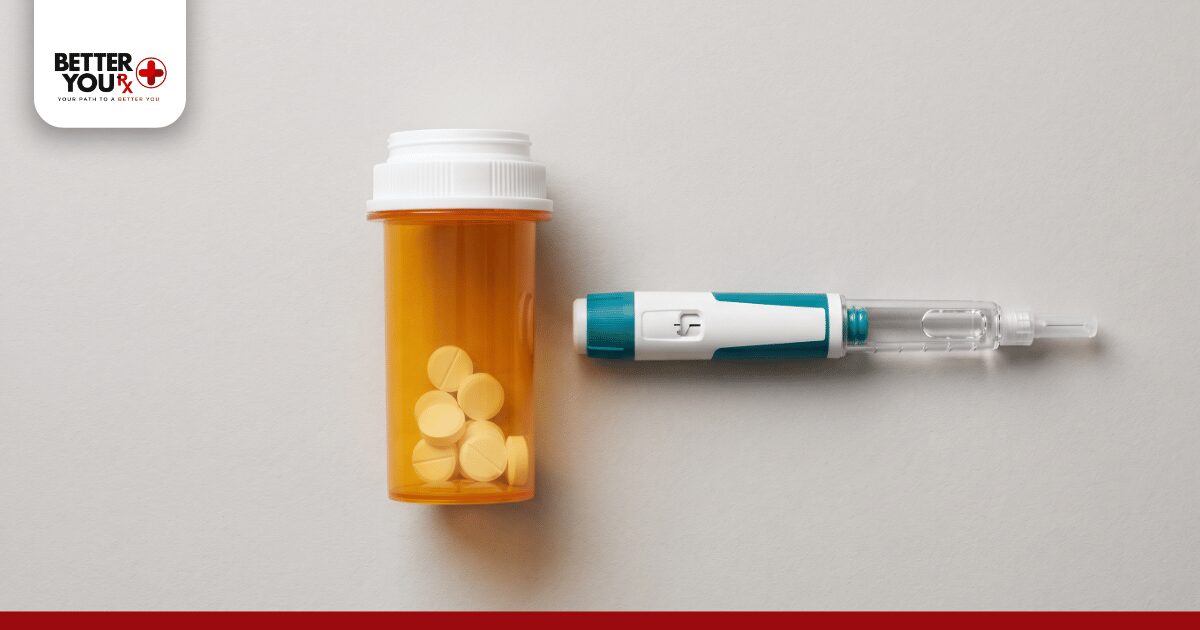
Can You Take Metformin and Ozempic Together Safely?

Written by Better You Rx Content Team, Health Content Writer | Medically Reviewed by Dr. Amanda Rios, MD | Last Updated: August 2026

Metformin and Ozempic together are commonly prescribed as a combination therapy for type 2 diabetes, and this pairing is generally considered safe under medical supervision. Metformin lowers glucose production in the liver, while Ozempic slows digestion and supports the body’s own insulin release, so the two medications complement each other instead of duplicating the same job.

Providers often add Ozempic once Metformin alone stops keeping blood sugar within target range, and many patients also notice appetite changes and gradual weight loss once the combination is established. Side effects tend to be digestive in nature, most noticeable in the first several weeks, and typically ease as the body adjusts. Dosing, timing, and monitoring should always be guided by a licensed healthcare provider familiar with a patient’s full medical history.

Key Takeaways

  • Metformin and Ozempic together is a combination many providers prescribe for type 2 diabetes when Metformin alone no longer keeps blood sugar in range
  • The two medications work through different mechanisms, so pairing them does not typically raise the risk of low blood sugar on its own
  • Most people tolerate the combination well, though digestive side effects like nausea or stomach upset can overlap in the first few weeks
  • Weight loss is a commonly reported benefit of this pairing, though results vary by individual and depend on diet, activity, and dosing
  • A licensed provider should always confirm dosing, timing, and any adjustments before starting or combining these medications

What Happens When You Take Metformin and Ozempic Together

When Metformin and Ozempic together enter the body, they act on two separate parts of the glucose regulation system rather than competing for the same target. Metformin primarily works in the liver, reducing the amount of glucose the liver releases into the bloodstream between meals. Ozempic, a once-weekly injectable, works on the gut and pancreas, slowing how quickly food leaves the stomach and prompting the pancreas to release insulin only when blood sugar is elevated.

Because these mechanisms do not overlap, combining the two rarely causes blood sugar to drop too low on its own. That said, the combination is still a medical decision, not a do-it-yourself adjustment. A provider typically starts with a low dose of one medication, confirms tolerance, and then introduces the second, watching for how the body responds over several weeks before making further changes.

What Is Metformin?

Metformin is an oral medication that has been a first-line treatment for type 2 diabetes for decades. It belongs to a drug class called biguanides and works mainly by reducing glucose production in the liver while modestly improving how the body’s cells respond to insulin. It is typically taken once or twice daily with food to reduce stomach upset.

Metformin does not usually cause weight gain, and some people experience mild weight loss while taking it, though the effect is generally smaller than what is seen with Ozempic. It also does not carry a significant risk of hypoglycemia when used alone, which is one reason providers frequently pair it with other medications.

What Is Ozempic?

Ozempic is the brand name for a once-weekly injectable medication belonging to the GLP-1 receptor agonist class. It mimics a naturally occurring hormone that regulates appetite, slows gastric emptying, and helps the pancreas release insulin in response to food. Beyond blood sugar management, Ozempic has become widely recognized for its effect on appetite regulation, which often leads to noticeable weight changes over time.

Providers frequently prescribe Ozempic alongside oral medications like Metformin when a patient’s blood sugar goals are not being met with oral therapy alone. Because Ozempic is injected rather than swallowed, patients sometimes have questions about how it fits alongside a daily pill regimen, which is one of the more common comparisons people search for, similar to the differences highlighted in this breakdown of Ozempic vs Trulicity.

Why Providers Combine These Two Medications

The decision to combine Metformin with an injectable like Ozempic usually comes down to one thing: Metformin alone has stopped producing the blood sugar results a patient needs. Rather than replacing Metformin outright, many providers add Ozempic on top of the existing regimen because the two drugs approach glucose control from different angles.

Here is generally how the reasoning plays out in practice:

  • Why: Metformin reduces liver glucose output but does not directly affect appetite or insulin timing around meals. Ozempic fills that gap.
  • How: The combination is introduced gradually, usually starting with the lowest Ozempic dose while Metformin dosing stays consistent, so the provider can isolate how the body responds to the new medication.
  • Which option applies: Patients with a higher A1C, additional weight to lose, or a history of cardiovascular risk factors are often considered stronger candidates for adding Ozempic to Metformin, while patients closer to target range may stay on Metformin alone or explore other oral options first.

Clinical observations from providers who manage type 2 diabetes regularly tend to echo the same pattern: patients who add Ozempic to an existing Metformin regimen often report steadier day-to-day blood sugar readings within the first two to three months, alongside a gradual reduction in appetite that makes portion control noticeably easier. This real-world pattern lines up with the broader clinical understanding of how GLP-1 medications behave alongside oral diabetes therapy.

Metformin and Ozempic

Things To Know

  • Metformin and Ozempic together do not need to be taken at the same time of day; Metformin is usually taken with meals while Ozempic is a once-weekly injection on a fixed day
  • Digestive side effects like nausea, bloating, or mild diarrhea are more common when both medications are started close together, so many providers stagger the start dates
  • Alcohol should be limited while taking Metformin specifically, since it can raise the risk of a rare but serious condition called lactic acidosis
  • Kidney function is typically checked before and periodically during Metformin use, since the medication is processed through the kidneys
  • Missing a dose of either medication is common; Metformin doses are generally just skipped and resumed at the next scheduled time, while missed Ozempic doses have their own specific timing rules a provider or pharmacist can clarify

Metformin vs Ozempic: A Side-by-Side Comparison

Feature Metformin Ozempic
Drug Class Biguanide GLP-1 Receptor Agonist
Form Oral tablet Injectable pen, once weekly
Primary Action Reduces liver glucose production Slows digestion, supports insulin release
Effect on Appetite Minimal Often reduces appetite noticeably
Common Side Effects Stomach upset, diarrhea Nausea, mild constipation
Typical Weight Effect Neutral to modest loss Often more pronounced weight loss


Possible Side Effects of Combination Therapy

Most side effects reported when combining these medications are digestive and tend to fade as the body adjusts, usually within four to eight weeks. Because both drugs can affect the gastrointestinal system, some overlap in symptoms is expected, particularly during the first month.

Side Effect More Common With Typical Timing
Nausea Ozempic First 2 to 4 weeks
Diarrhea Metformin First few weeks, often improves with food
Reduced Appetite Ozempic Ongoing, often welcomed by patients
Bloating or Gas Both First few weeks
Constipation Ozempic Can persist longer than nausea


Anyone experiencing severe abdominal pain, persistent vomiting, or signs of dehydration should contact a provider promptly rather than waiting for symptoms to resolve on their own. Most healthcare providers follow established clinical protocols when prescribing this combination, adjusting the Ozempic dose gradually to minimize how intense these early side effects feel.

Metformin vs Ozempic A Side-by-Side ComparisonWho Might Benefit Most From This Combination
Combining Metformin and Ozempic together tends to make the most sense for people who fit a fairly specific profile, though a provider’s evaluation is always the deciding factor rather than a checklist alone.

People who are generally considered good candidates include:

  • Those whose A1C remains above target despite consistent Metformin use
  • Those carrying additional body weight where a modest reduction could improve overall metabolic health
  • Those without a personal or family history of certain thyroid conditions that would make GLP-1 medications inappropriate
  • Those who have tolerated Metformin well and are looking for an additional layer of blood sugar support rather than a full medication switch

According to the Cleveland Clinic, combination therapy involving GLP-1 medications and oral diabetes drugs is a well-established approach for patients who need more comprehensive blood sugar management than a single medication provides. This aligns with how most endocrinology practices currently structure treatment plans that progress from oral-only therapy to combination therapy over time.

Patients exploring their options sometimes also compare GLP-1 medications against each other before deciding what to add to Metformin, a process covered in more detail in this comparison of Saxenda vs Ozempic.

Getting Started With Combination Therapy

Starting Metformin and Ozempic together should always begin with a conversation with a licensed provider who can review current lab work, medication history, and any conditions that might affect how the body responds to either drug. Better You Rx operates as a prescription referral service connecting patients across the United States with a licensed contracted dispensing department, helping streamline access once a valid prescription from a US-based physician is in hand.

Patients already using Metformin can ask their provider whether an injectable option like Ozempic or an oral GLP-1 alternative such as Rybelsus fits their treatment goals, since some people prefer to avoid injections altogether. Providers may also discuss Trulicity as another injectable option within the same drug class, depending on insurance coverage, dosing schedule preferences, and individual response.

The Bottom Line on This Combination

Metformin and Ozempic together remain one of the more common combination approaches for managing type 2 diabetes when oral therapy alone is not enough. The two medications address blood sugar from different directions, which is part of why the pairing is generally well tolerated and why many patients also notice gradual weight changes along the way. Anyone considering this combination should work directly with a licensed provider to confirm dosing, monitor progress, and adjust the plan based on how their body responds over time.

Frequently Asked Questions

How much weight can you lose on metformin and Ozempic?

Weight loss varies widely by individual, but many patients combining Metformin with Ozempic report losses in the range of 10 to 15 percent of body weight over six to twelve months, with Ozempic driving most of the reduction through appetite changes.

Do you stop metformin when you start Ozempic?

Usually not. Metformin is typically continued alongside Ozempic since the two work differently; a provider only discontinues Metformin if blood sugar goals are met through other means or side effects require a change.

What drugs should not be taken with Ozempic?

Other GLP-1 medications and certain insulin combinations require careful monitoring. Ozempic is generally not combined with other GLP-1 receptor agonists, and combining it with insulin or sulfonylureas may require dose adjustments to avoid low blood sugar.

What has worse side effects, metformin or Ozempic?

Side effect profiles differ rather than one being definitively worse. Metformin more often causes diarrhea and stomach upset, while Ozempic more commonly causes nausea and appetite suppression; both tend to improve over the first several weeks.

What organ is Ozempic hard on?

The gastrointestinal system experiences the most noticeable effects. Ozempic primarily affects digestion and the stomach and intestines, and it is generally avoided in people with a personal or family history of certain thyroid tumors due to precautionary labeling.

Sources

  1. New England Journal of Medicine: Clinical trial data on GLP-1 receptor agonists used in combination with oral antidiabetic medications.
  2. Cleveland Clinic: Overview of semaglutide injection, including combination use with other diabetes medications.
  3. Mayo Clinic: Patient guidance on Metformin, including dosing, side effects, and interaction considerations.
  4. Diabetes Care (American Diabetes Association journal): Research on combination therapy outcomes in type 2 diabetes management.
  5. The Lancet Diabetes & Endocrinology: Comparative studies on GLP-1 receptor agonists paired with metformin therapy.

This article is for informational purposes only and is not a substitute for professional medical advice, diagnosis, or treatment. Always consult a licensed healthcare provider before starting, stopping, or combining any medication. Better You Rx is a prescription referral service connecting patients with a licensed contracted dispensing department and does not provide medical advice.

Metformin Extended Release Vs Immediate Release: Which One Should You Take?

Written by Sarah Collins, BSN, RN | Medically Reviewed by Dr. Amanda Reyes, PharmD | Updated: August 2026

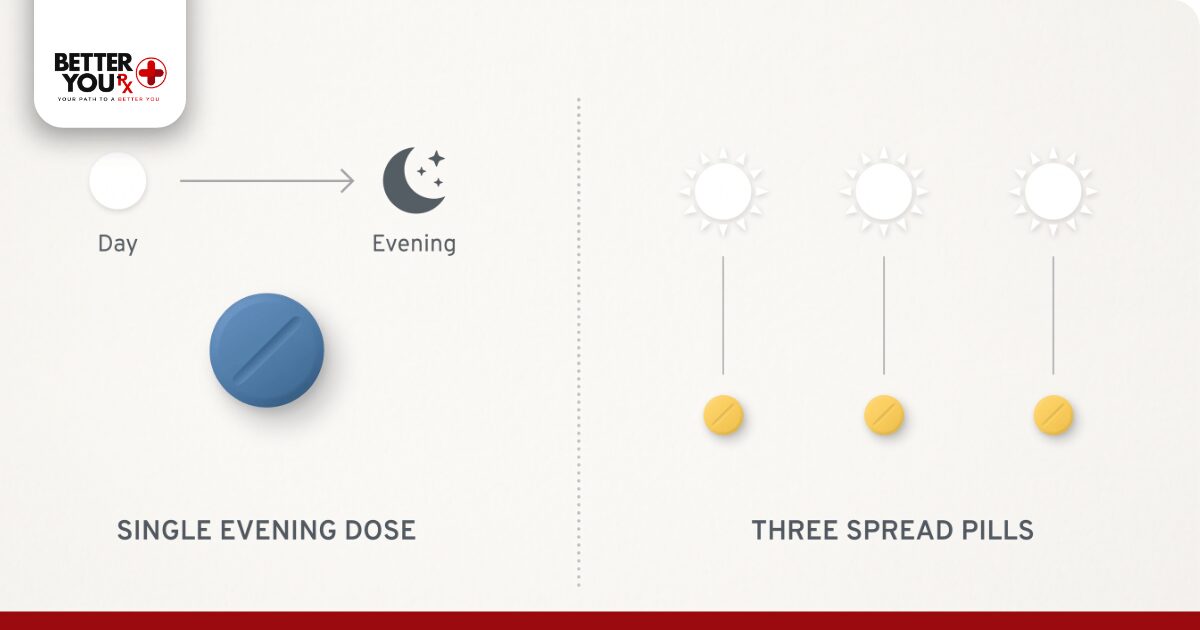
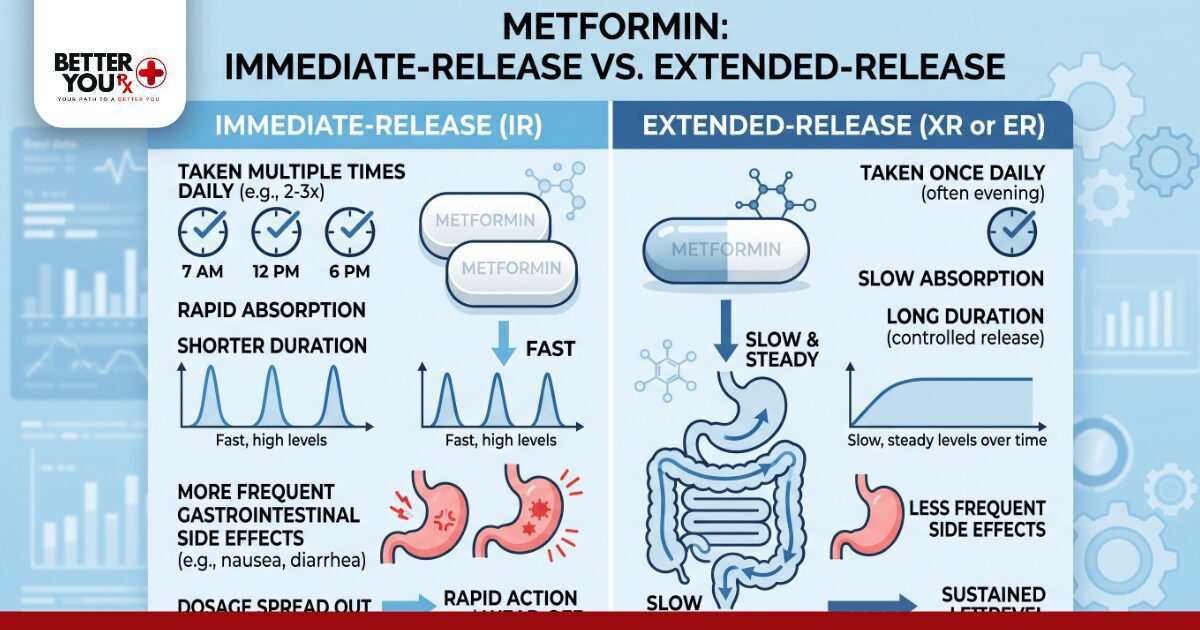
Metformin extended release vs immediate release comes down to two things: how often you take it and how your stomach reacts to it. Immediate-Release Metformin is usually taken two to three times a day and tends to cause more stomach upset, while Extended-Release Metformin is taken once daily and releases more slowly, which many people find gentler on digestion.

Key Takeaways

  • Immediate-Release Metformin (Metformin IR) is typically dosed two to three times daily, while Extended-Release Metformin (Metformin XR or Metformin ER) is usually taken once daily with the evening meal
  • Metformin XR tends to cause fewer gastrointestinal side effects because it releases the medication gradually instead of all at once
  • Both versions manage blood sugar through the same active ingredient and generally produce similar long-term blood sugar control when dosed appropriately
  • Switching between formulations should always be guided by a licensed healthcare provider, since the total daily dose and timing differ
  • Cost and personal tolerance often influence which formulation a provider recommends

Metformin has been a first-line treatment for type 2 diabetes for decades, and the choice between its two main formulations often comes up early in treatment planning. Patients frequently ask their care team which version fits their routine and their stomach better, and the answer depends on lifestyle, tolerance, and how consistently a person can stick to a dosing schedule.

What Is The Difference Between Metformin XR And Metformin IR?

The core question behind Metformin extended release vs immediate release is really about absorption speed and how that speed translates into daily comfort. Immediate-Release Metformin dissolves in the stomach relatively quickly, sending a larger dose of the medication into the bloodstream within a short window. This is effective for lowering blood sugar, but it also means the digestive tract absorbs a concentrated amount of the drug at once, which is part of why nausea, bloating, and diarrhea are common complaints with this version.

Extended-Release Metformin uses a special coating and matrix system that slows the release of the medication over several hours. Instead of one quick surge, the drug enters the bloodstream gradually throughout the day. This slower absorption pattern is the main reason people switch from Immediate-Release Metformin to the extended version when stomach issues become difficult to manage.

Both formulations contain the same active ingredient and are prescribed for type 2 diabetes management, sometimes alongside other medications like Trulicity or Ozempic when additional blood sugar support is needed. The formulation difference is about delivery, not about the underlying drug itself.

Feature Metformin Immediate Release (IR) Metformin Extended Release (XR)
Typical Dosing Frequency Two to three times daily Once daily, usually with dinner
Onset of Action Faster, more concentrated absorption Slower, gradual absorption
Common Side Effects Higher rate of nausea, bloating, diarrhea Lower rate of gastrointestinal upset
Convenience Requires multiple daily doses Single daily dose supports routine adherence
Typical Use Case New patients starting low doses, dose titration Patients with GI sensitivity or adherence challenges

Metformin Extended Release Vs Immediate Release

Why Do Doctors Choose One Formulation Over The Other?

When weighing Metformin extended release vs immediate release for a specific patient, providers usually think through three factors together: tolerance, routine, and how quickly blood sugar needs to come down. The decision usually starts with how a patient responds to the medication. Many providers begin treatment with Immediate-Release Metformin at a low dose to see how the body adjusts before increasing the amount. If a patient reports significant stomach discomfort after several weeks, switching to Extended-Release Metformin is a common next step, since the gradual release pattern often reduces those symptoms without lowering the medication’s effectiveness.

Cost can also play a role. Immediate-Release Metformin has been available longer and is often the more affordable option, while Extended-Release Metformin may carry a higher price depending on the pharmacy and dosage strength. Providers weigh this against how much the side effect profile is affecting a patient’s daily life.

Lifestyle fits into the decision too. Someone with an unpredictable schedule may find it harder to remember multiple daily doses of Immediate-Release Metformin, making the once-daily Extended-Release Metformin version a more realistic option for consistent use. Consistent dosing matters because Metformin works best when blood levels stay steady, and missed doses can affect blood sugar control.

Most healthcare providers follow established clinical protocols when prescribing either version, adjusting the formulation and dose based on kidney function, other medications, and how well a patient tolerates the drug over the first several weeks of treatment. According to the Cleveland Clinic, Metformin remains one of the most widely prescribed medications for managing type 2 diabetes because of its long safety record and effectiveness.

When Does A Provider Consider Switching Formulations?

A provider typically revisits the Metformin extended release vs immediate release conversation a few weeks into treatment, once there has been enough time to observe how the body is adjusting. If a patient reports ongoing nausea, loose stools, or stomach cramping after the initial adjustment period, that pattern is usually the trigger for discussing a switch to the extended-release version rather than continuing to push through discomfort.

In clinical practice, this conversation often comes up during a routine follow-up appointment rather than an urgent visit, since Metformin side effects are rarely dangerous even when they are uncomfortable. A patient might mention that skipping the midday dose because of nausea has become a habit, which signals to a provider that adherence is at risk and a formulation change could help. Reports like this are common in primary care settings, where consistent blood sugar management depends as much on a patient actually taking the medication as on the medication itself.

Kidney function, liver health, and any other prescriptions a patient takes also factor into the decision. Someone managing type 2 diabetes alongside high cholesterol or blood pressure medication, for example, may need extra monitoring regardless of which Metformin formulation is chosen. This is why self-adjusting between Immediate-Release Metformin and Extended-Release Metformin without medical guidance is discouraged, even though the two contain the same active ingredient.

Things To Know

  • Metformin XR and Metformin IR are not interchangeable milligram for milligram in every case, so any switch should be directed by a provider
  • Taking Extended-Release Metformin with food, particularly the evening meal, can further reduce stomach discomfort
  • Extended-Release tablets should not be crushed, split, or chewed, since this can interfere with the slow-release coating
  • It can take several weeks for the digestive system to adjust to either formulation, and mild symptoms often improve over time
  • Kidney function is checked periodically during Metformin treatment, since dosing may need adjustment based on how the kidneys are working

Why Do Doctors Choose One Formulation Over The Other

Metformin Extended Release Vs Immediate Release In Real-World Use

Patients who have switched from Immediate-Release Metformin to Extended-Release Metformin often describe the transition as noticeably easier on their stomach within the first couple of weeks. Someone who previously dreaded the mid-afternoon dose because of nausea may find that a single evening dose fits more naturally into their routine and produces fewer disruptive symptoms.

That said, Extended-Release Metformin is not automatically the better choice for everyone. Some patients tolerate Immediate-Release Metformin without any issues, and its lower cost and flexible dosing can make it a practical long-term option. Providers often use the immediate-release version during the initial titration phase specifically because smaller, more frequent doses make it easier to identify the lowest effective amount before considering a switch.

Consideration Best Fit: Metformin IR Best Fit: Metformin XR
Budget-Conscious Patients Often more affordable per dose May cost more depending on strength
GI Sensitivity Higher risk of discomfort Generally better tolerated
Busy or Irregular Schedules Harder to maintain multiple doses Easier with one daily dose
Dose Titration Phase Commonly used to fine-tune dosage Less flexible for small adjustments


Which Option Is Actually The Best Choice?

Deciding between Metformin extended release vs immediate release is not about finding a universally superior version. There is no single answer that applies to every patient, but a general pattern holds true in clinical practice. For people who experience noticeable stomach upset, bloating, or diarrhea on Immediate-Release Metformin, Extended-Release Metformin is usually the better option because the gradual absorption reduces the intensity of those symptoms while still delivering effective blood sugar management.

For patients who are just starting treatment or who tolerate the immediate-release version without difficulty, Metformin IR remains a reasonable and often more budget-friendly choice, especially during the early titration period when doses are adjusted frequently.

The most reliable way to decide is tracking how the body responds during the first few weeks of treatment and discussing those observations with a healthcare provider, who can weigh kidney function, other prescriptions, and lifestyle factors before recommending a switch. Some patients managing type 2 diabetes alongside other conditions also use additional medications such as Metformin combined with Ozempic or Trulicity, and a provider can help sequence these therapies safely.

Final Thoughts

Choosing between Metformin extended release vs immediate release ultimately comes down to how the digestive system responds and how well a dosing schedule fits daily life. Extended-Release Metformin tends to suit patients who experience stomach discomfort or prefer a single daily dose, while Immediate-Release Metformin remains a practical, budget-conscious option for those who tolerate it well or are still in the early titration phase of treatment. A licensed healthcare provider is the best resource for determining which formulation, dose, and schedule fit an individual’s health picture.

For related reading, explore Is Trulicity A GLP-1, Ozempic Vs Trulicity, and Mounjaro Vs Trulicity for more on how other diabetes and weight management medications compare. Patients exploring their prescription options can also view Metformin, Ozempic, and Trulicity through Better You Rx, a prescription referral service connected to a licensed contracted dispensing department that helps patients access their prescribed medications.

Frequently Asked Questions

Is Metformin XR Easier On Your Stomach?

Yes, for most people. Extended-Release Metformin releases gradually rather than all at once, which typically results in less nausea, bloating, and diarrhea compared to Immediate-Release Metformin. Some sensitivity may still occur, especially in the first few weeks.

Is It Better To Take Metformin XR At Night Or Morning?

Evening is most common. Metformin XR is usually taken with the evening meal because this timing tends to reduce overnight and next-day stomach discomfort. A provider may recommend a different time based on individual routine or other medications.

Can You Lose Weight On Extended-Release Metformin?

Modest weight changes are possible. Some patients experience mild weight stabilization or slight weight loss while taking Metformin, though it is not classified as a weight-loss medication. Diet, activity level, and other prescribed treatments play a larger role in weight outcomes.

How Long Does It Take For Metformin XR To Kick In?

Short answer: A few hours for absorption, weeks for full effect. Metformin XR begins releasing into the bloodstream within a few hours of taking it, but noticeable improvements in blood sugar control typically build over one to two weeks of consistent use. This gradual timeline is one more piece of the Metformin extended release vs immediate release picture, since Immediate-Release Metformin acts faster but requires more frequent dosing to maintain the same steady effect.

What Are The Early Signs Of Taking Too Much Metformin?

Stomach upset and unusual fatigue. Early signs of too much Metformin can include nausea, vomiting, diarrhea, muscle discomfort, and unusual tiredness. Anyone experiencing these symptoms should contact a healthcare provider promptly rather than adjusting the dose independently.

Sources

  • Cleveland Clinic: Overview of Metformin tablets, dosing formulations, and common side effects.
  • American Diabetes Association Standards of Care: Clinical guidance on first-line pharmacologic treatment for type 2 diabetes.
  • Diabetes Care (Journal): Peer-reviewed research on gastrointestinal tolerability of extended-release versus immediate-release Metformin.
  • Mayo Clinic: Patient education resource on Metformin use, dosing, and monitoring recommendations.

This content is for informational purposes only and is not a substitute for professional medical advice, diagnosis, or treatment. Always consult a licensed healthcare provider before starting, stopping, or switching any medication, including any change between Metformin formulations. Better You Rx is a prescription referral service connected to a licensed contracted dispensing department and does not provide medical advice.

Sign Up For Newsletter

Please enable JavaScript in your browser to complete this form.

Join 60.000+ Subscribers and get a new discount coupon on every Saturday.

Address

PO Box 29631, Mississauga RPO Central Parkway, ON L5A 4H2

Phone Number

1-647-576-2076

better you rx big letter logo

Discover convenience with Better You Rx, your trusted pharmacy-affiliated partner. We work with leading pharmacies to deliver prescriptions and over-the-counter medications right to your doorstep. Enjoy cost-effective solutions on a platform that’s easy to use. We focus on safety and efficacy in all products. Our dedicated team ensures a smooth experience. From ordering to delivery, we simplify your healthcare needs. Choose Better You Rx for reliable service and expert support. Trust us for all your medication requirements. Experience the ease of modern pharmacy care.

Categories

Operating Hours: 
10:00AM – 6:00PM CST
Monday – Friday

Our Payment Partners :

Copyright © 2026 BetteryouRX. All Rights Reserved.
Join The Waitlist Be among the first to know when becomes available.
Add to cart