Recognizing Subtle Indicators of Depression
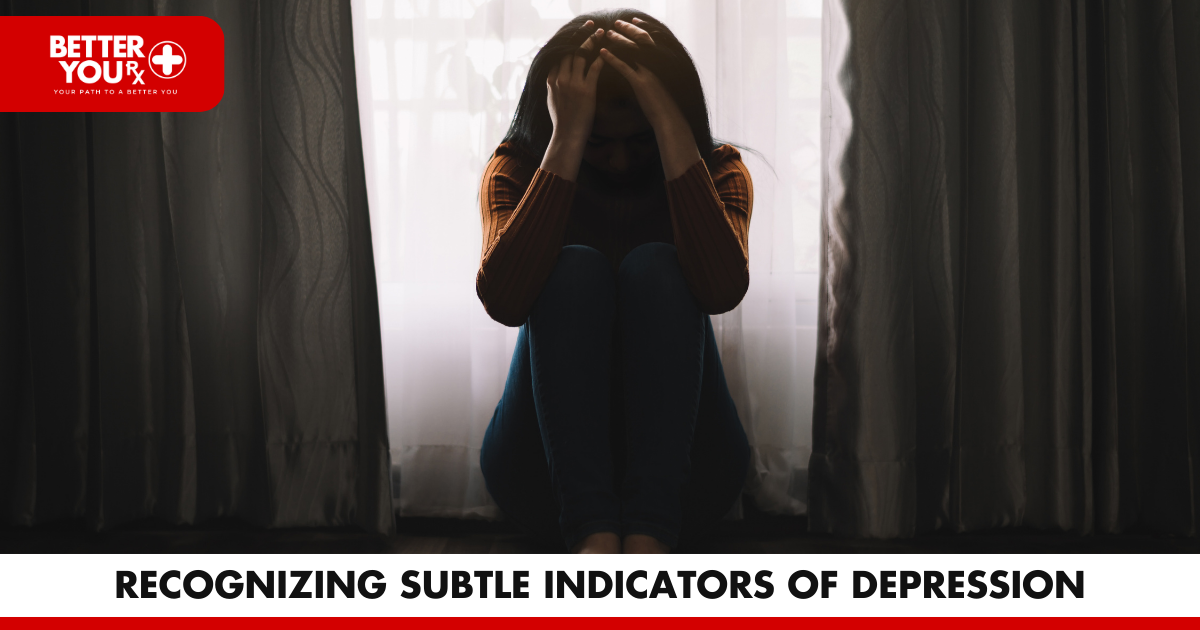
When we think of depression, we often associate it with feelings of sadness, but the reality is that depression can manifest in various surprising ways. People may experience physical and mental symptoms, and some might not even realize they are suffering from depression, attributing their struggles to motivation or concentration issues instead of recognizing the underlying mental health condition.

To help you identify potential signs of depression, here is a list of unexpected indicators to be aware of:

  1. Uncontrolled Spending: An abrupt urge to make unnecessary purchases, even when not required, could be a sign of depression. Some theories suggest that people with mental health issues, like Bipolar Disorder and shopping compulsions, may engage in excessive spending as a way to self-soothe and feel better with material possessions.
  2. Altered Appetite: Experiencing an uncontrollable increase in appetite might be linked to depression. Food is often associated with comfort when feeling sad, but overeating can lead to weight gain and potential health issues like obesity or heart disease.
  3. Relationship Difficulties: Depression can cause strain on relationships, affecting how individuals treat and perceive others, ultimately impacting the quality of the relationship.
  4. Escaping to the Internet: Spending excessive time on social media or online platforms might serve as a form of solace for individuals experiencing depression.
  5. Social Withdrawal: A significant decrease in social interactions and the number of friends might be indicative of depression, particularly when accompanied by an unusual change in social behavior for naturally social individuals.
  6. Chronic Fatigue: Constant tiredness and heightened stress may be linked to depression. Lack of adequate rest and sleep deprivation can worsen depressive symptoms.
  7. Escalating Gambling Behavior: Turning to excessive gambling as a coping mechanism may signal underlying mental health issues, and such behavior can evolve into a serious addiction.
  8. Neglecting Self-Care: A sudden decline in personal grooming and hygiene could indicate depression. While occasional neglect might occur during distressing times, persistent disregard for self-care may lead to health concerns.
  9. Memory Lapses: Depression can impact learning and memory, resulting in increased forgetfulness and difficulty in recalling daily tasks and events.
  10. Excessive Alcohol Consumption: Individuals experiencing depression might resort to excessive alcohol consumption as an attempt to numb emotional pain.
  11. Unexplained Pain: Depression can make individuals more sensitive to pain, leading to unexplained physical discomfort such as neck and lower back pain, stomachaches, and headaches.
  12. Changes in Sexual Desire: Depression can alter sexual desire, leading to a loss of libido or engaging in unhealthy sexual behaviors.

In conclusion, depression symptoms may not always be obvious, and it can take time to recognize its presence. Being vigilant about behavioral changes that affect daily life is essential. If you or someone close to you exhibits any of the above signs, seeking the assistance of a mental health professional is crucial.

Though seeking treatment for depression may be challenging, it can lead to significant improvement in one’s well-being. Depression is a serious condition, and proper treatment can help individuals reclaim their lives and regain a sense of themselves once more.


Discover the ultimate online pharmacy experience with Better You Rx – your ideal pharmacy partner! We’ve carefully selected the finest pharmacies to team up with, ensuring you receive top-notch service and a wide range of products. Say goodbye to the hassle of finding the perfect online pharmacy, and say hello to Better You Rx, your one-stop solution for all your health and wellness needs! Visit our website https://betteryourx.com/
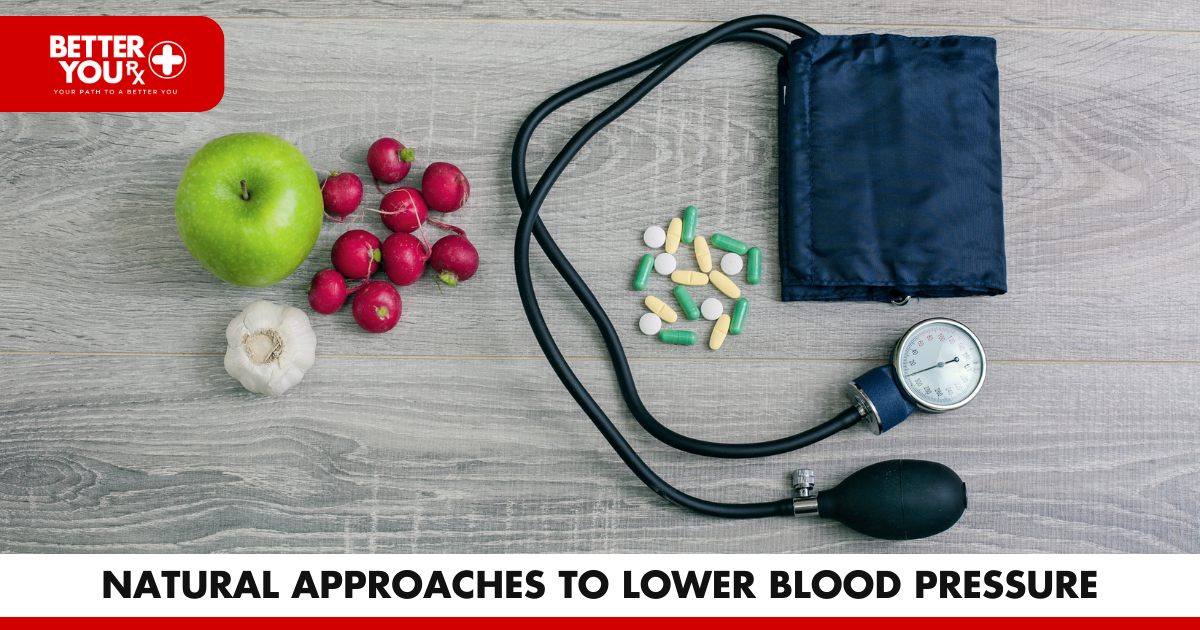
Natural Approaches to Lower Blood Pressure


Understanding the impact of high blood pressure on your overall health is crucial if you receive a high blood pressure reading. Elevated blood pressure increases the risk of various health complications like stroke, aneurysms, and kidney failure. In fact, it is a leading cause of nearly 500,000 deaths annually.

According to the Centers for Disease Control, only about 26% of Americans with high blood pressure manage to keep it under control. Regularly monitoring blood pressure and taking appropriate measures to lower it when necessary is vital for maintaining good health.

  • Unraveling High Blood Pressure:
    High blood pressure refers to the force exerted by blood against artery walls as it travels from the heart to other parts of the body. While blood pressure levels may fluctuate throughout the day, persistent elevation leads to high blood pressure.

Blood pressure is measured in two ways: systolic and diastolic. Systolic measures pressure during heartbeats, while diastolic measures pressure between heartbeats. According to the American Heart Association and the American College of Cardiology, a reading of at least 130/80 mmHg is considered high blood pressure.

  • Treatment Approaches for High Blood Pressure:
    Medications are commonly prescribed for high blood pressure management, but lifestyle modifications can also be effective. Renowned Dietician Jannelia suggests that a healthy lifestyle can naturally lower blood pressure. Engaging in physical activity and consuming a balanced diet can lead to significant improvements without the need for medication.

While some medications relax blood vessels, adopting a healthy lifestyle helps reduce nerve activity and lessen the force exerted by the heart. Although medications can be beneficial, they might also entail side effects like dizziness and nausea.

Given these concerns, an increasing number of individuals seek natural remedies for high blood pressure management.

Natural Methods to Lower Blood Pressure Without Medication:

  1. Stay Active: Regular exercise has been proven to be as effective as medication in reducing blood pressure. Experts recommend engaging in 30 minutes of moderate-intensity exercise daily for optimal results. Physical activity not only lowers blood pressure but also aids in weight management without the undesirable side effects associated with drugs.
  2. Reduce Sodium Intake: Processed and prepared foods have contributed to increased sodium consumption worldwide. Lowering salt levels in food has become a public health priority, as excessive salt intake has been linked to heart issues and high blood pressure. Individual reactions to processed sodium can vary, and if blood pressure is already elevated, reducing sodium intake is essential. Experiment with fresh herbs and spices as alternatives to salt in your diet.
  3. Embrace Relaxation Techniques: Excessive stress can adversely affect health, including blood pressure. Incorporating stress-relieving activities such as yoga, tai chi, and meditation can help manage blood pressure. These techniques effectively reduce stress hormones, promoting overall well-being.
  4. Adopt the DASH Diet: The DASH Diet, a component of the Mediterranean diet, is renowned for its blood pressure-lowering benefits without medication. Comprising low-fat dairy, fruits, vegetables, and whole grains, the DASH Diet limits daily sodium intake to 1,500 milligrams.
  5. Increase Potassium Intake: Diets high in fat, processed foods, and low in potassium can contribute to high blood pressure. Ideal daily potassium intake is around 3,500 milligrams, but those with kidney disease should exercise caution. Before making significant dietary changes or considering supplements, consult a doctor.
  6. Indulge in Dark Chocolate: Dark chocolate, rich in flavanols, can enhance blood flow and lower blood pressure. Consumption of around 10% cocoa per day is recommended. While dark chocolate cannot be the primary strategy for managing high blood pressure, it can be a healthy occasional treat.
  7. Limit Alcohol Consumption: Excessive alcohol intake can raise blood pressure, but moderate consumption (up to one drink per day) has been associated with reduced risk of high blood pressure.
  8. Drink Tea Regularly: Drinking three cups of tea daily has been shown to lower blood pressure. Green tea, in particular, has demonstrated a positive effect on blood pressure over time.
  9. Opt for Decaf Coffee: Excessive coffee intake (over two cups per day) can temporarily raise blood pressure due to stress. Opt for decaf coffee or limit coffee consumption for better blood pressure management.
  10. Prioritize Rest and Relaxation: Working long hours and overtime can raise the risk of high blood pressure. Make time for relaxation and stress reduction after work hours to promote overall health.
  11. Manage Stress: High stress levels can lead to increased blood pressure. Incorporate activities like listening to relaxing music, taking a hot bath, going for walks, or reading to manage stress and blood pressure.
  12. Quit Smoking: Smoking can cause temporary spikes in blood pressure and increase heart rate. Quitting smoking significantly improves overall health and reduces blood pressure-related risks.
  13. Address Sleep Apnea: Sleep apnea, characterized by frequent, loud snoring, can elevate blood pressure. Managing sleep apnea through proper treatment may help reduce blood pressure levels.
  14. Consider Fermented Foods: Consuming fermented foods like sauerkraut and kimchi has been associated with a moderate reduction in blood pressure among individuals with sleep apnea.
  15. Boost Protein Intake: A high-protein diet has been linked to a lower risk of high blood pressure. Incorporating regular fiber into the diet has also shown to reduce the risk. Some high-protein foods to include are eggs, fish, nuts, cheese, chickpeas, and chicken breast.

Incorporating these natural approaches into your lifestyle can promote better blood pressure management and overall well-being. Remember, always consult a healthcare professional before making significant changes to your diet or lifestyle. Lowering blood pressure naturally can significantly improve your health and reduce the risk of related complications.

Discover the ultimate online pharmacy experience with Better You Rx – your ideal pharmacy partner! We’ve carefully selected the finest pharmacies to team up with, ensuring you receive top-notch service and a wide range of products. Say goodbye to the hassle of finding the perfect online pharmacy, and say hello to Better You Rx, your one-stop solution for all your health and wellness needs! Visit our website https://betteryourx.com/

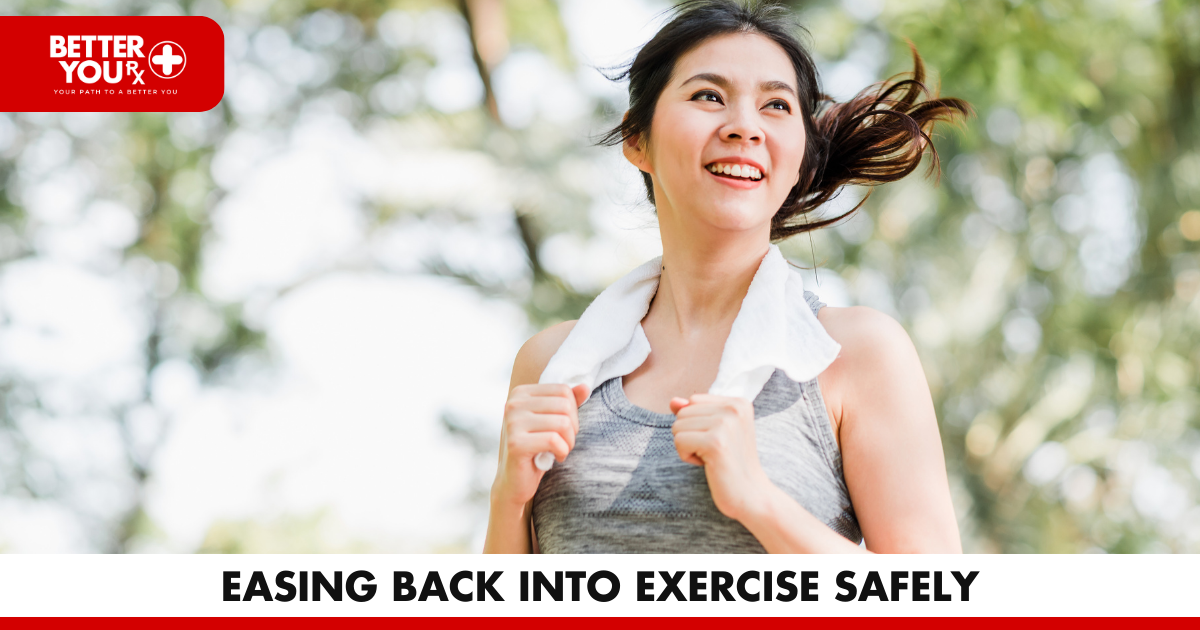
Easing Back into Exercise Safely

Returning to the gym after a break can be daunting, especially when you’re unsure about how to proceed or if your muscles are up to par. It’s natural to feel apprehensive, but there’s no need to let those fears linger for too long. Here are some helpful tips for easing back into your workout routine while avoiding injuries on your first day back.

  1. Start Slowly: Resist the urge to jump right back into your old workout routine at full intensity as if you never took a break. Pushing too hard immediately can lead to injuries. Instead, ease back into working out and allow your muscles to readjust to the stress. Consider starting with light jogging, biking, or swimming, which are low-impact exercises that can prepare your body for more intense activities later.
  2. Seek Guidance: If you feel uncertain about which exercises to do or how to optimize your workout after a break, it’s wise to seek the guidance of a coach or an experienced individual. A professional can help tailor an exercise routine to address your specific needs and gradually build strength and effectiveness.
  3. Plan Rest Days: When aiming for long-term fitness goals, it might be tempting to work out intensively every day after a hiatus. However, it’s crucial to schedule adequate rest days. Avoid working out for more than three consecutive days, and allow your body time to recover on the fourth day before diving into another challenging workout. This way, you can train more intensely and progressively toward your goal.
  4. Prioritize Nutrition: Maintaining a healthy diet is not only essential for weight loss and fitness goals; it also fuels your body for optimal performance. Ensure you consume plenty of fruits, vegetables, and protein sources to provide your body with the nutrients it needs to function at its best during workouts.
  5. Listen to Your Body: Pay close attention to any signs of pain or discomfort during exercise. Feeling slight soreness after a workout is normal, but if you experience sharp pain or persistent discomfort, don’t ignore it. Listen to your body and back off when necessary to avoid serious injuries that could sideline you for an extended period.
  6. Vary Your Activities: Overtraining and burnout can be risks if you spend too much time in the weight room without variation. Alternate between different types of workouts, such as weightlifting, cardio, and cross-training activities like biking, swimming, or walking, to prevent overuse injuries and maintain enthusiasm.
  7. Establish a Routine: Maintaining a workout routine can be beneficial in keeping you organized and motivated. Keep a record of your exercises, duration, and intensity each day to build a consistent routine that maximizes efficiency.
  8. Focus on Free Weights: When coming back from a break, using free weights is a safer option than relying solely on machines. Free weights allow for more natural movement and can help avoid imbalances that machines might cause if your muscles aren’t yet in top form.
  9. Be Kind to Yourself: Avoid pushing yourself to the limit during your first week back at the gym. While it’s essential to work hard, remember not to overexert yourself to the point of exhaustion. If you feel you’re pushing too far, take a couple of rest days to allow your body to recover naturally.

Having fitness goals and setting deadlines can be motivating, but the key to success is patience and smart training. By gradually easing back into exercise, acknowledging your weaknesses, and staying positive, you can achieve your fitness aspirations without risking injury or burnout.

Discover the ultimate online pharmacy experience with Better You Rx – your ideal pharmacy partner! We’ve carefully selected the finest pharmacies to team up with, ensuring you receive top-notch service and a wide range of products. Say goodbye to the hassle of finding the perfect online pharmacy, and say hello to Better You Rx, your one-stop solution for all your health and wellness needs! Visit our website https://betteryourx.com/

Sign Up For Newsletter

Please enable JavaScript in your browser to complete this form.

Join 60.000+ Subscribers and get a new discount coupon on every Saturday.

Address

PO Box 29631, Mississauga RPO Central Parkway, ON L5A 4H2

Phone Number

1-647-576-2076

better you rx big letter logo

Discover convenience with Better You Rx, your trusted pharmacy-affiliated partner. We work with leading pharmacies to deliver prescriptions and over-the-counter medications right to your doorstep. Enjoy cost-effective solutions on a platform that’s easy to use. We focus on safety and efficacy in all products. Our dedicated team ensures a smooth experience. From ordering to delivery, we simplify your healthcare needs. Choose Better You Rx for reliable service and expert support. Trust us for all your medication requirements. Experience the ease of modern pharmacy care.

Categories

Operating Hours: 
10:00AM – 6:00PM CST
Monday – Friday

Our Payment Partners :

Copyright © 2026 BetteryouRX. All Rights Reserved.
Join The Waitlist Be among the first to know when becomes available.
Add to cart