
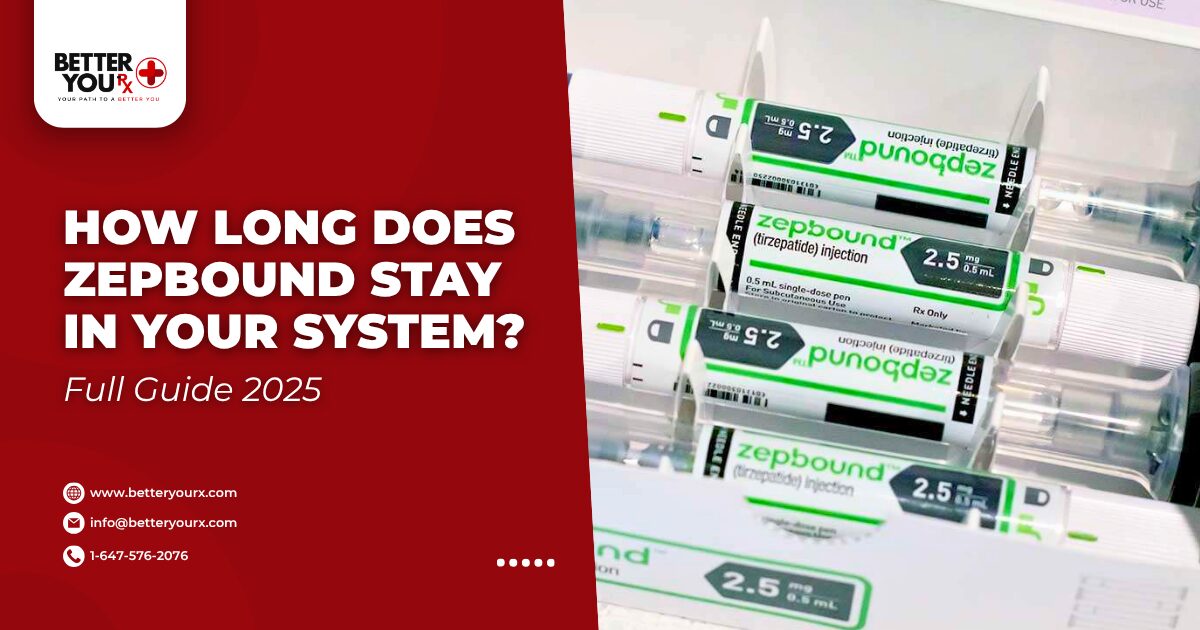
How long does Zepbound stay in your system is essential knowledge for anyone using this weight management medication containing Tirzepatide. Zepbound remains detectable in your body for approximately 4-5 weeks after your last injection due to its extended half-life of roughly 5 days. The medication works by gradually leaving your system, with half the dose eliminated every five days until complete clearance occurs around 25-30 days later.
Several factors influence how quickly Zepbound exits your body, including your dosage strength, metabolism rate, kidney function, and overall health status. Understanding the elimination timeline helps you plan dosage schedules, manage potential side effects, and know what to expect if you need to pause or discontinue treatment.
Understanding Zepbound and Tirzepatide
Zepbound contains tirzepatide, a medication that activates two important receptors in your body called GLP-1 and GIP. These receptors help regulate appetite, blood sugar levels, and how your body processes food. The medication comes in pre-filled injection pens that you use once weekly.
The weekly injection schedule exists because tirzepatide has a long-lasting effect in your body. Unlike medications that require daily dosing, Zepbound continues working throughout the entire week. This extended action relates directly to how long does Zepbound stay in your system after each injection.
Tirzepatide works by slowing down how quickly food moves through your stomach, which helps you feel full longer after eating. It also affects areas of your brain that control appetite and food cravings. These combined effects support weight management goals when paired with lifestyle changes.
The medication comes in different dosage strengths, starting at 2.5mg and increasing gradually up to 15mg. Your healthcare provider determines the appropriate starting dose and when to increase it based on your response and tolerance. Higher doses remain in your system longer than lower doses, affecting the overall elimination timeline.
How Long Does Zepbound Stay in Your System After Injection
The complete elimination of Zepbound from your body takes approximately 4-5 weeks after your final dose. This timeline is based on the medication’s half-life, which represents the time needed for half the drug concentration to leave your system.
Tirzepatide has a half-life of about 5 days. This means that five days after injection, roughly half the medication remains active in your bloodstream. After another 5 days (10 days total), only one-quarter remains. This gradual reduction continues until the medication fully clears.
Medical research shows that complete drug elimination typically requires 5-6 half-lives. For Zepbound, this calculation means:
- After 5 days – 50% remains
- After 10 days – 25% remains
- After 15 days – 12.5% remains
- After 20 days – 6.25% remains
- After 25 days – 3.12% remains
- After 30 days – less than 2% remains
By the 25-30 day mark, Zepbound concentration drops below detectable levels in most people. However, the medication’s effects on appetite and digestion may persist slightly longer as your body readjusts to functioning without the drug’s influence.
The extended presence of tirzepatide in your system explains why weekly dosing works effectively. Each new injection adds to the existing medication level in your bloodstream, maintaining therapeutic concentrations throughout your treatment.
Ready to start your weight management journey? Visit Better You Rx, a prescription referral service, to learn more about accessing Zepbound.
Factors That Influence Elimination Time

Multiple variables affect how quickly Zepbound leaves your system. Understanding these factors helps explain why elimination timelines vary between individuals.
Dosage Strength
Higher Zepbound doses take longer to eliminate completely. Someone using the 15mg maintenance dose will have medication in their system longer than someone using the 2.5mg starting dose. The larger amount of tirzepatide requires more time for your body to metabolize and excrete.
Each dosage increase adds more medication to your baseline level. If you recently escalated from 5mg to 10mg, your body contains more tirzepatide than someone who has remained at 5mg consistently. This accumulated amount extends the elimination period.
Metabolism and Body Composition
Your metabolic rate significantly impacts drug clearance. People with faster metabolisms generally process and eliminate medications more quickly than those with slower metabolic rates. Age, muscle mass, and activity level all influence metabolic speed.
Body weight and composition also matter. Tirzepatide distributes throughout body tissues, and individuals with higher body weight may retain the medication slightly longer. However, the standard half-life applies to most adults regardless of size.
Kidney and Liver Function
Your kidneys and liver work together to remove medications from your body. The kidneys filter waste products from blood and excrete them through urine, while the liver breaks down drug compounds into smaller molecules for elimination.
People with reduced kidney function may eliminate Zepbound more slowly. Kidney disease or impairment affects how efficiently your body removes Tirzepatide from circulation. Similarly, liver problems can slow drug metabolism, potentially extending how long does Zepbound stay in your system.
Most healthy adults process Zepbound at the standard rate. However, if you have known kidney or liver issues, your healthcare provider monitors your treatment more closely and may adjust dosing accordingly.
Age and Overall Health
Older adults sometimes metabolize medications differently than younger individuals. Age-related changes in organ function, body composition, and metabolic rate can affect drug clearance times. However, these differences are usually modest for Zepbound.
Your general health status influences elimination speed. Conditions affecting circulation, hormone levels, or organ function may alter how quickly your body processes tirzepatide. Staying well-hydrated and maintaining good overall health supports normal medication clearance.
Treatment Duration
Interestingly, how long you have been taking Zepbound does not significantly change elimination time. The medication does not accumulate indefinitely in your tissues. Once you reach steady-state levels with consistent weekly dosing, each injection maintains rather than increases overall drug concentration.
However, someone who just started Zepbound will have less medication to eliminate if they stop compared to someone on maintenance therapy. The person on the 2.5mg starting dose for two weeks has less Tirzepatide in their system than someone who has been taking 15mg weekly for months.
What Happens When You Stop Taking Zepbound
Discontinuing Zepbound triggers several changes in your body as the medication gradually leaves your system. Understanding these effects helps you prepare for the transition and manage expectations.
Appetite Changes
The most noticeable change involves appetite regulation. Zepbound suppresses hunger signals and increases feelings of fullness. As the medication clears from your system, these effects diminish progressively.
Many people notice increased appetite within 1-2 weeks after their last injection. The hunger suppression gradually fades as Tirzepatide concentrations drop. By week 3-4, your natural appetite signals typically return to pre-treatment levels.
This appetite increase explains why maintaining weight loss after stopping Zepbound requires continued attention to eating habits and portion control. The medication provided support, but lasting results depend on sustained lifestyle changes.
Digestive System Adjustments
Zepbound slows gastric emptying, meaning food stays in your stomach longer during treatment. When you stop the medication, your digestive system speeds back up to its normal rate. This transition happens gradually over several weeks.
Some people experience temporary digestive changes as their system readjusts. You might notice changes in bowel habits or digestion speed. These adjustments typically resolve as Zepbound fully clears and your body adapts to functioning without the medication.
Blood Sugar Effects
Tirzepatide affects how your body handles blood sugar, even in people without diabetes. The medication improves insulin sensitivity and glucose metabolism. These effects diminish as the drug leaves your system.
For people using Zepbound primarily for weight management without diabetes, blood sugar changes are usually minor and unnoticeable. Your body naturally regulates glucose levels without requiring the medication’s assistance.
Weight Considerations
Weight maintenance after stopping Zepbound varies significantly between individuals. Some people maintain their weight loss successfully through continued healthy habits. Others experience some weight regain, particularly if previous eating patterns resume.
Research shows that medication-assisted weight loss works best when combined with lasting lifestyle modifications. The weeks immediately after stopping Zepbound represent a critical period for establishing habits that support long-term weight maintenance.
Looking for reliable access to Zepbound? Order Zepbound KwikPen through Better You Rx, a prescription referral service offering convenient medication access.
How Zepbound Builds in Your System
Understanding how Zepbound accumulates helps explain the gradual dose escalation schedule and why consistent weekly dosing matters for effectiveness.
Reaching Steady State
When you start Zepbound, the medication gradually builds in your system until reaching what medical professionals call “steady state.” This means the amount you inject each week equals the amount eliminated, maintaining consistent drug levels.
Reaching steady state typically takes 4-5 weeks of consistent dosing. During this period, each weekly injection adds to the existing Tirzepatide in your bloodstream. Once steady state is achieved, your body maintains stable medication levels throughout the week.
This building process explains why Zepbound starts at a lower dose. Beginning with 2.5mg allows your body to adjust to the medication while levels gradually increase. Starting at a higher dose could cause more pronounced side effects as the medication accumulates.
Dose Escalation Strategy
The standard Zepbound dosing schedule increases gradually over several months. You typically start at 2.5mg for four weeks, then increase to 5mg, 7.5mg, 10mg, 12.5mg, and finally 15mg if needed. Each increase occurs at four-week intervals.
This gradual escalation serves multiple purposes. It minimizes digestive side effects by allowing your system to adapt slowly. It also helps identify the lowest effective dose for your weight management goals, as some people achieve desired results at lower doses.
Each dose increase restarts the steady-state timeline. When you move from 5mg to 7.5mg, for example, your body needs another 4-5 weeks to establish stable levels at the new dose. Understanding this helps explain why patience matters during Zepbound treatment.
Maintaining Consistent Levels
Weekly injections maintain therapeutic Tirzepatide concentrations between doses. If you inject every Monday, the medication level peaks within a few days, then gradually declines until your next Monday injection brings it back up.
This fluctuation remains within the therapeutic range, meaning the medication stays effective throughout the week. The lowest point (right before your next injection) still contains enough tirzepatide to provide appetite suppression and metabolic benefits.
Consistency in injection timing helps maintain stable levels. Taking your dose on the same day each week prevents unnecessary concentration dips that could reduce effectiveness or trigger side effects when levels rebound.
Managing ZepBound Treatment Interruptions
Life circumstances sometimes require pausing Zepbound treatment. Understanding how interruptions affect medication levels and treatment continuity helps you navigate these situations.
Short Interruptions (1-2 Weeks)
Missing one or two doses allows some Tirzepatide to clear from your system, but significant amounts remain. After one missed week, you still have roughly 50% of your steady-state concentration. After two missed weeks, about 25% remains.
If you miss 1-2 weeks, you can typically resume at your previous dose without restarting the escalation schedule. However, consult your healthcare provider before resuming, as individual circumstances vary. Some people experience increased side effects when restarting, even at their previous dose.
The medication’s long half-life provides some buffer for occasional missed doses. However, effectiveness decreases as levels drop, potentially affecting appetite control and weight management during the interruption.
Extended Breaks (3-4 Weeks)
Taking a 3-4 week break from Zepbound allows most medication to clear from your system. At this point, how long does Zepbound stay in your system becomes relevant, as you are approaching complete elimination.
Extended breaks often require restarting at a lower dose rather than resuming your previous maintenance level. Your body has readjusted to functioning without Tirzepatide, and jumping back to a high dose could trigger pronounced side effects.
Your healthcare provider determines the appropriate restart dose based on how long you were off medication, your previous dose, and your tolerance when initially escalating. Some people restart at 2.5mg, while others may resume at an intermediate dose.
Planning Breaks
If you know in advance that you will need to pause treatment, discuss timing with your healthcare provider. Planning breaks strategically minimizes disruption to your weight management progress.
Some people schedule breaks around events where they prefer not managing medication side effects or injection schedules. However, unplanned interruptions due to illness, medication access issues, or other circumstances require individualized guidance.
Maintaining healthy eating and exercise habits during breaks helps minimize weight regain and makes resuming treatment easier. The lifestyle changes you developed during treatment support weight maintenance even when off medication.
Medication Interactions and Considerations
Certain medications and substances interact with Zepbound, affecting how it works or how long it stays in your system. Understanding these interactions helps you use Tirzepatide safely and effectively.
Oral Medications
Zepbound slows gastric emptying, which can affect how your body absorbs oral medications. Pills remain in your stomach longer, potentially altering their absorption rate and effectiveness.
This effect particularly impacts medications requiring rapid absorption or those with narrow therapeutic windows. If you take oral medications with specific timing requirements, discuss appropriate spacing with your healthcare provider.
The interaction works both ways. Some medications can affect how your body processes Zepbound, though these interactions are less common. Always inform your healthcare provider about all medications, supplements, and herbal products you use.
Alcohol Consumption
Drinking alcohol while taking Zepbound requires caution. Both alcohol and Tirzepatide affect blood sugar levels and can cause digestive upset. Combining them may intensify these effects.
Alcohol does not directly change how long does Zepbound stay in your system or its elimination rate. However, drinking can worsen side effects like nausea and may interfere with weight management goals by adding empty calories.
If you choose to drink alcohol while taking Zepbound, do so in moderation and monitor how you feel. Many people find their alcohol tolerance decreases during treatment, requiring smaller amounts to feel effects.
Foods and Timing
No specific foods eliminate Zepbound from your system faster or slower. However, eating patterns significantly affect your experience with the medication and your weight management success.
High-fat, greasy foods often trigger more pronounced digestive side effects during Zepbound treatment. The medication already slows digestion, and heavy foods compound this effect. Many people find that lighter, more frequent meals work better during treatment.
Staying well-hydrated supports overall medication metabolism and helps manage side effects. Drinking adequate water throughout the day benefits both digestion and general health during Zepbound treatment.
Need guidance on your weight management journey? Connect with Better You Rx, a prescription referral service providing support for accessing medications like Zepbound.
Practical Tips for Managing Zepbound Treatment

Successfully using Zepbound involves more than just weekly injections. These practical strategies help optimize your treatment experience and results.
Injection Timing
You can take Zepbound at any time of day, with or without food. Choose a time that fits your schedule and stick with it consistently. Many people prefer evening injections to sleep through any initial digestive effects.
Some individuals report less nausea when injecting in the evening rather than morning. Experimenting with timing during your first few doses helps identify what works best for your body. Once you find an optimal time, maintain that schedule.
The day of the week matters more than the time of day. Injecting on the same day each week maintains stable medication levels. If you need to change your injection day, consult your healthcare provider about the best transition approach.
Managing Side Effects
Digestive side effects like nausea, constipation, or diarrhea are common when starting Zepbound or increasing doses. These effects usually diminish as your body adjusts to each dose level.
Eating smaller, more frequent meals helps manage nausea better than three large meals. Avoid lying down immediately after eating, as this can worsen digestive discomfort. Ginger tea or peppermint can provide natural relief for mild nausea.
Staying hydrated and including adequate fiber in your diet helps prevent constipation. If digestive issues persist or become severe, contact your healthcare provider. They may recommend dose adjustments or additional strategies.
Tracking Progress
Keeping records of your Zepbound treatment helps you and your healthcare provider assess effectiveness and make informed decisions. Track your injection dates, doses, side effects, and weight measurements.
Note any patterns you observe. Do certain foods trigger more digestive upset? Does injection timing affect how you feel? This information helps optimize your treatment approach.
Regular check-ins with your healthcare provider ensure your treatment plan remains appropriate for your goals and circumstances. They can adjust doses, address concerns, and provide guidance based on your progress.
Building Sustainable Habits
View Zepbound as a tool that supports broader lifestyle changes rather than a standalone solution. The medication works best when combined with sustainable eating habits and regular physical activity.
Focus on developing patterns you can maintain long-term, even after stopping medication. This includes portion control, mindful eating, regular movement, and stress management strategies. These habits support lasting weight management success.
The behavioral changes you establish during treatment become increasingly important as Zepbound clears from your system. By the time elimination is complete around 4-5 weeks after your last dose, your established habits help maintain your progress.
Moving Forward
Understanding how long does Zepbound stay in your system empowers you to make informed decisions about your weight management treatment. The 4-5 week elimination timeline reflects Tirzepatide’s extended half-life and gradual clearance process.
Multiple factors influence individual elimination rates, including dosage strength, metabolism, kidney function, and overall health. While the standard timeline applies to most people, your personal experience may vary slightly based on these factors.
Planning around Zepbound’s elimination timeline helps you navigate treatment interruptions, manage expectations about appetite changes, and prepare for life after medication. Whether you pause treatment temporarily or discontinue permanently, knowing what to expect reduces uncertainty.
The medication’s gradual clearance provides both benefits and considerations. The extended presence in your system maintains effectiveness with weekly dosing but also means effects persist for several weeks after stopping. This timeline influences decisions about treatment breaks, dose changes, and long-term planning.
Successful weight management extends beyond medication. The lifestyle changes you develop during Zepbound treatment provide the foundation for maintaining results after the medication clears your system. View this treatment as one component of a comprehensive approach to health.
Frequently Asked Questions
How Do You Get Zepbound Out of Your System?
Zepbound naturally eliminates from your system through normal metabolic processes over 4-5 weeks. No method speeds up this elimination significantly. Your liver metabolizes Tirzepatide, and your kidneys excrete the breakdown products through urine. Staying well-hydrated supports normal kidney function but does not dramatically accelerate clearance. The medication follows its natural half-life of approximately 5 days, requiring about six half-lives for complete elimination. Simply discontinuing injections allows the gradual clearance process to proceed naturally.
What Happens When You Stop Zepbound?
Stopping Zepbound triggers gradual return of your natural appetite and digestive patterns as the medication clears your system. Within 1-2 weeks, you may notice increased hunger and faster gastric emptying. By weeks 3-4, appetite suppression effects diminish significantly as medication levels drop below therapeutic range. Some people experience weight regain if previous eating patterns resume, while others maintain weight loss through continued healthy habits. Digestive side effects that occurred during treatment typically resolve as Zepbound leaves your system. Blood sugar regulation returns to your baseline state.
Does Zepbound Build Up in Your System?
Zepbound builds to a steady-state concentration during your first 4-5 weeks of treatment, after which levels stabilize. Each weekly injection maintains these stable levels rather than continuing to accumulate. The medication reaches an equilibrium where the amount injected equals the amount eliminated weekly. When you increase doses, your system establishes a new steady state at the higher concentration over another 4-5 weeks. This building pattern explains the gradual dose escalation schedule and why patience matters during initial treatment phases.
How Long Can You Be Off Zepbound Before Having to Restart?
If you are off Zepbound for more than 3-4 weeks, you likely need to restart at a lower dose rather than resuming your previous maintenance level. After this timeframe, most medication has cleared from your system and your body has readjusted to functioning without Tirzepatide. Missing 1-2 doses typically allows resuming at your previous dose, though individual circumstances vary. Your healthcare provider determines the appropriate restart dose based on how long you were off medication, your previous dose, and your tolerance history. Longer breaks generally require more gradual re-escalation.
Can I Skip Zepbound for 2 Weeks?
Skipping two weeks of Zepbound allows significant medication to clear from your system, with approximately 25% of your steady-state level remaining. You can typically resume at your previous dose after this short break, though some people experience increased side effects when restarting. Consult your healthcare provider before resuming treatment, as individual factors influence the best approach. During the two-week break, appetite suppression decreases as medication levels drop, potentially affecting weight management. The medication’s long half-life provides some continued effect even during short interruptions.
What Not to Take With Zepbound?
Avoid timing oral medications too close to Zepbound injections, as the medication slows gastric emptying and may affect absorption. Discuss spacing requirements with your healthcare provider, particularly for medications requiring rapid absorption or those with narrow therapeutic windows. Exercise caution with alcohol consumption, as both substances affect blood sugar and can cause digestive upset. While no absolute contraindications exist for most common medications, always inform your healthcare provider about all substances you take, including supplements and herbal products, to identify potential interactions specific to your situation.
What Happens If You Eat Too Much on Zepbound?
Eating too much while taking Zepbound can trigger pronounced digestive discomfort, including severe nausea, bloating, or vomiting. The medication slows gastric emptying, meaning food stays in your stomach longer. Overeating amplifies this effect, causing an uncomfortably full sensation that persists for hours. Many people find that eating beyond comfortable fullness during Zepbound treatment leads to more severe side effects than overeating typically causes. The experience often reinforces portion control naturally, as the discomfort discourages large meals. Eating slowly and stopping when satisfied rather than stuffed helps prevent these issues.
Should I Take Zepbound in the Morning or at Night?
You can take Zepbound at any time of day that fits your schedule, with or without food. Many people prefer evening injections to sleep through any initial digestive effects like mild nausea. Others choose morning injections to maintain a routine with other daily medications. The specific time of day matters less than consistency in your chosen schedule. Experiment during your first few doses to identify what timing works best for your body and lifestyle. Once you find an optimal time, maintain that schedule consistently. The day of the week remains more important than the time for maintaining stable medication levels.