Where Is the Best Place to Buy Zepbound Online for U.S. Patients

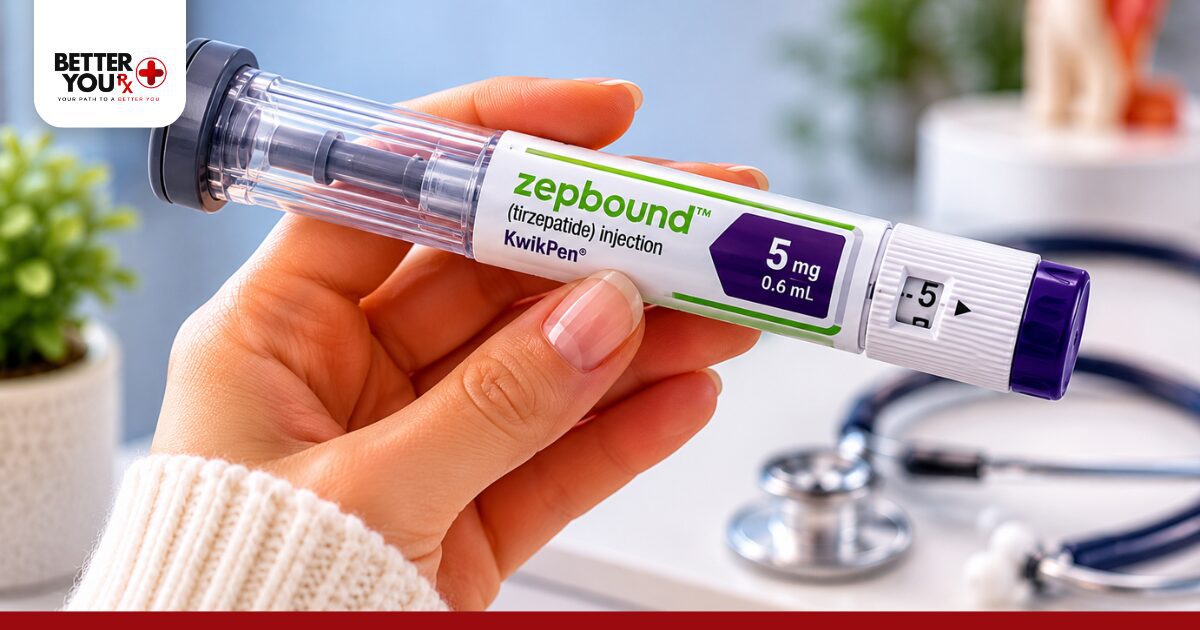
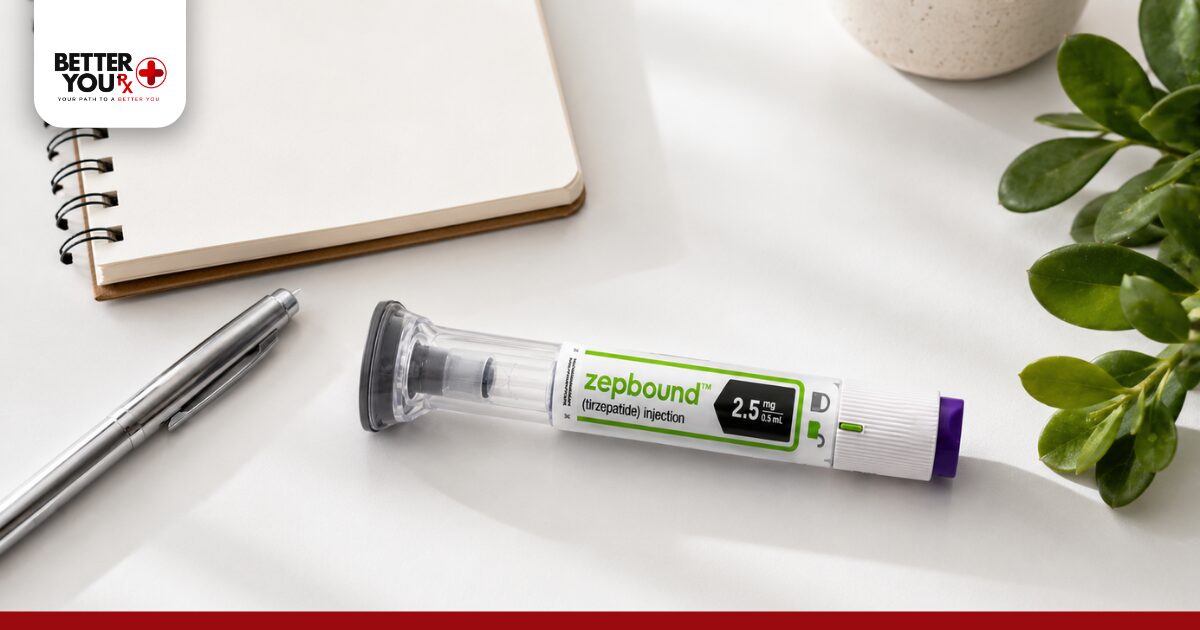
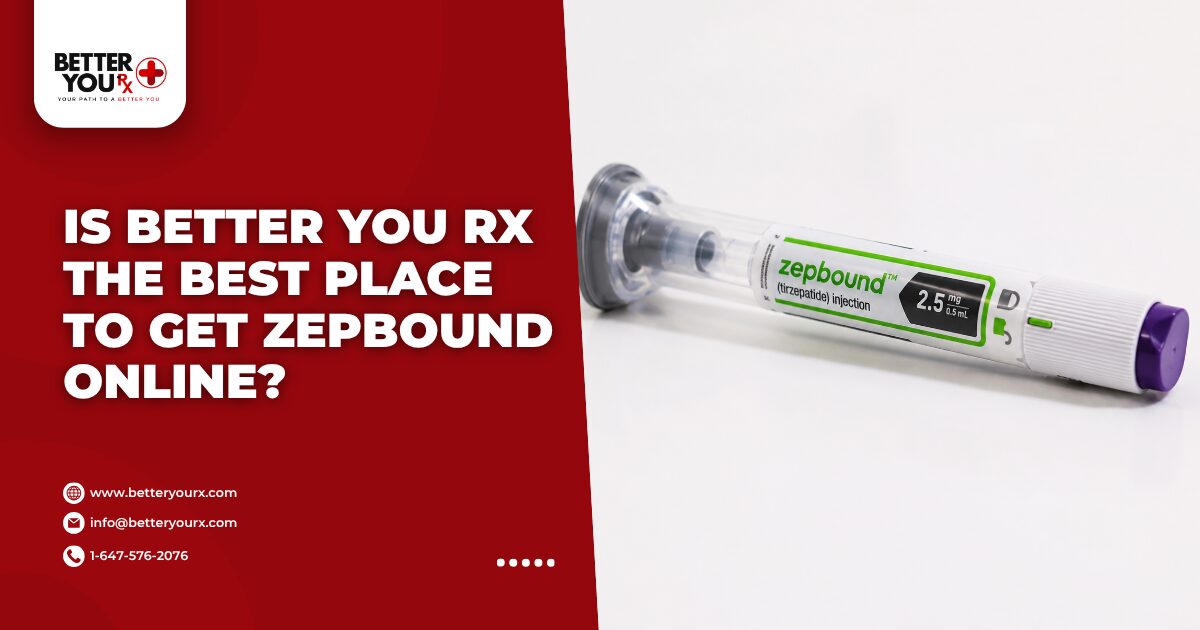
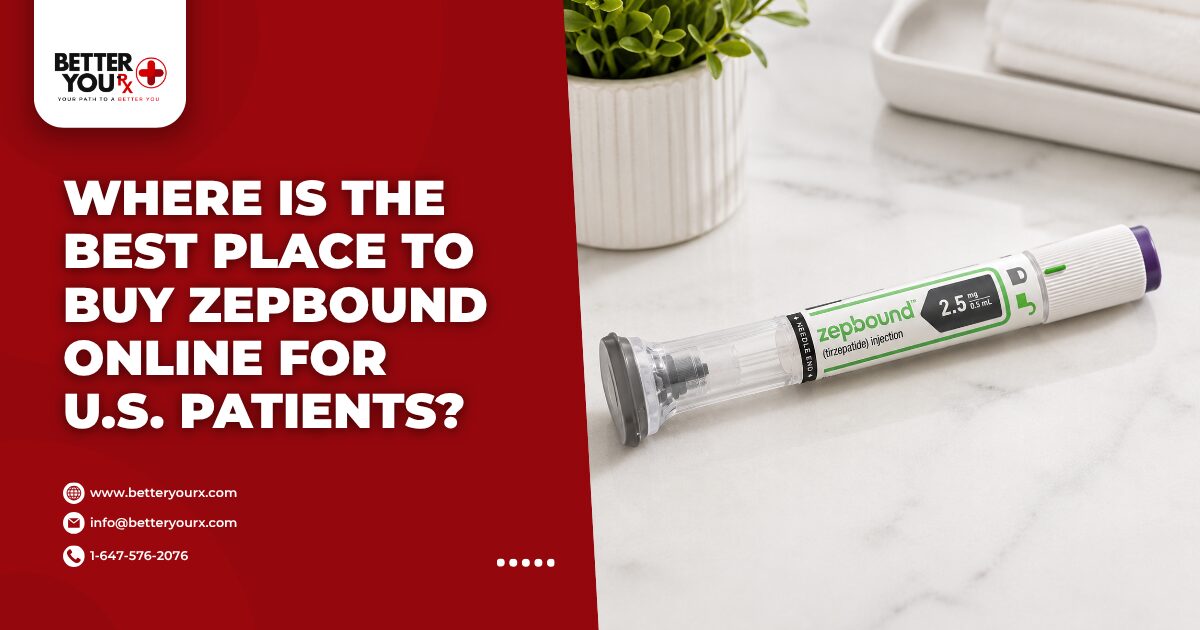
It stands out as the best place to buy Zepbound online thanks to its simple ordering workflow, verified prescription handling, and competitive cost structure. Patients upload their prescription, pick a Zepbound dose, and receive the medication at home without navigating confusing checkout steps. 

Each Zepbound KwikPen shipped through Better You Rx undergoes checks for accuracy, proper cold storage, and correct dosage labeling. That attention to detail is a major reason patients keep returning. Those managing type 2 diabetes or weight-related conditions alongside other treatments also appreciate that the site carries medications like Mounjaro KwikPen and Ozempic, so multiple prescriptions can be handled in one place.

Zepbound KwikPen Pricing Breakdown

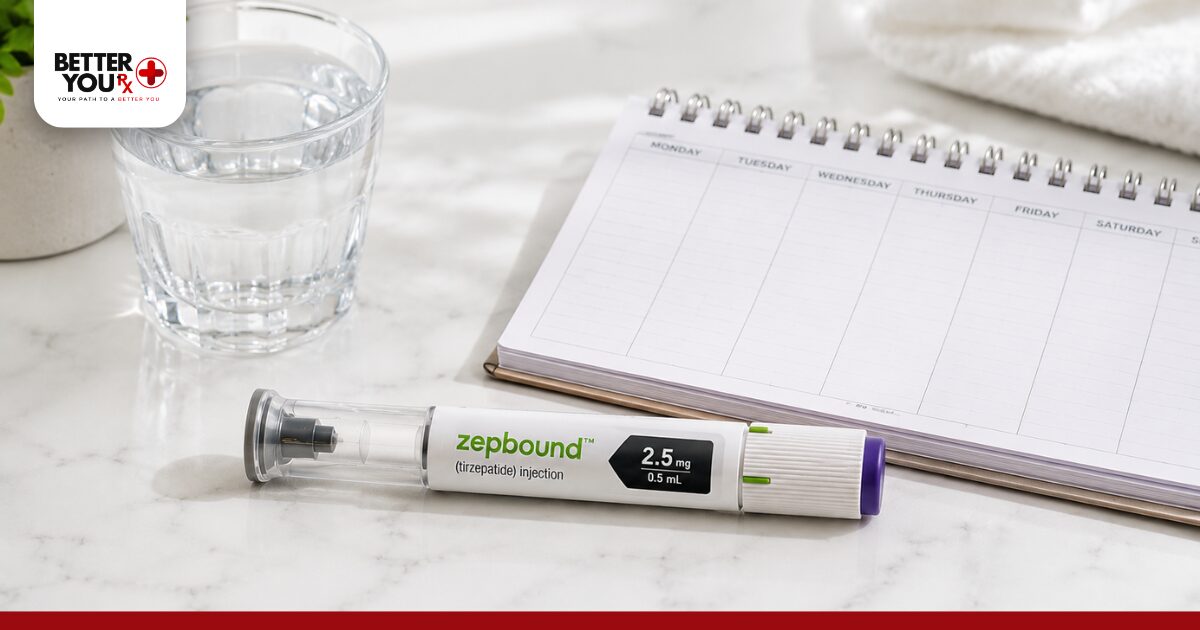
Cost is one of the top reasons patients identify Better You Rx as the best place to buy Zepbound online. The Zepbound KwikPen ranges from $496.99 to $696.99 depending on the prescribed dose. Compared to what many U.S. patients encounter elsewhere, these figures represent meaningful savings without cutting corners on quality.

Dose Price Range Format
2.5 mg / 5 mg Starting at $496.99 Prefilled KwikPen
7.5 mg / 10 mg Mid-range Prefilled KwikPen
12.5 mg / 15 mg Up to $696.99 Prefilled KwikPen

There are no hidden fees or surprise charges at checkout. The listed price is the final amount. For patients comparing options to find the best place to buy Zepbound online at a fair cost, that level of transparency goes a long way.

Practical Tips for First-Time Zepbound BuyersHow to Order Zepbound Through Better You Rx

Placing an order at the best place to buy Zepbound online takes only a few minutes. The checkout process was designed around simplicity so patients spend less time on forms and more time on their health goals.

  •   Go to Better You Rx and open the Zepbound product page
  •   Select the dose your doctor prescribed
  •   Upload or email your valid U.S. prescription
  •   Finish payment through the secure checkout
  •   Receive Zepbound at your door within 7 to 10 business days from the ship date

Prescriptions must be in English and written by a licensed medical doctor practicing within the United States. Orders from practitioners outside the country are not accepted. All shipments go to the patient’s home and are intended for individual use only. The contracted team confirms dosage details, patient information, and prescriber credentials before releasing any order, so patients receive exactly what was prescribed. For example, if a doctor writes a Zepbound prescription for 5 mg and the patient accidentally selects 10 mg during checkout, the verification step catches the mismatch and contacts the patient before shipping. That extra layer of review prevents costly errors and keeps patients safe.

Who Qualifies to Order Zepbound From Better You Rx

Understanding eligibility requirements helps patients confirm they are choosing the best place to buy Zepbound online. It serves individuals in the United States who hold a valid prescription. Medication ships to home addresses exclusively; deliveries to medical offices, clinics, or hospitals are not available. Patients asking how to verify they have found the best place to buy Zepbound online should look for a service that demands a legitimate prescription, which it does for every single order.

Those taking additional medications may want to explore options like Trulicity for type 2 diabetes management. Consolidating multiple treatments through one provider can save time and reduce hassle. Patients managing chronic conditions often juggle several prescriptions at once, and having a single reliable source for all of them removes unnecessary complexity from the process.

Who Qualifies to Order Zepbound From Better You rX.com

Things to Know Before Buying Zepbound Online

Selecting the best place to buy Zepbound online involves more than price comparisons. Patients who pick Better You Rx has the best place to buy Zepbound online should review these key details before checkout.

  •   Valid Prescription Required: Your doctor must be a licensed practitioner based in the U.S., and the prescription needs to be in English. No exceptions apply.
  •   Individual Use: Every Zepbound order is strictly for the named patient. Redistribution or resale is prohibited.
  •   Home Delivery Only: Packages go to residential addresses. Shipments to clinical or hospital settings are not offered.
  •   Refrigeration on Arrival: Store the KwikPen in a refrigerator as soon as it arrives. Check the label for exact temperature guidelines.
  •   Follow Your Doctor’s Plan: Stick to the injection schedule your physician outlines. Adjusting Zepbound doses without guidance can affect results.

Patients new to injectable GLP-1 treatments may find it helpful to read about Trulicity dosage protocols for a general sense of how weekly injection schedules work.

Why U.S. Patients Choose Better You Rx for Zepbound

Reliability matters most when deciding the best place to buy Zepbound online. Better You Rx has earned a strong reputation by shipping authentic medications, communicating clearly with patients, and maintaining honest pricing. The team verifies every detail before releasing an order, and returning customers frequently cite this thoroughness as the reason they recommend the site. The organization, Better You Rx, continues expanding its medication catalog while upholding the same careful standards that built its reputation. Repeat buyers often describe the best place to buy Zepbound online as one where accuracy comes before shortcuts, and Better You Rx delivers on that promise.

Customer support is responsive and direct. Whether a patient has questions about order status, available doses, or the referral process, real people provide clear answers without long hold times or automated runarounds. The team also assists with reorder timing, helping patients stay on schedule with their weekly Zepbound injections so there are no gaps in treatment.

Why U.S. Patients Choose Better You rX.com for Zepbound

How Zepbound Compares to Other GLP-1 Treatments

Patients researching the best place to buy Zepbound online often want to see how Tirzepatide measures up against alternatives. Zepbound works through a dual GIP and GLP-1 receptor mechanism, while most competing treatments target only one receptor. When evaluating the best place to buy Zepbound online, understanding these pharmacological differences helps patients have more productive conversations with their doctors.

Feature Zepbound (Tirzepatide) Semaglutide Options Dulaglutide Options
Mechanism Dual GIP + GLP-1 GLP-1 only GLP-1 only
Injection Schedule Once weekly Once weekly Once weekly
Device Type Prefilled KwikPen Prefilled pen Prefilled pen
Sold on Better You Rx Yes Yes Yes

Because Zepbound activates two receptors instead of one, some patients experience different outcomes compared to single-action GLP-1 treatments. Those who have not reached their goals on other injectables may want to discuss Tirzepatide with their prescriber as an alternative approach. The dual mechanism also means Zepbound may affect appetite and blood sugar regulation through pathways that single-receptor medications cannot reach, which is part of why patients researching the best place to buy Zepbound online are drawn to this particular treatment.

For side-by-side breakdowns of similar medications, explore the Saxenda vs Zepbound comparison or review the Mounjaro vs Trulicity breakdown.

Practical Tips for First-Time Zepbound Buyers

Once you have confirmed that Better You Rx is the best place to buy Zepbound online for your needs, these pointers will help your first order go smoothly. A little preparation up front saves time and avoids common first-order mistakes.

  •   Consult your doctor beforehand. Confirm that Zepbound fits your health profile and current treatment plan.
  •   Prepare your prescription. A scanned or digital copy speeds up verification significantly.
  •   Begin at the starting dose. Most physicians prescribe a lower dose initially and titrate upward over several weeks.
  •   Be home for delivery. The KwikPen requires cold storage, so someone should be available to refrigerate it right away.
  •   Pick a consistent injection day. Administering Zepbound on the same weekday helps maintain steady levels, as your doctor will advise.

Your Next Step Toward Ordering Zepbound Online

U.S. patients continue to identify Better You Rx as the best place to buy Zepbound online for its dependable fulfillment, upfront costs, and careful prescription verification. Every stage of the ordering process, from uploading your prescription to receiving the KwikPen at your front door, is built with the patient’s convenience in mind. Whether you are starting Zepbound for the first time or switching from another GLP-1 treatment, the process remains equally simple. If you are ready to begin Zepbound treatment, the best place to buy Zepbound online is just a few clicks away at Better You Rx.

Frequently Asked Questions

Is Better You Rx a trustworthy option for the best place to buy Zepbound online?

Yes, Medications go through quality checks and ship directly to your residential address, typically arriving within one to two weeks of the ship date.

What Zepbound doses can I order through Better You Rx?

The KwikPen is available in several strengths, from 2.5 mg up to 15 mg. Your prescribing physician determines the appropriate dose, and prices range from $496.99 to $696.99 depending on the strength selected.

Do I need a prescription to purchase Zepbound on Better You Rx?

Absolutely. A valid prescription in English from a U.S.-based licensed medical doctor is mandatory for every order. Prescriptions issued by practitioners outside the United States are not accepted under any circumstances.

Can I order additional medications alongside Zepbound?

Yes, Better You Rx stocks a variety of prescription treatments beyond Zepbound. Patients who use the site as the best place to buy Zepbound online frequently add other prescribed medications like Zepbound KwikPen at different dose levels, streamlining their entire medication routine through one checkout.

Where Can You Find the Best Price on Zepbound for Weight Loss

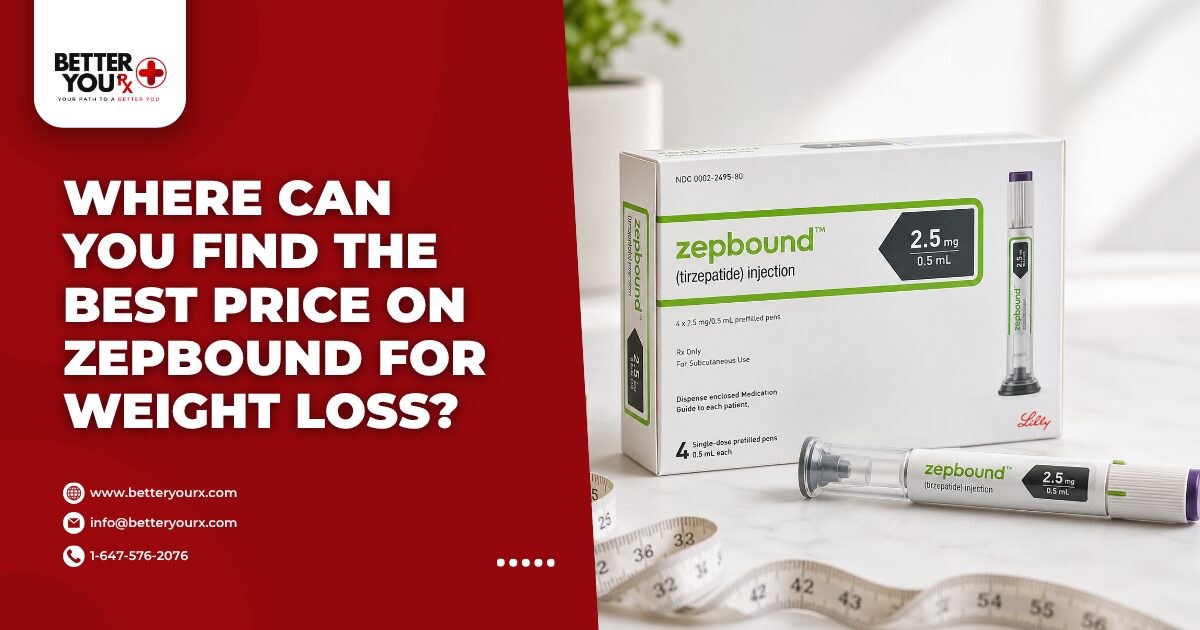
The best price on Zepbound currently available through Better You Rx starts at $496.99 for the Zepbound KwikPen, making it one of the most affordable ways for adults in the United States to start their weight management journey. Zepbound (Tirzepatide) is a once-weekly injectable prescription medication that activates two hormone receptors, GIP and GLP-1, to reduce appetite and help you eat less naturally. Many people across the country struggle to find reliable and budget-friendly access to this medication, especially when retail costs at local outlets can feel overwhelming. 

What Is Zepbound and How Does It Support Weight Loss

Zepbound contains Tirzepatide, an active ingredient classified as a GIP and GLP-1 receptor agonist. While older weight management treatments target only one receptor, Zepbound activates both the glucose-dependent insulinotropic polypeptide (GIP) and glucagon-like peptide-1 (GLP-1) receptors at the same time. This dual mechanism reduces appetite, creates a feeling of fullness sooner after eating, and helps your body consume fewer calories throughout the day. For those comparing costs, finding the best price on Zepbound starts with knowing exactly what this medication does.

The medication is prescribed for adults with a body mass index (BMI) of 30 or higher, or a BMI of 27 or higher accompanied by at least one weight-related health condition such as high blood pressure or elevated cholesterol. Zepbound is injected subcutaneously once per week in the abdomen, thigh, or upper arm. People researching the best price on Zepbound often want a clear picture of how the medication works before committing, and understanding this dual-action mechanism is a strong starting point.

Zepbound Dosage Breakdown and What to Expect

Best Price on Zepbound Through Better You Rx

Better You Rx is a prescription referral service with a licensed contracted department that connects individuals in the United States with brand-name medications at competitive rates. When you compare your options online, the best price on Zepbound through Better You Rx ranges from $496.99 to $696.99 for the KwikPen, depending on your prescribed dosage strength.

Zepbound KwikPen Pricing at Better You Rx

Dosage Strength Format Price (USD)
2.5 mg KwikPen $496.99
5 mg KwikPen $549.99
7.5 mg KwikPen $599.99
10 mg KwikPen $649.99
12.5 mg KwikPen $669.99
15 mg KwikPen $696.99

These rates position Better You Rx as a leading source for the best price on Zepbound in the U.S. Prescriptions must come from a primary care physician or licensed medical doctor practicing within the United States and must be written in English. This service is strictly for personal use, and all medications ship directly to your home address.

How to Order Zepbound from Better You Rx

Ordering is straightforward and designed for people who want the best price on Zepbound without extra hassle. Visit the Better You Rx website, go to the Zepbound KwikPen product page, and select the dosage your doctor prescribed. Submit your prescription, and the licensed contracted team will verify everything before processing.

Once verified, your Zepbound ships directly to your residence within 7 to 10 business days. Better You Rx does not send medications to doctors’ offices, medical clinics, or hospitals. For anyone seeking the best price on Zepbound without complicated procedures, this streamlined approach removes unnecessary barriers and delivers your medication efficiently.

  • Wegovy (Semaglutide)
    Wegovy 0.5mg FlexTouch pre-filled pen for subcutaneous semaglutide injection | Better You Rx
    In Stock

    Buy Wegovy from Canada

    Original price was: $609.99.Current price is: $596.99.
  • retatrutide
    In Stock

    Retatrutide

    Retatrutide is an investigational peptide therap that targets three key metabolic hormone receptors: GLP-1 (glucagon-like peptide-1), GIP (glucose-dependent insulinotropic polypeptide), and glucagon. It is currently in advanced clinical development for the management of obesity, type 2 diabetes, and related metabolic disorders. By activating all three receptors, Retatrutide is designed to support substantial weight reduction, improved blood-glucose control, and increased energy expenditure.
    Disclaimer: Amino Longevity is a contracted platform for this product. Both websites are separate entities
    $95.89
  • Zepbound KwikPen
    In Stock

    Zepbound KwikPen

    Price range: $496.99 through $696.99

Zepbound Dosage Breakdown and What to Expect

Zepbound comes in six dosage strengths: 2.5 mg, 5 mg, 7.5 mg, 10 mg, 12.5 mg, and 15 mg. Treatment typically begins at 2.5 mg once weekly for four weeks. After that initial period, your doctor may increase the dose gradually based on how your body responds. The maximum recommended dose is 15 mg per week. Understanding these dosage tiers is essential when you are shopping for the best price on Zepbound, since each strength has a different cost.

Each dose is delivered through a pre-filled KwikPen designed for simple self-injection. You can administer it at any time of day, with or without meals. Rotate injection sites between the abdomen, thigh, and upper arm each week to minimize discomfort at any single spot. If you are weighing different medication options, learning about the Saxenda vs. Zepbound comparison can help you and your doctor determine the right fit for your situation.

Why Zepbound Costs Less at Better You Rx

Patients frequently ask why the best price on Zepbound at Better You Rx is notably lower than what domestic retail channels charge. The answer is simple: Better You Rx operates as a prescription referral service located outside the United States, giving it access to different pricing structures that are not available to U.S.-based outlets. The service does not accept U.S.-based health plans, and this separation is exactly what enables the reduced cost.

You pay a clear, upfront amount with no hidden fees attached. Because Better You Rx caters exclusively to individuals in the U.S., the entire workflow is built around American patients. You receive genuine, brand-name Zepbound at a fraction of standard domestic pricing. For those managing additional health conditions alongside their weight loss plan, Better You Rx also carries options like Metformin and other complementary prescriptions. This variety makes it easier to find the best price on Zepbound and other medications in one place.

Expected Weight Loss Results with Zepbound

Adults using Zepbound alongside a reduced-calorie diet and regular physical activity have experienced meaningful outcomes. At the 10 mg dose, average body weight loss reached approximately 19.5% (around 44 lbs) over a 17-month period. Those taking the 15 mg dose saw an average reduction of roughly 20.9% (about 48 lbs) within the same timeframe. Even at the starting dose of 5 mg, participants achieved an average loss of about 15% (34 lbs).

These numbers highlight why so many adults are actively looking for the best price on Zepbound. The potential for sustained, significant weight loss makes it a popular choice for both healthcare providers and patients. To explore how Tirzepatide compares with Semaglutide-based options, check out Saxenda vs. Ozempic for a side-by-side look at different GLP-1 medications.

Expected Weight Loss Results with Zepbound

Things To Know Before Starting Zepbound

Before beginning Zepbound, several key details deserve your attention. Being well-prepared helps you get the most from your treatment and ensures you truly benefit from the best price on Zepbound available through Better You Rx.

  •       A valid prescription from a licensed medical doctor practicing in the U.S. is required to place an order through Better You Rx.
  •       The prescription must be written in English for the team to process it.
  •       Common side effects include nausea, diarrhea, constipation, and injection site reactions. These tend to improve as your body adjusts during the first few weeks of treatment.
  •       Do not use Zepbound if you have a personal or family history of medullary thyroid carcinoma or Multiple Endocrine Neoplasia syndrome type 2.
  •       Drink plenty of water and eat smaller, balanced meals to reduce gastrointestinal discomfort during the adjustment period.
  •       Always inform your doctor about every medication you currently take, especially anything related to blood sugar management.
  •       This service is for personal use only. Medications ship to your home and cannot be sent to clinics or hospitals.

Keeping these details in mind sets you up for a smoother experience. If you also take blood-thinning treatments, Better You Rx offers medications like Eliquis at competitive rates as well.

Practical Tips for Securing the Best Price on Zepbound

Quick Tips for Saving on Your Zepbound Treatment

Tip Details
Order ahead of time Place your order before your current supply runs out to account for the 7 to 10 business day delivery window.
Follow your dose schedule Skipping doses can slow progress and may require restarting at a lower strength. Consistency is critical.
Track your results weekly Log your weight, measurements, and how you feel each week. Tangible progress keeps motivation high.
Stay in touch with your doctor Share updates regularly so your prescriber can adjust the dosage for the best possible outcomes.
Pair with healthy habits Combine Zepbound with a reduced-calorie diet and regular exercise to maximize your results.


These strategies, paired with the best price on Zepbound from Better You Rx, position you for a successful weight loss experience. For more reading on weight management comparisons, exploreWegovy vs. Saxenda for weight loss to understand how other options measure up.

Best Price on Zepbound Through Better You Rx

Who Should Consider Zepbound

Zepbound is intended for adults with obesity (BMI of 30 or higher) or those who are overweight (BMI of 27 or higher) with at least one related medical condition. It is not approved for children. Adults who have tried diet and exercise alone without adequate results may find that Zepbound provides the extra push their body needs to reach a healthier weight.

If you fall into this group and want the best price on Zepbound, Better You Rx provides a clear and reliable way to get started. Pairing a doctor-prescribed treatment plan with affordable access through a trusted prescription referral service can be the turning point in reaching your long-term health goals. Many patients who found the best price on Zepbound through Better You Rx report feeling more confident about sustaining their treatment over the months ahead.

 Your Next Step Toward the Best Price on Zepbound

Securing the best price on Zepbound does not need to be stressful or time-consuming. Better You Rx simplifies the entire process by combining transparent pricing, a licensed contracted team, and direct home delivery for individuals across the United States. Whether you are beginning your weight loss journey or switching to a more affordable option, Zepbound through Better You Rx offers a dependable path forward. Talk to your doctor, get your prescription ready, and take your first step toward reaching your health goals at a price that works for your budget.

Frequently Asked Questions About the Best Price on Zepbound

How much does Zepbound cost at Better You Rx?

The Zepbound KwikPen at Better You Rx ranges from $496.99 to $696.99 based on the dosage your doctor prescribes. The 2.5 mg pen starts at the lowest price, while the 15 mg pen sits at the higher end. All pricing is upfront with no surprise charges.

Do I need a prescription to order Zepbound from Better You Rx?

Yes, a valid prescription is required. It must be issued by a primary care physician or licensed medical doctor practicing within the United States, and the prescription must be written in English.

How long does delivery take after placing my Zepbound order?

Expect 7 to 10 business days from the date your order ships. Zepbound is mailed directly to your home address. Deliveries to medical offices or hospitals are not available through this service.

Can I use a U.S. health plan to pay for Zepbound at Better You Rx?

No, Better You Rx does not accept U.S.-based health plans. Operating outside the United States allows them to provide the best price on Zepbound through a separate and more affordable pricing structure.

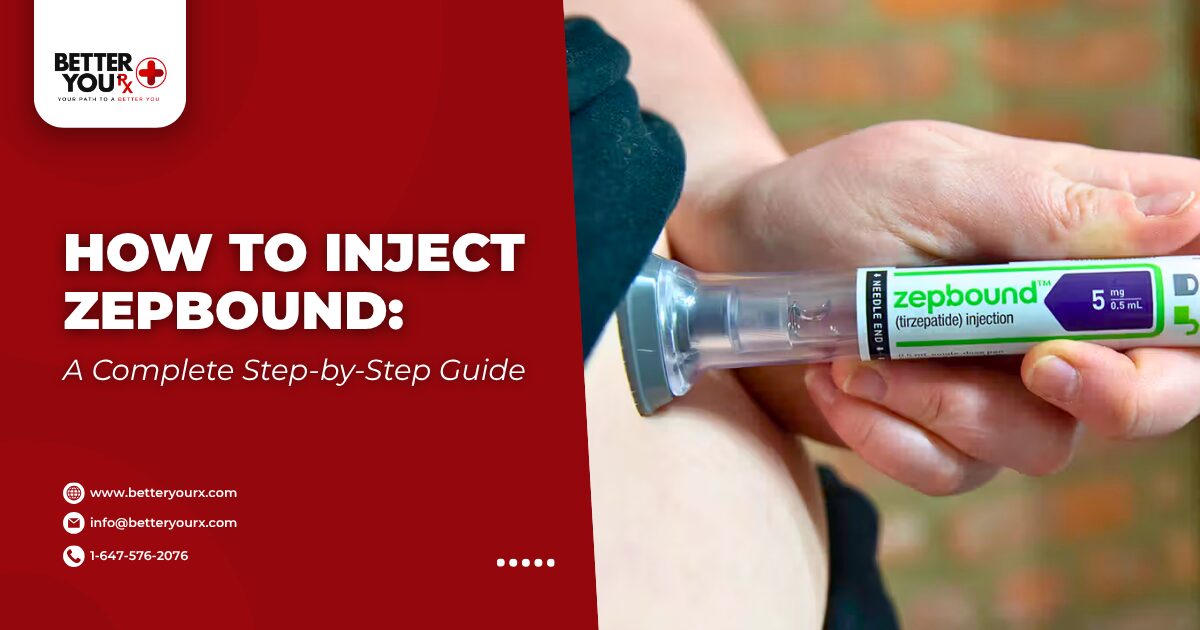
How to Inject Zepbound: A Complete Step-by-Step Guide

Understanding how to inject Zepbound correctly is key to ensuring comfort, consistency, and successful weight loss results. Zepbound (Tirzepatide) is an injectable prescription medication taken once a week to improve blood sugar regulation and promote healthy weight management. By learning the proper technique, you can reduce side effects, improve medication absorption, and make your treatment routine more effective.

How to Properly Inject Zepbound?

Step 6_ Inject the Medication

Administering Zepbound correctly involves following specific steps that ensure your body receives the full, intended dose. It’s injected subcutaneously, meaning just under the skin’s surface into fatty tissue. Unlike intramuscular injections, this method provides slow, steady absorption throughout the week, supporting stable hormone and appetite levels.

Before your first injection, it’s a good idea to familiarize yourself with your Zepbound KwikPen. Understanding how it functions will make the process more comfortable and reduce anxiety during your routine.

Step 1: Prepare the Zepbound KwikPen

Take your Zepbound KwikPen out of the refrigerator about 15 to 30 minutes before you plan to inject. Letting the medication reach room temperature helps prevent discomfort or stinging. Avoid heating, microwaving, or shaking the pen, as extreme temperature changes can damage its potency.

Check the solution through the pen window. It should be clear, colorless, and free from particles. If it looks cloudy, foamy, or discolored, dispose of it safely and use a new pen. Always confirm the expiration date before proceeding.

A simple pre-injection check ensures your medication remains effective and safe for use. Taking a few extra minutes to prepare properly can make your weekly routine smoother and more efficient.

Step 2: Clean the Injection Site

Wash your hands thoroughly using soap and warm water. Select the injection area — abdomen, thigh, or upper arm — and clean it with an alcohol swab. Allow the area to dry completely before injecting. This reduces the risk of irritation, infection, or stinging.

Avoid injecting into skin that is sore, hard, or scarred. Over time, repeated injections in the same location can cause lumps or skin thickening, so make sure to rotate sites each week. For example, if you inject into your abdomen this week, switch to your thigh next time.

Good hygiene and site rotation not only ensure comfort but also help your body absorb the medication evenly every time.

Step 3: Attach a New Needle

Remove the pen cap and twist on a new sterile needle. Always use a fresh needle for each injection to prevent contamination and ensure smooth flow. After securing the needle, remove both the outer and inner caps carefully.

It’s important not to touch the exposed needle or let it come into contact with any surface. Keeping it clean maintains sterility and prevents potential infection. When handled properly, this step only takes seconds and sets you up for a smooth, safe injection.

Step 4: Prime the Pen (First-Time Use Only)

Priming the pen releases trapped air and ensures proper dosing. Set the pen to “2 units,” hold it upright, and press the injection button until you see liquid appear at the tip. This small step confirms your pen is functioning correctly and will deliver an accurate dose.

If no liquid appears, repeat the process up to three times. If the issue persists, replace the pen and contact your healthcare provider. Once primed, the pen is ready for weekly use without needing to repeat this step again.

Step 5: Select the Correct Dose

Turn the dose knob until your prescribed dose appears in the display window. Your dosage may vary based on your treatment stage or your provider’s recommendation. Never adjust your dose without professional advice, as incorrect dosing can affect Zepbound’s safety and performance.

Taking the time to double-check the dose before injecting helps you avoid unnecessary discomfort or missed doses. A steady hand and calm focus go a long way in maintaining confidence during your injection routine.

Step 6: Inject the Medication

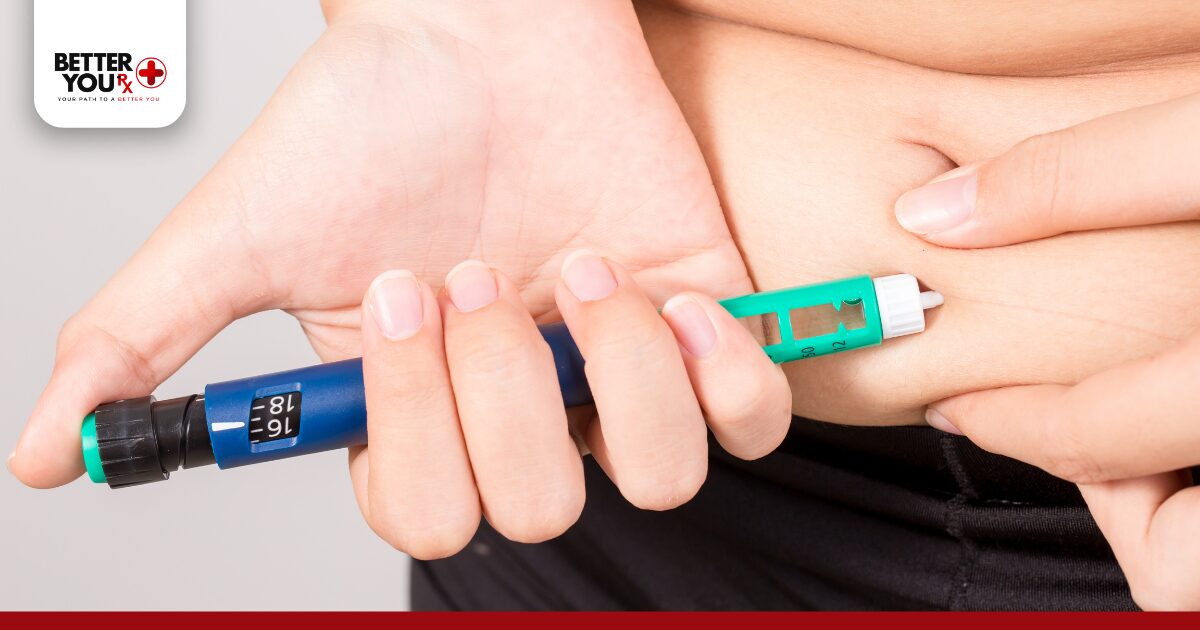
Gently pinch the cleaned skin to create a fold of fatty tissue. Insert the needle at a 90-degree angle (or 45 degrees if you have thin skin). Press the injection button steadily until the display reads “0,” then hold for ten seconds before removing the needle.

Keeping the needle in place for a few extra seconds ensures that the entire dose is delivered into the tissue. Once done, remove the needle and dispose of it in a dedicated sharps container.

For beginners, this process might seem intimidating at first, but after a few injections, it becomes a simple part of your weekly health routine.

Step 7: Store the Pen Correctly

Replace the cap on your pen and store it safely in the refrigerator between 36°F and 46°F (2°C–8°C). Keep it away from sunlight and out of children’s reach. Do not freeze the medication, as this can destroy its effectiveness.

If you’re unsure about proper storage, read Does Zepbound Need to Be Refrigerated? Complete Guide 2025 for detailed instructions on how to maintain the pen’s stability and quality.

how to inject zepbound

Zepbound Injection Preparation Checklist

Step Action Purpose
1 Warm Zepbound to room temperature Reduces pain and discomfort
2 Inspect medication Ensures it’s safe to use
3 Clean the skin Prevents infection
4 Use a new needle Maintains sterility
5 Rotate sites Promotes even absorption

Where to Inject Zepbound for Best Results?

Zepbound is designed for subcutaneous injection into fatty tissue, where the medication can absorb gradually into the bloodstream. This slow absorption ensures stable levels throughout the week, preventing fluctuations in appetite or blood sugar.

The three most effective areas to inject Zepbound are the abdomen, thighs, and upper arms. Each offers benefits, but choosing the right one depends on personal comfort and convenience.

  1. Abdomen: This is the most common site, as it provides consistent absorption and is easy to access. Inject at least two inches away from your belly button to avoid sensitive areas. 
  2. Thighs: The upper thigh area is ideal for self-administration. It provides a thick layer of subcutaneous fat, making injections more comfortable. 
  3. Upper Arm: This site works best if someone assists you with your injections, as it can be difficult to reach alone. 

Rotating sites weekly prevents tenderness and scarring while ensuring better absorption over time.

For users new to injections, you may also want to compare dosage starts by reading Can I Start Wegovy at 1.7 mg?.

Table 2: Comparison of Zepbound Injection Sites

Site Absorption Rate Comfort Recommendation
Abdomen Fastest High Preferred site for consistent dosing
Thigh Moderate Very High Ideal for self-use
Upper Arm Slower Moderate Best when assisted

When Is the Best Time to Inject Zepbound?

Zepbound is injected once per week, on the same day each week, at any time that fits your schedule. Consistency is key. Choose a time you can easily remember—such as Monday morning or Friday evening—and set a reminder.

Morning injections may be more convenient for those who experience mild nausea since the body can adjust during the day. Evening injections work for those with busier mornings. Either option is fine as long as it stays consistent.

If you miss a dose, inject it within four days (96 hours). If it’s been longer, skip it and resume your next scheduled injection. Never take two doses within the same week.

Some individuals pair their Zepbound routine with complementary medications like Ozempic for enhanced metabolic benefits, under the guidance of a healthcare professional.

How to Inject Zepbound for Maximum Comfort and Effectiveness

Your experience with Zepbound injections should be as stress-free and comfortable as possible. Adopting small but important habits can make each injection smoother and more effective.

Create a Calm Setting

Find a quiet, well-lit area where you can sit comfortably. Rushing or multitasking during an injection can increase anxiety or lead to mistakes. Take your time and focus solely on the process.

Let the Pen Warm Naturally

Injecting cold medication can cause mild stinging. Letting your pen warm to room temperature for at least 15–30 minutes helps reduce discomfort.

Relax and Breathe

Tension can cause your muscles to tighten, making injections more painful. Take a deep breath before inserting the needle and exhale as you press the button.

Apply Gentle Pressure

After removing the needle, lightly press the injection site with a cotton ball or tissue for a few seconds to reduce any minor bleeding or soreness.

Track Your Routine

Use a notebook or mobile reminder to record your injection sites and dates. This habit helps ensure rotation and keeps you organized.

For detailed insight into the drug’s duration and impact, review How Long Does Zepbound Stay in Your System?.

Tips to Make Zepbound Work Better

Where to Inject Zepbound for Best Results

Zepbound works best when used alongside healthy lifestyle habits. While the medication reduces appetite and regulates blood sugar, your choices play a major role in your long-term success.

  • Maintain a balanced diet high in fiber, protein, and vegetables. 
  • Stay hydrated—drink at least 64–80 ounces of water daily. 
  • Engage in regular exercise such as brisk walking, swimming, or light strength training. 
  • Prioritize rest and manage stress for better hormonal balance. 

For additional information about fatigue and energy changes with similar medications, see Does Wegovy Make You Tired?.

Final Thoughts

Understanding how to inject Zepbound properly gives you control, confidence, and comfort in your treatment journey. Following the correct technique ensures the medication works effectively, minimizes side effects, and keeps your weekly routine consistent.

When combined with mindful eating, regular activity, and proper hydration, Zepbound can be a powerful tool for achieving lasting weight management success.

If you’re exploring similar medications, consider learning more about Mounjaro KwikPen to understand comparable options.

Always follow your healthcare provider’s instructions for dosage and injection timing. Safe and consistent use of Zepbound can help you reach your goals while maintaining your overall well-being.

Frequently Asked Questions

Can I take Zepbound every 5 days?

No, Zepbound should only be taken once every seven days. Taking it every five days can cause excessive medication buildup, leading to nausea or low blood sugar. Its active ingredient, Tirzepatide, remains in your body long enough to work continuously between doses.

How to make Zepbound most effective?

To make Zepbound most effective, inject on the same day weekly and maintain a balanced lifestyle. Focus on nutrient-rich foods, regular activity, and proper hydration. Consistency allows your body to stabilize appetite signals and improves the drug’s overall impact.

How to speed up weight loss on Zepbound?

The best way to speed up weight loss on Zepbound is by combining it with healthy eating and daily movement. Avoid processed foods and high-sugar drinks, and focus on whole, nutrient-dense meals. Patience is key—results improve steadily over time.

How much water to drink on Zepbound?

Drink 64–80 ounces of water daily to help your body metabolize the medication efficiently. Hydration also helps prevent side effects like dry mouth or constipation, which can occur when appetite decreases.

Can I drink coffee on Zepbound?

Yes, you can drink coffee while using Zepbound. Stick to unsweetened or low-calorie options to stay within your calorie goals. Limit caffeine if you experience jitteriness or digestive discomfort.

Why do you have to drink so much water on Zepbound?

Hydration enhances how Zepbound works by supporting digestion and maintaining energy. It also reduces side effects and assists with appetite control, helping you stay full longer and manage cravings more effectively.


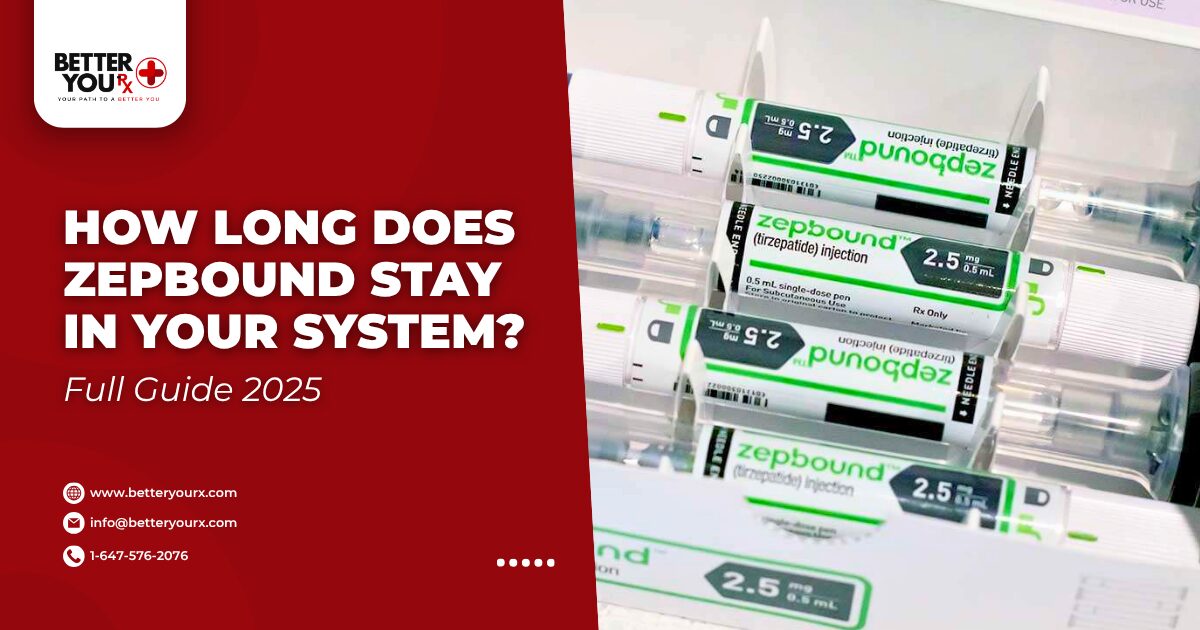
How Long Does Zepbound Stay in Your System? Full Guide 2025

How long does Zepbound stay in your system is essential knowledge for anyone using this weight management medication containing Tirzepatide. Zepbound remains detectable in your body for approximately 4-5 weeks after your last injection due to its extended half-life of roughly 5 days. The medication works by gradually leaving your system, with half the dose eliminated every five days until complete clearance occurs around 25-30 days later. 

Several factors influence how quickly Zepbound exits your body, including your dosage strength, metabolism rate, kidney function, and overall health status. Understanding the elimination timeline helps you plan dosage schedules, manage potential side effects, and know what to expect if you need to pause or discontinue treatment. 

Understanding Zepbound and Tirzepatide

Zepbound contains tirzepatide, a medication that activates two important receptors in your body called GLP-1 and GIP. These receptors help regulate appetite, blood sugar levels, and how your body processes food. The medication comes in pre-filled injection pens that you use once weekly.

The weekly injection schedule exists because tirzepatide has a long-lasting effect in your body. Unlike medications that require daily dosing, Zepbound continues working throughout the entire week. This extended action relates directly to how long does Zepbound stay in your system after each injection.

Tirzepatide works by slowing down how quickly food moves through your stomach, which helps you feel full longer after eating. It also affects areas of your brain that control appetite and food cravings. These combined effects support weight management goals when paired with lifestyle changes.

The medication comes in different dosage strengths, starting at 2.5mg and increasing gradually up to 15mg. Your healthcare provider determines the appropriate starting dose and when to increase it based on your response and tolerance. Higher doses remain in your system longer than lower doses, affecting the overall elimination timeline.

How Long Does Zepbound Stay in Your System After Injection

The complete elimination of Zepbound from your body takes approximately 4-5 weeks after your final dose. This timeline is based on the medication’s half-life, which represents the time needed for half the drug concentration to leave your system.

Tirzepatide has a half-life of about 5 days. This means that five days after injection, roughly half the medication remains active in your bloodstream. After another 5 days (10 days total), only one-quarter remains. This gradual reduction continues until the medication fully clears.

Medical research shows that complete drug elimination typically requires 5-6 half-lives. For Zepbound, this calculation means:

  • After 5 days – 50% remains
  • After 10 days – 25% remains
  • After 15 days – 12.5% remains
  • After 20 days – 6.25% remains
  • After 25 days – 3.12% remains
  • After 30 days – less than 2% remains

By the 25-30 day mark, Zepbound concentration drops below detectable levels in most people. However, the medication’s effects on appetite and digestion may persist slightly longer as your body readjusts to functioning without the drug’s influence.

The extended presence of tirzepatide in your system explains why weekly dosing works effectively. Each new injection adds to the existing medication level in your bloodstream, maintaining therapeutic concentrations throughout your treatment.

Ready to start your weight management journey? Visit Better You Rx, a prescription referral service, to learn more about accessing Zepbound.

Factors That Influence Elimination Time

Understanding Zepbound and Tirzepatide

Multiple variables affect how quickly Zepbound leaves your system. Understanding these factors helps explain why elimination timelines vary between individuals.

Dosage Strength

Higher Zepbound doses take longer to eliminate completely. Someone using the 15mg maintenance dose will have medication in their system longer than someone using the 2.5mg starting dose. The larger amount of tirzepatide requires more time for your body to metabolize and excrete.

Each dosage increase adds more medication to your baseline level. If you recently escalated from 5mg to 10mg, your body contains more tirzepatide than someone who has remained at 5mg consistently. This accumulated amount extends the elimination period.

Metabolism and Body Composition

Your metabolic rate significantly impacts drug clearance. People with faster metabolisms generally process and eliminate medications more quickly than those with slower metabolic rates. Age, muscle mass, and activity level all influence metabolic speed.

Body weight and composition also matter. Tirzepatide distributes throughout body tissues, and individuals with higher body weight may retain the medication slightly longer. However, the standard half-life applies to most adults regardless of size.

Kidney and Liver Function

Your kidneys and liver work together to remove medications from your body. The kidneys filter waste products from blood and excrete them through urine, while the liver breaks down drug compounds into smaller molecules for elimination.

People with reduced kidney function may eliminate Zepbound more slowly. Kidney disease or impairment affects how efficiently your body removes Tirzepatide from circulation. Similarly, liver problems can slow drug metabolism, potentially extending how long does Zepbound stay in your system.

Most healthy adults process Zepbound at the standard rate. However, if you have known kidney or liver issues, your healthcare provider monitors your treatment more closely and may adjust dosing accordingly.

Age and Overall Health

Older adults sometimes metabolize medications differently than younger individuals. Age-related changes in organ function, body composition, and metabolic rate can affect drug clearance times. However, these differences are usually modest for Zepbound.

Your general health status influences elimination speed. Conditions affecting circulation, hormone levels, or organ function may alter how quickly your body processes tirzepatide. Staying well-hydrated and maintaining good overall health supports normal medication clearance.

Treatment Duration

Interestingly, how long you have been taking Zepbound does not significantly change elimination time. The medication does not accumulate indefinitely in your tissues. Once you reach steady-state levels with consistent weekly dosing, each injection maintains rather than increases overall drug concentration.

However, someone who just started Zepbound will have less medication to eliminate if they stop compared to someone on maintenance therapy. The person on the 2.5mg starting dose for two weeks has less Tirzepatide in their system than someone who has been taking 15mg weekly for months.

What Happens When You Stop Taking Zepbound

Discontinuing Zepbound triggers several changes in your body as the medication gradually leaves your system. Understanding these effects helps you prepare for the transition and manage expectations.

Appetite Changes

The most noticeable change involves appetite regulation. Zepbound suppresses hunger signals and increases feelings of fullness. As the medication clears from your system, these effects diminish progressively.

Many people notice increased appetite within 1-2 weeks after their last injection. The hunger suppression gradually fades as Tirzepatide concentrations drop. By week 3-4, your natural appetite signals typically return to pre-treatment levels.

This appetite increase explains why maintaining weight loss after stopping Zepbound requires continued attention to eating habits and portion control. The medication provided support, but lasting results depend on sustained lifestyle changes.

Digestive System Adjustments

Zepbound slows gastric emptying, meaning food stays in your stomach longer during treatment. When you stop the medication, your digestive system speeds back up to its normal rate. This transition happens gradually over several weeks.

Some people experience temporary digestive changes as their system readjusts. You might notice changes in bowel habits or digestion speed. These adjustments typically resolve as Zepbound fully clears and your body adapts to functioning without the medication.

Blood Sugar Effects

Tirzepatide affects how your body handles blood sugar, even in people without diabetes. The medication improves insulin sensitivity and glucose metabolism. These effects diminish as the drug leaves your system.

For people using Zepbound primarily for weight management without diabetes, blood sugar changes are usually minor and unnoticeable. Your body naturally regulates glucose levels without requiring the medication’s assistance.

Weight Considerations

Weight maintenance after stopping Zepbound varies significantly between individuals. Some people maintain their weight loss successfully through continued healthy habits. Others experience some weight regain, particularly if previous eating patterns resume.

Research shows that medication-assisted weight loss works best when combined with lasting lifestyle modifications. The weeks immediately after stopping Zepbound represent a critical period for establishing habits that support long-term weight maintenance.

Looking for reliable access to Zepbound? Order Zepbound KwikPen through Better You Rx, a prescription referral service offering convenient medication access.

How Zepbound Builds in Your System

Understanding how Zepbound accumulates helps explain the gradual dose escalation schedule and why consistent weekly dosing matters for effectiveness.

Reaching Steady State

When you start Zepbound, the medication gradually builds in your system until reaching what medical professionals call “steady state.” This means the amount you inject each week equals the amount eliminated, maintaining consistent drug levels.

Reaching steady state typically takes 4-5 weeks of consistent dosing. During this period, each weekly injection adds to the existing Tirzepatide in your bloodstream. Once steady state is achieved, your body maintains stable medication levels throughout the week.

This building process explains why Zepbound starts at a lower dose. Beginning with 2.5mg allows your body to adjust to the medication while levels gradually increase. Starting at a higher dose could cause more pronounced side effects as the medication accumulates.

Dose Escalation Strategy

The standard Zepbound dosing schedule increases gradually over several months. You typically start at 2.5mg for four weeks, then increase to 5mg, 7.5mg, 10mg, 12.5mg, and finally 15mg if needed. Each increase occurs at four-week intervals.

This gradual escalation serves multiple purposes. It minimizes digestive side effects by allowing your system to adapt slowly. It also helps identify the lowest effective dose for your weight management goals, as some people achieve desired results at lower doses.

Each dose increase restarts the steady-state timeline. When you move from 5mg to 7.5mg, for example, your body needs another 4-5 weeks to establish stable levels at the new dose. Understanding this helps explain why patience matters during Zepbound treatment.

Maintaining Consistent Levels

Weekly injections maintain therapeutic Tirzepatide concentrations between doses. If you inject every Monday, the medication level peaks within a few days, then gradually declines until your next Monday injection brings it back up.

This fluctuation remains within the therapeutic range, meaning the medication stays effective throughout the week. The lowest point (right before your next injection) still contains enough tirzepatide to provide appetite suppression and metabolic benefits.

Consistency in injection timing helps maintain stable levels. Taking your dose on the same day each week prevents unnecessary concentration dips that could reduce effectiveness or trigger side effects when levels rebound.

Managing ZepBound Treatment Interruptions

How Long Does Zepbound Stay in Your System_ Full Guide 2025

Life circumstances sometimes require pausing Zepbound treatment. Understanding how interruptions affect medication levels and treatment continuity helps you navigate these situations.

Short Interruptions (1-2 Weeks)

Missing one or two doses allows some Tirzepatide to clear from your system, but significant amounts remain. After one missed week, you still have roughly 50% of your steady-state concentration. After two missed weeks, about 25% remains.

If you miss 1-2 weeks, you can typically resume at your previous dose without restarting the escalation schedule. However, consult your healthcare provider before resuming, as individual circumstances vary. Some people experience increased side effects when restarting, even at their previous dose.

The medication’s long half-life provides some buffer for occasional missed doses. However, effectiveness decreases as levels drop, potentially affecting appetite control and weight management during the interruption.

Extended Breaks (3-4 Weeks)

Taking a 3-4 week break from Zepbound allows most medication to clear from your system. At this point, how long does Zepbound stay in your system becomes relevant, as you are approaching complete elimination.

Extended breaks often require restarting at a lower dose rather than resuming your previous maintenance level. Your body has readjusted to functioning without Tirzepatide, and jumping back to a high dose could trigger pronounced side effects.

Your healthcare provider determines the appropriate restart dose based on how long you were off medication, your previous dose, and your tolerance when initially escalating. Some people restart at 2.5mg, while others may resume at an intermediate dose.

Planning Breaks

If you know in advance that you will need to pause treatment, discuss timing with your healthcare provider. Planning breaks strategically minimizes disruption to your weight management progress.

Some people schedule breaks around events where they prefer not managing medication side effects or injection schedules. However, unplanned interruptions due to illness, medication access issues, or other circumstances require individualized guidance.

Maintaining healthy eating and exercise habits during breaks helps minimize weight regain and makes resuming treatment easier. The lifestyle changes you developed during treatment support weight maintenance even when off medication.

Medication Interactions and Considerations

Certain medications and substances interact with Zepbound, affecting how it works or how long it stays in your system. Understanding these interactions helps you use Tirzepatide safely and effectively.

Oral Medications

Zepbound slows gastric emptying, which can affect how your body absorbs oral medications. Pills remain in your stomach longer, potentially altering their absorption rate and effectiveness.

This effect particularly impacts medications requiring rapid absorption or those with narrow therapeutic windows. If you take oral medications with specific timing requirements, discuss appropriate spacing with your healthcare provider.

The interaction works both ways. Some medications can affect how your body processes Zepbound, though these interactions are less common. Always inform your healthcare provider about all medications, supplements, and herbal products you use.

Alcohol Consumption

Drinking alcohol while taking Zepbound requires caution. Both alcohol and Tirzepatide affect blood sugar levels and can cause digestive upset. Combining them may intensify these effects.

Alcohol does not directly change how long does Zepbound stay in your system or its elimination rate. However, drinking can worsen side effects like nausea and may interfere with weight management goals by adding empty calories.

If you choose to drink alcohol while taking Zepbound, do so in moderation and monitor how you feel. Many people find their alcohol tolerance decreases during treatment, requiring smaller amounts to feel effects.

Foods and Timing

No specific foods eliminate Zepbound from your system faster or slower. However, eating patterns significantly affect your experience with the medication and your weight management success.

High-fat, greasy foods often trigger more pronounced digestive side effects during Zepbound treatment. The medication already slows digestion, and heavy foods compound this effect. Many people find that lighter, more frequent meals work better during treatment.

Staying well-hydrated supports overall medication metabolism and helps manage side effects. Drinking adequate water throughout the day benefits both digestion and general health during Zepbound treatment.

Need guidance on your weight management journey? Connect with Better You Rx, a prescription referral service providing support for accessing medications like Zepbound.

Practical Tips for Managing Zepbound Treatment

What Happens When You Stop Taking Zepbound

Successfully using Zepbound involves more than just weekly injections. These practical strategies help optimize your treatment experience and results.

Injection Timing

You can take Zepbound at any time of day, with or without food. Choose a time that fits your schedule and stick with it consistently. Many people prefer evening injections to sleep through any initial digestive effects.

Some individuals report less nausea when injecting in the evening rather than morning. Experimenting with timing during your first few doses helps identify what works best for your body. Once you find an optimal time, maintain that schedule.

The day of the week matters more than the time of day. Injecting on the same day each week maintains stable medication levels. If you need to change your injection day, consult your healthcare provider about the best transition approach.

Managing Side Effects

Digestive side effects like nausea, constipation, or diarrhea are common when starting Zepbound or increasing doses. These effects usually diminish as your body adjusts to each dose level.

Eating smaller, more frequent meals helps manage nausea better than three large meals. Avoid lying down immediately after eating, as this can worsen digestive discomfort. Ginger tea or peppermint can provide natural relief for mild nausea.

Staying hydrated and including adequate fiber in your diet helps prevent constipation. If digestive issues persist or become severe, contact your healthcare provider. They may recommend dose adjustments or additional strategies.

Tracking Progress

Keeping records of your Zepbound treatment helps you and your healthcare provider assess effectiveness and make informed decisions. Track your injection dates, doses, side effects, and weight measurements.

Note any patterns you observe. Do certain foods trigger more digestive upset? Does injection timing affect how you feel? This information helps optimize your treatment approach.

Regular check-ins with your healthcare provider ensure your treatment plan remains appropriate for your goals and circumstances. They can adjust doses, address concerns, and provide guidance based on your progress.

Building Sustainable Habits

View Zepbound as a tool that supports broader lifestyle changes rather than a standalone solution. The medication works best when combined with sustainable eating habits and regular physical activity.

Focus on developing patterns you can maintain long-term, even after stopping medication. This includes portion control, mindful eating, regular movement, and stress management strategies. These habits support lasting weight management success.

The behavioral changes you establish during treatment become increasingly important as Zepbound clears from your system. By the time elimination is complete around 4-5 weeks after your last dose, your established habits help maintain your progress.

Moving Forward

Understanding how long does Zepbound stay in your system empowers you to make informed decisions about your weight management treatment. The 4-5 week elimination timeline reflects Tirzepatide’s extended half-life and gradual clearance process.

Multiple factors influence individual elimination rates, including dosage strength, metabolism, kidney function, and overall health. While the standard timeline applies to most people, your personal experience may vary slightly based on these factors.

Planning around Zepbound’s elimination timeline helps you navigate treatment interruptions, manage expectations about appetite changes, and prepare for life after medication. Whether you pause treatment temporarily or discontinue permanently, knowing what to expect reduces uncertainty.

The medication’s gradual clearance provides both benefits and considerations. The extended presence in your system maintains effectiveness with weekly dosing but also means effects persist for several weeks after stopping. This timeline influences decisions about treatment breaks, dose changes, and long-term planning.

Successful weight management extends beyond medication. The lifestyle changes you develop during Zepbound treatment provide the foundation for maintaining results after the medication clears your system. View this treatment as one component of a comprehensive approach to health.

Frequently Asked Questions

How Do You Get Zepbound Out of Your System?

Zepbound naturally eliminates from your system through normal metabolic processes over 4-5 weeks. No method speeds up this elimination significantly. Your liver metabolizes Tirzepatide, and your kidneys excrete the breakdown products through urine. Staying well-hydrated supports normal kidney function but does not dramatically accelerate clearance. The medication follows its natural half-life of approximately 5 days, requiring about six half-lives for complete elimination. Simply discontinuing injections allows the gradual clearance process to proceed naturally.

What Happens When You Stop Zepbound?

Stopping Zepbound triggers gradual return of your natural appetite and digestive patterns as the medication clears your system. Within 1-2 weeks, you may notice increased hunger and faster gastric emptying. By weeks 3-4, appetite suppression effects diminish significantly as medication levels drop below therapeutic range. Some people experience weight regain if previous eating patterns resume, while others maintain weight loss through continued healthy habits. Digestive side effects that occurred during treatment typically resolve as Zepbound leaves your system. Blood sugar regulation returns to your baseline state.

Does Zepbound Build Up in Your System?

Zepbound builds to a steady-state concentration during your first 4-5 weeks of treatment, after which levels stabilize. Each weekly injection maintains these stable levels rather than continuing to accumulate. The medication reaches an equilibrium where the amount injected equals the amount eliminated weekly. When you increase doses, your system establishes a new steady state at the higher concentration over another 4-5 weeks. This building pattern explains the gradual dose escalation schedule and why patience matters during initial treatment phases.

How Long Can You Be Off Zepbound Before Having to Restart?

If you are off Zepbound for more than 3-4 weeks, you likely need to restart at a lower dose rather than resuming your previous maintenance level. After this timeframe, most medication has cleared from your system and your body has readjusted to functioning without Tirzepatide. Missing 1-2 doses typically allows resuming at your previous dose, though individual circumstances vary. Your healthcare provider determines the appropriate restart dose based on how long you were off medication, your previous dose, and your tolerance history. Longer breaks generally require more gradual re-escalation.

Can I Skip Zepbound for 2 Weeks?

Skipping two weeks of Zepbound allows significant medication to clear from your system, with approximately 25% of your steady-state level remaining. You can typically resume at your previous dose after this short break, though some people experience increased side effects when restarting. Consult your healthcare provider before resuming treatment, as individual factors influence the best approach. During the two-week break, appetite suppression decreases as medication levels drop, potentially affecting weight management. The medication’s long half-life provides some continued effect even during short interruptions.

What Not to Take With Zepbound?

Avoid timing oral medications too close to Zepbound injections, as the medication slows gastric emptying and may affect absorption. Discuss spacing requirements with your healthcare provider, particularly for medications requiring rapid absorption or those with narrow therapeutic windows. Exercise caution with alcohol consumption, as both substances affect blood sugar and can cause digestive upset. While no absolute contraindications exist for most common medications, always inform your healthcare provider about all substances you take, including supplements and herbal products, to identify potential interactions specific to your situation.

What Happens If You Eat Too Much on Zepbound?

Eating too much while taking Zepbound can trigger pronounced digestive discomfort, including severe nausea, bloating, or vomiting. The medication slows gastric emptying, meaning food stays in your stomach longer. Overeating amplifies this effect, causing an uncomfortably full sensation that persists for hours. Many people find that eating beyond comfortable fullness during Zepbound treatment leads to more severe side effects than overeating typically causes. The experience often reinforces portion control naturally, as the discomfort discourages large meals. Eating slowly and stopping when satisfied rather than stuffed helps prevent these issues.

Should I Take Zepbound in the Morning or at Night?

You can take Zepbound at any time of day that fits your schedule, with or without food. Many people prefer evening injections to sleep through any initial digestive effects like mild nausea. Others choose morning injections to maintain a routine with other daily medications. The specific time of day matters less than consistency in your chosen schedule. Experiment during your first few doses to identify what timing works best for your body and lifestyle. Once you find an optimal time, maintain that schedule consistently. The day of the week remains more important than the time for maintaining stable medication levels.

 

Does Zepbound Need to Be Refrigerated? Complete Guide 2025

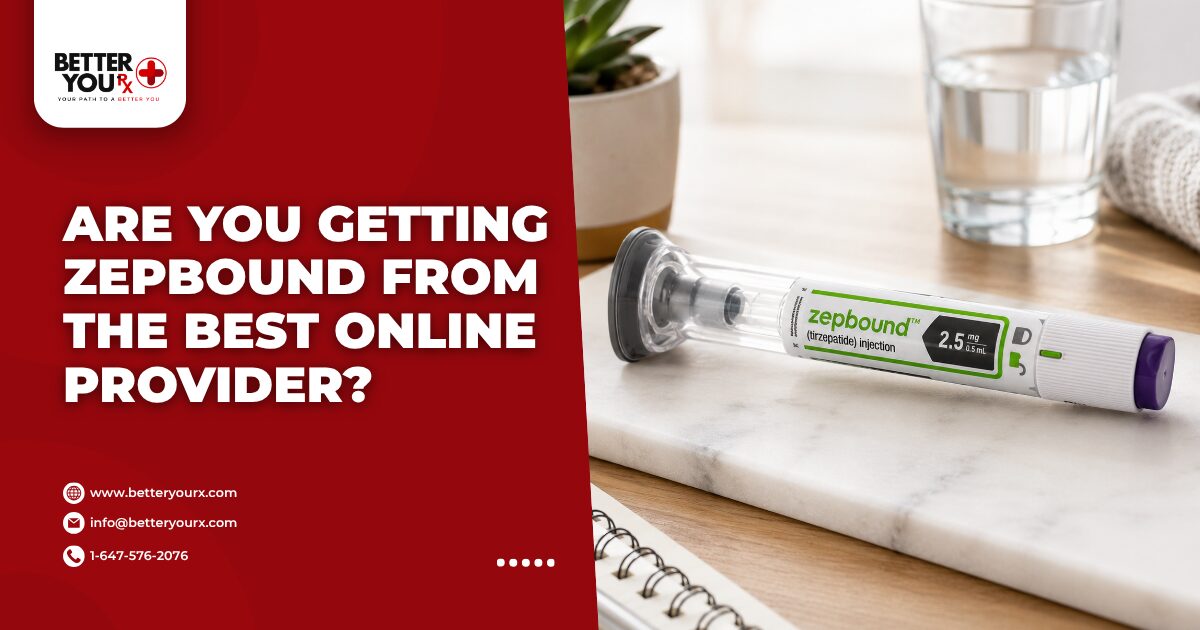
Does Zepbound need to be refrigerated becomes a crucial question once you receive your prescription for this weight management medication. Zepbound requires refrigeration between 36°F and 46°F (2°C to 8°C) when stored long-term to maintain its effectiveness. However, you can keep unopened Zepbound pens at room temperature up to 77°F (25°C) for a maximum of 21 days. Once you start using a pen, it remains stable at room temperature for up to 21 days before requiring disposal. Never freeze Zepbound, as freezing permanently damages the medication and makes it unsafe to use. Understanding proper storage prevents medication waste and ensures each dose works effectively for your weight management goals. Room temperature storage offers flexibility for daily use and travel, while refrigeration extends shelf life for unopened pens. 

Understanding Zepbound Storage Requirements

Zepbound contains tirzepatide, a medication that requires specific temperature conditions to remain effective. The active ingredient is a sensitive biological compound that breaks down when exposed to temperature extremes. Proper storage protects the medication’s potency and ensures safe, effective use.

Unopened Zepbound pens must stay refrigerated between 36°F and 46°F when stored for extended periods. This temperature range preserves the medication’s chemical structure and prevents degradation. Refrigeration extends the medication’s usable life until the expiration date printed on the pen.

The refrigerator’s main compartment provides ideal storage conditions. Avoid placing Zepbound in the freezer compartment or in areas that might freeze, such as near cooling vents. Keep the pens in their original carton to protect them from light exposure, which can also degrade the medication.

Store Zepbound away from the refrigerator door where temperature fluctuations occur more frequently. The constant opening and closing of the refrigerator door creates temperature variations that may affect medication stability. The middle or back shelves of the main compartment maintain more consistent temperatures.

Room temperature storage provides flexibility for active use. You can keep Zepbound at temperatures up to 77°F for 21 days maximum. This allowance makes daily dosing more convenient since you don’t need to handle cold medication during each injection.

Once you remove an unopened pen from the refrigerator for room temperature storage, you cannot return it to refrigerated conditions. The medication remains stable at room temperature for the 21-day window, but refrigerating it again after warming doesn’t reset this timeframe or extend usability.

Does Zepbound Need to Be Refrigerated During Use

Does Zepbound Need to Be Refrigerated?

Once you start using a Zepbound pen, refrigeration becomes optional rather than required. You can store in-use pens either in the refrigerator or at room temperature up to 77°F, depending on your preference and convenience.

Many people find room temperature injections more comfortable than cold ones. Cold medication can cause temporary discomfort at the injection site, while room temperature Zepbound typically feels less noticeable during administration. Storing your active pen at room temperature eliminates the need to warm it before each injection.

The 21-day room temperature limit applies from the moment you first use the pen, not from when you remove it from the refrigerator. Track the date of your first injection and dispose of the pen 21 days later, even if medication remains inside. This timeframe ensures the medication maintains full potency throughout its use period.

Whether stored in the refrigerator or at room temperature, protect in-use pens from direct sunlight and heat sources. Avoid leaving Zepbound in cars, near windows, or in other locations where temperatures might exceed 77°F. Excessive heat accelerates medication breakdown and reduces effectiveness.

Keep the pen cap on when not in use to protect the medication from light and contamination. The cap creates a seal that maintains sterility and prevents accidental needle sticks. Replace the cap immediately after each injection.

If you prefer refrigerated storage for in-use pens, allow the medication to reach room temperature before injecting. Remove the pen from the refrigerator 30 minutes before your scheduled dose. This warming period improves injection comfort and allows the medication to flow smoothly through the needle.

Ready to start your weight management journey? Order Zepbound KwikPen through Better You Rx, a prescription referral service offering convenient access to your medications.

ZepBound Room Temperature Storage Guidelines

Understanding room temperature storage limits helps you use Zepbound safely while maintaining flexibility in your daily routine. The 21-day room temperature window applies whether the pen is unopened or in use, giving you options for storage management.

Unopened Pen Storage

Unopened Zepbound pens can remain at room temperature up to 77°F for 21 consecutive days. This flexibility proves valuable when traveling or if refrigeration becomes temporarily unavailable. However, you must use or properly dispose of the pen within this timeframe.

Mark the date when you remove an unopened pen from the refrigerator. Write this date on the pen carton or keep a note in your phone to track the 21-day countdown. This practice prevents accidentally using expired medication that has exceeded room temperature storage limits.

Temperature consistency matters during room temperature storage. Avoid locations with significant temperature swings, such as bathrooms that get steamy or rooms that become very warm during the day. Stable temperatures between 68°F and 77°F provide optimal conditions.

In-Use Pen Storage

After your first injection from a pen, the 21-day room temperature clock starts regardless of where you store it. You can continue refrigerating the in-use pen or keep it at room temperature based on personal preference.

Calculate your disposal date from the first injection, not from when you started room temperature storage. For example, if you inject once weekly and take your first dose on January 1st, dispose of the pen on January 22nd, even if medication remains.

Some people find it helpful to label in-use pens with the first injection date and calculated disposal date. This clear marking prevents confusion about whether the pen remains usable, especially if you use multiple pens for different doses.

Temperature Monitoring

Consider using a room thermometer in the area where you store Zepbound at room temperature. This simple tool confirms that storage conditions stay within the acceptable range. Digital thermometers with min-max memory functions show whether temperatures exceeded safe limits while you were away.

During hot weather, indoor temperatures may exceed 77°F in homes without air conditioning. If your home gets too warm, store Zepbound in the coolest available location, use a cooler with ice packs for temporary storage, or return the medication to refrigeration if it hasn’t exceeded the 21-day room temperature limit.

Winter heating systems can also create temperature challenges. Avoid storing Zepbound near heating vents, radiators, or space heaters where localized temperatures might exceed safe limits even if the room feels comfortable overall.

Traveling With Zepbound

Travel requires extra planning to maintain proper storage conditions for Zepbound. Whether driving across town or flying internationally, you can transport your medication safely by following specific guidelines and using appropriate storage methods.

Short Trips and Daily Transport

For brief outings or daily activities, Zepbound remains stable without special storage equipment. If you’ll return home within a few hours, simply keep the medication in your bag away from direct heat sources. Avoid leaving Zepbound in hot cars, as vehicle interiors can quickly exceed safe storage temperatures.

When running errands on warm days, bring an insulated lunch bag if you’ll be away from home for several hours. Even without ice packs, the insulation provides some temperature protection. Place the medication in the center of the bag surrounded by other items for additional insulation.

Extended Travel and Vacation

Longer trips require more careful planning. Portable medication coolers designed for travel keep Zepbound within safe temperature ranges during extended journeys. These specialized coolers use ice packs, gel packs, or battery-powered cooling to maintain refrigeration temperatures.

Choose coolers specifically designed for medication storage rather than standard food coolers. Medication coolers provide more precise temperature control and often include temperature monitoring features. Look for models that maintain temperatures between 36°F and 46°F without freezing.

Pack ice packs around the Zepbound pen without allowing direct contact between the medication and frozen ice packs. Direct contact with ice can freeze the medication, permanently damaging it. Use a barrier like a small towel or the medication’s original packaging to prevent freezing.

Air Travel Considerations

Zepbound can travel in carry-on or checked luggage, though carry-on storage is generally preferable. Cabin temperatures remain more stable than cargo hold temperatures, and you maintain control over your medication throughout the journey.

Airport security allows medications in carry-on bags without size restrictions. Keep Zepbound in its original packaging with the prescription label visible. Inform security officers that you’re carrying refrigerated medication if they need to inspect your bag.

Consider the total travel time when planning air travel with Zepbound. If your journey including layovers exceeds a few hours, use a portable cooler to maintain appropriate temperatures. Many airport lounges provide refrigeration if you need to cool your medication during extended layovers.

Hotel and Accommodation Storage

Upon reaching your destination, immediately refrigerate Zepbound if you’ll be staying multiple days. Most hotel rooms include mini-fridges, but verify this amenity when booking. If no refrigerator is available, request one from the front desk or continue using your portable cooler with fresh ice packs.

Check the mini-fridge temperature if possible, as these units sometimes run warmer than standard refrigerators. If the refrigerator feels too warm or you’re uncertain about its temperature, continuing room temperature storage within the 21-day limit may be safer than using an inadequate refrigerator.

Planning a trip? Get your medications delivered before you travel from Better You Rx, a prescription referral service that makes medication access simple and convenient.

What Happens With Improper Storage

Understanding Zepbound Storage Requirements

Understanding the consequences of improper storage helps you recognize when Zepbound may no longer be safe or effective. Temperature violations, freezing, and extended room temperature exposure all compromise medication quality.

Temperature Exposure Above 77°F

When Zepbound experiences temperatures above 77°F, the medication begins degrading more rapidly. Brief exposure to slightly elevated temperatures may not completely ruin the medication, but extended heat exposure significantly reduces potency.

If Zepbound sits in temperatures above 77°F for more than a few hours, the medication’s effectiveness becomes questionable. The tirzepatide compound breaks down under heat stress, potentially resulting in reduced weight management effects even if the medication appears normal.

Heat-damaged Zepbound shows no visible signs of degradation. The liquid doesn’t change color, develop particles, or smell different when heat-damaged. This lack of obvious indicators makes temperature monitoring crucial for ensuring medication quality.

Freezing Damage

Freezing permanently damages Zepbound and makes it completely unusable. The freezing process disrupts the medication’s molecular structure in ways that cannot be reversed by thawing. Frozen Zepbound must be discarded immediately, even if it appears normal after thawing.

Check for freezing if you suspect your Zepbound experienced temperatures below 32°F. Look for ice crystals inside the pen or on the medication’s surface. If the medication was completely frozen and has thawed, discard it regardless of appearance.

Partial freezing can be difficult to detect. If you’re uncertain whether Zepbound froze, examine the liquid carefully for any cloudiness or particles that weren’t present before. When in doubt, contact your healthcare provider or pharmacist for guidance rather than using potentially damaged medication.

Extended Room Temperature Storage

Zepbound left at room temperature beyond 21 days loses potency even if temperatures stayed within the acceptable range. The 21-day limit exists because the medication gradually degrades at room temperature, eventually becoming less effective.

Using Zepbound after the 21-day room temperature limit may not cause harm, but it likely won’t provide full therapeutic benefits. The reduced potency means you might not achieve expected weight management results despite continuing injections.

Track room temperature storage time carefully and dispose of pens that exceed the 21-day limit. Don’t try to extend usability by returning the medication to the refrigerator. Once the room temperature countdown begins, refrigeration doesn’t pause or reset the timeline.

Signs of Compromised Medication

Inspect Zepbound before each use for signs of damage or contamination. Properly stored medication appears clear and colorless without particles, cloudiness, or discoloration. Any visible changes indicate the medication should not be used.

Discard Zepbound if you notice:

  • Cloudiness or haziness in the liquid
  • Particles, flakes, or floating debris
  • Color changes from clear to yellow, brown, or any other tint
  • Cracks or damage to the pen itself
  • The medication has been frozen
  • Room temperature storage exceeded 21 days
  • You’re uncertain about storage conditions

When uncertain about whether Zepbound remains safe to use, err on the side of caution and request a replacement. Using compromised medication provides no benefits and may delay your treatment progress.

Best Practices for Zepbound Storage

Implementing consistent storage habits ensures your Zepbound remains effective throughout its usable life. These practical strategies minimize storage errors and help you maintain optimal medication quality.

Organizing Your Storage Space

Dedicate a specific location in your refrigerator for Zepbound storage. This consistent placement prevents accidentally misplacing the medication and makes it easy to grab when needed. The middle shelf typically provides the most stable temperature.

Store Zepbound in its original carton even while refrigerated. The carton protects against light exposure and provides space to write important dates like when you started room temperature storage or when an in-use pen expires.

Keep a small calendar or note near your storage location to track important dates. Record the date you started using each pen and calculate the disposal date 21 days later. This visible reminder prevents accidentally using expired medication.

Creating Storage Routines

Establish consistent habits around medication storage. Check the temperature of your refrigerator monthly using a refrigerator thermometer. This proactive monitoring catches temperature problems before they compromise your medication.

After each injection, immediately return the pen to its designated storage location. This habit prevents accidentally leaving the medication out where it might experience temperature extremes or get lost.

When starting a new pen, transfer any tracking information from the old pen to the new one. Note the first injection date on the pen carton and set a reminder for 21 days later. These redundant tracking methods prevent confusion about medication status.

Preparing for Emergencies

Keep backup cooling options available for power outages or refrigerator failures. A small cooler and reusable ice packs provide temporary storage during emergencies. Store ice packs in your freezer so they’re ready when needed.

During power outages, a refrigerator maintains safe temperatures for several hours if you keep the door closed. Avoid opening the refrigerator unnecessarily during outages to preserve cold air. If power will be out for extended periods, transfer Zepbound to a cooler with ice packs.

Have your healthcare provider’s contact information readily available for storage questions or emergencies. Quick access to professional guidance helps you make informed decisions when storage problems arise.

Managing Multiple Pens

If you have several Zepbound pens, organize them by expiration date with the oldest in front. This rotation system ensures you use pens before they expire and reduces waste from expired medication.

Label each pen clearly if you’re managing multiple doses or sharing refrigerator space with family members using the same medication. Clear labeling prevents mix-ups and ensures each person uses their own prescribed supply.

Consider the storage timeline when ordering refills. Order new supplies with enough advance time to receive and refrigerate them before your current supply expires, but not so far ahead that pens approach their expiration dates before use.

Need help managing your prescriptions? Visit Better You Rx, a prescription referral service dedicated to making medication access easier and more affordable.

ZepBound Storage Myths and Facts

Several misconceptions about Zepbound storage persist despite clear guidance. Understanding the facts helps you store your medication properly and avoid common mistakes that compromise effectiveness.

Myth – You Can Refreeze Thawed Zepbound

Some people believe that if Zepbound accidentally freezes, allowing it to thaw completely makes it usable again. This is false. Freezing causes irreversible damage to the medication’s molecular structure. Once Zepbound freezes, it must be discarded regardless of whether it appears normal after thawing.

The freeze-thaw process disrupts the delicate protein structure of tirzepatide. Even if the medication looks clear and normal after thawing, its effectiveness is permanently compromised. Never attempt to use Zepbound that has been frozen.

Myth – Refrigeration Resets the Room Temperature Clock

Another common misconception suggests that returning room temperature Zepbound to the refrigerator pauses or resets the 21-day countdown. This is incorrect. Once Zepbound begins room temperature storage, the 21-day clock continues regardless of whether you refrigerate it again.

The medication degradation that occurs during room temperature storage is cumulative. Refrigeration after warming doesn’t reverse degradation that already happened. Track total room temperature exposure time, not just current storage conditions.

Myth – Cold Medication Works Better

Some users believe that injecting cold Zepbound directly from the refrigerator makes it more effective. Temperature at injection doesn’t affect medication potency. Cold injections simply feel less comfortable than room temperature ones.

The medication’s effectiveness depends on proper storage throughout its life, not its temperature at the moment of injection. Allowing refrigerated Zepbound to warm to room temperature before injecting improves comfort without affecting results.

Fact – Sunlight Damages Zepbound

Direct sunlight exposure can degrade Zepbound even if the temperature remains within acceptable ranges. Light-induced degradation occurs separately from temperature damage. Always store Zepbound in its original carton or another opaque container to protect it from light.

Window sills, countertops near windows, and other sun-exposed areas are unsuitable storage locations even if they feel cool. The combination of light and moderate warmth accelerates medication breakdown.

Fact – Storage Affects Your Results

Proper storage directly impacts your weight management outcomes. Degraded medication delivers reduced amounts of active tirzepatide, potentially resulting in diminished appetite suppression and weight management effects. Consistent proper storage ensures you receive full therapeutic benefits from each dose.

If you notice reduced effectiveness from your Zepbound injections, review your storage practices. Improper storage may explain unexpected changes in medication response.

Key Takeaways

Zepbound requires refrigeration between 36°F and 46°F for long-term storage, but offers flexibility with 21 days of room temperature storage up to 77°F. This combination of requirements and allowances makes Zepbound manageable for daily use while ensuring medication stability.

Never freeze Zepbound, as freezing causes permanent damage that makes the medication unusable. Store pens in the main refrigerator compartment away from freezing zones and temperature-variable areas like the door. Keep Zepbound in its original carton to protect against light exposure.

Track room temperature storage time carefully, starting the 21-day countdown from when you first remove the pen from refrigeration or take your first injection, whichever comes first. Dispose of pens after 21 days at room temperature, even if medication remains inside.

Travel with Zepbound using insulated bags or portable medication coolers for trips lasting several hours. Maintain temperature awareness during travel and immediately refrigerate the medication upon reaching your destination if staying multiple days.

Inspect Zepbound before each use for signs of damage like cloudiness, particles, or discoloration. Discard any medication that appears abnormal or if you’re uncertain about its storage history. Proper storage practices ensure each dose delivers full effectiveness for your weight management goals.

Frequently Asked Questions

What Happens if I Don’t Refrigerate Zepbound?

Unopened Zepbound can remain at room temperature up to 77°F for 21 days without refrigeration. After 21 days at room temperature, the medication begins losing potency and should be discarded. If you accidentally left unopened Zepbound unrefrigerated, check how long it was at room temperature. If less than 21 days and temperatures stayed below 77°F, the medication remains usable. Mark the date you discovered it was unrefrigerated and calculate 21 days from when it likely left refrigeration. If you’re uncertain how long it was unrefrigerated or if it exceeded 21 days, request a replacement rather than risk using compromised medication.

How to Keep Zepbound Cold While Traveling?

Keep Zepbound cold while traveling using insulated medication coolers with ice packs or gel packs. Choose coolers designed specifically for medication that maintain temperatures between 36°F and 46°F. Place ice packs around the Zepbound pen without direct contact to prevent freezing. For air travel, pack Zepbound in carry-on luggage where you control storage conditions. Most flights provide temperatures suitable for the 21-day room temperature allowance, but longer international trips benefit from portable cooling. When driving, never leave Zepbound in a parked car where temperatures can quickly exceed safe limits. Bring a small cooler even for day trips during hot weather.

What Happens to Zepbound After 21 Days?

After 21 days at room temperature, Zepbound begins degrading and losing effectiveness. The active ingredient tirzepatide breaks down gradually at room temperature, and the 21-day limit represents the point where potency loss becomes significant. Using Zepbound after 21 days at room temperature likely won’t cause harm, but it may not provide expected weight management benefits. The reduced potency means you might not experience full appetite suppression or weight loss effects despite continuing injections. Always dispose of Zepbound that exceeded the 21-day room temperature limit and start with a fresh pen to ensure optimal results.

What Happens if Tirzepatide Is Not Refrigerated?

Tirzepatide, the active ingredient in Zepbound, remains stable at room temperature up to 77°F for 21 days. Beyond this timeframe or at higher temperatures, tirzepatide begins breaking down and losing effectiveness. The medication doesn’t become harmful when left unrefrigerated within reasonable limits, but its potency decreases. Short-term lack of refrigeration within the 21-day window doesn’t damage tirzepatide if temperatures stayed below 77°F. However, extended unrefrigerated storage or exposure to high temperatures compromises the medication’s ability to provide weight management benefits. When uncertain about storage conditions, replace the medication rather than risk using ineffective tirzepatide.

Can I Carry Zepbound on a Plane?

You can carry Zepbound on a plane in either carry-on or checked luggage, though carry-on storage is preferable. Carry-on storage allows you to monitor medication conditions throughout your flight and prevents exposure to extreme cargo hold temperatures. Airport security permits medications in carry-on bags regardless of liquid volume restrictions. Keep Zepbound in its original packaging with the prescription label visible for security screening. Inform security officers you’re carrying refrigerated medication if needed. For flights lasting several hours, consider using a small insulated bag with ice packs to maintain appropriate temperatures, though the 21-day room temperature allowance covers most travel scenarios without special cooling equipment.

Is Tirzepatide Still Good if Left Out Overnight?

Tirzepatide remains good if left out overnight as long as room temperature stayed below 77°F and the total room temperature storage time doesn’t exceed 21 days. One night at room temperature doesn’t damage the medication. However, start tracking the 21-day countdown from when you left it out if this was an unopened pen’s first room temperature exposure. If the pen was already in use or previously at room temperature, add the overnight hours to your cumulative room temperature time. Check that the medication appears clear and colorless before your next injection. If anything looks abnormal or you’re concerned about storage conditions, contact your healthcare provider for guidance.

Does Zepbound Need to Be Refrigerated After Opening?

Zepbound does not require refrigeration after opening, though you can continue refrigerating in-use pens if preferred. Once you take your first injection from a pen, you can store it at room temperature up to 77°F for 21 days total. Many people find room temperature storage more convenient for active pens since it eliminates the need to warm the medication before each injection. Whether you refrigerate or use room temperature storage, the 21-day disposal timeline starts from your first injection. After 21 days, discard the pen even if medication remains inside. Choose whichever storage method feels most convenient while staying within the 21-day limit and temperature requirements.

Where to Inject Zepbound? A Step-by-Step Guide

Where to inject Zepbound determines how well this weight loss medication works for you. Tirzepatide, the active ingredient in Zepbound, must be injected into the fatty layer beneath your skin for proper absorption. You have three approved areas to choose from – the belly, thighs, and upper arms. Each spot has different benefits based on your body type and comfort level. The belly usually absorbs medication fastest, thighs allow easy self-administration, and upper arms work well with assistance. Getting the technique right means knowing how deep to inject, which spots to avoid, staying two inches away from your belly button, and picking the right time of day. Rotating between different sites prevents skin problems and keeps the medication working consistently. This guide walks you through site selection, proper injection angles, preparation steps, timing considerations, and answers common questions about making your treatment successful.

Where to Inject Zepbound?

Choosing Your Injection Location

Zepbound requires injection into subcutaneous fat, the layer between your skin and muscle. Three body areas provide the right amount of fatty tissue for effective medication delivery. Your belly offers the largest injection area and typically fastest absorption. The front and outer thighs give you easy access for self-injection without help. The back of your upper arms works when someone else can assist you.

Pick locations where you can pinch at least an inch of skin and fat. Thinner individuals might find certain areas work better than others based on their body composition. Women often have more subcutaneous fat in thighs and hips, while men typically carry more around the midsection.

Approved Injection Sites Comparison

Injection Site Advantages Considerations Best For
Abdomen Fastest absorption, largest area, easiest rotation Must stay 2 inches from belly button Most people, maximum effectiveness
Thighs Easy self-injection, good visibility, comfortable access Less fatty tissue in some individuals Self-administration, privacy needs
Upper Arms Keeps marks less visible, comfortable for some Requires assistance from another person Those with help available

Switch between different sites with each weekly injection. This rotation prevents the same spot from getting overused, which can cause lumps, skin changes, or reduced absorption over time. Keep a simple log of where you inject each week to maintain a consistent pattern.

Belly Injection Technique

Your abdomen provides the most versatile area for Zepbound injections. The region around your midsection contains abundant fatty tissue in most people, making it ideal for medication absorption. Target areas at least two inches from your belly button on all sides – this distance helps avoid the denser tissue directly around the navel.

Divide your belly into four sections mentally. The upper right quadrant sits between your belly button and right ribcage. The upper left mirrors this on the opposite side. Lower sections extend from your navel down toward your hip bones on each side. Avoid injecting along the centerline of your body where fat tissue is less consistent.

Key Belly Injection Points

  • Upper right abdomen – Between belly button and right ribcage, ideal for first weekly rotation
  • Upper left abdomen – Mirror area on left side, maintains absorption consistency
  • Lower right abdomen – Between belly button and right hip bone, comfortable seated position
  • Lower left abdomen – Completes rotation cycle, prevents tissue overuse
  • Side areas – Flanks on either side provide additional rotation spots when needed

Stay away from areas with scars, moles, stretch marks, or any skin abnormalities. These spots can affect how the medication absorbs into your system. Also avoid any areas that feel hard, tender, bruised, or swollen from previous injections.

Thigh Injection Method

The front and outer portions of your thighs work excellently for self-administered Zepbound injections. Sit down comfortably and identify the middle third of your thigh – the area halfway between your hip and knee provides the best fatty tissue for injection.

Focus on the top and outer surface of your thigh, avoiding the inner portion where major blood vessels run closer to the skin. The outer thigh typically has more subcutaneous fat and fewer nerve endings, reducing discomfort during injection.

When sitting, your thigh naturally flattens, making it easier to pinch the skin and create a proper injection site. You can see exactly what you’re doing throughout the entire process, which many people find reassuring, especially when starting treatment.

Thigh Injection Best Practices

  • Middle third positioning – Measure halfway between hip and knee for optimal fat layer
  • Outer surface focus – Avoid inner thigh to prevent hitting blood vessels
  • Sitting position – Allows better access and visibility during injection
  • Right-left alternation – Switch legs weekly to distribute injection impact
  • Vertical variation – Move injection spot up or down a few inches each time

Alternate between right and left thighs weekly, and vary the exact spot on each leg. Move up or down a few inches, or shift between the front and outer portions to distribute injections across different tissue areas.

Upper Arm Administration

The back of your upper arm contains adequate fatty tissue for Zepbound injection, though this site typically requires another person’s help. The target area runs from your shoulder down about halfway to your elbow, focusing on the fleshiest part of your triceps.

This location works best when you have a family member, friend, or caregiver who can administer your weekly injection. The person helping you should pinch the skin at the back of your arm to create a fold of tissue for proper subcutaneous delivery.

If using this site, make sure the person assisting you understands proper injection technique. They should insert the needle at a 90-degree angle into pinched skin, hold it steady during medication delivery, and withdraw it smoothly after the full dose administers.

Some people prefer this site because it keeps injection marks away from areas they see frequently. The upper arm also tends to have less sensitivity than the belly for some individuals, though this varies by person.

Looking for affordable access to your weight loss treatment? Visit Better You Rx and get your medication through our prescription referral service.

What is the Best Injection Site for Zepbound?

The belly ranks as the most effective injection site for most Zepbound users. This area typically provides the fastest and most consistent medication absorption due to rich blood supply and abundant fatty tissue. The large surface area gives you plenty of room to rotate injection spots while maintaining effectiveness.

Studies on similar medications show abdominal injections often produce more predictable blood level patterns compared to other sites. The consistent absorption helps maintain steady medication levels throughout the week between doses.

Why the Belly Works Best

  • Fastest absorption rate – Rich blood supply delivers medication efficiently into your system
  • Most fatty tissue – Provides ideal subcutaneous layer for proper injection depth
  • Largest rotation area – Multiple spots prevent tissue damage from repeated use
  • Consistent results – Predictable absorption maintains steady medication levels
  • Easy self-access – Visible and reachable without assistance from others
  • Proven effectiveness – Most studied site for similar weight loss medications

However, “best” depends on your individual circumstances. People with limited abdominal fat might achieve better results using their thighs. Those who experience discomfort with belly injections may prefer their thighs or arms. Some individuals rotate through all three sites to prevent any single area from developing tissue changes.

Listen to your body’s response. If you notice better appetite control or fewer side effects with a particular site, that location might work best for your physiology. Track which sites you use and any patterns you notice in how you feel.

Consider practical factors too. If you travel frequently, thigh injections offer more privacy. If you have assistance at home, upper arm injections might appeal to you. The most important factor is choosing a site you’ll use consistently every week.

Step-by-Step Injection Process

Remove your Zepbound KwikPen from the refrigerator 30 minutes before injection time. Cold medication can cause more discomfort, so allowing it to reach room temperature improves the experience. Never warm the pen artificially using hot water, microwaves, or direct sunlight.

Wash your hands thoroughly with soap and water, scrubbing for at least 20 seconds. Clean the chosen injection site with an alcohol wipe, moving in a circular motion from the center outward. Let your skin air dry completely – wet skin can cause stinging when the needle enters.

Complete Injection Steps

  1. Prepare the pen – Remove from refrigerator 30 minutes early, check medication clarity
  2. Wash hands – Scrub with soap and warm water for 20 seconds minimum
  3. Clean injection site – Use alcohol wipe in circular motion, allow to air dry
  4. Attach new needle – Remove cap, twist on fresh needle, never reuse old needles
  5. Dial dose – Set prescribed amount, double-check dose window for accuracy
  6. Pinch skin – Create 1-2 inch fold of skin and fat at injection site
  7. Insert needle – Hold pen at 90-degree angle, push needle all the way in
  8. Inject medication – Press button, hold firmly while counting to 10 slowly
  9. Withdraw needle – Keep button pressed, pull straight out from skin
  10. Dispose safely – Place used needle immediately into sharps container

Pinch a fold of skin at your chosen injection site. Hold the pen at a 90-degree angle against your skin. Press the injection button firmly and hold it down while counting to 10 slowly. This ensures the full dose delivers properly. You might feel slight pressure but shouldn’t experience sharp pain.

Keep the button pressed while withdrawing the needle straight out from your skin. Release the pinched skin and apply gentle pressure with a clean cotton ball if needed. Don’t rub the injection site, as this can affect medication absorption. Dispose of the used needle immediately in a sharps container.

Ready to save on your Zepbound prescription? Buy cheap Zepbound online from Canada through Better You Rx, a prescription referral service that connects you with licensed contracted pharmacy departments.

What is the Best Time to Inject Zepbound?

Managing Injection Site Reactions

Zepbound can be taken any time of day that fits your schedule, but consistency matters more than the specific hour. Pick a time you can stick with every week – the same day and roughly the same time helps maintain steady medication levels in your system.

Many people prefer evening injections. Taking Zepbound before bed means any temporary side effects like nausea might occur while sleeping, reducing their impact on daily activities. Evening administration also works well for people with busy morning routines.

Timing Options Throughout the Day

Time of Day Benefits Ideal For
Early Morning (6-8 AM) Easy to remember, monitor side effects during day People with structured routines, early risers
Midday (12-2 PM) Flexible for work breaks, neutral meal timing Those with lunch flexibility, shift workers
Evening (6-8 PM) Side effects occur during sleep, convenient after work Busy professionals, those experiencing nausea
Before Bed (9-11 PM) Maximum sleep during adjustment period People with evening routines, night schedules

Morning injections work better for others, especially those who want to monitor how they feel after dosing. Some individuals find taking Zepbound early helps them remember their weekly schedule more easily. Morning dosing also aligns well with people who eat their largest meals later in the day.

Consider your eating patterns when scheduling injections. While Zepbound doesn’t require food to work properly, some people experience less nausea when they haven’t eaten recently. Others prefer having something light in their stomach. Experiment to find what minimizes side effects for you.

Weekend dosing gives you flexibility if side effects occur. Taking your injection on Saturday or Sunday means you have time to rest if needed without missing work or other weekday obligations. However, weekday dosing works fine if it better matches your routine.

Mark your calendar or set phone reminders for your injection day. Missing doses or taking them irregularly can reduce effectiveness and may increase side effects when you resume treatment. If you miss a dose by more than four days, contact your prescribing medical professional for guidance.

Injection Depth and Angle

Zepbound must reach the subcutaneous layer – the fatty tissue between skin and muscle. Proper needle depth ensures medication absorbs correctly without going too shallow or too deep. The KwikPen needles are designed to reach this layer when inserted at a 90-degree angle.

Pinching your skin before injection helps ensure the needle reaches fat rather than muscle. Create a fold of skin and fat about one to two inches wide. This technique works especially well for people with less body fat or when using the thigh area.

Proper Injection Technique Elements

  • 90-degree angle – Needle perpendicular to skin surface ensures correct depth
  • Skin pinching – Creates 1-2 inch fold to lift fat layer away from muscle
  • Full needle insertion – Push needle completely in for proper subcutaneous delivery
  • Steady hand position – Hold pen firmly against skin throughout injection
  • 10-second hold – Count slowly to ensure complete dose administration
  • Straight withdrawal – Pull needle out same angle it went in to prevent tissue damage

Insert the needle straight down at a right angle to your skin surface. Angled injections might not deliver medication to the correct tissue depth. The entire needle should enter your skin – don’t be afraid to push it all the way in. The needles are designed specifically for subcutaneous injection depth.

People with more body fat might not need to pinch skin before injection. The fatty layer is thick enough that a straight injection at 90 degrees will reach the right depth. Those with less subcutaneous fat benefit more from the pinching technique.

Injecting too shallow puts medication just under the skin surface rather than in fatty tissue. This can cause lumps, reduced absorption, and increased local reactions. Injecting too deep reaches muscle, which absorbs medication faster than intended and may cause different side effects.

Areas to Avoid

Stay at least two inches away from your belly button in all directions. The navel area has different tissue density and may not absorb medication as consistently as surrounding areas. Injecting too close can also cause more discomfort due to nerve sensitivity.

Locations to Skip During Injection

  • Belly button zone – Two-inch radius around navel has inconsistent tissue density
  • Visible veins – Risk of hitting blood vessels increases pain and bruising
  • Scars and moles – Altered tissue composition affects medication absorption
  • Tattoos – Ink changes skin structure, may reduce absorption effectiveness
  • Previous injection lumps – Hard or tender areas need recovery time
  • Active skin conditions – Rashes, sunburn, or inflammation increase infection risk
  • Waistband areas – Clothing friction causes additional irritation
  • Inner thighs – Major blood vessels run close to surface
  • Directly over bones – Hip bones, kneecaps lack adequate fatty tissue
  • Recent injection sites – Wait 4 weeks before using same exact spot

Never inject into areas with visible veins, bruises, scars, moles, or tattoos. These features indicate tissue changes that could affect medication absorption. Scars contain different tissue composition that might not absorb Zepbound properly.

Avoid any spots that feel hard, lumpy, or tender from previous injections. These signs indicate tissue changes that need time to heal. Continuing to inject in affected areas can worsen the problem and reduce medication effectiveness.

Skip areas with active skin conditions like rashes, sunburn, inflammation, or infections. Wait until skin returns to normal before using affected areas for injection. Injecting into irritated skin increases infection risk and can be quite painful.

Don’t inject into the same exact spot more frequently than every four weeks. Your body needs time for tissue to fully recover between injections at the same location. Most people find rotating through enough different spots means they never use the exact same point twice.

The waistline where clothing bands sit often experiences irritation from rubbing. Choose injection sites slightly above or below where waistbands, belts, or tight clothing typically rest to avoid additional irritation.

Managing Injection Site Reactions

Minor redness, slight swelling, or mild tenderness at injection sites is common and usually resolves within a few days. These reactions indicate your body responding to the injection but don’t necessarily signal a problem. Apply a cool compress for 10-15 minutes if the area feels uncomfortable.

Bruising happens occasionally, especially if the needle hits a small blood vessel. This is harmless and will fade like any bruise. People taking blood thinners might bruise more easily. Applying gentle pressure immediately after injection can minimize bruising.

Common Reactions and Solutions

Reaction Type Appearance Duration Home Treatment
Redness Pink to red circle around injection 1-3 days Cool compress, avoid touching area
Mild swelling Slight raised bump at site 2-4 days Ice pack 10-15 minutes, elevation if possible
Bruising Purple, blue, or yellow discoloration 5-10 days Gentle pressure after injection, avoid blood thinners if possible
Small lumps Firm bump under skin 1-3 weeks Rotate sites, warm compress after 48 hours
Tenderness Soreness when touched 2-5 days Avoid pressure on area, over-the-counter pain relief if needed
Mild itching Slight tickling sensation 1-2 days Cool cloth, avoid scratching, antihistamine if severe

Small lumps under the skin sometimes develop at injection sites. These typically result from medication pooling in one spot or injecting too shallow. They usually disappear within a few weeks as your body absorbs the medication. Avoid injecting in the same area until the lump resolves completely.

Itching at injection sites can occur but shouldn’t be severe. Mild itching usually passes quickly. Avoid scratching, which can irritate skin further or introduce bacteria. If itching persists or spreads beyond the injection site, contact your medical professional.

Significant swelling, severe pain, warmth, or redness spreading beyond the immediate injection area might indicate infection. These symptoms are uncommon but require medical attention. Proper technique and clean injection practices prevent most infections.

Rotating injection sites remains the best prevention for skin reactions. Using the same area repeatedly causes cumulative irritation that worsens over time. Give each site adequate rest between injections by following a rotation schedule.

Order Zepbound through Better You Rx and receive your medication delivered directly to your home.
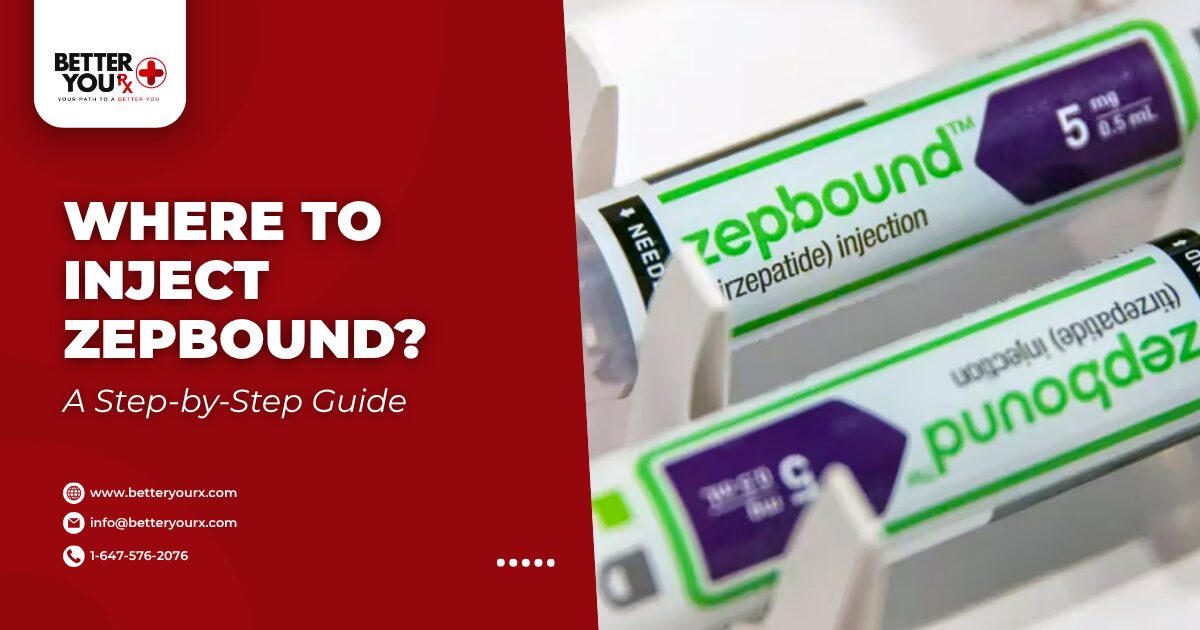
Storing Your Zepbound Pen

Step-by-Step Injection Process

Keep unopened Zepbound KwikPens refrigerated at 36-46°F until you’re ready to use them. Don’t freeze the pens – frozen medication becomes ineffective and must be discarded. Store pens in their original carton to protect from light.

Once you start using a pen, you can keep it refrigerated or at room temperature up to 86°F for up to 21 days. Many people prefer room temperature storage for the pen they’re currently using since this eliminates the need to warm it before each injection.

Storage Guidelines Summary

  • Unopened pens – Refrigerate at 36-46°F in original carton until first use
  • Opened pens – Refrigerate or keep at room temperature up to 86°F for 21 days maximum
  • Never freeze – Frozen medication loses effectiveness and must be thrown away
  • Protect from light – Keep in carton to prevent light damage to medication
  • Avoid extreme heat – Never leave in cars, direct sunlight, or near heat sources
  • Travel considerations – Use cooling case for trips without refrigeration access
  • Check appearance – Medication should stay clear and colorless throughout storage
  • Secure location – Store where children and pets cannot access pens

Never leave Zepbound in direct sunlight, near heat sources, or in very cold environments like car trunks during winter. Extreme temperatures damage the medication and reduce effectiveness. If a pen freezes or overheats, throw it away even if the medication looks normal.

Always check the medication appearance before each injection. Zepbound should look clear and colorless. Any cloudiness, color change, or floating particles means the pen should not be used. Contact your prescribing medical professional for a replacement.

Keep pens out of reach of children and pets. Store them in a secure location where others won’t accidentally use them. The medication is prescribed specifically for you and should never be shared with others.

Travel with Zepbound requires planning. Use a cooling case if you’ll be away from refrigeration for extended periods. Airport security allows medication and cooling packs through checkpoints – keep your prescription information handy when traveling.

Troubleshooting Common Issues

If medication doesn’t seem to flow during injection, the pen might be clogged or damaged. Check that you’ve dialed the correct dose and attached the needle properly. Sometimes air bubbles block flow – performing a test shot before injecting can clear these.

Experiencing pain during injection often means you’ve hit a nerve or muscle. If sharp pain occurs, withdraw the needle and choose a different spot at least an inch away. Pinching more skin before injection helps avoid going too deep.

Quick Solutions for Injection Problems

  • Pen won’t inject – Verify dose dial setting, check needle attachment, try test shot to clear air
  • Sharp pain during injection – Stop immediately, withdraw needle, choose new spot 1+ inches away
  • Medication leaking – Hold button full 10 seconds, ensure needle fully inserted before pressing
  • Bruising frequently – Apply pressure after injection, avoid areas with visible veins
  • Consistent lumps forming – Check injection depth, rotate sites more thoroughly, pinch skin properly
  • Needle won’t attach – Ensure pen cap fully removed, align needle straight, twist firmly
  • Dose window unclear – Clean pen exterior, check in good lighting, replace pen if damaged
  • Forgetting injection day – Set phone reminders, mark calendar, pair with weekly routine

Missing your weekly injection by a day or two won’t significantly impact results. Take your dose as soon as you remember if it’s within four days of your scheduled time. If more than four days have passed, skip the missed dose and resume your regular schedule the following week.

Increased side effects after changing injection sites can happen as your body adjusts to absorbing medication from a different area. These changes usually settle within a week or two. If side effects become severe or don’t improve, consult your medical professional.

Running out of injection sites while still seeing reactions at previous spots might mean you’re not rotating broadly enough. Each approved body area contains multiple injection zones – expand your rotation to include more variation within each site.

Difficulty self-injecting in certain areas suggests you might benefit from trying a different site or asking for assistance. Not everyone can comfortably reach all approved injection areas. Focus on locations you can access independently if help isn’t available.

Final Thoughts on Injection Success

Mastering proper Zepbound injection technique takes practice but becomes routine within a few weeks. The key elements include choosing appropriate sites with adequate fatty tissue, rotating locations to prevent tissue damage, and maintaining consistent timing with your weekly doses. Clean technique prevents infections while correct depth and angle ensure optimal medication absorption.

Your success with Zepbound depends on more than just where you inject. Combining proper administration with healthy lifestyle choices amplifies results. Stay hydrated, eat balanced meals, and incorporate physical activity that matches your fitness level. These habits work synergistically with the medication’s appetite-suppressing effects.

Track your injection sites using a simple calendar or notes app on your phone. This prevents accidentally using the same location too frequently. Note any patterns in side effects related to different injection sites so you can optimize your routine based on your body’s responses.

Frequently Asked Questions

How to Make Zepbound Most Effective?

Taking Zepbound at the same time each week maximizes effectiveness by maintaining consistent medication levels. Combine your injections with healthy eating habits and regular physical activity for best results. Proper injection technique matters too – rotate sites, inject at correct depth, and hold the pen in place for a full 10-second count. Staying well-hydrated helps your body process the medication efficiently. Track your progress with measurements and photos rather than focusing solely on scale weight. Give the medication adequate time to work – most people see significant results within 12-20 weeks. Never increase your dose without medical guidance, as your body needs time to adjust at each level.

Where Do Zepbound Injections Go?

Zepbound injections go into the subcutaneous fat layer beneath your skin but above muscle tissue. The medication specifically targets this fatty layer where it absorbs slowly into your bloodstream over several days. Three approved locations contain adequate subcutaneous fat – your belly, thighs, and upper arms. The belly provides the largest area and most consistent absorption. Thighs offer easy self-injection access. Upper arms work well with assistance. The medication does not go into veins, muscles, or directly under skin surface. Proper depth ensures the medication releases at the intended rate for week-long appetite control.

What Happens if You Inject Zepbound in the Wrong Place?

Injecting Zepbound into muscle rather than fat causes faster absorption than intended, potentially leading to increased side effects and reduced week-long effectiveness. The medication works best when it releases slowly from fatty tissue. Muscle injections bypass this controlled release. Injecting too shallow just under skin surface can cause lumps, pain, and poor absorption as the medication pools instead of dispersing properly. Using non-approved areas like buttocks hasn’t been studied and might not provide consistent results. Wrong placement won’t cause serious harm but reduces how well the medication works. If you accidentally inject in the wrong spot, continue your regular schedule the following week and use proper technique going forward.

Where is the Best Place to Inject for Weight Loss?

The belly typically provides the best results for weight loss with Zepbound because it offers consistent medication absorption and plenty of rotation options. The large abdominal area lets you vary injection spots extensively while maintaining effectiveness. However, individual body composition matters – people with less abdominal fat might achieve better results using their thighs where they have more subcutaneous tissue. Consistency matters more than the specific site you choose. Pick a location you can access easily and use reliably every week. Rotating through all three approved sites prevents tissue damage that could reduce absorption over time. The best injection site is ultimately the one you’ll use correctly and consistently.

Where is the Best Place to Take the Zepbound Shot for Weight Loss?

The front and outer thighs work excellently for weight loss injections because this area combines easy access with adequate fatty tissue in most people. Thigh injections let you see exactly what you’re doing throughout the process, which helps maintain proper technique. The belly offers even more surface area for rotation and typically fastest absorption, making it another top choice. Either location works effectively when you use correct injection technique. Choose based on your comfort level and body composition. Some people prefer alternating between belly and thighs to maximize rotation options. Avoid inner thighs, backs of legs, or any areas without sufficient pinchable fat. The key is using sites with enough subcutaneous tissue for proper medication delivery.

Should I Take Zepbound on an Empty Stomach?

Zepbound works regardless of whether you’ve eaten recently – food doesn’t affect how the medication absorbs from subcutaneous tissue. You can inject before meals, after eating, or any time that fits your schedule. However, some people experience less nausea when they haven’t eaten immediately before injection. Others find having light food in their stomach reduces discomfort. Pay attention to how you feel and adjust timing based on your response. The medication suppresses appetite for days after injection, so immediate food intake doesn’t impact its effectiveness. Choose injection timing based on your schedule and comfort rather than meal timing. Consistency with your weekly schedule matters far more than whether your stomach is empty or full.

What Happens if You Inject Tirzepatide Too Close to the Belly Button?

Injecting tirzepatide within two inches of your belly button can cause inconsistent absorption because tissue density differs in this area. The navel region contains denser connective tissue with less subcutaneous fat compared to surrounding areas. This can slow medication absorption or create uneven delivery. The area immediately around the belly button also has more nerve endings, making injections potentially more uncomfortable. You might experience more local reactions like redness or tenderness when injecting too close to the navel. While not dangerous, it reduces medication effectiveness and increases discomfort. Always measure at least two inches away from your belly button in all directions before injecting. This spacing ensures you’re using optimal fatty tissue for proper medication absorption and minimizes unwanted reactions.


Why Increase Zepbound Dose? Understanding the Step-Up Plan

Zepbound (Tirzepatide) follows a structured dose escalation approach that gradually increases medication strength over time. This method allows your body to adapt while minimizing potential side effects during treatment. The step-up plan typically begins at 2.5 mg weekly and progresses through higher doses based on your response and weight management goals. Each dose level serves a specific purpose in your treatment journey, with increases scheduled at four-week intervals. The gradual progression helps maintain effectiveness while supporting sustainable weight loss results. Understanding when and why doses increase helps you prepare for each phase of treatment. Most patients move through multiple dose levels before reaching their optimal maintenance dose, which varies based on individual response and health objectives. This step-by-step approach ensures your body adjusts properly while delivering consistent results throughout your weight loss journey.

How Your Body Adjusts to Higher Zepbound Doses

How Your Body Adjusts to Higher Zepbound Doses

Gradual dose increases work because your body needs time to get used to how Tirzepatide affects your system. Starting with smaller amounts and slowly increasing helps you avoid uncomfortable reactions while still getting good results.

Initial Body Response

When you first start taking Zepbound, your digestive system begins responding to the medication’s effects. The drug slows down how quickly food moves through your stomach and changes the signals your brain receives about hunger and fullness. These changes don’t happen all at once, which is why starting at a lower dose makes sense.

The beginning 2.5 mg dose helps your body learn how to work with the medication. This starting amount isn’t meant to be your final dose – it’s more like a gentle introduction that gets your metabolism ready for the treatment ahead. During these first weeks, your body starts activating the processes needed for weight loss without overwhelming your system. Your digestive system, hormone levels, and appetite signals all begin shifting in response to the medication. This early phase establishes the foundation for everything that comes next in your treatment.

Building Tolerance Over Time

After about four weeks, your body becomes familiar with the current dose. This adjustment means you’re ready to move up to the next level without experiencing strong side effects. The monthly timing between increases gives enough time to see how each dose works for you before adding more medication. Your body has fully adapted to the current strength, and staying at that level would likely result in diminishing returns as your system becomes too comfortable with the medication.

Studies show that people who increase doses slowly have better success over time compared to those who try to start at higher amounts right away. Patients following the step-up plan are less likely to stop treatment early and tend to lose weight more consistently throughout their journey. The gradual approach reduces the shock to your system and allows your body to build tolerance in a controlled, manageable way. This means fewer disruptions to your daily life and better adherence to your treatment schedule.

Progressive Adaptation Process

Your body builds tolerance at each level, which is a normal part of how medication works. This tolerance doesn’t mean the treatment stops working – it means you’re ready for the next step that will continue delivering results. The planned increases stay ahead of this adjustment process, keeping your weight loss moving forward. Think of tolerance as your body’s way of signaling that it can handle more now. What once felt like a strong effect becomes your new normal, indicating readiness for advancement.

Each dose level prepares your system for the next one. Think of it like building strength at the gym – you don’t start by lifting the heaviest weights. You begin with manageable amounts and gradually increase as your body becomes stronger. Zepbound dosing follows this same sensible approach. Your digestive system becomes more efficient at processing the medication, your hormone receptors become more responsive, and your body learns to maintain the metabolic changes even as doses increase.

Developing Healthy Habits

The step-up method also gives you time to develop new eating habits at each stage. As your appetite decreases with each dose increase, you naturally learn to eat smaller portions and make better food choices. These behavioral changes become ingrained over time, setting you up for success even after you complete your treatment. The medication creates the window of opportunity, but the habits you build during the dose escalation process determine your long-term results.

Standard Zepbound Dosing Schedule

The medication follows a predetermined escalation path designed for optimal results. Each patient begins at the same starting point regardless of their weight loss goals or medical history. This standardized approach ensures safety while allowing for individual variations in how quickly people progress through the levels.

Week 1-4 – Initial Phase

Starting dose at 2.5 mg weekly marks the beginning of your treatment journey. The primary focus during this month centers on body adaptation and tolerance assessment. You’ll likely notice mild appetite reduction and initial metabolic changes as your body responds to the medication. This phase involves gastrointestinal adjustment as your digestive system learns to work with Tirzepatide. Most people experience some stomach sensitivity during these first weeks, which is completely normal and expected. The key is giving your body the full four weeks to adjust before moving forward.

Week 5-8 – First Increase

Dose level increases to 5 mg weekly as you enter the second month of treatment. Treatment goals shift toward enhanced appetite control and steady weight reduction. Physical changes become more noticeable, with stronger fullness signals and natural portion size reduction happening almost automatically. The adjustment period continues as your GI system develops improved tolerance to the medication. Many patients report that this is when weight loss becomes more consistent and predictable. Your body has moved past the initial shock and now works efficiently with the medication.

Week 9-12 – Second Increase

Dose level moves up to 7.5 mg weekly during your third month. Therapeutic effects accelerate with improved metabolic response and sustained weight loss becoming evident. Body response shows established eating pattern changes and reduced cravings for high-calorie foods. Maintenance considerations begin as you and your provider assess whether this level provides adequate results or if further increases would benefit your progress. Some patients find their sweet spot at this dose and may stay here longer before advancing. Others notice their body is ready to keep climbing the dose ladder.

Week 13-16 – Third Increase

Dose level reaches 10 mg weekly as you complete your fourth month of treatment. Enhanced outcomes appear through maximized receptor activation and metabolic optimization throughout your body. Physical indicators include consistent weight loss trends and well-regulated appetite that feels natural rather than forced. Progress evaluation becomes important during this phase to review treatment effectiveness and tolerance levels. Your provider will likely want detailed feedback about how you’re feeling, what results you’re seeing, and whether side effects remain manageable. This checkpoint helps determine the path forward.

Week 17 and Beyond – Higher Dose Options

Available levels of 12.5 mg and 15 mg weekly provide options for sustained weight management and plateau prevention. The purpose of these higher doses focuses on helping patients who need additional support to reach their goals. Selection criteria depend on individual response patterns and remaining weight loss targets that haven’t been achieved at lower levels. Long-term strategy involves determining your maintenance dose for continued success after the active weight loss phase ends. Not everyone needs these maximum doses, but they’re available for those whose bodies require them to achieve optimal results.

Looking to start your weight management journey? Better You Rx connects you with licensed healthcare providers who can evaluate your needs and create a personalized treatment plan.

Why Increase Zepbound Dose Over Time

The progressive increase strategy addresses multiple physical and treatment factors that emerge during your weight loss journey. Your body’s response to medication changes as treatment continues, requiring dose adjustments to maintain effectiveness.

Metabolic Adaptation

Your metabolism naturally adapts as you continue taking the same dose week after week. The parts of your body that respond to Tirzepatide become somewhat used to the medication, which means the initial dose doesn’t work as strongly over time. Increasing the dose keeps these systems active and working properly for continued weight loss. This adaptation happens in your digestive tract, your brain’s hunger centers, and your body’s fat-burning processes. Without dose increases, these adaptations would eventually slow or stop your progress entirely.

Overcoming Weight Loss Plateaus

Weight loss plateaus represent another key reason for dose increases. As you lose weight, your body’s calorie-burning rate changes to match your new size. The dose that helped you lose weight initially may not produce the same results as your body composition changes. Higher doses give you back that advantage so you can keep making progress toward your goals. Your smaller body requires fewer calories to maintain itself, so the appetite suppression needs to be stronger to continue creating the calorie deficit necessary for ongoing weight loss.

Enhanced Appetite Control

Controlling your appetite requires ongoing medication support at the right strength. The starting dose provides basic appetite control, but losing more weight needs stronger signals to help you eat less. Each dose increase strengthens the fullness signals and helps you feel satisfied longer between meals. This enhanced satiety makes it easier to stick with smaller portions and resist cravings that might otherwise derail your progress. The medication does the heavy lifting while you focus on building healthy habits.

Individual Response Variations

Everyone responds to medication differently, which is why flexible dosing makes sense. Some people get great results at lower doses, while others need the maximum strength to reach their weight loss targets. The step-up plan works for these differences by offering several dose options throughout your treatment. Your genetics, metabolism, starting weight, and lifestyle factors all influence how you respond to each dose level. The structured increases ensure everyone has the opportunity to find their optimal dose.

Timing and Momentum

The timing of dose increases matters for keeping your progress steady. Waiting too long at a lower dose when your body is ready for more can slow down your results. Moving up at the right time keeps your weight loss momentum going without unnecessary delays. Conversely, rushing through doses before your body has fully adapted can trigger uncomfortable side effects that might force you to pause or reduce your dose. The four-week intervals represent the sweet spot for most patients.

Behavioral Changes Support

Your eating habits change as doses increase. Higher amounts help you naturally eat smaller portions and feel full faster. These changes support the behavioral adjustments needed for long-term weight management success beyond just taking medication. You learn to recognize true hunger versus boredom or emotional eating. You discover that smaller amounts of food actually satisfy you when you eat slowly and mindfully. These lessons stay with you even after treatment ends.

Fat Metabolism Enhancement

The medication also impacts how your body stores and burns fat. Higher doses activate more fat-burning processes while reducing fat storage signals. This metabolic shift becomes more pronounced as doses increase, contributing to accelerated weight loss in the later stages of treatment. Your body becomes more efficient at using stored fat for energy, which is exactly what you want when trying to lose weight.

Dose Level Primary Purpose Typical Duration Expected Outcomes
2.5 mg Treatment start and tolerance building 4 weeks Initial appetite changes, 2-3% weight reduction
5 mg Active treatment and steady progress 4 weeks Better appetite control, 4-6% total weight loss
7.5 mg Metabolism boost and continued momentum 4 weeks Stronger fullness signals, 7-10% total weight loss
10 mg Sustained effectiveness and avoiding plateaus 4+ weeks Consistent progress, 10-14% total weight loss
12.5 mg Advanced weight management support Ongoing Maintained momentum, 14-18% total weight loss
15 mg Maximum strength benefit Maintenance Peak effectiveness, 18-22%+ total weight loss

Signs You’re Ready for the Next Dose Level

Standard Zepbound Dosing Schedule

Recognizing readiness for dose increases involves watching for specific signals that show your body has adjusted to the current level. These signs help confirm that moving up will benefit your treatment progress rather than causing unnecessary problems.

Digestive System Indicators

Your digestive system gives clear signals when adjustment happens. Starting side effects like mild nausea or bathroom changes typically get better after two to three weeks at each dose level. When these effects go away completely, your body shows it’s ready for advancement. You’ll notice that foods you avoided during the initial adjustment period no longer bother you. Your stomach feels settled and comfortable most of the time. This stability indicates your GI system has fully adapted to the current medication strength.

Appetite Pattern Changes

Appetite patterns shift as tolerance develops at each dose. You may notice hunger returning closer to how it was before treatment, or feeling less satisfied after meals than you did during the first weeks at this dose. These changes indicate that the current dose no longer provides strong enough appetite suppression, suggesting potential benefit from a higher concentration. You might find yourself thinking about food more often or needing larger portions to feel full. These are natural signs of adaptation, not treatment failure.

Weight Loss Progress Markers

Weight loss progression provides important markers for readiness. Consistent weight loss at the current dose level indicates proper medication response. When you experience steady reduction for three to four weeks, this establishes a baseline for comparison. A subsequent slowdown or plateau in weight loss, despite maintained lifestyle habits, often signals the need for dose adjustment. If you’re doing everything right with diet and exercise but the scale stops moving, your body is likely ready for more medication support.

Energy and Physical Capacity

Energy levels and physical capacity improve as treatment progresses. Patients ready for dose increases typically report stable energy throughout the day and improved exercise tolerance. These positive changes confirm that your body handles the current dose well without adverse effects limiting daily activities. You feel strong enough to increase your physical activity, which is a great sign that the medication is working with your body rather than against it.

Timeline Considerations

The standard four-week interval between doses exists for specific reasons. Advancing before this timeframe prevents accurate assessment of each dose level’s full effects. Your body needs the complete month to show its true response pattern. Some people feel ready to increase sooner, but patience during this period pays off with smoother transitions and better results. Waiting beyond four weeks without good medical reasons may delay optimal results and extend overall treatment duration unnecessarily.

Mental and Emotional Readiness

Your mental state also reflects readiness for dose advancement. Feeling confident and positive about your progress indicates you’re handling the current dose well psychologically. If you’re anxious, overwhelmed, or struggling with the lifestyle changes, you might benefit from staying at the current level a bit longer to build more confidence before advancing. The medication works best when your mental and physical readiness align.

Sleep Quality Improvements

Sleep quality often improves as your body adjusts to each dose. When you’re sleeping well consistently, waking up refreshed, and maintaining good energy during the day, these signs suggest your body has adapted fully to the current strength. Poor sleep or fatigue that persists beyond the first two weeks might indicate you need more time at your current dose before moving up.

Ready to take the next step in your treatment? Order Zepbound Kwikpen through Better You Rx, a prescription referral service offering access to quality medications at competitive rates.

Managing Side Effects During Dose Increases

Each dose escalation brings the possibility of renewed side effects as your body adjusts to higher medication concentrations. Understanding how to manage these effects supports successful progression through the treatment plan without unnecessary discomfort or disruption to your daily life.

Digestive Changes and Nausea

Digestive changes represent the most common side effects during dose increases. Nausea typically appears within the first few days after advancing to a new level and gradually subsides over one to two weeks. This pattern repeats with each increase, though many people find that later increases cause less nausea than earlier ones as their body becomes more accustomed to the medication’s effects. The nausea usually feels worst in the morning or after eating, and tends to improve as the day goes on.

Eating Strategies for Comfort

Eating smaller, more frequent meals throughout the day helps manage nausea and digestive discomfort. Instead of three large meals, try five or six small eating occasions spread across your waking hours. This approach keeps your stomach from getting too empty or too full, both of which can trigger nausea.

  • Choose bland, easily digestible foods during adjustment periods – think plain rice, toast, bananas, applesauce, and lean proteins prepared simply
  • Avoid high-fat or heavily spiced dishes that may trigger discomfort
  • Stay upright for at least 30 minutes after eating to help your stomach process food more comfortably
  • Prop yourself up with pillows if you need to rest rather than lying flat

Hydration Management

Hydrate consistently with small sips of water or clear fluids throughout the day. Dehydration worsens nausea and other side effects, but drinking large amounts at once can make you feel uncomfortably full. Keep a water bottle nearby and take small sips regularly. Some people find that slightly cool water or adding a slice of lemon helps settle their stomach. Avoid sugary drinks, caffeine, and alcohol during the adjustment period as these can irritate your digestive system.

Bowel Habit Adjustments

Bowel habit changes may occur as your digestive system responds to increased medication levels. Some patients experience looser stools while others notice constipation during the adjustment phase.

  • For loose stools, stick with low-fiber foods temporarily and avoid dairy if it bothers you
  • For constipation, increase water intake, add gentle fiber sources like oats and vegetables, and stay physically active
  • Most bowel changes resolve within two weeks as your body adjusts

Nutrition Despite Reduced Appetite

Higher doses intensify appetite suppression, sometimes making adequate nutrition challenging. Focus on nutrient-dense foods that provide essential vitamins and minerals in smaller volumes. Even though you’re not hungry, your body still needs proper nutrition to function well and maintain muscle mass during weight loss. Protein-rich options support muscle maintenance and promote satiety, so prioritize foods like Greek yogurt, eggs, chicken, fish, and legumes. Don’t skip meals just because you’re not hungry – your body needs consistent fuel.

Injection Timing Optimization

Timing your injection can influence side effect intensity. Many patients find that administering their dose in the evening reduces daytime nausea and digestive discomfort. The strongest side effects typically occur within 24-48 hours after injection, so evening dosing means these effects happen mostly while you’re sleeping or less active. Experiment with injection timing to identify the schedule that minimizes interference with work, social activities, and daily responsibilities. Some people prefer morning injections to maintain a consistent routine, while others swear by evening administration for better tolerance.

When to Seek Medical Help

Certain symptoms require professional evaluation rather than home management. Persistent vomiting that prevents adequate hydration represents a serious concern that needs immediate medical attention. Severe abdominal pain that doesn’t respond to basic comfort measures or that worsens over time should be evaluated. Symptoms that continue getting worse instead of improving after two weeks at a new dose warrant discussion with your provider, as this pattern suggests possible intolerance rather than normal adjustment.

Recognizing Unusual Symptoms

Unusual symptoms not typically associated with Tirzepatide also merit discussion with your provider. These include persistent headaches that don’t respond to over-the-counter pain relievers, vision changes like blurriness or seeing spots, or signs of allergic reaction like rash, itching, or breathing difficulties. While these symptoms are rare, recognizing them early and getting proper evaluation ensures your safety throughout treatment.

Tracking and Pattern Recognition

Keep a side effect journal during dose increases to track patterns and identify what helps you feel better. Note the timing of symptoms, what you ate before they occurred, and which strategies provided relief. This information helps you predict and prevent problems while also giving your provider valuable data about your response to treatment. Many people find that their side effects follow predictable patterns, allowing them to plan around them.

Factors That Influence Dose Progression Speed

Maximizing Results at Each Dose Level

Not every patient follows the standard escalation timeline exactly. Several factors determine whether you progress through doses at the typical pace or require modifications to the schedule based on your unique circumstances and response patterns.

Individual Tolerance Variations

Individual tolerance varies significantly among patients. Some people experience minimal side effects and tolerate each increase without difficulty, breezing through the dose escalation with barely any discomfort. Others require extended time at lower doses before their bodies adapt sufficiently for advancement. Neither pattern indicates treatment failure or superior response – they simply reflect natural variation in how different bodies process medication. Your tolerance level doesn’t predict your final results, so don’t worry if you need more time at each level than other patients seem to need.

Weight Loss Velocity Impact

Weight loss velocity influences dose progression decisions. Patients achieving excellent results at lower doses may remain at those levels longer before increasing. If you’re losing weight consistently and feeling good at your current dose, there’s no urgent need to advance just because the calendar says it’s been four weeks. Conversely, those experiencing slower progress might benefit from advancing to higher doses more quickly to enhance effectiveness. Your provider will help balance these considerations based on your individual goals and response.

Medical History Considerations

Medical history and concurrent health conditions affect dosing strategies. People with certain digestive conditions may need gradual increases with extended adaptation periods between levels. Those with thyroid issues, diabetes, or other metabolic conditions might progress through lower doses more rapidly or slowly based on their unique body chemistry. Previous experience with weight loss medications can also influence how your provider approaches dose escalation. Always share your complete medical history so your provider can tailor the approach to your specific needs.

Lifestyle Factor Influence

Lifestyle factors including diet quality, physical activity levels, and stress management impact how well you tolerate dose increases. Patients who maintain consistent healthy habits typically experience smoother transitions between dose levels with fewer side effects.

  • Regular exercise helps your body process the medication more efficiently and reduces nausea for many people
  • Good sleep hygiene supports your body’s adjustment processes
  • High stress levels can amplify side effects and slow your progress, making stress management an important part of your treatment strategy

Treatment Goal Alignment

Treatment goals play a role in determining optimal dose progression. Someone with modest weight loss objectives might achieve their target at intermediate doses and choose to stop there rather than continuing to maximum strength. Another person with more ambitious goals may require maximum doses to reach their desired outcomes. Your personal finish line influences how aggressively you need to pursue dose increases. Discuss your specific targets with your provider so they can help map out the most efficient path.

Age and Metabolism Effects

Age and baseline metabolism affect how quickly your body adapts to each dose level. Younger patients with faster metabolisms sometimes need to progress more quickly to maintain effectiveness, while older patients might benefit from a more gradual approach. Neither is better or worse – it’s simply about matching the progression speed to your body’s needs and capabilities.

Weight Loss History

Previous weight loss attempts and yo-yo dieting history can influence dose requirements. Bodies that have been through multiple cycles of weight loss and regain sometimes require higher doses or slower progression to overcome metabolic adaptation. This doesn’t mean you can’t succeed – it just means your path might look different from someone attempting weight loss for the first time.

Support System Strength

Support system strength impacts your ability to manage side effects and stay consistent with treatment. Patients with strong family support, understanding employers, and helpful healthcare teams often tolerate dose increases better because they have help managing the adjustment period. If you’re navigating treatment mostly alone, you might need to progress more slowly to ensure each transition remains manageable within your daily life constraints.

Maximizing Results at Each Dose Level

Success with Zepbound extends beyond simply taking the medication as prescribed. Implementing supportive strategies at every dose level enhances effectiveness and promotes sustainable weight management that lasts well beyond your active treatment period.

Nutritional Optimization

Focus on whole, minimally processed foods that provide maximum nutritional value. Vegetables, lean proteins, whole grains, and healthy fats support your body during treatment while promoting steady weight loss. Plan meals in advance to avoid impulsive food choices when appetite suppression makes eating less appealing. When you’re not feeling hungry, it’s easy to skip meals or grab whatever’s convenient, but thoughtful planning ensures you get the nutrition your body needs. Prep healthy options over the weekend so they’re ready when you need them during busy weekdays.

Protein Prioritization

Protein intake deserves special attention throughout treatment. Adequate protein preserves muscle mass during weight loss and supports metabolic function. Include protein sources at each meal, even when portions seem small compared to pre-treatment eating patterns. Aim for at least 60-80 grams of protein daily, distributed across your eating occasions. This might mean a Greek yogurt at breakfast, chicken salad at lunch, and fish with vegetables at dinner, plus protein-rich snacks like hard-boiled eggs or nuts.

Physical Activity Integration

Regular movement complements medication effects by boosting metabolism and supporting body composition changes. Start with activities you enjoy and can maintain consistently rather than intense workouts that prove unsustainable.

  • Walking, swimming, cycling, dancing, or any activity that gets you moving counts toward your goals
  • Consistency matters more than intensity, especially in the beginning
  • Twenty minutes of daily walking beats an hour-long gym session you only manage once a week

Strength Training Benefits

Strength training becomes increasingly important as treatment progresses. Resistance exercises maintain muscle tissue that might otherwise decrease during calorie restriction. Even modest strength work twice weekly provides significant benefits for long-term weight maintenance. You don’t need a gym membership or fancy equipment – bodyweight exercises like squats, push-ups, and planks build strength effectively. Resistance bands offer another affordable option for home workouts.

Hydration Priorities

Water intake supports medication effectiveness and helps manage potential side effects. Aim for adequate fluid consumption throughout the day, adjusting based on activity level and climate. Proper hydration also supports digestive function during dose increases and helps your body process the medication efficiently. Many people find that staying well-hydrated reduces nausea and other side effects. Keep water accessible throughout the day to make consistent hydration easier.

Sleep Quality Focus

Quality sleep influences weight loss hormones and appetite regulation in powerful ways. Prioritize consistent sleep schedules and create conditions that promote restful nights. The metabolic benefits of adequate sleep enhance Tirzepatide’s effectiveness at every dose level. Poor sleep increases hunger hormones and reduces fullness signals, working against your medication. Aim for seven to nine hours nightly and maintain a regular sleep-wake schedule, even on weekends.

Mindful Eating Practices

Use the appetite reduction provided by medication to establish healthier eating patterns. Practice mindful eating, paying attention to true hunger signals versus emotional or habitual eating triggers. The medication window offers valuable time to build habits that support long-term success beyond active treatment.

  • Learn to eat when you’re actually hungry rather than by the clock
  • Recognize the difference between head hunger (driven by boredom, stress, or habit) and body hunger (actual physical need for food)
  • Eat slowly and without distractions to fully experience your meals

Progress Monitoring Beyond the Scale

Monitor progress through multiple measures beyond scale weight alone. Take body measurements of your waist, hips, arms, and thighs monthly. Notice how clothing fits, paying attention to items that become looser even when the scale isn’t moving. Track non-scale victories like improved energy, better sleep, easier physical activities, or reduced medication needs for other conditions. These markers provide motivation during periods when weight loss temporarily plateaus.

Building Support Networks

Build a support network that understands your goals and encourages your efforts. Connect with others on similar journeys through online communities or local support groups. Share your challenges and victories with trusted friends or family members. Consider working with a registered dietitian or health coach who can provide personalized guidance. Having people who understand what you’re experiencing makes the journey feel less isolating and provides accountability.

Addressing Emotional Eating

Address emotional eating patterns during treatment while appetite suppression creates space for this work. Many people use food to cope with stress, boredom, sadness, or anxiety. The medication reduces the urgency of these eating urges, giving you the opportunity to develop healthier coping mechanisms. Explore alternatives like walking, journaling, calling a friend, or practicing relaxation techniques when emotional triggers arise.

Environment Optimization

Create an environment that supports your goals by removing temptations and stocking healthy options. Keep nutritious snacks visible and accessible while storing less healthy choices out of sight or eliminating them entirely. Prepare your space for success by having proper food storage containers for meal prep, a water bottle you enjoy using, and comfortable shoes for walking. Small environmental changes remove barriers to healthy choices.

Find affordable access to your prescribed medications at Better You Rx, where you can connect with quality treatment options.

The Bottom Line

The step-up dosing approach with Zepbound creates a foundation for sustainable weight management success. Each dose increase represents progress toward your health goals while allowing your body time to adapt throughout the journey. Understanding the reasons behind gradual escalation helps you approach each phase with realistic expectations and confidence in the process. The structure exists to protect your wellbeing while maximizing your results, not to frustrate you with slow progress.

Your individual path through dose levels may look different from others based on your unique response patterns and objectives. Some patients reach their goals at intermediate doses while others benefit from maximum strength to achieve desired outcomes. Both scenarios represent successful treatment when aligned with your specific needs and health targets. Don’t compare your journey to someone else’s – focus on your own progress and trust the process designed specifically to help you succeed.

Active participation in your treatment enhances results at every dose level. Combining medication with nutritious eating patterns, regular physical activity, and healthy lifestyle habits creates synergy that amplifies Tirzepatide’s effects. The medication provides powerful support, but your daily choices determine long-term success and maintenance of achieved results. Think of the medication as a tool that makes healthy choices easier, not a magic solution that works without any effort on your part.

Frequently Asked Questions

How long does it take to reach the maximum Zepbound dose?

Following the standard escalation schedule, reaching the maximum 15 mg dose takes approximately 20 weeks from treatment initiation. This timeline assumes four-week intervals between each dose increase without extended pauses. Some patients remain at lower maintenance doses if they achieve desired results before reaching maximum strength, while others may take longer if they need extended adaptation periods at certain levels. Your journey might be shorter or longer depending on your individual response and goals.

Can I stay at a lower dose if I’m getting good results?

Yes, remaining at a lower dose makes perfect sense when you achieve your weight loss goals and maintain results at that level. Many patients find their optimal maintenance dose falls between 7.5 mg and 12.5 mg rather than requiring maximum strength. Your healthcare provider can help determine whether staying at your current dose or continuing to increase offers the best approach for your specific situation and long-term objectives. There’s no requirement to reach the highest dose if a lower level works well for you.

What happens if I skip a dose increase?

Delaying a scheduled dose increase extends your overall treatment timeline but doesn’t harm the medication’s effectiveness. Valid reasons for postponing an increase include persistent side effects, illness, or major life events that make managing adjustment symptoms difficult. Discuss timing modifications with your provider rather than making changes independently to ensure your approach aligns with your treatment goals. Sometimes staying at a dose longer actually helps you build stronger habits before advancing.

Will I gain weight if I don’t keep increasing the dose?

Weight regain doesn’t automatically occur when you stop increasing doses. Many patients maintain their weight loss at intermediate dose levels for extended periods. The key involves finding your optimal maintenance dose – the level that sustains your results without requiring continuous escalation. Some people need maximum doses for maintenance while others achieve stability at lower concentrations. Your lifestyle habits matter more for long-term maintenance than which dose level you end up using.

How do I know if my dose is too high?

Excessive dosing typically produces persistent, severe side effects that don’t improve after two weeks at the new level. Signs include frequent vomiting, inability to eat adequate nutrition, extreme fatigue, or other symptoms that interfere with daily life. Moderate, temporary side effects during the first week or two after increases represent normal adjustment rather than excessive dosing. Contact your provider if symptoms seem disproportionate to expected adjustment effects or if you can’t function normally in your daily activities.

Can I decrease my dose after reaching a higher level?

Dose reduction is possible when higher levels produce intolerable side effects or when you’ve achieved your weight loss goals and want to find the minimum effective maintenance dose. Some patients successfully maintain their results on lower doses after initially requiring higher concentrations for active weight loss. Any dose adjustments should occur under medical supervision to ensure continued effectiveness and appropriate monitoring. Your provider will help you find the lowest dose that maintains your results.

Does everyone need to reach the maximum 15 mg dose?

No, individual dose requirements vary considerably based on multiple factors including starting weight, metabolic characteristics, and treatment goals. Some patients achieve excellent results at 7.5 mg or 10 mg and never require advancement to maximum strength. The highest dose provides an option for those who need it but doesn’t represent a universal target. Your optimal dose depends on your unique response patterns and objectives rather than a predetermined endpoint that everyone must reach.

Sign Up For Newsletter

Please enable JavaScript in your browser to complete this form.

Join 60.000+ Subscribers and get a new discount coupon on every Saturday.

Address

PO Box 29631, Mississauga RPO Central Parkway, ON L5A 4H2

Phone Number

1-647-576-2076

better you rx big letter logo

Discover convenience with Better You Rx, your trusted pharmacy-affiliated partner. We work with leading pharmacies to deliver prescriptions and over-the-counter medications right to your doorstep. Enjoy cost-effective solutions on a platform that’s easy to use. We focus on safety and efficacy in all products. Our dedicated team ensures a smooth experience. From ordering to delivery, we simplify your healthcare needs. Choose Better You Rx for reliable service and expert support. Trust us for all your medication requirements. Experience the ease of modern pharmacy care.

Categories

Operating Hours: 
10:00AM – 6:00PM CST
Monday – Friday

Our Payment Partners :

Copyright © 2026 BetteryouRX. All Rights Reserved.
Join The Waitlist Be among the first to know when becomes available.
Add to cart