
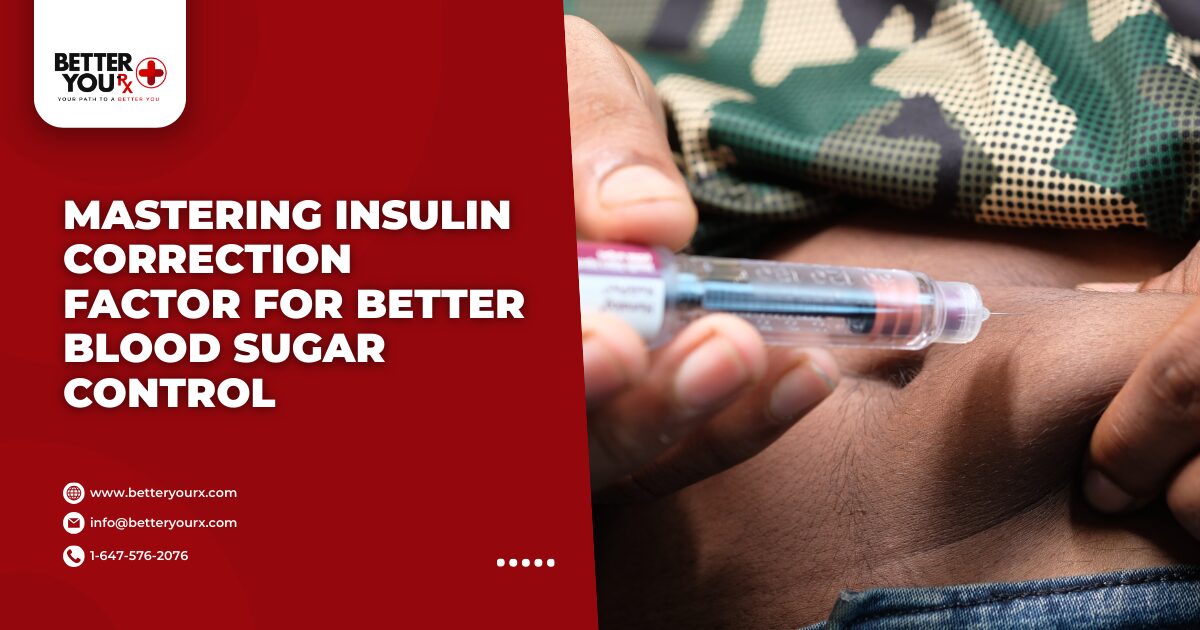
Balancing blood glucose with insulin requires precision, and one of the most effective tools in fine-tuning this process is the insulin correction factor. It helps determine how much one unit of rapid-acting insulin will lower blood sugar, providing actionable insight for dosing adjustments. By using this calculation method, individuals can prevent prolonged episodes of hyperglycemia or avoid excessive correction that may lead to hypoglycemia. This guide explores how insulin correction factor works, how to calculate it, when to apply it, and ways to integrate it into daily routines. Understanding this approach can improve predictability, safety, and consistency in blood sugar control.
What Is Insulin Correction Factor
The insulin correction factor, also known as the insulin sensitivity factor, refers to the estimated blood glucose reduction from one unit of rapid-acting insulin. It plays a central role in modern insulin therapy because glucose levels rarely stay fixed within the target range throughout the day. Instead of relying on guesswork, the correction factor allows structured adjustments in response to elevated readings. For many patients, it has become one of the most practical tools to prevent prolonged highs from causing damage.
Why It Matters
The correction factor matters because it transforms insulin therapy into a more predictable system of management. Without it, patients often rely on intuition or fear-driven adjustments, which can be dangerous. By applying a factor consistently, insulin adjustments become effective and controlled, reducing the risks of hypoglycemia. It creates confidence for patients when dosing outside of normal mealtime or basal insulin schedules.
The Role In Long-Term Stability
The correction factor fosters long-term stability by reducing random swings in blood sugar. Instead of glucose staying elevated for hours, structured corrections bring it back into target, minimizing complications. Over months and years, this leads to lower risks of nerve damage, kidney stress, and energy fluctuations. Ultimately, the correction factor adds structure to therapy, reducing the burden of uncertainty in daily management.
How To Calculate Insulin Correction Factor
The insulin correction factor is generally calculated using simple numerical rules. The most common is the 1800 Rule, which estimates correction needs for rapid-acting insulins like Humalog or Novolog. This method gives an initial number that should always be refined by real-world results over weeks. Calculations are only the beginning—the accuracy of the application depends on consistency and observation.
The Formula
The formula is Correction Factor = 1800 ÷ Total Daily Dose (TDD). This means the higher the person’s daily insulin use, the smaller the impact of one single unit. For example, someone using 90 units daily will see each unit drop glucose by about 20 mg/dL. Conversely, at 30 units, each dose drops glucose much more, about 60 mg/dL.
Example Table
| Average Daily Insulin Dose (units/day) | 1800 Rule Example (mg/dL drop per 1 unit) |
| 30 | 60 |
| 45 | 40 |
| 60 | 30 |
| 75 | 24 |
| 90 | 20 |
Corrections must include both basal and bolus total when calculating daily dose. If lifestyle changes—like doubling exercise or losing weight—occur, recalculating is wise. Other therapies such as Metformin may reduce insulin resistance, requiring recalibration. The number provided by the formula is only a starting framework, not a permanent fixed value.
Improve precision in your treatment plan. Increase insulin sensitivity naturally by adding Metformin to your regimen for smoother and more effective correction factor results.
When To Use Insulin Correction Factor
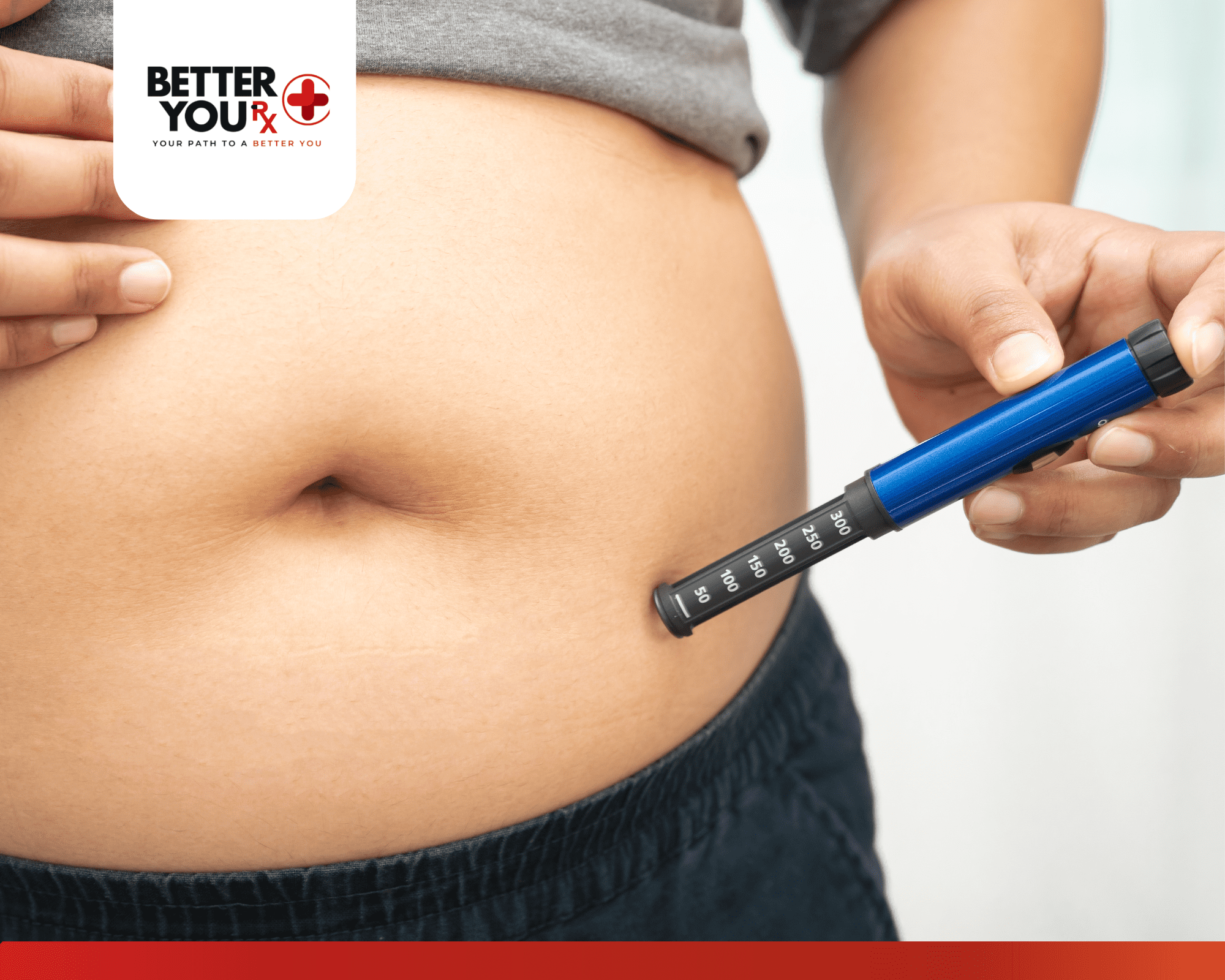
The correction factor is not for routine use but for targeted moments when blood sugar falls outside the safe range. Using it wisely prevents stacking doses while maintaining balance. Over time, patients learn patterns, such as when they are prone to spikes or how long to wait before applying a correction. This understanding forms the foundation for safer self-adjustments.
Before Meals
Pre-meal readings often determine if a correction dose is needed. For example, if blood glucose is high before a meal, a correction dose is added to the meal bolus. This ensures glucose is closer to the target before digestion adds new carbs to the bloodstream. Without this step, post-meal levels could skyrocket, leading to poor control.
Between Meals
Unexpected highs happen outside mealtimes due to stress, hormonal changes, or snack miscalculations. A correction dose helps bring glucose back down instead of leaving it elevated for several hours. However, care must be taken to ensure the spike is not already declining naturally. A check on glucose trend using CGM prevents repeated corrections in short intervals.
Bedtime Considerations
Nighttime corrections are approached with caution. A high before sleep that is left uncorrected may remain elevated all night, affecting morning readings. But an aggressive correction risks hypoglycemia during sleep, which is dangerous. Instead, smaller conservative corrections and slightly higher night targets are often advised.
Special Situations
Traveling, unexpected illness, or sudden schedule changes alter insulin sensitivity drastically. In these moments, correction factors regain balance even when meals or activity patterns are disrupted. While adjustments may feel temporary, they prevent prolonged spikes. Careful logging during these special scenarios helps identify recurring patterns for future refinements.
Factors That Influence Insulin Correction Factor
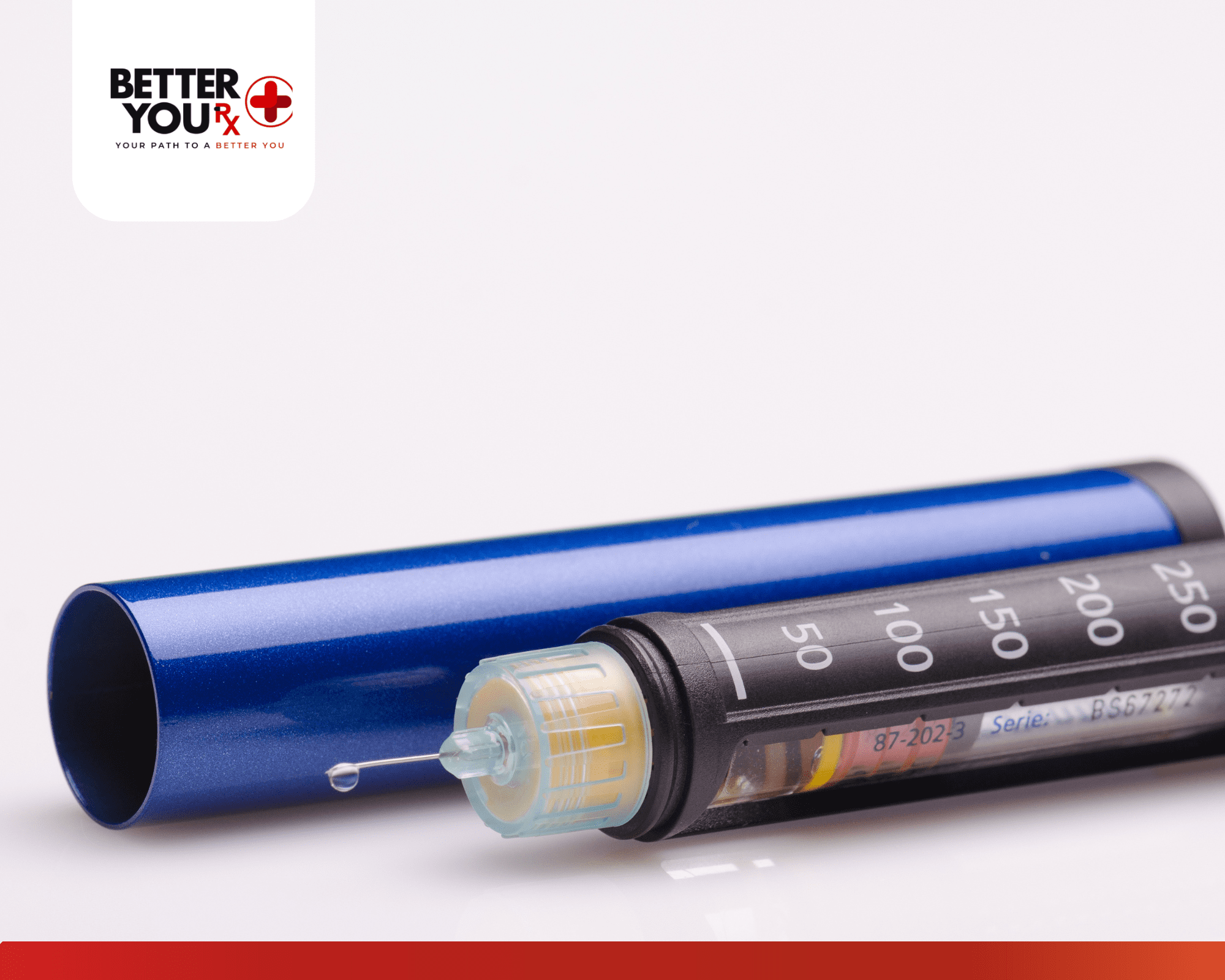
Correction factors are sensitive to many influences beyond total daily dose. Each factor can raise or lower sensitivity, making corrections more or less effective. Recognizing and adjusting for influences reduces both overcorrection and undercorrection. By monitoring patterns over days or weeks, meaningful adjustments become more targeted.
Variations Throughout The Day
Many individuals experience stronger resistance in the morning due to natural hormone releases such as cortisol. This means morning corrections may require slightly more insulin. In contrast, sensitivity often improves in the evening, making insulin more effective. Recognizing these daily rhythms ensures correction dosing aligns with body patterns.
Effect Of Exercise
Exercise improves sensitivity for up to 12–24 hours after activity. This means post-workout corrections could drive levels too low if calculated without adjustment. Light workouts might only slightly reduce correction, but vigorous ones require larger reductions. Planning corrections around activity prevents errors and improves confidence.
Hormonal Changes
Shifts in hormones during puberty, menstruation, or menopause change sensitivity levels significantly. Stress hormones like adrenaline and cortisol can elevate glucose, modifying correction needs on different days. These effects often explain glucose fluctuations where food or exercise cannot be the cause. Adjustments for correction at these times prevent recurring highs.
Influence Of Medications
Different insulin types and supportive medications alter correction precision. Rapid-acting analogs provide predictable short-term corrections, while long-acting types maintain only background stability. Oral therapies like Metformin lower resistance, decreasing the amount of correction needed per mg/dL. Careful consideration of these combined effects improves calculation accuracy.
Illness And Stress
Physical stress from infection creates higher resistance that needs higher correction doses. Emotional stress works similarly by raising cortisol, altering sensitivity. These effects may only last days, but corrections are necessary to prevent consistently high readings. Recording correction needs during stress helps design better adjustments when future issues arise.
Don’t let sudden glucose spikes take over your day. Gain fast relief with Humalog Junior KwikPen—trusted for rapid correction and reliable results.
Practical Application Of Insulin Correction Factor
Applying correction factors involves step-by-step attention to detail. Patients should confirm their readings, calculate carefully, and avoid rushing. Structured use ensures they feel safe and reduces the likelihood of emergencies. With practice, the routine becomes second nature and confidence grows.
Step-By-Step Correction
Corrections begin with an accurate blood sugar check, by meter or CGM. The target value is subtracted from the current reading to find the difference. This result is then divided by the correction factor to determine required units. A final review of recent insulin activity prevents accidental stacking of doses.
Example Scenario
Imagine a glucose reading of 270 mg/dL with a target of 120 mg/dL. With a factor of 30, the calculation is (270 – 120) ÷ 30 = 5 units. The individual injects 5 units of rapid-acting insulin and tracks for effect in the next hours. If levels drop appropriately, the factor is reliable, but if not, adjustments should be considered.
Safety Tips
Correction factor should only guide doses when enough time has passed since the last injection. This is typically 3–4 hours for rapid-acting insulins. Logging each correction creates clarity about how often adjustments are needed. Avoiding dose overlap is among the most critical safety rules in correction factor therapy.
Role Of Food And Other Medications
Food and drug interactions directly impact correction factor performance. Knowing how meals or medications change blood sugar ensures correction doses are calculated with context. One correction strategy does not apply the same across all meal types or therapy regimens. Awareness and tracking enable safe adjustments in diverse situations.
Carbohydrate Load
Meals with substantial carbohydrates often overwhelm the bolus alone, requiring correction later. This is especially true with refined carbs such as bread or rice, which digest quickly. If spikes occur repeatedly, adjustments in carb coverage may reduce the need for frequent corrections. Monitoring patterns in carb-heavy meals helps refine bolus plus correction strategies.
Delayed Digestion Foods
High protein or fatty meals digest slower, spreading glucose release across hours. This often means glucose is normal soon after eating but rises much later. Correcting too early in these cases creates risks of low sugar. Waiting 3–4 hours or monitoring continuous glucose trends improves correction effectiveness here.
Alcohol Considerations
Alcohol interferes with liver sugar release, leading to unpredictable changes. Corrections after alcohol should be conservative, as later lows are more likely. It combines with correction dosing to elevate the risk of overnight hypoglycemia. Careful planning and smaller doses are recommended in such scenarios.
Interaction With Other Medications
Supportive drugs such as Metformin lower baseline resistance, altering correction factor results. Patients using basal insulins like Lantus SoloStar rely on stability from background dosing. Short-term corrections come from rapid insulins designed for quick effect. Knowing how each role plays together strengthens long-term glucose control.
Balance long-term stability with effective correction support—choose Lantus SoloStar for reliable basal coverage and smoother adjustments.
Enhancing Results With Routine And Technology
Maintaining routine and using available tools makes correction factor therapy more consistent. By reducing guessing and providing feedback, routines and technology maximize reliability. Digital tools track data automatically, while consistent patterns improve prediction. Both elements strengthen safety and confidence.
Benefit Of Consistent Routines
People with stable mealtime schedules often report fewer corrections needed daily. This is because irregular eating times create unpredictable spikes that require adjustments. Consistent exercise and sleep routines stabilize hormone fluctuations too. Predictability lowers day-to-day burden and streamlines corrections.
Role Of Technology
Continuous glucose monitoring reduces the risk of missed highs. These devices show trends so corrections are applied only when glucose continues to rise. Apps provide charts for long-term insight, highlighting whether correction factors require recalibration. Together, technology helps refine therapy over time.
Injection Technique Matters
Improper technique can lead to unpredictable absorption. Rotating sites prevents scar tissue that limits insulin effectiveness. Correcting with improper injection depth may alter insulin activity and reduce dose precision. Attention to technique ensures correction factor calculations remain reliable.
Correction factor calculations are powerful, but misuse can cause problems. Awareness of common mistakes prevents accidents and supports long-term success. These challenges are seen frequently among newer insulin users but can arise even in experienced patients. Avoiding them improves confidence and accuracy.
Over-Correcting Too Soon
The most common error is repeating a correction dose too quickly. A rapid-acting insulin dose takes several hours to peak, so giving another early risks stacking. This can drop blood sugar rapidly to dangerous levels. Waiting long enough after the last injection ensures safer results.
Not Accounting For Active Insulin
Another mistake is forgetting to consider insulin already at work. If a mealtime or prior correction dose is active, any additional correction may become too strong. This reflects the importance of tracking insulin activity time with CGM tools. Reviewing trends before corrections prevents overdosing.
Ignoring Lifestyle Factors
Some patients use correction factor numbers without adjusting for activity, stress, or food types. Lifestyle changes alter sensitivity, making static calculations less reliable. Factoring in recent exercise, illness, or hormonal shifts creates better context. Ignoring these influences often leads to confusion in correction therapy results.
How Insulin Correction Factor Works In Practice
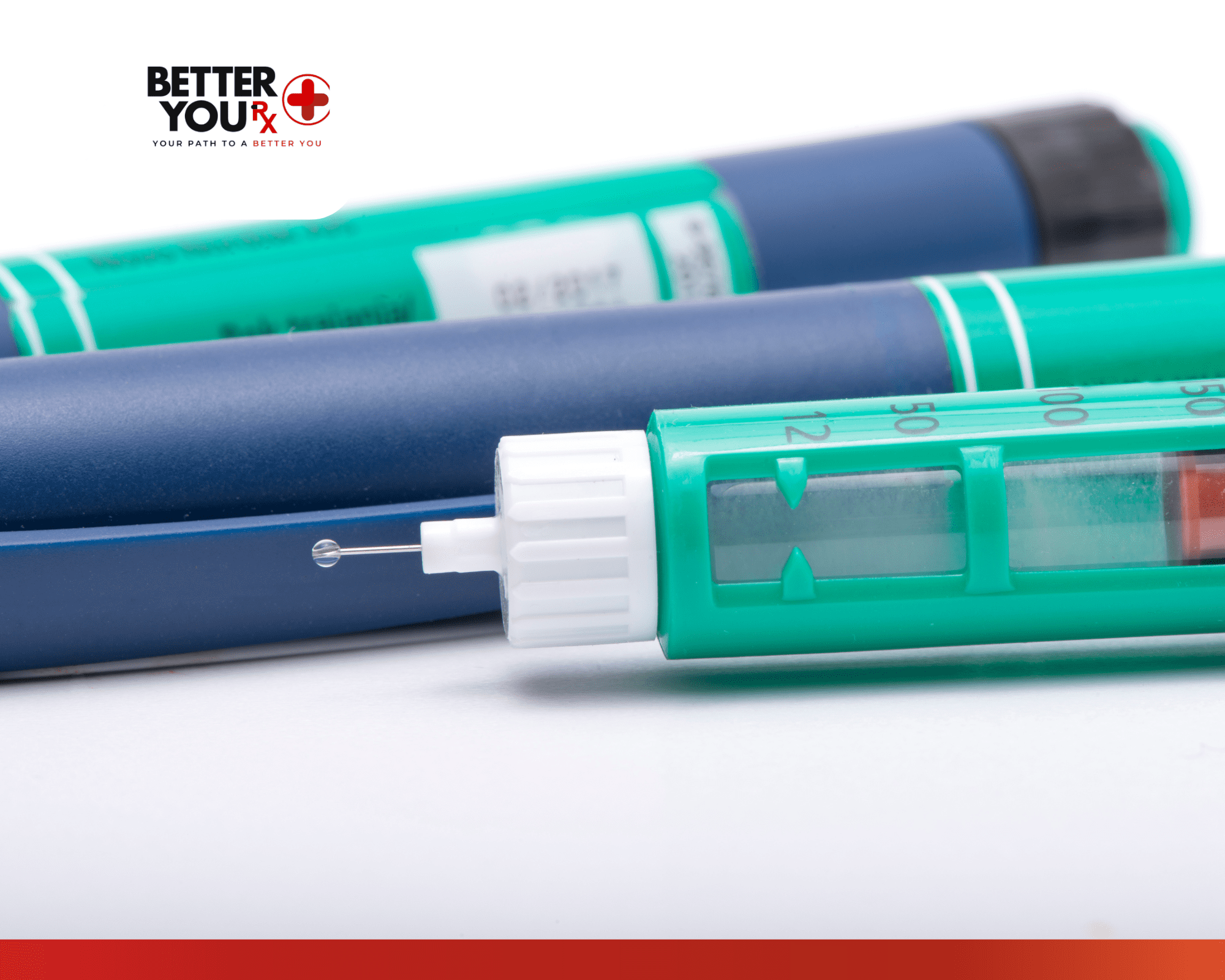
Understanding the calculation is only part of the process—seeing how it applies in practice makes the concept more useful. These examples show how correction factors guide safe and effective insulin dosing in real scenarios. Each situation highlights a common challenge and demonstrates how structured corrections solve it. This section reinforces how the method translates from theory to everyday management.
Post-Meal Highs
When blood sugar remains high a couple of hours after a meal, correction factor helps determine the appropriate additional insulin dose. Instead of guessing, patients can calculate exactly how much is needed to return glucose toward target. For example, after a high-carb dinner, one unit may bring down sugar by 30 mg/dL, ensuring levels stabilize before bedtime. This prevents compounding spikes and protects overnight control.
Stress-Related Elevations
Stress hormones like cortisol and adrenaline increase resistance, often leading to higher midday readings. By applying correction factor, patients can adjust with a measured dose rather than reacting with panic dosing. Over time, recording these adjustments highlights patterns connected to stressful activities. This helps tailor strategies for similar events in the future, creating more consistent glucose results.
Post-Exercise Adjustments
Physical activity often alters sensitivity in unpredictable ways. After an intense workout, one patient might find their glucose rises temporarily due to adrenaline, while someone else experiences a sharper drop. Using correction factor in this context provides a safe way to calculate whether a small dose is needed. By recognizing exercise-related changes, patients improve confidence in handling highs without risking dangerous lows.
Final Insights On Insulin Correction Factor
The insulin correction factor creates a structured approach to controlling high blood glucose. It eliminates dangerous guessing while offering safe precision in dosing adjustments. Over time, it leads to predictability, balance, and reduced risk of complications. Patients gain relief knowing their corrections are targeted and reliable.
Insulin therapy supported with Metformin, Humalog Junior KwikPen, and Lantus SoloStar creates a combination of improved sensitivity, rapid corrections, and basal stability. These products complement the correction factor perfectly, making full therapy smoother.
By integrating technology, staying consistent, and mastering personalized correction factors, individuals achieve confidence. The results are steadier glucose, improved daily energy, and protection against long-term fluctuations. With care and structure, the insulin correction factor becomes one of the most powerful tools for balanced glucose therapy.
Frequently Asked Questions
What size gauge needle is best for insulin injections?
The recommended gauge for insulin injections is 31–32 for comfort and ease of use. They are extremely thin, reducing resistance and minimizing discomfort. Length matters as much as gauge, with 4–5 mm short needles effective for most adults. Choosing these options ensures the insulin reaches the fat layer where it works best, improving both absorption and patient willingness to use therapy daily.
What are the steps of insulin transduction pathway?
The pathway starts with insulin binding its receptor, triggering phosphorylation on the receptor’s intracellular portion. Proteins such as IRS attach, activating the PI3K pathway. This then turns on Akt, leading to the movement of GLUT4 transporters to the cell membrane. With GLUT4 exposed, glucose enters cells, converting external hormone presence into cellular action.
What are the 4 stages of the signal transduction pathway?
The four stages include reception, transduction, amplification, and response. Reception starts with hormone binding to a receptor. Transduction pushes the signal into intracellular changes. Amplification increases effects, ensuring even small hormone amounts activate stronger signals. Finally, the cellular response leads to glucose entry and regulation of blood sugar levels.
What is the insulin action signaling pathway?
This pathway begins with insulin receptor binding and phosphorylation. IRS proteins and PI3K relay activation signals into cell metabolism pathways. Akt activation follows, shifting GLUT4 transporters to the plasma membrane. Glucose then enters muscles and fat cells, lowering blood sugar. The strength of correction depends on each of these steps functioning efficiently.
What is the pathway of transduction?
The transduction pathway describes how cells convert external inputs into biological actions. For insulin, binding signals cascade internally until GLUT4 mobilizes. The internal relay ensures injected insulin actually lowers blood glucose. Without this chain reaction, correction doses would not deliver intended results.
What are the three types of transduction?
The three types are signal, sensory, and genetic. Signal transduction describes how hormones like insulin control body systems. Sensory transduction translates external signals like sound or touch into neural messages. Genetic transduction describes DNA swaps in microorganisms. Each highlights how one form of communication becomes another, with signal transduction most relevant in correcting dosing.
What are the steps of the transduction process?
Steps begin with external binding, followed by receptor activation. The signal relays to proteins, amplifying internally. The cascade ultimately leads to the outcome, in insulin’s case glucose absorption. Missing stages disrupt glucose control, showing how biology reinforces the need for accurate correction strategies.
What happens during the transduction stage?
The transduction stage converts signal binding to cellular action. Proteins such as IRS and PI3K launch cascades of biochemical activity. Amplification allows small doses to create strong effects. This is the crucial biological bridge ensuring injected correctional insulins lower blood sugar effectively.