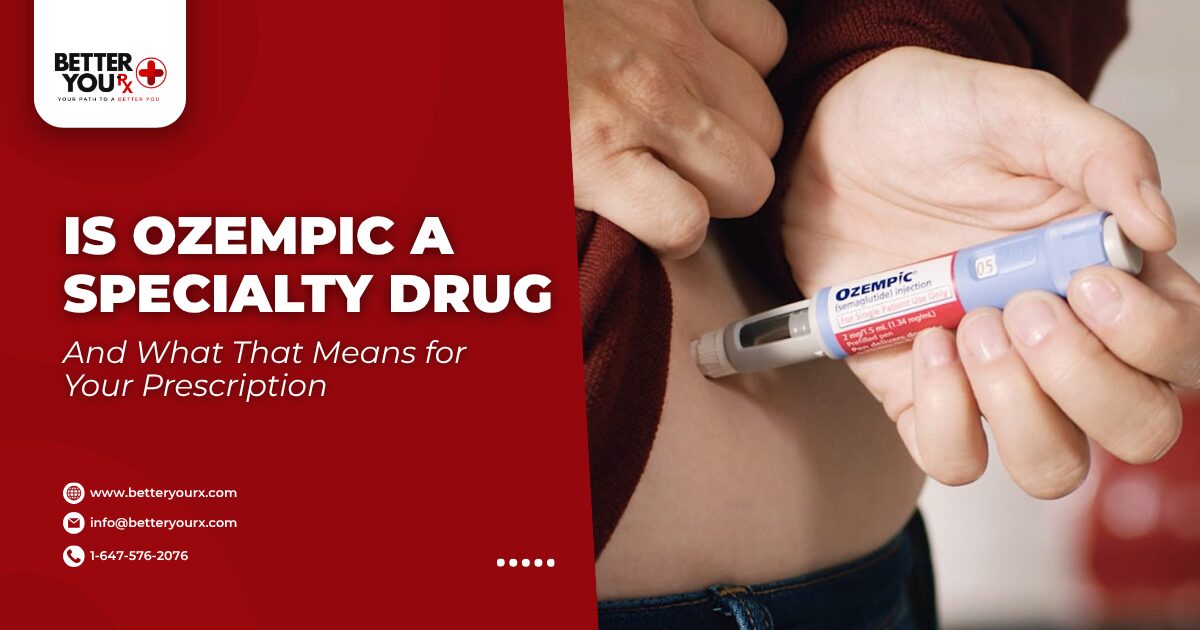
Is Ozempic a specialty drug? Yes, Ozempic is a specialty drug. If you have been asking yourself whether Ozempic is a specialty drug, you are not alone. Thousands of patients search for this answer every month. Specialty medications are defined by their complexity, cost, and handling demands. Ozempic meets these criteria because it is a self-injected medication that must be refrigerated before first use, carries a monthly cost that often exceeds $800 without assistance, and requires patients to visit their prescribing doctor regularly for blood sugar monitoring and dose adjustments.
Unlike a standard oral tablet, Ozempic involves a more hands-on process from prescription to administration. Patients use a prefilled pen to inject themedication once weekly, and their healthcare provider tracks progress over time. These factors are exactly why Ozempic is a specialty drug across most distribution channels.
What Makes a Drug a Specialty Drug
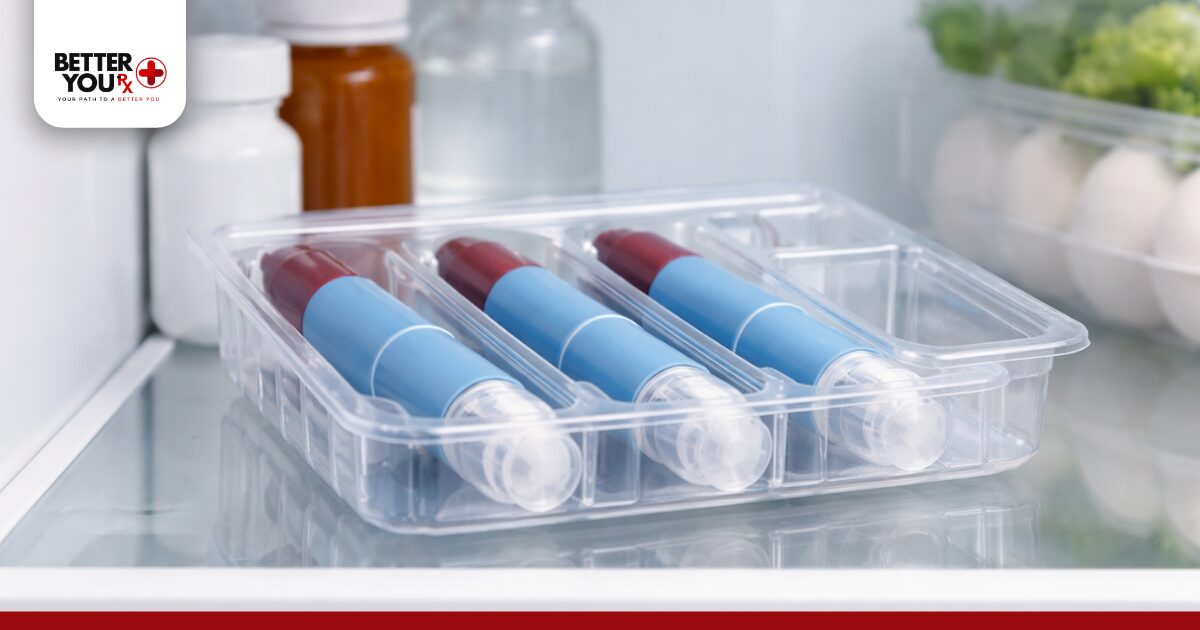
Not every prescription qualifies as a specialty drug. The classification comes down to specific characteristics that separate these medications from standard ones. Factors like administration method, price, storage conditions, and the nature of the treated condition all play a role in determining the label.
Here is a breakdown of the main criteria:
| Criteria | Details |
| Administration | Injectable, infused, or requires medical supervision |
| Cost | Typically over $1,000 per month without assistance |
| Storage | Requires refrigeration or temperature-controlled environment |
| Monitoring | Ongoing lab work and regular doctor visits needed |
| Condition Treated | Chronic, complex, or rare conditions like type 2 diabetes |
Ozempic checks most of these boxes. It is an injectable pen requiring cold storage before the first dose, comes with a price well above the average prescription, and treats type 2 diabetes, a condition that demands consistent medical oversight. For practical purposes, any medication that hits three or more of the criteria above will likely carry the specialty drug label.
How Ozempic Works as a GLP-1 Receptor Agonist
Ozempic belongs to a drug class known as GLP-1 receptor agonists. These medications copy the action of a natural gut hormone called glucagon-like peptide-1. After a meal, this hormone tells the pancreas to release insulin, slows digestion, and signals fullness to the brain. The fact that Ozempic is a specialty drug is directly tied to how it works and how it must be delivered to your body.
For people with type 2 diabetes, this process does not function well on its own. Ozempic amplifies that signal. Patients use a prefilled pen to inject the medication once per week. Over time, Ozempic helps bring blood sugar levels down and may also support gradual weight reduction. Because GLP-1 receptor agonists like Ozempic and Trulicity need injection and close medical follow-up, they are grouped with specialty drugs in most distribution systems.
A practical example: a patient starting Ozempic typically begins on a 0.25 mg dose for the first four weeks, then moves up to 0.5 mg. The doctor may later increase the dose to 1 mg or 2 mg depending on how well blood sugar levels respond. This gradual titration is another reason why ongoing supervision is part of the specialty drug process.
Specialty Drug vs. Standard Drug
Seeing the practical differences between a specialty drug like Ozempic and a regular prescription helps explain why the classification matters. The comparison below highlights the key distinctions:
| Feature | Specialty Drug (Ozempic) | Standard Drug |
| Delivery Method | Injectable pen | Oral tablet or capsule |
| Storage | Refrigerated before first use | Room temperature |
| Monthly Cost | Often $800+ without help | Typically under $50 |
| Monitoring | Regular lab work required | Minimal follow-up |
| Access | Specialty distribution channels | Any local counter |
As the comparison shows, Ozempic is a specialty drug because it demands more involvement from both the patient and the prescribing doctor compared to a standard oral medication. The higher cost alone makes planning important, which is why many patients look for affordable alternatives.
Which Other Diabetes Medications Are Specialty Drugs
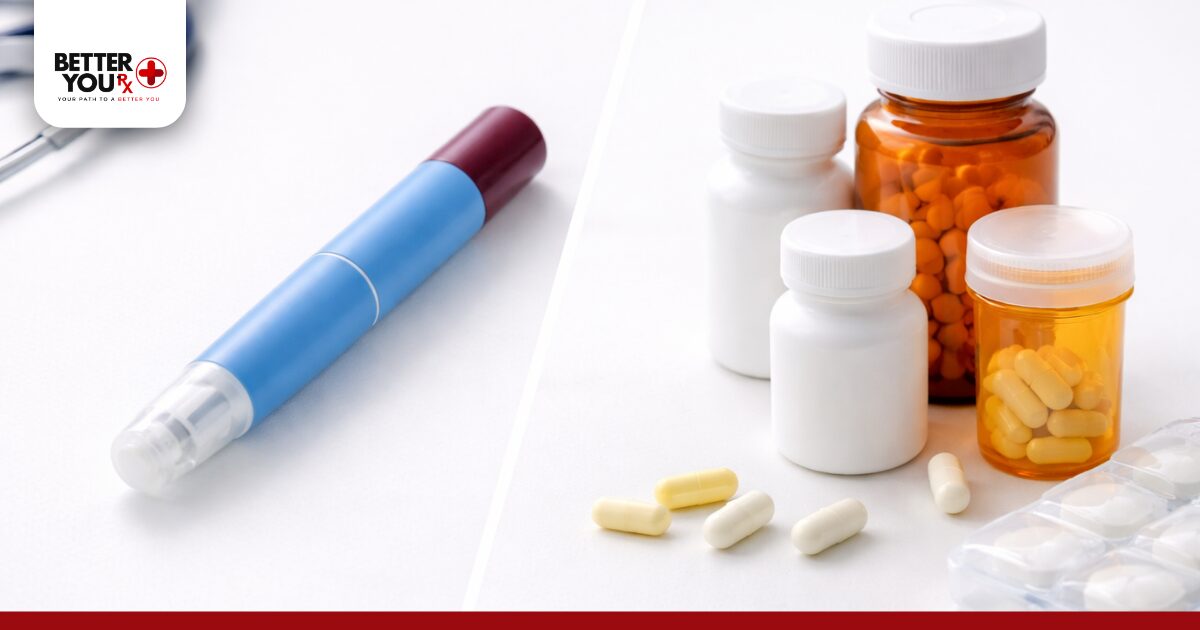
Ozempic is not the only diabetes medication that carries this label. Several other injectable treatments share the specialty drug classification. Mounjaro KwikPen (Tirzepatide) is another GLP-1 based injectable for type 2 diabetes that qualifies as a specialty drug. Trulicity (Dulaglutide), Victoza (Liraglutide), and Saxenda (Liraglutide for weight management) fall into the same group.
Insulin products like Humulin and Humalog can sometimes go through standard channels, though certain formulations still require specialty handling. Oral diabetes medications such as Metformin or Glipizide are standard drugs because they do not need refrigeration or injection. The key takeaway is that the delivery method and cost are what push a diabetes medication into the specialty drug category, not the condition itself.
If you want to compare how different GLP-1 medications perform, take a look at this helpful post on Ozempic vs. Trulicity to see which option may suit your situation best.
-

Buy Ozempic Semaglutide from Canada
$327.99 Select options This product has multiple variants. The options may be chosen on the product page -
Sale!
Buy Wegovy from Canada
Original price was: $609.99.$596.99Current price is: $596.99. Select options This product has multiple variants. The options may be chosen on the product page
Things To Know About Ozempic as a Specialty Drug
Before starting or continuing Ozempic, several practical details are worth keeping in mind. Because Ozempic is a specialty drug, there are extra steps involved in ordering, storing, and using it correctly. These tips help you avoid common problems and get the most out of your treatment.
- Storage matters. Keep unused Ozempic pens in the refrigerator between 36 to 46 degrees Fahrenheit. After first use, a pen can stay at room temperature for up to 56 days. Avoid direct sunlight and heat sources. A simple kitchen thermometer inside the fridge can help you make sure temperatures stay in range.
- Dosing is weekly. Inject Ozempic once a week on the same day. Your doctor will usually start with a lower dose and increase it gradually over several weeks. Setting a recurring phone reminder helps you stay consistent.
- Watch for side effects. Common reactions include nausea, stomach discomfort, and diarrhea. These tend to lessen after the first few weeks as your body adjusts. Report anything unusual to your doctor promptly.
- Prescription requirements. Ozempic must be prescribed by a licensed medical doctor practicing within the USA. The prescription must be written in English.
- Personal use only. Prescriptions are filled for individual patient use. Medications ship directly to your home address within the USA.
- Plan ahead for refills. It takes approximately 7 to 10 business days from the date shipped to receive your medication. Order early to avoid gaps between refills.
How To Access Ozempic at a Lower Cost
Because Ozempic is a specialty drug, the price can be a genuine barrier for many patients. The specialty drug classification often means higher out-of-pocket expenses compared to standard prescriptions. Better You Rx is a prescription referral service with a licensed, contracted department that helps patients in the USA access medications like Ozempic at a fraction of the typical cost. All prescriptions must be issued by a primary care physician or licensed medical doctor practicing within the USA, and they must be written in English.
Better You Rx ships directly to your residence within the USA. The maximum supply per order is 90 days, provided your prescription allows it. Medications are for personal use only and cannot be shipped to doctor offices, clinics, or hospitals. If you are also considering weight management options, you may want to explore Wegovy or read about Saxenda vs. Zepbound to compare your choices.
Who Should Consider Ozempic

Ozempic is prescribed to adults with type 2 diabetes who need additional help managing blood sugar. Doctors often recommend it when diet, exercise, and oral medications alone are not producing the desired results. Some physicians prescribe it off-label for weight management in patients who meet certain health criteria. Since Ozempic is a specialty drug, your provider will also walk you through proper injection technique, storage guidelines, and what to expect during your first few weeks on the medication.
Your doctor will review your medical history, current medications, and overall health before deciding if Ozempic fits your treatment plan. It is not suitable for people with type 1 diabetes, a personal or family history of medullary thyroid carcinoma, or Multiple Endocrine Neoplasia syndrome type 2. For another perspective on injectable diabetes treatments, you might find it useful to read about Mounjaro vs. Trulicity.

Final Takeaway on Whether Ozempic Is a Specialty Drug
So, is Ozempic a specialty drug? The answer is yes. Its injectable format, higher price point, refrigeration requirements, and the need for ongoing medical monitoring all place it firmly in the specialty drug category. Understanding that Ozempic is a specialty drug helps you prepare for the process and find the most affordable path to getting your prescription filled. While this classification can make accessing Ozempic feel more involved, it does not have to be expensive or complicated when you work with the right service.
Better You Rx makes it simpler for patients across the USA to fill their Ozempic prescriptions at a lower cost. As a prescription referral service with a licensed, contracted department, Better You Rx handles the process so you can focus on your health. Visit Better You Rx to learn more about placing your order and getting started today.
Frequently Asked Questions
What category of drug is Ozempic?
Ozempic belongs to the GLP-1 receptor agonist category. This class of drugs mimics a natural gut hormone that helps regulate blood sugar and appetite. It is administered as a once-weekly injection for type 2 diabetes management.
Are GLP-1 considered specialty drugs?
Yes, most GLP-1 receptor agonists are considered specialty drugs. Their injectable delivery, refrigeration needs, and required medical supervision place medications like Ozempic, Trulicity, and Mounjaro in the specialty drug category. Since Ozempic is a specialty drug within the GLP-1 class, it shares these same access and handling requirements.
What drugs are considered specialty?
Specialty drugs treat complex, chronic, or rare conditions and typically cost over $1,000 monthly. They often require injection or infusion, cold storage, and regular monitoring. Examples include GLP-1 receptor agonists, biologics for autoimmune diseases, and certain oncology treatments.
Are diabetes drugs specialty drugs?
Not all diabetes drugs are specialty drugs. Oral medications like Metformin and Glipizide are standard prescriptions. Injectable treatments such as Ozempic and Mounjaro are frequently classified as specialty drugs because of their delivery method and higher cost.
What organ is Ozempic hard on?
Ozempic may affect the pancreas in some patients. There have been reports of pancreatitis in people using GLP-1 receptor agonists. If you experience severe, persistent stomach pain, contact your doctor immediately. Routine check-ups help catch any concerns early.
-
Buy Ozempic Semaglutide from Canada
$327.99 Select options This product has multiple variants. The options may be chosen on the product page -
Sale!
Buy Wegovy from Canada
Original price was: $609.99.$596.99Current price is: $596.99. Select options This product has multiple variants. The options may be chosen on the product page