
Lispro vs regular insulin represents two distinct categories of insulin therapy, each designed to address specific blood sugar control needs. Lispro insulin, a rapid-acting synthetic insulin analog, begins working within 15 minutes and peaks in 1-2 hours, making it ideal for mealtime glucose control. Regular insulin, also known as short-acting insulin, takes 30 minutes to start working and peaks in 2-3 hours, providing longer-lasting coverage. The choice between these insulin types depends on your lifestyle, eating patterns, blood sugar targets, and overall diabetes management plan. Understanding their onset times, peak effects, duration, and practical applications helps you work with your healthcare provider to optimize your treatment approach and achieve better glycemic control.
How Lispro vs Regular Insulin Works in Your Body
Lispro insulin mimics the natural insulin response your pancreas would produce after eating. This rapid-acting insulin analog has been modified at the molecular level to absorb more quickly from injection sites into your bloodstream. When understanding Lispro vs Regular Insulin differences, it’s important to note that when you inject Lispro, it begins lowering blood glucose within 10-15 minutes, reaches peak effectiveness in 1-2 hours, and continues working for 3-5 hours total.
The molecular structure of Lispro has been engineered by reversing the amino acids proline and lysine at positions 28 and 29 of the B-chain. This modification prevents the insulin molecules from forming hexamers, allowing them to disperse more rapidly from the injection site. The monomeric and dimeric forms of Lispro are absorbed much faster through capillary walls, resulting in its characteristic rapid onset of action.
The fast onset makes Lispro particularly effective for controlling post-meal blood sugar spikes. Its quick action allows for flexible meal timing, as you can inject just before eating or even immediately after meals if needed. This flexibility proves especially valuable for people with unpredictable schedules or varying appetite patterns. The pharmacokinetic profile closely matches the physiological insulin response to meals, making it an excellent choice for mimicking natural pancreatic function.
Lispro’s bioavailability remains consistent across different injection sites, though absorption may vary slightly between subcutaneous tissue locations. The abdomen typically provides the fastest absorption, followed by the arms, thighs, and buttocks. Factors such as injection depth, tissue temperature, and local blood flow can influence absorption rates, but these variations are generally minimal with rapid-acting formulations.
Key Characteristics of Lispro Insulin:
- Onset time – 10-15 minutes
- Peak action – 1-2 hours
- Duration – 3-5 hours
- Best used for mealtime coverage
- Allows flexible dosing timing
- Bioavailability – 55-77% compared to regular insulin
- Temperature stability – Maintains potency at room temperature for 28 days
Ready to experience better mealtime glucose control? Buy Humalog cartridge insulin Lispro from Canada and enjoy significant savings on your diabetes medications.
Understanding Regular Insulin and Its Mechanism
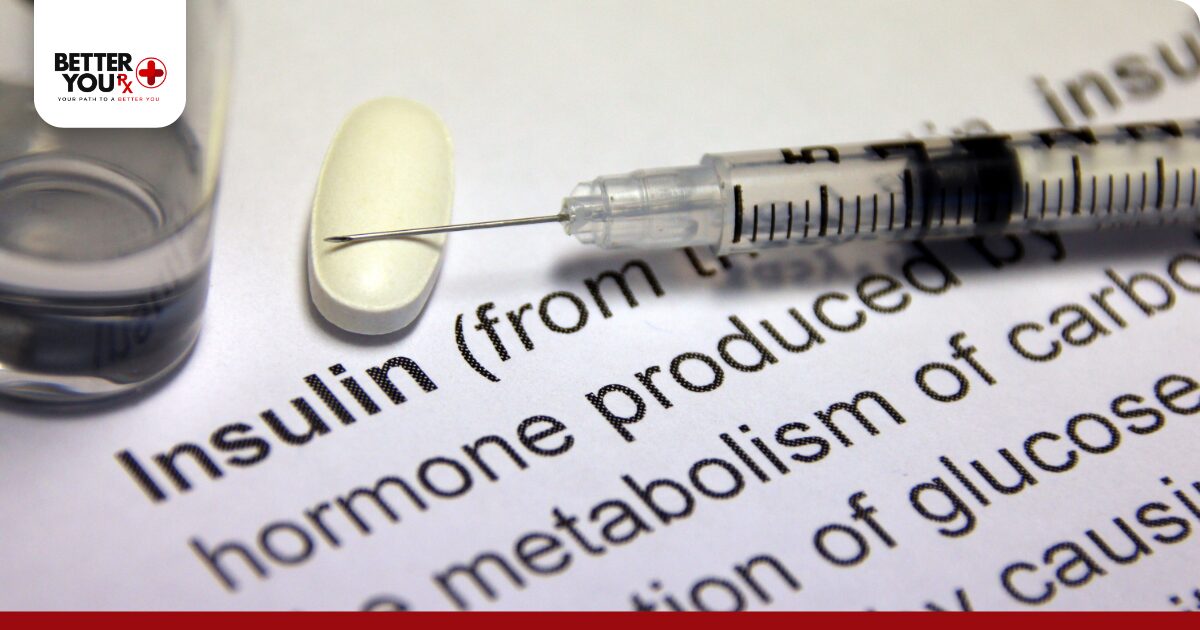
Regular insulin, also called short-acting or soluble insulin, represents the traditional form of mealtime insulin that has been used for decades. This clear, colorless solution contains human insulin that works more slowly than rapid-acting analogs like Lispro. When comparing Lispro vs Regular Insulin characteristics, Regular insulin requires 30 minutes to begin lowering blood glucose, reaches peak effectiveness in 2-3 hours, and continues working for 5-8 hours.
Regular insulin contains recombinant human insulin produced through genetic engineering in bacterial or yeast cells. The amino acid sequence is identical to naturally occurring human insulin, making it biocompatible and reducing the risk of immune reactions. Unlike rapid-acting analogs, regular insulin maintains its hexameric structure in solution, which requires time to dissociate into monomers and dimers before absorption can occur effectively.
The longer onset time means you need to inject regular insulin 30 minutes before eating to properly cover your meal. This timing requirement can make meal planning more rigid compared to rapid-acting options. However, the extended duration of action can provide better coverage for meals with slower-digesting carbohydrates or larger portions. The sustained release pattern makes regular insulin particularly effective for covering complex meals that include proteins, fats, and fiber that slow gastric emptying.
Regular insulin’s absorption characteristics remain relatively consistent across injection sites, though individual factors such as tissue thickness, blood flow, and temperature can influence uptake rates. The subcutaneous depot formed after injection gradually releases insulin into systemic circulation, creating the characteristic delayed but sustained action profile.
Regular Insulin Characteristics:
- Onset time – 30 minutes
- Peak action – 2-3 hours
- Duration – 5-8 hours
- Requires pre-meal injection timing
- Longer-lasting glucose coverage
- Bioavailability – 63-89% depending on injection site
- Storage requirements – Stable at refrigeration temperatures
- Zinc content – Contains zinc for crystallization and stability
| Feature | Regular Insulin | Lispro Insulin |
| Onset Time | 30 minutes | 10-15 minutes |
| Peak Effect | 2-3 hours | 1-2 hours |
| Duration | 5-8 hours | 3-5 hours |
| Meal Timing | 30 min before | Just before/after |
| Flexibility | Less flexible | More flexible |
| Structure | Hexameric | Monomeric/Dimeric |
| Manufacturing | Standard recombinant | Analog technology |
Speed and Timing Differences Between Lispro vs Regular Insulin
The most significant difference between Lispro vs regular insulin lies in their speed of action and timing requirements. These differences directly impact how you manage your daily diabetes care routine and meal planning strategies. Understanding these distinctions helps optimize your treatment approach and achieve better glycemic outcomes.
Lispro’s rapid onset means you can inject and eat within minutes, making it ideal for spontaneous meals or when you’re unsure about portion sizes. You can even wait to see how much you actually eat before determining your final dose. This flexibility reduces the risk of hypoglycemia from taking insulin for food you don’t end up consuming. The ability to dose post-meal is particularly valuable for children, elderly patients, or anyone with variable appetite patterns.
Regular insulin’s 30-minute delay requires more planning but offers advantages for certain situations. The key distinction in Lispro vs Regular Insulin usage is that regular insulin’s longer duration provides better coverage for high-fat meals that slow gastric emptying, extended social meals, or grazing-style eating patterns. The sustained action can also help bridge between meals when used in combination with longer-acting insulins.
The extended action profile of regular insulin can be beneficial for managing dawn phenomenon, where blood glucose naturally rises in the early morning hours. When used as part of conventional insulin therapy, regular insulin’s longer duration helps maintain glucose control between meals without requiring additional intermediate-acting insulin doses.
Timing Considerations:
- Lispro – Inject 0-15 minutes before eating
- Regular – Inject 30 minutes before eating
- Flexibility – Lispro allows post-meal dosing adjustments
- Duration – Regular insulin covers longer eating windows
- Exercise considerations – Lispro provides better control during physical activity
- Stress response – Regular insulin may offer more stable coverage during illness
- Travel adjustments – Lispro adapts better to changing meal schedules
Discover the convenience of rapid-acting insulin. Browse our complete insulin Lispro collection to find the right option for your lifestyle.
Effectiveness Comparison for Blood Sugar Control
Both Lispro and regular insulin effectively lower blood glucose, but their different action profiles make them suitable for different glycemic control strategies. When evaluating Lispro vs Regular Insulin effectiveness, clinical studies show that rapid-acting insulins like Lispro typically provide better post-meal glucose control with lower risk of late hypoglycemia compared to regular insulin.
Lispro’s quick onset and peak action align more closely with natural insulin response patterns, leading to improved HbA1c levels in many patients. The reduced risk of hypoglycemia occurs because Lispro clears from your system faster, decreasing the chance of overlapping insulin action between meals. Research demonstrates that patients using rapid-acting insulins experience fewer severe hypoglycemic episodes while achieving similar or better overall glucose control.
The improved post-prandial glucose control with Lispro translates to better management of glucose excursions that contribute to diabetic complications. Studies show reductions in post-meal glucose spikes of 20-30% compared to regular insulin when proper timing is maintained. This improvement in glucose variability correlates with reduced oxidative stress and lower cardiovascular risk markers.
Regular insulin may provide superior control for individuals who experience delayed gastric emptying, eat high-fiber meals, or have gastroparesis. Its longer action profile can better match slower carbohydrate absorption patterns in these situations. The extended coverage is particularly valuable for patients with autonomic neuropathy affecting digestion or those taking medications that slow gastric motility.
Patient satisfaction scores consistently favor rapid-acting insulins due to improved lifestyle flexibility and reduced meal planning constraints. Quality of life measures show significant improvements in treatment satisfaction, dietary freedom, and overall diabetes management burden when patients switch from regular to rapid-acting insulin formulations.
Long-term cardiovascular outcomes data suggests similar benefits between insulin types when used appropriately, though the improved glucose control achieved with rapid-acting insulins may translate to reduced microvascular complication risk over time. The key factor remains consistent use and appropriate dosing rather than insulin type selection alone.
Effectiveness Factors:
- Post-meal control – Lispro generally superior
- HbA1c improvement – Lispro shows slight advantage
- Hypoglycemia risk – Lower with Lispro
- Special circumstances – Regular insulin may be preferred
- Glucose variability – Better control with rapid-acting formulations
- Patient satisfaction – Higher ratings for flexibility with Lispro
- Quality of life – Improved dietary freedom with rapid-acting insulins
Side Effects and Safety Profiles

Both insulin types share fundamental safety profiles since they perform the same basic function of lowering blood glucose. However, their different timing characteristics create distinct patterns of potential side effects and adverse reactions.
Lispro Insulin Side Effects:
- Common: Hypoglycemia, injection site reactions (pain, redness, swelling), weight gain, lipodystrophy
- Less Common: Allergic reactions (rash, itching, difficulty breathing), hypokalemia (low potassium), peripheral edema
- Rare: Severe hypoglycemia, anaphylaxis, insulin antibody formation
- Injection Site: Localized fat loss or thickening, bruising, bleeding
- Metabolic: Fluid retention, electrolyte imbalances
Regular Insulin Side Effects:
- Common: Hypoglycemia, injection site reactions, weight gain, lipodystrophy
- Less Common: Allergic skin reactions, hypokalemia, sodium retention, blurred vision
- Rare: Severe allergic reactions, insulin resistance, lipoatrophy
- Gastrointestinal: Nausea (especially during hypoglycemia), abdominal discomfort
- Neurological: Headache, dizziness, confusion during low blood sugar episodes
Timing-Related Safety Differences:
Lispro’s rapid action increases the risk of immediate post-injection hypoglycemia if you delay eating or consume less food than expected. The quick onset means symptoms can develop suddenly within 15-30 minutes of injection. However, the shorter duration reduces late-onset hypoglycemia risk, particularly overnight or between meals.
Regular insulin’s delayed onset can lead to hypoglycemia 2-4 hours after injection, especially if meals are delayed or smaller than anticipated. The longer duration increases the risk of insulin stacking when doses are given too close together, potentially causing prolonged hypoglycemic episodes.
Critical Safety Considerations:
- Monitor blood glucose more frequently when starting either insulin
- Recognize early hypoglycemia symptoms (sweating, shakiness, rapid heartbeat)
- Adjust doses gradually based on response patterns and blood sugar logs
- Maintain consistent carbohydrate intake during initial therapy
- Rotate injection sites systematically to prevent lipodystrophy
- Keep fast-acting carbohydrates readily available for hypoglycemia treatment
- Report persistent injection site reactions or unusual symptoms to healthcare providers
Accessibility Factors to Consider:
- Global availability – Regular insulin more universally accessible
- Generic availability – Regular insulin has more generic alternatives
- Delivery options – Both available in multiple formats
- Provider familiarity – Regular insulin has longer prescribing history
- Supply chain stability – Both have established distribution networks
Formulation Options:
- Vials – Traditional option for both insulin types
- Pre-filled pens – Convenient for both Lispro and regular insulin
- Cartridges – Refillable pen systems available
- Concentrated formulations – Higher strength options when needed
Humalog Junior KwikPen is $112.8 in BetterYouRx, providing an accessible option for those seeking reliable Lispro insulin therapy. Access affordable diabetes medication through reliable Canadian sources. Order Humalog Junior KwikPen from Canada and enjoy convenient delivery options.
Making the Right Choice for Your Lifestyle
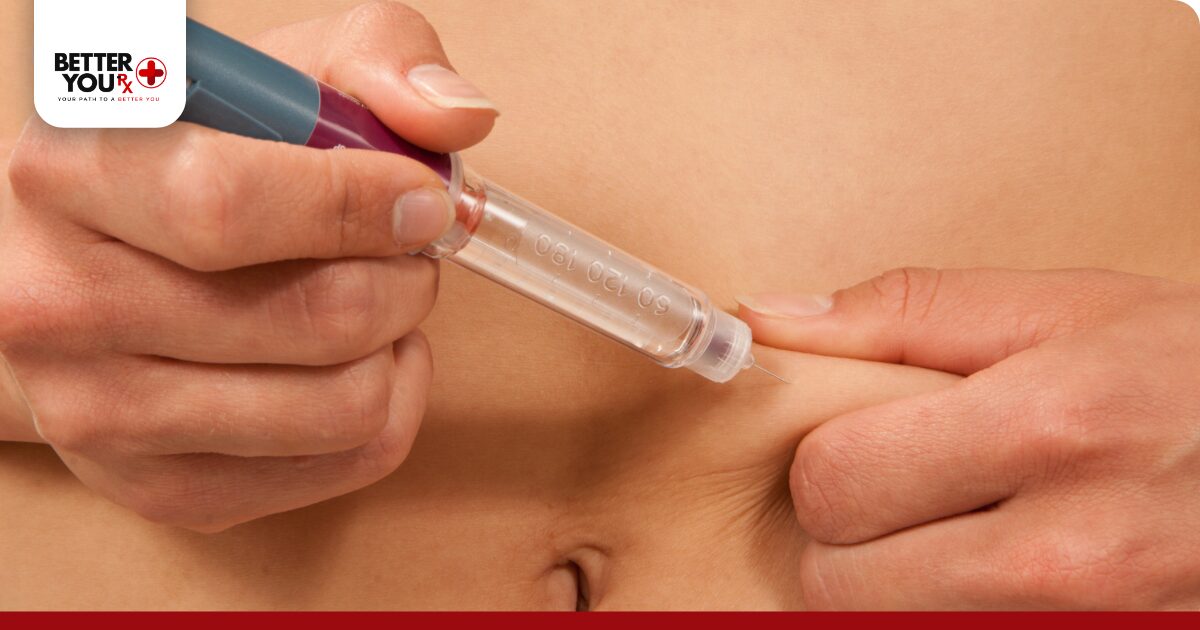
Selecting between Lispro vs regular insulin depends on multiple personal factors including your daily routine, eating habits, glucose targets, and lifestyle preferences. Neither insulin type is universally superior – the best choice is the one that fits your specific needs and helps you achieve optimal glucose control while maintaining quality of life and treatment adherence.
The decision process should involve careful consideration of your individual circumstances, medical history, and treatment goals. Healthcare providers typically evaluate factors such as current glucose control patterns, hypoglycemia frequency, meal timing consistency, physical activity levels, and personal preferences when recommending insulin therapy options.
Choose Lispro If You:
- Have unpredictable meal timing due to work or lifestyle demands
- Prefer flexibility in dosing and meal planning
- Experience frequent hypoglycemia with regular insulin regimens
- Want to dose after seeing portion sizes or appetite levels
- Have gastroparesis or delayed gastric emptying conditions
- Lead an active lifestyle with varying schedules and activities
- Struggle with pre-meal timing requirements of regular insulin
- Experience significant post-meal glucose spikes despite proper timing
- Travel frequently or have irregular work schedules
Choose Regular Insulin If You:
- Maintain consistent meal timing and structured daily routines
- Have budget constraints that favor more affordable insulin options
- Experience good glucose control with your current regular insulin regimen
- Eat larger or high-fat meals frequently that require extended coverage
- Have slower gastric emptying that benefits from longer insulin action
- Prefer established, well-studied treatments with decades of safety data
- Live in areas where rapid-acting analogs have limited availability
- Experience adequate glucose control without flexibility requirements
Your healthcare provider can help evaluate these factors and may recommend starting with one type while keeping the option to switch based on your response and lifestyle changes. Many people find success with either option when properly dosed and timed according to their specific needs. The transition between insulin types should always be done under medical supervision with appropriate glucose monitoring adjustments.
Optimizing Your Insulin Therapy Choice
The decision between Lispro vs regular insulin centers on matching insulin action to your individual needs. Lispro offers rapid onset and flexible timing, ideal for variable lifestyles and improved post-meal control. Regular insulin provides longer duration and established protocols, suitable for structured routines and extended coverage needs. Both effectively lower blood glucose when used appropriately. Success depends on consistent use, proper timing, and regular monitoring. Healthcare provider guidance ensures optimal selection based on your lifestyle, medical circumstances, and glucose targets. Individual responses vary, making personalized approaches essential. Treatment satisfaction improves when insulin choice aligns with daily routines and preferences. Regular reassessment ensures continued effectiveness as circumstances change over time.
Frequently Asked Questions
Is Lispro Safe in Pregnancy?
Lispro insulin is generally considered safe during pregnancy and is often preferred over regular insulin for pregnant women with diabetes. The rapid-acting nature helps control post-meal glucose spikes that can be particularly harmful during pregnancy. Always consult your healthcare provider before making any insulin changes during pregnancy, as individual circumstances vary significantly.
Can Humalog Cause Diarrhea?
Diarrhea is not a common direct side effect of Humalog (insulin Lispro), but it can occur in some individuals. More often, digestive issues result from blood sugar fluctuations rather than the insulin itself. If you experience persistent diarrhea after starting Humalog, discuss this with your healthcare provider to rule out other causes.
What Kind of Insulin Is Lispro?
Lispro is a rapid-acting insulin analog, meaning it’s a modified form of human insulin designed to work faster than natural insulin. It’s created by reversing two amino acids in the insulin molecule, which prevents it from clumping together and allows for quicker absorption. Lispro is classified as mealtime or bolus insulin, used primarily to control blood sugar spikes after eating.
What Are the Advantages of Lispro Insulin?
Lispro insulin offers several key advantages including rapid onset within 10-15 minutes, allowing flexible meal timing and the ability to dose just before or even after eating. It provides better post-meal glucose control with reduced risk of late hypoglycemia compared to regular insulin. The shorter duration of action (3-5 hours) means less risk of insulin stacking and allows for more precise dose timing.
What Is the Difference Between Lispro and Regular Insulin?
The primary differences lie in onset time, peak action, and duration. Lispro begins working in 10-15 minutes, peaks in 1-2 hours, and lasts 3-5 hours, while regular insulin starts in 30 minutes, peaks in 2-3 hours, and continues for 5-8 hours. This means Lispro requires injection closer to meal time but offers more flexibility, while regular insulin needs 30-minute pre-meal timing but provides longer coverage.
Who Should Not Take Insulin Lispro?
People with known hypersensitivity or allergy to Lispro or any of its components should not use this insulin. Those experiencing hypoglycemia should not inject additional Lispro until blood sugar levels normalize. Individuals with severe kidney or liver disease may need dose adjustments or alternative treatments.
Which Insulin Is Better, Humalog or Lispro?
Humalog is actually a brand name for insulin Lispro, so they are the same medication. Generic insulin Lispro and brand-name Humalog contain the same active ingredient and work identically in your body. The choice between them typically comes down to availability and personal preference for delivery devices.