
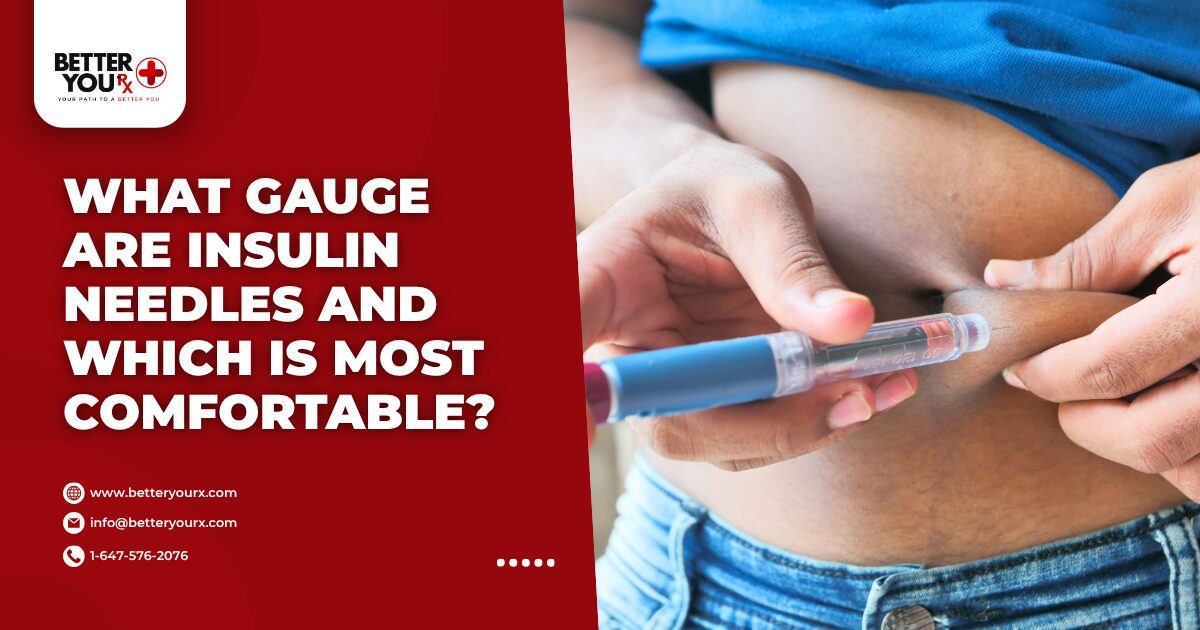
What gauge are insulin needles directly impacts your daily injection experience and overall comfort level. Insulin needles typically range from 28 to 32 gauge, with higher numbers indicating thinner needles that cause less discomfort. The 31 and 32 gauge needles are currently the thinnest options available and provide the most comfortable injection experience for most people. Needle gauge works on an inverse scale where larger numbers mean smaller diameters. A 32 gauge needle measures approximately 0.23mm in diameter, while a 28 gauge needle measures 0.36mm. Beyond gauge, needle length also affects comfort, ranging from 4mm to 12.7mm. Most people find that 31-32 gauge needles combined with 4-6mm lengths deliver insulin effectively while minimizing pain and tissue trauma. Your body type, injection technique, and personal sensitivity all influence which gauge feels most comfortable for you.
How Needle Gauge Numbers Work
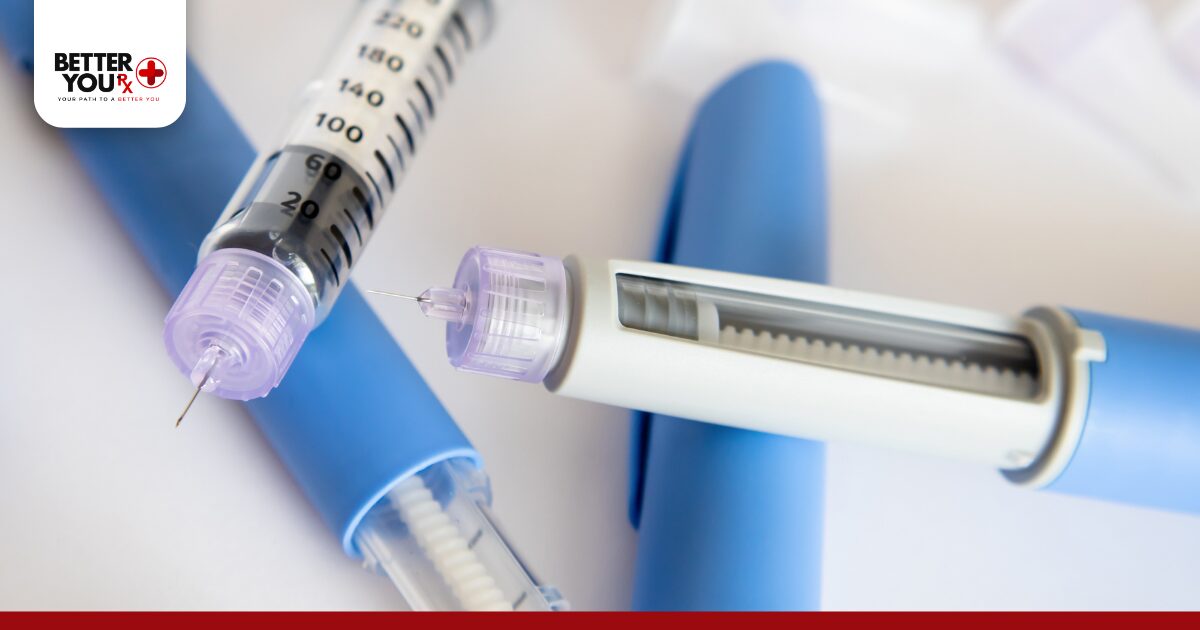
The gauge system measures needle thickness using an inverse numbering system. Higher gauge numbers indicate thinner needles, while lower gauge numbers mean thicker needles. This measurement system can seem counterintuitive at first, but understanding it helps you make informed choices about your insulin delivery supplies.
Medical needles use the Birmingham Wire Gauge system, originally developed for measuring wire thickness. When applied to needles, the gauge number corresponds to the outer diameter of the needle shaft.
For insulin injections, the gauge range typically includes:
- 28 gauge measuring 0.36mm in diameter
- 29 gauge measuring 0.33mm in diameter
- 30 gauge measuring 0.30mm in diameter
- 31 gauge measuring 0.25mm in diameter
- 32 gauge measuring 0.23mm in diameter
The difference between each gauge may seem minimal, but even small variations in needle diameter significantly affect injection comfort. A 32 gauge needle creates a puncture approximately 36% smaller than a 28 gauge needle, resulting in noticeably less discomfort.
When examining what gauge are insulin needles, the thinner options have become more widely available over the past decade. Advances in needle technology now allow for ultra-thin needles that maintain structural integrity while piercing the skin. These thinner needles bend less and deliver insulin just as effectively as their thicker counterparts.
Most healthcare providers recommend starting with thinner gauge needles unless specific circumstances require otherwise. People with thicker skin or those who need to inject through clothing in emergency situations might benefit from slightly lower gauge options. However, for routine daily injections, the 31-32 gauge range provides optimal comfort.
Ready to get your insulin supplies? Order Humalog Junior KwikPen through Better You Rx, a prescription referral service connecting you with affordable options.
What Gauge Are Insulin Needles Available Today
Understanding what gauge are insulin needles currently on the market helps you select from the full range of available options. Today’s insulin needles span from 28 to 32 gauge, each offering distinct characteristics for different user needs and preferences.
28 Gauge Needles
The 28 gauge represents the thicker end of insulin needle options. These needles measure 0.36mm in diameter and were more commonly used in earlier decades of insulin therapy. While thicker than modern alternatives, some people still prefer them for specific situations.
Advantages of 28 gauge needles include increased structural stability and easier handling for people with reduced dexterity or vision impairments. The sturdier construction means less bending during injection, which can be beneficial when injecting at awkward angles.
However, the increased diameter means more tissue displacement and potentially more discomfort. People with lower pain tolerance or children often find 28 gauge needles less comfortable than thinner alternatives.
30 Gauge Needles
The 30 gauge needle measures 0.30mm in diameter and represents a middle ground between older thicker needles and modern ultra-thin options. These needles balance comfort with durability, making them suitable for various body types and injection sites.
Many people transitioning from thicker needles start with 30 gauge options before moving to thinner gauges. This gradual transition helps build confidence with injections while improving comfort compared to 28 gauge needles.
The 30 gauge works well for people with average skin thickness and those who inject into areas with adequate subcutaneous fat. These needles penetrate easily without requiring excessive pressure during injection.
31-32 Gauge Needles
The 31 and 32 gauge needles represent the thinnest options currently available for insulin delivery. These ultra-thin needles measure 0.25mm and 0.23mm respectively, providing maximum comfort during injections.
Research shows that thinner needles significantly reduce pain perception during injections. The smaller puncture size causes less nerve stimulation and tissue trauma, resulting in a more comfortable experience overall.
When determining what gauge are insulin needles best for comfort, the 31-32 gauge range consistently receives the highest satisfaction ratings. These needles work effectively for all insulin types, including rapid-acting formulations like Novorapid and long-acting options like Lantus.
The main consideration with ultra-thin needles involves injection technique. While these needles require no more force to penetrate the skin than thicker options, they do require steady hand control to prevent bending. Proper injection technique ensures the needle enters at the correct angle without flexing.
| Gauge Size | Diameter | Comfort Level | Best For |
| 28 gauge | 0.36mm | Moderate | Reduced dexterity, thicker skin |
| 30 gauge | 0.30mm | Good | General use, transitioning users |
| 31 gauge | 0.25mm | Excellent | Maximum comfort, routine injections |
| 32 gauge | 0.23mm | Excellent | Highest comfort, thin skin |
Factors That Affect Needle Comfort
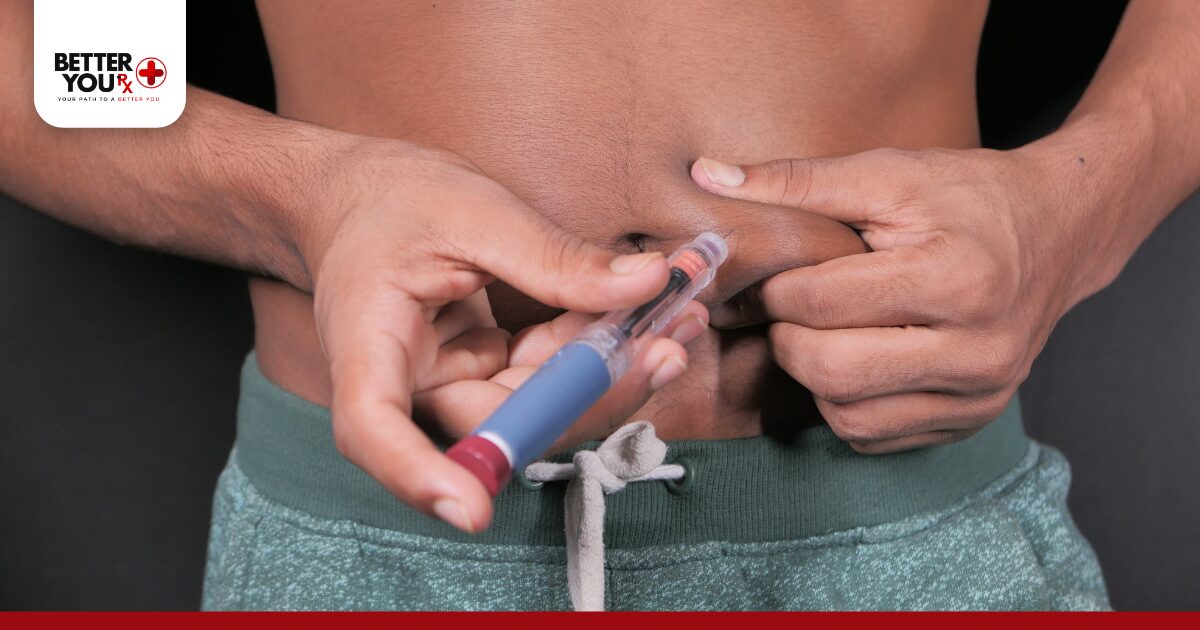
Multiple elements beyond gauge influence how comfortable your insulin injections feel. Understanding these factors helps you optimize your injection experience and minimize discomfort.
Needle Length Considerations
Needle length works together with gauge to determine overall comfort. Shorter needles reduce the risk of intramuscular injection while maintaining effective insulin delivery. Most insulin needles range from 4mm to 12.7mm in length.
The 4-6mm length range works effectively for most adults and children. These shorter needles deliver insulin into the subcutaneous layer without reaching muscle tissue, even in leaner individuals. Studies demonstrate that shorter needles provide equivalent blood sugar control compared to longer options.
People with higher body mass may successfully use any length within the standard range. Those with lower body mass or children benefit most from 4-5mm needles. The shorter length ensures subcutaneous delivery regardless of injection site or body composition.
When considering what gauge are insulin needles and their corresponding lengths, thinner gauges typically pair with shorter lengths. A 32 gauge, 4mm needle represents the most comfortable combination currently available for most users.
Skin Thickness and Body Composition
Your skin thickness and subcutaneous fat layer depth influence which needle specifications work best. People with thinner skin generally prefer thinner gauge needles, as these cause less discomfort and reduce the sensation of the needle passing through tissue layers.
Areas of the body with more subcutaneous fat, such as the abdomen and thighs, accommodate various needle lengths and gauges effectively. Sites with less fat, like the arms, may feel more comfortable with thinner gauge needles.
Rotating injection sites helps maintain tissue health and ensures consistent insulin absorption. Using thinner gauge needles makes site rotation easier because they cause less tissue trauma, allowing previously used sites to heal more quickly.
Injection Technique
Proper injection technique significantly impacts comfort regardless of needle gauge. The angle of insertion, speed of injection, and skin preparation all contribute to the overall experience.
Most insulin injections should be administered at a 90-degree angle to the skin surface. This perpendicular approach ensures the needle enters the subcutaneous layer directly. People using shorter needles (4-5mm) can inject at 90 degrees without pinching the skin.
The speed at which you insert the needle affects pain perception. Quick, decisive insertion typically causes less discomfort than slow, hesitant pushing. Once the needle penetrates the skin, injecting the insulin slowly over several seconds improves comfort and reduces insulin leakage.
Room temperature insulin flows more easily and causes less discomfort than cold insulin directly from the refrigerator. Allowing your insulin pen to reach room temperature before injection improves the overall experience.
Need reliable insulin delivery? Get Lantus SoloStar from Better You Rx, offering accessible medication options.
Choosing the Right Gauge for Your Needs

Selecting the appropriate needle gauge involves considering your individual circumstances, preferences, and medical requirements. While thinner needles generally provide more comfort, personal factors should guide your final decision.
Starting Recommendations
People new to insulin injections often benefit from beginning with 31 or 32 gauge needles paired with 4-6mm lengths. This combination provides maximum comfort while ensuring effective insulin delivery. Starting with the most comfortable option helps build confidence and reduces anxiety around daily injections.
Children and adolescents particularly benefit from ultra-thin needles. The reduced discomfort makes the injection process less stressful and helps establish positive routines around diabetes management. Parents administering injections to children should consider what gauge are insulin needles that will minimize fear and discomfort.
Special Considerations
Certain situations may warrant different gauge selections. People with significant hand tremors or reduced fine motor control might find slightly thicker needles (30 gauge) easier to handle without bending. The added structural stability can improve injection accuracy.
Individuals with particularly thick or calloused skin at injection sites may require 29-30 gauge needles for reliable penetration. However, proper site rotation usually prevents excessive skin thickening, making ultra-thin needles viable for most people long-term.
Some rapid-acting insulins have slightly different viscosity characteristics. While all insulin types work effectively with any gauge in the standard range, people using concentrated insulin formulations should verify needle compatibility with their healthcare provider.
Trial and Adjustment
Finding your ideal needle gauge may require trying different options.Testing different specifications helps you identify which combination feels most comfortable for your body and injection technique.
Keep notes about your experiences with different needle gauges. Document factors like ease of insertion, pain level, bleeding frequency, and insulin leakage. This information helps you and your healthcare provider identify patterns and make informed adjustments.
Remember that your needs may change over time. Weight fluctuations, changes in injection sites, or improvements in injection technique might make different gauge options more suitable. Remaining open to adjustments ensures continued comfort as your circumstances evolve.
Needle Gauge Myths and Facts
Several misconceptions about needle gauge persist despite evidence to the contrary. Clarifying these myths helps you make decisions based on accurate information rather than unfounded concerns.
Myth – Thinner Needles Bend Too Easily
Many people worry that ultra-thin needles will bend during injection, making them ineffective or causing injury. Modern needle techniques produce thin needles with excellent structural integrity. When used with proper technique, 31-32 gauge needles penetrate the skin reliably without bending.
The key to preventing needle bending involves using quick, confident insertion and maintaining a steady hand. Hesitant, slow pushing increases bending risk regardless of gauge. Proper technique makes ultra-thin needles just as reliable as thicker options.
Myth – Thicker Needles Deliver Insulin Faster
Some people believe thicker needles allow for faster insulin delivery. In reality, insulin flow rate depends primarily on injection pressure and insulin viscosity, not needle diameter. The gauge differences in insulin needles have minimal impact on delivery speed.
All standard insulin needle gauges deliver insulin effectively within the recommended time frame of 5-10 seconds. The small variations in internal diameter between 28 and 32 gauge needles do not significantly affect practical injection time.
Myth – You Need Thicker Needles for Concentrated Insulin
Concentrated insulin formulations like U-200 or U-500 flow through ultra-thin needles just as effectively as standard U-100 insulin. The slightly increased viscosity of concentrated formulations does not require thicker needles for proper delivery.
When questioning what gauge are insulin needles appropriate for concentrated insulins, the same 31-32 gauge recommendations apply. Needle selection should prioritize comfort while ensuring you use the correct syringe or pen designed for your insulin concentration.
Fact – Thinner Needles Reduce Bruising
Thinner gauge needles cause less tissue trauma and typically result in less bruising compared to thicker needles. The smaller puncture size disturbs fewer blood vessels, reducing the likelihood of bleeding and subsequent bruising.
While individual factors like blood thinning medications or injection technique also affect bruising, using thinner gauge needles generally decreases bruising frequency. This benefit makes ultra-thin needles particularly valuable for people prone to easy bruising.
Fact – Gauge Affects Pain Perception
Research consistently demonstrates that thinner gauge needles reduce pain perception during injections. The correlation between needle diameter and discomfort is well-established across multiple studies. Thinner needles stimulate fewer nerve endings and cause less tissue displacement, resulting in measurably less pain.
This pain reduction is not merely psychological. Objective measurements of pain responses show significant differences between 28 gauge and 32 gauge needles. For people requiring multiple daily injections, these comfort improvements substantially impact quality of life.
Looking for fast-acting insulin? Purchase Insulin Novorapid FlexPens through Better You Rx, a prescription referral service providing convenient access to your medications.
Best Practices for Comfortable Injections
Regardless of which needle gauge you select, following best practices for injection technique maximizes comfort and effectiveness. These strategies work together with appropriate needle selection to optimize your injection experience.
Proper Site Preparation
Clean the injection site with soap and water or an alcohol wipe before each injection. Allow the area to dry completely before inserting the needle. Injecting through wet skin or alcohol residue can cause stinging sensations that increase discomfort.
Rotate injection sites systematically to prevent lipohypertrophy, a condition where repeated injections in the same area cause lumpy fat deposits. These lumps alter insulin absorption and make injections more uncomfortable. Using thinner gauge needles reduces tissue trauma and helps maintain healthy injection sites.
Temperature Matters
Always inject insulin at room temperature. Cold insulin causes more discomfort and may not absorb as predictably. Remove your insulin pen from the refrigerator at least 30 minutes before injection, or keep your current pen at room temperature according to guidelines.
Rolling the pen gently between your palms can help warm the insulin slightly. Avoid vigorous shaking, which can damage certain insulin formulations. For insulin that requires mixing, gentle rolling ensures proper suspension without introducing excessive air bubbles.
Insertion Technique
Hold the pen like a dart with your dominant hand while using your other hand to stabilize the injection site. Insert the needle quickly and smoothly in one motion. Quick insertion typically causes less discomfort than slow, gradual pushing.
Once the needle is fully inserted, pause briefly before injecting the insulin. This momentary pause allows any initial discomfort to subside before the insulin flows. Press the injection button slowly and steadily, counting to 10 before withdrawing the needle.
After injecting, hold the needle in place for 5-10 seconds before withdrawing. This pause prevents insulin leakage and ensures full dose delivery. Withdraw the needle at the same angle used for insertion using a quick, smooth motion.
Managing Anxiety
Injection anxiety can amplify pain perception and make the process more difficult. Relaxation techniques like deep breathing help reduce muscle tension and calm nerves before injections. Finding a comfortable, private space for injections reduces stress.
Understanding what gauge are insulin needles and knowing you are using the most comfortable option available can ease anxiety. The knowledge that you have selected optimal equipment for your comfort provides reassurance during the injection process.
Some people find distraction techniques helpful. Watching television, listening to music, or talking with family members during injections can shift focus away from the procedure. Children particularly benefit from distraction methods that make injection time less stressful.
Key Takeaways
Selecting the right insulin needle gauge significantly impacts your daily diabetes management experience. The 31-32 gauge needles offer maximum comfort for most people while delivering insulin effectively into the subcutaneous tissue. These ultra-thin needles cause minimal tissue trauma and significantly reduce pain compared to thicker alternatives.
Understanding the inverse relationship between gauge numbers and needle thickness helps you make informed choices. Higher gauge numbers mean thinner needles, with 32 gauge being the thinnest option currently available for insulin delivery.
Beyond gauge, needle length also affects comfort and effectiveness. Pairing thin gauge needles with shorter lengths (4-6mm) provides optimal results for most users. This combination ensures subcutaneous delivery while minimizing discomfort and reducing the risk of intramuscular injection.
Personal factors like skin thickness, body composition, injection technique, and individual pain sensitivity all influence which needle specifications work best for you. Starting with thinner gauge options and adjusting based on your experience helps you find the ideal combination.
Proper injection technique matters just as much as needle selection. Room temperature insulin, clean injection sites, quick insertion, and systematic site rotation all contribute to comfortable, effective insulin delivery. Combining optimal needle selection with good technique provides the best possible injection experience.
Modern insulin needles offer remarkable comfort compared to options available in previous decades. Taking advantage of these advances by selecting appropriate thin gauge needles makes daily diabetes management more comfortable and less stressful. Your healthcare provider can offer personalized guidance on needle selection based on your specific circumstances and needs.
Frequently Asked Questions
Is a 21 or 25 Gauge Needle Bigger?
A 21 gauge needle is bigger than a 25 gauge needle. The gauge system works inversely, meaning lower numbers indicate larger diameter needles. A 21 gauge needle measures approximately 0.8mm in diameter, while a 25 gauge needle measures about 0.5mm. Neither of these gauges is typically used for insulin injections. Standard insulin needles range from 28 to 32 gauge, which are much thinner than both 21 and 25 gauge options.
What Size Needles for Insulin?
Insulin needles typically range from 28 to 32 gauge in thickness and 4mm to 12.7mm in length. The most comfortable and commonly recommended options are 31-32 gauge needles paired with 4-6mm lengths. These specifications deliver insulin effectively into the subcutaneous tissue while minimizing discomfort. Your healthcare provider can help determine the optimal size based on your body type, injection sites, and personal preferences.
What Is a 28 Gauge Needle Used For?
A 28 gauge needle is used for subcutaneous injections, including insulin delivery, though it represents the thicker end of insulin needle options. These needles measure 0.36mm in diameter and were more commonly used in earlier years of insulin therapy. Some people still prefer 28 gauge needles for their increased structural stability, particularly individuals with reduced dexterity or vision impairments. However, most people find thinner gauge needles more comfortable for routine insulin injections.
Is a 27 or 30 Gauge Needle Bigger?
A 27 gauge needle is bigger than a 30 gauge needle. The 27 gauge measures approximately 0.4mm in diameter, while the 30 gauge measures 0.30mm. When considering what gauge are insulin needles, the 27 gauge falls outside the typical range used for insulin delivery. Most insulin needles start at 28 gauge and go up to 32 gauge, with the higher numbers representing thinner, more comfortable options for daily injections.
What Is a 28 Gauge Used For?
A 28 gauge needle is used primarily for subcutaneous injections, including insulin administration and other medications delivered under the skin. These needles work effectively for various injection purposes but represent the thicker option within the insulin needle range. Medical professionals also use 28 gauge needles for certain diagnostic procedures and medication delivery where slightly more structural stability is beneficial. For insulin specifically, many people now prefer thinner 31-32 gauge needles for improved comfort.
Which Is Thinner, 28 Gauge or 30 Gauge?
A 30 gauge needle is thinner than a 28 gauge needle. The 30 gauge measures 0.30mm in diameter compared to the 28 gauge at 0.36mm. This difference, while seemingly small, noticeably affects injection comfort. When evaluating what gauge are insulin needles that provide optimal comfort, the 30 gauge represents an improvement over 28 gauge, though 31-32 gauge needles offer even greater comfort for most users. The thinner diameter causes less tissue displacement and typically results in less pain during injection.
What Is a 24 Gauge Used For?
A 24 gauge needle is used for procedures requiring larger needle diameters, such as blood donation, certain intravenous medication administration, and some diagnostic procedures. These needles measure approximately 0.55mm in diameter, making them significantly thicker than insulin needles. The 24 gauge is not appropriate for insulin injections or routine subcutaneous medication delivery. Insulin administration requires much thinner needles in the 28-32 gauge range to minimize discomfort and tissue trauma during daily injections.