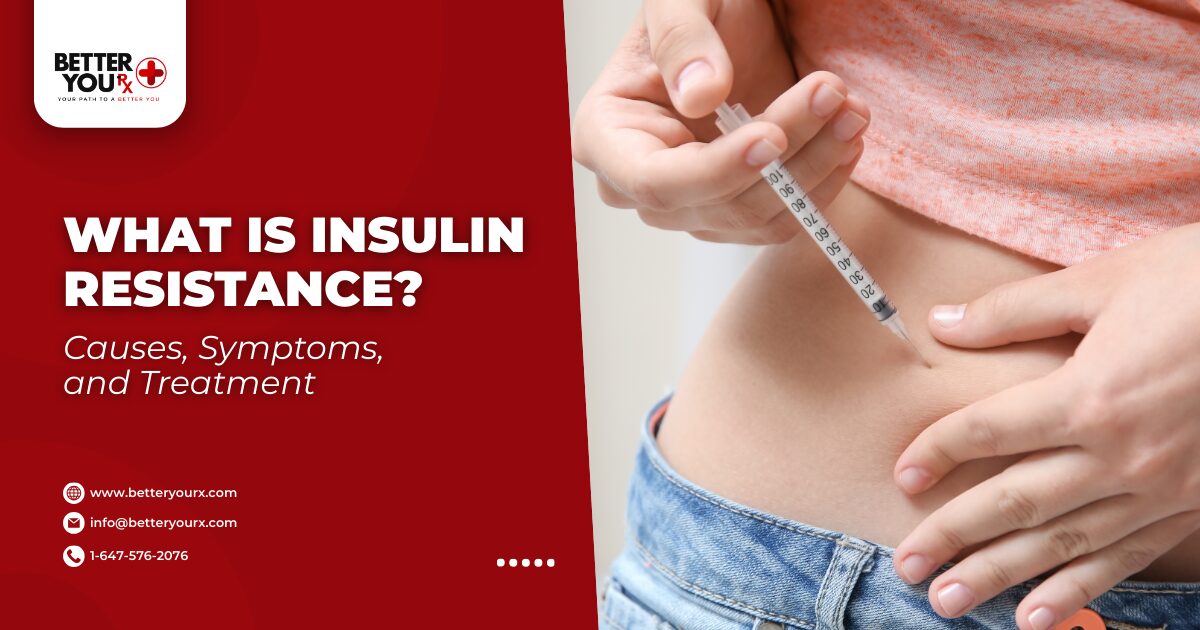
Insulin resistance occurs when your cells fail to respond properly to insulin, resulting in symptoms such as fatigue, increased sugar cravings, weight gain, and mood swings. It’s primarily caused by excess belly fat, chronic inflammation, poor diet, and lifestyle factors. It’s highly reversible through dietary changes, exercise, stress management, and quality sleep. Unlike diabetes, insulin resistance can often be completely reversed with the right approach. This guide covers everything you need to know about recognizing, understanding, and fixing insulin resistance before it progresses to more serious health issues.
If you’ve been feeling constantly tired despite getting enough sleep, craving sweets more frequently than usual, or noticing your pants getting tighter around the waist, you may be experiencing insulin resistance. It’s one of those health issues that sneaks up on you, affecting millions of people who don’t even realize they have it. The frustrating part is that many doctors don’t test for it until it’s already progressed to prediabetes or type 2 diabetes. But here’s what most people don’t know: insulin resistance is not only preventable but often completely reversible when you catch it early and know what to do about it.
What Is the Main Cause of Insulin Resistance?

The primary reason behind insulin resistance is excess body fat, particularly around your midsection. When you carry extra weight, especially visceral fat (the fat around your organs), it releases inflammatory substances that interfere with insulin’s ability to do its job effectively. Think of it as static on a radio – the signal is there, but it’s getting scrambled.
Chronic inflammation plays a huge role too. When your body is constantly fighting low-level inflammation from poor diet, stress, or lack of sleep, it creates an environment where insulin struggles to work properly.
Your lifestyle choices significantly impact your risk as well. A diet high in processed foods, refined sugars, and unhealthy fats creates repeated spikes in blood sugar, forcing your pancreas to pump out more and more insulin. Over time, your cells essentially become “tired” of receiving these constant insulin signals and start ignoring them.
Genetics also play a role, and having a family history of diabetes or insulin resistance doesn’t guarantee you’ll develop it, it just means you need to be more mindful of the other risk factors you can control.
Need support with your treatment? Learn more and buy cheap Insulin Tresiba Flextouch online from Better You Rx for trusted diabetes care.
How Do You Know You Are Insulin Resistant?

The most reliable way to know if you’re insulin resistant is through specific blood tests. Your doctor might order a fasting glucose test, an oral glucose tolerance test, or check your HbA1c levels. The HOMA-IR (Homeostatic Model Assessment of Insulin Resistance) is considered one of the most accurate tests, as it measures both your fasting glucose and insulin levels to calculate how resistant your cells have become.
Physical signs can also give you important clues. One of the most visible indicators is acanthosis nigricans – dark, velvety patches of skin that typically appear around your neck, armpits, or groin area. These patches aren’t dirt that won’t wash off; they’re actually a sign that your insulin levels are chronically elevated.
Your waist measurement is another telling indicator. If you’re carrying excess weight around your middle (apple-shaped rather than pear-shaped), this suggests you might have insulin resistance. For men, a waist circumference over 40 inches is concerning, while for women, it’s over 35 inches.
Energy patterns throughout your day can also reveal insulin resistance. Do you experience energy crashes a few hours after meals? Do you feel tired even after eating? These could be signs that your body isn’t processing glucose efficiently.
Sleep quality often suffers when you’re insulin resistant. Many people notice they have trouble falling asleep or staying asleep, particularly if they’ve eaten late in the evening.
Take control of your health journey today. Get affordable insulin medications through our prescription referral service at Better You Rx and save on the medications you need.
What Are the Symptoms of High Insulin Resistance?
When insulin resistance progresses, your body starts sending out more obvious distress signals that become harder to ignore. Understanding these symptoms can help you catch the condition before it develops into type 2 diabetes.
Persistent fatigue is often the first symptom people notice. You might feel tired even after a full night’s sleep, or experience that “brain fog” feeling where concentrating becomes difficult. This happens because your cells aren’t getting the glucose they need for energy, even though there’s plenty of sugar circulating in your blood.
Intense sugar cravings become a daily battle. Your brain, sensing that cells aren’t getting enough glucose, sends out urgent hunger signals, particularly for sweet or starchy foods. You might find yourself reaching for snacks constantly, especially in the afternoon, only to feel hungry again shortly after eating.
Weight gain, particularly around the middle, becomes increasingly difficult to control. Even if you’re eating the same amount as before, the pounds seem to creep on, especially around your waistline. This belly fat is both a symptom and a contributor to worsening insulin resistance, creating a frustrating cycle.
Skin changes become more pronounced as insulin resistance worsens. Besides the dark patches mentioned earlier, you might notice skin tags appearing around your neck, armpits, or eyelids. Some people also experience more frequent skin infections or slower wound healing.
Blood pressure issues often accompany insulin resistance. High insulin levels can cause your kidneys to retain sodium and your blood vessels to become less flexible, leading to elevated blood pressure readings.
Mood swings and irritability are common, especially when blood sugar levels fluctuate throughout the day. You might notice you become “hangry” (hungry and angry) more easily, or feel anxious or jittery between meals.
Sleep disturbances worsen as insulin resistance progresses. You might experience restless leg syndrome, sleep apnea, or frequent wake-ups during the night, all of which can be related to poor glucose metabolism and inflammation.
Continue reading to learn if you need a prescription for Canadian insulin.
How Do You Fix Insulin Resistance?

The most effective approach to reversing insulin resistance involves several key strategies working together:
- Dietary changes – Focus on eating whole, unprocessed foods that don’t cause dramatic spikes in blood sugar. This means choosing complex carbohydrates like vegetables, legumes, and whole grains over refined sugars and processed foods. The Mediterranean diet has shown particular promise for improving insulin sensitivity.
- Intermittent fasting – This powerful tool gives your body regular breaks from processing food, allowing your insulin levels to drop and your cells to become more sensitive to insulin again. Even simple approaches like eating within a 12-hour window can make a significant difference.
- Regular exercise – Perhaps the most effective single intervention for improving insulin sensitivity. Both aerobic exercise and resistance training help your muscles use glucose more efficiently, reducing the burden on your insulin system. You don’t need to become a marathon runner – even a 30-minute walk after meals can significantly improve your glucose metabolism.
- Stress management – This crucial factor is often overlooked. Chronic stress elevates cortisol levels, which directly contributes to insulin resistance. Practices like meditation, yoga, deep breathing, or even regular hobbies that help you relax can have measurable effects on your insulin sensitivity.
- Quality sleep – Non-negotiable for reversing insulin resistance. Poor sleep directly impairs glucose metabolism and increases insulin resistance. Aim for 7-9 hours of consistent, quality sleep each night, and establish a regular sleep schedule.
- Strategic supplementation – Can provide additional support. Supplements like chromium, magnesium, alpha-lipoic acid, and berberine have shown promise in improving insulin sensitivity. However, always consult with a healthcare provider before starting any supplement regimen.
- Weight loss – Even modest amounts can dramatically improve insulin sensitivity. Losing just 5-10% of your body weight can lead to significant improvements in how your cells respond to insulin.
What Is the Difference Between Diabetes and Insulin Resistance?
It’s important to know how insulin resistance and diabetes are connected, but they are not the same. Insulin resistance is like an early warning sign that diabetes could happen later if changes aren’t made.
| Aspect | Insulin Resistance | Type 2 Diabetes |
| Blood Sugar Levels | Often normal or slightly elevated | Consistently elevated (≥126 mg/dL fasting) |
| Insulin Production | Usually normal or elevated | May be normal, elevated, or declining over time |
| Cell Response to Insulin | Significantly impaired | Severely impaired |
| Symptoms | Often subtle or absent | More noticeable (frequent urination, excessive thirst, blurred vision) |
| Diagnosis | Requires specific insulin resistance tests | Diagnosed with standard glucose tests |
| Reversibility | Highly reversible with lifestyle changes | Can be managed and sometimes reversed, but more challenging |
| Complications | Primarily metabolic syndrome symptoms | Risk of serious complications (nerve damage, kidney disease, eye problems) |
| Treatment Approach | Primarily lifestyle modifications | May require medications along with lifestyle changes |
| Timeline | Can develop over years without detection | Represents a more advanced stage of metabolic dysfunction |
Insulin resistance is essentially the stage where your cells are becoming resistant to insulin’s signals, but your pancreas can still produce enough insulin to keep your blood sugar in a relatively normal range. You might not even know you have it unless you’re specifically tested for it.
Type 2 diabetes, on the other hand, represents what happens when insulin resistance has progressed to the point where your pancreas can no longer keep up with the demand for insulin, or your cells have become so resistant that even high levels of insulin can’t maintain normal blood sugar levels.
The key difference is in blood sugar control. With insulin resistance alone, your blood sugar might be normal most of the time, though you might notice some fluctuations. With diabetes, your blood sugar levels are consistently elevated, which is when serious health complications can begin to develop.
Prediabetes sits somewhere in the middle – it’s more advanced than simple insulin resistance but hasn’t quite reached the diabetes threshold yet. This is actually an ideal time to intervene, as the progression to diabetes isn’t inevitable with the right changes.
The progression typically follows this pattern: normal insulin sensitivity → insulin resistance → prediabetes → type 2 diabetes. However, this progression can be slowed, stopped, or even reversed at any stage with appropriate interventions.
Final Words
Insulin resistance may sound complicated, but it’s really your body’s way of warning you that something needs to change. Left unchecked, it can slowly lead to prediabetes, type 2 diabetes, and other serious health issues. The good news is that you have the power to turn things around. With the right food choices, regular movement, better sleep, and stress control, your cells can regain their sensitivity to insulin and restore balance.
Catching insulin resistance early is the key. Paying attention to symptoms like constant fatigue, sugar cravings, or stubborn belly fat can help you act before it progresses. Remember—this condition is not a life sentence. With simple, consistent changes, you can protect your health, boost your energy, and prevent diabetes from taking hold. Taking steps today will set you up for a healthier tomorrow
Frequently Asked Questions
What Is Insulin Resistance (PCOS)?
Insulin resistance means your body does not use insulin properly. In PCOS, this makes it harder to control blood sugar. Over time, this can cause weight gain, irregular periods, and higher risk of type 2 diabetes.
How I Cured My Insulin Resistance in PCOS?
There is no quick cure, but many women improve insulin resistance with lifestyle changes. Eating balanced meals, exercising, losing extra weight, and sometimes taking medicine like metformin can help. These steps can make the body respond better to insulin.
What Are the Four Stages of PCOS?
PCOS does not have official “stages,” but doctors often look at symptoms. These include irregular periods, high androgens (male hormones), insulin resistance, and problems with fertility. Some people may have only mild signs, while others have more severe health issues.
What Is the Biggest Symptom of PCOS?
One of the most common symptoms is irregular or missed periods. Many women also notice weight gain, acne, or excess hair growth. The biggest sign depends on the person, but irregular cycles are often the first red flag.
What Is the Life Expectancy of a Person With PCOS?
PCOS itself does not shorten life expectancy. But if not managed, it raises the risk of diabetes, heart disease, and other long-term health problems. With healthy habits and treatment, women with PCOS can live a normal, full life.
Can You Reverse PCOS?
PCOS cannot be fully reversed because it is a lifelong condition. However, the symptoms can be managed very well. Many women control their periods, lower insulin resistance, and improve fertility with lifestyle changes, medicine, and regular care.