Can I Start Wegovy at 1.7 mg? | Safe Starting Dose Explained
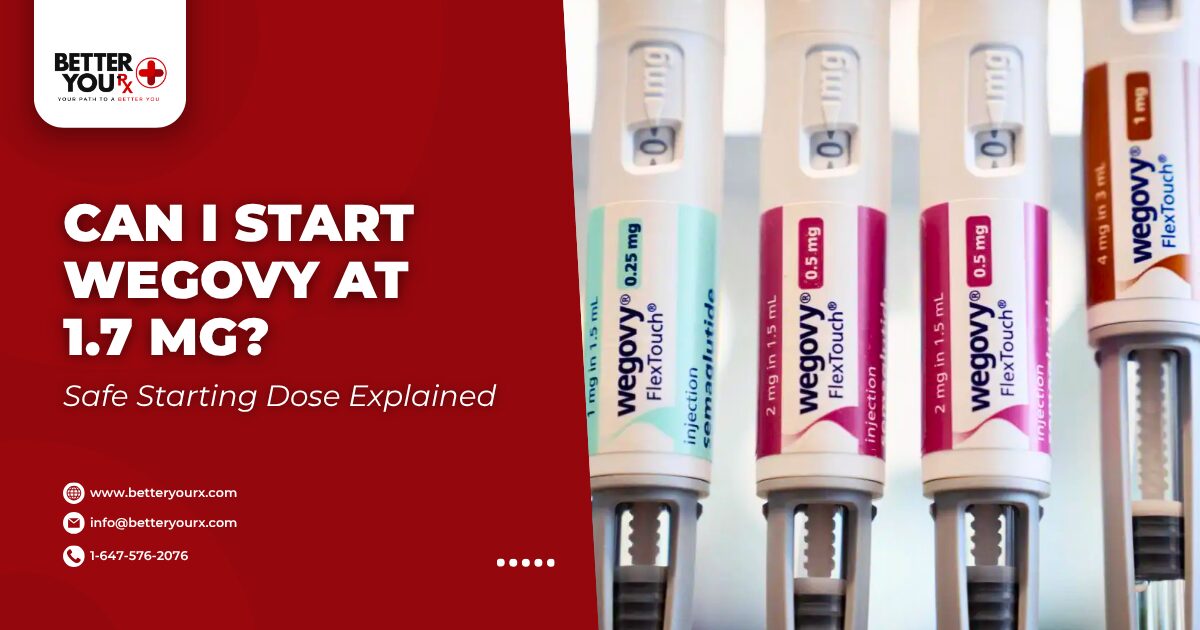
Can I start Wegovy at 1.7 mg is a common question among those considering this weight management medication. Starting Wegovy at 1.7 mg without proper dose escalation can lead to severe digestive problems and isn’t medically recommended. Wegovy (Semaglutide) follows a specific dosing schedule that begins at 0.25 mg weekly and gradually increases over 16-20 weeks to reach the maintenance dose of 2.4 mg. This gradual approach allows your body to adjust to the medication while minimizing side effects like nausea, vomiting, and stomach discomfort. Skipping directly to 1.7 mg bypasses critical adjustment periods your digestive system needs. The medication works by mimicking natural hormones that regulate appetite and blood sugar levels. Following prescribed escalation schedules provides the safest path to achieving sustainable weight loss goals without compromising your daily quality of life throughout treatment.

Why Wegovy Requires Gradual Dose Escalation

Wegovy’s dosing schedule exists for important medical reasons. Your digestive system needs time to adapt to how Semaglutide slows gastric emptying. Starting at lower doses allows your stomach and intestines to adjust gradually to this change in function.

The standard progression begins at 0.25 mg for four weeks, then moves to 0.5 mg for another four weeks. This continues through 1 mg, 1.7 mg, and finally reaches 2.4 mg. Each step serves a purpose in building tolerance.

Key reasons for gradual escalation:

  • Reduces risk of severe nausea and vomiting
  • Allows digestive system adaptation
  • Minimizes treatment discontinuation
  • Helps identify individual tolerance levels
  • Builds sustainable weight loss patterns

Jumping to 1.7 mg creates unnecessary risks. Studies show patients who follow proper escalation experience fewer side effects and better long-term adherence. Your body needs approximately 16-20 weeks to reach the full maintenance dose safely.

The medication concentration in your bloodstream increases steadily with each dose level. Rapid increases can overwhelm your system’s ability to process the medication effectively. This leads to uncomfortable symptoms that might force treatment interruption.

Healthcare providers design this schedule based on extensive research showing optimal patient outcomes. Following the prescribed progression gives you the best chance at successful weight management without compromising your daily quality of life.

Looking for reliable access to diabetes medications? Better You Rx offers convenient prescription referral services for products like Humalog Junior KwikPen to support your overall metabolic health management.

Understanding Wegovy’s Recommended Dosing Schedule

The standard Wegovy titration schedule follows a precise timeline designed for maximum effectiveness and tolerability. Each dose level serves specific purposes in your weight management journey.

Week Dose Duration Purpose
1-4 0.25 mg 4 weeks Initial tolerance building
5-8 0.5 mg 4 weeks Early adaptation phase
9-12 1 mg 4 weeks Moderate dose adjustment
13-16 1.7 mg 4 weeks Pre-maintenance preparation
17+ 2.4 mg Ongoing Full maintenance dose

Month One – Starting Phase (0.25 mg)

Your first month introduces Semaglutide at the lowest therapeutic dose. Most people experience minimal side effects during this period. You might notice slight appetite reduction, but the primary goal is tolerance development.

This initial dose allows your body to recognize the medication without overwhelming your system. Some patients report mild nausea that typically subsides within the first two weeks as adaptation occurs.

Months Two Through Four – Building Phase

As you progress through 0.5 mg and 1 mg doses, appetite suppression becomes more noticeable. Weight loss typically begins accelerating during these months. Your stomach adjusts to slower emptying, which contributes to prolonged fullness.

Many people find this middle phase most challenging for side effects. Staying hydrated and eating smaller portions helps manage digestive discomfort. The question “can I start Wegovy at 1.7 mg” often arises here, but patience with the process yields better outcomes.

Month Five – Pre-Maintenance (1.7 mg)

Reaching 1.7 mg represents significant progress in your treatment. This dose provides substantial appetite control while preparing your body for the final maintenance level. Weight loss often continues steadily at this stage.

Your healthcare provider assesses your response at this point. Some patients remain at 1.7 mg if they achieve their goals, while others continue to 2.4 mg for maximum benefit.

Better You Rx provides prescription referral services for essential diabetes medications like Lantus Solostar, helping you maintain comprehensive metabolic wellness alongside weight management efforts.

Potential Risks of Starting at Higher Doses

Potential Risks of Starting at Higher Doses

Beginning Wegovy at elevated doses like 1.7 mg without proper escalation creates several serious health concerns. Your body lacks the necessary adaptation period to handle the medication’s effects on your digestive system.

Severe Gastrointestinal Reactions

The most common complications involve your digestive tract. Patients who skip dose escalation frequently experience:

  • Persistent nausea lasting several days
  • Multiple episodes of vomiting daily
  • Severe stomach pain and cramping
  • Inability to keep food or fluids down
  • Rapid dehydration requiring medical attention
  • Emergency room visits for uncontrollable symptoms

These reactions can be intense enough to require stopping treatment entirely. Some patients develop such negative associations with the medication that resuming therapy becomes psychologically difficult.

Metabolic Complications

Starting too high affects more than just your stomach. Your body’s metabolic processes need time to adjust to Semaglutide’s actions. Sudden exposure to high doses can cause blood sugar fluctuations that become unpredictable, especially if you have diabetes or prediabetes.

The medication’s effect on insulin secretion and glucose production requires gradual implementation for stable control. Rapid weight loss from high initial doses may seem desirable but creates nutritional deficiencies. Your body needs time to adjust caloric intake downward while maintaining essential nutrient absorption.

Treatment Interruption and Restart Challenges

When severe side effects force treatment discontinuation, restarting becomes complicated. You cannot simply resume at the dose that caused problems. The entire escalation process typically must begin again from 0.25 mg.

This setback adds months to your treatment timeline and creates frustration. Many patients who experience severe initial reactions struggle with treatment adherence even when restarting properly. Can I start Wegovy at 1.7 mg becomes a moot question when considering long-term success requires starting correctly from the beginning.

Long-Term Adherence Problems

Patients who start too aggressively often abandon treatment within the first few months. The miserable experience of overwhelming side effects outweighs potential benefits in their minds.

Research consistently shows that gradual dose escalation leads to better one-year adherence rates. Medical guidance exists to protect you from these preventable complications. Following prescribed protocols might seem slower, but ensures sustainable results without unnecessary suffering.

How Wegovy Works in Your Body

Semaglutide, the active ingredient in Wegovy, functions as a glucagon-like peptide-1 (GLP-1) receptor agonist. This means it mimics natural hormones your intestines produce after eating.

Appetite Regulation Mechanisms

When you eat, your gut releases GLP-1 hormones that signal fullness to your brain. Wegovy amplifies these signals, creating stronger and longer-lasting satiety. This reduces hunger between meals and decreases overall food intake.

The medication targets specific receptors in your hypothalamus, the brain region controlling appetite. By activating these receptors continuously, Wegovy helps reset your body’s weight set point over time.

Effects on Gastric Emptying

Wegovy significantly slows how quickly food leaves your stomach. This延长 digestion time contributes to extended feelings of fullness after meals. You feel satisfied with smaller portions because food remains in your stomach longer.

This delayed gastric emptying explains why gradual dose escalation matters so much. Your stomach needs time to adapt to this altered function. Starting at 1.7 mg overwhelms this system before adaptation can occur.

Blood Sugar Regulation

Beyond weight management, Semaglutide affects glucose metabolism. It stimulates insulin release when blood sugar rises after meals while suppressing glucagon, a hormone that raises blood sugar.

These effects help stabilize blood sugar levels throughout the day. This dual action on appetite and glucose makes Wegovy particularly effective for people with metabolic concerns.

Metabolic Rate Changes

Some research suggests GLP-1 receptor agonists may slightly increase metabolic rate. While not the primary mechanism for weight loss, this contributes to overall caloric expenditure throughout treatment.

The medication also appears to influence fat storage patterns in the body. Over time, patients often notice changes in body composition beyond simple scale weight reduction.

Building Tolerance Over Time

Your body’s GLP-1 receptors gradually adjust to constant medication presence. This adaptation process requires weeks to complete at each dose level. Rushing through doses prevents proper receptor adjustment, leading to exaggerated side effects.

Understanding these mechanisms clarifies why can I start Wegovy at 1.7 mg receives a negative answer. Your physiological systems need progressive adaptation that only proper dose escalation provides.

Need support managing your metabolic health alongside Wegovy treatment? Better You Rx offers prescription referral services for Insulin NovoRapid FlexPens and other essential medications to complement your health journey.

What Healthcare Providers Consider Before Prescribing

Maximizing Wegovy Effectiveness Safely

Medical professionals evaluate multiple factors when determining your Wegovy treatment plan. Their assessment ensures the medication suits your individual health profile and goals.

Comprehensive Health History Review

Your provider examines your complete medical background before prescribing. They look for conditions that might complicate treatment or require special monitoring.

Previous weight loss attempts – Understanding what you’ve tried helps set realistic expectations. Your history with other medications informs how you might respond to Wegovy.

Existing health conditions – Certain digestive disorders, thyroid problems, or metabolic conditions affect treatment decisions. Your provider weighs potential benefits against any risks these conditions present.

Current medications – Wegovy can interact with other drugs, particularly those affecting blood sugar or digestion. Your complete medication list helps prevent dangerous interactions.

Body Weight and BMI Assessment

Wegovy approval requires meeting specific criteria. Generally, you need a BMI of 30 or higher, or 27 or higher with at least one weight-related health condition like high blood pressure or elevated cholesterol.

Your starting weight influences goal setting and monitoring plans. Providers establish baseline measurements to track progress throughout treatment.

Previous GLP-1 Experience

If you’ve used other GLP-1 medications before, this significantly impacts your starting dose. Patients transitioning from similar medications might follow modified escalation schedules.

However, even with prior GLP-1 experience, most providers still begin Wegovy at 0.25 mg. The question can I start Wegovy at 1.7 mg rarely receives approval even for experienced patients due to medication-specific considerations.

Mental Health Evaluation

Your psychological readiness for weight management treatment matters. Providers assess your relationship with food, body image concerns, and support systems available during treatment.

Understanding your mental health helps identify potential challenges early. Some patients benefit from counseling support alongside medication therapy.

Lifestyle and Commitment Assessment

Successful Wegovy treatment requires lifestyle modifications beyond medication. Your provider evaluates your willingness and ability to make dietary changes and increase physical activity.

They discuss realistic timelines and expectations. Weight loss with Wegovy occurs gradually over many months, requiring sustained commitment to the complete treatment protocol.

Monitoring Plans

Before prescribing, your provider establishes follow-up schedules. Regular check-ins assess treatment response, manage side effects, and adjust plans as needed.

These appointments provide opportunities to address concerns and ensure you’re progressing safely through dose escalation. Open communication with your healthcare team optimizes outcomes.

Managing Side Effects During Dose Escalation

Even with proper gradual dosing, some side effects occur during Wegovy treatment. Knowing how to manage these symptoms helps you continue therapy successfully.

Common Digestive Symptoms

Nausea ranks as the most frequently reported side effect, especially during dose increases. Most people experience mild to moderate nausea that improves within days as their body adjusts.

Practical strategies for managing nausea:

  • Eat smaller, more frequent meals throughout the day
  • Avoid lying down immediately after eating
  • Choose bland, easy-to-digest foods
  • Stay away from greasy, spicy, or heavily seasoned dishes
  • Drink clear fluids slowly between meals
  • Try ginger tea or ginger candies for natural relief

Vomiting occasionally occurs but typically resolves quickly. If vomiting persists beyond 24-48 hours, contact your healthcare provider for guidance.

Constipation affects many patients as digestive processes slow. Increasing water intake, adding fiber-rich foods, and gentle physical activity usually provides relief. Your provider can recommend appropriate remedies if needed.

Fatigue and Energy Changes

Some people feel more tired during the first weeks at each new dose. This usually improves as your body adapts. Ensuring adequate sleep, staying hydrated, and maintaining balanced nutrition helps manage fatigue.

Energy levels often stabilize and even improve as weight loss progresses and metabolic health improves. Give your body time to adjust before assuming fatigue represents a permanent side effect.

Headaches

Mild headaches sometimes accompany dose increases. Staying well-hydrated often prevents or reduces headache frequency. Most headaches diminish within the first week at a new dose.

Persistent or severe headaches warrant medical attention to rule out other causes and ensure appropriate management.

When to Contact Your Healthcare Provider

Certain symptoms require prompt medical evaluation:

  • Severe abdominal pain that doesn’t improve
  • Persistent vomiting preventing fluid intake
  • Signs of dehydration (dark urine, dizziness, extreme thirst)
  • Vision changes or severe headaches
  • Racing heart rate or chest discomfort
  • Extreme mood changes or depression
  • Severe allergic reactions (rash, swelling, difficulty breathing)

Dietary Adjustments That Help

Modifying what and how you eat significantly reduces side effects. Focus on protein-rich foods that help maintain muscle mass during weight loss and provide sustained energy. They’re generally well-tolerated even with slower digestion.

Hydration matters tremendously. Drinking water throughout the day prevents dehydration and helps manage many side effects. Aim for clear urine as a hydration indicator.

Avoid trigger foods. High-fat, very sweet, or heavily processed foods often worsen nausea. Stick with whole, minimally processed options during adjustment periods.

Understanding that can I start Wegovy at 1.7 mg leads to worse side effects helps appreciate the value of gradual escalation. Proper dosing minimizes these management challenges.

Maximizing Wegovy Effectiveness Safely
Why Wegovy Requires Gradual Dose Escalation

Getting the best results from Wegovy involves more than just taking injections. Combining medication with lifestyle strategies optimizes outcomes while maintaining safety.

Nutritional Strategies

Focus on nutrient-dense foods that provide maximum nutrition in smaller volumes. Since Wegovy reduces appetite, making every bite count becomes important.

Prioritize protein at each meal to preserve muscle mass during weight loss. Good sources include chicken, fish, eggs, Greek yogurt, and legumes.

Choose whole foods and minimize processed items that provide calories without substantial nutrition. Vegetables, fruits, whole grains, and lean proteins form your dietary foundation.

Practice mindful eating by paying attention to hunger and fullness signals. Wegovy enhances these signals, so learning to recognize and respect them improves results.

Plan balanced meals. Even with reduced appetite, ensure you’re getting varied nutrients. Work with a nutritionist if needed to develop sustainable eating patterns.

Physical Activity Integration

Exercise complements Wegovy’s effects on weight and metabolic health. Start gradually and build activity levels as energy improves and weight decreases.

Cardiovascular exercise like walking, swimming, or cycling supports calorie expenditure and heart health. Begin with manageable durations and increase gradually.

Strength training helps maintain muscle mass during weight loss. This preserves metabolic rate and improves body composition beyond simple weight reduction.

Daily movement matters. Incorporate more activity into routine tasks. Taking stairs, parking farther away, or stretching while watching television all contribute to total daily energy expenditure.

Many patients ask if they can do high-intensity exercise while taking Wegovy. Generally, yes, but start conservatively and listen to your body. Some people feel more fatigued during dose escalations, so adjust intensity accordingly.

Hydration Focus

Adequate fluid intake becomes especially important during Wegovy treatment. Slower digestion can make dehydration more likely if you’re not intentionally drinking enough.

Aim for clear or pale yellow urine as a hydration indicator. Carry water with you and sip throughout the day rather than drinking large amounts at once.

Sleep and Stress Management

Quality sleep supports weight management through multiple mechanisms. It regulates hunger hormones, improves decision-making around food choices, and provides energy for physical activity.

Stress management matters because chronic stress affects weight through cortisol elevation and emotional eating patterns. Practices like meditation, yoga, or simple breathing exercises complement medication effects.

Consistent Medication Timing

Inject Wegovy on the same day each week to maintain stable medication levels. Consistency helps your body maintain adaptation and optimizes appetite control.

If you miss a dose, guidelines exist for when to take it versus waiting until the next scheduled injection. Your provider can clarify these instructions based on timing.

Regular Monitoring

Track your progress through multiple measures beyond scale weight. Body measurements, how clothes fit, energy levels, and health markers like blood pressure all indicate success.

Regular check-ins with your healthcare provider ensure you’re progressing safely. These appointments allow dose adjustments and address any emerging concerns promptly.

Patience with the Process

Understanding that can I start Wegovy at 1.7 mg isn’t recommended helps frame realistic expectations. Sustainable weight loss takes time, and rushing the process undermines long-term success.

Most patients lose 15-20% of body weight over 16-20 months. This gradual reduction is more likely to be maintained compared to rapid weight loss from extreme measures.

Wrapping Up Your Wegovy Journey

Starting Wegovy correctly sets the foundation for successful weight management. The question can I start Wegovy at 1.7 mg has a clear answer: beginning at this dose without proper escalation creates unnecessary risks and often leads to treatment failure.

The standard progression from 0.25 mg through graduated increases protects you from severe side effects while building sustainable tolerance. This approach might seem slow, but it provides the best chance for long-term success without compromising your daily quality of life.

Your healthcare provider designs dosing schedules based on extensive research showing optimal patient outcomes. Following prescribed protocols, managing side effects proactively, and combining medication with lifestyle changes maximizes benefits while minimizing complications.

Weight management represents a journey requiring patience, commitment, and proper medical guidance. Starting correctly at the lowest dose and following recommended escalation gives you the best opportunity to reach your goals safely and maintain results long-term.

Working closely with your healthcare team throughout treatment ensures you receive personalized support matched to your individual needs and responses. This collaborative approach transforms Wegovy from simply a medication into a comprehensive tool for lasting health improvement.

Frequently Asked Questions

Is It Safe to Start Wegovy at 1.0 mg?

Starting Wegovy at 1.0 mg without completing the earlier escalation steps isn’t recommended. While 1.0 mg is lower than 1.7 mg, it still represents a significant jump from where treatment should begin. The standard protocol starts at 0.25 mg for important physiological reasons. Your digestive system needs gradual adaptation to how Semaglutide affects gastric emptying and appetite signals. Skipping to 1.0 mg increases your risk of severe nausea, vomiting, and other digestive problems that might force treatment discontinuation. Most healthcare providers insist on following proper escalation even for patients eager to see faster results.

Can I Restart Wegovy at 1.7 mg?

Restarting Wegovy at 1.7 mg after a treatment break depends on how long you’ve been off the medication. If you stopped for more than a few weeks, your body loses the tolerance built during initial treatment. Most medical guidelines recommend restarting at a lower dose, often beginning again at 0.25 mg if the interruption exceeded four weeks. Even if 1.7 mg was your previous dose, your digestive system needs time to readapt to the medication’s effects. Your healthcare provider assesses your specific situation, considering interruption length and previous tolerance, to determine the safest restart dose. Attempting to resume at 1.7 mg without medical approval risks severe side effects.

Do Higher Doses of Wegovy Work Better?

Higher Wegovy doses generally provide stronger appetite suppression and potentially greater weight loss, but this doesn’t mean jumping to high doses works better. The 2.4 mg maintenance dose showed optimal results in research studies, but reaching this dose requires proper escalation over 16-20 weeks. Some patients achieve their weight goals at lower doses like 1.0 mg or 1.7 mg and maintain those levels successfully. Effectiveness depends on multiple factors beyond dose alone, including dietary habits, physical activity, individual metabolism, and how well you tolerate the medication. Working with your provider to find your optimal dose matters more than simply reaching the highest possible dose.

What Makes Wegovy Work Faster?

Nothing safely accelerates how Wegovy works beyond following the prescribed protocol. The medication requires time to build up in your system and for your body to adapt to its effects. Some strategies optimize results within this timeframe: eating balanced, nutrient-dense meals, staying physically active, maintaining consistent injection timing, getting adequate sleep, and managing stress effectively. However, these approaches work with the medication rather than speeding up its fundamental mechanisms. Trying to rush results by skipping dose levels creates serious health risks without actually improving outcomes. Can I start Wegovy at 1.7 mg to see faster results? No, this approach typically backfires, causing side effects that interrupt treatment and ultimately delay your goals.

Can You Jump from .25 to 1 Wegovy?

Jumping from 0.25 mg directly to 1 mg skips two important escalation steps. This isn’t medically recommended because your body needs gradual adaptation at each level. The standard protocol includes four weeks at 0.25 mg, then four weeks at 0.5 mg, before reaching 1 mg. Each step allows progressive tolerance building that protects against severe side effects. Skipping doses increases your risk of intense nausea, vomiting, and digestive distress that might force you to stop treatment entirely. Some providers might slightly modify escalation timing based on individual tolerance, but this involves careful monitoring rather than simply jumping multiple dose levels. Following the complete escalation sequence provides the safest path to therapeutic doses.

How Much Is 1.7 Wegovy?

Wegovy pricing varies significantly based on several factors including your location, whether you have prescription benefits, and current market conditions. The medication typically requires several hundred dollars per month. Rather than focusing on getting 1.7 mg specifically, work with your healthcare provider to follow proper dose escalation from 0.25 mg upward. You’ll progress through all dose levels during treatment, so understanding overall treatment expenses matters more than one particular strength. Better You Rx offers prescription referral services that may help connect you with medication access options. Discussing financial concerns with your provider early helps identify potential solutions and ensures treatment affordability doesn’t force you to skip doses or stop therapy prematurely.

Can I Do High Intensity Exercise While Taking Wegovy?

Yes, you can generally do high-intensity exercise while taking Wegovy, but listen to your body and start gradually. Some people experience increased fatigue during dose escalation periods, which might affect exercise tolerance temporarily. As your body adapts to each new dose and as weight loss progresses, energy levels often improve. High-intensity interval training, challenging cardio workouts, and vigorous strength training can all complement Wegovy treatment. However, ensure you’re eating enough to fuel your activity despite reduced appetite. Adequate protein intake becomes especially important when combining significant exercise with weight loss medication. Stay well-hydrated before, during, and after workouts. If you feel unusually dizzy, weak, or unwell during exercise, scale back intensity and consult your healthcare provider.

How Long Does It Take for Wegovy to Suppress Appetite?

Most people notice appetite suppression beginning within the first few days to weeks of starting Wegovy, even at the initial 0.25 mg dose. However, the degree of appetite reduction increases as you progress through higher doses. Some patients report feeling less hungry almost immediately, while others experience more gradual changes over several weeks. The most substantial appetite control typically occurs once you reach doses of 1 mg or higher and becomes most pronounced at the 2.4 mg maintenance dose. Individual response varies based on metabolism, starting weight, dietary habits, and other factors. Can I start Wegovy at 1.7 mg to feel appetite suppression sooner? No, starting at lower doses and escalating gradually provides safer, more sustainable appetite control that prepares your body for optimal response at therapeutic doses.

 

How Long Does Zepbound Stay in Your System? Full Guide 2025

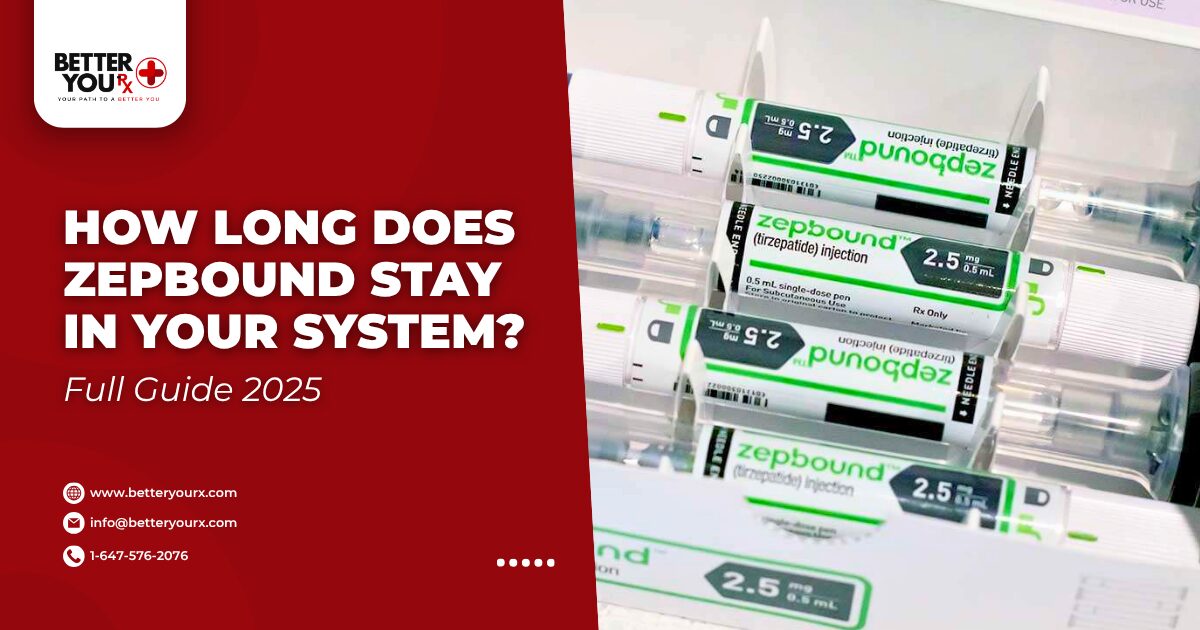
How long does Zepbound stay in your system is essential knowledge for anyone using this weight management medication containing Tirzepatide. Zepbound remains detectable in your body for approximately 4-5 weeks after your last injection due to its extended half-life of roughly 5 days. The medication works by gradually leaving your system, with half the dose eliminated every five days until complete clearance occurs around 25-30 days later. 

Several factors influence how quickly Zepbound exits your body, including your dosage strength, metabolism rate, kidney function, and overall health status. Understanding the elimination timeline helps you plan dosage schedules, manage potential side effects, and know what to expect if you need to pause or discontinue treatment. 

Understanding Zepbound and Tirzepatide

Zepbound contains tirzepatide, a medication that activates two important receptors in your body called GLP-1 and GIP. These receptors help regulate appetite, blood sugar levels, and how your body processes food. The medication comes in pre-filled injection pens that you use once weekly.

The weekly injection schedule exists because tirzepatide has a long-lasting effect in your body. Unlike medications that require daily dosing, Zepbound continues working throughout the entire week. This extended action relates directly to how long does Zepbound stay in your system after each injection.

Tirzepatide works by slowing down how quickly food moves through your stomach, which helps you feel full longer after eating. It also affects areas of your brain that control appetite and food cravings. These combined effects support weight management goals when paired with lifestyle changes.

The medication comes in different dosage strengths, starting at 2.5mg and increasing gradually up to 15mg. Your healthcare provider determines the appropriate starting dose and when to increase it based on your response and tolerance. Higher doses remain in your system longer than lower doses, affecting the overall elimination timeline.

How Long Does Zepbound Stay in Your System After Injection

The complete elimination of Zepbound from your body takes approximately 4-5 weeks after your final dose. This timeline is based on the medication’s half-life, which represents the time needed for half the drug concentration to leave your system.

Tirzepatide has a half-life of about 5 days. This means that five days after injection, roughly half the medication remains active in your bloodstream. After another 5 days (10 days total), only one-quarter remains. This gradual reduction continues until the medication fully clears.

Medical research shows that complete drug elimination typically requires 5-6 half-lives. For Zepbound, this calculation means:

  • After 5 days – 50% remains
  • After 10 days – 25% remains
  • After 15 days – 12.5% remains
  • After 20 days – 6.25% remains
  • After 25 days – 3.12% remains
  • After 30 days – less than 2% remains

By the 25-30 day mark, Zepbound concentration drops below detectable levels in most people. However, the medication’s effects on appetite and digestion may persist slightly longer as your body readjusts to functioning without the drug’s influence.

The extended presence of tirzepatide in your system explains why weekly dosing works effectively. Each new injection adds to the existing medication level in your bloodstream, maintaining therapeutic concentrations throughout your treatment.

Ready to start your weight management journey? Visit Better You Rx, a prescription referral service, to learn more about accessing Zepbound.

Factors That Influence Elimination Time

Understanding Zepbound and Tirzepatide

Multiple variables affect how quickly Zepbound leaves your system. Understanding these factors helps explain why elimination timelines vary between individuals.

Dosage Strength

Higher Zepbound doses take longer to eliminate completely. Someone using the 15mg maintenance dose will have medication in their system longer than someone using the 2.5mg starting dose. The larger amount of tirzepatide requires more time for your body to metabolize and excrete.

Each dosage increase adds more medication to your baseline level. If you recently escalated from 5mg to 10mg, your body contains more tirzepatide than someone who has remained at 5mg consistently. This accumulated amount extends the elimination period.

Metabolism and Body Composition

Your metabolic rate significantly impacts drug clearance. People with faster metabolisms generally process and eliminate medications more quickly than those with slower metabolic rates. Age, muscle mass, and activity level all influence metabolic speed.

Body weight and composition also matter. Tirzepatide distributes throughout body tissues, and individuals with higher body weight may retain the medication slightly longer. However, the standard half-life applies to most adults regardless of size.

Kidney and Liver Function

Your kidneys and liver work together to remove medications from your body. The kidneys filter waste products from blood and excrete them through urine, while the liver breaks down drug compounds into smaller molecules for elimination.

People with reduced kidney function may eliminate Zepbound more slowly. Kidney disease or impairment affects how efficiently your body removes Tirzepatide from circulation. Similarly, liver problems can slow drug metabolism, potentially extending how long does Zepbound stay in your system.

Most healthy adults process Zepbound at the standard rate. However, if you have known kidney or liver issues, your healthcare provider monitors your treatment more closely and may adjust dosing accordingly.

Age and Overall Health

Older adults sometimes metabolize medications differently than younger individuals. Age-related changes in organ function, body composition, and metabolic rate can affect drug clearance times. However, these differences are usually modest for Zepbound.

Your general health status influences elimination speed. Conditions affecting circulation, hormone levels, or organ function may alter how quickly your body processes tirzepatide. Staying well-hydrated and maintaining good overall health supports normal medication clearance.

Treatment Duration

Interestingly, how long you have been taking Zepbound does not significantly change elimination time. The medication does not accumulate indefinitely in your tissues. Once you reach steady-state levels with consistent weekly dosing, each injection maintains rather than increases overall drug concentration.

However, someone who just started Zepbound will have less medication to eliminate if they stop compared to someone on maintenance therapy. The person on the 2.5mg starting dose for two weeks has less Tirzepatide in their system than someone who has been taking 15mg weekly for months.

What Happens When You Stop Taking Zepbound

Discontinuing Zepbound triggers several changes in your body as the medication gradually leaves your system. Understanding these effects helps you prepare for the transition and manage expectations.

Appetite Changes

The most noticeable change involves appetite regulation. Zepbound suppresses hunger signals and increases feelings of fullness. As the medication clears from your system, these effects diminish progressively.

Many people notice increased appetite within 1-2 weeks after their last injection. The hunger suppression gradually fades as Tirzepatide concentrations drop. By week 3-4, your natural appetite signals typically return to pre-treatment levels.

This appetite increase explains why maintaining weight loss after stopping Zepbound requires continued attention to eating habits and portion control. The medication provided support, but lasting results depend on sustained lifestyle changes.

Digestive System Adjustments

Zepbound slows gastric emptying, meaning food stays in your stomach longer during treatment. When you stop the medication, your digestive system speeds back up to its normal rate. This transition happens gradually over several weeks.

Some people experience temporary digestive changes as their system readjusts. You might notice changes in bowel habits or digestion speed. These adjustments typically resolve as Zepbound fully clears and your body adapts to functioning without the medication.

Blood Sugar Effects

Tirzepatide affects how your body handles blood sugar, even in people without diabetes. The medication improves insulin sensitivity and glucose metabolism. These effects diminish as the drug leaves your system.

For people using Zepbound primarily for weight management without diabetes, blood sugar changes are usually minor and unnoticeable. Your body naturally regulates glucose levels without requiring the medication’s assistance.

Weight Considerations

Weight maintenance after stopping Zepbound varies significantly between individuals. Some people maintain their weight loss successfully through continued healthy habits. Others experience some weight regain, particularly if previous eating patterns resume.

Research shows that medication-assisted weight loss works best when combined with lasting lifestyle modifications. The weeks immediately after stopping Zepbound represent a critical period for establishing habits that support long-term weight maintenance.

Looking for reliable access to Zepbound? Order Zepbound KwikPen through Better You Rx, a prescription referral service offering convenient medication access.

How Zepbound Builds in Your System

Understanding how Zepbound accumulates helps explain the gradual dose escalation schedule and why consistent weekly dosing matters for effectiveness.

Reaching Steady State

When you start Zepbound, the medication gradually builds in your system until reaching what medical professionals call “steady state.” This means the amount you inject each week equals the amount eliminated, maintaining consistent drug levels.

Reaching steady state typically takes 4-5 weeks of consistent dosing. During this period, each weekly injection adds to the existing Tirzepatide in your bloodstream. Once steady state is achieved, your body maintains stable medication levels throughout the week.

This building process explains why Zepbound starts at a lower dose. Beginning with 2.5mg allows your body to adjust to the medication while levels gradually increase. Starting at a higher dose could cause more pronounced side effects as the medication accumulates.

Dose Escalation Strategy

The standard Zepbound dosing schedule increases gradually over several months. You typically start at 2.5mg for four weeks, then increase to 5mg, 7.5mg, 10mg, 12.5mg, and finally 15mg if needed. Each increase occurs at four-week intervals.

This gradual escalation serves multiple purposes. It minimizes digestive side effects by allowing your system to adapt slowly. It also helps identify the lowest effective dose for your weight management goals, as some people achieve desired results at lower doses.

Each dose increase restarts the steady-state timeline. When you move from 5mg to 7.5mg, for example, your body needs another 4-5 weeks to establish stable levels at the new dose. Understanding this helps explain why patience matters during Zepbound treatment.

Maintaining Consistent Levels

Weekly injections maintain therapeutic Tirzepatide concentrations between doses. If you inject every Monday, the medication level peaks within a few days, then gradually declines until your next Monday injection brings it back up.

This fluctuation remains within the therapeutic range, meaning the medication stays effective throughout the week. The lowest point (right before your next injection) still contains enough tirzepatide to provide appetite suppression and metabolic benefits.

Consistency in injection timing helps maintain stable levels. Taking your dose on the same day each week prevents unnecessary concentration dips that could reduce effectiveness or trigger side effects when levels rebound.

Managing ZepBound Treatment Interruptions

How Long Does Zepbound Stay in Your System_ Full Guide 2025

Life circumstances sometimes require pausing Zepbound treatment. Understanding how interruptions affect medication levels and treatment continuity helps you navigate these situations.

Short Interruptions (1-2 Weeks)

Missing one or two doses allows some Tirzepatide to clear from your system, but significant amounts remain. After one missed week, you still have roughly 50% of your steady-state concentration. After two missed weeks, about 25% remains.

If you miss 1-2 weeks, you can typically resume at your previous dose without restarting the escalation schedule. However, consult your healthcare provider before resuming, as individual circumstances vary. Some people experience increased side effects when restarting, even at their previous dose.

The medication’s long half-life provides some buffer for occasional missed doses. However, effectiveness decreases as levels drop, potentially affecting appetite control and weight management during the interruption.

Extended Breaks (3-4 Weeks)

Taking a 3-4 week break from Zepbound allows most medication to clear from your system. At this point, how long does Zepbound stay in your system becomes relevant, as you are approaching complete elimination.

Extended breaks often require restarting at a lower dose rather than resuming your previous maintenance level. Your body has readjusted to functioning without Tirzepatide, and jumping back to a high dose could trigger pronounced side effects.

Your healthcare provider determines the appropriate restart dose based on how long you were off medication, your previous dose, and your tolerance when initially escalating. Some people restart at 2.5mg, while others may resume at an intermediate dose.

Planning Breaks

If you know in advance that you will need to pause treatment, discuss timing with your healthcare provider. Planning breaks strategically minimizes disruption to your weight management progress.

Some people schedule breaks around events where they prefer not managing medication side effects or injection schedules. However, unplanned interruptions due to illness, medication access issues, or other circumstances require individualized guidance.

Maintaining healthy eating and exercise habits during breaks helps minimize weight regain and makes resuming treatment easier. The lifestyle changes you developed during treatment support weight maintenance even when off medication.

Medication Interactions and Considerations

Certain medications and substances interact with Zepbound, affecting how it works or how long it stays in your system. Understanding these interactions helps you use Tirzepatide safely and effectively.

Oral Medications

Zepbound slows gastric emptying, which can affect how your body absorbs oral medications. Pills remain in your stomach longer, potentially altering their absorption rate and effectiveness.

This effect particularly impacts medications requiring rapid absorption or those with narrow therapeutic windows. If you take oral medications with specific timing requirements, discuss appropriate spacing with your healthcare provider.

The interaction works both ways. Some medications can affect how your body processes Zepbound, though these interactions are less common. Always inform your healthcare provider about all medications, supplements, and herbal products you use.

Alcohol Consumption

Drinking alcohol while taking Zepbound requires caution. Both alcohol and Tirzepatide affect blood sugar levels and can cause digestive upset. Combining them may intensify these effects.

Alcohol does not directly change how long does Zepbound stay in your system or its elimination rate. However, drinking can worsen side effects like nausea and may interfere with weight management goals by adding empty calories.

If you choose to drink alcohol while taking Zepbound, do so in moderation and monitor how you feel. Many people find their alcohol tolerance decreases during treatment, requiring smaller amounts to feel effects.

Foods and Timing

No specific foods eliminate Zepbound from your system faster or slower. However, eating patterns significantly affect your experience with the medication and your weight management success.

High-fat, greasy foods often trigger more pronounced digestive side effects during Zepbound treatment. The medication already slows digestion, and heavy foods compound this effect. Many people find that lighter, more frequent meals work better during treatment.

Staying well-hydrated supports overall medication metabolism and helps manage side effects. Drinking adequate water throughout the day benefits both digestion and general health during Zepbound treatment.

Need guidance on your weight management journey? Connect with Better You Rx, a prescription referral service providing support for accessing medications like Zepbound.

Practical Tips for Managing Zepbound Treatment

What Happens When You Stop Taking Zepbound

Successfully using Zepbound involves more than just weekly injections. These practical strategies help optimize your treatment experience and results.

Injection Timing

You can take Zepbound at any time of day, with or without food. Choose a time that fits your schedule and stick with it consistently. Many people prefer evening injections to sleep through any initial digestive effects.

Some individuals report less nausea when injecting in the evening rather than morning. Experimenting with timing during your first few doses helps identify what works best for your body. Once you find an optimal time, maintain that schedule.

The day of the week matters more than the time of day. Injecting on the same day each week maintains stable medication levels. If you need to change your injection day, consult your healthcare provider about the best transition approach.

Managing Side Effects

Digestive side effects like nausea, constipation, or diarrhea are common when starting Zepbound or increasing doses. These effects usually diminish as your body adjusts to each dose level.

Eating smaller, more frequent meals helps manage nausea better than three large meals. Avoid lying down immediately after eating, as this can worsen digestive discomfort. Ginger tea or peppermint can provide natural relief for mild nausea.

Staying hydrated and including adequate fiber in your diet helps prevent constipation. If digestive issues persist or become severe, contact your healthcare provider. They may recommend dose adjustments or additional strategies.

Tracking Progress

Keeping records of your Zepbound treatment helps you and your healthcare provider assess effectiveness and make informed decisions. Track your injection dates, doses, side effects, and weight measurements.

Note any patterns you observe. Do certain foods trigger more digestive upset? Does injection timing affect how you feel? This information helps optimize your treatment approach.

Regular check-ins with your healthcare provider ensure your treatment plan remains appropriate for your goals and circumstances. They can adjust doses, address concerns, and provide guidance based on your progress.

Building Sustainable Habits

View Zepbound as a tool that supports broader lifestyle changes rather than a standalone solution. The medication works best when combined with sustainable eating habits and regular physical activity.

Focus on developing patterns you can maintain long-term, even after stopping medication. This includes portion control, mindful eating, regular movement, and stress management strategies. These habits support lasting weight management success.

The behavioral changes you establish during treatment become increasingly important as Zepbound clears from your system. By the time elimination is complete around 4-5 weeks after your last dose, your established habits help maintain your progress.

Moving Forward

Understanding how long does Zepbound stay in your system empowers you to make informed decisions about your weight management treatment. The 4-5 week elimination timeline reflects Tirzepatide’s extended half-life and gradual clearance process.

Multiple factors influence individual elimination rates, including dosage strength, metabolism, kidney function, and overall health. While the standard timeline applies to most people, your personal experience may vary slightly based on these factors.

Planning around Zepbound’s elimination timeline helps you navigate treatment interruptions, manage expectations about appetite changes, and prepare for life after medication. Whether you pause treatment temporarily or discontinue permanently, knowing what to expect reduces uncertainty.

The medication’s gradual clearance provides both benefits and considerations. The extended presence in your system maintains effectiveness with weekly dosing but also means effects persist for several weeks after stopping. This timeline influences decisions about treatment breaks, dose changes, and long-term planning.

Successful weight management extends beyond medication. The lifestyle changes you develop during Zepbound treatment provide the foundation for maintaining results after the medication clears your system. View this treatment as one component of a comprehensive approach to health.

Frequently Asked Questions

How Do You Get Zepbound Out of Your System?

Zepbound naturally eliminates from your system through normal metabolic processes over 4-5 weeks. No method speeds up this elimination significantly. Your liver metabolizes Tirzepatide, and your kidneys excrete the breakdown products through urine. Staying well-hydrated supports normal kidney function but does not dramatically accelerate clearance. The medication follows its natural half-life of approximately 5 days, requiring about six half-lives for complete elimination. Simply discontinuing injections allows the gradual clearance process to proceed naturally.

What Happens When You Stop Zepbound?

Stopping Zepbound triggers gradual return of your natural appetite and digestive patterns as the medication clears your system. Within 1-2 weeks, you may notice increased hunger and faster gastric emptying. By weeks 3-4, appetite suppression effects diminish significantly as medication levels drop below therapeutic range. Some people experience weight regain if previous eating patterns resume, while others maintain weight loss through continued healthy habits. Digestive side effects that occurred during treatment typically resolve as Zepbound leaves your system. Blood sugar regulation returns to your baseline state.

Does Zepbound Build Up in Your System?

Zepbound builds to a steady-state concentration during your first 4-5 weeks of treatment, after which levels stabilize. Each weekly injection maintains these stable levels rather than continuing to accumulate. The medication reaches an equilibrium where the amount injected equals the amount eliminated weekly. When you increase doses, your system establishes a new steady state at the higher concentration over another 4-5 weeks. This building pattern explains the gradual dose escalation schedule and why patience matters during initial treatment phases.

How Long Can You Be Off Zepbound Before Having to Restart?

If you are off Zepbound for more than 3-4 weeks, you likely need to restart at a lower dose rather than resuming your previous maintenance level. After this timeframe, most medication has cleared from your system and your body has readjusted to functioning without Tirzepatide. Missing 1-2 doses typically allows resuming at your previous dose, though individual circumstances vary. Your healthcare provider determines the appropriate restart dose based on how long you were off medication, your previous dose, and your tolerance history. Longer breaks generally require more gradual re-escalation.

Can I Skip Zepbound for 2 Weeks?

Skipping two weeks of Zepbound allows significant medication to clear from your system, with approximately 25% of your steady-state level remaining. You can typically resume at your previous dose after this short break, though some people experience increased side effects when restarting. Consult your healthcare provider before resuming treatment, as individual factors influence the best approach. During the two-week break, appetite suppression decreases as medication levels drop, potentially affecting weight management. The medication’s long half-life provides some continued effect even during short interruptions.

What Not to Take With Zepbound?

Avoid timing oral medications too close to Zepbound injections, as the medication slows gastric emptying and may affect absorption. Discuss spacing requirements with your healthcare provider, particularly for medications requiring rapid absorption or those with narrow therapeutic windows. Exercise caution with alcohol consumption, as both substances affect blood sugar and can cause digestive upset. While no absolute contraindications exist for most common medications, always inform your healthcare provider about all substances you take, including supplements and herbal products, to identify potential interactions specific to your situation.

What Happens If You Eat Too Much on Zepbound?

Eating too much while taking Zepbound can trigger pronounced digestive discomfort, including severe nausea, bloating, or vomiting. The medication slows gastric emptying, meaning food stays in your stomach longer. Overeating amplifies this effect, causing an uncomfortably full sensation that persists for hours. Many people find that eating beyond comfortable fullness during Zepbound treatment leads to more severe side effects than overeating typically causes. The experience often reinforces portion control naturally, as the discomfort discourages large meals. Eating slowly and stopping when satisfied rather than stuffed helps prevent these issues.

Should I Take Zepbound in the Morning or at Night?

You can take Zepbound at any time of day that fits your schedule, with or without food. Many people prefer evening injections to sleep through any initial digestive effects like mild nausea. Others choose morning injections to maintain a routine with other daily medications. The specific time of day matters less than consistency in your chosen schedule. Experiment during your first few doses to identify what timing works best for your body and lifestyle. Once you find an optimal time, maintain that schedule consistently. The day of the week remains more important than the time for maintaining stable medication levels.


Does Zepbound Need to Be Refrigerated? Complete Guide 2025

Does Zepbound need to be refrigerated becomes a crucial question once you receive your prescription for this weight management medication. Zepbound requires refrigeration between 36°F and 46°F (2°C to 8°C) when stored long-term to maintain its effectiveness. However, you can keep unopened Zepbound pens at room temperature up to 77°F (25°C) for a maximum of 21 days. Once you start using a pen, it remains stable at room temperature for up to 21 days before requiring disposal. Never freeze Zepbound, as freezing permanently damages the medication and makes it unsafe to use. Understanding proper storage prevents medication waste and ensures each dose works effectively for your weight management goals. Room temperature storage offers flexibility for daily use and travel, while refrigeration extends shelf life for unopened pens. 

Understanding Zepbound Storage Requirements

Zepbound contains tirzepatide, a medication that requires specific temperature conditions to remain effective. The active ingredient is a sensitive biological compound that breaks down when exposed to temperature extremes. Proper storage protects the medication’s potency and ensures safe, effective use.

Unopened Zepbound pens must stay refrigerated between 36°F and 46°F when stored for extended periods. This temperature range preserves the medication’s chemical structure and prevents degradation. Refrigeration extends the medication’s usable life until the expiration date printed on the pen.

The refrigerator’s main compartment provides ideal storage conditions. Avoid placing Zepbound in the freezer compartment or in areas that might freeze, such as near cooling vents. Keep the pens in their original carton to protect them from light exposure, which can also degrade the medication.

Store Zepbound away from the refrigerator door where temperature fluctuations occur more frequently. The constant opening and closing of the refrigerator door creates temperature variations that may affect medication stability. The middle or back shelves of the main compartment maintain more consistent temperatures.

Room temperature storage provides flexibility for active use. You can keep Zepbound at temperatures up to 77°F for 21 days maximum. This allowance makes daily dosing more convenient since you don’t need to handle cold medication during each injection.

Once you remove an unopened pen from the refrigerator for room temperature storage, you cannot return it to refrigerated conditions. The medication remains stable at room temperature for the 21-day window, but refrigerating it again after warming doesn’t reset this timeframe or extend usability.

Does Zepbound Need to Be Refrigerated During Use

Does Zepbound Need to Be Refrigerated?

Once you start using a Zepbound pen, refrigeration becomes optional rather than required. You can store in-use pens either in the refrigerator or at room temperature up to 77°F, depending on your preference and convenience.

Many people find room temperature injections more comfortable than cold ones. Cold medication can cause temporary discomfort at the injection site, while room temperature Zepbound typically feels less noticeable during administration. Storing your active pen at room temperature eliminates the need to warm it before each injection.

The 21-day room temperature limit applies from the moment you first use the pen, not from when you remove it from the refrigerator. Track the date of your first injection and dispose of the pen 21 days later, even if medication remains inside. This timeframe ensures the medication maintains full potency throughout its use period.

Whether stored in the refrigerator or at room temperature, protect in-use pens from direct sunlight and heat sources. Avoid leaving Zepbound in cars, near windows, or in other locations where temperatures might exceed 77°F. Excessive heat accelerates medication breakdown and reduces effectiveness.

Keep the pen cap on when not in use to protect the medication from light and contamination. The cap creates a seal that maintains sterility and prevents accidental needle sticks. Replace the cap immediately after each injection.

If you prefer refrigerated storage for in-use pens, allow the medication to reach room temperature before injecting. Remove the pen from the refrigerator 30 minutes before your scheduled dose. This warming period improves injection comfort and allows the medication to flow smoothly through the needle.

Ready to start your weight management journey? Order Zepbound KwikPen through Better You Rx, a prescription referral service offering convenient access to your medications.

ZepBound Room Temperature Storage Guidelines

Understanding room temperature storage limits helps you use Zepbound safely while maintaining flexibility in your daily routine. The 21-day room temperature window applies whether the pen is unopened or in use, giving you options for storage management.

Unopened Pen Storage

Unopened Zepbound pens can remain at room temperature up to 77°F for 21 consecutive days. This flexibility proves valuable when traveling or if refrigeration becomes temporarily unavailable. However, you must use or properly dispose of the pen within this timeframe.

Mark the date when you remove an unopened pen from the refrigerator. Write this date on the pen carton or keep a note in your phone to track the 21-day countdown. This practice prevents accidentally using expired medication that has exceeded room temperature storage limits.

Temperature consistency matters during room temperature storage. Avoid locations with significant temperature swings, such as bathrooms that get steamy or rooms that become very warm during the day. Stable temperatures between 68°F and 77°F provide optimal conditions.

In-Use Pen Storage

After your first injection from a pen, the 21-day room temperature clock starts regardless of where you store it. You can continue refrigerating the in-use pen or keep it at room temperature based on personal preference.

Calculate your disposal date from the first injection, not from when you started room temperature storage. For example, if you inject once weekly and take your first dose on January 1st, dispose of the pen on January 22nd, even if medication remains.

Some people find it helpful to label in-use pens with the first injection date and calculated disposal date. This clear marking prevents confusion about whether the pen remains usable, especially if you use multiple pens for different doses.

Temperature Monitoring

Consider using a room thermometer in the area where you store Zepbound at room temperature. This simple tool confirms that storage conditions stay within the acceptable range. Digital thermometers with min-max memory functions show whether temperatures exceeded safe limits while you were away.

During hot weather, indoor temperatures may exceed 77°F in homes without air conditioning. If your home gets too warm, store Zepbound in the coolest available location, use a cooler with ice packs for temporary storage, or return the medication to refrigeration if it hasn’t exceeded the 21-day room temperature limit.

Winter heating systems can also create temperature challenges. Avoid storing Zepbound near heating vents, radiators, or space heaters where localized temperatures might exceed safe limits even if the room feels comfortable overall.

Traveling With Zepbound

Travel requires extra planning to maintain proper storage conditions for Zepbound. Whether driving across town or flying internationally, you can transport your medication safely by following specific guidelines and using appropriate storage methods.

Short Trips and Daily Transport

For brief outings or daily activities, Zepbound remains stable without special storage equipment. If you’ll return home within a few hours, simply keep the medication in your bag away from direct heat sources. Avoid leaving Zepbound in hot cars, as vehicle interiors can quickly exceed safe storage temperatures.

When running errands on warm days, bring an insulated lunch bag if you’ll be away from home for several hours. Even without ice packs, the insulation provides some temperature protection. Place the medication in the center of the bag surrounded by other items for additional insulation.

Extended Travel and Vacation

Longer trips require more careful planning. Portable medication coolers designed for travel keep Zepbound within safe temperature ranges during extended journeys. These specialized coolers use ice packs, gel packs, or battery-powered cooling to maintain refrigeration temperatures.

Choose coolers specifically designed for medication storage rather than standard food coolers. Medication coolers provide more precise temperature control and often include temperature monitoring features. Look for models that maintain temperatures between 36°F and 46°F without freezing.

Pack ice packs around the Zepbound pen without allowing direct contact between the medication and frozen ice packs. Direct contact with ice can freeze the medication, permanently damaging it. Use a barrier like a small towel or the medication’s original packaging to prevent freezing.

Air Travel Considerations

Zepbound can travel in carry-on or checked luggage, though carry-on storage is generally preferable. Cabin temperatures remain more stable than cargo hold temperatures, and you maintain control over your medication throughout the journey.

Airport security allows medications in carry-on bags without size restrictions. Keep Zepbound in its original packaging with the prescription label visible. Inform security officers that you’re carrying refrigerated medication if they need to inspect your bag.

Consider the total travel time when planning air travel with Zepbound. If your journey including layovers exceeds a few hours, use a portable cooler to maintain appropriate temperatures. Many airport lounges provide refrigeration if you need to cool your medication during extended layovers.

Hotel and Accommodation Storage

Upon reaching your destination, immediately refrigerate Zepbound if you’ll be staying multiple days. Most hotel rooms include mini-fridges, but verify this amenity when booking. If no refrigerator is available, request one from the front desk or continue using your portable cooler with fresh ice packs.

Check the mini-fridge temperature if possible, as these units sometimes run warmer than standard refrigerators. If the refrigerator feels too warm or you’re uncertain about its temperature, continuing room temperature storage within the 21-day limit may be safer than using an inadequate refrigerator.

Planning a trip? Get your medications delivered before you travel from Better You Rx, a prescription referral service that makes medication access simple and convenient.

What Happens With Improper Storage

Understanding Zepbound Storage Requirements

Understanding the consequences of improper storage helps you recognize when Zepbound may no longer be safe or effective. Temperature violations, freezing, and extended room temperature exposure all compromise medication quality.

Temperature Exposure Above 77°F

When Zepbound experiences temperatures above 77°F, the medication begins degrading more rapidly. Brief exposure to slightly elevated temperatures may not completely ruin the medication, but extended heat exposure significantly reduces potency.

If Zepbound sits in temperatures above 77°F for more than a few hours, the medication’s effectiveness becomes questionable. The tirzepatide compound breaks down under heat stress, potentially resulting in reduced weight management effects even if the medication appears normal.

Heat-damaged Zepbound shows no visible signs of degradation. The liquid doesn’t change color, develop particles, or smell different when heat-damaged. This lack of obvious indicators makes temperature monitoring crucial for ensuring medication quality.

Freezing Damage

Freezing permanently damages Zepbound and makes it completely unusable. The freezing process disrupts the medication’s molecular structure in ways that cannot be reversed by thawing. Frozen Zepbound must be discarded immediately, even if it appears normal after thawing.

Check for freezing if you suspect your Zepbound experienced temperatures below 32°F. Look for ice crystals inside the pen or on the medication’s surface. If the medication was completely frozen and has thawed, discard it regardless of appearance.

Partial freezing can be difficult to detect. If you’re uncertain whether Zepbound froze, examine the liquid carefully for any cloudiness or particles that weren’t present before. When in doubt, contact your healthcare provider or pharmacist for guidance rather than using potentially damaged medication.

Extended Room Temperature Storage

Zepbound left at room temperature beyond 21 days loses potency even if temperatures stayed within the acceptable range. The 21-day limit exists because the medication gradually degrades at room temperature, eventually becoming less effective.

Using Zepbound after the 21-day room temperature limit may not cause harm, but it likely won’t provide full therapeutic benefits. The reduced potency means you might not achieve expected weight management results despite continuing injections.

Track room temperature storage time carefully and dispose of pens that exceed the 21-day limit. Don’t try to extend usability by returning the medication to the refrigerator. Once the room temperature countdown begins, refrigeration doesn’t pause or reset the timeline.

Signs of Compromised Medication

Inspect Zepbound before each use for signs of damage or contamination. Properly stored medication appears clear and colorless without particles, cloudiness, or discoloration. Any visible changes indicate the medication should not be used.

Discard Zepbound if you notice:

  • Cloudiness or haziness in the liquid
  • Particles, flakes, or floating debris
  • Color changes from clear to yellow, brown, or any other tint
  • Cracks or damage to the pen itself
  • The medication has been frozen
  • Room temperature storage exceeded 21 days
  • You’re uncertain about storage conditions

When uncertain about whether Zepbound remains safe to use, err on the side of caution and request a replacement. Using compromised medication provides no benefits and may delay your treatment progress.

Best Practices for Zepbound Storage

Implementing consistent storage habits ensures your Zepbound remains effective throughout its usable life. These practical strategies minimize storage errors and help you maintain optimal medication quality.

Organizing Your Storage Space

Dedicate a specific location in your refrigerator for Zepbound storage. This consistent placement prevents accidentally misplacing the medication and makes it easy to grab when needed. The middle shelf typically provides the most stable temperature.

Store Zepbound in its original carton even while refrigerated. The carton protects against light exposure and provides space to write important dates like when you started room temperature storage or when an in-use pen expires.

Keep a small calendar or note near your storage location to track important dates. Record the date you started using each pen and calculate the disposal date 21 days later. This visible reminder prevents accidentally using expired medication.

Creating Storage Routines

Establish consistent habits around medication storage. Check the temperature of your refrigerator monthly using a refrigerator thermometer. This proactive monitoring catches temperature problems before they compromise your medication.

After each injection, immediately return the pen to its designated storage location. This habit prevents accidentally leaving the medication out where it might experience temperature extremes or get lost.

When starting a new pen, transfer any tracking information from the old pen to the new one. Note the first injection date on the pen carton and set a reminder for 21 days later. These redundant tracking methods prevent confusion about medication status.

Preparing for Emergencies

Keep backup cooling options available for power outages or refrigerator failures. A small cooler and reusable ice packs provide temporary storage during emergencies. Store ice packs in your freezer so they’re ready when needed.

During power outages, a refrigerator maintains safe temperatures for several hours if you keep the door closed. Avoid opening the refrigerator unnecessarily during outages to preserve cold air. If power will be out for extended periods, transfer Zepbound to a cooler with ice packs.

Have your healthcare provider’s contact information readily available for storage questions or emergencies. Quick access to professional guidance helps you make informed decisions when storage problems arise.

Managing Multiple Pens

If you have several Zepbound pens, organize them by expiration date with the oldest in front. This rotation system ensures you use pens before they expire and reduces waste from expired medication.

Label each pen clearly if you’re managing multiple doses or sharing refrigerator space with family members using the same medication. Clear labeling prevents mix-ups and ensures each person uses their own prescribed supply.

Consider the storage timeline when ordering refills. Order new supplies with enough advance time to receive and refrigerate them before your current supply expires, but not so far ahead that pens approach their expiration dates before use.

Need help managing your prescriptions? Visit Better You Rx, a prescription referral service dedicated to making medication access easier and more affordable.

ZepBound Storage Myths and Facts

Several misconceptions about Zepbound storage persist despite clear guidance. Understanding the facts helps you store your medication properly and avoid common mistakes that compromise effectiveness.

Myth – You Can Refreeze Thawed Zepbound

Some people believe that if Zepbound accidentally freezes, allowing it to thaw completely makes it usable again. This is false. Freezing causes irreversible damage to the medication’s molecular structure. Once Zepbound freezes, it must be discarded regardless of whether it appears normal after thawing.

The freeze-thaw process disrupts the delicate protein structure of tirzepatide. Even if the medication looks clear and normal after thawing, its effectiveness is permanently compromised. Never attempt to use Zepbound that has been frozen.

Myth – Refrigeration Resets the Room Temperature Clock

Another common misconception suggests that returning room temperature Zepbound to the refrigerator pauses or resets the 21-day countdown. This is incorrect. Once Zepbound begins room temperature storage, the 21-day clock continues regardless of whether you refrigerate it again.

The medication degradation that occurs during room temperature storage is cumulative. Refrigeration after warming doesn’t reverse degradation that already happened. Track total room temperature exposure time, not just current storage conditions.

Myth – Cold Medication Works Better

Some users believe that injecting cold Zepbound directly from the refrigerator makes it more effective. Temperature at injection doesn’t affect medication potency. Cold injections simply feel less comfortable than room temperature ones.

The medication’s effectiveness depends on proper storage throughout its life, not its temperature at the moment of injection. Allowing refrigerated Zepbound to warm to room temperature before injecting improves comfort without affecting results.

Fact – Sunlight Damages Zepbound

Direct sunlight exposure can degrade Zepbound even if the temperature remains within acceptable ranges. Light-induced degradation occurs separately from temperature damage. Always store Zepbound in its original carton or another opaque container to protect it from light.

Window sills, countertops near windows, and other sun-exposed areas are unsuitable storage locations even if they feel cool. The combination of light and moderate warmth accelerates medication breakdown.

Fact – Storage Affects Your Results

Proper storage directly impacts your weight management outcomes. Degraded medication delivers reduced amounts of active tirzepatide, potentially resulting in diminished appetite suppression and weight management effects. Consistent proper storage ensures you receive full therapeutic benefits from each dose.

If you notice reduced effectiveness from your Zepbound injections, review your storage practices. Improper storage may explain unexpected changes in medication response.

Key Takeaways

Zepbound requires refrigeration between 36°F and 46°F for long-term storage, but offers flexibility with 21 days of room temperature storage up to 77°F. This combination of requirements and allowances makes Zepbound manageable for daily use while ensuring medication stability.

Never freeze Zepbound, as freezing causes permanent damage that makes the medication unusable. Store pens in the main refrigerator compartment away from freezing zones and temperature-variable areas like the door. Keep Zepbound in its original carton to protect against light exposure.

Track room temperature storage time carefully, starting the 21-day countdown from when you first remove the pen from refrigeration or take your first injection, whichever comes first. Dispose of pens after 21 days at room temperature, even if medication remains inside.

Travel with Zepbound using insulated bags or portable medication coolers for trips lasting several hours. Maintain temperature awareness during travel and immediately refrigerate the medication upon reaching your destination if staying multiple days.

Inspect Zepbound before each use for signs of damage like cloudiness, particles, or discoloration. Discard any medication that appears abnormal or if you’re uncertain about its storage history. Proper storage practices ensure each dose delivers full effectiveness for your weight management goals.

Frequently Asked Questions

What Happens if I Don’t Refrigerate Zepbound?

Unopened Zepbound can remain at room temperature up to 77°F for 21 days without refrigeration. After 21 days at room temperature, the medication begins losing potency and should be discarded. If you accidentally left unopened Zepbound unrefrigerated, check how long it was at room temperature. If less than 21 days and temperatures stayed below 77°F, the medication remains usable. Mark the date you discovered it was unrefrigerated and calculate 21 days from when it likely left refrigeration. If you’re uncertain how long it was unrefrigerated or if it exceeded 21 days, request a replacement rather than risk using compromised medication.

How to Keep Zepbound Cold While Traveling?

Keep Zepbound cold while traveling using insulated medication coolers with ice packs or gel packs. Choose coolers designed specifically for medication that maintain temperatures between 36°F and 46°F. Place ice packs around the Zepbound pen without direct contact to prevent freezing. For air travel, pack Zepbound in carry-on luggage where you control storage conditions. Most flights provide temperatures suitable for the 21-day room temperature allowance, but longer international trips benefit from portable cooling. When driving, never leave Zepbound in a parked car where temperatures can quickly exceed safe limits. Bring a small cooler even for day trips during hot weather.

What Happens to Zepbound After 21 Days?

After 21 days at room temperature, Zepbound begins degrading and losing effectiveness. The active ingredient tirzepatide breaks down gradually at room temperature, and the 21-day limit represents the point where potency loss becomes significant. Using Zepbound after 21 days at room temperature likely won’t cause harm, but it may not provide expected weight management benefits. The reduced potency means you might not experience full appetite suppression or weight loss effects despite continuing injections. Always dispose of Zepbound that exceeded the 21-day room temperature limit and start with a fresh pen to ensure optimal results.

What Happens if Tirzepatide Is Not Refrigerated?

Tirzepatide, the active ingredient in Zepbound, remains stable at room temperature up to 77°F for 21 days. Beyond this timeframe or at higher temperatures, tirzepatide begins breaking down and losing effectiveness. The medication doesn’t become harmful when left unrefrigerated within reasonable limits, but its potency decreases. Short-term lack of refrigeration within the 21-day window doesn’t damage tirzepatide if temperatures stayed below 77°F. However, extended unrefrigerated storage or exposure to high temperatures compromises the medication’s ability to provide weight management benefits. When uncertain about storage conditions, replace the medication rather than risk using ineffective tirzepatide.

Can I Carry Zepbound on a Plane?

You can carry Zepbound on a plane in either carry-on or checked luggage, though carry-on storage is preferable. Carry-on storage allows you to monitor medication conditions throughout your flight and prevents exposure to extreme cargo hold temperatures. Airport security permits medications in carry-on bags regardless of liquid volume restrictions. Keep Zepbound in its original packaging with the prescription label visible for security screening. Inform security officers you’re carrying refrigerated medication if needed. For flights lasting several hours, consider using a small insulated bag with ice packs to maintain appropriate temperatures, though the 21-day room temperature allowance covers most travel scenarios without special cooling equipment.

Is Tirzepatide Still Good if Left Out Overnight?

Tirzepatide remains good if left out overnight as long as room temperature stayed below 77°F and the total room temperature storage time doesn’t exceed 21 days. One night at room temperature doesn’t damage the medication. However, start tracking the 21-day countdown from when you left it out if this was an unopened pen’s first room temperature exposure. If the pen was already in use or previously at room temperature, add the overnight hours to your cumulative room temperature time. Check that the medication appears clear and colorless before your next injection. If anything looks abnormal or you’re concerned about storage conditions, contact your healthcare provider for guidance.

Does Zepbound Need to Be Refrigerated After Opening?

Zepbound does not require refrigeration after opening, though you can continue refrigerating in-use pens if preferred. Once you take your first injection from a pen, you can store it at room temperature up to 77°F for 21 days total. Many people find room temperature storage more convenient for active pens since it eliminates the need to warm the medication before each injection. Whether you refrigerate or use room temperature storage, the 21-day disposal timeline starts from your first injection. After 21 days, discard the pen even if medication remains inside. Choose whichever storage method feels most convenient while staying within the 21-day limit and temperature requirements.

Does Wegovy Make You Tired? Causes & How to Manage Fatigue

Practical Strategies to Combat Fatigue Does Wegovy Make You Tired_ Causes & How to Manage Fatigue Common Causes of Fatigue on WegovyDoes Wegovy make you tired is a common concern among people starting this weight loss medication. Fatigue represents one of the frequently reported experiences during Wegovy treatment, though it varies significantly among users. The tiredness typically stems from reduced calorie intake, changes in metabolism, dehydration, nutritional adjustments, and your body adapting to the medication. Most people experience fatigue during the first few weeks of treatment as their system adjusts to appetite changes and lower food consumption. The good news is that this tiredness usually improves over time as your body adapts. Managing fatigue involves staying hydrated, eating nutrient-dense foods, maintaining gentle exercise, getting adequate sleep, and adjusting meal timing. 
Understanding Wegovy and Energy Levels

Living Well on Wegovy

Wegovy contains Semaglutide as its active ingredient, which works by mimicking a hormone called GLP-1 that regulates appetite and food intake. This medication slows stomach emptying and signals fullness to your brain, helping you eat less and lose weight effectively.

When you start Wegovy, your eating patterns change dramatically. The medication significantly reduces hunger signals, leading to decreased food consumption. This sudden shift in calorie intake directly impacts your energy levels, especially during the initial weeks of treatment.

Your body has been accustomed to a certain calorie level for maintaining your current weight. When Wegovy reduces your appetite and food intake, your system must adapt to functioning on fewer calories. This adaptation period often brings tiredness as your metabolism adjusts to the new energy balance.

The medication also affects how quickly food moves through your digestive system. Slower gastric emptying means nutrients absorb more gradually, which can temporarily alter your energy patterns throughout the day. Your body needs time to adjust to these digestive changes.

Does Wegovy make you tired for everyone? Not necessarily. Individual responses vary based on factors like starting dose, overall health, baseline energy levels, diet quality, hydration status, and lifestyle habits. Some people experience minimal fatigue, while others feel more pronounced tiredness during the adjustment period.

The tiredness associated with Wegovy differs from regular fatigue. It often feels like a general lack of energy rather than sleepiness. You might notice reduced motivation for physical activities or feeling less energetic during your usual daily tasks.

Ready to start your weight loss journey? Learn more about Wegovy through Better You Rx, a prescription referral service connecting you with this effective medication.

Common Causes of Fatigue on Wegovy

Multiple factors contribute to tiredness during Wegovy treatment. Understanding these causes helps you address each one effectively and minimize their impact on your daily life.

Reduced Calorie Intake

The primary reason people feel tired on Wegovy relates to decreased food consumption. When the medication suppresses your appetite, you naturally eat less throughout the day. Your body interprets this calorie deficit as a signal to conserve energy.

During weight loss, your body burns stored fat for fuel. While this process is exactly what you want for losing weight, the metabolic shift can temporarily reduce your energy levels. Your system needs time to become efficient at utilizing fat stores instead of readily available dietary calories.

Many people on Wegovy unintentionally create too large of a calorie deficit. While eating less drives weight loss, consuming too few calories can cause excessive fatigue. Your body still needs adequate fuel to maintain basic functions, support physical activity, and keep your energy stable.

Dehydration Effects

The medication can reduce your thirst signals along with your appetite. When you eat less, you also tend to drink less, especially if much of your previous fluid intake came from foods with high water content.

Dehydration directly impacts energy levels. Even mild dehydration causes fatigue, difficulty concentrating, headaches, and reduced physical performance. Your blood volume decreases when dehydrated, making your heart work harder to circulate oxygen and nutrients throughout your body.

Some people experience nausea as a side effect of Wegovy, which may further reduce fluid intake. If nausea causes vomiting or diarrhea, fluid loss increases dramatically, compounding the dehydration problem and resulting tiredness.

Nutritional Deficiencies

Eating significantly less food means consuming fewer vitamins and minerals. When your diet shrinks, getting adequate nutrition becomes challenging. Certain nutrient deficiencies directly cause fatigue and low energy.

Iron deficiency leads to anemia, which reduces your blood’s oxygen-carrying capacity and causes persistent tiredness. B vitamins play crucial roles in energy metabolism, and deficiencies in B12, folate, or other B vitamins contribute to fatigue. Vitamin D deficiency also correlates with low energy and tiredness.

Protein intake often decreases when appetite drops. Adequate protein is essential for maintaining muscle mass, supporting metabolism, and sustaining energy levels. Insufficient protein consumption can leave you feeling weak and tired.

Blood Sugar Fluctuations

Wegovy affects how your body processes carbohydrates and regulates blood sugar. These changes can cause energy fluctuations throughout the day, particularly if your eating schedule becomes irregular.

When you skip meals or go long periods without eating due to reduced appetite, blood sugar levels may drop below optimal ranges. Low blood sugar causes fatigue, weakness, difficulty concentrating, and irritability. Even people without diabetes can experience these effects.

Conversely, if you consume primarily simple carbohydrates during your reduced meals, you might experience blood sugar spikes followed by crashes. These fluctuations create an energy roller coaster that leaves you feeling tired and drained.

Sleep Disruptions

Some people experience changes in sleep quality when starting Wegovy. Digestive discomfort, nausea, or other side effects might interfere with falling asleep or staying asleep throughout the night. Poor sleep quality directly translates to daytime fatigue.

The medication can also cause vivid dreams or restless sleep in some individuals. Even if you spend adequate time in bed, disrupted sleep architecture prevents truly restorative rest, leaving you tired the next day.

Does Wegovy Make You Tired Long-Term

The fatigue experienced on Wegovy typically improves as treatment continues. Most people notice their energy levels stabilizing within 4-8 weeks after starting the medication or increasing to a new dose.

During the initial weeks, your body undergoes significant metabolic adjustments. This tiredness represents your system learning to function efficiently on fewer calories while burning fat stores for energy.

As you continue treatment, several positive changes occur that improve energy:

  • Your metabolism adapts to lower calorie intake
  • Your body becomes more efficient at utilizing fat for fuel
  • You develop new eating patterns that better support energy needs
  • Hydration habits typically improve as you become more aware
  • Your system adjusts to the medication’s effects on digestion

Many people report feeling more energetic after the initial adjustment period compared to before starting Wegovy. Weight loss itself often improves energy levels. Carrying less weight reduces the physical strain on your body, improves sleep quality, enhances cardiovascular function, and boosts overall vitality.

However, persistent fatigue beyond the initial weeks deserves attention. If tiredness continues or worsens after 2-3 months on a stable dose, consult your healthcare provider. Ongoing fatigue might indicate issues unrelated to Wegovy that need evaluation.

Some individuals experience renewed tiredness when their dose increases. Each dose escalation can trigger a brief adjustment period similar to when you first started the medication. This temporary fatigue usually resolves within a few weeks as your body adapts to the higher dose.

The key is distinguishing between normal adaptation fatigue and problematic tiredness. Normal adjustment fatigue gradually improves over weeks, doesn’t severely impact daily function, and responds well to supportive strategies like adequate hydration and nutrition. Concerning fatigue persists despite good self-care, significantly interferes with work or daily activities, or accompanies other worrying symptoms.

Practical Strategies to Combat Fatigue

Managing tiredness while taking Wegovy involves multiple approaches that address the various causes of low energy. Implementing these strategies helps you feel better while continuing your weight loss journey.

Optimize Your Nutrition

Even though your appetite is reduced, focus on nutrient density in every meal. Choose foods that pack maximum nutrition into smaller portions. Prioritize protein at every meal to maintain muscle mass and support energy production. Good protein sources include eggs, Greek yogurt, chicken, fish, tofu, and legumes. Aim for at least 60-80 grams of protein daily, distributed across your meals.

Include healthy fats that provide sustained energy and support hormone production. Avocados, nuts, seeds, olive oil, and fatty fish offer beneficial fats that help you feel satisfied and energized. Fat digests slowly, providing steady energy between meals.

Don’t neglect carbohydrates, but choose complex varieties that stabilize blood sugar. Whole grains, sweet potatoes, quinoa, and oats provide sustained energy without the crashes associated with refined carbohydrates. Pair carbs with protein and fat to further stabilize blood sugar.

Eat regular small meals rather than trying to consume large amounts in one sitting. Your reduced appetite makes big meals uncomfortable, but spacing smaller meals throughout the day maintains more stable energy levels and prevents blood sugar drops.

Managing fatigue on your weight loss journey? Get your medications at an affordable price through Better You Rx, a trusted prescription referral service.

Stay Properly Hydrated

Hydration deserves special attention when taking Wegovy. Set specific hydration goals rather than relying on thirst, since the medication may reduce your natural thirst signals.

Aim for at least 8-10 glasses of water daily, more if you exercise or live in hot climates. Keep a water bottle with you throughout the day as a visual reminder to drink regularly. Set phone reminders if needed to establish consistent hydration habits.

If plain water feels unappealing, try adding fresh fruit slices, cucumber, or herbs like mint for flavor without added sugars. Herbal teas, both hot and iced, count toward your fluid intake. Avoid relying on caffeinated beverages for hydration since caffeine has mild diuretic effects.

Monitor your hydration status by checking urine color. Pale yellow indicates good hydration, while dark yellow suggests you need more fluids. Other signs of adequate hydration include moist lips, elastic skin, and consistent energy levels.

Maintain Physical Activity

Exercise might seem counterintuitive when feeling tired, but appropriate physical activity actually boosts energy levels. Movement increases blood flow, delivers oxygen throughout your body, and stimulates energy production in your cells.

Start with gentle activities if you’re experiencing significant fatigue. Walking for 10-20 minutes daily provides benefits without overwhelming your system. Gradually increase duration and intensity as your energy improves.

Morning exercise can energize you for the entire day. Even brief morning movement like stretching, yoga, or a short walk helps wake up your body and combat the sluggishness you might feel upon waking.

Listen to your body and adjust activity levels based on your energy. Some days you might feel capable of more vigorous exercise, while other days call for gentler movement. Both have value in supporting your energy and overall health.

Avoid exercising too close to bedtime, as this can interfere with sleep quality. Aim to complete workouts at least 3-4 hours before sleep to allow your body to wind down properly.

Improve Sleep Quality

Prioritizing good sleep becomes especially important when taking Wegovy. Quality sleep helps your body recover, supports metabolism, and combats daytime fatigue.

Establish a consistent sleep schedule by going to bed and waking at the same times daily, even on weekends. This regularity helps regulate your body’s internal clock and improves sleep quality over time.

Create a relaxing bedtime routine that signals your body it’s time to wind down. This might include reading, gentle stretching, meditation, or a warm bath. Avoid screens for at least an hour before bed, as blue light interferes with melatonin production.

Ensure your bedroom supports good sleep with a comfortable temperature (typically 65-68°F), complete darkness, and minimal noise. Consider blackout curtains, a white noise machine, or earplugs if environmental factors disrupt your sleep.

If digestive discomfort from Wegovy interferes with sleep, try taking your dose in the morning rather than evening. Eating your last meal several hours before bedtime also helps minimize nighttime digestive issues.

Manage Stress Levels

Does Wegovy make you tired, or is stress contributing to your fatigue? Often both factors play a role. Chronic stress depletes energy and can worsen fatigue experienced during medication adjustment.

Practice stress-reduction techniques like deep breathing, meditation, or progressive muscle relaxation. Even 5-10 minutes daily of these practices can significantly impact your energy levels and overall wellbeing.

Set realistic expectations for your weight loss journey. While Wegovy is highly effective, the process takes time. Putting pressure on yourself for rapid results creates stress that compounds fatigue and makes the journey less sustainable.

Connect with supportive people who understand your experience. Whether friends, family, or online communities, having support reduces stress and provides encouragement during challenging periods.

When to Consult Your Healthcare Provider

While fatigue is common during Wegovy treatment, certain situations warrant medical evaluation. Knowing when to seek guidance ensures you receive appropriate care and support.

Contact your healthcare provider if fatigue persists beyond 8-12 weeks without improvement. Ongoing tiredness might indicate issues requiring adjustment to your treatment plan or evaluation for other causes.

Severe fatigue that prevents you from performing daily activities or work responsibilities needs prompt attention. While some tiredness during adjustment is normal, debilitating exhaustion is not and may require intervention.

If fatigue accompanies other concerning symptoms, seek medical evaluation. Warning signs include persistent dizziness, extreme weakness, rapid heartbeat, chest pain, shortness of breath, or unusual bruising. These symptoms might indicate complications requiring immediate attention.

Worsening fatigue after initially improving suggests something beyond normal medication adjustment. This pattern might indicate developing nutritional deficiencies, thyroid issues, or other medical conditions unrelated to Wegovy.

Does Wegovy make you tired in ways that affect your mental health? Persistent fatigue can contribute to low mood or depression. If you notice changes in your mental wellbeing alongside physical tiredness, discuss these concerns with your healthcare provider.

Your provider might recommend blood tests to check for anemia, thyroid function, vitamin deficiencies, or other conditions causing fatigue. Identifying and addressing any underlying issues helps resolve persistent tiredness while safely continuing your weight loss treatment.

Experience persistent side effects? Get your medications safely and affordably through Better You Rx, a trusted prescription referral service.

Adjusting Your Wegovy Dose

Practical Strategies to Combat Fatigue

Sometimes fatigue relates to your current Wegovy dose. The medication follows a gradual dose escalation schedule, starting low and increasing slowly to minimize side effects while maximizing effectiveness.

If fatigue feels overwhelming at your current dose, discuss slowing the escalation schedule with your healthcare provider. Staying at a lower dose longer allows your body more time to adjust before increasing further.

Some people find their ideal maintenance dose is lower than the maximum. You don’t necessarily need to reach the highest dose to achieve significant weight loss. If a lower dose provides good results without excessive fatigue, maintaining that level might be your best option.

Never adjust your dose without medical guidance. Dose changes should only occur under healthcare provider supervision to ensure safety and effectiveness. Self-adjusting dosage can cause problems and reduce treatment success.

The standard Wegovy escalation schedule increases every four weeks, but individual needs vary. Some people benefit from slower progression, while others tolerate the standard schedule well. Your provider can personalize the approach based on your response and side effects.

Remember that each dose increase may trigger temporary fatigue similar to when you first started. This recurrence is normal and typically resolves within a few weeks as you adapt to the higher dose.

Living Well on Wegovy

Successfully managing fatigue while taking Wegovy allows you to enjoy the benefits of weight loss without excessive tiredness compromising your quality of life. Focus on the positive changes happening in your body. Weight loss improves numerous health markers, reduces disease risks, enhances mobility, and boosts confidence. These benefits often outweigh temporary adjustment challenges like fatigue.

Celebrate non-scale victories that indicate improving health. Better sleep quality, increased stamina, improved mood, better-fitting clothes, and enhanced physical capabilities all represent success beyond the number on the scale.

Build sustainable habits that support long-term success. The nutrition, hydration, activity, and sleep strategies that combat fatigue also promote lasting health improvements that extend beyond your time on Wegovy.

Be patient with your body during the adjustment process. Significant metabolic changes take time. Expecting immediate adaptation creates frustration, while accepting that adjustment happens gradually reduces stress and supports better outcomes.

Connect with others on similar journeys. Sharing experiences, strategies, and encouragement helps you navigate challenges like fatigue while staying motivated toward your goals.

Final Thoughts

Does Wegovy make you tired? For many people, yes, particularly during the initial weeks of treatment or after dose increases. This fatigue stems from multiple factors including reduced calorie intake, dehydration, nutritional changes, blood sugar fluctuations, and metabolic adjustments.

The encouraging news is that fatigue typically improves as your body adapts to the medication. Most people experience energy levels stabilizing within 4-8 weeks, with many reporting increased energy compared to before treatment once significant weight loss occurs.

Managing fatigue effectively involves addressing its multiple causes through proper nutrition, adequate hydration, appropriate physical activity, quality sleep, and stress management. These strategies work together to support your energy while allowing your body to adjust to Wegovy.

Persistent or severe fatigue warrants medical evaluation to rule out other causes and ensure your treatment plan remains appropriate. Your healthcare provider can offer personalized guidance based on your specific situation and response to the medication.

The temporary challenge of fatigue during adjustment represents a small hurdle on the path to significant, lasting weight loss and improved health. With proper strategies and realistic expectations, you can successfully navigate this side effect while achieving your weight loss goals on Wegovy.

Frequently Asked Questions

How Long Does Fatigue Last on Wegovy?

Fatigue on Wegovy typically lasts 4-8 weeks as your body adjusts to the medication and reduced calorie intake. Most people notice energy levels stabilizing within this timeframe. When you increase to a new dose, you might experience renewed tiredness for 2-4 weeks before adapting. Individual experiences vary based on overall health, nutrition quality, hydration status, and lifestyle factors. If fatigue persists beyond 12 weeks without improvement, consult your healthcare provider to evaluate potential underlying causes.

How to Beat Fatigue on Wegovy?

Beat fatigue on Wegovy by focusing on nutrition quality rather than quantity, eating protein at every meal, staying well hydrated throughout the day, and maintaining gentle physical activity. Get adequate sleep by establishing consistent sleep schedules and creating relaxing bedtime routines. Eat small frequent meals to stabilize blood sugar, choose complex carbohydrates over simple sugars, and include healthy fats for sustained energy. Monitor for signs of dehydration or nutritional deficiencies, and address them promptly with dietary adjustments or supplements as recommended by your healthcare provider.

What Is the Number One Side Effect of Wegovy?

The number one side effect of Wegovy is nausea, which affects many people starting the medication. Nausea typically occurs during the first few weeks of treatment or after dose increases. Other common side effects include diarrhea, constipation, vomiting, abdominal pain, and headache. Does Wegovy make you tired ranks among frequently reported experiences as well. Most side effects diminish as your body adjusts to the medication. Taking Wegovy with food, staying hydrated, and avoiding large fatty meals helps minimize digestive side effects.

Is Wegovy Hard on Your Body?

Wegovy is generally well tolerated when used as directed under medical supervision. The medication works naturally by mimicking a hormone your body already produces, making it relatively gentle compared to some weight loss approaches. However, your body does undergo adjustments as appetite decreases and metabolism changes. These adaptations can feel challenging initially but represent normal responses to weight loss rather than harm. Serious side effects are uncommon but can occur, which is why medical supervision throughout treatment is important. Most people complete Wegovy treatment successfully without significant problems.

Which Is Safer, Ozempic or Wegovy?

Ozempic and Wegovy contain the same active ingredient, Semaglutide, making their safety profiles essentially identical. Wegovy is approved specifically for weight management at higher doses, while Ozempic is approved for blood sugar control at lower doses. Both medications undergo rigorous testing and monitoring. Safety depends more on appropriate use, medical supervision, and individual health factors than on which brand name you use. Your healthcare provider determines which medication and dose is appropriate based on your specific health needs, goals, and medical history.

What Happens If You Eat Too Much While on Wegovy?

Eating too much while on Wegovy typically causes uncomfortable digestive symptoms including nausea, vomiting, abdominal pain, bloating, and feeling overly full. The medication slows stomach emptying, so large meals sit in your stomach longer causing discomfort. Does Wegovy make you tired after overeating? Yes, your body diverts energy to digestion, and the discomfort from overfilling your stomach can leave you feeling sluggish. Eating smaller, more frequent meals prevents these issues. The medication’s appetite-suppressing effects usually make overeating naturally less appealing, but occasionally eating more than planned typically doesn’t cause lasting problems beyond temporary discomfort.

Can I Drink Coffee on Wegovy?

You can drink coffee while taking Wegovy. The medication does not interact negatively with caffeine, and coffee consumption does not reduce Wegovy’s effectiveness. However, be mindful that coffee has mild diuretic effects that could contribute to dehydration if you’re not drinking enough water. Avoid adding excessive sugar or cream to your coffee, as these add calories without much nutritional value. Some people find that coffee on an empty stomach causes more nausea while taking Wegovy, so consider having coffee with or after a small meal. Moderate coffee consumption (2-3 cups daily) is generally fine for most people on Wegovy.

Why Do I Feel So Good on Wegovy?

Many people feel good on Wegovy for several reasons beyond just weight loss. The medication improves blood sugar stability, which creates more consistent energy and mood throughout the day. Weight loss itself boosts confidence, improves mobility, reduces joint pain, and enhances overall physical comfort. Better blood sugar control positively affects mood and mental clarity. Some people experience improved sleep quality as weight decreases. The sense of accomplishment from successfully managing weight creates psychological benefits. Does Wegovy make you tired initially? Yes, but once you adapt, many people report feeling significantly better physically and mentally compared to before treatment.

Meta description: 

Where to Inject Zepbound? A Step-by-Step Guide

Where to inject Zepbound determines how well this weight loss medication works for you. Tirzepatide, the active ingredient in Zepbound, must be injected into the fatty layer beneath your skin for proper absorption. You have three approved areas to choose from – the belly, thighs, and upper arms. Each spot has different benefits based on your body type and comfort level. The belly usually absorbs medication fastest, thighs allow easy self-administration, and upper arms work well with assistance. Getting the technique right means knowing how deep to inject, which spots to avoid, staying two inches away from your belly button, and picking the right time of day. Rotating between different sites prevents skin problems and keeps the medication working consistently. This guide walks you through site selection, proper injection angles, preparation steps, timing considerations, and answers common questions about making your treatment successful.

Where to Inject Zepbound?

Choosing Your Injection Location

Zepbound requires injection into subcutaneous fat, the layer between your skin and muscle. Three body areas provide the right amount of fatty tissue for effective medication delivery. Your belly offers the largest injection area and typically fastest absorption. The front and outer thighs give you easy access for self-injection without help. The back of your upper arms works when someone else can assist you.

Pick locations where you can pinch at least an inch of skin and fat. Thinner individuals might find certain areas work better than others based on their body composition. Women often have more subcutaneous fat in thighs and hips, while men typically carry more around the midsection.

Approved Injection Sites Comparison

Injection Site Advantages Considerations Best For
Abdomen Fastest absorption, largest area, easiest rotation Must stay 2 inches from belly button Most people, maximum effectiveness
Thighs Easy self-injection, good visibility, comfortable access Less fatty tissue in some individuals Self-administration, privacy needs
Upper Arms Keeps marks less visible, comfortable for some Requires assistance from another person Those with help available

Switch between different sites with each weekly injection. This rotation prevents the same spot from getting overused, which can cause lumps, skin changes, or reduced absorption over time. Keep a simple log of where you inject each week to maintain a consistent pattern.

Belly Injection Technique

Your abdomen provides the most versatile area for Zepbound injections. The region around your midsection contains abundant fatty tissue in most people, making it ideal for medication absorption. Target areas at least two inches from your belly button on all sides – this distance helps avoid the denser tissue directly around the navel.

Divide your belly into four sections mentally. The upper right quadrant sits between your belly button and right ribcage. The upper left mirrors this on the opposite side. Lower sections extend from your navel down toward your hip bones on each side. Avoid injecting along the centerline of your body where fat tissue is less consistent.

Key Belly Injection Points

  • Upper right abdomen – Between belly button and right ribcage, ideal for first weekly rotation
  • Upper left abdomen – Mirror area on left side, maintains absorption consistency
  • Lower right abdomen – Between belly button and right hip bone, comfortable seated position
  • Lower left abdomen – Completes rotation cycle, prevents tissue overuse
  • Side areas – Flanks on either side provide additional rotation spots when needed

Stay away from areas with scars, moles, stretch marks, or any skin abnormalities. These spots can affect how the medication absorbs into your system. Also avoid any areas that feel hard, tender, bruised, or swollen from previous injections.

Thigh Injection Method

The front and outer portions of your thighs work excellently for self-administered Zepbound injections. Sit down comfortably and identify the middle third of your thigh – the area halfway between your hip and knee provides the best fatty tissue for injection.

Focus on the top and outer surface of your thigh, avoiding the inner portion where major blood vessels run closer to the skin. The outer thigh typically has more subcutaneous fat and fewer nerve endings, reducing discomfort during injection.

When sitting, your thigh naturally flattens, making it easier to pinch the skin and create a proper injection site. You can see exactly what you’re doing throughout the entire process, which many people find reassuring, especially when starting treatment.

Thigh Injection Best Practices

  • Middle third positioning – Measure halfway between hip and knee for optimal fat layer
  • Outer surface focus – Avoid inner thigh to prevent hitting blood vessels
  • Sitting position – Allows better access and visibility during injection
  • Right-left alternation – Switch legs weekly to distribute injection impact
  • Vertical variation – Move injection spot up or down a few inches each time

Alternate between right and left thighs weekly, and vary the exact spot on each leg. Move up or down a few inches, or shift between the front and outer portions to distribute injections across different tissue areas.

Upper Arm Administration

The back of your upper arm contains adequate fatty tissue for Zepbound injection, though this site typically requires another person’s help. The target area runs from your shoulder down about halfway to your elbow, focusing on the fleshiest part of your triceps.

This location works best when you have a family member, friend, or caregiver who can administer your weekly injection. The person helping you should pinch the skin at the back of your arm to create a fold of tissue for proper subcutaneous delivery.

If using this site, make sure the person assisting you understands proper injection technique. They should insert the needle at a 90-degree angle into pinched skin, hold it steady during medication delivery, and withdraw it smoothly after the full dose administers.

Some people prefer this site because it keeps injection marks away from areas they see frequently. The upper arm also tends to have less sensitivity than the belly for some individuals, though this varies by person.

Looking for affordable access to your weight loss treatment? Visit Better You Rx and get your medication through our prescription referral service.

What is the Best Injection Site for Zepbound?

The belly ranks as the most effective injection site for most Zepbound users. This area typically provides the fastest and most consistent medication absorption due to rich blood supply and abundant fatty tissue. The large surface area gives you plenty of room to rotate injection spots while maintaining effectiveness.

Studies on similar medications show abdominal injections often produce more predictable blood level patterns compared to other sites. The consistent absorption helps maintain steady medication levels throughout the week between doses.

Why the Belly Works Best

  • Fastest absorption rate – Rich blood supply delivers medication efficiently into your system
  • Most fatty tissue – Provides ideal subcutaneous layer for proper injection depth
  • Largest rotation area – Multiple spots prevent tissue damage from repeated use
  • Consistent results – Predictable absorption maintains steady medication levels
  • Easy self-access – Visible and reachable without assistance from others
  • Proven effectiveness – Most studied site for similar weight loss medications

However, “best” depends on your individual circumstances. People with limited abdominal fat might achieve better results using their thighs. Those who experience discomfort with belly injections may prefer their thighs or arms. Some individuals rotate through all three sites to prevent any single area from developing tissue changes.

Listen to your body’s response. If you notice better appetite control or fewer side effects with a particular site, that location might work best for your physiology. Track which sites you use and any patterns you notice in how you feel.

Consider practical factors too. If you travel frequently, thigh injections offer more privacy. If you have assistance at home, upper arm injections might appeal to you. The most important factor is choosing a site you’ll use consistently every week.

Step-by-Step Injection Process

Remove your Zepbound KwikPen from the refrigerator 30 minutes before injection time. Cold medication can cause more discomfort, so allowing it to reach room temperature improves the experience. Never warm the pen artificially using hot water, microwaves, or direct sunlight.

Wash your hands thoroughly with soap and water, scrubbing for at least 20 seconds. Clean the chosen injection site with an alcohol wipe, moving in a circular motion from the center outward. Let your skin air dry completely – wet skin can cause stinging when the needle enters.

Complete Injection Steps

  1. Prepare the pen – Remove from refrigerator 30 minutes early, check medication clarity
  2. Wash hands – Scrub with soap and warm water for 20 seconds minimum
  3. Clean injection site – Use alcohol wipe in circular motion, allow to air dry
  4. Attach new needle – Remove cap, twist on fresh needle, never reuse old needles
  5. Dial dose – Set prescribed amount, double-check dose window for accuracy
  6. Pinch skin – Create 1-2 inch fold of skin and fat at injection site
  7. Insert needle – Hold pen at 90-degree angle, push needle all the way in
  8. Inject medication – Press button, hold firmly while counting to 10 slowly
  9. Withdraw needle – Keep button pressed, pull straight out from skin
  10. Dispose safely – Place used needle immediately into sharps container

Pinch a fold of skin at your chosen injection site. Hold the pen at a 90-degree angle against your skin. Press the injection button firmly and hold it down while counting to 10 slowly. This ensures the full dose delivers properly. You might feel slight pressure but shouldn’t experience sharp pain.

Keep the button pressed while withdrawing the needle straight out from your skin. Release the pinched skin and apply gentle pressure with a clean cotton ball if needed. Don’t rub the injection site, as this can affect medication absorption. Dispose of the used needle immediately in a sharps container.

Ready to save on your Zepbound prescription? Buy cheap Zepbound online from Canada through Better You Rx, a prescription referral service that connects you with licensed contracted pharmacy departments.

What is the Best Time to Inject Zepbound?

Managing Injection Site Reactions

Zepbound can be taken any time of day that fits your schedule, but consistency matters more than the specific hour. Pick a time you can stick with every week – the same day and roughly the same time helps maintain steady medication levels in your system.

Many people prefer evening injections. Taking Zepbound before bed means any temporary side effects like nausea might occur while sleeping, reducing their impact on daily activities. Evening administration also works well for people with busy morning routines.

Timing Options Throughout the Day

Time of Day Benefits Ideal For
Early Morning (6-8 AM) Easy to remember, monitor side effects during day People with structured routines, early risers
Midday (12-2 PM) Flexible for work breaks, neutral meal timing Those with lunch flexibility, shift workers
Evening (6-8 PM) Side effects occur during sleep, convenient after work Busy professionals, those experiencing nausea
Before Bed (9-11 PM) Maximum sleep during adjustment period People with evening routines, night schedules

Morning injections work better for others, especially those who want to monitor how they feel after dosing. Some individuals find taking Zepbound early helps them remember their weekly schedule more easily. Morning dosing also aligns well with people who eat their largest meals later in the day.

Consider your eating patterns when scheduling injections. While Zepbound doesn’t require food to work properly, some people experience less nausea when they haven’t eaten recently. Others prefer having something light in their stomach. Experiment to find what minimizes side effects for you.

Weekend dosing gives you flexibility if side effects occur. Taking your injection on Saturday or Sunday means you have time to rest if needed without missing work or other weekday obligations. However, weekday dosing works fine if it better matches your routine.

Mark your calendar or set phone reminders for your injection day. Missing doses or taking them irregularly can reduce effectiveness and may increase side effects when you resume treatment. If you miss a dose by more than four days, contact your prescribing medical professional for guidance.

Injection Depth and Angle

Zepbound must reach the subcutaneous layer – the fatty tissue between skin and muscle. Proper needle depth ensures medication absorbs correctly without going too shallow or too deep. The KwikPen needles are designed to reach this layer when inserted at a 90-degree angle.

Pinching your skin before injection helps ensure the needle reaches fat rather than muscle. Create a fold of skin and fat about one to two inches wide. This technique works especially well for people with less body fat or when using the thigh area.

Proper Injection Technique Elements

  • 90-degree angle – Needle perpendicular to skin surface ensures correct depth
  • Skin pinching – Creates 1-2 inch fold to lift fat layer away from muscle
  • Full needle insertion – Push needle completely in for proper subcutaneous delivery
  • Steady hand position – Hold pen firmly against skin throughout injection
  • 10-second hold – Count slowly to ensure complete dose administration
  • Straight withdrawal – Pull needle out same angle it went in to prevent tissue damage

Insert the needle straight down at a right angle to your skin surface. Angled injections might not deliver medication to the correct tissue depth. The entire needle should enter your skin – don’t be afraid to push it all the way in. The needles are designed specifically for subcutaneous injection depth.

People with more body fat might not need to pinch skin before injection. The fatty layer is thick enough that a straight injection at 90 degrees will reach the right depth. Those with less subcutaneous fat benefit more from the pinching technique.

Injecting too shallow puts medication just under the skin surface rather than in fatty tissue. This can cause lumps, reduced absorption, and increased local reactions. Injecting too deep reaches muscle, which absorbs medication faster than intended and may cause different side effects.

Areas to Avoid

Stay at least two inches away from your belly button in all directions. The navel area has different tissue density and may not absorb medication as consistently as surrounding areas. Injecting too close can also cause more discomfort due to nerve sensitivity.

Locations to Skip During Injection

  • Belly button zone – Two-inch radius around navel has inconsistent tissue density
  • Visible veins – Risk of hitting blood vessels increases pain and bruising
  • Scars and moles – Altered tissue composition affects medication absorption
  • Tattoos – Ink changes skin structure, may reduce absorption effectiveness
  • Previous injection lumps – Hard or tender areas need recovery time
  • Active skin conditions – Rashes, sunburn, or inflammation increase infection risk
  • Waistband areas – Clothing friction causes additional irritation
  • Inner thighs – Major blood vessels run close to surface
  • Directly over bones – Hip bones, kneecaps lack adequate fatty tissue
  • Recent injection sites – Wait 4 weeks before using same exact spot

Never inject into areas with visible veins, bruises, scars, moles, or tattoos. These features indicate tissue changes that could affect medication absorption. Scars contain different tissue composition that might not absorb Zepbound properly.

Avoid any spots that feel hard, lumpy, or tender from previous injections. These signs indicate tissue changes that need time to heal. Continuing to inject in affected areas can worsen the problem and reduce medication effectiveness.

Skip areas with active skin conditions like rashes, sunburn, inflammation, or infections. Wait until skin returns to normal before using affected areas for injection. Injecting into irritated skin increases infection risk and can be quite painful.

Don’t inject into the same exact spot more frequently than every four weeks. Your body needs time for tissue to fully recover between injections at the same location. Most people find rotating through enough different spots means they never use the exact same point twice.

The waistline where clothing bands sit often experiences irritation from rubbing. Choose injection sites slightly above or below where waistbands, belts, or tight clothing typically rest to avoid additional irritation.

Managing Injection Site Reactions

Minor redness, slight swelling, or mild tenderness at injection sites is common and usually resolves within a few days. These reactions indicate your body responding to the injection but don’t necessarily signal a problem. Apply a cool compress for 10-15 minutes if the area feels uncomfortable.

Bruising happens occasionally, especially if the needle hits a small blood vessel. This is harmless and will fade like any bruise. People taking blood thinners might bruise more easily. Applying gentle pressure immediately after injection can minimize bruising.

Common Reactions and Solutions

Reaction Type Appearance Duration Home Treatment
Redness Pink to red circle around injection 1-3 days Cool compress, avoid touching area
Mild swelling Slight raised bump at site 2-4 days Ice pack 10-15 minutes, elevation if possible
Bruising Purple, blue, or yellow discoloration 5-10 days Gentle pressure after injection, avoid blood thinners if possible
Small lumps Firm bump under skin 1-3 weeks Rotate sites, warm compress after 48 hours
Tenderness Soreness when touched 2-5 days Avoid pressure on area, over-the-counter pain relief if needed
Mild itching Slight tickling sensation 1-2 days Cool cloth, avoid scratching, antihistamine if severe

Small lumps under the skin sometimes develop at injection sites. These typically result from medication pooling in one spot or injecting too shallow. They usually disappear within a few weeks as your body absorbs the medication. Avoid injecting in the same area until the lump resolves completely.

Itching at injection sites can occur but shouldn’t be severe. Mild itching usually passes quickly. Avoid scratching, which can irritate skin further or introduce bacteria. If itching persists or spreads beyond the injection site, contact your medical professional.

Significant swelling, severe pain, warmth, or redness spreading beyond the immediate injection area might indicate infection. These symptoms are uncommon but require medical attention. Proper technique and clean injection practices prevent most infections.

Rotating injection sites remains the best prevention for skin reactions. Using the same area repeatedly causes cumulative irritation that worsens over time. Give each site adequate rest between injections by following a rotation schedule.

Order Zepbound through Better You Rx and receive your medication delivered directly to your home.

Storing Your Zepbound Pen

Step-by-Step Injection Process

Keep unopened Zepbound KwikPens refrigerated at 36-46°F until you’re ready to use them. Don’t freeze the pens – frozen medication becomes ineffective and must be discarded. Store pens in their original carton to protect from light.

Once you start using a pen, you can keep it refrigerated or at room temperature up to 86°F for up to 21 days. Many people prefer room temperature storage for the pen they’re currently using since this eliminates the need to warm it before each injection.

Storage Guidelines Summary

  • Unopened pens – Refrigerate at 36-46°F in original carton until first use
  • Opened pens – Refrigerate or keep at room temperature up to 86°F for 21 days maximum
  • Never freeze – Frozen medication loses effectiveness and must be thrown away
  • Protect from light – Keep in carton to prevent light damage to medication
  • Avoid extreme heat – Never leave in cars, direct sunlight, or near heat sources
  • Travel considerations – Use cooling case for trips without refrigeration access
  • Check appearance – Medication should stay clear and colorless throughout storage
  • Secure location – Store where children and pets cannot access pens

Never leave Zepbound in direct sunlight, near heat sources, or in very cold environments like car trunks during winter. Extreme temperatures damage the medication and reduce effectiveness. If a pen freezes or overheats, throw it away even if the medication looks normal.

Always check the medication appearance before each injection. Zepbound should look clear and colorless. Any cloudiness, color change, or floating particles means the pen should not be used. Contact your prescribing medical professional for a replacement.

Keep pens out of reach of children and pets. Store them in a secure location where others won’t accidentally use them. The medication is prescribed specifically for you and should never be shared with others.

Travel with Zepbound requires planning. Use a cooling case if you’ll be away from refrigeration for extended periods. Airport security allows medication and cooling packs through checkpoints – keep your prescription information handy when traveling.

Troubleshooting Common Issues

If medication doesn’t seem to flow during injection, the pen might be clogged or damaged. Check that you’ve dialed the correct dose and attached the needle properly. Sometimes air bubbles block flow – performing a test shot before injecting can clear these.

Experiencing pain during injection often means you’ve hit a nerve or muscle. If sharp pain occurs, withdraw the needle and choose a different spot at least an inch away. Pinching more skin before injection helps avoid going too deep.

Quick Solutions for Injection Problems

  • Pen won’t inject – Verify dose dial setting, check needle attachment, try test shot to clear air
  • Sharp pain during injection – Stop immediately, withdraw needle, choose new spot 1+ inches away
  • Medication leaking – Hold button full 10 seconds, ensure needle fully inserted before pressing
  • Bruising frequently – Apply pressure after injection, avoid areas with visible veins
  • Consistent lumps forming – Check injection depth, rotate sites more thoroughly, pinch skin properly
  • Needle won’t attach – Ensure pen cap fully removed, align needle straight, twist firmly
  • Dose window unclear – Clean pen exterior, check in good lighting, replace pen if damaged
  • Forgetting injection day – Set phone reminders, mark calendar, pair with weekly routine

Missing your weekly injection by a day or two won’t significantly impact results. Take your dose as soon as you remember if it’s within four days of your scheduled time. If more than four days have passed, skip the missed dose and resume your regular schedule the following week.

Increased side effects after changing injection sites can happen as your body adjusts to absorbing medication from a different area. These changes usually settle within a week or two. If side effects become severe or don’t improve, consult your medical professional.

Running out of injection sites while still seeing reactions at previous spots might mean you’re not rotating broadly enough. Each approved body area contains multiple injection zones – expand your rotation to include more variation within each site.

Difficulty self-injecting in certain areas suggests you might benefit from trying a different site or asking for assistance. Not everyone can comfortably reach all approved injection areas. Focus on locations you can access independently if help isn’t available.

Final Thoughts on Injection Success

Mastering proper Zepbound injection technique takes practice but becomes routine within a few weeks. The key elements include choosing appropriate sites with adequate fatty tissue, rotating locations to prevent tissue damage, and maintaining consistent timing with your weekly doses. Clean technique prevents infections while correct depth and angle ensure optimal medication absorption.

Your success with Zepbound depends on more than just where you inject. Combining proper administration with healthy lifestyle choices amplifies results. Stay hydrated, eat balanced meals, and incorporate physical activity that matches your fitness level. These habits work synergistically with the medication’s appetite-suppressing effects.

Track your injection sites using a simple calendar or notes app on your phone. This prevents accidentally using the same location too frequently. Note any patterns in side effects related to different injection sites so you can optimize your routine based on your body’s responses.

Frequently Asked Questions

How to Make Zepbound Most Effective?

Taking Zepbound at the same time each week maximizes effectiveness by maintaining consistent medication levels. Combine your injections with healthy eating habits and regular physical activity for best results. Proper injection technique matters too – rotate sites, inject at correct depth, and hold the pen in place for a full 10-second count. Staying well-hydrated helps your body process the medication efficiently. Track your progress with measurements and photos rather than focusing solely on scale weight. Give the medication adequate time to work – most people see significant results within 12-20 weeks. Never increase your dose without medical guidance, as your body needs time to adjust at each level.

Where Do Zepbound Injections Go?

Zepbound injections go into the subcutaneous fat layer beneath your skin but above muscle tissue. The medication specifically targets this fatty layer where it absorbs slowly into your bloodstream over several days. Three approved locations contain adequate subcutaneous fat – your belly, thighs, and upper arms. The belly provides the largest area and most consistent absorption. Thighs offer easy self-injection access. Upper arms work well with assistance. The medication does not go into veins, muscles, or directly under skin surface. Proper depth ensures the medication releases at the intended rate for week-long appetite control.

What Happens if You Inject Zepbound in the Wrong Place?

Injecting Zepbound into muscle rather than fat causes faster absorption than intended, potentially leading to increased side effects and reduced week-long effectiveness. The medication works best when it releases slowly from fatty tissue. Muscle injections bypass this controlled release. Injecting too shallow just under skin surface can cause lumps, pain, and poor absorption as the medication pools instead of dispersing properly. Using non-approved areas like buttocks hasn’t been studied and might not provide consistent results. Wrong placement won’t cause serious harm but reduces how well the medication works. If you accidentally inject in the wrong spot, continue your regular schedule the following week and use proper technique going forward.

Where is the Best Place to Inject for Weight Loss?

The belly typically provides the best results for weight loss with Zepbound because it offers consistent medication absorption and plenty of rotation options. The large abdominal area lets you vary injection spots extensively while maintaining effectiveness. However, individual body composition matters – people with less abdominal fat might achieve better results using their thighs where they have more subcutaneous tissue. Consistency matters more than the specific site you choose. Pick a location you can access easily and use reliably every week. Rotating through all three approved sites prevents tissue damage that could reduce absorption over time. The best injection site is ultimately the one you’ll use correctly and consistently.

Where is the Best Place to Take the Zepbound Shot for Weight Loss?

The front and outer thighs work excellently for weight loss injections because this area combines easy access with adequate fatty tissue in most people. Thigh injections let you see exactly what you’re doing throughout the process, which helps maintain proper technique. The belly offers even more surface area for rotation and typically fastest absorption, making it another top choice. Either location works effectively when you use correct injection technique. Choose based on your comfort level and body composition. Some people prefer alternating between belly and thighs to maximize rotation options. Avoid inner thighs, backs of legs, or any areas without sufficient pinchable fat. The key is using sites with enough subcutaneous tissue for proper medication delivery.

Should I Take Zepbound on an Empty Stomach?

Zepbound works regardless of whether you’ve eaten recently – food doesn’t affect how the medication absorbs from subcutaneous tissue. You can inject before meals, after eating, or any time that fits your schedule. However, some people experience less nausea when they haven’t eaten immediately before injection. Others find having light food in their stomach reduces discomfort. Pay attention to how you feel and adjust timing based on your response. The medication suppresses appetite for days after injection, so immediate food intake doesn’t impact its effectiveness. Choose injection timing based on your schedule and comfort rather than meal timing. Consistency with your weekly schedule matters far more than whether your stomach is empty or full.
What Happens if You Inject Tirzepatide Too Close to the Belly Button?

Injecting tirzepatide within two inches of your belly button can cause inconsistent absorption because tissue density differs in this area. The navel region contains denser connective tissue with less subcutaneous fat compared to surrounding areas. This can slow medication absorption or create uneven delivery. The area immediately around the belly button also has more nerve endings, making injections potentially more uncomfortable. You might experience more local reactions like redness or tenderness when injecting too close to the navel. While not dangerous, it reduces medication effectiveness and increases discomfort. Always measure at least two inches away from your belly button in all directions before injecting. This spacing ensures you’re using optimal fatty tissue for proper medication absorption and minimizes unwanted reactions.


Why Increase Zepbound Dose? Understanding the Step-Up Plan

Zepbound (Tirzepatide) follows a structured dose escalation approach that gradually increases medication strength over time. This method allows your body to adapt while minimizing potential side effects during treatment. The step-up plan typically begins at 2.5 mg weekly and progresses through higher doses based on your response and weight management goals. Each dose level serves a specific purpose in your treatment journey, with increases scheduled at four-week intervals. The gradual progression helps maintain effectiveness while supporting sustainable weight loss results. Understanding when and why doses increase helps you prepare for each phase of treatment. Most patients move through multiple dose levels before reaching their optimal maintenance dose, which varies based on individual response and health objectives. This step-by-step approach ensures your body adjusts properly while delivering consistent results throughout your weight loss journey.

How Your Body Adjusts to Higher Zepbound Doses

How Your Body Adjusts to Higher Zepbound Doses

Gradual dose increases work because your body needs time to get used to how Tirzepatide affects your system. Starting with smaller amounts and slowly increasing helps you avoid uncomfortable reactions while still getting good results.

Initial Body Response

When you first start taking Zepbound, your digestive system begins responding to the medication’s effects. The drug slows down how quickly food moves through your stomach and changes the signals your brain receives about hunger and fullness. These changes don’t happen all at once, which is why starting at a lower dose makes sense.

The beginning 2.5 mg dose helps your body learn how to work with the medication. This starting amount isn’t meant to be your final dose – it’s more like a gentle introduction that gets your metabolism ready for the treatment ahead. During these first weeks, your body starts activating the processes needed for weight loss without overwhelming your system. Your digestive system, hormone levels, and appetite signals all begin shifting in response to the medication. This early phase establishes the foundation for everything that comes next in your treatment.

Building Tolerance Over Time

After about four weeks, your body becomes familiar with the current dose. This adjustment means you’re ready to move up to the next level without experiencing strong side effects. The monthly timing between increases gives enough time to see how each dose works for you before adding more medication. Your body has fully adapted to the current strength, and staying at that level would likely result in diminishing returns as your system becomes too comfortable with the medication.

Studies show that people who increase doses slowly have better success over time compared to those who try to start at higher amounts right away. Patients following the step-up plan are less likely to stop treatment early and tend to lose weight more consistently throughout their journey. The gradual approach reduces the shock to your system and allows your body to build tolerance in a controlled, manageable way. This means fewer disruptions to your daily life and better adherence to your treatment schedule.

Progressive Adaptation Process

Your body builds tolerance at each level, which is a normal part of how medication works. This tolerance doesn’t mean the treatment stops working – it means you’re ready for the next step that will continue delivering results. The planned increases stay ahead of this adjustment process, keeping your weight loss moving forward. Think of tolerance as your body’s way of signaling that it can handle more now. What once felt like a strong effect becomes your new normal, indicating readiness for advancement.

Each dose level prepares your system for the next one. Think of it like building strength at the gym – you don’t start by lifting the heaviest weights. You begin with manageable amounts and gradually increase as your body becomes stronger. Zepbound dosing follows this same sensible approach. Your digestive system becomes more efficient at processing the medication, your hormone receptors become more responsive, and your body learns to maintain the metabolic changes even as doses increase.

Developing Healthy Habits

The step-up method also gives you time to develop new eating habits at each stage. As your appetite decreases with each dose increase, you naturally learn to eat smaller portions and make better food choices. These behavioral changes become ingrained over time, setting you up for success even after you complete your treatment. The medication creates the window of opportunity, but the habits you build during the dose escalation process determine your long-term results.

Standard Zepbound Dosing Schedule

The medication follows a predetermined escalation path designed for optimal results. Each patient begins at the same starting point regardless of their weight loss goals or medical history. This standardized approach ensures safety while allowing for individual variations in how quickly people progress through the levels.

Week 1-4 – Initial Phase

Starting dose at 2.5 mg weekly marks the beginning of your treatment journey. The primary focus during this month centers on body adaptation and tolerance assessment. You’ll likely notice mild appetite reduction and initial metabolic changes as your body responds to the medication. This phase involves gastrointestinal adjustment as your digestive system learns to work with Tirzepatide. Most people experience some stomach sensitivity during these first weeks, which is completely normal and expected. The key is giving your body the full four weeks to adjust before moving forward.

Week 5-8 – First Increase

Dose level increases to 5 mg weekly as you enter the second month of treatment. Treatment goals shift toward enhanced appetite control and steady weight reduction. Physical changes become more noticeable, with stronger fullness signals and natural portion size reduction happening almost automatically. The adjustment period continues as your GI system develops improved tolerance to the medication. Many patients report that this is when weight loss becomes more consistent and predictable. Your body has moved past the initial shock and now works efficiently with the medication.

Week 9-12 – Second Increase

Dose level moves up to 7.5 mg weekly during your third month. Therapeutic effects accelerate with improved metabolic response and sustained weight loss becoming evident. Body response shows established eating pattern changes and reduced cravings for high-calorie foods. Maintenance considerations begin as you and your provider assess whether this level provides adequate results or if further increases would benefit your progress. Some patients find their sweet spot at this dose and may stay here longer before advancing. Others notice their body is ready to keep climbing the dose ladder.

Week 13-16 – Third Increase

Dose level reaches 10 mg weekly as you complete your fourth month of treatment. Enhanced outcomes appear through maximized receptor activation and metabolic optimization throughout your body. Physical indicators include consistent weight loss trends and well-regulated appetite that feels natural rather than forced. Progress evaluation becomes important during this phase to review treatment effectiveness and tolerance levels. Your provider will likely want detailed feedback about how you’re feeling, what results you’re seeing, and whether side effects remain manageable. This checkpoint helps determine the path forward.

Week 17 and Beyond – Higher Dose Options

Available levels of 12.5 mg and 15 mg weekly provide options for sustained weight management and plateau prevention. The purpose of these higher doses focuses on helping patients who need additional support to reach their goals. Selection criteria depend on individual response patterns and remaining weight loss targets that haven’t been achieved at lower levels. Long-term strategy involves determining your maintenance dose for continued success after the active weight loss phase ends. Not everyone needs these maximum doses, but they’re available for those whose bodies require them to achieve optimal results.

Looking to start your weight management journey? Better You Rx connects you with licensed healthcare providers who can evaluate your needs and create a personalized treatment plan.

Why Increase Zepbound Dose Over Time

The progressive increase strategy addresses multiple physical and treatment factors that emerge during your weight loss journey. Your body’s response to medication changes as treatment continues, requiring dose adjustments to maintain effectiveness.

Metabolic Adaptation

Your metabolism naturally adapts as you continue taking the same dose week after week. The parts of your body that respond to Tirzepatide become somewhat used to the medication, which means the initial dose doesn’t work as strongly over time. Increasing the dose keeps these systems active and working properly for continued weight loss. This adaptation happens in your digestive tract, your brain’s hunger centers, and your body’s fat-burning processes. Without dose increases, these adaptations would eventually slow or stop your progress entirely.

Overcoming Weight Loss Plateaus

Weight loss plateaus represent another key reason for dose increases. As you lose weight, your body’s calorie-burning rate changes to match your new size. The dose that helped you lose weight initially may not produce the same results as your body composition changes. Higher doses give you back that advantage so you can keep making progress toward your goals. Your smaller body requires fewer calories to maintain itself, so the appetite suppression needs to be stronger to continue creating the calorie deficit necessary for ongoing weight loss.

Enhanced Appetite Control

Controlling your appetite requires ongoing medication support at the right strength. The starting dose provides basic appetite control, but losing more weight needs stronger signals to help you eat less. Each dose increase strengthens the fullness signals and helps you feel satisfied longer between meals. This enhanced satiety makes it easier to stick with smaller portions and resist cravings that might otherwise derail your progress. The medication does the heavy lifting while you focus on building healthy habits.

Individual Response Variations

Everyone responds to medication differently, which is why flexible dosing makes sense. Some people get great results at lower doses, while others need the maximum strength to reach their weight loss targets. The step-up plan works for these differences by offering several dose options throughout your treatment. Your genetics, metabolism, starting weight, and lifestyle factors all influence how you respond to each dose level. The structured increases ensure everyone has the opportunity to find their optimal dose.

Timing and Momentum

The timing of dose increases matters for keeping your progress steady. Waiting too long at a lower dose when your body is ready for more can slow down your results. Moving up at the right time keeps your weight loss momentum going without unnecessary delays. Conversely, rushing through doses before your body has fully adapted can trigger uncomfortable side effects that might force you to pause or reduce your dose. The four-week intervals represent the sweet spot for most patients.

Behavioral Changes Support

Your eating habits change as doses increase. Higher amounts help you naturally eat smaller portions and feel full faster. These changes support the behavioral adjustments needed for long-term weight management success beyond just taking medication. You learn to recognize true hunger versus boredom or emotional eating. You discover that smaller amounts of food actually satisfy you when you eat slowly and mindfully. These lessons stay with you even after treatment ends.

Fat Metabolism Enhancement

The medication also impacts how your body stores and burns fat. Higher doses activate more fat-burning processes while reducing fat storage signals. This metabolic shift becomes more pronounced as doses increase, contributing to accelerated weight loss in the later stages of treatment. Your body becomes more efficient at using stored fat for energy, which is exactly what you want when trying to lose weight.

Dose Level Primary Purpose Typical Duration Expected Outcomes
2.5 mg Treatment start and tolerance building 4 weeks Initial appetite changes, 2-3% weight reduction
5 mg Active treatment and steady progress 4 weeks Better appetite control, 4-6% total weight loss
7.5 mg Metabolism boost and continued momentum 4 weeks Stronger fullness signals, 7-10% total weight loss
10 mg Sustained effectiveness and avoiding plateaus 4+ weeks Consistent progress, 10-14% total weight loss
12.5 mg Advanced weight management support Ongoing Maintained momentum, 14-18% total weight loss
15 mg Maximum strength benefit Maintenance Peak effectiveness, 18-22%+ total weight loss

Signs You’re Ready for the Next Dose Level

Standard Zepbound Dosing Schedule

Recognizing readiness for dose increases involves watching for specific signals that show your body has adjusted to the current level. These signs help confirm that moving up will benefit your treatment progress rather than causing unnecessary problems.

Digestive System Indicators

Your digestive system gives clear signals when adjustment happens. Starting side effects like mild nausea or bathroom changes typically get better after two to three weeks at each dose level. When these effects go away completely, your body shows it’s ready for advancement. You’ll notice that foods you avoided during the initial adjustment period no longer bother you. Your stomach feels settled and comfortable most of the time. This stability indicates your GI system has fully adapted to the current medication strength.

Appetite Pattern Changes

Appetite patterns shift as tolerance develops at each dose. You may notice hunger returning closer to how it was before treatment, or feeling less satisfied after meals than you did during the first weeks at this dose. These changes indicate that the current dose no longer provides strong enough appetite suppression, suggesting potential benefit from a higher concentration. You might find yourself thinking about food more often or needing larger portions to feel full. These are natural signs of adaptation, not treatment failure.

Weight Loss Progress Markers

Weight loss progression provides important markers for readiness. Consistent weight loss at the current dose level indicates proper medication response. When you experience steady reduction for three to four weeks, this establishes a baseline for comparison. A subsequent slowdown or plateau in weight loss, despite maintained lifestyle habits, often signals the need for dose adjustment. If you’re doing everything right with diet and exercise but the scale stops moving, your body is likely ready for more medication support.

Energy and Physical Capacity

Energy levels and physical capacity improve as treatment progresses. Patients ready for dose increases typically report stable energy throughout the day and improved exercise tolerance. These positive changes confirm that your body handles the current dose well without adverse effects limiting daily activities. You feel strong enough to increase your physical activity, which is a great sign that the medication is working with your body rather than against it.

Timeline Considerations

The standard four-week interval between doses exists for specific reasons. Advancing before this timeframe prevents accurate assessment of each dose level’s full effects. Your body needs the complete month to show its true response pattern. Some people feel ready to increase sooner, but patience during this period pays off with smoother transitions and better results. Waiting beyond four weeks without good medical reasons may delay optimal results and extend overall treatment duration unnecessarily.

Mental and Emotional Readiness

Your mental state also reflects readiness for dose advancement. Feeling confident and positive about your progress indicates you’re handling the current dose well psychologically. If you’re anxious, overwhelmed, or struggling with the lifestyle changes, you might benefit from staying at the current level a bit longer to build more confidence before advancing. The medication works best when your mental and physical readiness align.

Sleep Quality Improvements

Sleep quality often improves as your body adjusts to each dose. When you’re sleeping well consistently, waking up refreshed, and maintaining good energy during the day, these signs suggest your body has adapted fully to the current strength. Poor sleep or fatigue that persists beyond the first two weeks might indicate you need more time at your current dose before moving up.

Ready to take the next step in your treatment? Order Zepbound Kwikpen through Better You Rx, a prescription referral service offering access to quality medications at competitive rates.

Managing Side Effects During Dose Increases

Each dose escalation brings the possibility of renewed side effects as your body adjusts to higher medication concentrations. Understanding how to manage these effects supports successful progression through the treatment plan without unnecessary discomfort or disruption to your daily life.

Digestive Changes and Nausea

Digestive changes represent the most common side effects during dose increases. Nausea typically appears within the first few days after advancing to a new level and gradually subsides over one to two weeks. This pattern repeats with each increase, though many people find that later increases cause less nausea than earlier ones as their body becomes more accustomed to the medication’s effects. The nausea usually feels worst in the morning or after eating, and tends to improve as the day goes on.

Eating Strategies for Comfort

Eating smaller, more frequent meals throughout the day helps manage nausea and digestive discomfort. Instead of three large meals, try five or six small eating occasions spread across your waking hours. This approach keeps your stomach from getting too empty or too full, both of which can trigger nausea.

  • Choose bland, easily digestible foods during adjustment periods – think plain rice, toast, bananas, applesauce, and lean proteins prepared simply
  • Avoid high-fat or heavily spiced dishes that may trigger discomfort
  • Stay upright for at least 30 minutes after eating to help your stomach process food more comfortably
  • Prop yourself up with pillows if you need to rest rather than lying flat

Hydration Management

Hydrate consistently with small sips of water or clear fluids throughout the day. Dehydration worsens nausea and other side effects, but drinking large amounts at once can make you feel uncomfortably full. Keep a water bottle nearby and take small sips regularly. Some people find that slightly cool water or adding a slice of lemon helps settle their stomach. Avoid sugary drinks, caffeine, and alcohol during the adjustment period as these can irritate your digestive system.

Bowel Habit Adjustments

Bowel habit changes may occur as your digestive system responds to increased medication levels. Some patients experience looser stools while others notice constipation during the adjustment phase.

  • For loose stools, stick with low-fiber foods temporarily and avoid dairy if it bothers you
  • For constipation, increase water intake, add gentle fiber sources like oats and vegetables, and stay physically active
  • Most bowel changes resolve within two weeks as your body adjusts

Nutrition Despite Reduced Appetite

Higher doses intensify appetite suppression, sometimes making adequate nutrition challenging. Focus on nutrient-dense foods that provide essential vitamins and minerals in smaller volumes. Even though you’re not hungry, your body still needs proper nutrition to function well and maintain muscle mass during weight loss. Protein-rich options support muscle maintenance and promote satiety, so prioritize foods like Greek yogurt, eggs, chicken, fish, and legumes. Don’t skip meals just because you’re not hungry – your body needs consistent fuel.

Injection Timing Optimization

Timing your injection can influence side effect intensity. Many patients find that administering their dose in the evening reduces daytime nausea and digestive discomfort. The strongest side effects typically occur within 24-48 hours after injection, so evening dosing means these effects happen mostly while you’re sleeping or less active. Experiment with injection timing to identify the schedule that minimizes interference with work, social activities, and daily responsibilities. Some people prefer morning injections to maintain a consistent routine, while others swear by evening administration for better tolerance.

When to Seek Medical Help

Certain symptoms require professional evaluation rather than home management. Persistent vomiting that prevents adequate hydration represents a serious concern that needs immediate medical attention. Severe abdominal pain that doesn’t respond to basic comfort measures or that worsens over time should be evaluated. Symptoms that continue getting worse instead of improving after two weeks at a new dose warrant discussion with your provider, as this pattern suggests possible intolerance rather than normal adjustment.

Recognizing Unusual Symptoms

Unusual symptoms not typically associated with Tirzepatide also merit discussion with your provider. These include persistent headaches that don’t respond to over-the-counter pain relievers, vision changes like blurriness or seeing spots, or signs of allergic reaction like rash, itching, or breathing difficulties. While these symptoms are rare, recognizing them early and getting proper evaluation ensures your safety throughout treatment.

Tracking and Pattern Recognition

Keep a side effect journal during dose increases to track patterns and identify what helps you feel better. Note the timing of symptoms, what you ate before they occurred, and which strategies provided relief. This information helps you predict and prevent problems while also giving your provider valuable data about your response to treatment. Many people find that their side effects follow predictable patterns, allowing them to plan around them.

Factors That Influence Dose Progression Speed

Maximizing Results at Each Dose Level

Not every patient follows the standard escalation timeline exactly. Several factors determine whether you progress through doses at the typical pace or require modifications to the schedule based on your unique circumstances and response patterns.

Individual Tolerance Variations

Individual tolerance varies significantly among patients. Some people experience minimal side effects and tolerate each increase without difficulty, breezing through the dose escalation with barely any discomfort. Others require extended time at lower doses before their bodies adapt sufficiently for advancement. Neither pattern indicates treatment failure or superior response – they simply reflect natural variation in how different bodies process medication. Your tolerance level doesn’t predict your final results, so don’t worry if you need more time at each level than other patients seem to need.

Weight Loss Velocity Impact

Weight loss velocity influences dose progression decisions. Patients achieving excellent results at lower doses may remain at those levels longer before increasing. If you’re losing weight consistently and feeling good at your current dose, there’s no urgent need to advance just because the calendar says it’s been four weeks. Conversely, those experiencing slower progress might benefit from advancing to higher doses more quickly to enhance effectiveness. Your provider will help balance these considerations based on your individual goals and response.

Medical History Considerations

Medical history and concurrent health conditions affect dosing strategies. People with certain digestive conditions may need gradual increases with extended adaptation periods between levels. Those with thyroid issues, diabetes, or other metabolic conditions might progress through lower doses more rapidly or slowly based on their unique body chemistry. Previous experience with weight loss medications can also influence how your provider approaches dose escalation. Always share your complete medical history so your provider can tailor the approach to your specific needs.

Lifestyle Factor Influence

Lifestyle factors including diet quality, physical activity levels, and stress management impact how well you tolerate dose increases. Patients who maintain consistent healthy habits typically experience smoother transitions between dose levels with fewer side effects.

  • Regular exercise helps your body process the medication more efficiently and reduces nausea for many people
  • Good sleep hygiene supports your body’s adjustment processes
  • High stress levels can amplify side effects and slow your progress, making stress management an important part of your treatment strategy

Treatment Goal Alignment

Treatment goals play a role in determining optimal dose progression. Someone with modest weight loss objectives might achieve their target at intermediate doses and choose to stop there rather than continuing to maximum strength. Another person with more ambitious goals may require maximum doses to reach their desired outcomes. Your personal finish line influences how aggressively you need to pursue dose increases. Discuss your specific targets with your provider so they can help map out the most efficient path.

Age and Metabolism Effects

Age and baseline metabolism affect how quickly your body adapts to each dose level. Younger patients with faster metabolisms sometimes need to progress more quickly to maintain effectiveness, while older patients might benefit from a more gradual approach. Neither is better or worse – it’s simply about matching the progression speed to your body’s needs and capabilities.

Weight Loss History

Previous weight loss attempts and yo-yo dieting history can influence dose requirements. Bodies that have been through multiple cycles of weight loss and regain sometimes require higher doses or slower progression to overcome metabolic adaptation. This doesn’t mean you can’t succeed – it just means your path might look different from someone attempting weight loss for the first time.

Support System Strength

Support system strength impacts your ability to manage side effects and stay consistent with treatment. Patients with strong family support, understanding employers, and helpful healthcare teams often tolerate dose increases better because they have help managing the adjustment period. If you’re navigating treatment mostly alone, you might need to progress more slowly to ensure each transition remains manageable within your daily life constraints.

Maximizing Results at Each Dose Level

Success with Zepbound extends beyond simply taking the medication as prescribed. Implementing supportive strategies at every dose level enhances effectiveness and promotes sustainable weight management that lasts well beyond your active treatment period.

Nutritional Optimization

Focus on whole, minimally processed foods that provide maximum nutritional value. Vegetables, lean proteins, whole grains, and healthy fats support your body during treatment while promoting steady weight loss. Plan meals in advance to avoid impulsive food choices when appetite suppression makes eating less appealing. When you’re not feeling hungry, it’s easy to skip meals or grab whatever’s convenient, but thoughtful planning ensures you get the nutrition your body needs. Prep healthy options over the weekend so they’re ready when you need them during busy weekdays.

Protein Prioritization

Protein intake deserves special attention throughout treatment. Adequate protein preserves muscle mass during weight loss and supports metabolic function. Include protein sources at each meal, even when portions seem small compared to pre-treatment eating patterns. Aim for at least 60-80 grams of protein daily, distributed across your eating occasions. This might mean a Greek yogurt at breakfast, chicken salad at lunch, and fish with vegetables at dinner, plus protein-rich snacks like hard-boiled eggs or nuts.

Physical Activity Integration

Regular movement complements medication effects by boosting metabolism and supporting body composition changes. Start with activities you enjoy and can maintain consistently rather than intense workouts that prove unsustainable.

  • Walking, swimming, cycling, dancing, or any activity that gets you moving counts toward your goals
  • Consistency matters more than intensity, especially in the beginning
  • Twenty minutes of daily walking beats an hour-long gym session you only manage once a week

Strength Training Benefits

Strength training becomes increasingly important as treatment progresses. Resistance exercises maintain muscle tissue that might otherwise decrease during calorie restriction. Even modest strength work twice weekly provides significant benefits for long-term weight maintenance. You don’t need a gym membership or fancy equipment – bodyweight exercises like squats, push-ups, and planks build strength effectively. Resistance bands offer another affordable option for home workouts.

Hydration Priorities

Water intake supports medication effectiveness and helps manage potential side effects. Aim for adequate fluid consumption throughout the day, adjusting based on activity level and climate. Proper hydration also supports digestive function during dose increases and helps your body process the medication efficiently. Many people find that staying well-hydrated reduces nausea and other side effects. Keep water accessible throughout the day to make consistent hydration easier.

Sleep Quality Focus

Quality sleep influences weight loss hormones and appetite regulation in powerful ways. Prioritize consistent sleep schedules and create conditions that promote restful nights. The metabolic benefits of adequate sleep enhance Tirzepatide’s effectiveness at every dose level. Poor sleep increases hunger hormones and reduces fullness signals, working against your medication. Aim for seven to nine hours nightly and maintain a regular sleep-wake schedule, even on weekends.

Mindful Eating Practices

Use the appetite reduction provided by medication to establish healthier eating patterns. Practice mindful eating, paying attention to true hunger signals versus emotional or habitual eating triggers. The medication window offers valuable time to build habits that support long-term success beyond active treatment.

  • Learn to eat when you’re actually hungry rather than by the clock
  • Recognize the difference between head hunger (driven by boredom, stress, or habit) and body hunger (actual physical need for food)
  • Eat slowly and without distractions to fully experience your meals

Progress Monitoring Beyond the Scale

Monitor progress through multiple measures beyond scale weight alone. Take body measurements of your waist, hips, arms, and thighs monthly. Notice how clothing fits, paying attention to items that become looser even when the scale isn’t moving. Track non-scale victories like improved energy, better sleep, easier physical activities, or reduced medication needs for other conditions. These markers provide motivation during periods when weight loss temporarily plateaus.

Building Support Networks

Build a support network that understands your goals and encourages your efforts. Connect with others on similar journeys through online communities or local support groups. Share your challenges and victories with trusted friends or family members. Consider working with a registered dietitian or health coach who can provide personalized guidance. Having people who understand what you’re experiencing makes the journey feel less isolating and provides accountability.

Addressing Emotional Eating

Address emotional eating patterns during treatment while appetite suppression creates space for this work. Many people use food to cope with stress, boredom, sadness, or anxiety. The medication reduces the urgency of these eating urges, giving you the opportunity to develop healthier coping mechanisms. Explore alternatives like walking, journaling, calling a friend, or practicing relaxation techniques when emotional triggers arise.

Environment Optimization

Create an environment that supports your goals by removing temptations and stocking healthy options. Keep nutritious snacks visible and accessible while storing less healthy choices out of sight or eliminating them entirely. Prepare your space for success by having proper food storage containers for meal prep, a water bottle you enjoy using, and comfortable shoes for walking. Small environmental changes remove barriers to healthy choices.

Find affordable access to your prescribed medications at Better You Rx, where you can connect with quality treatment options.

The Bottom Line

The step-up dosing approach with Zepbound creates a foundation for sustainable weight management success. Each dose increase represents progress toward your health goals while allowing your body time to adapt throughout the journey. Understanding the reasons behind gradual escalation helps you approach each phase with realistic expectations and confidence in the process. The structure exists to protect your wellbeing while maximizing your results, not to frustrate you with slow progress.

Your individual path through dose levels may look different from others based on your unique response patterns and objectives. Some patients reach their goals at intermediate doses while others benefit from maximum strength to achieve desired outcomes. Both scenarios represent successful treatment when aligned with your specific needs and health targets. Don’t compare your journey to someone else’s – focus on your own progress and trust the process designed specifically to help you succeed.

Active participation in your treatment enhances results at every dose level. Combining medication with nutritious eating patterns, regular physical activity, and healthy lifestyle habits creates synergy that amplifies Tirzepatide’s effects. The medication provides powerful support, but your daily choices determine long-term success and maintenance of achieved results. Think of the medication as a tool that makes healthy choices easier, not a magic solution that works without any effort on your part.

Frequently Asked Questions

How long does it take to reach the maximum Zepbound dose?

Following the standard escalation schedule, reaching the maximum 15 mg dose takes approximately 20 weeks from treatment initiation. This timeline assumes four-week intervals between each dose increase without extended pauses. Some patients remain at lower maintenance doses if they achieve desired results before reaching maximum strength, while others may take longer if they need extended adaptation periods at certain levels. Your journey might be shorter or longer depending on your individual response and goals.

Can I stay at a lower dose if I’m getting good results?

Yes, remaining at a lower dose makes perfect sense when you achieve your weight loss goals and maintain results at that level. Many patients find their optimal maintenance dose falls between 7.5 mg and 12.5 mg rather than requiring maximum strength. Your healthcare provider can help determine whether staying at your current dose or continuing to increase offers the best approach for your specific situation and long-term objectives. There’s no requirement to reach the highest dose if a lower level works well for you.

What happens if I skip a dose increase?

Delaying a scheduled dose increase extends your overall treatment timeline but doesn’t harm the medication’s effectiveness. Valid reasons for postponing an increase include persistent side effects, illness, or major life events that make managing adjustment symptoms difficult. Discuss timing modifications with your provider rather than making changes independently to ensure your approach aligns with your treatment goals. Sometimes staying at a dose longer actually helps you build stronger habits before advancing.

Will I gain weight if I don’t keep increasing the dose?

Weight regain doesn’t automatically occur when you stop increasing doses. Many patients maintain their weight loss at intermediate dose levels for extended periods. The key involves finding your optimal maintenance dose – the level that sustains your results without requiring continuous escalation. Some people need maximum doses for maintenance while others achieve stability at lower concentrations. Your lifestyle habits matter more for long-term maintenance than which dose level you end up using.

How do I know if my dose is too high?

Excessive dosing typically produces persistent, severe side effects that don’t improve after two weeks at the new level. Signs include frequent vomiting, inability to eat adequate nutrition, extreme fatigue, or other symptoms that interfere with daily life. Moderate, temporary side effects during the first week or two after increases represent normal adjustment rather than excessive dosing. Contact your provider if symptoms seem disproportionate to expected adjustment effects or if you can’t function normally in your daily activities.

Can I decrease my dose after reaching a higher level?

Dose reduction is possible when higher levels produce intolerable side effects or when you’ve achieved your weight loss goals and want to find the minimum effective maintenance dose. Some patients successfully maintain their results on lower doses after initially requiring higher concentrations for active weight loss. Any dose adjustments should occur under medical supervision to ensure continued effectiveness and appropriate monitoring. Your provider will help you find the lowest dose that maintains your results.

Does everyone need to reach the maximum 15 mg dose?

No, individual dose requirements vary considerably based on multiple factors including starting weight, metabolic characteristics, and treatment goals. Some patients achieve excellent results at 7.5 mg or 10 mg and never require advancement to maximum strength. The highest dose provides an option for those who need it but doesn’t represent a universal target. Your optimal dose depends on your unique response patterns and objectives rather than a predetermined endpoint that everyone must reach.

How Long Do Zepbound Side Effects Last? Duration & What to Expect

Zepbound side effects generally last between a few days to several weeks depending on the type and severity. Gastrointestinal reactions like nausea, vomiting, and diarrhea are most common during the first month and typically improve after 4-8 weeks of continued use. Most people notice symptoms appearing within 1-3 days after each weekly injection, with intensity decreasing as the week progresses. Mild reactions such as injection site redness usually clear up within 2-4 days, while digestive issues may persist throughout the initial treatment phase. The duration varies significantly between individuals based on dosage, tolerance, and how the body processes the medication. Around 60-70% of users report that side effects become much more manageable or disappear entirely after the second month of treatment, though some mild symptoms may continue longer. Understanding these timelines helps you prepare mentally and physically for the adjustment period while knowing that improvement is likely just weeks away.

How Long Do Zepbound Side Effects Last?

Timeline of What to Expect Each Month

Nausea remains the most frequently reported side effect, affecting approximately 30-40% of people taking Zepbound. This queasy feeling typically starts 1-2 days after your injection and lasts for 3-5 days before subsiding. During the first month, nausea episodes tend to be more intense and longer-lasting. By week 6-8, most people find that nausea becomes milder and shorter in duration, often lasting just 1-2 days after each dose.

Vomiting occurs less frequently than nausea but can happen during the initial weeks of treatment. When it does occur, vomiting usually resolves within 24-48 hours after onset. This symptom becomes increasingly rare as your body adjusts to the medication, with most people experiencing it only during the first 2-4 weeks.

Diarrhea affects roughly 20-30% of Zepbound users and typically lasts 2-4 days following each injection. The frequency and severity decrease substantially after the first month. By the third month of treatment, diarrhea episodes become occasional rather than regular occurrences for most individuals.

Constipation presents a different timeline, sometimes appearing after the initial side effects have lessened. This reaction can last 3-7 days and may require ongoing management strategies. Some people alternate between diarrhea and constipation during the first two months as their digestive system adjusts.

Side Effect How Often It Occurs Duration Per Cycle (Month 1) Duration Per Cycle (Month 2-3) When It Typically Resolves
Nausea 30-40% of users 3-5 days 1-2 days Week 6-8 (becomes mild)
Vomiting 10-15% of users 1-2 days Rare Week 2-4 (usually stops)
Diarrhea 20-30% of users 2-4 days 1-2 days Week 8-12 (occasional)
Constipation 15-25% of users 3-7 days 2-4 days Week 10-12 (manageable)
Stomach Cramping 20-25% of users 1-3 days Less than 1 day Week 4-6 (minimal)
Decreased Appetite 40-50% of users Continuous Continuous (less intense) Persists (intended effect)
Headaches 15-20% of users 1-2 days Rare Week 6-8 (disappears)
Fatigue 15-20% of users 3-5 days 1-2 days Week 4-6 (normalizes)
Injection Site Reactions 10-15% of users 2-4 days 1-2 days Decreases with each injection

Stomach discomfort and cramping usually last 1-3 days per injection cycle. These sensations peak within the first 24 hours after administration and gradually fade. The intensity diminishes significantly after 4-6 weeks of consistent treatment.

Decreased appetite begins almost immediately for many users and can persist throughout treatment. Unlike other side effects, reduced hunger often remains stable rather than disappearing completely. This effect typically becomes less pronounced after 8-12 weeks but may continue at a lower level.

Headaches occur in about 15-20% of users and generally last 1-2 days. These are most common during the first month and become less frequent with continued use. Most people find headaches disappear entirely after 6-8 weeks.

Fatigue can last anywhere from a few days to several weeks during the initial treatment period. Energy levels typically normalize within 4-6 weeks as your body adapts to changes in eating patterns and medication effects.

Injection site reactions including redness, swelling, or tenderness usually resolve within 2-4 days. These localized responses become less noticeable with repeated injections as your tissue adapts to the medication.

Timeline of What to Expect Each Month

Month 1 – The Adjustment Phase

The first four weeks bring the most noticeable side effects. Expect nausea, changes in bowel movements, and reduced appetite to be most prominent during this time. Symptoms typically feel strongest 2-3 days after each weekly injection and improve as the week progresses. Your body is encountering Tirzepatide for the first time, triggering various digestive responses. Most people find weeks 2-4 challenging but notice gradual improvements by the end of the month.

Month 2 – Improvement Begins

During weeks 5-8, side effects start decreasing in both frequency and intensity. Nausea episodes become shorter, often lasting just 1-2 days instead of 4-5. Digestive issues become more predictable, allowing you to plan around them. Energy levels begin returning to normal as your body adjusts to the medication and new eating patterns. This period marks a turning point for most users.

Month 3 and Beyond

By weeks 9-12, the majority of side effects have either resolved or stabilized at much lower levels. Nausea becomes occasional rather than routine. Bowel movements typically regulate, though some people maintain looser stools as a mild ongoing effect. After 12 weeks, persistent side effects are usually mild and don’t interfere with daily activities. Reduced appetite typically remains steady, which is actually the intended therapeutic effect.

Buy cheap Zepbound online from Canada through Better You Rx, a prescription referral service, and start your treatment with confidence.

Do Side Effects from Zepbound Go Away?

Yes, most Zepbound side effects diminish significantly or disappear completely as treatment continues. Your body develops tolerance to the medication over time, reducing the frequency and severity of adverse reactions. Research shows that digestive symptoms decrease by 50-80% after two months of regular use for most people.

The resolution pattern follows a predictable course. Acute symptoms like nausea and vomiting are among the first to improve, typically becoming much milder by week 6-8. Bowel changes take slightly longer to normalize, often stabilizing around week 10-12. Injection site reactions decrease with each administration as your tissue becomes accustomed to the medication.

Several factors determine whether your side effects will completely disappear. Understanding these elements helps you set realistic expectations for your treatment journey.

  • Dose level – Lower maintenance doses tend to produce fewer ongoing symptoms
  • Individual tolerance – Some people naturally adapt faster than others
  • Lifestyle adjustments – Proper hydration and diet choices accelerate improvement
  • Consistency – Regular weekly injections help your body establish a steady state

Complete resolution is common for most symptoms. Nausea, vomiting, diarrhea, headaches, and fatigue typically vanish entirely after the adjustment period. Approximately 70-80% of users report being symptom-free or experiencing only very mild effects by month 3.

Some effects may persist at reduced levels. Decreased appetite often continues throughout treatment, which is actually the desired outcome for weight management. Mild digestive changes like softer stools may remain but don’t usually cause discomfort. These ongoing effects are generally well-tolerated and don’t require stopping the medication.

A small percentage of people (around 10-15%) continue experiencing moderate symptoms even after several months. For these individuals, working with healthcare providers to adjust dosing schedules or implement management strategies usually brings relief without discontinuing treatment.

The key is giving your body adequate time to adjust. Stopping too early means missing out on both symptom improvement and therapeutic benefits. Most people who persist through the first 8 weeks find the experience becomes much more comfortable.

Factors That Influence How Long Side Effects Last

Reducing Side Effect Duration - Practical Strategies

Multiple elements determine how quickly your body adapts to Zepbound and how long side effects persist. Understanding these factors helps you take control of your treatment experience and potentially shorten the duration of uncomfortable symptoms.

Starting Dose and Escalation Speed

Beginning at 2.5 mg and increasing gradually every 4 weeks leads to shorter, milder side effect periods. People who rush through dose escalations often experience prolonged symptoms lasting 8-10 weeks or more. The standard titration schedule exists specifically to minimize reaction duration. Jumping doses too quickly can restart the symptom cycle, essentially resetting your adjustment timeline.

Body Weight and Composition

Higher body weight sometimes correlates with longer adjustment periods, as the medication distributes through more tissue. Conversely, individuals with lower body weight may process Tirzepatide faster, potentially experiencing shorter symptom duration but sometimes more intense initial reactions. Body composition, particularly the ratio of muscle to fat, also affects how quickly side effects resolve.

Hydration Status

Dehydration significantly extends side effect duration. Water helps your kidneys process the medication and supports digestive function. People drinking 8-10 glasses daily report symptoms lasting 1-2 days shorter per cycle compared to those with inadequate fluid intake. Proper hydration is one of the most controllable factors affecting symptom timeline.

Dietary Choices

What you eat directly impacts how long side effects persist. High-fat, greasy foods slow digestion and can extend nausea by 2-3 days. Spicy or acidic foods irritate the digestive tract, prolonging discomfort. Those who switch to bland, easily digestible options during the first month typically see symptoms resolve 1-2 weeks faster than those who don’t modify their diet.

Activity Level

Light physical activity helps move the medication through your system and supports digestive function. Sedentary individuals often experience constipation for longer periods. Gentle walking for 15-20 minutes after meals can reduce symptom duration by promoting gut motility. However, intense exercise immediately after injections may worsen nausea temporarily.

Previous GLP-1 Experience

If you’ve taken similar medications like Mounjaro, Ozempic, or Wegovy, your body may adapt to Zepbound faster. Previous users often report side effects lasting 2-3 weeks shorter than first-time users. Your system has already adjusted to this class of medication, requiring less adaptation time.

Age and Metabolism

Younger adults with faster metabolic rates may clear Tirzepatide more efficiently, potentially experiencing shorter symptom periods. Older individuals might need an additional 1-2 weeks for complete adjustment. However, this varies greatly between individuals and isn’t a strict rule.

Existing Digestive Conditions

Pre-existing gastrointestinal issues like irritable bowel syndrome, acid reflux, or chronic constipation can extend side effect duration. These conditions make your digestive system more sensitive to changes, requiring longer adaptation periods. People with healthy baseline digestive function typically see faster symptom resolution.

Stress Levels

High stress worsens digestive symptoms and can prolong their duration. Stress affects gut function directly through the gut-brain connection. Managing stress through relaxation techniques, adequate sleep, and mindfulness can shorten side effect periods by 3-5 days per cycle.

Timing of Injections

Administering Zepbound on the same day and time each week helps your body establish a rhythm, potentially reducing symptom duration. Inconsistent injection schedules disrupt this pattern and may extend the adjustment period.

Reducing Side Effect Duration – Practical Strategies

Moving Forward with Your Treatment

Taking proactive steps can significantly reduce how long side effects last and make the adjustment period more comfortable. These practical approaches help your body adapt faster while minimizing discomfort during the initial treatment phase.

Optimize Your Injection Timing

Choose a day when you can rest if needed during the first 2-3 days post-injection. Many people prefer Thursday or Friday evenings, allowing weekend recovery time. This doesn’t shorten side effects medically but makes them easier to tolerate.

Meal Planning Around Injections

Eat a light meal 1-2 hours before injecting Zepbound. Avoid injecting on a completely empty or very full stomach. For the 3-4 days following your injection, plan smaller meals throughout the day.

Certain foods work better than others when managing Zepbound side effects. Choosing the right options can make a significant difference in how you feel.

Foods that help minimize side effects:

  • Plain oatmeal with banana
  • White rice with steamed chicken
  • Toast with peanut butter
  • Applesauce and crackers
  • Broth-based soups
  • Boiled or baked potatoes

Avoiding specific trigger foods during peak symptom days helps reduce nausea and digestive discomfort. These items tend to worsen reactions for most people.

Foods to avoid during peak symptom days:

  • Fried or greasy items
  • Heavy cream sauces
  • Spicy dishes
  • Raw vegetables
  • Red meat
  • Highly processed foods

Strategic Hydration

Drink 8-10 glasses of water daily, spacing them throughout the day. Sip slowly rather than gulping large amounts at once. Avoid drinking large quantities with meals. Instead, hydrate between meals.

Natural Remedies

Fresh ginger tea can reduce nausea duration by 1-2 days for many users. Peppermint tea or sugar-free peppermint candies soothe stomach upset. Use these remedies when symptoms feel most intense.

Movement and Rest Balance

Light walking for 10-15 minutes after meals helps digestion. However, avoid vigorous exercise within 24 hours of injection if it worsens your symptoms. Get 7-8 hours of quality sleep to support your body’s adaptation process.

Ready to manage your treatment effectively? Explore Zepbound options at Better You Rx and access the support you need for successful treatment.

When Side Effects Last Longer Than Expected

While most people see improvement within 4-8 weeks, some experience prolonged symptoms requiring additional attention. Persistent nausea lasting beyond 12 weeks affects approximately 5-10% of users. Several management options exist without stopping treatment.

When nausea extends past the typical timeline, evaluate your eating patterns first. Very restrictive eating can actually worsen and prolong nausea. Ensure you’re consuming adequate calories spread throughout the day. Some people find that eating a small snack before bed reduces morning nausea significantly.

For persistent diarrhea, increase soluble fiber through foods like oats, bananas, and white rice. Probiotics can help restore gut balance. For extended constipation, gradually increase water intake and add more cooked vegetables to meals.

Fatigue persisting beyond 8 weeks often relates to inadequate nutrition. When appetite remains very suppressed, you may not be eating enough to maintain energy. Focus on nutrient-dense foods even in small portions. Protein intake is particularly important.

Contact your healthcare provider if vomiting prevents you from keeping down fluids for more than 24 hours, severe abdominal pain persists for more than 2 days, or symptoms worsen instead of improving after 8 weeks.

Comparing Side Effect Duration Across Doses

Side effect duration changes as you move through different dose levels of Zepbound. Understanding what to expect at each dosage helps you prepare for the adjustment process and know when symptoms should improve.

2.5 mg Starting Dose

At this initial dose, side effects are typically mildest and shortest in duration. Nausea usually lasts 2-3 days per injection cycle, with most people experiencing relief by day 4. Digestive changes are subtle, and many users report minimal disruption to daily activities. This dose serves as an introduction, allowing your body to recognize and begin adapting to Tirzepatide. The adjustment period at 2.5 mg generally completes within 3-4 weeks for most individuals.

5 mg Escalation

Moving to 5 mg often reintroduces symptoms similar to starting treatment, though usually less intense. Expect nausea to last 3-4 days after your first injection at this dose. The second and third doses at 5 mg typically produce shorter symptom periods of 2-3 days. Complete adaptation to this dose level takes approximately 4-6 weeks. About 40% of users notice a temporary increase in side effect duration when first escalating, but this normalizes quickly.

7.5 mg and 10 mg Levels

These mid-range doses represent a significant jump for many people. Side effects may persist for 4-5 days after the initial injection at these levels. Nausea becomes more prominent again, and digestive changes intensify temporarily. However, if you’ve properly adapted at lower doses, the adjustment period here is shorter – typically 3-4 weeks instead of the initial 6-8 weeks. Each subsequent injection at these doses shows progressive improvement in symptom duration.

12.5 mg and 15 mg Higher Doses

At maximum doses, side effect duration varies significantly between individuals. Some people experience minimal new symptoms, with reactions lasting just 1-2 days as their body has fully adapted to Tirzepatide’s mechanism. Others notice a return of 3-4 day symptom periods when first reaching these levels. The key difference is that even when symptoms reappear, they’re generally less severe than during initial treatment. Adaptation at these doses typically takes 2-3 weeks.

Staying at Maintenance Dose

Once you reach your effective maintenance dose and stay there, side effect duration usually stabilizes. Most people experience either no symptoms or very brief reactions lasting 12-24 hours. The body achieves a steady state where Tirzepatide levels remain consistent, eliminating the adaptation process. Some mild appetite suppression and occasional soft stools may continue but don’t typically cause discomfort.

Skipping Doses and Restarting

Missing doses and restarting can extend side effect duration significantly. If you skip 1-2 weeks and restart at the same dose, expect symptoms similar to stepping up a dose level – lasting 3-4 days. Gaps of 3+ weeks may require starting over at a lower dose, essentially resetting your entire adjustment timeline. Consistency is crucial for minimizing prolonged side effects.

Start your journey with affordable options at Better You Rx and maintain consistent treatment for the best results.

Moving Forward with Your Treatment

Zepbound side effects follow a predictable pattern for most users, with the hardest period occurring during the first 4-8 weeks. Your body needs time to adjust to Tirzepatide’s effects on digestion and appetite regulation. While the initial weeks can feel challenging, the vast majority of people find symptoms become manageable or disappear completely by month 2-3.

Success with Zepbound requires patience during the adjustment phase. The medication works by changing how your body processes food and regulates hunger signals, which naturally causes temporary digestive changes. These reactions indicate the medication is working, not that something is wrong. Staying consistent with your weekly injections allows your system to adapt fully, leading to better outcomes and fewer prolonged symptoms.

Remember that everyone’s timeline differs slightly. Some people breeze through with minimal side effects lasting just days, while others need the full 8-12 weeks for complete adaptation. Neither experience is wrong or unusual – your body’s response is unique to you. Comparing your journey to others’ can create unnecessary worry.

The strategies outlined here – proper hydration, strategic meal planning, appropriate food choices, and lifestyle adjustments – can meaningfully reduce how long side effects last. Small changes make big differences. Even simple actions like drinking more water or choosing bland foods during peak symptom days can shorten discomfort by several days per injection cycle.

Frequently Asked Questions

How to Lessen Side Effects of Zepbound?

Start by eating smaller, more frequent meals throughout the day instead of three large ones. Choose bland, low-fat foods during the first 3-4 days after each injection – think plain chicken, rice, toast, and bananas. Stay well-hydrated by drinking 8-10 glasses of water daily, spacing them between meals rather than drinking large amounts with food. Inject on the same day each week to establish a routine your body can adapt to. Allow the medication to reach room temperature before injecting to reduce injection site discomfort. 

Can Zepbound Cause Fatigue?

Yes, fatigue is a common side effect, especially during the first 4-8 weeks of treatment. This tiredness typically results from reduced calorie intake as your appetite decreases, combined with your body adjusting to the medication. Most people notice energy levels returning to normal by week 6-10. The fatigue usually feels most intense 2-3 days after each injection and improves as the week progresses. To minimize tiredness, ensure you’re eating enough protein and complex carbohydrates even when appetite is low. 

How Long Do You Feel Sick on Zepbound?

Most people feel sick (nauseous or generally unwell) for 2-5 days after each injection during the first month. This queasy feeling typically starts within 24-48 hours of injection and peaks on day 2-3 before gradually improving. By week 5-8, the duration shortens to 1-3 days per injection for most users. After 12 weeks of consistent treatment, approximately 70% of people no longer feel sick at all, while others experience only mild queasiness lasting less than 24 hours. 

How to Flush Zepbound Out of Your System?

You cannot actively “flush” Zepbound from your system faster than your body naturally processes it. Tirzepatide has a half-life of approximately 5 days, meaning it takes about 5-6 weeks for the medication to completely clear your system after your last dose. Your kidneys and liver process the medication at their own pace, which cannot be significantly accelerated. Drinking extra water, exercising, or taking supplements won’t speed up this elimination process. If you’re experiencing uncomfortable side effects and want relief sooner, focus on symptom management rather than trying to remove the medication. 

What to Eat on Zepbound to Avoid Nausea?

Bland, low-fat foods are your best choice for minimizing nausea. Start with simple carbohydrates like plain toast, crackers, or white rice. Add lean proteins like baked chicken breast, turkey, or eggs prepared without added fats. Bananas, applesauce, and plain oatmeal are excellent options that settle the stomach. Boiled or baked potatoes without butter work well. Small portions of steamed vegetables like carrots or green beans are easier to tolerate than raw produce. Broth-based soups provide hydration and gentle nutrition. 

Can I Drink Coffee While on Zepbound?

Yes, you can drink coffee while taking Zepbound, but moderation is important. Coffee doesn’t interact dangerously with Tirzepatide, but caffeine can worsen nausea and stomach upset in some people, especially during the first few days after injection. If you’re experiencing significant digestive side effects, consider reducing your coffee intake to one cup daily or switching to half-caff or decaf temporarily. Drink coffee with or after food rather than on an empty stomach to minimize irritation. Avoid adding heavy cream or lots of sugar, which can worsen nausea. Black coffee or coffee with a small amount of low-fat milk works best. Stay extra hydrated if drinking coffee, as caffeine has mild diuretic effects. 

What is the Best Breakfast on Zepbound?

The best breakfast combines easily digestible carbohydrates with lean protein while avoiding high fat content. Plain oatmeal with sliced banana and a small amount of honey provides gentle energy without triggering nausea. Scrambled eggs (cooked with minimal oil) on whole wheat toast offers protein and comfort. Greek yogurt (low-fat or non-fat) with berries and a sprinkle of granola works well for many users. 

How Much Water to Drink on Zepbound?

Aim for 8-10 glasses (64-80 ounces) of water daily while taking Zepbound, though individual needs vary based on activity level, climate, and body size. Adequate hydration is crucial because the medication can affect fluid balance, and many people eat less when appetite is suppressed, reducing water intake from food sources. Spread your water consumption throughout the day rather than drinking large amounts at once. Sip consistently between meals – gulping lots of water with food can increase stomach discomfort and nausea. 


Does the Liver Produce Insulin? What You Should Know

The liver does not produce insulin – this vital hormone comes exclusively from specialized beta cells in the pancreas. While many assume the liver makes insulin due to its central role in metabolism, it actually responds to insulin rather than creating it. The pancreas remains the sole organ responsible for insulin production through clusters of cells called islets of Langerhans. The liver plays a different but equally important role in blood sugar regulation by storing and releasing glucose, producing proteins that support metabolism, and responding to insulin signals. When insulin levels drop, the liver releases stored glucose into the bloodstream. This intricate relationship between the pancreas producing insulin and the liver responding to it maintains stable blood sugar levels throughout the day and night.

Does the Liver Produce Insulin – The Truth About Your Body’s Insulin Factory

The pancreas stands alone as your body’s insulin manufacturer, housing millions of specialized beta cells dedicated to this critical task. Located behind your stomach, this elongated organ operates continuously to monitor and regulate blood glucose levels through precise insulin release. Beta cells within pancreatic islets detect even minor fluctuations in blood sugar, responding immediately with appropriate insulin secretion.

These remarkable cells maintain sophisticated monitoring systems that track glucose concentrations every few seconds. When you eat a meal and glucose enters your bloodstream, beta cells spring into action, releasing pre-made insulin stores while simultaneously producing more. Each functioning beta cell contains thousands of insulin granules ready for immediate deployment.

How Beta Cells Work

Beta cells employ complex mechanisms to ensure proper insulin production and release throughout the day.

  • Glucose sensing through specialized transporters
  • Calcium signaling that triggers insulin release
  • Continuous insulin synthesis and packaging
  • Feedback loops that prevent overproduction
  • Communication with neighboring alpha cells

Daily Insulin Production Patterns

Your pancreas produces varying amounts of insulin based on multiple factors that influence metabolic demands.

Time of Day Insulin Production Level Key Influencing Factors
Early Morning (3-8 AM) Moderate to High Cortisol rise, dawn phenomenon
Morning (8 AM-12 PM) High Breakfast consumption, daily activity begins
Afternoon (12-5 PM) Variable Lunch intake, physical activity levels
Evening (5-9 PM) Moderate to High Dinner consumption, metabolic slowdown
Night (9 PM-3 AM) Low Sleep state, minimal glucose intake

The average adult pancreas generates 40-50 units of insulin daily, though this amount fluctuates based on individual circumstances. Morning insulin production typically increases to counteract natural cortisol rises, while evening production may decrease as metabolic rate slows. Meal consumption triggers immediate insulin surges, with larger meals requiring greater insulin output.

Physical activity, stress levels, sleep quality, and illness all influence how much insulin your pancreas produces. During periods of increased demand, healthy beta cells can boost production several fold to maintain glucose balance. This adaptive capacity demonstrates the pancreas’s remarkable ability to match insulin supply with bodily needs.

The Liver’s Response to Insulin Signals

Does the Liver Produce Insulin - The Truth About Your Body's Insulin Factory

Your liver serves as the primary metabolic hub, responding to insulin signals rather than producing this hormone itself. Insulin receptors scattered across liver cell surfaces act like molecular switches, triggering cascades of metabolic changes when activated. These receptors bind insulin molecules with high specificity, initiating processes that regulate glucose, fat, and protein metabolism simultaneously.

When insulin reaches the liver from the pancreas, it fundamentally alters cellular behavior. Liver cells shift from glucose production to glucose storage mode, converting blood sugar into glycogen for later use. This transition happens rapidly, often within minutes of insulin arrival, demonstrating the liver’s remarkable metabolic flexibility.

Metabolic Changes Triggered by Insulin

The liver undergoes numerous metabolic shifts when insulin binds to its receptors, affecting multiple biochemical pathways.

  • Glycogen synthesis increases dramatically
  • Glucose production halts completely
  • Fat synthesis begins from excess carbohydrates
  • Protein manufacturing accelerates
  • Inflammatory markers decrease

Storage Capacity and Function

The liver’s storage capabilities play essential roles in maintaining metabolic balance between meals and during fasting periods.

A healthy adult liver stores 100-120 grams of glycogen, enough to sustain blood glucose levels for 12-16 hours without food intake. This storage system prevents dangerous blood sugar drops during sleep or between meals. The liver can rapidly mobilize these glycogen stores when insulin levels fall, releasing glucose to maintain stable blood sugar.

Beyond glycogen storage, the liver converts excess nutrients into various forms for future use. Amino acids become proteins essential for body functions, while excess carbohydrates transform into fatty acids for long-term energy storage. This metabolic versatility allows your body to efficiently manage energy resources regardless of meal timing or composition.

For those managing diabetes who need dependable insulin therapy, Humalog Junior KwikPen offers precise dosing options through Better You Rx at affordable prices.

Blood Sugar Regulation Without Insulin Production

The liver maintains blood glucose stability through multiple mechanisms that operate independently of insulin production. During fasting states or between meals, the liver switches to glucose-producing mode, creating new glucose molecules from various substrates including amino acids, lactate, and glycerol. This process, called gluconeogenesis, ensures continuous glucose availability for brain function and cellular energy needs.

Hormonal signals beyond insulin influence hepatic glucose regulation significantly. Glucagon, released by pancreatic alpha cells when blood sugar falls, stimulates the liver to break down stored glycogen and produce new glucose. Cortisol and growth hormone also affect liver glucose metabolism, particularly during stress or overnight fasting periods.

Glucose Production Mechanisms

The liver employs several pathways to generate glucose when dietary sources become unavailable.

Pathway Substrate Used Timing Glucose Output Rate
Glycogenolysis Stored glycogen Immediate (minutes) 2-3 mg/kg/min
Gluconeogenesis Amino acids, lactate 2-4 hours after meals 1-2 mg/kg/min
Glycerol conversion Fat breakdown products During fasting 0.5-1 mg/kg/min
Lactate recycling Muscle metabolism During exercise 1-3 mg/kg/min
Amino acid conversion Protein breakdown Extended fasting 0.5-2 mg/kg/min

Circadian Rhythm Effects

Natural body rhythms significantly influence how the liver manages glucose throughout each 24-hour cycle.

Overnight glucose production by the liver follows predictable patterns aligned with circadian biology. Production rates typically increase during early morning hours, contributing to higher fasting blood sugar levels upon waking. This dawn phenomenon occurs naturally as cortisol and growth hormone levels rise, stimulating hepatic glucose output.

Evening glucose metabolism shifts as the body prepares for sleep. The liver reduces glucose production while maintaining steady release rates to support overnight energy needs. These circadian variations affect insulin sensitivity, with the liver becoming more responsive to insulin during morning hours compared to evening.

How Long Can a Diabetic Function Without Insulin

The Liver’s Response to Insulin Signals

The duration someone with diabetes can safely function without insulin depends entirely on diabetes type and residual pancreatic function. Type 1 diabetes involves complete or near-complete loss of insulin production, making external insulin absolutely essential for survival. Without any insulin, severe complications develop within hours to days as glucose cannot enter cells for energy use.

People with Type 1 diabetes face life-threatening diabetic ketoacidosis (DKA) within 24-48 hours of insulin cessation. The body begins breaking down fat for energy, producing acidic ketones that accumulate dangerously in the bloodstream. Blood sugar levels can exceed 400-600 mg/dL, causing severe dehydration, electrolyte imbalances, and potential coma without immediate treatment.

Type 2 Diabetes Considerations

Individuals with Type 2 diabetes maintain varying degrees of natural insulin production, affecting how long they can manage without supplemental insulin.

  • Mild cases may function indefinitely with oral medications
  • Moderate cases might manage days to weeks
  • Advanced cases require insulin within 24-72 hours
  • Stress or illness accelerates insulin needs
  • Individual variation remains substantial

Warning Signs of Insulin Deficiency

Recognition of insulin deficiency symptoms enables prompt intervention before dangerous complications develop.

Symptom Severity Level Time to Onset Action Required
Excessive thirst Mild 4-8 hours Monitor blood sugar
Frequent urination Mild 4-8 hours Increase water intake
Unexplained weight loss Moderate 24-48 hours Check ketones
Extreme fatigue Moderate 12-24 hours Consider insulin adjustment
Blurred vision Moderate 24-72 hours Seek medical advice
Fruity breath Severe 24-48 hours Emergency care needed
Confusion Severe 48-72 hours Immediate hospitalization

These symptoms progressively worsen without insulin replacement. Confusion, difficulty breathing, and loss of consciousness may follow if insulin deficiency continues untreated. Anyone experiencing these warning signs should seek immediate medical attention to prevent serious complications.

The Connection Between Fatty Liver and Diabetes

Fatty liver disease creates profound metabolic disruptions that significantly increase diabetes risk and complicate blood sugar management. Excess fat accumulation within liver cells impairs their ability to respond appropriately to insulin signals, creating a state of hepatic insulin resistance. This resistance forces the pancreas to produce increasingly larger amounts of insulin to achieve normal glucose regulation.

The relationship between fatty liver and diabetes operates bidirectionally – each condition worsens the other. High insulin levels promote additional fat storage in the liver, while fatty liver reduces insulin effectiveness throughout the body. This vicious cycle progressively damages both organs’ functions over time.

Research indicates that 70-80% of people with Type 2 diabetes have some degree of fatty liver disease. Even modest fat accumulation in liver cells can double or triple diabetes risk in otherwise healthy individuals. The severity of fatty liver directly correlates with difficulty achieving good blood sugar control.

Metabolic Consequences

Fatty liver disease triggers multiple metabolic abnormalities that affect whole-body glucose regulation.

  • Increased glucose production despite high insulin
  • Reduced glycogen storage capacity
  • Elevated triglyceride production
  • Decreased HDL cholesterol levels
  • Increased inflammatory markers

Reversing Fatty Liver Effects

Strategic lifestyle modifications can reduce liver fat and restore metabolic function in many cases.

Weight loss of 5-10% significantly reduces liver fat content and improves insulin sensitivity within weeks. Mediterranean-style eating patterns rich in omega-3 fatty acids, whole grains, and vegetables particularly benefit liver health. Regular physical activity, even without weight loss, enhances liver insulin sensitivity and reduces inflammation.

Limiting refined sugars and processed foods prevents additional fat accumulation while supporting liver recovery. Adequate protein intake helps preserve muscle mass during weight loss, maintaining metabolic rate. Some individuals benefit from intermittent fasting approaches that allow liver glycogen depletion and fat mobilization.

Managing diabetes effectively requires consistent access to quality insulin products. Explore affordable options like insulin NovoRapid FlexPens available through Better You Rx for reliable blood sugar control.

Supporting Liver Health for Better Glucose Control

Optimizing liver function enhances natural glucose regulation mechanisms and improves overall metabolic health. The liver’s remarkable regenerative capacity means that positive lifestyle changes can restore function even after years of metabolic stress. Supporting liver health requires comprehensive approaches addressing nutrition, physical activity, stress management, and toxin exposure.

Nutrient-dense whole foods provide essential vitamins and minerals that support liver enzyme function and cellular repair. Antioxidants from colorful vegetables and fruits protect liver cells from oxidative damage while supporting detoxification pathways. Adequate hydration facilitates toxin elimination and maintains optimal liver blood flow.

Nutritional Strategies

Specific dietary approaches particularly benefit liver function and glucose metabolism.

  • Increase fiber intake to 25-35 grams daily
  • Choose complex carbohydrates over refined sugars
  • Include lean proteins at each meal
  • Consume omega-3 rich fish twice weekly
  • Limit saturated fat to less than 10% of calories

Exercise Benefits for Liver Function

Regular physical activity provides multiple benefits for liver health independent of weight loss effects.

Exercise Type Duration Frequency Primary Liver Benefits
Brisk Walking 30 minutes Daily Reduces inflammation markers
Swimming 45 minutes 3x weekly Improves insulin sensitivity
Resistance Training 30-40 minutes 2-3x weekly Builds glucose-disposing muscle
HIIT 20 minutes 2x weekly Reduces liver fat effectively
Yoga 45 minutes 3x weekly Lowers stress hormones

Even modest activity levels benefit liver function. Walking 30 minutes daily reduces liver inflammation markers and improves glucose metabolism. Breaking up prolonged sitting with short movement breaks enhances insulin sensitivity throughout the day. Consistency matters more than intensity for long-term liver health improvements.

Nighttime Glucose Release by the Liver

The liver releases glucose continuously throughout the night to maintain stable blood sugar levels during extended fasting periods. This nocturnal glucose production prevents dangerous hypoglycemia while you sleep, ensuring your brain receives adequate fuel for vital functions. The rate of overnight glucose release varies based on multiple factors including dinner composition, activity levels, and hormone fluctuations.

Counter-regulatory hormones orchestrate nighttime glucose metabolism with remarkable precision. Growth hormone secretion peaks during deep sleep phases, stimulating liver glucose production. Cortisol levels begin rising around 3-4 AM, further increasing hepatic glucose output. These hormonal changes prepare your body for waking by gradually raising blood sugar levels.

Dawn Phenomenon Explained

Many people experience elevated morning blood sugar levels due to increased liver glucose production before waking.

  • Cortisol surge triggers glucose release
  • Growth hormone amplifies the effect
  • Insulin sensitivity reaches daily low point
  • Liver glycogen breakdown accelerates
  • Glucose production exceeds utilization

Managing Overnight Blood Sugar

Several strategies help minimize excessive nighttime glucose fluctuations and morning highs.

Evening protein consumption can stabilize overnight blood sugar by slowing digestion and providing steady amino acids for gluconeogenesis. Avoiding large late-night meals reduces the glucose burden and subsequent rebound effects. Some individuals benefit from small bedtime snacks combining protein with complex carbohydrates.

Regular sleep schedules support consistent hormone patterns that regulate overnight glucose metabolism. Sleep deprivation disrupts cortisol and growth hormone rhythms, worsening morning blood sugar control. Stress reduction techniques before bed can lower cortisol levels and reduce overnight glucose production.

Morning exercise helps clear excess glucose produced overnight while improving insulin sensitivity for the day ahead. Even light activity like stretching or walking can significantly impact morning blood sugar levels.

Liver Enzymes and Their Impact on Metabolism

Liver enzymes play crucial roles in glucose metabolism, operating as biological catalysts that facilitate countless metabolic reactions. These specialized proteins regulate the speed and efficiency of biochemical processes that convert nutrients into usable energy or storage forms. Elevated liver enzyme levels often indicate cellular damage or metabolic dysfunction that can significantly impact blood sugar control.

The primary enzymes involved in glucose metabolism include glucokinase, glucose-6-phosphatase, and phosphoenolpyruvate carboxykinase. Glucokinase acts as the liver’s glucose sensor, determining when cells should take up glucose from the bloodstream. Glucose-6-phosphatase enables glucose release during fasting states, while phosphoenolpyruvate carboxykinase drives gluconeogenesis when creating new glucose molecules.

Key Metabolic Enzymes

Several enzyme systems work together to maintain glucose homeostasis through coordinated metabolic pathways.

  • Hexokinase family enzymes initiate glucose metabolism
  • Glycogen synthase builds glycogen stores
  • Glycogen phosphorylase breaks down stored glycogen
  • Fructose-1,6-bisphosphatase regulates gluconeogenesis
  • Pyruvate carboxylase converts pyruvate to glucose precursors

Enzyme Dysfunction Effects

When liver enzymes malfunction due to disease or genetic variations, glucose regulation becomes severely compromised.

Enzyme deficiencies can cause hypoglycemia by impairing the liver’s ability to produce or release glucose during fasting. Conversely, overactive enzymes may lead to excessive glucose production, contributing to hyperglycemia even with adequate insulin present. Genetic variations in enzyme function partly explain why individuals respond differently to diabetes medications and dietary interventions.

Inflammation from fatty liver disease alters enzyme expression patterns, disrupting normal metabolic regulation. Oxidative stress damages enzyme structures, reducing their catalytic efficiency. Certain medications can inhibit specific liver enzymes, unexpectedly affecting blood sugar levels. Regular monitoring of liver enzyme levels helps identify developing problems before serious metabolic disruptions occur.

Hormonal Interactions Between the Liver and Pancreas

The Connection Between Fatty Liver and Diabetes

The liver and pancreas maintain constant biochemical communication through multiple hormone systems that coordinate metabolic processes. Beyond the well-known insulin-glucagon axis, these organs exchange signals through hormones like pancreatic polypeptide, somatostatin, and various growth factors. This complex hormonal crosstalk ensures precise metabolic coordination between glucose production, storage, and utilization.

Glucagon represents the primary counter-regulatory hormone to insulin, stimulating liver glucose production when blood sugar falls. Pancreatic alpha cells secrete glucagon in response to hypoglycemia, exercise, or protein consumption. The liver responds within minutes, breaking down glycogen and initiating gluconeogenesis to raise blood glucose levels.

Hormone Balance Mechanisms

Multiple feedback loops maintain appropriate hormone ratios for optimal metabolic function.

Hormone Source Primary Action Effect on Liver
Insulin Beta cells Lowers blood sugar Promotes glucose storage
Glucagon Alpha cells Raises blood sugar Stimulates glucose release
Somatostatin Delta cells Modulates hormone release Reduces glucose production
GLP-1 Intestinal cells Enhances insulin Suppresses glucagon
Cortisol Adrenal glands Stress response Increases glucose output

Communication Disruption in Disease

Metabolic diseases disrupt normal hormone communication patterns between these vital organs.

Insulin resistance in the liver causes inappropriate glucagon signaling, leading to excessive glucose production despite already elevated blood sugar. The pancreas attempts compensation by increasing insulin output, but this often proves insufficient. Type 2 diabetes frequently involves both insulin resistance and relative glucagon excess, creating dual metabolic dysfunction.

Chronic inflammation interferes with hormone receptor function in both organs. Inflammatory cytokines reduce insulin receptor sensitivity while simultaneously increasing glucagon action. This inflammatory state perpetuates metabolic dysfunction, making blood sugar increasingly difficult to control.

Buy cheap Lantus SoloStar online from Canada through Better You Rx for consistent, long-acting insulin coverage that helps manage these complex metabolic interactions.

Final Thoughts on Liver Function and Glucose Metabolism

The liver’s role in glucose metabolism extends far beyond simple storage and release mechanisms. While it cannot produce insulin, the liver’s responses to this pancreatic hormone orchestrate complex metabolic processes essential for survival. Understanding this relationship helps explain why liver health profoundly impacts blood sugar control and diabetes management.

Maintaining optimal liver function through healthy lifestyle choices supports natural glucose regulation regardless of diabetes status. Regular physical activity, balanced nutrition, adequate sleep, and stress management all contribute to liver health and metabolic stability. These interventions often improve blood sugar control more effectively than focusing solely on insulin or medication adjustments.

The intricate dance between pancreatic insulin production and hepatic glucose metabolism continues every moment of every day. Appreciating this complexity emphasizes why comprehensive approaches to metabolic health yield better outcomes than targeting single organs or pathways in isolation.

Frequently Asked Questions

What Organ Produces Insulin?

The pancreas exclusively produces insulin through specialized beta cells located within the islets of Langerhans. No other organ in the human body can manufacture this essential hormone. The pancreas contains approximately one million islets, each housing several thousand hormone-producing cells. Beta cells comprise 60-70% of islet cells and remain solely responsible for insulin synthesis and secretion. These cells continuously monitor blood glucose levels and adjust insulin production accordingly.

Does the Liver Affect Blood Sugar?

The liver profoundly affects blood sugar through multiple mechanisms including glucose storage, production, and release. During fed states, the liver removes excess glucose from blood and stores it as glycogen. Between meals, the liver produces glucose through gluconeogenesis and releases stored glycogen to prevent hypoglycemia. Liver dysfunction can cause erratic blood sugar patterns, making diabetes management significantly more challenging. The liver’s metabolic flexibility allows it to switch between glucose consumption and production based on body needs.

Is Insulin From the Kidneys or Liver?

Insulin comes from neither the kidneys nor the liver – only the pancreas produces this hormone. The kidneys help regulate insulin levels by filtering and eliminating excess insulin from blood, but they cannot manufacture it. Similarly, the liver responds to insulin signals but lacks the specialized beta cells required for insulin production. This common misconception arises because all three organs play crucial roles in glucose metabolism and diabetes complications.

Can a Fatty Liver Cause Diabetes?

Fatty liver disease significantly increases diabetes risk by causing insulin resistance in liver cells. When fat accumulates in the liver, it interferes with insulin signaling pathways, forcing the pancreas to produce more insulin to maintain normal blood sugar. Over time, this increased demand can exhaust pancreatic beta cells, leading to Type 2 diabetes development. Studies show that even mild fatty liver disease doubles diabetes risk, while severe cases can increase risk five-fold.

Can a Diabetic Eat the Liver?

People with diabetes can safely consume liver as part of a balanced diet, as it provides high-quality protein and essential nutrients. Liver contains minimal carbohydrates, making it unlikely to cause significant blood sugar spikes. However, portion control remains important since liver is high in cholesterol and vitamin A. A typical 3-ounce serving provides excellent nutrition without adversely affecting blood glucose. Preparation methods matter – avoid breaded or fried preparations that add unnecessary carbohydrates and calories.

Is Sweet Potato Good for Diabetes?

Sweet potatoes can be included in a diabetes-friendly diet when consumed in appropriate portions and prepared healthily. Their fiber content slows glucose absorption, preventing rapid blood sugar spikes compared to regular potatoes. A medium sweet potato contains approximately 27 grams of carbohydrates and should be counted within daily carbohydrate allowances. Baking or roasting without added sugars provides the best preparation method. The glycemic index varies with cooking methods, with boiled sweet potatoes causing less blood sugar impact than baked versions.

Why Does the Liver Release Sugar at Night?

The liver releases glucose at night to maintain blood sugar levels during the extended fasting period of sleep. This process intensifies during early morning hours as cortisol and growth hormone levels naturally rise, preparing the body for waking. The liver ensures continuous glucose availability for brain function and vital organ operation throughout the night. This physiological process explains why many people with diabetes experience higher morning blood sugar levels despite not eating overnight.

What Are the Worst Carbs for Diabetics?

Refined carbohydrates and added sugars represent the most problematic carbohydrate sources for blood sugar management. White bread, sugary beverages, candy, pastries, and processed snacks cause rapid glucose spikes due to their lack of fiber and quick absorption rates. These foods provide minimal nutritional value while significantly impacting blood sugar control. White rice, instant oatmeal, and breakfast cereals also rank poorly due to processing that removes beneficial fiber and nutrients. Choosing whole grain alternatives, vegetables, and legumes provides better glycemic control while delivering essential nutrients and sustained energy.


Does Insulin Cross the Placenta? What Expecting Mothers Should Know

Does insulin cross the placenta during pregnancy is a critical question for expectant mothers managing diabetes. The placenta acts as a selective barrier between maternal and fetal circulation, allowing certain substances to pass while blocking others. Insulin molecules are too large to cross the placental barrier, meaning maternal insulin cannot reach the developing baby. This biological mechanism protects the fetus from external insulin while allowing glucose to pass through freely. The relationship between maternal diabetes management and fetal development depends on maintaining proper blood sugar levels through carefully administered insulin therapy during pregnancy.

How Does Insulin Cross the Placenta – The Scientific Mechanism

The placental barrier functions as a sophisticated filtration system that determines which substances can transfer from mother to baby. Understanding this mechanism helps explain why insulin behaves differently from other substances during pregnancy. The placenta develops early in pregnancy and creates a unique interface between maternal and fetal blood supplies without direct mixing of blood.

The structure of the placenta includes multiple layers of cells that separate maternal and fetal circulation. These layers work together to control substance transfer while maintaining distinct blood systems. The syncytiotrophoblast layer forms the primary barrier, containing specialized transport mechanisms for different molecules.

Molecular Size and Transport

The size of molecules plays a crucial role in determining what can pass through the placental barrier. Insulin’s large molecular structure prevents its passage, while smaller molecules move through more easily.

  • Insulin molecules weigh approximately 5,800 daltons
  • The placental barrier typically blocks proteins larger than 500-1,000 daltons
  • Glucose molecules at 180 daltons pass freely through the placenta
  • Antibodies and other large proteins face similar restrictions
  • Water and electrolytes move through easily due to small size
  • Oxygen and carbon dioxide diffuse rapidly across the barrier

The molecular weight cutoff protects the fetus from many potentially harmful substances while ensuring essential nutrients reach the developing baby. This selective permeability evolved over millions of years to optimize fetal development while minimizing exposure to maternal hormones and proteins that could interfere with normal growth patterns.

Types of Placental Transport

The placenta employs several transport mechanisms for different substances, each serving specific functions in supporting fetal development. These transport systems work simultaneously to provide comprehensive nutritional support while maintaining protective barriers.

  • Simple diffusion – Small molecules like oxygen and carbon dioxide move freely based on concentration gradients
  • Facilitated diffusion – Glucose transport through specific carrier proteins that accelerate movement
  • Active transport – Amino acids and certain vitamins requiring energy to move against concentration gradients
  • Receptor-mediated endocytosis – Selected proteins and hormones binding to specific receptors for transport
  • Pinocytosis – Non-specific uptake of small amounts of maternal plasma

Each transport mechanism has evolved to meet specific fetal needs while protecting against potentially harmful substances. The complexity of these systems ensures optimal fetal nutrition while preventing exposure to maternal insulin and other large molecules.

Insulin Receptor Function

While insulin cannot cross the placenta, insulin receptors exist on the placental surface serving important regulatory functions. These receptors regulate nutrient transport and placental growth without allowing insulin molecules to pass through to the fetus. The presence of these receptors demonstrates the placenta’s active role in metabolism rather than simply acting as a passive barrier.

Placental insulin receptors respond to maternal insulin levels by adjusting nutrient transport rates. Higher maternal insulin can increase amino acid uptake and alter placental hormone production. These changes influence fetal growth patterns without direct fetal exposure to maternal insulin. The placenta essentially translates maternal metabolic signals into appropriate adjustments in nutrient delivery to support optimal fetal development.

Maternal Insulin Management During Pregnancy

Fetal Insulin Production and Development

Managing insulin therapy during pregnancy requires careful monitoring and adjustment to maintain optimal blood sugar levels while protecting fetal development. Proper insulin administration ensures adequate glucose control without directly affecting the baby. Pregnancy creates unique challenges for insulin management due to changing hormone levels, increasing insulin resistance, and varying nutritional needs throughout different stages.

The physiological changes of pregnancy significantly impact insulin requirements and glucose metabolism. Morning sickness in early pregnancy can reduce food intake and insulin needs, while placental hormones in later pregnancy create substantial insulin resistance. These changes require frequent adjustments to insulin regimens and close collaboration with healthcare providers.

First Trimester Considerations

During early pregnancy, insulin needs often decrease due to morning sickness and reduced food intake. Blood sugar monitoring becomes essential as hormone changes affect insulin sensitivity. Many women experience improved insulin sensitivity during this period, requiring dose adjustments to prevent hypoglycemia.

The first trimester brings rapid hormonal changes that can cause unpredictable blood sugar patterns. Human chorionic gonadotropin (hCG) levels rise quickly, potentially improving insulin sensitivity. Progesterone increases can slow digestion, affecting post-meal glucose levels. Nausea and vomiting may require temporary insulin reductions to match decreased food intake.

Women often need to adjust both basal and bolus insulin doses during this period. Basal rates may decrease by 10-20% to prevent overnight hypoglycemia. Meal-time insulin often requires modification based on actual food consumption rather than planned intake. Frequent blood sugar monitoring helps identify patterns and guide adjustments.

Second and Third Trimester Changes

As pregnancy progresses, placental hormones create insulin resistance, significantly increasing insulin requirements. Most pregnant women need two to three times their pre-pregnancy insulin doses by the third trimester. Regular monitoring and dose adjustments help maintain target blood sugar ranges.

The placenta produces several hormones that oppose insulin action, including human placental lactogen, progesterone, cortisol, and growth hormone. These hormones ensure adequate glucose availability for the growing fetus but create challenges for maternal glucose control. Insulin resistance typically begins around week 20 and intensifies throughout the remainder of pregnancy.

Weekly or biweekly insulin adjustments often become necessary as pregnancy advances. Many women require split-mixed insulin regimens or intensive basal-bolus therapy to maintain glucose targets. Dawn phenomenon often worsens during pregnancy, requiring higher morning insulin doses. Post-meal glucose excursions may increase, necessitating adjustments in insulin-to-carbohydrate ratios.

Insulin Types and Administration

Insulin Type Onset Peak Duration Pregnancy Use Special Considerations
Rapid-acting 15 minutes 1-2 hours 4-6 hours Mealtime coverage Reduces post-meal spikes
Short-acting 30 minutes 2-3 hours 6-8 hours Meal planning Requires meal timing
Intermediate 2-4 hours 4-12 hours 12-18 hours Basal coverage Often split twice daily
Long-acting 2 hours No peak 24 hours Background insulin Stable baseline coverage

Different insulin formulations offer various advantages during pregnancy. Rapid-acting analogs provide better post-meal control with less hypoglycemia risk compared to regular insulin. Long-acting analogs offer more stable basal coverage than NPH insulin, though some women still prefer NPH due to its established safety record during pregnancy. The choice of insulin depends on individual needs, glucose patterns, and response to different formulations.

For women requiring rapid insulin adjustments during pregnancy, products like NovoRapid FlexPens provide flexibility in dosing. Better You Rx offers affordable access to essential diabetes medications from Canada, helping expectant mothers maintain consistent treatment throughout pregnancy without financial strain.

Fetal Insulin Production and Development

Maternal Insulin Management During Pregnancy

The developing baby begins producing insulin independently around week 10 of pregnancy, with full pancreatic function established by week 20. This self-sufficient insulin production system operates separately from maternal insulin levels, responding instead to glucose crossing the placenta. The fetal pancreas must mature rapidly to handle glucose metabolism independently since maternal insulin cannot provide support.

Understanding fetal insulin production helps explain why maternal glucose control remains so critical throughout pregnancy. The developing pancreas responds to glucose stimulation by producing appropriate amounts of insulin. However, chronic exposure to high glucose levels can overstimulate the fetal pancreas, leading to excessive insulin production and associated complications.

Pancreatic Development Timeline

Fetal pancreatic development follows a predictable pattern throughout pregnancy. Beta cells responsible for insulin production appear early in development and mature progressively.

  • Weeks 8-10 – Initial pancreatic formation begins from endodermal tissue
  • Weeks 10-12 – First insulin-producing beta cells appear in primitive islets
  • Weeks 12-14 – Glucagon-producing alpha cells develop alongside beta cells
  • Weeks 14-16 – Islet architecture begins organizing into mature patterns
  • Weeks 16-20 – Insulin secretion becomes measurable and responsive to glucose
  • Weeks 20-40 – Progressive maturation and increased insulin production capacity
  • Third trimester – Fine-tuning of glucose sensing and insulin release mechanisms

The developing pancreas must achieve functional maturity while the fetus continues growing rapidly. Disruption of normal pancreatic development through maternal hyperglycemia can have lasting effects on the child’s metabolic health.

Response to Maternal Glucose Levels

When maternal blood sugar rises, glucose crosses the placenta freely, stimulating the fetal pancreas to produce more insulin. This response helps the baby process excess glucose but can lead to complications if maternal diabetes remains uncontrolled. The fetal pancreas cannot distinguish between normal postprandial glucose rises and pathological hyperglycemia, responding to both with increased insulin production.

Chronic fetal hyperinsulinemia from maternal hyperglycemia causes multiple problems. Insulin acts as a growth factor, promoting excessive fetal growth and fat deposition. The developing pancreas may undergo hyperplasia, increasing beta cell mass beyond normal levels. This adaptation to high glucose exposure can persist after birth, affecting long-term metabolic regulation.

Long-term Effects on Baby’s Metabolism

Exposure to high maternal glucose levels during pregnancy can affect the baby’s metabolic programming. Babies born to mothers with uncontrolled diabetes may face increased risks of obesity and type 2 diabetes later in life due to early pancreatic overstimulation. This phenomenon, known as metabolic imprinting or programming, suggests that the intrauterine environment influences lifelong metabolic set points.

Epigenetic modifications during fetal development can alter gene expression patterns related to metabolism. These changes may affect appetite regulation, insulin sensitivity, and fat storage patterns throughout life. Children exposed to maternal diabetes show differences in body composition, with increased adiposity even at normal birth weights.

Glucose Transfer Across the Placenta

Unlike insulin, glucose molecules move freely across the placental barrier through specialized transport proteins. This transfer mechanism ensures the developing baby receives adequate nutrition while creating challenges for diabetes management. The placenta cannot regulate glucose transfer rates, making maternal glucose levels the primary determinant of fetal glucose exposure.

Glucose Transport Proteins

The placenta contains multiple glucose transporter proteins (GLUT) that facilitate glucose movement from maternal to fetal circulation.

  • GLUT1 – Primary glucose transporter in the placenta, responsible for basal glucose transfer
  • GLUT3 – High-affinity transporter ensuring glucose supply even at low maternal levels
  • GLUT4 – Insulin-responsive transporter in maternal tissues but not placenta
  • GLUT8 – Recently discovered transporter with potential regulatory roles

The expression of these transporters changes throughout pregnancy to match increasing fetal demands. GLUT1 expression increases dramatically in the third trimester when fetal growth accelerates. This upregulation ensures adequate glucose delivery but also increases vulnerability to maternal hyperglycemia.

Impact of Maternal Blood Sugar

Maternal blood sugar levels directly influence fetal glucose exposure since the placenta cannot regulate glucose transfer. Maintaining stable maternal glucose levels prevents excessive fetal glucose exposure and associated complications. The relationship between maternal and fetal glucose follows a direct correlation, with fetal levels typically 10-20 mg/dL lower than maternal levels.

Postprandial glucose excursions pose particular challenges during pregnancy. Rapid glucose rises after meals create corresponding increases in fetal glucose exposure. The fetal pancreas responds with insulin release, but repeated episodes can lead to beta cell hypertrophy. Managing post-meal glucose levels through appropriate insulin timing and dosing helps minimize these excursions.

For those requiring flexible dosing options, Humalog Junior KwikPen offers half-unit increments for precise adjustments. Better You Rx helps pregnant women buy cheap insulin medications online from Canada, ensuring continuous access to necessary diabetes supplies.

Diabetes Management Strategies for Pregnant Women

Effective diabetes management during pregnancy involves coordinating diet, exercise, and insulin therapy to maintain blood sugar levels within target ranges while supporting healthy fetal development. This comprehensive approach requires dedication and flexibility as pregnancy progresses and needs change.

Blood Sugar Monitoring

Frequent blood sugar monitoring provides essential information for insulin dose adjustments. Most pregnant women with diabetes check blood sugar four to eight times daily.

  • Fasting levels – Target below 95 mg/dL, checked immediately upon waking
  • One-hour post-meal – Target below 140 mg/dL, timed from first bite
  • Two-hour post-meal – Target below 120 mg/dL for optimal control
  • Pre-meal checks – Identify patterns and guide correction doses
  • Bedtime checks – Prevent overnight hypoglycemia, target 90-120 mg/dL
  • 3 AM checks – Detect nocturnal hypoglycemia or dawn phenomenon

Continuous glucose monitoring (CGM) technology offers advantages during pregnancy by providing real-time glucose data and trends. CGM systems can alert users to impending hypoglycemia or hyperglycemia, allowing proactive management.

Dietary Modifications

Consistent carbohydrate intake helps stabilize blood sugar levels throughout pregnancy. Meal planning should focus on nutrient density while managing glucose impact.

  • Complex carbohydrates with lower glycemic impact provide steady energy
  • Adequate protein for fetal development supports growth without glucose spikes
  • Healthy fats supporting hormone production and fetal brain development
  • Regular meal timing preventing blood sugar fluctuations and ketone production
  • Appropriate portion sizes matching insulin coverage and activity levels
  • Fiber-rich foods slowing glucose absorption and improving satiety

Meal planning during pregnancy often requires creativity to manage food aversions and nausea while maintaining nutritional adequacy. Small, frequent meals may work better than traditional three-meal patterns. Bedtime snacks containing protein and complex carbohydrates help prevent overnight hypoglycemia.

Physical Activity Guidelines

Regular physical activity improves insulin sensitivity and helps manage weight gain during pregnancy. Safe exercise options should be selected based on pre-pregnancy fitness levels and any pregnancy-related limitations.

  • Walking for 30 minutes daily provides cardiovascular benefits with minimal risk
  • Swimming or water aerobics offers full-body exercise without joint stress
  • Prenatal yoga with modifications improves flexibility and reduces stress
  • Stationary cycling at moderate intensity maintains fitness safely

Blood sugar monitoring before, during, and after exercise helps establish safe patterns. Carrying glucose sources during exercise provides security against hypoglycemia.

Get reliable access to Lantus SoloStar from Better You Rx. Order today from Canada and enjoy trusted, long-acting insulin support to keep your glucose levels stable day and night.

Insulin Injection Sites and Safety During Pregnancy

How Does Insulin Cross the Placenta – The Scientific Mechanism

Selecting appropriate injection sites and following safe administration practices ensures effective insulin delivery throughout pregnancy while accommodating physical changes. As the abdomen expands, injection site selection becomes increasingly important for comfort and consistent absorption.

Recommended Injection Sites

As pregnancy progresses, certain injection sites become more suitable based on comfort and absorption rates.

  • Upper arms – Consistent absorption throughout pregnancy with easy access
  • Thighs – Large surface area for rotation though reaching may become difficult
  • Buttocks – Comfortable for self-injection with partner assistance if needed
  • Abdomen – Safe with proper technique and appropriate location selection

Abdominal Injection Guidelines

Abdominal insulin injections remain safe during pregnancy when administered correctly. The key lies in proper technique and site selection.

  • Inject at least 2 inches from the navel in all directions
  • Use the sides of the abdomen rather than directly over the uterus
  • Maintain consistent site rotation patterns to prevent tissue damage
  • Consider shorter needle lengths as pregnancy progresses
  • Avoid areas with stretch marks or significant scarring

The insulin needle length (typically 4-6mm) ensures subcutaneous delivery without reaching deeper structures. Many women successfully use abdominal sites throughout pregnancy.

Site Rotation Importance

Proper site rotation prevents lipodystrophy and ensures consistent insulin absorption. Systematic rotation patterns help maintain healthy injection sites. Lipodystrophy can significantly affect insulin absorption, making glucose control more challenging. Regular inspection of injection sites helps identify early changes.

Potential Complications and Risk Management

Understanding potential complications helps pregnant women with diabetes work effectively with healthcare providers to minimize risks through proactive management strategies.

Maternal Complications

Women with diabetes face increased risks during pregnancy requiring careful monitoring.

  • Preeclampsia – Higher risk requiring blood pressure monitoring and symptom awareness
  • Polyhydramnios – Excess amniotic fluid indicating poor glucose control
  • Infections – Increased susceptibility requiring vigilance for UTIs and vaginal infections
  • Diabetic ketoacidosis – Medical emergency requiring immediate treatment
  • Retinopathy progression – Existing eye disease may worsen requiring ophthalmologic monitoring
  • Hypoglycemia unawareness – Pregnancy can reduce warning symptoms

Blood pressure checks at each prenatal visit help detect preeclampsia early. Ultrasounds assess amniotic fluid levels and fetal growth.

Fetal and Neonatal Risks

Uncontrolled maternal diabetes can affect fetal development, though proper management significantly reduces these risks.

  • Macrosomia – Excessive fetal growth from hyperglycemia complicating delivery
  • Birth defects – Higher risk with poor early pregnancy control
  • Respiratory distress – Delayed lung maturation requiring potential NICU support
  • Neonatal hypoglycemia – Rebound low blood sugar after birth requiring monitoring
  • Polycythemia – Increased red blood cells from chronic hypoxia
  • Hyperbilirubinemia – Jaundice requiring phototherapy treatment

Most complications are preventable or manageable with proper prenatal care. Serial ultrasounds monitor fetal growth and detect abnormalities.

Post-Delivery Insulin Adjustments

After delivery, insulin requirements change dramatically as placental hormones disappear. This transition period requires careful monitoring and frequent adjustments to prevent hypoglycemia while maintaining adequate glucose control.

Immediate Postpartum Period

Insulin needs typically decrease by 50-75% immediately after delivery. Management strategies include:

  • Return to pre-pregnancy insulin doses initially or reduce by 50%
  • Monitor blood sugar every 2-4 hours including overnight checks
  • Adjust doses based on blood sugar patterns and intake
  • Consider breastfeeding impact on glucose levels if applicable

Many women experience erratic glucose patterns initially as hormones stabilize. Stress from delivery and newborn care can affect glucose levels unpredictably.

Breastfeeding Considerations

Breastfeeding affects blood sugar control through increased caloric demands and hormone changes.

  • Lower insulin requirements (approximately 25% less than pre-pregnancy)
  • Hypoglycemia risk during night feedings and growth spurts
  • Snack requirements before feeding sessions
  • Increased fluid requirements affecting glucose control

Breastfeeding mothers often need to adjust insulin-to-carbohydrate ratios, as milk production requires approximately 500 calories daily.

Key Takeaways for Expectant Mothers

Managing diabetes during pregnancy requires understanding how insulin and glucose interact with the placental barrier. While maternal insulin cannot cross the placenta, glucose passes freely, making blood sugar control essential for fetal health. The baby produces insulin independently starting around week 10, responding to maternal glucose levels.

Successful pregnancy outcomes depend on maintaining target blood sugar ranges through appropriate insulin therapy, dietary management, and regular monitoring. The dramatic increases in insulin requirements during later pregnancy are normal, reflecting placental hormone effects rather than worsening diabetes.

Working closely with healthcare providers ensures optimal diabetes management throughout pregnancy and the postpartum period. Most women with well-controlled diabetes have healthy pregnancies and babies, demonstrating that diabetes does not prevent successful motherhood.

Frequently Asked Questions

Why does insulin not cross the placenta?

Insulin cannot cross the placenta due to its large molecular size of approximately 5,800 daltons. The placental barrier blocks most proteins larger than 500-1,000 daltons, preventing maternal insulin from reaching the fetus. This natural protection ensures the baby’s pancreas develops independently and produces its own insulin based on glucose levels rather than being influenced by maternal insulin.

Does insulin affect the baby during pregnancy?

Maternal insulin does not directly affect the baby since it cannot cross the placental barrier. However, insulin indirectly influences fetal development by controlling maternal blood sugar levels. When maternal insulin effectively manages blood glucose, the baby receives appropriate nutrition without excess glucose exposure. Poor insulin management leading to high maternal blood sugar causes the fetal pancreas to produce extra insulin, potentially resulting in excessive growth and metabolic complications.

Can glucose cross the placenta?

Glucose readily crosses the placenta through specialized transport proteins, primarily GLUT1 transporters. This free passage ensures the developing baby receives adequate energy for growth and development. Unlike insulin, glucose molecules are small enough at 180 daltons to pass through the placental barrier. The placenta cannot regulate glucose transfer, meaning maternal blood sugar levels directly determine fetal glucose exposure.

Is it safe to inject insulin in the stomach when pregnant?

Insulin injections in the abdominal area remain safe during pregnancy when administered properly. The key is injecting at least 2 inches away from the navel and using the sides of the abdomen rather than directly over the growing uterus. The insulin enters subcutaneous tissue and absorbs into maternal circulation without affecting the baby. The needle length used for insulin injections (typically 4-6mm) does not reach deep enough to pose any risk to the pregnancy.

What happens if you don’t take insulin while pregnant?

Not taking prescribed insulin during pregnancy leads to dangerous hyperglycemia affecting both mother and baby. Uncontrolled high blood sugar increases risks of miscarriage, birth defects, stillbirth, and pregnancy complications like preeclampsia. The baby may develop macrosomia from excess glucose exposure, leading to delivery complications. Diabetic ketoacidosis, a life-threatening condition, can develop rapidly during pregnancy without proper insulin management.

Can a diabetic mother have a healthy baby?

Women with diabetes can absolutely have healthy babies with proper management and medical care. The key lies in maintaining blood sugar levels within target ranges through insulin therapy, diet, exercise, and regular monitoring. Preconception planning helps optimize glucose control before pregnancy begins, reducing risks of early pregnancy complications. Most women with well-controlled diabetes deliver healthy babies at term without significant complications.

Which Body Cells That Respond to Insulin Include Muscle, Fat and Liver?

Body cells that respond to insulin include muscle cells, fat cells, and liver cells as the primary targets for glucose uptake and metabolism. These insulin-sensitive cells contain special receptors that bind with insulin molecules, triggering processes that allow glucose to enter from the bloodstream. Brain cells, kidney cells, and blood vessel cells also respond to insulin signals, though their glucose uptake mechanisms differ. Each cell type plays a unique role in maintaining blood sugar balance throughout the body. Insulin resistance occurs when these normally responsive cells stop reacting properly to insulin signals, leading to elevated blood glucose levels and potential diabetes development.

Primary Body Cells That Respond to Insulin Include Muscle Tissue

Muscle cells represent the largest insulin-responsive tissue in the human body, accounting for approximately 80% of glucose disposal after meals. These cells contain abundant insulin receptors on their surface membranes that activate when insulin binds to them.

Skeletal Muscle Function

Skeletal muscles use glucose for immediate energy during physical activity and store excess glucose as glycogen for future use. When insulin attaches to muscle cell receptors, it triggers a cascade of cellular events.

  • GLUT4 transporters move from inside the cell to the surface membrane
  • Glucose channels open to allow sugar molecules inside
  • Enzymes activate to convert glucose into glycogen
  • Protein synthesis increases for muscle repair and growth
  • Fat oxidation adjusts based on available glucose
  • Amino acid uptake enhances for tissue building

Regular physical activity improves muscle insulin sensitivity, meaning cells respond more efficiently to insulin signals. This enhanced responsiveness explains why exercise helps control blood sugar levels in people with diabetes.

Cardiac Muscle Response

Heart muscle cells continuously require energy and respond readily to insulin for glucose uptake. The cardiac tissue maintains its own glycogen stores while primarily using fatty acids for energy between meals.

Insulin affects heart muscle by promoting glucose utilization during the fed state, protecting against lipid accumulation, and supporting proper cardiac contractility. Heart cells express high levels of insulin receptors, making them particularly sensitive to insulin availability and function.

Smooth Muscle Involvement

Smooth muscle cells lining blood vessels and internal organs also respond to insulin, though less dramatically than skeletal muscle. These cells help regulate blood pressure and organ function.

  • Vascular smooth muscle relaxes in response to insulin
  • Digestive tract muscles coordinate better with insulin present
  • Bladder and reproductive organ muscles maintain proper tone
  • Blood flow increases to insulin-sensitive tissues
  • Nutrient delivery improves throughout the body

How Fat Cells React to Insulin Signals

Which Body Cells That Respond to Insulin Include Muscle, Fat and Liver?

Adipose tissue serves as the body’s primary energy storage system, with fat cells responding to insulin by taking up glucose and converting it into triglycerides for long-term storage.

White Adipose Tissue

White fat cells specialize in energy storage and release, responding to insulin by suppressing lipolysis and promoting lipogenesis. These cells can expand significantly to accommodate excess energy storage.

Insulin triggers several processes in white fat cells. First, it activates lipoprotein lipase on the cell surface, which breaks down circulating triglycerides for uptake. Second, it stimulates glucose uptake through GLUT4 transporters similar to muscle cells. Third, it promotes the conversion of glucose into fatty acids through de novo lipogenesis.

Fat Cell Response Effect on Metabolism
Increased glucose uptake Lower blood sugar
Enhanced fat storage Reduced circulating lipids
Decreased fat breakdown Stable energy reserves
Adipokine secretion Whole-body insulin sensitivity
Cell size regulation Metabolic health markers

Brown Adipose Tissue

Brown fat cells generate heat through thermogenesis and respond to insulin differently than white fat cells. These specialized cells contain numerous mitochondria that burn glucose and fatty acids to produce warmth rather than storing energy.

  • Higher metabolic rate than white fat
  • Increased glucose consumption for heat production
  • Enhanced mitochondrial function with insulin signaling
  • Greater insulin receptor density
  • Direct contribution to glucose homeostasis
  • Protection against metabolic dysfunction

Beige Adipocytes

Beige fat cells represent an intermediate type between white and brown adipose tissue. These cells can switch between energy storage and heat production based on metabolic needs and insulin signaling.

Cold exposure and exercise can convert white fat cells into beige adipocytes, improving overall insulin sensitivity. This browning process enhances the body’s ability to regulate blood sugar and burn excess calories.

Liver Cells and Glucose Metabolism

The liver acts as the body’s glucose buffer, with hepatocytes responding to insulin by shifting from glucose production to glucose storage and lipid synthesis.

Hepatocyte Insulin Response

Liver cells contain abundant insulin receptors that regulate multiple metabolic pathways simultaneously. When insulin levels rise after eating, hepatocytes immediately respond by changing their metabolic priorities.

Insulin suppresses gluconeogenesis, the process of creating new glucose from amino acids and other substrates. This prevents the liver from adding more glucose to already elevated post-meal blood sugar levels. Simultaneously, insulin activates glycogen synthase, directing incoming glucose toward glycogen storage.

  • Glucose uptake increases through GLUT2 transporters
  • Glycogen synthesis accelerates for energy storage
  • Fat production begins from excess carbohydrates
  • Protein synthesis enhances for cellular maintenance
  • Inflammatory markers decrease with proper signaling
  • Detoxification processes improve with adequate insulin

Glycogen Storage Regulation

The liver stores approximately 100-120 grams of glycogen, providing readily available glucose between meals. Insulin precisely controls this storage process through multiple enzymatic pathways.

During feeding, insulin promotes glycogen synthesis by activating glycogen synthase and inhibiting glycogen phosphorylase. This dual regulation ensures efficient glucose storage when blood sugar levels are elevated. The liver can store enough glycogen to maintain blood glucose for 12-24 hours of fasting.

Get reliable diabetes management with Humalog Junior KwikPen from Better You Rx, ensuring precise insulin delivery for optimal cellular response.

Lipid Metabolism Control

Beyond glucose regulation, liver cells respond to insulin by altering fat metabolism. Insulin promotes de novo lipogenesis, converting excess glucose into fatty acids for export to adipose tissue.

Liver Function Insulin Effect
Glucose production Strongly suppressed
Glycogen synthesis Markedly increased
Fat synthesis Stimulated
Cholesterol production Enhanced
Protein synthesis Promoted
VLDL secretion Regulated

This coordinated response prevents excessive glucose accumulation while supporting whole-body energy balance.

Which Body Cells That Respond to Insulin Include Kidney and Brain Tissues?

Intestinal Cells and Nutrient Absorption

While muscle, fat, and liver cells are primary insulin targets, other tissues throughout the body also respond to insulin signals in important ways for maintaining metabolic health.

Kidney Cell Response

Kidney cells express insulin receptors and play crucial roles in glucose homeostasis beyond simple filtration. The kidneys both reabsorb filtered glucose and produce new glucose through gluconeogenesis.

Proximal tubule cells respond to insulin by increasing glucose reabsorption through sodium-glucose cotransporters. This prevents glucose loss in urine when blood sugar levels are normal. Insulin also affects kidney gluconeogenesis, though less dramatically than in the liver.

  • Enhanced sodium reabsorption affecting blood pressure
  • Increased glucose threshold for urinary excretion
  • Improved protein handling and reduced loss
  • Better electrolyte balance maintenance
  • Reduced inflammation in kidney tissue
  • Protection against diabetic kidney disease progression

Brain Tissue Considerations

Brain cells have a complex relationship with insulin, as neurons can take up glucose independently of insulin through GLUT1 and GLUT3 transporters. However, specific brain regions do respond to insulin signals.

The hypothalamus contains insulin-sensitive neurons that regulate appetite, energy expenditure, and glucose metabolism throughout the body. Insulin signaling in the brain affects memory formation, cognitive function, and mood regulation. The hippocampus particularly benefits from proper insulin signaling for memory consolidation.

Astrocytes and other supporting brain cells also respond to insulin, helping maintain the blood-brain barrier and supporting neuronal function. This insulin sensitivity in brain support cells contributes to overall cognitive health and protection against neurodegenerative conditions.

Endothelial Cells and Vascular Response

Blood vessel lining cells respond to insulin in ways that affect circulation, blood pressure, and nutrient delivery to all tissues.

Vascular Endothelium Function

Endothelial cells line all blood vessels and respond to insulin by producing nitric oxide, a molecule that causes blood vessel dilation. This vasodilation improves blood flow to insulin-sensitive tissues, enhancing glucose uptake and utilization.

Healthy insulin signaling in endothelial cells maintains proper vascular function through multiple mechanisms. Nitric oxide production increases, reducing blood pressure and improving tissue perfusion. Anti-inflammatory pathways activate, protecting against atherosclerosis development.

  • Enhanced blood flow to skeletal muscle
  • Improved nutrient delivery to all tissues
  • Reduced platelet aggregation and clotting risk
  • Decreased vascular inflammation markers
  • Better oxygen distribution throughout body
  • Protection against endothelial dysfunction

Microvascular Responses

Small blood vessels and capillaries show particular sensitivity to insulin, with effects on tissue nutrition and waste removal. Insulin increases capillary recruitment in muscle tissue, expanding the surface area available for nutrient exchange.

This microvascular response to insulin occurs rapidly, often preceding measurable glucose uptake in muscle tissue. Impaired microvascular insulin signaling contributes to insulin resistance development and diabetes complications affecting eyes, kidneys, and nerves.

Pancreatic Cell Types and Insulin Interaction

Intestinal Cells and Nutrient Absorption

The pancreas contains multiple cell types that both produce and respond to insulin, creating complex feedback loops for glucose regulation.

Beta Cell Function

Pancreatic beta cells produce and secrete insulin while also responding to their own insulin signals through autocrine mechanisms. These cells contain insulin receptors that provide feedback about insulin production needs.

Beta cells sense blood glucose through GLUT2 transporters and glucokinase enzymes. When glucose enters beta cells, it triggers metabolic changes leading to insulin secretion. The cells then respond to secreted insulin by modulating their own function and survival.

Consider Lantus SoloStar for consistent basal insulin coverage, supporting natural cellular insulin response patterns throughout the day.

Alpha Cell Regulation

Alpha cells produce glucagon, insulin’s counter-regulatory hormone, and express insulin receptors that suppress glucagon secretion when insulin levels rise. This paracrine signaling between beta and alpha cells fine-tunes glucose homeostasis.

  • Insulin directly inhibits glucagon release
  • Prevents inappropriate glucose production
  • Maintains balanced hormone secretion
  • Coordinates islet cell function
  • Protects against hypoglycemia
  • Supports metabolic flexibility

Delta and PP Cells

Delta cells secrete somatostatin, which modulates both insulin and glucagon secretion. These cells respond to local insulin concentrations by adjusting somatostatin output, creating additional regulatory control.

Pancreatic polypeptide cells (PP cells) also express insulin receptors and contribute to appetite regulation and digestive function. The coordinated response of all pancreatic cell types ensures precise glucose control under varying metabolic conditions.

Immune Cells and Inflammatory Response

Immune system cells express insulin receptors and respond to insulin signals in ways that affect inflammation and metabolic health.

Macrophage Insulin Sensitivity

Macrophages in adipose tissue and other organs respond to insulin by shifting from pro-inflammatory to anti-inflammatory states. Proper insulin signaling in macrophages reduces cytokine production and improves tissue insulin sensitivity.

Insulin affects macrophage polarization, promoting the M2 anti-inflammatory phenotype over the M1 pro-inflammatory state. This shift reduces chronic inflammation associated with obesity and metabolic syndrome.

Immune Cell Type Insulin Response
Macrophages Reduced inflammation
T cells Improved regulation
B cells Enhanced antibody production
Neutrophils Decreased activation
Dendritic cells Better antigen presentation
Natural killer cells Modulated activity

Lymphocyte Function

T cells and B cells express insulin receptors that influence their activation, proliferation, and function. Insulin signaling supports appropriate immune responses while preventing excessive inflammation.

Insulin affects T cell metabolism, shifting from glycolysis to oxidative phosphorylation for more efficient energy production. This metabolic flexibility allows proper immune function without excessive inflammatory responses that could impair insulin sensitivity in other tissues.

Bone Cells and Metabolic Regulation

Skeletal system cells respond to insulin in ways that affect both bone health and whole-body metabolism.

Osteoblast Activity

Bone-forming osteoblasts express insulin receptors and respond by increasing bone formation and secreting osteocalcin, a hormone that enhances insulin sensitivity in other tissues. This creates a feedback loop between bone and energy metabolism.

Insulin signaling in osteoblasts promotes collagen synthesis and mineralization while supporting bone density maintenance. The osteocalcin released by these cells travels to muscle and fat tissue, improving their insulin responsiveness.

  • Enhanced bone formation and strength
  • Increased osteocalcin production
  • Improved whole-body insulin sensitivity
  • Better calcium homeostasis
  • Reduced fracture risk
  • Support for metabolic health

Osteoclast Regulation

Bone-resorbing osteoclasts also respond to insulin, though primarily through indirect mechanisms. Insulin affects osteoclast differentiation and activity through its effects on osteoblasts and immune cells.

Proper insulin signaling maintains balanced bone remodeling, preventing excessive bone loss while allowing necessary turnover for skeletal health. This balance becomes particularly important with aging and metabolic dysfunction.

Reproductive System Cells

Reproductive organs contain insulin-responsive cells that link metabolic health with fertility and hormone production.

Ovarian Cell Response

Ovarian cells, including granulosa and theca cells, express insulin receptors that influence hormone production and egg development. Insulin works synergistically with reproductive hormones to regulate ovarian function.

Excessive insulin signaling in ovaries can disrupt normal hormone production, contributing to conditions like polycystic ovary syndrome. Balanced insulin action supports regular ovulation and appropriate sex hormone levels.

  • Follicle development regulation
  • Estrogen and progesterone production
  • Egg maturation support
  • Menstrual cycle coordination
  • Fertility optimization
  • Hormone balance maintenance

Testicular Function

Leydig cells in testes respond to insulin by modulating testosterone production. Proper insulin signaling supports normal testosterone levels and sperm production.

Sertoli cells, which nurture developing sperm, also express insulin receptors. Insulin affects their function in supporting spermatogenesis and maintaining the blood-testis barrier. Metabolic health through proper insulin signaling directly impacts male fertility and hormone balance.

Achieve better glucose control with NovoRapid FlexPens, helping your body’s cells respond optimally to insulin signals.

Intestinal Cells and Nutrient Absorption

Digestive system cells respond to insulin in ways that coordinate nutrient absorption with metabolic needs.

Enterocyte Response

Intestinal absorptive cells express insulin receptors that influence nutrient uptake and processing. Insulin affects the expression of nutrient transporters and digestive enzymes.

These cells increase glucose and amino acid absorption in response to insulin while also secreting incretin hormones that enhance insulin secretion from pancreatic beta cells. This gut-pancreas axis ensures coordinated responses to food intake.

Enteroendocrine Cells

Specialized intestinal cells that produce hormones respond to both nutrients and insulin. These cells secrete GLP-1, GIP, and other hormones that regulate insulin secretion and appetite.

  • Enhanced incretin hormone production
  • Improved glucose-stimulated insulin release
  • Better appetite regulation
  • Coordinated digestive function
  • Reduced inflammation in gut tissue
  • Support for beneficial gut bacteria

Skin Cells and Wound Healing

Skin cells express insulin receptors that affect wound healing, hair growth, and skin health maintenance.

Keratinocyte Function

Skin epithelial cells respond to insulin by increasing proliferation and differentiation. This supports normal skin turnover and barrier function while promoting wound healing.

Insulin signaling in keratinocytes affects the production of antimicrobial peptides and inflammatory mediators. Proper insulin action maintains skin integrity and supports repair processes after injury.

Fibroblast Activity

Dermal fibroblasts respond to insulin by producing collagen and other extracellular matrix components. This supports skin structure and elasticity while contributing to wound healing.

Skin Cell Type Insulin Effect
Keratinocytes Enhanced proliferation
Fibroblasts Increased collagen production
Melanocytes Pigmentation regulation
Sebocytes Oil production control
Hair follicles Growth cycle regulation
Wound healing cells Accelerated repair

Understanding Insulin Resistance Development

When cells that normally respond to insulin stop reacting properly, insulin resistance develops, affecting multiple organ systems simultaneously.

Cellular Mechanisms

Insulin resistance occurs through various mechanisms at the cellular level. Receptor numbers may decrease, receptor binding affinity can decline, or post-receptor signaling pathways may become impaired.

Chronic inflammation interferes with insulin signaling cascades inside cells. Excess lipid accumulation in non-adipose tissues creates lipotoxicity that disrupts normal insulin responses. Oxidative stress damages cellular components necessary for proper insulin signaling.

  • Reduced GLUT4 translocation to cell surfaces
  • Impaired insulin receptor phosphorylation
  • Disrupted downstream signaling molecules
  • Mitochondrial dysfunction affecting energy production
  • Endoplasmic reticulum stress response activation
  • Altered gene expression patterns

Tissue-Specific Resistance

Different tissues develop insulin resistance at varying rates and through distinct mechanisms. Liver insulin resistance often appears first, leading to excessive glucose production. Muscle insulin resistance follows, reducing glucose disposal after meals.

Adipose tissue insulin resistance causes inappropriate lipolysis, releasing fatty acids that worsen insulin resistance in other tissues. This creates a vicious cycle of metabolic dysfunction affecting all insulin-responsive cells throughout the body.

Final Thoughts on Cellular Insulin Response

The body’s response to insulin involves a complex network of different cell types working in coordination to maintain metabolic balance. Muscle, fat, and liver cells serve as primary targets for insulin action, handling the majority of glucose disposal and storage. However, virtually every cell type in the body expresses some level of insulin receptors and responds to insulin signals in ways that support overall health.

From endothelial cells maintaining vascular function to immune cells regulating inflammation, insulin’s effects extend far beyond simple glucose control. Bone cells link skeletal health with metabolism, while reproductive cells connect fertility with metabolic status. Even skin cells and intestinal cells participate in this intricate system of insulin responsiveness.

Maintaining healthy insulin sensitivity across all these cell types requires balanced nutrition, regular physical activity, adequate sleep, and stress management. When insulin resistance develops, it affects multiple organ systems simultaneously, emphasizing the importance of whole-body metabolic health for preventing and managing diabetes.

Frequently Asked Questions

Which body cells respond to insulin include liver cells and muscle cells only?

Body cells responding to insulin extend far beyond just liver and muscle cells. While liver hepatocytes and skeletal muscle cells are major insulin targets handling most glucose disposal, many other cell types also respond to insulin signals. Fat cells store excess energy, kidney cells regulate glucose reabsorption, endothelial cells control blood flow, pancreatic cells coordinate hormone secretion, and immune cells modulate inflammation. 

What cells in the body respond to glucagon?

Glucagon primarily targets liver cells, where it stimulates glucose production through glycogenolysis and gluconeogenesis to raise blood sugar during fasting. Adipose tissue cells respond to glucagon by increasing lipolysis, breaking down stored fat into fatty acids for energy. Kidney cells can also respond to glucagon, contributing to glucose production during prolonged fasting. Heart muscle cells use glucagon signaling to increase contractility and heart rate during stress. 

What cells don’t respond to insulin?

Red blood cells lack insulin receptors and rely entirely on insulin-independent glucose uptake through GLUT1 transporters, taking up glucose based solely on concentration gradients. Most neurons in the brain also uptake glucose independently of insulin through GLUT1 and GLUT3 transporters, though some brain regions do have insulin-responsive cells. The lens and cornea of the eye access glucose without insulin signaling. Renal medulla cells and testicular seminiferous tubules also utilize insulin-independent glucose transport. 

Does insulin work on alpha or beta cells?

Insulin works on both alpha and beta cells through different mechanisms. Beta cells produce insulin and respond to their own insulin signals through autocrine feedback that modulates further insulin secretion and promotes cell survival. Alpha cells express insulin receptors, and insulin directly suppresses glucagon secretion from these cells through paracrine signaling within pancreatic islets. This local insulin action on alpha cells prevents inappropriate glucagon release when blood glucose is elevated. 

Does the pancreatic beta cell release insulin?

Yes, pancreatic beta cells are the exclusive source of insulin production and release in the body. These specialized cells located in the islets of Langerhans sense blood glucose levels and secrete insulin accordingly. When glucose enters beta cells through GLUT2 transporters, it triggers a series of metabolic events leading to insulin vesicle fusion with the cell membrane and insulin release into the bloodstream. Beta cells store insulin in secretory granules and can rapidly release it in response to rising blood glucose. 

What is a delta cell?

Delta cells are specialized endocrine cells within pancreatic islets that produce and secrete somatostatin, a regulatory hormone that modulates the function of neighboring alpha and beta cells. These cells comprise about 5-10% of islet cells and act as local regulators of hormone secretion. Delta cells respond to the same nutrients that stimulate insulin and glucagon release but provide inhibitory feedback to prevent excessive hormone secretion

What do D cells release?

D cells, also known as delta cells, release somatostatin, a peptide hormone that serves as a universal inhibitor of hormone secretion. In the pancreas, D cells secrete somatostatin to regulate neighboring alpha and beta cells, suppressing both glucagon and insulin release. In the stomach and intestines, D cells release somatostatin to inhibit gastric acid secretion, slow digestive motility, and reduce the release of various gastrointestinal hormones. 

What is delta vs gamma?

In the context of pancreatic cells, delta cells (D cells) are well-characterized endocrine cells that secrete somatostatin to regulate insulin and glucagon secretion within islets. Gamma cells, also called PP cells or F cells, represent a smaller population of pancreatic islet cells that produce pancreatic polypeptide. While delta cells comprise 5-10% of islet cells and primarily regulate local hormone secretion, gamma cells make up only 1-2% of islet cells and influence appetite, gastric secretion, and energy homeostasis. 


Sign Up For Newsletter

Please enable JavaScript in your browser to complete this form.

Join 60.000+ Subscribers and get a new discount coupon on every Saturday.

Address

PO Box 29631, Mississauga RPO Central Parkway, ON L5A 4H2

Phone Number

1-647-576-2076

better you rx big letter logo

Discover convenience with Better You Rx, your trusted pharmacy-affiliated partner. We work with leading pharmacies to deliver prescriptions and over-the-counter medications right to your doorstep. Enjoy cost-effective solutions on a platform that’s easy to use. We focus on safety and efficacy in all products. Our dedicated team ensures a smooth experience. From ordering to delivery, we simplify your healthcare needs. Choose Better You Rx for reliable service and expert support. Trust us for all your medication requirements. Experience the ease of modern pharmacy care.

Categories

Operating Hours: 
10:00AM – 6:00PM CST
Monday – Friday

Our Payment Partners :

Copyright © 2026 BetteryouRX. All Rights Reserved.
Join The Waitlist Be among the first to know when becomes available.
Add to cart