Insulin Needle Gauge Size Chart: Choosing the Right Needle

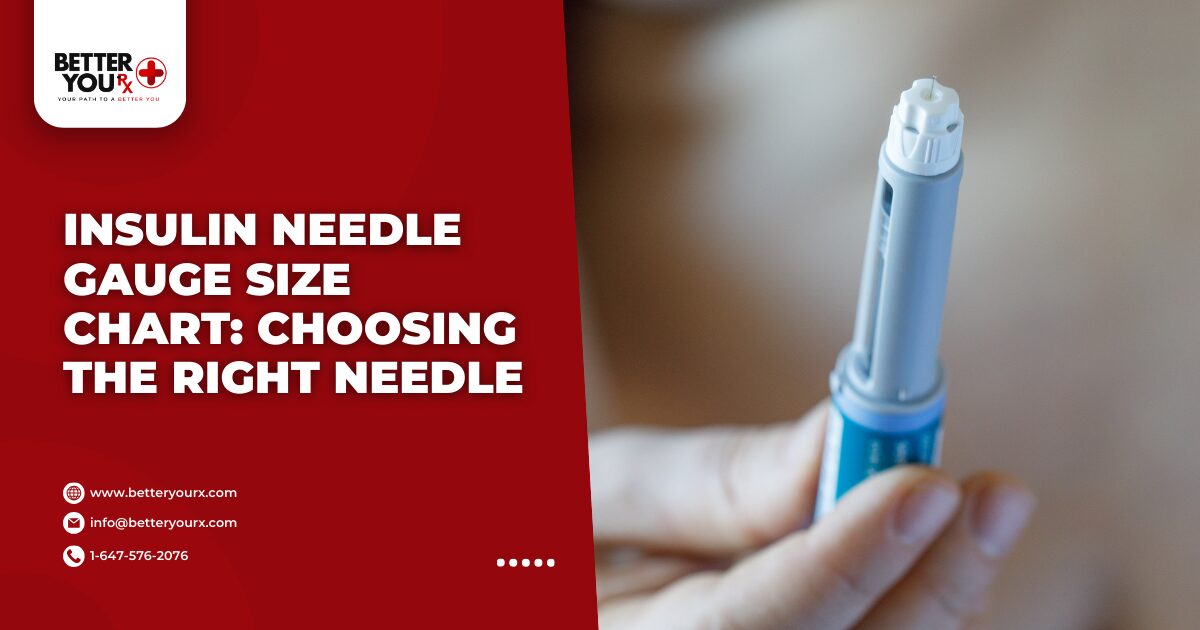
An insulin needle gauge size chart helps patients and providers choose the right needle for safe and comfortable insulin delivery. Gauge refers to thickness; higher numbers mean thinner needles, while length typically ranges from 4mm to 12.7mm. Common gauges include 28G to 32G, each offering different balances of comfort and flow. Thinner needles, like 31G and 32G reduce pain but may require more pressure, while thicker one,s like 28G and 29G, deliver insulin faster but can cause more discomfort. Needle length is equally important, ensuring insulin reaches subcutaneous tissue without hitting muscle. Proper selection depends on body type, injection site, and dose size. Regularly reviewing needle choices improves comfort, absorption, and overall diabetes management.

How to Read an Insulin Needle Gauge Size Chart

How to Read an Insulin Needle Gauge Size Chart

The needle gauge system operates on an inverse scale where larger numbers represent thinner needles. This measurement standard originated from the Birmingham Wire Gauge system and remains the primary method for categorizing medical needles worldwide. A 32-gauge needle measures approximately 0.23mm in diameter, while a 28-gauge needle measures about 0.36mm in diameter.

Needle length represents another crucial measurement that works independently from gauge size. Standard insulin needle lengths include:

  • 4mm (5/32 inch) – shortest option available
  • 5mm (3/16 inch) – ultra-short length
  • 6mm (1/4 inch) – short length
  • 8mm (5/16 inch) – standard length
  • 12.7mm (1/2 inch) – longest common option

The combination of gauge and length determines the overall needle specification. For example, a needle labeled “31G x 6mm” indicates a 31-gauge thickness with a 6-millimeter length. These measurements directly impact injection comfort, medication delivery effectiveness, and suitability for different body types.

Thinner needles generally cause less pain during insertion but may require slightly more pressure to inject insulin. Thicker needles penetrate skin more easily but might cause increased discomfort. The insulin needle gauge size chart helps patients and healthcare providers match these specifications to individual needs and preferences.

Manufacturing tolerances ensure consistency across needle production, with variations typically staying within 0.01mm of specified diameters. This precision maintains reliable insulin delivery and predictable injection experiences across different needle batches and brands.

For those managing diabetes with medications like Metformin alongside insulin therapy, coordinating all aspects of treatment becomes essential. Better You Rx provides access to affordable diabetes management supplies and medications from Canada, helping patients maintain consistent treatment routines without financial strain.

Common Insulin Needle Sizes and Their Uses

A comprehensive insulin needle gauge size chart provides detailed specifications for making informed needle selection decisions. The following table outlines common needle options with their corresponding measurements and typical applications:

Gauge Size Outer Diameter (mm) Inner Diameter (mm) Wall Thickness Common Lengths Best For
28G 0.36 0.18 0.09mm 8mm, 12.7mm Larger insulin doses, thicker skin
29G 0.33 0.18 0.08mm 6mm, 8mm, 12.7mm Standard injections, moderate doses
30G 0.31 0.16 0.08mm 5mm, 6mm, 8mm Balanced comfort and flow rate
31G 0.26 0.13 0.06mm 4mm, 5mm, 6mm, 8mm Enhanced comfort, most body types
32G 0.23 0.11 0.06mm 4mm, 5mm, 6mm Maximum comfort, thin individuals

Each gauge size offers specific advantages based on individual requirements. The 31-gauge needle represents the most popular choice, balancing injection comfort with practical insulin flow rates. Many patients find this gauge provides optimal results when consulting their insulin needle gauge size chart for daily injections.

Needle manufacturers produce various combinations to accommodate diverse patient populations. Pediatric patients often benefit from 32G x 4mm needles, while adults with more subcutaneous tissue might prefer 29G x 8mm options. The chart serves as a starting point for discussions with healthcare providers about optimal needle selection.

Regular review of the insulin needle gauge size chart ensures patients maintain appropriate needle choices as their body composition or injection sites change over time. Weight fluctuations, aging, and injection site rotation all influence optimal needle specifications.

For those seeking affordable insulin options, you can buy cheap Lantus Solostar online from Canada through Better You Rx.

Choosing Between 31G, 30G, and 29G Needles

What Does Insulin Smell Like When Something's Wrong

The decision between 31G, 30G, and 29G needles involves balancing comfort preferences with practical injection requirements. These three gauge sizes represent the most commonly prescribed options, each offering distinct advantages for different patient populations and insulin regimens.

31-Gauge Needle Characteristics

The 31-gauge needle has become increasingly popular due to its thin profile and reduced injection discomfort. With an outer diameter of 0.26mm, this needle creates minimal tissue trauma during insertion. Patients transitioning from thicker needles often report significant comfort improvements with 31G options. Key benefits include:

  • Reduced injection site bleeding
  • Minimal bruising risk
  • Less anticipatory anxiety
  • Suitable for sensitive skin areas
  • Compatible with most insulin pen devices

However, 31G needles require slightly more injection pressure and time, particularly for concentrated insulin formulations or larger doses exceeding 40 units. Patients should maintain steady pressure throughout the injection to ensure complete dose delivery.

30-Gauge Needle Applications

The 30-gauge needle offers a middle ground between comfort and flow efficiency. Its 0.31mm diameter provides faster insulin flow than 31G options while maintaining reasonable comfort levels. This gauge works particularly well for:

  • Moderate to large insulin doses (30-60 units)
  • Patients with dexterity challenges
  • Mixed insulin preparations
  • Time-sensitive injection schedules
  • Rotational injection programs

Many experienced insulin users prefer 30G needles for their versatility across different injection scenarios. The insulin needle gauge size chart often highlights this gauge as a universal option suitable for most adult patients.

29-Gauge Needle Advantages

The 29-gauge needle, with its 0.33mm diameter, provides the fastest flow rates among these three options. While slightly less comfortable than thinner alternatives, 29G needles offer practical advantages for specific situations:

  • Large insulin doses over 60 units
  • Viscous insulin formulations
  • Limited injection time windows
  • Patients with reduced hand strength
  • Emergency insulin administration

Healthcare providers might recommend 29G needles for patients beginning insulin therapy, as the reliable flow characteristics help ensure complete dose delivery during the learning phase.

Comparing 28G vs 32G – Thickest and Thinnest Options

The extremes of the insulin needle gauge size chart – 28G and 32G – represent specialized options for specific patient needs. Understanding when these gauge sizes prove most beneficial helps optimize insulin delivery for challenging situations.

28-Gauge Needle Applications

The 28-gauge needle, measuring 0.36mm in outer diameter, remains the thickest commonly available insulin needle. Despite causing more insertion discomfort, this gauge serves important purposes:

  • Ultra-rapid insulin delivery for emergency situations
  • Patients with severe hand arthritis or tremors
  • Concentrated insulin formulations (U-200, U-300, U-500)
  • Injection through clothing in emergency scenarios
  • Backup option for pen device malfunctions

Medical professionals sometimes prescribe 28G needles for elderly patients who struggle with the pressure required for thinner needles. The larger internal diameter reduces injection resistance by approximately 60% compared to 32G options. Some patients using <a href=”https://betteryourx.com/product/humalog-junior-kwikpen/”>Humalog Junior Kwikpen</a> find 28G needles helpful when administering larger correction doses.

The primary drawbacks include increased injection site trauma, higher bleeding risk, and greater psychological discomfort. Patients using 28G needles should rotate injection sites diligently to prevent tissue damage and lipodystrophy development.

32-Gauge Needle Benefits

The 32-gauge needle represents the pinnacle of injection comfort technology, with its 0.23mm diameter barely perceptible during insertion. This ultra-thin option has revolutionized insulin therapy for needle-phobic patients and children. Advantages include:

  • Virtual elimination of injection pain
  • Reduced needle anxiety in pediatric patients
  • Minimal tissue trauma and scarring
  • Decreased risk of injection site reactions
  • Enhanced treatment compliance

However, 32G needles present certain limitations. The narrow internal diameter restricts flow rates, potentially doubling injection time for doses exceeding 30 units. Patients must maintain steady pressure throughout the injection and count to ten after depressing the plunger fully to ensure complete dose delivery.

The insulin needle gauge size chart typically recommends 32G needles for patients prioritizing comfort over injection speed. Successful use requires proper technique training and patience during administration.

Insulin Needle Length Selection Guide

Insulin Needle Length Selection Guide

Proper needle length selection ensures insulin reaches subcutaneous tissue without penetrating muscle layers. The insulin needle gauge size chart incorporates length options ranging from 4mm to 12.7mm, each suited for different body types and injection techniques.

Understanding Subcutaneous Tissue Depth

Subcutaneous tissue thickness varies considerably among individuals and injection sites. Research indicates average depths of:

  • Abdomen – 10-15mm in adults
  • Thigh – 8-12mm in adults
  • Upper arm – 6-10mm in adults
  • Buttocks – 12-20mm in adults

These measurements guide initial needle length selection, though individual assessment remains crucial for optimal results.

Short Needle Advantages (4mm-6mm)

Short needles have gained popularity due to their versatility and safety profile. The 4mm length works effectively for approximately 99% of adults when using proper injection technique. Benefits of short needles include:

  • Reduced risk of intramuscular injection
  • Less injection angle flexibility required
  • Decreased injection anxiety
  • Suitable for all injection sites
  • Minimal training requirements

Patients with BMI under 25 typically achieve optimal results with 4mm or 5mm needles across all injection sites. The 6mm length provides additional confidence for those concerned about adequate penetration while maintaining safety margins.

Medium and Long Needle Considerations (8mm-12.7mm)

Longer needles remain valuable for specific patient populations despite the trend toward shorter options. The 8mm length suits patients with BMI 25-30, particularly for abdominal injections where subcutaneous tissue runs deeper. Consider <a href=”https://betteryourx.com/product/metformin/”>Metformin</a> as an adjunct therapy while optimizing your injection technique with appropriate needle lengths.

The 12.7mm length, though rarely necessary, serves patients with significant adipose tissue or those experiencing absorption issues with shorter needles. Healthcare providers might recommend longer needles for:

  • Patients with BMI exceeding 35
  • Individuals with lipohypertrophy at injection sites
  • Specific insulin formulations requiring deeper delivery
  • Patients unable to use proper injection technique

Proper injection angle becomes critical with longer needles. The insulin needle gauge size chart should include angle recommendations: 90 degrees for short needles and 45 degrees for longer options in lean individuals.

Patients using rapid-acting insulin formulations like Humalog Junior KwikPen may find that needle gauge selection affects absorption rates and overall glycemic control. Access to various needle options through reliable suppliers ensures continuous optimization of injection techniques.

Best Practices for Using Your Insulin Needle Gauge Size Chart

Maximizing the utility of an insulin needle gauge size chart requires understanding proper implementation strategies and regular reassessment protocols. Effective chart utilization improves injection outcomes and patient satisfaction with insulin therapy.

Initial Needle Selection Process

Beginning insulin therapy involves careful needle specification selection based on multiple factors. Healthcare providers typically start with conservative choices – often 31G x 6mm for adults or 32G x 4mm for children. The selection process should consider:

  • Current body mass index and body composition
  • Planned injection sites and rotation schedule
  • Insulin types and typical dose volumes
  • Manual dexterity and visual acuity
  • Previous injection experiences and preferences
  • Cost and insurance coverage considerations

Document initial needle specifications and establish baseline comfort ratings for future comparisons. This information proves valuable when adjusting needle choices based on experience.

Monitoring and Adjustment Protocols

Regular evaluation ensures continued needle appropriateness as circumstances change. Review needle specifications every three to six months or when experiencing:

  • Unexplained blood glucose variability
  • Injection site problems (bruising, bleeding, lumps)
  • Changes in body weight exceeding 10%
  • Difficulty with current injection technique
  • New insulin formulations or devices
  • Increased injection discomfort

Track injection experiences using standardized pain scales and absorption consistency measures. Compare results against the insulin needle gauge size chart to identify potentially better options.

Creating Personalized Reference Charts

Develop customized charts incorporating personal experience with different needle specifications. Include notes about:

  • Comfort ratings for each gauge/length combination tried
  • Specific injection sites where each needle works best
  • Time required for different dose volumes
  • Any adverse reactions or complications
  • Preferred needles for different situations

This personalized insulin needle gauge size chart becomes invaluable for communicating with healthcare providers and maintaining consistent injection practices during travel or supply changes.

Troubleshooting Common Issues

When injection problems arise, systematic chart consultation helps identify solutions:

Painful injections – Consider moving to a higher gauge (thinner) needle or shorter length Incomplete dose delivery – Evaluate whether gauge size restricts flow excessively Bruising or bleeding – Assess if needle length causes unnecessary tissue trauma Variable absorption – Verify needle reaches subcutaneous tissue consistently Bent needles – Determine if gauge size lacks sufficient rigidity for injection technique

Document troubleshooting outcomes to refine future needle selections and prevent recurring issues.

Final Thoughts on Insulin Needle Selection

Mastering insulin needle selection through proper insulin needle gauge size chart utilization significantly impacts treatment success and quality of life. The relationship between gauge size, needle length, and injection comfort requires individual optimization based on personal characteristics and preferences. Regular reassessment ensures continued appropriateness as body composition, injection sites, and insulin requirements evolve.

Patient education remains fundamental to successful needle selection. Understanding gauge measurements, length requirements, and flow characteristics empowers informed decision-making. Healthcare providers should encourage questions and provide hands-on training with different needle options before finalizing selections.

Technology continues advancing needle design, with manufacturers developing increasingly comfortable options without sacrificing functionality. Staying informed about new products and consulting updated charts helps patients benefit from these innovations.

The insulin needle gauge size chart serves as a foundation for personalized injection strategies rather than rigid prescriptions. Individual variation means the “best” needle differs among patients, even those with similar physical characteristics. Patience during the optimization process and willingness to try different specifications ultimately leads to ideal needle selection.

Frequently Asked Questions

What Size Gauge Needle Is Best for Insulin Injections?

The 31-gauge needle represents the most popular choice for insulin injections, offering an optimal balance between comfort and functionality. This gauge provides sufficient thinness to minimize discomfort while maintaining practical flow rates for most insulin doses. Most patients find 31G needles work well across different injection sites and insulin types. However, the “best” gauge varies based on individual factors including pain sensitivity, dose volume, and manual dexterity. Children and needle-sensitive adults might prefer 32-gauge options for maximum comfort, while those administering large doses might benefit from 29G or 30G needles for faster delivery. Consult your insulin needle gauge size chart and healthcare provider to determine your optimal gauge based on specific needs and experiences.

Is 31 Gauge or 30 Gauge Bigger?

The 30-gauge needle is bigger (thicker) than a 31-gauge needle. In the gauge measurement system, smaller numbers indicate larger diameters – this inverse relationship often causes confusion. A 30-gauge needle measures approximately 0.31mm in outer diameter, while a 31-gauge needle measures about 0.26mm. This 0.05mm difference might seem minimal, but it noticeably affects injection comfort and flow rates. The thicker 30-gauge needle allows faster insulin flow, reducing injection time by approximately 20-30% compared to 31-gauge options. However, the thinner 31-gauge needle typically causes less insertion pain and tissue trauma.

Is a 20 or 25 Gauge Needle Bigger?

A 20-gauge needle is significantly bigger than a 25-gauge needle. The 20-gauge needle measures approximately 0.91mm in outer diameter, while a 25-gauge needle measures about 0.51mm – making the 20-gauge nearly twice as thick. Neither gauge typically appears on an insulin needle gauge size chart because both exceed comfortable thickness ranges for subcutaneous injections. These gauges serve other medical purposes such as intramuscular injections or blood draws. For insulin administration, gauges ranging from 28G to 32G provide appropriate thickness for comfortable subcutaneous delivery.

Is a 28 or 29 Gauge Needle Bigger?

The 28-gauge needle is bigger (thicker) than a 29-gauge needle. A 28-gauge measures 0.36mm in outer diameter compared to 0.33mm for 29-gauge – a difference of 0.03mm. While both gauges appear on the insulin needle gauge size chart, the 28-gauge represents the thickest option commonly used for insulin delivery. The additional thickness of 28G needles provides faster flow rates, beneficial for large doses or viscous insulin formulations. However, the 29-gauge offers improved comfort while still maintaining reasonable flow characteristics, making it a popular middle-ground option.

Which Is Thicker, 28 or 29 Gauge?

The 28-gauge needle is thicker than the 29-gauge needle. This follows the standard gauge numbering system where lower numbers indicate greater thickness. The 28-gauge’s 0.36mm diameter makes it approximately 9% thicker than the 29-gauge’s 0.33mm diameter. This thickness difference affects several injection characteristics including insertion force required, tissue trauma potential, and insulin flow rates. Patients consulting their insulin needle gauge size chart should consider these factors when choosing between these gauges.

What Is a 29 Gauge Needle Used For?

A 29-gauge needle serves multiple purposes in insulin therapy, particularly for patients requiring a balance between comfort and efficient insulin delivery. Common applications include administering moderate to large insulin doses (30-60 units), injecting mixed insulin preparations, and serving patients with limited hand strength who struggle with thinner needles. The 29-gauge specifications on the insulin needle gauge size chart show compatibility with various needle lengths from 6mm to 12.7mm, providing flexibility for different body types. Many healthcare providers recommend 29G needles as starter options for new insulin users, as the gauge provides reliable performance while patients develop injection confidence and technique.

What Gauge Needle Is Best for Injecting?

The best gauge for injecting insulin typically falls between 30G and 32G for most patients, with 31G representing the most common choice. These thinner gauges minimize injection discomfort while maintaining practical flow rates for typical insulin doses. Individual factors significantly influence optimal gauge selection, including dose volume, injection frequency, skin sensitivity, and personal preferences. Patients administering small doses (under 30 units) often prefer 32G needles for maximum comfort, while those injecting larger volumes might choose 29G or 30G for reduced injection time.


Insulin Syringe Sizes – Complete Guide for Diabetic Patients

 Insulin syringe sizes are essential for effective diabetes management and accurate medication delivery. Different syringe capacities, needle lengths, and gauge measurements directly impact injection comfort and insulin absorption rates. The standard options include 0.3mL, 0.5mL, and 1mL syringes, each designed for specific insulin dosing requirements. Needle lengths range from 4mm to 12.7mm, while gauges typically vary between 28G and 31G, with higher numbers indicating thinner needles. Selecting the appropriate combination depends on factors including body type, injection site preferences, prescribed insulin dose, and individual comfort levels during administration.

Understanding Basic Syringe Components and Measurements

Understanding Basic Syringe Components and Measurements

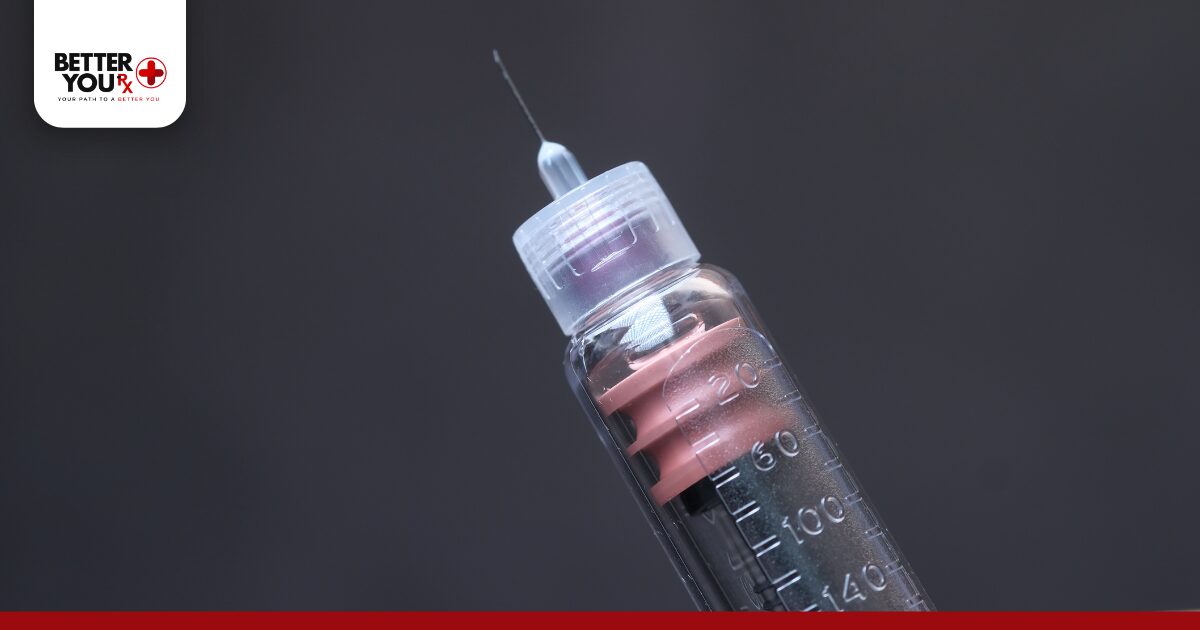
Insulin syringes consist of three primary components that determine their functionality and suitability for different patients. The barrel holds the insulin and displays measurement markings, while the plunger creates the pressure needed for injection. The needle, characterized by its length and gauge, penetrates the skin to deliver medication subcutaneously.

Measurement markings on insulin syringe sizes correspond to insulin units rather than standard milliliters. Each marking represents a specific number of units, with the spacing dependent on the syringe’s total capacity. A 0.3mL syringe holds up to 30 units, a 0.5mL accommodates 50 units, and a 1mL contains 100 units.

The relationship between syringe capacity and marking clarity affects dosing accuracy significantly. Smaller capacity syringes feature wider spacing between unit markings, making precise measurements easier for patients requiring lower doses. This design element proves particularly beneficial for pediatric patients or adults with insulin sensitivity who need exact dosing.

Barrel diameter varies among different insulin syringe sizes, influencing both visual clarity and handling comfort. Narrower barrels found in lower-capacity syringes allow better visibility of markings and require less force during injection. Wider barrels in larger syringes accommodate higher insulin volumes but may challenge patients with limited hand strength or dexterity issues.

Looking for affordable diabetes management solutions? Buy cheap Lantus Solostar online from Canada through Better You Rx and save on your insulin therapy costs while ensuring quality medication delivery.

Needle Gauge Options and Pain Management

Needle gauge measurements follow an inverse relationship where higher numbers indicate thinner needles, directly affecting injection comfort levels. The most common gauges for insulin syringe sizes include 28G, 29G, 30G, and 31G options. Each gauge offers distinct advantages depending on patient preferences and physical characteristics.

31-gauge needles represent the thinnest option available, measuring approximately 0.25mm in diameter. These ultra-fine needles minimize tissue trauma and reduce injection site discomfort significantly. Patients with needle anxiety or those requiring multiple daily injections often prefer this gauge for improved comfort.

30-gauge needles measure slightly thicker at 0.30mm diameter, offering a balance between comfort and durability. The marginally larger diameter provides increased needle strength, reducing bending risk during insertion while maintaining reasonable comfort levels. This gauge suits patients who prioritize both comfort and needle stability.

28-gauge and 29-gauge needles, measuring 0.36mm and 0.33mm respectively, provide maximum durability and faster insulin flow rates. These options work well for patients with tougher skin or those using insulin suspensions that require larger needle openings. The increased diameter facilitates smoother medication flow, particularly beneficial when injecting larger insulin volumes.

  • 31G needles – Best for sensitive skin and frequent injections
  • 30G needles – Balanced comfort and strength
  • 29G needles – Suitable for most insulin types
  • 28G needles – Ideal for thick skin or suspension insulins

Needle Length Selection Based on Body Type

Needle Gauge Options and Pain Management

Selecting appropriate needle lengths among available insulin syringe sizes requires consideration of body composition, injection site preferences, and subcutaneous tissue depth. Standard needle lengths include 4mm, 5mm, 6mm, 8mm, and 12.7mm options, each designed for specific patient profiles and injection techniques.

Short Needle Options (4mm-6mm)

4mm needles represent the shortest available option and suit nearly all patients regardless of body type. Research demonstrates these ultra-short needles effectively deliver insulin to subcutaneous tissue without reaching muscle layers. Children, lean adults, and patients preferring arm injections benefit particularly from this length.

5mm and 6mm needles provide slightly deeper penetration while maintaining safety margins against intramuscular injection risks. These intermediate lengths accommodate patients with moderate subcutaneous tissue thickness and those transitioning from longer needles. The additional length offers psychological reassurance for patients concerned about adequate insulin delivery depth.

Standard and Long Needle Options (8mm-12.7mm)

8mm needles traditionally served as the standard length for insulin delivery, though recent guidelines favor shorter alternatives. Patients with significant subcutaneous tissue or those using specific injection techniques may still benefit from this length. Proper injection angle adjustment becomes crucial when using 8mm needles to prevent muscle penetration.

12.7mm needles, while less commonly recommended today, remain available for specific situations. Patients with excessive adipose tissue or those requiring deeper penetration for medical reasons might need these longer options. Healthcare providers carefully evaluate individual needs before recommending these extended needle lengths.

Choosing the Right Syringe Capacity for Your Insulin Dose

Matching syringe capacity to prescribed insulin doses ensures accurate measurement and comfortable administration. The three standard insulin syringe sizes each serve specific dosing ranges, with selection based on maximum single injection requirements rather than total daily insulin needs.

Low-Dose Syringes (0.3mL/30 Units)

0.3mL syringes feature the finest unit markings among all insulin syringe sizes, with each line representing 0.5 units. This precision proves invaluable for pediatric patients, newly diagnosed individuals starting with conservative doses, or those requiring micro-adjustments to their insulin regimen. The narrow barrel diameter enhances visibility, making half-unit measurements clearly distinguishable.

Patients administering doses below 30 units benefit from improved accuracy when using these smaller syringes. The concentrated markings reduce measurement errors common with larger capacity syringes where unit lines appear closer together. This enhanced precision particularly matters for insulin-sensitive individuals where small dosing variations significantly impact blood glucose levels.

Ready to streamline your diabetes management? Explore affordable options like Humalog Junior KwikPen through Better You Rx for convenient, pre-filled insulin delivery at competitive Canadian prices.

Standard Capacity Options (0.5mL and 1mL)

0.5mL syringes accommodate doses up to 50 units while maintaining reasonable marking clarity. Each line typically represents one unit, though some models offer half-unit markings for increased precision. These medium-capacity syringes suit patients with moderate insulin requirements who value both accuracy and convenience.

Syringe Capacity Maximum Units Marking Increment Best For
0.3mL 30 units 0.5 units Doses under 30 units
0.5mL 50 units 1 unit Doses 30-50 units
1mL 100 units 2 units Doses over 50 units

1mL syringes handle the largest insulin volumes, holding up to 100 units per injection. The increased capacity comes with wider marking intervals, typically 2 units per line, potentially compromising precision for smaller doses. Patients requiring large insulin volumes or those comfortable estimating between markings find these syringes most practical.

Injection Site Considerations for Different Syringe Specifications

Different body regions offer varying subcutaneous tissue depths, influencing optimal insulin syringe sizes for each location. Understanding site-specific characteristics helps patients select appropriate needle lengths and maintain effective rotation schedules. The abdomen, thighs, arms, and buttocks each present unique considerations for syringe selection.

Abdominal injections remain the most popular choice due to consistent absorption rates and accessible subcutaneous tissue. Most patients successfully use 4mm to 6mm needles for abdominal injections, regardless of body composition. The area’s natural padding provides comfort while minimizing intramuscular injection risks even with standard needle lengths.

Thigh injections require careful needle length selection based on individual muscle development and adipose tissue distribution. Athletic individuals with minimal thigh fat may need 4mm needles exclusively, while those with more subcutaneous tissue can use longer options. Proper site rotation within the thigh area prevents lipodystrophy development.

  • Abdomen – Most versatile site for all needle lengths
  • Outer thighs – Require careful length selection based on body composition
  • Upper arms – Best with shorter needles (4-5mm)
  • Buttocks – Can accommodate longer needles if needed
  • Rotation prevents tissue damage and maintains absorption consistency

Upper arm injections typically demand shorter needles due to limited subcutaneous tissue depth. The triceps area offers the best target zone, though reaching this site independently challenges some patients. 4mm or 5mm needles work optimally for arm injections across most body types.

Special Considerations for Pediatric and Elderly Patients

Age-specific factors significantly influence appropriate insulin syringe sizes for pediatric and elderly populations. Children’s developing bodies and seniors’ changing physiology require tailored approaches to syringe selection. Healthcare providers consider multiple variables when recommending specifications for these vulnerable groups.

Pediatric Syringe Selection

Children typically require the smallest available insulin syringe sizes due to limited subcutaneous tissue and lower insulin requirements. 0.3mL syringes with 4mm needles often provide the ideal combination for pediatric patients. The ultra-fine 31G needles minimize injection trauma and reduce anxiety associated with needle procedures.

Growth patterns and body composition changes throughout childhood necessitate regular reassessment of syringe specifications. Adolescents experiencing rapid growth may need capacity upgrades while maintaining shorter needle preferences. Parents and caregivers should monitor injection site reactions and comfort levels to guide specification adjustments.

Elderly Patient Considerations

Senior patients face unique challenges including decreased dexterity, vision changes, and altered skin characteristics affecting syringe selection. Larger barrel diameters might improve handling for those with arthritis or tremors, even if insulin requirements remain modest. Clear, widely-spaced markings become crucial for patients with compromised vision.

Skin changes associated with aging, including decreased elasticity and thinning, influence needle gauge preferences. While thinner needles reduce discomfort, some elderly patients prefer slightly thicker gauges for improved needle stability during injection. Healthcare providers balance comfort with practical handling considerations when recommending insulin syringe sizes for senior patients.

Take control of your diabetes management today with Metformin and other essential medications available through BetterYourX’s reliable Canadian prescription referral service at significant savings.

Proper Storage and Handling of Different Syringe Types

Needle Length Selection Based on Body Type

Maintaining syringe integrity through proper storage protects both needle sharpness and measurement accuracy across all insulin syringe sizes. Environmental factors including temperature, humidity, and light exposure affect syringe materials differently depending on specifications. Understanding storage requirements ensures optimal performance and safety throughout the product’s usable life.

Temperature stability proves crucial for preserving needle coating integrity and preventing barrel warping. Room temperature storage between 59-86°F maintains optimal conditions for all syringe types. Extreme temperatures compromise lubricant coatings on needles, increasing injection discomfort and potentially affecting insulin flow rates.

Humidity control prevents moisture accumulation that could compromise sterility or cause measurement marking degradation. Original packaging provides adequate protection when stored in typical indoor environments. Bathroom storage should be avoided due to shower-generated humidity fluctuations that accelerate material degradation.

Needle protection during storage maintains sharpness and prevents contamination before use. Never recap used needles or attempt to straighten bent ones, as this increases injury risk. Each insulin syringe should remain in its protective covering until immediately before use, regardless of needle specifications.

Light exposure, particularly direct sunlight, degrades plastic components over extended periods. Store syringes in opaque containers or drawers to prevent UV-related deterioration. This consideration becomes especially important for bulk purchases where extended storage periods are anticipated.

Organization systems accommodating different insulin syringe sizes improve accessibility while preventing damage. Separate compartments for various specifications prevent confusion and accidental selection of incorrect sizes. Rotation practices ensuring older stock usage first maintain inventory freshness and prevent expiration-related waste.

Key Takeaways for Optimal Syringe Selection

Selecting appropriate insulin syringe sizes requires balancing multiple factors including dosing requirements, body composition, injection site preferences, and individual comfort levels. The combination of syringe capacity, needle gauge, and needle length determines injection effectiveness and patient satisfaction. Starting with 0.3mL syringes featuring 31G, 4mm needles often provides the best initial experience for new insulin users, with adjustments made based on individual response and changing needs over time. Regular consultation with healthcare providers ensures syringe specifications continue meeting evolving requirements as treatment progresses. Patient education regarding proper technique, site rotation, and storage practices maximizes the benefits of correctly chosen insulin syringe sizes while minimizing potential complications.

Frequently Asked Questions

Is 31 Gauge or 30 Gauge Bigger?

30 gauge needles are bigger than 31 gauge needles. The gauge numbering system works inversely, meaning higher numbers indicate thinner needles. A 30G needle measures approximately 0.30mm in diameter while a 31G needle measures about 0.25mm. This difference might seem minimal, but patients often notice improved comfort with the thinner 31G option, especially during multiple daily injections.

How to Choose Needle Size for Insulin?

Choosing needle size for insulin involves evaluating body composition, injection sites, and personal comfort preferences. Start with 4mm length needles as they suit most patients regardless of body type. Consider needle gauge based on skin sensitivity – 31G for maximum comfort or 28-30G for durability. Consult your healthcare provider about specific insulin syringe sizes that match your prescribed doses and injection technique.

Which Is Smaller, 4mm or 6mm?

4mm needles are smaller than 6mm needles by 2 millimeters in length. The 4mm option represents the shortest commercially available insulin needle, designed to reach subcutaneous tissue without risk of intramuscular injection in most patients. The 6mm length provides slightly deeper penetration for patients preferring additional reassurance about insulin delivery depth.

What Is 4 Units on an Insulin Syringe?

4 units on an insulin syringe appears as the fourth marking from the zero point, though visibility varies among different insulin syringe sizes. On a 0.3mL syringe with half-unit markings, 4 units would be the eighth line. Standard 0.5mL and 1mL syringes show 4 units as the fourth or second line respectively, depending on marking increments.

Is 20 Units of Insulin a Lot?

20 units of insulin represents a moderate single dose that falls within typical ranges for many patients. Individual insulin requirements vary significantly based on factors including body weight, insulin sensitivity, and blood glucose targets. Some patients require less than 10 units per injection while others need 50+ units. Your healthcare provider determines appropriate dosing based on your specific metabolic needs.

What Is a 0.5 mL Syringe Used For?

A 0.5mL syringe accommodates insulin doses up to 50 units, making it suitable for patients with moderate insulin requirements. These medium-capacity syringes offer a balance between measurement precision and dose flexibility. Patients typically choose 0.5mL syringes when their single injection doses range between 30-50 units, as the markings remain clear while providing adequate capacity.

What Is a 2ml Syringe Used For?

2mL syringes are not standard insulin syringe sizes and are rarely used for insulin administration. These larger syringes typically serve other medical purposes including vaccine administration or drawing medications. Insulin delivery requires specialized U-100 insulin syringes (0.3mL, 0.5mL, or 1mL) designed specifically for accurate insulin measurement and subcutaneous injection.


Sign Up For Newsletter

Please enable JavaScript in your browser to complete this form.

Join 60.000+ Subscribers and get a new discount coupon on every Saturday.

Address

PO Box 29631, Mississauga RPO Central Parkway, ON L5A 4H2

Phone Number

1-647-576-2076

better you rx big letter logo

Discover convenience with Better You Rx, your trusted pharmacy-affiliated partner. We work with leading pharmacies to deliver prescriptions and over-the-counter medications right to your doorstep. Enjoy cost-effective solutions on a platform that’s easy to use. We focus on safety and efficacy in all products. Our dedicated team ensures a smooth experience. From ordering to delivery, we simplify your healthcare needs. Choose Better You Rx for reliable service and expert support. Trust us for all your medication requirements. Experience the ease of modern pharmacy care.

Categories

Operating Hours: 
10:00AM – 6:00PM CST
Monday – Friday

Our Payment Partners :

Copyright © 2026 BetteryouRX. All Rights Reserved.
Join The Waitlist Be among the first to know when becomes available.
Add to cart