Basal vs bolus insulin represents two fundamental approaches to insulin therapy, each serving distinct purposes in diabetes management. Basal insulin provides steady, long-acting glucose control throughout the day and night, lasting 12-42 hours with minimal peak activity. Bolus insulin delivers rapid-acting coverage for meals and glucose spikes, beginning work within 15 minutes and lasting 3-4 hours.
Basal-bolus therapy combines both approaches, offering superior glucose control with lifestyle flexibility and reduced hypoglycemia risk compared to single insulin regimens. Common basal insulins include Glargine, Detemir, and Degludec, administered once or twice daily. Rapid-acting bolus options like Lispro, Aspart, and Glulisine require precise timing 15-30 minutes before meals. Both Type 1 and Type 2 diabetes patients can benefit from this approach, though implementation requires proper education in carbohydrate counting, insulin calculations, and blood glucose monitoring for optimal results.
What Is Basal Insulin?
Basal insulin represents the foundation of insulin therapy, providing steady, long-acting glucose control over extended periods. This type of insulin mimics the pancreas’s continuous, low-level insulin production that occurs between meals and during sleep. Basal insulin helps maintain stable blood glucose levels by suppressing glucose production from the liver and facilitating glucose uptake by muscles and other tissues.
Long-acting basal insulins are designed to provide consistent insulin levels for 12 to 24 hours or longer, depending on the specific formulation. These insulins have minimal peak activity, creating a relatively flat action profile that provides steady glucose control without significant fluctuations.
Common basal insulin types include Glargine (Lantus, Basaglar), Detemir (Levemir), and Degludec (Tresiba). Each has unique characteristics regarding duration of action, injection frequency, and individual response patterns. Glargine and Degludec typically require once-daily dosing, while Detemir may require twice-daily administration in some patients.
The primary advantage of basal insulin lies in its convenience and consistent action. Patients can administer basal insulin at the same time each day, providing reliable background glucose control that doesn’t require precise timing with meals. This consistency helps reduce glucose variability and provides a stable foundation for overall diabetes management.
Proper basal insulin dosing should maintain blood glucose levels within target ranges during fasting periods, between meals, and overnight. Healthcare providers typically adjust basal insulin doses based on fasting glucose levels and patterns observed through continuous glucose monitoring or frequent blood glucose testing.
Need basal vs bolus insulin? Order Humulin N KwikPen today for reliable intermediate-acting insulin therapy.
What Is Bolus Insulin?
Bolus insulin provides rapid-acting glucose control specifically designed to manage blood glucose spikes associated with meals and snacks. This insulin type mimics the pancreas’s natural response to food intake, delivering quick-acting insulin coverage that matches carbohydrate absorption and prevents post-meal hyperglycemia.
Rapid-acting bolus insulins begin working within 15 minutes of injection, reach peak activity within 1-2 hours, and continue working for 3-4 hours. This action profile closely matches the body’s natural insulin response to food consumption, making bolus insulin ideal for meal coverage.
Popular bolus insulin options include Lispro (Humalog, Admelog), Aspart (Novolog), and Glulisine (Apidra). These insulins offer similar onset and duration characteristics but may have subtle differences in peak timing and individual response patterns. Some patients may respond better to one formulation over others, requiring individualized selection based on glucose response patterns.
Running out of basal vs bolus insulin? Get Admelog Vials delivered for effective bolus coverage.
Bolus insulin dosing requires careful calculation based on carbohydrate intake, current blood glucose levels, and individual insulin sensitivity factors. The insulin-to-carbohydrate ratio determines how much bolus insulin is needed for each gram of carbohydrate consumed, while correction factors help address elevated glucose levels.
Timing bolus insulin administration is crucial for optimal effectiveness. Most rapid-acting insulins should be administered 15-30 minutes before eating to ensure insulin action aligns with glucose absorption from food. However, this timing may vary based on individual response patterns and current glucose levels.
Key Differences Between Basal and Bolus Insulin
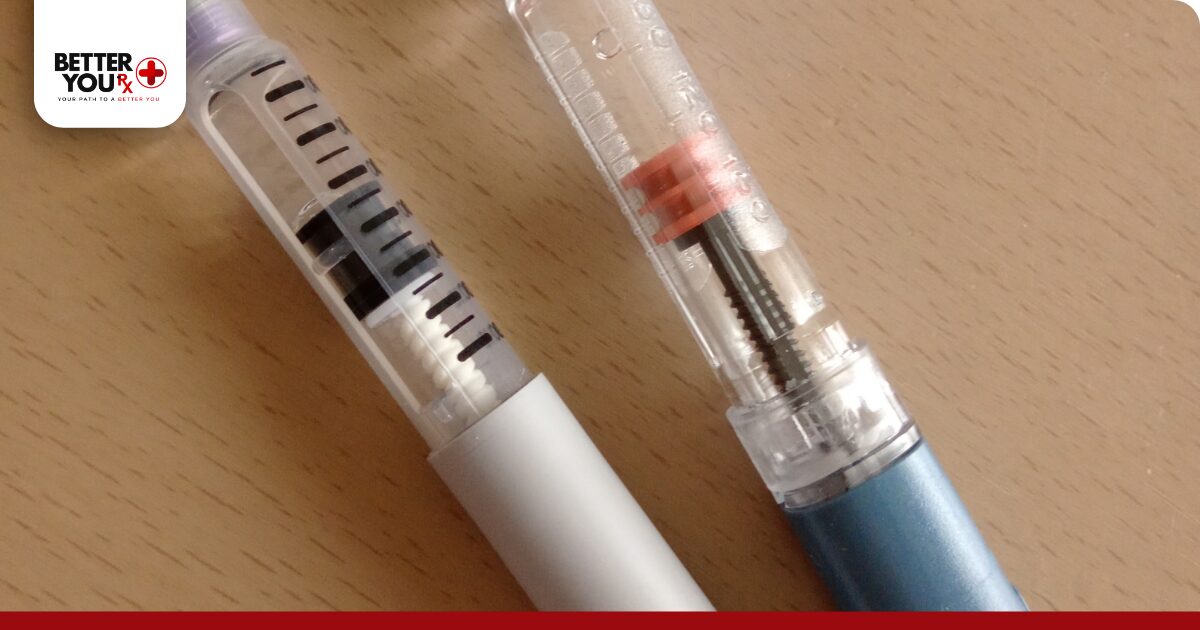
The fundamental differences between basal and bolus insulin extend beyond their duration of action to encompass their intended purposes, dosing strategies, and roles in comprehensive diabetes management.
Duration and Onset Characteristics
Basal insulin provides extended coverage lasting 12-42 hours depending on the specific formulation, with minimal peak activity and steady action profiles. Bolus insulin offers rapid onset within 15 minutes, peaks within 1-2 hours, and completes its action within 3-4 hours.
Purpose and Function
Basal insulin addresses background glucose control, suppressing hepatic glucose production and maintaining stable glucose levels between meals and during sleep. Bolus insulin specifically targets meal-related glucose spikes and provides correction coverage for elevated glucose levels.
Dosing Flexibility
Basal insulin typically requires consistent daily timing but offers flexibility in exact administration time within a few hours. Bolus insulin demands precise timing relative to meals and requires dose adjustments based on carbohydrate intake and glucose levels.
Coverage Patterns
Basal insulin provides continuous, steady glucose management throughout the day and night. Bolus insulin delivers targeted coverage for specific events like meals, snacks, or glucose corrections, with distinct periods of activity and inactivity.
Basal-Bolus Insulin Therapy: A Comprehensive Approach
Basal-bolus insulin therapy combines long-acting basal insulin with rapid-acting bolus insulin to provide comprehensive glucose management that closely mimics natural pancreatic function. This approach offers superior glucose control compared to single insulin regimens and provides flexibility for varying meal patterns and lifestyle factors.
The basal-bolus regimen typically involves one or two daily basal insulin injections combined with bolus insulin doses before meals and for glucose corrections. This combination addresses both background glucose control and meal-related insulin needs, providing more physiologic insulin replacement.
Advantages of Basal-Bolus Therapy
Basal-bolus insulin therapy offers numerous advantages for diabetes management:
- Improved Glucose Control: Better hemoglobin A1c levels and reduced glucose variability compared to conventional insulin regimens
- Lifestyle Flexibility: Ability to adjust meal timing, carbohydrate intake, and daily schedules without compromising glucose control
- Reduced Hypoglycemia Risk: More precise insulin dosing reduces the risk of low blood glucose episodes
- Better Quality of Life: Increased freedom in food choices and daily activities while maintaining good glucose control
- Customizable Approach: Ability to adjust both basal and bolus components independently based on individual needs
- Physiologic Insulin Replacement: Closer mimicry of natural pancreatic insulin production patterns
Implementation Considerations
Successful basal-bolus therapy requires comprehensive diabetes education, including carbohydrate counting, insulin dosing calculations, and blood glucose monitoring techniques. Patients must understand insulin-to-carbohydrate ratios, correction factors, and timing principles for optimal results.
Healthcare providers typically start with conservative insulin doses and make gradual adjustments based on glucose patterns and patient response. Regular monitoring through blood glucose testing or continuous glucose monitoring helps optimize both basal and bolus insulin doses.
Timing and Administration Guidelines
Proper timing and administration techniques are crucial for maximizing insulin effectiveness and minimizing glucose variability in basal-bolus therapy.
Basal Insulin Timing
Basal insulin should be administered at consistent times daily to maintain steady insulin levels. Most long-acting insulins can be given at any convenient time, but consistency is important for predictable glucose control.
Morning administration of basal insulin may help address dawn phenomenon, the natural rise in glucose that occurs in early morning hours. Evening administration might be preferred for patients who experience overnight glucose elevations or prefer bedtime dosing routines.
Bolus Insulin Timing
Optimal bolus insulin timing depends on several factors including current glucose levels, meal composition, and individual insulin response patterns. Generally, rapid-acting bolus insulin should be administered 15-30 minutes before eating to ensure insulin action aligns with glucose absorption.
When blood glucose levels are elevated, bolus insulin may need to be given earlier to allow correction time before adding meal coverage. Conversely, if glucose levels are low or trending downward, bolus insulin timing may be delayed or administered closer to meal consumption.
For mixed meals containing protein, fat, and carbohydrates, some patients may benefit from split dosing or extended bolus delivery using insulin pumps. High-fat meals may require additional insulin coverage 2-4 hours after eating due to delayed glucose absorption.
Insulin Types and Formulations
Comparison Table: Basal vs Bolus Insulin Characteristics
|
Characteristic |
Basal Insulin |
Bolus Insulin |
|
Onset Time |
1-4 hours |
15 minutes |
|
Peak Activity |
Minimal to no peak |
1-2 hours |
|
Duration |
12-42 hours |
3-4 hours |
|
Purpose |
Background glucose control |
Meal coverage & corrections |
|
Dosing Frequency |
Once or twice daily |
Before each meal |
|
Timing Flexibility |
Consistent daily timing |
Must align with meals |
|
Common Types |
Glargine, Detemir, Degludec |
Lispro, Aspart, Glulisine |
|
Action Profile |
Steady, flat curve |
Rapid rise and fall |
Long-Acting Basal Insulin Options
Glargine (Lantus, Basaglar) Glargine provides 24-hour basal coverage with minimal peak activity and consistent glucose control. This insulin can be administered once daily at any convenient time, offering flexibility for different schedules and preferences.
Detemir (Levemir) Detemir offers 12-20 hour duration and may require twice-daily dosing in some patients. This insulin has a slightly different action profile that may provide more predictable glucose control for certain individuals.
Degludec (Tresiba) Degludec provides ultra-long-acting coverage lasting up to 42 hours, offering exceptional dosing flexibility and consistent glucose control. This insulin’s extended duration allows for variable dosing times while maintaining effective basal coverage.
Rapid-Acting Bolus Insulin Options
Lispro (Humalog, Admelog) Lispro offers rapid onset and peak activity within 1-2 hours, making it ideal for pre-meal administration and glucose correction. This insulin provides reliable meal coverage with predictable action patterns.
Aspart (Novolog) Aspart provides similar characteristics to Lispro with rapid onset and short duration. Some patients may find subtle differences in peak timing or overall response patterns that influence individual preferences.
Glulisine (Apidra) Glulisine offers rapid-acting coverage with unique formulation characteristics that may provide faster onset in certain situations. This insulin may be preferred for patients requiring very rapid meal coverage.
Explore Admelog vial options for convenient bolus insulin administration.
Effective basal-bolus insulin therapy requires comprehensive glucose monitoring to optimize dosing and timing decisions. Modern glucose monitoring options include traditional blood glucose meters, continuous glucose monitors (CGMs), and flash glucose monitoring systems.
Monitoring Strategies
Fasting Glucose Patterns
- Regular fasting glucose monitoring helps evaluate basal insulin effectiveness and provides insights into overnight glucose control
- Consistent fasting glucose levels within target ranges indicate appropriate basal insulin dosing for stable background control
- Patterns of high fasting glucose may suggest insufficient basal insulin coverage or dawn phenomenon requiring dosing adjustments
- Low fasting glucose levels could indicate excessive basal insulin that needs reduction to prevent nocturnal hypoglycemia
Post-Meal Glucose Responses
- Monitoring glucose levels 1-2 hours after meals helps assess bolus insulin effectiveness and meal coverage adequacy
- Post-meal glucose spikes above target ranges may indicate inadequate bolus dosing or timing issues with insulin administration
- Consistent post-meal glucose elevation suggests need for insulin-to-carbohydrate ratio adjustments or earlier bolus timing
- Post-meal hypoglycemia indicates excessive bolus insulin requiring dose reduction or carbohydrate intake modifications
Overnight Glucose Patterns
- Continuous glucose monitoring or periodic overnight glucose checks help identify nocturnal glucose patterns and trends
- Dawn phenomenon patterns show early morning glucose elevation requiring basal insulin timing or dosing adjustments
- Overnight hyperglycemia may indicate insufficient basal coverage or need for split basal insulin dosing
- Nocturnal hypoglycemia requires careful basal insulin reduction and may necessitate bedtime snack considerations
Dose Adjustment Principles
Insulin dose adjustments should be made systematically, changing one component at a time to identify specific effects. Basal insulin adjustments typically involve 10-20% dose changes based on fasting glucose patterns over several days.
Bolus insulin adjustments may involve insulin-to-carbohydrate ratio changes or correction factor modifications based on post-meal glucose responses and overall glucose control patterns. Healthcare providers should guide major insulin adjustments while patients can make minor corrections based on established guidelines.
Special Populations and Considerations
Type 1 Diabetes Management
Individuals with Type 1 diabetes require complete insulin replacement therapy, making basal-bolus regimens essential for survival and optimal glucose control. These patients typically need more intensive monitoring and frequent dose adjustments due to complete insulin deficiency.
Basal insulin usually represents 40-50% of total daily insulin needs in Type 1 diabetes, with bolus insulin providing the remaining coverage for meals and corrections. Individual ratios may vary based on age, activity level, and metabolic factors.
Type 2 Diabetes Progression
Type 2 diabetes patients may progress from oral medications to basal insulin alone, eventually requiring basal-bolus therapy as beta cell function declines. This progression allows for gradual introduction of insulin therapy components while maintaining glucose control.
Starting with basal insulin alone allows patients to adapt to insulin injections before adding mealtime bolus coverage. This stepwise approach often improves treatment acceptance and long-term adherence to insulin therapy.
Pregnancy and Insulin Therapy
Pregnancy significantly affects insulin requirements due to hormonal changes and increased metabolic demands. Basal-bolus therapy often provides the flexibility needed to manage changing glucose patterns throughout pregnancy while maintaining tight glucose control for maternal and fetal health.
Insulin requirements typically increase during pregnancy, particularly in the second and third trimesters. More frequent glucose monitoring and insulin adjustments are necessary to maintain optimal glucose control during this critical period.
Low on basal vs bolus insulin? Get Novolog FlexPens fast delivery for convenient rapid-acting insulin delivery.
Lifestyle Integration and Patient Education
Successfully implementing basal-bolus insulin therapy requires comprehensive patient education and lifestyle integration strategies. Patients must understand carbohydrate counting, insulin dosing calculations, injection techniques, and glucose monitoring procedures.
Carbohydrate Counting Skills
Accurate carbohydrate counting forms the foundation of effective bolus insulin dosing. Patients need education about carbohydrate content in various foods, portion size estimation, and label reading skills for processed foods.
Practice with carbohydrate counting using real meals and snacks helps develop accuracy and confidence in insulin dosing decisions. Mobile apps and online resources can provide additional support for carbohydrate counting skills development.
Injection Technique and Site Rotation
Proper injection technique ensures consistent insulin absorption and reduces complications like lipodystrophy. Patients should learn about injection site rotation, needle selection, and injection depth for optimal insulin delivery.
Regular assessment of injection sites helps identify developing lipodystrophy or other complications that could affect insulin absorption. Healthcare providers should review injection techniques periodically and provide corrective guidance as needed.
Exercise and Activity Considerations
Physical activity significantly affects glucose levels and insulin requirements. Patients need strategies for adjusting insulin doses around exercise, understanding activity timing effects, and managing exercise-related glucose changes.
Different types of exercise may have varying effects on glucose levels, requiring individualized approaches to insulin and carbohydrate adjustments. Continuous glucose monitoring can help identify patterns and optimize activity-related management strategies.
Technology Integration and Advanced Management
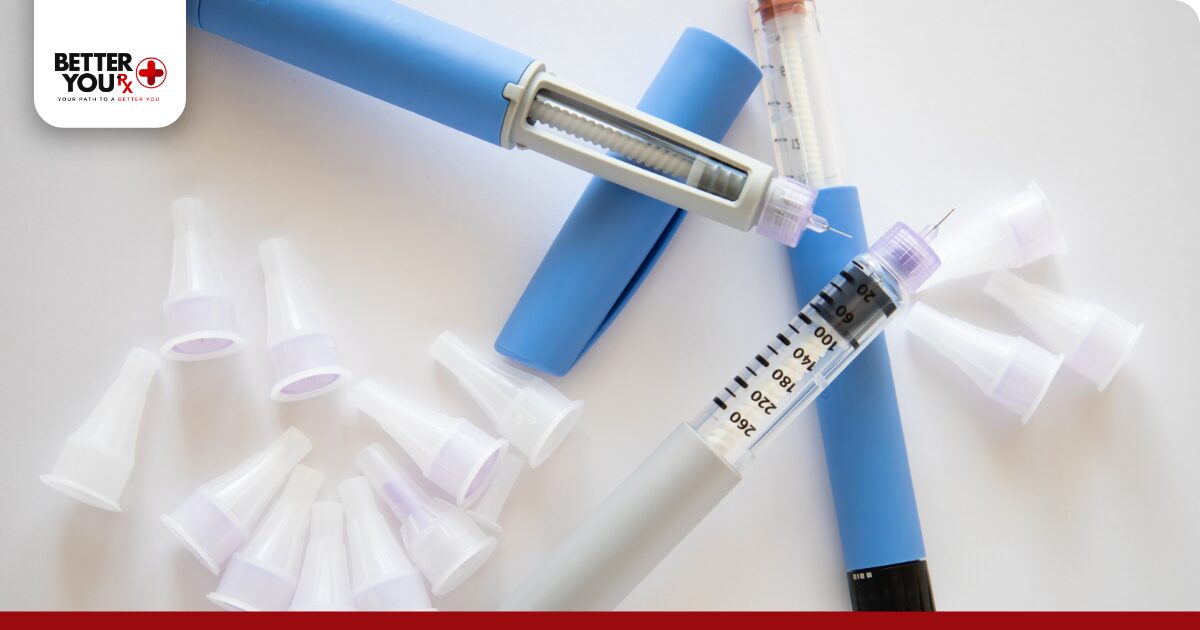
Modern diabetes technology offers numerous tools to enhance basal-bolus insulin therapy effectiveness and convenience. Insulin pumps, continuous glucose monitors, and smartphone applications provide advanced management capabilities.
Insulin Pump Therapy
Insulin pumps deliver both basal and bolus insulin through continuous subcutaneous insulin infusion, offering precise dosing and programmable delivery patterns. Pumps can provide variable basal rates throughout the day and sophisticated bolus delivery options for complex meal management.
Pump therapy may be particularly beneficial for patients with irregular schedules, frequent hypoglycemia, or difficult-to-manage glucose patterns. However, pumps require intensive education and ongoing support for safe and effective use.
Continuous Glucose Monitoring
CGMs provide real-time glucose readings and trends, enabling more proactive insulin dosing decisions and improved glucose control. Integration with insulin delivery systems creates automated insulin delivery systems that adjust insulin based on glucose patterns.
CGM data helps identify glucose patterns that may not be apparent through traditional blood glucose monitoring, enabling more precise insulin adjustments and improved overall management.
Troubleshooting Common Challenges
Basal-bolus insulin therapy may present various challenges requiring problem-solving approaches and management adjustments.
Managing Glucose Variability
High glucose variability may indicate timing issues, incorrect insulin-to-carbohydrate ratios, or inadequate basal insulin coverage. Systematic evaluation of glucose patterns helps identify specific causes and appropriate interventions.
Hypoglycemia Prevention
Recurrent hypoglycemia may result from excessive insulin dosing, timing mismatches, or inadequate carbohydrate coverage. Hypoglycemia unawareness requires particular attention and may necessitate relaxed glucose targets temporarily.
Dawn Phenomenon Management
Dawn phenomenon causes early morning glucose elevation due to natural hormone fluctuations. Management strategies include adjusting basal insulin timing, using different basal insulin formulations, or adding morning correction doses.
Alternative Insulin Options and Adjunct Therapies
GLP-1 Receptor Agonists
GLP-1 receptor agonists like Lixisenatide can complement basal-bolus insulin therapy by improving post-meal glucose control and potentially reducing insulin requirements. These medications may help optimize glucose control while minimizing weight gain often associated with insulin therapy.
Inhaled Insulin Options
Inhaled insulin provides rapid-acting mealtime coverage without injections, offering an alternative bolus insulin delivery method for patients with injection concerns or difficulties.
Key Takeaways for Basal vs Bolus Insulin Management
Effective diabetes management through basal-bolus insulin therapy requires understanding the distinct roles of each insulin type and their proper implementation. Basal insulin provides the foundation for glucose control with steady, long-acting coverage, while bolus insulin addresses specific meal-related needs and glucose corrections. The combination offers superior glucose management compared to single insulin regimens, providing lifestyle flexibility and improved quality of life for both Type 1 and Type 2 diabetes patients.
Success with basal-bolus therapy depends on proper education, including carbohydrate counting skills, insulin dosing calculations, and consistent blood glucose monitoring. Working closely with healthcare providers ensures optimal insulin adjustments and helps address challenges that may arise during treatment. Modern technology integration and continuous learning about diabetes management techniques contribute to better outcomes and enhanced daily diabetes care.
Frequently Asked Questions
What’s the Difference Between Basal and Bolus Insulin?
Basal insulin provides long-acting, steady glucose control throughout the day and night, lasting 12-24 hours or longer with minimal peak activity. It mimics the pancreas’s continuous background insulin production and helps maintain stable glucose levels between meals and during sleep. Bolus insulin offers rapid-acting coverage for meals and glucose corrections, beginning work within 15 minutes, peaking in 1-2 hours, and lasting 3-4 hours. The key difference lies in their purpose: basal insulin provides foundation glucose control while bolus insulin addresses specific glucose spikes from food or elevated glucose levels.
When to Give Basal Bolus Insulin?
Basal insulin should be administered at consistent times daily, typically once or twice per day depending on the specific formulation. Most long-acting basal insulins can be given at any convenient time but require consistency for predictable glucose control. Bolus insulin should be given before meals, typically 15-30 minutes prior to eating to allow insulin action to align with glucose absorption from food. Additional bolus doses may be needed for snacks or to correct elevated glucose levels. The timing may need adjustment based on current glucose levels and meal composition.
What Does Bolus Insulin Mean?
Bolus insulin refers to rapid-acting insulin administered to cover meals and correct elevated blood glucose levels. The term “bolus” means a single, discrete dose given at specific times rather than continuous administration. Bolus insulin mimics the pancreas’s natural response to food intake, providing quick-acting insulin coverage that prevents post-meal hyperglycemia. Common bolus insulins include Lispro, Aspart, and Glulisine, all designed to work quickly and complete their action within a few hours to match the body’s natural meal-related insulin needs.
What Are the Advantages of Basal Bolus Insulin?
Basal-bolus insulin therapy offers superior glucose control compared to conventional insulin regimens, with better hemoglobin A1c levels and reduced glucose variability. This approach provides lifestyle flexibility, allowing patients to adjust meal timing and carbohydrate intake while maintaining good glucose control. The risk of hypoglycemia is reduced through more precise insulin dosing, and patients experience improved quality of life with increased freedom in food choices and daily activities. The therapy provides physiologic insulin replacement that closely mimics natural pancreatic function, and both basal and bolus components can be adjusted independently based on individual needs.
What is the Best Time to Inject Bolus?
The optimal time to inject bolus insulin is typically 15-30 minutes before eating to ensure insulin action aligns with glucose absorption from food. However, timing may vary based on current glucose levels, with earlier administration needed when glucose is elevated and later timing appropriate when glucose is low or trending downward. Individual response patterns may require timing adjustments, and different meal compositions may affect optimal timing. For high-fat meals, additional coverage may be needed 2-4 hours after eating due to delayed glucose absorption.
Is Bolus Insulin Only for Type 1 Diabetes?
Bolus insulin is not exclusively for Type 1 diabetes. While all individuals with Type 1 diabetes require bolus insulin as part of complete insulin replacement therapy, many people with Type 2 diabetes also benefit from bolus insulin coverage. Type 2 diabetes patients may progress from oral medications to basal insulin alone, eventually requiring basal-bolus therapy as beta cell function declines over time. Bolus insulin helps Type 2 diabetes patients achieve better glucose control, particularly around meals, and may be recommended when basal insulin alone is insufficient to maintain target glucose levels.
What is the Purpose of Basal Insulin?
The primary purpose of basal insulin is to provide steady, long-acting glucose control that mimics the pancreas’s continuous background insulin production. Basal insulin suppresses hepatic glucose production, which naturally occurs between meals and during sleep, and facilitates glucose uptake by muscles and other tissues throughout the day and night. This foundation glucose control helps maintain stable blood glucose levels during fasting periods, reduces dawn phenomenon effects, and provides consistent insulin coverage that doesn’t require precise meal timing. Basal insulin forms the cornerstone of comprehensive diabetes management by addressing background glucose control needs.