Mounjaro for Weight Loss: 10 Essential Things to Know Before Using
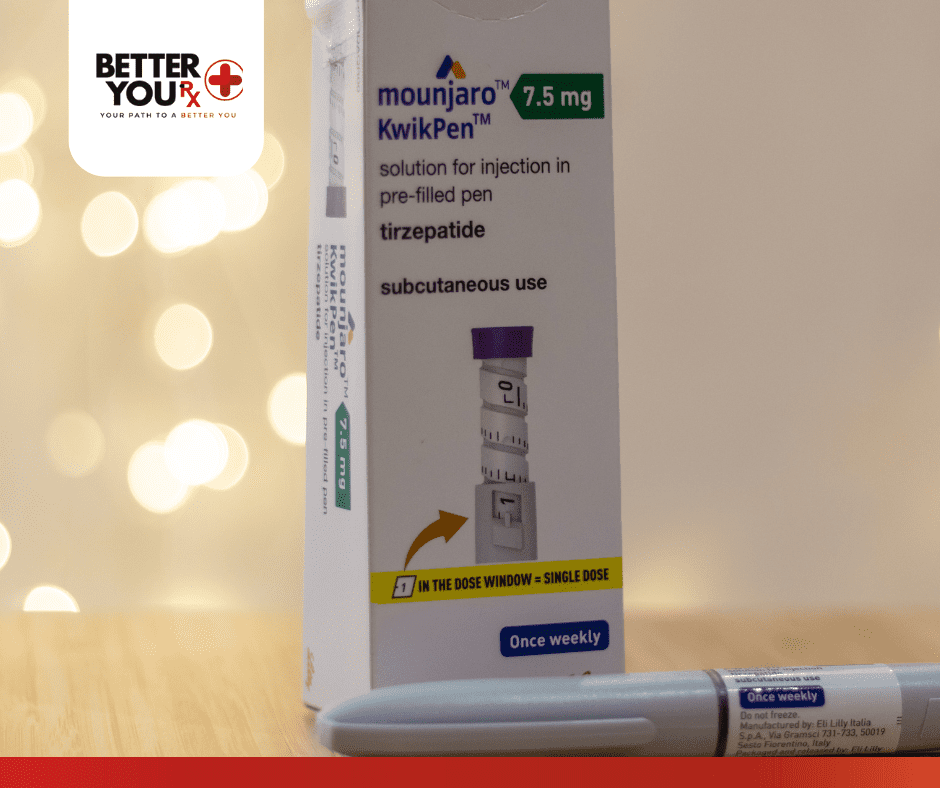
Starting Mounjaro can bring both hope and questions. This medicine, also called tirzepatide, is a new option for people with type 2 diabetes and for those who want better control of their weight. It works by affecting appetite, digestion, and blood sugar levels. Because of these effects, many patients want to know what to expect before using it. Having the right information helps people feel prepared and make choices that support their health goals.
Before starting treatment, it is important to learn how Mounjaro works, the proper way to use it, and the safety steps to follow. Good guidance can reduce side effects, improve results, and lower the risk of problems. Knowing where to inject the medicine, what foods or habits to avoid, and how it may affect the body can make a big difference. By learning these key points early, patients can use Mounjaro with more confidence and get the best results from their treatment.
What Is Mounjaro?
Mounjaro is an injectable medication that belongs to a class of drugs called dual glucose-dependent insulinotropic polypeptide (GIP) and glucagon-like peptide-1 (GLP-1) receptor agonists. It is unique because it acts on two hormone pathways at the same time, making it different from other medications in the same category. By stimulating both GIP and GLP-1 receptors, it helps the body regulate blood sugar more effectively while also supporting appetite control.
Originally designed for type 2 diabetes, Mounjaro has also been recognized for its role in helping with weight reduction. Many people interested in Mounjaro for weight loss find it appealing because it not only helps lower blood sugar but also reduces hunger, leading to fewer calories consumed. For individuals managing both diabetes and excess weight, this dual action makes Mounjaro an important option worth considering.
How Mounjaro Works In The Body
The way Mounjaro works in the body is by mimicking natural hormones that play a role in digestion and glucose control. When food enters the digestive system, the body releases incretin hormones that help lower blood sugar and regulate appetite. Mounjaro enhances these signals, leading to slower stomach emptying, improved insulin production, and reduced appetite.
This slowing of digestion often makes patients feel full for longer periods of time, which is why weight loss is a common outcome. At the same time, blood sugar levels become more stable because insulin is released more effectively when needed. This combination helps people maintain better control of their condition, reducing both blood sugar spikes and cravings.
How To Use Mounjaro Pen
Here’s a guide on how to use the Mounjaro pen for injection:
Preparing the Mounjaro Pen
- Wash hands thoroughly with warm, soapy water and dry them.
- Remove the pen cap and inspect the pen to ensure it has the correct medication and dose strength, is not expired, and the solution is clear or slightly yellow.
- Wipe the red inner seal with an alcohol swab.
- Attach a new needle by pushing it straight onto the pen and twisting until tight, then remove the outer needle shield and keep it for later, and remove the inner needle shield and discard it.
Priming the Pen (Essential for First Use)
- Turn the dose knob until you hear two clicks and the prime position line shows in the dose window.
- Hold the pen needle pointing up, gently tap the cartridge to collect air bubbles at the top.
- Push the dose knob in until it stops, then hold for 5 seconds and check that a small amount of medication appears at the needle tip.
- Do not inject this priming dose into the body. Repeat if no medication appears, with limited retries, or change the needle if needed.
Selecting Injection Site
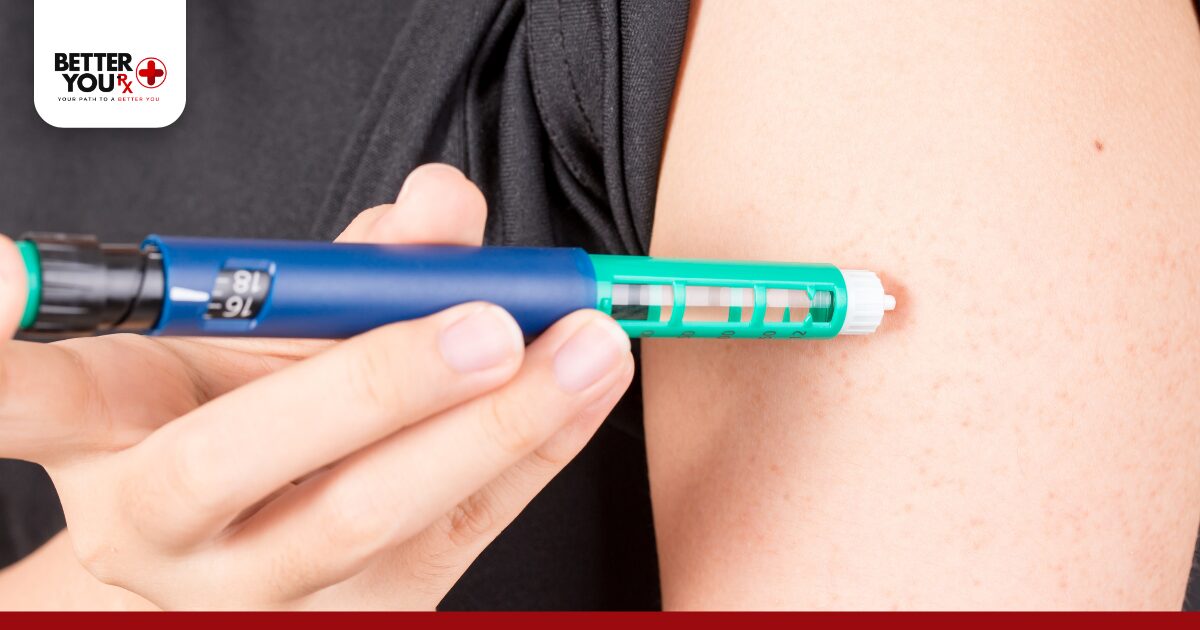
- Choose a site on the stomach (abdomen) at least 5 cm away from the belly button, the upper thigh, or the back of the upper arm (if someone else is injecting).
- Rotate sites weekly to avoid irritation.
Injection Procedure
- Clean the selected injection site with an alcohol swab.
- Turn the dose knob to the prescribed dose (starting at 2.5 mg, increasing as advised by the doctor).
- Insert the needle at a 90-degree angle into the skin.
- Push the dose knob all the way in and hold for 5-10 seconds until the dose window shows the complete dose icon [-0].
- Remove the needle and dispose of the pen and needle properly in a sharps container.
Dosage and Frequency
- Typically, start with 2.5 mg once weekly for 4 weeks, then increase to 5 mg weekly.
- Further dose increases (7.5, 10, 12.5, or 15 mg) are made based on medical advice, with at least 4 weeks between increments.
- Maintain a consistent weekly schedule, with at least 3 days between doses. The dosing day can be adjusted if necessary.
What To Avoid While Taking Mounjaro

While it can be effective, there are certain things you need to be cautious about to reduce side effects and ensure the treatment works properly. Knowing what to avoid can help you stay safe and maximize the benefits of Mounjaro.
Avoid Overeating and High-Fat Meals
Mounjaro slows down digestion, which can make you feel full more quickly. Eating very heavy or greasy meals may worsen nausea, bloating, and stomach discomfort. Instead, focus on balanced meals with lean protein, fiber, and healthy fats to support weight control without overwhelming your digestive system.
Limit Alcohol Consumption
Alcohol can interfere with blood sugar levels, sometimes causing sudden drops or spikes. Since Mounjaro is meant to help regulate blood sugar, drinking alcohol in excess may make it harder for your body to stay balanced. If you choose to drink, do so in moderation and always pair it with food.
Avoid Skipping Meals
Because Mounjaro helps your body manage blood sugar, skipping meals can increase your risk of low blood sugar (hypoglycemia), especially if you are taking it with other diabetes medications like insulin or sulfonylureas. Eating regular, small meals can keep your energy steady.
Be Cautious with Certain Medications
Some drugs may interact with Mounjaro. For example, insulin or other glucose-lowering medications can raise the risk of hypoglycemia when combined with Mounjaro. Always check with your healthcare provider before starting new prescriptions, supplements, or over-the-counter medicines.
Avoid Rapid Eating
Since Mounjaro affects how food moves through your stomach, eating too quickly can cause discomfort, nausea, or vomiting. Eating slowly, chewing food well, and paying attention to portion sizes can make digestion easier and reduce side effects.
Do Not Ignore Side Effects
Nausea, diarrhea, constipation, and reduced appetite are common when starting Mounjaro. However, if you experience severe abdominal pain, vomiting, or signs of an allergic reaction, you should seek medical help immediately. Ignoring these symptoms can be risky, especially if they signal pancreatitis or gallbladder problems.
Avoid Using Mounjaro Without Medical Guidance
Mounjaro facts show that this medication should not be taken casually or without proper medical supervision. It is not suitable for everyone, especially individuals with a history of certain medical conditions such as medullary thyroid carcinoma or pancreatitis. Always follow your doctor’s instructions closely and never adjust the dose on your own without guidance.
Who Can Take Mounjaro?
Mounjaro is mainly prescribed for adults with type 2 diabetes who need better blood sugar control. Adults aged 18 or older with type 2 diabetes.
- People whose diabetes is not adequately controlled with three or more medications or who cannot take those medications due to side effects or other health reasons.
- Individuals with a Body Mass Index (BMI) of 35 kg/m² or higher along with additional obesity-related medical or psychological conditions.
- People with type 2 diabetes and a BMI below 35 kg/m² if:
- Insulin use risks affecting their job due to hypoglycemia, or
- Weight loss would improve other obesity-related health issues.
Best Place To Inject Mounjaro For Weight Loss
Mounjaro is given as a subcutaneous injection, meaning the medication is delivered into the layer of fat just beneath the skin. The most recommended injection sites include the abdomen, the thigh, and the upper arm. These areas are ideal because they provide enough fatty tissue, which allows the medicine to absorb properly into the body.
The abdomen is often considered the most convenient site when taking Mounjaro for weight loss, since it usually provides a larger surface area and is easier to reach on your own. If you use the stomach area, it is best to inject at least two inches away from the belly button to reduce irritation.
The thigh is another comfortable option, particularly the front of the upper thigh, and many people choose this area when they want variety in their injection spots. The upper arm, especially the back of the arm, can also be used, although it often requires help from someone else because of its location.
Important Safety Warnings Before Using Mounjaro
Before starting a Mounjaro injection, it is important to be aware of key safety warnings that can affect how the medication works and how your body responds. Mounjaro is a prescription medicine designed to improve blood sugar control and is also used for weight management, but it is not suitable for everyone. Talking with your healthcare provider about your health history can help determine if Mounjaro is safe for you.
One of the most important warnings is related to thyroid health. Mounjaro carries a boxed warning about the risk of thyroid C-cell tumors, including medullary thyroid carcinoma. People with a personal or family history of this type of cancer, or those with Multiple Endocrine Neoplasia syndrome type 2 (MEN 2), should not use the medication. This makes it vital to share your full medical history with your doctor before beginning treatment.
Another safety concern involves the pancreas and gallbladder. Mounjaro may increase the risk of pancreatitis, which is inflammation of the pancreas. Severe stomach pain that does not go away should be taken seriously, and medical attention is needed right away. Gallbladder problems, such as gallstones, may also occur in some patients, and symptoms like sudden abdominal pain, fever, or yellowing of the skin should not be ignored.
Low blood sugar is another risk, especially for people who are taking Mounjaro along with insulin or other diabetes medications. Monitoring blood sugar closely and having a plan to treat hypoglycemia is important if you are combining treatments. Your doctor may adjust doses of your other medications to help prevent dangerous drops in blood sugar.
Gastrointestinal side effects are common when starting Mounjaro, such as nausea, vomiting, diarrhea, and constipation. While these often improve over time, severe or persistent issues should be reported to your healthcare provider. Eating smaller, lighter meals and avoiding greasy foods can help reduce discomfort.
Final Thoughts
Mounjaro offers valuable benefits for people managing type 2 diabetes and those looking for added support in weight control. By knowing how it works, how to use it properly, and what precautions to take, patients can feel more prepared and confident as they begin treatment. Keeping Mounjaro safety in mind—such as proper injection techniques, lifestyle adjustments, and awareness of safety warnings—ensures smoother results and better long-term outcomes.
Approaching Mounjaro with the right information makes a significant difference in both effectiveness and comfort. Staying in communication with healthcare providers and following safe practices allows individuals to make the most of their therapy.
For those who are ready to begin or continue their treatment, Buy Mounjaro online from Canada through Better You Rx to ensure reliable access and consistent progress toward better health. Access to a trusted source supports not only convenience but also peace of mind while working toward long-term wellness goals.






 Can You Get Ozempic for Weight Loss?