How Much Does Ozempic or Semaglutide Cost from Canada?

Ozempic and Semaglutide have gained attention worldwide for their role in managing blood sugar levels and assisting with weight loss. Many people are interested in learning about these medications, how they work, and the costs associated with obtaining them, especially from various regions, including Canada. These medications are injectable treatments commonly prescribed for type 2 diabetes and also recognized for their effects on weight reduction.

The price of these medications can vary significantly depending on the location, supply, and specific product formulations. In recent years, Canada has become known as a source for these drugs due to different pricing structures compared to other countries. This has led to increased interest among individuals looking for more affordable options, particularly those without insurance coverage or with high out-of-pocket medication costs.


How Much Does Ozempic or Semaglutide Cost without Insurance

For those purchasing Ozempic without insurance, prices in Canada are generally lower than in many other countries. The cost for Ozempic varies slightly based on the dose and pen size. In Better you Rx, these are the prices:

  • Ozempic 4mg/3ml
    • 1 pen – $419.99
    • 2 pens – $839.98
    • 3 pens – $1,259.97 
  • Ozempic 2mg/3ml
    • 1 pen – $419.99
    • 2 pens – $839.98
    • 3 pens – $1,259.97 

Wegovy

  • Wegovy Pre-filled Pen Multi-Dose (1mg/1.5mL), (2mg/1.5mL), (4mg/3mL), (6.8mg/3mL), (9.6mg/3mL)
    • 1 pen – $599.99
    • 2 pens – $1,198.00
    • 3 pens – $1,797.00

These prices reflect the cost of these medications when sourced and shipped from Canada for use in the USA market. Prices can vary based on the supplier, quantity, and any applicable service fees.


Is Ozempic a Monthly Injection?

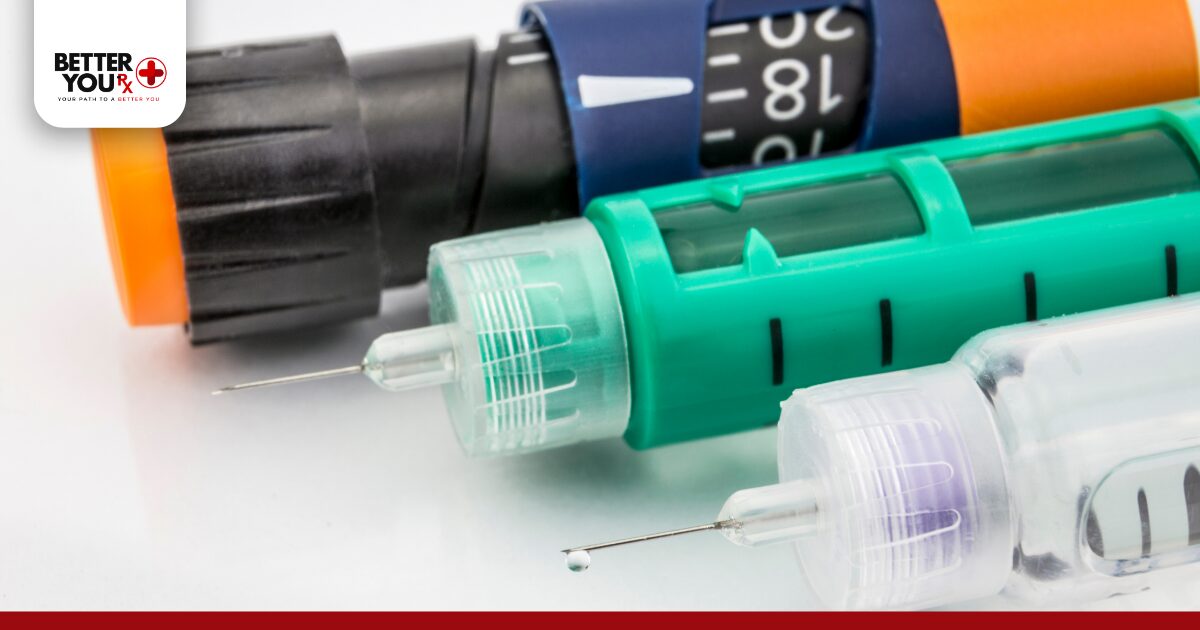
Ozempic (Semaglutide) is not a daily medicine but a weekly injection. It is designed this way to make treatment easier and more convenient. The medication stays active in the body for a full week, which is why it only needs to be taken once every seven days. Many people appreciate this schedule because it reduces the stress of remembering to take a pill or injection every day.

While Ozempic is not a monthly injection, some people may wonder about longer dosing schedules. At this time, Ozempic is only available as a once-weekly dose. This means that in a typical month, most people will use four injections, one each week. The pen device makes it simple to use, and the same pen usually contains multiple doses depending on the strength prescribed.

The weekly routine also gives flexibility in choosing the day of injection. For example, if you start on a Monday, you can continue every Monday. If needed, the day can be changed as long as the new dose is at least two days apart from the last one. This allows patients to fit the treatment into their lifestyle more comfortably.

So, while Ozempic is not a monthly injection, its once-weekly schedule still makes it one of the easier medicines to manage. Compared to daily treatments, many patients find it less disruptive and easier to stay consistent with.

Ozempic Alternatives

Ozempic alternatives mainly include other GLP-1 receptor agonists and related medications used for weight loss or Type 2 diabetes. The key alternatives are:

  • Wegovy: A higher-dose semaglutide injection approved specifically for weight loss, given once weekly. It uses the same active ingredient as Ozempic but at a stronger dose (2.4 mg vs. Ozempic’s max 2 mg weekly), producing more significant weight loss. It also has cardiovascular benefits for people with heart disease.
  • Saxenda: An injectable GLP-1 agonist containing liraglutide, given daily. It is approved for weight loss but typically results in less weight loss than Wegovy. Saxenda comes from the same medication class but with a different dosing schedule and active ingredient than Ozempic.
  • Zepbound: A weekly injection containing tirzepatide, the same active ingredient found in Mounjaro, but approved specifically for weight loss. It targets both GLP-1 and GIP receptors, potentially leading to greater weight loss than Ozempic or Wegovy.
  • Mounjaro: While primarily for Type 2 diabetes, it’s a dual GLP-1/GIP receptor agonist also associated with weight loss and sometimes considered as an alternative due to similar or stronger effects.
  • Rybelsus: An oral form of semaglutide, which shares the same active ingredient as Ozempic but in pill form, used mainly for diabetes but sometimes considered for weight management.

There are also natural supplements marketed online as “natural Ozempic alternatives,” such as berberine, psyllium husk fiber, curcumin, and green tea extract. These may modestly influence blood sugar or weight but lack strong evidence or prescription-level efficacy compared to these GLP-1 medications.

Benefits of Using Ozempic

Ozempic offers multiple benefits beyond blood sugar control and weight loss. Some advantages include:

Improved Blood Sugar Control

One of the primary benefits of Ozempic is its ability to help regulate blood sugar levels. It works by stimulating insulin release after meals and reducing the amount of glucose produced by the liver. This can help prevent dangerous spikes and dips in blood sugar, reducing the risk of complications associated with type 2 diabetes. Patients often notice more stable readings on their glucose monitors after consistent use.

Support for Weight Management

Many patients experience Ozempic weight loss as part of their treatment plan. The medication slows digestion and helps patients feel fuller for longer, which can reduce overall calorie intake. This effect not only supports weight loss but can also help improve blood sugar levels, as weight management plays a key role in controlling diabetes.

Convenient Weekly Dosing

Ozempic is administered as a once-weekly injection, making it easier for patients to maintain adherence compared to daily medications. This convenient schedule reduces the risk of missed doses and allows for a consistent therapeutic effect over time.

Cardiovascular Benefits

Some studies indicate that Ozempic may also support heart health. Patients using Ozempic have shown reduced risk factors associated with cardiovascular disease, including improvements in blood pressure and cholesterol levels. This can be particularly beneficial for patients with type 2 diabetes, who are at higher risk of heart-related complications.

Enhanced Overall Health

By helping with blood sugar regulation, appetite control, and weight management, it contributes to overall wellness. Patients often experience better energy levels, improved metabolic health, and reduced strain on organs such as the pancreas and heart.

Overall, the benefits of Ozempic are multi-faceted, making it a valuable option for patients who require both glycemic control and assistance with weight management. As with any medication, it is important to use Ozempic under the guidance of a licensed healthcare provider to maximize its benefits while minimizing potential risks.


Do You Need a Prescription for Ozempic?

To obtain Ozempic, a valid prescription from a licensed medical doctor or primary care physician practicing within the USA is required. Prescriptions must be written in English and cannot come from doctors practicing in Canada. It is essential to work with a healthcare provider who can assess your medical history, provide dosage instructions, and regularly monitor your health while using Ozempic.

Better You Rx does not offer telehealth services or medical consultations themselves. Instead, they focus on providing access to prescription medications and supporting patients with filling their prescriptions safely and efficiently. They are not a substitute for a doctor, nurse practitioner, or other licensed healthcare provider. All medical decisions, including diagnosis, treatment recommendations, and prescription approvals, must be made by a qualified healthcare professional. 

Recommended Dosage of Ozempic

Ozempic dosage typically starts at a low dose to mitigate side effects and is gradually increased:

Starting Dose

Most patients begin with 0.25 mg once a week for the first four weeks. This initial dose is meant to help the body adjust to the medication and reduce the likelihood of gastrointestinal side effects, such as nausea or vomiting. The starting dose is not typically used for long-term blood sugar control, but it prepares the patient for higher doses.

Maintenance Dose

After the initial four weeks, the dose is usually increased to 0.5 mg once a week. This dose is considered the standard maintenance level for many patients, providing effective blood sugar management while keeping side effects manageable. Doctors may continue to monitor blood sugar readings and adjust the dose if needed.

Higher Doses

If additional blood sugar control is necessary, the dose can be increased to 1 mg once a week, and in some cases, patients may be prescribed 2 mg once a week. These higher doses may be recommended for individuals with more challenging blood sugar management or for those who require additional support with Ozempic weight loss.

Administration Guidelines

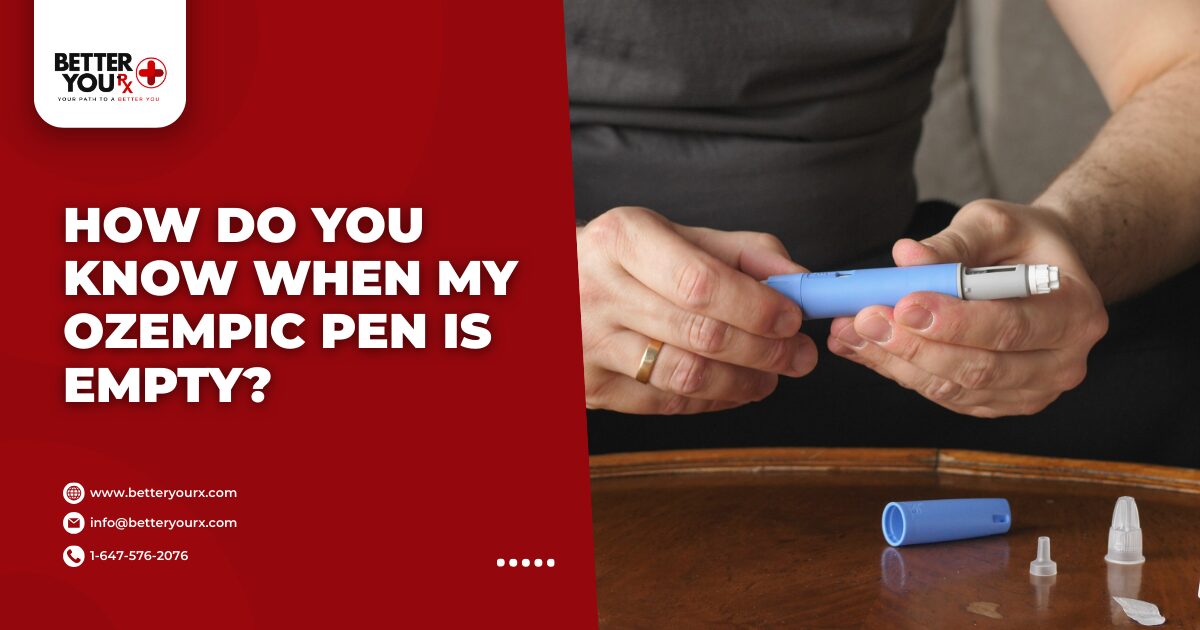
It is administered via subcutaneous injection, typically in the thigh, abdomen, or upper arm. It should be taken on the same day each week, and patients should rotate injection sites to reduce the risk of irritation. The pen should never be shared with others, and unused medication should be stored according to the manufacturer’s instructions.

Factors That Affect the Price of Ozempic

Several factors influence the price of Ozempic:

The cost of Ozempic can vary depending on several important factors. Understanding these helps patients plan their treatment and manage expenses effectively.

  • Dosage Strength: Higher weekly doses such as 1 mg or 2 mg are used faster, requiring more pens over time, which increases monthly costs. Lower doses like 0.25 mg or 0.5 mg last longer and may be more cost-efficient. 
  • Number of Pens Ordered: Ordering multiple pens at once may increase upfront costs but reduces the frequency of orders and shipping, making long-term planning easier. Many referral services provide pricing for 1, 2, or 3 pens. 
  • Brand vs. Generic Options: It is a brand-name medication, but some patients explore generic Semaglutide alternatives. Generics may offer similar effects at different prices, affecting overall expenses. 
  • Market Demand and Availability: High demand for Ozempic weight loss and Semaglutide weight loss can influence pricing. Supply limitations or seasonal demand fluctuations may also affect cost. 
  • Patient-Specific Factors: Individual needs, including dose adjustments, frequency, and combination therapy with other medications, can influence monthly expenses. Higher doses or multiple medications increase overall cost.

How to Reduce the Ozempic Price

There are ways to help lower the cost of Ozempic:

  • : Using a prescription referral service like Better you Rx can provide access to Canadian-sourced Ozempic at lower prices compared to many U.S. pharmacies.
  • Ordering 2 or 3 pens at a time may reduce the frequency of purchases and shipping, helping with long-term cost management.
  • Better you Rx offers support with Ozempic coupons 2025 and Semaglutide coupons. Patients can contact the friendly support team for guidance on available savings.
  • If the prescription allows, ordering up to a 90-day supply can help reduce ordering frequency and associated costs.
  • Working with a doctor to determine the most effective dose without unnecessary increases can prevent higher medication costs.
  • In some cases, doctors may recommend alternatives such as Wegovy or other GLP-1 receptor agonists. Comparing pricing and suitability with medical guidance may provide additional cost-saving options.

Final Thoughts

The cost of Ozempic or Semaglutide sourced from Canada offers a more affordable option for many, especially those without insurance coverage. With prices for Ozempic pens ranging between $419.99 to $1,259.97, depending on quantity and dose, and Wegovy available at standard prices regardless of dose, consumers have the opportunity to find pricing that fits their budget while receiving effective medication for diabetes management and weight loss. It is essential always to obtain prescriptions legally and through licensed providers to ensure safety.

Buy Ozempic online without insurance from Canada through Better You Rx. Their friendly team is ready to help with Ozempic cost Canada inquiries and can guide you on discounts like Ozempic coupon 2025 and Wegovy coupon 2025 to secure the best pricing available for your prescription needs. This approach ensures reliable access to these important medications without the high cost burdens often encountered elsewhere.


 

Can You Drink Alcohol on Ozempic?

Ozempic is a prescription medication that has become widely known for its role in supporting blood sugar control and helping with weight management. Many people who take it may wonder how lifestyle choices, such as drinking alcohol, could affect their results or even their safety. Since both Ozempic and alcohol can influence blood sugar levels, appetite, and the way the body processes nutrients, the combination raises important questions about possible risks and long-term health effects.

Understanding how alcohol may interact with the medication is important for anyone who is using the medication. While occasional drinking may not seem harmful, the reality is that alcohol can have different effects depending on how much is consumed, how often it is used, and what other health conditions may be present. Exploring these factors can provide useful insight into making informed choices about alcohol use while on Ozempic.


Can You Drink Alcohol on Ozempic?

When people ask, can you drink alcohol while taking Ozempic, the main concern lies in how the two substances interact inside the body. Ozempic works by mimicking a natural hormone called GLP-1, which helps regulate blood sugar levels, slows digestion, and can lead to reduced appetite. Alcohol, on the other hand, has its own effects on blood sugar. It can either cause blood sugar to rise or fall depending on the type of drink, the amount consumed, and whether it is taken with food.

Mixing alcohol with Ozempic can sometimes create unpredictable results. Since Ozempic is designed to help control blood sugar, adding alcohol into the picture may disrupt that balance. For some, this could mean sudden drops in blood sugar, especially if they are not eating enough or if they drink on an empty stomach. For others, especially with high-sugar alcoholic drinks, it might mean sudden spikes that make it harder to maintain stable levels.

It is also worth mentioning that alcohol itself can add extra calories without nutritional value, which may interfere with weight loss goals. Many people take it not only for diabetes management but also for help with weight control. Drinking too much alcohol may undermine those benefits and slow progress.

Another factor is that alcohol can make it harder to recognize early signs of low blood sugar, such as dizziness, confusion, or sweating. This is because alcohol has sedative effects, and mixing it with Ozempic may make symptoms harder to notice until they become more serious.


What Should Be Avoided During Ozempic?

While Ozempic is effective in improving blood sugar control and supporting weight loss, certain habits and choices may interfere with its benefits. One of the first things to consider is diet. Foods high in sugar, processed carbohydrates, and excessive fat can make it more difficult for Ozempic to support balanced blood sugar levels. Avoiding frequent intake of sugary drinks, fried foods, and refined snacks can help the medication work more effectively.

Alcohol is another key factor that may need to be limited or avoided in some situations. Avoiding excessive alcohol intake on Ozempic can reduce the risk of unwanted side effects like nausea, vomiting, or blood sugar swings. Since alcohol can also irritate the stomach, pairing it with a medication that already slows digestion can worsen discomfort or gastrointestinal side effects.

Smoking and lack of physical activity are also important to avoid. While they may not directly interact with Ozempic, these habits can negatively impact overall health, making it harder for the body to respond well to treatment. Regular exercise, paired with healthy food choices, works together with Ozempic to improve results.

Skipping doses or adjusting them without professional guidance should also be avoided. Some people may try to take more Ozempic to speed up weight loss, or skip doses after drinking, but this can be unsafe. Following the prescribed dose is key to maintaining safe and stable progress.

Possible Effects of Mixing Alcohol with Ozempic

When alcohol and Ozempic are used together, several possible effects can appear. One of the most common concerns is alcohol-induced hypoglycemia while on Ozempic. Hypoglycemia, or low blood sugar, can happen when alcohol blocks the liver from releasing stored glucose. Since Ozempic already works to lower blood sugar, the combination may raise the chance of sudden dips.

Nausea, vomiting, and stomach discomfort are also possible. Ozempic naturally slows digestion to help control appetite and blood sugar, but alcohol can irritate the digestive tract. This combination may lead to stronger gastrointestinal symptoms, especially for those who are just starting the medication.

Another potential effect is dehydration. Both alcohol and Ozempic may cause increased urination, which can lead to fluid loss. If a person is not drinking enough water, dehydration may cause dizziness, headaches, or fatigue. Staying hydrated is especially important for people combining alcohol and Ozempic.

Finally, there is the risk of impaired decision-making. Since alcohol lowers inhibitions, someone may eat unhealthy foods or consume more calories than intended while drinking. This can counteract the appetite-suppressing effects of Ozempic and slow down weight loss progress.

How Alcohol May Affect Blood Sugar Levels on Ozempic

The connection between alcohol and blood sugar is complex. Alcohol can sometimes raise blood sugar quickly, especially drinks that are mixed with soda, juice, or sweeteners. At other times, especially when drinking on an empty stomach or in larger amounts, it can cause blood sugar to drop to dangerous levels. When combined with Ozempic, which already works to lower blood sugar, these swings may become more severe.

For people with type 2 diabetes, drinking alcohol on Ozempic with diabetes may create higher risks. If blood sugar drops too low, symptoms like sweating, shakiness, or confusion may occur. If not corrected in time, severe hypoglycemia can be dangerous. Since alcohol can mask these symptoms, it may take longer for someone to realize they need help.

Even for people taking it mainly for weight loss, alcohol can interfere with stability. The body may prioritize breaking down alcohol over processing carbohydrates or fats, which may disrupt how efficiently blood sugar is managed. This may not only increase risks of low sugar but also affect long-term metabolic health.

To reduce risks, some people choose to monitor their blood sugar more closely if they plan to drink while on Ozempic. Eating balanced meals with protein and complex carbohydrates before drinking can also help minimize blood sugar fluctuations.


Impact of Alcohol on Weight Loss Results with Ozempic

One of the main reasons people use Ozempic is for support in weight management. The medication helps reduce appetite, slows digestion, and makes it easier to eat smaller portions. However, alcohol can interfere with these benefits. Alcohol and weight loss with Ozempic often do not go hand in hand because alcohol provides extra calories without essential nutrients.

A single drink may not have a major impact, but regular drinking can add up. For example, cocktails with added sugar or cream may contain hundreds of calories. Even lighter options like beer or wine can slow down weight loss if consumed frequently. Since Ozempic is designed to help people eat less, adding high-calorie drinks may limit the progress.

Alcohol also affects metabolism. When alcohol is in the body, it is prioritized for breakdown before other nutrients. This means the body may store more fat instead of burning it for energy. For someone working hard to achieve weight loss with Ozempic, alcohol can become a hidden barrier.

Additionally, drinking alcohol may lower motivation to make healthy food choices or stay active. After a few drinks, it is common for people to snack more or choose high-fat foods. This can cancel out some of the benefits of appetite suppression from the medication, making weight loss slower.

Long-Term Considerations of Alcohol Use with Ozempic

Looking at the long-term picture, drinking alcohol while on Ozempic long term may bring additional concerns. Prolonged alcohol use can affect the liver and pancreas, both of which play important roles in digestion and blood sugar management. Since Ozempic also affects these systems by slowing digestion and regulating hormones, long-term alcohol use could increase the strain.

There is also the risk of tolerance. Over time, regular alcohol consumption may lead to needing more drinks to feel the same effect. This can increase overall calorie intake and raise the risks of health problems. For people using Ozempic to improve health and reduce complications, heavy or regular alcohol use can work against those goals.

Mental health is another area to consider. Alcohol use is often linked with mood changes, depression, or anxiety. Since it treatment requires consistency and motivation, relying heavily on alcohol may interfere with the commitment to long-term health improvements.

It is also worth noting that people who combine alcohol and Ozempic over the long run may find their weight loss results harder to maintain. While Ozempic can help, lifestyle choices remain important. Staying committed to balanced eating, physical activity, and limited alcohol intake supports lasting success.

Final Thoughts

The decision to drink alcohol while taking Ozempic is not always straightforward, and it often depends on personal health history, lifestyle habits, and goals. While occasional light drinking may not cause severe problems for everyone, the potential risks should not be ignored. The combination can affect blood sugar levels, increase the chance of side effects, and slow down weight loss results.

For those using Ozempic to manage diabetes or lose weight, staying mindful about alcohol intake can make a big difference. Choosing healthier drinks, limiting the amount, and avoiding alcohol on an empty stomach are simple steps that may reduce risks.

If you are considering adjustments to your lifestyle while on this medication, it may help to discuss your options with a healthcare provider. Their guidance can be tailored to your specific needs and make sure you are staying on track with your health goals.

If you are looking for safe and reliable access to this medication, you can buy Ozempic online from Canada through Better You Rx. Ordering from trusted providers ensures quality and gives you peace of mind in managing your health. Making informed choices about both medication and lifestyle helps set the foundation for lasting results and better well-being.


Mounjaro for Weight Loss: Benefits, Side Effects, and How It Works

Losing weight can be challenging, and many people search for safe and effective tools that can help them manage their health. One option that has gained attention is Mounjaro for weight loss, a treatment that supports people who struggle with obesity or weight-related health problems. It works in a unique way compared to traditional medications and can be an important part of a weight management plan when combined with healthy lifestyle changes.

Before starting any medication, it is important to know how it works, what benefits it may offer, and the possible risks involved. Understanding these details helps people make informed choices about their treatment options. Knowing both the advantages and the challenges of Mounjaro injections for weight loss allows individuals to prepare for their journey and work closely with their doctor to ensure the best results.


How Does Mounjaro Work for Weight Loss?

Mounjaro, also known by its generic name tirzepatide, works by targeting specific hormones in the body that affect blood sugar control and appetite. It activates both the GLP-1 and GIP receptors, which play a role in regulating hunger and how the body processes food. This dual action makes it different from other medications that only target one hormone.

By lowering appetite and slowing down how quickly food leaves the stomach, Mounjaro for weight management helps people feel full for longer periods of time. This often leads to eating fewer calories without feeling deprived. Over time, consistent use of the medication can support steady weight loss and improve other health conditions connected to excess weight.

Another important effect of Mounjaro is how it supports better blood sugar control. For people who struggle with both type 2 diabetes and obesity, this can provide a double benefit. Maintaining stable blood sugar levels while also reducing weight lowers the risk of further complications. This makes Mounjaro an effective option for those seeking a more complete approach to health management.

The combination of appetite control, slower digestion, and improved blood sugar response makes Mounjaro stand out among other weight loss medications. However, it is still important to remember that the best results usually come when it is combined with lifestyle changes like balanced meals, regular exercise, and long-term healthy habits.


Benefits of Mounjaro for Weight Loss

The medication has several unique advantages that set it apart from other options. These benefits go beyond weight reduction and touch on appetite, metabolism, and overall health.

Appetite Control and Reduced Cravings

One of the main Mounjaro benefits for weight loss is appetite control. Many people who take the medication feel full faster during meals and stay satisfied longer afterward. This naturally helps reduce cravings and prevents overeating. By lowering hunger, Mounjaro makes it easier to maintain a calorie deficit without feeling deprived.

Better Blood Sugar and Metabolic Health

Mounjaro is not only a weight loss aid but also supports better blood sugar regulation. It helps the body use insulin more effectively, which lowers blood glucose levels and improves metabolic balance. For people with type 2 diabetes, this is a major advantage, as it reduces both weight and long-term health risks. The dual benefits of Mounjaro for weight and blood sugar make it a unique treatment option.

Sustained Weight Loss Results

Unlike some quick-fix diets, Mounjaro provides long-term weight loss results. Patients often see steady progress week by week, and studies suggest that the results can be maintained with continued use. The medication works by supporting healthy habits, which means the weight loss achieved is more likely to be sustainable compared to short-term solutions.


What Are The Serious Side Effects Of Mounjaro?

Most side effects of Mounjaro are mild, but there are some rare and more serious risks that need to be discussed with a healthcare professional. I

Serious Side Effects 

  • Severe allergic reaction: Warning signs include swelling of the face, lips, tongue, or throat; trouble breathing or swallowing; rash or hives; and sudden dizziness or fainting.
  • Pancreatitis (inflamed pancreas): Symptoms include severe stomach pain (often radiates to the back), vomiting, nausea, and fever.
  • Thyroid tumors/cancer risk: May appear as a lump or swelling in the neck, hoarseness, trouble swallowing, or breathing. Mounjaro has a boxed warning for possible thyroid tumor development.
  • Severe digestive problems: Includes persistent vomiting, severe diarrhea, and gastroparesis (stomach paralysis, slows or stops emptying).
  • Acute kidney injury: Often a complication of dehydration from severe vomiting or diarrhea; symptoms may be decreased urination, swelling, or confusion.
  • Gallbladder disease: Sudden pain, fever, or jaundice can signal acute gallbladder problems.
  • Diabetic retinopathy: Worsened vision changes or vision loss, especially in people who already have diabetes-related eye disease.
  • Severe hypoglycemia: Low blood sugar, especially if combined with insulin or sulfonylureas; can cause confusion, sweating, shakiness, or fainting.
  • Sudden emotional changes: Reports include agitation, depression, or suicidal thoughts that need medical attention.

Less Common but Important Effects

  • Stomach paralysis (gastroparesis): Food remains in the stomach too long, leading to persistent bloating, vomiting, or blockages.
  • Acute organ failure: Severe cases may cause organ failure including kidneys or gallbladder.
  • Vision changes: Mainly in people with prior diabetic eye disease.

These effects are rare but can be life-threatening. Anyone experiencing these symptoms should seek immediate medical attention and report them to a healthcare provider right away

How Long Do Mounjaro Side Effects Last?

The length of time side effects last can vary depending on the person. For many people, common side effects like nausea or mild stomach upset may improve after a few weeks as the body adjusts to the medication. Doctors often recommend starting at a lower dose and gradually increasing it to help minimize discomfort.

For some individuals, side effects may last longer. Constipation or changes in appetite, for example, can continue for several months. Adjusting diet, drinking more water, and staying active can sometimes help reduce these issues. It is important to be patient and give the body time to adapt.

In cases where side effects do not go away or become more severe, a doctor may suggest lowering the dose or stopping the medication altogether. This decision should always be made with professional guidance to avoid complications.

Serious side effects like pancreatitis or gallbladder issues do not typically improve on their own. These require medical care and should not be ignored. If any severe or long-lasting symptoms appear, immediate medical attention is necessary to ensure safety.

How To Avoid Side Effects Of Mounjaro?

There are several steps people can take to reduce the chances of experiencing unpleasant side effects. One common recommendation is to eat smaller meals throughout the day instead of large portions. This helps ease digestion and reduces the risk of nausea. Avoiding high-fat and greasy foods can also make a big difference.

Staying hydrated is another key step. Drinking enough water throughout the day helps manage constipation and supports overall digestive health. Adding more fiber to meals can also help balance the digestive system while taking Mounjaro injections.

Starting with the lowest dose and gradually increasing it as directed by a doctor is one of the most effective ways to limit side effects. This gives the body time to adjust and lowers the chance of strong reactions. Skipping doses or changing the schedule without medical advice can make side effects worse.

Finally, regular check-ins with a healthcare provider are important. These visits allow doctors to track progress, adjust dosage, and address any concerns before they become serious problems. Open communication and following medical advice are the best ways to make treatment with Mounjaro as safe and effective as possible.

Who Can Take Mounjaro For Weight Loss?

For people who already have type 2 diabetes, Mounjaro may provide additional benefits by improving blood sugar control. This makes it a dual-purpose treatment that supports both weight loss and better diabetes management.

  • Age: Must be 18 years or older.
  • Body Mass Index (BMI): Usually a BMI of 40 or higher. For people from South Asian, Chinese, Middle Eastern, Black African, or African-Caribbean backgrounds, the BMI threshold is lowered to 37.5 to reflect differing risk levels.
  • Health Conditions: Must have at least four of the following diagnosed obesity-related conditions:
    • Type 2 diabetes
    • High blood pressure (hypertension)
    • Heart disease (cardiovascular disease)
    • Abnormal cholesterol (dyslipidemia)
    • Obstructive sleep apnea

Mounjaro is not intended for people who are only overweight or have mild obesity unless they have several serious weight-related health conditions.

Important Notes

  • Access is restricted to those with the highest medical need.
  • Eligibility criteria may be updated as more people become eligible in the future.
  • Patients who meet the criteria are usually contacted by their healthcare provider; not everyone needs to request it directly.

Who Cannot Take Mounjaro?

Who cannot take Mounjaro includes people with certain allergies, medical histories, or conditions that increase their risk of serious harm with this medication. Specifically:

  • People allergic to tirzepatide or any ingredients in Mounjaro.
  • Those with a personal or family history of medullary thyroid carcinoma (a rare type of thyroid cancer).
  • People with Multiple Endocrine Neoplasia syndrome type 2 (MEN 2), a rare genetic disorder linked to tumors.
  • People with type 1 diabetes (Mounjaro is only for type 2 diabetes or weight loss related to obesity).
  • Those who have had pancreatitis or severe stomach/gastrointestinal problems like gastroparesis.
  • People with severe kidney or gallbladder problems.
  • Pregnant or breastfeeding women (due to unknown effects on baby).
  • Anyone with diabetic retinopathy should use caution and be carefully monitored.
  • Those at risk for low blood sugar if taking certain other diabetes medications.

Also, people planning surgery should inform their doctors because Mounjaro can affect anesthesia risks.

How To Use Mounjaro Safely

To use Mounjaro safely, follow these key steps:

  • Inject Mounjaro once weekly, at any time of the day that fits your schedule.
  • Use the prefilled pen to inject under the skin (subcutaneously) in the abdomen (stomach), upper thigh, or upper arm.
  • Rotate your injection site each week to avoid skin irritation or hardening.
  • Before injecting, wash your hands thoroughly, clean the injection site with an alcohol swab, and inspect the pen for clarity and expiration.
  • Remove the pen cap and unlock the pen, then insert the needle at a 90-degree angle into the skin.
  • Press and hold the injection button while counting slowly to 5 (about 10 seconds) to ensure the full dose is delivered.
  • After injection, remove the pen and safely dispose of the needle in a sharps container.
  • Store Mounjaro in the refrigerator but allow it to warm to room temperature (about 30 minutes) before injecting to reduce discomfort.
  • Never inject into muscle or vein; Mounjaro is only for under the skin.
  • Inject at the same time each week for the best consistency.
  • If a dose is missed, take it as soon as remembered but never take two doses within 48 hours.
  • Monitor the injection site for redness, swelling, or irritation. Contact your healthcare provider if you experience unusual pain or reactions.

Following these steps helps reduce side effects and ensures Mounjaro works effectively and safely.

Final Thoughts

Mounjaro for weight loss offers a promising option for individuals struggling with obesity and related health problems. Its ability to target two important hormones makes it unique, and many people experience meaningful results when combining it with healthy lifestyle choices. At the same time, it is essential to be aware of the possible side effects and to use the medication responsibly under medical supervision.

For those who are considering treatment, it is possible to buy Mounjaro online from Canada through Better You Rx. This prescription referral service helps patients in the United States access their prescribed medication safely and conveniently. Choosing a trusted provider ensures that the process is simple, secure, and designed to support personal health goals.

You have not enough Humanizer words left. Upgrade your Surfer plan.


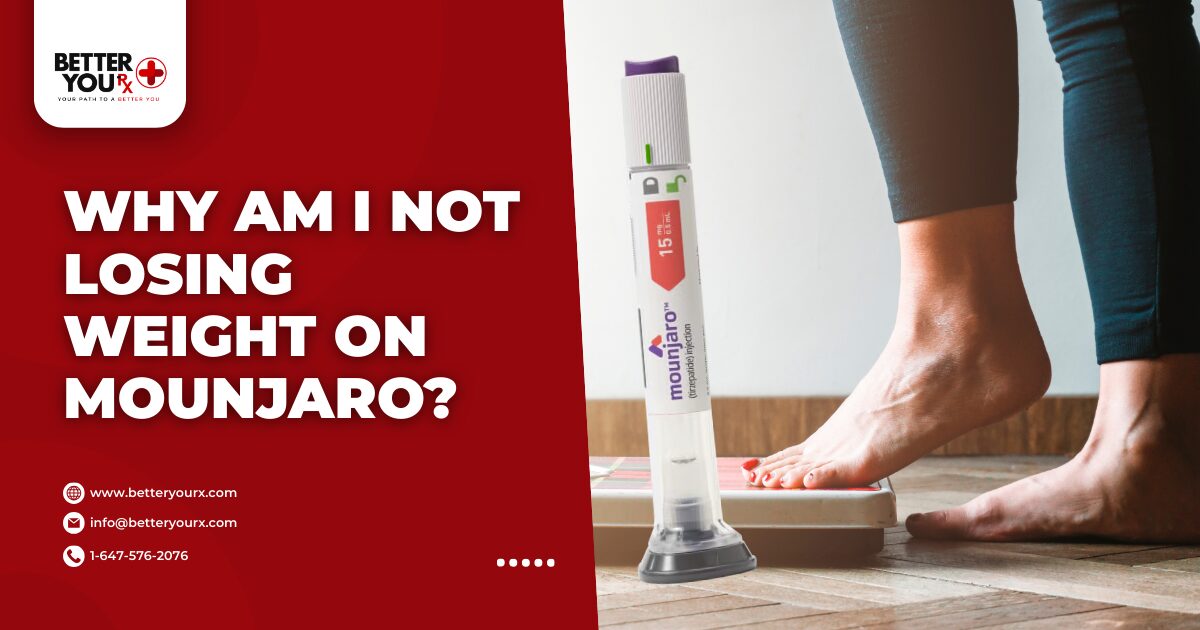
Why Am I Not Losing Weight on Mounjaro?

Weight loss can be a challenging journey, and even with medications like Mounjaro, progress may not always be immediate. Mounjaro for weight loss helps reduce appetite and improve metabolism, but several factors influence how the body responds to treatment. Knowing what can affect results helps individuals make informed decisions about lifestyle adjustments and medication use.

Weight loss is not only about numbers on a scale—it also involves changes in body composition, energy levels, and overall health. Proper nutrition, exercise, and understanding personal body responses are essential to achieving sustainable results. Gradual adjustments often lead to more long-term success.


What Happens if You Don’t Lose Weight on Mounjaro?

When weight loss stalls while taking Mounjaro, it does not necessarily mean the medication is ineffective. Weight loss plateaus on Mounjaro are common and can occur for multiple reasons. Understanding these factors helps set realistic expectations and improve outcomes.

Temporary Plateaus

After initial weight loss, the body may slow metabolism or reduce calorie expenditure as it adapts. This temporary plateau is a natural physiological response and should not discourage users. Staying consistent with Mounjaro treatment during plateaus often results in resumed progress after several weeks.

Lifestyle Influences

Dietary habits, portion sizes, and physical activity greatly impact results. Even with Mounjaro, consuming more calories than necessary can slow or halt weight loss. Tracking food intake and making adjustments based on progress is key to overcoming plateaus.

Monitoring and Adjustment

Logging meals, snacks, and activity levels provides insight into patterns that may prevent weight loss. Small adjustments in diet or exercise can break plateaus while ensuring that Mounjaro weight loss optimization is effective. Consulting with a healthcare provider for guidance on adjustments can also help.


How to Speed Up Weight Loss on Mounjaro

While Mounjaro supports appetite suppression, combining it with the right lifestyle strategies accelerates results safely. Implementing Mounjaro weight loss strategies ensures that fat loss occurs while preserving muscle and energy levels.

Prioritize Protein

High-protein meals support satiety, preserve lean muscle mass, and improve metabolic rate. Lean meats, eggs, fish, and plant-based proteins provide essential amino acids needed for muscle maintenance while losing weight. Including protein in every meal helps prevent hunger spikes and supports a structured Mounjaro diet plan for weight loss.

Include Regular Exercise

Exercise enhances calorie expenditure and strengthens muscles during weight loss. Both cardiovascular exercises and resistance training contribute to maintaining lean body mass while accelerating fat loss. Regular workouts also help reduce stress, improve energy, and improve adherence to Mounjaro meal plans.

Limit Empty Calories

Cutting out sugary drinks, processed snacks, and fried foods reduces unnecessary calorie intake. These foods can undermine Mounjaro’s effects by causing cravings and blood sugar spikes. Choosing whole, nutrient-dense foods maximizes fat-burning efficiency and overall health.

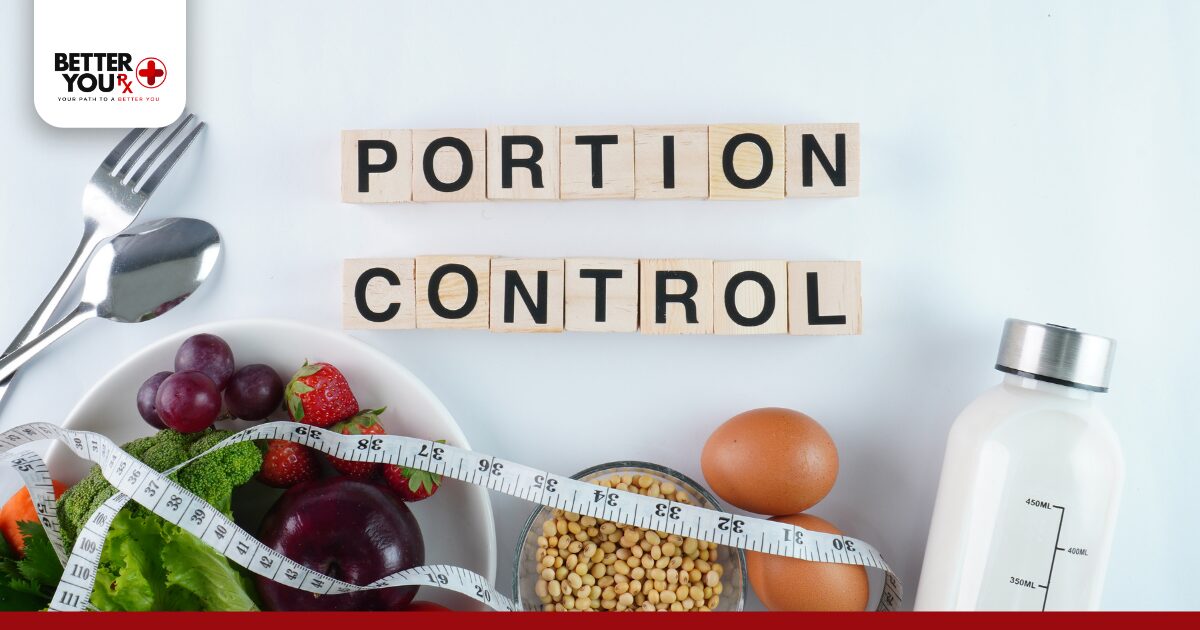
Monitor and Adjust Portions

Controlling portion sizes is a simple yet effective method to improve results. Even healthy foods can slow weight loss if consumed in excessive amounts. Using smaller plates, measuring servings, and spacing meals appropriately supports steady progress while taking Mounjaro.


Why is My Mounjaro Not Working?

Some people may experience slower or minimal weight loss with Mounjaro due to multiple factors. Understanding these reasons can help identify solutions and optimize Mounjaro weight loss results.

Metabolic Differences

Individual metabolism, hormone levels, and body composition significantly influence weight loss speed. People with slower metabolic rates or insulin resistance may experience reduced results initially. Adjusting diet and exercise routines can help compensate for metabolic variations.

Inconsistent Medication Use

Skipping doses or not following prescribed schedules can decrease effectiveness. Consistent administration is essential to maintain the steady appetite-suppressing and metabolic benefits of Mounjaro. Following a proper routine supports the best possible outcomes.

Lifestyle Factors

Sleep quality, stress levels, and daily activity impact how the body responds to Mounjaro. High stress or poor sleep can affect hormones that control appetite and fat storage. Integrating stress management techniques and consistent routines enhances medication effectiveness.

Medical Conditions

Underlying conditions, such as thyroid disorders, polycystic ovary syndrome, or hormonal imbalances, can reduce weight loss. Identifying and managing these conditions with a healthcare provider helps improve Mounjaro weight loss efficiency.

Are Some People Resistant to Mounjaro?

While Mounjaro is effective for many, some individuals may experience slower results. Resistance to Mounjaro weight loss effects can occur due to biological, behavioral, or environmental factors. Recognizing resistance allows for informed adjustments in diet and activity.

Biological Variability

Genetics, metabolism, and hormone levels influence how the body responds to medications. Differences in fat distribution, muscle mass, and insulin sensitivity can explain why some users lose weight more slowly than others.

Behavioral and Environmental Factors

Daily habits, such as sedentary behavior or inconsistent meal timing, can reduce medication effectiveness. Even small adjustments, like increasing activity levels or maintaining a structured eating routine, may overcome resistance.

Medication Interactions

Other medications or supplements may affect appetite or metabolism. Checking for interactions with a healthcare provider ensures Mounjaro weight loss results are not hindered.

Adjusting Expectations

Weight loss is rarely linear. Some individuals may experience periods of slower progress followed by accelerated fat loss. Patience, consistency, and monitoring help manage expectations while achieving sustainable results.

What to Expect When on Mounjaro

Mounjaro supports gradual, consistent weight loss when combined with proper nutrition and activity. Understanding what to expect helps users stay motivated and maintain realistic goals.

Initial Effects

Early in treatment, users often notice reduced appetite, smaller portion sizes, and mild gastrointestinal adjustments. These initial changes are normal and indicate that the medication is active in the body.

Long-Term Results

Sustained use of Mounjaro supports gradual fat loss, improved metabolic health, and better appetite control. Consistency with diet, exercise, and medication ensures long-term Mounjaro weight loss benefits.

Monitoring Progress

Tracking body composition, weight, and food intake provides insight into effectiveness. Adjustments to meal planning, activity, or lifestyle help prevent plateaus and maximize results.

Supporting Lifestyle

Balanced meals, structured workouts, and proper hydration enhance medication effectiveness. Combining Mounjaro with these habits supports sustainable, healthy weight loss over time.

Final Thoughts

Weight loss on Mounjaro varies among individuals. Factors such as metabolism, lifestyle habits, medical conditions, and adherence to medication influence results. Addressing these areas and making gradual adjustments improves Mounjaro weight loss outcomes.

For those seeking access to Mounjaro, you can buy Mounjaro online from Canada through Better You Rx, a prescription referral service for U.S. patients. Using a trusted service allows individuals to focus on safe and effective weight loss while maintaining overall health. Consistency with diet, exercise, and medication is essential for achieving lasting results.


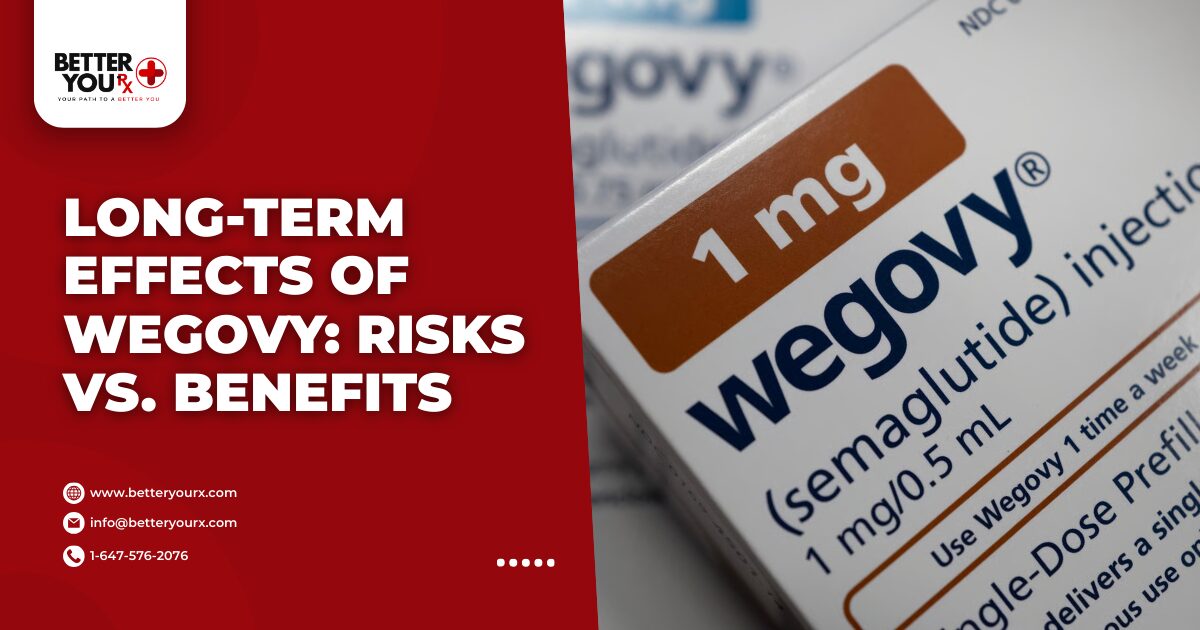
Long-Term Effects of Wegovy: Risks vs. Benefits

Wegovy has changed how many people think about long-term weight care. It is a medicine used once weekly that can help people lose a significant amount of weight when combined with healthy eating and activity. Because it affects appetite, digestion, and metabolism, people naturally want clear information about how it works over months and years and whether the long-term gains are worth possible risks.

Deciding whether Wegovy is right for someone means weighing measurable benefits against known and potential harms. This article explains the evidence, what researchers have found so far about longer-term outcomes, what is known about organ effects, and practical steps to reduce risk while getting the most benefit from treatment.


Why People Choose Wegovy for Weight Loss

Many people choose Wegovy because the clinical results are large compared with older weight-loss medicines. Trials testing weekly Semaglutide injections at the dose marketed as Wegovy found average body-weight reductions far greater than those seen with most prior drugs for obesity. These trials measured how much weight people lost when they used the medicine together with lifestyle support, and results were striking: many participants lost double-digit percentages of body weight over ~1 year, and group averages remained clinically meaningful at two years in extension studies. 

Beyond the numbers, the reasons people pick Wegovy include appetite control, fewer intense cravings, and measurable improvements in metabolic markers such as fasting glucose, waist circumference, and some blood lipids. Patients often report that food is less “rewarding” and that smaller portions feel more satisfying — effects that make long-term behavior change easier for some people. Real-world observational studies also show benefits, although results in clinic practice tend to be smaller than in tightly run trials. 

A less obvious driver is emerging research on cardiovascular benefit. Large outcome studies in people with obesity and cardiovascular disease showed reductions in major heart events when Semaglutide was used over several years, suggesting benefits that go beyond weight alone. For patients at high heart risk, this potential reduction in serious cardiovascular events has been a compelling reason to consider Semaglutide-based therapy. 

Practical reasons matter too. Wegovy is a once-weekly injectable, which many people prefer over daily pills. The weekly schedule fits into busy lives and can improve adherence. When combined with structured nutrition and exercise coaching, Wegovy can be an effective component of long-term weight-management plans that focus on health improvements rather than quick fixes.


Do the Benefits of Wegovy Outweigh the Risks?

Answering whether benefits outweigh risks depends on the individual’s health profile and goals. For many people with obesity and weight-related health issues (for example, high blood pressure, prediabetes, or heart disease), Wegovy’s size of weight loss and improvements in metabolic markers translate into real health gains. Trials and longer follow-ups document sustained weight reduction while on treatment, and added cardiovascular outcome data point to fewer major adverse events in some high-risk populations. 

However, the medication is not risk-free. Gastrointestinal side effects (nausea, vomiting, diarrhea, constipation) are common and sometimes limit tolerability. Less common but important safety concerns include pancreatitis, gallbladder disease, acute kidney injury tied to severe GI upset and dehydration, and rare signals from animal studies about certain thyroid tumors. Most of these risks are uncommon in clinical trials but require monitoring and caution in clinical practice. 

A critical real-world consideration is what happens when Wegovy is stopped. Multiple studies show substantial weight regain after treatment withdrawal if lifestyle supports are not maintained. That means the long-term “benefit” often depends on whether someone stays on medication or develops strong, sustainable habits to hold weight off after stopping. One extension study documented meaningful weight regain within a year of stopping Semaglutide, although treatment groups still retained some net benefit compared with placebo. This pattern matters when weighing lifelong therapy versus time-limited courses. 

In short, for people with significant cardiometabolic risk or who struggle to lose weight by other means, the potential benefits of Wegovy can outweigh the risks—particularly when treatment is provided with careful medical oversight. For lower-risk individuals, the trade-offs may be different, and the decision should be personalized and revisited regularly.


Does Wegovy Have Bad Long-Term Effects?

The phrase “bad long-term effects” is broad. It helps to separate commonly expected side effects from rare but serious outcomes that need monitoring.

Common longer-term effects

Gastrointestinal complaints are the most common persistent effects. Many people experience nausea, constipation, diarrhea, or a persistent sense of fullness, especially during dose increases and early months. Most of these effects decline over time for many users, but a subset of patients has ongoing GI symptoms that warrant dose adjustments or alternative strategies. 

Gallbladder and biliary events

It shows an increased incidence of gallbladder-related events (gallstones, cholecystitis) with rapid weight loss from medical therapy and with GLP-1 receptor agonists. Rapid fat mass reduction alters bile composition and gallbladder motility, which can raise the chance of symptomatic gallstones that sometimes need surgery. This risk is real but not the most frequent complication—still, clinicians advise attention to upper abdominal pain and timely evaluation. 

Pancreatitis and pancreatic concerns

Some case reports and surveillance data have linked GLP-1 receptor agonists to pancreatitis, though large trials show this is uncommon. Because severe vomiting and dehydration (a possible side effect) can also trigger kidney problems, clinicians monitor persistent abdominal pain or pancreatitis symptoms closely. The evidence for a causal, strong link between Semaglutide and pancreatic cancer in humans remains limited and not conclusively proven, but continuous monitoring of safety signals is ongoing. 

Thyroid C-cell tumors in animals vs. humans

In rodent studies, GLP-1 receptor agonists including Semaglutide caused thyroid C-cell hyperplasia and tumors. Human data to date have not shown a clear increase in medullary thyroid carcinoma, but because of the rodent signal, clinicians currently screen for personal or family history of medullary thyroid carcinoma or Multiple Endocrine Neoplasia type 2 and avoid prescribing to those patients. Ongoing human surveillance studies and registries continue to monitor for any long-term cancer signal. 

Kidney and dehydration-related injury

Severe and prolonged GI side effects can lead to dehydration, which can worsen kidney function in susceptible people. Trials and case series report rare instances of acute kidney injury tied to vomiting or diarrhea associated with therapy. Preventing and treating dehydration promptly is an important safety measure in long-term care. 

Overall, while Wegovy carries risks that need vigilance, the worst outcomes are rare in large trial populations. Long-term stewardship involves screening high-risk people ahead of time, gradual dose escalation, and clear instructions about when to seek urgent care.

Is Wegovy Bad for Your Organs?

Here are the organs that may be affected:

Heart and blood vessels

Data so far show promising cardiovascular effects in high-risk populations. Large outcome trials in adults with obesity and established cardiovascular disease found that Semaglutide reduced the combined risk of major adverse cardiovascular events over several years of follow-up. In other words, for many patients with heart disease, Wegovy-like therapy appears to lower heart attacks, strokes, and cardiovascular deaths when added to standard care. This is a major potential organ-level benefit rather than harm. 

Pancreas

Concerns about pancreatitis have existed since early GLP-1 receptor agonist use. Clinical trials show pancreatitis is uncommon, but clinicians monitor for severe abdominal pain because early detection matters. Current evidence does not show a large, consistent increase in pancreatic cancer attributable to Semaglutide in humans, though surveillance continues. Patients with a history of pancreatitis are usually counseled carefully before starting therapy. 

Thyroid

As noted, thyroid C-cell tumors occurred in rodents given these drugs. Human data have not shown a clear corresponding signal, but the theoretical risk leads to conservative use in people with relevant family histories and specific thyroid conditions. Routine thyroid cancer screening in all users is not standard, but alertness to new neck lumps or voice changes is recommended. 

Liver

Early evidence suggests Semaglutide may actually help some liver conditions linked to obesity. Trials in metabolic-associated fatty liver disease and steatohepatitis show encouraging reductions in liver fat and improvements in some markers, though full resolution of advanced disease is not yet proven across broad populations. Overall, many metabolic liver markers improve alongside weight loss, which is a protective organ-level effect. 

Kidney

Kidney outcomes depend largely on the person’s baseline health and how side effects are managed. In people with well-controlled hydration and early attention to vomiting or diarrhea, kidney function generally remains stable. Rarely, severe dehydration related to GI upset can cause acute kidney injury. That risk is preventable with early care and monitoring. 

In practice, Wegovy is not “bad for organs” in a general sense; rather, it has a mixed organ-level profile: potential cardiovascular and metabolic benefits on one hand and uncommon but important risks to the pancreas, gallbladder, kidneys, and a theoretical rodent-derived thyroid signal on the other. Individual risk assessment is the key.

Which Is Safer, Ozempic or Wegovy?

Ozempic and Wegovy share the same active molecule: Semaglutide. The primary differences are the labeled dose and the medical goal. Ozempic is typically used at doses suited for blood-sugar control in type 2 diabetes; Wegovy is the higher-dose formulation used for chronic weight management. Because Wegovy uses a higher maintenance dose, side effects related to dose-dependent mechanisms (for example, nausea) may be more pronounced for some users at that higher dose, though individual tolerance varies. 

Safety comparisons must therefore be contextual: for a person with diabetes where glucose control is the priority, Ozempic’s dosing and monitoring plan fits the clinical need; for someone seeking weight loss and who meets criteria for obesity medication, Wegovy’s dosing produces greater average weight loss but may increase the chance of dose-dependent GI side effects. Both products require the same kinds of safety screens and monitoring for rare events like pancreatitis or severe GI upset. 

Real-world data also show that tolerability, cost, access, and co-existing health issues shape which formulation a clinician prefers. In many cases the “safest” choice is the one that matches the patient’s medical goals and is started with careful dose escalation and follow-up.

Can Wegovy Be a Lifelong Medication?

Some patients and clinicians are already treating Wegovy as a long-term or even lifelong therapy for weight management — similar to how many chronic conditions are managed with long-term medicines. Clinical trial and extension data show that continuing Semaglutide sustains weight loss; stopping it usually produces partial weight regain. One analysis reported substantial weight regain within a year after stopping the medication, though treated patients still had some net benefit compared with placebo. These findings indicate that for many people, long-term or ongoing therapy may be needed to maintain the full effect.

Using Wegovy indefinitely raises predictable questions: lifelong safety, cost, adherence, and long-term quality-of-life trade-offs. Long-term safety data up to several years are reassuring on many points, but surveillance must continue. For an individual, the decision to continue indefinitely depends on how much health benefit is gained, how well side effects are tolerated, and whether the patient prefers ongoing therapy versus stopping and relying solely on lifestyle measures.

Practical strategies if contemplating long-term use include:

  • Regular medical reviews, including metabolic labs and monitoring for any new symptoms. 
  • A plan for managing common side effects and early attention to serious symptoms (severe abdominal pain, persistent vomiting, signs of dehydration). 
  • Integration of behavioral health, nutrition counseling, and exercise programs to improve the chance of maintaining gains and possibly reduce reliance on medication over time. 
  • Clear, shared decisions about stopping: when and how to taper, and supports to reduce the risk of rapid weight regain. 

For some people, lifelong therapy may be appropriate and safe under clinical supervision. For others, a time-limited course followed by strong lifestyle supports may be the preferred path.

Practical Risk-Reduction: What Clinicians and Patients Can Do

Long-term safety is not just about the medicine; it’s about how care is delivered. Practical steps include:

  • Start low, go slow: gradual dose escalation reduces early GI symptoms and improves tolerability. 
  • Screen first: check medical history for pancreatitis, severe kidney disease, personal or family history of certain thyroid cancers, and plan monitoring accordingly. 
  • Teach red flags: patients should know which symptoms require urgent evaluation (e.g., severe abdominal pain, persistent vomiting, sudden dehydration). 
  • Monitor periodically: labs for metabolic markers, kidney function if clinically indicated, and routine follow-ups to review side effects and goals. 
  • Support lifestyle changes: nutrition counseling, behavior therapy, and resistance exercise help preserve lean mass and may make stopping medication easier if that becomes a goal. 
  • Coordinate care: ensure primary care, specialists, and any online providers are aligned so monitoring is continuous and safe. 

These steps reduce risk and make it more likely that the balance of long-term benefits will outweigh harms for an individual.

Final Thoughts

Wegovy (Semaglutide at weight-management doses) offers meaningful, often large, weight loss and measurable metabolic benefits for many people, and large outcome trials point to cardiovascular advantages in selected high-risk groups. Those benefits must be weighed against known side effects and rare but important safety signals. The most robust evidence shows significant benefit while patients remain on therapy, and clear patterns of weight regain after stopping mean that long-term planning is essential. 

Decisions about Wegovy should be personalized. If you are considering treatment, talk with a licensed provider about your health goals and medical history, ask about monitoring plans, and discuss what continued therapy would look like. If you prefer an online option for prescriptions, you can buy Wegovy online from Canada through Better you Rx. Make sure a licensed prescriber coordinates your care, explains monitoring and side-effect management, and supports a plan for long-term follow-up so that benefits are maximized and risks are kept as low as possible.


Wegovy Nausea Relief: 6 Simple Tips That Work

Nausea is one of the most common side effects experienced by people who take Wegovy for weight management. While this medication has helped many people lose weight and improve their overall health, some may find the queasy feeling challenging, especially during the first weeks of treatment. This discomfort often happens because of the way the medicine affects digestion and appetite, but there are ways to make the process easier and more tolerable.

It is important to know what can trigger nausea and how to manage it when it happens. By making small adjustments to eating habits, lifestyle choices, and medication timing, many people can reduce these symptoms. Knowing when nausea is most likely to occur and which simple steps may bring relief can make a big difference in staying consistent with treatment.

How Wegovy Affects the Digestive System

Wegovy is a type of medication that works on a natural hormone in the body called GLP-1, which helps control appetite and blood sugar levels. By acting on this hormone, Wegovy slows down how quickly food leaves the stomach. This slower digestion helps people feel full longer, which supports weight loss. However, it can also cause nausea, bloating, or stomach discomfort.

When food takes longer to move through the digestive system, the body may send signals that feel like queasiness. Some people may also notice changes in their bowel habits, such as constipation or diarrhea. These effects are usually strongest when first starting the medication or when the dose is increased. For most individuals, the body adjusts over time, and the nausea becomes less frequent or less intense.

It is also common for certain types of food to make nausea worse. Greasy, spicy, or heavy meals can be harder to digest while on Wegovy, leading to stronger symptoms. On the other hand, lighter and smaller meals may be easier on the stomach. Each person may react differently, which is why paying attention to the body’s response is important.

Another reason for stomach upset is how Wegovy changes hunger signals in the brain. Since it makes people feel full with smaller amounts of food, eating beyond that limit can increase discomfort. This is why portion control, mindful eating, and slower eating can be helpful strategies to manage these side effects.


6 Tips for Managing Nausea and Stomach Issues on Wegovy

These are common and practical ways to manage nausea and stomach issues while taking Wegovy. By following these simple tips, you can make the adjustment period easier and improve your overall comfort.

1. Eat Smaller, Frequent Meals

Large meals can put more pressure on the stomach, making nausea worse. Instead, eating smaller portions throughout the day helps keep digestion steady and easier to handle. Foods like toast, rice, or bananas are often easier on the stomach than fried or fatty meals.

2. Stay Hydrated, But Slowly

Sipping water or clear fluids throughout the day can prevent dehydration, which can make nausea worse. Drinking too much at once, however, may make the stomach feel heavy and uncomfortable. Herbal teas like ginger or peppermint can also help calm the stomach.

3. Avoid Trigger Foods

Certain foods can make nausea more noticeable. Greasy foods, spicy dishes, or foods with strong smells may cause discomfort. Sticking to lighter meals and introducing gentle foods during the first few weeks may reduce queasiness.

4. Time Your Medication Carefully

Some people find that nausea is stronger at certain times of the day. For example, Wegovy nausea in the morning may feel different than Wegovy nausea at night. Adjusting the timing of the injection, with guidance from a healthcare professional, may help reduce stomach upset.


5. Use Natural Remedies

Ginger has long been used for stomach relief. Small amounts of ginger tea or ginger chews may provide comfort. Fresh air and gentle movement after meals, like a short walk, can also help ease discomfort.

6. Talk to Your Doctor About Medicines for Relief

If nausea continues, a healthcare provider may recommend an anti-nausea medication to help manage the symptoms. This can provide extra support while the body adjusts to Wegovy. Some people may also need adjustments to their dosage schedule for better tolerance.

These steps can help many people find Wegovy nausea relief while continuing their treatment. It may take a combination of approaches, and patience is important during the adjustment period.

How Soon After Wegovy Does Nausea Start?

For many individuals, nausea begins within the first few days after the first injection. This is because the body is adjusting to the new way food is digested and how hunger signals are managed. The queasiness is usually most noticeable in the early weeks.

Some people may only notice mild discomfort, while others may feel more significant stomach upset. The intensity often depends on personal sensitivity, eating habits, and the size of the meal taken around the time of the injection.

When the dose is increased as part of the treatment plan, nausea can return or feel stronger for a short period. This is why gradual dose changes are recommended, allowing the body time to adapt before moving to the next level.

Most people report that nausea lessens over time, especially after the first couple of months of consistent use. With the right strategies, many are able to continue treatment without stopping due to side effects.

Side Effects of Wegovy You Should Know

Wegovy side effects can range from mild and common to serious but rare. Here are the complete side effects you should know about:

Common Side Effects

Many people experience mild digestive and other symptoms, especially when starting Wegovy or increasing the dose. These often lessen over time with continued use. Common side effects include:

  • Nausea (most common, about 44%)
  • Diarrhea (30%)
  • Vomiting (24%)
  • Constipation (24%)
  • Stomach pain or upset stomach
  • Headache
  • Tiredness or fatigue
  • Dizziness
  • Bloating, gas, burping
  • Heartburn or acid reflux
  • Low blood sugar in people with type 2 diabetes
  • Symptoms like runny nose, sore throat, or common cold signs
  • Injection site reactions such as redness or itching

These side effects usually last a few weeks and may be managed by eating small, bland meals, avoiding fatty foods, staying hydrated, and starting at a low dose before increasing gradually.

Serious Side Effects

Though rare, some serious side effects require immediate medical attention:

  • Severe allergic reactions (difficulty breathing, swelling of face or throat, rash, dizziness)
  • Thyroid tumors, including cancer risk: Symptoms include lumps in the neck, hoarseness, trouble swallowing or breathing
  • Pancreatitis (inflammation of the pancreas): Severe upper stomach pain radiating to the back, nausea, vomiting
  • Gallbladder problems including gallstones: Upper stomach pain, fever, yellowing skin or eyes
  • Low blood sugar (hypoglycemia), mainly in diabetics
  • Kidney problems, including decreased urination and swelling
  • Increased heart rate
  • Changes in vision, especially in type 2 diabetes (diabetic retinopathy)
  • Suicidal thoughts or severe mood changes (rare)

If any of these occur, Wegovy should be stopped and urgent medical advice sought.

Long-Term Risks

Long-term use of Wegovy may be associated with risks such as gallbladder disease, pancreatitis, thyroid tumors, and eye complications in diabetics. Most of these improve or resolve after stopping the medication. Continuous monitoring by a healthcare provider is recommended to manage these risks.

Managing Side Effects

To reduce mild side effects, these tips help:

  • Eat slowly and have small, frequent low-fat meals
  • Avoid greasy, fried, or heavy foods
  • Stay upright after meals; avoid lying down
  • Stay hydrated and get fresh air if nauseated
  • Start at a low dose and increase gradually as directed by a doctor

If side effects persist or worsen, consulting a health professional is important.


When Wegovy Nausea Is Most Likely to Happen

Nausea is more likely when starting Wegovy, increasing the dose, or after eating heavy meals. Timing can also matter. Some individuals notice queasiness soon after the injection, while others experience delayed stomach upset.

The body often responds differently based on daily habits. For example, skipping meals or eating too quickly can make nausea worse. Eating balanced meals slowly and paying attention to fullness signals can help reduce discomfort.

Some people may notice stronger nausea during the evening, while others feel it more in the morning. These differences highlight the personal nature of Wegovy and nausea. Tracking when symptoms appear can help guide adjustments in routine.

Recognizing patterns makes it easier to prepare. For instance, if queasiness tends to happen after dinner, choosing lighter meals during that time may make a difference. Keeping a symptom journal may help identify what works best for each person.

For those who find it difficult, medical guidance and supportive care can offer solutions that keep progress on track. Taking small steps and staying patient can help ensure long-term success.

If you are considering this treatment, you can buy Wegovy online from Canada through Better you Rx. It is important to discuss your options with a trusted healthcare provider and follow their guidance for safe and effective use. Making informed choices and being prepared for possible side effects can help you stay consistent with your health goals.


How To Stop Nausea From GLP-1?

Many people take GLP-1 medications such as Ozempic, Wegovy, Rybelsus, Mounjaro, and Saxenda to manage type 2 diabetes or for weight loss. These medicines work by mimicking a natural hormone in the body that controls blood sugar and appetite. While they are highly effective, one of the most common side effects people notice is nausea. This feeling can range from mild discomfort to stronger queasiness, especially during the first weeks of treatment or after increasing the dosage. Because of this, many patients want to know why it happens and how they can manage it.

Nausea linked to GLP-1 medications does not affect everyone in the same way. Some may only experience it at the beginning, while others may feel it longer. It often happens because GLP-1 slows digestion, which keeps food in the stomach for more time. Although the body usually adjusts, it can take patience and supportive care to feel better. Having a clear understanding of how GLP-1 works, what triggers nausea, and what strategies can help is important for anyone taking these treatments.

What GLP-1 Medications Are Used For

GLP-1 receptor agonists are a class of drugs that help people with type 2 diabetes and those struggling with obesity. These medications, such as Semaglutide, Dulaglutide, Liraglutide, and Tirzepatide, lower blood sugar by stimulating insulin release after meals and slowing the rate at which food leaves the stomach. This helps people feel fuller for longer and often leads to weight loss. Because of these effects, doctors prescribe GLP-1 medications for blood sugar control and as part of weight management plans.

Aside from blood sugar regulation, GLP-1 drugs can support weight reduction in people without diabetes but who are overweight or obese. Many patients using Wegovy or Saxenda report meaningful weight loss over months of treatment. GLP-1 medications can also reduce appetite, making it easier to follow healthy eating habits.

Another benefit is that GLP-1 medications may lower the risk of certain health complications linked to diabetes, such as heart issues. While their primary purpose is to manage blood glucose, their added benefits have made them popular among people who also want to lose weight. Because of this wide use, many people want to understand the side effects that may come with them.

Even though these medications provide strong benefits, they also come with gastrointestinal effects. Among these, nausea is one of the most common and challenging to manage. Knowing why it occurs and how to handle it is important for continuing treatment successfully.


How To Relieve Nausea From Semaglutide?

Nausea is one of the most common side effects people feel when starting GLP-1 medications. While it can be uncomfortable, there are many simple ways to manage it so you can stay on track with your treatment. Some people find comfort in simple steps for GLP-1 nausea relief, while others may need extra help from their doctor.

Eat Smaller Meals

Breaking food into smaller portions helps reduce stress on your stomach. Large meals can trigger nausea, while lighter meals are easier to digest. Eating 4–6 small meals instead of 2–3 big ones can make a big difference.

Choose Bland Foods

Stick with simple foods like crackers, toast, rice, or bananas. Avoid greasy, spicy, or fried meals, as these can worsen nausea. Bland foods are gentle on the stomach and may help you feel more comfortable after eating.

Stay Hydrated Slowly

Sip water throughout the day instead of drinking large amounts at once. Clear liquids like broth or ginger tea can also help. Drinking too quickly can upset your stomach, so slow, steady sips are best.

Use Ginger or Peppermint

Both ginger and peppermint are known to calm the stomach. You can try ginger tea, peppermint tea, or even sugar-free candies with these flavors. These natural remedies are often used to ease mild nausea and can be a good daily support.

Avoid Strong Smells

Cooking odors or perfumes can make nausea worse. Staying in fresh air or ventilating your space can help reduce triggers. Opening a window or stepping outside for a short walk may give quick relief.

Eat Slowly and Chew Well

Eating too fast can upset your stomach. Taking your time helps your body digest food more gently. Chewing food thoroughly can also prevent bloating, which may make nausea feel stronger.

Rest After Eating

Resting upright for a little while after meals can help settle your stomach. Lying down right away may make nausea worse, so staying seated for at least 30 minutes can be helpful.

Talk to Your Doctor

If nausea continues, your doctor may adjust your dose, suggest taking the medication at a different time, or prescribe anti-nausea medicine. In some cases, they may recommend Zofran for GLP-1 nausea, which can be effective for people who need extra support. Never stop your treatment without guidance, as your provider can help you find the best and safest option.

How Long Does Semaglutide Nausea Last?

When starting Semaglutide, nausea is usually strongest in the beginning. This often happens within the first few days of starting the medication or after raising the dose. Many people find that the body adjusts over time. For some, nausea lessens within a few days, while for others, it may last several weeks.

The duration depends on factors such as individual tolerance, diet, hydration, and the dosage. Doctors typically recommend slow dose increases so the body has time to adapt. People who eat heavy, fatty meals while starting Semaglutide may notice stronger side effects than those who eat lighter meals.

Most patients see improvement after several weeks of consistent use. By the time the body adjusts, nausea is often far less noticeable. For some, it may disappear completely, while others may still feel it occasionally. Asking How long does GLP-1 nausea last is common because experiences differ from one person to another.

If nausea continues for a long period or is severe, it is important to talk to a doctor. Sometimes adjustments are needed, such as a slower increase in dosage, dietary changes, or short-term nausea support. With the right plan, most people are able to continue treatment successfully.

When Do You Stop Feeling Sick On Ozempic?

Ozempic contains Semaglutide, and nausea is one of the side effects most patients face when they first begin. Many people wonder how long it takes before the stomach feels normal again. For some, the sick feeling fades within a couple of weeks, while for others, it may take longer depending on the dose and their body’s response.

During dose increases, nausea can return temporarily. The body may need time to adjust each time the amount of medication rises. Doctors usually recommend staying on a certain dose for several weeks before moving to the next one to limit discomfort.

Lifestyle choices can also make a difference. Eating too much in one sitting or choosing high-fat foods may cause GLP-1 nausea after eating to feel worse. On the other hand, smaller, balanced meals can help reduce the sick feeling. Drinking water throughout the day is also important since dehydration can intensify nausea.

In most cases, the sick feeling eases with time, and patients are able to continue using Ozempic without ongoing problems. If nausea becomes too difficult to handle, medical advice is needed. Doctors may consider dose adjustments or supportive care to help patients feel more comfortable.

How GLP-1 Affects The Digestive System

GLP-1 medications work by slowing down how fast the stomach empties. This effect is helpful for controlling blood sugar and reducing appetite, but it is also the main reason for side effects like nausea and bloating. Food remains in the stomach longer, which increases the feeling of fullness and sometimes leads to discomfort.

Because of this delayed emptying, some patients also experience GLP-1 nausea and vomiting. These effects often occur when large or heavy meals are eaten. It is important to understand that this is a direct result of how the medication works. The body adjusts over time, but in the beginning, these effects can feel strong.

Some people may compare it to other types of medicine-related nausea, such as Phentermine nausea relief strategies. Just as adjustments are made with other weight management drugs, GLP-1 medications require similar care. Over time, the body usually becomes more tolerant, and symptoms fade.

The digestive system changes with GLP-1 treatment are also linked to weight loss success. By making people feel satisfied with smaller portions, these drugs help reduce calorie intake. While the side effects can be challenging, they are also part of why these medications are effective. Balancing benefits with side effect management is key.

Final Thoughts

Nausea from GLP-1 medications is a common side effect, especially in the early stages of treatment or when doses are increased. For most people, it lessens with time as the body adjusts. Strategies such as eating smaller meals, choosing lighter foods, staying hydrated, and using supportive care when needed can make a big difference. With the right approach, many patients are able to continue treatment successfully while still reaching their health goals.

For those looking for safe access to medication, you can buy Ozempic online from Canada through Better You Rx. This option makes it easier to continue your treatment without interruptions. Having reliable access supports long-term success and ensures patients stay on track with their health plan. Always work closely with a healthcare provider to make adjustments that keep treatment safe and effective.


Does Ozempic Cause Heartburn?

Ozempic is a medication often used to help people manage type 2 diabetes and, in some cases, support weight loss. It works by mimicking a natural hormone in the body that helps control blood sugar levels, appetite, and digestion. Like many medications, Ozempic may cause side effects that affect the digestive system. Some people report issues such as nausea, bloating, or discomfort in the stomach. Others may notice changes in how quickly food leaves the stomach, which can sometimes lead to symptoms like acid reflux or heartburn.

Heartburn is a common digestive complaint that happens when stomach acid flows back into the food pipe, creating a burning sensation in the chest or throat. While not everyone who takes Ozempic experiences this issue, it is important to understand why it may occur, what can make it worse, and how to manage it if it happens. By knowing what to expect and how to respond, people can use the medication more safely and comfortably.


Does Ozempic Cause Heartburn?

Some people do experience heartburn when taking Ozempic. This can happen because the medication slows down how quickly the stomach empties food. When food stays longer in the stomach, there is a greater chance of acid moving upward into the esophagus, causing burning or discomfort.

Not every patient develops this side effect. Some may take Ozempic without any issues, while others may find it bothersome. The severity can also differ from mild discomfort to stronger burning sensations after meals. Doctors usually monitor patients closely to check if this symptom develops.

The way Ozempic works is by activating a hormone receptor that affects insulin and digestion. While this helps control blood sugar and appetite, it can also change the way the stomach processes food. This slower movement of food may trigger acid reflux in some individuals.

If heartburn happens, it does not always mean a person should stop Ozempic. Instead, there are ways to manage the symptom, such as adjusting diet, meal size, or timing. In more severe cases, doctors may recommend additional treatments or review whether another medication may be more suitable.


How Do You Stop Acid Reflux On Ozempic?

There are several methods to help reduce acid reflux while taking Ozempic. One of the most effective is to eat smaller meals instead of large ones. Large meals can put extra pressure on the stomach, making acid more likely to escape into the esophagus. Eating slowly and chewing food well may also help digestion and reduce discomfort.

Lifestyle changes are another way to manage reflux. Avoiding foods that trigger acid production, such as spicy, fatty, or fried foods, can make a difference. Cutting back on coffee, alcohol, and carbonated drinks is also helpful for some people. Staying upright for at least two to three hours after eating can prevent acid from moving upward.

Doctors may also suggest over-the-counter medicines that reduce acid levels. These may include antacids or acid blockers, which can provide relief when needed. However, these should only be used under medical advice, especially when taken with other prescriptions.

Another option is to adjust when Ozempic is taken, but this must be done with guidance from a doctor. Sometimes small changes in timing or dosing can reduce digestive side effects. Patients should never adjust medication on their own without professional advice.

What Is The Most Common Side Effect Of Ozempic?

The most common side effects of Ozempic are digestive issues. These may include nausea, vomiting, bloating, diarrhea, or constipation. For most people, these symptoms are temporary and improve as the body adjusts to the medication.

Nausea tends to be the side effect reported most often, especially in the early weeks of treatment. Doctors usually recommend starting with a lower dose and slowly increasing it to give the body time to adapt. This step helps reduce discomfort and improve tolerance.

Other common side effects are related to changes in appetite and digestion. Because Ozempic slows stomach emptying, people often feel full sooner and for longer periods. While this supports weight management, it can also cause bloating or indigestion.

It is important to note that while many patients experience mild side effects, most of them are manageable. Doctors provide guidance on how to minimize these effects and determine whether the benefits of treatment outweigh the risks.

What Happens If You Eat Sugar While Taking Ozempic?

Eating sugar while taking Ozempic can affect how well the medication works. Since Ozempic helps control blood sugar, consuming too much sugar can interfere with its benefits. Patients may notice higher blood sugar levels if they eat sweets, processed foods, or drinks with added sugar.

Sugar may also increase the risk of side effects like nausea or heartburn. When combined with slowed stomach emptying, sugary foods can cause discomfort, bloating, or worsen reflux. This is because sugar stimulates acid production and fermentation in the stomach.

Doctors often suggest focusing on a balanced diet with fewer processed sugars. Instead, patients are encouraged to choose whole grains, vegetables, lean proteins, and fruits in moderation. These foods are easier to digest and work better with the effects of Ozempic.

Eating sugar does not always cause severe problems, but limiting it improves both the effectiveness of the medication and overall digestive comfort. Making smart food choices supports long-term weight management and stable blood sugar levels.


Risk Factors That Can Make Heartburn Worse

Certain lifestyle habits and health conditions can make heartburn more likely while on Ozempic. Being overweight or obese puts pressure on the stomach, increasing the chance of acid reflux. Smoking and alcohol use can also weaken the lower esophageal muscles that normally prevent acid from moving upward.

Diet plays a major role. Spicy foods, citrus fruits, chocolate, and fatty meals are known to trigger heartburn. Eating late at night or lying down soon after meals can also worsen reflux. For people on Ozempic, these habits may increase the risk of discomfort.

Medical conditions like hiatal hernia or gastroesophageal reflux disease (GERD) can make heartburn more frequent. People with these conditions should inform their doctor before starting Ozempic, as they may need extra monitoring.

Stress and lack of sleep may also worsen digestive symptoms. High stress can affect how the stomach works and may lead to stronger acid reflux episodes. A healthy lifestyle that includes stress management and regular rest can help reduce risks.

How To Manage Heartburn While Taking Ozempic

Managing heartburn on Ozempic requires a mix of lifestyle changes, dietary adjustments, and medical support. Eating smaller meals, avoiding trigger foods, and staying upright after eating are simple but effective strategies. Wearing loose clothing can also reduce pressure on the stomach.

Drinking water throughout the day helps with digestion and keeps acid diluted. However, large amounts of liquid during meals should be avoided, as this can put stress on the stomach. Instead, sipping water slowly may ease symptoms.

Doctors may suggest medications to help with acid reflux. Antacids, H2 blockers, or proton pump inhibitors can provide relief when needed. These should be taken only under medical guidance to avoid unwanted interactions.

Patients should also keep track of when heartburn occurs. Writing down meals, symptoms, and timing can help identify triggers. This information allows doctors to create a more personalized plan for managing side effects. Keeping consistent follow-up appointments ensures that treatment remains safe and effective.

The Bottom Line

Ozempic is a powerful medication that helps control blood sugar and supports weight management, but it can also cause digestive issues like heartburn for some patients. While not everyone will experience this side effect, those who do can take steps to reduce discomfort and protect their digestive health. Lifestyle choices, diet adjustments, and medical advice all play a role in managing symptoms effectively.

If you are thinking about starting or continuing treatment, it is important to discuss your concerns with a healthcare professional. For those looking for a trusted source, you can buy Ozempic online from Canada through Better You Rx. Choosing a reliable option ensures safe access to treatment while making it easier to manage long-term health goals with confidence.


How Do You Know When My Ozempic Pen Is Empty?

Ozempic is a medication that comes in a pre-filled injection pen, designed to be simple for patients to use at home. Since the pen is not meant to last forever, it is important to know how to recognize when it has run out. Understanding the features of the pen helps avoid missed doses and ensures treatment continues without interruption.

The design of the pen includes a dose counter, which shows the exact amount left. Many patients find it helpful to keep track of how many doses they have already taken to estimate when the pen will be empty. Being able to identify when the pen has no more medication is part of using it safely and effectively.


How Do You Know When My Ozempic Pen Is Empty?

The Ozempic pen has a clear system to show when there is no more medication left. The dose counter on the side of the pen plays the most important role. When you turn the dial to set your dose, the counter will only move if there is enough medicine inside. If the pen is empty, the counter will not move to the full dose.

Another sign that the pen is finished is when you try to inject but the dial stops before reaching the correct amount. This means the pen no longer contains enough liquid to deliver the dose. Unlike some other injectable pens, Ozempic does not allow you to guess—it is designed to stop at the exact amount available.

Patients should not try to shake the pen to check if any liquid is left, as this is not reliable. Instead, always rely on the dose counter to know whether the medication is finished. This prevents underdosing and ensures the treatment works as intended.

If the pen has reached the end, a new one will be needed for the next scheduled dose. Keeping a spare pen can help avoid delays.


What To Do With Ozempic Pen When Empty?

Once the pen is empty, it should not be thrown away with regular household trash. Used pens contain medical waste and must be disposed of properly. The best way to do this is by placing the empty pen in a sharps container. These containers are made for needles, pens, and other injection devices.

If you do not have a sharps container, some pharmacies or clinics can provide one. In certain areas, local health services may also have drop-off locations for used pens. This ensures that the pen is disposed of safely without risk to others.

Never try to reuse an empty pen or attempt to refill it. The device is built for single use only and cannot be safely modified. When the pen is empty, it has completed its purpose, and the next step is starting a new one.

Patients should always check local rules for safe disposal. Proper handling not only keeps the home environment safe but also protects sanitation workers and the community.


How Many 0.5 mg Doses Are In Ozempic Pen?

The number of doses in a pen depends on the strength of the medication. For the standard 2 mg/1.5 mL pen, you can expect to get four doses of 0.5 mg each. This is because each pen holds enough liquid for multiple injections, and the dial allows precise measurement.

For patients who are prescribed the 0.5 mg weekly dose, this means one pen usually lasts a full month. This makes it easier to plan ahead and know when a refill will be needed.

If the dose changes, the number of injections per pen will also change. For example, higher doses use more liquid per injection, so the pen will run out faster. This is why it is important to understand how many doses your specific prescription allows.

Keeping track of your injection schedule and counting doses is a reliable way to avoid running out unexpectedly. It also ensures you always have enough supply on hand.

How Many Clicks In A 1 mg Ozempic Pen

The Ozempic pen uses a click system when you turn the dial to set the dose. Each click represents a small step in the amount of medicine being prepared. For a 1 mg dose, the number of clicks can vary depending on the type of pen.

Some pens are designed for multiple dose settings, while others may be specific to higher amounts. In general, the dose counter will show the final setting for 1 mg, and the clicks will stop when the correct amount is ready.

Counting clicks is not the best way to measure the dose, since the counter is the most accurate tool. However, some patients notice the clicks as extra reassurance that the pen is working correctly.

Always rely on the counter to know you have the right amount. The clicks are simply part of the mechanism but should not replace the proper reading of the pen.

Where Is The Dose Counter On Ozempic Pen

The dose counter is one of the key features of the Ozempic pen. It is located on the side of the pen near the dial. When you turn the dial, the counter moves to show the exact dose you are about to inject.

The numbers on the counter are clear and easy to read. They display in milligrams (mg), matching the dose your doctor prescribed. If the counter does not move to the correct dose, it means there is not enough medication left in the pen.

This feature is built for safety. It ensures you cannot set a dose larger than what is available inside. If the counter stops short, that is a clear sign the pen is empty or nearly empty.

Checking the counter before every injection is important. This small step helps prevent mistakes and makes sure the treatment continues as planned.

Do You Prime Ozempic Pen Every Time

Priming a pen means preparing it by letting out a small drop of medicine before use. For Ozempic, priming is only required the very first time you use a new pen. This clears out any air bubbles and ensures the device is ready.

After the first use, there is no need to prime again. Each new injection can be given directly once the dose is set. This saves medication and avoids wasting doses unnecessarily.

If you try to prime the pen every time, you may use up the medication too quickly and shorten the life of the pen. Always follow the instructions for first-time use only.

By priming only once, you make sure the pen delivers accurate doses throughout its use. If at any point the injection does not seem to work properly, it is best to consult with a healthcare provider.

Final Thoughts

Knowing how to check when an Ozempic pen is empty is a key part of treatment. The dose counter makes it simple and reliable, while safe disposal ensures no risks are left behind. Tracking doses helps patients plan ahead and avoid interruptions in their weekly routine.

Ozempic pens are designed with features that make them user-friendly, but understanding them clearly is important for long-term success. From counting doses to priming correctly, every step matters in making sure the medication is safe and effective.

If you are prescribed this medication and want reliable access, you can buy Ozempic online from Canada through Better you Rx. This allows patients to continue their treatment without worrying about missing doses. Having a trusted prescription referral service ensures that your care is supported with the right supply at the right time.


Do You Need a Prescription for Weight Loss Medications?

Weight loss medications are becoming more common as people search for extra support beyond diet and exercise. These treatments are designed to help manage appetite, regulate hunger hormones, and sometimes improve metabolism. Many of them are powerful and need to be taken under the care of a licensed medical doctor. Some options are available over the counter, while others are only given by prescription depending on the strength, safety, and patient’s health condition.

When looking into weight loss medications, it is important to know which ones require medical supervision. A prescription ensures the medicine is used safely and in the right dosage. Not every person qualifies for prescription treatment, and doctors usually have guidelines they follow before giving approval. The rules exist to protect patients from possible risks while also maximizing the benefits.


Do All Weight-Loss Drugs Need a Prescription?

Not every medication for weight loss requires a prescription. Some over-the-counter products like supplements or herbal pills can be bought without seeing a doctor. However, these products are often less effective and not regulated as closely. On the other hand, most prescription medications are stronger, target specific hormones, and provide measurable results.

Prescription medications are designed for people who meet certain health requirements. Doctors usually recommend them for patients with obesity or for those who have medical conditions linked to being overweight. The main reason they require a prescription is that they can cause side effects or interact with other treatments. Having a doctor involved ensures the patient gets proper monitoring.

Another key factor is dosing. Prescription drugs come in different strengths that must be carefully adjusted. Without medical advice, patients might take too much or too little, which could affect safety or results. This is why prescription treatments have a clear advantage over non-prescription supplements.

Patients should also know that prescription medications are not meant for short-term use only. They are usually part of a longer treatment plan that combines lifestyle changes with medical support. This makes the role of a doctor even more important in the process.


What Are The Requirements To Be Prescribed Weight Loss Medication?

Doctors usually follow certain criteria before writing a prescription for weight loss medication. The most common requirement is a body mass index (BMI) above 30, which is considered obese. In some cases, a BMI of 27 or higher with other health issues like high blood pressure, diabetes, or cholesterol problems may also qualify.

Medical history is another important factor. Doctors ask about past treatments, current medications, and overall health to make sure prescription drugs are safe for the patient. This step helps lower the risk of complications. The doctor may also order lab tests to check blood sugar, liver function, and cholesterol levels before starting treatment.

Commitment is also required from the patient. Doctors usually want to see an effort with diet and exercise before moving to medication. Weight loss prescriptions are not magic solutions, and lifestyle changes remain the foundation of success. Patients must be willing to follow up with their doctor regularly for adjustments.

Finally, prescriptions must come from a licensed U.S. doctor. The prescription must be written in English and for personal use only. This ensures the process follows medical and safety guidelines.

What Prescription Weight Loss Medication Is Most Effective?

The most effective prescription weight loss medication depends on the individual’s health and body response. Different drugs work in different ways. Some reduce appetite, others slow digestion, and some regulate blood sugar. A doctor’s guidance is needed to match the right treatment to the patient’s condition.

Medications like Semaglutide, sold under brand names such as Wegovy and Ozempic, are often reported as very effective. They work by mimicking natural hormones that control appetite. Others like Phentermine or Qsymia may also help, but each has its own benefits and risks. This is why personal evaluation is important before deciding.

Effectiveness is not only about how much weight someone loses but also how well the medicine fits into their overall health plan. Patients with diabetes may benefit more from drugs that also improve blood sugar, while others may need options that work mainly on appetite.

Doctors also review how long results can be maintained. Some medications provide short-term help, while others support long-term management. The choice of treatment is always based on balancing safety and results. Patients should also be aware of the prescription weight loss medication list to know the available options.

How To Get Prescription Weight Loss Medication

Getting prescription weight loss medication starts with seeing a licensed medical doctor. Patients need a proper evaluation, which includes checking BMI, medical history, and any other health conditions. The doctor then decides if medication is appropriate.

Once approved, the prescription must be written in English by a U.S.-based doctor. Better You Rx, a prescription referral service, can then assist patients by connecting them to a licensed contracted pharmacy department. This ensures medications are sourced properly and shipped directly for personal use.

It is important to know that telehealth services are separate from Better You Rx. If a patient chooses to use telehealth to see a doctor, that is their choice. Better You Rx does not provide this service but accepts valid prescriptions written by licensed U.S. doctors.

Patients should plan ahead since it usually takes 7 to 10 business days from the date shipped to receive their medications. Prescriptions are only filled for a maximum 90-day supply, depending on what the doctor allows. This process helps patients stay on track without delays.

What Is The Strongest Weight Loss Prescription Pill

The strongest weight loss prescription pill is not the same for everyone. For some patients, Phentermine is considered strong because it works quickly to reduce appetite. Others may find Semaglutide injections or tablets more effective because they provide steady and long-lasting weight control.

Strength is not only about speed but also safety. A strong pill that causes harmful effects is not the best option for long-term use. This is why doctors focus on finding the right balance between effectiveness and safety for each patient.

Some patients may ask about the most effective prescription weight loss medication, but the answer depends on personal health. What works for one person may not be suitable for another. Medical supervision is needed to choose the strongest yet safest option.

It is also worth noting that some medications can be combined with lifestyle therapy for even stronger results. However, these decisions are always made under medical advice.

Who Qualifies For Prescription Weight Loss Drugs

Here are the main qualifications:

  • Adults with a Body Mass Index (BMI) of 30 or greater (classified as obese).
  • Adults with a BMI of 27 or greater who also have at least one weight-related health condition such as type 2 diabetes, high blood pressure, heart disease, or sleep apnea.
  • Some medications are approved for children aged 12 and older with obesity, based on BMI percentiles.

Additional Considerations

  • Candidates should be committed to long-term lifestyle changes including diet, exercise, and behavior modification, as medications work best as part of a comprehensive weight management plan.
  • Weight loss drugs are not recommended for pregnant or breastfeeding women.
  • People with certain medical conditions (such as uncontrolled thyroid disorders or certain heart diseases) may not be eligible.
  • A healthcare provider will review the individual’s medical history, current medications, and potential risks before prescribing weight loss drugs.


Benefits Of Getting A Prescription For Weight Loss Medications

There are many benefits to getting prescription support for weight loss. Unlike over-the-counter options, these treatments are carefully tested, dosed, and supervised by medical professionals. Patients often find better and safer results when working with a doctor.

Medical Supervision

One of the main benefits is having a doctor oversee the treatment. This reduces the chance of side effects and ensures proper use. Patients can feel more confident knowing they are being guided throughout the process.

Customized Treatment

Doctors choose the best option based on health needs. Some patients may benefit from appetite control, while others may need better blood sugar management. Having a prescription allows for a personalized plan.

Better Results

Prescription treatments are stronger than non-prescription products. Patients are more likely to see real progress and maintain it over time. Having access to the prescription weight loss medication names helps patients understand their choices better.

Ongoing Support

Regular check-ins with a doctor provide support that over-the-counter products cannot. This ensures treatment stays effective and safe for long-term use.

Where To Get Prescription Weight Loss Medication

Patients can get their medications once they have a valid prescription from a U.S.-based licensed doctor. Better You Rx is a prescription referral service that helps patients by sourcing medications through a licensed contracted pharmacy department.

The prescription must be written in English, for personal use only, and not from a Canadian doctor. Better You Rx does not accept insurance, and medications are not shipped to clinics or hospitals. Deliveries are sent directly to the patient’s home for convenience.

For those who want to order, it is important to plan ahead. Medications typically arrive within 7 to 10 business days after shipping. Patients should also know that only up to a 90-day supply can be shipped at one time, based on the prescription.

Some patients may also look for prescription weight loss medication online, but it is essential to choose trusted sources. Using a referral service like Better You Rx helps ensure safety, authenticity, and proper handling. Patients may also search for options like prescription weight loss medication Canada, but shipments are only made to U.S. residents.

Final Thoughts

Prescription weight loss medications are powerful tools that can help people reach their health goals when diet and exercise are not enough. They are not suitable for everyone, but with proper evaluation and supervision, they can provide effective and safe support. Choosing the right medication depends on personal health needs, lifestyle, and ongoing guidance from a doctor.

If you are considering prescription treatments, it is important to work with a licensed U.S. doctor and use a trusted referral service. You can buy Ozempic online from Canada through Better You Rx. This gives patients access to safe and reliable medication at a more affordable price compared to local retail costs. Taking this step can help ensure steady progress toward long-term weight management and better health.

Sign Up For Newsletter

Please enable JavaScript in your browser to complete this form.

Join 60.000+ Subscribers and get a new discount coupon on every Saturday.

Address

PO Box 29631, Mississauga RPO Central Parkway, ON L5A 4H2

Phone Number

1-647-576-2076

better you rx big letter logo

Discover convenience with Better You Rx, your trusted pharmacy-affiliated partner. We work with leading pharmacies to deliver prescriptions and over-the-counter medications right to your doorstep. Enjoy cost-effective solutions on a platform that’s easy to use. We focus on safety and efficacy in all products. Our dedicated team ensures a smooth experience. From ordering to delivery, we simplify your healthcare needs. Choose Better You Rx for reliable service and expert support. Trust us for all your medication requirements. Experience the ease of modern pharmacy care.

Categories

Operating Hours: 
10:00AM – 6:00PM CST
Monday – Friday

Our Payment Partners :

Copyright © 2026 BetteryouRX. All Rights Reserved.
Join The Waitlist Be among the first to know when becomes available.
Add to cart