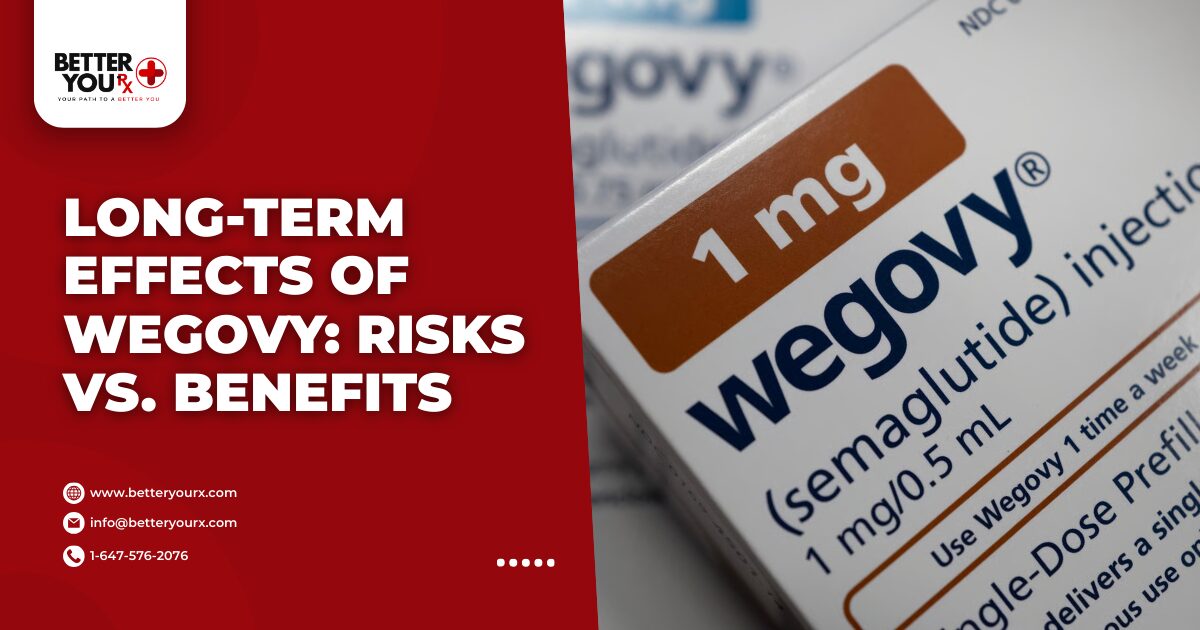
Wegovy has changed how many people think about long-term weight care. It is a medicine used once weekly that can help people lose a significant amount of weight when combined with healthy eating and activity. Because it affects appetite, digestion, and metabolism, people naturally want clear information about how it works over months and years and whether the long-term gains are worth possible risks.
Deciding whether Wegovy is right for someone means weighing measurable benefits against known and potential harms. This article explains the evidence, what researchers have found so far about longer-term outcomes, what is known about organ effects, and practical steps to reduce risk while getting the most benefit from treatment.

Why People Choose Wegovy for Weight Loss
Many people choose Wegovy because the clinical results are large compared with older weight-loss medicines. Trials testing weekly Semaglutide injections at the dose marketed as Wegovy found average body-weight reductions far greater than those seen with most prior drugs for obesity. These trials measured how much weight people lost when they used the medicine together with lifestyle support, and results were striking: many participants lost double-digit percentages of body weight over ~1 year, and group averages remained clinically meaningful at two years in extension studies.
Beyond the numbers, the reasons people pick Wegovy include appetite control, fewer intense cravings, and measurable improvements in metabolic markers such as fasting glucose, waist circumference, and some blood lipids. Patients often report that food is less “rewarding” and that smaller portions feel more satisfying — effects that make long-term behavior change easier for some people. Real-world observational studies also show benefits, although results in clinic practice tend to be smaller than in tightly run trials.
A less obvious driver is emerging research on cardiovascular benefit. Large outcome studies in people with obesity and cardiovascular disease showed reductions in major heart events when Semaglutide was used over several years, suggesting benefits that go beyond weight alone. For patients at high heart risk, this potential reduction in serious cardiovascular events has been a compelling reason to consider Semaglutide-based therapy.
Practical reasons matter too. Wegovy is a once-weekly injectable, which many people prefer over daily pills. The weekly schedule fits into busy lives and can improve adherence. When combined with structured nutrition and exercise coaching, Wegovy can be an effective component of long-term weight-management plans that focus on health improvements rather than quick fixes.

Do the Benefits of Wegovy Outweigh the Risks?

Answering whether benefits outweigh risks depends on the individual’s health profile and goals. For many people with obesity and weight-related health issues (for example, high blood pressure, prediabetes, or heart disease), Wegovy’s size of weight loss and improvements in metabolic markers translate into real health gains. Trials and longer follow-ups document sustained weight reduction while on treatment, and added cardiovascular outcome data point to fewer major adverse events in some high-risk populations.
However, the medication is not risk-free. Gastrointestinal side effects (nausea, vomiting, diarrhea, constipation) are common and sometimes limit tolerability. Less common but important safety concerns include pancreatitis, gallbladder disease, acute kidney injury tied to severe GI upset and dehydration, and rare signals from animal studies about certain thyroid tumors. Most of these risks are uncommon in clinical trials but require monitoring and caution in clinical practice.
A critical real-world consideration is what happens when Wegovy is stopped. Multiple studies show substantial weight regain after treatment withdrawal if lifestyle supports are not maintained. That means the long-term “benefit” often depends on whether someone stays on medication or develops strong, sustainable habits to hold weight off after stopping. One extension study documented meaningful weight regain within a year of stopping Semaglutide, although treatment groups still retained some net benefit compared with placebo. This pattern matters when weighing lifelong therapy versus time-limited courses.
In short, for people with significant cardiometabolic risk or who struggle to lose weight by other means, the potential benefits of Wegovy can outweigh the risks—particularly when treatment is provided with careful medical oversight. For lower-risk individuals, the trade-offs may be different, and the decision should be personalized and revisited regularly.
Does Wegovy Have Bad Long-Term Effects?

The phrase “bad long-term effects” is broad. It helps to separate commonly expected side effects from rare but serious outcomes that need monitoring.
Common longer-term effects
Gastrointestinal complaints are the most common persistent effects. Many people experience nausea, constipation, diarrhea, or a persistent sense of fullness, especially during dose increases and early months. Most of these effects decline over time for many users, but a subset of patients has ongoing GI symptoms that warrant dose adjustments or alternative strategies.
Gallbladder and biliary events
It shows an increased incidence of gallbladder-related events (gallstones, cholecystitis) with rapid weight loss from medical therapy and with GLP-1 receptor agonists. Rapid fat mass reduction alters bile composition and gallbladder motility, which can raise the chance of symptomatic gallstones that sometimes need surgery. This risk is real but not the most frequent complication—still, clinicians advise attention to upper abdominal pain and timely evaluation.
Pancreatitis and pancreatic concerns
Some case reports and surveillance data have linked GLP-1 receptor agonists to pancreatitis, though large trials show this is uncommon. Because severe vomiting and dehydration (a possible side effect) can also trigger kidney problems, clinicians monitor persistent abdominal pain or pancreatitis symptoms closely. The evidence for a causal, strong link between Semaglutide and pancreatic cancer in humans remains limited and not conclusively proven, but continuous monitoring of safety signals is ongoing.
Thyroid C-cell tumors in animals vs. humans
In rodent studies, GLP-1 receptor agonists including Semaglutide caused thyroid C-cell hyperplasia and tumors. Human data to date have not shown a clear increase in medullary thyroid carcinoma, but because of the rodent signal, clinicians currently screen for personal or family history of medullary thyroid carcinoma or Multiple Endocrine Neoplasia type 2 and avoid prescribing to those patients. Ongoing human surveillance studies and registries continue to monitor for any long-term cancer signal.
Kidney and dehydration-related injury
Severe and prolonged GI side effects can lead to dehydration, which can worsen kidney function in susceptible people. Trials and case series report rare instances of acute kidney injury tied to vomiting or diarrhea associated with therapy. Preventing and treating dehydration promptly is an important safety measure in long-term care.
Overall, while Wegovy carries risks that need vigilance, the worst outcomes are rare in large trial populations. Long-term stewardship involves screening high-risk people ahead of time, gradual dose escalation, and clear instructions about when to seek urgent care.
Is Wegovy Bad for Your Organs?
Here are the organs that may be affected:
Heart and blood vessels
Data so far show promising cardiovascular effects in high-risk populations. Large outcome trials in adults with obesity and established cardiovascular disease found that Semaglutide reduced the combined risk of major adverse cardiovascular events over several years of follow-up. In other words, for many patients with heart disease, Wegovy-like therapy appears to lower heart attacks, strokes, and cardiovascular deaths when added to standard care. This is a major potential organ-level benefit rather than harm.
Pancreas
Concerns about pancreatitis have existed since early GLP-1 receptor agonist use. Clinical trials show pancreatitis is uncommon, but clinicians monitor for severe abdominal pain because early detection matters. Current evidence does not show a large, consistent increase in pancreatic cancer attributable to Semaglutide in humans, though surveillance continues. Patients with a history of pancreatitis are usually counseled carefully before starting therapy.
Thyroid
As noted, thyroid C-cell tumors occurred in rodents given these drugs. Human data have not shown a clear corresponding signal, but the theoretical risk leads to conservative use in people with relevant family histories and specific thyroid conditions. Routine thyroid cancer screening in all users is not standard, but alertness to new neck lumps or voice changes is recommended.
Liver
Early evidence suggests Semaglutide may actually help some liver conditions linked to obesity. Trials in metabolic-associated fatty liver disease and steatohepatitis show encouraging reductions in liver fat and improvements in some markers, though full resolution of advanced disease is not yet proven across broad populations. Overall, many metabolic liver markers improve alongside weight loss, which is a protective organ-level effect.
Kidney
Kidney outcomes depend largely on the person’s baseline health and how side effects are managed. In people with well-controlled hydration and early attention to vomiting or diarrhea, kidney function generally remains stable. Rarely, severe dehydration related to GI upset can cause acute kidney injury. That risk is preventable with early care and monitoring.
In practice, Wegovy is not “bad for organs” in a general sense; rather, it has a mixed organ-level profile: potential cardiovascular and metabolic benefits on one hand and uncommon but important risks to the pancreas, gallbladder, kidneys, and a theoretical rodent-derived thyroid signal on the other. Individual risk assessment is the key.
Which Is Safer, Ozempic or Wegovy?
Ozempic and Wegovy share the same active molecule: Semaglutide. The primary differences are the labeled dose and the medical goal. Ozempic is typically used at doses suited for blood-sugar control in type 2 diabetes; Wegovy is the higher-dose formulation used for chronic weight management. Because Wegovy uses a higher maintenance dose, side effects related to dose-dependent mechanisms (for example, nausea) may be more pronounced for some users at that higher dose, though individual tolerance varies.
Safety comparisons must therefore be contextual: for a person with diabetes where glucose control is the priority, Ozempic’s dosing and monitoring plan fits the clinical need; for someone seeking weight loss and who meets criteria for obesity medication, Wegovy’s dosing produces greater average weight loss but may increase the chance of dose-dependent GI side effects. Both products require the same kinds of safety screens and monitoring for rare events like pancreatitis or severe GI upset.
Real-world data also show that tolerability, cost, access, and co-existing health issues shape which formulation a clinician prefers. In many cases the “safest” choice is the one that matches the patient’s medical goals and is started with careful dose escalation and follow-up.
Can Wegovy Be a Lifelong Medication?
Some patients and clinicians are already treating Wegovy as a long-term or even lifelong therapy for weight management — similar to how many chronic conditions are managed with long-term medicines. Clinical trial and extension data show that continuing Semaglutide sustains weight loss; stopping it usually produces partial weight regain. One analysis reported substantial weight regain within a year after stopping the medication, though treated patients still had some net benefit compared with placebo. These findings indicate that for many people, long-term or ongoing therapy may be needed to maintain the full effect.
Using Wegovy indefinitely raises predictable questions: lifelong safety, cost, adherence, and long-term quality-of-life trade-offs. Long-term safety data up to several years are reassuring on many points, but surveillance must continue. For an individual, the decision to continue indefinitely depends on how much health benefit is gained, how well side effects are tolerated, and whether the patient prefers ongoing therapy versus stopping and relying solely on lifestyle measures.
Practical strategies if contemplating long-term use include:
- Regular medical reviews, including metabolic labs and monitoring for any new symptoms.
- A plan for managing common side effects and early attention to serious symptoms (severe abdominal pain, persistent vomiting, signs of dehydration).
- Integration of behavioral health, nutrition counseling, and exercise programs to improve the chance of maintaining gains and possibly reduce reliance on medication over time.
- Clear, shared decisions about stopping: when and how to taper, and supports to reduce the risk of rapid weight regain.
For some people, lifelong therapy may be appropriate and safe under clinical supervision. For others, a time-limited course followed by strong lifestyle supports may be the preferred path.
Practical Risk-Reduction: What Clinicians and Patients Can Do
Long-term safety is not just about the medicine; it’s about how care is delivered. Practical steps include:
- Start low, go slow: gradual dose escalation reduces early GI symptoms and improves tolerability.
- Screen first: check medical history for pancreatitis, severe kidney disease, personal or family history of certain thyroid cancers, and plan monitoring accordingly.
- Teach red flags: patients should know which symptoms require urgent evaluation (e.g., severe abdominal pain, persistent vomiting, sudden dehydration).
- Monitor periodically: labs for metabolic markers, kidney function if clinically indicated, and routine follow-ups to review side effects and goals.
- Support lifestyle changes: nutrition counseling, behavior therapy, and resistance exercise help preserve lean mass and may make stopping medication easier if that becomes a goal.
- Coordinate care: ensure primary care, specialists, and any online providers are aligned so monitoring is continuous and safe.
These steps reduce risk and make it more likely that the balance of long-term benefits will outweigh harms for an individual.
Final Thoughts
Wegovy (Semaglutide at weight-management doses) offers meaningful, often large, weight loss and measurable metabolic benefits for many people, and large outcome trials point to cardiovascular advantages in selected high-risk groups. Those benefits must be weighed against known side effects and rare but important safety signals. The most robust evidence shows significant benefit while patients remain on therapy, and clear patterns of weight regain after stopping mean that long-term planning is essential.
Decisions about Wegovy should be personalized. If you are considering treatment, talk with a licensed provider about your health goals and medical history, ask about monitoring plans, and discuss what continued therapy would look like. If you prefer an online option for prescriptions, you can buy Wegovy online from Canada through Better you Rx. Make sure a licensed prescriber coordinates your care, explains monitoring and side-effect management, and supports a plan for long-term follow-up so that benefits are maximized and risks are kept as low as possible.