
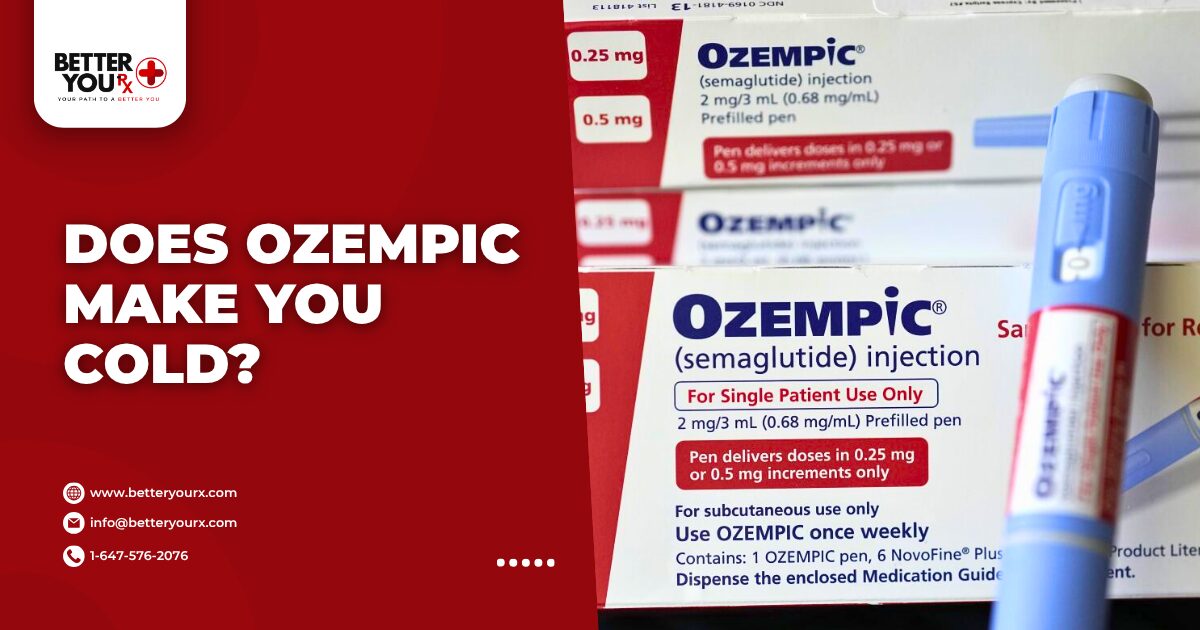
Many users ask, does Ozempic make you cold? The short answer is yes, it can, though not everyone feels it the same way. Some describe a constant chill or sensitivity to cool air, while others just notice their hands and feet seem colder than before. This mild temperature change usually happens because Ozempic alters your metabolism, eating patterns, and body composition. When your body burns fewer calories and stores less fat, it naturally produces less heat, making you feel cooler even in normal environments. Although this effect can be surprising, it’s rarely harmful and often disappears after your body adapts to the medication’s metabolic rhythm.
Ozempic (Semaglutide) is designed to help control blood sugar and appetite, but those same systems that manage glucose also influence how much energy your body releases as heat. So, if you’ve just started taking it, that chilly feeling is simply your system adjusting to a slower metabolic rate and reduced calorie intake rather than a sign that something is wrong.
What Ozempic Does Inside Your Body
Ozempic belongs to the GLP-1 receptor agonist class, which mimics the natural hormone glucagon-like peptide-1. This hormone helps regulate blood sugar by triggering insulin release when needed and slowing the movement of food through your digestive tract. The slower digestion process keeps you feeling full longer, decreases spikes in glucose, and ultimately helps reduce overall calorie consumption.
Because digestion itself generates body heat, slowing it down slightly lowers the heat your body creates during and after meals. Over time, this reduced thermogenesis may lead to sensations of chill or mild shivering, especially if you combine Ozempic with a calorie-restricted diet. Yet, this adjustment also represents the medication doing its job: helping you conserve energy and burn stored fat more efficiently.
If you want to understand how weekly injections work in regulating glucose and appetite, explore Ozempic here and see why it’s become a trusted choice for diabetes and weight management.
Why You Might Feel Cold on Ozempic

Several overlapping factors can make you feel cold when you start Semaglutide. Reduced calorie intake lowers internal heat production, and the gradual loss of insulating body fat allows warmth to escape more easily. In addition, changes in hormones may slightly shift how blood flows to the skin’s surface, leading to cooler hands and feet.
Some people also experience a minor drop in blood sugar between meals, especially during the first few weeks of therapy. When glucose dips, your body responds by tightening blood vessels to conserve energy, which can heighten the cold sensation. It’s a subtle signal that your metabolism is recalibrating to a leaner energy use.
Your body’s adaptation phase varies: some people adjust in days, while others notice cooler temperatures for a few months. During this time, gentle movement, hydration, and proper nutrition can help stabilize your internal temperature.
How Common Is It
The sensation of being cold while on Ozempic is uncommon but not rare. Reports suggest that only a small portion of users notice it regularly, and the intensity usually fades as their metabolism stabilizes. Those who lose weight rapidly or follow strict low-calorie diets are more likely to feel cooler than individuals with moderate, steady weight reduction.
This temporary sensitivity to temperature is a normal response to metabolic change rather than an allergic reaction or drug intolerance. If you experience it, try to see it as a physical sign that your body is using energy differently—burning fat stores and conserving calories for essential functions.
For further insight into insulin timing and glucose control, check Short vs Long-Acting Insulin to understand how each option affects your daily rhythm.
Typical Sensations and What They Mean
People describe their experiences differently. Some feel cold after eating smaller meals; others wake at night with chills. A few notice the sensation during physical inactivity or when skipping snacks. The table below outlines what these feelings often indicate.
| Sensation | Likely Reason | Helpful Action |
| Cold hands and feet | Lower peripheral blood flow | Gentle stretching or warm drinks |
| Shivering | Mild glucose fluctuations | Small high-protein snack |
| Cold sweats | Low blood sugar or anxiety | Monitor glucose, rest, hydrate |
| Persistent chill | Rapid fat loss | Slow down rate of weight loss |
| Fatigue with cool skin | Metabolic adjustment | Ensure balanced nutrition |
Usually, these are transitional signs that the body is becoming more efficient. Keeping warm, staying nourished, and giving yourself time to adapt help the process feel smoother.
How Metabolism and Thermoregulation Interact

Your body maintains core temperature through a balance of heat production and loss. Every movement, breath, and chemical reaction contributes to warmth. Ozempic alters that balance by reducing appetite, lowering energy expenditure, and slowing digestion. Less activity in these systems equals slightly less heat.
Because the drug enhances insulin sensitivity, energy is directed more toward storage and repair than heat generation. The body essentially enters a fuel-saving mode. Combine this with gradual fat loss, and you have a perfect recipe for brief cold sensitivity. Understanding this link between metabolism and thermoregulation makes it easier to manage sensations without worry.
Managing Cold Sensitivity While on Ozempic
You can ease chilliness by supporting healthy circulation and metabolism. Eat small, balanced meals that include protein and complex carbs to keep blood sugar steady. Add spices like ginger or cayenne, which naturally boost body warmth. Staying active also helps; even light walking increases blood flow and body temperature.
Clothing matters too. Choose layers that trap air but breathe easily so your body can adjust without overheating later. At home, a warm beverage or short stretching break may help more than turning up the thermostat.
To understand how multiple diabetes medications interact and influence comfort, visit Basal vs Bolus Insulin for clear guidance on combination management.
Comparing Ozempic to Other GLP-1 Medications
Other GLP-1 drugs such as liraglutide and tirzepatide work in similar ways and can cause comparable sensations, though the degree varies. Semaglutide tends to be more potent and longer-acting, which means the adjustment period might feel stronger initially but settles faster later.
| Medication | Dosing Frequency | Temperature Sensitivity |
| Ozempic | Weekly | Mild to moderate in early use |
| Wegovy | Weekly | Similar effects |
| Mounjaro | Weekly | Slight, often transient |
| Saxenda | Daily | Rare temperature changes |
If chill sensations persist, switching formulations may help. Compare weekly and daily injectables through Wegovy to see which pattern fits your comfort level.
When Cold Feeling Signals Something Else
Occasionally, a cold feeling can point to something beyond Ozempic’s normal metabolic effects. If you experience fatigue, hair loss, or extremely cold extremities, it may be worth checking thyroid function or iron levels. These conditions can magnify temperature sensitivity. Persistent coldness might also indicate that weight loss is happening too quickly, which can strain your system.
Discussing your symptoms openly with your provider allows adjustments to dosage or nutritional support before discomfort escalates. Regular lab checks during long-term therapy ensure that all systems remain balanced.
Practical Ways to Stay Comfortable
Managing cold sensitivity doesn’t require major lifestyle changes—just mindful adjustments. Eating warm soups or whole-grain porridge in the morning can jump-start metabolism for the day. Staying hydrated keeps blood volume steady, preventing sluggish circulation.
Try to avoid very low-calorie or fasting diets while on Ozempic unless supervised by your doctor, as these can amplify the cold feeling. Gentle exercise after meals, such as stretching or walking, boosts both digestion and heat production.
For additional insight into safe dose adjustments and energy balance, read Insulin Dosing Weight-Based—a concise reference for individualized dosing strategies.
Who Is Most Susceptible
Those with smaller body frames, limited muscle mass, or rapid fat reduction are more likely to feel cold. Women often report this symptom slightly more than men, possibly due to hormonal differences affecting circulation. Older adults may also notice it because natural thermoregulation slows with age.
Knowing you fall into one of these categories helps you plan ahead with appropriate clothing and nutrition. Remember, it’s a temporary signal of metabolic efficiency rather than a warning sign.
Long-Term Adaptation
After a few months, most people stop noticing any temperature difference. The body recalibrates once weight loss slows and energy expenditure finds a new equilibrium. Maintaining consistent eating habits and gentle physical activity supports this adaptation.
If the sensation continues beyond six months, your doctor might slow your dose escalation or consider another GLP-1 medication. Each person’s comfort threshold is unique.
You can also explore Mounjaro KwikPen, a dual-action therapy that targets both GLP-1 and GIP receptors for comprehensive glucose control.
Supporting Your System With Nutrition and Hydration
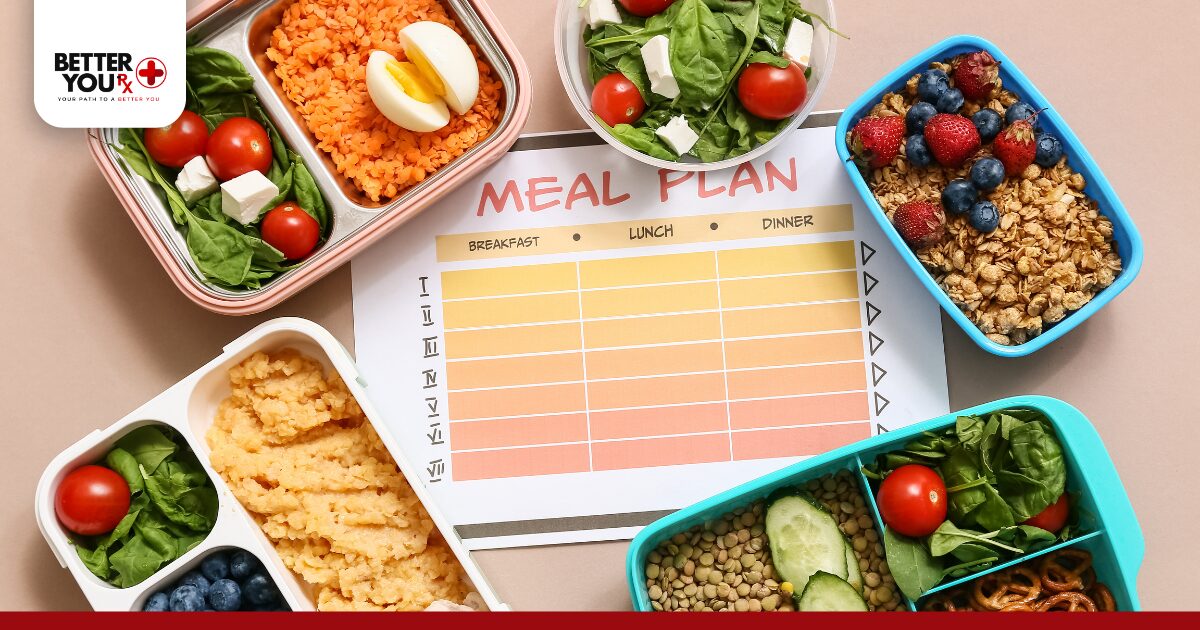
Your body needs micronutrients to sustain warmth. Iron and B-vitamins help red blood cells carry oxygen, while magnesium assists in energy release from food. Pairing Ozempic with a nutrient-dense diet keeps metabolism active even with smaller meals.
Drink water regularly, but not excessively—steady hydration maintains circulation and temperature balance. If you exercise, replace fluids with electrolytes to avoid lightheadedness or extra chill after sweating.
When to Call Your Doctor
Contact your provider if cold sensations come with weakness, confusion, or blue fingertips, as these may signal low blood sugar. Also, inform them if your chills persist despite good nutrition and stable weight. Sometimes adjusting the timing of injections or meals alleviates the symptom.
For broader understanding of insulin coordination with GLP-1 therapy, explore Lispro vs Regular Insulin—a practical look at meal-time insulin choices.
Integrating Lifestyle and Medication
Consistency is key when using Ozempic. Regular meals, hydration, adequate rest, and mild daily activity reduce side effects while improving overall results. Good sleep keeps hormones balanced, which in turn steadies body temperature. Even simple relaxation techniques, like deep breathing or stretching, improve circulation and warmth.
Learn how to synchronize medication schedules and diet through Basal vs Bolus Insulin, a guide that complements long-term diabetes management.
The Bottom Line
So, does Ozempic make you cold? It can, especially during the early stages of treatment when your metabolism adjusts to slower digestion and lower calorie use. These chills or cold sensations are temporary, harmless, and often reflect that your body is responding to the medication’s metabolic changes.
Simple steps, such as eating nourishing foods, keeping hydrated, dressing warmly, and staying lightly active, can make the adjustment period easier. Over time, most users find the feeling fades entirely as their system settles into its new rhythm. Should coldness persist or interfere with daily comfort, a quick consultation with your healthcare provider can ensure your therapy remains both effective and pleasant.
Frequently Asked Questions
Does Ozempic give you the chills?
Some users report mild chills during the first few weeks of treatment. It’s generally linked to a temporary slowdown in metabolism and slight drops in blood sugar. Balanced meals and gentle movement usually ease this feeling.
Does Semaglutide make you cold?
Yes, Semaglutide can cause mild cold sensations because it reduces appetite and digestive activity, resulting in less heat production. This phase typically improves once your body adapts to the medication.
Is it normal to feel cold when losing weight?
Absolutely. As fat layers thin, your body loses insulation and reacts more to ambient temperatures. Combine this with fewer calories, and coolness becomes more noticeable until your weight plateaus.
Does Ozempic give you cold-like symptoms?
No, Ozempic doesn’t cause congestion or a sore throat. If you experience flu-like issues, they are likely unrelated and should be checked separately by your doctor.
What is the biggest side effect of Ozempic?
The most common reaction involves digestive changes such as nausea or constipation. These tend to fade with time as the gastrointestinal tract adjusts to slower emptying.
What medications make you feel cold?
Certain beta-blockers, thyroid regulators, and appetite suppressants can reduce body warmth. Ozempic works differently but may share a mild version of that effect due to metabolic efficiency.
When do you feel the worst on Ozempic?
Most discomfort happens early in therapy or right after a dose increase. Once your system adjusts, energy levels and comfort generally improve, and the cold sensation lessens considerably.