
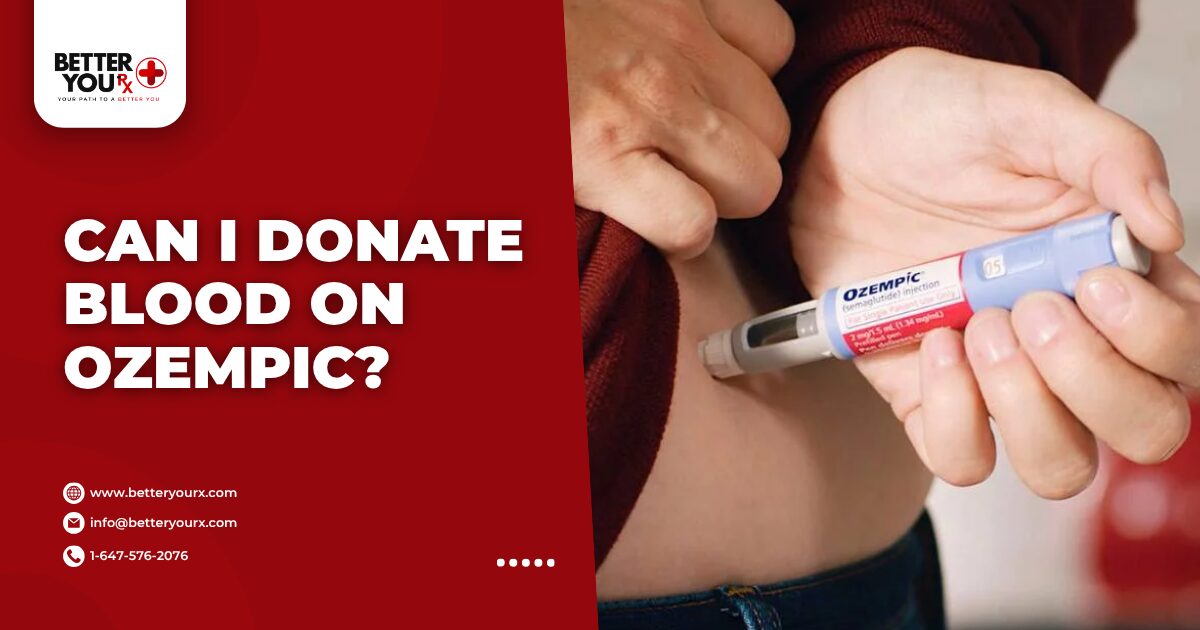
If you’ve ever wondered can I donate blood on Ozempic, the short answer is yes — it’s usually safe when your blood sugar and overall health are well-managed. Donating blood while on Ozempic requires stability, hydration, and preparation to prevent dizziness or fatigue. Understanding how Ozempic affects your body helps you plan around dosage days, maintain energy, and meet eligibility guidelines. Most users can safely give blood once they feel steady and side effects have settled. By managing your medication, eating well, and staying hydrated, you can donate confidently while supporting your health and helping others.
Ozempic, a popular medication for diabetes and weight management, works by regulating insulin and appetite. While it doesn’t directly affect your blood quality, timing and medical supervision are key. Understanding the connection between medications like Ozempic and blood donation helps you give safely and responsibly. People searching for information about donating blood while on Ozempic often want to know if the medication influences their ability to give blood safely.
Why Your Medication Matters When Donating Blood

When you take any medication — including Ozempic — your body chemistry changes. Blood donation centers need to ensure that nothing in your blood could pose a risk to the recipient. This is why they carefully review your medications before approving you for donation. Each medication affects the body differently, so disclosure ensures that your donation meets medical standards. It also helps determine if you should wait a few days or if you can donate immediately. Open communication between donors and staff is vital for safety and proper screening.
Blood donation centers screen donors carefully to protect both donors and recipients. Medications such as Ozempic (semaglutide) may raise questions because they influence metabolism, glucose levels, and digestion. But the good news is: taking Ozempic typically doesn’t disqualify you from donating blood. Understanding Ozempic and blood donation rules can help you make better decisions about when and how to give blood safely.
Why Blood Donation Rules Exist
Donation rules exist to guarantee that the blood supply remains safe and beneficial for recipients. Some medications can alter the composition of your blood or remain active in plasma. With Ozempic, there’s no known risk of transmission or toxicity, but it’s important that your blood sugar and hydration levels remain steady before donation. If you’re on other medications for diabetes or weight control — such as Wegovy, Mounjaro KwikPen, or Saxenda — you should discuss your treatment schedule with your healthcare provider before donating.
How Ozempic Affects Your Body Before Blood Donation
Ozempic slows digestion, reduces appetite, and improves blood sugar stability. While these effects are beneficial for weight management, they can influence how your body reacts to donating blood. For example, if Ozempic suppresses your appetite, you might not eat enough before your donation, which could lead to dizziness or fatigue. It’s essential to understand these effects before visiting a blood center. Additionally, everyone’s reaction to Ozempic varies depending on how long they’ve been taking it. Understanding your body’s tolerance can help you plan for a smoother donation experience. Always consult your physician before donating if you’re unsure about your body’s response or Ozempic side effects and eligibility.
Here’s what happens when you donate blood while using Ozempic:
| Effect | Description | Recommendation |
| Blood Sugar Fluctuations | Ozempic helps regulate glucose, but fasting or stress from donation may cause dips. | Eat a balanced meal before donating. |
| Dehydration Risk | Nausea or reduced appetite can lower hydration. | Drink plenty of fluids 24 hours prior. |
| Dizziness or Fatigue | Common after donation, more likely if you’ve eaten little. | Rest afterward, avoid heavy exercise. |
| Digestive Delay | Food absorption may be slower. | Avoid donating on an empty stomach. |
If your blood sugar has been unpredictable, your healthcare provider may recommend delaying donation. Stable control is essential for safe donation and recovery. Anyone considering can I give blood on semaglutide should assess their energy levels and hydration before donating.
Eligibility Requirements for Donating Blood on Ozempic
When you’re taking Ozempic, these rules ensure your blood is safe for recipients and that you won’t experience any health issues during or after the donation. Following these guidelines helps maintain your well-being while ensuring safe blood supply for others. Being transparent about your medication history makes the process smoother for everyone. Moreover, meeting these eligibility requirements helps protect the integrity of donated blood and ensures it benefits those in need. It’s always best to review your local donation center’s updated policies before arriving, especially if you’re taking Ozempic or similar medications.
Here are the general eligibility factors:
| Eligibility Factor | Requirement | Notes |
| Age | 17+ years (16 with parental consent) | Must meet local requirements. |
| Weight | Minimum 110 lbs (50 kg) | Ensures safe blood volume withdrawal. |
| Blood Sugar | Stable readings, no recent hypoglycemia | Essential for diabetic donors. |
| Medication Use | Ozempic use is acceptable if prescribed and stable | Avoid if recently started or experiencing side effects. |
| General Health | Feeling well on donation day | No active nausea, dizziness, or fatigue. |
These requirements emphasize overall wellness rather than medication use. Most people taking Ozempic for diabetes or weight management can donate if they’re feeling stable and healthy. If you’re taking insulin alongside Ozempic, it’s important to understand how both medications work together. Review our guide on Insulin 70/30 Dosage Calculation to manage your glucose levels effectively before donation.
How to Prepare for Blood Donation While Taking Ozempic
Proper preparation helps your body handle the stress of blood donation. Since Ozempic affects your digestion and appetite, it’s crucial to prepare your body in advance to reduce the risk of dizziness, low energy, or nausea. Taking small steps before donating can help you recover faster. Preparation also makes the process more comfortable. Plan your donation for a day when you’re feeling your best, as Ozempic users can experience varying energy levels. A few days of good rest, hydration, and healthy meals make a noticeable difference. Always give yourself time to recover properly afterward and follow any Ozempic and blood donation safety recommendations.
1. Eat a Balanced Meal
Avoid donating on an empty stomach. Choose protein-rich foods like eggs, yogurt, or chicken, paired with complex carbs such as oats or whole grains. This helps maintain stable blood sugar throughout the process. A balanced meal reduces weakness and improves recovery.
2. Stay Hydrated
Drink plenty of water or electrolyte drinks before and after donation. Dehydration increases the risk of dizziness, especially if Ozempic has reduced your thirst. Staying hydrated ensures healthy blood flow. It also supports faster healing after donation.
3. Monitor Blood Sugar Levels
If you manage diabetes with insulin, check your glucose before your appointment. Learn more about how insulin works with Basal vs. Bolus Insulin strategies to ensure safe levels. Keeping your readings stable prevents sudden drops. Always carry a small snack to avoid hypoglycemia.
4. Rest and Recover
Plan for light activity after donating. Your energy might dip due to lower blood volume, so it’s best to avoid workouts or fasting that day. Resting helps your body replenish red blood cells. Take it easy for at least 24 hours.
5. Schedule Around Injection Days
If possible, donate blood on a day you haven’t recently taken your Ozempic injection. This minimizes the chance of nausea or appetite loss during recovery. It also gives your body time to stabilize. Try to donate midway between doses for best comfort.
When You Should Avoid Donating Blood

Even though can I donate blood on Ozempic typically has a yes answer, there are certain scenarios where you should wait. Your body must be in a stable state before donating blood to prevent adverse effects. Postponing donation is a smart choice if you’re feeling unwell. Taking extra time ensures a better experience for both you and the recipient. Waiting a few weeks often allows side effects to subside. This patience can help you avoid fatigue or nausea during recovery. Always check in with your doctor before rescheduling your donation, especially if you’re managing multiple medications or Ozempic weight loss and blood donation safety concerns.
You should postpone donation if:
- You recently started Ozempic or changed your dosage.
- You’ve experienced strong side effects like vomiting or fatigue.
- You’re recovering from surgery, infection, or low iron.
- Your blood sugar readings are unstable.
If you fall into these categories, delay donation until your body adjusts. Always inform the donation center about any recent medication changes. For further clarity on insulin management during medical routines, read Lispro vs. Regular Insulin, which outlines how different insulin types affect your system, especially if combined with Ozempic.
What to Expect During and After Donation
Knowing what to expect can make the process smoother and more comfortable. The donation itself usually takes 8–10 minutes, but preparation and recovery can add another 30 minutes. You’ll rest briefly after donation to ensure your body adjusts safely. Following post-donation tips can help prevent dizziness or fatigue. After donating, your body begins restoring plasma within hours. Staying hydrated and eating iron-rich foods will help this recovery. A calm, steady approach after donation ensures you’ll be ready for your next session sooner.
Quick Recovery Tips
- Monitor Glucose: Check your levels post-donation. Keeping track helps detect low readings early.
- Avoid Alcohol: It can dehydrate and lower your blood pressure. Stick to water or juice for 24 hours.
- Pause Exercise: Wait 24 hours before strenuous activity. Giving your body rest time supports recovery.
Learn more about insulin balance through our resource on Insulin Dosing by Weight, especially if you use both insulin and GLP-1 medications.
Which Option is Best for You: Donate or Wait?
Deciding whether to donate or wait depends on your current health stability. If your blood sugar, hydration, and energy are consistent, it’s safe to proceed. However, if you’ve recently adjusted your Ozempic dosage or are feeling unwell, postponing your donation is the better choice. Listening to your body ensures a safer experience. Some people find that skipping a donation during medication adjustments helps prevent fatigue. Always prioritize your health before helping others. When you’re ready, your contribution will make an even greater difference. This advice applies to anyone wondering about Ozempic and blood donation rules.
If unsure, consult your doctor or diabetes educator. They can help you plan your donation around your medication cycle for maximum safety. Their advice helps you stay confident about when to donate. Proper timing benefits both you and recipients.
Other Medications to Watch When Donating Blood
Not all medications have the same effect on eligibility. While Ozempic is generally safe, some medications make you temporarily or permanently ineligible. These include antibiotics, acne treatments, and blood thinners. Disclosing your prescriptions helps blood centers protect everyone involved. Reviewing your medication list with staff takes only minutes but ensures complete safety. In some cases, you may only need to wait a few days after finishing treatment. Always clarify these details during your screening, as it directly affects medications that disqualify blood donors.
Common disqualifying medications include:
- Antibiotics (if treating active infections)
- Blood thinners like warfarin
- Certain acne medications (e.g., isotretinoin)
- Antimalarials within the past year
Always disclose your current prescriptions to the donation center. Transparency keeps both you and recipients safe. For a better understanding of medication management, explore our guide on Insulin 70/30 Dosage Calculation or learn more about how basal and bolus insulin dosing works.
Final Thoughts
So, can I donate blood on Ozempic? Yes — as long as you’re feeling well, staying hydrated, and maintaining balanced blood sugar levels. Taking Ozempic doesn’t automatically disqualify you, but preparation, diet, and overall stability are key before donating. Always communicate honestly with your healthcare provider and the blood donation staff about your medication use.
Giving blood is not just about generosity — it’s also about responsibility and awareness. By understanding how your medication impacts your health, you help ensure that every donation is safe and effective. Donating blood while on Ozempic can be a meaningful way to give back while still managing your health goals.
If you’re uncertain about timing, check with your doctor or diabetes educator before donating. They can help you plan your donation day for the best results and ensure your body is ready. Remember, your health always comes first, and a well-timed donation benefits both you and those in need.
Ultimately, giving blood while on Ozempic is safe for most people when approached thoughtfully. Stay hydrated, plan ahead, and listen to your body — these small steps make a big difference in both your comfort and the quality of your donation.
If you’re managing diabetes or weight loss with GLP-1 medications, check out these medications:
Frequently Asked Questions
What medicines disqualify you from donating blood?
Certain medications like isotretinoin (for acne), blood thinners, and some antibiotics can temporarily disqualify you. The concern is whether the medicine might affect the safety of your blood or the health of the recipient. Donation centers assess each case individually. Always provide your medication list to ensure eligibility.
Can you donate blood while taking weight loss injections?
Most people can safely donate blood while on injections like Ozempic or Wegovy. These medications do not contaminate your blood or pose a risk to recipients. However, side effects like nausea or dizziness may make donating uncomfortable. It’s best to wait until you feel stable before scheduling a donation.
Can you donate blood if you take diabetes medication?
Yes, donating blood while on diabetes medication is allowed if your condition is under control. Insulin users can donate as long as glucose levels remain steady and there are no recent changes in dosage. Always check with your doctor first to ensure it’s safe for you. Stable blood sugar helps prevent fainting or dizziness.
What disqualifies me from being a blood donor?
Temporary disqualifications include recent surgeries, infections, or certain medications. Permanent restrictions may apply to those with chronic illnesses like hepatitis or heart conditions. Always review your eligibility with the donation center before visiting. Staying transparent helps them ensure donor and recipient safety.
Who is not allowed to donate blood?
People with chronic infections, uncontrolled hypertension, or anemia are typically ineligible. Those recently vaccinated or who received a transfusion may also need to wait. Every center follows its own health criteria to maintain safe blood supplies. Always double-check the guidelines before booking an appointment.
Which blood type is the rarest?
AB negative (AB-) is the rarest blood type, found in less than 1% of people worldwide. Despite being uncommon, AB plasma is universally compatible and highly valuable. Blood banks often prioritize donations from AB- donors. No matter your type, every donation helps save lives.