Short vs Long Acting Insulin: Which Type is Right for You?

Managing diabetes effectively means understanding the different types of insulin and how they work in your body. The choice between short vs long acting insulin can significantly impact your blood sugar control, daily routine, and overall quality of life.

Short-acting insulin works quickly to manage blood sugar spikes after meals, while long-acting insulin provides steady glucose control throughout the day. Each type serves a specific purpose in diabetes management, and many people use both as part of their treatment plan.

In this guide, we’ll break down the key differences between short and long acting insulin, help you understand which type might work best for your lifestyle, and explain how to use them effectively for optimal blood sugar control.

Need reliable insulin options? Browse our insulin collection for fast-acting and long-lasting solutions.

What Is Short Acting Insulin

Short acting insulin is designed to work quickly in your body, typically starting to lower blood sugar within 30 minutes to 2 hours after injection. This type of insulin is essential for managing blood glucose spikes that occur after eating meals.

Unlike long acting insulin, short acting insulin has a relatively brief duration of action, making it perfect for covering the immediate rise in blood sugar from food consumption.

Basic Definition and Purpose

Short acting insulin, also called regular insulin, is a fast-working medication that helps your body process glucose from meals. It mimics the natural insulin response your pancreas would normally produce when you eat.

You’ll typically inject short acting insulin 30 minutes before meals to ensure it’s working when your blood sugar begins to rise. The timing is crucial because this insulin needs to align with your body’s natural digestion process.

Common brand names include Humulin R, Novolin R, and rapid-acting options like Apidra. Each has slightly different onset times and durations, but all serve the same basic function of managing post-meal glucose levels.

How It Works in Your Body
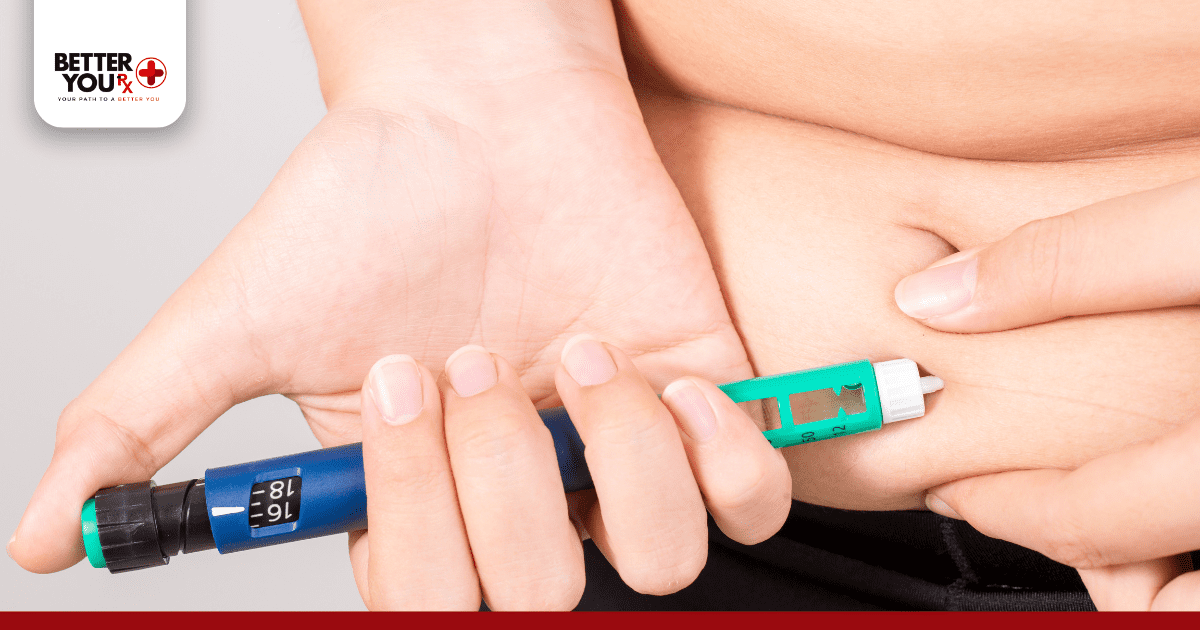
Short vs Long-Acting Insulin

When you inject short acting insulin, it enters your bloodstream and helps cells absorb glucose from your blood. This process typically begins within 30 minutes to 1 hour, peaks at 2-4 hours, and lasts for 6-8 hours total.

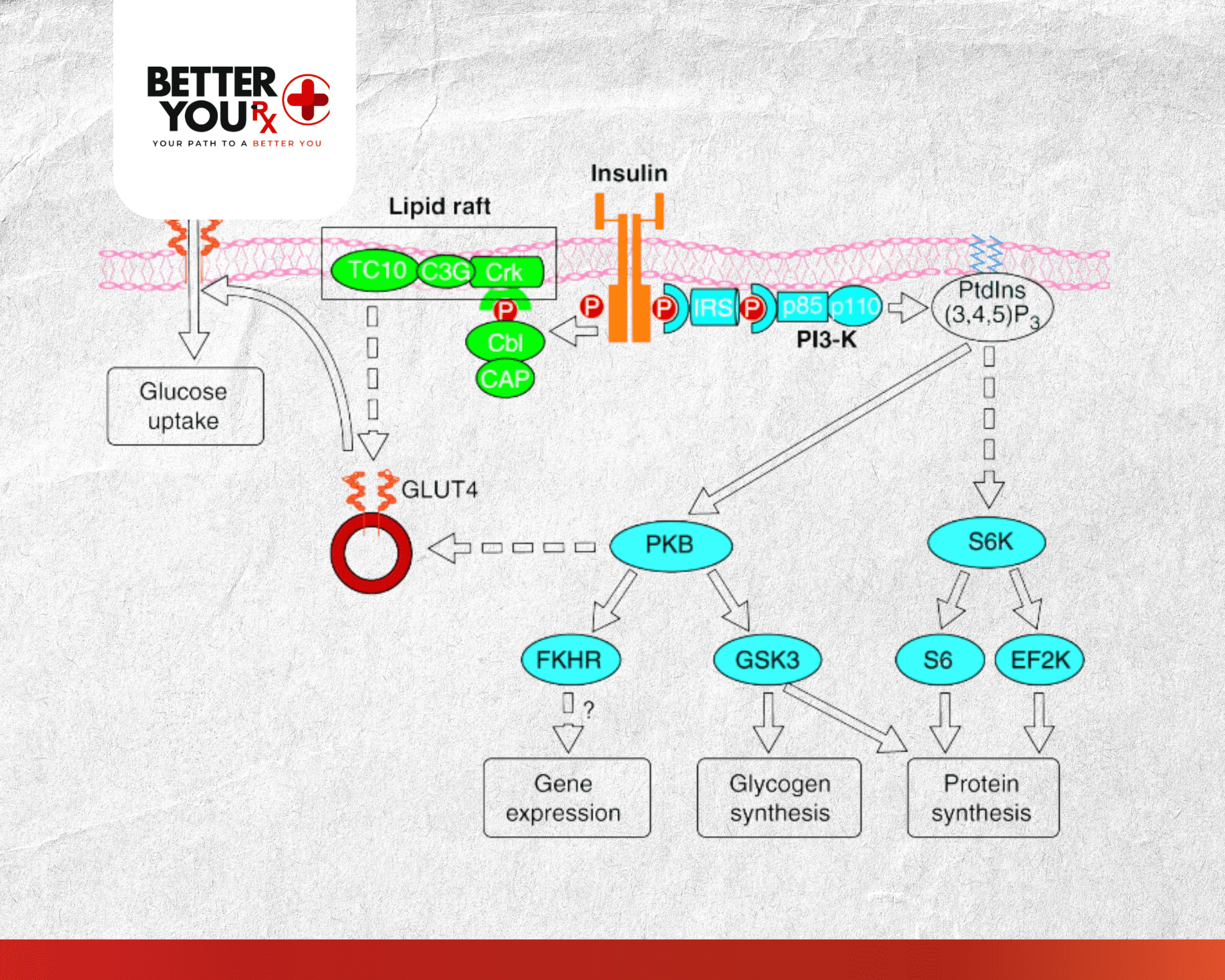
The insulin works by binding to insulin receptors on your cells, essentially “unlocking” them to accept glucose. Without this process, glucose would remain in your bloodstream, leading to dangerous high blood sugar levels.

Your body absorbs short acting insulin at different rates depending on injection site, activity level, and individual metabolism. Injecting into the abdomen usually provides the fastest absorption, while thigh injections tend to work more slowly.

Types and Brand Options

Several types of short acting insulin are available, each with specific characteristics:

  • Regular insulin (Humulin R, Novolin R): Traditional short acting insulin that starts working in 30-60 minutes
  • Rapid-acting insulin (Humalog, Novolog, Apidra): Newer formulations that begin working within 15 minutes
  • Ultra-rapid insulin: The newest category that starts working in as little as 5-10 minutes

The choice between these options depends on your eating schedule, lifestyle, and how your body responds to different formulations. Many people find rapid-acting insulin more convenient because it can be taken just before or even during meals.

What Is Long Acting Insulin

Long acting insulin provides steady, consistent blood sugar control for 18-24 hours or longer. This type of insulin works as your body’s “background” insulin, mimicking the slow, continuous insulin release a healthy pancreas produces throughout the day and night.

Unlike short acting insulin that handles meal-related glucose spikes, long acting insulin maintains stable blood sugar levels between meals and while you sleep.

Basic Definition and Purpose

Long acting insulin, often called basal insulin, is designed to provide a steady release of insulin over an extended period. It helps control your baseline blood sugar levels when you’re not eating, preventing dangerous glucose fluctuations throughout the day.

You typically inject long acting insulin once or twice daily, usually at the same time each day to maintain consistent levels in your bloodstream. This predictable dosing schedule makes it easier to manage your diabetes routine.

Popular options include Basaglar, Lantus, Levemir, and Tresiba. Each has a different duration and release pattern, but all provide the extended coverage your body needs for optimal glucose control.

How It Works in Your Body

Long acting insulin is formulated to release slowly and steadily into your bloodstream over many hours. The insulin molecules are modified to delay absorption, creating a smooth, consistent effect rather than sharp peaks and valleys.

Most long acting insulins begin working within 1-2 hours after injection and maintain steady levels for 18-24 hours. Some newer formulations like Tresiba can last up to 42 hours, providing even more flexibility in dosing times.

The steady release helps your liver regulate glucose production and assists your cells in maintaining proper glucose uptake throughout periods when you’re not eating. This background insulin activity is essential for preventing both high and low blood sugar episodes.

Types and Brand Options

Several long acting insulin options are available, each with unique characteristics:

  • Insulin glargine (Lantus, Basaglar): 24-hour duration with steady release
  • Insulin detemir (Levemir): 18-24 hour duration, may need twice-daily dosing
  • Insulin degludec (Tresiba): Ultra-long acting, lasts up to 42 hours
  • NPH insulin: Intermediate-acting option that bridges short and long acting categories

Your healthcare provider will help determine which long acting insulin works best based on your blood sugar patterns, lifestyle, and individual response to different formulations.

Short vs Long Acting Insulin: Key Differences

How to Use Short and Long Acting Insulin

Understanding the distinctions between short and long acting insulin is crucial for effective diabetes management. These two types serve completely different purposes and work on different timelines in your body.

Here’s a comprehensive comparison of how they stack up:

Feature Short Acting Insulin Long Acting Insulin
Onset Time 15 minutes to 2 hours 1-2 hours
Peak Effect 2-4 hours after injection No significant peak (steady release)
Duration 6-8 hours 18-42 hours depending on type
Primary Purpose Control post-meal blood sugar spikes Provide baseline glucose control
Injection Timing Before or with meals Once or twice daily, same time
Flexibility Must coordinate with meals More flexible timing
Blood Sugar Pattern Rapid drop, then returns to baseline Steady, consistent control
Common Uses Meal coverage, correction doses Overnight control, between-meal stability

When to Use Each Type

The timing and purpose of each insulin type determines when you’ll use them:

Short Acting Insulin:

  • Before meals to cover expected blood sugar rise
  • As correction doses when blood sugar is already high
  • During illness when blood sugar is unpredictable
  • For fine-tuning glucose control throughout the day

Long Acting Insulin:

  • Daily baseline coverage, usually at bedtime or morning
  • Maintaining stable glucose during sleep
  • Preventing blood sugar spikes between meals
  • Providing consistent control for people with irregular eating patterns

Combining Both Types

Many people with diabetes use both short and long acting insulin as part of a comprehensive treatment plan. This combination therapy allows for:

  • Precise control over both baseline and meal-related blood sugar
  • Flexibility in eating schedules while maintaining steady background control
  • Better overall glucose management compared to using either type alone
  • Reduced risk of both high and low blood sugar episodes

Your healthcare provider will determine the right combination and dosing schedule based on your individual needs, blood sugar patterns, and lifestyle factors.

Benefits and Considerations

Both short and long acting insulin offer specific advantages depending on your diabetes management needs. Understanding these benefits helps you work with your healthcare provider to choose the most effective treatment approach.

Short Acting Insulin Benefits

Short acting insulin provides several key advantages for managing blood glucose:

Precise Meal Control: You can adjust doses based on what and how much you plan to eat, giving you more flexibility in your diet and meal timing.

Quick Correction: When blood sugar runs high, short acting insulin can bring levels down relatively quickly, usually within a few hours.

Predictable Timing: The effects are relatively short-lived, so you know when the insulin will be most active and when it will wear off.

Reduced Post-Meal Spikes: By taking insulin before eating, you can prevent the dangerous blood sugar spikes that occur after meals.

Long Acting Insulin Benefits

Long acting insulin offers different but equally important advantages:

Steady Background Control: Provides consistent glucose management throughout the day and night without frequent injections.

Simplified Dosing: Usually requires only one or two injections per day at consistent times, making it easier to maintain your routine.

Sleep Security: Helps prevent dangerous blood sugar drops or spikes while you sleep, when you can’t monitor or treat glucose changes.

Lifestyle Flexibility: Since it works independently of meals, you have more freedom in when and what you eat without compromising glucose control.

Important Considerations

Each type of insulin also comes with specific considerations:

Short Acting Insulin Considerations:

  • Requires careful timing with meals
  • Risk of low blood sugar if you don’t eat as planned
  • Multiple daily injections needed
  • Must carry supplies when eating away from home

Long Acting Insulin Considerations:

  • Takes longer to adjust if dose needs changing
  • May not fully cover meal-related glucose spikes alone
  • Timing consistency is important for optimal effect
  • Individual response varies significantly between people

Safety reminders: Always follow your healthcare provider’s instructions for dosing and timing. Both types of insulin can cause low blood sugar if not used properly.

Looking for additional diabetes management options? Explore Byetta for complementary blood sugar control.

How to Use Short and Long Acting Insulin

Short vs Long Acting Insulin- Key Differences

Proper insulin injection technique and timing are essential for safe and effective diabetes management. Whether you’re using short acting, long acting, or both types of insulin, following correct procedures ensures optimal blood sugar control.

Injection Technique and Sites

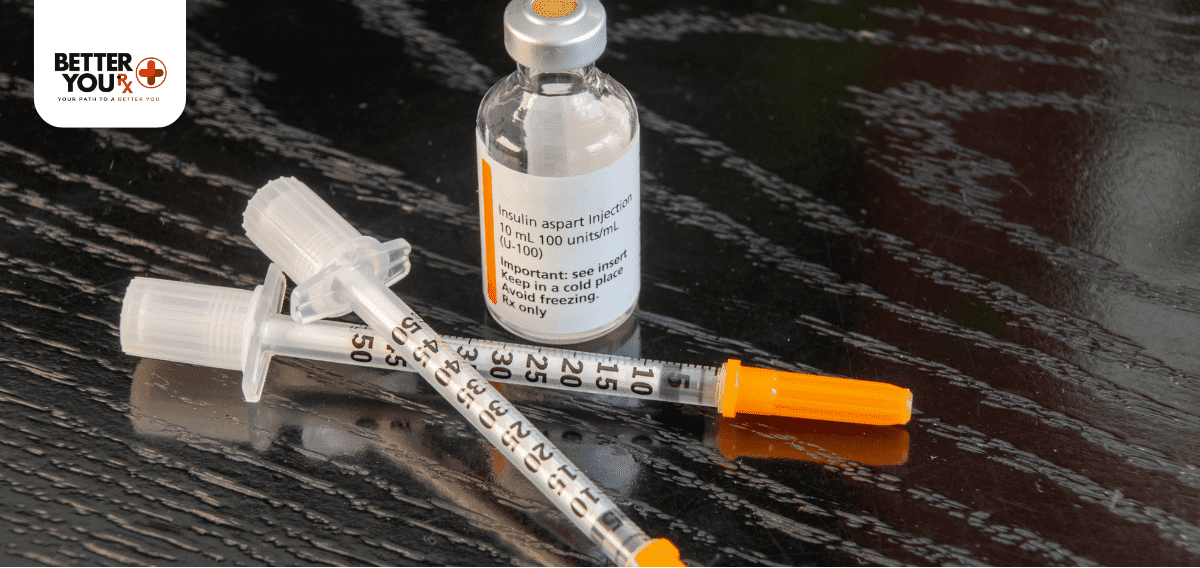
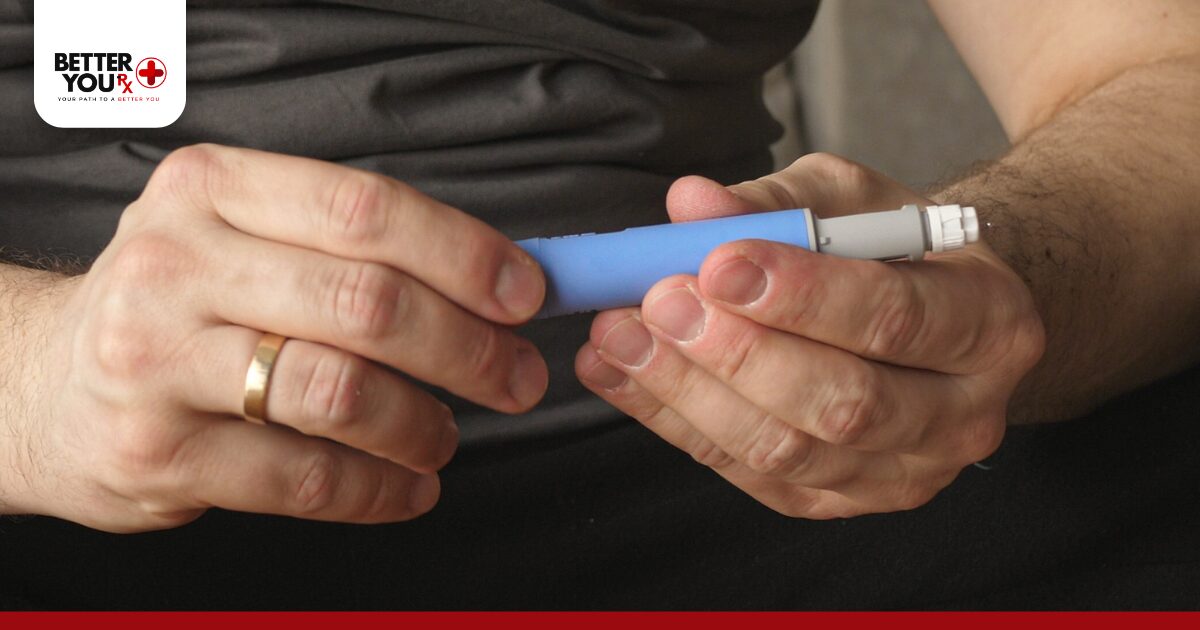
Start by washing your hands thoroughly and gathering all necessary supplies: insulin, syringe or pen, alcohol swabs, and a sharps container for disposal.

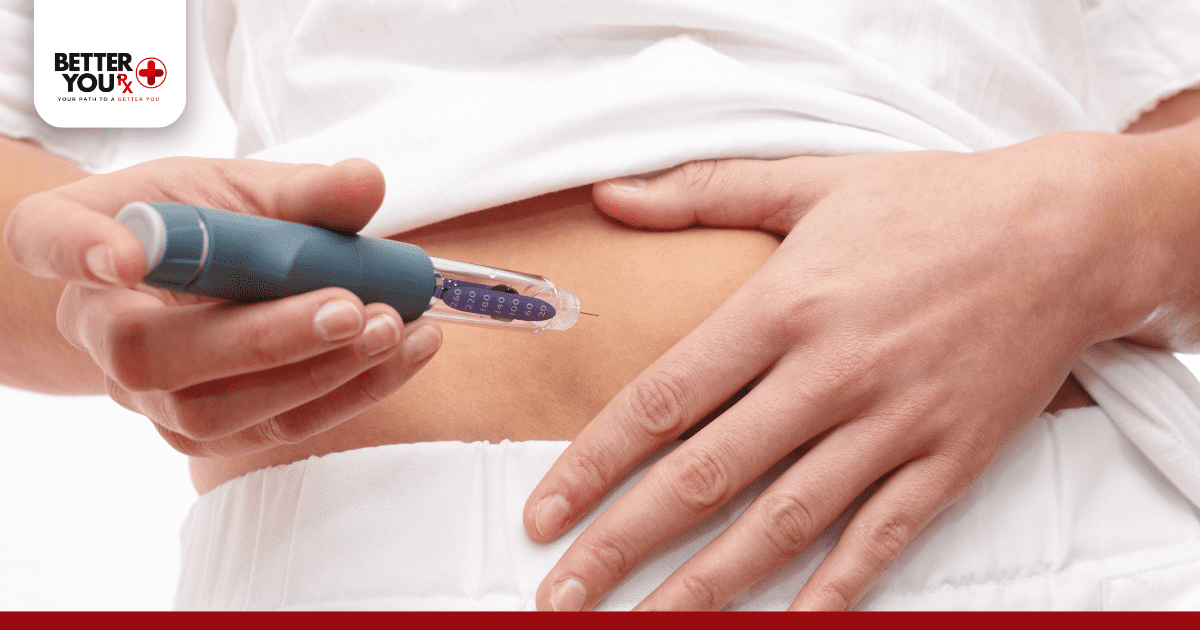
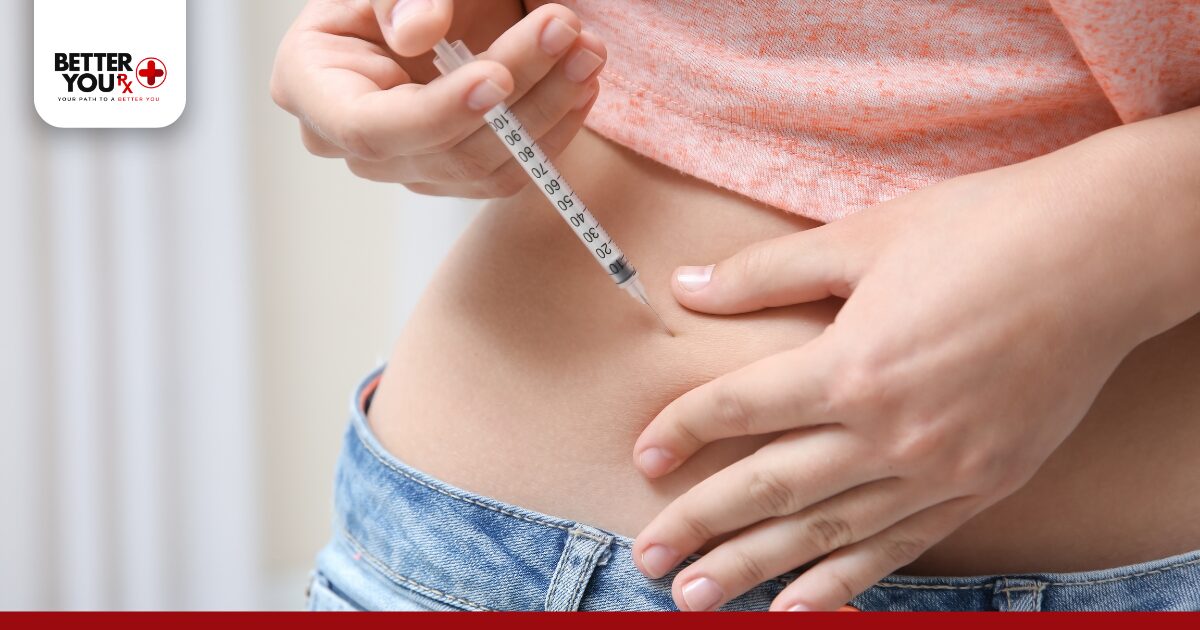
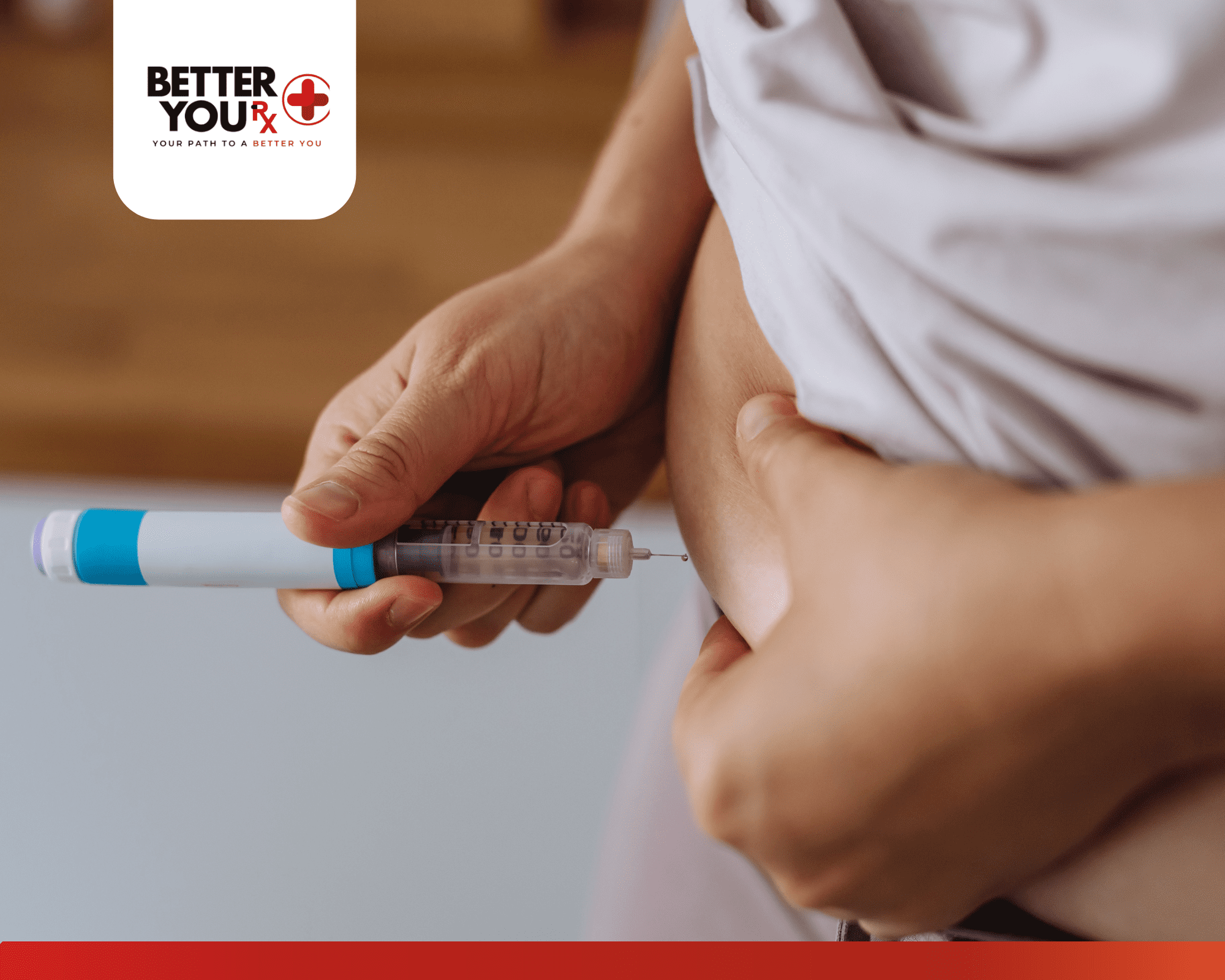
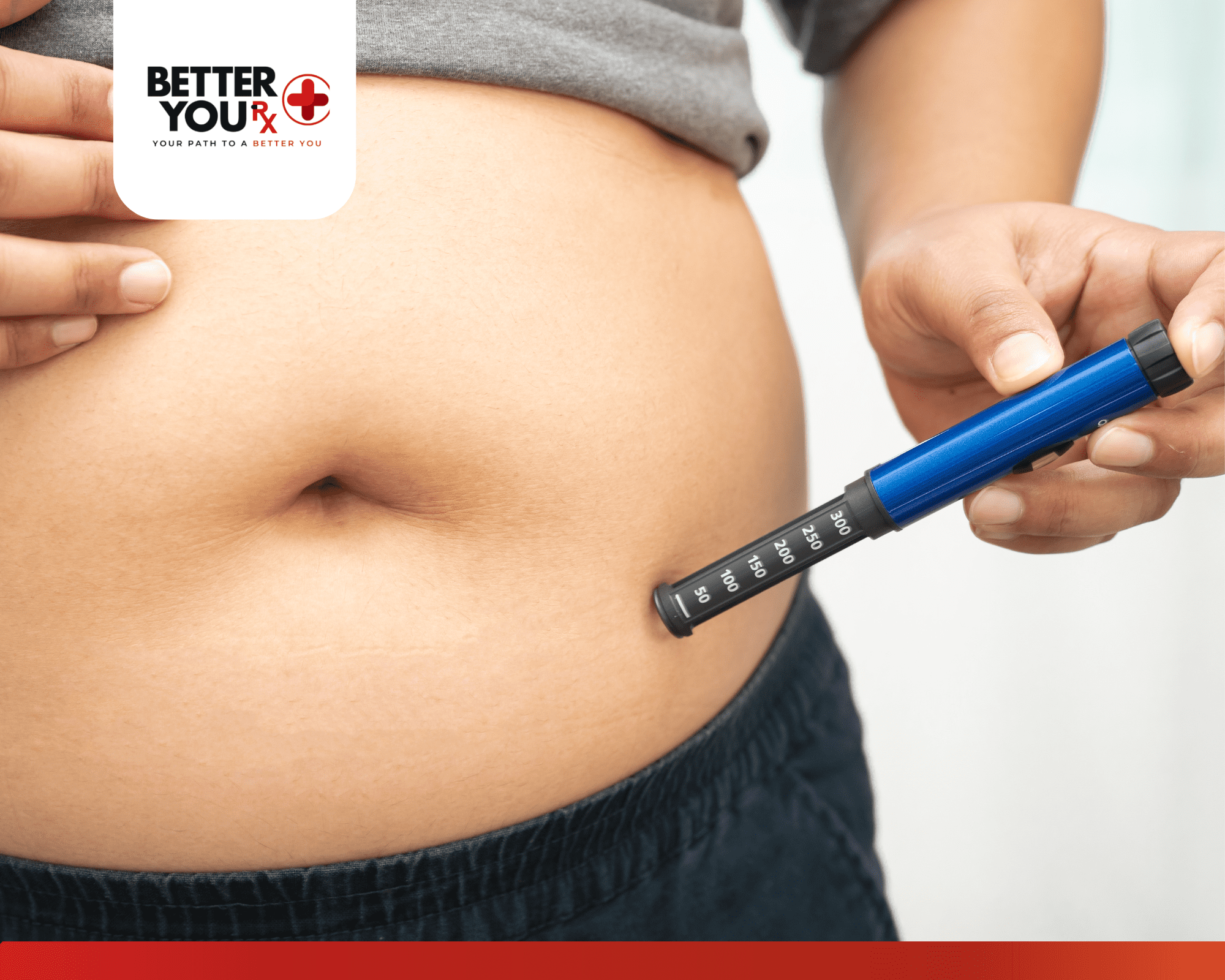
Choose your injection site carefully. The best areas include the abdomen (fastest absorption), outer thighs, upper arms, and buttocks. Rotate injection sites regularly to prevent lipodystrophy, which can affect insulin absorption.

Clean the injection site with an alcohol swab and let it dry. Insert the needle at a 90-degree angle for most people, or 45 degrees if you’re thin. Inject the insulin slowly and steadily, then wait 5-10 seconds before removing the needle to prevent insulin from leaking back out.

Never reuse needles or share insulin pens with others, as this can lead to infections or blood-borne disease transmission. Dispose of needles properly in a puncture-resistant sharps container.

Timing Guidelines

Short Acting Insulin Timing:

  • Regular insulin: Inject 30 minutes before meals
  • Rapid-acting insulin: Inject 5-15 minutes before eating
  • Can be taken during or immediately after meals if needed
  • Use for correction doses any time blood sugar is elevated

Long Acting Insulin Timing:

  • Take at the same time every day for consistent coverage
  • Many people prefer bedtime dosing for overnight control
  • Morning dosing works well for some people
  • Don’t worry about meal timing – this insulin works independently

Storage and Handling

Store unopened insulin in the refrigerator between 36-46°F, but never freeze it. Frozen insulin becomes ineffective and should be discarded immediately.

Once opened, most insulin can be stored at room temperature for 28 days, making it more comfortable to inject. Keep insulin away from extreme heat, direct sunlight, and freezing temperatures.

Always check insulin before using. Clear insulins should be colorless and free of particles. If you notice clumping, frosting, or discoloration, don’t use that insulin and contact your pharmacy for a replacement.

Monitoring and Adjusting

Regular blood glucose monitoring helps you understand how well your insulin regimen is working. Check blood sugar:

  • Before meals and at bedtime for baseline readings
  • 2 hours after meals to see how well short acting insulin is working
  • Occasionally during the night to ensure long acting insulin is providing steady coverage
  • Any time you feel symptoms of high or low blood sugar

Keep detailed records of blood glucose readings, insulin doses, meals, and physical activity. This information helps your healthcare provider make necessary adjustments to your insulin regimen.

Work closely with your diabetes care team to fine-tune your insulin doses. Never make significant changes to your insulin regimen without medical supervision, as this can lead to dangerous blood sugar fluctuations.

Wrapping Up

Choosing between short vs long acting insulin isn’t usually an either-or decision. Most people with diabetes benefit from understanding both types and how they work together to provide comprehensive blood glucose control throughout the day and night.

Short acting insulin handles the immediate challenge of post-meal blood sugar spikes, while long acting insulin provides the steady background control your body needs between meals and during sleep. Together, they can help you achieve the stable blood sugar levels that are essential for long-term health.

The key is working with your healthcare provider to find the right combination, timing, and doses that fit your individual needs, lifestyle, and blood sugar patterns. With proper education and consistent monitoring, both types of insulin can be powerful tools in managing your diabetes effectively.

Ready to take the next step in your diabetes management? Consult with your healthcare provider about which insulin types and insulin products might work best for your specific situation.

Frequently Asked Questions

Can Lantus cause dizziness?

Yes, Lantus can cause dizziness, particularly if it leads to low blood sugar (hypoglycemia). Dizziness is often one of the first symptoms people notice when their blood glucose drops too low. If you experience dizziness while taking Lantus, check your blood sugar immediately and follow your healthcare provider’s guidelines for treating low blood sugar.

Is Ozempic a short-acting insulin?

No, Ozempic is not insulin at all. Ozempic (semaglutide) is a GLP-1 receptor agonist that helps control blood sugar by increasing insulin production when blood sugar is high and slowing digestion. Unlike short-acting insulin that works within minutes to hours, Ozempic is taken once weekly and works differently to help manage diabetes.

Do type 2 diabetics take short-acting insulin?

Many people with type 2 diabetes do use short-acting insulin, especially those who have had diabetes for several years or need precise blood sugar control. Short-acting insulin is often prescribed when other medications aren’t providing adequate control, particularly for covering meals or correcting high blood sugar episodes. The decision depends on individual blood sugar patterns and overall diabetes management needs.

Can Lantus cause skin rash?

Yes, Lantus can cause skin reactions including rash, redness, or itching at the injection site. These reactions are usually mild and temporary, but persistent or severe skin reactions could indicate an allergy to the insulin. If you develop a widespread rash or other allergic symptoms, contact your healthcare provider immediately as this could be a serious allergic reaction.

What does an insulin allergy look like?

An insulin allergy can range from mild local reactions to severe systemic responses. Mild symptoms include redness, swelling, or itching at the injection site. More serious allergic reactions may cause widespread rash, hives, difficulty breathing, rapid heartbeat, or swelling of the face and throat. Severe insulin allergies are rare but require immediate medical attention.

Does insulin affect eyesight?

Insulin can temporarily affect eyesight, particularly when blood sugar levels change rapidly. When starting insulin or adjusting doses, some people experience blurry vision as their eyes adjust to changing glucose levels. This usually resolves within a few weeks. However, consistently high blood sugar over time can cause permanent eye damage, so proper insulin use actually helps protect your vision long-term.

 

Insulin Resistance vs Prediabetes: Understanding the Key Differences

Confused about insulin resistance vs prediabetes? You’re not alone. These two conditions are closely related but distinct, and understanding the difference can be crucial for your health management. While both involve problems with how your body handles blood sugar, they represent different stages and mechanisms in the journey toward type 2 diabetes.

Insulin resistance is the underlying process where your cells don’t respond properly to insulin, while prediabetes is a diagnosed condition with specific blood sugar ranges. Knowing which one you’re dealing with or if you have both can help guide your treatment decisions and lifestyle changes.

Take control of your blood sugar management. Explore our insulin products for comprehensive diabetes care.

What Is Insulin Resistance?

Insulin resistance occurs when your body’s cells don’t respond effectively to insulin, the hormone responsible for helping glucose enter cells for energy. When this happens, your pancreas produces more insulin to try to overcome this resistance, but over time, this system can become overwhelmed.

Think of insulin resistance as a key that’s getting harder to turn in a lock. Your body keeps making more keys (insulin), but the locks (your cells) are becoming increasingly difficult to open.

Basic Definition and Mechanism

Insulin resistance is a metabolic condition where cells in your muscles, fat, and liver don’t respond properly to insulin. Normally, insulin acts like a key, unlocking cells so glucose can enter and provide energy.

When insulin resistance develops, these cells become less sensitive to insulin’s signals. Your pancreas compensates by producing more insulin, leading to higher insulin levels in your blood. This extra insulin can eventually maintain normal blood glucose levels, but only temporarily.

The condition often develops gradually over years. Initially, your pancreas can keep up with the increased demand, but eventually, it may struggle to produce enough insulin to overcome the resistance.

Common Causes and Risk Factors

Several factors contribute to insulin resistance development:

  • Excess weight: Particularly abdominal fat, which releases inflammatory substances that interfere with insulin function
  • Physical inactivity: Regular exercise helps cells use glucose more efficiently
  • Poor diet: High intake of processed foods, refined sugars, and saturated fats
  • Genetics: Family history of type 2 diabetes increases your risk
  • Age: Insulin sensitivity typically decreases with age
  • Sleep disorders: Poor sleep quality affects hormone regulation
  • Chronic stress: Elevates cortisol levels, which can interfere with insulin function
  • Certain medications: Some drugs can affect insulin sensitivity

Understanding these risk factors helps identify who might be more susceptible to developing insulin resistance and what lifestyle modifications might help.

Signs and Symptoms to Watch For

Insulin resistance often develops silently, but some signs may indicate its presence:

Early symptoms include frequent hunger, especially after meals, fatigue or drowsiness after eating, and difficulty concentrating. You might also notice increased cravings for sugary or starchy foods.

Physical signs can include darkened patches of skin (acanthosis nigricans) around the neck, armpits, or groin areas. Some people experience skin tags in these same areas.

Many people with insulin resistance also struggle with weight gain, particularly around the midsection, and find it difficult to lose weight despite diet and exercise efforts.

It’s important to note that many people with insulin resistance have no obvious symptoms, which is why regular health screenings are crucial for early detection.

What Is Prediabetes?

Treatment and Management Strategies

Prediabetes is a diagnosed condition where blood sugar levels are higher than normal but not yet high enough to be classified as type 2 diabetes. It represents a critical warning stage that gives you an opportunity to prevent or delay the onset of type 2 diabetes through lifestyle changes.

Unlike insulin resistance, which describes a biological process, prediabetes is defined by specific blood test results and represents a measurable progression toward diabetes.

Medical Definition and Diagnostic Criteria

Prediabetes is diagnosed using three main blood tests, each with specific ranges:

Fasting Plasma Glucose (FPG): Measures blood sugar after fasting for at least 8 hours. Prediabetes range is 100-125 mg/dL (normal is less than 100 mg/dL).

Oral Glucose Tolerance Test (OGTT): Measures blood sugar 2 hours after drinking a glucose solution. Prediabetes range is 140-199 mg/dL (normal is less than 140 mg/dL).

Hemoglobin A1C: Reflects average blood sugar over 2-3 months. Prediabetes range is 5.7-6.4% (normal is less than 5.7%).

Healthcare providers typically use at least one of these tests, and often multiple tests, to confirm a prediabetes diagnosis. The A1C test is particularly useful because it doesn’t require fasting.

Risk Factors and Demographics

Certain groups face higher risks for developing prediabetes:

Adults over 45 years old should be tested regularly, especially if they’re overweight. However, younger adults with risk factors should also be screened.

Ethnic minorities, including African Americans, Hispanic Americans, Native Americans, and Asian Americans, face increased risks. Family history of type 2 diabetes significantly raises your chances.

Other risk factors include having gestational diabetes during pregnancy, polycystic ovary syndrome (PCOS), high blood pressure, abnormal cholesterol levels, and a history of cardiovascular disease.

Lifestyle factors like physical inactivity, poor diet, and carrying excess weight, particularly around the midsection, also increase prediabetes risk.

Progression Without Intervention

Without lifestyle changes or medical intervention, prediabetes often progresses to type 2 diabetes. Studies show that 15-30% of people with prediabetes will develop type 2 diabetes within 5 years.

The progression isn’t inevitable, though. Research demonstrates that losing 5-7% of body weight and exercising regularly can reduce diabetes risk by 58%. Even modest lifestyle changes can make a significant difference.

During the prediabetes stage, your body is still producing insulin, but either not enough or your cells aren’t using it effectively. This is your window of opportunity to reverse course before permanent damage occurs.

Need reliable insulin therapy options? Check out our Admelog vial for fast-acting insulin support.

Insulin Resistance vs Prediabetes: Key Differences

While insulin resistance and prediabetes are closely connected, understanding their differences helps clarify where you stand and what actions to take. These conditions can coexist, but they represent different aspects of metabolic health.

Here’s how insulin resistance and prediabetes compare across key areas:

Aspect Insulin Resistance Prediabetes
Nature A biological process where cells don’t respond well to insulin A diagnosed condition based on elevated blood sugar levels
Diagnosis No specific test; inferred from symptoms and risk factors Specific blood tests with defined ranges (A1C, fasting glucose, OGTT)
Blood Sugar May be normal initially due to compensatory insulin production Elevated but below diabetes threshold
Symptoms Often silent; may include fatigue, cravings, difficulty losing weight Usually no symptoms; detected through screening
Timing Can develop years before blood sugar elevation Represents measurable progression toward diabetes
Reversibility Often reversible with lifestyle changes Can be reversed or progression delayed with intervention
Treatment Focus Improving insulin sensitivity through diet, exercise, and weight management Preventing progression to type 2 diabetes
Monitoring Regular health assessments and symptom awareness Routine blood sugar testing and medical follow-up

How They’re Connected

Insulin resistance typically comes first in the progression toward type 2 diabetes. When your cells become resistant to insulin, your pancreas works harder to produce more insulin to maintain normal blood sugar levels.

For a while, this compensation works, and your blood sugar remains normal despite having insulin resistance. However, over time, your pancreas may struggle to keep up with the increased demand.

When your pancreas can no longer produce enough insulin to overcome the resistance, blood sugar levels begin to rise. This elevation in blood sugar is when prediabetes is diagnosed.

Not everyone with insulin resistance develops prediabetes, and the timeline varies significantly between individuals. Some people may have insulin resistance for years without progressing, while others move more quickly through the stages.

Can You Have Both Conditions

Prevention Strategies

Yes, many people have both insulin resistance and prediabetes simultaneously. In fact, insulin resistance is often the underlying cause of prediabetes.

When you have both conditions, it means your cells aren’t responding well to insulin (insulin resistance) and your blood sugar levels have risen above normal ranges (prediabetes).

Having both conditions doesn’t mean you’ll automatically develop type 2 diabetes, but it does indicate a higher risk and the need for more aggressive intervention strategies.

The good news is that treatments addressing one condition often help the other, since they share similar underlying mechanisms and respond to similar lifestyle interventions.

Diagnosis and Testing

Getting properly diagnosed is crucial for understanding your metabolic health and taking appropriate action. The testing approaches for insulin resistance and prediabetes differ, but both provide valuable information for managing your health.

Testing for Insulin Resistance

Unlike prediabetes, there’s no single standard test specifically for insulin resistance. Healthcare providers typically assess insulin resistance through a combination of approaches:

Clinical Assessment: Your doctor evaluates risk factors, symptoms, and physical signs like acanthosis nigricans (dark skin patches) or difficulty losing weight.

HOMA-IR Test: This calculation uses fasting glucose and insulin levels to estimate insulin resistance. While not routinely used in clinical practice, it’s valuable for research and some specialized assessments.

Metabolic Panel: Includes tests for triglycerides, HDL cholesterol, and blood pressure. High triglycerides and low HDL often accompany insulin resistance.

Glucose Tolerance Test with Insulin Measurement: Some specialists measure both glucose and insulin levels during an oral glucose tolerance test to assess how much insulin your body needs to handle glucose.

Many healthcare providers diagnose insulin resistance based on a constellation of factors rather than a single test, including your medical history, physical examination, and related metabolic markers.

Testing for Prediabetes

Prediabetes diagnosis relies on specific, standardized blood tests with established ranges:

Hemoglobin A1C: The most convenient test since it doesn’t require fasting. It measures your average blood sugar over 2-3 months. Prediabetes range: 5.7-6.4%.

Fasting Plasma Glucose: Requires fasting for at least 8 hours. Prediabetes range: 100-125 mg/dL. This test is widely available and relatively inexpensive.

Oral Glucose Tolerance Test (OGTT): You drink a glucose solution, then blood sugar is measured after 2 hours. Prediabetes range: 140-199 mg/dL. This test is more time-consuming but can detect prediabetes that other tests might miss.

Healthcare providers often use multiple tests to confirm diagnosis, especially if results are borderline or if you have risk factors that suggest testing a particular method.

When to Get Tested

For Prediabetes: The American Diabetes Association recommends screening for all adults 35 and older, regardless of weight. Adults younger than 35 should be tested if they’re overweight and have additional risk factors.

Testing frequency depends on results and risk factors. If tests are normal, repeat screening every 3 years. If you have prediabetes, test annually to monitor progression.

For Insulin Resistance: Consider evaluation if you have multiple risk factors, unexplained difficulty losing weight, family history of diabetes, or signs like dark skin patches.

Women with a history of gestational diabetes or polycystic ovary syndrome should discuss insulin resistance screening with their healthcare provider.

Take charge of your glucose management. Our Apidra cartridge offers convenient rapid-acting insulin delivery.

Treatment and Management Strategies

Insulin Resistance vs Prediabetes- Key Differences

Both insulin resistance and prediabetes respond well to similar treatment approaches, with lifestyle modifications forming the foundation of management. The goal is to improve your body’s ability to use insulin effectively and prevent progression to type 2 diabetes.

Lifestyle Modifications That Work

Dietary Changes: Focus on a balanced diet rich in whole foods, lean proteins, healthy fats, and complex carbohydrates. Limit processed foods, refined sugars, and excessive portions.

The Mediterranean diet and low-glycemic eating patterns show particular promise for improving insulin sensitivity. Consider working with a registered dietitian to develop a sustainable eating plan.

Regular Physical Activity: Exercise is one of the most effective interventions for both conditions. Aim for at least 150 minutes of moderate-intensity aerobic activity per week, plus muscle-strengthening activities twice weekly.

Both aerobic exercise and resistance training improve insulin sensitivity. Even modest increases in activity, like a 30-minute daily walk, can make a significant difference.

Weight Management: Losing even 5-7% of your body weight can dramatically improve insulin sensitivity and reduce prediabetes risk. Focus on gradual, sustainable weight loss rather than extreme measures.

Sleep Improvement: Poor sleep affects hormone regulation and insulin sensitivity. Aim for 7-9 hours of quality sleep nightly and address sleep disorders if present.

Stress Management: Chronic stress elevates cortisol levels, which can worsen insulin resistance. Incorporate stress-reduction techniques like meditation, yoga, or regular relaxation practices.

Medical Treatment Options

While lifestyle changes are primary, some people benefit from medical interventions:

Metformin: Often prescribed for prediabetes, especially in younger adults, those with BMI over 35, or women with a history of gestational diabetes. It improves insulin sensitivity and can help prevent progression to diabetes.

Other Medications: Depending on individual circumstances, healthcare providers might consider other medications that improve insulin sensitivity or help with related conditions like high blood pressure or abnormal cholesterol levels.

For those who already require insulin therapy for diabetes management, newer options like Adlyxin (lixisenatide) can help optimize blood sugar control.

Regular Monitoring: Whether or not you take medication, regular follow-up with your healthcare provider is crucial for tracking progress and adjusting treatment plans.

Creating Your Action Plan

Start by working with your healthcare team to establish clear goals and monitoring schedules. This might include target weight ranges, blood sugar goals, and specific lifestyle objectives.

Implement changes gradually rather than attempting everything at once. Start with one or two modifications, master them, then add others. This approach increases your likelihood of long-term success.

Consider joining support groups, working with healthcare professionals like dietitians or exercise physiologists, or using apps and tools that help track your progress.

Remember that managing insulin resistance and prediabetes is a marathon, not a sprint. Focus on building sustainable habits rather than seeking quick fixes.

Prevention Strategies

Prevention remains the most effective approach for both insulin resistance and prediabetes. Even if you have risk factors you can’t change, like family history or age, many prevention strategies can significantly reduce your risk or slow progression.

Diet and Nutrition Guidelines

Choose Complex Carbohydrates: Opt for whole grains, legumes, and vegetables over refined grains and processed foods. These foods provide steady energy without causing blood sugar spikes.

Prioritize Fiber: High-fiber foods slow glucose absorption and improve insulin sensitivity. Aim for 25-35 grams of fiber daily from sources like vegetables, fruits, beans, and whole grains.

Include Healthy Fats: Omega-3 fatty acids from fish, nuts, and seeds can improve insulin sensitivity. Limit saturated and trans fats, which can worsen insulin resistance.

Practice Portion Control: Use smaller plates, measure portions initially to learn appropriate sizes, and pay attention to hunger and fullness cues.

Stay Hydrated: Choose water over sugary drinks. If you want variety, try unsweetened tea, coffee, or sparkling water with lemon.

Exercise and Physical Activity

Start Where You Are: If you’re sedentary, begin with 10-15 minutes of walking daily and gradually increase duration and intensity.

Mix It Up: Combine aerobic exercise (walking, swimming, cycling) with strength training (weights, resistance bands, bodyweight exercises) for maximum benefit.

Find Activities You Enjoy: You’re more likely to stick with exercise you enjoy. Try dancing, hiking, gardening, or sports to make movement fun.

Build Activity Into Daily Life: Take stairs instead of elevators, park farther away, walk during phone calls, or do household chores more vigorously.

Set Realistic Goals: Aim for progress, not perfection. Consistency matters more than intensity when you’re building new habits.

Long-term Health Management

Regular Health Screenings: Stay up-to-date with recommended screenings for blood pressure, cholesterol, and blood sugar levels.

Maintain a Healthy Weight: If you need to lose weight, aim for 1-2 pounds per week through a combination of diet and exercise modifications.

Manage Other Health Conditions: Work with your healthcare provider to control conditions like high blood pressure or abnormal cholesterol that can worsen insulin resistance.

Stay Informed: Keep up with current research and recommendations, but be wary of fad diets or quick fixes that promise unrealistic results.

Build Your Support Network: Surround yourself with family, friends, or support groups who encourage your healthy lifestyle choices.

Conclusion

Understanding insulin resistance vs prediabetes empowers you to take control of your metabolic health. While these conditions are related, recognizing their differences helps you work more effectively with your healthcare team and make informed decisions about your care.

Insulin resistance often comes first, representing the underlying process where your cells don’t respond well to insulin. Prediabetes is the measurable result when blood sugar levels rise above normal ranges. Both conditions serve as important warnings, giving you the opportunity to make changes before type 2 diabetes develops.

The encouraging news is that both insulin resistance and prediabetes respond well to lifestyle modifications. Through strategic dietary changes, regular physical activity, weight management, and stress reduction, many people can improve their insulin sensitivity and even reverse prediabetes.

Whether you’re dealing with insulin resistance, prediabetes, or both, remember that small, consistent changes often lead to significant improvements over time. Work with your healthcare provider to develop a comprehensive plan that fits your lifestyle and health goals.

Ready to take the next step in managing your blood sugar health? Explore our comprehensive insulin products to support your diabetes management journey.

Frequently Asked Questions

Can you have insulin resistance without prediabetes?

Yes, you can have insulin resistance without prediabetes. Insulin resistance often develops first, and your pancreas may initially produce enough extra insulin to keep blood sugar levels normal. This compensation can last for years before blood sugar levels rise enough to be diagnosed as prediabetes.

Is insulin resistance the same as prediabetes?

No, insulin resistance and prediabetes are not the same. Insulin resistance is a biological process where cells don’t respond effectively to insulin. Prediabetes is a diagnosed condition based on elevated blood sugar levels. However, insulin resistance often causes prediabetes.

Can prediabetes be reversed?

Yes, prediabetes can often be reversed through lifestyle changes. Studies show that losing 5-7% of body weight and exercising regularly can reduce diabetes risk by 58%. With sustained lifestyle modifications, many people can return their blood sugar levels to normal ranges.

What comes first, insulin resistance or prediabetes?

Insulin resistance typically comes first. When cells become resistant to insulin, the pancreas produces more insulin to compensate. Over time, when the pancreas can’t keep up with the increased demand, blood sugar levels rise, leading to prediabetes diagnosis.

How long does it take for prediabetes to become diabetes?

The progression varies significantly between individuals. Studies show that 15-30% of people with prediabetes develop type 2 diabetes within 5 years. However, with lifestyle interventions, many people never progress to diabetes or significantly delay its onset.

What foods should I avoid if I have insulin resistance?

Limit refined carbohydrates, sugary drinks, processed foods, and foods high in saturated fats. Focus instead on whole grains, lean proteins, healthy fats, and plenty of vegetables. Working with a registered dietitian can help you develop a personalized eating plan.

Does Insulin Need to Be Refrigerated: Your Complete Storage Guide

Managing diabetes means keeping your insulin in perfect condition, and proper storage is absolutely critical for maintaining its effectiveness. If you’ve ever wondered “does insulin need to be refrigerated,” you’re asking the right question. The answer affects not just your medication’s potency, but your overall health and blood sugar control.

Insulin is a delicate protein that can lose its effectiveness when exposed to extreme temperatures, light, or improper storage conditions. Getting the storage basics right means your medication works as intended, your blood sugar stays stable, and you avoid potentially dangerous complications from degraded insulin.

In this guide, we’ll walk you through everything you need to know about insulin storage, from refrigeration requirements to travel tips, so you can keep your medication safe and effective.

Need reliable insulin supplies? Browse our insulin collection for trusted diabetes management options.

Understanding Insulin and Storage Requirements

Signs Your Insulin May Be Compromised

Insulin is a hormone that helps your body regulate blood sugar levels. When you have diabetes, your body either doesn’t produce enough insulin or can’t use it effectively. That’s where insulin medications come in, providing the hormone your body needs to function properly.

The challenge with insulin is that it’s a protein-based medication, which makes it sensitive to temperature changes, light exposure, and physical stress. Unlike some medications that remain stable at room temperature, insulin requires specific storage conditions to maintain its potency.

Why Temperature Matters for Insulin

Temperature control is the most important factor in insulin storage. Here’s what happens when insulin is exposed to different temperature ranges:

  • Too Cold (Freezing): Insulin that freezes becomes completely unusable and must be discarded. The protein structure breaks down permanently, making the medication ineffective.
  • Too Hot: High temperatures cause insulin to degrade rapidly, reducing its effectiveness and potentially making it dangerous to use.
  • Proper Range: Most insulin types remain stable when stored between 36°F to 46°F (2°C to 8°C) in unopened vials or pens.

Understanding these temperature requirements helps you make informed decisions about where and how to store your insulin supplies.

Different Types of Insulin Storage Needs

Not all insulin types have identical storage requirements, though most follow similar guidelines. Here’s how different insulin categories should be handled:

Insulin Type Unopened Storage After Opening Room Temperature Duration
Rapid-acting Refrigerate 36-46°F Can stay at room temp 28 days
Short-acting Refrigerate 36-46°F Can stay at room temp 28-42 days
Intermediate-acting Refrigerate 36-46°F Can stay at room temp 42 days
Long-acting Refrigerate 36-46°F Can stay at room temp 28-42 days
Pre-mixed Refrigerate 36-46°F Can stay at room temp 10-28 days

These timeframes can vary between manufacturers, so always check your specific insulin’s packaging or insert for precise storage instructions.

Looking for specific insulin options? Check out our Basaglar Cartridge for long-acting insulin needs.

Does Insulin Need to Be Refrigerated: The Complete Answer

Signs Your Insulin May Be Compromised

The short answer is: yes, unopened insulin should be refrigerated, but opened insulin can be stored at room temperature for limited periods. However, the complete picture is more nuanced and depends on several factors.

Unopened Insulin Storage

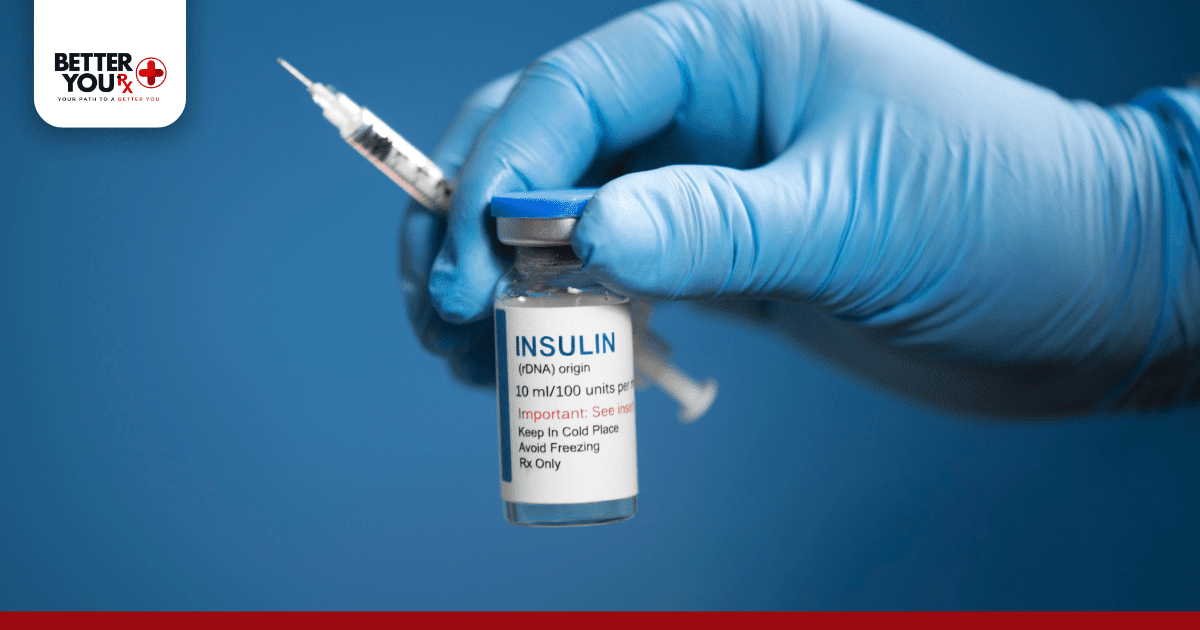
Unopened insulin vials, pens, and cartridges must be stored in the refrigerator between 36°F to 46°F (2°C to 8°C). This keeps the medication stable until its expiration date. Key points for unopened insulin storage:

  • Store in the main body of the refrigerator, not the door where temperatures fluctuate
  • Keep insulin in its original packaging to protect from light
  • Never store insulin in the freezer compartment
  • Don’t store near the back wall where temperatures might be coldest
  • Maintain consistent temperature by avoiding frequent door opening

Opened Insulin Storage Options

Once you start using an insulin vial or pen, you have two storage options:

Option 1: Continue Refrigerating

  • Keeps insulin stable for longer periods
  • Must warm to room temperature before injecting
  • Good for people who use insulin infrequently

Option 2: Room Temperature Storage

  • More convenient for daily use
  • No need to warm before injection
  • Must be used within specific timeframes (usually 28-42 days)
  • Store between 59°F to 86°F (15°C to 30°C)

Most diabetes educators recommend room temperature storage for daily-use insulin because it’s more comfortable for injections and reduces the risk of lipodystrophy (changes in fat tissue under the skin).

Special Considerations for Different Situations

Your insulin storage approach might need adjustments based on your lifestyle and circumstances:

  • Frequent Travelers: Consider keeping unopened backup supplies refrigerated while using opened insulin at room temperature
  • Hot Climates: Room temperature storage becomes riskier in extremely hot weather
  • Irregular Use: If you don’t use insulin daily, refrigerated storage might be better for opened supplies

Need diabetes management support? Explore our Byetta for additional blood sugar control options.

Best Practices for Insulin Storage

Proper insulin storage goes beyond just temperature control. Following these best practices ensures your medication stays effective and safe to use.

Refrigeration Guidelines

When storing insulin in the refrigerator, location and method matter:

Optimal Refrigerator Placement:

  • Store in the main compartment, never the door
  • Use the crisper drawer or a dedicated medication area
  • Keep insulin toward the front where temperatures are most stable
  • Avoid areas near the cooling vents or back wall

Organization Tips:

  • Use a small container or organizer to keep insulin supplies together
  • Label opened insulin with the date you first used it
  • Rotate stock by placing newer supplies behind older ones
  • Keep a thermometer in your medication storage area

Room Temperature Storage Best Practices

For insulin stored at room temperature, consistency and protection are key:

  • Choose a cool, dark place away from direct sunlight
  • Avoid areas with temperature fluctuations like bathrooms or kitchens
  • Never leave insulin in cars, especially during hot weather
  • Use a medication organizer or small cooler for travel
  • Keep insulin in its original packaging when possible

Protecting Insulin from Light and Physical Damage

Beyond temperature, insulin needs protection from other environmental factors:

Light Protection:

  • Store in original cartons or opaque containers
  • Avoid transparent pill organizers for insulin
  • Keep away from direct sunlight and bright artificial lights

Physical Protection:

  • Handle vials and pens gently to avoid damage
  • Don’t shake insulin vigorously (gently roll if mixing is needed)
  • Inspect for cracks or damage before each use
  • Replace damaged supplies immediately

For fast-acting options, consider our Fiasp Vial for reliable rapid insulin delivery.

Signs Your Insulin May Be Compromised

Does Insulin Need to Be Refrigerated: The Complete Answer

Recognizing when insulin has been compromised is crucial for maintaining effective diabetes management. Here are the key warning signs to watch for:

Visual Inspection Signs

Regular visual checks help you identify insulin that may no longer be effective:

Clear Insulin (Rapid and Long-Acting Types):

  • Should remain completely clear and colorless
  • Any cloudiness, particles, or discoloration means discard immediately
  • Clumping or crystallization indicates the insulin is no longer safe to use

Cloudy Insulin (Intermediate-Acting and Some Mixed Types):

  • Should have a uniform, milky appearance when properly mixed
  • Clumping that doesn’t dissolve with gentle rolling indicates spoilage
  • Unusual color changes or crystal formation means replacement is needed

Physical and Performance Indicators

Beyond visual cues, pay attention to how your insulin behaves and performs:

Physical Changes:

  • Unusual thickness or consistency changes
  • Separation that doesn’t remix with gentle agitation
  • Frosted appearance (indicates previous freezing)
  • Cracks or damage to vials or pen cartridges

Performance Issues:

  • Blood sugar levels remaining consistently higher than expected
  • Insulin not working as effectively as usual
  • Unusual injection site reactions or irritation
  • Burning or stinging sensation during injection

Temperature Exposure Warning Signs

Insulin exposed to extreme temperatures shows specific signs of damage:

  • Insulin that has been frozen will often appear cloudy or have visible particles
  • Heat-exposed insulin might change color or develop an unusual odor
  • Insulin left in hot cars may appear normal but lose effectiveness
  • Any insulin with an unusual smell should be discarded immediately

If you notice any of these signs, don’t risk using potentially compromised insulin. Replace it immediately and contact your healthcare provider if you have concerns about blood sugar control.

Travel and Emergency Storage Tips

Traveling with insulin or managing emergency situations requires special planning to ensure your medication stays safe and effective.

Air Travel Guidelines

Flying with insulin involves specific considerations for both carry-on and checked luggage:

Carry-On Recommendations:

  • Always pack insulin in carry-on luggage, never checked bags
  • Bring prescription labels and a letter from your doctor
  • Pack extra supplies in case of delays or lost luggage
  • Use insulated travel cases designed for medications
  • Allow extra time for security screening procedures

TSA and International Guidelines:

  • Insulin is allowed through security checkpoints without quantity restrictions
  • Carry original prescription bottles or pen packaging
  • Declare insulin and diabetes supplies during security screening
  • Research destination country regulations for medication imports

Hot Weather Storage Solutions

High temperatures pose serious risks to insulin effectiveness, especially during summer travel or in warm climates:

Cooling Options:

  • Invest in a medical-grade insulin cooling case
  • Use cooling packs designed for medications (avoid direct ice contact)
  • Consider battery-powered medication refrigerators for extended trips
  • Plan for air conditioning failures or power outages

Heat Protection Strategies:

  • Never leave insulin in parked vehicles
  • Carry insulin in an insulated bag during outdoor activities
  • Monitor local weather forecasts and plan accordingly
  • Have backup cooling plans for emergencies

Emergency Preparedness

Natural disasters, power outages, and other emergencies require advance planning:

Emergency Kit Essentials:

  • At least 7 days’ worth of insulin and supplies
  • Battery-powered or manual cooling options
  • Non-perishable snacks and glucose tablets
  • Emergency contact information for healthcare providers
  • Copy of prescriptions and medication lists

Power Outage Planning:

  • Identify local pharmacies with backup power
  • Know locations of cooling centers or facilities with refrigeration
  • Have manual cooling options like cool wet towels
  • Understand how long your refrigerator stays cold without power (typically 4-6 hours)

Proper preparation ensures you can maintain diabetes management even during unexpected situations or travel disruptions.

Summary: Key Takeaways for Insulin Storage

Proper insulin storage isn’t just about following rules, it’s about ensuring your diabetes management remains effective and your health stays protected. The question “does insulin need to be refrigerated” has a clear answer: yes for unopened supplies, with flexible options for opened insulin based on your usage patterns and lifestyle.

Temperature control remains the most critical factor in insulin storage. Whether you choose refrigerated or room temperature storage for opened insulin, consistency and protection from extreme temperatures, light, and physical damage are essential. Regular visual inspections and awareness of performance changes help you identify when insulin may be compromised.

Remember that different insulin types have varying storage requirements and timeframes. Always check your specific medication’s packaging for precise guidelines, and don’t hesitate to replace insulin that shows any signs of deterioration. Your health depends on using medication that maintains its full effectiveness.

For reliable insulin supplies and diabetes management support, explore our comprehensive medication options and consult with healthcare professionals about the best storage practices for your specific situation.

Frequently Asked Questions About Insulin Storage

How to know if insulin is spoiled?

Spoiled insulin shows several warning signs including cloudiness in normally clear insulin, clumping or crystallization, unusual color changes, or an odd smell. If your blood sugar levels remain consistently high despite normal insulin doses, this may also indicate compromised medication. When in doubt, replace the insulin and consult your healthcare provider.

Can you put insulin back in the fridge?

Once insulin has been stored at room temperature, it’s generally not recommended to return it to the refrigerator. The temperature fluctuation can affect the medication’s stability. However, if insulin was briefly exposed to room temperature (less than a few hours) and you prefer refrigerated storage, it’s typically safe to return it to the fridge. Always check with your pharmacist for specific guidance.

How can you tell if insulin is still good?

Good insulin should be clear and colorless (for rapid and long-acting types) or uniformly cloudy (for intermediate-acting types) with no clumping, particles, or unusual odors. It should maintain its normal consistency and continue to effectively control your blood sugar levels. Check the expiration date and note how long it’s been since opening, as effectiveness decreases over time even with proper storage.

How long does it take for insulin to go bad?

Unopened insulin remains effective until its expiration date when properly refrigerated. Once opened, most insulin types stay potent for 28-42 days at room temperature or longer if kept refrigerated. However, insulin exposed to extreme heat can degrade within hours, while frozen insulin becomes immediately unusable. The exact timeframe varies by insulin type and storage conditions.

What are the symptoms of bad insulin?

Using degraded insulin typically results in poor blood sugar control, with levels remaining higher than expected despite normal dosing. You might experience increased thirst, frequent urination, fatigue, or other hyperglycemia symptoms. Some people also report unusual burning or stinging at injection sites when using compromised insulin.

What happens if you take insulin that’s gone bad?

Using spoiled insulin can lead to dangerously high blood sugar levels since the medication won’t work effectively. This can result in diabetic ketoacidosis (DKA) or other serious complications if not addressed quickly. If you suspect you’ve used compromised insulin and experience symptoms like nausea, vomiting, or very high blood glucose readings, seek immediate medical attention and replace your insulin supply.


Insulin Needle Gauge Size Chart: Choosing the Right Needle

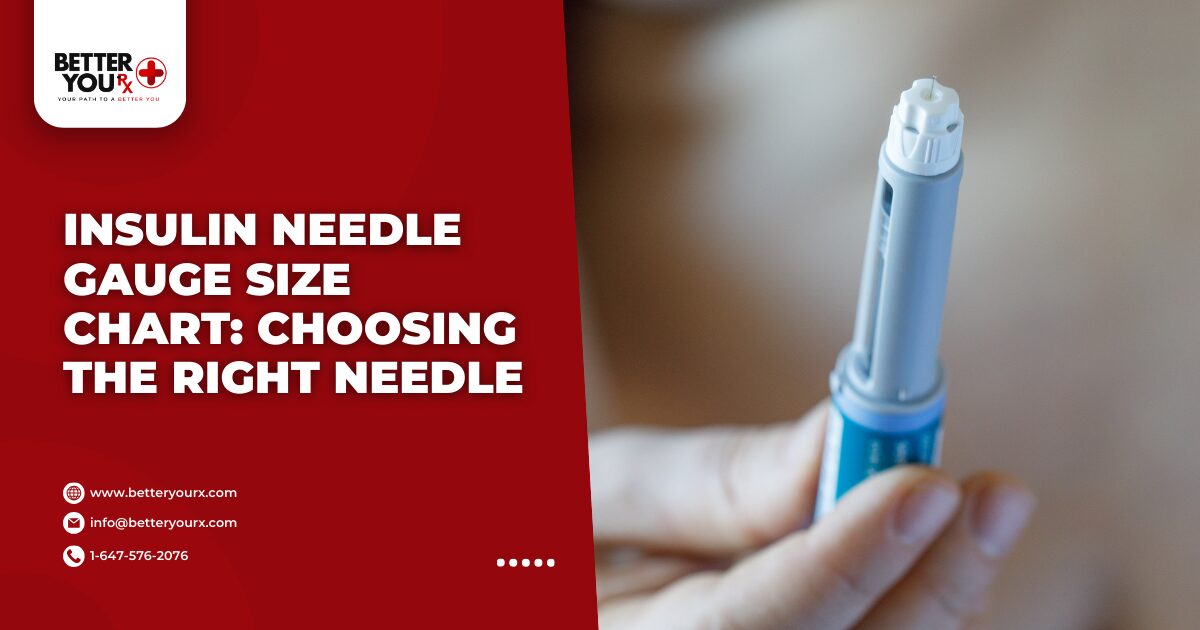
An insulin needle gauge size chart helps patients and providers choose the right needle for safe and comfortable insulin delivery. Gauge refers to thickness; higher numbers mean thinner needles, while length typically ranges from 4mm to 12.7mm. Common gauges include 28G to 32G, each offering different balances of comfort and flow. Thinner needles, like 31G and 32G reduce pain but may require more pressure, while thicker one,s like 28G and 29G, deliver insulin faster but can cause more discomfort. Needle length is equally important, ensuring insulin reaches subcutaneous tissue without hitting muscle. Proper selection depends on body type, injection site, and dose size. Regularly reviewing needle choices improves comfort, absorption, and overall diabetes management.

How to Read an Insulin Needle Gauge Size Chart

How to Read an Insulin Needle Gauge Size Chart

The needle gauge system operates on an inverse scale where larger numbers represent thinner needles. This measurement standard originated from the Birmingham Wire Gauge system and remains the primary method for categorizing medical needles worldwide. A 32-gauge needle measures approximately 0.23mm in diameter, while a 28-gauge needle measures about 0.36mm in diameter.

Needle length represents another crucial measurement that works independently from gauge size. Standard insulin needle lengths include:

  • 4mm (5/32 inch) – shortest option available
  • 5mm (3/16 inch) – ultra-short length
  • 6mm (1/4 inch) – short length
  • 8mm (5/16 inch) – standard length
  • 12.7mm (1/2 inch) – longest common option

The combination of gauge and length determines the overall needle specification. For example, a needle labeled “31G x 6mm” indicates a 31-gauge thickness with a 6-millimeter length. These measurements directly impact injection comfort, medication delivery effectiveness, and suitability for different body types.

Thinner needles generally cause less pain during insertion but may require slightly more pressure to inject insulin. Thicker needles penetrate skin more easily but might cause increased discomfort. The insulin needle gauge size chart helps patients and healthcare providers match these specifications to individual needs and preferences.

Manufacturing tolerances ensure consistency across needle production, with variations typically staying within 0.01mm of specified diameters. This precision maintains reliable insulin delivery and predictable injection experiences across different needle batches and brands.

For those managing diabetes with medications like Metformin alongside insulin therapy, coordinating all aspects of treatment becomes essential. Better You Rx provides access to affordable diabetes management supplies and medications from Canada, helping patients maintain consistent treatment routines without financial strain.

Common Insulin Needle Sizes and Their Uses

A comprehensive insulin needle gauge size chart provides detailed specifications for making informed needle selection decisions. The following table outlines common needle options with their corresponding measurements and typical applications:

Gauge Size Outer Diameter (mm) Inner Diameter (mm) Wall Thickness Common Lengths Best For
28G 0.36 0.18 0.09mm 8mm, 12.7mm Larger insulin doses, thicker skin
29G 0.33 0.18 0.08mm 6mm, 8mm, 12.7mm Standard injections, moderate doses
30G 0.31 0.16 0.08mm 5mm, 6mm, 8mm Balanced comfort and flow rate
31G 0.26 0.13 0.06mm 4mm, 5mm, 6mm, 8mm Enhanced comfort, most body types
32G 0.23 0.11 0.06mm 4mm, 5mm, 6mm Maximum comfort, thin individuals

Each gauge size offers specific advantages based on individual requirements. The 31-gauge needle represents the most popular choice, balancing injection comfort with practical insulin flow rates. Many patients find this gauge provides optimal results when consulting their insulin needle gauge size chart for daily injections.

Needle manufacturers produce various combinations to accommodate diverse patient populations. Pediatric patients often benefit from 32G x 4mm needles, while adults with more subcutaneous tissue might prefer 29G x 8mm options. The chart serves as a starting point for discussions with healthcare providers about optimal needle selection.

Regular review of the insulin needle gauge size chart ensures patients maintain appropriate needle choices as their body composition or injection sites change over time. Weight fluctuations, aging, and injection site rotation all influence optimal needle specifications.

For those seeking affordable insulin options, you can buy cheap Lantus Solostar online from Canada through Better You Rx.

Choosing Between 31G, 30G, and 29G Needles

What Does Insulin Smell Like When Something's Wrong

The decision between 31G, 30G, and 29G needles involves balancing comfort preferences with practical injection requirements. These three gauge sizes represent the most commonly prescribed options, each offering distinct advantages for different patient populations and insulin regimens.

31-Gauge Needle Characteristics

The 31-gauge needle has become increasingly popular due to its thin profile and reduced injection discomfort. With an outer diameter of 0.26mm, this needle creates minimal tissue trauma during insertion. Patients transitioning from thicker needles often report significant comfort improvements with 31G options. Key benefits include:

  • Reduced injection site bleeding
  • Minimal bruising risk
  • Less anticipatory anxiety
  • Suitable for sensitive skin areas
  • Compatible with most insulin pen devices

However, 31G needles require slightly more injection pressure and time, particularly for concentrated insulin formulations or larger doses exceeding 40 units. Patients should maintain steady pressure throughout the injection to ensure complete dose delivery.

30-Gauge Needle Applications

The 30-gauge needle offers a middle ground between comfort and flow efficiency. Its 0.31mm diameter provides faster insulin flow than 31G options while maintaining reasonable comfort levels. This gauge works particularly well for:

  • Moderate to large insulin doses (30-60 units)
  • Patients with dexterity challenges
  • Mixed insulin preparations
  • Time-sensitive injection schedules
  • Rotational injection programs

Many experienced insulin users prefer 30G needles for their versatility across different injection scenarios. The insulin needle gauge size chart often highlights this gauge as a universal option suitable for most adult patients.

29-Gauge Needle Advantages

The 29-gauge needle, with its 0.33mm diameter, provides the fastest flow rates among these three options. While slightly less comfortable than thinner alternatives, 29G needles offer practical advantages for specific situations:

  • Large insulin doses over 60 units
  • Viscous insulin formulations
  • Limited injection time windows
  • Patients with reduced hand strength
  • Emergency insulin administration

Healthcare providers might recommend 29G needles for patients beginning insulin therapy, as the reliable flow characteristics help ensure complete dose delivery during the learning phase.

Comparing 28G vs 32G – Thickest and Thinnest Options

The extremes of the insulin needle gauge size chart – 28G and 32G – represent specialized options for specific patient needs. Understanding when these gauge sizes prove most beneficial helps optimize insulin delivery for challenging situations.

28-Gauge Needle Applications

The 28-gauge needle, measuring 0.36mm in outer diameter, remains the thickest commonly available insulin needle. Despite causing more insertion discomfort, this gauge serves important purposes:

  • Ultra-rapid insulin delivery for emergency situations
  • Patients with severe hand arthritis or tremors
  • Concentrated insulin formulations (U-200, U-300, U-500)
  • Injection through clothing in emergency scenarios
  • Backup option for pen device malfunctions

Medical professionals sometimes prescribe 28G needles for elderly patients who struggle with the pressure required for thinner needles. The larger internal diameter reduces injection resistance by approximately 60% compared to 32G options. Some patients using <a href=”https://betteryourx.com/product/humalog-junior-kwikpen/”>Humalog Junior Kwikpen</a> find 28G needles helpful when administering larger correction doses.

The primary drawbacks include increased injection site trauma, higher bleeding risk, and greater psychological discomfort. Patients using 28G needles should rotate injection sites diligently to prevent tissue damage and lipodystrophy development.

32-Gauge Needle Benefits

The 32-gauge needle represents the pinnacle of injection comfort technology, with its 0.23mm diameter barely perceptible during insertion. This ultra-thin option has revolutionized insulin therapy for needle-phobic patients and children. Advantages include:

  • Virtual elimination of injection pain
  • Reduced needle anxiety in pediatric patients
  • Minimal tissue trauma and scarring
  • Decreased risk of injection site reactions
  • Enhanced treatment compliance

However, 32G needles present certain limitations. The narrow internal diameter restricts flow rates, potentially doubling injection time for doses exceeding 30 units. Patients must maintain steady pressure throughout the injection and count to ten after depressing the plunger fully to ensure complete dose delivery.

The insulin needle gauge size chart typically recommends 32G needles for patients prioritizing comfort over injection speed. Successful use requires proper technique training and patience during administration.

Insulin Needle Length Selection Guide

Insulin Needle Length Selection Guide

Proper needle length selection ensures insulin reaches subcutaneous tissue without penetrating muscle layers. The insulin needle gauge size chart incorporates length options ranging from 4mm to 12.7mm, each suited for different body types and injection techniques.

Understanding Subcutaneous Tissue Depth

Subcutaneous tissue thickness varies considerably among individuals and injection sites. Research indicates average depths of:

  • Abdomen – 10-15mm in adults
  • Thigh – 8-12mm in adults
  • Upper arm – 6-10mm in adults
  • Buttocks – 12-20mm in adults

These measurements guide initial needle length selection, though individual assessment remains crucial for optimal results.

Short Needle Advantages (4mm-6mm)

Short needles have gained popularity due to their versatility and safety profile. The 4mm length works effectively for approximately 99% of adults when using proper injection technique. Benefits of short needles include:

  • Reduced risk of intramuscular injection
  • Less injection angle flexibility required
  • Decreased injection anxiety
  • Suitable for all injection sites
  • Minimal training requirements

Patients with BMI under 25 typically achieve optimal results with 4mm or 5mm needles across all injection sites. The 6mm length provides additional confidence for those concerned about adequate penetration while maintaining safety margins.

Medium and Long Needle Considerations (8mm-12.7mm)

Longer needles remain valuable for specific patient populations despite the trend toward shorter options. The 8mm length suits patients with BMI 25-30, particularly for abdominal injections where subcutaneous tissue runs deeper. Consider <a href=”https://betteryourx.com/product/metformin/”>Metformin</a> as an adjunct therapy while optimizing your injection technique with appropriate needle lengths.

The 12.7mm length, though rarely necessary, serves patients with significant adipose tissue or those experiencing absorption issues with shorter needles. Healthcare providers might recommend longer needles for:

  • Patients with BMI exceeding 35
  • Individuals with lipohypertrophy at injection sites
  • Specific insulin formulations requiring deeper delivery
  • Patients unable to use proper injection technique

Proper injection angle becomes critical with longer needles. The insulin needle gauge size chart should include angle recommendations: 90 degrees for short needles and 45 degrees for longer options in lean individuals.

Patients using rapid-acting insulin formulations like Humalog Junior KwikPen may find that needle gauge selection affects absorption rates and overall glycemic control. Access to various needle options through reliable suppliers ensures continuous optimization of injection techniques.

Best Practices for Using Your Insulin Needle Gauge Size Chart

Maximizing the utility of an insulin needle gauge size chart requires understanding proper implementation strategies and regular reassessment protocols. Effective chart utilization improves injection outcomes and patient satisfaction with insulin therapy.

Initial Needle Selection Process

Beginning insulin therapy involves careful needle specification selection based on multiple factors. Healthcare providers typically start with conservative choices – often 31G x 6mm for adults or 32G x 4mm for children. The selection process should consider:

  • Current body mass index and body composition
  • Planned injection sites and rotation schedule
  • Insulin types and typical dose volumes
  • Manual dexterity and visual acuity
  • Previous injection experiences and preferences
  • Cost and insurance coverage considerations

Document initial needle specifications and establish baseline comfort ratings for future comparisons. This information proves valuable when adjusting needle choices based on experience.

Monitoring and Adjustment Protocols

Regular evaluation ensures continued needle appropriateness as circumstances change. Review needle specifications every three to six months or when experiencing:

  • Unexplained blood glucose variability
  • Injection site problems (bruising, bleeding, lumps)
  • Changes in body weight exceeding 10%
  • Difficulty with current injection technique
  • New insulin formulations or devices
  • Increased injection discomfort

Track injection experiences using standardized pain scales and absorption consistency measures. Compare results against the insulin needle gauge size chart to identify potentially better options.

Creating Personalized Reference Charts

Develop customized charts incorporating personal experience with different needle specifications. Include notes about:

  • Comfort ratings for each gauge/length combination tried
  • Specific injection sites where each needle works best
  • Time required for different dose volumes
  • Any adverse reactions or complications
  • Preferred needles for different situations

This personalized insulin needle gauge size chart becomes invaluable for communicating with healthcare providers and maintaining consistent injection practices during travel or supply changes.

Troubleshooting Common Issues

When injection problems arise, systematic chart consultation helps identify solutions:

Painful injections – Consider moving to a higher gauge (thinner) needle or shorter length Incomplete dose delivery – Evaluate whether gauge size restricts flow excessively Bruising or bleeding – Assess if needle length causes unnecessary tissue trauma Variable absorption – Verify needle reaches subcutaneous tissue consistently Bent needles – Determine if gauge size lacks sufficient rigidity for injection technique

Document troubleshooting outcomes to refine future needle selections and prevent recurring issues.

Final Thoughts on Insulin Needle Selection

Mastering insulin needle selection through proper insulin needle gauge size chart utilization significantly impacts treatment success and quality of life. The relationship between gauge size, needle length, and injection comfort requires individual optimization based on personal characteristics and preferences. Regular reassessment ensures continued appropriateness as body composition, injection sites, and insulin requirements evolve.

Patient education remains fundamental to successful needle selection. Understanding gauge measurements, length requirements, and flow characteristics empowers informed decision-making. Healthcare providers should encourage questions and provide hands-on training with different needle options before finalizing selections.

Technology continues advancing needle design, with manufacturers developing increasingly comfortable options without sacrificing functionality. Staying informed about new products and consulting updated charts helps patients benefit from these innovations.

The insulin needle gauge size chart serves as a foundation for personalized injection strategies rather than rigid prescriptions. Individual variation means the “best” needle differs among patients, even those with similar physical characteristics. Patience during the optimization process and willingness to try different specifications ultimately leads to ideal needle selection.

Frequently Asked Questions

What Size Gauge Needle Is Best for Insulin Injections?

The 31-gauge needle represents the most popular choice for insulin injections, offering an optimal balance between comfort and functionality. This gauge provides sufficient thinness to minimize discomfort while maintaining practical flow rates for most insulin doses. Most patients find 31G needles work well across different injection sites and insulin types. However, the “best” gauge varies based on individual factors including pain sensitivity, dose volume, and manual dexterity. Children and needle-sensitive adults might prefer 32-gauge options for maximum comfort, while those administering large doses might benefit from 29G or 30G needles for faster delivery. Consult your insulin needle gauge size chart and healthcare provider to determine your optimal gauge based on specific needs and experiences.

Is 31 Gauge or 30 Gauge Bigger?

The 30-gauge needle is bigger (thicker) than a 31-gauge needle. In the gauge measurement system, smaller numbers indicate larger diameters – this inverse relationship often causes confusion. A 30-gauge needle measures approximately 0.31mm in outer diameter, while a 31-gauge needle measures about 0.26mm. This 0.05mm difference might seem minimal, but it noticeably affects injection comfort and flow rates. The thicker 30-gauge needle allows faster insulin flow, reducing injection time by approximately 20-30% compared to 31-gauge options. However, the thinner 31-gauge needle typically causes less insertion pain and tissue trauma.

Is a 20 or 25 Gauge Needle Bigger?

A 20-gauge needle is significantly bigger than a 25-gauge needle. The 20-gauge needle measures approximately 0.91mm in outer diameter, while a 25-gauge needle measures about 0.51mm – making the 20-gauge nearly twice as thick. Neither gauge typically appears on an insulin needle gauge size chart because both exceed comfortable thickness ranges for subcutaneous injections. These gauges serve other medical purposes such as intramuscular injections or blood draws. For insulin administration, gauges ranging from 28G to 32G provide appropriate thickness for comfortable subcutaneous delivery.

Is a 28 or 29 Gauge Needle Bigger?

The 28-gauge needle is bigger (thicker) than a 29-gauge needle. A 28-gauge measures 0.36mm in outer diameter compared to 0.33mm for 29-gauge – a difference of 0.03mm. While both gauges appear on the insulin needle gauge size chart, the 28-gauge represents the thickest option commonly used for insulin delivery. The additional thickness of 28G needles provides faster flow rates, beneficial for large doses or viscous insulin formulations. However, the 29-gauge offers improved comfort while still maintaining reasonable flow characteristics, making it a popular middle-ground option.

Which Is Thicker, 28 or 29 Gauge?

The 28-gauge needle is thicker than the 29-gauge needle. This follows the standard gauge numbering system where lower numbers indicate greater thickness. The 28-gauge’s 0.36mm diameter makes it approximately 9% thicker than the 29-gauge’s 0.33mm diameter. This thickness difference affects several injection characteristics including insertion force required, tissue trauma potential, and insulin flow rates. Patients consulting their insulin needle gauge size chart should consider these factors when choosing between these gauges.

What Is a 29 Gauge Needle Used For?

A 29-gauge needle serves multiple purposes in insulin therapy, particularly for patients requiring a balance between comfort and efficient insulin delivery. Common applications include administering moderate to large insulin doses (30-60 units), injecting mixed insulin preparations, and serving patients with limited hand strength who struggle with thinner needles. The 29-gauge specifications on the insulin needle gauge size chart show compatibility with various needle lengths from 6mm to 12.7mm, providing flexibility for different body types. Many healthcare providers recommend 29G needles as starter options for new insulin users, as the gauge provides reliable performance while patients develop injection confidence and technique.

What Gauge Needle Is Best for Injecting?

The best gauge for injecting insulin typically falls between 30G and 32G for most patients, with 31G representing the most common choice. These thinner gauges minimize injection discomfort while maintaining practical flow rates for typical insulin doses. Individual factors significantly influence optimal gauge selection, including dose volume, injection frequency, skin sensitivity, and personal preferences. Patients administering small doses (under 30 units) often prefer 32G needles for maximum comfort, while those injecting larger volumes might choose 29G or 30G for reduced injection time.


Insulin Syringe Sizes – Complete Guide for Diabetic Patients

 Insulin syringe sizes are essential for effective diabetes management and accurate medication delivery. Different syringe capacities, needle lengths, and gauge measurements directly impact injection comfort and insulin absorption rates. The standard options include 0.3mL, 0.5mL, and 1mL syringes, each designed for specific insulin dosing requirements. Needle lengths range from 4mm to 12.7mm, while gauges typically vary between 28G and 31G, with higher numbers indicating thinner needles. Selecting the appropriate combination depends on factors including body type, injection site preferences, prescribed insulin dose, and individual comfort levels during administration.

Understanding Basic Syringe Components and Measurements

Understanding Basic Syringe Components and Measurements

Insulin syringes consist of three primary components that determine their functionality and suitability for different patients. The barrel holds the insulin and displays measurement markings, while the plunger creates the pressure needed for injection. The needle, characterized by its length and gauge, penetrates the skin to deliver medication subcutaneously.

Measurement markings on insulin syringe sizes correspond to insulin units rather than standard milliliters. Each marking represents a specific number of units, with the spacing dependent on the syringe’s total capacity. A 0.3mL syringe holds up to 30 units, a 0.5mL accommodates 50 units, and a 1mL contains 100 units.

The relationship between syringe capacity and marking clarity affects dosing accuracy significantly. Smaller capacity syringes feature wider spacing between unit markings, making precise measurements easier for patients requiring lower doses. This design element proves particularly beneficial for pediatric patients or adults with insulin sensitivity who need exact dosing.

Barrel diameter varies among different insulin syringe sizes, influencing both visual clarity and handling comfort. Narrower barrels found in lower-capacity syringes allow better visibility of markings and require less force during injection. Wider barrels in larger syringes accommodate higher insulin volumes but may challenge patients with limited hand strength or dexterity issues.

Looking for affordable diabetes management solutions? Buy cheap Lantus Solostar online from Canada through Better You Rx and save on your insulin therapy costs while ensuring quality medication delivery.

Needle Gauge Options and Pain Management

Needle gauge measurements follow an inverse relationship where higher numbers indicate thinner needles, directly affecting injection comfort levels. The most common gauges for insulin syringe sizes include 28G, 29G, 30G, and 31G options. Each gauge offers distinct advantages depending on patient preferences and physical characteristics.

31-gauge needles represent the thinnest option available, measuring approximately 0.25mm in diameter. These ultra-fine needles minimize tissue trauma and reduce injection site discomfort significantly. Patients with needle anxiety or those requiring multiple daily injections often prefer this gauge for improved comfort.

30-gauge needles measure slightly thicker at 0.30mm diameter, offering a balance between comfort and durability. The marginally larger diameter provides increased needle strength, reducing bending risk during insertion while maintaining reasonable comfort levels. This gauge suits patients who prioritize both comfort and needle stability.

28-gauge and 29-gauge needles, measuring 0.36mm and 0.33mm respectively, provide maximum durability and faster insulin flow rates. These options work well for patients with tougher skin or those using insulin suspensions that require larger needle openings. The increased diameter facilitates smoother medication flow, particularly beneficial when injecting larger insulin volumes.

  • 31G needles – Best for sensitive skin and frequent injections
  • 30G needles – Balanced comfort and strength
  • 29G needles – Suitable for most insulin types
  • 28G needles – Ideal for thick skin or suspension insulins

Needle Length Selection Based on Body Type

Needle Gauge Options and Pain Management

Selecting appropriate needle lengths among available insulin syringe sizes requires consideration of body composition, injection site preferences, and subcutaneous tissue depth. Standard needle lengths include 4mm, 5mm, 6mm, 8mm, and 12.7mm options, each designed for specific patient profiles and injection techniques.

Short Needle Options (4mm-6mm)

4mm needles represent the shortest available option and suit nearly all patients regardless of body type. Research demonstrates these ultra-short needles effectively deliver insulin to subcutaneous tissue without reaching muscle layers. Children, lean adults, and patients preferring arm injections benefit particularly from this length.

5mm and 6mm needles provide slightly deeper penetration while maintaining safety margins against intramuscular injection risks. These intermediate lengths accommodate patients with moderate subcutaneous tissue thickness and those transitioning from longer needles. The additional length offers psychological reassurance for patients concerned about adequate insulin delivery depth.

Standard and Long Needle Options (8mm-12.7mm)

8mm needles traditionally served as the standard length for insulin delivery, though recent guidelines favor shorter alternatives. Patients with significant subcutaneous tissue or those using specific injection techniques may still benefit from this length. Proper injection angle adjustment becomes crucial when using 8mm needles to prevent muscle penetration.

12.7mm needles, while less commonly recommended today, remain available for specific situations. Patients with excessive adipose tissue or those requiring deeper penetration for medical reasons might need these longer options. Healthcare providers carefully evaluate individual needs before recommending these extended needle lengths.

Choosing the Right Syringe Capacity for Your Insulin Dose

Matching syringe capacity to prescribed insulin doses ensures accurate measurement and comfortable administration. The three standard insulin syringe sizes each serve specific dosing ranges, with selection based on maximum single injection requirements rather than total daily insulin needs.

Low-Dose Syringes (0.3mL/30 Units)

0.3mL syringes feature the finest unit markings among all insulin syringe sizes, with each line representing 0.5 units. This precision proves invaluable for pediatric patients, newly diagnosed individuals starting with conservative doses, or those requiring micro-adjustments to their insulin regimen. The narrow barrel diameter enhances visibility, making half-unit measurements clearly distinguishable.

Patients administering doses below 30 units benefit from improved accuracy when using these smaller syringes. The concentrated markings reduce measurement errors common with larger capacity syringes where unit lines appear closer together. This enhanced precision particularly matters for insulin-sensitive individuals where small dosing variations significantly impact blood glucose levels.

Ready to streamline your diabetes management? Explore affordable options like Humalog Junior KwikPen through Better You Rx for convenient, pre-filled insulin delivery at competitive Canadian prices.

Standard Capacity Options (0.5mL and 1mL)

0.5mL syringes accommodate doses up to 50 units while maintaining reasonable marking clarity. Each line typically represents one unit, though some models offer half-unit markings for increased precision. These medium-capacity syringes suit patients with moderate insulin requirements who value both accuracy and convenience.

Syringe Capacity Maximum Units Marking Increment Best For
0.3mL 30 units 0.5 units Doses under 30 units
0.5mL 50 units 1 unit Doses 30-50 units
1mL 100 units 2 units Doses over 50 units

1mL syringes handle the largest insulin volumes, holding up to 100 units per injection. The increased capacity comes with wider marking intervals, typically 2 units per line, potentially compromising precision for smaller doses. Patients requiring large insulin volumes or those comfortable estimating between markings find these syringes most practical.

Injection Site Considerations for Different Syringe Specifications

Different body regions offer varying subcutaneous tissue depths, influencing optimal insulin syringe sizes for each location. Understanding site-specific characteristics helps patients select appropriate needle lengths and maintain effective rotation schedules. The abdomen, thighs, arms, and buttocks each present unique considerations for syringe selection.

Abdominal injections remain the most popular choice due to consistent absorption rates and accessible subcutaneous tissue. Most patients successfully use 4mm to 6mm needles for abdominal injections, regardless of body composition. The area’s natural padding provides comfort while minimizing intramuscular injection risks even with standard needle lengths.

Thigh injections require careful needle length selection based on individual muscle development and adipose tissue distribution. Athletic individuals with minimal thigh fat may need 4mm needles exclusively, while those with more subcutaneous tissue can use longer options. Proper site rotation within the thigh area prevents lipodystrophy development.

  • Abdomen – Most versatile site for all needle lengths
  • Outer thighs – Require careful length selection based on body composition
  • Upper arms – Best with shorter needles (4-5mm)
  • Buttocks – Can accommodate longer needles if needed
  • Rotation prevents tissue damage and maintains absorption consistency

Upper arm injections typically demand shorter needles due to limited subcutaneous tissue depth. The triceps area offers the best target zone, though reaching this site independently challenges some patients. 4mm or 5mm needles work optimally for arm injections across most body types.

Special Considerations for Pediatric and Elderly Patients

Age-specific factors significantly influence appropriate insulin syringe sizes for pediatric and elderly populations. Children’s developing bodies and seniors’ changing physiology require tailored approaches to syringe selection. Healthcare providers consider multiple variables when recommending specifications for these vulnerable groups.

Pediatric Syringe Selection

Children typically require the smallest available insulin syringe sizes due to limited subcutaneous tissue and lower insulin requirements. 0.3mL syringes with 4mm needles often provide the ideal combination for pediatric patients. The ultra-fine 31G needles minimize injection trauma and reduce anxiety associated with needle procedures.

Growth patterns and body composition changes throughout childhood necessitate regular reassessment of syringe specifications. Adolescents experiencing rapid growth may need capacity upgrades while maintaining shorter needle preferences. Parents and caregivers should monitor injection site reactions and comfort levels to guide specification adjustments.

Elderly Patient Considerations

Senior patients face unique challenges including decreased dexterity, vision changes, and altered skin characteristics affecting syringe selection. Larger barrel diameters might improve handling for those with arthritis or tremors, even if insulin requirements remain modest. Clear, widely-spaced markings become crucial for patients with compromised vision.

Skin changes associated with aging, including decreased elasticity and thinning, influence needle gauge preferences. While thinner needles reduce discomfort, some elderly patients prefer slightly thicker gauges for improved needle stability during injection. Healthcare providers balance comfort with practical handling considerations when recommending insulin syringe sizes for senior patients.

Take control of your diabetes management today with Metformin and other essential medications available through BetterYourX’s reliable Canadian prescription referral service at significant savings.

Proper Storage and Handling of Different Syringe Types

Needle Length Selection Based on Body Type

Maintaining syringe integrity through proper storage protects both needle sharpness and measurement accuracy across all insulin syringe sizes. Environmental factors including temperature, humidity, and light exposure affect syringe materials differently depending on specifications. Understanding storage requirements ensures optimal performance and safety throughout the product’s usable life.

Temperature stability proves crucial for preserving needle coating integrity and preventing barrel warping. Room temperature storage between 59-86°F maintains optimal conditions for all syringe types. Extreme temperatures compromise lubricant coatings on needles, increasing injection discomfort and potentially affecting insulin flow rates.

Humidity control prevents moisture accumulation that could compromise sterility or cause measurement marking degradation. Original packaging provides adequate protection when stored in typical indoor environments. Bathroom storage should be avoided due to shower-generated humidity fluctuations that accelerate material degradation.

Needle protection during storage maintains sharpness and prevents contamination before use. Never recap used needles or attempt to straighten bent ones, as this increases injury risk. Each insulin syringe should remain in its protective covering until immediately before use, regardless of needle specifications.

Light exposure, particularly direct sunlight, degrades plastic components over extended periods. Store syringes in opaque containers or drawers to prevent UV-related deterioration. This consideration becomes especially important for bulk purchases where extended storage periods are anticipated.

Organization systems accommodating different insulin syringe sizes improve accessibility while preventing damage. Separate compartments for various specifications prevent confusion and accidental selection of incorrect sizes. Rotation practices ensuring older stock usage first maintain inventory freshness and prevent expiration-related waste.

Key Takeaways for Optimal Syringe Selection

Selecting appropriate insulin syringe sizes requires balancing multiple factors including dosing requirements, body composition, injection site preferences, and individual comfort levels. The combination of syringe capacity, needle gauge, and needle length determines injection effectiveness and patient satisfaction. Starting with 0.3mL syringes featuring 31G, 4mm needles often provides the best initial experience for new insulin users, with adjustments made based on individual response and changing needs over time. Regular consultation with healthcare providers ensures syringe specifications continue meeting evolving requirements as treatment progresses. Patient education regarding proper technique, site rotation, and storage practices maximizes the benefits of correctly chosen insulin syringe sizes while minimizing potential complications.

Frequently Asked Questions

Is 31 Gauge or 30 Gauge Bigger?

30 gauge needles are bigger than 31 gauge needles. The gauge numbering system works inversely, meaning higher numbers indicate thinner needles. A 30G needle measures approximately 0.30mm in diameter while a 31G needle measures about 0.25mm. This difference might seem minimal, but patients often notice improved comfort with the thinner 31G option, especially during multiple daily injections.

How to Choose Needle Size for Insulin?

Choosing needle size for insulin involves evaluating body composition, injection sites, and personal comfort preferences. Start with 4mm length needles as they suit most patients regardless of body type. Consider needle gauge based on skin sensitivity – 31G for maximum comfort or 28-30G for durability. Consult your healthcare provider about specific insulin syringe sizes that match your prescribed doses and injection technique.

Which Is Smaller, 4mm or 6mm?

4mm needles are smaller than 6mm needles by 2 millimeters in length. The 4mm option represents the shortest commercially available insulin needle, designed to reach subcutaneous tissue without risk of intramuscular injection in most patients. The 6mm length provides slightly deeper penetration for patients preferring additional reassurance about insulin delivery depth.

What Is 4 Units on an Insulin Syringe?

4 units on an insulin syringe appears as the fourth marking from the zero point, though visibility varies among different insulin syringe sizes. On a 0.3mL syringe with half-unit markings, 4 units would be the eighth line. Standard 0.5mL and 1mL syringes show 4 units as the fourth or second line respectively, depending on marking increments.

Is 20 Units of Insulin a Lot?

20 units of insulin represents a moderate single dose that falls within typical ranges for many patients. Individual insulin requirements vary significantly based on factors including body weight, insulin sensitivity, and blood glucose targets. Some patients require less than 10 units per injection while others need 50+ units. Your healthcare provider determines appropriate dosing based on your specific metabolic needs.

What Is a 0.5 mL Syringe Used For?

A 0.5mL syringe accommodates insulin doses up to 50 units, making it suitable for patients with moderate insulin requirements. These medium-capacity syringes offer a balance between measurement precision and dose flexibility. Patients typically choose 0.5mL syringes when their single injection doses range between 30-50 units, as the markings remain clear while providing adequate capacity.

What Is a 2ml Syringe Used For?

2mL syringes are not standard insulin syringe sizes and are rarely used for insulin administration. These larger syringes typically serve other medical purposes including vaccine administration or drawing medications. Insulin delivery requires specialized U-100 insulin syringes (0.3mL, 0.5mL, or 1mL) designed specifically for accurate insulin measurement and subcutaneous injection.


Best Places to Inject Insulin: Complete Guide for Diabetics

Places to inject insulin include the abdomen, thighs, upper arms, and buttocks, each offering different absorption rates that affect blood sugar control. The abdomen provides the fastest and most consistent absorption, making it the preferred site for mealtime insulin doses. Rotating injection sites within each area prevents lipodystrophy, a condition causing lumpy or indented skin that impairs insulin absorption. Proper injection technique involves selecting fatty tissue areas, avoiding muscles, scars, and bruised areas while maintaining at least one inch distance between injection points. Temperature, exercise, and massage can alter absorption rates at injection sites, requiring adjustments in timing and location selection based on daily activities.

Why Injection Site Selection Matters for Blood Sugar Control

Selecting appropriate places to inject insulin directly impacts how quickly and effectively the medication enters your bloodstream. Different body areas have varying blood flow rates and fat distribution, creating significant differences in absorption timing. The abdomen typically absorbs insulin within 15-30 minutes, while thigh injections may take 45-60 minutes to reach peak absorption.

Consistent site selection helps maintain predictable blood sugar patterns. Using the same general area for specific insulin types – such as always injecting rapid-acting insulin in the abdomen before meals – creates reliable timing patterns. This consistency allows for better dose calculations and reduces unexpected blood sugar variations.

Poor injection site management leads to several complications:

  • Lipodystrophy development from repeated use of the same spot
  • Unpredictable absorption causing blood sugar swings
  • Increased pain and bruising from overused areas
  • Reduced insulin effectiveness requiring higher doses
  • Skin infections from inadequate site rotation
  • Scar tissue formation blocking proper absorption

Blood flow variations throughout the day affect absorption at different places to inject insulin. Morning injections may absorb differently than evening ones due to circadian rhythm changes. Physical activity increases blood flow to exercised muscles, accelerating insulin absorption from nearby injection sites. Hot showers or baths similarly speed absorption through increased circulation.

Individual anatomy influences optimal site selection. People with more subcutaneous fat have greater flexibility in choosing injection locations. Those with less body fat must carefully identify appropriate areas with sufficient tissue depth. Body composition changes from weight loss or gain require reassessment of suitable injection sites.

Understanding the Four Main Places to Inject Insulin

Best Places to Inject Insulin

The abdomen remains the most popular injection site due to its large surface area and consistent absorption rates. This area spans from below the ribs to above the hip bones, excluding a two-inch circle around the navel. Abdominal fat typically maintains steady thickness, providing reliable absorption regardless of weight fluctuations.

Abdomen – The Primary Injection Zone

Abdominal injections offer several advantages for daily insulin management. The area provides easy access for self-injection and visual confirmation of proper technique. Absorption remains relatively unaffected by physical activity compared to limb injection sites. The large surface area accommodates extensive rotation patterns, reducing tissue damage risk.

Divide your abdomen into quadrants for systematic rotation. Start injections in the upper right quadrant, moving systematically through each section before returning to the starting area. Maintain at least one finger-width spacing between injection points. This methodical approach ensures adequate healing time between site uses.

Thigh Injections – Alternative Sites

Thigh surfaces provide substantial injection area, particularly beneficial for people requiring multiple daily doses. The outer thigh area, from four inches below the hip to four inches above the knee, offers the best absorption consistency. Avoid inner thigh areas where skin folds and movement may affect needle placement.

Thigh absorption rates vary more than abdominal sites due to muscle proximity and activity levels. Walking, running, or cycling significantly increases absorption speed from recent thigh injections. Consider this acceleration when planning injection timing around exercise schedules.

Upper Arm Considerations

The upper arm’s outer surface provides convenient places to inject insulin, though self-injection proves challenging without assistance. The injectable area extends from three inches below the shoulder to three inches above the elbow on the arm’s outer aspect. Limited fat tissue in many individuals restricts this site’s usefulness.

Partner assistance often becomes necessary for proper upper arm injections. The awkward angle required for self-injection increases risk of intramuscular injection or improper needle insertion. Reserve this site for situations when other areas need rest or when someone can assist with injection.

Buttocks as Injection Sites

The upper outer buttocks offer excellent absorption for longer-acting insulins. This area typically contains substantial fat tissue, reducing injection discomfort. The site works particularly well for children who may resist visible injection locations. However, self-injection difficulty limits adult use of this area.

Proper Rotation Techniques for Healthy Injection Sites

Systematic rotation prevents the complications associated with repeatedly using the same places to inject insulin. Create a rotation schedule that allows each site at least one week of recovery before reuse. Document injection locations using a body map or smartphone app to track patterns and identify overused areas.

Establish zones within each injection area for organized rotation. The abdomen can accommodate 20-30 different injection points when properly mapped. Number or letter each zone mentally, progressing through them sequentially. This structured approach eliminates guesswork and ensures even site usage.

Creating Your Personal Rotation Map

Design a personalized rotation system based on your injection frequency and preferred sites. Weekly planners work well for visualizing rotation patterns. Assign specific areas to different days or insulin types. Morning long-acting doses might use right abdomen sections, while mealtime rapid-acting doses rotate through left abdomen areas.

Day Morning Site Lunch Site Dinner Site Bedtime Site
Monday Right upper abdomen Left upper abdomen Right thigh Right buttock
Tuesday Right lower abdomen Left lower abdomen Left thigh Left buttock
Wednesday Left upper abdomen Right upper abdomen Right arm Right thigh
Thursday Left lower abdomen Right lower abdomen Left arm Left thigh
Friday Right thigh Left thigh Right upper abdomen Right buttock
Saturday Left thigh Right thigh Left upper abdomen Left buttock
Sunday Right arm Left arm Lower abdomen Alternate site

Monitor each injection site for signs of overuse. Red marks persisting over 24 hours indicate inadequate healing time. Hard lumps or indentations suggest lipodystrophy development requiring immediate site abandonment. Persistent pain or tenderness warns of potential tissue damage.

Looking for reliable diabetes medications at competitive prices? Purchase authentic Trulicity from Canadian pharmacy partner through Better You Rx and save substantially on your prescription costs.

Factors Affecting Insulin Absorption at Different Sites

Temperature dramatically influences absorption rates at all places to inject insulin. Heat dilates blood vessels, accelerating insulin uptake by 50% or more. Cold constricts vessels, potentially doubling absorption time. Room temperature insulin absorbs most predictably, so remove refrigerated insulin 15-30 minutes before injection.

Exercise creates site-specific absorption changes lasting several hours post-activity. Leg exercises accelerate thigh injection absorption, while arm workouts affect upper arm sites similarly. Abdominal exercises have minimal impact on belly injection sites due to limited muscle involvement. Plan injection locations based on anticipated physical activities.

Body Composition and Site Selection

Individual fat distribution patterns determine optimal places to inject insulin for each person. Measure pinchable skin thickness at potential sites – adequate subcutaneous fat should create at least a half-inch fold. Insufficient fat tissue increases intramuscular injection risk, causing rapid, unpredictable absorption.

Weight changes require injection site reassessment. Weight loss may eliminate previously suitable areas, while weight gain opens new injection possibilities. Pregnancy particularly affects abdominal injection suitability as skin stretches and baby growth limits accessible areas.

Injection Depth and Angle Considerations

Needle length must match injection site characteristics to ensure subcutaneous delivery. Standard 4-6mm needles work for most adults at 90-degree angles. Thin individuals or children may require 45-degree angles or shorter needles to avoid muscle penetration. Longer 8-12mm needles necessitate pinching skin to create adequate fat layer depth.

The injection angle affects absorption consistency across different places to inject insulin. Perpendicular insertion typically provides most reliable delivery into subcutaneous tissue. Angled injections risk shallow placement in skin layers or deep penetration into muscle. Practice maintaining consistent angles regardless of injection location.

Common Injection Site Problems and Solutions

Lipodystrophy remains the most frequent complication from poor rotation of places to inject insulin. This condition manifests as either lipohypertrophy (fatty lumps) or lipoatrophy (indented areas). Both forms alter insulin absorption unpredictably, complicating blood sugar management. Complete avoidance of affected areas for 2-3 months often allows tissue recovery.

Bruising occurs from needle contact with capillaries during injection. While generally harmless, extensive bruising may indicate technique issues or overuse of specific sites. Apply gentle pressure without rubbing after injection to minimize bruising. Persistent bruising warrants technique review with healthcare providers.

Preventing and Managing Lipodystrophy

Early lipodystrophy detection enables successful treatment through site rest. Run your hands over injection areas weekly, feeling for unusual textures or contours. Visual inspection in good lighting reveals subtle skin changes before they become problematic. Photography helps track changes over time.

Recovery strategies for lipodystrophy include:

  • Complete site abandonment for minimum three months
  • Gentle massage of affected areas between injections
  • Warm compress application to improve circulation
  • Documentation of affected areas to prevent accidental use
  • Dose adjustments when switching from affected to healthy sites
  • Regular monitoring for improvement or worsening

Addressing Injection Pain and Discomfort

Injection discomfort often stems from poor technique rather than the places to inject insulin themselves. Room temperature insulin causes less pain than cold. Relaxed muscles accept injections more comfortably than tense ones. Quick, decisive insertion proves less painful than slow, hesitant movements.

Numbing techniques reduce injection discomfort for sensitive individuals. Ice application for 30-60 seconds before injection temporarily numbs the area. Commercial numbing creams provide longer-lasting relief but require advance application. Distraction techniques like deep breathing or counting help manage injection anxiety.

Need affordable alternatives for diabetes management? Buy cheap Victoza online from Canada and access quality medications at reduced prices.

Special Considerations for Different Insulin Types

Long-acting basal insulins like Lantus perform consistently across all standard places to inject insulin. These formulations’ extended release profiles minimize absorption rate variations between sites. However, maintaining site consistency improves predictability of overnight glucose control patterns.

Rapid-acting mealtime insulins benefit from faster-absorbing injection sites. The abdomen typically provides quickest absorption for pre-meal doses. Slower-absorbing sites like thighs work better for meals with extended digestion times, such as high-fat or high-protein foods.

Mixing Insulins and Site Selection

When combining insulin types in single injections, choose places to inject insulin based on the dominant insulin’s characteristics. NPH-regular combinations follow intermediate-acting absorption patterns. Site selection should prioritize consistency over absorption speed for mixed doses.

Pre-mixed insulin formulations require particularly careful site rotation. These products’ fixed ratios cannot accommodate site-specific absorption variations through dose adjustments. Establish dedicated rotation patterns for pre-mixed insulins to maintain stable blood sugar control.

Insulin Pump Sites

Insulin pump users face unique challenges selecting infusion sites. Continuous insulin delivery accelerates tissue changes at injection locations. Pump sites require rotation every 2-3 days, demanding larger rotation areas than injection users. The abdomen typically provides best pump site options due to its size and accessibility.

Pump site rotation follows similar principles to injection rotation but requires wider spacing. Previous sites need longer recovery periods due to extended cannula presence. Mark old sites with removable stickers to prevent premature reuse. Consider alternating between abdomen and alternative sites monthly.

Age-Specific Guidelines for Injection Sites

Best Places to Inject Insulin for Diabetics

Children require modified approaches to places to inject insulin due to limited body surface area and fat tissue. The buttocks often provide the best injection site for young children, offering adequate fat tissue and reduced visibility. Parents should assist with injections until children develop sufficient motor skills and understanding.

Adolescents face unique challenges with injection site management during growth spurts and puberty. Rapid body changes alter fat distribution and insulin sensitivity. Increased self-consciousness may lead to site overuse in less visible areas. Education about proper rotation becomes crucial during this developmental stage.

Elderly Considerations

Older adults may have reduced subcutaneous fat and skin elasticity affecting suitable places to inject insulin. Arthritis or vision problems complicate self-injection and site rotation. Simplified rotation schemes using fewer sites may improve adherence while maintaining tissue health.

Cognitive changes in elderly patients necessitate injection site monitoring by caregivers. Clear marking systems using colored stickers or charts help maintain rotation schedules. Regular skin assessments detect problems before they affect blood sugar control.

Pregnancy Injection Modifications

Pregnancy dramatically alters abdominal injection site availability as the baby grows. Early pregnancy allows normal abdominal use, but expanding uterus gradually reduces accessible area. Lateral abdomen areas remain usable longer than central regions. Third trimester often requires complete transition to alternative sites.

Thigh and arm sites become primary places to inject insulin during late pregnancy. Increased blood flow during pregnancy may accelerate absorption from all sites. Frequent blood sugar monitoring helps identify necessary dose adjustments as injection sites change.

Advanced Injection Techniques and Tips

Skin preparation affects injection comfort and infection risk at all places to inject insulin. Clean sites with soap and water or alcohol swabs if visibly dirty. Allow alcohol to dry completely before injection to prevent stinging. Routine alcohol use for clean skin is unnecessary and may cause dryness.

Proper needle insertion technique ensures consistent subcutaneous delivery. Insert needles quickly and smoothly at the appropriate angle for your body type. Inject insulin slowly and steadily, counting to ten before withdrawal. This deliberate pace prevents insulin leakage and ensures complete dose delivery.

Temperature and Timing Strategies

Strategic use of temperature can optimize absorption from different places to inject insulin based on needs. Gentle site warming before rapid-acting insulin injection accelerates meal coverage. Avoiding heat exposure after long-acting insulin injection maintains steady basal delivery.

Timing injection site selection around daily activities maximizes absorption predictability. Morning abdominal injections provide consistent absorption for breakfast coverage. Evening thigh injections offer slower absorption suitable for overnight basal insulin. Weekend injection patterns might differ from weekday routines based on activity changes.

Troubleshooting Absorption Issues

Inconsistent blood sugar control despite proper dosing often indicates injection site problems. Systematically evaluate all places to inject insulin for signs of lipodystrophy or overuse. Temporary use of fresh sites helps determine if locations cause absorption issues.

Document absorption patterns from different sites through careful blood sugar monitoring. Note injection location, dose, timing, and subsequent glucose readings. Patterns emerging over several weeks guide site selection optimization. Share these records with healthcare providers for professional analysis.

Looking for cost-effective GLP-1 medications? Buy cheap Ozempic from a Canadian pharmacy partner through Better You Rx and enjoy significant savings on your diabetes prescriptions.

Safety Measures and Best Practices

Best Places to Inject Insulin- Complete Guide for Diabetics

Preventing infection at places to inject insulin requires basic hygiene practices. Wash hands before handling insulin and injection supplies. Never share needles or insulin pens between individuals. Replace needle tips after each use to maintain sterility and sharpness.

Proper insulin storage preserves medication effectiveness and injection safety. Refrigerate unopened insulin but never freeze. Room temperature storage for opened insulin prevents injection discomfort. Discard insulin exposed to extreme temperatures or past expiration dates.

Emergency Preparedness

Maintain accessible injection sites even during illness or injury. Identify backup places to inject insulin in case primary sites become unavailable. Practice non-dominant hand injection techniques for situations limiting mobility. Keep injection supplies in multiple locations for emergency access.

Travel preparation includes planning injection site rotation across time zones and climates. Pack extra supplies accounting for potential site problems or absorption changes. Research medical facilities at destinations for emergency support. Carry documentation of insulin requirements and injection needs.

Technology Integration

Modern technology assists with managing places to inject insulin effectively. Smartphone apps track rotation schedules and send reminders. Continuous glucose monitors reveal absorption patterns from different sites. Smart insulin pens record injection locations and doses automatically.

Digital photography documents injection site conditions over time. Weekly photos under consistent lighting show subtle changes. Cloud storage creates accessible records for healthcare provider review. Time-lapse comparisons reveal gradual tissue changes requiring intervention.

Final Recommendations

Successfully managing places to inject insulin requires systematic planning and consistent execution. Proper site rotation prevents tissue damage while maintaining predictable absorption. Regular site assessment identifies problems before they affect blood sugar control. Individual factors like body composition and activity levels guide personalized injection strategies.

Education about injection techniques and site management empowers better diabetes control. Understanding how different factors affect absorption enables informed decision-making. Recognizing early signs of site problems prevents complications. Continuous learning about new techniques and technologies improves outcomes.

Healthcare provider partnership optimizes injection site management over time. Regular reviews ensure rotation strategies remain appropriate as needs change. Professional assessment identifies subtle problems requiring intervention. Collaborative approaches address challenges while maintaining blood sugar targets.

Long-term success depends on establishing sustainable injection routines. Simple rotation systems promote adherence better than complex schemes. Flexibility accommodates lifestyle changes without compromising site health. Patience during adjustment periods allows new patterns to become habitual.

Frequently Asked Questions

How do I know if I’m injecting insulin correctly?

Correct injection technique produces minimal discomfort and consistent blood sugar results. The needle should enter smoothly without resistance, and insulin should flow easily without leakage. After injection, little to no insulin should appear on the skin surface. Blood sugar readings should respond predictably to doses when using proper technique at appropriate places to inject insulin.

What happens if you inject insulin in the wrong place?

Injecting into muscle instead of fat tissue causes rapid, unpredictable absorption potentially leading to hypoglycemia. Overused sites with lipodystrophy absorb insulin erratically, causing blood sugar swings. Injection into scar tissue or bruised areas may prevent proper absorption entirely. Wrong site selection can result in poor diabetes control despite correct dosing.

Should I pinch my skin when injecting insulin?

Skin pinching depends on needle length and body composition at chosen places to inject insulin. Short 4-6mm needles rarely require pinching for adults with adequate subcutaneous fat. Longer needles or lean body areas benefit from gentle pinching to ensure subcutaneous delivery. Pinch skin gently between thumb and fingers without squeezing tightly.

What are the two common insulin errors?

The most common insulin errors involve incorrect site rotation leading to lipodystrophy and failing to rotate among different places to inject insulin. Second, improper injection timing relative to meals causes blood sugar mismatches. These errors compound each other, as lipodystrophy makes timing effects more unpredictable.

What is the best location to inject insulin?

The abdomen generally provides the best combination of accessibility, absorption consistency, and rotation capacity. However, the optimal location varies by individual factors and insulin type. Rapid-acting insulin works best in the abdomen, while long-acting performs well in any appropriate site with adequate fat tissue.

How to use insulin injection during pregnancy?

During pregnancy, gradually transition from abdominal to alternative places to inject insulin as the belly expands. Use lateral abdomen areas as long as comfortable, then move to thighs and arms. Increase rotation frequency to accommodate reduced available sites. Monitor absorption changes due to increased blood flow and adjust doses accordingly.

Is it ok to inject insulin in my thigh?

Thigh injections work well for insulin delivery, particularly for long-acting formulations. Use the outer thigh area maintaining distance from knee and groin. Avoid injection before leg exercise which accelerates absorption. Thighs offer excellent rotation capacity for people requiring multiple daily injections across various places to inject insulin.


Insulin Correction Factor for Better Blood Sugar Control

Balancing blood glucose with insulin requires precision, and one of the most effective tools in fine-tuning this process is the insulin correction factor. It helps determine how much one unit of rapid-acting insulin will lower blood sugar, providing actionable insight for dosing adjustments. By using this calculation method, individuals can prevent prolonged episodes of hyperglycemia or avoid excessive correction that may lead to hypoglycemia. This guide explores how insulin correction factor works, how to calculate it, when to apply it, and ways to integrate it into daily routines. Understanding this approach can improve predictability, safety, and consistency in blood sugar control.

What Is Insulin Correction Factor

The insulin correction factor, also known as the insulin sensitivity factor, refers to the estimated blood glucose reduction from one unit of rapid-acting insulin. It plays a central role in modern insulin therapy because glucose levels rarely stay fixed within the target range throughout the day. Instead of relying on guesswork, the correction factor allows structured adjustments in response to elevated readings. For many patients, it has become one of the most practical tools to prevent prolonged highs from causing damage.

Why It Matters

The correction factor matters because it transforms insulin therapy into a more predictable system of management. Without it, patients often rely on intuition or fear-driven adjustments, which can be dangerous. By applying a factor consistently, insulin adjustments become effective and controlled, reducing the risks of hypoglycemia. It creates confidence for patients when dosing outside of normal mealtime or basal insulin schedules.

The Role In Long-Term Stability

The correction factor fosters long-term stability by reducing random swings in blood sugar. Instead of glucose staying elevated for hours, structured corrections bring it back into target, minimizing complications. Over months and years, this leads to lower risks of nerve damage, kidney stress, and energy fluctuations. Ultimately, the correction factor adds structure to therapy, reducing the burden of uncertainty in daily management.

How To Calculate Insulin Correction Factor

The insulin correction factor is generally calculated using simple numerical rules. The most common is the 1800 Rule, which estimates correction needs for rapid-acting insulins like Humalog or Novolog. This method gives an initial number that should always be refined by real-world results over weeks. Calculations are only the beginning—the accuracy of the application depends on consistency and observation.

The Formula

The formula is Correction Factor = 1800 ÷ Total Daily Dose (TDD). This means the higher the person’s daily insulin use, the smaller the impact of one single unit. For example, someone using 90 units daily will see each unit drop glucose by about 20 mg/dL. Conversely, at 30 units, each dose drops glucose much more, about 60 mg/dL.

Example Table

Average Daily Insulin Dose (units/day) 1800 Rule Example (mg/dL drop per 1 unit)
30 60
45 40
60 30
75 24
90 20

Corrections must include both basal and bolus total when calculating daily dose. If lifestyle changes—like doubling exercise or losing weight—occur, recalculating is wise. Other therapies such as Metformin may reduce insulin resistance, requiring recalibration. The number provided by the formula is only a starting framework, not a permanent fixed value.

Improve precision in your treatment plan. Increase insulin sensitivity naturally by adding Metformin to your regimen for smoother and more effective correction factor results.

When To Use Insulin Correction Factor

Common Mistakes To Avoid

The correction factor is not for routine use but for targeted moments when blood sugar falls outside the safe range. Using it wisely prevents stacking doses while maintaining balance. Over time, patients learn patterns, such as when they are prone to spikes or how long to wait before applying a correction. This understanding forms the foundation for safer self-adjustments.

Before Meals

Pre-meal readings often determine if a correction dose is needed. For example, if blood glucose is high before a meal, a correction dose is added to the meal bolus. This ensures glucose is closer to the target before digestion adds new carbs to the bloodstream. Without this step, post-meal levels could skyrocket, leading to poor control.

Between Meals

Unexpected highs happen outside mealtimes due to stress, hormonal changes, or snack miscalculations. A correction dose helps bring glucose back down instead of leaving it elevated for several hours. However, care must be taken to ensure the spike is not already declining naturally. A check on glucose trend using CGM prevents repeated corrections in short intervals.

Bedtime Considerations

Nighttime corrections are approached with caution. A high before sleep that is left uncorrected may remain elevated all night, affecting morning readings. But an aggressive correction risks hypoglycemia during sleep, which is dangerous. Instead, smaller conservative corrections and slightly higher night targets are often advised.

Special Situations

Traveling, unexpected illness, or sudden schedule changes alter insulin sensitivity drastically. In these moments, correction factors regain balance even when meals or activity patterns are disrupted. While adjustments may feel temporary, they prevent prolonged spikes. Careful logging during these special scenarios helps identify recurring patterns for future refinements.

Factors That Influence Insulin Correction Factor

What Is Insulin Correction Factor

Correction factors are sensitive to many influences beyond total daily dose. Each factor can raise or lower sensitivity, making corrections more or less effective. Recognizing and adjusting for influences reduces both overcorrection and undercorrection. By monitoring patterns over days or weeks, meaningful adjustments become more targeted.

Variations Throughout The Day

Many individuals experience stronger resistance in the morning due to natural hormone releases such as cortisol. This means morning corrections may require slightly more insulin. In contrast, sensitivity often improves in the evening, making insulin more effective. Recognizing these daily rhythms ensures correction dosing aligns with body patterns.

Effect Of Exercise

Exercise improves sensitivity for up to 12–24 hours after activity. This means post-workout corrections could drive levels too low if calculated without adjustment. Light workouts might only slightly reduce correction, but vigorous ones require larger reductions. Planning corrections around activity prevents errors and improves confidence.

Hormonal Changes

Shifts in hormones during puberty, menstruation, or menopause change sensitivity levels significantly. Stress hormones like adrenaline and cortisol can elevate glucose, modifying correction needs on different days. These effects often explain glucose fluctuations where food or exercise cannot be the cause. Adjustments for correction at these times prevent recurring highs.

Influence Of Medications

Different insulin types and supportive medications alter correction precision. Rapid-acting analogs provide predictable short-term corrections, while long-acting types maintain only background stability. Oral therapies like Metformin lower resistance, decreasing the amount of correction needed per mg/dL. Careful consideration of these combined effects improves calculation accuracy.

Illness And Stress

Physical stress from infection creates higher resistance that needs higher correction doses. Emotional stress works similarly by raising cortisol, altering sensitivity. These effects may only last days, but corrections are necessary to prevent consistently high readings. Recording correction needs during stress helps design better adjustments when future issues arise.

Don’t let sudden glucose spikes take over your day. Gain fast relief with Humalog Junior KwikPen—trusted for rapid correction and reliable results.

Practical Application Of Insulin Correction Factor

Applying correction factors involves step-by-step attention to detail. Patients should confirm their readings, calculate carefully, and avoid rushing. Structured use ensures they feel safe and reduces the likelihood of emergencies. With practice, the routine becomes second nature and confidence grows.

Step-By-Step Correction

Corrections begin with an accurate blood sugar check, by meter or CGM. The target value is subtracted from the current reading to find the difference. This result is then divided by the correction factor to determine required units. A final review of recent insulin activity prevents accidental stacking of doses.

Example Scenario

Imagine a glucose reading of 270 mg/dL with a target of 120 mg/dL. With a factor of 30, the calculation is (270 – 120) ÷ 30 = 5 units. The individual injects 5 units of rapid-acting insulin and tracks for effect in the next hours. If levels drop appropriately, the factor is reliable, but if not, adjustments should be considered.

Safety Tips

Correction factor should only guide doses when enough time has passed since the last injection. This is typically 3–4 hours for rapid-acting insulins. Logging each correction creates clarity about how often adjustments are needed. Avoiding dose overlap is among the most critical safety rules in correction factor therapy.

Role Of Food And Other Medications

Food and drug interactions directly impact correction factor performance. Knowing how meals or medications change blood sugar ensures correction doses are calculated with context. One correction strategy does not apply the same across all meal types or therapy regimens. Awareness and tracking enable safe adjustments in diverse situations.

Carbohydrate Load

Meals with substantial carbohydrates often overwhelm the bolus alone, requiring correction later. This is especially true with refined carbs such as bread or rice, which digest quickly. If spikes occur repeatedly, adjustments in carb coverage may reduce the need for frequent corrections. Monitoring patterns in carb-heavy meals helps refine bolus plus correction strategies.

Delayed Digestion Foods

High protein or fatty meals digest slower, spreading glucose release across hours. This often means glucose is normal soon after eating but rises much later. Correcting too early in these cases creates risks of low sugar. Waiting 3–4 hours or monitoring continuous glucose trends improves correction effectiveness here.

Alcohol Considerations

Alcohol interferes with liver sugar release, leading to unpredictable changes. Corrections after alcohol should be conservative, as later lows are more likely. It combines with correction dosing to elevate the risk of overnight hypoglycemia. Careful planning and smaller doses are recommended in such scenarios.

Interaction With Other Medications

Supportive drugs such as Metformin lower baseline resistance, altering correction factor results. Patients using basal insulins like Lantus SoloStar rely on stability from background dosing. Short-term corrections come from rapid insulins designed for quick effect. Knowing how each role plays together strengthens long-term glucose control.

Balance long-term stability with effective correction support—choose Lantus SoloStar for reliable basal coverage and smoother adjustments.

Enhancing Results With Routine And Technology

Maintaining routine and using available tools makes correction factor therapy more consistent. By reducing guessing and providing feedback, routines and technology maximize reliability. Digital tools track data automatically, while consistent patterns improve prediction. Both elements strengthen safety and confidence.

Benefit Of Consistent Routines

People with stable mealtime schedules often report fewer corrections needed daily. This is because irregular eating times create unpredictable spikes that require adjustments. Consistent exercise and sleep routines stabilize hormone fluctuations too. Predictability lowers day-to-day burden and streamlines corrections.

Role Of Technology

Continuous glucose monitoring reduces the risk of missed highs. These devices show trends so corrections are applied only when glucose continues to rise. Apps provide charts for long-term insight, highlighting whether correction factors require recalibration. Together, technology helps refine therapy over time.

Injection Technique Matters

Improper technique can lead to unpredictable absorption. Rotating sites prevents scar tissue that limits insulin effectiveness. Correcting with improper injection depth may alter insulin activity and reduce dose precision. Attention to technique ensures correction factor calculations remain reliable.

Correction factor calculations are powerful, but misuse can cause problems. Awareness of common mistakes prevents accidents and supports long-term success. These challenges are seen frequently among newer insulin users but can arise even in experienced patients. Avoiding them improves confidence and accuracy.

Over-Correcting Too Soon

The most common error is repeating a correction dose too quickly. A rapid-acting insulin dose takes several hours to peak, so giving another early risks stacking. This can drop blood sugar rapidly to dangerous levels. Waiting long enough after the last injection ensures safer results.

Not Accounting For Active Insulin

Another mistake is forgetting to consider insulin already at work. If a mealtime or prior correction dose is active, any additional correction may become too strong. This reflects the importance of tracking insulin activity time with CGM tools. Reviewing trends before corrections prevents overdosing.

Ignoring Lifestyle Factors

Some patients use correction factor numbers without adjusting for activity, stress, or food types. Lifestyle changes alter sensitivity, making static calculations less reliable. Factoring in recent exercise, illness, or hormonal shifts creates better context. Ignoring these influences often leads to confusion in correction therapy results.

How Insulin Correction Factor Works In Practice

When To Use Insulin Correction Factor

Understanding the calculation is only part of the process—seeing how it applies in practice makes the concept more useful. These examples show how correction factors guide safe and effective insulin dosing in real scenarios. Each situation highlights a common challenge and demonstrates how structured corrections solve it. This section reinforces how the method translates from theory to everyday management.

Post-Meal Highs

When blood sugar remains high a couple of hours after a meal, correction factor helps determine the appropriate additional insulin dose. Instead of guessing, patients can calculate exactly how much is needed to return glucose toward target. For example, after a high-carb dinner, one unit may bring down sugar by 30 mg/dL, ensuring levels stabilize before bedtime. This prevents compounding spikes and protects overnight control.

Stress-Related Elevations

Stress hormones like cortisol and adrenaline increase resistance, often leading to higher midday readings. By applying correction factor, patients can adjust with a measured dose rather than reacting with panic dosing. Over time, recording these adjustments highlights patterns connected to stressful activities. This helps tailor strategies for similar events in the future, creating more consistent glucose results.

Post-Exercise Adjustments

Physical activity often alters sensitivity in unpredictable ways. After an intense workout, one patient might find their glucose rises temporarily due to adrenaline, while someone else experiences a sharper drop. Using correction factor in this context provides a safe way to calculate whether a small dose is needed. By recognizing exercise-related changes, patients improve confidence in handling highs without risking dangerous lows.

Final Insights On Insulin Correction Factor

The insulin correction factor creates a structured approach to controlling high blood glucose. It eliminates dangerous guessing while offering safe precision in dosing adjustments. Over time, it leads to predictability, balance, and reduced risk of complications. Patients gain relief knowing their corrections are targeted and reliable.

Insulin therapy supported with Metformin, Humalog Junior KwikPen, and Lantus SoloStar creates a combination of improved sensitivity, rapid corrections, and basal stability. These products complement the correction factor perfectly, making full therapy smoother.

By integrating technology, staying consistent, and mastering personalized correction factors, individuals achieve confidence. The results are steadier glucose, improved daily energy, and protection against long-term fluctuations. With care and structure, the insulin correction factor becomes one of the most powerful tools for balanced glucose therapy.

Frequently Asked Questions

What size gauge needle is best for insulin injections?

The recommended gauge for insulin injections is 31–32 for comfort and ease of use. They are extremely thin, reducing resistance and minimizing discomfort. Length matters as much as gauge, with 4–5 mm short needles effective for most adults. Choosing these options ensures the insulin reaches the fat layer where it works best, improving both absorption and patient willingness to use therapy daily.

What are the steps of insulin transduction pathway?

The pathway starts with insulin binding its receptor, triggering phosphorylation on the receptor’s intracellular portion. Proteins such as IRS attach, activating the PI3K pathway. This then turns on Akt, leading to the movement of GLUT4 transporters to the cell membrane. With GLUT4 exposed, glucose enters cells, converting external hormone presence into cellular action.

What are the 4 stages of the signal transduction pathway?

The four stages include reception, transduction, amplification, and response. Reception starts with hormone binding to a receptor. Transduction pushes the signal into intracellular changes. Amplification increases effects, ensuring even small hormone amounts activate stronger signals. Finally, the cellular response leads to glucose entry and regulation of blood sugar levels.

What is the insulin action signaling pathway?

This pathway begins with insulin receptor binding and phosphorylation. IRS proteins and PI3K relay activation signals into cell metabolism pathways. Akt activation follows, shifting GLUT4 transporters to the plasma membrane. Glucose then enters muscles and fat cells, lowering blood sugar. The strength of correction depends on each of these steps functioning efficiently.

What is the pathway of transduction?

The transduction pathway describes how cells convert external inputs into biological actions. For insulin, binding signals cascade internally until GLUT4 mobilizes. The internal relay ensures injected insulin actually lowers blood glucose. Without this chain reaction, correction doses would not deliver intended results.

What are the three types of transduction?

The three types are signal, sensory, and genetic. Signal transduction describes how hormones like insulin control body systems. Sensory transduction translates external signals like sound or touch into neural messages. Genetic transduction describes DNA swaps in microorganisms. Each highlights how one form of communication becomes another, with signal transduction most relevant in correcting dosing.

What are the steps of the transduction process?

Steps begin with external binding, followed by receptor activation. The signal relays to proteins, amplifying internally. The cascade ultimately leads to the outcome, in insulin’s case glucose absorption. Missing stages disrupt glucose control, showing how biology reinforces the need for accurate correction strategies.

What happens during the transduction stage?

The transduction stage converts signal binding to cellular action. Proteins such as IRS and PI3K launch cascades of biochemical activity. Amplification allows small doses to create strong effects. This is the crucial biological bridge ensuring injected correctional insulins lower blood sugar effectively.


Insulin Transduction Pathway – How Insulin Regulates Blood Sugar

The insulin transduction pathway represents one of the most critical cellular communication systems in the human body, directly controlling how cells respond to insulin and manage blood glucose levels. This complex molecular process begins when insulin binds to specific receptors on cell surfaces, triggering a cascade of intracellular events that ultimately allow glucose to enter cells for energy production. The pathway involves multiple proteins, enzymes, and signaling molecules working together to maintain proper blood sugar balance. When this system functions correctly, it prevents dangerous glucose fluctuations and supports overall metabolic health. Disruptions in the insulin transduction pathway can lead to insulin resistance, type 2 diabetes, and various metabolic disorders that affect millions worldwide.

Cellular Mechanisms Of The Insulin Transduction Pathway

The insulin transduction pathway operates through a sophisticated series of molecular events that transform an external insulin signal into meaningful cellular responses. When insulin molecules circulate through the bloodstream, they seek out target cells throughout the body, including muscle, fat, and liver tissues. These cells contain specialized insulin receptors embedded in their outer membranes, acting as molecular locks that only insulin can unlock.

The process begins with insulin binding to these receptors with remarkable specificity. Each insulin receptor consists of two alpha subunits and two beta subunits, forming a complex structure that spans the cell membrane. The alpha subunits remain outside the cell, serving as the binding site for insulin, while the beta subunits extend through the membrane and into the cell’s interior.

Once insulin attaches to the alpha subunits, it triggers a conformational change in the receptor structure. This change activates the beta subunits, which possess intrinsic tyrosine kinase activity. The activated receptor then undergoes autophosphorylation, adding phosphate groups to specific tyrosine residues within its own structure. This phosphorylation event serves as the initial spark that ignites the entire insulin transduction pathway cascade.

Key Components of Receptor Activation:

  • Insulin receptor substrate proteins (IRS-1, IRS-2, IRS-3, IRS-4)
  • Phosphoinositide 3-kinase (PI3K)
  • Protein kinase B (Akt/PKB)
  • Mammalian target of rapamycin (mTOR)

Ready to support your blood sugar management? Metformin offers proven glucose control with convenient home delivery from Better You Rx.

Signal Transmission Through Protein Cascades

Following receptor activation, the insulin transduction pathway moves into its signal transmission phase, where information travels through multiple protein layers within the cell. This phase demonstrates the remarkable efficiency of cellular communication systems, as a single insulin binding event can ultimately affect thousands of cellular processes simultaneously.

The phosphorylated insulin receptor serves as a docking station for various intracellular proteins, most notably the insulin receptor substrate (IRS) family of proteins. These IRS proteins act as molecular adapters, connecting the activated receptor to downstream signaling pathways. When IRS proteins bind to the phosphorylated receptor, they themselves become phosphorylated on multiple tyrosine residues, creating additional binding sites for other signaling molecules.

Phosphoinositide 3-kinase (PI3K) represents one of the most important proteins recruited to phosphorylated IRS proteins. PI3K consists of a regulatory subunit (p85) and a catalytic subunit (p110) that work together to modify membrane lipids. The enzyme converts phosphatidylinositol 4,5-bisphosphate (PIP2) to phosphatidylinositol 3,4,5-trisphosphate (PIP3), creating a critical signaling lipid that serves as a platform for further protein recruitment.

The generation of PIP3 attracts additional proteins containing pleckstrin homology (PH) domains, including protein kinase B (Akt) and phosphoinositide-dependent kinase-1 (PDK1). These proteins cluster at specific membrane locations where PIP3 concentrations are highest, facilitating their activation through proximity-induced phosphorylation events.

Protein Function Location
IRS-1/2 Adapter proteins Cytoplasm
PI3K Lipid kinase Membrane
PDK1 Serine/threonine kinase Membrane
Akt/PKB Central regulatory kinase Cytoplasm
mTOR Growth regulator Cytoplasm

Glucose Transport And Cellular Uptake Mechanisms

Insulin Transduction Pathway

The insulin transduction pathway culminates in one of its most vital functions – facilitating glucose entry into cells where it can be utilized for energy production or stored for future use. This process involves the translocation and activation of specialized glucose transporter proteins that normally reside within intracellular vesicles.

Under basal conditions, most glucose transporter type 4 (GLUT4) proteins remain sequestered in intracellular storage vesicles, making cells relatively impermeable to glucose despite its abundance in the bloodstream. The insulin transduction pathway changes this situation dramatically by triggering the movement of these vesicles to the cell surface through a process called translocation.

Activated Akt plays a central role in GLUT4 translocation by phosphorylating and inactivating AS160 (Akt substrate of 160 kDa), a protein that normally prevents GLUT4 vesicle movement. When AS160 is phosphorylated and inactivated, it releases its inhibitory control over the vesicle trafficking machinery, allowing GLUT4-containing vesicles to move toward the cell membrane.

The vesicles carrying GLUT4 proteins fuse with the cell membrane through a complex process involving SNARE proteins and other membrane fusion machinery. Once incorporated into the membrane, GLUT4 transporters create pathways for glucose to enter the cell down its concentration gradient. This process can increase cellular glucose uptake by 10-20 fold compared to unstimulated conditions.

GLUT4 Translocation Process:

  • Vesicle mobilization from intracellular pools
  • Movement along cytoskeletal tracks
  • Docking at the cell membrane
  • Membrane fusion and GLUT4 insertion
  • Glucose transport facilitation

Take control of your glucose levels today. Humalog provides rapid-acting insulin support available through Better You Rx with competitive pricing.

Metabolic Effects And Energy Storage Pathways

Beyond facilitating glucose uptake, the insulin transduction pathway orchestrates numerous metabolic changes that promote energy storage and utilization. These effects transform the cellular environment from a state optimized for energy mobilization to one focused on energy conservation and anabolic processes.

One of the primary metabolic effects involves glycogen synthesis in muscle and liver cells. The insulin transduction pathway activates glycogen synthase, the key enzyme responsible for converting glucose into glycogen for storage. This activation occurs through a multi-step process involving the inactivation of glycogen synthase kinase-3 (GSK-3) by Akt phosphorylation.

Simultaneously, the pathway promotes lipogenesis – the conversion of excess glucose into fatty acids for long-term energy storage. This process occurs primarily in liver and adipose tissue, where activated sterol regulatory element-binding protein-1c (SREBP-1c) increases the expression of lipogenic enzymes. The insulin transduction pathway also enhances the activity of acetyl-CoA carboxylase, the rate-limiting enzyme in fatty acid synthesis.

Protein synthesis receives significant enhancement through insulin signaling, particularly via the mTOR pathway. Activated Akt phosphorylates and activates mTOR complex 1 (mTORC1), which subsequently phosphorylates ribosomal protein S6 kinase 1 (S6K1) and eukaryotic translation initiation factor 4E-binding protein 1 (4E-BP1). These phosphorylation events promote ribosome biogenesis and translation initiation, increasing overall protein synthesis rates.

The pathway also inhibits gluconeogenesis – the production of glucose from non-carbohydrate sources. Akt phosphorylates and inactivates several transcription factors involved in gluconeogenic enzyme expression, including FOXO1 and PEPCK. This coordinated suppression of glucose production, combined with enhanced glucose uptake, helps maintain appropriate blood glucose levels.

Insulin Transduction Pathway Regulation And Feedback Mechanisms

The insulin transduction pathway incorporates multiple regulatory mechanisms that ensure appropriate cellular responses while preventing excessive activation that could lead to metabolic dysfunction. These regulatory systems operate at various levels, from receptor modification to downstream effector control.

Negative feedback regulation represents one of the most important control mechanisms within the pathway. Several proteins activated by insulin signaling subsequently dampen the signal through direct inhibition of upstream components. For example, S6K1, activated downstream in the pathway, phosphorylates IRS-1 on serine residues, reducing its ability to interact with the insulin receptor and effectively creating a negative feedback loop.

Protein tyrosine phosphatases (PTPs) provide another layer of regulation by removing phosphate groups from activated receptors and downstream proteins. PTP1B specifically targets the insulin receptor and IRS proteins, while PTEN dephosphorylates PIP3, converting it back to PIP2 and terminating PI3K-dependent signaling events. The balance between kinase and phosphatase activities determines the overall strength and duration of insulin signaling.

The pathway also responds to the nutritional state of the cell through various sensors and regulatory proteins. AMP-activated protein kinase (AMPK) serves as a cellular energy sensor that can modulate insulin sensitivity based on ATP availability. During energy stress, AMPK phosphorylates ACC and other metabolic enzymes, promoting catabolic processes while simultaneously enhancing insulin sensitivity to maximize glucose uptake.

Regulatory Mechanisms:

  • Negative feedback loops
  • Phosphatase-mediated signal termination
  • Nutritional sensing systems
  • Hormonal cross-talk
  • Circadian rhythm influences

Pathological Disruptions In Insulin Transduction Pathway Function

insulin transduction pathway

When the insulin transduction pathway malfunctions, it can lead to serious metabolic consequences that affect millions of people worldwide. These disruptions occur at various points within the signaling cascade and can result from genetic factors, lifestyle influences, or combinations of both.

Insulin resistance represents the most common pathological disruption of the insulin transduction pathway. In this condition, cells become less responsive to insulin signals despite normal or elevated insulin levels in the bloodstream. The underlying mechanisms often involve chronic inflammation, which activates stress kinases like JNK and IKK that phosphorylate IRS proteins on serine residues, reducing their ability to transmit insulin signals effectively.

Chronic exposure to high glucose and fatty acid levels can also impair pathway function through several mechanisms. Hyperglycemia increases the production of advanced glycation end products (AGEs) that interfere with receptor function, while elevated free fatty acids activate protein kinase C isoforms that disrupt normal insulin signaling. These metabolic stresses create a vicious cycle where impaired insulin signaling leads to further metabolic dysfunction.

Genetic variations in pathway components can predispose individuals to insulin resistance and diabetes. Polymorphisms in genes encoding IRS proteins, PI3K subunits, or glucose transporters can alter protein function and reduce pathway efficiency. Additionally, mutations affecting receptor structure or expression can severely compromise cellular insulin sensitivity.

Oxidative stress represents another significant factor in pathway disruption. Reactive oxygen species generated during normal metabolism or pathological conditions can damage proteins within the signaling cascade, particularly at cysteine residues critical for protein function. This oxidative damage accumulates over time and contributes to age-related insulin resistance.

Support your metabolic health with proven solutions. Lantus provides long-acting insulin control available through Better You Rx at affordable prices.

Therapeutic Approaches And Treatment Strategies

Modern medicine has developed numerous therapeutic approaches that target various components of the insulin transduction pathway to restore normal glucose homeostasis and prevent diabetic complications. These treatments range from lifestyle interventions to sophisticated pharmaceutical agents that modulate specific pathway components.

Lifestyle modifications remain the cornerstone of therapy for insulin resistance and early diabetes. Regular physical exercise enhances insulin sensitivity through multiple mechanisms, including increased GLUT4 expression, improved mitochondrial function, and reduced chronic inflammation. Exercise also promotes the translocation of GLUT4 to the cell membrane through insulin-independent pathways, providing additional routes for glucose uptake.

Dietary interventions play crucial roles in optimizing insulin transduction pathway function. Caloric restriction and weight loss can reverse many of the metabolic abnormalities associated with insulin resistance, including reduced inflammation and improved cellular insulin sensitivity. Specific nutrients like omega-3 fatty acids and antioxidants may provide additional benefits by reducing oxidative stress and supporting healthy membrane composition.

Pharmacological treatments target different aspects of the pathway to enhance its function or compensate for its deficiencies. Some medications work by increasing insulin sensitivity at the receptor level, while others enhance downstream signaling events or provide alternative pathways for glucose disposal. The choice of treatment depends on the specific nature of the pathway disruption and individual patient characteristics.

Emerging therapeutic approaches focus on novel targets within the insulin transduction pathway. Research into small molecule activators of specific kinases, selective phosphatase inhibitors, and innovative delivery systems for pathway modulators continues to expand treatment options. These developments offer hope for more precise and effective interventions in the future.

Treatment Categories:

  • Lifestyle interventions (diet and exercise)
  • Insulin sensitizing medications
  • Direct insulin replacement therapy
  • Combination therapeutic approaches
  • Novel molecular targets under development

Key Takeaways

The insulin transduction pathway represents a fundamental biological process that maintains glucose homeostasis and supports cellular energy metabolism. Through its complex network of molecular interactions, this pathway translates insulin signals into meaningful cellular responses that affect glucose uptake, energy storage, and metabolic regulation. When functioning properly, the insulin transduction pathway ensures stable blood glucose levels and prevents the metabolic complications associated with diabetes.

Disruptions in this pathway can lead to serious health consequences, but understanding its mechanisms provides valuable insights for developing effective therapeutic strategies. From lifestyle modifications that enhance pathway sensitivity to targeted medications that address specific molecular defects, modern medicine offers numerous approaches for optimizing insulin transduction pathway function and maintaining metabolic health throughout life.

Frequently Asked Questions

What Are The Steps Of Insulin Transduction Pathway?

The insulin transduction pathway follows a sequential process beginning with insulin binding to cell surface receptors. The activated receptor phosphorylates itself and recruits IRS proteins, which then activate PI3K to produce PIP3. This lipid messenger recruits and activates Akt, which phosphorylates numerous downstream targets to promote glucose uptake, glycogen synthesis, and other metabolic processes.

What Are The 4 Stages Of The Signal Transduction Pathway?

Signal transduction pathways generally consist of four main stages – signal reception, signal transduction, signal amplification, and cellular response. In the insulin transduction pathway, reception occurs at the insulin receptor, transduction involves the protein kinase cascades, amplification happens through multiple phosphorylation events, and the response includes glucose transport and metabolic changes.

What Is The Insulin Action Signaling Pathway?

The insulin action signaling pathway describes how insulin binding to receptors triggers intracellular changes that regulate glucose metabolism. This pathway primarily operates through the PI3K-Akt signaling axis, which controls glucose transporter translocation, glycogen synthesis, lipogenesis, and protein synthesis while inhibiting gluconeogenesis and glycogenolysis.

What Is The Pathway Of Transduction?

Transduction pathways convert external signals into intracellular responses through molecular cascades. In insulin signaling, transduction begins with receptor activation and proceeds through IRS protein phosphorylation, PI3K activation, PIP3 production, and Akt activation. Each step amplifies the signal and activates additional downstream effectors that ultimately modify cellular behavior.

What Are The Three Types Of Transduction?

The three main types of signal transduction include mechanical transduction (converting physical forces into signals), chemical transduction (converting chemical signals like hormones into cellular responses), and electrical transduction (converting electrical signals into biological responses). The insulin transduction pathway represents chemical transduction, converting the chemical signal of insulin into metabolic changes.

What Are The Steps Of The Transduction Process?

The transduction process involves signal recognition, receptor activation, intracellular signal propagation, signal amplification, and target activation. In insulin signaling, these steps translate into insulin binding, receptor phosphorylation, IRS activation, kinase cascade activation, and metabolic enzyme modulation. Each step requires specific molecular interactions and proper timing for optimal pathway function.

What Happens During The Transduction Stage?

During transduction, the initial insulin-receptor binding event gets converted into intracellular phosphorylation cascades that amplify and distribute the signal throughout the cell. This stage involves the sequential activation of multiple protein kinases, each phosphorylating downstream targets to create branching signaling networks that ultimately coordinate diverse metabolic responses.

What Size Gauge Needle Is Best For Insulin Injections?

The optimal needle gauge for insulin injections typically ranges from 28 to 32 gauge, with 30-31 gauge needles being most commonly recommended. These thin needles minimize injection discomfort while ensuring reliable insulin delivery. Needle length should be 4-8mm for most patients, though individual factors like body composition may influence the best choice for specific situations.


Sign Up For Newsletter

Please enable JavaScript in your browser to complete this form.

Join 60.000+ Subscribers and get a new discount coupon on every Saturday.

Address

PO Box 29631, Mississauga RPO Central Parkway, ON L5A 4H2

better you rx big letter logo

Discover convenience with Better You Rx, your trusted pharmacy-affiliated partner. We work with leading pharmacies to deliver prescriptions and over-the-counter medications right to your doorstep. Enjoy cost-effective solutions on a platform that’s easy to use. We focus on safety and efficacy in all products. Our dedicated team ensures a smooth experience. From ordering to delivery, we simplify your healthcare needs. Choose Better You Rx for reliable service and expert support. Trust us for all your medication requirements. Experience the ease of modern pharmacy care.

Categories

Operating Hours: 
10:00AM – 6:00PM CST
Monday – Friday

Our Payment Partners :

Copyright © 2024 BetteryouRX. All Rights Reserved.

Join The Waitlist Be among the first to know when becomes available.
Add to cart