
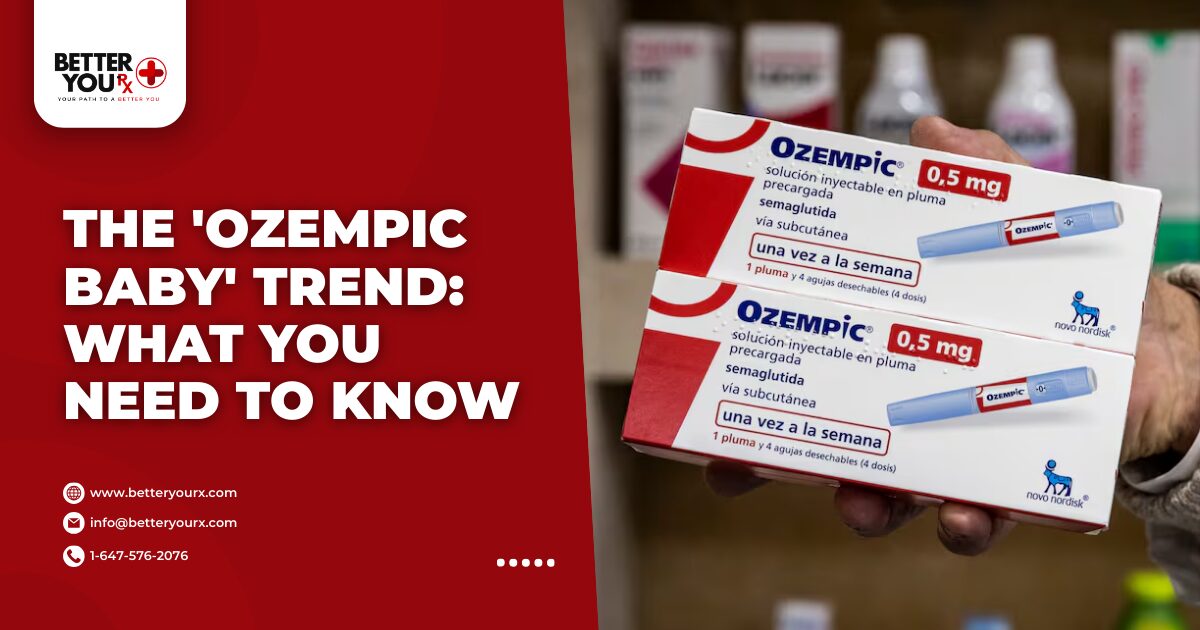
Ozempic has become one of the most talked-about medications in recent years, largely due to its dual effects on weight management and blood sugar control. Many people have noticed significant changes while taking it, which has sparked curiosity about its broader impacts. Alongside these discussions, the term “Ozempic Baby” has emerged online, generating conversations and speculation among social media users and healthcare communities alike.
The term relates to a growing trend in discussions about weight loss medications and fertility, though the connections are complex and require careful consideration. Patients, medical professionals, and influencers are all weighing in, which has fueled both interest and misinformation.

How Ozempic Works and Its Popularity for Weight Loss

Ozempic is a brand name for Semaglutide, a medication that mimics the action of the hormone GLP-1 (glucagon-like peptide-1). This hormone regulates appetite, slows gastric emptying, and helps control blood sugar levels. By activating GLP-1 receptors, Ozempic encourages a feeling of fullness, which naturally reduces food intake over time. It also supports better insulin sensitivity, which helps the body manage blood sugar more efficiently.
The popularity of Ozempic for weight loss has grown because many patients notice consistent reductions in appetite and gradual, sustainable weight loss. It differs from fad diets or short-term solutions because it addresses biological pathways that influence hunger and metabolism. The social media attention around Ozempic has amplified this popularity, leading more people to discuss their experiences online. Some users post weight loss journeys and results, which can create curiosity or pressure among viewers to try the medication.
The convenience of once-weekly injections has also contributed to its widespread use. Patients appreciate not having to manage multiple daily doses, making adherence easier. While originally designed for type 2 diabetes, its impact on weight management has made it a highly sought-after option for those looking to improve health, body composition, and energy levels.
What’s Behind the Ozempic Baby Boom?

The so-called “Ozempic Baby” trend reflects social media discussions and anecdotal stories linking weight loss medications with fertility or the likelihood of conception. Some posts highlight pregnancies after weight stabilization achieved while taking Ozempic, suggesting a connection between body weight, metabolic health, and fertility outcomes.
Weight loss can indeed influence reproductive health. For individuals with obesity or insulin resistance, reducing body weight can improve hormone balance, ovulation cycles, and overall fertility. Ozempic, by supporting weight loss and stabilizing blood sugar, may indirectly contribute to conditions that favor conception. However, the term “Ozempic Baby” can be misleading because the medication itself is not a fertility treatment. It is important for patients to recognize that multiple factors influence conception, including age, underlying health conditions, and lifestyle habits.
Social media amplification of these stories has fueled curiosity and a perception that Ozempic directly improves fertility, which is not entirely accurate. The trend highlights the need for careful interpretation of online narratives and reinforces the importance of consulting healthcare providers for personalized advice.
Why the ‘Ozempic Baby’ Trend Is Gaining Attention on Social Media

The trend has gained attention because it combines popular topics: weight loss, fertility, and viral social media content. People are drawn to visual success stories and narratives that connect lifestyle changes with life milestones. Posts showcasing pregnancies, weight transformations, or personal journeys naturally attract views, shares, and comments.
Influencers and users often share personal experiences without including clinical context, which can lead to misunderstandings. While these stories highlight impressive transformations, they should not be interpreted as guaranteed outcomes. The “Ozempic Baby” trend thrives on relatability and engagement, which increases the visibility of anecdotal stories, even when the scientific connection between Ozempic and fertility is indirect.
Another factor driving attention is curiosity. Weight loss medications are relatively new in widespread use, and the public is still exploring their full effects. Social media provides a platform for rapid dissemination of both accurate and inaccurate information. People who want to achieve similar outcomes may be influenced by trending narratives without fully understanding the clinical realities.
Social Media Influence on Perceptions
- Visual content amplifies interest and curiosity.
- Viral stories may oversimplify complex medical topics.
- Engagement-driven algorithms highlight personal anecdotes over scientific evidence.
The Role of Public Discussions
- Encourage awareness but risk spreading misinformation.
- Highlight the need for professional guidance before starting medications.
The Link Between Weight Loss Medications and Fertility
Weight loss and fertility are connected in multiple ways. Excess body weight can lead to hormonal imbalances that disrupt ovulation and menstrual cycles. It can also increase the risk of insulin resistance, which is linked to polycystic ovary syndrome (PCOS) and other conditions affecting fertility. By supporting weight reduction and improving metabolic health, medications like Ozempic may create a more favorable environment for conception.
Semaglutide’s effects on appetite and glucose regulation can indirectly impact reproductive health by helping patients achieve a healthier body mass index (BMI). For many patients, weight stabilization improves hormone balance, energy levels, and overall wellness, which may influence reproductive outcomes. It is essential to note that Ozempic is not a fertility medication. Any benefits related to conception are secondary effects resulting from improved metabolic and weight-related health.
Healthcare providers emphasize that lifestyle changes, including diet, exercise, and weight management, remain foundational for improving fertility. Medications like Ozempic should be used under professional guidance, particularly for individuals who are planning pregnancy, to ensure both maternal and fetal safety.
What You Should Know Before Considering Ozempic
Patients should be aware of several considerations before starting Ozempic. The medication can cause gastrointestinal side effects, including nausea, vomiting, diarrhea, or constipation. These effects often occur during the first few weeks and usually decrease as the body adjusts.
It is important to follow dosage instructions carefully. Ozempic is administered once weekly via subcutaneous injection, and skipping doses or altering the schedule can affect results. Additionally, patients with certain medical conditions, including severe gastrointestinal disorders or a history of pancreatitis, should consult a healthcare provider before starting treatment.
Pregnancy and breastfeeding are critical considerations. Ozempic is not recommended during pregnancy, and patients should discuss alternative weight management or diabetes strategies with a healthcare provider if planning to conceive. Monitoring by medical professionals ensures that treatment supports health without unintended risks.
Things to Keep in Mind
- Consistency in dosing is essential for effectiveness.
- Side effects are common initially but often improve.
- Medical supervision is crucial for safe use, especially regarding fertility or pregnancy planning.
Common Misconceptions About the ‘Ozempic Baby’ Trend
There are several misconceptions about the “Ozempic Baby” trend. One of the most common is the belief that Ozempic directly increases fertility. In reality, the medication supports weight loss and blood sugar control, which may indirectly improve conditions that favor conception. Fertility is influenced by numerous factors, and no medication alone guarantees pregnancy.
Another misconception is that all patients will experience weight loss at the same rate. Individual responses vary based on metabolism, diet, exercise habits, and pre-existing health conditions. Social media stories may present extreme cases, which are not representative of typical outcomes.
It is also important to understand that starting Ozempic solely for fertility purposes is not recommended. Professional guidance ensures that patients use the medication safely and effectively for the intended purpose, whether it is weight management or type 2 diabetes control.
Misinterpretation of Social Media Stories
- Personal anecdotes may not represent typical experiences.
- Weight loss timelines and results differ between individuals.
- Direct causation between Ozempic and fertility is unsupported.
Importance of Professional Guidance
- Individual assessment helps prevent misuse.
- Medical advice ensures safe integration with lifestyle and health goals.
Final Thoughts
The “Ozempic Baby” trend highlights the intersection of weight management, social media influence, and fertility discussions. While Semaglutide-based medications like Ozempic can support weight loss and improve metabolic health, any effects on fertility are indirect. It is essential to separate anecdotal stories from scientific evidence and make decisions under professional guidance.
For patients considering treatment, you can buy Ozempic online from Canada through Better You Rx. Using a trusted pharmacy ensures safe and authentic medication while supporting overall health and wellness goals. Making informed decisions about medications and lifestyle choices can help patients achieve better outcomes, improve confidence, and create a foundation for long-term health.
FAQs
What is the most important information I should know about Ozempic?
Ozempic is a medication used to manage type 2 diabetes and support weight management. It works by mimicking GLP-1, which regulates appetite, slows digestion, and improves blood sugar control. Patients should take it under medical supervision, follow the weekly dosing schedule, and be aware of potential side effects such as nausea, vomiting, or diarrhea. It is not a fertility treatment, and any effects on reproductive health are indirect.
What I wish I knew before taking Ozempic?
Patients often wish they had known about the gastrointestinal side effects, the importance of consistent weekly dosing, and the need to manage diet and lifestyle alongside the medication. Understanding that results vary and are influenced by multiple factors can help set realistic expectations. Consulting a healthcare provider ensures the medication is used safely and effectively.
Is Ozempic good for babies?
Ozempic is not recommended for use during pregnancy or breastfeeding. Its effects on fetal development are not fully studied, and healthcare providers advise against using it while planning pregnancy or during lactation. Patients should discuss alternative strategies for weight management and blood sugar control if they are pregnant or trying to conceive.