Basal vs Bolus Insulin: Key Differences & Diabetes Management Guide
Basal vs bolus insulin represents two fundamental approaches to insulin therapy, each serving distinct purposes in diabetes management. Basal insulin provides steady, long-acting glucose control throughout the day and night, lasting 12-42 hours with minimal peak activity. Bolus insulin delivers rapid-acting coverage for meals and glucose spikes, beginning work within 15 minutes and lasting 3-4 hours.

Basal-bolus therapy combines both approaches, offering superior glucose control with lifestyle flexibility and reduced hypoglycemia risk compared to single insulin regimens. Common basal insulins include Glargine, Detemir, and Degludec, administered once or twice daily. Rapid-acting bolus options like Lispro, Aspart, and Glulisine require precise timing 15-30 minutes before meals. Both Type 1 and Type 2 diabetes patients can benefit from this approach, though implementation requires proper education in carbohydrate counting, insulin calculations, and blood glucose monitoring for optimal results.

What Is Basal Insulin?

Basal insulin represents the foundation of insulin therapy, providing steady, long-acting glucose control over extended periods. This type of insulin mimics the pancreas’s continuous, low-level insulin production that occurs between meals and during sleep. Basal insulin helps maintain stable blood glucose levels by suppressing glucose production from the liver and facilitating glucose uptake by muscles and other tissues.

Long-acting basal insulins are designed to provide consistent insulin levels for 12 to 24 hours or longer, depending on the specific formulation. These insulins have minimal peak activity, creating a relatively flat action profile that provides steady glucose control without significant fluctuations.

Common basal insulin types include Glargine (Lantus, Basaglar), Detemir (Levemir), and Degludec (Tresiba). Each has unique characteristics regarding duration of action, injection frequency, and individual response patterns. Glargine and Degludec typically require once-daily dosing, while Detemir may require twice-daily administration in some patients.

The primary advantage of basal insulin lies in its convenience and consistent action. Patients can administer basal insulin at the same time each day, providing reliable background glucose control that doesn’t require precise timing with meals. This consistency helps reduce glucose variability and provides a stable foundation for overall diabetes management.

Proper basal insulin dosing should maintain blood glucose levels within target ranges during fasting periods, between meals, and overnight. Healthcare providers typically adjust basal insulin doses based on fasting glucose levels and patterns observed through continuous glucose monitoring or frequent blood glucose testing.

Need basal vs bolus insulin? Order Humulin N KwikPen today for reliable intermediate-acting insulin therapy.

What Is Bolus Insulin?

Bolus insulin provides rapid-acting glucose control specifically designed to manage blood glucose spikes associated with meals and snacks. This insulin type mimics the pancreas’s natural response to food intake, delivering quick-acting insulin coverage that matches carbohydrate absorption and prevents post-meal hyperglycemia.

Rapid-acting bolus insulins begin working within 15 minutes of injection, reach peak activity within 1-2 hours, and continue working for 3-4 hours. This action profile closely matches the body’s natural insulin response to food consumption, making bolus insulin ideal for meal coverage.

Popular bolus insulin options include Lispro (Humalog, Admelog), Aspart (Novolog), and Glulisine (Apidra). These insulins offer similar onset and duration characteristics but may have subtle differences in peak timing and individual response patterns. Some patients may respond better to one formulation over others, requiring individualized selection based on glucose response patterns.

Running out of basal vs bolus insulin? Get Admelog Vials delivered for effective bolus coverage.

Bolus insulin dosing requires careful calculation based on carbohydrate intake, current blood glucose levels, and individual insulin sensitivity factors. The insulin-to-carbohydrate ratio determines how much bolus insulin is needed for each gram of carbohydrate consumed, while correction factors help address elevated glucose levels.

Timing bolus insulin administration is crucial for optimal effectiveness. Most rapid-acting insulins should be administered 15-30 minutes before eating to ensure insulin action aligns with glucose absorption from food. However, this timing may vary based on individual response patterns and current glucose levels.

Key Differences Between Basal and Bolus Insulin
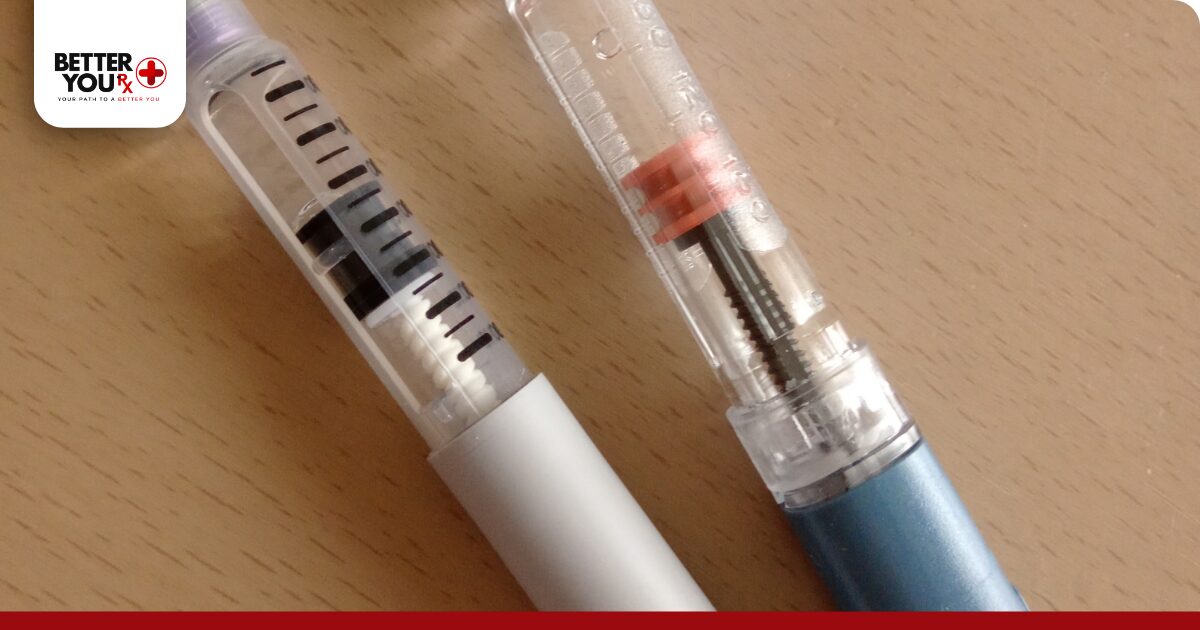
Basal vs Bolus Insulin

The fundamental differences between basal and bolus insulin extend beyond their duration of action to encompass their intended purposes, dosing strategies, and roles in comprehensive diabetes management.

Duration and Onset Characteristics

Basal insulin provides extended coverage lasting 12-42 hours depending on the specific formulation, with minimal peak activity and steady action profiles. Bolus insulin offers rapid onset within 15 minutes, peaks within 1-2 hours, and completes its action within 3-4 hours.

Purpose and Function

Basal insulin addresses background glucose control, suppressing hepatic glucose production and maintaining stable glucose levels between meals and during sleep. Bolus insulin specifically targets meal-related glucose spikes and provides correction coverage for elevated glucose levels.

Dosing Flexibility

Basal insulin typically requires consistent daily timing but offers flexibility in exact administration time within a few hours. Bolus insulin demands precise timing relative to meals and requires dose adjustments based on carbohydrate intake and glucose levels.

Coverage Patterns

Basal insulin provides continuous, steady glucose management throughout the day and night. Bolus insulin delivers targeted coverage for specific events like meals, snacks, or glucose corrections, with distinct periods of activity and inactivity.

Basal-Bolus Insulin Therapy: A Comprehensive Approach

Basal-bolus insulin therapy combines long-acting basal insulin with rapid-acting bolus insulin to provide comprehensive glucose management that closely mimics natural pancreatic function. This approach offers superior glucose control compared to single insulin regimens and provides flexibility for varying meal patterns and lifestyle factors.

The basal-bolus regimen typically involves one or two daily basal insulin injections combined with bolus insulin doses before meals and for glucose corrections. This combination addresses both background glucose control and meal-related insulin needs, providing more physiologic insulin replacement.

Advantages of Basal-Bolus Therapy

Basal-bolus insulin therapy offers numerous advantages for diabetes management:

  • Improved Glucose Control: Better hemoglobin A1c levels and reduced glucose variability compared to conventional insulin regimens
  • Lifestyle Flexibility: Ability to adjust meal timing, carbohydrate intake, and daily schedules without compromising glucose control
  • Reduced Hypoglycemia Risk: More precise insulin dosing reduces the risk of low blood glucose episodes
  • Better Quality of Life: Increased freedom in food choices and daily activities while maintaining good glucose control
  • Customizable Approach: Ability to adjust both basal and bolus components independently based on individual needs
  • Physiologic Insulin Replacement: Closer mimicry of natural pancreatic insulin production patterns

Implementation Considerations

Successful basal-bolus therapy requires comprehensive diabetes education, including carbohydrate counting, insulin dosing calculations, and blood glucose monitoring techniques. Patients must understand insulin-to-carbohydrate ratios, correction factors, and timing principles for optimal results.

Healthcare providers typically start with conservative insulin doses and make gradual adjustments based on glucose patterns and patient response. Regular monitoring through blood glucose testing or continuous glucose monitoring helps optimize both basal and bolus insulin doses.

Timing and Administration Guidelines

Proper timing and administration techniques are crucial for maximizing insulin effectiveness and minimizing glucose variability in basal-bolus therapy.

Basal Insulin Timing

Basal insulin should be administered at consistent times daily to maintain steady insulin levels. Most long-acting insulins can be given at any convenient time, but consistency is important for predictable glucose control.

Morning administration of basal insulin may help address dawn phenomenon, the natural rise in glucose that occurs in early morning hours. Evening administration might be preferred for patients who experience overnight glucose elevations or prefer bedtime dosing routines.

Bolus Insulin Timing

Optimal bolus insulin timing depends on several factors including current glucose levels, meal composition, and individual insulin response patterns. Generally, rapid-acting bolus insulin should be administered 15-30 minutes before eating to ensure insulin action aligns with glucose absorption.

When blood glucose levels are elevated, bolus insulin may need to be given earlier to allow correction time before adding meal coverage. Conversely, if glucose levels are low or trending downward, bolus insulin timing may be delayed or administered closer to meal consumption.

For mixed meals containing protein, fat, and carbohydrates, some patients may benefit from split dosing or extended bolus delivery using insulin pumps. High-fat meals may require additional insulin coverage 2-4 hours after eating due to delayed glucose absorption.

Insulin Types and Formulations

Comparison Table: Basal vs Bolus Insulin Characteristics

Characteristic

Basal Insulin

Bolus Insulin

Onset Time

1-4 hours

15 minutes

Peak Activity

Minimal to no peak

1-2 hours

Duration

12-42 hours

3-4 hours

Purpose

Background glucose control

Meal coverage & corrections

Dosing Frequency

Once or twice daily

Before each meal

Timing Flexibility

Consistent daily timing

Must align with meals

Common Types

Glargine, Detemir, Degludec

Lispro, Aspart, Glulisine

Action Profile

Steady, flat curve

Rapid rise and fall

Long-Acting Basal Insulin Options

Glargine (Lantus, Basaglar) Glargine provides 24-hour basal coverage with minimal peak activity and consistent glucose control. This insulin can be administered once daily at any convenient time, offering flexibility for different schedules and preferences.

Detemir (Levemir) Detemir offers 12-20 hour duration and may require twice-daily dosing in some patients. This insulin has a slightly different action profile that may provide more predictable glucose control for certain individuals.

Degludec (Tresiba) Degludec provides ultra-long-acting coverage lasting up to 42 hours, offering exceptional dosing flexibility and consistent glucose control. This insulin’s extended duration allows for variable dosing times while maintaining effective basal coverage.

Rapid-Acting Bolus Insulin Options

Lispro (Humalog, Admelog) Lispro offers rapid onset and peak activity within 1-2 hours, making it ideal for pre-meal administration and glucose correction. This insulin provides reliable meal coverage with predictable action patterns.

Aspart (Novolog) Aspart provides similar characteristics to Lispro with rapid onset and short duration. Some patients may find subtle differences in peak timing or overall response patterns that influence individual preferences.

Glulisine (Apidra) Glulisine offers rapid-acting coverage with unique formulation characteristics that may provide faster onset in certain situations. This insulin may be preferred for patients requiring very rapid meal coverage.

Explore Admelog vial options for convenient bolus insulin administration.

Effective basal-bolus insulin therapy requires comprehensive glucose monitoring to optimize dosing and timing decisions. Modern glucose monitoring options include traditional blood glucose meters, continuous glucose monitors (CGMs), and flash glucose monitoring systems.

Monitoring Strategies

Fasting Glucose Patterns

  • Regular fasting glucose monitoring helps evaluate basal insulin effectiveness and provides insights into overnight glucose control
  • Consistent fasting glucose levels within target ranges indicate appropriate basal insulin dosing for stable background control
  • Patterns of high fasting glucose may suggest insufficient basal insulin coverage or dawn phenomenon requiring dosing adjustments
  • Low fasting glucose levels could indicate excessive basal insulin that needs reduction to prevent nocturnal hypoglycemia

Post-Meal Glucose Responses

  • Monitoring glucose levels 1-2 hours after meals helps assess bolus insulin effectiveness and meal coverage adequacy
  • Post-meal glucose spikes above target ranges may indicate inadequate bolus dosing or timing issues with insulin administration
  • Consistent post-meal glucose elevation suggests need for insulin-to-carbohydrate ratio adjustments or earlier bolus timing
  • Post-meal hypoglycemia indicates excessive bolus insulin requiring dose reduction or carbohydrate intake modifications

Overnight Glucose Patterns

  • Continuous glucose monitoring or periodic overnight glucose checks help identify nocturnal glucose patterns and trends
  • Dawn phenomenon patterns show early morning glucose elevation requiring basal insulin timing or dosing adjustments
  • Overnight hyperglycemia may indicate insufficient basal coverage or need for split basal insulin dosing
  • Nocturnal hypoglycemia requires careful basal insulin reduction and may necessitate bedtime snack considerations

Dose Adjustment Principles

Insulin dose adjustments should be made systematically, changing one component at a time to identify specific effects. Basal insulin adjustments typically involve 10-20% dose changes based on fasting glucose patterns over several days.

Bolus insulin adjustments may involve insulin-to-carbohydrate ratio changes or correction factor modifications based on post-meal glucose responses and overall glucose control patterns. Healthcare providers should guide major insulin adjustments while patients can make minor corrections based on established guidelines.

Special Populations and Considerations
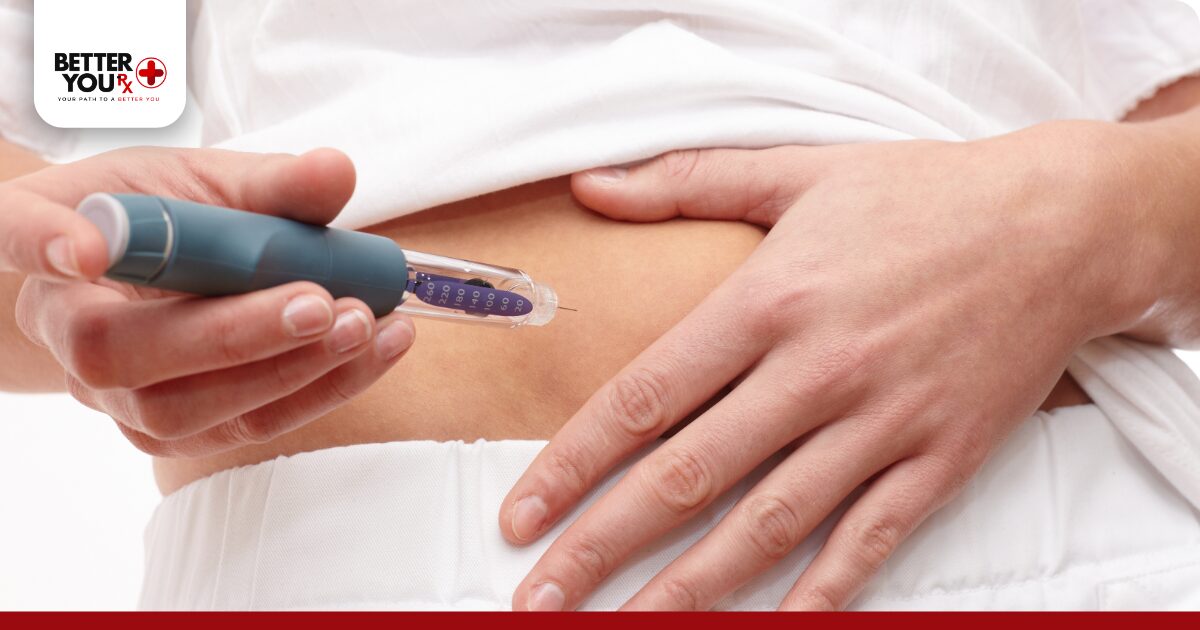
Blood Glucose Monitoring and Adjustment

Type 1 Diabetes Management

Individuals with Type 1 diabetes require complete insulin replacement therapy, making basal-bolus regimens essential for survival and optimal glucose control. These patients typically need more intensive monitoring and frequent dose adjustments due to complete insulin deficiency.

Basal insulin usually represents 40-50% of total daily insulin needs in Type 1 diabetes, with bolus insulin providing the remaining coverage for meals and corrections. Individual ratios may vary based on age, activity level, and metabolic factors.

Type 2 Diabetes Progression

Type 2 diabetes patients may progress from oral medications to basal insulin alone, eventually requiring basal-bolus therapy as beta cell function declines. This progression allows for gradual introduction of insulin therapy components while maintaining glucose control.

Starting with basal insulin alone allows patients to adapt to insulin injections before adding mealtime bolus coverage. This stepwise approach often improves treatment acceptance and long-term adherence to insulin therapy.

Pregnancy and Insulin Therapy

Pregnancy significantly affects insulin requirements due to hormonal changes and increased metabolic demands. Basal-bolus therapy often provides the flexibility needed to manage changing glucose patterns throughout pregnancy while maintaining tight glucose control for maternal and fetal health.

Insulin requirements typically increase during pregnancy, particularly in the second and third trimesters. More frequent glucose monitoring and insulin adjustments are necessary to maintain optimal glucose control during this critical period.

Low on basal vs bolus insulin? Get Novolog FlexPens fast delivery for convenient rapid-acting insulin delivery.

Lifestyle Integration and Patient Education

Successfully implementing basal-bolus insulin therapy requires comprehensive patient education and lifestyle integration strategies. Patients must understand carbohydrate counting, insulin dosing calculations, injection techniques, and glucose monitoring procedures.

Carbohydrate Counting Skills

Accurate carbohydrate counting forms the foundation of effective bolus insulin dosing. Patients need education about carbohydrate content in various foods, portion size estimation, and label reading skills for processed foods.

Practice with carbohydrate counting using real meals and snacks helps develop accuracy and confidence in insulin dosing decisions. Mobile apps and online resources can provide additional support for carbohydrate counting skills development.

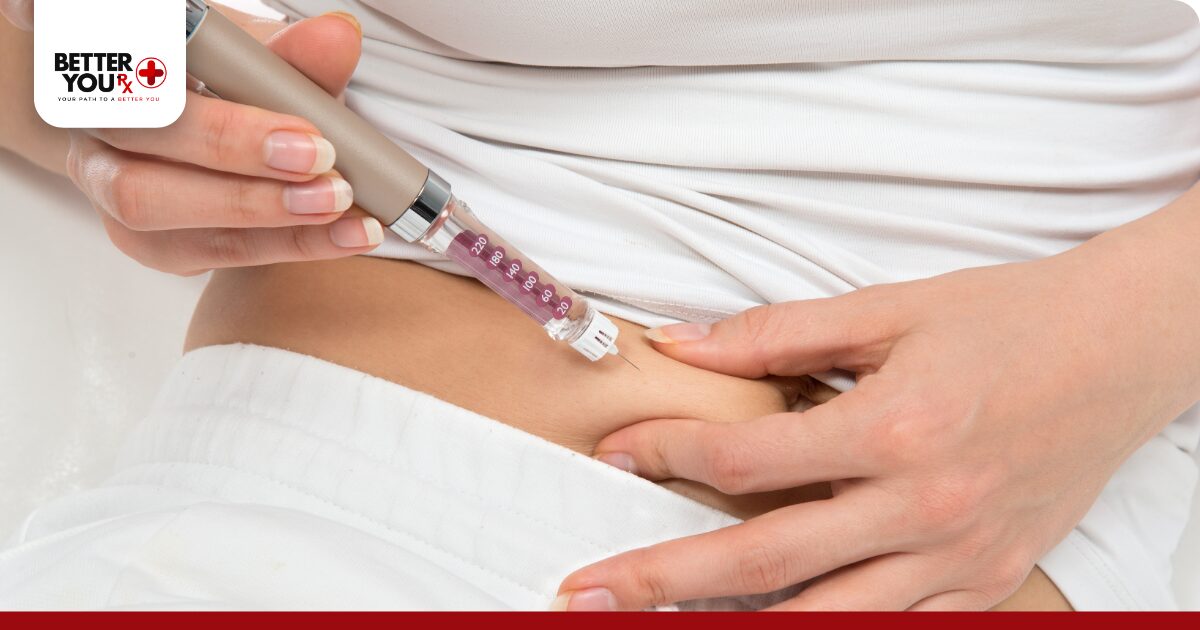
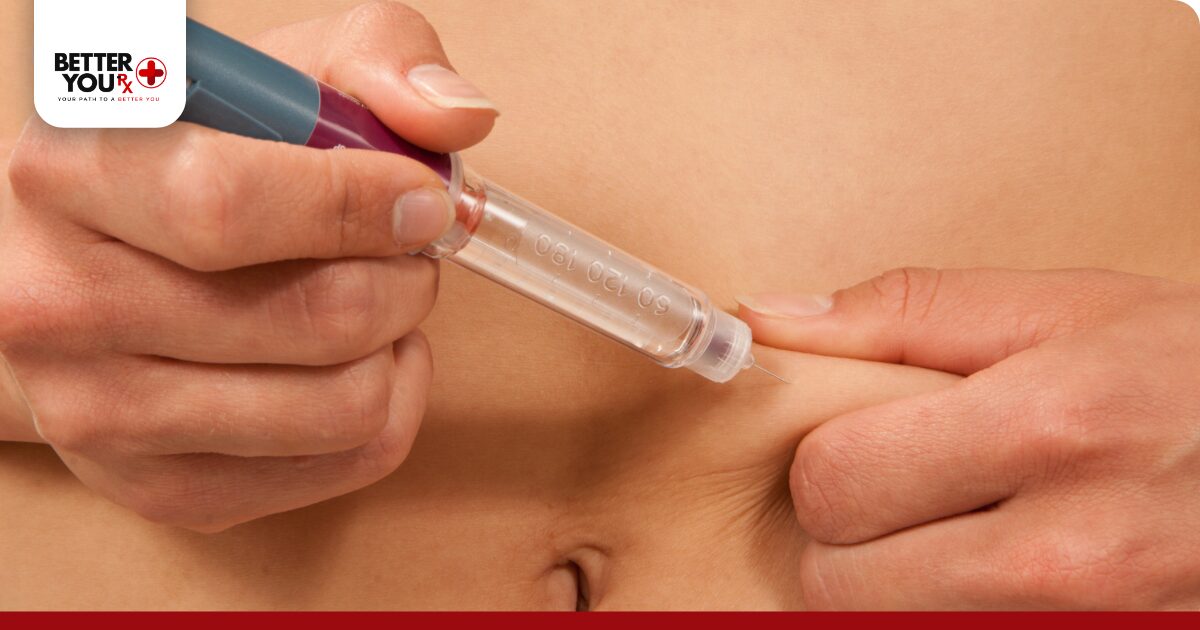
Injection Technique and Site Rotation

Proper injection technique ensures consistent insulin absorption and reduces complications like lipodystrophy. Patients should learn about injection site rotation, needle selection, and injection depth for optimal insulin delivery.

Regular assessment of injection sites helps identify developing lipodystrophy or other complications that could affect insulin absorption. Healthcare providers should review injection techniques periodically and provide corrective guidance as needed.

Exercise and Activity Considerations

Physical activity significantly affects glucose levels and insulin requirements. Patients need strategies for adjusting insulin doses around exercise, understanding activity timing effects, and managing exercise-related glucose changes.

Different types of exercise may have varying effects on glucose levels, requiring individualized approaches to insulin and carbohydrate adjustments. Continuous glucose monitoring can help identify patterns and optimize activity-related management strategies.

Technology Integration and Advanced Management
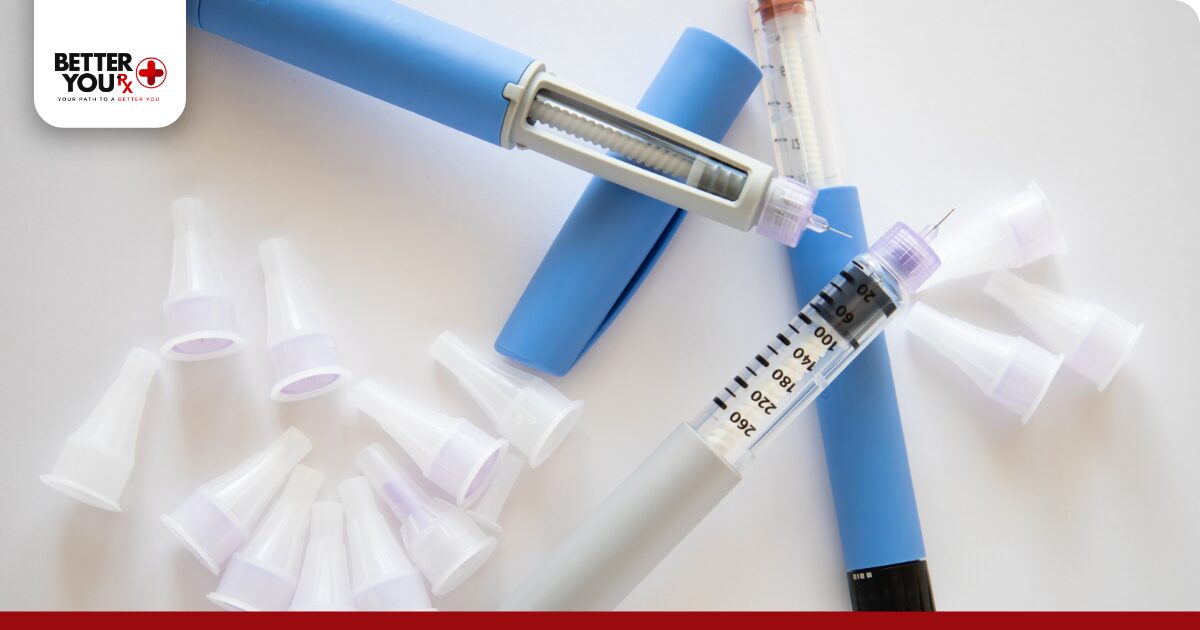
Key Differences Between Basal and Bolus Insulin

Modern diabetes technology offers numerous tools to enhance basal-bolus insulin therapy effectiveness and convenience. Insulin pumps, continuous glucose monitors, and smartphone applications provide advanced management capabilities.

Insulin Pump Therapy

Insulin pumps deliver both basal and bolus insulin through continuous subcutaneous insulin infusion, offering precise dosing and programmable delivery patterns. Pumps can provide variable basal rates throughout the day and sophisticated bolus delivery options for complex meal management.

Pump therapy may be particularly beneficial for patients with irregular schedules, frequent hypoglycemia, or difficult-to-manage glucose patterns. However, pumps require intensive education and ongoing support for safe and effective use.

Continuous Glucose Monitoring

CGMs provide real-time glucose readings and trends, enabling more proactive insulin dosing decisions and improved glucose control. Integration with insulin delivery systems creates automated insulin delivery systems that adjust insulin based on glucose patterns.

CGM data helps identify glucose patterns that may not be apparent through traditional blood glucose monitoring, enabling more precise insulin adjustments and improved overall management.

Troubleshooting Common Challenges

Basal-bolus insulin therapy may present various challenges requiring problem-solving approaches and management adjustments.

Managing Glucose Variability

High glucose variability may indicate timing issues, incorrect insulin-to-carbohydrate ratios, or inadequate basal insulin coverage. Systematic evaluation of glucose patterns helps identify specific causes and appropriate interventions.

Hypoglycemia Prevention

Recurrent hypoglycemia may result from excessive insulin dosing, timing mismatches, or inadequate carbohydrate coverage. Hypoglycemia unawareness requires particular attention and may necessitate relaxed glucose targets temporarily.

Dawn Phenomenon Management

Dawn phenomenon causes early morning glucose elevation due to natural hormone fluctuations. Management strategies include adjusting basal insulin timing, using different basal insulin formulations, or adding morning correction doses.

Alternative Insulin Options and Adjunct Therapies

GLP-1 Receptor Agonists

GLP-1 receptor agonists like Lixisenatide can complement basal-bolus insulin therapy by improving post-meal glucose control and potentially reducing insulin requirements. These medications may help optimize glucose control while minimizing weight gain often associated with insulin therapy.

Inhaled Insulin Options

Inhaled insulin provides rapid-acting mealtime coverage without injections, offering an alternative bolus insulin delivery method for patients with injection concerns or difficulties.

Key Takeaways for Basal vs Bolus Insulin Management

Effective diabetes management through basal-bolus insulin therapy requires understanding the distinct roles of each insulin type and their proper implementation. Basal insulin provides the foundation for glucose control with steady, long-acting coverage, while bolus insulin addresses specific meal-related needs and glucose corrections. The combination offers superior glucose management compared to single insulin regimens, providing lifestyle flexibility and improved quality of life for both Type 1 and Type 2 diabetes patients.

Success with basal-bolus therapy depends on proper education, including carbohydrate counting skills, insulin dosing calculations, and consistent blood glucose monitoring. Working closely with healthcare providers ensures optimal insulin adjustments and helps address challenges that may arise during treatment. Modern technology integration and continuous learning about diabetes management techniques contribute to better outcomes and enhanced daily diabetes care.

Frequently Asked Questions

What’s the Difference Between Basal and Bolus Insulin?

Basal insulin provides long-acting, steady glucose control throughout the day and night, lasting 12-24 hours or longer with minimal peak activity. It mimics the pancreas’s continuous background insulin production and helps maintain stable glucose levels between meals and during sleep. Bolus insulin offers rapid-acting coverage for meals and glucose corrections, beginning work within 15 minutes, peaking in 1-2 hours, and lasting 3-4 hours. The key difference lies in their purpose: basal insulin provides foundation glucose control while bolus insulin addresses specific glucose spikes from food or elevated glucose levels.

When to Give Basal Bolus Insulin?

Basal insulin should be administered at consistent times daily, typically once or twice per day depending on the specific formulation. Most long-acting basal insulins can be given at any convenient time but require consistency for predictable glucose control. Bolus insulin should be given before meals, typically 15-30 minutes prior to eating to allow insulin action to align with glucose absorption from food. Additional bolus doses may be needed for snacks or to correct elevated glucose levels. The timing may need adjustment based on current glucose levels and meal composition.

What Does Bolus Insulin Mean?

Bolus insulin refers to rapid-acting insulin administered to cover meals and correct elevated blood glucose levels. The term “bolus” means a single, discrete dose given at specific times rather than continuous administration. Bolus insulin mimics the pancreas’s natural response to food intake, providing quick-acting insulin coverage that prevents post-meal hyperglycemia. Common bolus insulins include Lispro, Aspart, and Glulisine, all designed to work quickly and complete their action within a few hours to match the body’s natural meal-related insulin needs.

What Are the Advantages of Basal Bolus Insulin?

Basal-bolus insulin therapy offers superior glucose control compared to conventional insulin regimens, with better hemoglobin A1c levels and reduced glucose variability. This approach provides lifestyle flexibility, allowing patients to adjust meal timing and carbohydrate intake while maintaining good glucose control. The risk of hypoglycemia is reduced through more precise insulin dosing, and patients experience improved quality of life with increased freedom in food choices and daily activities. The therapy provides physiologic insulin replacement that closely mimics natural pancreatic function, and both basal and bolus components can be adjusted independently based on individual needs.

What is the Best Time to Inject Bolus?

The optimal time to inject bolus insulin is typically 15-30 minutes before eating to ensure insulin action aligns with glucose absorption from food. However, timing may vary based on current glucose levels, with earlier administration needed when glucose is elevated and later timing appropriate when glucose is low or trending downward. Individual response patterns may require timing adjustments, and different meal compositions may affect optimal timing. For high-fat meals, additional coverage may be needed 2-4 hours after eating due to delayed glucose absorption.

Is Bolus Insulin Only for Type 1 Diabetes?

Bolus insulin is not exclusively for Type 1 diabetes. While all individuals with Type 1 diabetes require bolus insulin as part of complete insulin replacement therapy, many people with Type 2 diabetes also benefit from bolus insulin coverage. Type 2 diabetes patients may progress from oral medications to basal insulin alone, eventually requiring basal-bolus therapy as beta cell function declines over time. Bolus insulin helps Type 2 diabetes patients achieve better glucose control, particularly around meals, and may be recommended when basal insulin alone is insufficient to maintain target glucose levels.

What is the Purpose of Basal Insulin?

The primary purpose of basal insulin is to provide steady, long-acting glucose control that mimics the pancreas’s continuous background insulin production. Basal insulin suppresses hepatic glucose production, which naturally occurs between meals and during sleep, and facilitates glucose uptake by muscles and other tissues throughout the day and night. This foundation glucose control helps maintain stable blood glucose levels during fasting periods, reduces dawn phenomenon effects, and provides consistent insulin coverage that doesn’t require precise meal timing. Basal insulin forms the cornerstone of comprehensive diabetes management by addressing background glucose control needs.
Lispro vs Regular Insulin – Understanding the Key Differences for Better Diabetes Management

Lispro vs regular insulin represents two distinct categories of insulin therapy, each designed to address specific blood sugar control needs. Lispro insulin, a rapid-acting synthetic insulin analog, begins working within 15 minutes and peaks in 1-2 hours, making it ideal for mealtime glucose control. Regular insulin, also known as short-acting insulin, takes 30 minutes to start working and peaks in 2-3 hours, providing longer-lasting coverage. The choice between these insulin types depends on your lifestyle, eating patterns, blood sugar targets, and overall diabetes management plan. Understanding their onset times, peak effects, duration, and practical applications helps you work with your healthcare provider to optimize your treatment approach and achieve better glycemic control.

How Lispro vs Regular Insulin Works in Your Body

Lispro insulin mimics the natural insulin response your pancreas would produce after eating. This rapid-acting insulin analog has been modified at the molecular level to absorb more quickly from injection sites into your bloodstream. When understanding Lispro vs Regular Insulin differences, it’s important to note that when you inject Lispro, it begins lowering blood glucose within 10-15 minutes, reaches peak effectiveness in 1-2 hours, and continues working for 3-5 hours total.

The molecular structure of Lispro has been engineered by reversing the amino acids proline and lysine at positions 28 and 29 of the B-chain. This modification prevents the insulin molecules from forming hexamers, allowing them to disperse more rapidly from the injection site. The monomeric and dimeric forms of Lispro are absorbed much faster through capillary walls, resulting in its characteristic rapid onset of action.

The fast onset makes Lispro particularly effective for controlling post-meal blood sugar spikes. Its quick action allows for flexible meal timing, as you can inject just before eating or even immediately after meals if needed. This flexibility proves especially valuable for people with unpredictable schedules or varying appetite patterns. The pharmacokinetic profile closely matches the physiological insulin response to meals, making it an excellent choice for mimicking natural pancreatic function.

Lispro’s bioavailability remains consistent across different injection sites, though absorption may vary slightly between subcutaneous tissue locations. The abdomen typically provides the fastest absorption, followed by the arms, thighs, and buttocks. Factors such as injection depth, tissue temperature, and local blood flow can influence absorption rates, but these variations are generally minimal with rapid-acting formulations.

Key Characteristics of Lispro Insulin:

  • Onset time – 10-15 minutes
  • Peak action – 1-2 hours
  • Duration – 3-5 hours
  • Best used for mealtime coverage
  • Allows flexible dosing timing
  • Bioavailability – 55-77% compared to regular insulin
  • Temperature stability – Maintains potency at room temperature for 28 days

Ready to experience better mealtime glucose control? Buy Humalog cartridge insulin Lispro from Canada and enjoy significant savings on your diabetes medications.

Understanding Regular Insulin and Its Mechanism

Making the Right Choice for Your Lifestyle

Regular insulin, also called short-acting or soluble insulin, represents the traditional form of mealtime insulin that has been used for decades. This clear, colorless solution contains human insulin that works more slowly than rapid-acting analogs like Lispro. When comparing Lispro vs Regular Insulin characteristics, Regular insulin requires 30 minutes to begin lowering blood glucose, reaches peak effectiveness in 2-3 hours, and continues working for 5-8 hours.

Regular insulin contains recombinant human insulin produced through genetic engineering in bacterial or yeast cells. The amino acid sequence is identical to naturally occurring human insulin, making it biocompatible and reducing the risk of immune reactions. Unlike rapid-acting analogs, regular insulin maintains its hexameric structure in solution, which requires time to dissociate into monomers and dimers before absorption can occur effectively.

The longer onset time means you need to inject regular insulin 30 minutes before eating to properly cover your meal. This timing requirement can make meal planning more rigid compared to rapid-acting options. However, the extended duration of action can provide better coverage for meals with slower-digesting carbohydrates or larger portions. The sustained release pattern makes regular insulin particularly effective for covering complex meals that include proteins, fats, and fiber that slow gastric emptying.

Regular insulin’s absorption characteristics remain relatively consistent across injection sites, though individual factors such as tissue thickness, blood flow, and temperature can influence uptake rates. The subcutaneous depot formed after injection gradually releases insulin into systemic circulation, creating the characteristic delayed but sustained action profile.

Regular Insulin Characteristics:

  • Onset time – 30 minutes
  • Peak action – 2-3 hours
  • Duration – 5-8 hours
  • Requires pre-meal injection timing
  • Longer-lasting glucose coverage
  • Bioavailability – 63-89% depending on injection site
  • Storage requirements – Stable at refrigeration temperatures
  • Zinc content – Contains zinc for crystallization and stability
Feature Regular Insulin Lispro Insulin
Onset Time 30 minutes 10-15 minutes
Peak Effect 2-3 hours 1-2 hours
Duration 5-8 hours 3-5 hours
Meal Timing 30 min before Just before/after
Flexibility Less flexible More flexible
Structure Hexameric Monomeric/Dimeric
Manufacturing Standard recombinant Analog technology

Speed and Timing Differences Between Lispro vs Regular Insulin

The most significant difference between Lispro vs regular insulin lies in their speed of action and timing requirements. These differences directly impact how you manage your daily diabetes care routine and meal planning strategies. Understanding these distinctions helps optimize your treatment approach and achieve better glycemic outcomes.

Lispro’s rapid onset means you can inject and eat within minutes, making it ideal for spontaneous meals or when you’re unsure about portion sizes. You can even wait to see how much you actually eat before determining your final dose. This flexibility reduces the risk of hypoglycemia from taking insulin for food you don’t end up consuming. The ability to dose post-meal is particularly valuable for children, elderly patients, or anyone with variable appetite patterns.

Regular insulin’s 30-minute delay requires more planning but offers advantages for certain situations. The key distinction in Lispro vs Regular Insulin usage is that regular insulin’s longer duration provides better coverage for high-fat meals that slow gastric emptying, extended social meals, or grazing-style eating patterns. The sustained action can also help bridge between meals when used in combination with longer-acting insulins.

The extended action profile of regular insulin can be beneficial for managing dawn phenomenon, where blood glucose naturally rises in the early morning hours. When used as part of conventional insulin therapy, regular insulin’s longer duration helps maintain glucose control between meals without requiring additional intermediate-acting insulin doses.

Timing Considerations:

  • Lispro – Inject 0-15 minutes before eating
  • Regular – Inject 30 minutes before eating
  • Flexibility – Lispro allows post-meal dosing adjustments
  • Duration – Regular insulin covers longer eating windows
  • Exercise considerations – Lispro provides better control during physical activity
  • Stress response – Regular insulin may offer more stable coverage during illness
  • Travel adjustments – Lispro adapts better to changing meal schedules

Discover the convenience of rapid-acting insulin. Browse our complete insulin Lispro collection to find the right option for your lifestyle.

Effectiveness Comparison for Blood Sugar Control

Both Lispro and regular insulin effectively lower blood glucose, but their different action profiles make them suitable for different glycemic control strategies. When evaluating Lispro vs Regular Insulin effectiveness, clinical studies show that rapid-acting insulins like Lispro typically provide better post-meal glucose control with lower risk of late hypoglycemia compared to regular insulin.

Lispro’s quick onset and peak action align more closely with natural insulin response patterns, leading to improved HbA1c levels in many patients. The reduced risk of hypoglycemia occurs because Lispro clears from your system faster, decreasing the chance of overlapping insulin action between meals. Research demonstrates that patients using rapid-acting insulins experience fewer severe hypoglycemic episodes while achieving similar or better overall glucose control.

The improved post-prandial glucose control with Lispro translates to better management of glucose excursions that contribute to diabetic complications. Studies show reductions in post-meal glucose spikes of 20-30% compared to regular insulin when proper timing is maintained. This improvement in glucose variability correlates with reduced oxidative stress and lower cardiovascular risk markers.

Regular insulin may provide superior control for individuals who experience delayed gastric emptying, eat high-fiber meals, or have gastroparesis. Its longer action profile can better match slower carbohydrate absorption patterns in these situations. The extended coverage is particularly valuable for patients with autonomic neuropathy affecting digestion or those taking medications that slow gastric motility.

Patient satisfaction scores consistently favor rapid-acting insulins due to improved lifestyle flexibility and reduced meal planning constraints. Quality of life measures show significant improvements in treatment satisfaction, dietary freedom, and overall diabetes management burden when patients switch from regular to rapid-acting insulin formulations.

Long-term cardiovascular outcomes data suggests similar benefits between insulin types when used appropriately, though the improved glucose control achieved with rapid-acting insulins may translate to reduced microvascular complication risk over time. The key factor remains consistent use and appropriate dosing rather than insulin type selection alone.

Effectiveness Factors:

  • Post-meal control – Lispro generally superior
  • HbA1c improvement – Lispro shows slight advantage
  • Hypoglycemia risk – Lower with Lispro
  • Special circumstances – Regular insulin may be preferred
  • Glucose variability – Better control with rapid-acting formulations
  • Patient satisfaction – Higher ratings for flexibility with Lispro
  • Quality of life – Improved dietary freedom with rapid-acting insulins

Side Effects and Safety Profiles

Lispro vs Regular Insulin

Both insulin types share fundamental safety profiles since they perform the same basic function of lowering blood glucose. However, their different timing characteristics create distinct patterns of potential side effects and adverse reactions.

Lispro Insulin Side Effects:

  • Common: Hypoglycemia, injection site reactions (pain, redness, swelling), weight gain, lipodystrophy
  • Less Common: Allergic reactions (rash, itching, difficulty breathing), hypokalemia (low potassium), peripheral edema
  • Rare: Severe hypoglycemia, anaphylaxis, insulin antibody formation
  • Injection Site: Localized fat loss or thickening, bruising, bleeding
  • Metabolic: Fluid retention, electrolyte imbalances

Regular Insulin Side Effects:

  • Common: Hypoglycemia, injection site reactions, weight gain, lipodystrophy
  • Less Common: Allergic skin reactions, hypokalemia, sodium retention, blurred vision
  • Rare: Severe allergic reactions, insulin resistance, lipoatrophy
  • Gastrointestinal: Nausea (especially during hypoglycemia), abdominal discomfort
  • Neurological: Headache, dizziness, confusion during low blood sugar episodes

Timing-Related Safety Differences:

Lispro’s rapid action increases the risk of immediate post-injection hypoglycemia if you delay eating or consume less food than expected. The quick onset means symptoms can develop suddenly within 15-30 minutes of injection. However, the shorter duration reduces late-onset hypoglycemia risk, particularly overnight or between meals.

Regular insulin’s delayed onset can lead to hypoglycemia 2-4 hours after injection, especially if meals are delayed or smaller than anticipated. The longer duration increases the risk of insulin stacking when doses are given too close together, potentially causing prolonged hypoglycemic episodes.

Critical Safety Considerations:

  • Monitor blood glucose more frequently when starting either insulin
  • Recognize early hypoglycemia symptoms (sweating, shakiness, rapid heartbeat)
  • Adjust doses gradually based on response patterns and blood sugar logs
  • Maintain consistent carbohydrate intake during initial therapy
  • Rotate injection sites systematically to prevent lipodystrophy
  • Keep fast-acting carbohydrates readily available for hypoglycemia treatment
  • Report persistent injection site reactions or unusual symptoms to healthcare providers

Accessibility Factors to Consider:

  • Global availability – Regular insulin more universally accessible
  • Generic availability – Regular insulin has more generic alternatives
  • Delivery options – Both available in multiple formats
  • Provider familiarity – Regular insulin has longer prescribing history
  • Supply chain stability – Both have established distribution networks

Formulation Options:

  • Vials – Traditional option for both insulin types
  • Pre-filled pens – Convenient for both Lispro and regular insulin
  • Cartridges – Refillable pen systems available
  • Concentrated formulations – Higher strength options when needed

Humalog Junior KwikPen is $112.8 in BetterYouRx, providing an accessible option for those seeking reliable Lispro insulin therapy. Access affordable diabetes medication through reliable Canadian sources. Order Humalog Junior KwikPen from Canada and enjoy convenient delivery options.

Making the Right Choice for Your LifestyleEffectiveness Comparison for Blood Sugar Control


Selecting between Lispro vs regular insulin depends on multiple personal factors including your daily routine, eating habits, glucose targets, and lifestyle preferences. Neither insulin type is universally superior – the best choice is the one that fits your specific needs and helps you achieve optimal glucose control while maintaining quality of life and treatment adherence.

The decision process should involve careful consideration of your individual circumstances, medical history, and treatment goals. Healthcare providers typically evaluate factors such as current glucose control patterns, hypoglycemia frequency, meal timing consistency, physical activity levels, and personal preferences when recommending insulin therapy options.

Choose Lispro If You:

  • Have unpredictable meal timing due to work or lifestyle demands
  • Prefer flexibility in dosing and meal planning
  • Experience frequent hypoglycemia with regular insulin regimens
  • Want to dose after seeing portion sizes or appetite levels
  • Have gastroparesis or delayed gastric emptying conditions
  • Lead an active lifestyle with varying schedules and activities
  • Struggle with pre-meal timing requirements of regular insulin
  • Experience significant post-meal glucose spikes despite proper timing
  • Travel frequently or have irregular work schedules

Choose Regular Insulin If You:

  • Maintain consistent meal timing and structured daily routines
  • Have budget constraints that favor more affordable insulin options
  • Experience good glucose control with your current regular insulin regimen
  • Eat larger or high-fat meals frequently that require extended coverage
  • Have slower gastric emptying that benefits from longer insulin action
  • Prefer established, well-studied treatments with decades of safety data
  • Live in areas where rapid-acting analogs have limited availability
  • Experience adequate glucose control without flexibility requirements

Your healthcare provider can help evaluate these factors and may recommend starting with one type while keeping the option to switch based on your response and lifestyle changes. Many people find success with either option when properly dosed and timed according to their specific needs. The transition between insulin types should always be done under medical supervision with appropriate glucose monitoring adjustments.

Optimizing Your Insulin Therapy Choice

The decision between Lispro vs regular insulin centers on matching insulin action to your individual needs. Lispro offers rapid onset and flexible timing, ideal for variable lifestyles and improved post-meal control. Regular insulin provides longer duration and established protocols, suitable for structured routines and extended coverage needs. Both effectively lower blood glucose when used appropriately. Success depends on consistent use, proper timing, and regular monitoring. Healthcare provider guidance ensures optimal selection based on your lifestyle, medical circumstances, and glucose targets. Individual responses vary, making personalized approaches essential. Treatment satisfaction improves when insulin choice aligns with daily routines and preferences. Regular reassessment ensures continued effectiveness as circumstances change over time.

Frequently Asked Questions

Is Lispro Safe in Pregnancy?

Lispro insulin is generally considered safe during pregnancy and is often preferred over regular insulin for pregnant women with diabetes. The rapid-acting nature helps control post-meal glucose spikes that can be particularly harmful during pregnancy. Always consult your healthcare provider before making any insulin changes during pregnancy, as individual circumstances vary significantly.

Can Humalog Cause Diarrhea?

Diarrhea is not a common direct side effect of Humalog (insulin Lispro), but it can occur in some individuals. More often, digestive issues result from blood sugar fluctuations rather than the insulin itself. If you experience persistent diarrhea after starting Humalog, discuss this with your healthcare provider to rule out other causes.

What Kind of Insulin Is Lispro?

Lispro is a rapid-acting insulin analog, meaning it’s a modified form of human insulin designed to work faster than natural insulin. It’s created by reversing two amino acids in the insulin molecule, which prevents it from clumping together and allows for quicker absorption. Lispro is classified as mealtime or bolus insulin, used primarily to control blood sugar spikes after eating.

What Are the Advantages of Lispro Insulin?

Lispro insulin offers several key advantages including rapid onset within 10-15 minutes, allowing flexible meal timing and the ability to dose just before or even after eating. It provides better post-meal glucose control with reduced risk of late hypoglycemia compared to regular insulin. The shorter duration of action (3-5 hours) means less risk of insulin stacking and allows for more precise dose timing.

What Is the Difference Between Lispro and Regular Insulin?

The primary differences lie in onset time, peak action, and duration. Lispro begins working in 10-15 minutes, peaks in 1-2 hours, and lasts 3-5 hours, while regular insulin starts in 30 minutes, peaks in 2-3 hours, and continues for 5-8 hours. This means Lispro requires injection closer to meal time but offers more flexibility, while regular insulin needs 30-minute pre-meal timing but provides longer coverage.

Who Should Not Take Insulin Lispro?

People with known hypersensitivity or allergy to Lispro or any of its components should not use this insulin. Those experiencing hypoglycemia should not inject additional Lispro until blood sugar levels normalize. Individuals with severe kidney or liver disease may need dose adjustments or alternative treatments.

Which Insulin Is Better, Humalog or Lispro?

Humalog is actually a brand name for insulin Lispro, so they are the same medication. Generic insulin Lispro and brand-name Humalog contain the same active ingredient and work identically in your body. The choice between them typically comes down to availability and personal preference for delivery devices.


Insulin Dosing Weight-Based – Guide for Safe Diabetes Management

Weight-based insulin dosing represents a fundamental approach to diabetes management that helps healthcare providers determine appropriate insulin doses based on a patient’s body weight. This comprehensive guide explores the essential principles of calculating weight-based insulin doses, understanding different insulin types, and implementing safe dosing strategies for effective blood sugar control.

The weight-based dosing method provides a starting point for insulin therapy by establishing baseline requirements typically ranging from 0.4 to 1.0 units per kilogram of body weight daily. This approach considers individual factors such as insulin sensitivity, activity levels, and disease progression while offering healthcare providers a systematic framework for initiating and adjusting insulin therapy.

Understanding Weight-Based Insulin Calculations

Weight-based insulin dosing serves as the foundation for establishing appropriate insulin therapy in diabetes management. The calculation process begins with determining total daily insulin requirements based on body weight, typically measured in kilograms. Healthcare providers use established formulas that account for different patient populations and insulin sensitivity levels.

The basic calculation starts with multiplying body weight in kilograms by a predetermined factor ranging from 0.4 to 1.0 units per kilogram. Newly diagnosed patients with type 1 diabetes often begin with lower doses around 0.4-0.6 units per kilogram, while patients with insulin resistance or type 2 diabetes may require higher doses approaching 0.8-1.0 units per kilogram or more.

Patient factors significantly influence these calculations including age, physical activity level, eating patterns, and concurrent medications. Younger patients typically demonstrate higher insulin sensitivity requiring lower doses per kilogram, while older adults or those with additional health conditions may need adjusted calculations. The presence of other medications, particularly corticosteroids or certain psychiatric medications, can increase insulin requirements substantially.

Looking to optimize your diabetes management with reliable insulin options? Consider Humalog Junior KwikPen for precise pediatric dosing needs.

How to Calculate Weight-Based Insulin Dosing

Safety Considerations and Monitoring

Calculating weight-based insulin dosing involves several systematic steps that healthcare providers follow to establish safe and effective insulin regimens. The process requires accurate body weight measurements, understanding of insulin types, and consideration of individual patient factors.

Step 1 – Determine Total Daily Insulin Dose (TDID) Begin by calculating the total daily insulin dose using the formula: TDID = Body weight (kg) × Units per kg factor. For most patients, start with 0.5 units per kilogram as a baseline, adjusting based on individual circumstances.

Step 2 – Distribute Between Basal and Bolus Insulin Divide the total daily dose between basal (background) insulin and bolus (mealtime) insulin. Typically, 40-50% of the total dose serves as basal insulin, while the remaining 50-60% covers bolus needs distributed across meals.

Step 3 – Calculate Individual Meal Bolus Doses Distribute bolus insulin across meals based on carbohydrate content and individual insulin-to-carbohydrate ratios. Start with dividing bolus insulin equally across three meals, then adjust based on actual carbohydrate intake and blood glucose responses.

Step 4 – Apply Correction Factors Establish correction factors for high blood glucose levels, typically starting with 1 unit of rapid-acting insulin for every 50 mg/dL above target glucose levels. Adjust this sensitivity factor based on individual response patterns and total daily insulin requirements.

The calculation process requires ongoing monitoring and adjustment based on blood glucose patterns, lifestyle changes, and patient response to initial dosing recommendations.

Types of Weight-Based Insulin Dosing Regimens

Different insulin regimens utilize weight-based calculations while addressing varying patient needs and diabetes management goals. Understanding these regimens helps healthcare providers select appropriate approaches for individual patients.

Basal-Bolus Regimens Basal-bolus regimens provide the most physiologic approach to insulin replacement therapy. Long-acting insulin such as Glargine or Detemir covers basal needs, while rapid-acting insulin like Lispro or Aspart addresses mealtime requirements. Weight-based calculations determine both components with typical distributions of 40-50% basal and 50-60% bolus insulin.

Mixed Insulin Regimens Pre-mixed insulin combinations like 70/30 or 75/25 formulations offer convenience for patients requiring simplified regimens. Weight-based dosing for mixed insulins typically starts with 0.6-0.8 units per kilogram daily, divided between morning and evening doses based on individual meal patterns and glucose responses.

Sliding Scale Approaches While less preferred for routine management, sliding scale insulin protocols use weight-based corrections for hospitalized patients or temporary situations. These protocols establish correction doses based on current blood glucose levels and total daily insulin requirements calculated from patient weight.

Continuous Insulin Infusion Insulin pump therapy utilizes sophisticated weight-based calculations for programming basal rates and bolus doses. Initial pump settings derive from total daily injection requirements, with basal rates typically programmed as 40-50% of total daily needs distributed across 24-hour periods.

Factors Affecting Weight-Based Insulin Requirements

Insulin Dosing Weight-Based

Multiple factors influence individual insulin requirements beyond simple weight-based calculations. Understanding these variables helps healthcare providers make appropriate adjustments and set realistic expectations for diabetes management outcomes.

Insulin Sensitivity Variations Individual insulin sensitivity varies significantly based on factors including genetics, physical fitness, body composition, and hormonal status. Athletes or physically active individuals often demonstrate higher insulin sensitivity requiring lower doses per kilogram, while sedentary patients may need higher doses to achieve similar glucose control.

Age-Related Considerations Age significantly impacts insulin requirements with children and adolescents often requiring higher doses per kilogram due to growth hormone effects and pubertal changes. Elderly patients may need lower starting doses due to decreased kidney function, reduced caloric intake, or increased risk of hypoglycemia.

Honeymoon Period Effects Newly diagnosed type 1 diabetes patients may experience a honeymoon period where remaining beta cell function reduces insulin requirements. During this phase, weight-based calculations may overestimate needs, requiring careful monitoring and dose reductions to prevent hypoglycemia.

Concurrent Medical Conditions Various medical conditions affect insulin requirements including kidney disease, liver dysfunction, thyroid disorders, and infections. Kidney disease may reduce insulin clearance requiring dose adjustments, while hyperthyroidism can increase insulin needs substantially.

Medication Interactions Certain medications significantly impact insulin requirements including corticosteroids (increase needs), beta-blockers (may mask hypoglycemia symptoms), and some psychiatric medications (increase insulin resistance). Weight-based calculations must account for these interactions.

Safety Considerations and Monitoring

Safe implementation of weight-based insulin dosing requires comprehensive monitoring protocols and awareness of potential complications. Healthcare providers must establish clear guidelines for dose adjustments and patient education regarding hypoglycemia recognition and treatment.

Blood Glucose Monitoring Requirements Patients beginning weight-based insulin regimens require frequent blood glucose monitoring to assess dose appropriateness and identify patterns requiring adjustment. Initial monitoring typically includes pre-meal and bedtime glucose checks, with additional testing during illness or routine changes.

Hypoglycemia Prevention Weight-based dosing calculations provide starting points that require individualization to prevent hypoglycemia. Healthcare providers must educate patients about hypoglycemia symptoms, treatment protocols, and situations requiring immediate medical attention. Glucagon prescriptions become essential safety measures for patients using insulin.

Dose Adjustment Protocols Systematic dose adjustment protocols help healthcare providers make safe modifications to weight-based insulin regimens. Typical adjustment increments range from 10-20% of current doses, with changes made every 3-5 days based on glucose pattern analysis rather than isolated high or low readings.

Special Population Considerations Pregnant women, elderly patients, and those with kidney or liver disease require modified approaches to weight-based insulin dosing. These populations often need more conservative starting doses and more frequent monitoring to ensure safety while achieving glucose targets.

Insulin Types and Weight-Based Applications

Insulin Type Onset Peak Duration Weight-Based Dosing Application
Rapid-Acting (Lispro, Aspart) 15-30 min 1-2 hours 3-5 hours Bolus dosing: 50-60% of TDID
Short-Acting (Regular) 30-60 min 2-4 hours 6-8 hours Mealtime coverage: 0.1-0.3 u/kg per meal
Intermediate-Acting (NPH) 1-3 hours 6-8 hours 12-16 hours Basal coverage: 40-50% of TDID
Long-Acting (Glargine, Detemir) 1-4 hours Minimal peak 20-24 hours Basal dosing: 0.2-0.5 u/kg daily
Pre-Mixed (70/30, 75/25) 15-30 min 2-8 hours 16-20 hours Twice daily: 0.3-0.4 u/kg per dose

Different insulin types require specific considerations when applying weight-based dosing calculations. Rapid-acting insulins like Lispro and Aspart work quickly to cover mealtime glucose rises, while long-acting formulations provide steady background insulin coverage throughout the day.

Understanding pharmacokinetic profiles helps healthcare providers optimize timing and dosing for individual patient needs. The table above illustrates how different insulin types fit into weight-based regimens and typical dosing ranges for each category.

Special Dosing Situations and Adjustments

Certain situations require modifications to standard weight-based insulin dosing approaches. These circumstances demand careful consideration and often more intensive monitoring to ensure patient safety and optimal glucose control.

Sick Day Management Illness typically increases insulin requirements due to stress hormones and reduced food intake patterns. Patients may need 10-20% increases in total daily insulin doses during illness, with emphasis on maintaining basal insulin even when unable to eat normally. Blood glucose monitoring becomes more frequent during sick days.

Exercise and Physical Activity Regular exercise affects insulin sensitivity and may require dose adjustments to prevent hypoglycemia. Patients engaging in prolonged or intense physical activity often need 25-50% reductions in rapid-acting insulin doses for meals preceding exercise. Long-term exercise programs may reduce overall insulin requirements.

Travel and Schedule Changes Time zone changes and altered meal schedules require insulin timing adjustments while maintaining appropriate total daily doses. Patients crossing multiple time zones may need temporary intermediate adjustments before resuming normal schedules in new locations.

Pregnancy Considerations Pregnancy significantly alters insulin requirements with needs typically increasing throughout gestation. First trimester may see decreased requirements, while second and third trimesters often require substantial dose increases. Weight-based calculations must account for both pre-pregnancy weight and gestational changes.

Ready to start your Insulin Dosing Weight-Based journey? Explore Humulin N KwikPen for reliable intermediate-acting insulin coverage that fits seamlessly into your diabetes management plan.

Advanced Dosing Strategies

Advanced Dosing Strategies

Advanced weight-based insulin dosing strategies incorporate sophisticated approaches that address complex diabetes management situations. These strategies often combine multiple calculation methods and require experienced healthcare provider guidance.

Carbohydrate-to-Insulin Ratios Individual carbohydrate-to-insulin ratios determine how much rapid-acting insulin patients need for specific amounts of dietary carbohydrates. Starting ratios often derive from weight-based calculations using the 450 rule (450 divided by total daily insulin dose) or 500 rule for more insulin-sensitive patients.

Correction Factor Calculations Correction factors help patients adjust insulin doses for elevated blood glucose levels. The 1800 rule (1800 divided by total daily insulin dose) provides starting correction factors, indicating how much blood glucose decreases per unit of rapid-acting insulin.

Pattern Management Advanced dosing involves analyzing blood glucose patterns over multiple days to identify consistent trends requiring systematic dose adjustments. Dawn phenomenon, post-meal spikes, and overnight lows each require specific modification strategies based on pattern timing and magnitude.

Technology Integration Modern diabetes technology including continuous glucose monitors and insulin pumps utilize weight-based calculations as starting points for automated dosing adjustments. These systems learn individual response patterns and modify doses based on real-time glucose data and historical patterns.

Need rapid-acting insulin for precise mealtime control? Discover Admelog Vial – the trusted choice for effective insulin dosing weight-based management that adapts to your lifestyle.

Key Takeaways for Successful Weight-Based Insulin Management

Successful weight-based insulin dosing requires systematic approaches combining accurate calculations with individualized adjustments based on patient response patterns. Healthcare providers must balance standard dosing formulas with patient-specific factors including lifestyle, concurrent medications, and individual insulin sensitivity variations.

Regular monitoring and systematic dose adjustments ensure optimal glucose control while minimizing hypoglycemia risks. Patients require comprehensive education about their insulin regimens including proper timing, dose calculations, and emergency management procedures for both high and low blood glucose situations.

The integration of modern diabetes technology with traditional weight-based calculations offers enhanced precision and safety for insulin dose management. Continuous glucose monitoring and insulin delivery systems provide real-time feedback for optimizing doses while maintaining the fundamental principles of weight-based dosing as starting points.

Long-term success with weight-based insulin dosing depends on consistent healthcare provider collaboration, patient education, and willingness to make appropriate adjustments based on changing circumstances and individual response patterns.

Frequently Asked Questions

What Is the 70 30 Rule Insulin?

The 70/30 rule refers to pre-mixed insulin containing 70% intermediate-acting insulin (NPH) and 30% short-acting regular insulin. Weight-based dosing typically starts with 0.6-0.8 units per kilogram daily, divided between morning (60-70%) and evening (30-40%) doses.

How Much Insulin per Kg Body Weight?

Type 1 diabetes patients typically need 0.4-1.0 units per kilogram daily. Newly diagnosed patients start at 0.4-0.6 u/kg, while established patients require 0.6-1.0 u/kg. Type 2 diabetes patients may need 0.8-2.0 units per kilogram daily due to insulin resistance.

What Is the 2/3 1/3 Rule for Insulin?

The 2/3 1/3 rule distributes total daily insulin dose with two-thirds given in the morning and one-third in the evening. This accounts for higher daytime insulin needs when cortisol levels and food intake are greater.

What Is the 30 60 90 Rule for Insulin?

The 30 60 90 rule refers to blood glucose monitoring times after insulin injection. Check at 30 minutes for immediate effects, 60 minutes for peak action, and 90 minutes for overall effectiveness. This helps determine if ratios need adjustment.

How Does Weight Affect Insulin Needs?

Higher body weight often increases insulin resistance, requiring more units per kilogram. Muscle mass increases insulin sensitivity while fat tissue decreases it. Weight changes typically require 10% dose adjustments for every 10% weight change.

How Much Insulin Should I Take if My Sugar Is 300?

Correction doses depend on individual factors. A typical correction might be 1 unit per 50 mg/dL above target. For 300 mg/dL with a 120 mg/dL target: (300-120)/50 = 4 units. Healthcare providers must determine individual correction factors.

What Is the 3 Hour Rule for Diabetes?

Rapid-acting insulin remains active for approximately 3 hours. Avoid giving additional doses within 3 hours of the previous injection unless directed by healthcare providers to prevent dangerous insulin stacking and hypoglycemia.


Insulin 70/30 Dosage Calculation: Step-by-Step Guide

Understanding proper insulin dosing, particularly insulin 70/30 dosage calculation, is essential for effective diabetes management. Weight-based insulin dosing provides a systematic approach to determining the right amount of insulin your body needs throughout the day. This comprehensive guide covers everything from basic dosing principles to advanced calculation methods, helping you work with your healthcare provider to achieve optimal blood sugar control. Whether you’re newly diagnosed or looking to refine your current regimen, mastering these dosing concepts will empower you to make informed decisions about your diabetes care while minimizing the risk of dangerous blood sugar fluctuations.

Understanding Insulin 70/30 Formulations

Insulin 70/30 represents a premixed insulin combination that contains 70% intermediate-acting insulin and 30% rapid-acting insulin in a single injection. This formulation simplifies diabetes management by providing both basal (background) and bolus (mealtime) insulin coverage in one convenient dose.

The 70% intermediate-acting component typically consists of NPH (Neutral Protamine Hagedorn) insulin, which provides steady insulin release for approximately 12 to 18 hours. This component helps maintain baseline blood sugar control between meals and overnight.

The 30% rapid-acting component begins working within 15 to 30 minutes after injection, peaks in 1 to 3 hours, and lasts for 3 to 5 hours. This portion covers the blood sugar rise that occurs after meals.

Different manufacturers produce various 70/30 insulin formulations. Popular brands include Humulin 70/30, Novolin 70/30, and Humalog Mix 75/25. Each has slightly different onset, peak, and duration characteristics, though the basic principle remains the same.

Understanding these timing patterns is crucial for proper insulin 70/30 dosage calculation because you need to coordinate your injections with meal timing to achieve optimal blood sugar control while avoiding hypoglycemia.

Looking for consistent intermediate-acting insulin coverage? Order Humulin N KwikPen now and enjoy convenient, accurate dosing with every injection. Perfect for your basal insulin needs with reliable 12-18 hour coverage.

Basic Insulin Dosage Calculation Methods

Insulin 70/30 Dosage Calculation

Several established methods exist for calculating insulin doses, each with specific applications and benefits. The most common approaches include the weight-based method, carbohydrate ratio method, and correction factor method.

Weight-Based Method

This fundamental approach calculates total daily insulin needs using the formula – Total Daily Dose (TDD) = Body Weight (kg) × Units per kg. For most adults with Type 2 diabetes, the multiplier ranges from 0.4 to 0.6 units per kg, while those with Type 1 diabetes or insulin resistance may require 0.7 to 1.0 units per kg.

Carbohydrate Ratio Method

This method determines how much insulin you need to cover carbohydrates in your meals. The insulin-to-carbohydrate ratio is calculated as 500 ÷ TDD = grams of carbohydrate covered by 1 unit of insulin. For example, if your TDD is 50 units, your ratio would be 500 ÷ 50 = 10 grams of carbohydrate per unit of insulin.

Correction Factor Method

Also known as the sensitivity factor, this calculates how much one unit of insulin will lower your blood glucose. The formula is 1800 ÷ TDD = mg/dL decrease per unit of insulin. Using the previous example, 1800 ÷ 50 = 36 mg/dL decrease per unit.

These methods work together to create a comprehensive dosing strategy that addresses both scheduled insulin needs and corrections for high blood sugar levels.

Shop Admelog Vial for Mealtime Control Need effective rapid-acting insulin for your insulin 70/30 dosage calculation routine? Purchase Admelog Vial today for superior mealtime glucose management. Fast-acting formula begins working in 15 minutes.

Calculating your insulin 70/30 dosage requires a systematic approach that considers your individual needs and circumstances. Here’s a detailed step-by-step process:

Step 1 – Calculate Total Daily Dose (TDD)

Begin by determining your total daily insulin requirement using the weight-based formula. Convert your weight to kilograms (weight in pounds ÷ 2.2 = kg), then multiply by the appropriate units per kg factor based on your diabetes type and insulin sensitivity.

Step 2 – Determine Injection Frequency

Most people using 70/30 insulin take two injections daily – before breakfast and before dinner. Some may require three injections, adding a lunchtime dose. Your healthcare provider will determine the best schedule based on your blood sugar patterns.

Step 3 – Divide Total Daily Dose

For twice-daily dosing, typically 2/3 of the TDD is given before breakfast and 1/3 before dinner. For example, if your TDD is 60 units, you would take approximately 40 units in the morning and 20 units in the evening.

Step 4 – Account for Individual Factors

Adjust the calculated dose based on your specific needs. Factors like dawn phenomenon (morning blood sugar rise), exercise patterns, work schedule, and meal timing may require dose modifications.

Step 5 – Monitor and Adjust

Start with the calculated dose and monitor blood sugar levels closely. Your healthcare provider will help you adjust the dose based on your actual blood sugar responses, typically making small changes of 2-4 units at a time.

Factors Affecting Insulin Dosage Requirements

insulin

Multiple factors influence how much insulin your body needs, making individualized dosing essential for optimal diabetes management. Understanding these factors helps explain why insulin 70/30 dosage calculation varies significantly between individuals.

Body Weight and Composition

Larger individuals generally require more insulin, but body composition also matters. People with higher muscle mass may be more insulin sensitive than those with higher body fat percentages. Additionally, weight changes require dose adjustments – weight loss typically reduces insulin needs while weight gain increases them.

Physical Activity Level

Regular exercise increases insulin sensitivity, potentially reducing your insulin requirements. However, the timing and intensity of exercise affect how much adjustment is needed. Aerobic exercise typically increases insulin sensitivity for 12-48 hours, while resistance training may have different effects.

Dietary Patterns

Your eating habits significantly impact insulin needs. Higher carbohydrate intake requires more insulin, while low-carb diets may reduce requirements. Meal timing consistency helps optimize insulin effectiveness, especially with fixed-ratio formulations like 70/30.

Hormonal Changes

Hormones affect insulin sensitivity throughout the day and across longer time periods. Dawn phenomenon causes increased insulin needs in the morning, while some people experience increased sensitivity in the afternoon. Women may notice cyclical changes related to menstrual cycles, pregnancy, or menopause.

Stress and Illness

Both physical and emotional stress can increase blood sugar levels and insulin resistance. During illness, insulin requirements often increase due to stress hormones and reduced activity levels. Some medications also affect insulin sensitivity.

Age and Diabetes Duration

Insulin requirements may change over time as beta cell function continues to decline in Type 2 diabetes or as growth patterns change in younger individuals. Regular reassessment ensures your dosing remains appropriate.

Safe Administration Guidelines

Proper insulin administration is just as important as correct dosing calculations. Following established safety guidelines helps prevent dangerous complications while maximizing insulin effectiveness.

Injection Site Selection and Rotation

Choose injection sites with adequate subcutaneous tissue – abdomen, thighs, upper arms, and buttocks. Rotate injection sites within the same anatomical region to prevent lipodystrophy (tissue changes that affect insulin absorption). The abdomen typically provides the most consistent absorption.

Timing Considerations

70/30 insulin should be injected 15-30 minutes before meals to allow the rapid-acting component to begin working when food is consumed. Consistent timing helps maintain stable blood sugar levels and reduces the risk of hypoglycemia or hyperglycemia.

Proper Injection Technique

Use the correct needle length for your body type – typically 4-6mm for most adults. Inject at a 90-degree angle (45 degrees if very thin) and hold for 10 seconds after injection to ensure complete delivery. Never reuse needles, as this can cause pain and affect insulin delivery.

Storage and Handling

Store unopened insulin in the refrigerator but allow it to reach room temperature before injection. Once opened, most insulin can be stored at room temperature for 28 days. Never freeze insulin or expose it to extreme heat, as this destroys its effectiveness.

Mixing Technique

70/30 insulin requires gentle mixing before each injection to ensure proper distribution of the different insulin types. Roll the pen or vial between your palms 10-20 times, then gently invert 10-20 times until the solution appears evenly cloudy.

Monitoring and Adjusting Your Insulin Dose

Effective diabetes management requires ongoing monitoring and dose adjustments based on blood sugar patterns and changing life circumstances. Regular monitoring helps optimize your insulin 70/30 dosage calculation and prevent complications.

Blood Sugar Testing Schedule

Test blood sugar levels at key times – before meals, 2 hours after meals, at bedtime, and occasionally during the night. This pattern helps identify how well your current dose is working and where adjustments might be needed.

Record Keeping

Maintain detailed records of blood sugar levels, insulin doses, meals, exercise, and any unusual circumstances. Many smartphone apps can help track this information and identify patterns that might not be obvious day-to-day.

When to Contact Your Healthcare Provider

Contact your provider if you experience repeated blood sugar readings outside your target range, frequent hypoglycemic episodes, unexplained high blood sugar levels, or significant changes in weight, activity, or eating patterns.

Making Safe Adjustments

Never make large dose changes on your own. Small adjustments of 10% of your current dose (or 2-4 units) are generally safer. Wait 3-4 days between adjustments to see the full effect, unless experiencing dangerous blood sugar levels.

Sick Day Management

During illness, blood sugar levels often run higher than normal. Continue taking insulin even if not eating well, and contact your healthcare provider for guidance on temporary dose adjustments. Never stop insulin completely during illness.

Need effective rapid-acting insulin for your insulin 70/30 dosage calculation routine? Purchase Admelog Vial today for superior mealtime glucose management. Fast-acting formula begins working in 15 minutes.

Common Dosing Mistakes to Avoid

Understanding common insulin dosing errors helps prevent dangerous complications and improves overall diabetes management outcomes.

Calculation Errors

Double-check all calculations, especially when converting between units or adjusting doses. Use the same measurement system consistently (metric vs. imperial) to avoid confusion. Write down calculations rather than doing them entirely in your head.

Timing Problems

Taking insulin too close to or too far from meals can cause blood sugar swings. Set reminders to help maintain consistent timing, and adjust meal schedules when necessary to accommodate your insulin schedule.

Injection Site Issues

Repeatedly injecting in the same spot can cause tissue damage and unpredictable insulin absorption. Develop a systematic rotation plan and inspect injection sites regularly for signs of problems.

Remember that insulin takes time to work – rapid-acting insulin peaks in 1-3 hours, so wait before taking additional doses unless directed by your healthcare provider.

Looking for affordable long-acting insulin options? Buy cheap Humulin N KwikPen online through Better You RX for reliable 24-hour glucose control. Get quality insulin at competitive prices with convenient home delivery.

Advanced Calculation Considerations

Step-By-Step Insulin 70/30 Dosage Calculation

More complex dosing scenarios require additional considerations beyond basic weight-based calculations. These situations often arise in people with varying schedules, multiple health conditions, or unique physiological needs.

Calculation Factor Standard Range High-Risk Conditions Adjustment Needed
Units per kg body weight 0.4-0.6 units/kg Kidney disease, elderly Reduce by 25-50%
Morning dose percentage 60-67% of TDD Dawn phenomenon Increase to 70-75%
Evening dose percentage 33-40% of TDD Night shift workers May need reversal
Meal spacing hours 4-6 hours apart Irregular schedules Individual timing
Exercise adjustment 25-50% reduction High-intensity training Up to 75% reduction

Variable Schedule Management

People with rotating work shifts, irregular meal times, or frequent travel need flexible dosing strategies. This might involve splitting doses differently or using alternative insulin regimens during certain periods.

Special Population Considerations

Elderly individuals, those with kidney or liver disease, and people taking multiple medications may require modified dosing approaches. These populations often need lower starting doses with more gradual adjustments.

Technology Integration

Continuous glucose monitors and insulin pumps can provide additional data for fine-tuning dosing calculations. However, traditional calculation methods remain important for understanding the underlying principles and troubleshooting problems.

Seasonal Adjustments

Some people require different insulin doses during different seasons due to activity level changes, dietary pattern shifts, or seasonal affective disorder. Plan ahead for these predictable changes.

Working With Your Healthcare Team

Successful insulin management requires collaborative effort between you and your healthcare providers. Building strong relationships and maintaining open communication ensures the best possible outcomes.

Regular Appointment Schedule

Schedule regular check-ups every 3-4 months, or more frequently when starting new medications or experiencing problems. Bring your blood sugar records, questions, and concerns to each appointment.

Communication Strategies

Prepare specific questions about your insulin regimen and be honest about any difficulties you’re experiencing with dosing, timing, or blood sugar control. Your healthcare team can only help if they understand your complete situation.

Emergency Planning

Develop clear plans for handling both high and low blood sugar emergencies. Know when to contact your healthcare provider versus when to seek immediate medical attention. Keep emergency supplies readily available.

Technology Training

If using glucose meters, continuous monitors, or insulin pens with memory functions, ensure you understand how to use these tools effectively and interpret the information they provide.

Require enhanced dosing accuracy for your diabetes management? Buy Humalog Junior KwikPen now for half-unit dosing precision. Ideal for fine-tuning your insulin 70/30 dosage calculation with pediatric-friendly design and adult precision.

Key Takeaways for Optimal Insulin Management

Mastering insulin 70/30 dosage calculation and weight-based dosing principles empowers you to take control of your diabetes management while working effectively with your healthcare team. Remember that dosing calculations provide starting points, not absolute rules – your individual response and changing circumstances require ongoing adjustments and monitoring.

Success in insulin management comes from understanding the fundamental principles while remaining flexible enough to adapt to your unique needs and life circumstances. Regular monitoring, careful record-keeping, and open communication with your healthcare providers form the foundation of safe and effective insulin therapy.

The investment in learning proper dosing techniques pays dividends in improved blood sugar control, reduced complications, and enhanced quality of life. Start with conservative doses, make gradual adjustments, and never hesitate to seek guidance when facing challenges or uncertainties.

Frequently Asked Questions

How Do I Calculate My Starting Insulin 70/30 Dose Based on Weight?

Start by converting your weight to kilograms (divide pounds by 2.2). Multiply by 0.4-0.6 units per kg for most adults with Type 2 diabetes. For example, a 180-pound person (82 kg) would need approximately 33-49 units daily. Typically, give 2/3 in the morning and 1/3 in the evening. Always work with your healthcare provider to determine your specific starting dose.

When Should I Take My Insulin 70/30 Injections for Best Results?

Take 70/30 insulin 15-30 minutes before your largest meals, typically breakfast and dinner. This timing allows the rapid-acting component to begin working when food enters your system. Maintain consistent timing daily – if you eat breakfast at 7 AM, try to inject around 6:30-6:45 AM every day.

What Factors Require Me to Adjust My Insulin 70/30 Dosage?

Several factors may require dose adjustments including weight changes, increased or decreased physical activity, changes in eating patterns, illness or stress, new medications, and seasonal variations in routine. Always make small adjustments (2-4 units) and wait 3-4 days to see the full effect before making additional changes.

How Often Should I Check My Blood Sugar When Using Insulin 70/30?

Test blood sugar before meals, 2 hours after meals, and at bedtime initially. Once your doses are stable and blood sugars well-controlled, you may reduce testing frequency as recommended by your healthcare provider. Always test more frequently during illness, stress, or when making dose adjustments.

What Should I Do if I Miss an Insulin 70/30 Dose?

If you miss a dose and it’s close to your next scheduled injection time, skip the missed dose and continue with your regular schedule. Never take two doses at once. If you miss a morning dose but remember within 2-3 hours, you can take a reduced dose. Contact your healthcare provider for specific guidance on your situation.

Can I Adjust My Insulin 70/30 Dose for Different Meal Sizes?

Unlike rapid-acting insulin alone, 70/30 contains fixed proportions of different insulin types, making it less flexible for varying meal sizes. Maintain consistent meal sizes and carbohydrate content for best results. If you need more flexibility for varying meals, discuss alternative insulin regimens with your healthcare provider.

How Do I Know if My Insulin 70/30 Dose is Working Properly?

Signs of proper dosing include blood sugars within your target range (typically 80-130 mg/dL before meals, less than 180 mg/dL two hours after meals), stable energy levels throughout the day, and minimal episodes of high or low blood sugar. Regular pattern recognition in your blood sugar logs helps identify if adjustments are needed.


Sign Up For Newsletter

Please enable JavaScript in your browser to complete this form.

Join 60.000+ Subscribers and get a new discount coupon on every Saturday.

Address

PO Box 29631, Mississauga RPO Central Parkway, ON L5A 4H2

Phone Number

1-647-576-2076

better you rx big letter logo

Discover convenience with Better You Rx, your trusted pharmacy-affiliated partner. We work with leading pharmacies to deliver prescriptions and over-the-counter medications right to your doorstep. Enjoy cost-effective solutions on a platform that’s easy to use. We focus on safety and efficacy in all products. Our dedicated team ensures a smooth experience. From ordering to delivery, we simplify your healthcare needs. Choose Better You Rx for reliable service and expert support. Trust us for all your medication requirements. Experience the ease of modern pharmacy care.

Categories

Operating Hours: 
10:00AM – 6:00PM CST
Monday – Friday

Our Payment Partners :

Copyright © 2026 BetteryouRX. All Rights Reserved.
Join The Waitlist Be among the first to know when becomes available.
Add to cart