

Written by Sarah Mitchell, Health Content Writer | Medically Reviewed by Dr. Amanda Cole, PharmD | Last Updated: September 2026
Retatrutide headache is a common experience during the first several weeks of treatment, and it typically shows up as a dull, pressure-like ache rather than a sharp or severe pain. It happens because Retatrutide changes how the body handles appetite, digestion, hydration, and blood sugar all at once, and any shift in those systems can trigger head pain in people who are sensitive to them. The good news is that these headaches are usually temporary, predictable around dose changes, and manageable with a few consistent daily habits.
Key Takeaways
- A Retatrutide headache is one of the most frequently reported early side effects, usually appearing within the first two to four weeks of treatment or after a dose increase
- Headaches are most often linked to appetite suppression, reduced calorie intake, mild dehydration, and shifting blood sugar levels rather than the medication directly damaging tissue
- Most cases are mild to moderate and resolve within a few days to two weeks as the body adjusts to a new dose
- Simple daily habits such as steady hydration, consistent meal timing, and gradual dose titration under provider guidance can meaningfully reduce headache frequency
- A headache that is severe, sudden, or paired with vision changes, confusion, or a stiff neck is not typical and should be discussed with a healthcare provider promptly
What Causes This Headache While Taking Retatrutide?
Retatrutide belongs to a newer class of injectable compounds that act on multiple hormone receptors involved in appetite regulation and metabolism. Because it affects several signaling pathways at once, the body has more adjusting to do compared to medications that target a single receptor. That adjustment period is where most headache reports come from.
Several overlapping factors tend to explain why a Retatrutide headache develops:
- Reduced food intake. Appetite suppression is one of the most noticeable early effects of Retatrutide. Eating less, especially in the first two weeks, can lower blood sugar and trigger tension-type headaches in people who are used to more frequent meals.
- Dehydration. Nausea and reduced thirst cues are common alongside appetite changes, and mild dehydration is one of the most reliable headache triggers in general.
- Blood sugar fluctuation. As the body becomes more sensitive to insulin, blood sugar can dip lower than a person is used to, particularly between meals.
- Dose titration. Headaches cluster around dose increases far more often than during stable maintenance periods, which points to the body recalibrating rather than a lasting problem.
- Sleep disruption. Some people report lighter or shorter sleep during the first weeks of treatment, and poor sleep is an independent headache trigger on its own.
None of these mechanisms suggest that Retatrutide is causing structural harm. A headache in this context is the body’s way of signaling that something has changed, not a warning sign of damage.

Retatrutide Headache Timeline By Dose
Headache frequency tends to follow a predictable pattern that mirrors the dose titration schedule. The table below reflects what is generally reported during the early phases of treatment, though individual experiences vary based on hydration, diet, and overall health.
| Treatment Phase | Typical Onset | Common Headache Pattern |
| Starting Dose (Weeks 1-2) | Days 2 to 5 | Mild, intermittent, often tied to reduced appetite |
| First Dose Increase | Within 3 to 7 days of the increase | Slightly more noticeable, usually resolves within a week |
| Subsequent Increases | 2 to 5 days after each step up | Shorter duration than the first increase in most cases |
| Maintenance Dose | Rare after week 6 to 8 | Occasional, usually tied to missed meals or dehydration |
This pattern is one reason providers coordinate dose increases gradually rather than all at once. Spacing out increases gives the body more time to adjust between changes, which tends to soften the headache response considerably.
How To Manage Headaches During Dose Increases
Because a Retatrutide headache is so closely tied to hydration, meal timing, and blood sugar, most of the practical relief strategies focus on stabilizing those systems rather than treating the head pain in isolation.
Why it happens: the body is recalibrating multiple hormone pathways simultaneously, and headaches are a common byproduct of that recalibration.
How to ease it: consistency is the most reliable tool. Drinking water steadily throughout the day, rather than large amounts all at once, tends to help more than occasional binge hydration. Eating small, protein-forward meals at regular intervals also helps prevent the blood sugar dips that often accompany appetite suppression.
Which approach works best: for most people, a combination of steady hydration, regular small meals, and consistent sleep timing addresses the majority of headache triggers without requiring any medication changes. Providers may also recommend slowing the pace of dose increases if headaches are frequent or intense, since a more gradual titration schedule is one of the most effective ways to reduce this side effect.
In clinical practice, providers who work with GLP-1 and multi-agonist compounds often note that patients who front-load hydration in the morning, before appetite suppression fully sets in, report fewer afternoon headaches than those who try to catch up on fluids later in the day. This kind of small scheduling adjustment tends to make a noticeable difference over the first month of treatment.
Things To Know
- Retatrutide headaches are generally not a sign that the dose is too high; they are more often a sign that hydration or meal timing needs adjusting
- Over-the-counter pain relief should only be used under a provider’s guidance, since some pain relievers can affect the stomach lining differently when appetite and eating patterns have changed
- Headaches that appear consistently at the same time of day often point to a specific trigger, such as a skipped meal or a long gap without water
- Most healthcare providers follow established clinical protocols when adjusting titration schedules for patients who report frequent headaches
- Keeping a simple log of when headaches occur, what was eaten, and how much water was consumed can help a provider identify the most likely cause
How This Headache Compares To Other GLP-1 Side Effects
Headache is not unique to Retatrutide. It appears across most medications in this broader category, though the frequency and intensity can vary slightly depending on how a person’s body responds to appetite suppression and the specific mechanism of action.
| Side Effect | Typical Frequency | Usual Duration |
| Headache | Common, especially early in treatment | A few days to two weeks |
| Nausea | Very common, most reported early symptom | One to three weeks |
| Fatigue | Common during dose increases | Days to a couple of weeks |
| Reduced Appetite | Expected and often the intended effect | Ongoing while on treatment |
| Dizziness | Less common, often tied to dehydration | Usually brief |
People exploring options across this medication category sometimes compare experiences between compounds. For those weighing Retatrutide against Tirzepatide, headache patterns tend to be similar, since both affect overlapping hormone pathways. A broader look at Retatrutide side effects can also help set realistic expectations before starting treatment, alongside a general overview of Retatrutide benefits for context on what the medication is intended to support.
Patients sometimes ask how this compares to other options in the weight management category. Medications like Zepbound, Mounjaro, and Saxenda share a similar early adjustment period, and headache is a commonly reported experience across all of them during the first several weeks.
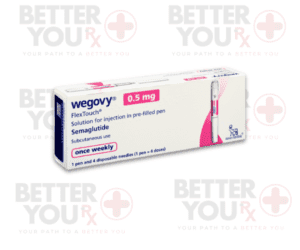
Buy Wegovy from Canada
Original price was: $609.99.$596.99Current price is: $596.99.


When A Headache Signals Something More Serious
Most cases are mild, predictable, and manageable at home, but a small number of symptoms warrant faster attention. A headache accompanied by sudden vision changes, confusion, difficulty speaking, a stiff neck, or the worst headache of a person’s life is not a typical medication side effect and should be evaluated promptly by a healthcare provider.
Severe or worsening abdominal pain paired with a headache also deserves attention, since this combination can occasionally point to something unrelated to the headache mechanism itself. Providers coordinating Retatrutide treatment generally ask patients to report any headache that does not improve after the first two weeks of a stable dose, since persistence beyond that window is less typical than the usual early adjustment pattern.

Final Thoughts On This Common Retatrutide Side Effect
A Retatrutide headache is one of the more common, and more manageable, parts of starting this medication. It tends to show up early, cluster around dose increases, and fade as hydration, meals, and sleep settle into a new rhythm. Paying attention to those daily habits does more to reduce headache frequency than almost anything else within a person’s control.
For anyone weighing their options, reviewing what Retatrutide actually does in the body can add useful context alongside a conversation with a healthcare provider about titration pace and daily habits. Better You Rx connects patients with a licensed contracted dispensing department that coordinates prescriptions written by a treating provider, making it easier to stay on a structured, well-monitored plan while these early side effects settle.
Frequently Asked Questions
How to get rid of a GLP-1 headache?
Steady hydration and consistent small meals are the most effective first steps. Most GLP-1 related headaches ease once fluid intake and blood sugar stabilize. Spacing meals evenly through the day and avoiding long gaps without water tends to reduce both frequency and intensity within the first couple of weeks.
How long does a headache last on Retatrutide?
Most headaches resolve within a few days to about two weeks. They tend to cluster around the starting dose and each dose increase, then taper off as the body adjusts. A headache that lingers well beyond two weeks at a stable dose is worth mentioning to a provider.
How to get rid of a Retatrutide headache?
Hydration, regular meals, and rest are the main tools. Drinking water consistently throughout the day, eating small protein-forward meals, and prioritizing sleep addresses most of the common triggers. Providers may also space out dose increases if headaches become frequent.
Can Retatrutide cause body aches?
Yes, mild body aches are sometimes reported alongside headache during the early adjustment period. These tend to appear at the same time as fatigue and typically fade within one to two weeks as the body adapts to reduced calorie intake and shifting energy levels.
Can Retatrutide cause migraines?
Retatrutide is more commonly linked to tension-type headaches than true migraines. People with an existing history of migraines may notice their usual pattern shift slightly during dose changes, but new migraine onset is not a widely reported pattern with this medication.
Sources
- Mayo Clinic, Overview of headache types, common triggers, and general management strategies.
- Cleveland Clinic, Patient education on GLP-1 and multi-agonist medication side effects, including headache and dehydration.
- Journal of Clinical Endocrinology and Metabolism, Research on incretin-based therapies and their metabolic and neurological side effect profiles.
- American Migraine Foundation, Guidance on distinguishing tension-type headaches from migraine and when to seek evaluation.
- Obesity Medicine Association, Clinical education on appetite-regulating hormone pathways relevant to newer weight management compounds.
This article is for informational purposes only and is not a substitute for professional medical advice, diagnosis, or treatment. Always consult a licensed healthcare provider before starting, stopping, or adjusting any medication, including Retatrutide.