
Written by Sarah Nars, Health Content Writer | Medically Reviewed by Dr. Maria Santos, PharmD | Updated: September 2026
Last Updated: October 5, 2026
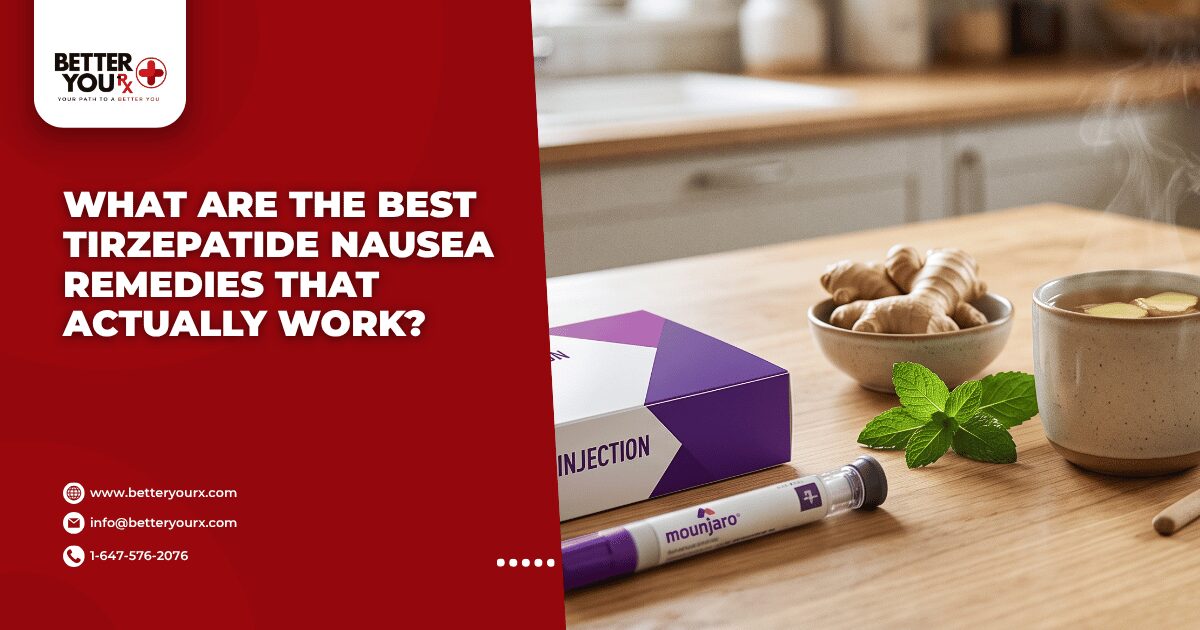
Tirzepatide nausea remedies that actually work usually combine smaller meals, steady hydration, slower dose increases, and mild natural aids like ginger rather than any single fix. Most patients notice nausea within the first two days after a dose and see it ease within about a week as the body adjusts to the medication.
Tirzepatide, sold under the brand names Mounjaro and Zepbound, slows stomach emptying as part of how it helps manage blood sugar and weight. That same mechanism is also the reason nausea is the most frequently reported side effect during the early weeks of treatment. The good news is that nausea tends to be manageable and temporary for most people, and a handful of practical adjustments can make a real difference in daily comfort.
Key Takeaways
- Tirzepatide nausea remedies that actually work rely on meal size, pacing, and hydration rather than any single trick.
- Nausea is most noticeable in the first two to three days after a dose or a dose increase and usually fades as the body adjusts.
- Small, low-fat, low-fiber meals ease stomach discomfort far more reliably than skipping meals altogether.
- Ginger, peppermint tea, and steady water sipping are low-risk options many patients find genuinely helpful.
- Slower dose titration under medical guidance remains one of the most dependable ways to prevent severe nausea.
- Vomiting that will not stop or an inability to keep fluids down should always prompt a call to a healthcare provider.
Why Tirzepatide Causes Nausea In The First Place
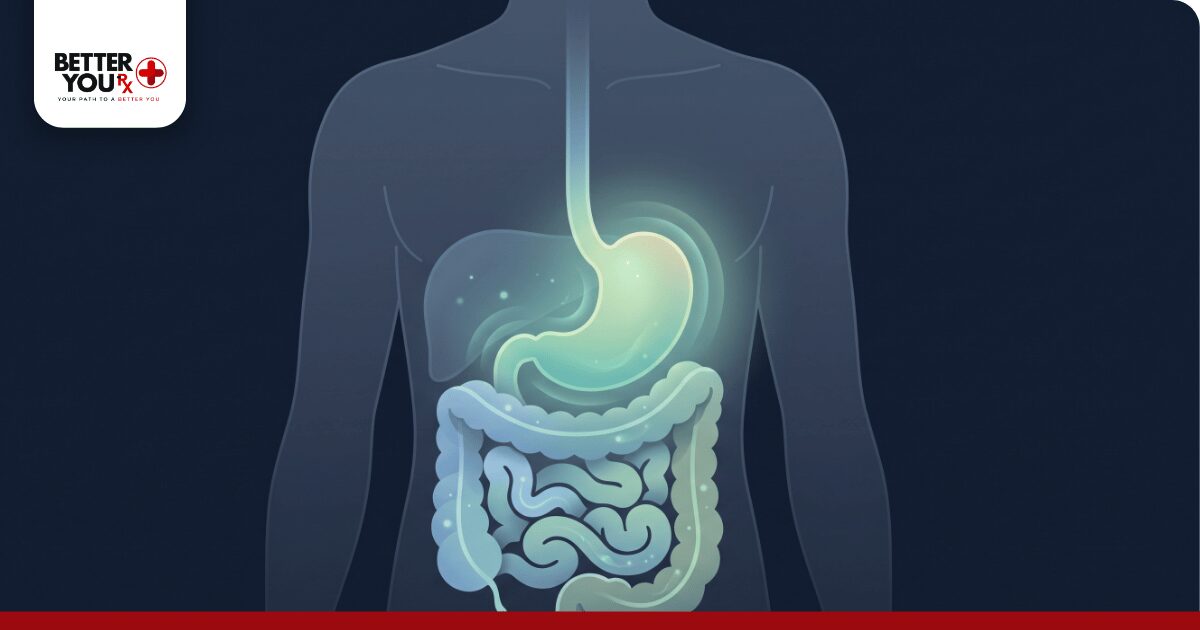
Tirzepatide belongs to a class of medications that mimic two gut hormones, GLP-1 and GIP, which regulate appetite and digestion. One of the effects of this dual action is delayed gastric emptying, meaning food stays in the stomach longer than usual. For many patients, that fullness translates into nausea, especially in the hours after an injection.
Nausea tends to follow a predictable pattern. It is usually strongest during the first two to three days after starting Tirzepatide or after a dose increase, then settles down as the digestive system adapts. Patients who begin at a low starting dose and move up gradually tend to report milder symptoms than those who increase too quickly.
Healthcare providers who prescribe Tirzepatide regularly observe that nausea severity often tracks closely with how fast a patient eats, how much fat is in a meal, and how hydrated they are throughout the day. This is exactly why most nausea remedies focus on those everyday habits rather than on stopping the medication.
Tirzepatide Nausea Remedies That Actually Work
Finding tirzepatide nausea remedies that actually work usually means testing a few simple adjustments rather than reaching for a single cure. Why these approaches help comes down to biology: Tirzepatide slows digestion, so anything that reduces stomach load or calms the digestive lining tends to bring relief.
Eating smaller, more frequent meals is consistently the change patients report making the biggest difference. Large meals sit in an already-slowed stomach and intensify the feeling of fullness that triggers nausea. Splitting daily food into four or five smaller portions, rather than three large ones, gives the stomach less to process at once.
How a person eats matters almost as much as what they eat. Low-fat, low-fiber foods are digested more easily, while greasy, fried, or heavily spiced dishes tend to worsen symptoms. Plain rice, toast, broth-based soups, and lean proteins are common go-to options during the first few days after a dose.
Staying hydrated is another practical piece of the puzzle. Sipping water steadily throughout the day, rather than drinking large amounts at once, helps prevent the bloated feeling that can accompany nausea. Some patients find that room-temperature water is easier to tolerate than ice-cold drinks.
Ginger has genuine research support for calming nausea of several kinds, and many patients find ginger tea, ginger chews, or ginger capsules helpful in the hours after a dose. Peppermint tea is another mild option some people use to settle their stomach.
Which option works best really depends on the individual. Some patients respond most to meal timing, others to hydration, and others to ginger or peppermint. Trying one adjustment at a time for a few days makes it easier to identify what is genuinely helping.
| Remedy | How It Helps | Best Time To Use |
|---|---|---|
| Smaller, frequent meals | Reduces stomach load during slowed digestion | Throughout the day, especially the first 3 days after a dose |
| Low-fat, low-fiber foods | Digests more easily and reduces bloating | First 2 to 3 days after each dose |
| Steady water sipping | Prevents dehydration and eases stomach discomfort | All day, in small consistent amounts |
| Ginger tea or ginger chews | Calms the stomach lining and reduces queasiness | Morning or shortly after a dose |
| Peppermint tea | Mild soothing effect on digestion | Evening or after meals |
| Slower dose titration | Gives the digestive system time to adjust | Discussed with a prescriber before each increase |
Things To Know
- Nausea usually peaks within 48 hours of a dose and settles within a week for most patients.
- Fatty, fried, or very sugary foods are the most common trigger for a nausea flare-up.
- Eating too quickly, even a small meal, can bring on symptoms just as easily as eating too much.
- A prescriber can slow the dose titration schedule if nausea becomes difficult to manage.
- Better You Rx works as a prescription referral service connecting patients with a licensed contracted dispensing department, and pairing that access with a prescriber’s guidance on dose pacing is often the most effective combination for easing symptoms.
- Nausea that comes with severe abdominal pain is not typical and warrants prompt medical attention.
How Timing And Dosing Affect Nausea Relief
Dose titration schedules exist largely because of nausea. Starting at a low dose and increasing gradually over several weeks gives the digestive system time to adapt to the medication’s effect on gastric emptying. Jumping to a higher dose too soon is one of the most common reasons patients experience more intense nausea than expected.
Timing meals around an injection also plays a role. Many patients find that eating a light meal a few hours before a scheduled dose, rather than a heavy one right beforehand, keeps the stomach more comfortable. Avoiding alcohol and very rich foods on dosing days is a simple habit that several patients report helps noticeably.
How long nausea typically lasts depends on where a patient is in the titration schedule. Symptoms are usually strongest in the first few days of a new dose level and taper off before the next increase, following a pattern most prescribers are familiar with.
| Dose Stage | Common Nausea Timing | Typical Duration |
|---|---|---|
| Starting dose | First 1 to 2 days after the first dose | Usually mild, resolves within a few days |
| First dose increase | Days 1 to 3 after the increase | Moderate, often eases within a week |
| Later dose increases | Days 1 to 2 after each increase | Milder than earlier stages for most patients |
| Maintenance dose | Rare, occasional mild nausea | Usually brief if it occurs at all |
Buy Wegovy from Canada
Original price was: $609.99.$596.99Current price is: $596.99.
What To Avoid While Managing Tirzepatide Nausea
Certain habits tend to make nausea worse rather than better. Lying down right after eating slows digestion further and can intensify discomfort, so staying upright for at least thirty minutes after a meal is a simple habit worth keeping. Carbonated drinks can also add to the bloated feeling many patients already experience.
Skipping meals entirely to avoid nausea often backfires, since an empty stomach combined with Tirzepatide can produce its own wave of queasiness. Overeating in an attempt to get it over with has the same effect in reverse, overwhelming a stomach that is already digesting more slowly than usual.
Self-adjusting a dose without medical guidance is not recommended. A prescriber is best positioned to decide whether to slow the titration schedule, and any concerns about severe or persistent nausea should go through that conversation rather than trial and error at home. According to the Cleveland Clinic, gradual dose escalation and dietary adjustments are commonly recommended first-line strategies for managing GLP-1-related gastrointestinal side effects.

Final Thoughts
Managing nausea while starting Tirzepatide comes down to a handful of consistent habits rather than any single trick. Smaller meals, steady hydration, mindful dose pacing, and simple aids like ginger cover most of what patients need to get through the adjustment period comfortably. For most people, symptoms fade within days rather than weeks, and the tirzepatide nausea remedies that actually work are the ones practiced consistently, not occasionally.
Patients exploring GLP-1 treatment options can review related medications like Mounjaro Kwikpen or Zepbound Kwikpen, and Pantoprazole is sometimes discussed with a prescriber for patients managing broader digestive discomfort. Better You Rx operates as a prescription referral service with a licensed contracted dispensing department supporting patients throughout their treatment.
For additional reading, the following resources cover related topics: Mounjaro Vs Trulicity, Side Effects Of Trulicity, and Foods To Avoid With Trulicity.
Frequently Asked Questions
What are the best tirzepatide nausea remedies that actually work?
Small, low-fat meals, steady hydration, ginger, and slower dose titration are the tirzepatide nausea remedies that actually work best for most patients.
How long does tirzepatide nausea usually last?
Tirzepatide nausea typically peaks within the first 48 hours after a dose and fades within three to five days.
Does eating smaller meals help with tirzepatide nausea?
Yes, eating smaller, low-fat meals reduces stomach load and is one of the most effective remedies for tirzepatide-related nausea.
Can ginger tea reduce tirzepatide nausea?
Ginger tea can calm mild tirzepatide nausea by soothing the stomach lining and easing digestive discomfort.
When should I contact a doctor about tirzepatide nausea?
Contact a doctor if nausea lasts beyond a week, causes vomiting, or prevents you from keeping fluids down.
Sources
- Cleveland Clinic – Overview of GLP-1 and GIP receptor agonist medications and common gastrointestinal side effects.
- Mayo Clinic – Patient guidance on managing nausea and digestive side effects during weight management treatment.
- Journal of Clinical Endocrinology and Metabolism – Clinical data on dose titration schedules and gastrointestinal tolerability of incretin-based therapies.
- Obesity Society – Clinical perspectives on GLP-1 and GIP dual agonist therapy and patient-reported side effects.
- American Diabetes Association – Educational resources on incretin-based medications and dietary strategies for symptom management.
This content is for informational purposes only and is not a substitute for professional medical advice, diagnosis, or treatment. Always consult a licensed healthcare provider before starting, stopping, or changing any medication or treatment plan.