
Written by Amanda Cole, Health Content Writer | Medically Reviewed by Dr. Sarah Whitfield, MD | Last Updated: September 2026
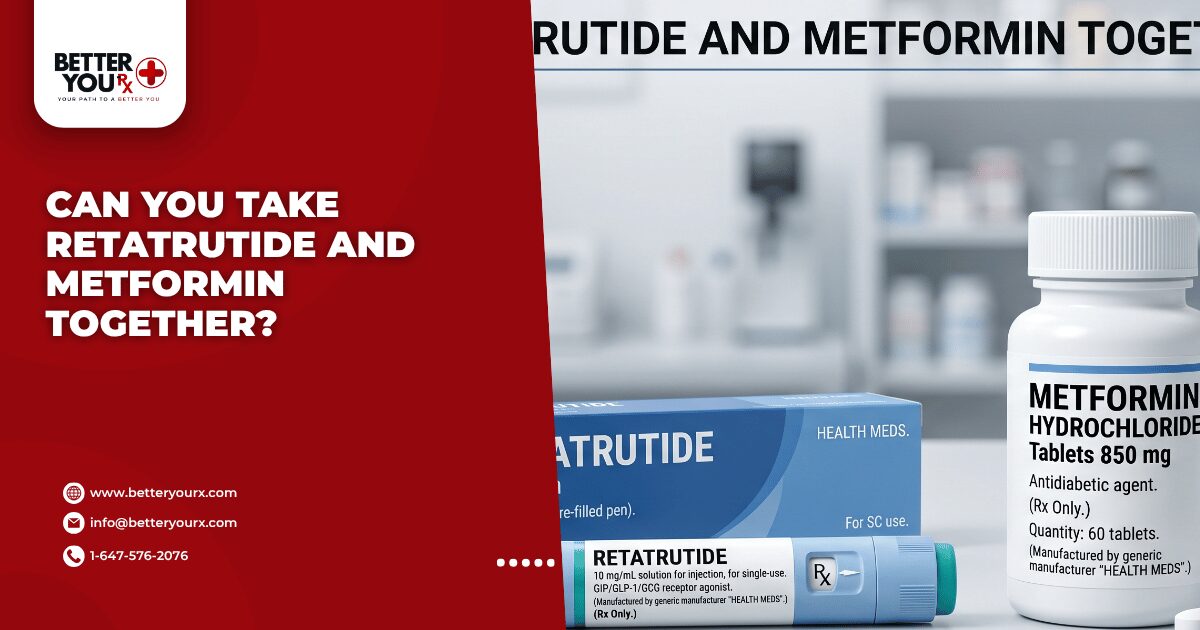
Retatrutide and Metformin are not automatically off-limits to each other, and many people managing blood sugar and weight together are prescribed both under medical guidance. The two medications work through separate mechanisms, Metformin through the liver and insulin sensitivity, Retatrutide through appetite and metabolic receptor activity, which is part of why providers sometimes combine them rather than choose one over the other.
Key Takeaways
- Retatrutide and Metformin are generally considered compatible when prescribed together by a licensed healthcare provider, since they act on different pathways in the body.
- Metformin lowers glucose production in the liver and improves insulin sensitivity, while Retatrutide targets GLP-1, GIP, and glucagon receptors to support appetite regulation and metabolic function.
- Combining the two is most common in people managing Type 2 diabetes alongside weight-related concerns, though the approach depends entirely on individual health history.
- Mild digestive symptoms such as nausea or reduced appetite may overlap when starting either medication, which is why dose timing and monitoring matter.
- A healthcare provider should always confirm dosing, timing, and any adjustments before combining these medications, particularly for anyone already managing blood sugar with other treatments.
What Retatrutide and Metformin Each Do in the Body
Before looking at how the two interact, it helps to understand what each one is doing on its own, since the reasoning behind combining them starts with their separate roles.
Metformin has been a foundational treatment for Type 2 diabetes for decades. It works primarily by reducing the amount of glucose the liver releases into the bloodstream and by making the body’s cells more responsive to insulin. It does not typically cause the body to produce more insulin, which is one reason it carries a relatively low risk of dangerously low blood sugar when used alone. Metformin is also inexpensive relative to newer treatments and has a long track record, which is part of why it remains a common starting point before other medications are added.
Retatrutide is a newer compound that activates three separate receptors, GLP-1, GIP, and glucagon. This triple-receptor activity is what distinguishes it from single or dual-action medications. GLP-1 activation slows digestion and reduces appetite, GIP activation supports insulin secretion and fat metabolism, and glucagon receptor activity is thought to contribute to increased energy expenditure. Together, these actions are why Retatrutide has drawn attention for both blood sugar support and weight-related outcomes, and why researchers continue studying how it performs alongside more established medications.
How Retatrutide and Metformin Work Together in the Body
When taken together, Retatrutide and Metformin are not competing for the same receptors or metabolic pathway, which is one reason healthcare providers may feel comfortable prescribing both. Metformin’s job stays focused on the liver and insulin sensitivity, while Retatrutide works on appetite signaling and receptor activity tied to digestion and energy use.
In practice, this often means the two medications address different parts of the same overall goal. Someone managing Type 2 diabetes with an elevated body weight may find that Metformin helps stabilize baseline glucose numbers while Retatrutide supports appetite regulation and gradual weight changes over time. Neither medication is designed to replace the other, and providers typically position them as complementary rather than interchangeable pieces of a broader treatment plan.
| Factor | Metformin | Retatrutide |
|---|---|---|
| Primary Mechanism | Reduces liver glucose output, improves insulin sensitivity | Activates GLP-1, GIP, and glucagon receptors |
| Common Use | Type 2 diabetes management | Blood sugar support and weight management |
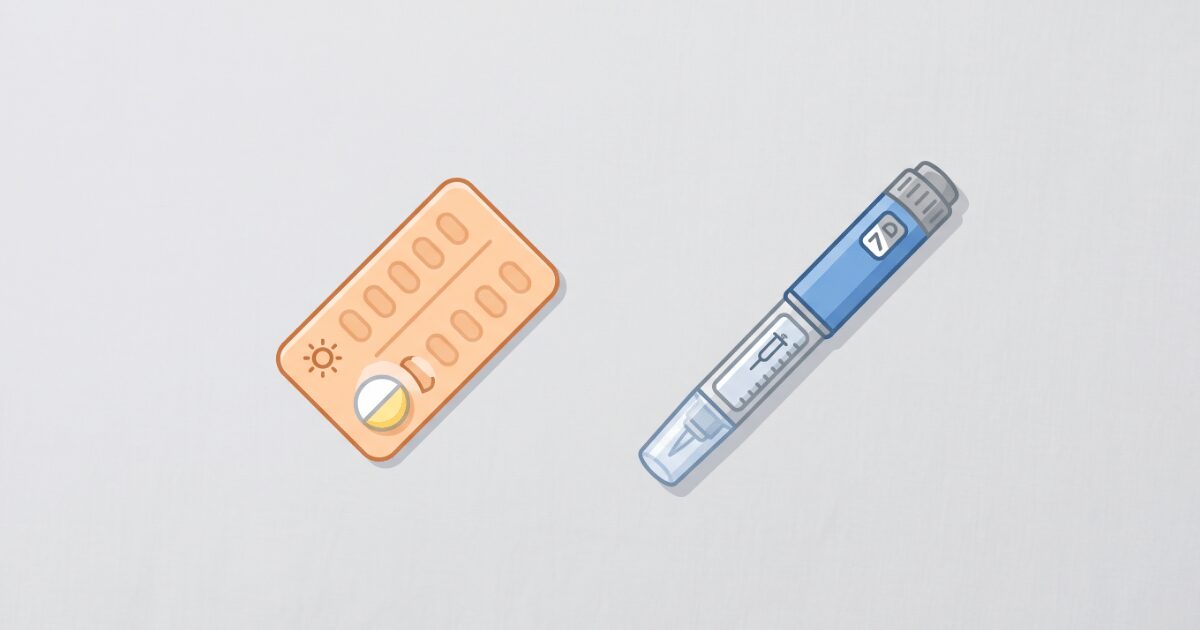
| Administration | Oral tablet, taken daily | Subcutaneous injection, typically weekly |
| Common Side Effects | Digestive upset, especially when starting | Nausea, reduced appetite, digestive changes |
| Hypoglycemia Risk Alone | Low | Low, but increases when combined with insulin or sulfonylureas |
Why Providers Combine These Two Medications
A provider might consider prescribing this pairing for a few practical reasons. Someone already stable on Metformin may still be experiencing blood sugar patterns that could benefit from additional support, or their weight may be affecting how well their current treatment plan is working. Rather than switching medications entirely, adding a second treatment that works through a different pathway allows the original plan to stay intact.
Patients who have been on Metformin for years sometimes describe reaching a plateau, their fasting glucose numbers stay steady, but other markers like weight or post-meal glucose spikes remain a concern. In clinical practice, this is often the point where a provider discusses adding a GLP-1-based option like Retatrutide, since the two medications are not expected to cancel each other out or duplicate the same mechanism. This is also where a provider will weigh other factors, including kidney function, current dosing, and how the individual has tolerated Metformin so far.
Things To Know
- Retatrutide and Metformin are typically introduced one at a time rather than started on the same day, so a provider can monitor how the body responds to each.
- Digestive symptoms are the most commonly reported overlap between the two medications, particularly in the first few weeks.
- Hydration and smaller, more frequent meals are often recommended when starting either medication to help reduce nausea.
- Blood sugar should be monitored more closely during the adjustment period, especially if other glucose-lowering medications are also part of the regimen.
- Neither medication is intended for self-directed dose changes, and any adjustment should go through the prescribing provider.
Which Patients Are Better Suited for This Combination
Not every patient is a straightforward candidate for pairing Retatrutide with Metformin, which is why the decision usually comes down to individual health history rather than a blanket recommendation. Patients who tend to be reasonable candidates typically have stable kidney function, no history of severe gastrointestinal disease, and a documented need for both improved glucose control and additional metabolic support.
On the other hand, someone with significantly reduced kidney function may need closer monitoring on Metformin regardless of whether Retatrutide is added, since kidney health affects how the body clears the medication. Patients already using insulin or a sulfonylurea alongside either drug also need more frequent blood sugar checks, since the combined effect on glucose can be more pronounced than either medication alone. A provider weighing these factors is really asking which combination gives the best balance of benefit and manageable side effects for that specific patient, not just whether the two medications are technically compatible.
What the Research and Clinical Guidance Say
Most healthcare providers follow established clinical protocols when considering combination therapy for Type 2 diabetes and weight management, and Retatrutide is generally evaluated within that same framework as other GLP-1 and multi-receptor agonists. Clinical trial data on Retatrutide has focused largely on its effects on body weight and glycemic markers, often in populations that were also managing other health conditions, including some already using Metformin as a baseline treatment.
According to information published by Cleveland Clinic, triple-agonist medications like Retatrutide are still being studied for long-term outcomes, and combination approaches with existing diabetes medications remain an active area of clinical interest rather than a settled, one-size-fits-all protocol.
| Consideration | What It Means for Patients |
|---|---|
| Starting Order | Providers often keep Metformin steady and introduce Retatrutide gradually |
| Monitoring Needs | Regular blood sugar checks during the adjustment period |
| Lifestyle Factors | Diet and hydration changes can ease early digestive symptoms |
| Other Medications | Insulin or sulfonylureas combined with either drug may raise low blood sugar risk |
| Long-Term Planning | Dosing may be reassessed over time based on response and lab results |
Some patients report that once they pass the initial adjustment period, usually a few weeks, digestive symptoms ease and the routine of an oral tablet paired with a weekly injection becomes manageable. Others need a slower titration schedule, which a provider can adjust based on how the body is responding to treatment so far.
If Retatrutide is a newer addition to your treatment conversation, comparing it against other GLP-1 options can help clarify what makes it different, including how it stacks up in guides like Retatrutide vs Tirzepatide or a broader look at Retatrutide Benefits. For anyone weighing how metabolic medications are typically paired with insulin-support options, Humalog Kwikpen is another treatment category some patients research alongside GLP-1 or triple-agonist therapy, and Metformin itself remains one of the most prescribed starting points for Type 2 diabetes care. Some patients also explore Ozempic as part of understanding how different GLP-1 medications compare before deciding on a treatment path.
Better You Rx works as a prescription referral service connected to a licensed contracted dispensing department, helping patients access prescribed treatments once a licensed provider has determined a combination like this is appropriate. Prescriptions are reviewed based on documentation from a primary care physician or licensed medical doctor, and the process is designed to support patients who already have a treatment plan in place rather than to replace medical guidance.
For patients exploring how weight-focused treatment paths compare, resources such as Saxenda vs Zepbound and Mounjaro vs Trulicity offer additional context on how different medications in this category are typically positioned relative to each other.
Buy Wegovy from Canada
Original price was: $609.99.$596.99Current price is: $596.99.




The Bottom Line on Combining Retatrutide and Metformin
Retatrutide and Metformin can work well as part of the same treatment plan, since one addresses liver glucose output and insulin sensitivity while the other targets appetite and receptor activity tied to metabolism. The decision to combine them always comes down to an individual’s health history, current medications, and how closely a provider wants to monitor the adjustment period. Anyone considering this pairing should work directly with a licensed healthcare provider to confirm dosing, timing, and monitoring before starting either medication.
Frequently Asked Questions About Retatrutide and Metformin
Can I take weight loss injections while on Metformin?
Yes, many weight loss injections, including GLP-1 and multi-receptor options, can be prescribed alongside Metformin under medical supervision. A provider typically reviews current glucose control and other medications before adding an injectable option to confirm the combination fits an individual’s health profile.
Can you take Retatrutide if you are diabetic?
Retatrutide is often studied and used in people managing Type 2 diabetes, sometimes alongside existing treatments like Metformin. Whether it is appropriate depends on current blood sugar control, other medications, and a provider’s assessment of overall health history.
What should you not mix with Metformin?
Metformin is generally not combined with excessive alcohol intake or certain contrast dyes without medical guidance, since both can affect kidney function. A provider should review all current medications and supplements before adding anything new to a Metformin regimen.
Can I be on Metformin and GLP-1 together?
Yes, Metformin and GLP-1 medications are commonly prescribed together, since they work through different mechanisms in the body. This combination is a standard approach for many patients managing Type 2 diabetes who also want additional metabolic support.
Can you take Metformin with Retatrutide?
Metformin and Retatrutide can generally be taken together when a licensed provider has reviewed a patient’s full health history and confirmed the combination is appropriate. The two medications do not typically compete for the same pathway, which is part of why this pairing is considered manageable under supervision.
Sources
- New England Journal of Medicine, clinical research on triple-receptor agonist therapies and their effects on glycemic control and body weight.
- Cleveland Clinic, patient-facing overview of Retatrutide, its mechanism of action, and current research status.
- Mayo Clinic, reference information on Metformin, including how it works and standard use in Type 2 diabetes management.
- American Diabetes Association Journals, clinical guidance on combination therapy approaches for Type 2 diabetes management.
- Endocrine Society Clinical Practice Guidelines, professional guidance on combining glucose-lowering medications with newer metabolic treatments.
This article is for informational purposes only and is not a substitute for professional medical advice, diagnosis, or treatment. Always consult a licensed healthcare provider before starting, stopping, or combining any medication mentioned above.