Insulin Correction Factor for Better Blood Sugar Control
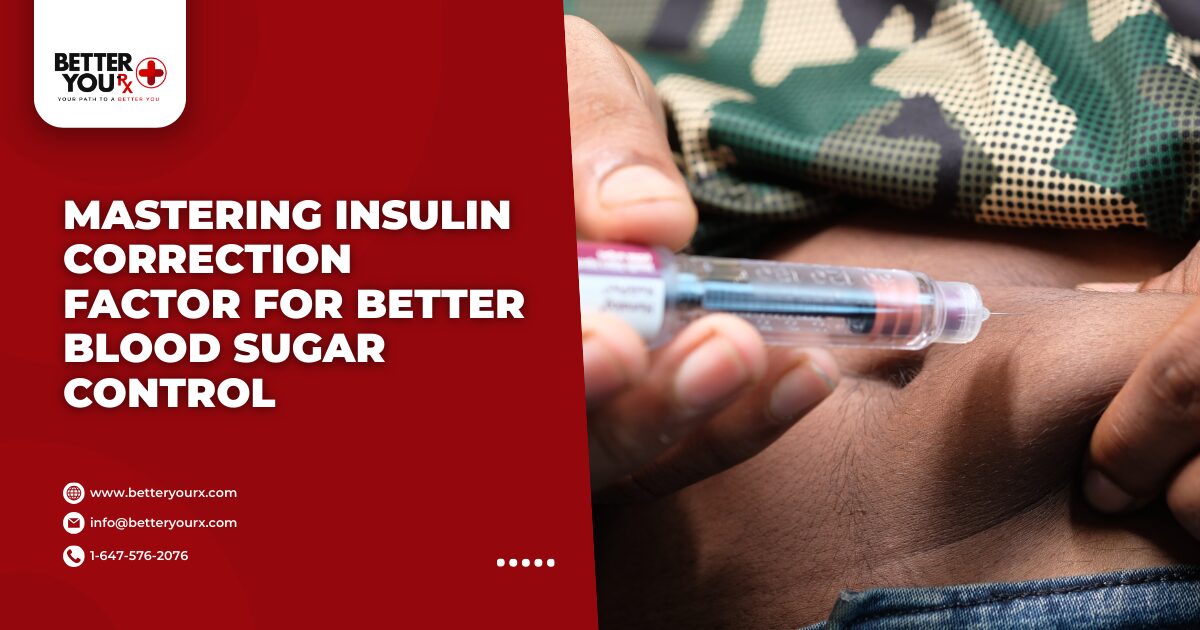
Balancing blood glucose with insulin requires precision, and one of the most effective tools in fine-tuning this process is the insulin correction factor. It helps determine how much one unit of rapid-acting insulin will lower blood sugar, providing actionable insight for dosing adjustments. By using this calculation method, individuals can prevent prolonged episodes of hyperglycemia or avoid excessive correction that may lead to hypoglycemia. This guide explores how insulin correction factor works, how to calculate it, when to apply it, and ways to integrate it into daily routines. Understanding this approach can improve predictability, safety, and consistency in blood sugar control.

What Is Insulin Correction Factor

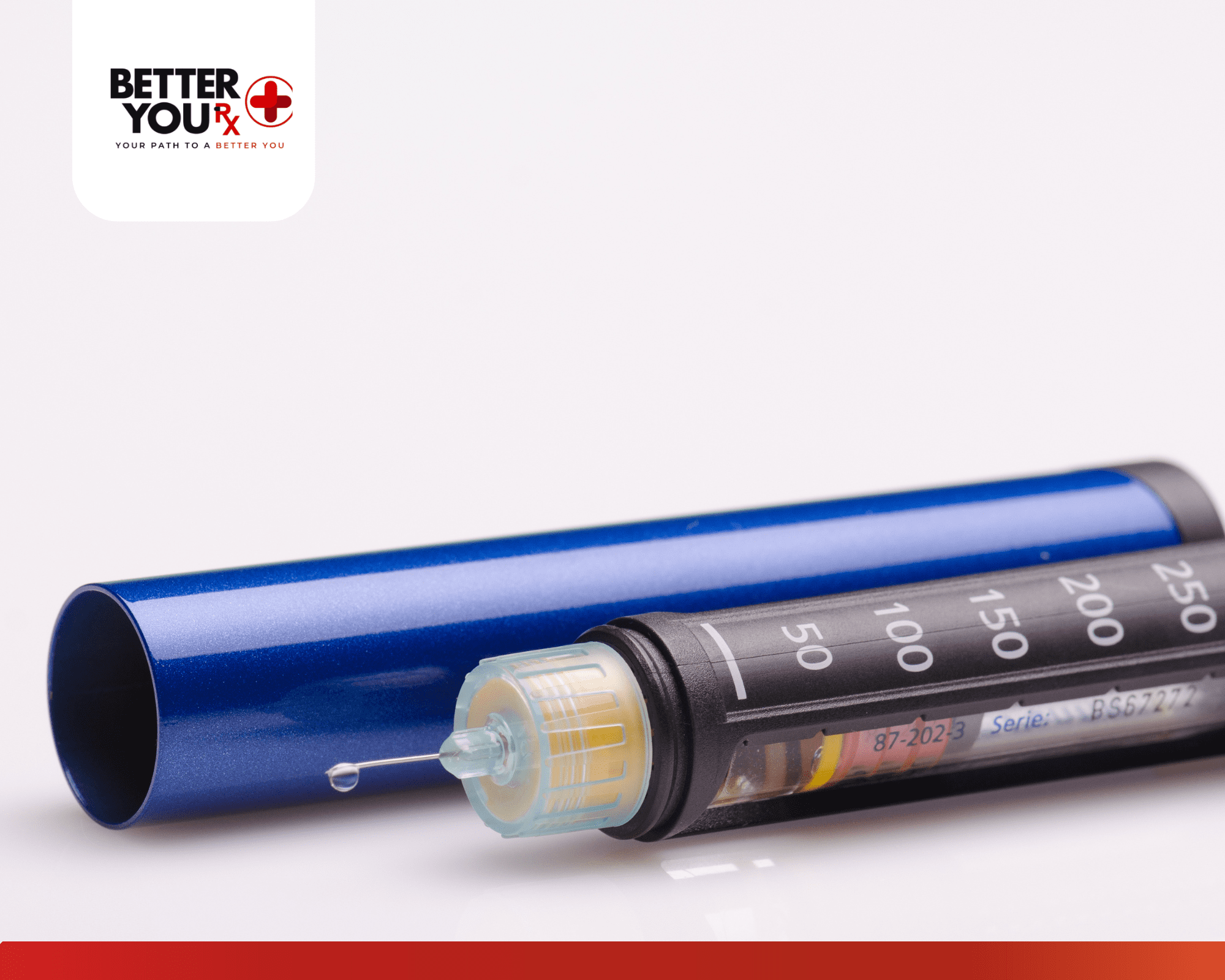
The insulin correction factor, also known as the insulin sensitivity factor, refers to the estimated blood glucose reduction from one unit of rapid-acting insulin. It plays a central role in modern insulin therapy because glucose levels rarely stay fixed within the target range throughout the day. Instead of relying on guesswork, the correction factor allows structured adjustments in response to elevated readings. For many patients, it has become one of the most practical tools to prevent prolonged highs from causing damage.

Why It Matters

The correction factor matters because it transforms insulin therapy into a more predictable system of management. Without it, patients often rely on intuition or fear-driven adjustments, which can be dangerous. By applying a factor consistently, insulin adjustments become effective and controlled, reducing the risks of hypoglycemia. It creates confidence for patients when dosing outside of normal mealtime or basal insulin schedules.

The Role In Long-Term Stability

The correction factor fosters long-term stability by reducing random swings in blood sugar. Instead of glucose staying elevated for hours, structured corrections bring it back into target, minimizing complications. Over months and years, this leads to lower risks of nerve damage, kidney stress, and energy fluctuations. Ultimately, the correction factor adds structure to therapy, reducing the burden of uncertainty in daily management.

How To Calculate Insulin Correction Factor

The insulin correction factor is generally calculated using simple numerical rules. The most common is the 1800 Rule, which estimates correction needs for rapid-acting insulins like Humalog or Novolog. This method gives an initial number that should always be refined by real-world results over weeks. Calculations are only the beginning—the accuracy of the application depends on consistency and observation.

The Formula

The formula is Correction Factor = 1800 ÷ Total Daily Dose (TDD). This means the higher the person’s daily insulin use, the smaller the impact of one single unit. For example, someone using 90 units daily will see each unit drop glucose by about 20 mg/dL. Conversely, at 30 units, each dose drops glucose much more, about 60 mg/dL.

Example Table

Average Daily Insulin Dose (units/day) 1800 Rule Example (mg/dL drop per 1 unit)
30 60
45 40
60 30
75 24
90 20

Corrections must include both basal and bolus total when calculating daily dose. If lifestyle changes—like doubling exercise or losing weight—occur, recalculating is wise. Other therapies such as Metformin may reduce insulin resistance, requiring recalibration. The number provided by the formula is only a starting framework, not a permanent fixed value.

Improve precision in your treatment plan. Increase insulin sensitivity naturally by adding Metformin to your regimen for smoother and more effective correction factor results.

When To Use Insulin Correction Factor
Common Mistakes To Avoid

The correction factor is not for routine use but for targeted moments when blood sugar falls outside the safe range. Using it wisely prevents stacking doses while maintaining balance. Over time, patients learn patterns, such as when they are prone to spikes or how long to wait before applying a correction. This understanding forms the foundation for safer self-adjustments.

Before Meals

Pre-meal readings often determine if a correction dose is needed. For example, if blood glucose is high before a meal, a correction dose is added to the meal bolus. This ensures glucose is closer to the target before digestion adds new carbs to the bloodstream. Without this step, post-meal levels could skyrocket, leading to poor control.

Between Meals

Unexpected highs happen outside mealtimes due to stress, hormonal changes, or snack miscalculations. A correction dose helps bring glucose back down instead of leaving it elevated for several hours. However, care must be taken to ensure the spike is not already declining naturally. A check on glucose trend using CGM prevents repeated corrections in short intervals.

Bedtime Considerations

Nighttime corrections are approached with caution. A high before sleep that is left uncorrected may remain elevated all night, affecting morning readings. But an aggressive correction risks hypoglycemia during sleep, which is dangerous. Instead, smaller conservative corrections and slightly higher night targets are often advised.

Special Situations

Traveling, unexpected illness, or sudden schedule changes alter insulin sensitivity drastically. In these moments, correction factors regain balance even when meals or activity patterns are disrupted. While adjustments may feel temporary, they prevent prolonged spikes. Careful logging during these special scenarios helps identify recurring patterns for future refinements.

Factors That Influence Insulin Correction Factor
What Is Insulin Correction Factor

Correction factors are sensitive to many influences beyond total daily dose. Each factor can raise or lower sensitivity, making corrections more or less effective. Recognizing and adjusting for influences reduces both overcorrection and undercorrection. By monitoring patterns over days or weeks, meaningful adjustments become more targeted.

Variations Throughout The Day

Many individuals experience stronger resistance in the morning due to natural hormone releases such as cortisol. This means morning corrections may require slightly more insulin. In contrast, sensitivity often improves in the evening, making insulin more effective. Recognizing these daily rhythms ensures correction dosing aligns with body patterns.

Effect Of Exercise

Exercise improves sensitivity for up to 12–24 hours after activity. This means post-workout corrections could drive levels too low if calculated without adjustment. Light workouts might only slightly reduce correction, but vigorous ones require larger reductions. Planning corrections around activity prevents errors and improves confidence.

Hormonal Changes

Shifts in hormones during puberty, menstruation, or menopause change sensitivity levels significantly. Stress hormones like adrenaline and cortisol can elevate glucose, modifying correction needs on different days. These effects often explain glucose fluctuations where food or exercise cannot be the cause. Adjustments for correction at these times prevent recurring highs.

Influence Of Medications

Different insulin types and supportive medications alter correction precision. Rapid-acting analogs provide predictable short-term corrections, while long-acting types maintain only background stability. Oral therapies like Metformin lower resistance, decreasing the amount of correction needed per mg/dL. Careful consideration of these combined effects improves calculation accuracy.

Illness And Stress

Physical stress from infection creates higher resistance that needs higher correction doses. Emotional stress works similarly by raising cortisol, altering sensitivity. These effects may only last days, but corrections are necessary to prevent consistently high readings. Recording correction needs during stress helps design better adjustments when future issues arise.

Don’t let sudden glucose spikes take over your day. Gain fast relief with Humalog Junior KwikPen—trusted for rapid correction and reliable results.

Practical Application Of Insulin Correction Factor

Applying correction factors involves step-by-step attention to detail. Patients should confirm their readings, calculate carefully, and avoid rushing. Structured use ensures they feel safe and reduces the likelihood of emergencies. With practice, the routine becomes second nature and confidence grows.

Step-By-Step Correction

Corrections begin with an accurate blood sugar check, by meter or CGM. The target value is subtracted from the current reading to find the difference. This result is then divided by the correction factor to determine required units. A final review of recent insulin activity prevents accidental stacking of doses.

Example Scenario

Imagine a glucose reading of 270 mg/dL with a target of 120 mg/dL. With a factor of 30, the calculation is (270 – 120) ÷ 30 = 5 units. The individual injects 5 units of rapid-acting insulin and tracks for effect in the next hours. If levels drop appropriately, the factor is reliable, but if not, adjustments should be considered.

Safety Tips

Correction factor should only guide doses when enough time has passed since the last injection. This is typically 3–4 hours for rapid-acting insulins. Logging each correction creates clarity about how often adjustments are needed. Avoiding dose overlap is among the most critical safety rules in correction factor therapy.

Role Of Food And Other Medications

Food and drug interactions directly impact correction factor performance. Knowing how meals or medications change blood sugar ensures correction doses are calculated with context. One correction strategy does not apply the same across all meal types or therapy regimens. Awareness and tracking enable safe adjustments in diverse situations.

Carbohydrate Load

Meals with substantial carbohydrates often overwhelm the bolus alone, requiring correction later. This is especially true with refined carbs such as bread or rice, which digest quickly. If spikes occur repeatedly, adjustments in carb coverage may reduce the need for frequent corrections. Monitoring patterns in carb-heavy meals helps refine bolus plus correction strategies.

Delayed Digestion Foods

High protein or fatty meals digest slower, spreading glucose release across hours. This often means glucose is normal soon after eating but rises much later. Correcting too early in these cases creates risks of low sugar. Waiting 3–4 hours or monitoring continuous glucose trends improves correction effectiveness here.

Alcohol Considerations

Alcohol interferes with liver sugar release, leading to unpredictable changes. Corrections after alcohol should be conservative, as later lows are more likely. It combines with correction dosing to elevate the risk of overnight hypoglycemia. Careful planning and smaller doses are recommended in such scenarios.

Interaction With Other Medications

Supportive drugs such as Metformin lower baseline resistance, altering correction factor results. Patients using basal insulins like Lantus SoloStar rely on stability from background dosing. Short-term corrections come from rapid insulins designed for quick effect. Knowing how each role plays together strengthens long-term glucose control.

Balance long-term stability with effective correction support—choose Lantus SoloStar for reliable basal coverage and smoother adjustments.

Enhancing Results With Routine And Technology

Maintaining routine and using available tools makes correction factor therapy more consistent. By reducing guessing and providing feedback, routines and technology maximize reliability. Digital tools track data automatically, while consistent patterns improve prediction. Both elements strengthen safety and confidence.

Benefit Of Consistent Routines

People with stable mealtime schedules often report fewer corrections needed daily. This is because irregular eating times create unpredictable spikes that require adjustments. Consistent exercise and sleep routines stabilize hormone fluctuations too. Predictability lowers day-to-day burden and streamlines corrections.

Role Of Technology

Continuous glucose monitoring reduces the risk of missed highs. These devices show trends so corrections are applied only when glucose continues to rise. Apps provide charts for long-term insight, highlighting whether correction factors require recalibration. Together, technology helps refine therapy over time.

Injection Technique Matters

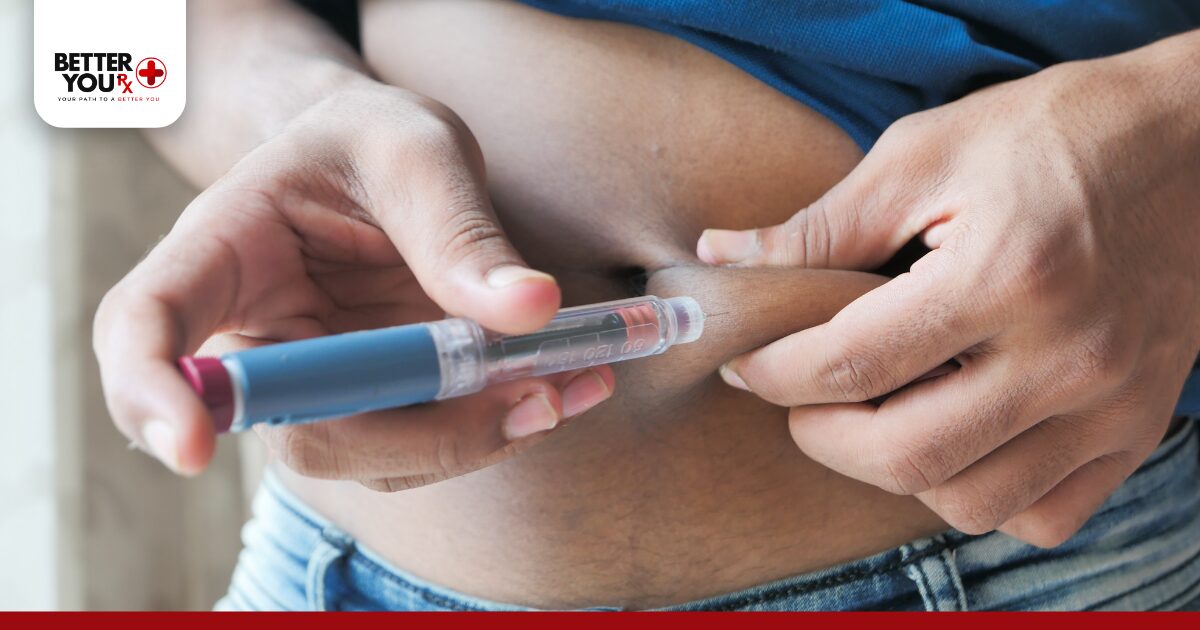
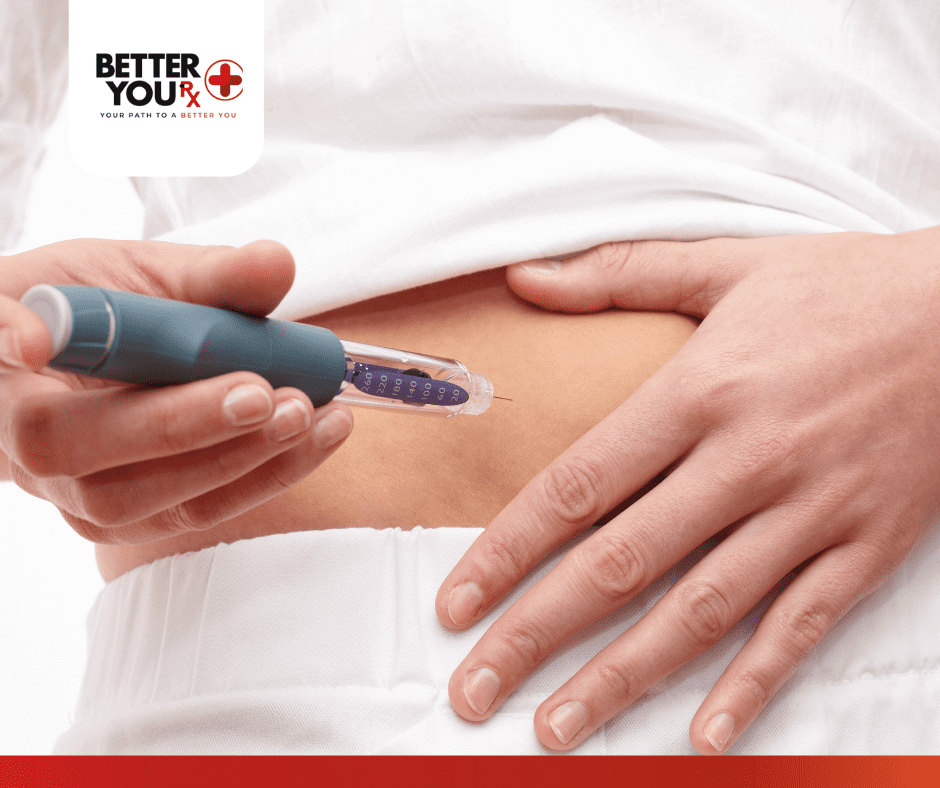
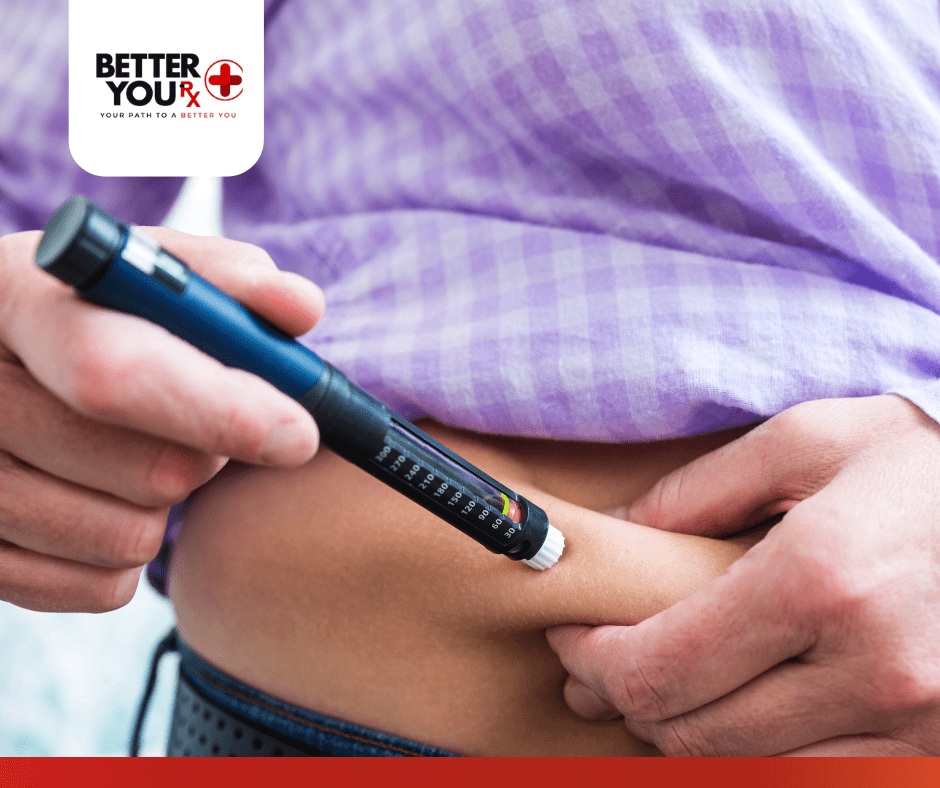
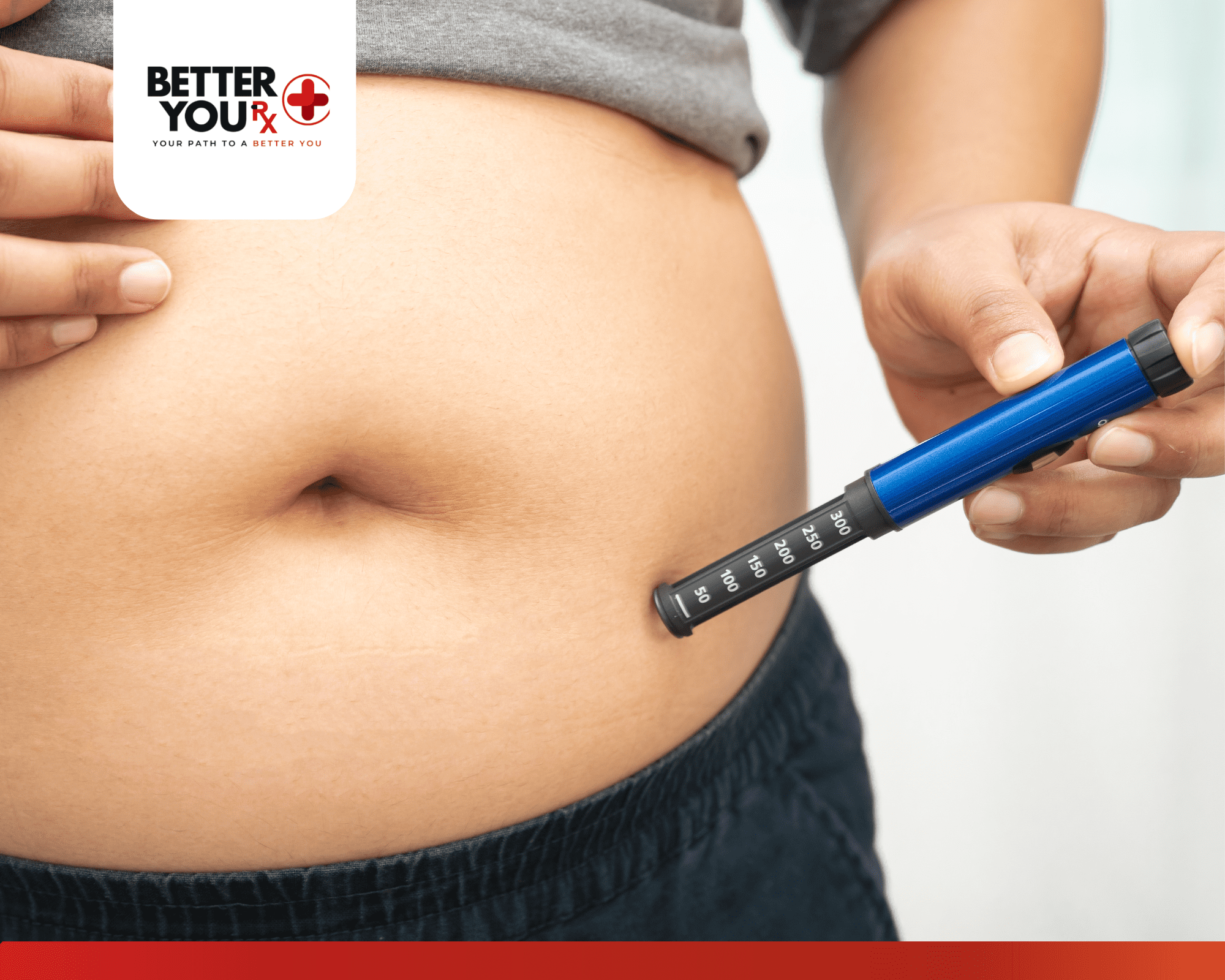
Improper technique can lead to unpredictable absorption. Rotating sites prevents scar tissue that limits insulin effectiveness. Correcting with improper injection depth may alter insulin activity and reduce dose precision. Attention to technique ensures correction factor calculations remain reliable.

Correction factor calculations are powerful, but misuse can cause problems. Awareness of common mistakes prevents accidents and supports long-term success. These challenges are seen frequently among newer insulin users but can arise even in experienced patients. Avoiding them improves confidence and accuracy.

Over-Correcting Too Soon

The most common error is repeating a correction dose too quickly. A rapid-acting insulin dose takes several hours to peak, so giving another early risks stacking. This can drop blood sugar rapidly to dangerous levels. Waiting long enough after the last injection ensures safer results.

Not Accounting For Active Insulin

Another mistake is forgetting to consider insulin already at work. If a mealtime or prior correction dose is active, any additional correction may become too strong. This reflects the importance of tracking insulin activity time with CGM tools. Reviewing trends before corrections prevents overdosing.

Ignoring Lifestyle Factors

Some patients use correction factor numbers without adjusting for activity, stress, or food types. Lifestyle changes alter sensitivity, making static calculations less reliable. Factoring in recent exercise, illness, or hormonal shifts creates better context. Ignoring these influences often leads to confusion in correction therapy results.

How Insulin Correction Factor Works In Practice
When To Use Insulin Correction Factor

Understanding the calculation is only part of the process—seeing how it applies in practice makes the concept more useful. These examples show how correction factors guide safe and effective insulin dosing in real scenarios. Each situation highlights a common challenge and demonstrates how structured corrections solve it. This section reinforces how the method translates from theory to everyday management.

Post-Meal Highs

When blood sugar remains high a couple of hours after a meal, correction factor helps determine the appropriate additional insulin dose. Instead of guessing, patients can calculate exactly how much is needed to return glucose toward target. For example, after a high-carb dinner, one unit may bring down sugar by 30 mg/dL, ensuring levels stabilize before bedtime. This prevents compounding spikes and protects overnight control.

Stress-Related Elevations

Stress hormones like cortisol and adrenaline increase resistance, often leading to higher midday readings. By applying correction factor, patients can adjust with a measured dose rather than reacting with panic dosing. Over time, recording these adjustments highlights patterns connected to stressful activities. This helps tailor strategies for similar events in the future, creating more consistent glucose results.

Post-Exercise Adjustments

Physical activity often alters sensitivity in unpredictable ways. After an intense workout, one patient might find their glucose rises temporarily due to adrenaline, while someone else experiences a sharper drop. Using correction factor in this context provides a safe way to calculate whether a small dose is needed. By recognizing exercise-related changes, patients improve confidence in handling highs without risking dangerous lows.

Final Insights On Insulin Correction Factor

The insulin correction factor creates a structured approach to controlling high blood glucose. It eliminates dangerous guessing while offering safe precision in dosing adjustments. Over time, it leads to predictability, balance, and reduced risk of complications. Patients gain relief knowing their corrections are targeted and reliable.

Insulin therapy supported with Metformin, Humalog Junior KwikPen, and Lantus SoloStar creates a combination of improved sensitivity, rapid corrections, and basal stability. These products complement the correction factor perfectly, making full therapy smoother.

By integrating technology, staying consistent, and mastering personalized correction factors, individuals achieve confidence. The results are steadier glucose, improved daily energy, and protection against long-term fluctuations. With care and structure, the insulin correction factor becomes one of the most powerful tools for balanced glucose therapy.

Frequently Asked Questions

What size gauge needle is best for insulin injections?

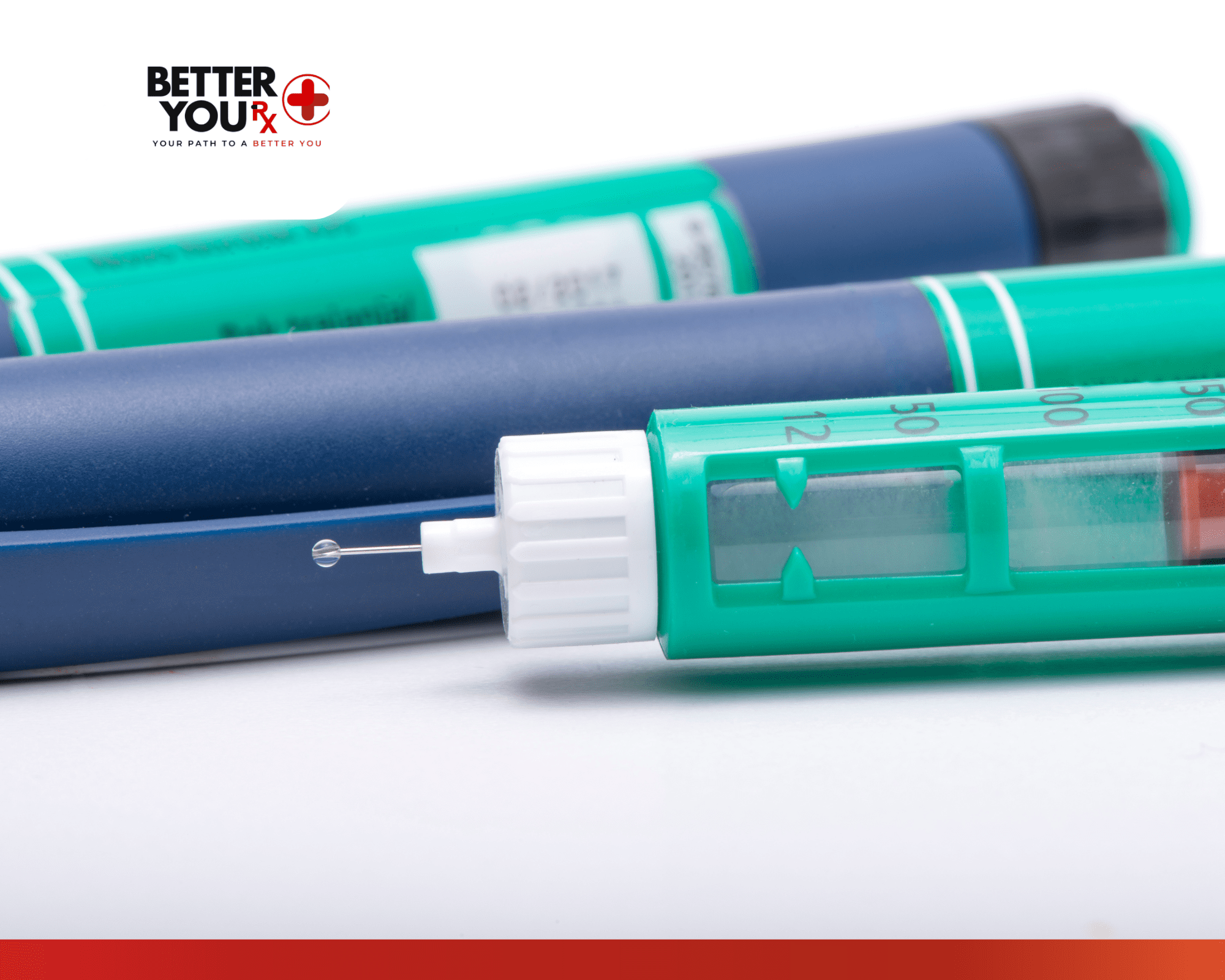
The recommended gauge for insulin injections is 31–32 for comfort and ease of use. They are extremely thin, reducing resistance and minimizing discomfort. Length matters as much as gauge, with 4–5 mm short needles effective for most adults. Choosing these options ensures the insulin reaches the fat layer where it works best, improving both absorption and patient willingness to use therapy daily.

What are the steps of insulin transduction pathway?

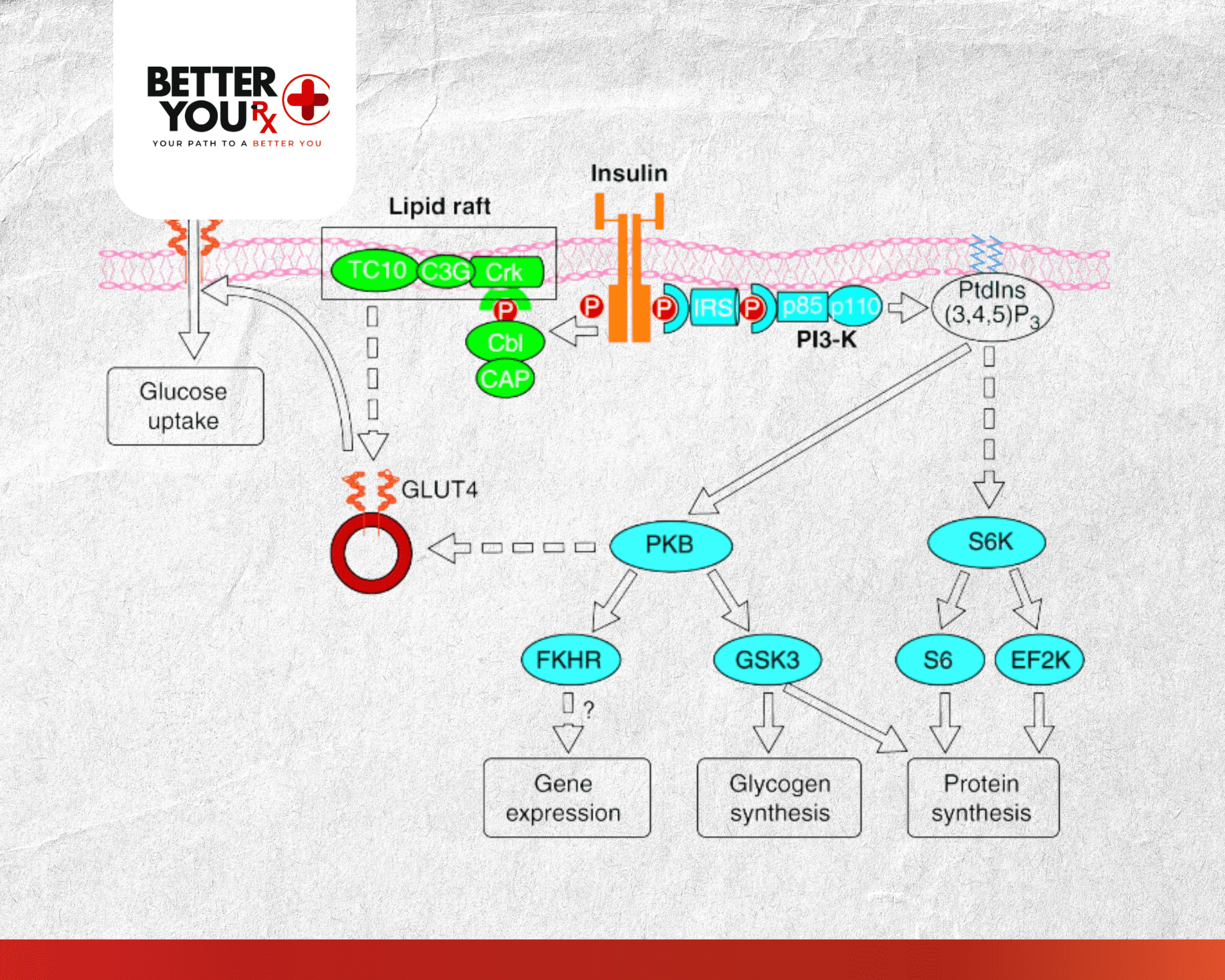
The pathway starts with insulin binding its receptor, triggering phosphorylation on the receptor’s intracellular portion. Proteins such as IRS attach, activating the PI3K pathway. This then turns on Akt, leading to the movement of GLUT4 transporters to the cell membrane. With GLUT4 exposed, glucose enters cells, converting external hormone presence into cellular action.

What are the 4 stages of the signal transduction pathway?

The four stages include reception, transduction, amplification, and response. Reception starts with hormone binding to a receptor. Transduction pushes the signal into intracellular changes. Amplification increases effects, ensuring even small hormone amounts activate stronger signals. Finally, the cellular response leads to glucose entry and regulation of blood sugar levels.

What is the insulin action signaling pathway?

This pathway begins with insulin receptor binding and phosphorylation. IRS proteins and PI3K relay activation signals into cell metabolism pathways. Akt activation follows, shifting GLUT4 transporters to the plasma membrane. Glucose then enters muscles and fat cells, lowering blood sugar. The strength of correction depends on each of these steps functioning efficiently.

What is the pathway of transduction?

The transduction pathway describes how cells convert external inputs into biological actions. For insulin, binding signals cascade internally until GLUT4 mobilizes. The internal relay ensures injected insulin actually lowers blood glucose. Without this chain reaction, correction doses would not deliver intended results.

What are the three types of transduction?

The three types are signal, sensory, and genetic. Signal transduction describes how hormones like insulin control body systems. Sensory transduction translates external signals like sound or touch into neural messages. Genetic transduction describes DNA swaps in microorganisms. Each highlights how one form of communication becomes another, with signal transduction most relevant in correcting dosing.

What are the steps of the transduction process?

Steps begin with external binding, followed by receptor activation. The signal relays to proteins, amplifying internally. The cascade ultimately leads to the outcome, in insulin’s case glucose absorption. Missing stages disrupt glucose control, showing how biology reinforces the need for accurate correction strategies.

What happens during the transduction stage?

The transduction stage converts signal binding to cellular action. Proteins such as IRS and PI3K launch cascades of biochemical activity. Amplification allows small doses to create strong effects. This is the crucial biological bridge ensuring injected correctional insulins lower blood sugar effectively.

 

Insulin Transduction Pathway – How Insulin Regulates Blood Sugar

The insulin transduction pathway represents one of the most critical cellular communication systems in the human body, directly controlling how cells respond to insulin and manage blood glucose levels. This complex molecular process begins when insulin binds to specific receptors on cell surfaces, triggering a cascade of intracellular events that ultimately allow glucose to enter cells for energy production. The pathway involves multiple proteins, enzymes, and signaling molecules working together to maintain proper blood sugar balance. When this system functions correctly, it prevents dangerous glucose fluctuations and supports overall metabolic health. Disruptions in the insulin transduction pathway can lead to insulin resistance, type 2 diabetes, and various metabolic disorders that affect millions worldwide.

Cellular Mechanisms Of The Insulin Transduction Pathway

The insulin transduction pathway operates through a sophisticated series of molecular events that transform an external insulin signal into meaningful cellular responses. When insulin molecules circulate through the bloodstream, they seek out target cells throughout the body, including muscle, fat, and liver tissues. These cells contain specialized insulin receptors embedded in their outer membranes, acting as molecular locks that only insulin can unlock.

The process begins with insulin binding to these receptors with remarkable specificity. Each insulin receptor consists of two alpha subunits and two beta subunits, forming a complex structure that spans the cell membrane. The alpha subunits remain outside the cell, serving as the binding site for insulin, while the beta subunits extend through the membrane and into the cell’s interior.

Once insulin attaches to the alpha subunits, it triggers a conformational change in the receptor structure. This change activates the beta subunits, which possess intrinsic tyrosine kinase activity. The activated receptor then undergoes autophosphorylation, adding phosphate groups to specific tyrosine residues within its own structure. This phosphorylation event serves as the initial spark that ignites the entire insulin transduction pathway cascade.

Key Components of Receptor Activation:

  • Insulin receptor substrate proteins (IRS-1, IRS-2, IRS-3, IRS-4)
  • Phosphoinositide 3-kinase (PI3K)
  • Protein kinase B (Akt/PKB)
  • Mammalian target of rapamycin (mTOR)

Ready to support your blood sugar management? Metformin offers proven glucose control with convenient home delivery from Better You Rx.

Signal Transmission Through Protein Cascades

Following receptor activation, the insulin transduction pathway moves into its signal transmission phase, where information travels through multiple protein layers within the cell. This phase demonstrates the remarkable efficiency of cellular communication systems, as a single insulin binding event can ultimately affect thousands of cellular processes simultaneously.

The phosphorylated insulin receptor serves as a docking station for various intracellular proteins, most notably the insulin receptor substrate (IRS) family of proteins. These IRS proteins act as molecular adapters, connecting the activated receptor to downstream signaling pathways. When IRS proteins bind to the phosphorylated receptor, they themselves become phosphorylated on multiple tyrosine residues, creating additional binding sites for other signaling molecules.

Phosphoinositide 3-kinase (PI3K) represents one of the most important proteins recruited to phosphorylated IRS proteins. PI3K consists of a regulatory subunit (p85) and a catalytic subunit (p110) that work together to modify membrane lipids. The enzyme converts phosphatidylinositol 4,5-bisphosphate (PIP2) to phosphatidylinositol 3,4,5-trisphosphate (PIP3), creating a critical signaling lipid that serves as a platform for further protein recruitment.

The generation of PIP3 attracts additional proteins containing pleckstrin homology (PH) domains, including protein kinase B (Akt) and phosphoinositide-dependent kinase-1 (PDK1). These proteins cluster at specific membrane locations where PIP3 concentrations are highest, facilitating their activation through proximity-induced phosphorylation events.

Protein Function Location
IRS-1/2 Adapter proteins Cytoplasm
PI3K Lipid kinase Membrane
PDK1 Serine/threonine kinase Membrane
Akt/PKB Central regulatory kinase Cytoplasm
mTOR Growth regulator Cytoplasm

Glucose Transport And Cellular Uptake Mechanisms

Insulin Transduction Pathway

The insulin transduction pathway culminates in one of its most vital functions – facilitating glucose entry into cells where it can be utilized for energy production or stored for future use. This process involves the translocation and activation of specialized glucose transporter proteins that normally reside within intracellular vesicles.

Under basal conditions, most glucose transporter type 4 (GLUT4) proteins remain sequestered in intracellular storage vesicles, making cells relatively impermeable to glucose despite its abundance in the bloodstream. The insulin transduction pathway changes this situation dramatically by triggering the movement of these vesicles to the cell surface through a process called translocation.

Activated Akt plays a central role in GLUT4 translocation by phosphorylating and inactivating AS160 (Akt substrate of 160 kDa), a protein that normally prevents GLUT4 vesicle movement. When AS160 is phosphorylated and inactivated, it releases its inhibitory control over the vesicle trafficking machinery, allowing GLUT4-containing vesicles to move toward the cell membrane.

The vesicles carrying GLUT4 proteins fuse with the cell membrane through a complex process involving SNARE proteins and other membrane fusion machinery. Once incorporated into the membrane, GLUT4 transporters create pathways for glucose to enter the cell down its concentration gradient. This process can increase cellular glucose uptake by 10-20 fold compared to unstimulated conditions.

GLUT4 Translocation Process:

  • Vesicle mobilization from intracellular pools
  • Movement along cytoskeletal tracks
  • Docking at the cell membrane
  • Membrane fusion and GLUT4 insertion
  • Glucose transport facilitation

Take control of your glucose levels today. Humalog provides rapid-acting insulin support available through Better You Rx with competitive pricing.

Metabolic Effects And Energy Storage Pathways

Beyond facilitating glucose uptake, the insulin transduction pathway orchestrates numerous metabolic changes that promote energy storage and utilization. These effects transform the cellular environment from a state optimized for energy mobilization to one focused on energy conservation and anabolic processes.

One of the primary metabolic effects involves glycogen synthesis in muscle and liver cells. The insulin transduction pathway activates glycogen synthase, the key enzyme responsible for converting glucose into glycogen for storage. This activation occurs through a multi-step process involving the inactivation of glycogen synthase kinase-3 (GSK-3) by Akt phosphorylation.

Simultaneously, the pathway promotes lipogenesis – the conversion of excess glucose into fatty acids for long-term energy storage. This process occurs primarily in liver and adipose tissue, where activated sterol regulatory element-binding protein-1c (SREBP-1c) increases the expression of lipogenic enzymes. The insulin transduction pathway also enhances the activity of acetyl-CoA carboxylase, the rate-limiting enzyme in fatty acid synthesis.

Protein synthesis receives significant enhancement through insulin signaling, particularly via the mTOR pathway. Activated Akt phosphorylates and activates mTOR complex 1 (mTORC1), which subsequently phosphorylates ribosomal protein S6 kinase 1 (S6K1) and eukaryotic translation initiation factor 4E-binding protein 1 (4E-BP1). These phosphorylation events promote ribosome biogenesis and translation initiation, increasing overall protein synthesis rates.

The pathway also inhibits gluconeogenesis – the production of glucose from non-carbohydrate sources. Akt phosphorylates and inactivates several transcription factors involved in gluconeogenic enzyme expression, including FOXO1 and PEPCK. This coordinated suppression of glucose production, combined with enhanced glucose uptake, helps maintain appropriate blood glucose levels.

Insulin Transduction Pathway Regulation And Feedback Mechanisms

The insulin transduction pathway incorporates multiple regulatory mechanisms that ensure appropriate cellular responses while preventing excessive activation that could lead to metabolic dysfunction. These regulatory systems operate at various levels, from receptor modification to downstream effector control.

Negative feedback regulation represents one of the most important control mechanisms within the pathway. Several proteins activated by insulin signaling subsequently dampen the signal through direct inhibition of upstream components. For example, S6K1, activated downstream in the pathway, phosphorylates IRS-1 on serine residues, reducing its ability to interact with the insulin receptor and effectively creating a negative feedback loop.

Protein tyrosine phosphatases (PTPs) provide another layer of regulation by removing phosphate groups from activated receptors and downstream proteins. PTP1B specifically targets the insulin receptor and IRS proteins, while PTEN dephosphorylates PIP3, converting it back to PIP2 and terminating PI3K-dependent signaling events. The balance between kinase and phosphatase activities determines the overall strength and duration of insulin signaling.

The pathway also responds to the nutritional state of the cell through various sensors and regulatory proteins. AMP-activated protein kinase (AMPK) serves as a cellular energy sensor that can modulate insulin sensitivity based on ATP availability. During energy stress, AMPK phosphorylates ACC and other metabolic enzymes, promoting catabolic processes while simultaneously enhancing insulin sensitivity to maximize glucose uptake.

Regulatory Mechanisms:

  • Negative feedback loops
  • Phosphatase-mediated signal termination
  • Nutritional sensing systems
  • Hormonal cross-talk
  • Circadian rhythm influences

Pathological Disruptions In Insulin Transduction Pathway Function

insulin transduction pathway

When the insulin transduction pathway malfunctions, it can lead to serious metabolic consequences that affect millions of people worldwide. These disruptions occur at various points within the signaling cascade and can result from genetic factors, lifestyle influences, or combinations of both.

Insulin resistance represents the most common pathological disruption of the insulin transduction pathway. In this condition, cells become less responsive to insulin signals despite normal or elevated insulin levels in the bloodstream. The underlying mechanisms often involve chronic inflammation, which activates stress kinases like JNK and IKK that phosphorylate IRS proteins on serine residues, reducing their ability to transmit insulin signals effectively.

Chronic exposure to high glucose and fatty acid levels can also impair pathway function through several mechanisms. Hyperglycemia increases the production of advanced glycation end products (AGEs) that interfere with receptor function, while elevated free fatty acids activate protein kinase C isoforms that disrupt normal insulin signaling. These metabolic stresses create a vicious cycle where impaired insulin signaling leads to further metabolic dysfunction.

Genetic variations in pathway components can predispose individuals to insulin resistance and diabetes. Polymorphisms in genes encoding IRS proteins, PI3K subunits, or glucose transporters can alter protein function and reduce pathway efficiency. Additionally, mutations affecting receptor structure or expression can severely compromise cellular insulin sensitivity.

Oxidative stress represents another significant factor in pathway disruption. Reactive oxygen species generated during normal metabolism or pathological conditions can damage proteins within the signaling cascade, particularly at cysteine residues critical for protein function. This oxidative damage accumulates over time and contributes to age-related insulin resistance.

Support your metabolic health with proven solutions. Lantus provides long-acting insulin control available through Better You Rx at affordable prices.

Therapeutic Approaches And Treatment Strategies

Modern medicine has developed numerous therapeutic approaches that target various components of the insulin transduction pathway to restore normal glucose homeostasis and prevent diabetic complications. These treatments range from lifestyle interventions to sophisticated pharmaceutical agents that modulate specific pathway components.

Lifestyle modifications remain the cornerstone of therapy for insulin resistance and early diabetes. Regular physical exercise enhances insulin sensitivity through multiple mechanisms, including increased GLUT4 expression, improved mitochondrial function, and reduced chronic inflammation. Exercise also promotes the translocation of GLUT4 to the cell membrane through insulin-independent pathways, providing additional routes for glucose uptake.

Dietary interventions play crucial roles in optimizing insulin transduction pathway function. Caloric restriction and weight loss can reverse many of the metabolic abnormalities associated with insulin resistance, including reduced inflammation and improved cellular insulin sensitivity. Specific nutrients like omega-3 fatty acids and antioxidants may provide additional benefits by reducing oxidative stress and supporting healthy membrane composition.

Pharmacological treatments target different aspects of the pathway to enhance its function or compensate for its deficiencies. Some medications work by increasing insulin sensitivity at the receptor level, while others enhance downstream signaling events or provide alternative pathways for glucose disposal. The choice of treatment depends on the specific nature of the pathway disruption and individual patient characteristics.

Emerging therapeutic approaches focus on novel targets within the insulin transduction pathway. Research into small molecule activators of specific kinases, selective phosphatase inhibitors, and innovative delivery systems for pathway modulators continues to expand treatment options. These developments offer hope for more precise and effective interventions in the future.

Treatment Categories:

  • Lifestyle interventions (diet and exercise)
  • Insulin sensitizing medications
  • Direct insulin replacement therapy
  • Combination therapeutic approaches
  • Novel molecular targets under development

Key Takeaways

The insulin transduction pathway represents a fundamental biological process that maintains glucose homeostasis and supports cellular energy metabolism. Through its complex network of molecular interactions, this pathway translates insulin signals into meaningful cellular responses that affect glucose uptake, energy storage, and metabolic regulation. When functioning properly, the insulin transduction pathway ensures stable blood glucose levels and prevents the metabolic complications associated with diabetes.

Disruptions in this pathway can lead to serious health consequences, but understanding its mechanisms provides valuable insights for developing effective therapeutic strategies. From lifestyle modifications that enhance pathway sensitivity to targeted medications that address specific molecular defects, modern medicine offers numerous approaches for optimizing insulin transduction pathway function and maintaining metabolic health throughout life.

Frequently Asked Questions

What Are The Steps Of Insulin Transduction Pathway?

The insulin transduction pathway follows a sequential process beginning with insulin binding to cell surface receptors. The activated receptor phosphorylates itself and recruits IRS proteins, which then activate PI3K to produce PIP3. This lipid messenger recruits and activates Akt, which phosphorylates numerous downstream targets to promote glucose uptake, glycogen synthesis, and other metabolic processes.

What Are The 4 Stages Of The Signal Transduction Pathway?

Signal transduction pathways generally consist of four main stages – signal reception, signal transduction, signal amplification, and cellular response. In the insulin transduction pathway, reception occurs at the insulin receptor, transduction involves the protein kinase cascades, amplification happens through multiple phosphorylation events, and the response includes glucose transport and metabolic changes.

What Is The Insulin Action Signaling Pathway?

The insulin action signaling pathway describes how insulin binding to receptors triggers intracellular changes that regulate glucose metabolism. This pathway primarily operates through the PI3K-Akt signaling axis, which controls glucose transporter translocation, glycogen synthesis, lipogenesis, and protein synthesis while inhibiting gluconeogenesis and glycogenolysis.

What Is The Pathway Of Transduction?

Transduction pathways convert external signals into intracellular responses through molecular cascades. In insulin signaling, transduction begins with receptor activation and proceeds through IRS protein phosphorylation, PI3K activation, PIP3 production, and Akt activation. Each step amplifies the signal and activates additional downstream effectors that ultimately modify cellular behavior.

What Are The Three Types Of Transduction?

The three main types of signal transduction include mechanical transduction (converting physical forces into signals), chemical transduction (converting chemical signals like hormones into cellular responses), and electrical transduction (converting electrical signals into biological responses). The insulin transduction pathway represents chemical transduction, converting the chemical signal of insulin into metabolic changes.

What Are The Steps Of The Transduction Process?

The transduction process involves signal recognition, receptor activation, intracellular signal propagation, signal amplification, and target activation. In insulin signaling, these steps translate into insulin binding, receptor phosphorylation, IRS activation, kinase cascade activation, and metabolic enzyme modulation. Each step requires specific molecular interactions and proper timing for optimal pathway function.

What Happens During The Transduction Stage?

During transduction, the initial insulin-receptor binding event gets converted into intracellular phosphorylation cascades that amplify and distribute the signal throughout the cell. This stage involves the sequential activation of multiple protein kinases, each phosphorylating downstream targets to create branching signaling networks that ultimately coordinate diverse metabolic responses.

What Size Gauge Needle Is Best For Insulin Injections?

The optimal needle gauge for insulin injections typically ranges from 28 to 32 gauge, with 30-31 gauge needles being most commonly recommended. These thin needles minimize injection discomfort while ensuring reliable insulin delivery. Needle length should be 4-8mm for most patients, though individual factors like body composition may influence the best choice for specific situations.


What Are Normal Insulin Levels – Fasting vs. Post-Meal Ranges

Normal insulin levels vary throughout the day based on food intake and individual metabolic factors. Fasting insulin typically ranges from 2 to 25 microunits per milliliter (mcIU/mL), while levels rise significantly after eating, reaching 18 to 276 mcIU/mL within two hours. These measurements help healthcare providers assess pancreatic function and identify potential metabolic disorders. Insulin regulates blood sugar by enabling cells to absorb glucose for energy. Understanding your insulin levels provides valuable insights into metabolic health, particularly for detecting insulin resistance early. Various factors influence insulin production including diet, physical activity, stress levels, and genetics. Regular monitoring becomes especially important for individuals with family histories of diabetes or those experiencing unexplained weight changes.

What Are Normal Insulin Levels? Fasting and After Meals

what are normal insulin levels​

The normal range for insulin levels depends significantly on when the test is performed and individual circumstances. Healthcare providers typically measure insulin levels through blood tests taken either during fasting periods or after meals. Understanding these ranges helps identify potential metabolic issues before they develop into serious conditions.

Fasting Insulin Ranges

Fasting insulin tests require avoiding food and beverages except water for 8 to 12 hours before blood collection. Normal fasting insulin levels generally fall between 2 to 25 mcIU/mL for adults. Values below 2 mcIU/mL might indicate insufficient insulin production, while readings above 25 mcIU/mL often suggest insulin resistance. Children typically have lower baseline levels, ranging from 2 to 20 mcIU/mL.

Post-Meal Insulin Ranges

After eating, insulin levels naturally rise to help process glucose from food. Normal post-meal insulin levels typically peak between 18 to 276 mcIU/mL within 30 to 90 minutes after eating. These levels should return to baseline within 2 to 3 hours. The actual peak depends on meal composition, with carbohydrate-rich foods causing higher insulin responses than protein or fat-based meals.

Factors Affecting Normal Ranges

Several variables influence what constitutes normal insulin levels for each person:

  • Age and developmental stage
  • Body composition and muscle mass
  • Physical activity levels
  • Stress and sleep patterns
  • Medications and supplements
  • Hormonal fluctuations
  • Time of day tested

Laboratory reference ranges may vary slightly between testing facilities due to different measurement techniques and equipment calibration. Your healthcare provider interprets results within the context of your overall health profile and symptoms.

What Is a High Insulin Level

High insulin levels, medically termed hyperinsulinemia, occur when the pancreas produces excessive amounts of insulin. This condition often develops gradually as cells become less responsive to insulin’s effects, forcing the pancreas to compensate by increasing production.

Defining Elevated Insulin Levels

Insulin levels exceeding 25 mcIU/mL during fasting or failing to return to baseline within three hours after eating indicate hyperinsulinemia. Some laboratories consider fasting levels above 20 mcIU/mL as elevated, particularly when accompanied by other metabolic markers. Post-meal levels consistently exceeding 300 mcIU/mL or remaining elevated beyond four hours suggest significant insulin resistance.

Common Causes of High Insulin

Multiple factors contribute to elevated insulin levels. Insulin resistance remains the primary cause, where cells require more insulin to maintain normal blood sugar levels. This resistance develops through various mechanisms:

  • Chronic overconsumption of refined carbohydrates
  • Sedentary lifestyle patterns
  • Excessive visceral fat accumulation
  • Chronic inflammation
  • Genetic predisposition
  • Polycystic ovary syndrome (PCOS)
  • Metabolic syndrome
  • Certain medications like corticosteroids

Health Implications

Persistently high insulin levels create numerous health challenges beyond blood sugar regulation. Hyperinsulinemia promotes fat storage, particularly around the midsection, making weight loss difficult. It increases hunger and cravings, creating a cycle of overeating and further insulin elevation. Long-term complications include increased cardiovascular disease risk, fatty liver disease, certain cancers, and eventual progression to type 2 diabetes.

Looking for affordable insulin options? Buy cheap Lantus Solostar online from Canada through Better You Rx for significant savings on your diabetes management needs.

Understanding Insulin Function in Your Body

what are normal insulin levels​

Insulin serves as the primary hormone regulating glucose metabolism and energy storage. The pancreatic beta cells produce and release insulin in response to blood sugar changes, maintaining metabolic balance throughout the day.

How Insulin Works

When you consume food, particularly carbohydrates, your digestive system breaks it down into glucose. This glucose enters the bloodstream, triggering insulin release. Insulin acts like a key, unlocking cells to allow glucose entry for energy production or storage. Without adequate insulin function, glucose accumulates in the blood while cells lack necessary fuel.

The Insulin-Glucose Relationship

The relationship between insulin and glucose follows a precise feedback loop:

  • Blood glucose rises after eating
  • Beta cells detect increased glucose
  • Insulin releases into circulation
  • Cells absorb glucose for energy
  • Blood glucose levels decrease
  • Insulin production reduces

This cycle repeats throughout the day, with healthy individuals maintaining blood glucose between 70 to 140 mg/dL regardless of food intake timing or composition.

Insulin’s Additional Roles

Beyond glucose regulation, insulin influences numerous metabolic processes:

  • Protein synthesis – Promotes muscle building and repair
  • Fat metabolism – Regulates lipid storage and breakdown
  • Electrolyte balance – Controls sodium and potassium levels
  • Cell growth – Stimulates cellular reproduction and differentiation
  • Appetite regulation – Signals satiety to the brain
  • Inflammatory response – Modulates immune system activity

Testing Methods for Measuring Insulin Levels

Accurate insulin measurement requires specific testing protocols and proper preparation. Healthcare providers select testing methods based on suspected conditions and diagnostic goals.

Types of Insulin Tests

Different insulin tests serve various diagnostic purposes. Each test provides unique insights into pancreatic function and metabolic health:

Fasting Insulin Test The most common assessment requires overnight fasting before blood collection. This baseline measurement reveals how much insulin your body produces without food stimulation. Results help identify insulin resistance before blood sugar abnormalities appear.

Insulin Tolerance Test This supervised test involves insulin injection followed by blood glucose monitoring. Healthcare providers use this method to assess pituitary and adrenal gland function rather than diabetes diagnosis. The test requires careful medical supervision due to induced hypoglycemia risks.

C-Peptide Test C-peptide, released alongside insulin, provides indirect insulin measurement. This test distinguishes between endogenous insulin production and injected insulin, particularly useful for individuals taking insulin medications. C-peptide levels remain stable longer than insulin, offering more consistent results.

Preparing for Insulin Testing

Proper preparation ensures accurate test results:

  • Fast for 8-12 hours before testing
  • Avoid strenuous exercise 24 hours prior
  • Maintain regular sleep schedule
  • Continue prescribed medications unless instructed otherwise
  • Inform providers about supplements and recent illnesses
  • Schedule morning appointments for consistency

Interpreting Test Results

Understanding test results requires considering multiple factors beyond numerical values:

Test Type Normal Range Borderline Abnormal
Fasting Insulin 2-25 mcIU/mL 25-30 mcIU/mL >30 mcIU/mL
2-Hour Post-Meal 18-276 mcIU/mL 276-350 mcIU/mL >350 mcIU/mL
C-Peptide (Fasting) 0.5-2.0 ng/mL 2.0-2.5 ng/mL >2.5 ng/mL
Insulin-to-Glucose Ratio <0.3 0.3-0.4 >0.4

Save on quality insulin products – explore affordable Novolog Vial options at Better You Rx for reliable diabetes management solutions delivered from Canada.

Signs Your Insulin Levels May Be Abnormal

Recognizing symptoms of insulin imbalance enables early intervention and prevents progression to serious metabolic conditions. Both high and low insulin levels produce distinct warning signs requiring medical attention.

Symptoms of High Insulin Levels

Hyperinsulinemia often develops gradually, with symptoms intensifying over time:

Physical Symptoms

  • Difficulty losing weight despite calorie restriction
  • Intense carbohydrate and sugar cravings
  • Frequent hunger shortly after meals
  • Dark, velvety skin patches (acanthosis nigricans)
  • Skin tags in body folds
  • Excessive fatigue after eating
  • Abdominal weight gain
  • Irregular menstrual cycles

Metabolic Indicators

  • Elevated triglycerides
  • Low HDL cholesterol
  • High blood pressure
  • Fatty liver deposits
  • Increased uric acid levels

Symptoms of Low Insulin Levels

Insufficient insulin production creates different challenges:

Immediate Symptoms

  • Excessive thirst and urination
  • Unexplained weight loss
  • Blurred vision
  • Slow wound healing
  • Frequent infections
  • Tingling in extremities
  • Fruity breath odor

Progressive Signs

  • Severe dehydration
  • Rapid heartbeat
  • Confusion or difficulty concentrating
  • Nausea and vomiting
  • Extreme weakness

When to Seek Medical Evaluation

Certain situations warrant immediate insulin testing:

  • Family history of diabetes or metabolic disorders
  • Gestational diabetes during pregnancy
  • Unexplained weight changes exceeding 10 pounds
  • Persistent fatigue affecting daily activities
  • Multiple symptoms occurring simultaneously
  • Abnormal glucose readings on home monitors

Factors That Influence Your Insulin Levels

what are normal insulin levels​

Multiple variables affect insulin production and sensitivity throughout life. Understanding these factors helps optimize metabolic health through targeted lifestyle modifications.

Dietary Impact on Insulin

Food choices directly influence insulin secretion patterns. Different macronutrients trigger varying insulin responses:

Carbohydrate Effects Simple carbohydrates cause rapid insulin spikes, while complex carbohydrates produce gradual increases. Fiber content moderates insulin response by slowing glucose absorption. Glycemic index and glycemic load predict food’s impact on insulin levels.

Protein Influence Protein stimulates moderate insulin release without corresponding glucose elevation. Different protein sources vary in insulinogenic effect, with whey protein causing higher responses than casein or plant proteins. Combining protein with carbohydrates enhances overall insulin secretion.

Fat’s Role Dietary fat minimally affects insulin directly but influences absorption rates of other nutrients. High-fat meals slow gastric emptying, delaying and prolonging insulin response. Omega-3 fatty acids may improve insulin sensitivity over time.

Lifestyle Factors

Daily habits significantly impact insulin regulation:

  • Physical Activity – Exercise increases insulin sensitivity for 24-48 hours post-workout
  • Sleep Quality – Poor sleep disrupts insulin signaling within days
  • Stress Management – Chronic stress elevates cortisol, promoting insulin resistance
  • Meal Timing – Irregular eating patterns disrupt circadian insulin rhythms
  • Hydration Status – Dehydration concentrates blood glucose, triggering higher insulin
  • Alcohol Consumption – Moderate intake may improve sensitivity, excess worsens resistance

Medical Conditions Affecting Insulin

Several health conditions alter insulin dynamics:

Condition Effect on Insulin Mechanism
PCOS Increases levels Hormonal imbalance drives resistance
Thyroid Disorders Variable effects Metabolic rate changes alter sensitivity
Cushing’s Syndrome Elevates levels Excess cortisol opposes insulin action
Liver Disease Impairs clearance Reduced hepatic insulin degradation
Kidney Disease Prolongs elevation Decreased renal insulin clearance
Pregnancy Increases resistance Placental hormones reduce sensitivity

Managing and Optimizing Insulin Levels Naturally

Natural approaches effectively improve insulin sensitivity and reduce excessive insulin production. Sustainable lifestyle changes often produce results comparable to medical interventions.

Dietary Strategies

Strategic eating patterns optimize insulin function without extreme restrictions:

Macronutrient Balance Prioritizing whole foods with balanced macronutrients prevents insulin spikes. Combining proteins, healthy fats, and complex carbohydrates at meals moderates glucose absorption. A plate composition of 40% non-starchy vegetables, 30% lean protein, 20% whole grains, and 10% healthy fats supports stable insulin levels.

Meal Timing Approaches

  • Time-restricted eating within 8-10 hour windows
  • Avoiding late-night snacking after 7 PM
  • Spacing meals 4-5 hours apart
  • Front-loading calories earlier in the day
  • Implementing occasional 24-hour fasts monthly

Specific Foods That Help

  • Cinnamon – 1-2 teaspoons daily improves sensitivity
  • Apple cider vinegar – 2 tablespoons before meals reduces response
  • Chromium-rich foods – Broccoli, whole grains enhance function
  • Magnesium sources – Leafy greens, nuts support insulin signaling
  • Resistant starch – Cooled potatoes, green bananas feed beneficial bacteria

Exercise Recommendations

Physical activity remains the most powerful natural insulin sensitizer:

Resistance Training Benefits Strength training builds metabolically active muscle tissue, increasing glucose disposal capacity. Two to three weekly sessions targeting major muscle groups improve insulin sensitivity within four weeks. Progressive overload ensures continued metabolic adaptations.

Cardiovascular Exercise Moderate-intensity cardio for 150 minutes weekly enhances insulin function. High-intensity interval training provides superior benefits in less time. Post-meal walks for 10-15 minutes significantly reduce insulin requirements.

Movement Throughout the Day Breaking prolonged sitting every 30 minutes with light activity prevents insulin resistance. Standing desks, walking meetings, and active commuting contribute to daily movement goals. Even fidgeting improves glucose metabolism compared to complete stillness.

Stress Reduction Techniques

Managing psychological stress directly impacts insulin regulation:

  • Daily meditation or breathing exercises for 10-15 minutes
  • Regular yoga practice combining movement with mindfulness
  • Adequate sleep prioritization (7-9 hours nightly)
  • Social connection and community involvement
  • Nature exposure and outdoor activities
  • Creative hobbies providing mental relaxation

Access convenient insulin delivery systems – find competitive prices on various insulin products through Better Your Rx’s Canadian prescription referral service.

Long-Term Health Implications of Abnormal Insulin Levels

Chronic insulin imbalances create cascading health effects extending far beyond blood sugar control. Early recognition and intervention prevent irreversible complications.

Progression to Diabetes

Insulin resistance typically precedes type 2 diabetes by 10-15 years. During this period, pancreatic beta cells work overtime compensating for reduced cellular sensitivity. Eventually, beta cells exhaust their capacity, leading to inadequate insulin production. This progression follows predictable stages:

Stage 1 – Compensation Phase Beta cells increase insulin output maintaining normal glucose levels. Fasting insulin rises while blood sugar remains stable. This stage may persist for years without symptoms. Regular monitoring during this phase enables preventive interventions.

Stage 2 – Decompensation Beginning Post-meal glucose elevations occur as beta cells struggle meeting demand. Fasting glucose remains normal initially. Hemoglobin A1c creeps toward prediabetic range. Intervention at this stage often reverses progression.

Stage 3 – Beta Cell Failure Fasting glucose rises as overnight insulin production falters. Both fasting and post-meal insulin levels may paradoxically decrease. Diabetes diagnosis becomes inevitable without aggressive lifestyle changes.

Cardiovascular Consequences

Hyperinsulinemia independently increases cardiovascular disease risk through multiple mechanisms:

  • Promotes arterial stiffness and hypertension
  • Increases LDL particle number and density
  • Reduces HDL cholesterol production
  • Enhances platelet aggregation and clotting
  • Stimulates smooth muscle proliferation in vessels
  • Triggers inflammatory cascade activation

These effects compound over decades, explaining why cardiovascular disease remains the leading cause of death in insulin-resistant individuals.

Metabolic Syndrome Development

Insulin resistance forms the cornerstone of metabolic syndrome, a cluster of conditions including:

Central Obesity Insulin promotes abdominal fat storage while preventing lipolysis. Visceral adiposity further worsens insulin resistance, creating a self-perpetuating cycle. Waist circumference becomes a reliable insulin resistance marker.

Dyslipidemia Pattern The characteristic lipid triad includes elevated triglycerides, reduced HDL cholesterol, and increased small, dense LDL particles. This atherogenic profile dramatically accelerates atherosclerosis development.

Hypertension Insulin affects blood pressure through sodium retention, sympathetic nervous system activation, and endothelial dysfunction. Nearly 50% of hypertensive individuals have underlying insulin resistance.

Other Associated Conditions

Abnormal insulin levels contribute to numerous additional health problems:

Condition Connection to Insulin Risk Increase
Non-alcoholic fatty liver Direct fat deposition 3-5 fold
Sleep apnea Weight gain and inflammation 2-3 fold
Certain cancers Growth factor properties 1.5-2 fold
Cognitive decline Brain insulin resistance 2 fold
Kidney disease Glomerular damage 2-3 fold
Reproductive issues Hormonal disruption Variable

Frequently Asked Questions

What Is a Normal Insulin Level for a Non-Diabetic Person

A non-diabetic person typically maintains fasting insulin levels between 2 to 25 mcIU/mL. These levels reflect healthy pancreatic function and cellular insulin sensitivity. After meals, insulin may rise to 18-276 mcIU/mL but returns to baseline within 2-3 hours. Non-diabetic individuals rarely experience insulin levels exceeding 100 mcIU/mL even after large meals. Age affects these ranges slightly, with children having lower baseline levels and elderly individuals sometimes showing mild elevations. Athletes and highly active individuals often display insulin levels at the lower end of normal ranges due to enhanced muscle insulin sensitivity. Body composition also influences normal values, as individuals with higher muscle mass typically require less insulin for glucose disposal.

What Insulin Level Is Prediabetes

Prediabetes typically presents with fasting insulin levels between 25 to 40 mcIU/mL, indicating developing insulin resistance. These elevated levels occur as the pancreas compensates for reduced cellular sensitivity. During prediabetes, post-meal insulin levels often exceed normal ranges significantly, sometimes reaching 300-400 mcIU/mL. The insulin-to-glucose ratio becomes particularly telling, with values above 0.4 suggesting prediabetic changes. Many individuals with prediabetes maintain normal blood glucose levels initially due to hyperinsulinemia compensation. This stage represents a critical intervention window where lifestyle modifications can prevent diabetes progression. Healthcare providers increasingly recognize fasting insulin above 15 mcIU/mL as an early warning sign warranting closer monitoring and preventive measures.

What Are the Warning Signs of Prediabetes

Prediabetes warning signs often develop subtly over years. Increased waist circumference, particularly exceeding 40 inches in men or 35 inches in women, signals insulin resistance. Skin changes including dark patches on the neck, armpits, or groin (acanthosis nigricans) indicate hyperinsulinemia. Energy crashes after meals, especially carbohydrate-rich foods, suggest impaired glucose metabolism. Difficulty losing weight despite calorie restriction reflects metabolic dysfunction. Increased thirst and urination frequency, though less pronounced than in diabetes, may occur. Blood pressure creeping above 130/80 mmHg often accompanies prediabetes. Irregular menstrual cycles in women and erectile dysfunction in men can signal hormonal disruptions from insulin resistance. Annual blood work showing rising triglycerides and falling HDL cholesterol provides objective evidence.

What Blood Sugar Level Is Insulin Diabetes

Insulin-dependent diabetes diagnosis occurs when fasting blood glucose exceeds 126 mg/dL or random glucose surpasses 200 mg/dL with symptoms. At these levels, pancreatic insulin production becomes insufficient for maintaining normal glucose. Type 1 diabetes involves complete insulin deficiency, requiring immediate insulin replacement. Type 2 diabetes may initially involve high insulin levels with severe resistance, but often progresses to requiring insulin therapy. Hemoglobin A1c above 6.5% confirms diabetes diagnosis. Post-meal glucose exceeding 180 mg/dL indicates inadequate insulin response. Some individuals with type 2 diabetes produce insulin levels 2-3 times normal but still cannot control blood glucose due to severe resistance.

What Insulin Level Is Considered Type 2 Diabetes

Type 2 diabetes insulin levels vary dramatically depending on disease stage. Early type 2 diabetes often features fasting insulin exceeding 30-40 mcIU/mL as beta cells desperately compensate. Post-meal insulin may reach 400-500 mcIU/mL yet fail to normalize blood glucose. As diabetes progresses, insulin levels may paradoxically decrease due to beta cell exhaustion. Some individuals with longstanding type 2 diabetes produce minimal insulin, resembling type 1 diabetes. C-peptide testing helps distinguish remaining beta cell function. The wide insulin level variation in type 2 diabetes reflects the heterogeneous nature of the condition. 

What Are 20 Warning Signs of Diabetes

Diabetes manifests through numerous warning signs affecting multiple body systems. Excessive thirst and frequent urination occur as kidneys attempt eliminating excess glucose. Unexplained weight loss develops despite normal or increased appetite. Blurred vision results from fluid shifts in eye lenses. Slow-healing wounds and frequent infections indicate impaired immune function. Tingling or numbness in extremities suggests nerve damage beginning. Persistent fatigue reflects cellular energy deprivation. Dark skin patches signal severe insulin resistance. Frequent yeast infections in women and urinary tract infections become common. Erectile dysfunction in men occurs from vascular and nerve damage. Hearing impairment develops from inner ear damage. 

What Is a Healthy A1c Level

A healthy A1c level for non-diabetic individuals ranges from 4.0% to 5.6%, reflecting average blood glucose of 70-126 mg/dL over three months. Values between 5.7% to 6.4% indicate prediabetes, warranting lifestyle interventions. A1c below 5.0% in non-diabetic individuals may suggest hypoglycemia episodes requiring evaluation. For diagnosed diabetics, target A1c typically remains below 7.0%, though individualization based on age, complications, and hypoglycemia risk is essential. Achieving A1c below 6.5% without medications indicates excellent metabolic control. Athletes and highly active individuals often maintain A1c levels between 4.5% to 5.0% naturally. Pregnancy requires stricter control with A1c below 6.0% for optimal outcomes.


NPH Insulin vs Regular Insulin – Which is Better for Diabetes?

NPH vs regular insulin is one of the most common comparisons patients encounter when managing diabetes, as both types play important but different roles in blood sugar control. NPH insulin and regular insulin serve different roles in diabetes management, each with distinct onset times, peak effects, and duration profiles. NPH insulin provides intermediate-acting coverage lasting 12-18 hours with a peak effect at 4-12 hours, while regular insulin offers short-acting control working within 30 minutes and peaking at 2-3 hours. The choice between these insulin types depends on individual blood sugar patterns, meal schedules, and lifestyle factors.

Key Differences in NPH Insulin vs Regular Insulin

NPH Insulin vs Regular Insulin

NPH insulin and regular insulin differ fundamentally in their pharmacological profiles, affecting how they control blood sugar throughout the day. These differences in NPH insulin vs regular insulin determine their specific roles in diabetes management and influence dosing strategies for optimal glucose control.

The most significant distinction lies in their duration of action and peak times. NPH insulin’s intermediate-acting profile provides extended coverage with a pronounced peak, while regular insulin’s short-acting nature offers rapid but brief blood sugar reduction. Understanding these variations helps patients and healthcare providers select the most appropriate insulin regimen.

Onset and Duration Comparison

  • NPH insulin onset – Takes 1-2 hours to begin working after injection
  • Regular insulin onset – Starts lowering blood sugar within 30 minutes
  • NPH peak time – Reaches maximum effect between 4-12 hours post-injection
  • Regular insulin peak – Achieves peak action at 2-3 hours after administration
  • NPH duration – Continues working for 12-18 hours total
  • Regular insulin duration – Lasts approximately 5-8 hours

The appearance and preparation requirements also distinguish these insulin types. NPH insulin’s cloudy suspension requires gentle rolling or mixing before each dose to ensure uniform distribution of insulin particles. Regular insulin’s clear solution needs no preparation, simplifying the injection process for many patients.

Characteristic NPH Insulin Regular Insulin
Appearance Cloudy/milky white Clear and colorless
Onset of action 1-2 hours 30 minutes
Peak effect 4-12 hours 2-3 hours
Duration 12-18 hours 5-8 hours
Mixing required Yes No
Primary use Basal coverage Mealtime coverage
Injection timing Fixed schedule 30 minutes before meals

When to Choose NPH Insulin Over Regular Insulin

NPH insulin becomes the preferred choice when patients need sustained blood sugar control throughout extended periods rather than rapid glucose correction. Its intermediate-acting profile suits individuals requiring basal insulin coverage without the expense or complexity of newer long-acting insulin analogs.

Patients with predictable daily routines and consistent meal schedules often achieve excellent glucose control with NPH insulin. The medication’s peak action can align with periods of increased insulin needs, such as dawn phenomenon or afternoon glucose rises.

Ideal Candidates for NPH Insulin

  • Budget-conscious patients – NPH insulin costs significantly less than modern insulin analogs
  • Twice-daily dosing preference – Suitable for morning and evening administration schedules
  • Stable eating patterns – Works well with consistent meal timing and carbohydrate intake
  • Combination therapy users – Often mixed with regular insulin for comprehensive coverage
  • Pregnant women – Extensive safety data supports NPH use during pregnancy

NPH insulin particularly benefits patients experiencing overnight blood sugar elevations or dawn phenomenon. Evening NPH doses provide coverage during sleep hours, with the peak effect countering early morning glucose rises produced by hormonal changes. This timing advantage makes NPH insulin valuable for managing fasting blood sugar levels.

The cost-effectiveness of NPH insulin makes it accessible for patients without comprehensive insurance coverage or those paying out-of-pocket for diabetes medications. While newer insulin formulations offer certain advantages, NPH insulin remains highly effective when used appropriately with proper patient education and monitoring.

Healthcare providers often prescribe NPH insulin for type 2 diabetes patients beginning insulin therapy. Its intermediate duration provides substantial blood sugar reduction without the complexity of multiple daily injections initially. As diabetes progresses, treatment plans may incorporate additional insulin types or adjust to different formulations.

Looking for affordable insulin options? Buy cheap insulin medications online from Canada through Better You Rx, a trusted prescription referral service offering significant savings on diabetes medications.

When Regular Insulin Works Better Than NPH

NPH Insulin vs Regular Insulin

In the debate of NPH insulin vs regular insulin, regular insulin excels in situations requiring rapid blood sugar correction or precise mealtime glucose control. Its quick onset and shorter duration provide flexibility for managing unpredictable eating schedules or correcting unexpected blood sugar elevations without prolonged effects.

Hospitalized patients often receive regular insulin for acute blood sugar management. The predictable pharmacokinetics allow healthcare providers to make frequent adjustments based on blood glucose monitoring, ensuring tight glycemic control during illness or stress.

Optimal Situations for Regular Insulin

  • Mealtime coverage – Controls post-meal glucose spikes effectively
  • Correction doses – Rapidly lowers elevated blood sugar levels
  • Variable meal schedules – Accommodates irregular eating patterns
  • Sliding scale therapy – Allows dose adjustments based on current glucose readings
  • Hospital settings – Provides precise control during acute care situations

Regular insulin’s shorter duration reduces hypoglycemia risk between meals compared to longer-acting formulations. Patients who experience frequent low blood sugar episodes with intermediate or long-acting insulins may achieve better control with regular insulin combined with careful glucose monitoring.

The clear appearance of regular insulin eliminates mixing errors and ensures consistent dosing. Patients with vision problems or dexterity issues find regular insulin easier to prepare and administer correctly. This simplicity improves medication adherence and reduces dosing mistakes.

Athletes and physically active individuals often prefer regular insulin’s predictable action profile. The ability to time insulin doses precisely with meals and adjust for exercise helps maintain stable blood sugar during variable activity levels. Regular insulin’s shorter duration also allows greater flexibility in adjusting doses for planned physical activities.

Combination Therapy – Using NPH and Regular Insulin Together

Combining NPH and regular insulin creates comprehensive blood sugar management addressing both basal and mealtime insulin needs. This approach, commonly called mixed insulin therapy, provides the benefits of both insulin types while minimizing the number of daily injections required.

Pre-mixed formulations like 70/30 insulin contain 70% NPH and 30% regular insulin in a single vial or pen. These combinations simplify diabetes management for patients struggling with multiple daily injections while maintaining effective glucose control throughout the day.

Benefits of Combination Therapy

  • Reduced injection frequency – Fewer daily injections improve adherence
  • Comprehensive coverage – Addresses both fasting and post-meal glucose
  • Cost-effective – Less expensive than multiple insulin analogs
  • Simplified regimen – Easier for patients with cognitive or physical limitations
  • Proven effectiveness – Decades of successful use in diabetes management

The mixing technique requires specific steps to maintain insulin stability and effectiveness. When combining NPH and regular insulin in the same syringe, always draw regular insulin first to prevent contamination of the clear insulin with NPH suspension. This sequence preserves regular insulin’s rapid action profile.

Mixing Step Action Required Important Notes
Step 1 Roll NPH vial gently Ensures uniform suspension
Step 2 Inject air into NPH vial Equal to NPH dose needed
Step 3 Inject air into regular insulin vial Equal to regular dose needed
Step 4 Draw regular insulin first Prevents contamination
Step 5 Draw NPH insulin second Complete the mixed dose
Step 6 Inject immediately Prevents insulin interaction

Fixed-ratio premixed insulins suit patients with consistent carbohydrate intake and stable daily routines. However, patients requiring flexible mealtime dosing or those with variable eating patterns may need separate injections of each insulin type for optimal control.

Transform your diabetes management with quality insulin options. Explore affordable alternatives like Lantus Solostar through Better You Rx, providing access to premium diabetes medications at Canadian prices with convenient home delivery.

Side Effects and Safety Considerations

When to Choose NPH Insulin Over Regular Insulin

Both NPH and regular insulin carry similar side effect profiles, with hypoglycemia representing the most common and serious adverse effect. Understanding each insulin’s action profile helps predict and prevent low blood sugar episodes through appropriate timing of meals and glucose monitoring.

NPH insulin’s pronounced peak effect between 4-12 hours post-injection creates specific hypoglycemia risk periods. Patients must plan meals and snacks around these peak times, particularly with morning doses that peak during afternoon hours when meal timing may vary.

Managing Common Side Effects

  • Hypoglycemia symptoms – Shakiness, sweating, confusion, rapid heartbeat
  • Injection site reactions – Redness, swelling, or lipodystrophy from repeated use
  • Weight gain – Improved glucose control may increase weight initially
  • Allergic reactions – Rare but may include rash, itching, or breathing difficulties
  • Dawn phenomenon – Early morning glucose rises requiring dose adjustments

Regular insulin’s rapid onset demands careful meal timing to prevent hypoglycemia. Eating delays after regular insulin injection can cause dangerous blood sugar drops before food absorption begins. Patients should consume meals within 30-45 minutes of regular insulin administration.

Lipodystrophy, characterized by fatty lumps or indentations at injection sites, occurs with both insulin types. Rotating injection sites within the same body region prevents this complication while maintaining consistent insulin absorption. The abdomen, thighs, upper arms, and buttocks provide suitable rotation areas.

Hypoglycemia Prevention Strategies

  • Consistent meal timing – Match food intake with insulin peak times
  • Regular blood glucose monitoring – Check levels before meals and at bedtime
  • Carbohydrate counting – Adjust insulin doses based on planned food intake
  • Exercise planning – Reduce insulin or increase carbohydrates before physical activity
  • Emergency preparedness – Keep fast-acting glucose sources readily available

The risk of nocturnal hypoglycemia increases with evening NPH insulin doses. Bedtime blood glucose checks and appropriate snacks help prevent overnight low blood sugar episodes. Some patients benefit from splitting NPH doses or adjusting timing to minimize nocturnal hypoglycemia risk.

Patients transitioning between NPH and regular insulin require careful monitoring during the adjustment period. Blood glucose patterns change as the body adapts to different insulin action profiles. Healthcare providers typically recommend increased monitoring frequency during transitions to identify necessary dose modifications.

Proper Storage and Administration Techniques

Correct storage and administration techniques ensure insulin maintains potency and provides consistent blood sugar control. Both NPH and regular insulin require specific handling procedures, though storage requirements remain similar for unopened vials.

Unopened insulin vials should remain refrigerated between 36-46°F until first use. Once opened, both NPH and regular insulin can stay at room temperature below 86°F for up to 28-31 days, depending on manufacturer specifications. Room temperature storage reduces injection discomfort compared to cold insulin.

Storage Guidelines for Optimal Potency

  • Refrigeration requirements – Store unopened vials in refrigerator, never in freezer
  • Room temperature limits – Keep below 86°F once opened
  • Expiration tracking – Mark opening date and discard after 28 days
  • Travel considerations – Use insulated cases for temperature protection
  • Visual inspection – Check for clumping, frosting, or color changes before use

NPH insulin requires special preparation before each injection. Rolling the vial or pen gently between palms 10-20 times resuspends the insulin particles uniformly. Vigorous shaking creates foam that affects accurate dosing. The properly mixed NPH insulin should appear uniformly cloudy without clumps or crystals.

Administration Step NPH Insulin Regular Insulin
Preparation Roll gently to mix No mixing needed
Appearance check Uniformly cloudy Clear and colorless
Injection angle 90 degrees (45 for thin individuals) 90 degrees (45 for thin individuals)
Injection sites Rotate within same region Rotate within same region
Timing Fixed schedule 30 minutes before meals
Needle disposal Sharps container required Sharps container required

Injection technique significantly impacts insulin absorption rates. Consistent injection depth and angle ensure predictable insulin action. Most adults inject at 90-degree angles, while children and thin individuals may need 45-degree angles to avoid intramuscular injection.

Site rotation within the same anatomical region maintains consistent absorption while preventing lipodystrophy. The abdomen provides the fastest absorption, followed by arms, thighs, and buttocks. Patients should use the same region for specific injection times to maintain predictable insulin effects.

Access premium diabetes supplies at reduced costs. Discover savings on fast-acting options like Novolog Vial through Better You Rx, your reliable source for affordable prescription medications shipped directly from licensed Canadian pharmacies.

Making the Right Choice for Your Diabetes Management

Selecting between NPH insulin and regular insulin depends on individual factors including blood sugar patterns, lifestyle, budget constraints, and treatment goals. Neither insulin type proves universally superior; instead, each serves specific purposes within comprehensive diabetes management plans. NPH insulin offers economical basal coverage with proven effectiveness over decades of use, particularly benefiting patients with consistent routines and limited medication budgets. Regular insulin provides precise mealtime control and rapid correction capabilities, suiting patients with variable schedules or those requiring flexible dosing options. 

Many patients achieve optimal control combining both insulin types, leveraging NPH’s extended coverage with regular insulin’s rapid action. Healthcare providers consider multiple factors when recommending insulin regimens, including glucose monitoring results, hypoglycemia risk, patient preferences, and insurance coverage. 

Regular consultation with diabetes care teams ensures insulin regimens remain optimized as individual needs change over time. Success with either insulin type requires proper education, consistent monitoring, and adherence to prescribed dosing schedules for achieving target blood sugar levels and preventing diabetes complications.

Frequently Asked Questions

What is the difference between NPH and regular insulin?

NPH insulin acts as an intermediate-acting formulation lasting 12-18 hours with peak effects at 4-12 hours, while regular insulin provides short-acting coverage for 5-8 hours with peak action at 2-3 hours. NPH appears cloudy and requires mixing before injection, whereas regular insulin remains clear and needs no preparation. NPH typically manages baseline blood sugar throughout the day, while regular insulin controls mealtime glucose spikes and corrects high blood sugar levels quickly.

What is the difference between Novolin N and NPH insulin?

Novolin N represents a brand name for NPH insulin manufactured by Novo Nordisk. The active ingredient remains identical to generic NPH insulin, with the same onset, peak, and duration characteristics. Differences may include price, insurance coverage, and available delivery devices like vials or pens. Some patients report slight variations in effectiveness between brands, though these differences typically result from manufacturing processes rather than the insulin itself.

Is NPH and 70/30 the same?

NPH and 70/30 insulin differ significantly in composition and use. Pure NPH insulin contains only intermediate-acting insulin, while 70/30 combines 70% NPH with 30% regular insulin in a premixed formulation. The 70/30 mixture provides both basal and mealtime coverage in a single injection, simplifying diabetes management for some patients. However, the fixed ratio limits dosing flexibility compared to separate NPH and regular insulin injections.

Why would you give NPH insulin?

NPH insulin provides cost-effective basal insulin coverage for patients needing sustained blood sugar control without the expense of newer insulin analogs. Healthcare providers prescribe NPH for managing fasting glucose levels, controlling dawn phenomenon, and providing overnight insulin coverage. Patients with consistent daily routines, fixed meal schedules, and limited insurance coverage often benefit from NPH insulin’s reliable intermediate-acting profile and proven safety record.

When is the best time to give NPH insulin?

NPH insulin timing depends on individual blood sugar patterns and treatment goals. Morning doses typically occur before breakfast to provide daytime coverage, with peak effects managing afternoon glucose rises. Evening doses, usually given at bedtime or dinner, control overnight glucose production and fasting blood sugar levels. Some patients benefit from twice-daily NPH dosing, splitting the total daily dose between morning and evening for comprehensive 24-hour coverage.

What does the NPH stand for?

NPH stands for Neutral Protamine Hagedorn, named after Hans Christian Hagedorn who developed this insulin formulation in 1946. “Neutral” refers to the pH level of the insulin solution, “Protamine” identifies the protein that slows insulin absorption, and “Hagedorn” honors the scientist who created this innovative formulation. The protamine component creates the characteristic cloudy suspension that distinguishes NPH from clear insulin preparations.

Why is it called NPH insulin?

The name NPH insulin reflects its unique formulation combining human insulin with protamine protein at neutral pH. Hans Christian Hagedorn developed this combination at Nordisk Insulin Laboratory, creating an intermediate-acting insulin that revolutionized diabetes treatment. The NPH designation became standard terminology worldwide, distinguishing this specific insulin type from other formulations. This naming convention helps healthcare providers and patients identify the insulin’s action profile and ensure appropriate use in diabetes management regimens.


Wegovy and PCOS: Can It Help Manage Symptoms?

Polycystic ovary syndrome (PCOS) is one of the most common hormonal conditions affecting women of reproductive age. It is known for causing irregular periods, excess hair growth, acne, and fertility challenges. Many women with PCOS also experience weight gain and find it harder to lose weight compared to those without the condition. This is because PCOS often goes hand in hand with insulin resistance, a state where the body does not use insulin properly, making it easier to gain weight and harder to control blood sugar.

For women who struggle with both PCOS and excess weight, doctors sometimes recommend medical treatments to help manage weight and improve symptoms. One of the newer options gaining attention is Wegovy, a prescription medication that supports weight loss by targeting hunger and metabolism. Researchers and clinicians are now examining whether it may have a role in improving both the metabolic and reproductive symptoms of PCOS.


How Wegovy Works in the Body

Semaglutide is the active medicine used in Wegovy. It is part of a class called GLP-1 receptor agonists. These medicines work in two main ways that matter for weight and metabolism:

  • They act on the brain to lower appetite and increase feelings of fullness after meals. 
  • They slow how fast the stomach empties and help the body release more insulin when blood sugar rises after eating.

Together, these effects reduce calorie intake and improve blood sugar control. For many people this produces steady, clinically meaningful weight loss over weeks and months. That weight change is the main way semaglutide helps with many metabolic problems. Studies that looked at GLP-1 drugs in people with PCOS found clear reductions in body weight, body mass index (BMI), and markers of insulin resistance.


The Link Between PCOS and Weight Gain

One of the most challenging aspects of PCOS is its relationship with weight gain. Women with PCOS often find it more difficult to lose weight, even when they follow structured diet and exercise programs. This is partly due to insulin resistance, which affects how efficiently the body uses energy. When insulin does not work properly, the body compensates by producing more of it, leading to higher circulating insulin levels. High insulin levels promote fat storage, especially around the abdomen, and make it much harder to lose weight.

Weight gain in PCOS is not just a cosmetic concern. Excess weight can worsen other PCOS symptoms, such as irregular cycles, infertility, and excess androgen production. It also increases the risk of long-term health problems like type 2 diabetes, high blood pressure, and cardiovascular disease. This creates a cycle where PCOS makes weight gain more likely, and weight gain, in turn, makes PCOS symptoms more severe. Breaking this cycle can be extremely challenging without targeted treatment.

Even small amounts of weight loss can make a noticeable difference in PCOS. Research shows that losing just 5 to 10 percent of body weight can improve insulin sensitivity, lower androgen levels, and help restore regular menstrual cycles. However, many women find it difficult to achieve and maintain this level of weight loss on their own, which is why medications like Wegovy are being studied as supportive options.

The link between PCOS and weight gain also affects emotional well-being. Many women with PCOS experience frustration, anxiety, or low self-esteem due to difficulty losing weight despite their efforts. This can lead to stress, which further affects hormones and metabolism. For this reason, addressing weight in PCOS is not just about physical health but also about improving quality of life and mental well-being.

Does Wegovy Help PCOS Symptoms?

Yes, Wegovy can help improve some PCOS symptoms, mainly by supporting weight loss and improving insulin resistance. Many women with PCOS struggle with excess weight, which can make hormone imbalances and irregular periods worse. By helping with weight reduction, Wegovy may also improve menstrual cycles and lower risks like diabetes. Weight loss can also ease other PCOS-related problems, such as acne and excess hair growth, by lowering androgen levels.

However, Wegovy and PCOS treatment is not a cure. It may ease symptoms linked to weight and metabolism, but it does not directly treat the root hormonal issues of PCOS. Some women may still need other treatments for fertility or hormone regulation, such as birth control pills, metformin, or ovulation medicines. Wegovy works best when combined with healthy lifestyle changes like balanced eating and regular exercise.

Doctors may suggest Wegovy for women with PCOS who have a higher body mass index (BMI) or who struggle with obesity-related health risks. Since PCOS raises the chance of type 2 diabetes, heart disease, and high cholesterol, using Wegovy to improve weight and insulin sensitivity can also protect long-term health. Still, it’s important to talk with a healthcare provider, because not every woman with PCOS is a candidate for Wegovy.

Can Weight Loss Reduce PCOS Symptoms?

Weight loss is one of the most effective strategies for managing PCOS symptoms. While it is not a cure, even moderate reductions in weight can bring meaningful improvements. For instance, lowering insulin levels through weight loss can reduce the overproduction of androgens, which helps restore more regular menstrual cycles. This is why doctors often recommend lifestyle changes as a first-line approach for women with PCOS who are overweight.

Weight loss also helps reduce inflammation in the body. Chronic low-grade inflammation is commonly seen in PCOS and contributes to insulin resistance and hormonal imbalance. By lowering body fat, especially around the abdomen, women may see improvements not only in PCOS symptoms but also in overall metabolic health.

Fertility outcomes can also improve with weight loss. Many women who were previously unable to ovulate regularly begin to see more predictable cycles after losing a modest amount of weight. This can make it easier to conceive naturally or improve the success rates of fertility treatments. Doctors often encourage women with PCOS who are planning pregnancy to focus on achieving and maintaining a healthy weight for this reason.

Another area where weight loss helps is reducing the risk of long-term complications. Women with PCOS already face higher risks of type 2 diabetes and heart disease. Losing weight lowers blood sugar, blood pressure, and cholesterol levels, which protects against these conditions. This makes weight management a central goal in PCOS treatment, and medications like Wegovy can make reaching this goal more realistic for women who have struggled with weight loss in the past.


Benefits of Wegovy for Women With PCOS

When clinicians speak about the potential benefits of Semaglutide for PCOS, they usually list several measurable gains:

  • Sustained weight loss. Trials in people with obesity and PCOS show many participants lose a meaningful share of body weight while taking semaglutide. Weight loss drives many of the downstream metabolic and reproductive changes. 
  • Improved insulin sensitivity and lower fasting insulin. Studies report improvements in HOMA-IR and fasting insulin after semaglutide, which can reduce the hormonal signals that worsen PCOS. 
  • Better cardiometabolic markers. Body fat measures, waist size, triglycerides, and other markers that raise future heart and liver risk often move in the right direction with treatment. 
  • Possible improvements in menstrual regularity and fertility. Early reports and ongoing trials suggest that restoring healthier weight and insulin levels can help ovulation return in some people who previously did not ovulate regularly. Trials are still defining how consistent and durable these effects are.

Who May Be a Good Candidate for Wegovy

Not everyone with PCOS should take a GLP-1 medicine. Candidates who may benefit most tend to share these features:

  • Overweight or obesity with PCOS, where lifestyle measures have not produced sufficient, sustained weight loss. 
  • Clear signs of insulin resistance (high fasting insulin, impaired glucose tolerance) that have not responded to Metformin or lifestyle alone. 
  • No immediate plans to become pregnant — because pregnancy planning changes the risk–benefit balance (see pregnancy section). 
  • No personal or family history of certain rare thyroid cancers or syndromes that raise thyroid cancer risk (a history of medullary thyroid carcinoma or Multiple Endocrine Neoplasia type 2 is a reason to avoid GLP-1 drugs). 
  • Willingness to accept and manage common side effects such as nausea, and to stay in contact with a prescriber for dose changes and monitoring.

A full medical check before starting includes review of other medicines, past medical problems (kidney disease, pancreatitis history), and a clear plan about pregnancy prevention or timing if relevant.

Talking to Your Doctor About Wegovy and PCOS

When considering Wegovy as part of PCOS management, it is important to have an open and thorough discussion with a doctor. Start by explaining your health goals. Are you hoping to lose weight, improve your cycles, reduce metabolic risks, or work toward pregnancy in the future? Being clear about your goals helps your doctor determine whether Wegovy fits into your care plan.

It is also helpful to review any treatments you are currently using. Some women with PCOS take Metformin, birth control pills, or fertility medications. Understanding how Wegovy may interact with these treatments or complement them is important for creating a safe and effective plan.

Another key topic to discuss is side effects. Wegovy is usually well tolerated, but it can cause nausea, diarrhea, and constipation, especially when first starting the medication. Your doctor can explain how the dose is gradually increased to reduce these effects and what to do if they become bothersome.

Finally, talk about monitoring and long-term planning. Your doctor may recommend regular check-ups and blood tests to track progress and ensure safety. If you are planning pregnancy, make sure to discuss the timeline for stopping Wegovy safely. Having these conversations up front helps ensure that you get the most benefit from treatment while minimizing risks.

For those exploring treatment options, you can buy Wegovy online from Canada through Better you Rx. When doing so, it is important to work with licensed providers, confirm proper monitoring, and discuss your health plans with your doctor. Taking this step ensures you receive safe care and gives you confidence that your health journey is supported every step of the way.


Where Is The Best Place To Inject Wegovy?

Starting a treatment like Wegovy can bring both excitement and questions, especially for those who are new to self-administered injections. Knowing the right steps can make the experience smoother and less stressful. One of the most important things is understanding where the medicine should be given so it works as intended and minimizes discomfort. Patients who follow the proper guidelines for injecting are more likely to feel confident and achieve steady results.

The medication comes in a prefilled pen designed to make use simple, but the placement of the needle still matters. The body has specific areas that are recommended for the shot, and each location can have slightly different effects on how comfortable the injection feels. By having clear knowledge of the proper areas and following correct methods, people can avoid unnecessary pain and prevent issues that might reduce the effectiveness of the dose.

Where Is The Best Place To Inject Wegovy?

Wegovy is given as a Wegovy subcutaneous injection, which means the medicine needs to be placed under the skin but not into the muscle. The three main Wegovy injection sites are the abdomen, thigh, and upper arm. Each area is safe when used correctly, but there are differences that may affect which one feels better for the patient.

Wegovy Abdomen Injection

The abdomen is considered the most common and often the easiest option. A Wegovy abdomen injection is usually given at least two inches away from the belly button to avoid sensitive spots. Many people prefer this area because it provides enough fatty tissue for the needle to go under the skin. Rotating the injection site around the stomach helps prevent irritation and ensures consistent absorption.

Wegovy Thigh Injection

Another option is the Wegovy thigh injection, which can be done on the front of the upper leg. Patients often use this site if they want more control over the injection, since it is easy to see and reach. Some find it slightly more uncomfortable than the abdomen, but it remains an effective and safe choice. Just like the stomach, rotating between thighs or shifting spots within the same thigh helps reduce tenderness.

Wegovy Arm Injection

The third option is the Wegovy arm injection, usually placed on the back of the upper arm. This area often requires assistance from someone else because it can be difficult to reach with the correct angle. While it is just as effective as the other sites, many people use it less often unless they have support during the injection process.

When deciding on the best spot for Wegovy shot, it is not about which area works better medically since all three are approved. Instead, it depends on personal preference, comfort, and convenience. Rotating between different sites remains important to avoid skin irritation.

How To Inject Wegovy Properly

Wegovy pen injection

Following the correct Wegovy dosing technique is just as important as choosing the injection site. The pen comes with clear Wegovy pen instructions, but there are helpful points that can make the process easier. To inject Wegovy properly, follow these essential steps:

Where to Inject:

  • Inject Wegovy subcutaneously into the lower stomach (at least 2 inches away from the belly button), upper arm, or front upper thigh.
  • Rotate injection sites each time to avoid irritation or lumps.
  • Avoid injecting into areas with scars, stretch marks, bruising, or skin that is tender or discolored.

Preparation:

  • Wash hands thoroughly with soap and water before injection.
  • Inspect the Wegovy pen to make sure it is undamaged and the medication is clear.
  • Clean the injection site with rubbing alcohol or soap and water and allow to dry.

Injection Technique:

  • Remove the pen cap and attach a new, unused needle.
  • Prime the pen before the first use to ensure medication flow.
  • Set the prescribed dose by turning the dose selector on the pen.
  • Press the needle firmly against the skin and hold it in place for about 5 to 10 seconds during the injection.
  • You will hear two clicks: the first means the injection started, and the second means it is ongoing.
  • Do not remove the pen until the yellow bar in the pen window stops moving.
  • Slowly lift the pen from the skin once the injection is complete.
  • If bleeding occurs, press lightly with a cotton ball or gauze.

After Injection:

  • Dispose of the needle and pen in an — sharps container or a fortified plastic container with a lid.
  • Do not reuse needles or pens.

Can You Inject Wegovy Wrong?

Yes, it is possible to inject Wegovy the wrong way if the instructions are not followed properly. Wegovy is designed as a once-weekly injection given under the skin (subcutaneous), usually in areas like the abdomen, thigh, or upper arm. Injecting it into a muscle or vein instead of just under the skin would be considered incorrect and could cause complications or affect how the medicine works. Using the wrong injection site, not rotating injection spots, or pushing the pen at the wrong angle may also lead to bruising, pain, or less effective absorption of the drug. Reading a Wegovy injection guide can help patients feel more confident and avoid mistakes during the process.

Another way Wegovy can be injected wrong is if the pen is not used as directed—for example, not pressing firmly enough, removing it too early, or reusing a single-use pen. These mistakes can result in getting only part of the dose or none at all, which means your body won’t receive the full intended treatment. To avoid these errors, it’s important to carefully read the instructions, watch demonstration videos if available, or ask your healthcare provider to show you the correct technique before your first injection.

Is It Better To Take Wegovy At Night Or In The Morning?

Wegovy is a once-weekly injection, and there is flexibility regarding the time of day it can be taken. Some prefer morning so they can keep track of the weekly routine easily, while others prefer nighttime so they can rest after the injection. What matters most is consistency—taking it at the same time each week builds a reliable schedule.

Side effects, such as nausea, may also influence the choice of time. Patients who feel queasy might prefer evening doses so they can sleep through discomfort. On the other hand, those who want to monitor how their body reacts may prefer the morning. There is no single best time for everyone, but choosing a regular routine makes treatment smoother.

Can You Inject Wegovy Cold

Wegovy should ideally be injected at room temperature rather than when it is cold. If you take it directly from the refrigerator and inject it while it is still cold, the shot may feel more uncomfortable and can cause additional stinging or irritation at the injection site. For a smoother experience, it is usually recommended to let the pen sit out of the refrigerator for about 30 minutes before use so it can reach room temperature. This does not affect the medicine’s effectiveness but can make the injection process less painful.

While it is technically safe to inject Wegovy cold, many patients notice the difference in comfort when they allow it to warm slightly before injecting. Always follow the storage instructions that come with your prescription, keeping Wegovy in the refrigerator until you are ready to use it, but avoid freezing it. If you are unsure about the best way to prepare your dose, your healthcare provider or pharmacist can guide you on how to handle the pen properly for safe and more comfortable injections.

Final Thoughts

Choosing between the abdomen, thigh, or arm for a Wegovy subcutaneous injection comes down to preference, comfort, and ease of access. Each area is equally effective, but rotating the spots prevents irritation and helps maintain consistency in absorption. Following the proper Wegovy dosing technique and using the Wegovy pen instructions correctly ensures every dose is given safely. Paying attention to timing, pen storage, and injection comfort can also make the treatment experience better.

Wegovy is an important tool for managing weight and supporting overall health goals. Patients who understand the details of where to inject Wegovy and how to handle the process gain confidence in their treatment routine. With the right approach, the injection can become a simple part of the week rather than something stressful. Buy Wegovy online from Canada through Better You Rx to ensure reliable access to treatment and take an important step toward long-term health improvement.

What Is Rybelsus? Exploring The Weight Loss Benefits, Side Effects, And Cost

Rybelsus is an oral prescription medication that has become widely recognized as a treatment option for people managing type 2 diabetes and those looking for support in weight management. It belongs to a group of medicines known as GLP-1 receptor agonists, which help regulate blood sugar levels and appetite by acting on the same hormones that the body naturally produces. Unlike other medications in this group that require injections, Rybelsus comes in tablet form, making it a more convenient option for many patients who prefer not to use pens or needles.

Weight management with Rybelsus has gained attention because of the way it helps reduce hunger and improves control over food choices. Many people using this medication report eating smaller portions and feeling full for longer after meals. While its primary role is in blood sugar control for type 2 diabetes, research and real-world experiences show that it also supports weight loss in adults, including some who do not have diabetes. With proper use, a healthy eating plan, and consistent lifestyle changes, Rybelsus can be an effective tool for long-term results.


What Is Rybelsus And How Does It Work

Rybelsus is the first oral GLP-1 receptor agonist approved for managing blood sugar in adults with type 2 diabetes. It contains the active ingredient semaglutide, which is also found in injectable treatments like Ozempic and Wegovy. The difference is that Rybelsus is taken by mouth, usually once a day, on an empty stomach with a small amount of water.

The medication works by mimicking the effects of a natural hormone called GLP-1. This hormone helps regulate insulin release, slows down how quickly food leaves the stomach, and signals the brain to reduce appetite. By combining these effects, Rybelsus lowers blood sugar levels and helps with weight loss.

For people who are not comfortable with injections, Rybelsus offers an alternative way to take a GLP-1 treatment. The oral form, however, needs to be taken carefully to ensure it is absorbed properly. Patients are advised not to eat, drink, or take other medications for at least 30 minutes after swallowing the tablet.

Some patients who use this medicine have reported Rybelsus weight loss in non diabetic patients, showing that its benefits may extend beyond blood sugar control. This makes it an option worth exploring for those focusing on overall health and body weight.


Benefits Of Rybelsus

The main benefit of Rybelsus is its ability to lower blood sugar in adults with type 2 diabetes, which reduces the risk of complications like heart disease, kidney issues, and nerve problems. Consistent blood sugar management is important, and Rybelsus provides a convenient way to achieve this without injections.

Another benefit is weight loss. Many patients notice reduced hunger and smaller meal sizes, which leads to gradual weight reduction over time. This is especially helpful for those who struggle with cravings or overeating. Unlike some other medications that may cause weight gain, Rybelsus often supports a healthier weight balance.

Rybelsus also helps reduce the risk of cardiovascular problems. By lowering blood sugar, reducing body weight, and supporting healthier cholesterol levels, it contributes to long-term heart health. This is important because people with type 2 diabetes often face a higher risk of heart-related conditions.

The feedback from patients is also promising. For example, some Rybelsus 3 mg weight loss reviews show that even at the lower starting dose, people notice changes in appetite and eating habits. As the dose increases under medical guidance, weight loss results can become even more significant.

Rybelsus Side Effects

Like all medications, Rybelsus can cause side effects, though not everyone will experience them. The most common include nausea, diarrhea, constipation, stomach pain, and decreased appetite. These side effects usually happen when starting treatment or increasing the dose, and they often improve as the body adjusts.

More serious side effects can occur but are less common. These may include changes in vision, allergic reactions, or problems with the pancreas. Because of this, regular check-ins with a doctor are important to make sure the medication is working safely.

Managing side effects often involves adjusting how the medication is taken. Eating smaller meals, avoiding greasy or fried foods, and drinking enough water can reduce stomach-related symptoms. Patients are also advised to follow the dosing instructions carefully to prevent issues with absorption.

Doctors usually increase the dose gradually to give the body time to adjust. This step-up process lowers the chance of discomfort and helps patients stick with the treatment. For people who experience ongoing issues, the doctor may adjust the dosage or recommend supportive care. It is important to remember that while Rybelsus side effects can happen, many patients find them manageable compared to the benefits.

How To Take Rybelsus For Weight Loss

Rybelsus must be taken first thing in the morning, on an empty stomach, with no more than 4 ounces of water. After swallowing the tablet, patients need to wait at least 30 minutes before eating, drinking, or taking other oral medications. This step is essential because it ensures that the medicine is absorbed correctly.

Doctors usually start patients on the 3 mg dose for the first 30 days. After that, the dose may be increased to 7 mg or 14 mg depending on how the patient responds and what their goals are. Increasing the dose slowly helps limit side effects and gives the body time to adjust.

For weight loss, consistency is very important. Patients who take Rybelsus at the same time each day, while following a healthy eating plan and regular physical activity, see the best results. Skipping doses or taking the medication incorrectly can reduce its effectiveness.

Certain foods may affect how the medication feels in the stomach. For example, heavy, fatty, or fried meals can make nausea worse. This is why some doctors may give advice about Rybelsus foods to avoid when starting treatment. Choosing balanced meals with lean protein, vegetables, and whole grains can make the process easier.

Is It Safe To Take Rybelsus For Weight Loss?

Rybelsus is generally considered safe when used as prescribed by a doctor. It has been studied in people with type 2 diabetes and shows strong safety results. However, since weight loss is a secondary benefit, people without diabetes should talk carefully with their doctor before starting the medication.

One of the reasons Rybelsus is safe for many patients is the way it mimics natural hormones. Instead of forcing the body to burn fat or suppressing the nervous system, it works with appetite regulation. This tends to create gradual and steady weight loss instead of sudden drops.

Doctors usually monitor patients with blood tests and check-ups to make sure everything is on track. This includes checking blood sugar levels, kidney health, and digestion. Monitoring ensures that any concerns are addressed quickly.

Some people may not be good candidates for Rybelsus, such as those with certain thyroid or gastrointestinal conditions. That is why it is important to use it only with a valid prescription and ongoing medical guidance. Patients often ask about Rybelsus vs Ozempic weight loss, and while both medications contain semaglutide, Rybelsus offers the advantage of being in pill form, which some find more comfortable.

How Much Weight Can You Lose On Rybelsus

Weight loss results vary from person to person. On average, patients can lose between 5% and 10% of their starting weight over several months when combined with healthy eating and exercise. Some lose more, especially when reaching the higher 14 mg dose.

The speed of weight loss is gradual, which makes it easier to maintain in the long term. Rapid weight loss is less common with Rybelsus compared to crash diets or extreme programs, but this steady approach is healthier and more sustainable.

Doctors often encourage patients to focus not just on pounds lost but also on improvements in blood sugar, energy levels, and overall health. These benefits often happen alongside weight changes and can make a major difference in quality of life.

For people who struggle with cravings or portion sizes, the appetite control effect can be especially helpful. Over time, this supports lasting weight loss that does not rely only on willpower.

What Happens When You Start Taking Rybelsus?

When starting Rybelsus, patients usually begin with the lowest 3 mg dose. This phase helps the body adjust and minimizes side effects like nausea. Some people notice changes in appetite within the first weeks, while others take longer to feel the effects.

During the early weeks, weight loss may be small but noticeable. Patients often report eating less and feeling full faster. By the time the dose is increased to 7 mg or 14 mg, the effects become stronger.

Doctors recommend patience during the starting phase, as results build over time. Combining the medication with healthier meals and more activity gives the best chance of success.

It is also common to track weight, food intake, and how the body feels during the first months. This helps patients and doctors see progress and make adjustments if needed. Some people find that the journey is easier when they focus on the changes in appetite and health, not just the scale.

How Much Does Rybelsus Cost Per Month?

The cost of Rybelsus is about $344.99 for the 3 mg, 7 mg, and 14 mg strengths. Since it is a brand-name medication, it may be more expensive compared to other diabetes treatments. Patients in the United States often look for ways to reduce costs, especially if they are using the medication long term. If you are interested in a Rybelsus coupon, you can reach out to our friendly team to learn more about available options.

At Better You Rx, a prescription referral service, patients can access Rybelsus sourced and shipped from a licensed contracted pharmacy department. Prices are generally more affordable than retail U.S. prices. Delivery usually takes 7 to 10 business days after shipping, and the service is limited to personal use only.

Doctors typically prescribe no more than a 90-day supply at one time, depending on the patient’s needs. Since prescriptions must be written in English by a U.S.-based licensed doctor, it is important to follow all guidelines before placing an order.

For patients who plan to use the medication consistently, budgeting for the monthly cost is an important part of planning. It helps ensure there are no gaps in treatment, which could affect both blood sugar and weight management.

The Bottom Line

Rybelsus provides a convenient oral option for people looking to manage blood sugar and support weight loss. Its benefits include better appetite control, gradual weight reduction, and long-term improvements in overall health. Like any medication, it comes with side effects and requires consistent use, medical guidance, and lifestyle support. With the right plan, patients can achieve lasting results that improve quality of life.

For those who are considering this treatment, it is possible to buy Rybelsus online from Canada through Better You Rx. This offers a safe and reliable way to access the medication when prescribed by a U.S. doctor. Taking the step to explore this option with professional guidance can help patients stay on track with their goals and maintain both health and confidence over time.


What Is The Price Difference Between Ozempic And Trulicity

Many adults in the United States are prescribed injectable medications like Ozempic and Trulicity for type 2 diabetes management. These medicines belong to a group called GLP-1 receptor agonists, which help regulate blood sugar levels by supporting the body’s natural insulin response. Both are injected once a week, making them more convenient than daily oral treatments or multiple injections per day. While both have similar purposes, patients often want to know how they compare in terms of availability, treatment benefits, and costs.

Cost plays a very important role when patients decide on long-term treatment. Since both Ozempic and Trulicity are often prescribed for ongoing use, the monthly and yearly expenses can add up quickly. Prices depend on the dose, number of pens provided, and where the medication is purchased.


Does Ozempic Cost More Than Trulicity?

Ozempic is available in two strengths: 2mg/3ml and 4mg/3ml. The price for both strengths is the same. One pen costs $419.99, two pens cost $839.98, and three pens cost $1,259.97. Since Ozempic pens are multi-dose, how long one pen lasts depends on the prescribed dosage. Some patients may stretch one pen for several weeks, while others may use it more quickly.

Trulicity is packaged differently. Each box contains four single-use pens designed for weekly injections. The price of Trulicity depends on strength. A box of Trulicity 0.75mg/0.5ml costs $304.99, while a box of Trulicity 1.5mg/0.5ml costs $289.99. This means one month of treatment is provided at a much lower cost compared to Ozempic.

When comparing directly, Ozempic generally costs more than Trulicity. For example, one box of Trulicity at $289.99 covers four full weeks, while one pen of Ozempic at $419.99 may not cover that same length of treatment. Patients who are paying out of pocket often notice a significant yearly cost difference.

However, some patients may still choose Ozempic because of the way their body responds to it. Doctors may recommend Ozempic despite the higher cost if they feel it offers stronger results. For this reason, cost is not the only deciding factor, but it remains one of the most important points when comparing both medications.


How Much Better Is Ozempic Than Trulicity?

Ozempic and Trulicity are both effective medications for type 2 diabetes, but some patients want to know if one works better than the other. Ozempic contains the active ingredient Semaglutide, while Trulicity contains Dulaglutide. Both belong to the same drug class but may show slightly different outcomes for patients.

Ozempic is known for its strong impact on blood sugar reduction and for additional weight management benefits. Many patients using Ozempic report significant improvement in their A1C levels and also experience weight loss. These results have made Ozempic very popular among doctors and patients who want both blood sugar control and support for weight-related conditions.

Trulicity also lowers blood sugar effectively and provides benefits for heart health. It is widely trusted by doctors and has been prescribed for years as a safe and reliable treatment. Some patients find Trulicity easier to use since the pens are ready-to-inject and require no mixing or preparation. The single-use pens make it simple for patients to follow their weekly schedule.

The question of which one is better depends on patient goals. If a patient is focused only on blood sugar management, both medications work very well. If weight loss is also a priority, Ozempic may provide stronger results. Some patients may respond better to Trulicity, while others achieve better results with Ozempic. Doctors usually make their recommendations after considering the patient’s medical history, health goals, and financial situation.

What Is The Price For Trulicity?

Trulicity is considered one of the more affordable GLP-1 receptor agonists. The price for Trulicity 0.75mg/0.5ml is $304.99 for a box of four pens. The higher dose, Trulicity 1.5mg/0.5ml, costs $289.99 for a box of four pens. Each box provides four weekly doses, or one month of treatment.

This packaging makes Trulicity easier for patients to manage, since every box contains exactly four pens. Unlike multi-dose pens, there is no calculation needed to figure out how long the supply will last. Patients can simply use one pen each week, which makes treatment planning more predictable.

Another advantage is that the higher dose of Trulicity is actually priced lower than the lower dose. Patients prescribed the 1.5mg strength may spend less overall compared to those on 0.75mg. Over the course of long-term treatment, this price difference can result in meaningful savings.

For many patients, Trulicity is a more cost-effective choice compared to Ozempic. It provides effective blood sugar control, cardiovascular support, and steady weight loss benefits at a lower price point. For those paying out of pocket, the predictable monthly cost is an important factor in deciding on treatment.

Where Is The Cheapest Place To Buy Trulicity

Patients in the United States looking for affordable Trulicity can use a prescription referral service such as Better You Rx. This service connects patients with a licensed contracted pharmacy department to provide access to medications safely and legally. Since insurance is not accepted, patients pay directly for their prescriptions, which helps make costs predictable.

Through Better You Rx, Trulicity costs $304.99 for 0.75mg/0.5ml and $289.99 for 1.5mg/0.5ml, with each box containing four pens. Because this covers a month of treatment, patients can easily estimate their long-term expenses. For people who need ongoing care, this makes budgeting for medication more straightforward.

It is important for patients to understand the prescription requirements. Prescriptions must be issued by a licensed medical doctor or primary care physician practicing in the United States. They must also be written in English. Only prescriptions for personal use are accepted. Medication is shipped directly to the patient’s residence within the United States and not to clinics, hospitals, or doctors’ offices. Delivery usually takes 7 to 10 business days once shipped.

By working with Better You Rx, patients can find affordable access to Trulicity while ensuring that their medication comes from a licensed source. For patients managing type 2 diabetes on a long-term basis, this provides both financial and treatment stability.


Ozempic Vs Trulicity For Weight Loss

Both Ozempic and Trulicity are prescribed for type 2 diabetes, but many patients are also interested in their effects on weight. Ozempic, containing Semaglutide, has become known for significant weight loss results in addition to lowering blood sugar. Patients often report noticeable reductions in body weight when using Ozempic consistently under medical supervision.

Trulicity, which contains Dulaglutide, also supports weight loss, but the results are generally more modest. Patients using Trulicity still experience steady weight reduction over time, but the changes are not usually as dramatic as those seen with Ozempic. This difference is one reason some doctors prescribe Ozempic for patients who have both diabetes and weight-related health concerns.

That does not mean Trulicity is less effective overall. For many patients, Trulicity provides the right balance of blood sugar control, cardiovascular benefits, and moderate weight management support. Some patients may tolerate Trulicity better or prefer the simplicity of the single-use pens.

The choice between Ozempic and Trulicity for weight loss depends on individual health needs, goals, and budget. Patients who want stronger weight loss results may lean toward Ozempic, while those looking for an affordable and reliable option may find Trulicity the better choice. Both are trusted medications, and the final decision should always be guided by a doctor’s advice.

Final Thoughts

Ozempic and Trulicity are two of the most widely used GLP-1 receptor agonists for type 2 diabetes management. Both are effective, but they differ in cost and in the additional benefits they provide. Ozempic tends to be more expensive, but it may offer stronger results in weight management. Trulicity is generally more affordable and still provides excellent blood sugar control and steady weight support.

For patients in the United States, Better You Rx, a prescription referral service, can help make these medications more accessible. Prescriptions must be written in English by a licensed medical doctor practicing in the United States, and medications are shipped directly to a patient’s home for personal use. Delivery typically takes 7 to 10 business days once shipped.

If you are considering treatment options, discuss with your doctor which medication may be best for your condition. Carefully review both the costs and the expected benefits before making a decision.

Patients can buy Trulicity or Ozempic online from Canada through Better You Rx. This offers a safe and reliable way to manage long-term treatment needs. Choosing a trusted prescription referral service allows patients to focus on their health with the confidence that their medication is both affordable and accessible.


How Long Does It Take to Notice Weight Loss on Wegovy?

Wegovy has become one of the most discussed weight management medications in recent years. Many people who struggle with obesity or excess weight are now turning to it for support because of its ability to target appetite regulation and metabolism. Alongside proper diet and lifestyle changes, it has shown significant results for patients who have had difficulty losing weight with traditional methods. With its growing popularity, more individuals are curious about how long it actually takes to see noticeable weight changes while taking Wegovy.

Patients who start this treatment often look for guidance on what kind of progress they can expect, how fast results may appear, and whether it requires long-term use to keep the weight off. Since weight loss journeys are not the same for everyone, it is important to look at how the medication works, the role of lifestyle adjustments, and the timelines based on both research and real experiences. By having the right information, patients can set realistic expectations and create strategies that allow them to benefit the most from Wegovy.


How Does Wegovy Work?

Wegovy is a brand name for Semaglutide, which belongs to a group of medications called GLP-1 receptor agonists. It works by mimicking the natural hormone GLP-1, which helps regulate appetite, slows down how quickly food leaves the stomach, and improves how the body processes blood sugar. By sending signals to the brain that make you feel full sooner and for a longer period of time, Wegovy helps reduce overall calorie intake without patients feeling deprived.

The treatment is taken as a once-weekly injection, which makes it more convenient compared to daily medications. Its design allows for a gradual increase in dosage, starting from a low dose and moving up slowly over several weeks. This step-by-step process helps the body adjust and lowers the chances of side effects such as nausea, vomiting, or diarrhea.

In addition to reducing appetite, Wegovy plays an important role in improving insulin sensitivity and stabilizing blood sugar levels. This is why many patients with type 2 diabetes may also see additional benefits while using the medication. However, its weight management effects are what has made it a widely recognized treatment. By combining biological changes with lifestyle adjustments, patients often experience a steady weight loss over time.

Key Functions of Wegovy

  • Suppresses appetite by mimicking GLP-1 hormone signals. 
  • Slows stomach emptying, leading to longer fullness after meals. 
  • Helps control blood sugar levels more effectively. 
  • Supports gradual and sustainable weight loss rather than sudden drops. 


How Long Does It Take to Notice Weight Loss on Wegovy?

The timeline for noticing weight loss on Wegovy can vary greatly depending on the individual. Some people may begin to see small changes within the first few weeks, while others may take longer to notice visible results. Clinical studies suggest that patients may start observing weight loss around the 4 to 8-week mark, but the most significant progress is often seen after 3 months of consistent use.

The first weeks on Wegovy usually involve the body adjusting to the medication. Appetite suppression begins fairly early, but the actual weight change may not be immediate since the body is still adapting. Many patients begin noticing that they feel satisfied with smaller portions of food and that cravings are reduced, which gradually leads to weight loss.

By the end of three months, a more noticeable drop in weight tends to occur, with research showing that many patients lose about 5% to 10% of their starting weight within the first six months of treatment. Consistency is important, as missing doses or not following dietary recommendations can delay progress.

Factors Affecting How Soon Weight Loss Is Noticed

  • Initial body weight and metabolic rate. 
  • Commitment to dietary changes and physical activity. 
  • Dosage adjustments and how well the body adapts. 
  • Other health conditions that may influence weight loss speed. 

How to Lose Weight Fast on Wegovy?

Losing weight quickly while taking Wegovy requires a careful balance of using the medication as prescribed and making sustainable lifestyle changes. Wegovy works by targeting appetite regulation in the brain, which helps you feel full longer and reduces overeating. However, the medication alone is not enough to guarantee fast results. Pairing it with a structured eating plan that focuses on nutrient-rich foods like lean proteins, vegetables, whole grains, and healthy fats can accelerate progress. Staying mindful of portion sizes and limiting processed foods and added sugars also play a big role in supporting weight loss while on Wegovy.

Exercise is another essential part of losing weight faster with Wegovy. While the medication helps control cravings, physical activity boosts calorie burn, preserves muscle mass, and improves overall health. A mix of cardio, such as brisk walking or cycling, along with strength training, can help maximize results. It’s also important to stay consistent with workouts and gradually increase intensity as your energy improves. Alongside diet and exercise, building healthy habits like drinking enough water, getting quality sleep, and managing stress can make a noticeable difference in how quickly you see results with Wegovy.

Tips for Faster Results with Wegovy

  • Follow a balanced diet rich in whole foods and lean protein. 
  • Incorporate regular exercise at least 150 minutes per week. 
  • Stay consistent with weekly injections. 
  • Track food intake and weight progress to maintain motivation. 

How Much Weight Can You Lose on Wegovy in a Month?

Wegovy users can typically expect to lose around 2% to 5% of their body weight in the first month of treatment. This initial weight loss occurs as the medication begins to reduce appetite and make individuals feel fuller for longer. The amount of weight lost varies depending on factors such as dosage, adherence to a reduced-calorie diet, and physical activity.

Over the course of the first few months, weight loss tends to increase gradually, with patients losing about 4% of their body weight after two months and up to 6% after three months. The drug reaches a steady state in the body after about 4-5 weeks, which corresponds to more consistent effects on appetite reduction and weight loss.

Long-term use of Wegovy in combination with lifestyle changes can lead to much greater weight loss, often averaging around 15% of initial body weight after a year or more. The process is gradual, supporting sustainable changes rather than rapid, abrupt weight loss.


Do You Need to Take Wegovy Forever?

Wegovy is designed to help with long-term weight management, and whether you need to take it forever depends on your personal health goals and how your body responds to the treatment. Many people see significant results while using Wegovy because it helps control appetite and improves how the body regulates blood sugar. However, studies have shown that when individuals stop taking it, weight regain often occurs. This is because the medication is not a permanent cure for obesity but rather a tool to manage it, much like medications used for blood pressure or diabetes. If the underlying habits or biological factors that contribute to weight gain remain unchanged, the weight may slowly return once Wegovy is discontinued.

That said, not everyone will need to take Wegovy for life. Some people may achieve their target weight and then maintain it through diet, exercise, and lifestyle changes without continuing the medication. Others, however, may find it challenging to keep the weight off without ongoing support from Wegovy. The decision should always be made in consultation with a healthcare provider who can evaluate your progress, overall health, and risk factors. For many, Wegovy works best as part of a long-term management plan rather than a short-term solution, but the exact length of use will vary from person to person.

Long-Term Use Considerations

  • Some patients may need ongoing treatment to prevent weight regain. 
  • Others may maintain weight through lifestyle changes after reaching goals. 
  • Stopping Wegovy without healthy habits can increase the risk of regaining weight. 

When Is the Best Time to Stop Wegovy?

The best time to stop Wegovy depends on individual progress and medical guidance. Patients should not discontinue the medication suddenly without consulting a healthcare provider. The decision to stop is usually made when weight goals have been reached and maintained consistently, or when side effects outweigh the benefits.

Some patients may continue using Wegovy for years if it supports their health and quality of life. Others may use it temporarily as a tool to kickstart weight loss and then rely on lifestyle changes to maintain their progress. Regular check-ins with healthcare providers help determine when it is safe and appropriate to stop.

It is important to remember that weight management is an ongoing process. Stopping medication without a proper plan can lead to rapid weight regain. A gradual approach, supported by balanced nutrition, exercise, and regular monitoring, gives the best chance for long-term success.

Safe Stopping Guidelines

  • Always consult a healthcare provider before stopping. 
  • Ensure weight has stabilized before discontinuing. 
  • Focus on strong lifestyle habits to maintain progress. 

Final Thoughts

Wegovy offers patients an effective tool for managing weight by addressing appetite regulation and supporting sustainable progress. While results may take a few weeks to notice, steady weight loss usually becomes visible within the first few months of consistent use. Combining the medication with lifestyle adjustments ensures faster and more lasting results. Decisions about how long to continue Wegovy should always be made with medical guidance to ensure long-term success and safety.

For patients looking for safe and reliable access, you can buy Wegovy online from Canada through Better You Rx, a trusted prescription referral service. This service connects individuals with licensed sources while making the process of obtaining medication more convenient and secure. Pairing trusted access to Wegovy with healthy habits provides the strongest foundation for long-term weight management success.


The ‘Ozempic Baby’ Trend: What You Need to Know

Ozempic has become one of the most talked-about medications in recent years, largely due to its dual effects on weight management and blood sugar control. Many people have noticed significant changes while taking it, which has sparked curiosity about its broader impacts. Alongside these discussions, the term “Ozempic Baby” has emerged online, generating conversations and speculation among social media users and healthcare communities alike.

The term relates to a growing trend in discussions about weight loss medications and fertility, though the connections are complex and require careful consideration. Patients, medical professionals, and influencers are all weighing in, which has fueled both interest and misinformation. 


How Ozempic Works and Its Popularity for Weight Loss

Ozempic is a brand name for Semaglutide, a medication that mimics the action of the hormone GLP-1 (glucagon-like peptide-1). This hormone regulates appetite, slows gastric emptying, and helps control blood sugar levels. By activating GLP-1 receptors, Ozempic encourages a feeling of fullness, which naturally reduces food intake over time. It also supports better insulin sensitivity, which helps the body manage blood sugar more efficiently.

The popularity of Ozempic for weight loss has grown because many patients notice consistent reductions in appetite and gradual, sustainable weight loss. It differs from fad diets or short-term solutions because it addresses biological pathways that influence hunger and metabolism. The social media attention around Ozempic has amplified this popularity, leading more people to discuss their experiences online. Some users post weight loss journeys and results, which can create curiosity or pressure among viewers to try the medication.

The convenience of once-weekly injections has also contributed to its widespread use. Patients appreciate not having to manage multiple daily doses, making adherence easier. While originally designed for type 2 diabetes, its impact on weight management has made it a highly sought-after option for those looking to improve health, body composition, and energy levels.


What’s Behind the Ozempic Baby Boom?

The so-called “Ozempic Baby” trend reflects social media discussions and anecdotal stories linking weight loss medications with fertility or the likelihood of conception. Some posts highlight pregnancies after weight stabilization achieved while taking Ozempic, suggesting a connection between body weight, metabolic health, and fertility outcomes.

Weight loss can indeed influence reproductive health. For individuals with obesity or insulin resistance, reducing body weight can improve hormone balance, ovulation cycles, and overall fertility. Ozempic, by supporting weight loss and stabilizing blood sugar, may indirectly contribute to conditions that favor conception. However, the term “Ozempic Baby” can be misleading because the medication itself is not a fertility treatment. It is important for patients to recognize that multiple factors influence conception, including age, underlying health conditions, and lifestyle habits.

Social media amplification of these stories has fueled curiosity and a perception that Ozempic directly improves fertility, which is not entirely accurate. The trend highlights the need for careful interpretation of online narratives and reinforces the importance of consulting healthcare providers for personalized advice.


Why the ‘Ozempic Baby’ Trend Is Gaining Attention on Social Media

The trend has gained attention because it combines popular topics: weight loss, fertility, and viral social media content. People are drawn to visual success stories and narratives that connect lifestyle changes with life milestones. Posts showcasing pregnancies, weight transformations, or personal journeys naturally attract views, shares, and comments.

Influencers and users often share personal experiences without including clinical context, which can lead to misunderstandings. While these stories highlight impressive transformations, they should not be interpreted as guaranteed outcomes. The “Ozempic Baby” trend thrives on relatability and engagement, which increases the visibility of anecdotal stories, even when the scientific connection between Ozempic and fertility is indirect.

Another factor driving attention is curiosity. Weight loss medications are relatively new in widespread use, and the public is still exploring their full effects. Social media provides a platform for rapid dissemination of both accurate and inaccurate information. People who want to achieve similar outcomes may be influenced by trending narratives without fully understanding the clinical realities.

Social Media Influence on Perceptions

  • Visual content amplifies interest and curiosity. 
  • Viral stories may oversimplify complex medical topics. 
  • Engagement-driven algorithms highlight personal anecdotes over scientific evidence. 

The Role of Public Discussions

  • Encourage awareness but risk spreading misinformation. 
  • Highlight the need for professional guidance before starting medications. 

The Link Between Weight Loss Medications and Fertility

Weight loss and fertility are connected in multiple ways. Excess body weight can lead to hormonal imbalances that disrupt ovulation and menstrual cycles. It can also increase the risk of insulin resistance, which is linked to polycystic ovary syndrome (PCOS) and other conditions affecting fertility. By supporting weight reduction and improving metabolic health, medications like Ozempic may create a more favorable environment for conception.

Semaglutide’s effects on appetite and glucose regulation can indirectly impact reproductive health by helping patients achieve a healthier body mass index (BMI). For many patients, weight stabilization improves hormone balance, energy levels, and overall wellness, which may influence reproductive outcomes. It is essential to note that Ozempic is not a fertility medication. Any benefits related to conception are secondary effects resulting from improved metabolic and weight-related health.

Healthcare providers emphasize that lifestyle changes, including diet, exercise, and weight management, remain foundational for improving fertility. Medications like Ozempic should be used under professional guidance, particularly for individuals who are planning pregnancy, to ensure both maternal and fetal safety.

What You Should Know Before Considering Ozempic

Patients should be aware of several considerations before starting Ozempic. The medication can cause gastrointestinal side effects, including nausea, vomiting, diarrhea, or constipation. These effects often occur during the first few weeks and usually decrease as the body adjusts.

It is important to follow dosage instructions carefully. Ozempic is administered once weekly via subcutaneous injection, and skipping doses or altering the schedule can affect results. Additionally, patients with certain medical conditions, including severe gastrointestinal disorders or a history of pancreatitis, should consult a healthcare provider before starting treatment.

Pregnancy and breastfeeding are critical considerations. Ozempic is not recommended during pregnancy, and patients should discuss alternative weight management or diabetes strategies with a healthcare provider if planning to conceive. Monitoring by medical professionals ensures that treatment supports health without unintended risks.

Things to Keep in Mind

  • Consistency in dosing is essential for effectiveness. 
  • Side effects are common initially but often improve. 
  • Medical supervision is crucial for safe use, especially regarding fertility or pregnancy planning. 

Common Misconceptions About the ‘Ozempic Baby’ Trend

There are several misconceptions about the “Ozempic Baby” trend. One of the most common is the belief that Ozempic directly increases fertility. In reality, the medication supports weight loss and blood sugar control, which may indirectly improve conditions that favor conception. Fertility is influenced by numerous factors, and no medication alone guarantees pregnancy.

Another misconception is that all patients will experience weight loss at the same rate. Individual responses vary based on metabolism, diet, exercise habits, and pre-existing health conditions. Social media stories may present extreme cases, which are not representative of typical outcomes.

It is also important to understand that starting Ozempic solely for fertility purposes is not recommended. Professional guidance ensures that patients use the medication safely and effectively for the intended purpose, whether it is weight management or type 2 diabetes control.

Misinterpretation of Social Media Stories

  • Personal anecdotes may not represent typical experiences. 
  • Weight loss timelines and results differ between individuals. 
  • Direct causation between Ozempic and fertility is unsupported. 

Importance of Professional Guidance

  • Individual assessment helps prevent misuse. 
  • Medical advice ensures safe integration with lifestyle and health goals.

Final Thoughts

The “Ozempic Baby” trend highlights the intersection of weight management, social media influence, and fertility discussions. While Semaglutide-based medications like Ozempic can support weight loss and improve metabolic health, any effects on fertility are indirect. It is essential to separate anecdotal stories from scientific evidence and make decisions under professional guidance.

For patients considering treatment, you can buy Ozempic online from Canada through Better You Rx. Using a trusted pharmacy ensures safe and authentic medication while supporting overall health and wellness goals. Making informed decisions about medications and lifestyle choices can help patients achieve better outcomes, improve confidence, and create a foundation for long-term health.

FAQs

What is the most important information I should know about Ozempic?

Ozempic is a medication used to manage type 2 diabetes and support weight management. It works by mimicking GLP-1, which regulates appetite, slows digestion, and improves blood sugar control. Patients should take it under medical supervision, follow the weekly dosing schedule, and be aware of potential side effects such as nausea, vomiting, or diarrhea. It is not a fertility treatment, and any effects on reproductive health are indirect.

What I wish I knew before taking Ozempic?

Patients often wish they had known about the gastrointestinal side effects, the importance of consistent weekly dosing, and the need to manage diet and lifestyle alongside the medication. Understanding that results vary and are influenced by multiple factors can help set realistic expectations. Consulting a healthcare provider ensures the medication is used safely and effectively.

Is Ozempic good for babies?

Ozempic is not recommended for use during pregnancy or breastfeeding. Its effects on fetal development are not fully studied, and healthcare providers advise against using it while planning pregnancy or during lactation. Patients should discuss alternative strategies for weight management and blood sugar control if they are pregnant or trying to conceive.

Sign Up For Newsletter

Please enable JavaScript in your browser to complete this form.

Join 60.000+ Subscribers and get a new discount coupon on every Saturday.

Address

PO Box 29631, Mississauga RPO Central Parkway, ON L5A 4H2

Phone Number

1-647-576-2076

better you rx big letter logo

Discover convenience with Better You Rx, your trusted pharmacy-affiliated partner. We work with leading pharmacies to deliver prescriptions and over-the-counter medications right to your doorstep. Enjoy cost-effective solutions on a platform that’s easy to use. We focus on safety and efficacy in all products. Our dedicated team ensures a smooth experience. From ordering to delivery, we simplify your healthcare needs. Choose Better You Rx for reliable service and expert support. Trust us for all your medication requirements. Experience the ease of modern pharmacy care.

Categories

Operating Hours: 
10:00AM – 6:00PM CST
Monday – Friday

Our Payment Partners :

Copyright © 2024 BetteryouRX. All Rights Reserved.

Join The Waitlist Be among the first to know when becomes available.
Add to cart