What Dose Of Zepbound Is Most Effective
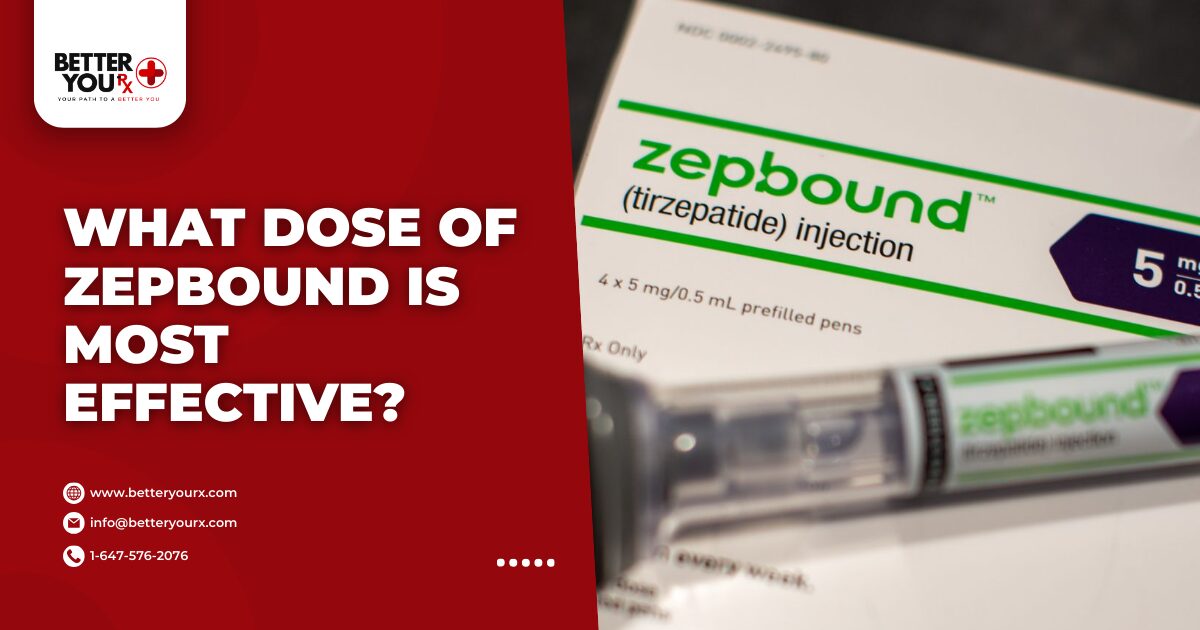
Zepbound is a prescription medication that has gained attention for its ability to help with weight management and blood sugar regulation. Many people who begin treatment are curious about how the dosage works and what amount provides the most benefits. Since medications like Zepbound are introduced gradually, the dosage needs to be carefully adjusted to balance effectiveness with safety. Finding the right dose is not always about starting at the highest amount, but instead about increasing in steps that allow the body to adapt.
The effectiveness of Zepbound depends on several factors, including how the body responds to the medication, the length of time it is used, and whether lifestyle changes such as diet and physical activity are included. Some people notice benefits at lower doses, while others need higher amounts to experience the full effects. Because of these differences, it is important to look at how Zepbound dosing is typically structured and why adjustments may be needed along the way.

What Dose Of Zepbound Is Most Effective
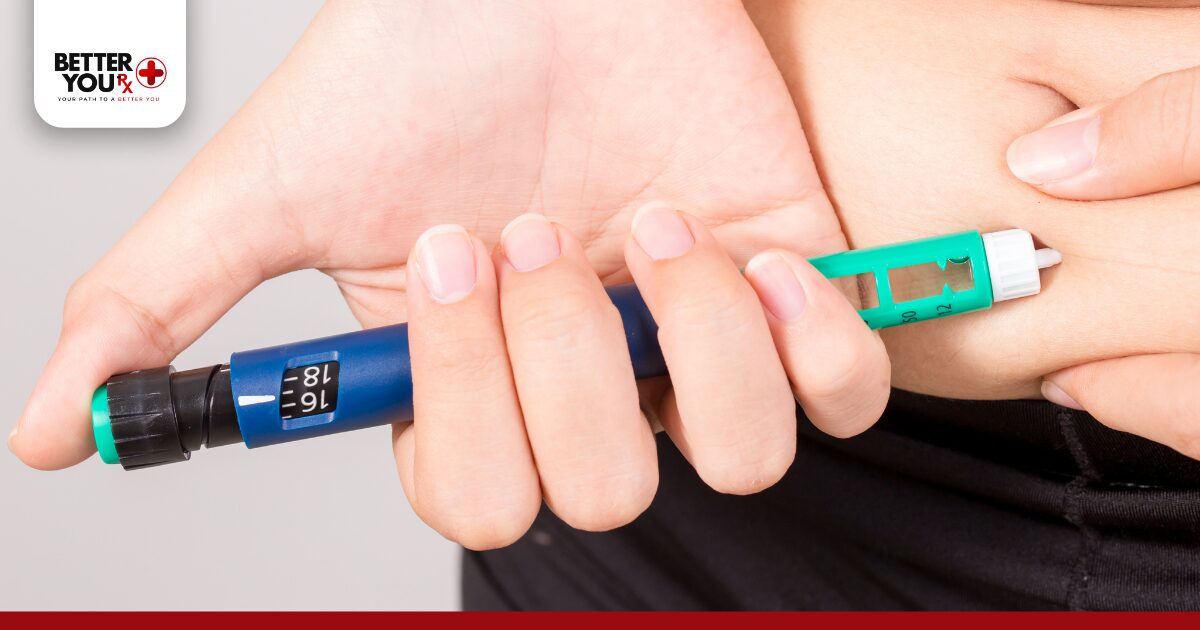
The most effective dose of Zepbound (tirzepatide) for weight loss and weight management typically follows a gradual increase protocol starting at 2.5 mg once per week for the first 4 weeks. This low starting dose helps the body adjust to the medication and minimizes digestive side effects. After the initial 4 weeks, the dose is usually increased to 5 mg once per week. Depending on the patient’s response and tolerability, the dose may be further increased in increments of 2.5 mg every 4 weeks to reach a maintenance dose.
The maintenance dose for weight management is commonly 5 mg, 10 mg, or 15 mg once weekly. Among these, the highest dose of 15 mg per week has been shown in clinical trials to produce the greatest weight loss results. However, higher doses may also increase the risk of side effects, so not everyone can tolerate the 15 mg dose. Many patients still achieve significant weight loss with the 5 mg or 10 mg doses, which may cause fewer side effects.
For other conditions like obstructive sleep apnea in adults with obesity, the dosing regimen is similar, with maintenance doses at 10 mg or 15 mg once per week. In every case, the dosing should be individualized and medically supervised to balance effectiveness with tolerability. The maximum approved dose is 15 mg injected subcutaneously once weekly.
Why Increase Zepbound Dose

When someone starts taking Zepbound, the dose is usually kept low in the beginning. This is done to help the body adjust to the medicine and to reduce the chances of side effects like nausea or stomach discomfort. Starting slowly gives your system time to get used to the drug.
Over time, the dose is increased step by step. The main reason for raising the dose is to make the medicine work better. A higher dose can improve blood sugar control and may also help with weight loss. Since every person responds differently, doctors raise the dose carefully to find the level that gives the best results while still keeping side effects manageable.
Increasing the dose also helps in maintaining progress. For some people, the body might adjust to the starting dose and the effects may not be as strong after a while. Raising it gradually makes sure the medicine continues to do its job effectively.
What Is The Highest Dose Of Zepbound
Zepbound is available in several strengths, and the highest dose is typically reserved for individuals who require the most support for weight control and blood sugar regulation. The highest approved dose is often reached only after several months of gradual increases. This stepwise method prevents overwhelming the body with too strong of an effect all at once. By slowly working up to the maximum dose, individuals can achieve better tolerance and fewer negative experiences.
At the highest dose, many people experience the most significant appetite suppression, weight loss, and improvements in metabolic health. However, not everyone needs to reach this level. Some individuals respond well to lower or moderate doses and maintain their progress without going higher. It is not always necessary to aim for the maximum amount if the desired health outcomes are already being met at a safer or more manageable dose.
Zepbound Dosage Guide
The Zepbound dosage guide for weight loss and weight management typically starts with a low dose of 2.5 mg injected once weekly for the first 4 weeks to allow the body to adjust and minimize side effects. After this initial period, the dose is usually increased to 5 mg once weekly. If tolerated well, the dosage may be increased in 2.5 mg increments every 4 weeks, with common maintenance doses being 5 mg, 10 mg, or 15 mg once weekly. The maximum recommended dosage is 15 mg once weekly.
For adults with obstructive sleep apnea and obesity, the dosing schedule is similar, but the typical maintenance dose after titration is either 10 mg or 15 mg once weekly.
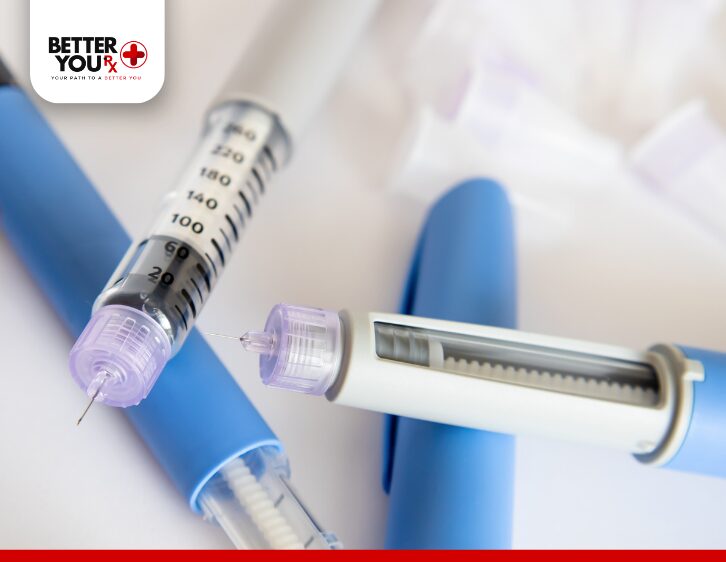
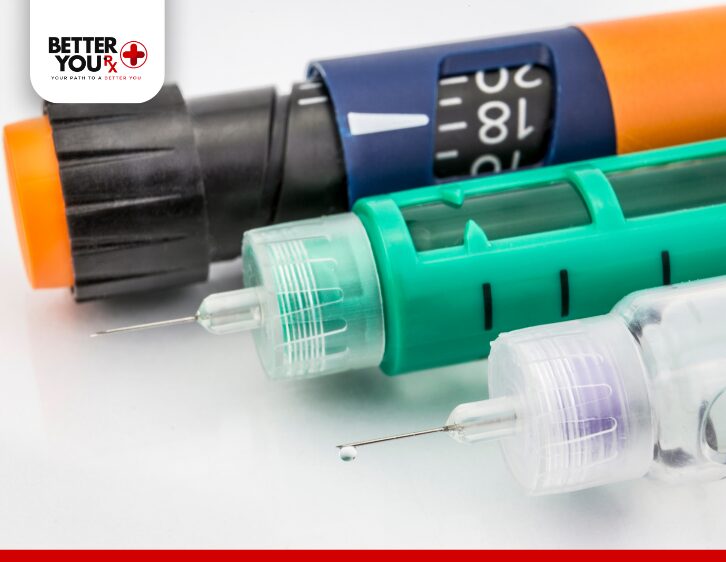
Zepbound is administered as a subcutaneous injection using prefilled single-dose pens or vials available in strengths of 2.5 mg, 5 mg, 7.5 mg, 10 mg, 12.5 mg, and 15 mg per 0.5 mL.
The gradual increase in dose helps manage potential side effects like nausea, diarrhea, vomiting, and gastrointestinal discomfort, which tend to decrease over time with continued use.
The Bottom Line
The most effective dose of Zepbound varies from person to person, depending on individual tolerance, response to treatment, and overall health goals. Starting at a low dose and gradually increasing allows the body to adjust while minimizing side effects. For some, moderate doses are enough to see meaningful benefits, while others may require higher doses for maximum effectiveness. The structured dosing process ensures that people can achieve results safely and sustainably.
Managing weight and blood sugar often requires more than just medication, and combining Zepbound with healthy lifestyle habits leads to stronger results. For those considering treatment options, it is possible to buy Zepbound online from Canada through Better You Rx. Access to reliable medication sources makes it easier to stay consistent with treatment and continue working toward long-term health improvements.


 What Is The Biggest Side Effect Of Ozempic?